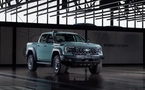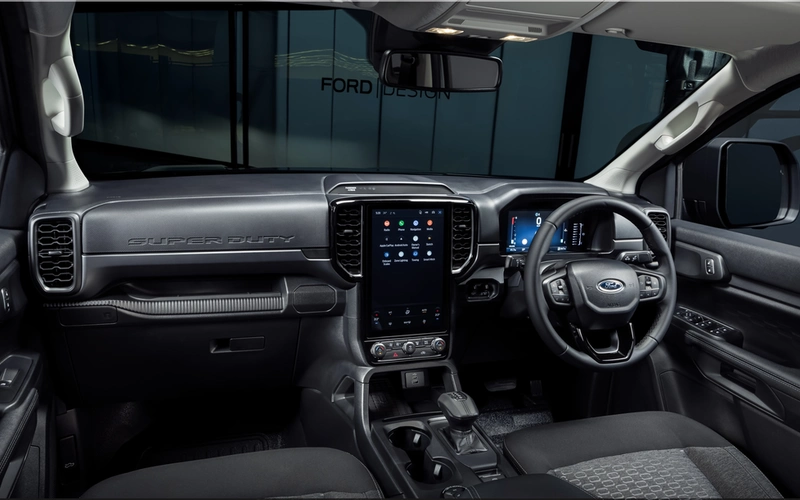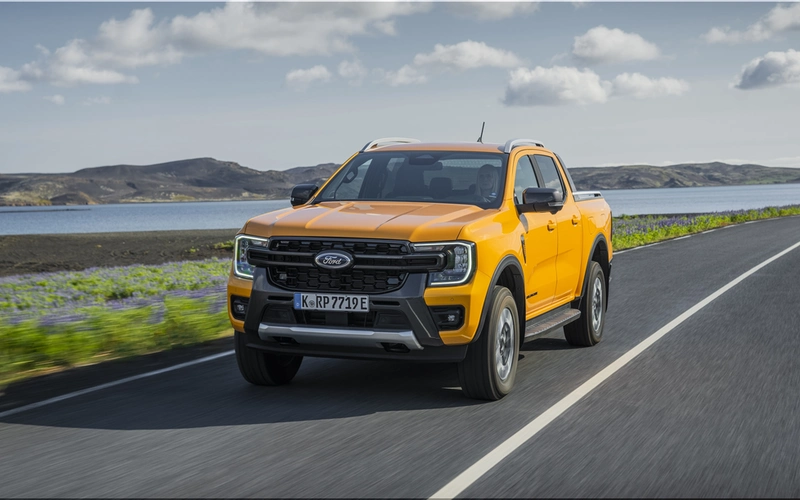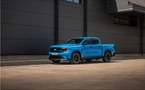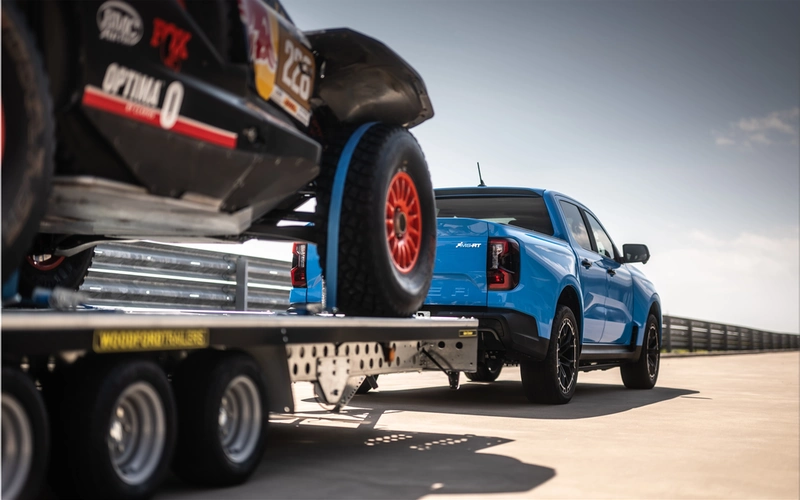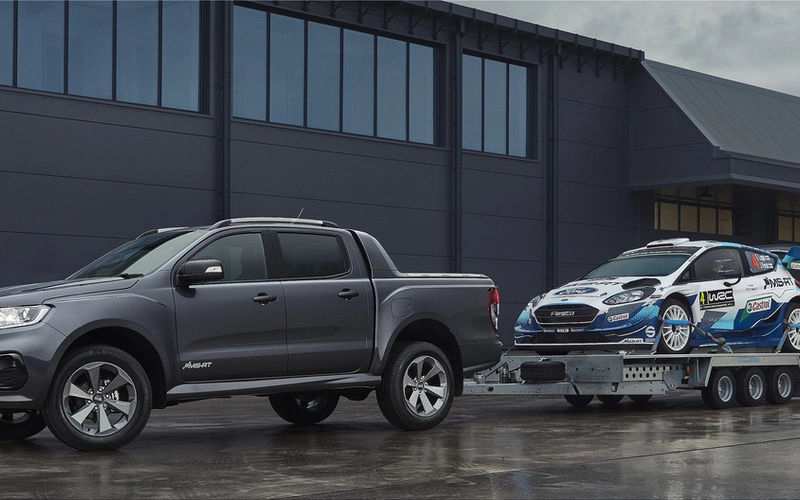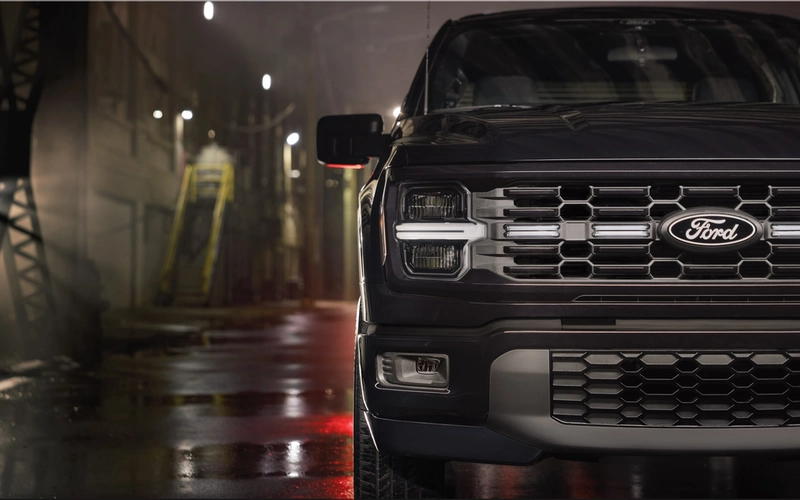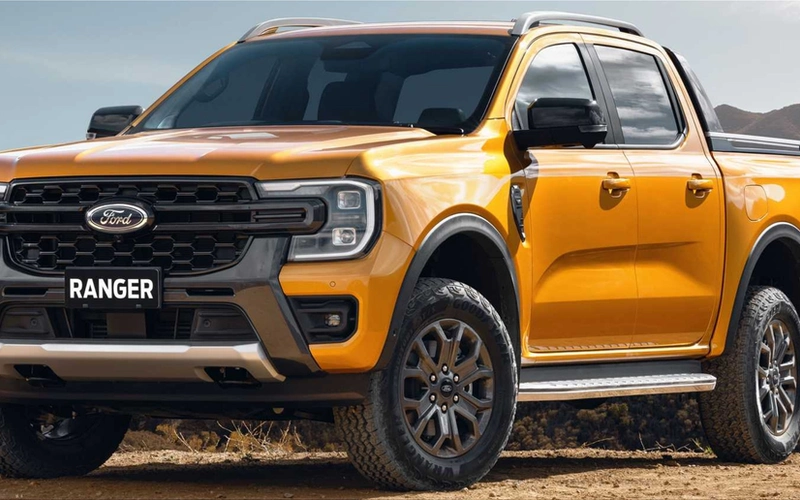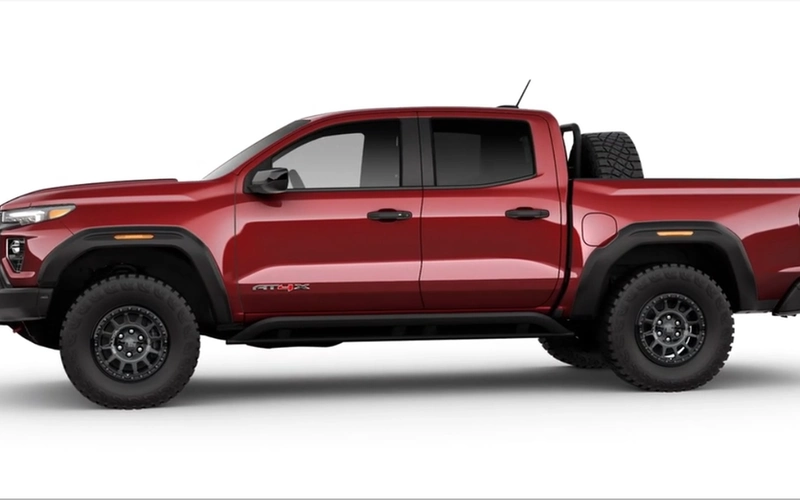
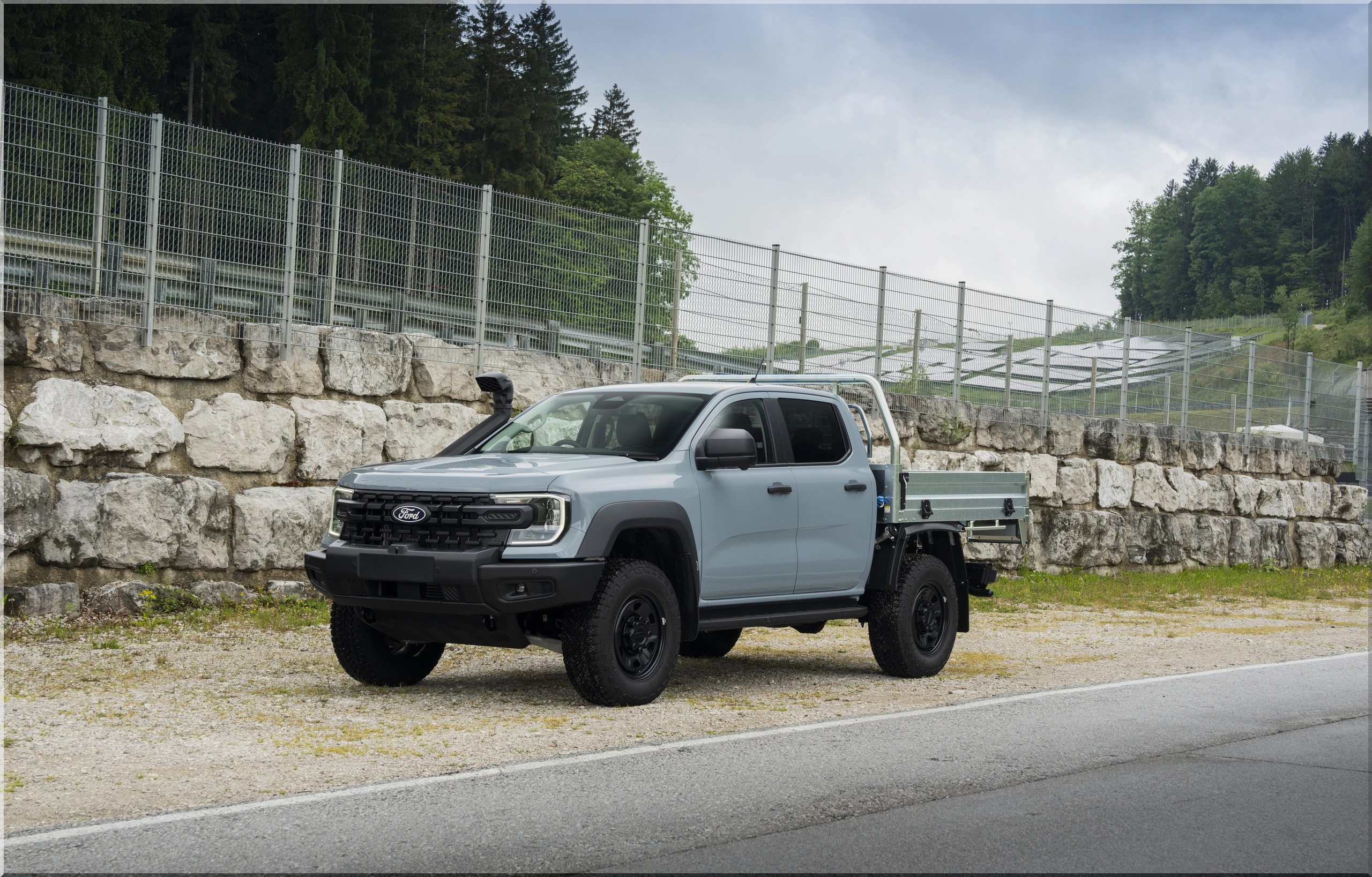
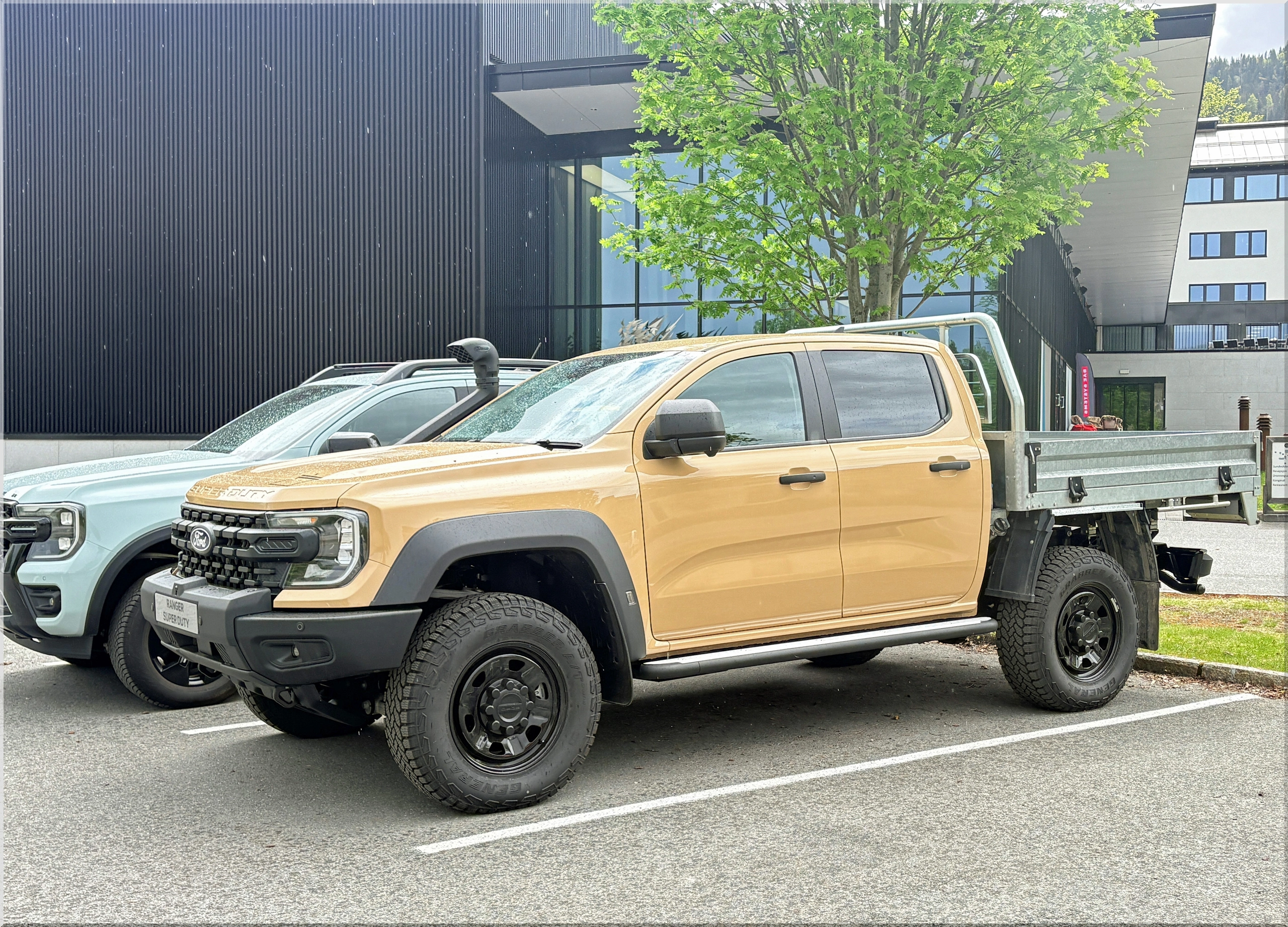
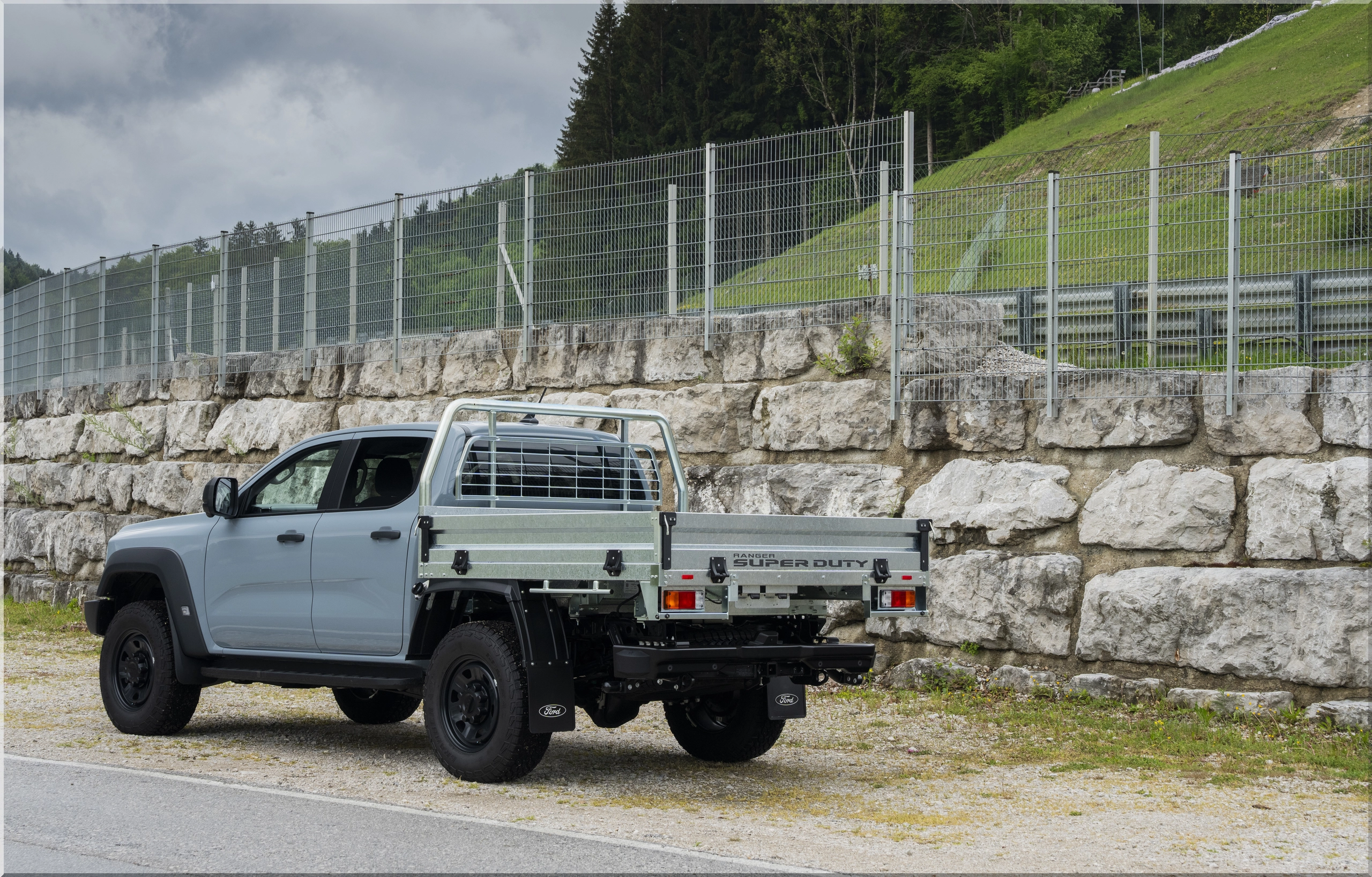
Ford has a new message for European fleet operators: the Ranger Super Duty can do work that once required larger, heavier commercial trucks. The new Ford Ranger Super Duty launch gives the region a factory-engineered pickup built for towing, payload, off-road access, and specialist conversions.
This truck does not chase lifestyle pickup buyers. It targets utility crews, rescue teams, mining operators, forestry contractors, infrastructure fleets, and defense-sector customers that need a vehicle small enough for tight roads but strong enough for punishing jobs.
Image
Why Ford Built a Heavier Ranger for Europe
The regular Ford Ranger already holds a strong position in Europe, but many commercial users need more than comfort, infotainment, and weekend off-road ability. They need a truck that can pull heavy trailers, carry serious payload, run through water, and accept conversion equipment without losing factory support.
That explains the Ranger Super Duty. Ford took the familiar Ranger footprint and added heavier driveline parts, stronger axles, reinforced chassis points, upgraded cooling, and work-grade electronics. The result gives Ford Pro a direct answer for buyers who want a mid-size pickup with commercial-truck muscle.
Ford Ranger Super Duty Key Specifications
The numbers define the truck. Ford lists a maximum payload of 4,369 pounds, a braked towing capacity of 9,921 pounds, and a gross combined mass of 17,637 pounds. Those figures push the Ranger Super Duty well above ordinary pickup duty in Europe.
| Specification | Ford Ranger Super Duty |
|---|---|
| Maximum payload | 4,369 lb |
| Maximum braked towing | 9,921 lb |
| Gross combined mass | 17,637 lb |
| Engine | 3.0-liter V6 turbodiesel |
| Power | 209 hp |
| Torque | 443 lb-ft |
| Fuel tank capacity | 34.3 gallons |
| Ground clearance | 11.8 in |
| Wading depth | 33.5 in |
Looking at the data, Ford did not tune this truck for quick acceleration. It built the 3.0-liter V6 diesel around torque delivery, heat control, and long-haul load work. That strategy makes sense because towing at high mass creates stress through the engine, cooling system, transmission, axles, brakes, and tires.
Heavy-Duty Engineering Makes the Difference
The Ranger Super Duty uses a stronger frame structure, upgraded suspension mounts, heavy-duty axles, and eight-stud wheel hubs. Those changes help the truck handle higher payload and trailer loads with better durability than a standard pickup setup.
Specifically, Ford increased cooling capacity by 25 percent. That detail carries real value for fleet managers because heat kills drivetrains faster than almost any other load factor. A truck pulling close to 10,000 pounds uphill, through mud, or in slow work-site traffic needs thermal margin, not marketing language.
Ford also adds manual diesel particulate filter regeneration control. That feature lets operators manage exhaust heat events in safer locations, which helps crews working near dry grass, construction material, or restricted industrial zones.
Off-Road Capability Built for Work, Not Theater
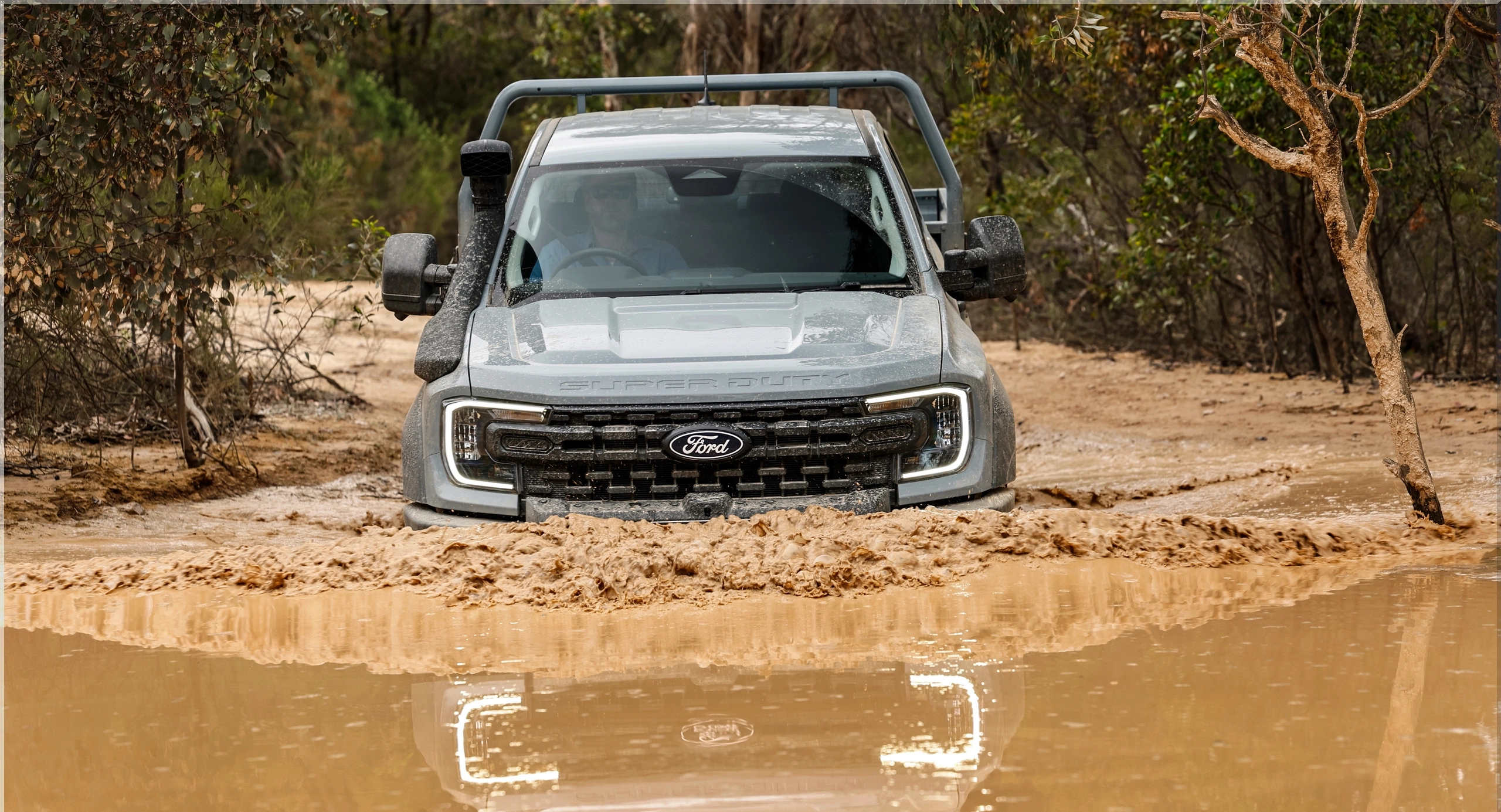
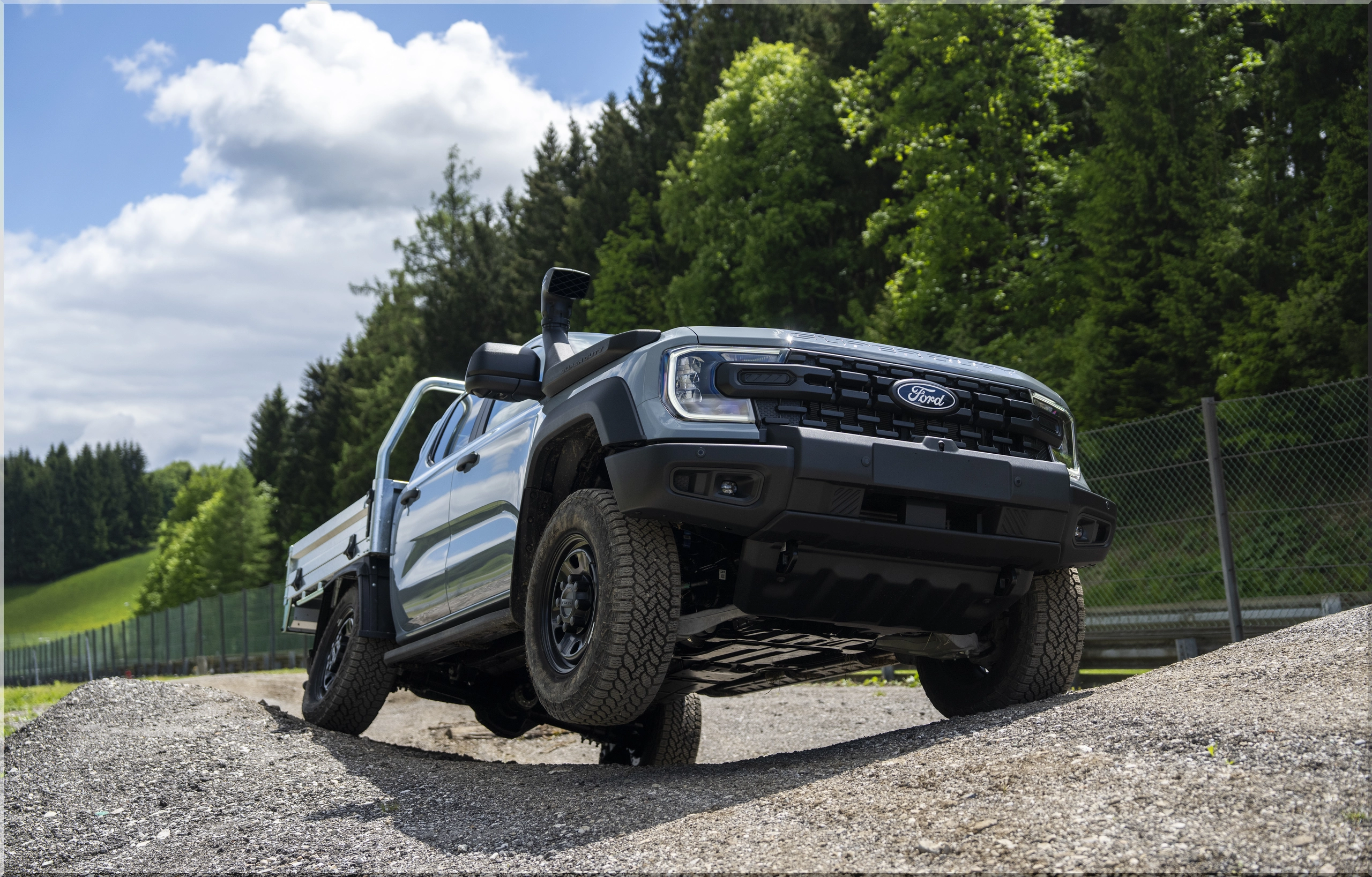
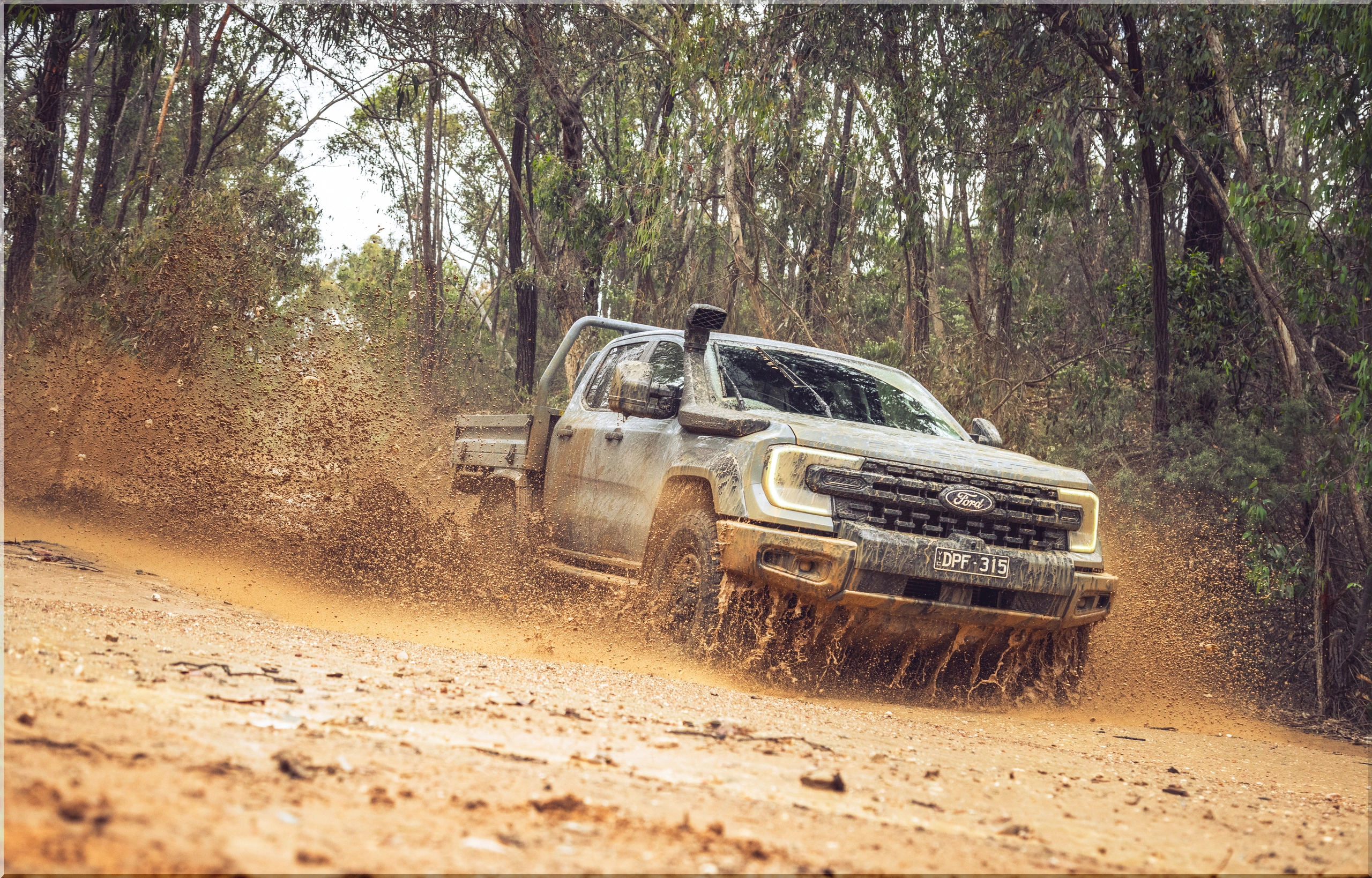
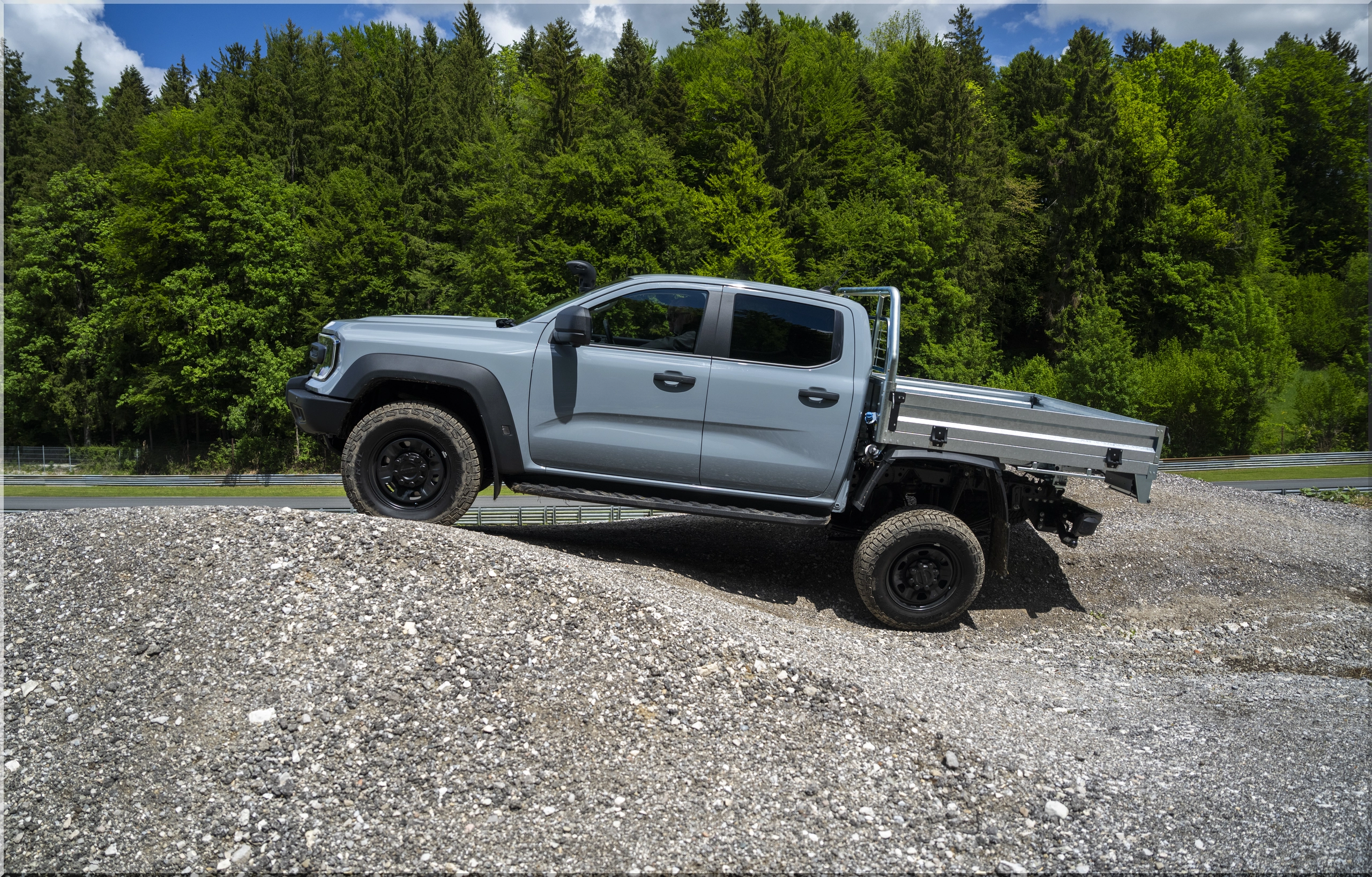
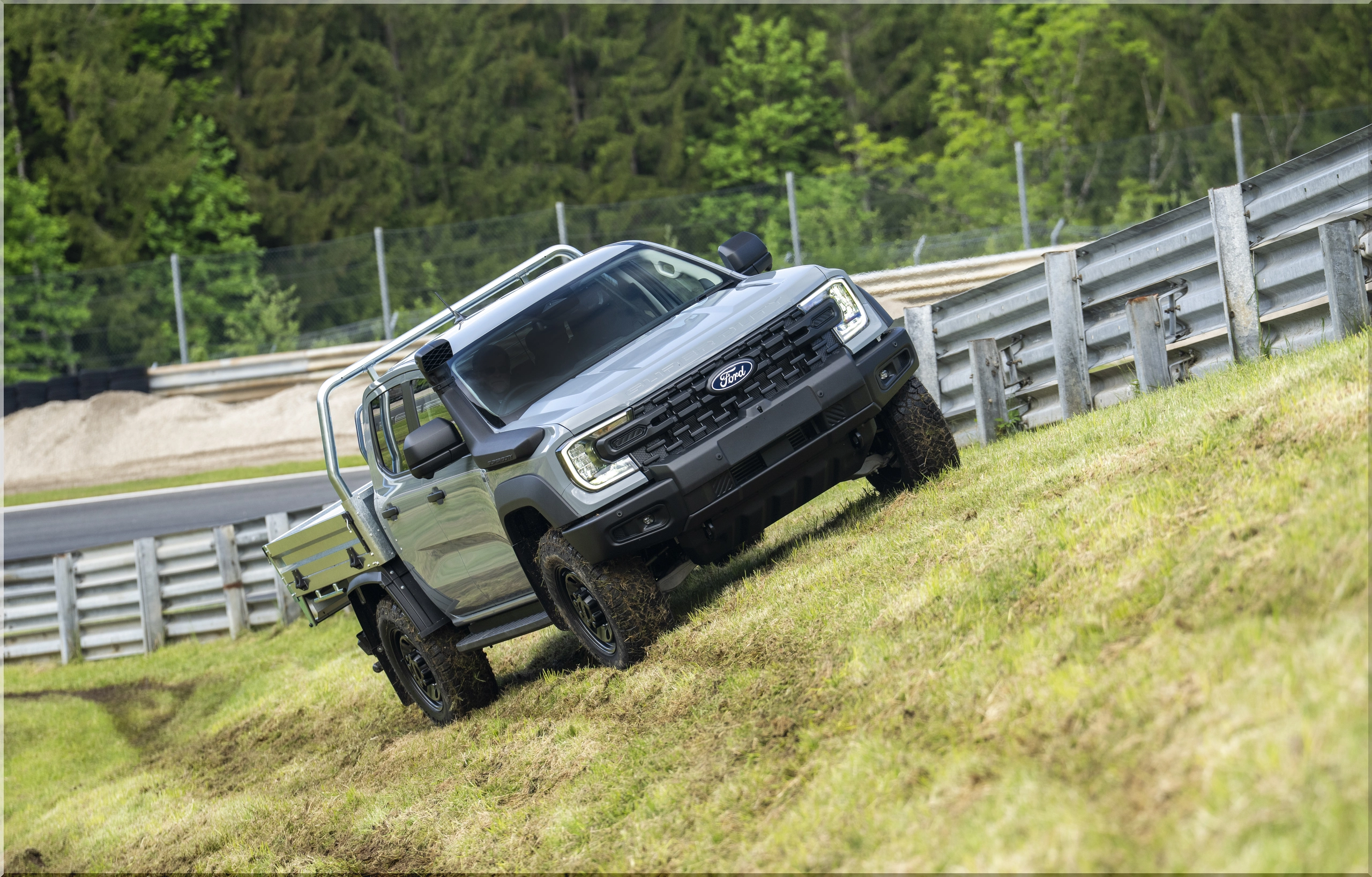
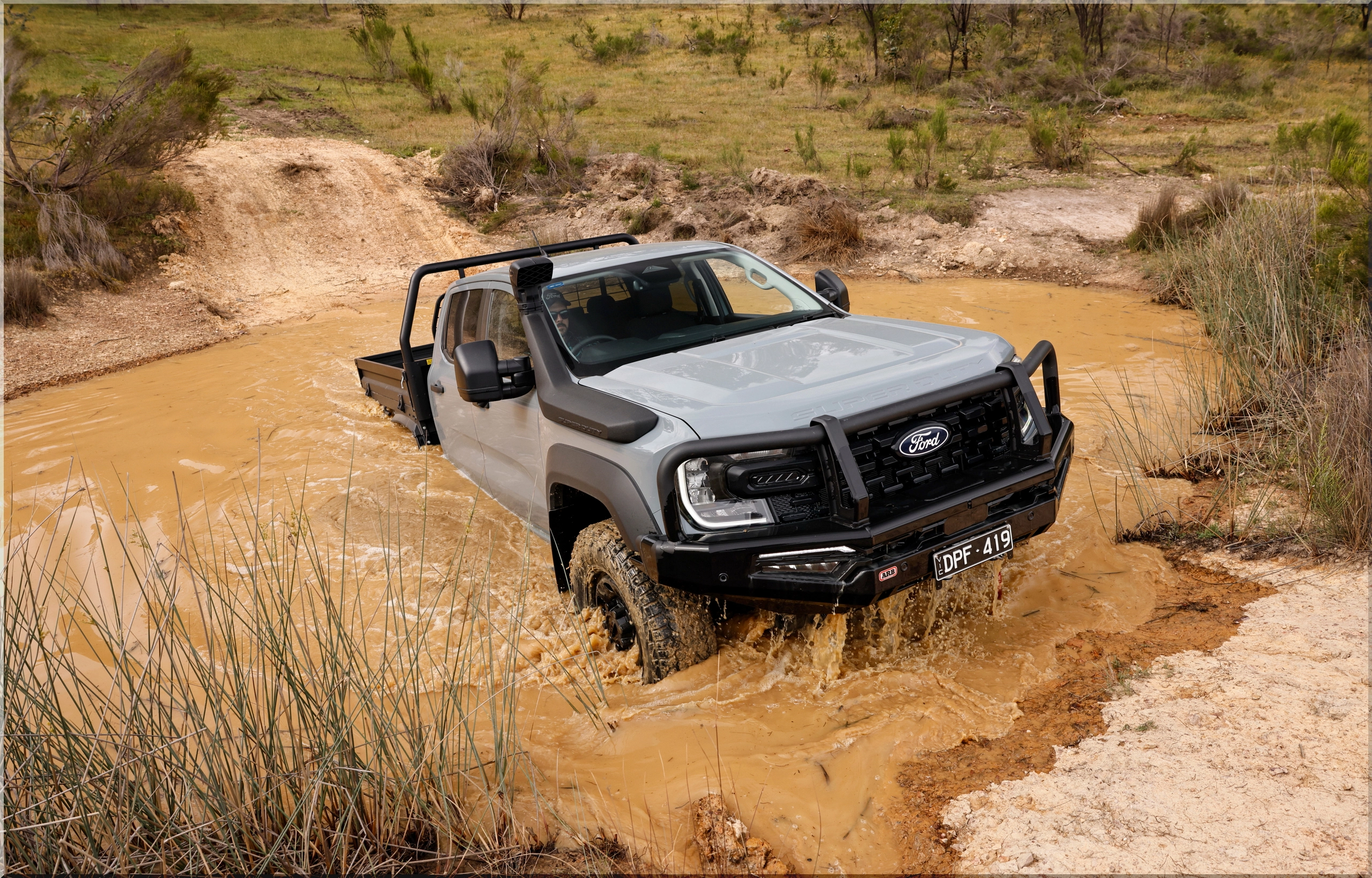
The European Ford Ranger Super Duty brings serious terrain hardware. It includes front and rear locking differentials, a low-range transfer case, underbody protection, a sealed snorkel, high-mounted breathers, and drive modes for mud, sand, rock, towing, economy, and normal driving.
| Off-Road Measurement | Figure |
|---|---|
| Approach angle | 36 degrees |
| Departure angle | 29 degrees |
| Ramp-over angle | 26 degrees |
| Ground clearance | 11.8 in |
| Wading depth | 33.5 in |
By comparison, many pickups wear off-road styling but still rely on lighter-duty parts. The Ranger Super Duty takes a more practical route. It adds the hardware that helps a loaded truck climb, cross water, and crawl through job-site terrain while carrying equipment.
Image

Smart Fleet Technology Adds Daily Value
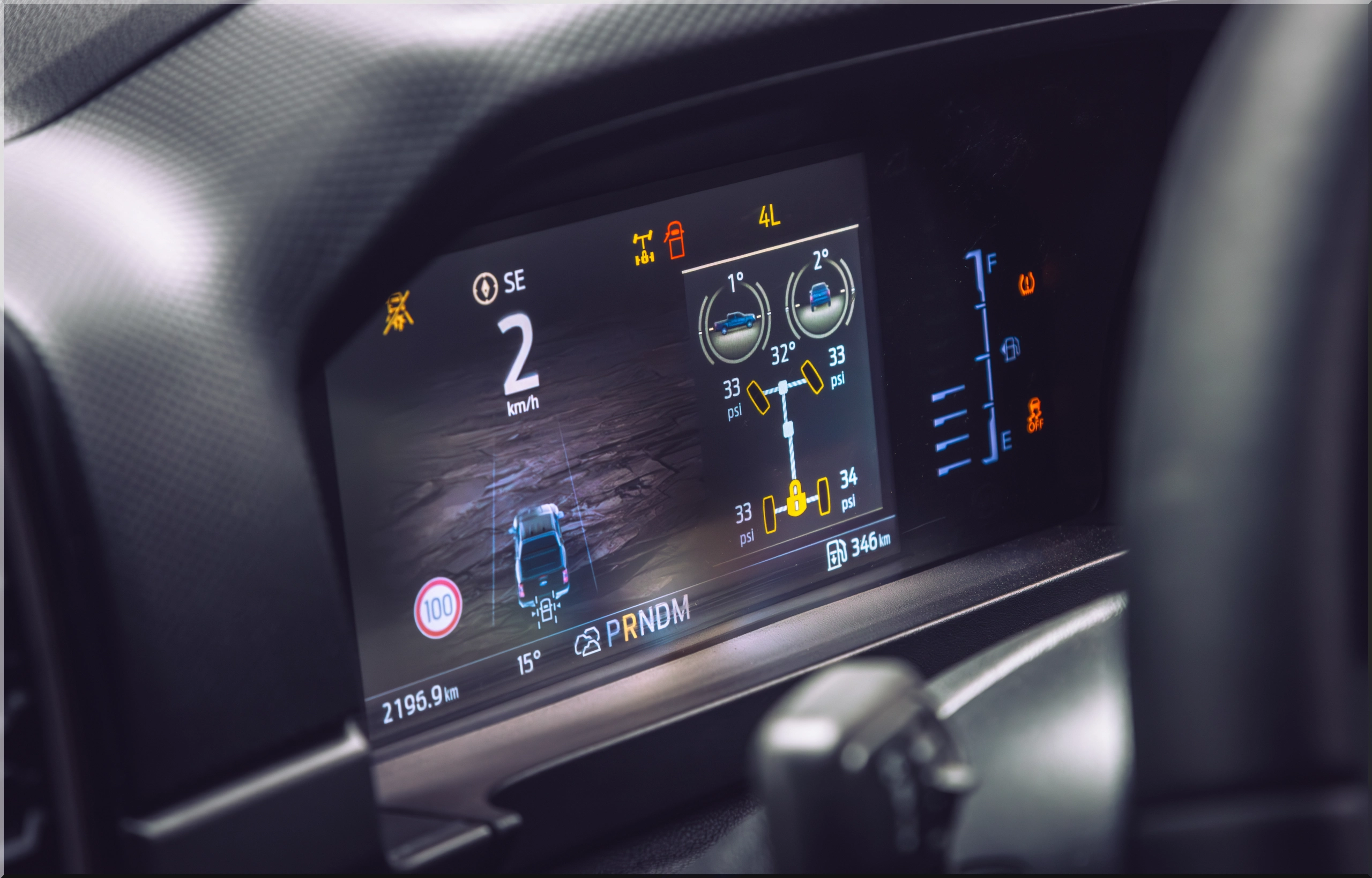
Ford did not stop at mechanical upgrades. The truck adds Onboard Scales and Smart Hitch technology, so drivers can monitor payload and trailer tongue weight through the central touchscreen. That system helps crews avoid overloaded axles and poor trailer balance before leaving the yard.
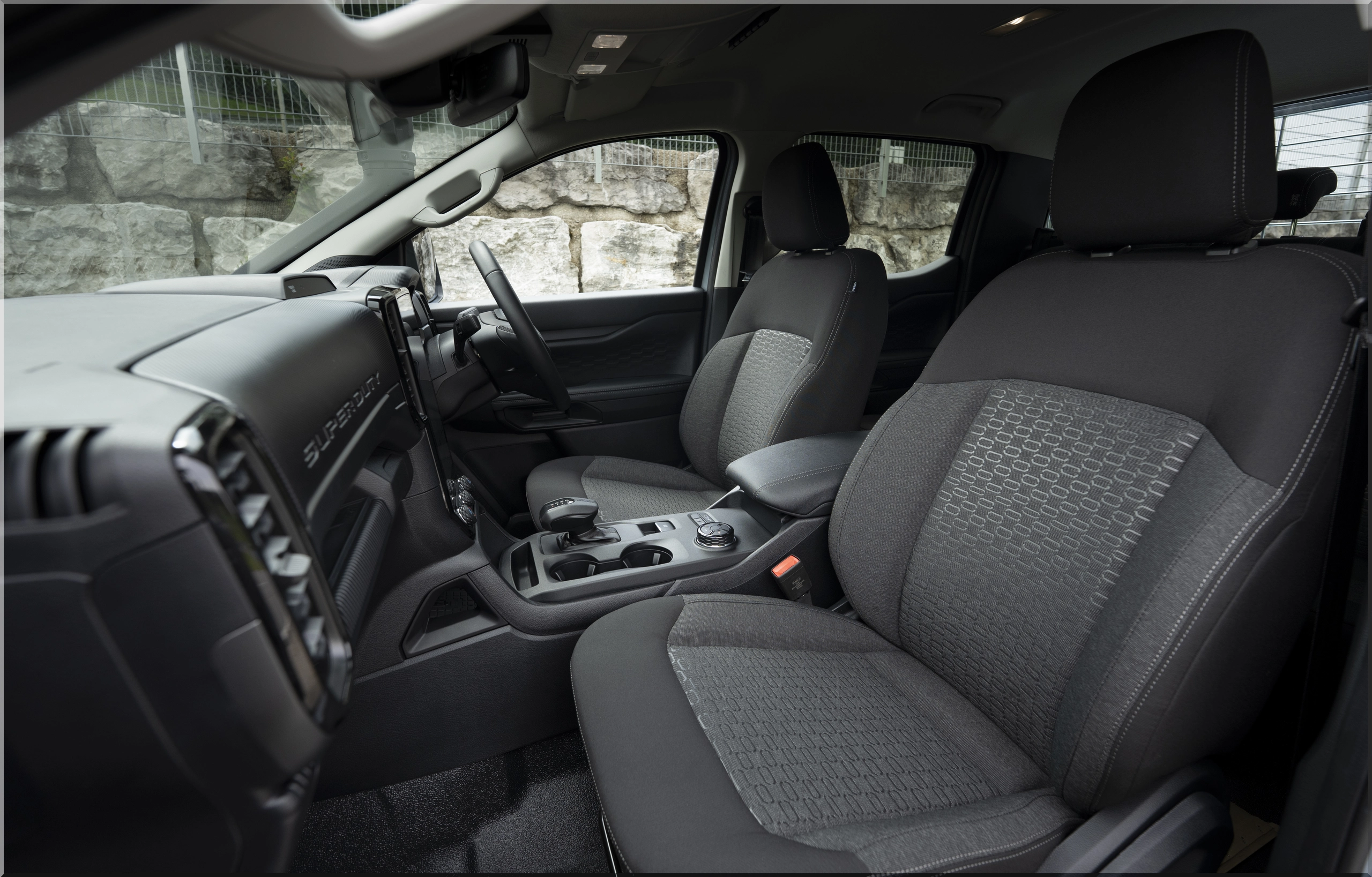
In addition, six pre-wired auxiliary switches support lighting, winches, communications gear, pumps, compressors, and other specialist equipment. Ford also provides an interior mounting area for a small screen or laptop, which helps emergency services, inspection teams, and field engineers install digital tools with less cabin modification.
Ford Ranger Super Duty vs Standard Ranger
| Area | Standard Ranger | Ranger Super Duty |
|---|---|---|
| Primary buyer | Retail and light commercial users | Heavy fleet, rescue, industrial, defense users |
| Towing role | Mid-size pickup towing | Near heavy-duty commercial towing |
| Payload focus | General use | High-mass work equipment |
| Terrain hardware | Trim-dependent | Work-grade off-road package |
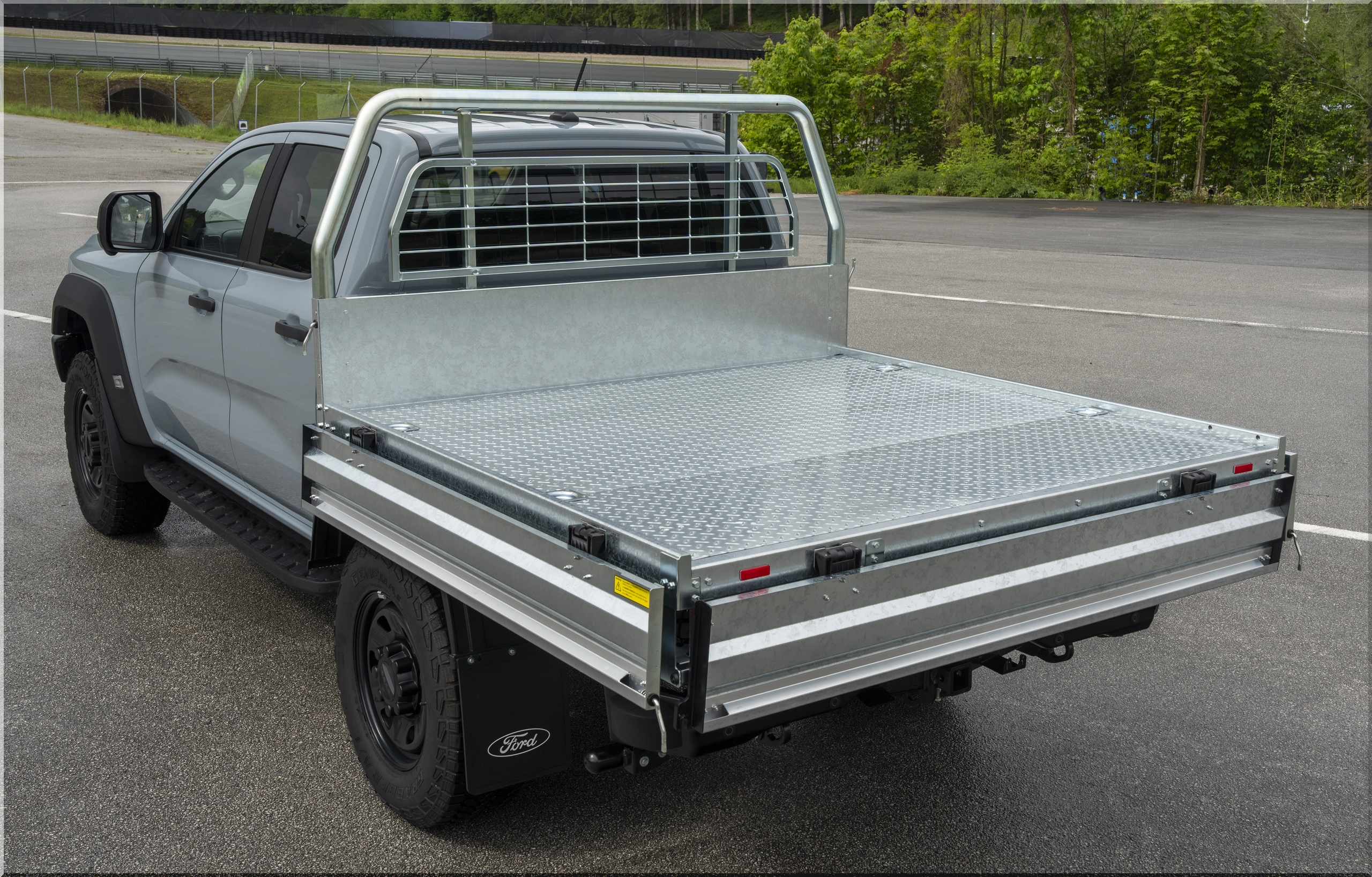
| Conversion support | Limited by trim and payload | Designed for specialist upfits |
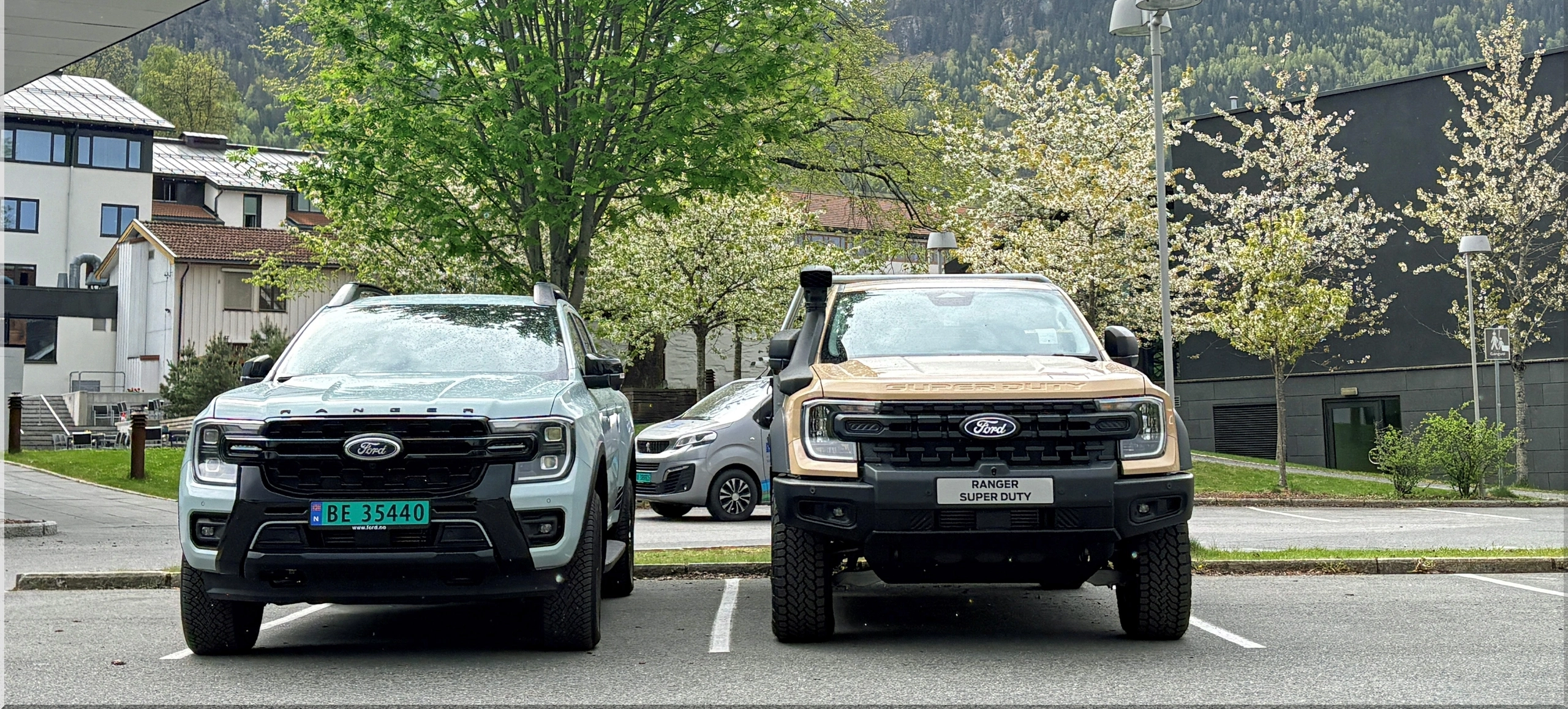
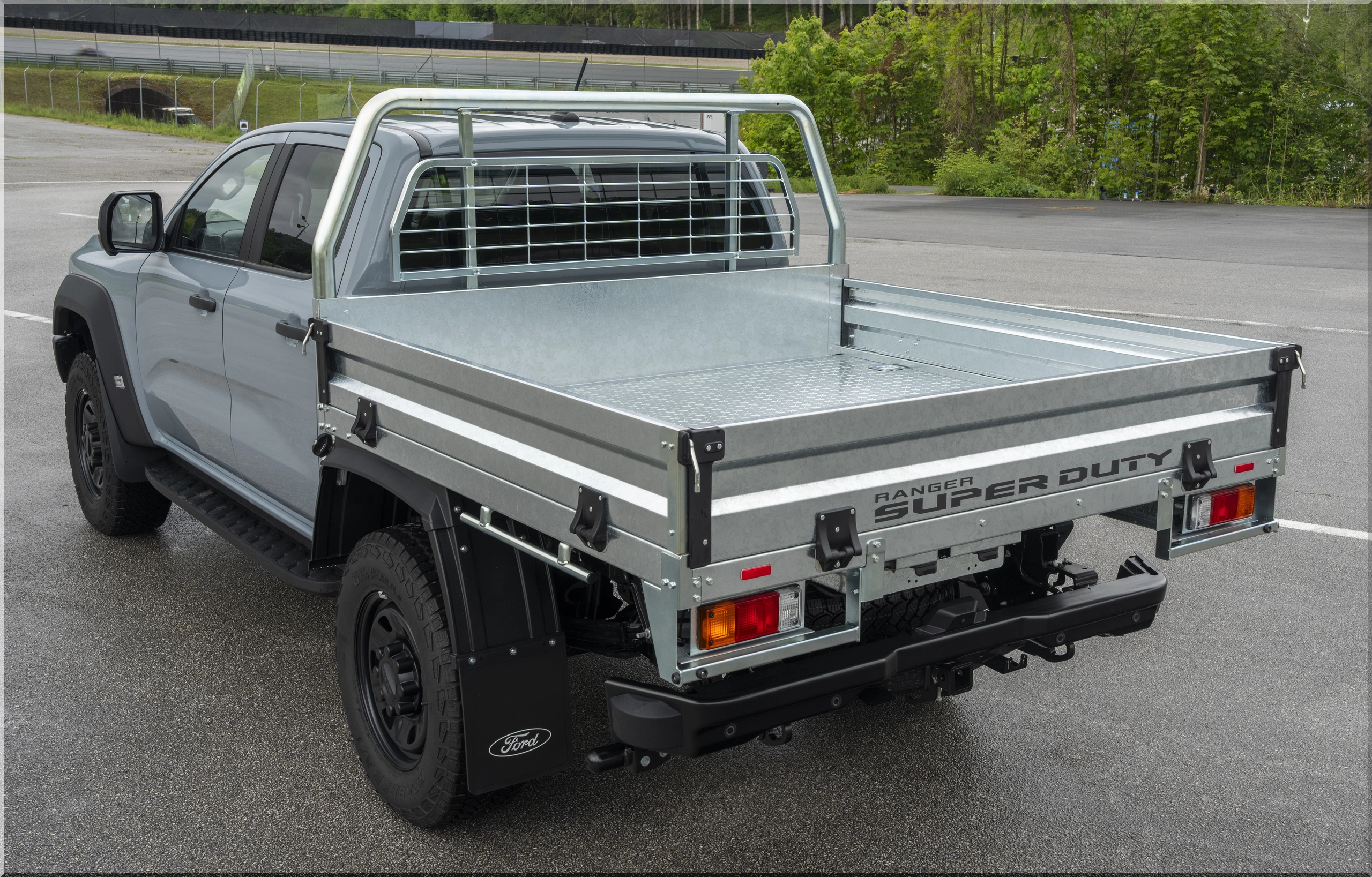
Consequently, the Ranger Super Duty creates a clearer split inside Ford's truck range. A regular Ranger can serve families, tradespeople, and outdoor buyers. The Super Duty targets operators who measure a truck by payload rating, recovery access, axle strength, and time out of service.
Why This Truck Matters for Defense and Emergency Fleets
The defense angle looks logical. A pickup with high payload, strong towing capacity, diesel range, water-crossing ability, and conversion-ready wiring can support patrol, logistics, medical response, communications, and field repair roles. It can also enter areas where a full-size truck or van may feel too large.
For emergency services, the same logic applies. Fire crews, mountain rescue teams, utility repair groups, and storm-response units often need a vehicle that can tow equipment, carry gear, and cross damaged roads. The Ford Ranger Super Duty fits that mission better than a comfort-focused pickup.
Image
The Bottom Line
The Ford Ranger Super Duty Europe launch gives Ford a tougher commercial weapon at the right time. European fleets face tighter budgets, harsher duty cycles, and growing demand for vehicles that can serve multiple roles without custom-built cost penalties.
This truck answers with hard numbers: 9,921 pounds of towing, 4,369 pounds of payload, 33.5 inches of wading depth, and a diesel driveline built for load work. For Ford Pro, that combination turns the Ranger from a successful pickup into a serious specialist platform.
Image Gallery

- Add new comment
- 314 views