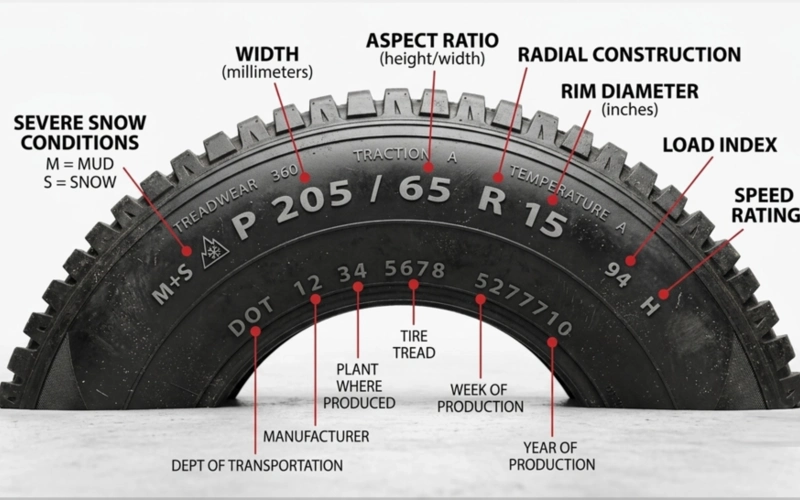
The numbers on a tire sidewall look like an engineering password, but they tell a simple story. They show the tire's width, sidewall height, wheel diameter, construction type, load capacity, speed capability, age, and sometimes winter certification...
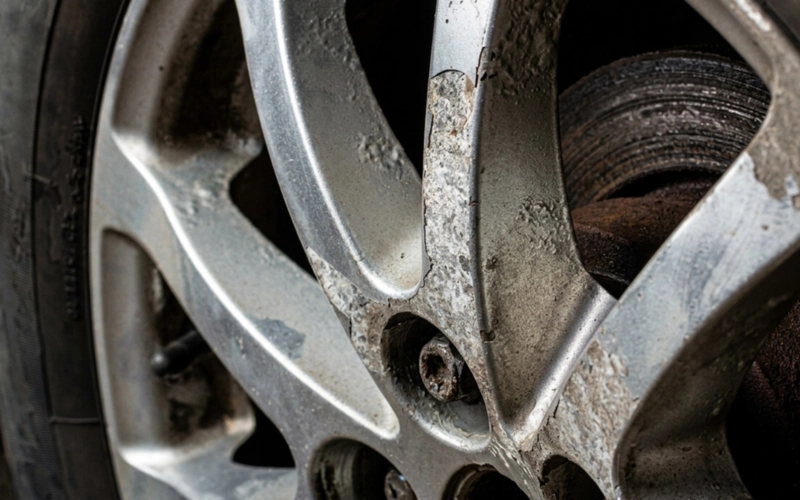
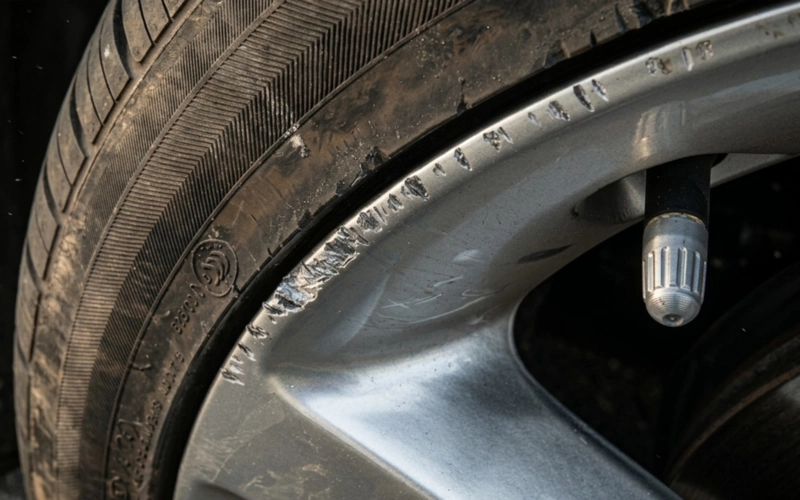
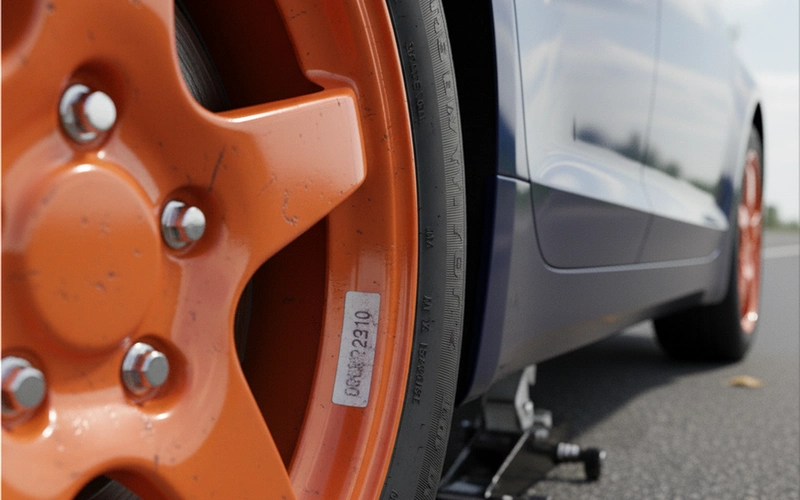
Curb rash is the parking-lot tattoo nobody asked for. One tight drive-thru, one raised curb, one distracted parallel park, and your clean alloy wheel now wears a silver scar around the rim. The good news: light curb rash often...
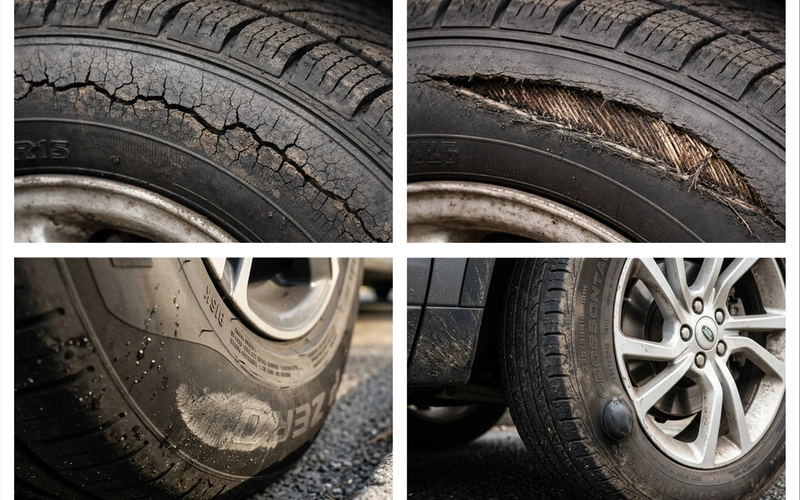
The sidewall is your tire's most vulnerable zone. It flexes constantly, it is thinner than the tread, and it contains structural cords that keep the tire intact at speed. That is why many types of sidewall damage are not repairable and should...
Cold snaps are the fastest way to turn perfectly fine tires into underinflated tires. You did not suddenly get four punctures overnight. In most cases, the air inside your tires simply contracts as temperatures drop, lowering your PSI reading...
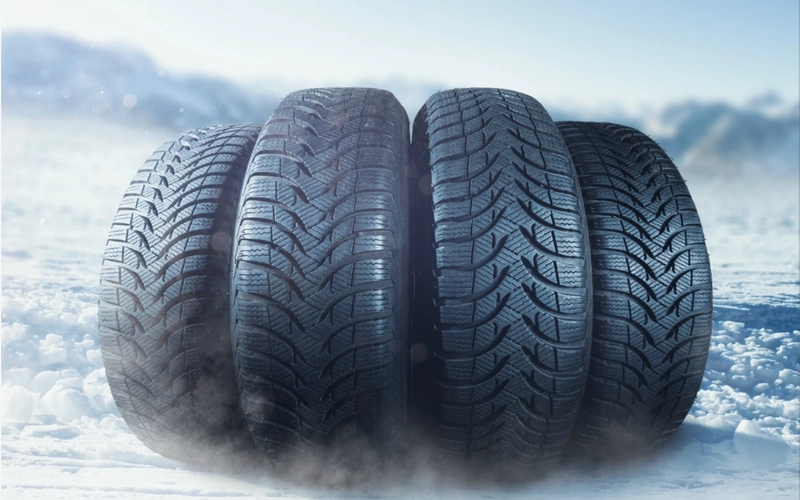
Choosing the right tires for your climate is about more than comfort — it’s about safety, traction, and performance. With so many tire categories available, many drivers wonder whether they really need winter tires, or if...
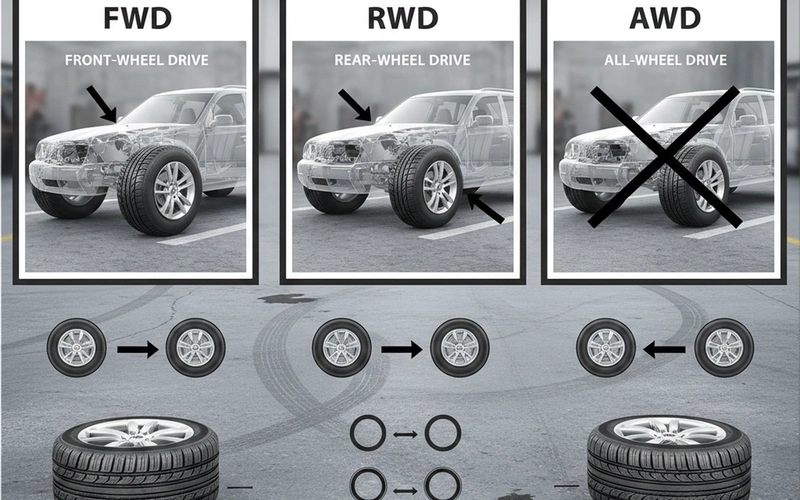
Tire rotation keeps your tires wearing evenly, improving traction, braking, and tire lifespan. The correct rotation pattern depends on your vehicle’s drivetrain and whether your tires are directional or staggered. Here’s how to rotate...
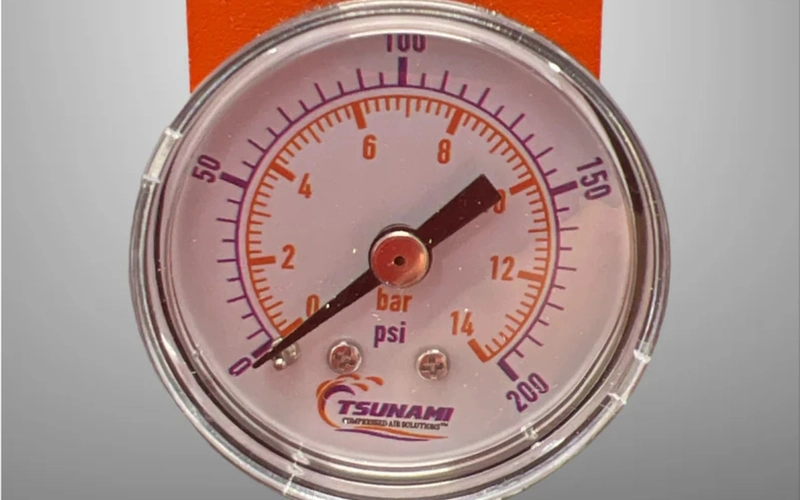
Checking tire pressure is a simple yet critical maintenance step that ensures safety, performance, and fuel efficiency. Seasonal temperature swings can dramatically change tire pressure. Here’s how to check and adjust tire...
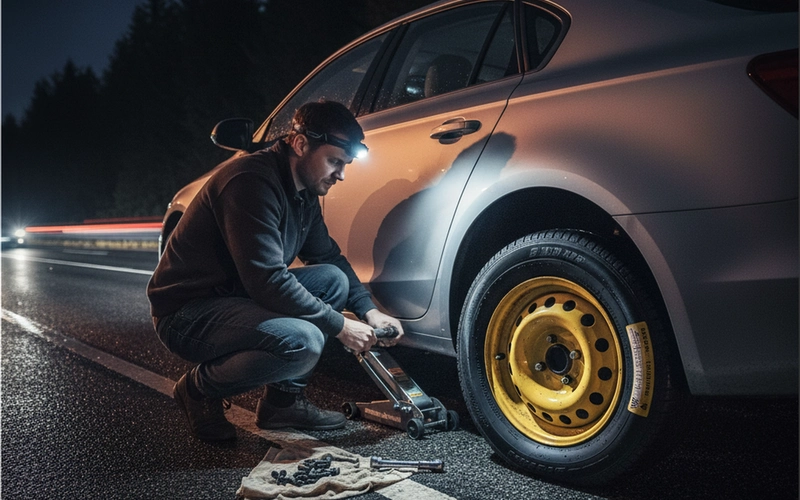
That small “donut” spare in your trunk is meant to get you home, not to finish your road trip. Most temporary spares have strict limits for speed and distance — ignore them, and you risk blowouts, brake imbalance, or damage to your differential. Here’s a guide...
Better tires mean safer stops, quieter rides, and fewer roadside surprises. This guide gives you practical, proven steps you can use today. Everything here follows standards from tire manufacturers and safety agencies, organized for quick...