
Checking tire pressure is a simple yet critical maintenance step that ensures safety, performance, and fuel efficiency. Seasonal temperature swings can dramatically change tire pressure. Here’s how to check and adjust tire pressure properly in both winter and summer.
Why temperature changes tire pressure
The air inside your tires expands when heated and contracts when cooled. Your vehicle’s recommended tire pressure is specified as cold inflation pressure—measured before driving, at ambient temperature.
- For every 10 °F (≈5–6 °C) drop in temperature, tire pressure can drop by about 1–2 PSI.
- For every 10 °F (≈5–6 °C) rise in temperature, tire pressure can increase by 1–2 PSI.
Example: a tire inflated to 35 PSI at 70 °F may read 33 PSI when the temperature falls to 30 °F.
Why it matters in winter vs summer
Winter: Cold air lowers PSI, increasing underinflation risk. Underinflated tires cause sluggish handling, longer braking distances, and higher fuel consumption.
Summer: Heat raises PSI, potentially causing overinflation. Overinflated tires have less grip, harsher ride quality, and increased blowout risk on hot pavement.
Image
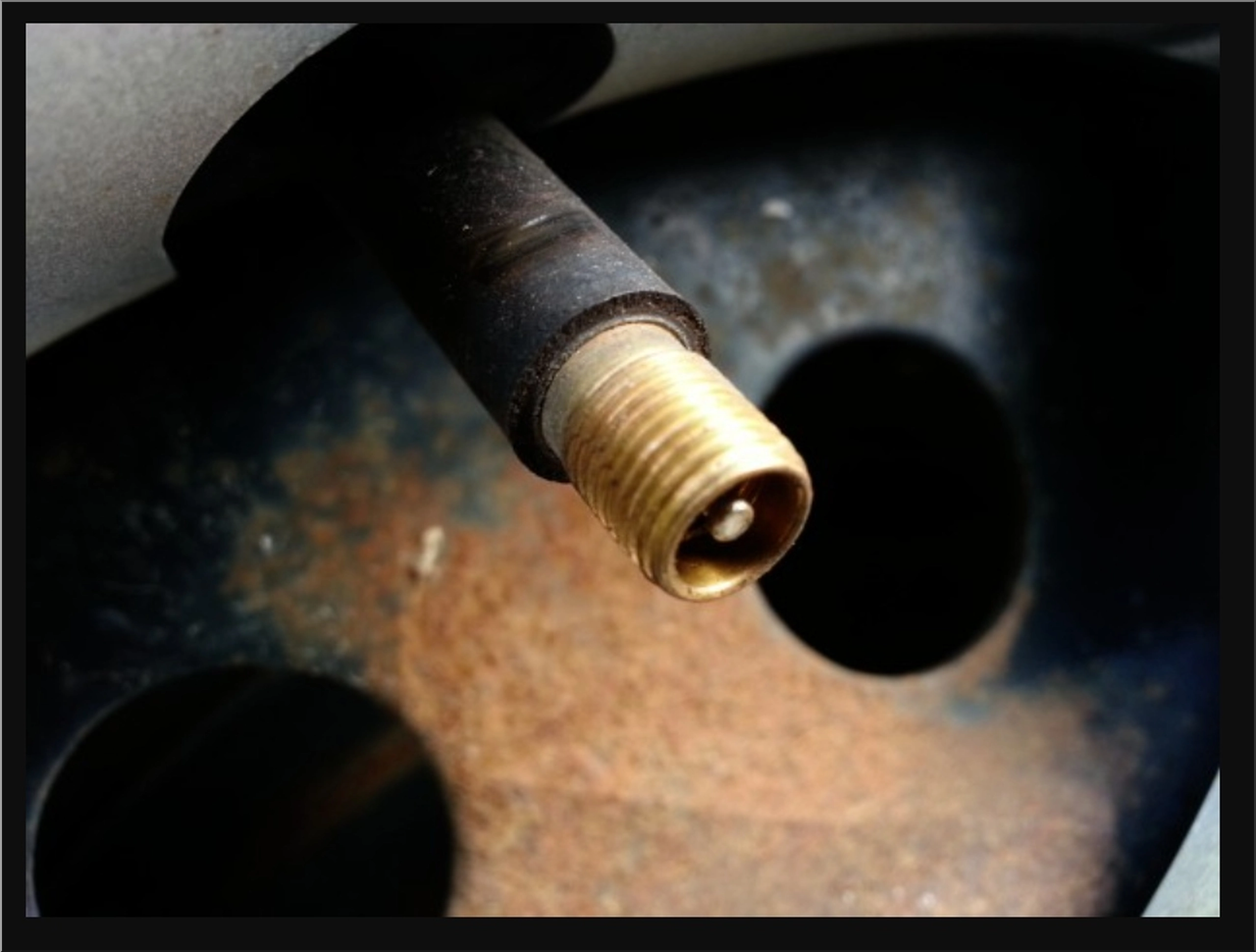
How to check tire pressure correctly
- Check when tires are cold. Let the vehicle sit for at least three hours or drive less than 3 km.
- Find the correct PSI. Use the driver’s door placard or owner’s manual. Never use the sidewall maximum.
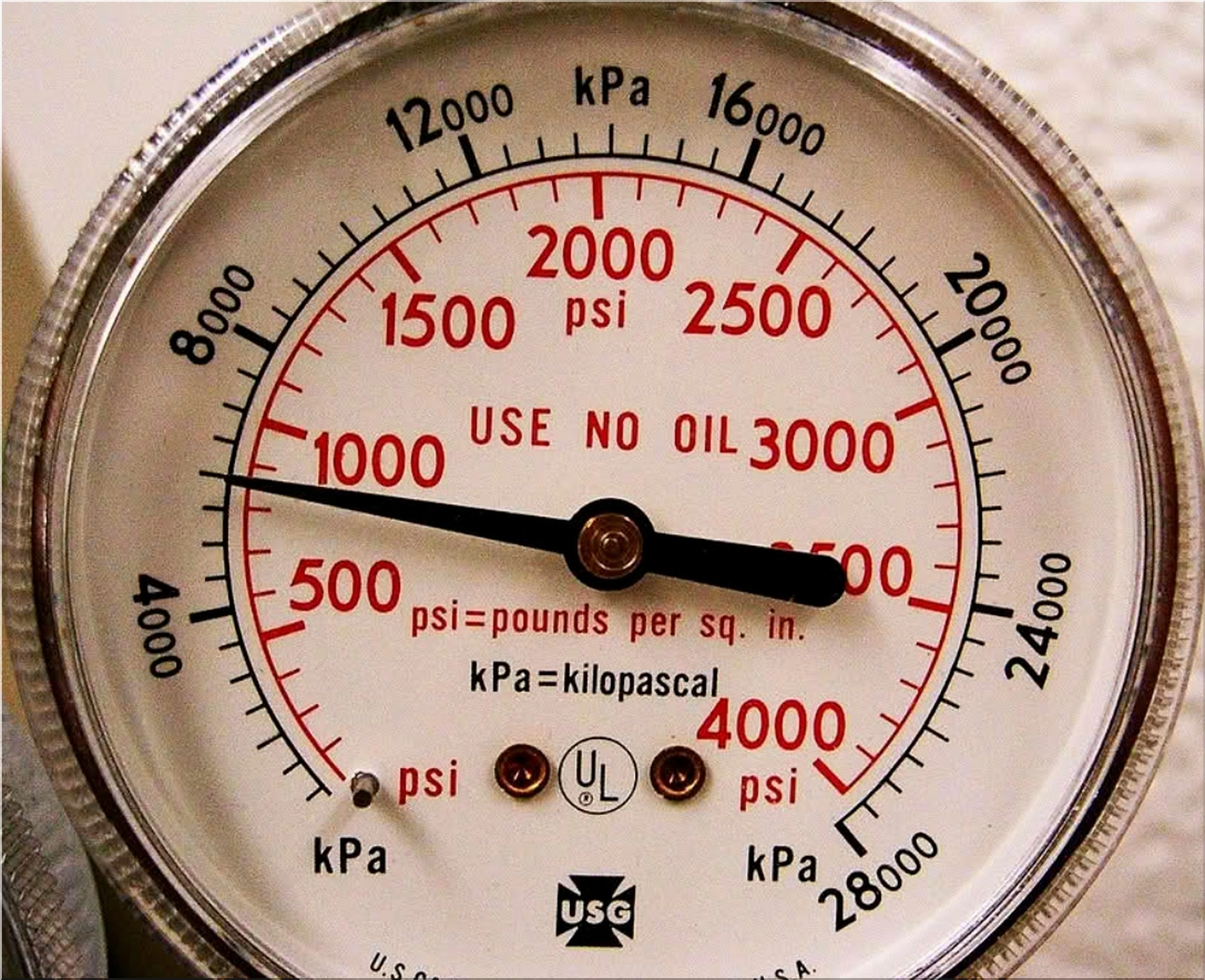
- Use a reliable gauge. Digital or dial-type gauges are more accurate than pen-style versions.
- Measure and adjust. Inflate or deflate until your readings match the manufacturer’s specification.
- Recheck monthly. Pressure naturally changes over time, especially with seasonal swings.
Quick seasonal checklist
- Winter: Check every two weeks; add air as temperatures drop.
- Summer: Check monthly before long trips; avoid setting PSI right after driving.
How much to adjust PSI by temperature
- A 10 °F (5.5 °C) drop = ~1–2 PSI loss.
- A 50 °F (28 °C) drop from summer to winter = ~5 PSI loss.
- Never exceed the maximum pressure listed on the tire sidewall.
Image
Common mistakes to avoid
- Adding air when tires are hot after driving.
- Using the sidewall PSI instead of the vehicle placard PSI.
- Ignoring pressure drops on cold mornings.
- Relying only on TPMS without manual checks.
Summary: year-round tire pressure care
Your recommended tire pressure remains constant year-round, but temperature affects how it reads. In cold months, expect drops and check often. In hot months, avoid inflating warm tires. Always measure when cold and keep tires at the manufacturer’s specified PSI for optimal safety, traction, and efficiency.
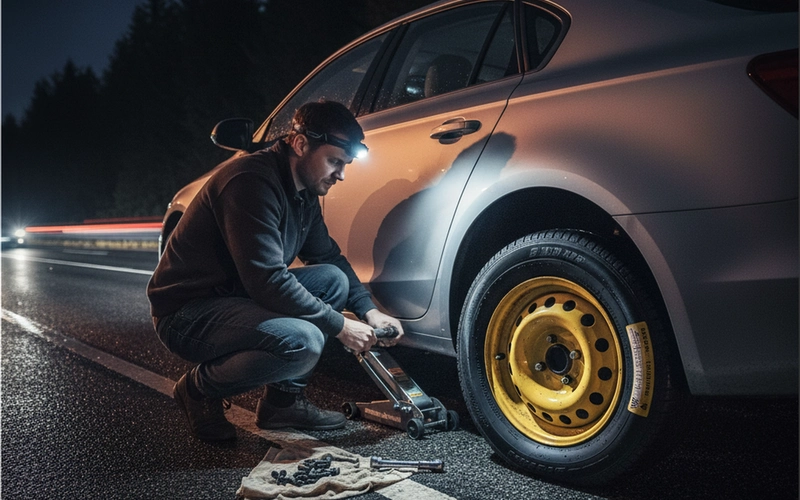
Tire care tip: Always include your spare tire in monthly checks — most compact spares require around 60 PSI.
Image Gallery


- 510 views