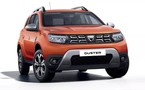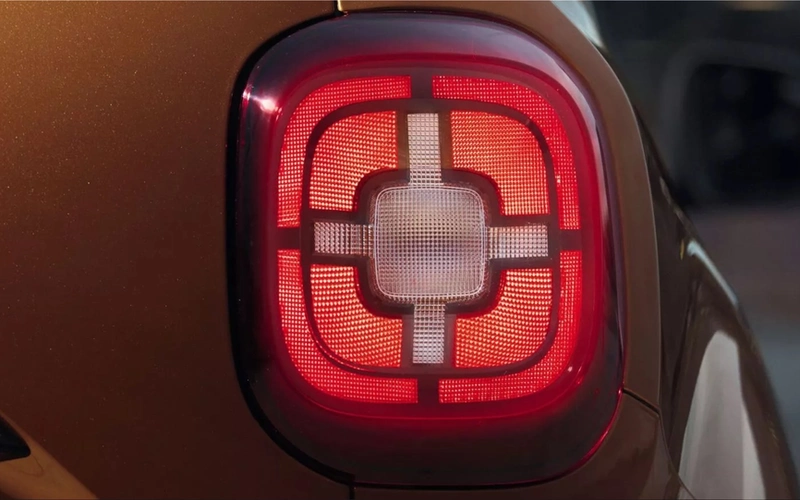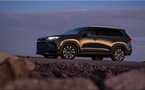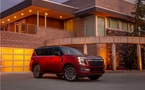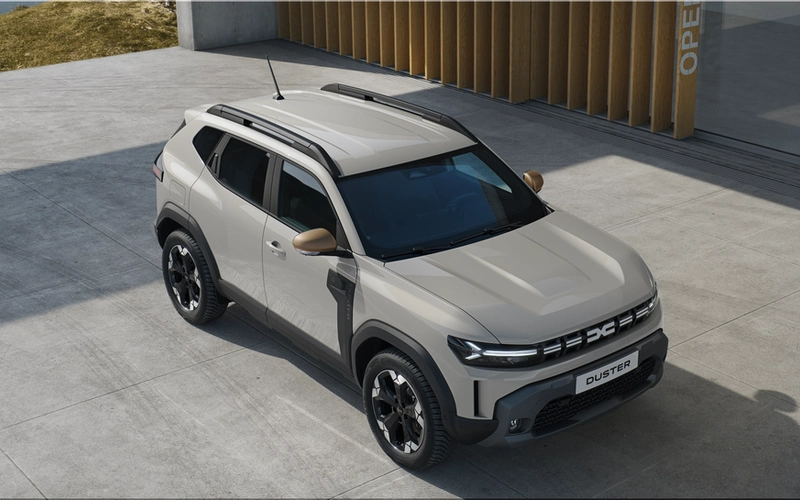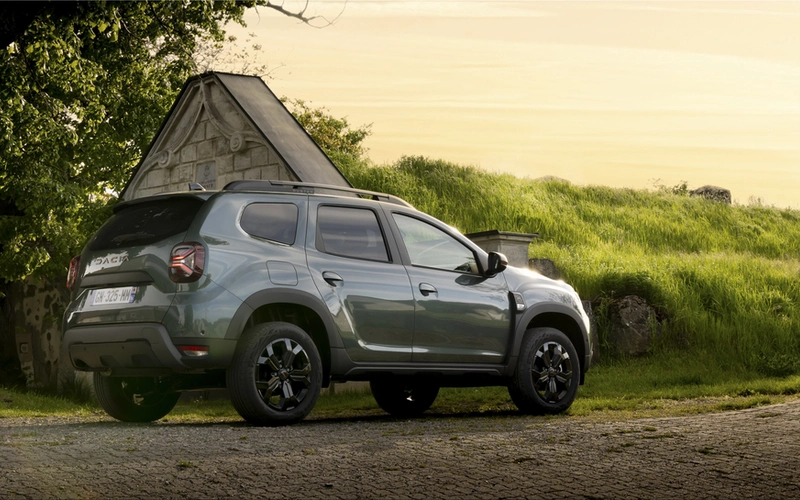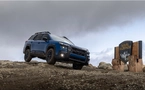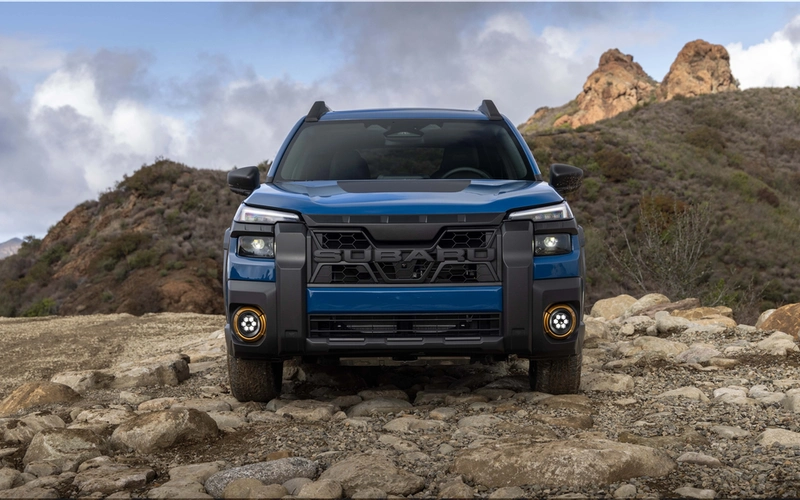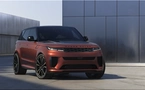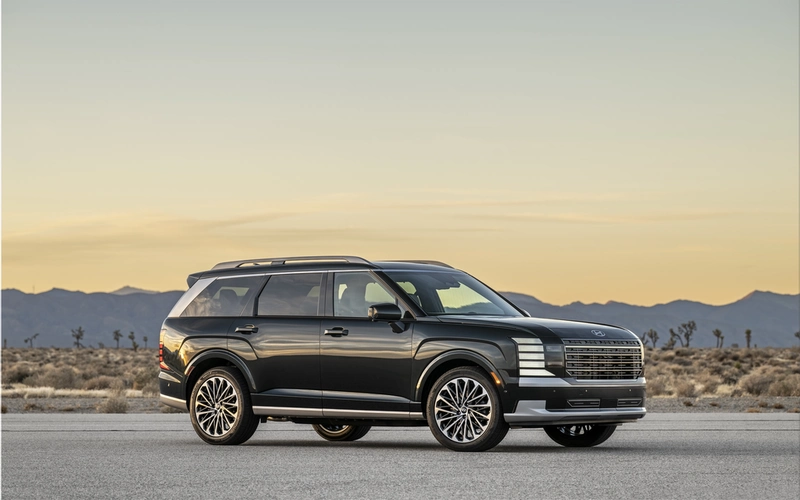
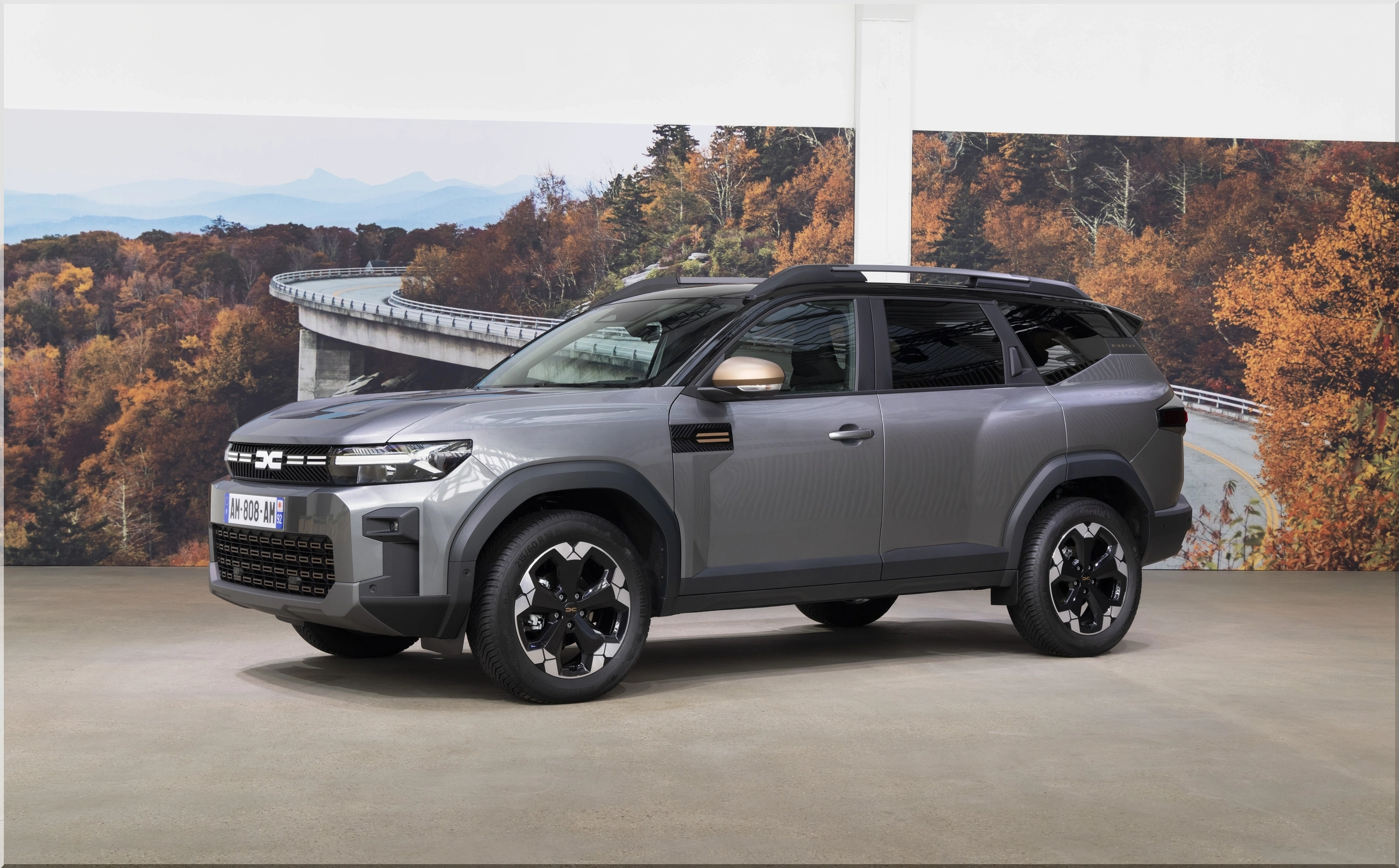
The 2026 Dacia Bigster gives Dacia a larger, tougher-looking family SUV without abandoning the brand's low-cost engineering playbook. It stretches the Dacia Duster idea into a C-segment package, adds serious cargo volume, offers hybrid power, and keeps pricing well below many mainstream European rivals.
Image
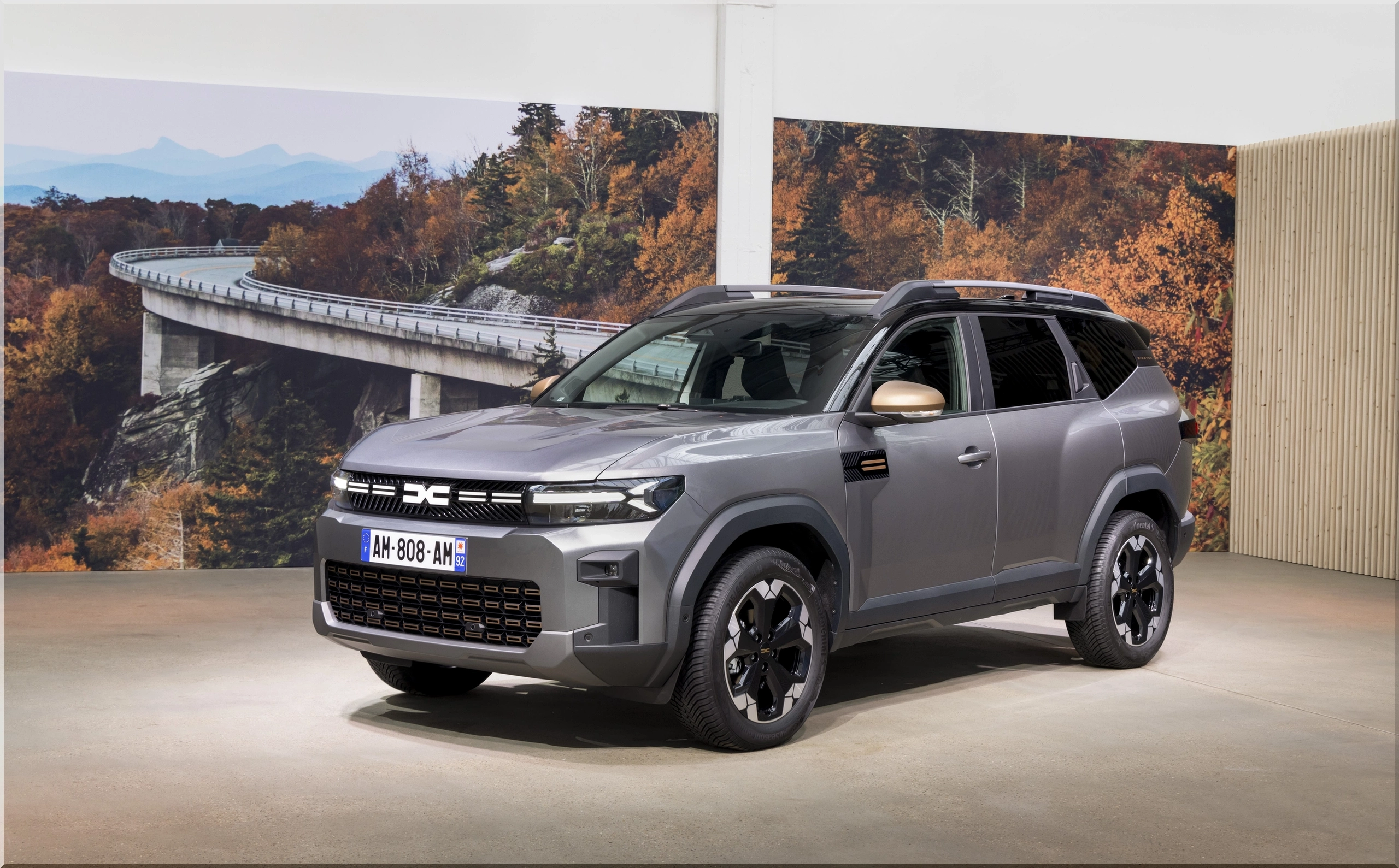
For US readers, the Bigster also explains why Dacia keeps gaining attention outside North America. This SUV does not chase luxury. It attacks waste. Looking at the data, the Bigster uses simple hardware, smart packaging, and selective electrification to give families the space of a larger SUV without the price shock that now defines many compact crossovers.
Dacia Bigster 2026 Dimensions and Packaging
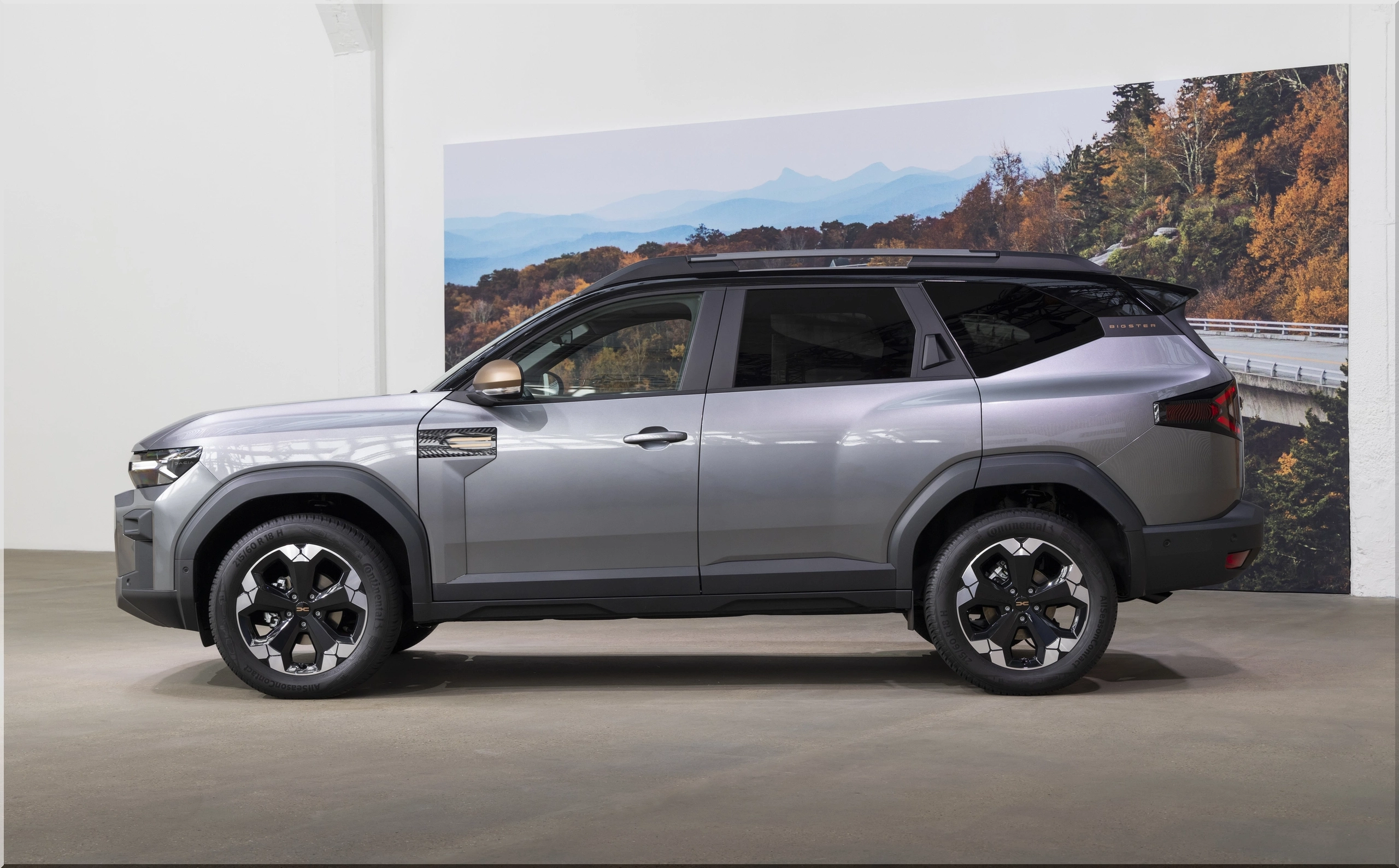
The Dacia Bigster 2026 measures 4,570 mm long, or about 179.9 inches. Width comes in at 1,812 mm with the mirrors folded, or 71.3 inches, while height measures 1,662 mm, or 65.4 inches. The 2,702 mm wheelbase equals about 106.4 inches, which gives the Bigster a longer cabin footprint than the Duster while keeping the exterior size manageable in tight European parking spaces.
The key number sits underneath. Ground clearance reaches 220 mm, or 8.7 inches, which beats many road-biased family SUVs and gives the Bigster useful clearance for rutted tracks, snow buildup, gravel roads, and steep campsite entrances.
| Measurement | Dacia Bigster 2026 | US Conversion | Practical Value |
|---|---|---|---|
| Length | 4,570 mm | 179.9 in | Longer than Duster, still urban-friendly |
| Width, mirrors folded | 1,812 mm | 71.3 in | Narrow enough for tight roads |
| Width, mirrors extended | 2,069 mm | 81.5 in | Typical SUV mirror spread |
| Height | 1,662 mm | 65.4 in | SUV stance without excessive roof height |
| Wheelbase | 2,702 mm | 106.4 in | Better rear-seat and cargo packaging |
| Ground clearance | 220 mm | 8.7 in | Useful for winter roads and light trails |
| Turning circle | 10.97 m | 36.0 ft | Easy for city parking and U-turns |
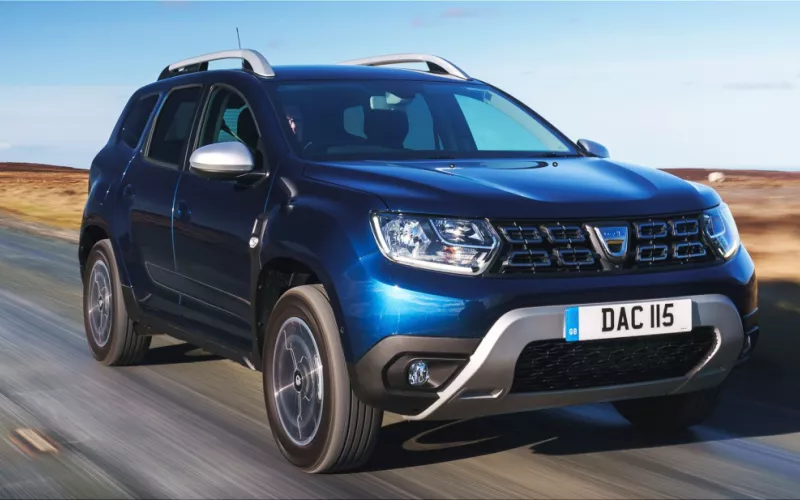
By comparison, the Duster keeps a smaller footprint and a slightly shorter wheelbase. That makes it easier to park, but the Bigster gives rear passengers and cargo the space that many families actually need.
Boot Space: The Bigster's Most Practical Argument
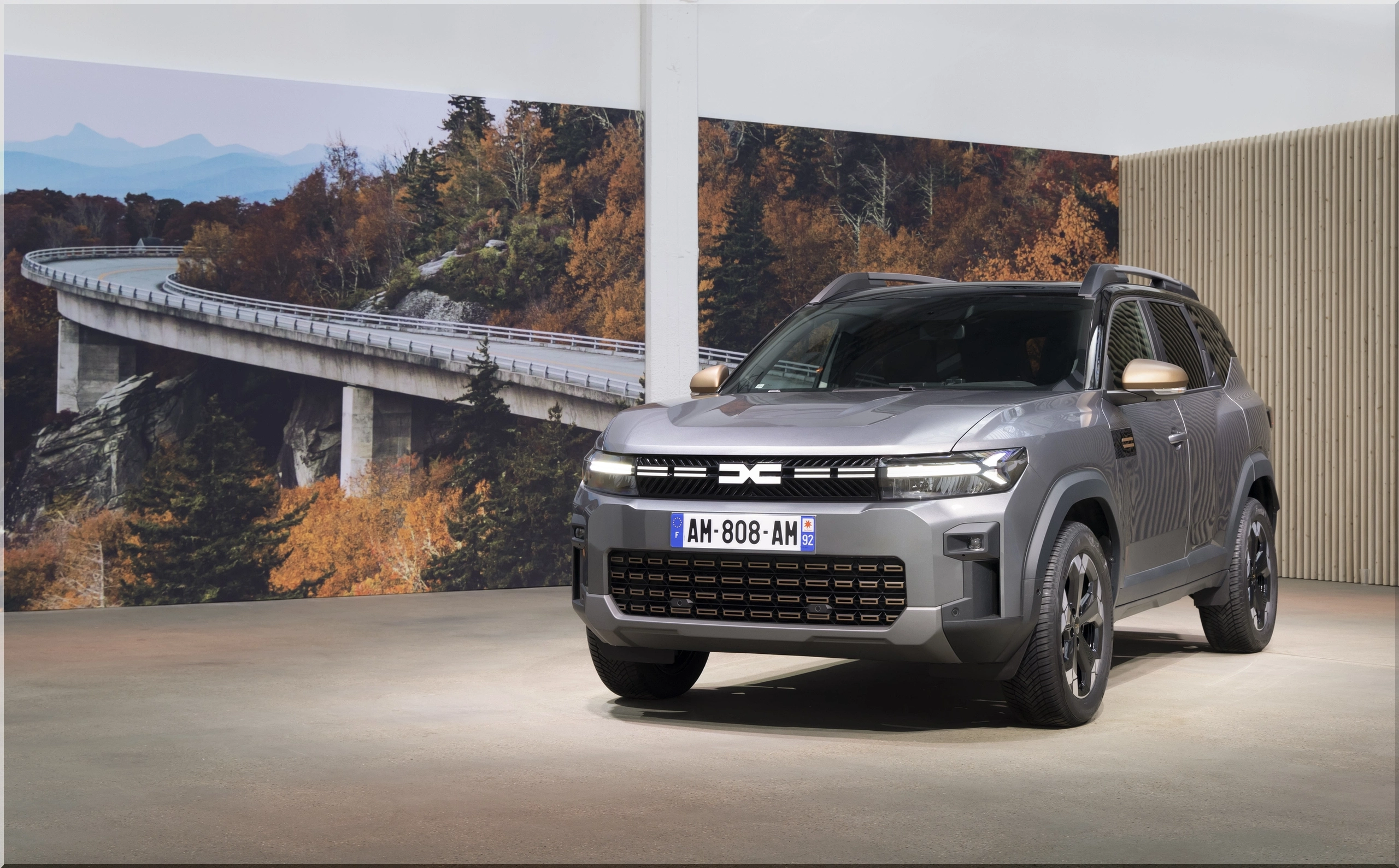
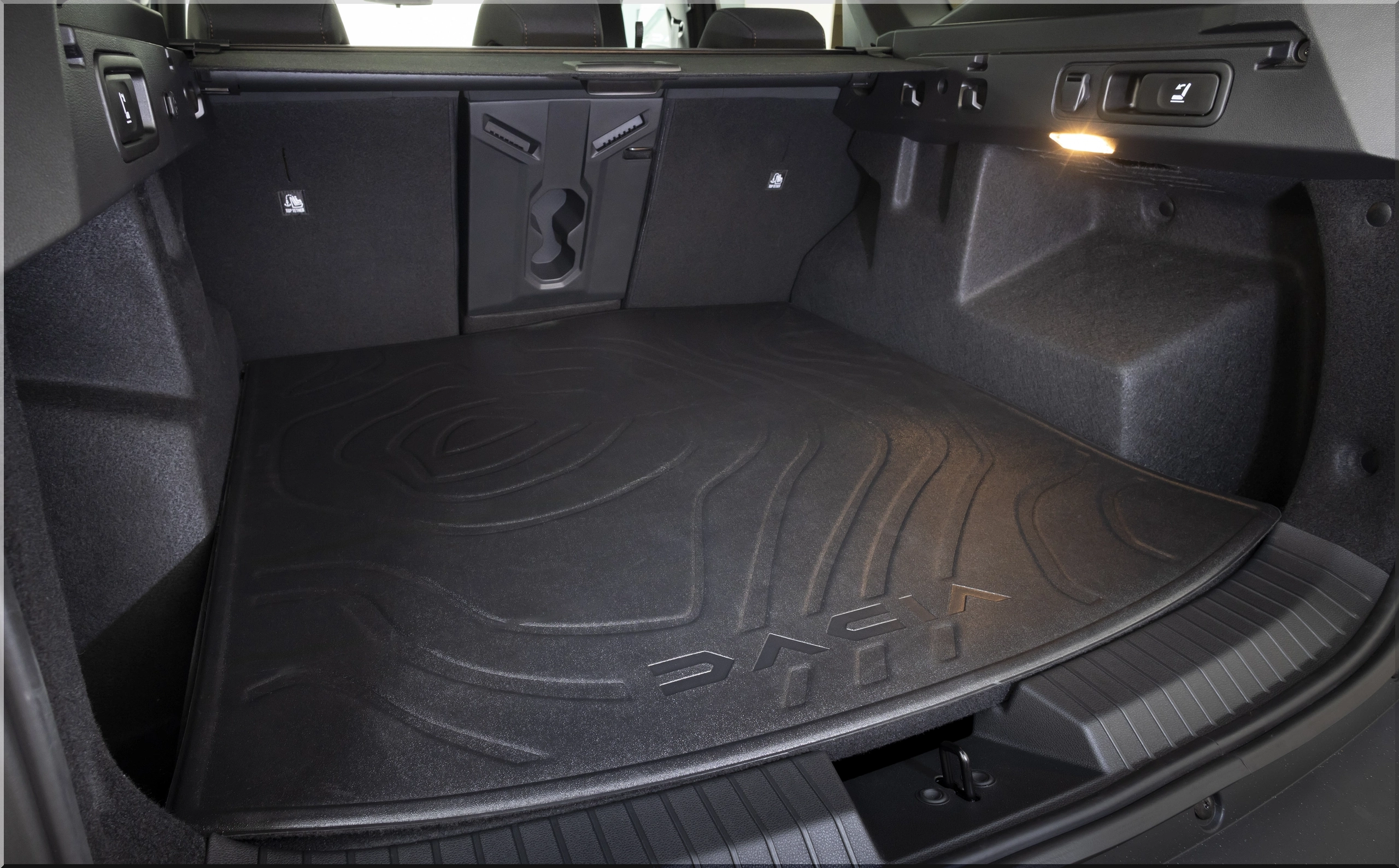
The Bigster makes its strongest case in the trunk. The mild hybrid 140 version offers up to 677 liters of cargo space, or about 23.9 cubic feet. Fold the rear seat, and total capacity rises to 1,977 liters, or about 69.8 cubic feet.
The Hybrid 155 loses some cargo volume because hybrid hardware takes space under the floor. It still offers 612 liters, or about 21.6 cubic feet, with the rear seats in use and up to 1,912 liters, or 67.5 cubic feet, with the rear bench folded. Specifically, that gives the Bigster a real family-SUV trunk rather than a fashion-first cargo hold.
Image
Pro-Tips: How to Load the Bigster Correctly
- Put heavy items low and close to the rear seatback.
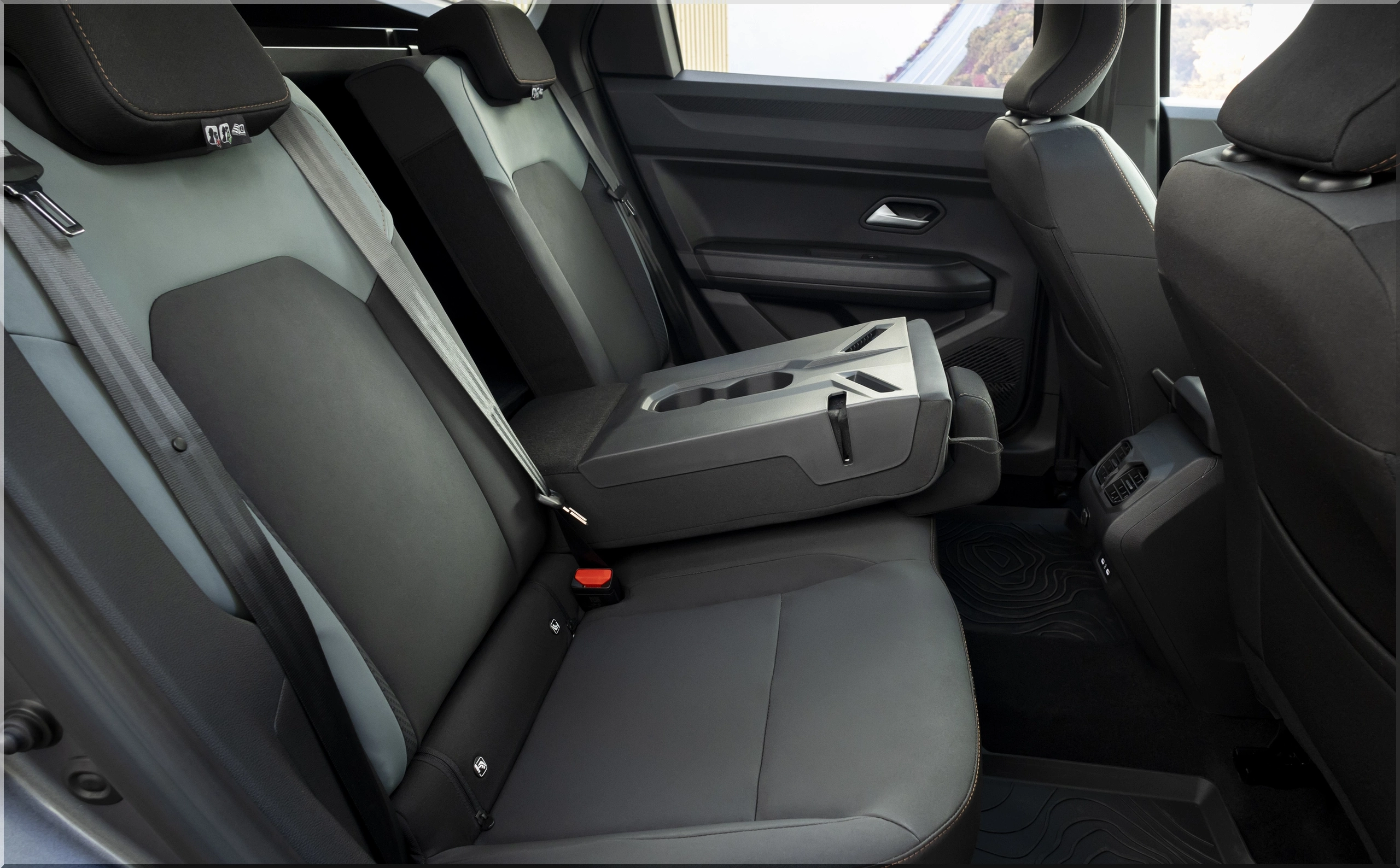
- Use the 40/20/40 split rear bench when you need skis, tools, or flat-pack furniture.
- Keep a tire inflator, pressure gauge, gloves, and warning triangle in a fixed storage zone.
- Pick the optional spare wheel where available; a sealant kit will not fix sidewall cuts, bead damage, or shredded tread.
Engine Lineup: Mild Hybrid, Full Hybrid, and LPG 4x4
Dacia gives the Bigster several powertrain choices, each aimed at a different buyer. The mild hybrid 140 uses a 1.2-liter three-cylinder gasoline engine with 48V assistance, 140 hp, and 230 Nm of torque. It pairs with a six-speed manual and front-wheel drive.
Video
Video title
Dacia Bigster 2026
The Dacia Bigster Hybrid 155 moves to a 1.8-liter gasoline full-hybrid setup with electric assistance and an automatic gearbox. Output reaches 155 hp, or 115 kW. This setup suits drivers who want lower fuel use in town, automatic shifting, and less clutch work in traffic.
In addition, the newer Hybrid-G 150 4x4 changes the story. It combines LPG, gasoline, hybrid support, and rear electric drive. The front axle uses a 1.2-liter 48V mild-hybrid engine, while a rear electric motor adds all-wheel drive without a mechanical driveshaft. The system makes 154 hp, and the rear electric motor uses a two-speed gearbox with a disengageable clutch to cut drag during steady 2WD driving.
| Powertrain | Output | Drive | Gearbox | Braked Towing | Best Use |
|---|---|---|---|---|---|
| Mild hybrid 140 | 140 hp | FWD | 6-speed manual | 1,500 kg / 3,307 lb | Low cost, high cargo space |
| Hybrid 155 | 155 hp | FWD | Automatic | 1,000 kg / 2,205 lb | City driving, lower fuel use |
| Hybrid-G 150 4x4 | 154 hp | Electric rear 4x4 | 6-speed dual-clutch auto | 1,500 kg / 3,307 lb | Towing, snow, gravel, camping |
| Duster Hybrid 155 | 155 hp | FWD | Automatic | Market-dependent | Smaller SUV, lower price |
| Duster 4x4 variants | Varies | 4x4 | Manual or hybrid-G | Up to 1,500 kg / 3,307 lb | Narrow roads, trail access |
Consequently, the buyer choice looks simple. Pick mild hybrid 140 for cargo and price. Pick Hybrid 155 for daily traffic and automatic driving. Pick Hybrid-G 150 4x4 for towing, winter use, dirt roads, and long-distance LPG range.
Why the Hybrid-G 150 4x4 System Matters
From an expert perspective, the Hybrid-G 150 4x4 system solves three problems at once. First, it avoids a heavy propshaft, transfer case, and rear differential. Second, it keeps LPG range in the package, using two 50-liter tanks for a claimed WLTP range of up to 1,500 km, or about 932 miles. Third, it adds rear-axle traction only when the software requests it.
The rear motor produces up to 23 kW, or 31 hp, and up to 87 Nm of torque. The combustion engine produces 230 Nm. The system does not simply add every torque number together at the tire, yet it gives the Bigster stronger low-speed response on slippery ground.
Image
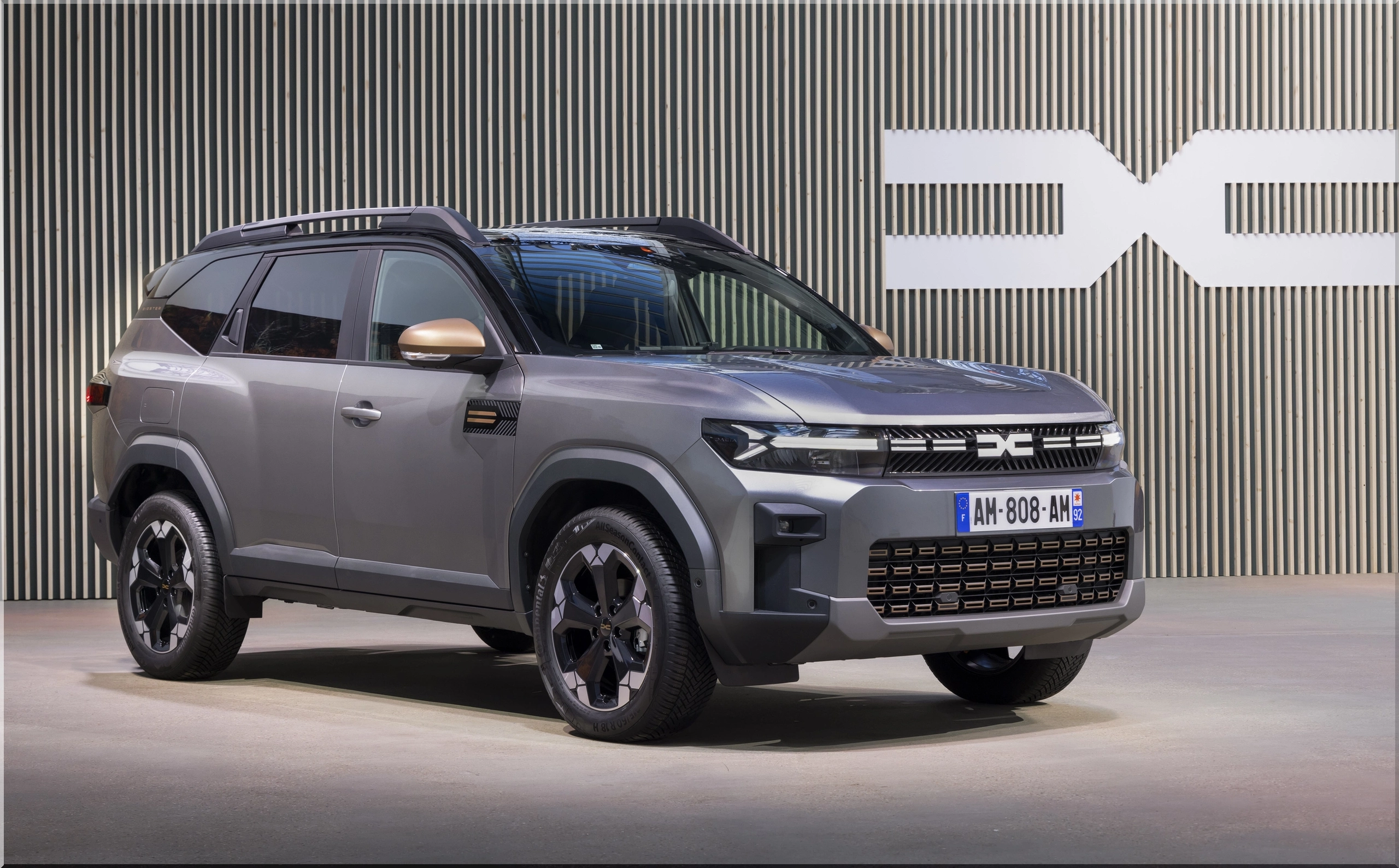
The two-speed rear gearbox carries the clever part. First gear gives low-speed wheel torque for loose surfaces and trailer maneuvering. Second gear can stay active up to 140 km/h, or 87 mph, when the vehicle needs electric rear support, regeneration, or extra stability. On steady highway runs, the disengageable clutch lets the rear unit coast without dragging the system down.
Dacia Bigster Towing Capacity and Caravan Use
The Dacia Bigster towing capacity reaches 1,500 kg, or 3,307 pounds, on selected powertrains. That figure works for small caravans, utility trailers, motorcycles, small boats, and loaded bike racks. The Hybrid 155 drops to 1,000 kg, or 2,205 pounds, which suits lighter trailers but limits caravan choice.
Towing buyers should focus on three things:
- Powertrain selection: Hybrid-G 150 4x4 or mild hybrid 140 gives the stronger tow rating.
- Rear suspension load: Keep tongue weight within the approved range and pack heavy cargo forward.
- Tire pressure: Set pressures for towing, not solo driving, and check cold PSI before departure.
The Bigster's 10.97 m turning circle helps at campsites. Its 220 mm ground clearance also helps when a trailer pushes the rear suspension down over uneven terrain.
Interior, Screens, and Useful Hardware
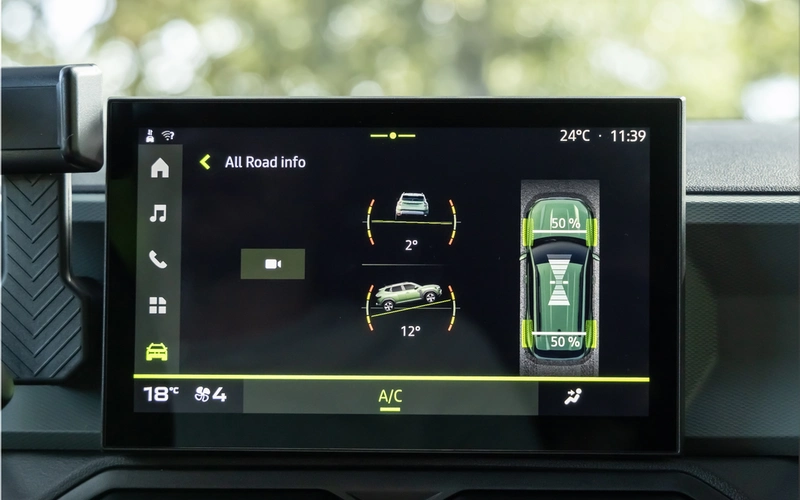
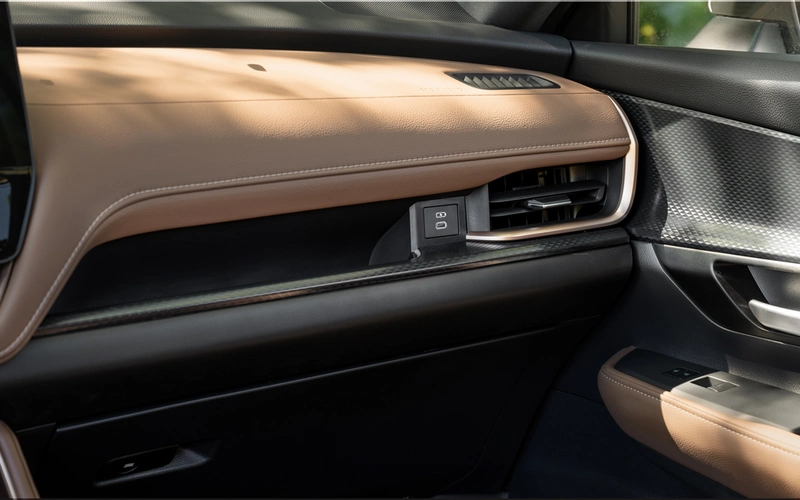
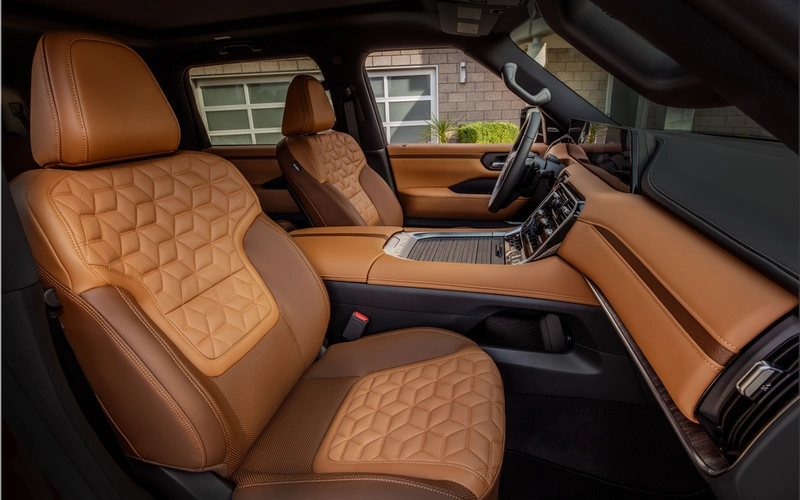
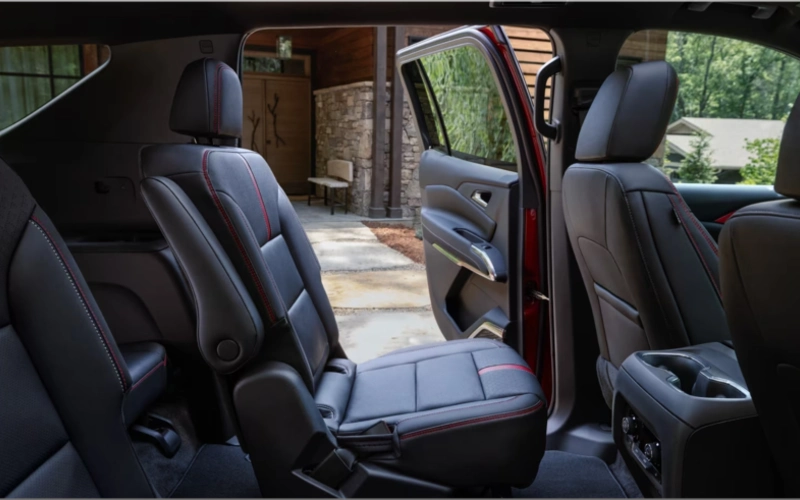
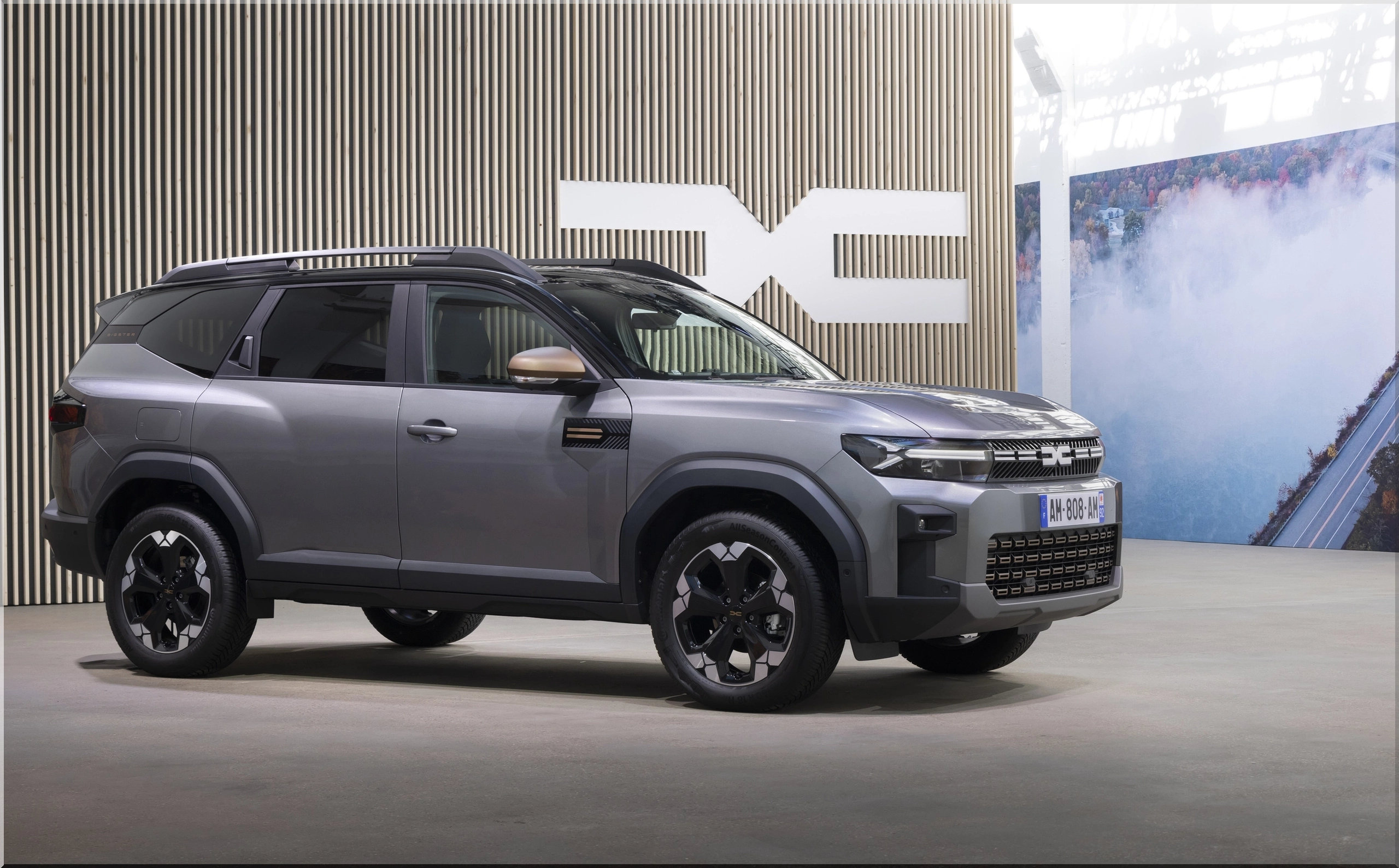
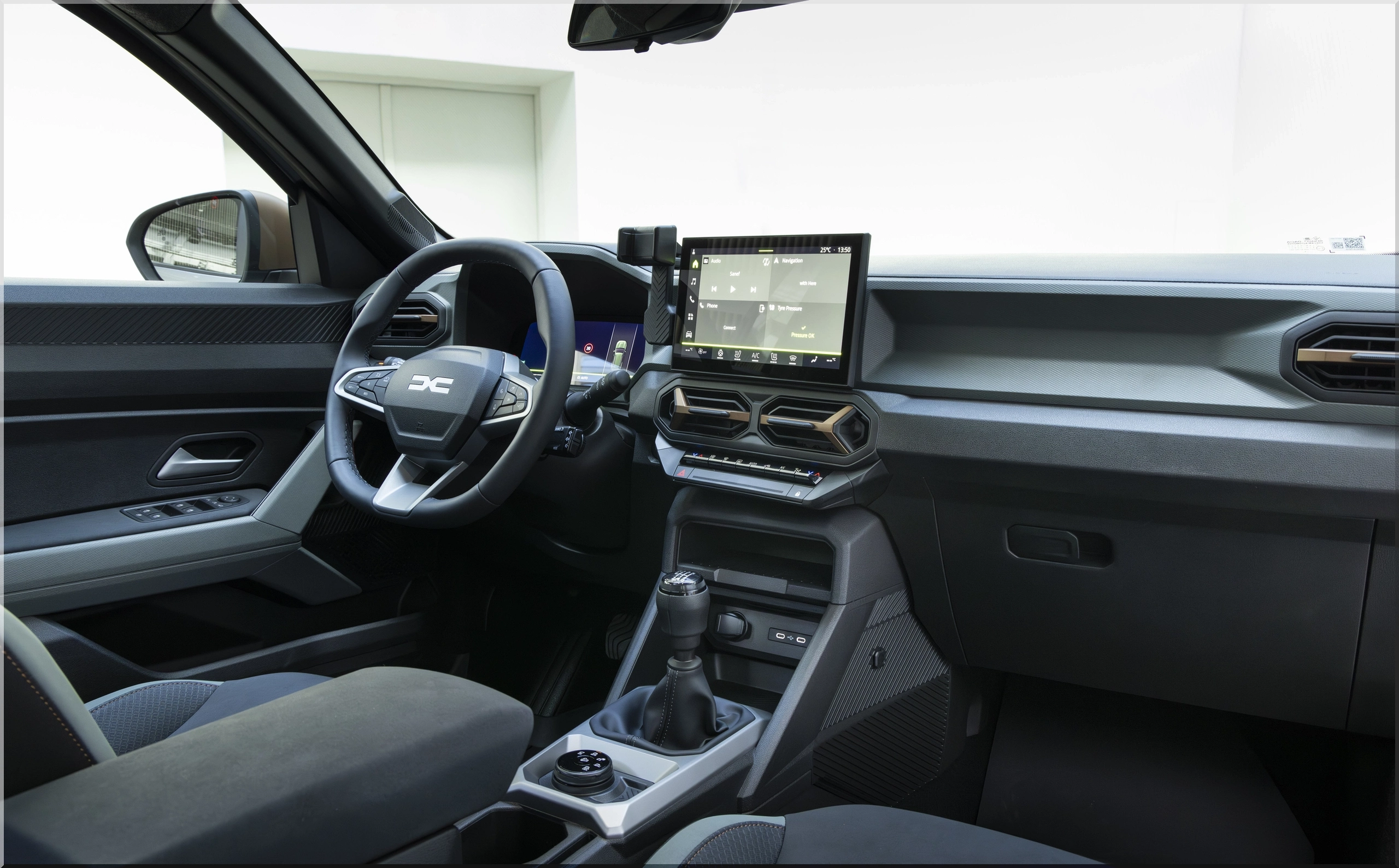
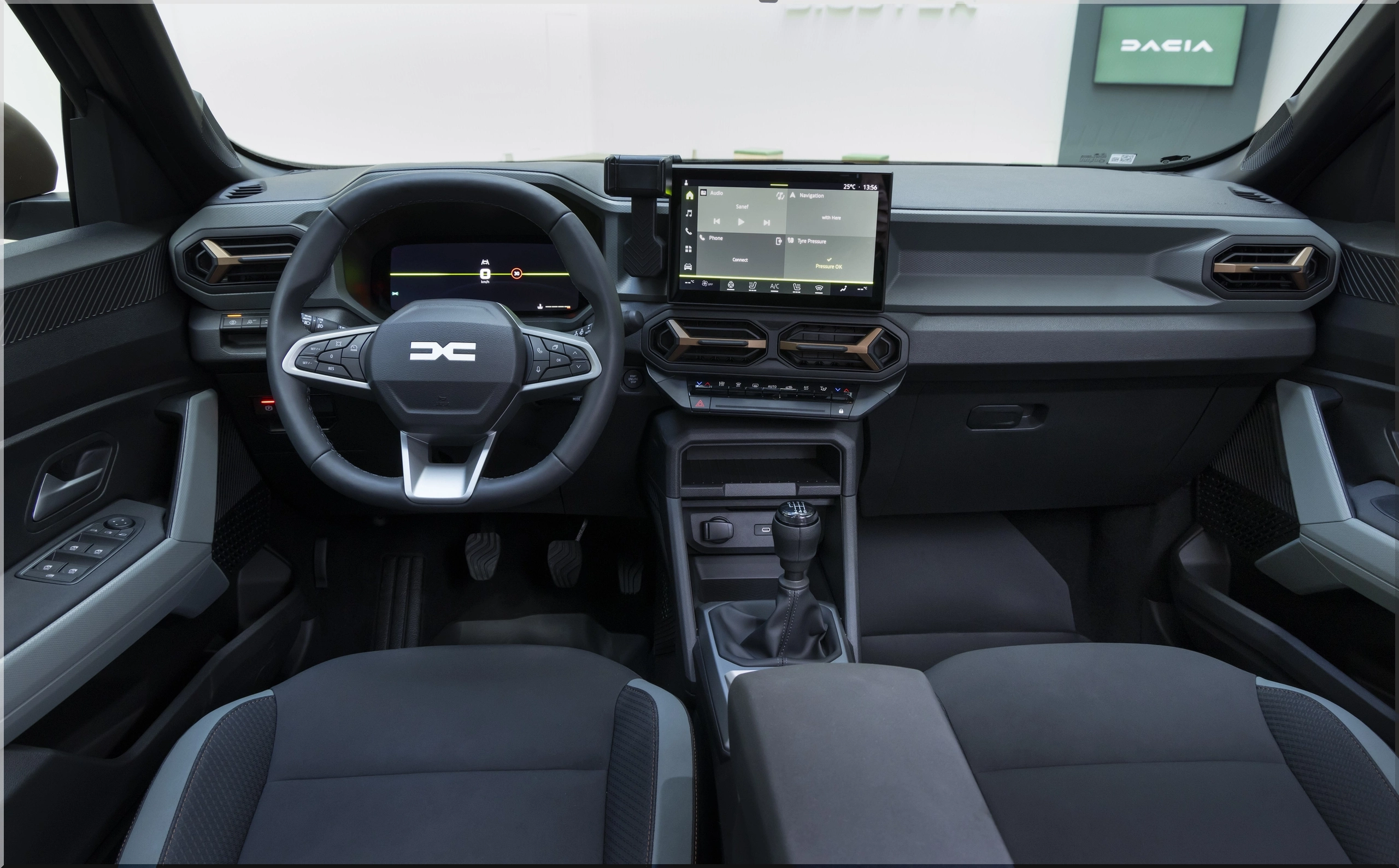
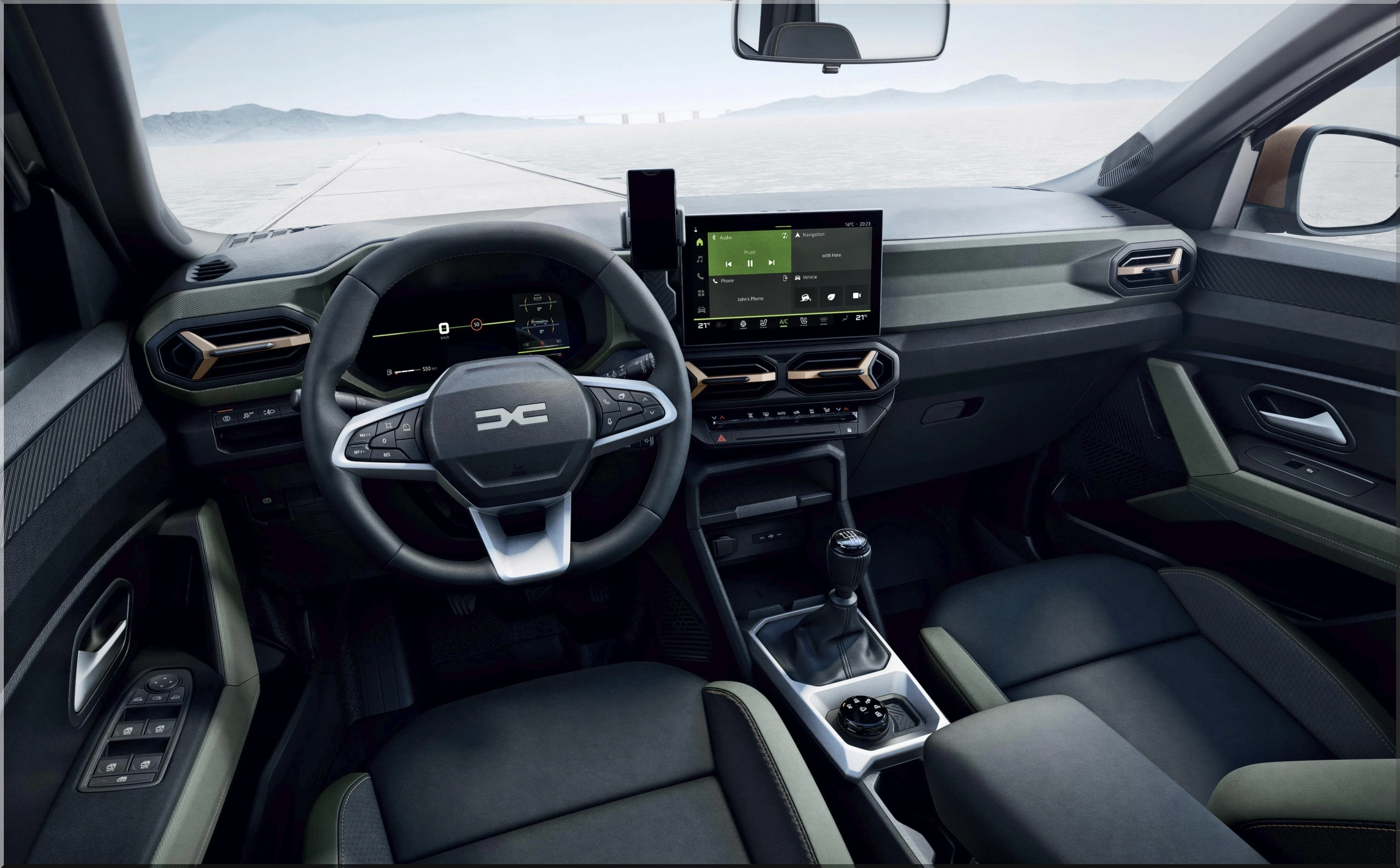
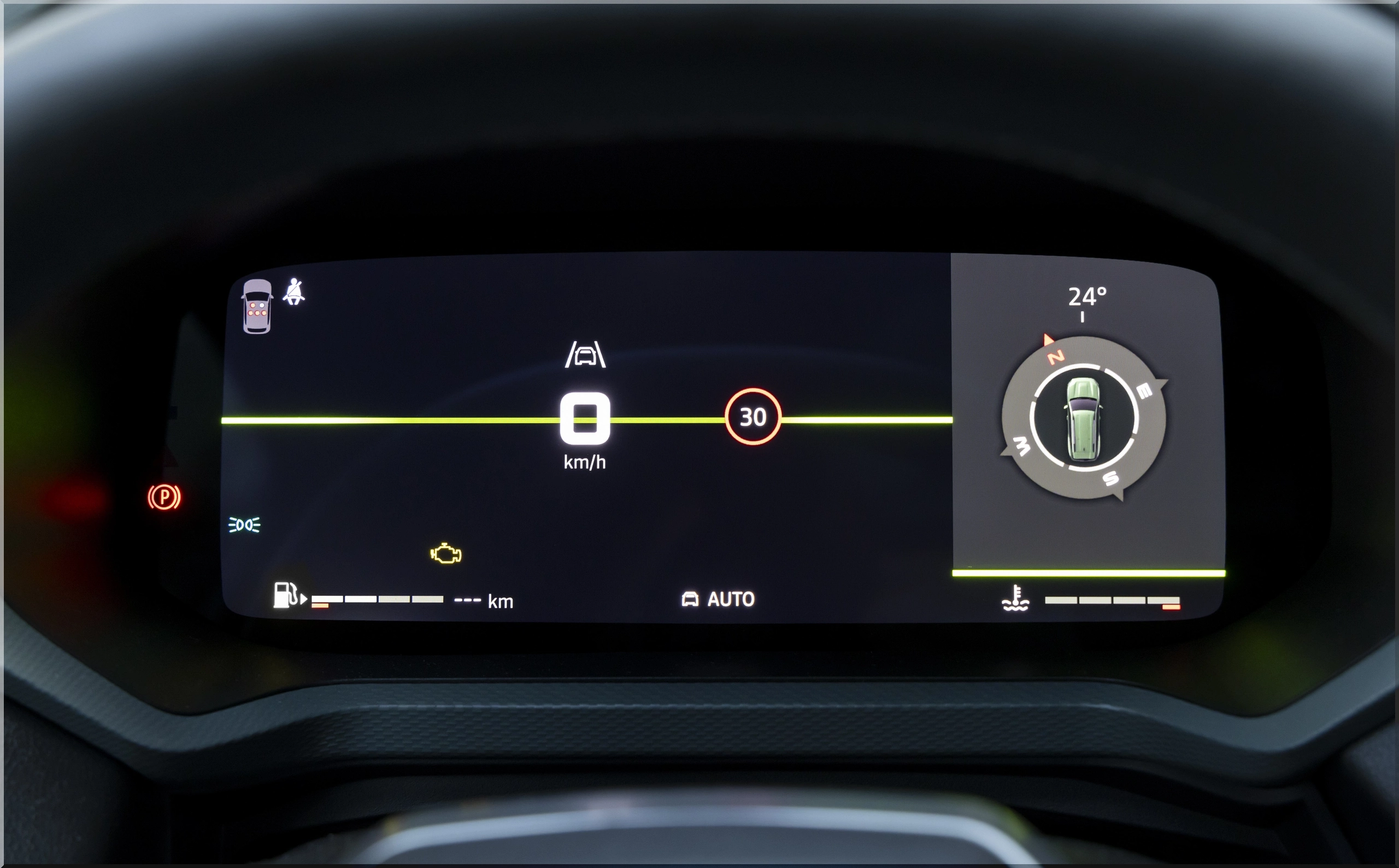
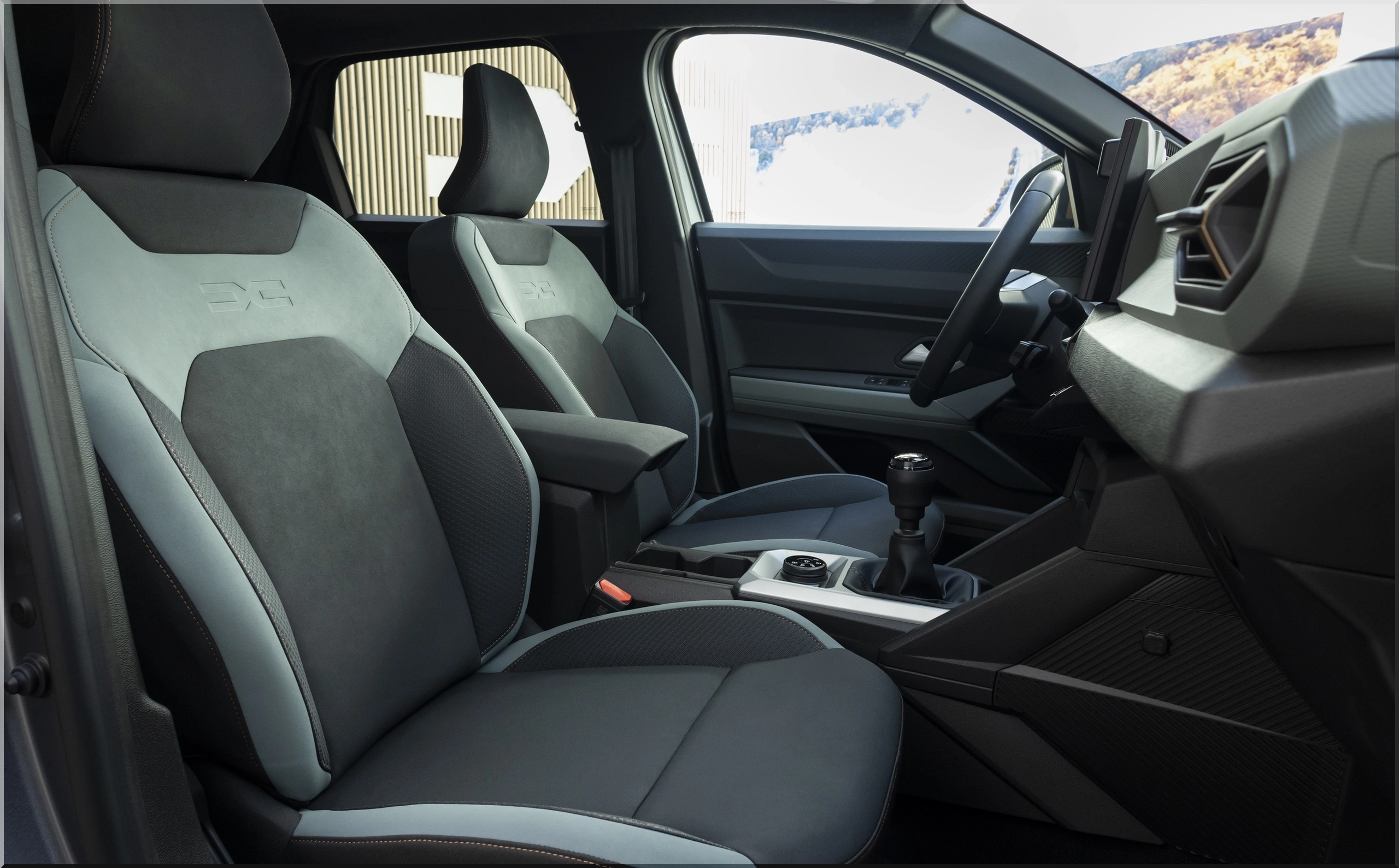
Dacia keeps the cabin practical. The Bigster offers a 10.1-inch central touchscreen, smartphone mirroring, available navigation, a 7-inch or 10-inch digital driver display depending on trim, and physical packaging that favors utility over expensive trim pieces.
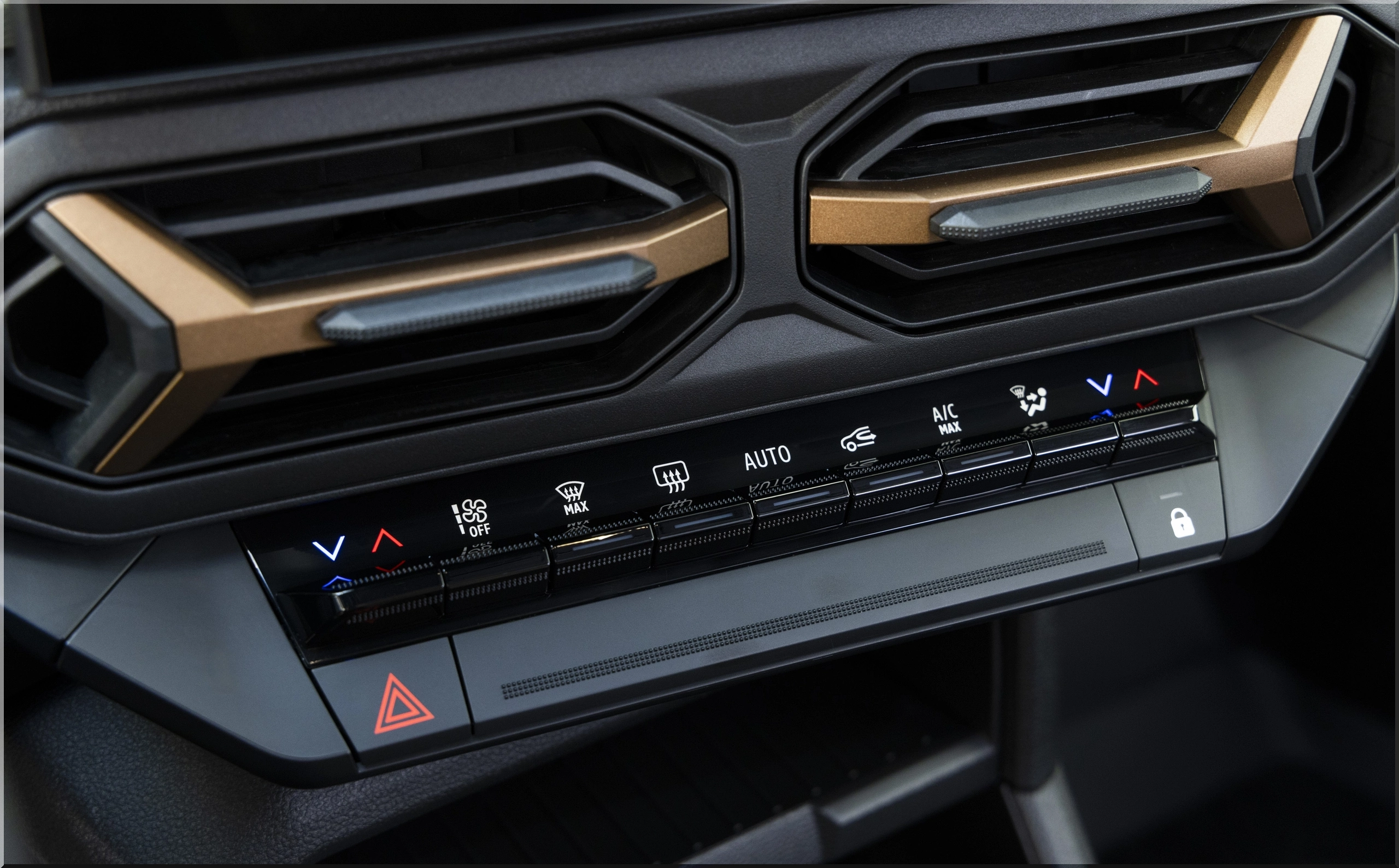
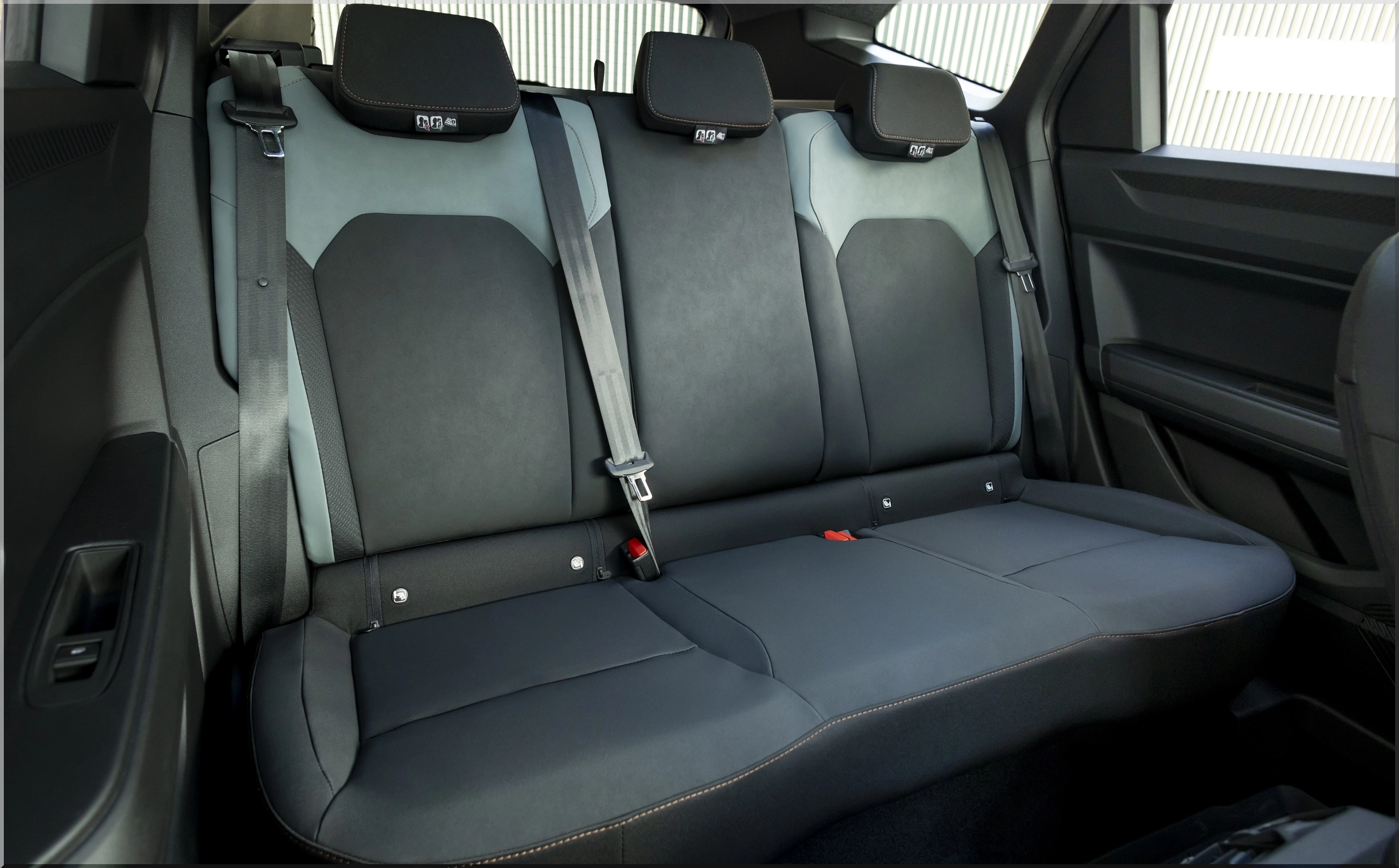
The cabin also brings dual-zone climate control, rear air vents, a cooled 8.6-liter center storage area on selected grades, and the YouClip mounting system. YouClip points let owners attach small accessories like a phone holder, lamp, pouch, tablet holder, hook, or cup holder without drilling holes or using flimsy suction mounts.
Image
Pricing Converted to USD
Dacia sells the Bigster in Europe, so US pricing requires currency conversion. Using recent exchange rates, the UK starting price of £25,215 converts to about $33,800. In the Netherlands, the Bigster starts at €31,600, or about $36,700. The Dutch Extreme grade starts near $39,000, while the Limited Edition Hybrid 155 or Hybrid-G 150 4x4 starts near $46,200.
| Market Price | Local Price | Approx. USD | What It Buys |
|---|---|---|---|
| UK Bigster entry price | £25,215 | $33,800 | Entry Bigster, before paint |
| Dacia Bigster Expression | €31,600 | $36,700 | Mild hybrid-G 140 |
| Dacia Bigster Extreme | €33,600 | $39,000 | More equipment and comfort items |
| Dacia Bigster Limited Edition | €39,800 | $46,200 | Hybrid 155 or Hybrid-G 150 4x4 |
| Dacia Duster entry price | €27,500 | $31,900 | Smaller Dacia SUV entry point |
By comparison, the Duster still wins on entry price. The Bigster wins when cargo space, rear-seat room, and towing stability carry higher priority than the lowest monthly payment.
Dacia Bigster vs Dacia Duster: Which One Should You Buy?
Buy the Dacia Duster if you want the cheaper SUV, tighter exterior size, and a lighter feel on narrow roads. It still offers useful ground clearance, available 4x4 hardware, hybrid options, and the same practical Dacia character.
Buy the Dacia Bigster if you need a larger trunk, more rear-seat space, higher towing confidence, and better long-trip utility. The Bigster suits families that find the Duster a little small but refuse to pay premium-SUV money.
The smartest Bigster choice depends on use. Drivers who rarely tow should look hard at the Hybrid 155. Rural buyers, caravan owners, and drivers in snow-prone areas should target Hybrid-G 150 4x4. Value buyers who want the biggest trunk should stay with mild hybrid 140.
Image
Verdict: A Bigger Duster With a Sharper Job Description
The 2026 Dacia Bigster succeeds because it keeps the brand's low-cost discipline and adds space where buyers feel it every day. It gives families up to 1,977 liters of cargo volume, up to 1,500 kg of towing capacity, 220 mm of ground clearance, and a powertrain menu that covers manual, automatic, hybrid, LPG, and 4x4 use cases.
It will not out-polish a Volkswagen Tiguan or out-luxury a Kia Sportage. That misses the point. The Bigster wins by giving buyers the hardware they need and cutting back on the costly theater they do not.
Image Gallery
- Add new comment
- 307 views