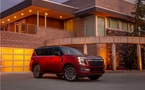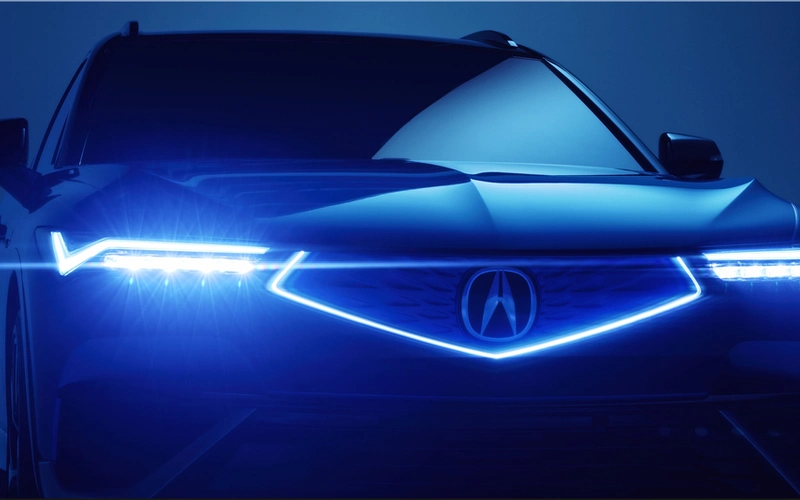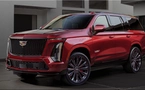
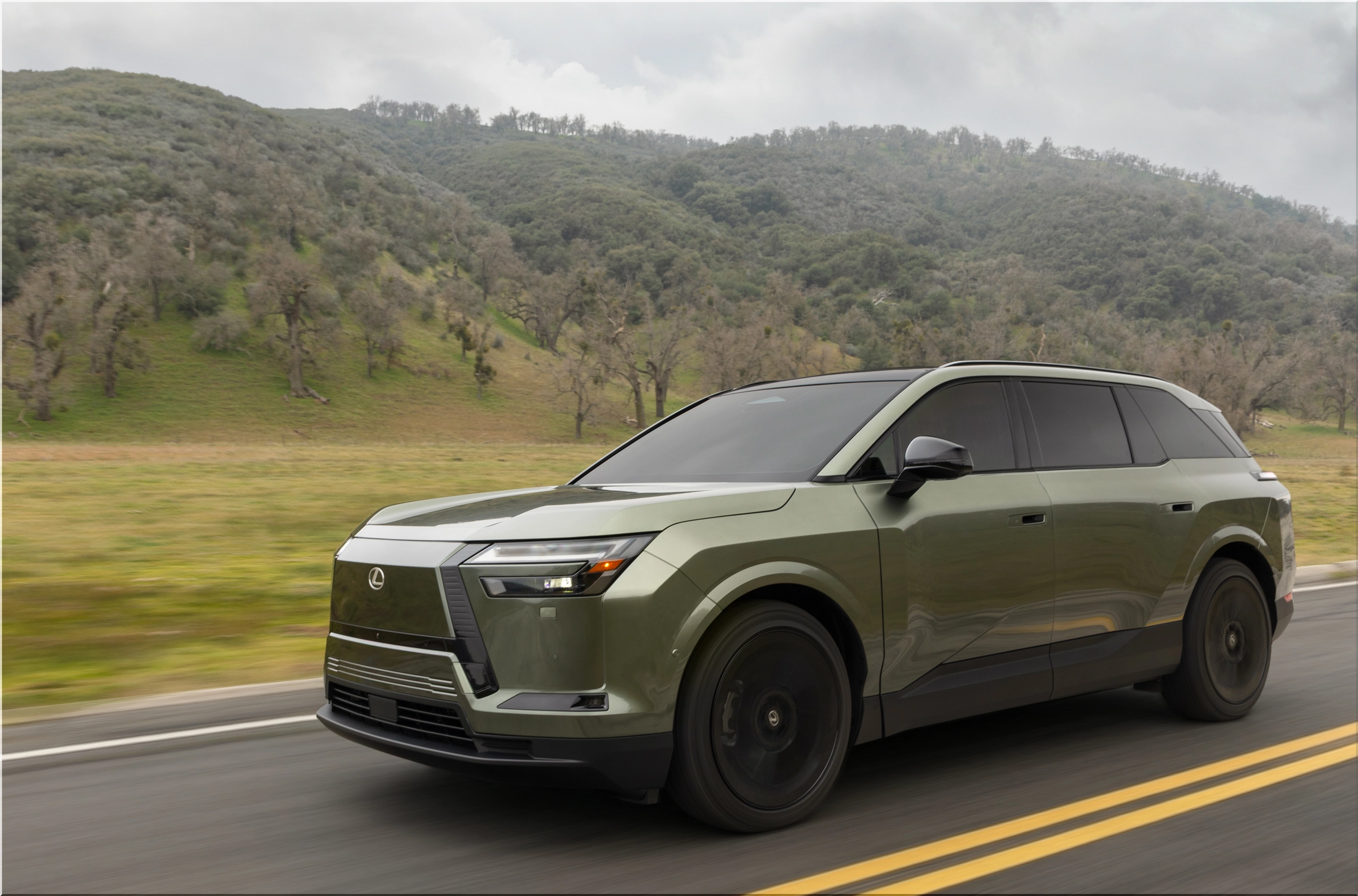
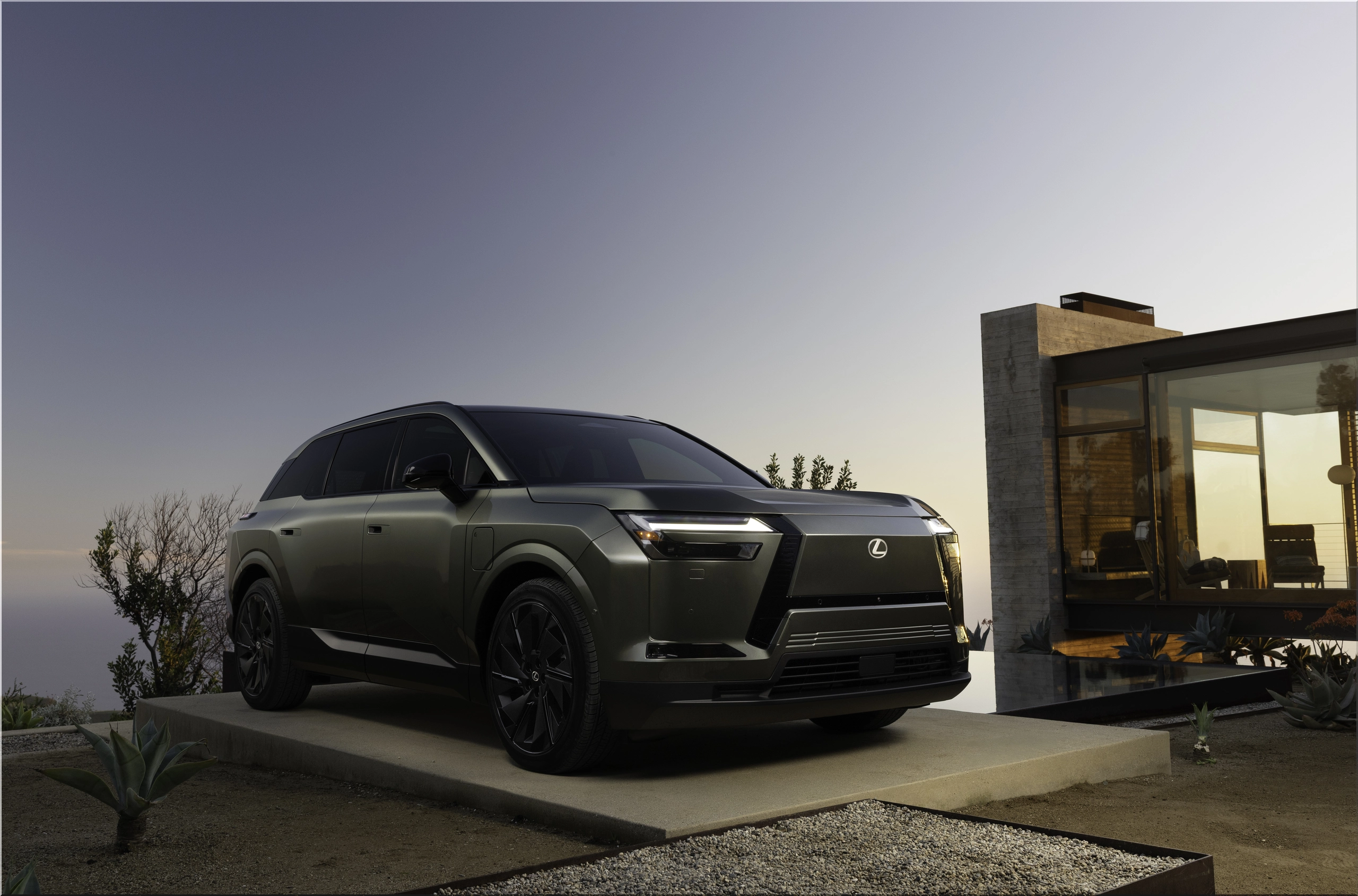
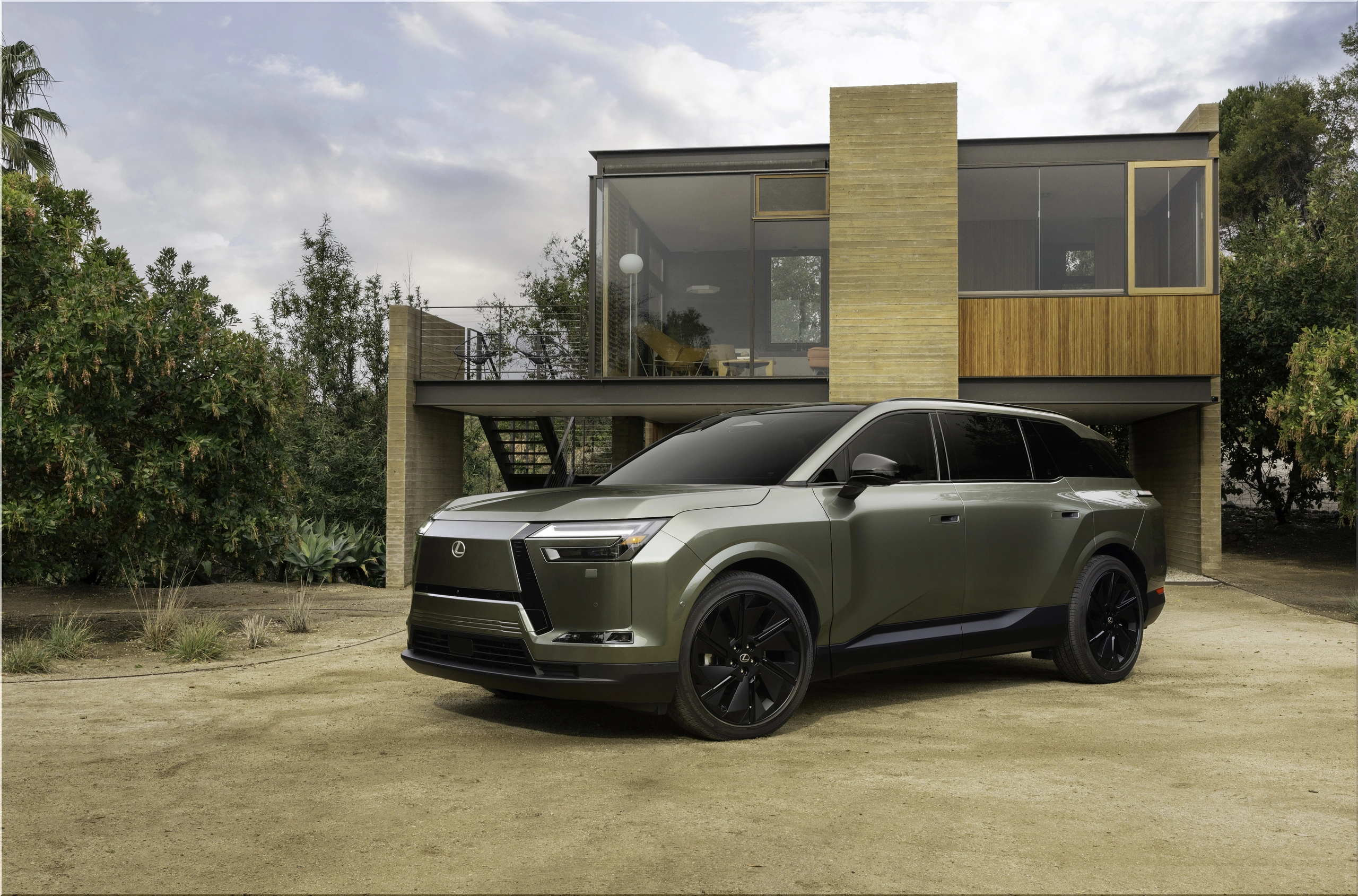
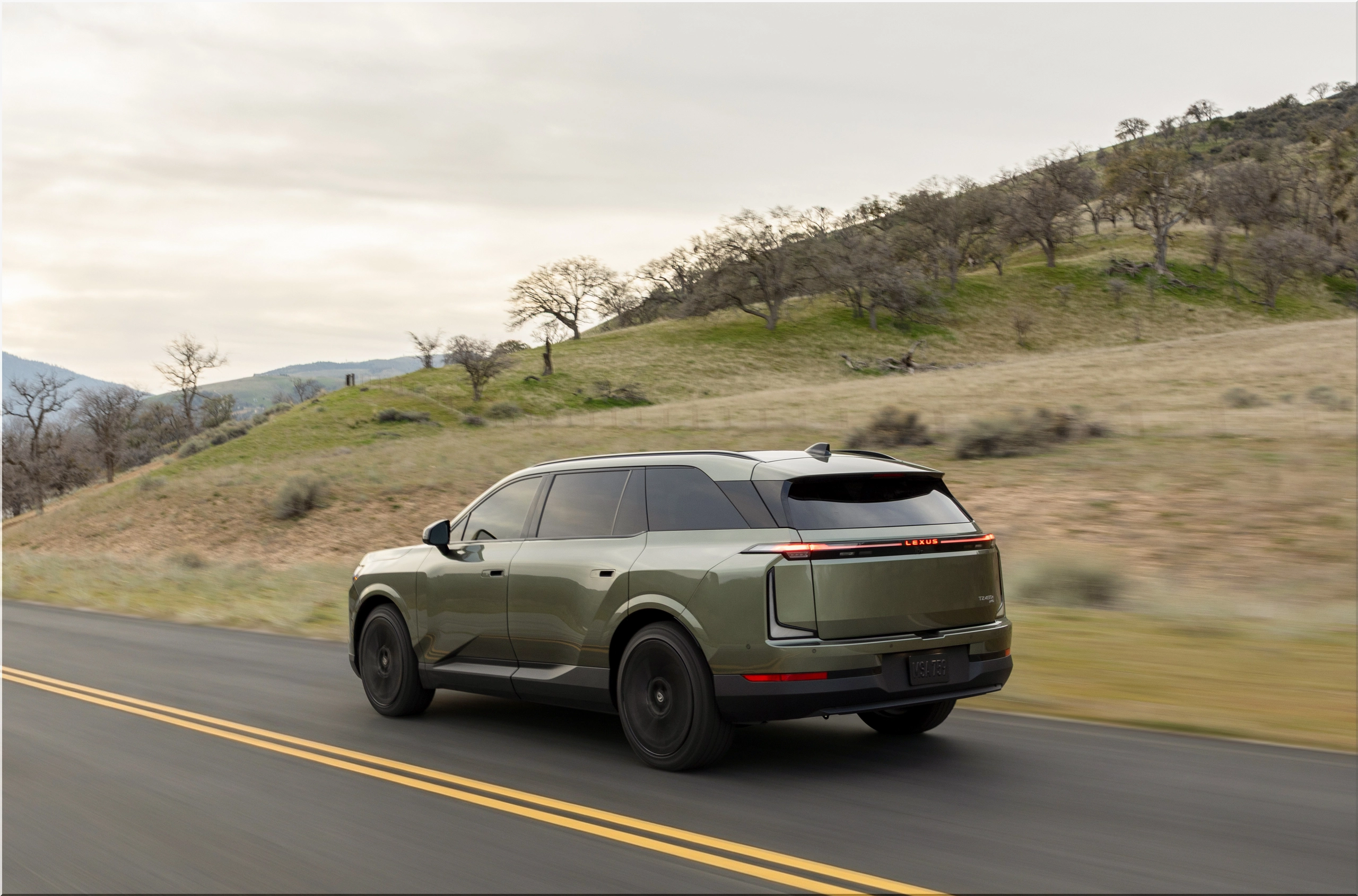
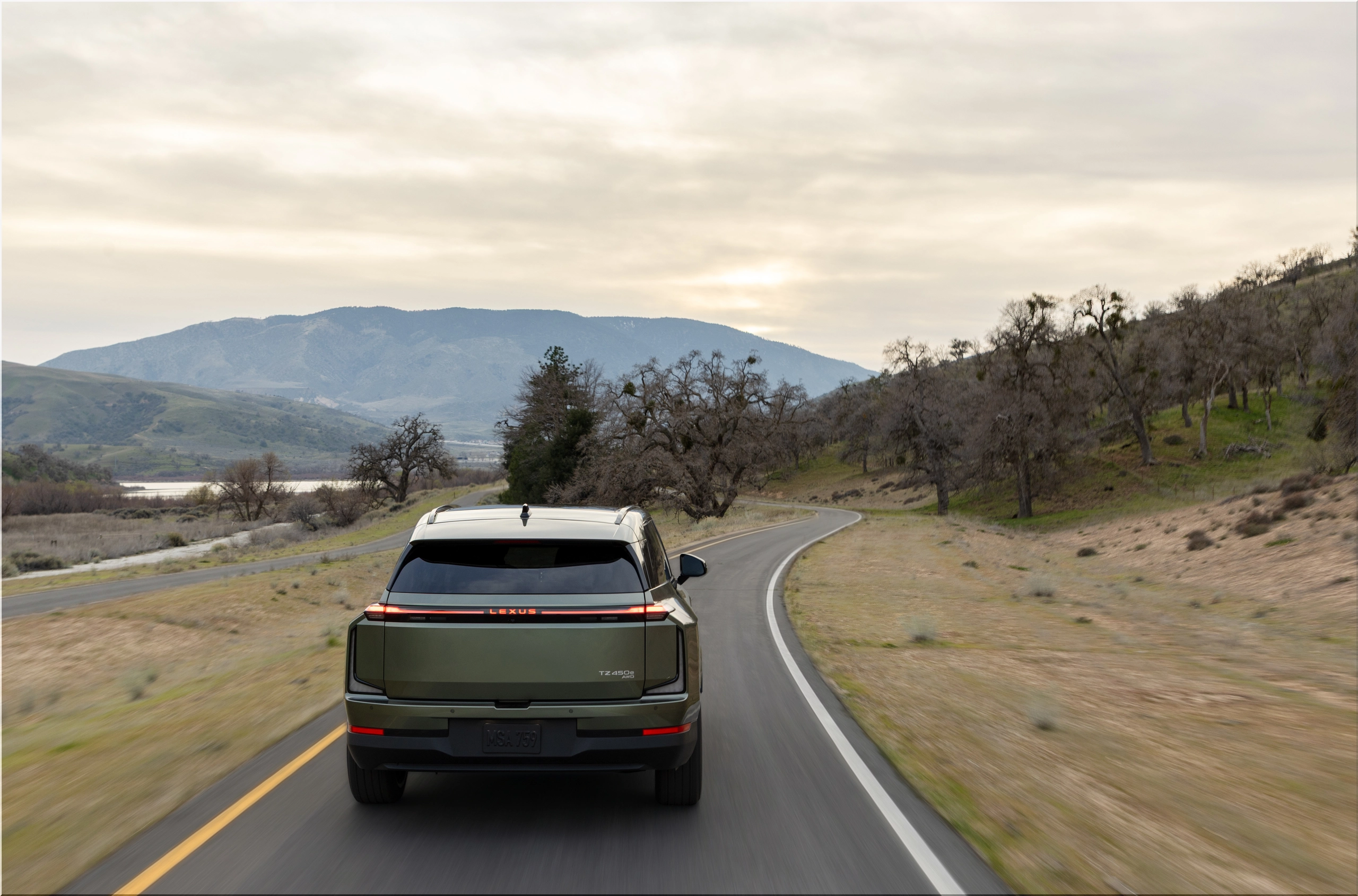
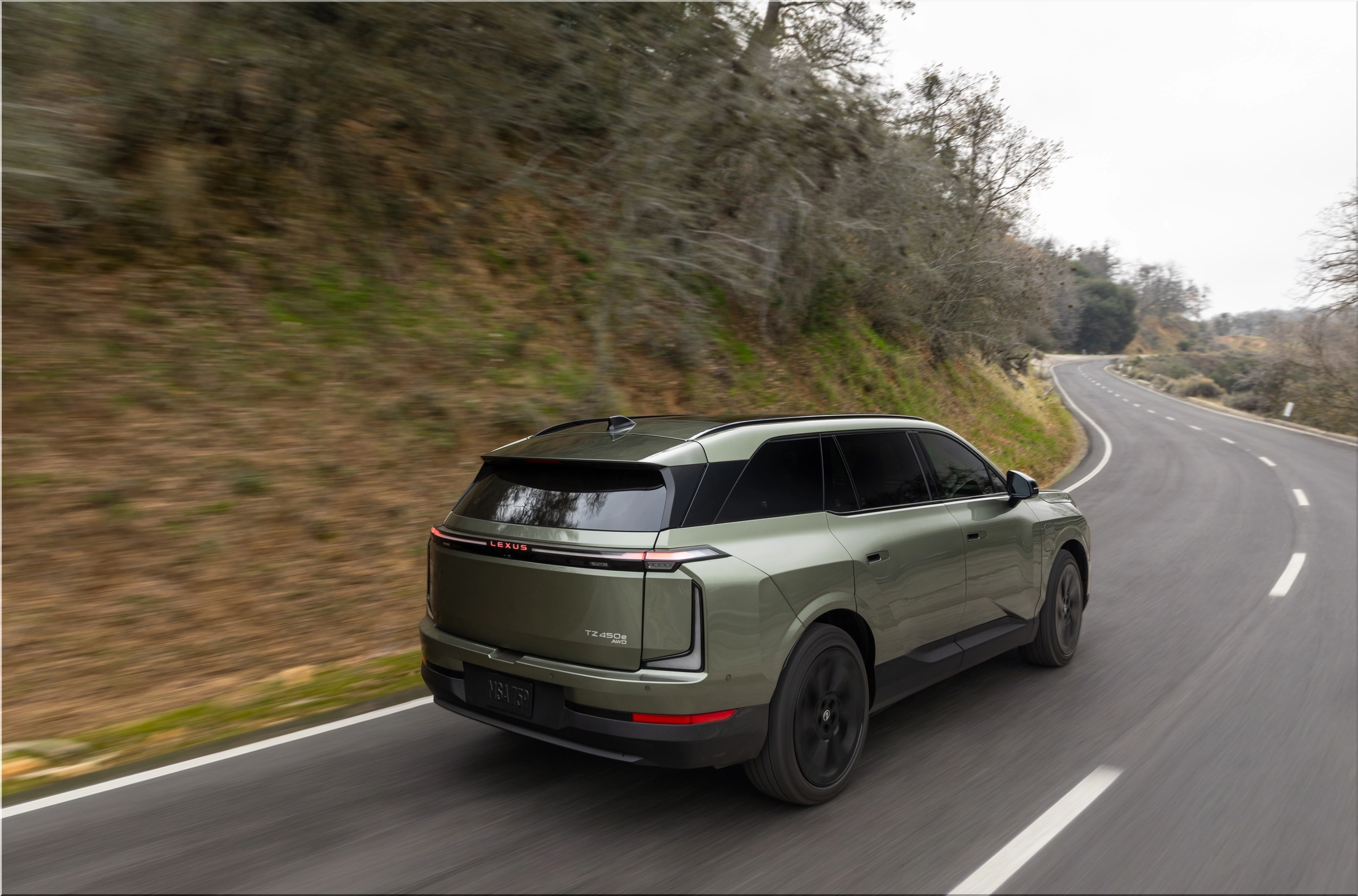
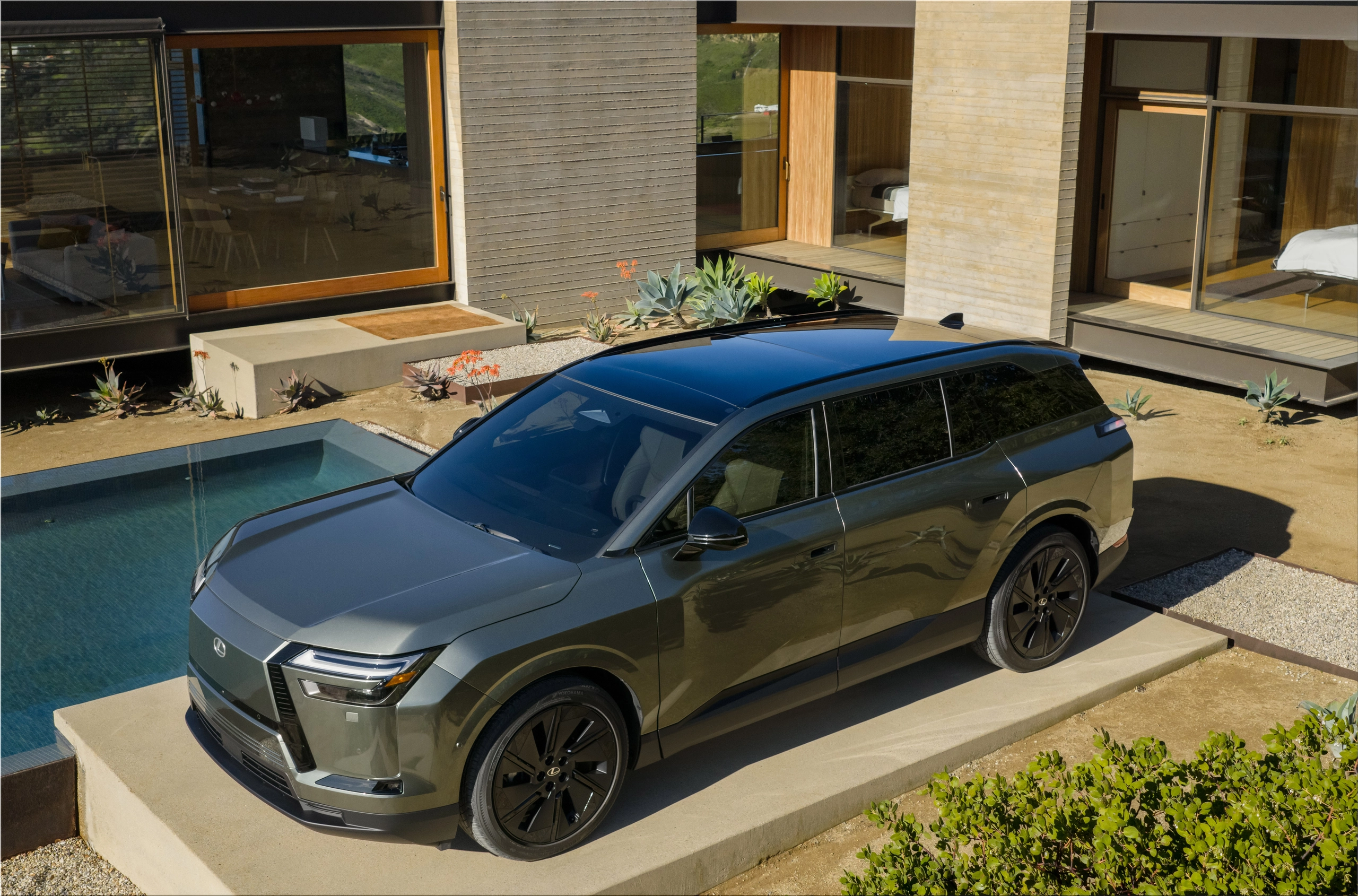
Lexus now has a serious answer for luxury families who want a three-row electric SUV without giving up refinement, cabin quietness, or long-distance usability. The 2027 Lexus TZ enters the market as an all-new battery-electric SUV with six-passenger seating, standard all-wheel drive, a long 120.1-inch wheelbase, and an estimated driving range of up to 300 miles on select grades.
Image
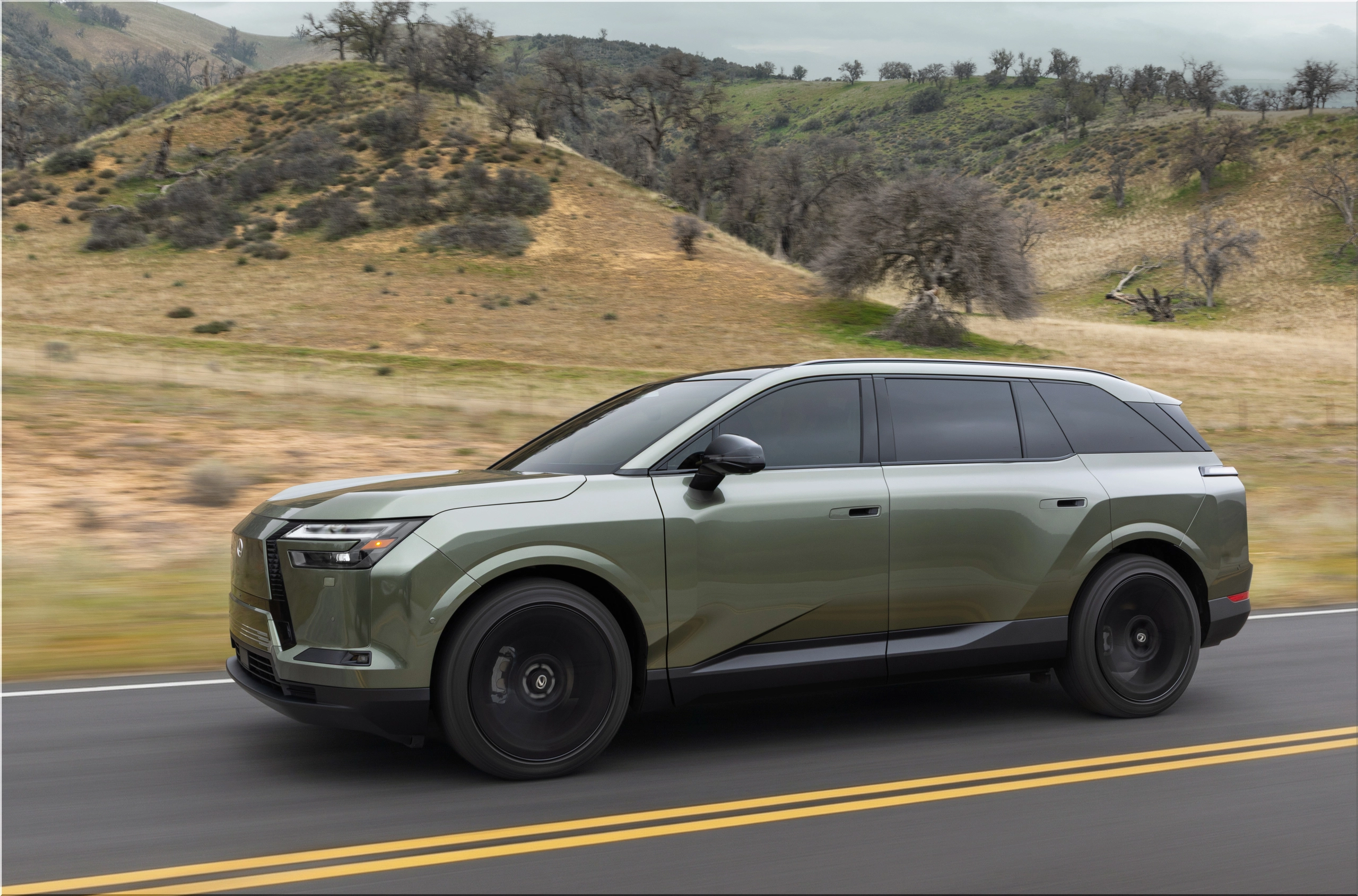
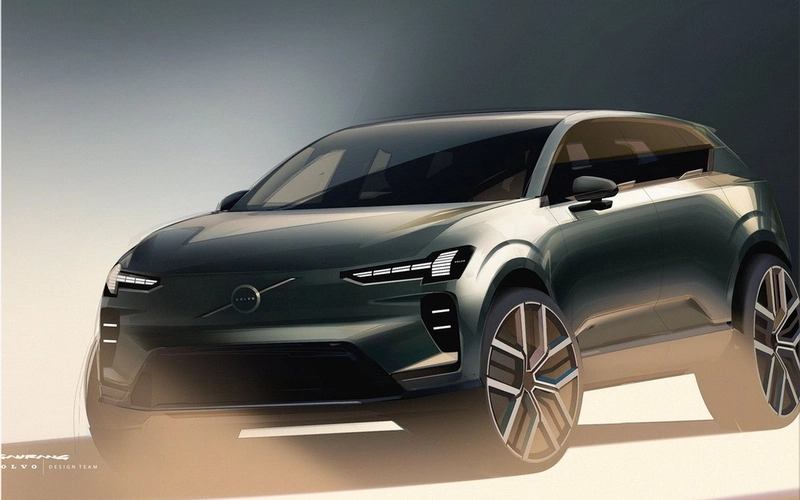
This is a major move for Lexus. The brand already sells hybrids, plug-in hybrids, and battery-electric models, but the TZ targets a higher-demand segment: the large luxury family SUV. That space now includes the Kia EV9, Volvo EX90, Mercedes-Benz EQS SUV, and Rivian R1S. Lexus does not chase every number. Instead, it focuses on the formula that built the brand in the first place: silence, precision, comfort, and long-term owner confidence.
2027 Lexus TZ Targets the Luxury Three-Row EV Buyer
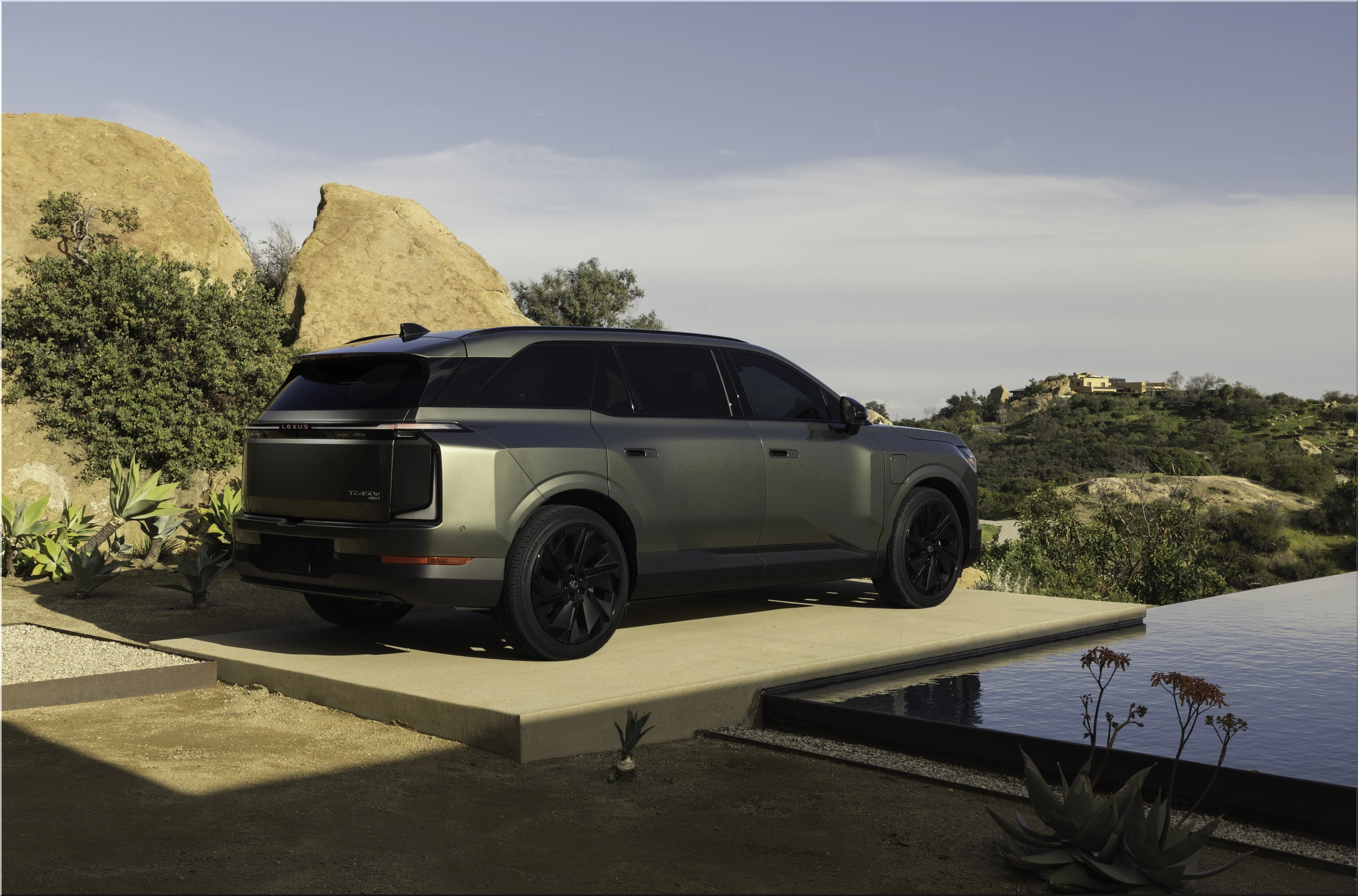
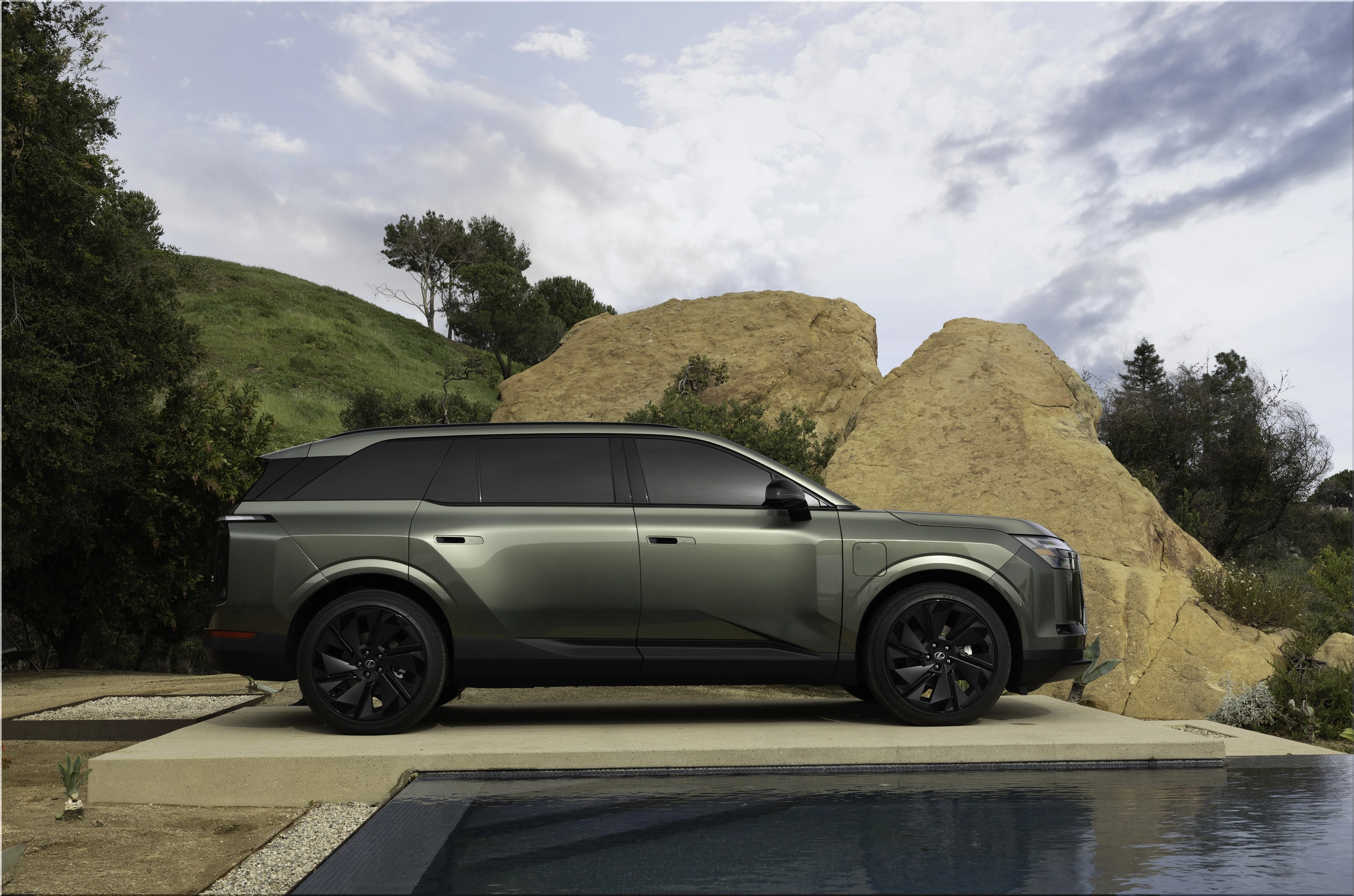
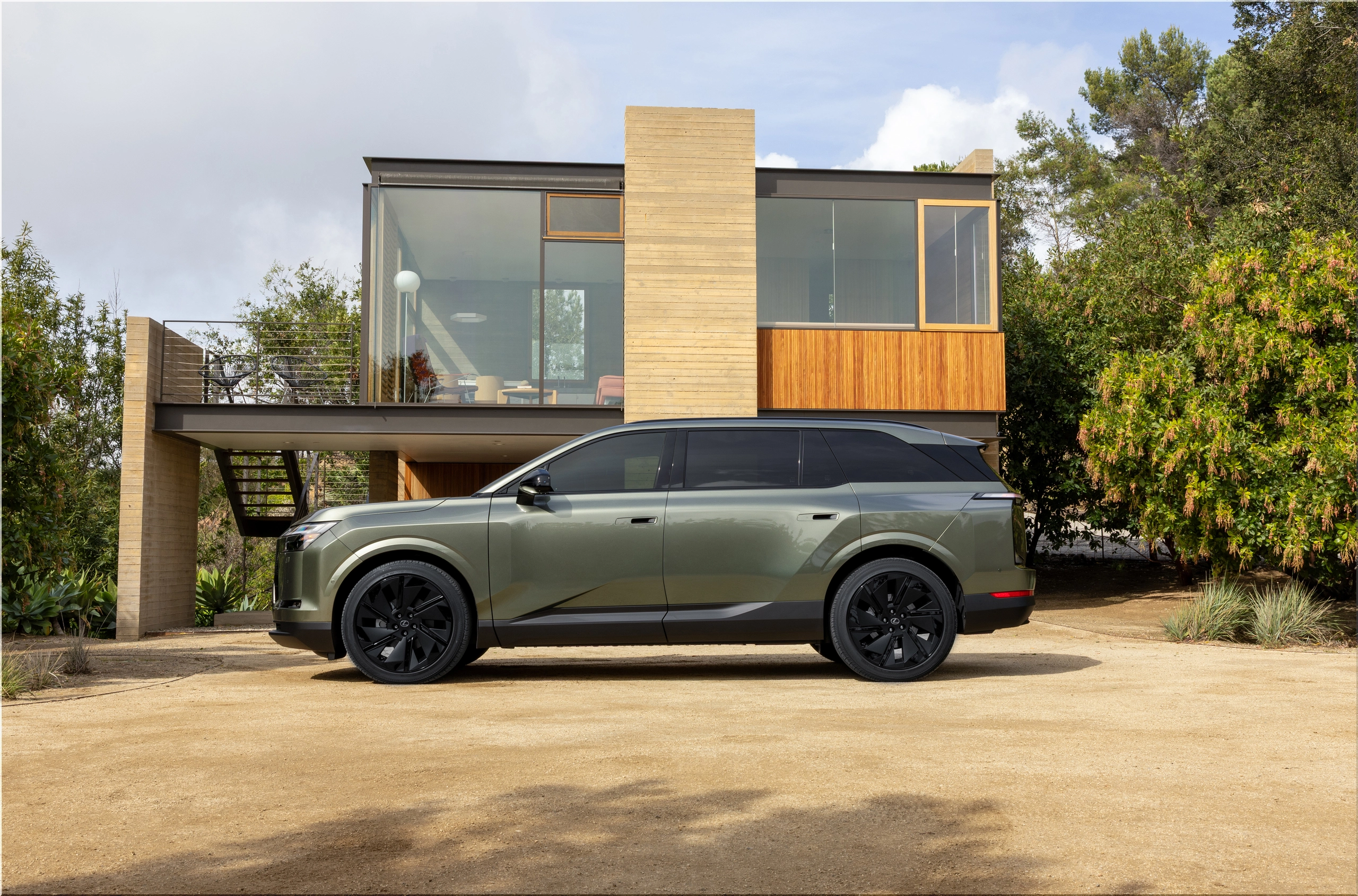
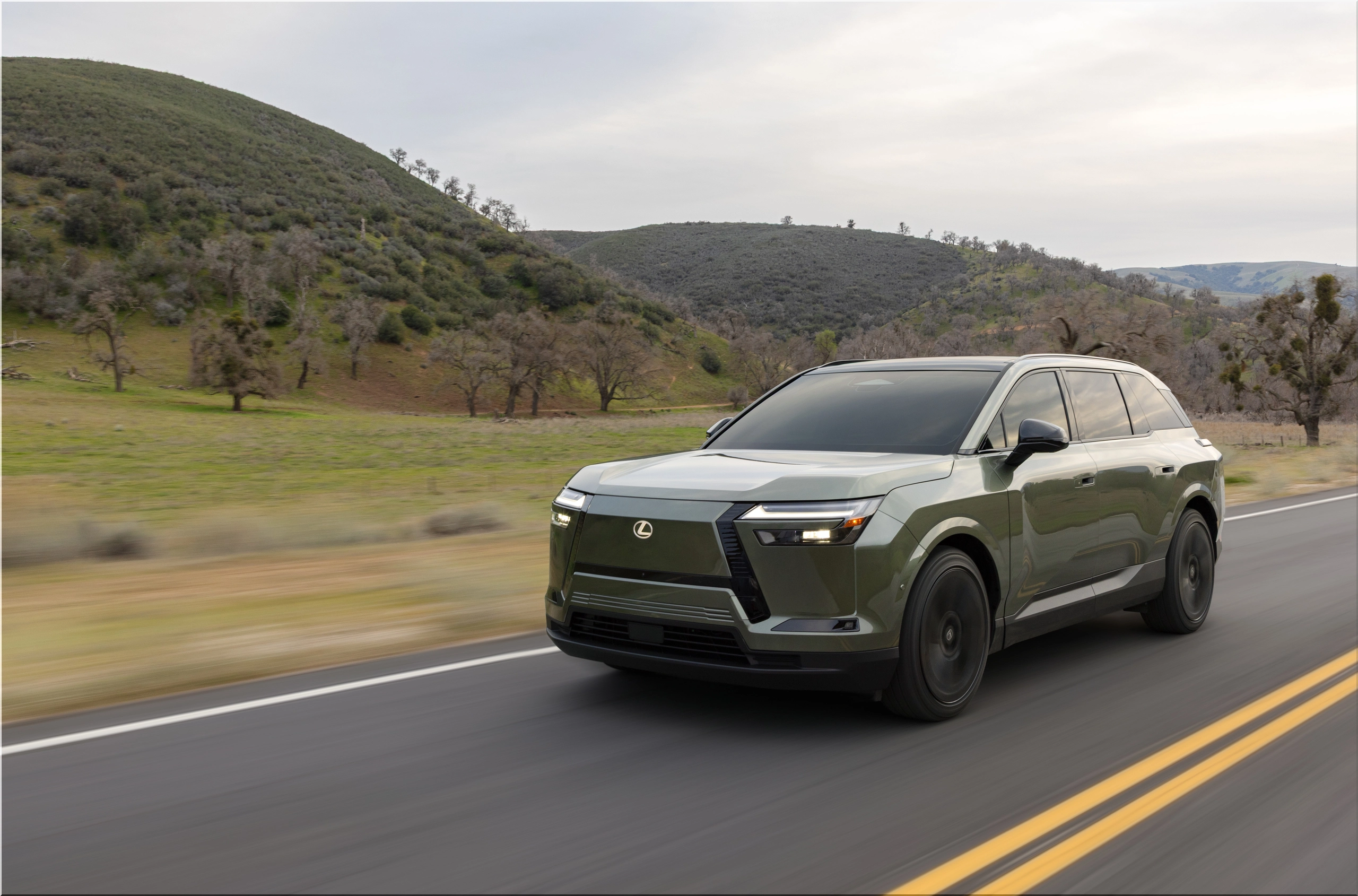
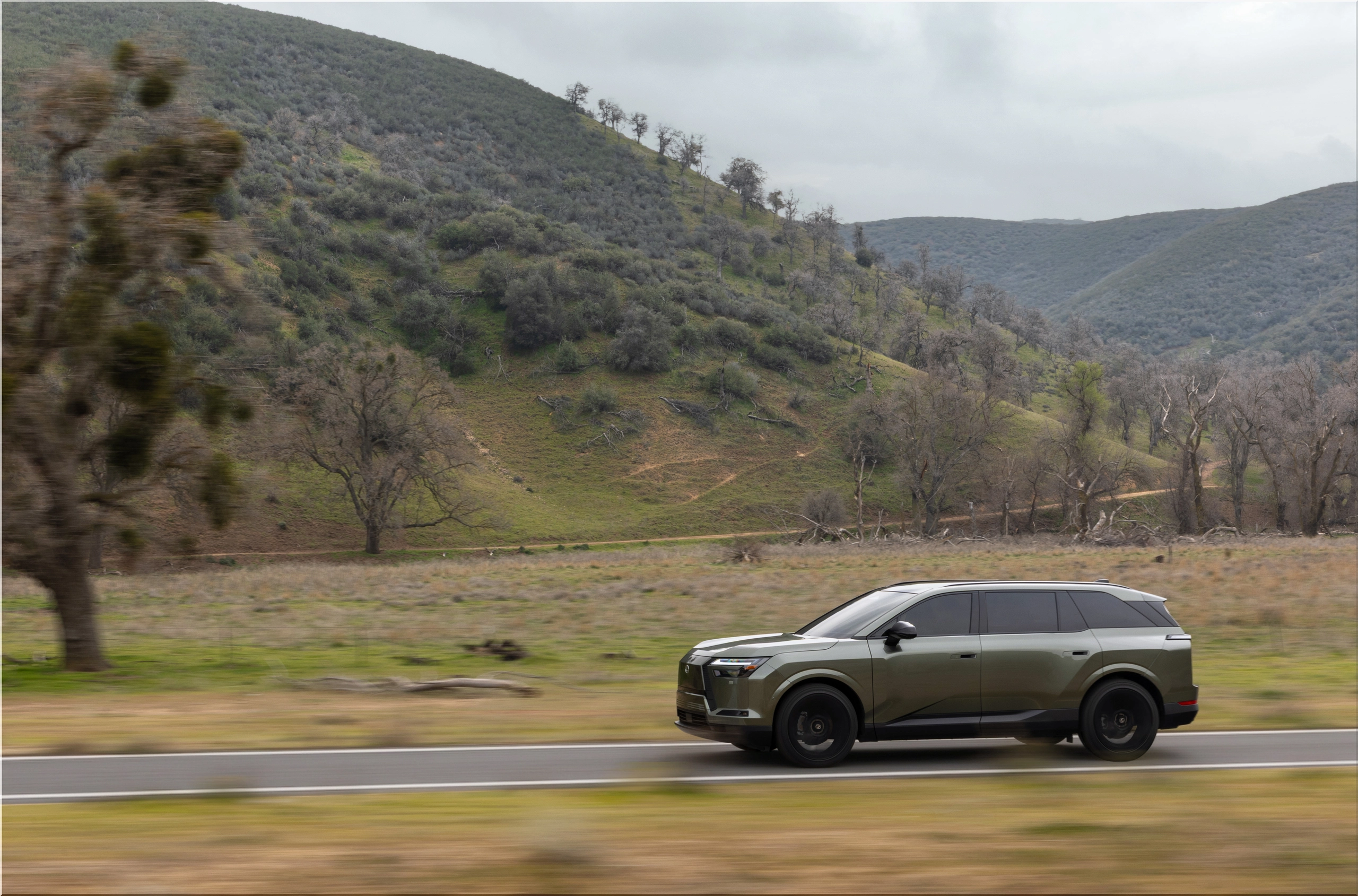
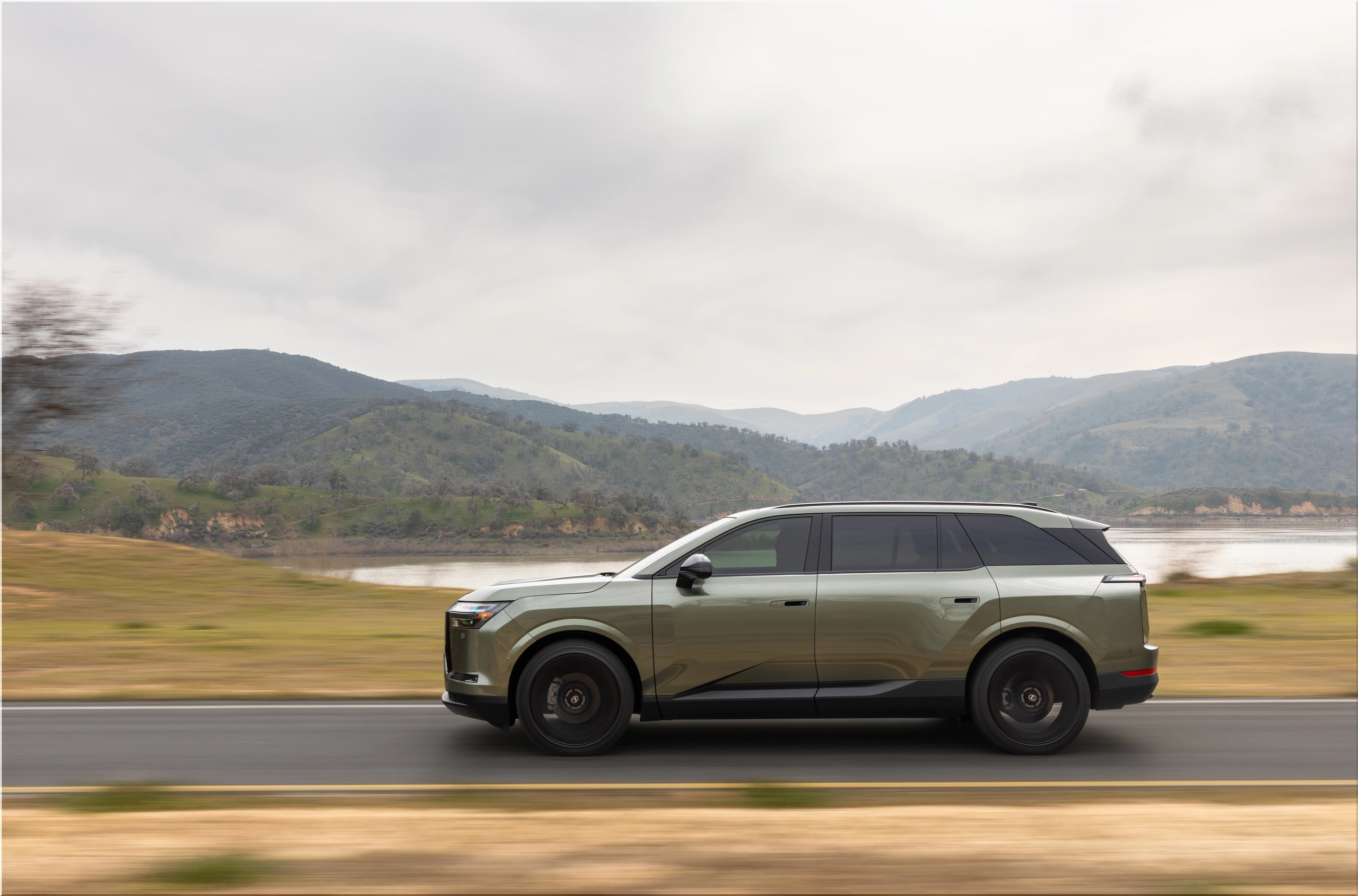
The 2027 Lexus TZ electric SUV sits above the RZ and gives Lexus a true three-row battery-electric model. It measures 200.8 inches long, 78.3 inches wide, and 67.1 inches tall, with a 120.1-inch wheelbase that gives engineers room to package a large battery, six usable seats, and a flat cabin floor.
Image
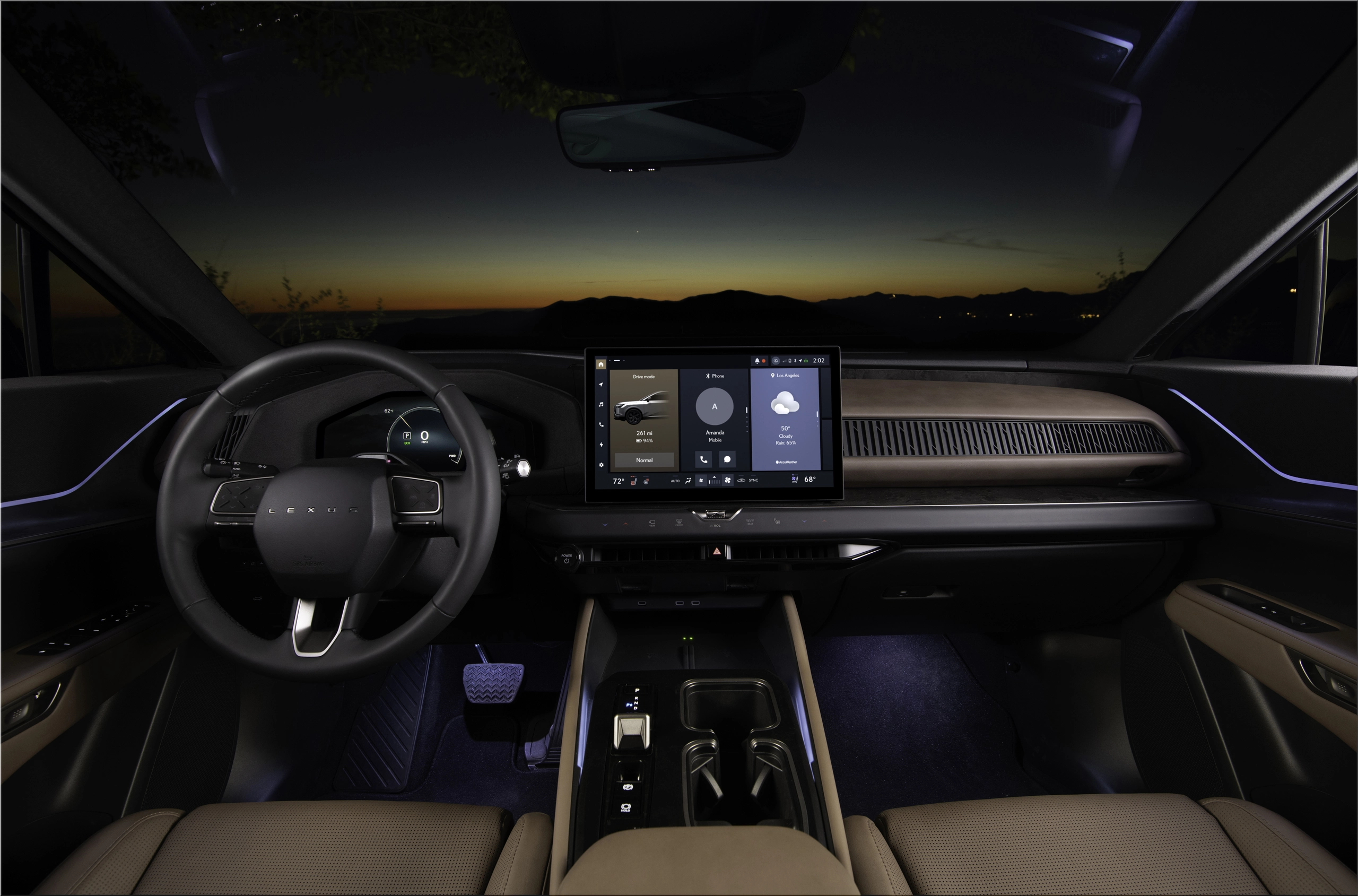
That wheelbase does important work. It helps stabilize the vehicle at highway speeds, supports smoother ride quality, and gives second- and third-row passengers more usable space. In a large EV, length alone does not tell the full story. Wheelbase, floor height, seat mounting, and battery placement decide how comfortable the cabin feels after two hours on the road.
| 2027 Lexus TZ Specification | Measurement |
|---|---|
| Length | 200.8 inches |
| Width | 78.3 inches |
| Height | 67.1 inches |
| Wheelbase | 120.1 inches |
| Seating | Six passengers |
| Estimated range | Up to 300 miles |
| Towing capacity | Up to 3,500 pounds |
| Available wheel sizes | 20-inch and 22-inch |
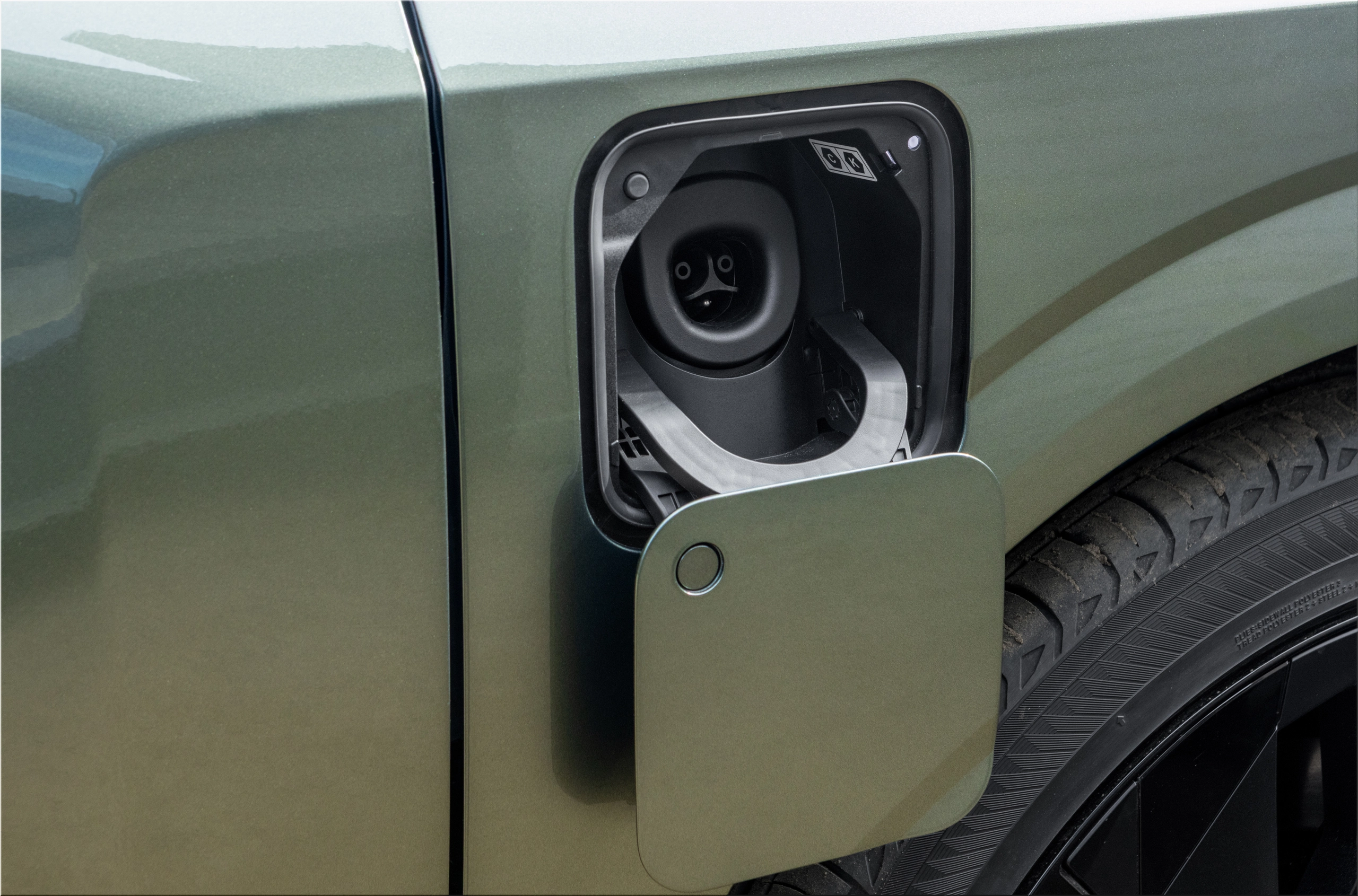
| Charging port | NACS |
Looking at the data, the TZ follows a clear product strategy. Lexus built it for buyers who need space for family, luggage, and weekend gear but still want a cabin that feels calm, controlled, and expensive.
Battery Capacity, Range, and Electric Performance
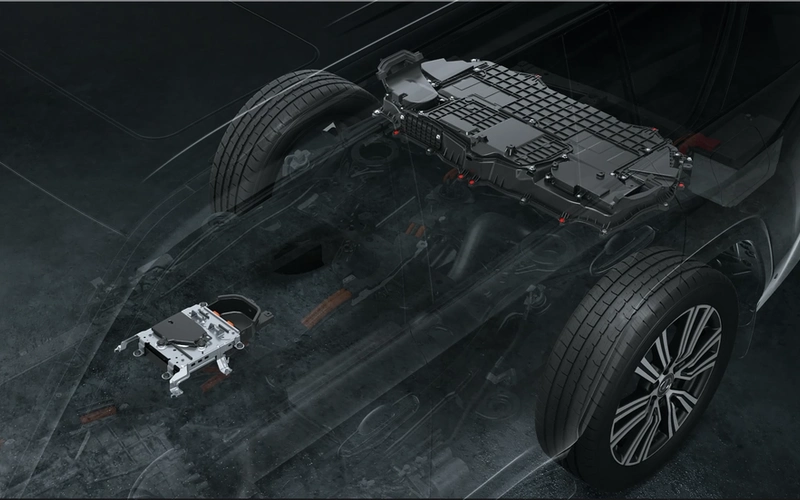
The Lexus TZ uses lithium-ion battery packs, with Lexus listing 76.96 kWh and 95.82 kWh capacities depending on configuration. The larger battery supports the model's strongest range claim, with select versions expected to deliver up to 300 miles.
Image
Power comes through front and rear electric drive units. Lexus uses a dual-motor setup to give the TZ standard all-wheel drive, quick torque response, and more stable traction in rain, snow, and hard acceleration. The larger-battery version produces up to 300 kW, equal to roughly 402 horsepower, giving this family SUV enough muscle to move with authority without turning the vehicle into a performance gimmick.
| Powertrain Detail | Figure |
|---|---|
| Larger battery capacity | 95.82 kWh |
| Smaller battery capacity | 76.96 kWh |
| System output on larger-battery version | 300 kW |
| Approximate horsepower | 402 hp |
| Estimated maximum range | Up to 300 miles |
| DC fast charging estimate | 10-80% in about 35 minutes |
| Peak DC charging figure | 150 kW |
| Drivetrain | Dual-motor AWD |
From an expert perspective, Lexus chose a balanced EV setup rather than a headline-hunting one. A 150 kW peak DC charging rate does not lead the class, but it supports predictable charging behavior and battery longevity goals. The 300-mile estimate also puts the TZ in the practical family EV zone, where daily driving, school runs, commuting, and regional trips require fewer charging stops.
DIRECT4 AWD Gives the TZ a Lexus Driving Character
The DIRECT4 all-wheel-drive system plays a central role in the TZ's personality. Instead of simply sending power to both axles, the system actively adjusts front-to-rear torque distribution according to acceleration, cornering, braking, and road conditions.
Image
During acceleration, DIRECT4 can send more power rearward for a stronger push from the back axle. During cornering, it can shift torque to improve stability and reduce unnecessary steering correction. This matters in a large electric SUV because battery weight can make vehicles feel heavy, even when motor response feels instant.
In addition, the TZ offers Dynamic Rear Steering. The rear wheels can turn up to 4 degrees, helping the SUV feel smaller in parking lots and steadier at highway speeds. At lower speeds, rear-wheel steering tightens the turning circle. At higher speeds, it supports smoother lane changes.
Cabin Design: Six Seats and a Real Third Row
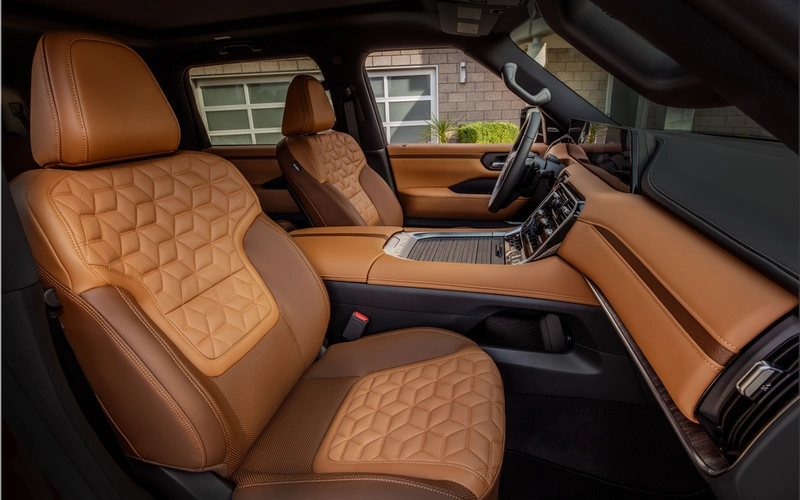
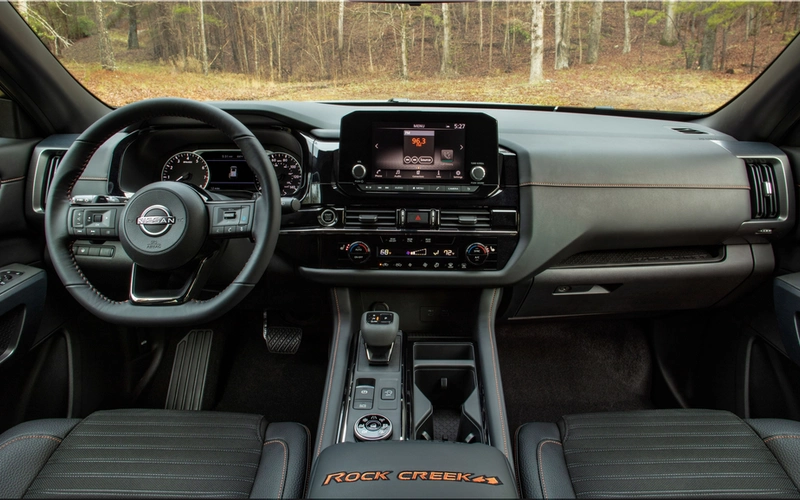
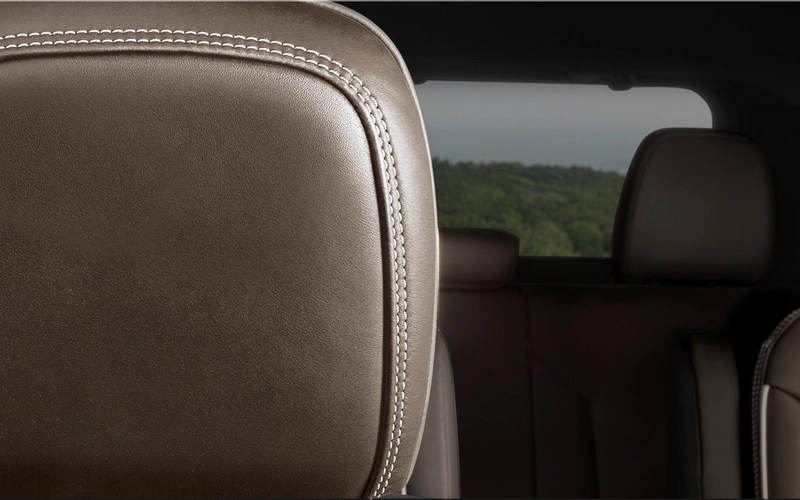
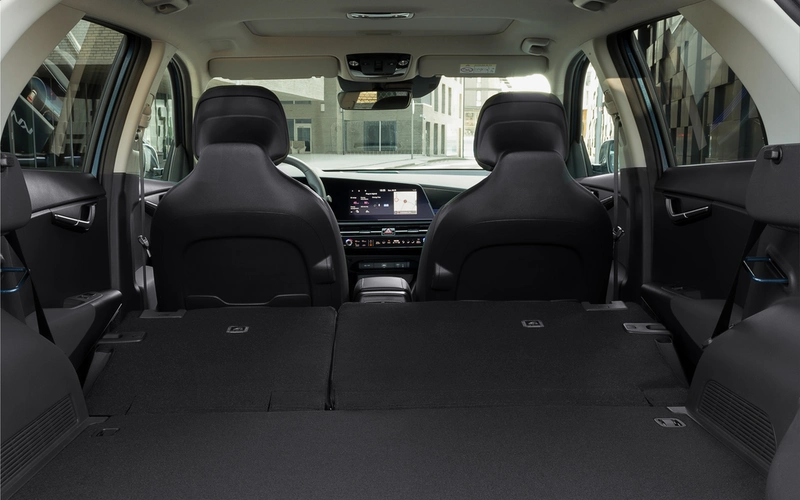
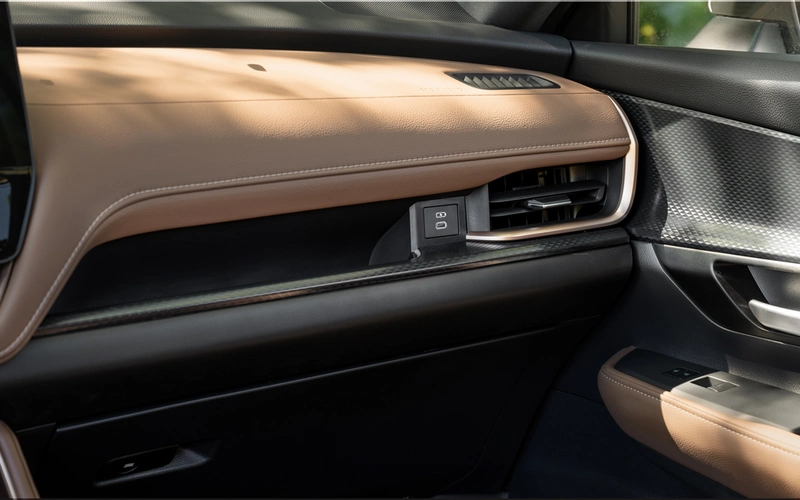
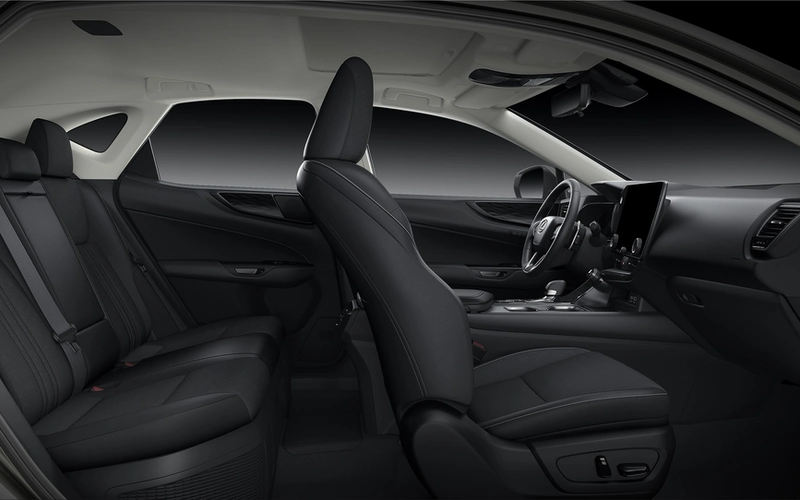
The 2027 Lexus TZ interior uses a six-seat layout with second-row captain's chairs. That layout suits luxury family buyers better than a flat three-person second-row bench because it improves comfort, creates a cleaner walk-through path, and gives each rear passenger a more personal seating position.
Lexus also pays close attention to third-row usability. Many large SUVs technically include a third row, but adults quickly learn the difference between "available" and "comfortable." The TZ attacks that issue with a long wheelbase, slim front seats, careful floor packaging, and second-row access designed for child-seat-heavy family life.
Key interior features include:
- Six-passenger layout with second-row captain's chairs
- Available ventilated front and second-row seats
- Available power ottomans
- One-touch second- and third-row folding
- Removable rear center console
- Panoramic roof with power sunshade
- 21-speaker Mark Levinson audio system
- Lexus Interface with connected EV route planning
- 5G connectivity support
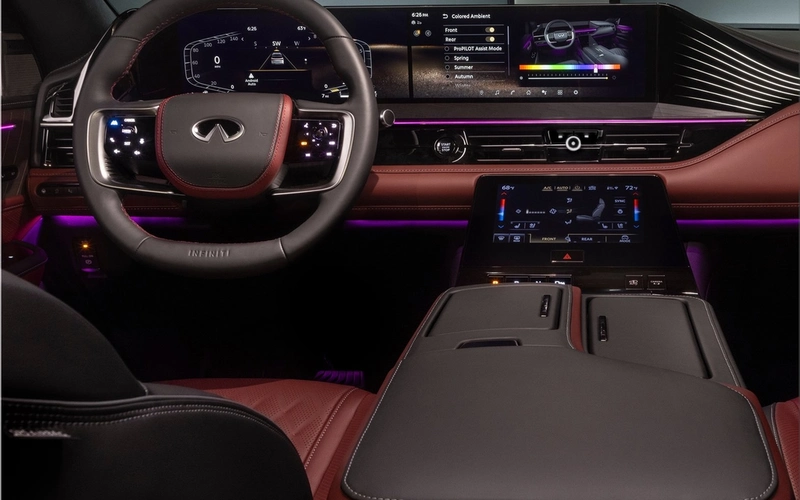
Specifically, the cabin does not chase screen size alone. Lexus uses technology to reduce stress: route planning, charge management, cabin comfort controls, and clean access to vehicle data. That approach suits a luxury EV better than a dashboard overloaded with visual drama.
Image
Cargo Space and Family Utility
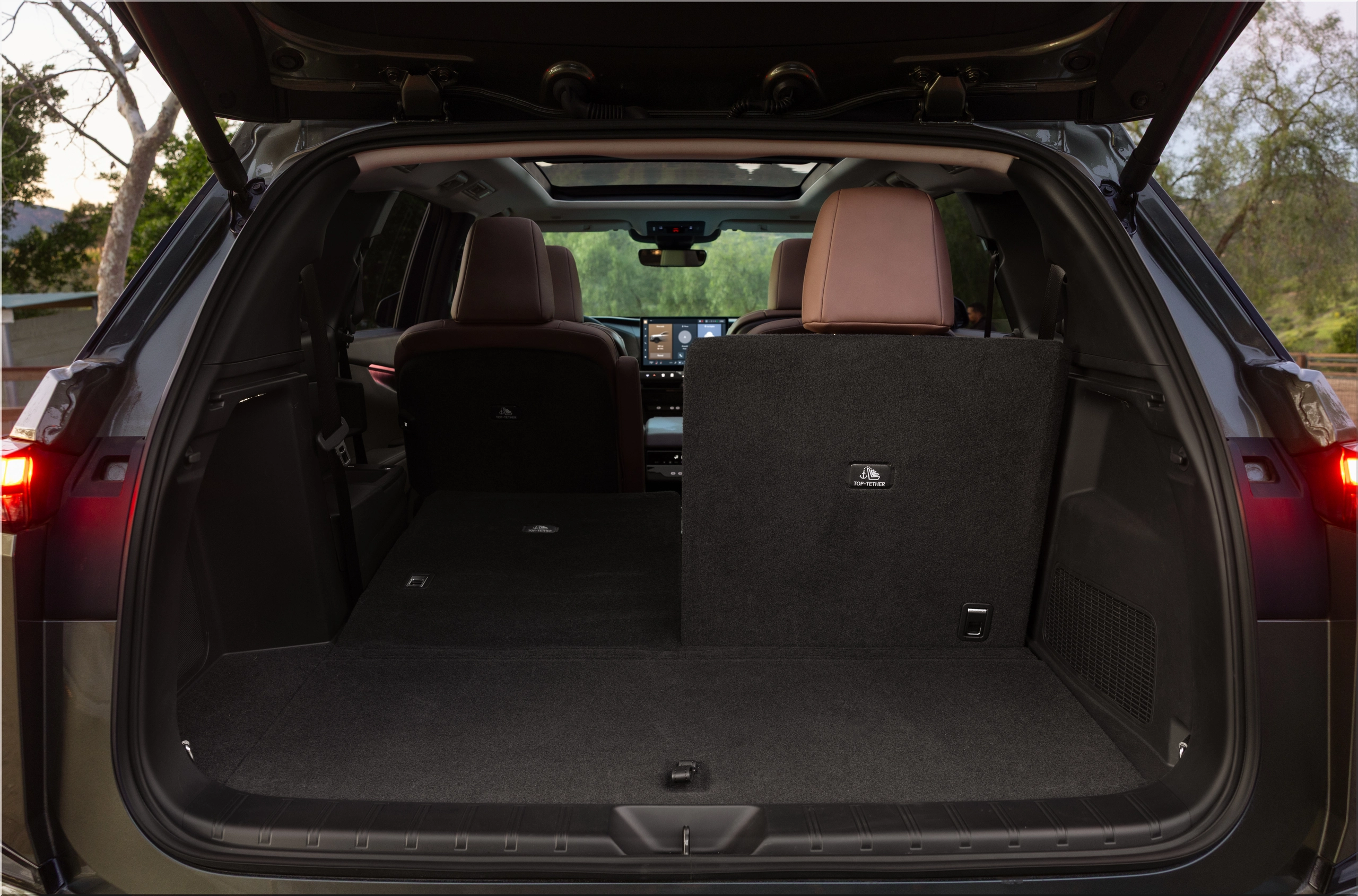
The TZ offers 13.8 cubic feet of cargo space behind the third row. That space handles grocery runs, school bags, charging cables, and compact luggage. With seats folded, the global cargo figure reaches up to 2,017 liters, which converts to roughly 71.2 cubic feet.
For American families, that number matters because a three-row SUV has to work on more than paper. It must handle airport runs, youth sports gear, home improvement errands, and long weekends. The TZ's one-touch folding second and third rows make the cargo area easier to use when the vehicle shifts from people-moving to gear-hauling.
| Cargo and Utility Detail | Figure |
|---|---|
| Cargo space behind third row | 13.8 cu ft |
| Maximum cargo volume | About 71.2 cu ft |
| Maximum towing capacity | 3,500 lb |
| Seating capacity | Six |
| Rear access layout | Captain's chairs with walk-through space |
Consequently, the TZ works best as a luxury family SUV with light towing ability. A small trailer, utility trailer, or pair of personal watercraft fits the mission. Heavy towing buyers should look elsewhere.
Aerodynamics, Tire Choices, and Ride Quality
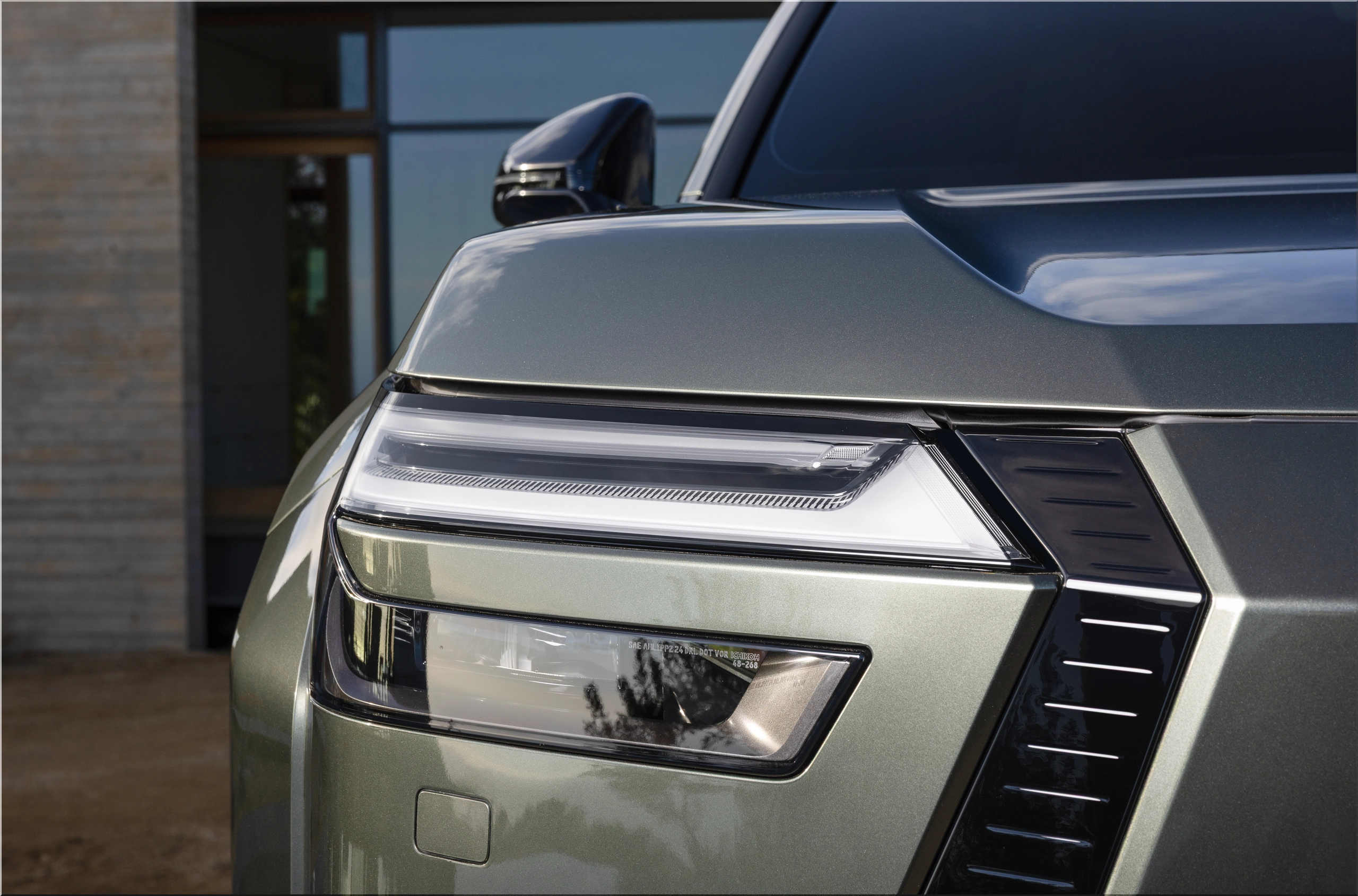
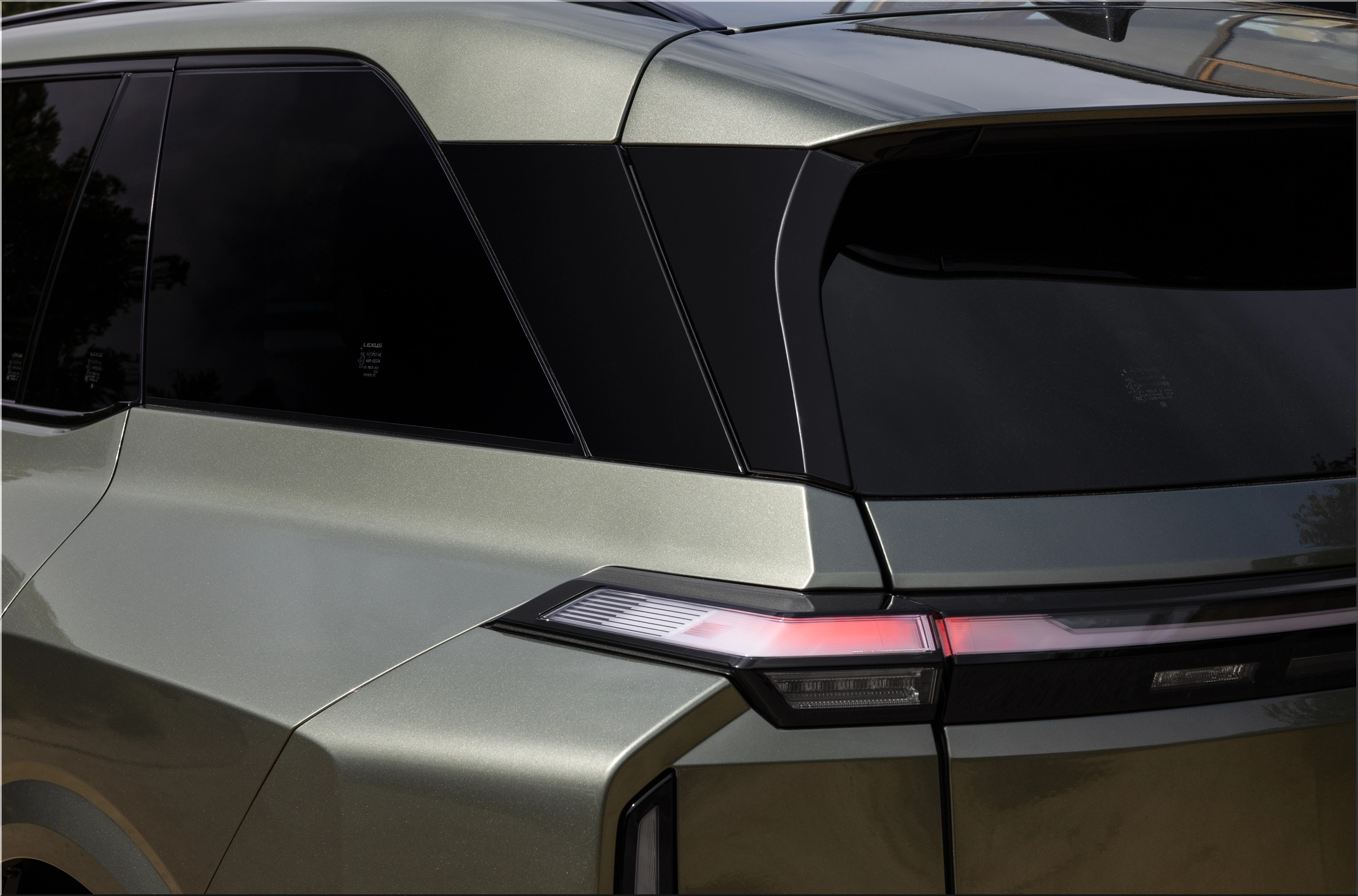
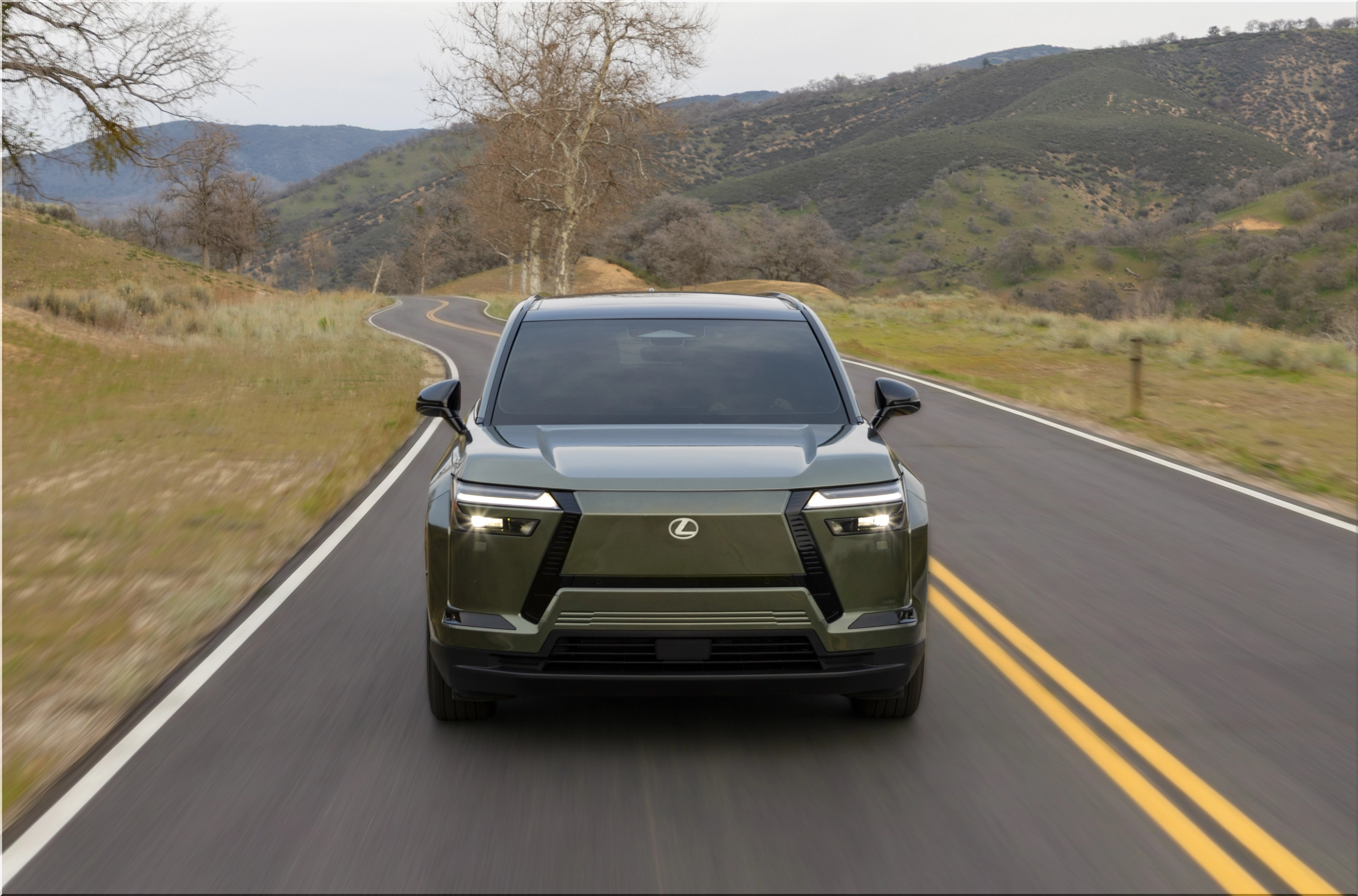
The Lexus TZ posts a drag coefficient of 0.27, a strong figure for a large three-row SUV. Aerodynamics help preserve range, but they also reduce wind noise. That second benefit matters in an electric Lexus because the absence of engine noise exposes tire roar, mirror turbulence, and roof noise.
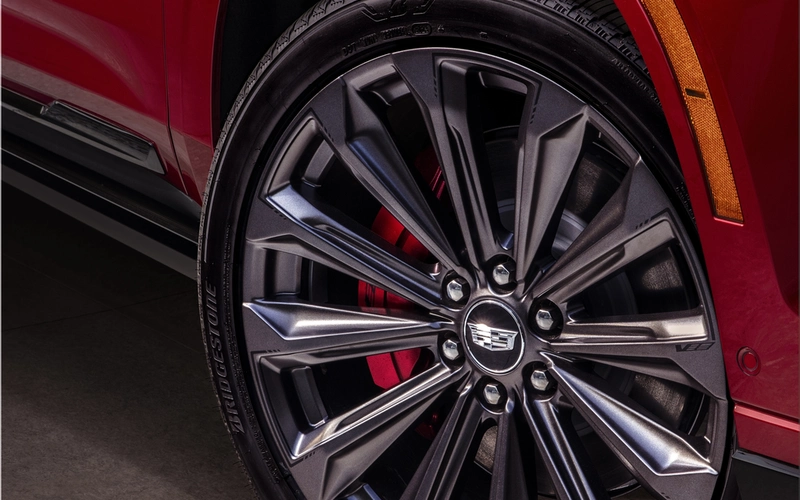
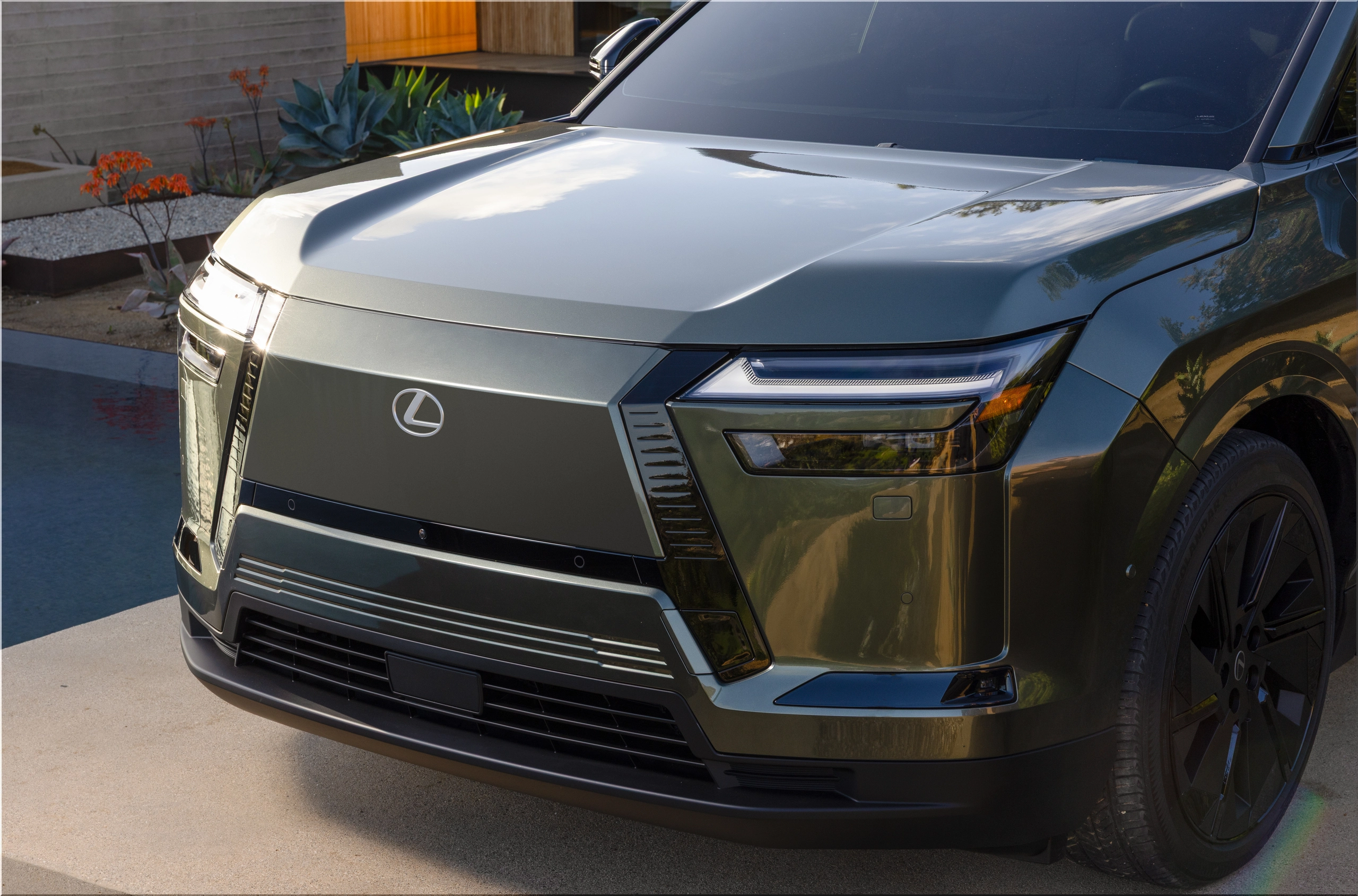
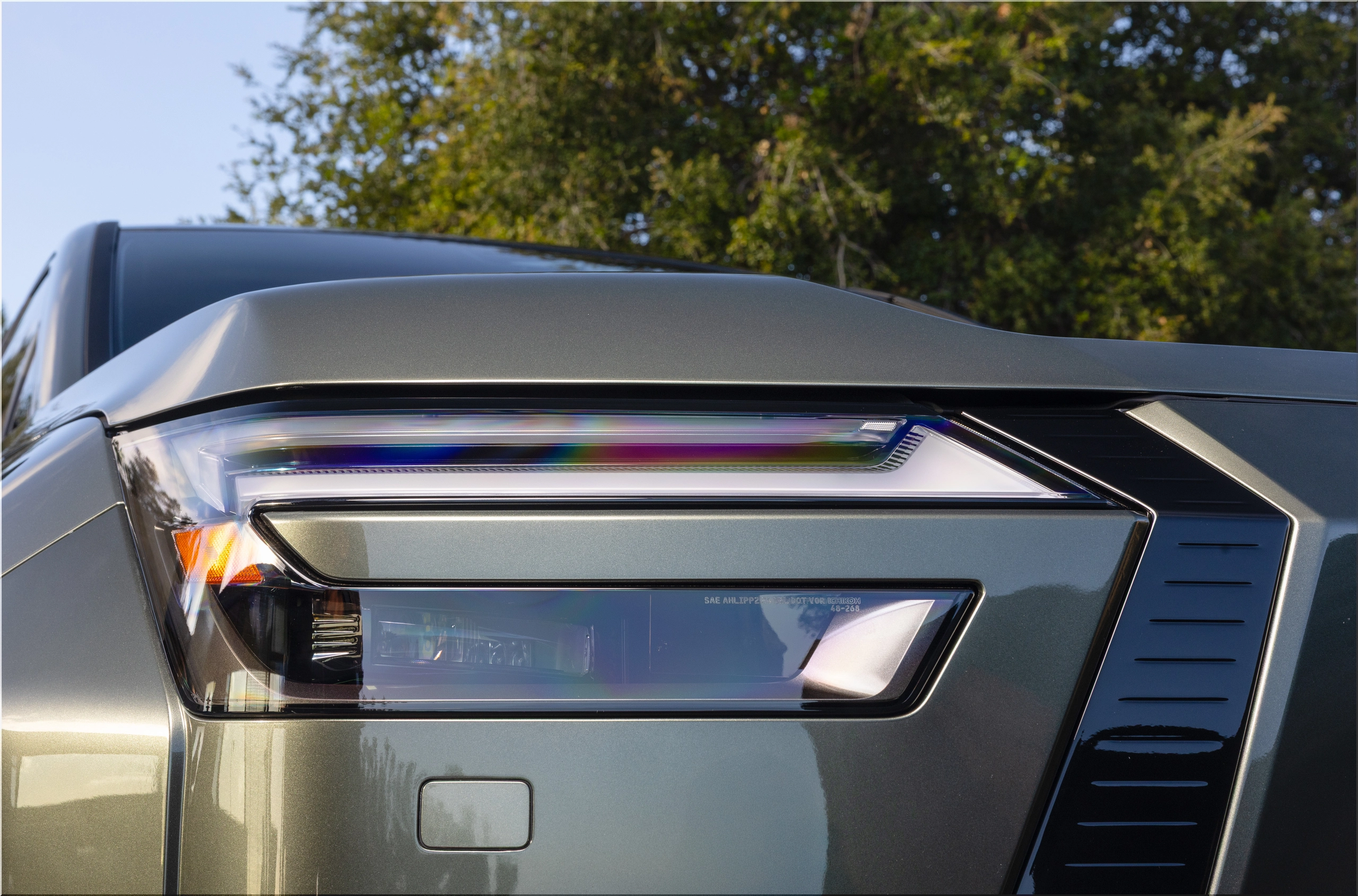
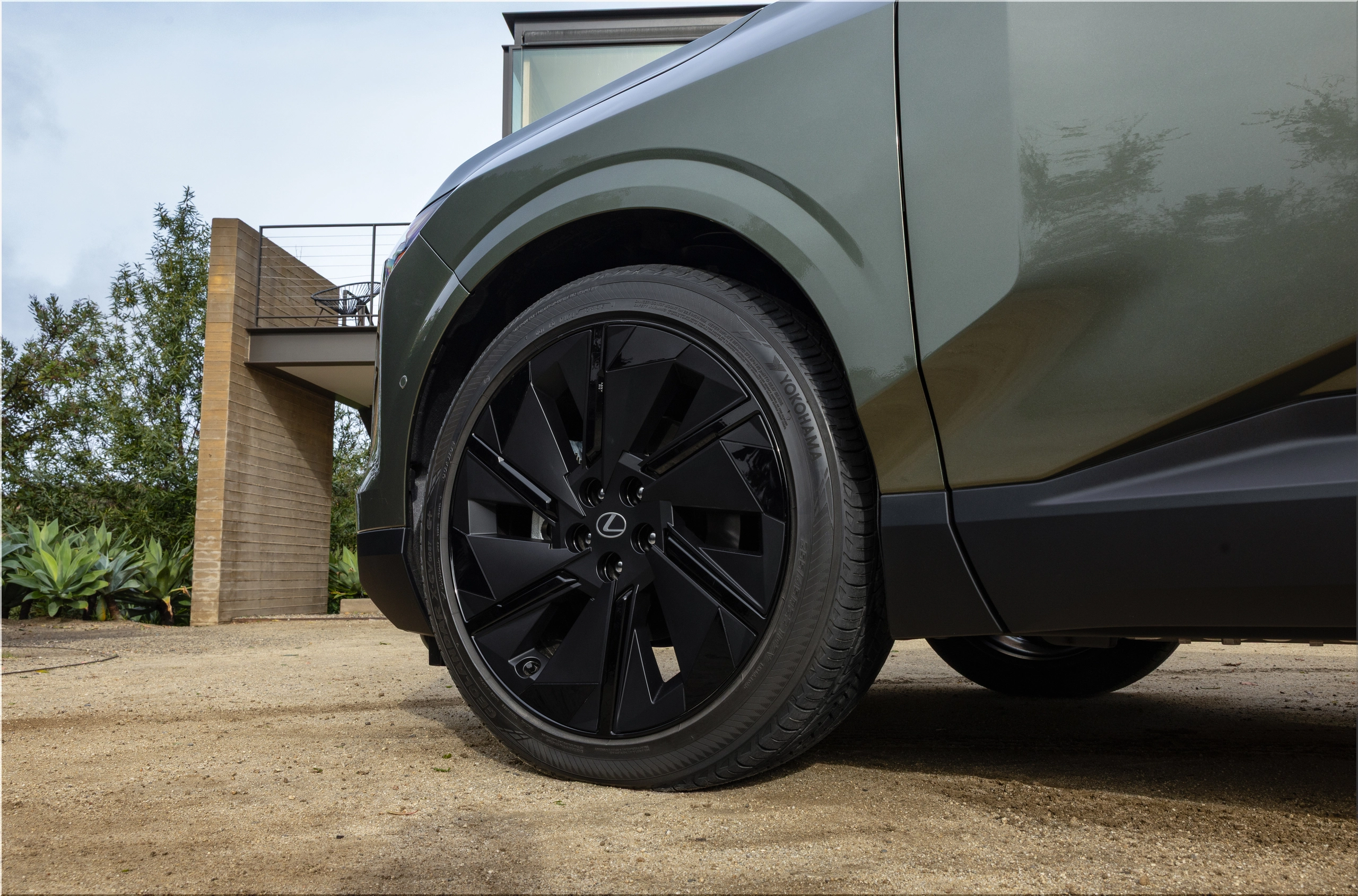
Lexus uses semi-flush door handles, aero-focused wheel design, underbody airflow work, and careful body shaping to reduce drag. The available 20-inch and 22-inch wheel choices also create a clear buyer decision. The 22-inch wheels add visual presence, while the 20-inch wheels should deliver better ride comfort, lower replacement cost, and more sidewall protection on rough roads.
Image
Safety and Driver Assistance
The 2027 TZ includes Lexus Safety System Plus 4.0. This suite supports modern driver assistance features and helps position the TZ as a family-first luxury EV rather than a tech experiment.
The system includes features aimed at collision avoidance, lane support, adaptive cruise control, and driver monitoring. Lexus also backs the TZ with the type of dealer network and ownership experience that many EV startups still struggle to match. That can sway buyers who want electric driving without feeling like early adopters.
2027 Lexus TZ vs Key Three-Row EV Rivals
The TZ enters a sharp segment. The Kia EV9 wins on value and available seven-seat flexibility. The Rivian R1S wins on towing and outdoor capability. The Mercedes-Benz EQS SUV wins on high-end luxury theatre. The Volvo EX90 leans hard into safety and Scandinavian restraint.
| Model | Seating | Range Claim | Towing Capacity | Core Strength |
|---|---|---|---|---|
| 2027 Lexus TZ | Six | Up to 300 miles | 3,500 lb | Quiet luxury and Lexus ownership confidence |
| Kia EV9 | Up to seven | Up to 305 miles | Up to 5,000 lb | Value and family packaging |
| Volvo EX90 | Six or seven | Up to 305 miles | Up to 4,850 lb | Safety technology |
| Rivian R1S | Seven | Up to about 410 miles | Up to 7,700 lb | Range and outdoor capability |
| Mercedes-Benz EQS SUV | Up to seven | Up to 317 miles | 3,500 lb | Luxury tech and premium cabin feel |
By comparison, Lexus does not lead on towing, charging speed, or maximum range. It wins when the buyer values calm driving, dealer support, cabin silence, and long-term trust. That gives the TZ a clear lane, even in a fast-growing EV class.
What Now?
Buyers should watch three details before placing an order: final U.S. pricing, battery availability by trim, and real-world charging performance. Those numbers will decide how strongly the TZ competes against the EV9, EX90, R1S, and EQS SUV.
The 2027 Lexus TZ looks most compelling for families who want a refined electric SUV with real three-row packaging, standard AWD, up to 300 miles of range, and a premium ownership experience. It does not pretend to be an off-road EV truck or a towing monster. It plays the Lexus card: quiet, polished, precise, and built for buyers who want their technology to work without drama.
Image Gallery
- Add new comment
- 440 views