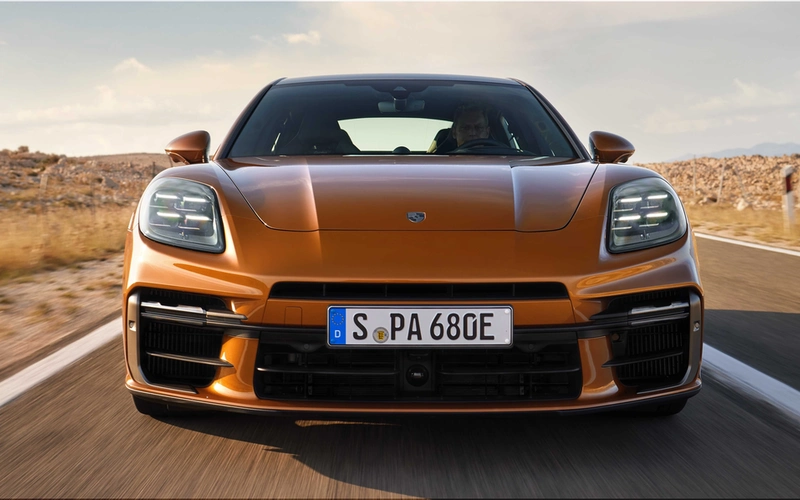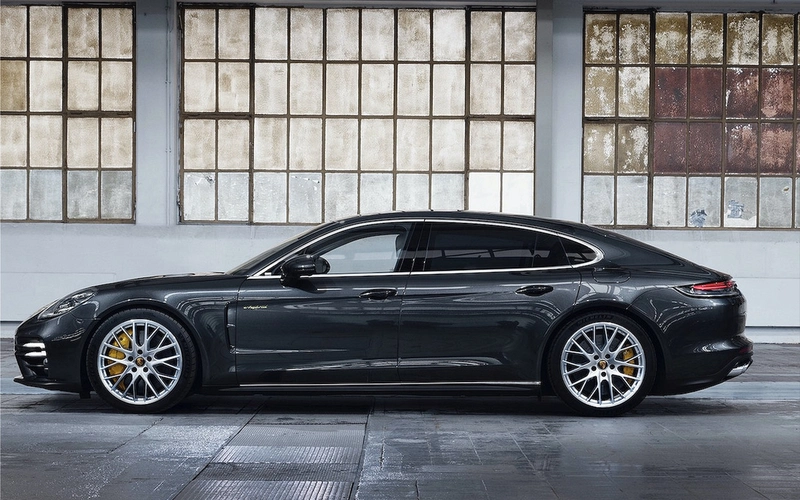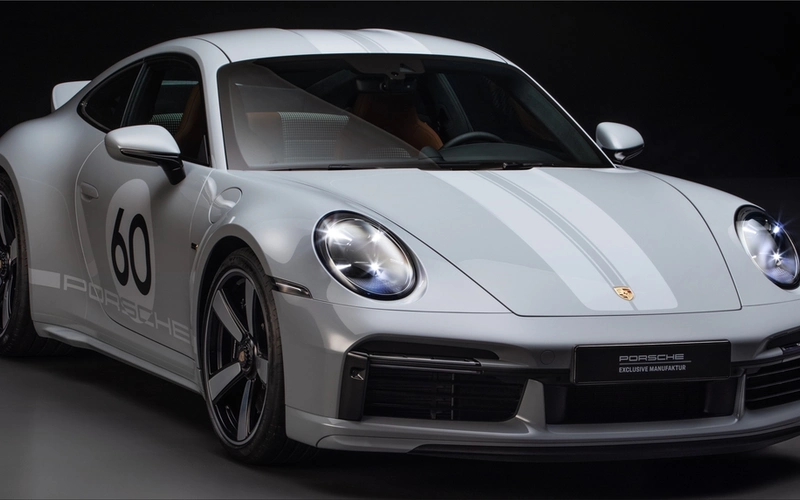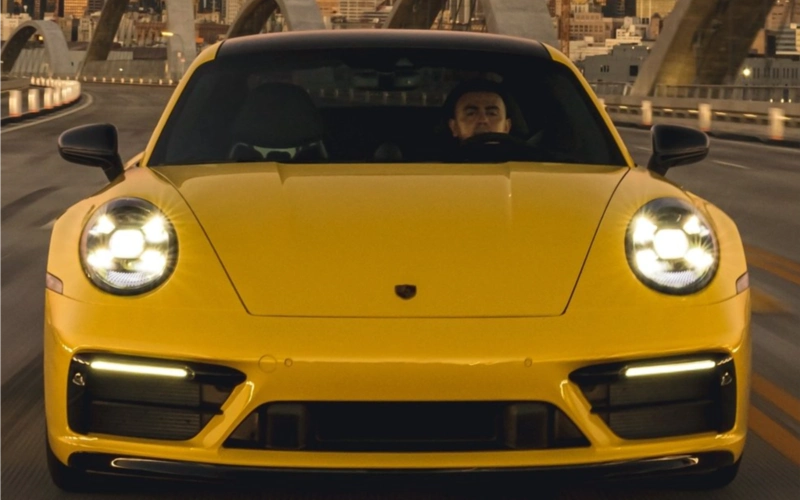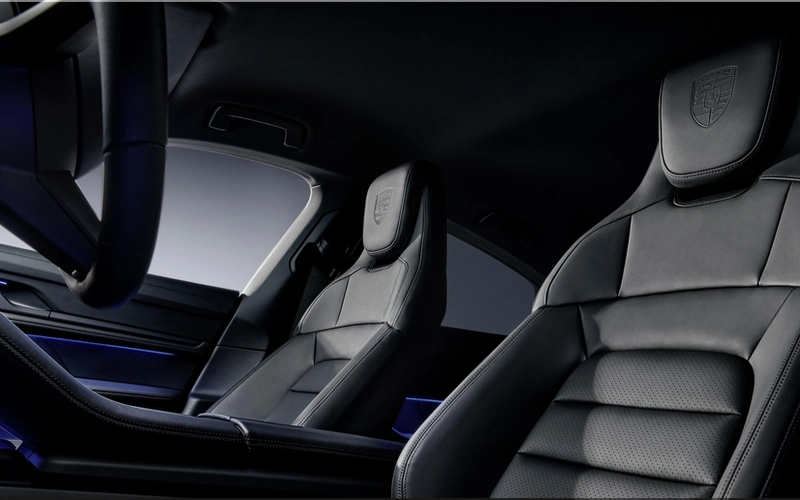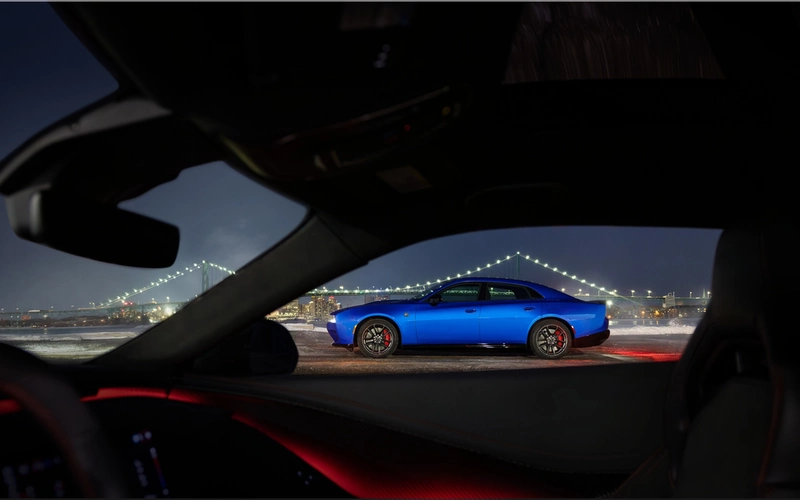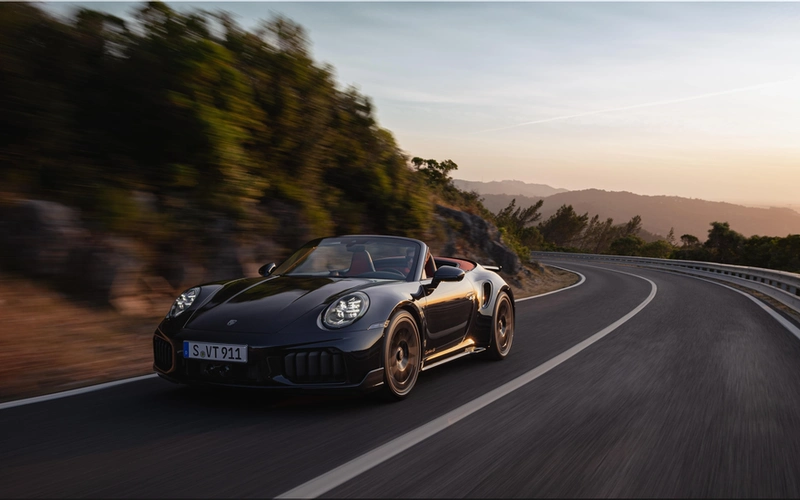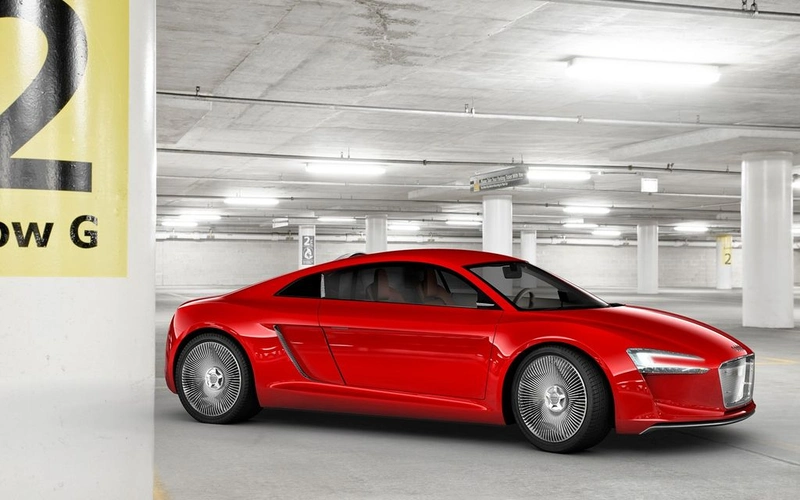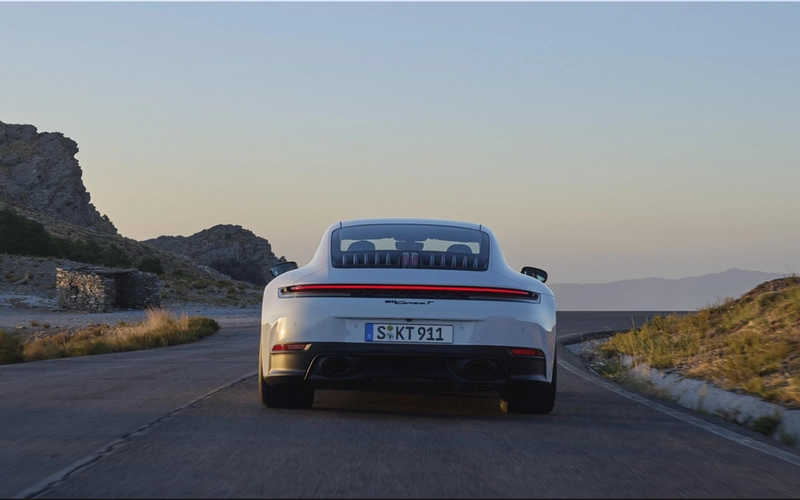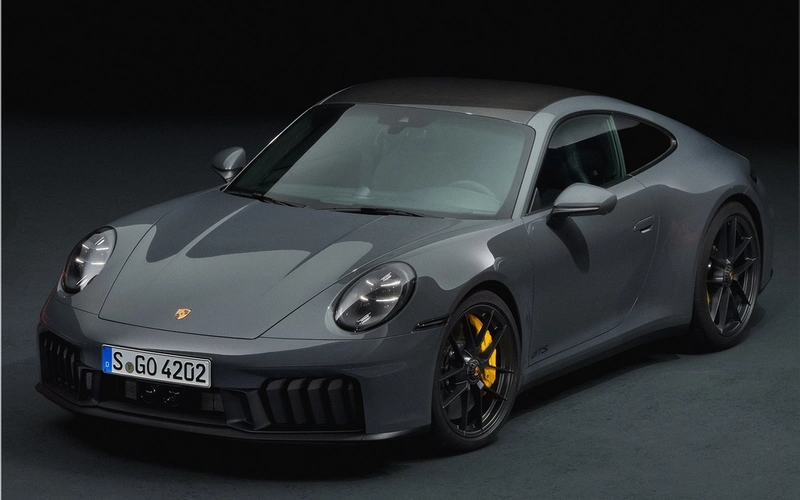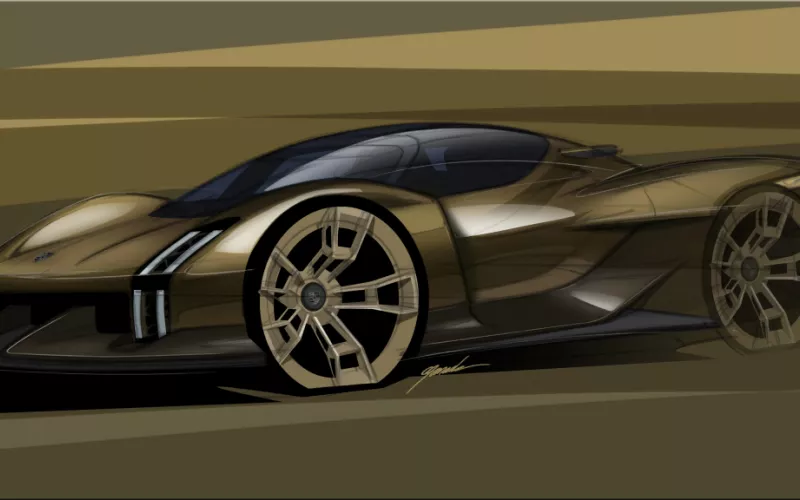
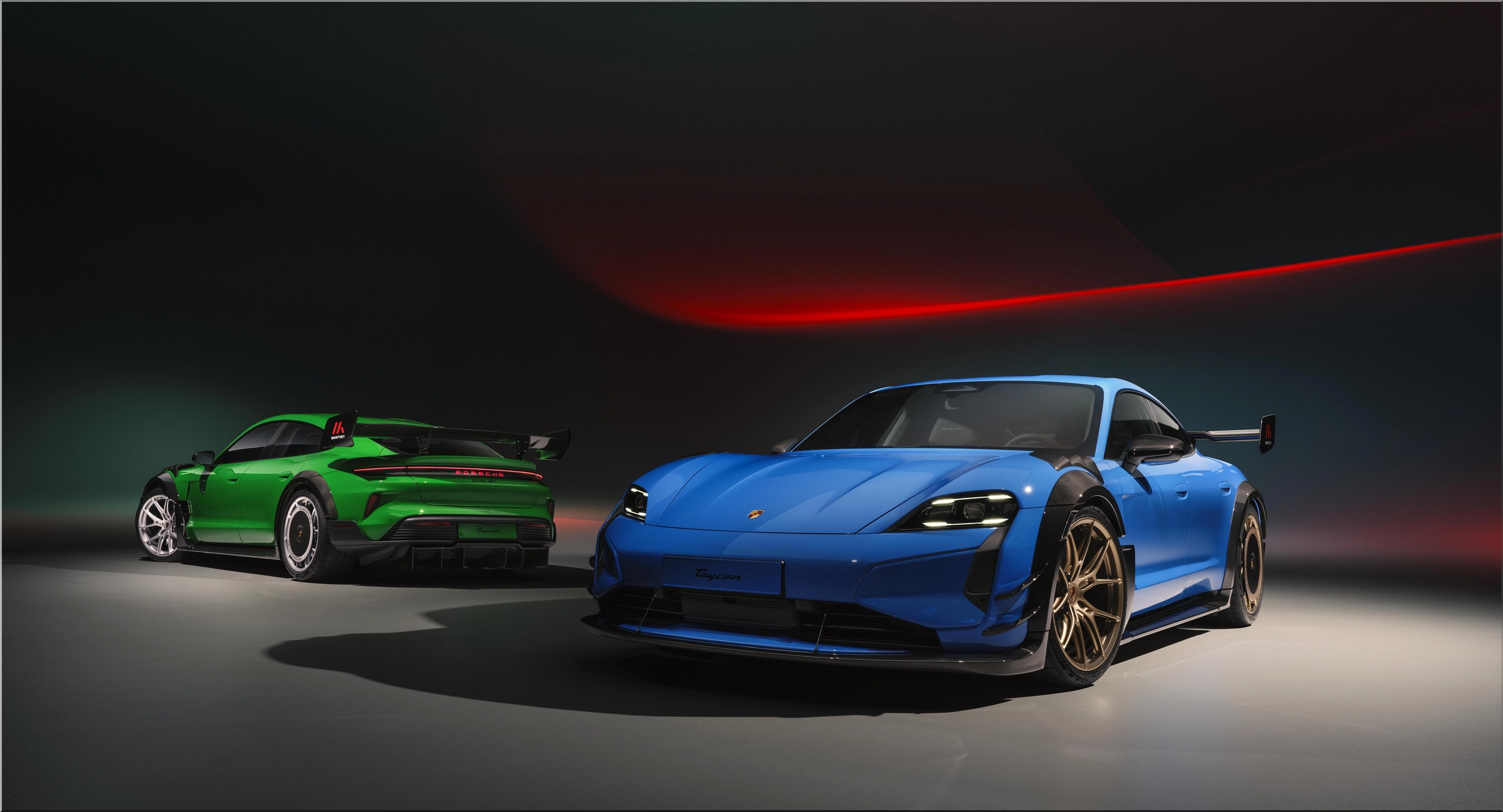
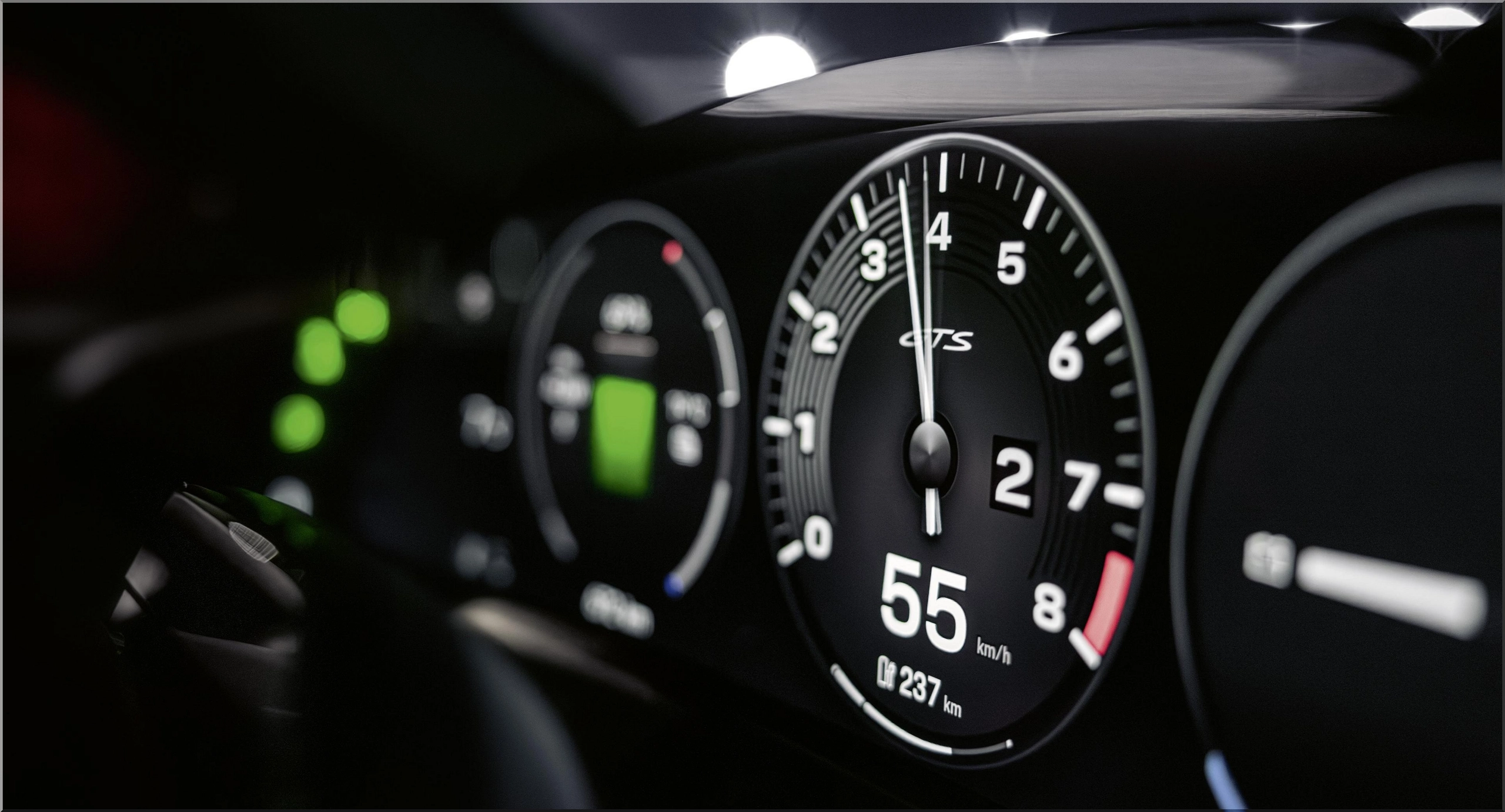
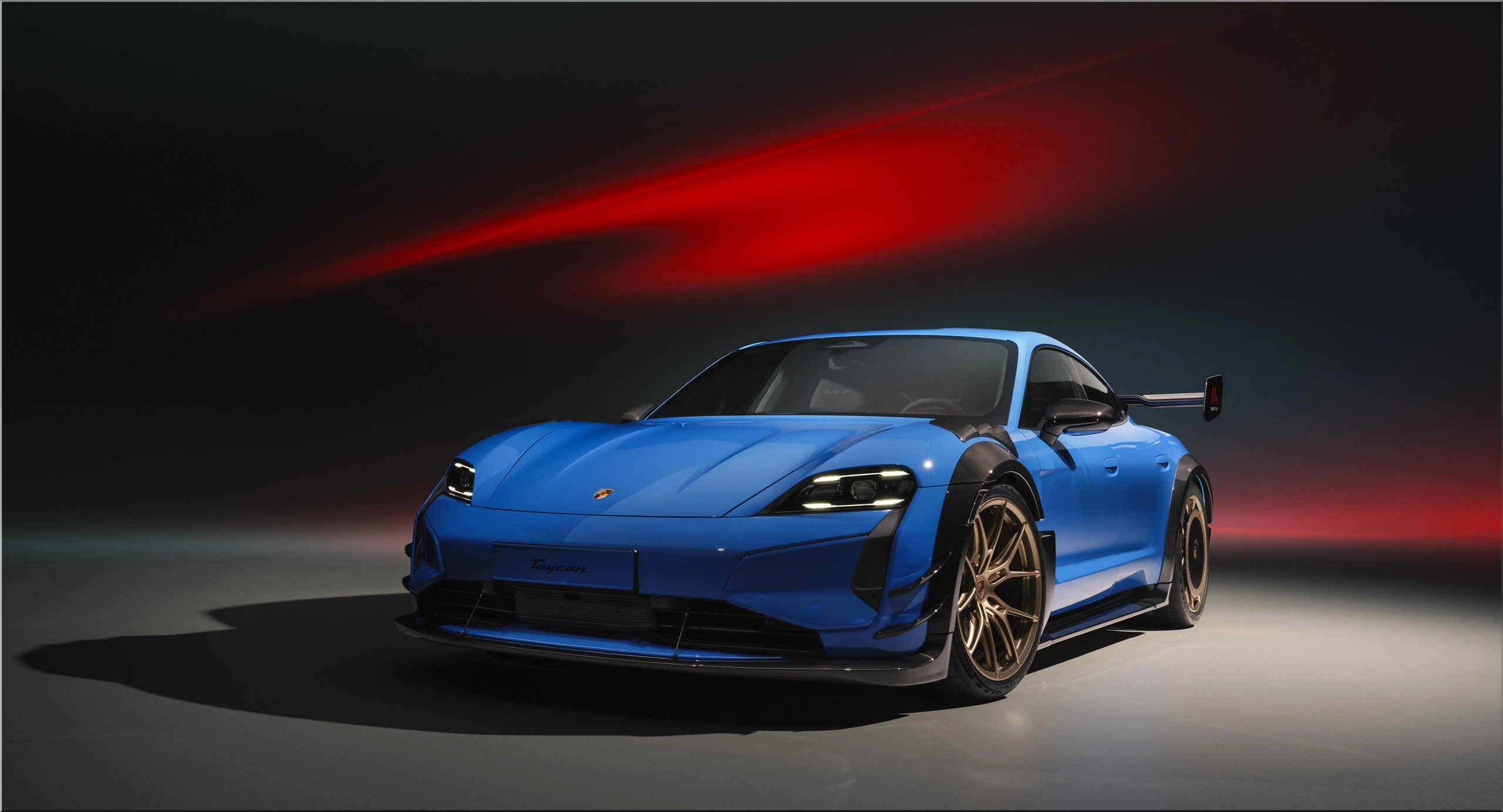
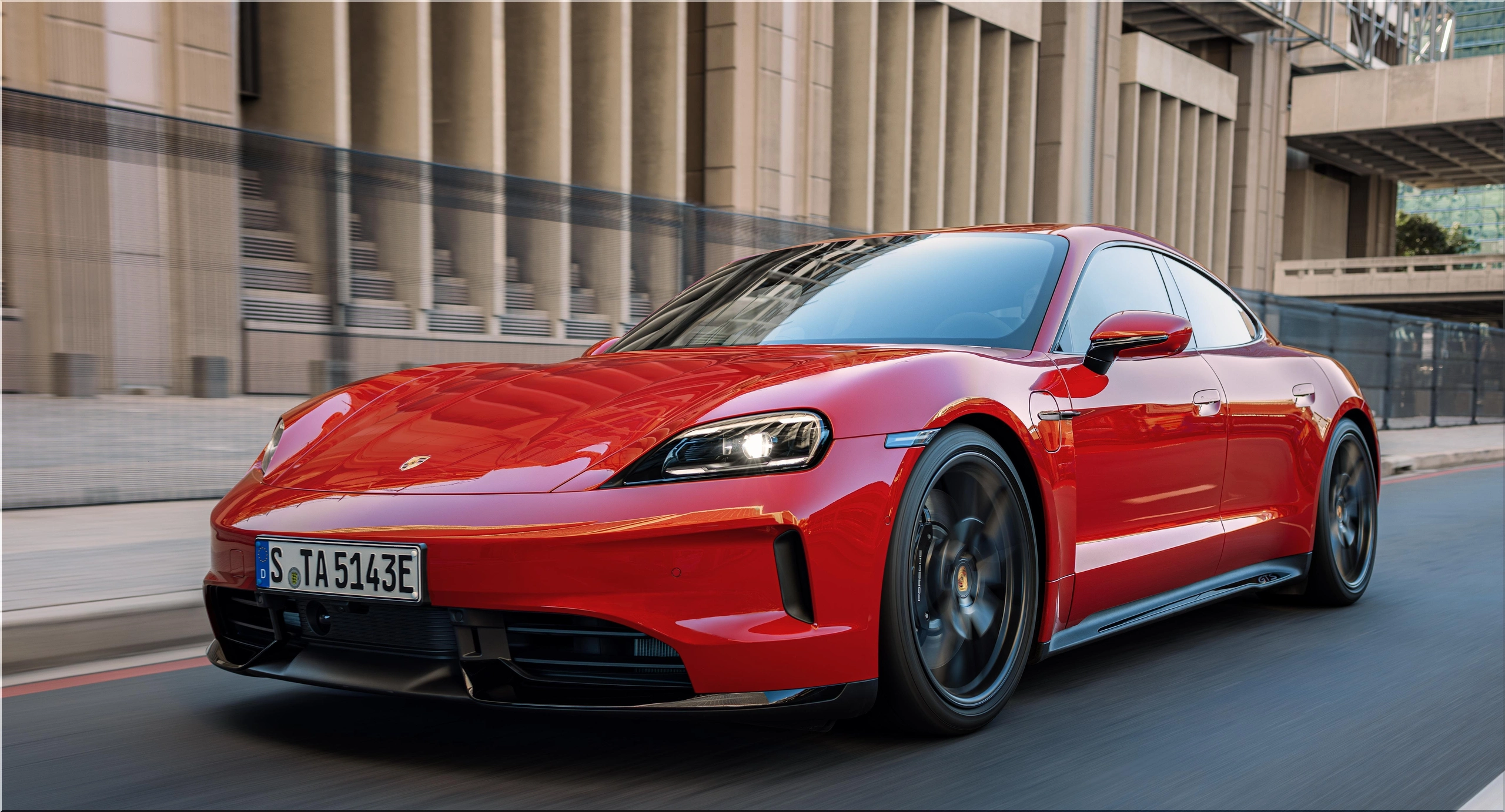
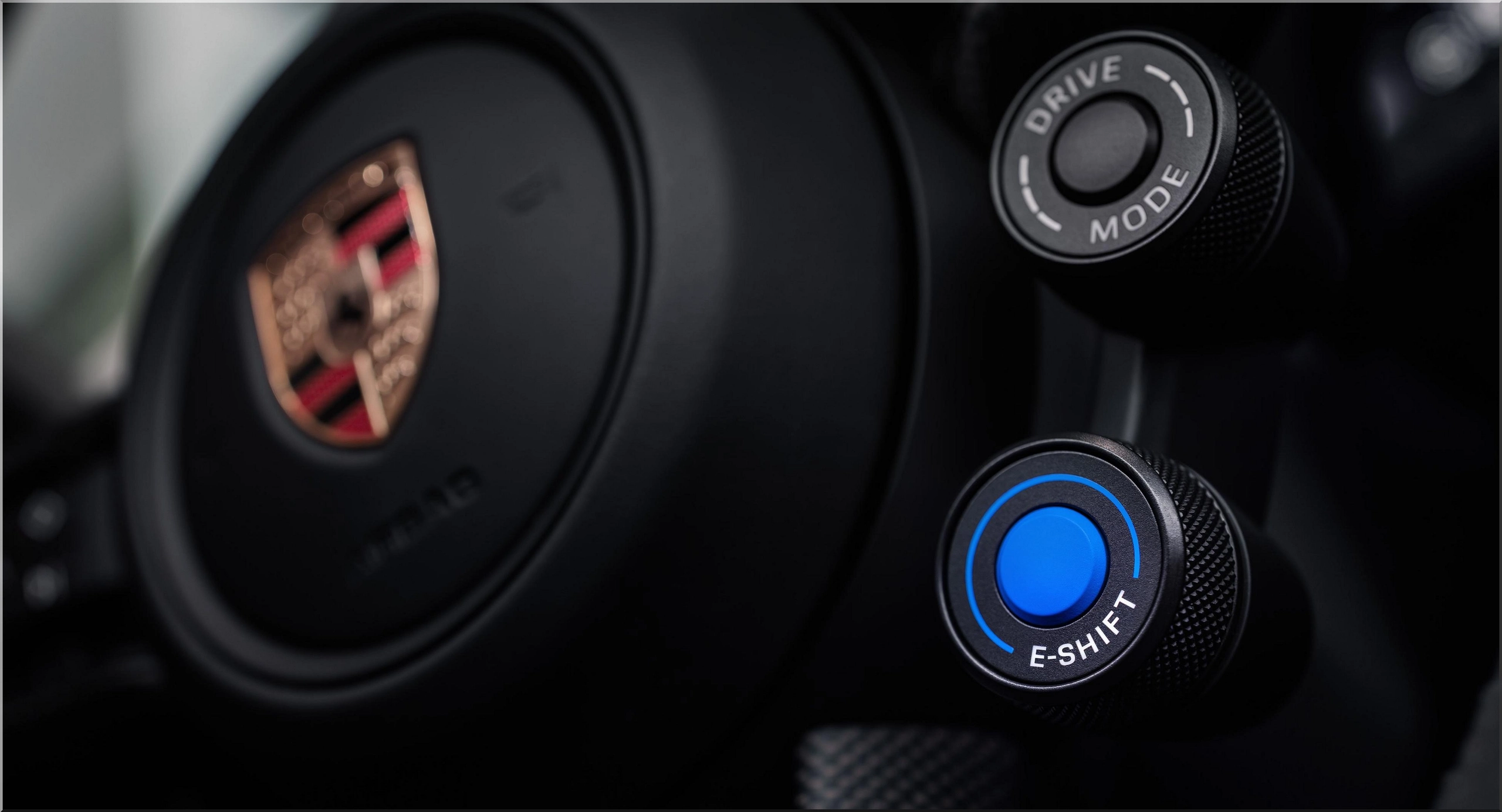
The 2027 Porsche Taycan update targets one clear problem: electric speed can feel too clinical. Porsche answers with E-Shift, a software-driven system that adds virtual gear changes, steering-wheel paddles, shift feel, a virtual rev counter, and a revised Porsche Electric Sport Sound. The car still uses electric motors. The driver now gets more feedback.
Image
In addition, Porsche gives the Taycan stronger road-trip hardware. The 105 kWh Performance Battery Plus now comes standard across Porsche Taycan, Taycan 4, and Taycan 4S variants, with 97.0 kWh usable energy and up to 320 kW DC charging on compatible 800-volt stations.
What Changes for Model Year 2027?
| Area | 2026 Taycan Logic | 2027 Taycan Update | Why It Counts |
|---|---|---|---|
| Battery | Smaller pack offered on lower trims | 105 kWh Performance Battery Plus standard | More usable range and higher base value |
| Usable energy | 83.7 kWh on prior base pack | 97.0 kWh usable | Better highway range margin |
| DC charging | CCS-focused setup | NACS DC port plus CCS adapter | Easier US charging access |
| Driver feel | Instant EV delivery | E-Shift with 8 virtual gears | More control through hands and ears |
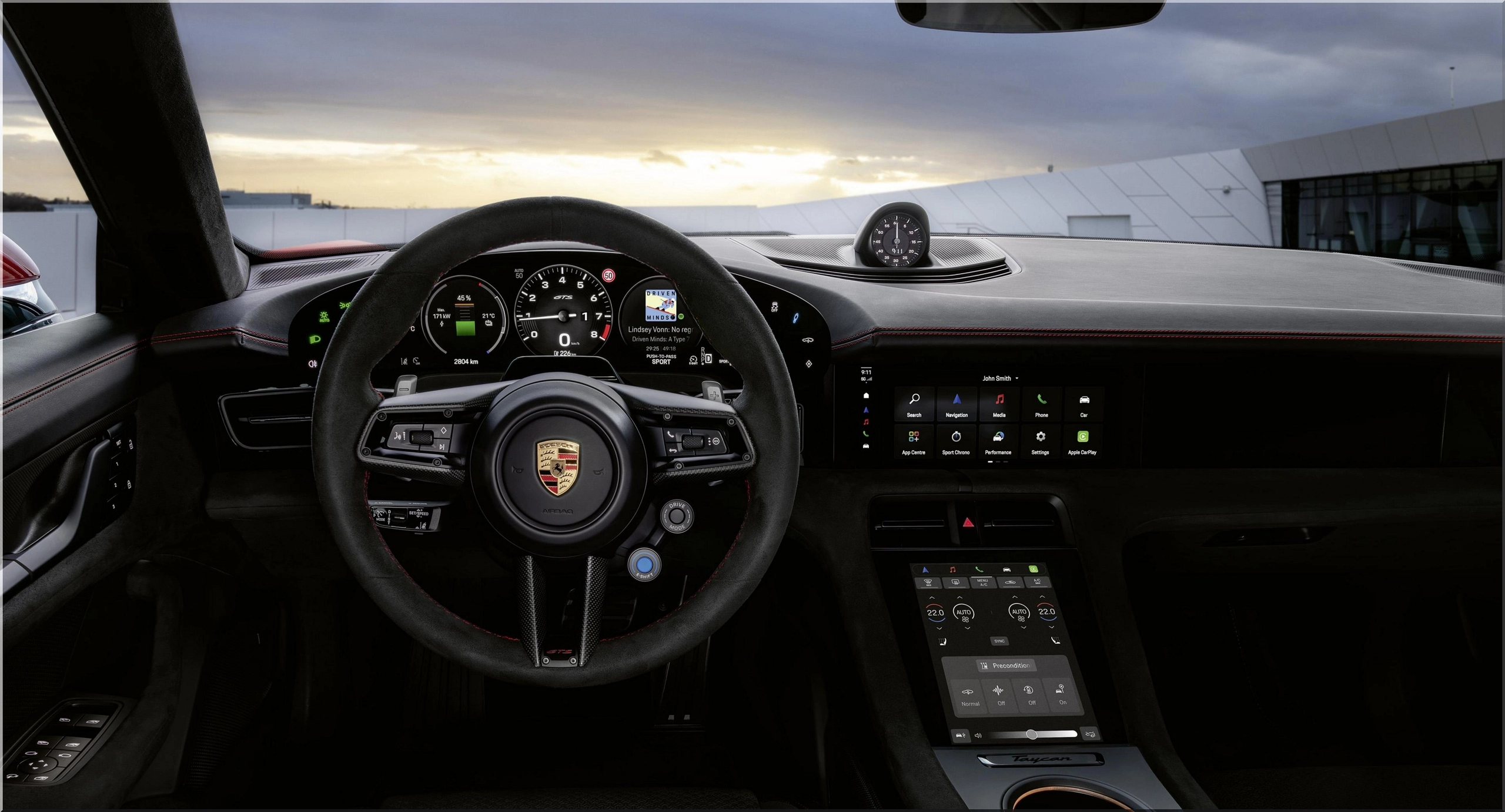
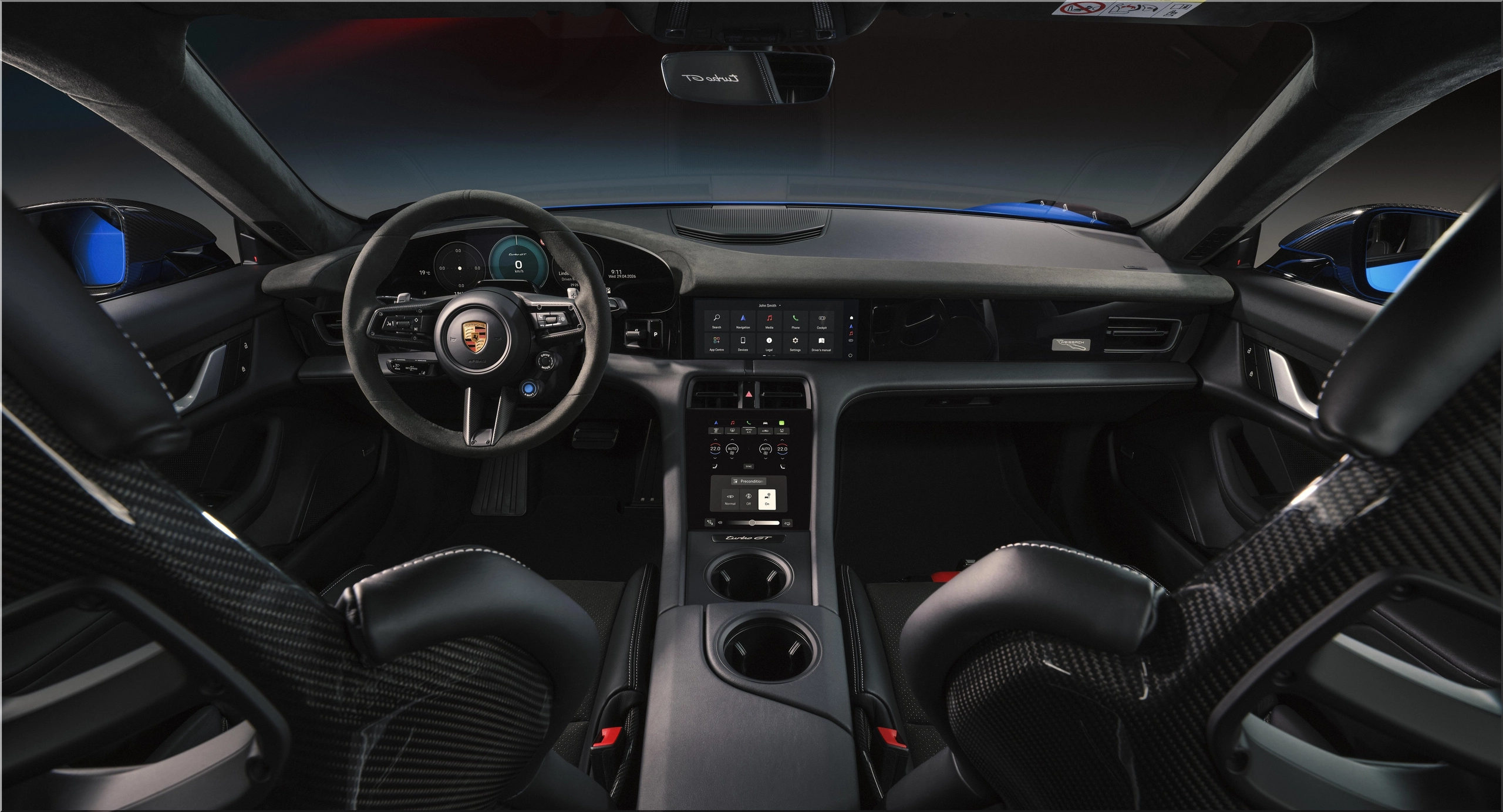
| Infotainment | Older PCM base | Porsche Digital Interaction | Faster menus and OTA updates |
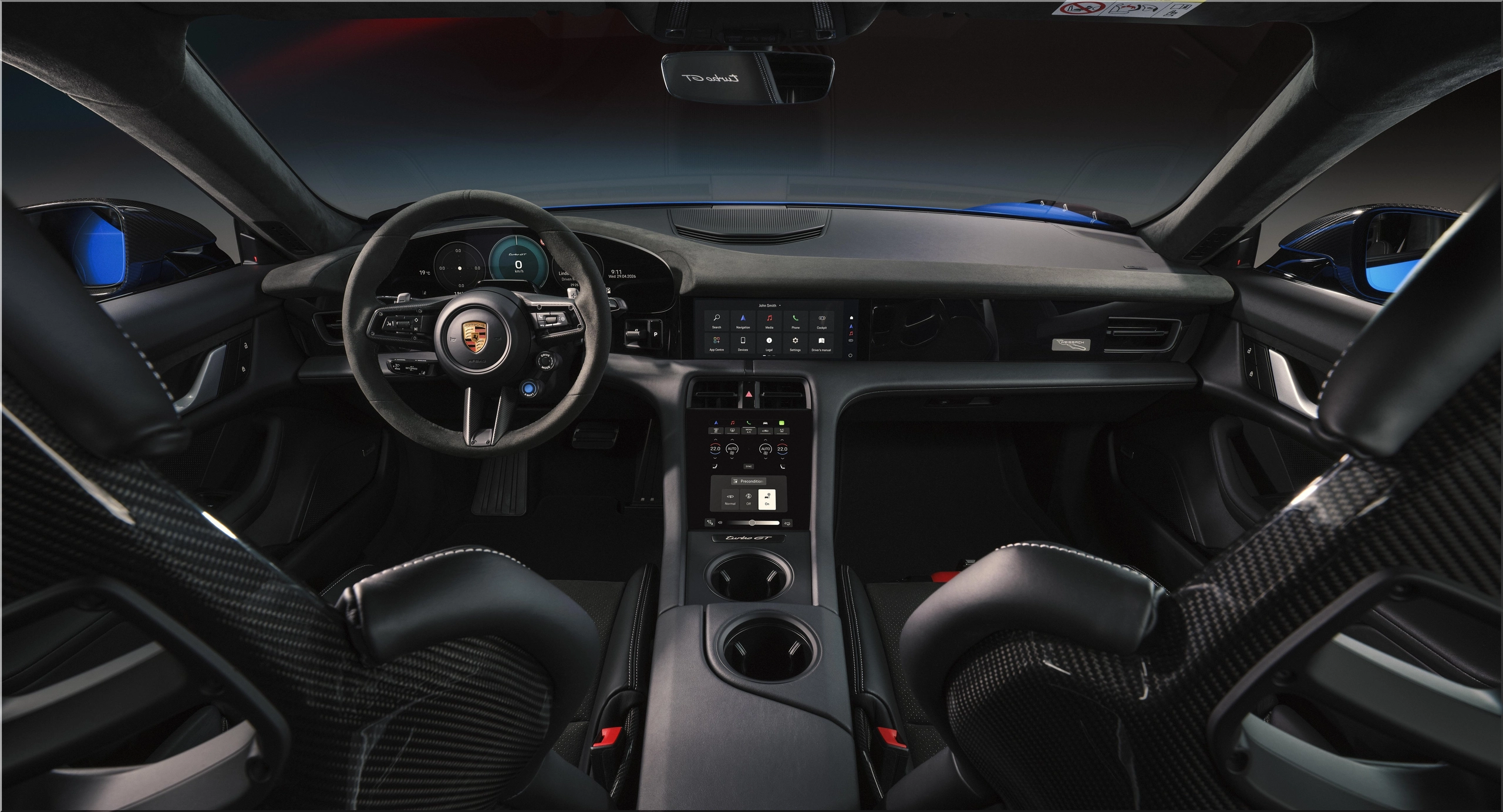
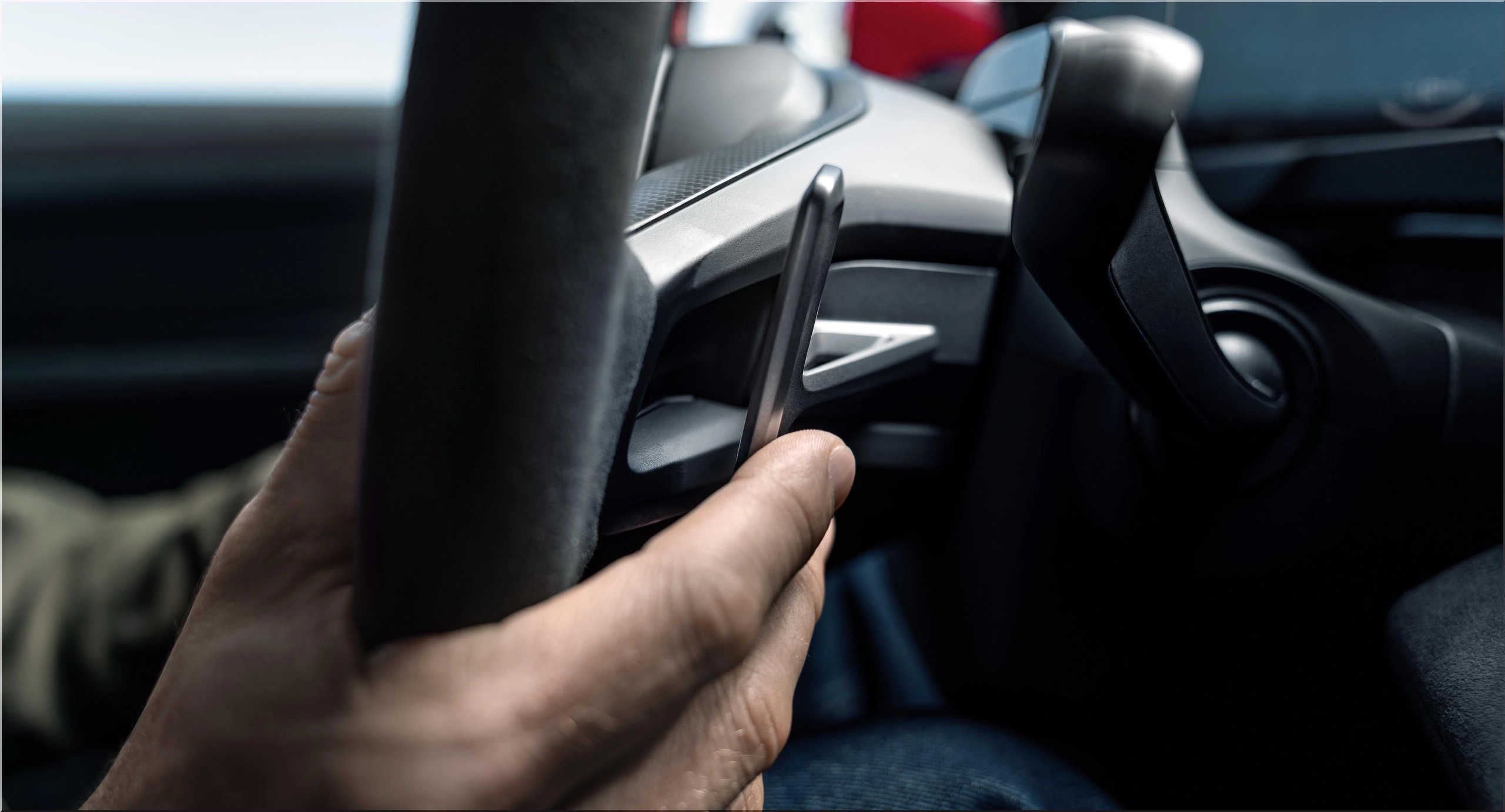
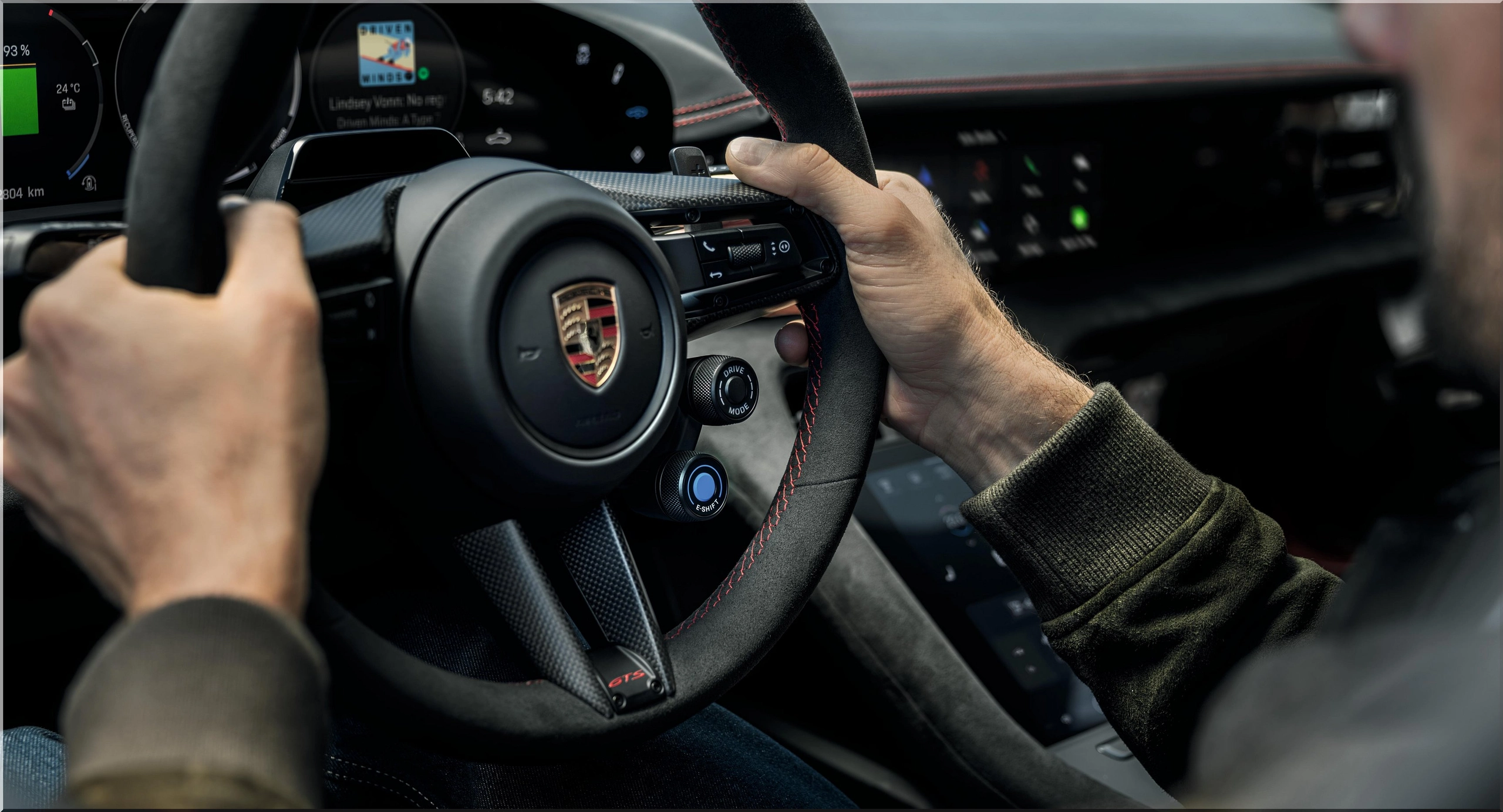
Specifically, E-Shift creates two driving styles. Automatic mode lets the system handle virtual gear changes, while manual mode lets the driver use paddles on the GT Sport steering wheel. Porsche programs gear-specific drag torque, a virtual rev limiter, and noticeable shift motion to mimic combustion-engine load changes.
Image
E-Shift Adds Feel, Not More Speed
| E-Shift Feature | Driver Input | System Response |
|---|---|---|
| 8 virtual gears | Paddle shift command | Simulated ratio change |
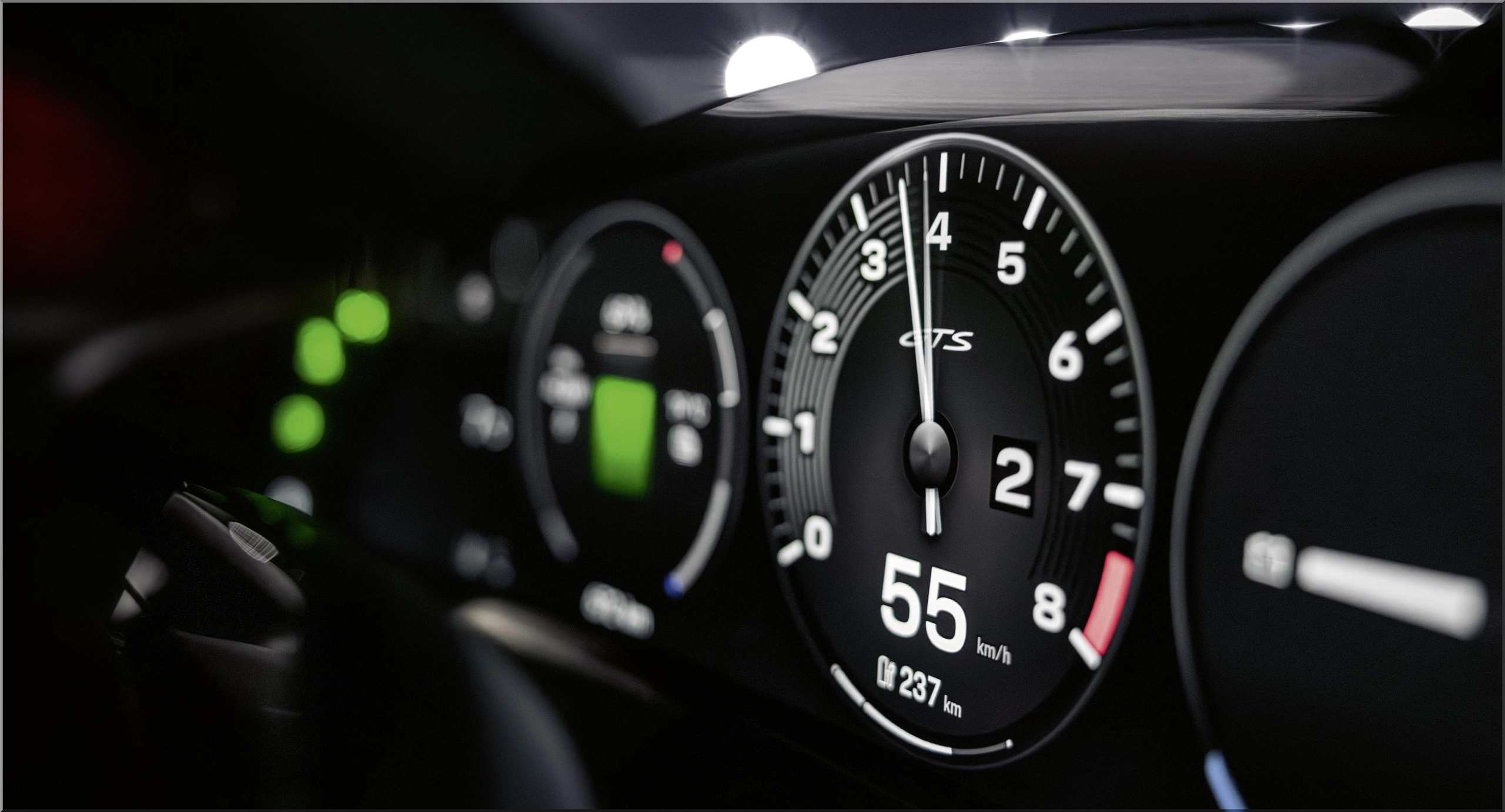
| Virtual rev counter | Throttle load and road speed | Rising digital rpm display |
| Gear-specific drag torque | Lift-off or downshift | Engine-braking style deceleration |
| Shift light | High virtual rpm | Visual shift cue |
| Electric Sport Sound | Load and wheel speed | Interior and exterior sound changes |
Looking at the data, E-Shift serves emotion rather than acceleration. The Taycan already uses a real two-speed rear transmission for launch force and high-speed efficiency, so Porsche did not need fake ratios for output. From an expert perspective, the system gives the driver a repeatable rhythm on canyon roads, track exits, and aggressive downshifts.
Charging, Range, and Track Hardware
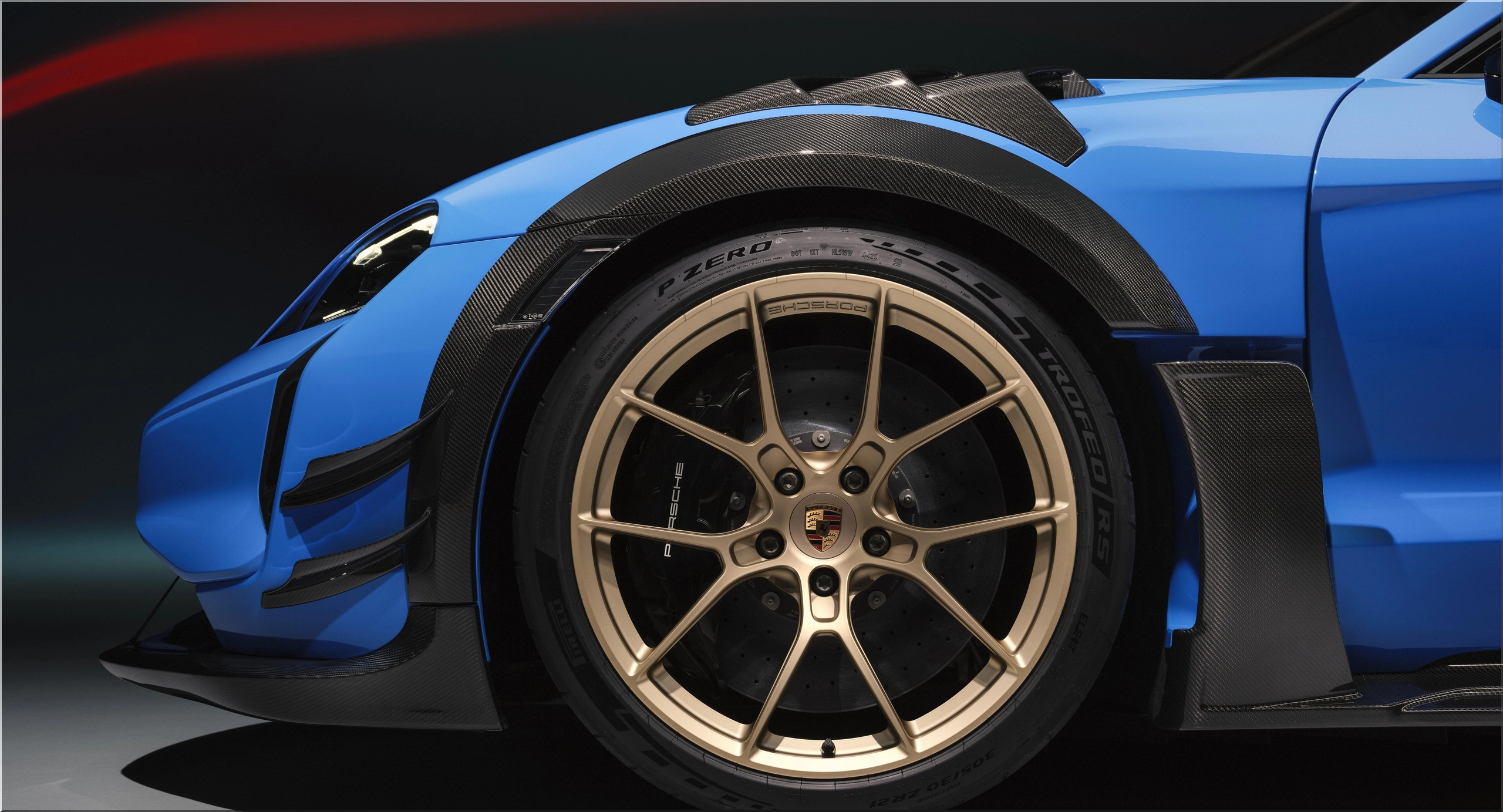
The 2027 Taycan also gains a native passenger-side NACS DC fast-charging port, while the driver-side AC port keeps the J1772 standard. Porsche includes a CCS adapter, which gives US buyers more charging flexibility during the NACS transition. Consequently, the Taycan now suits high-speed driving and long-distance EV use better than before.
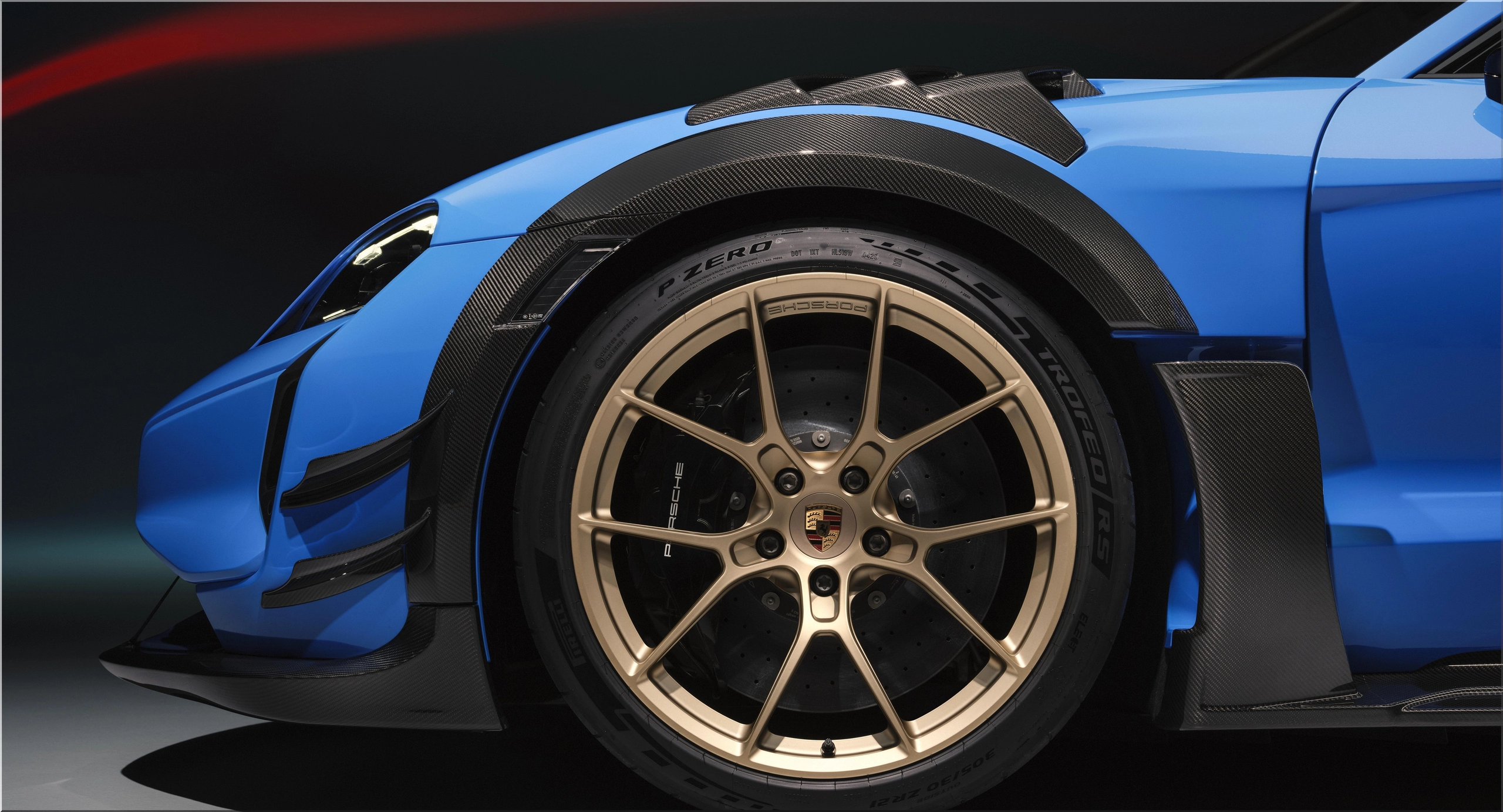
The European rear-drive Taycan can reach up to 700 km WLTP with low-rolling-resistance 20-inch summer tires. That equals about 435 miles under the WLTP test cycle, though US EPA range numbers usually land lower.
Image
Pro-Tips
- Choose E-Shift if you value steering-wheel interaction and sound feedback more than silent EV smoothness.
- Pick low-rolling-resistance summer tires for maximum range, but check tire pressure often because EV weight punishes underinflation.
- Link ownership content to tire-pressure, rotation, and tire-storage guides, since Taycan range depends heavily on rolling resistance and correct tire maintenance.
Should You Wait for the 2027 Porsche Taycan?
Yes, if you want the most complete Taycan package. The 2027 model brings the bigger battery as standard, improves US charging access, adds a cleaner infotainment interface, and gives Porsche's EV sedan a sharper driver interface through E-Shift virtual gears.
The tradeoff comes through price. The US base Taycan rises to about $114,250, largely because Porsche removes the smaller battery option. For buyers who want range, charging headroom, and stronger driver engagement in one car, the 2027 update makes the cleanest case yet.
Image Gallery
- Add new comment
- 171 views