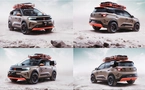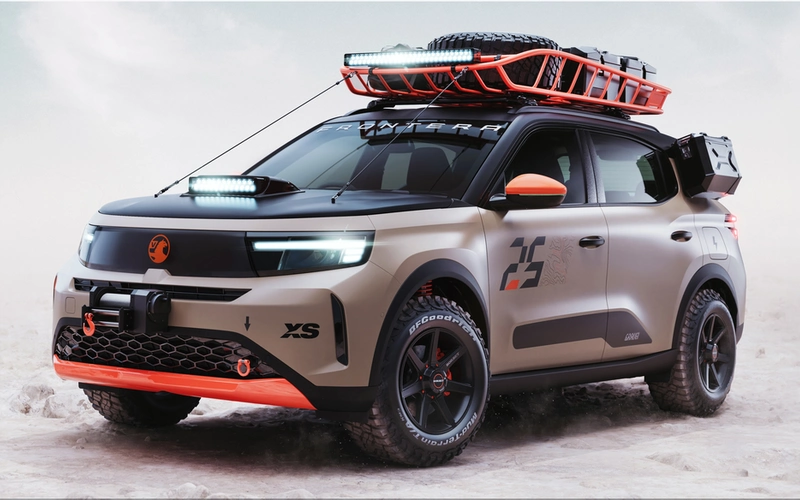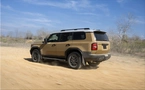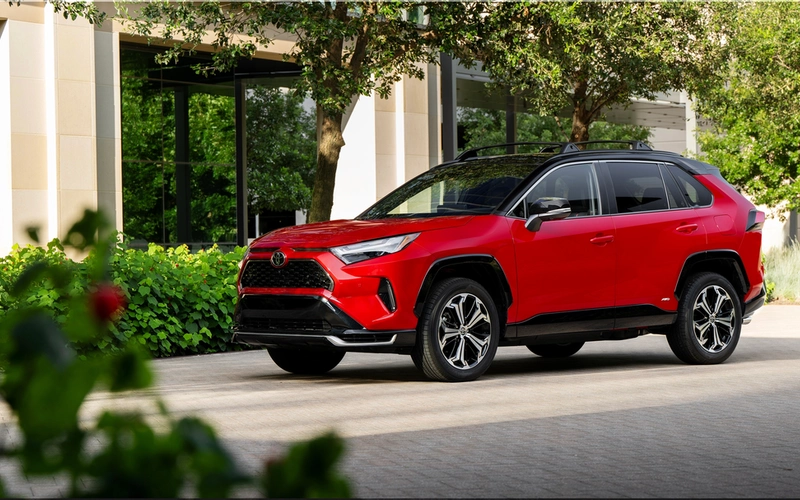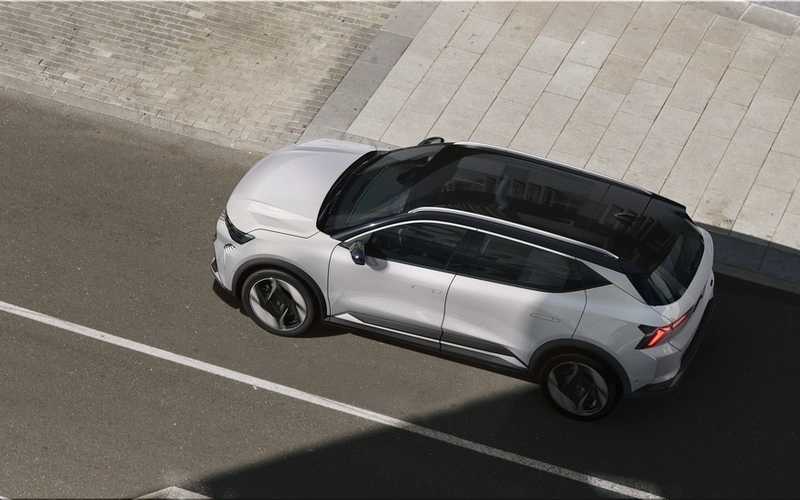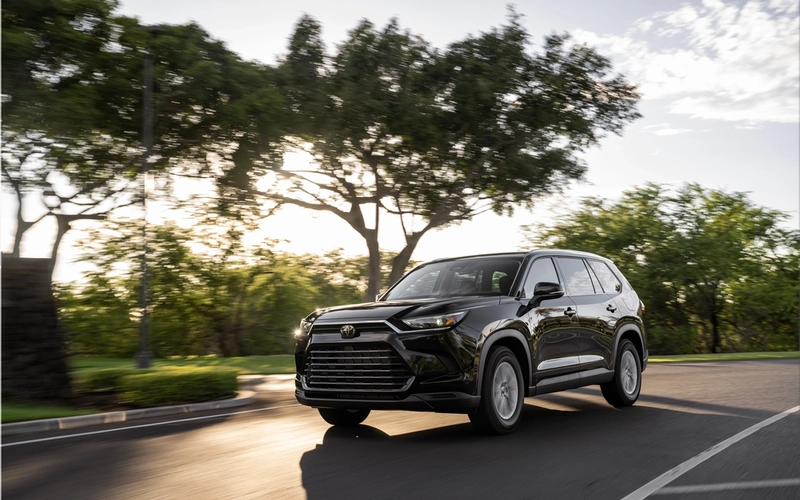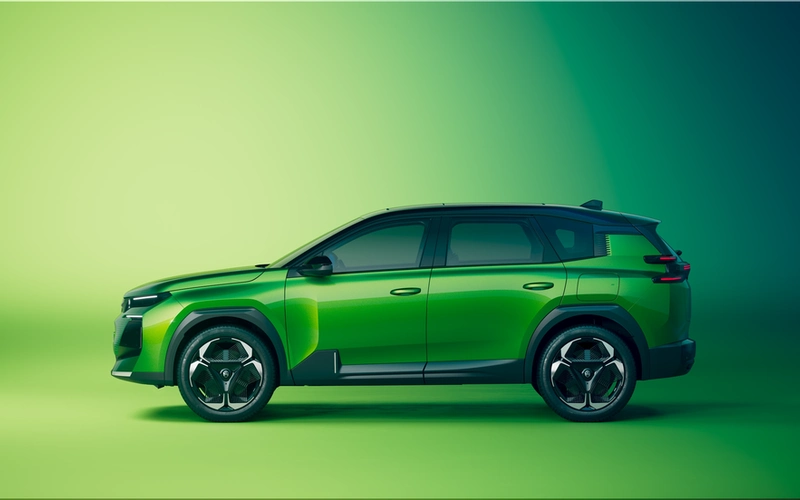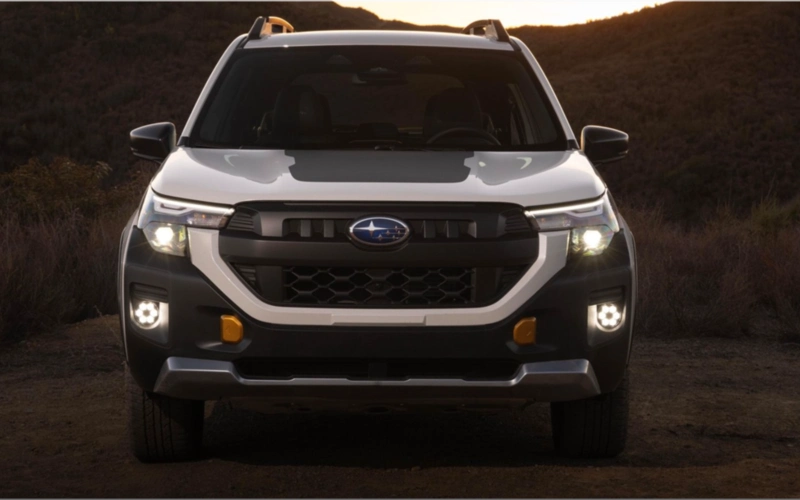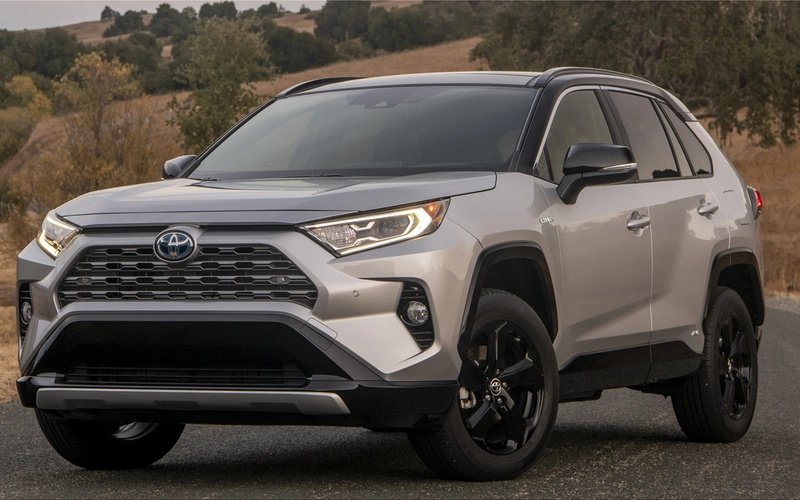
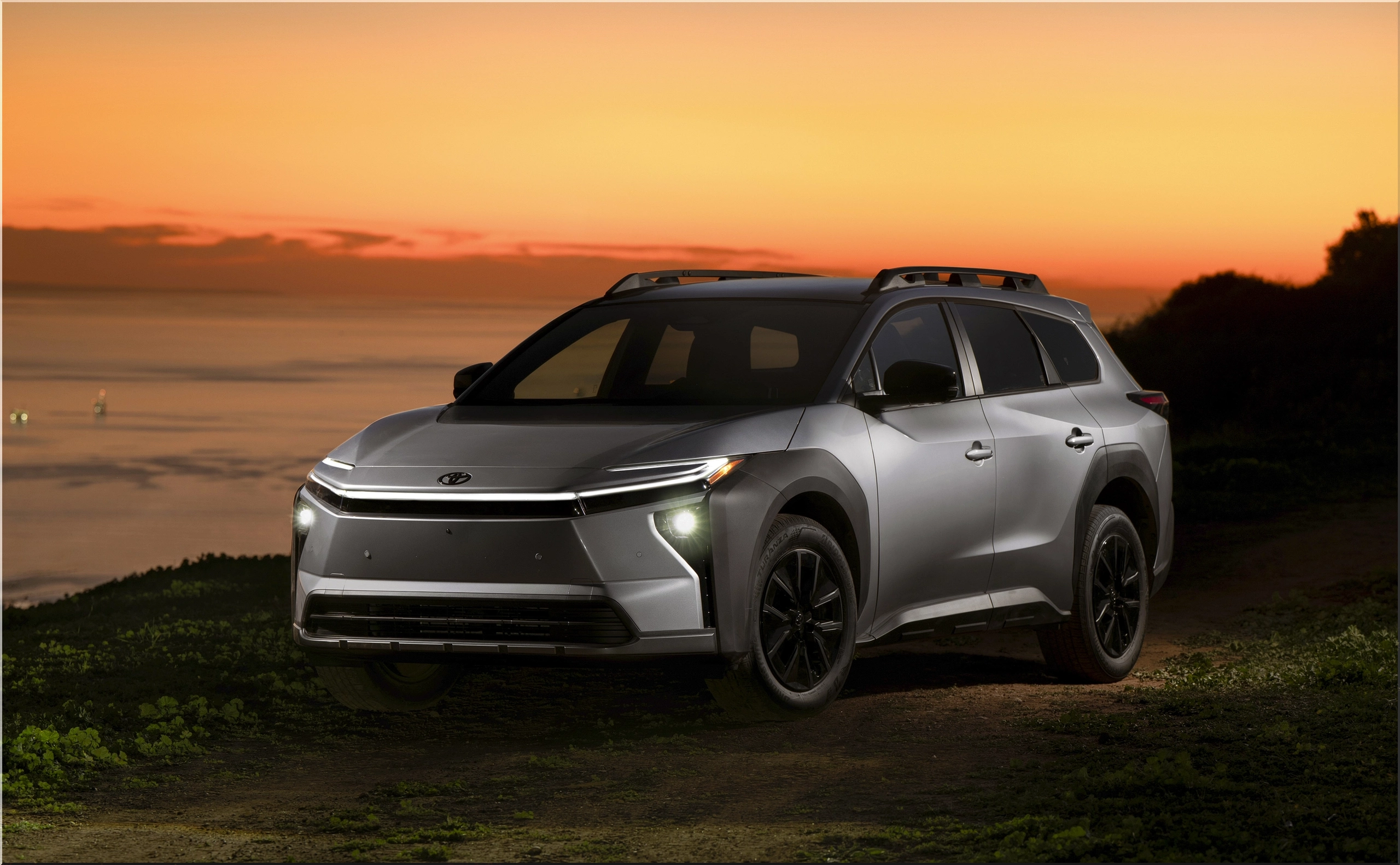
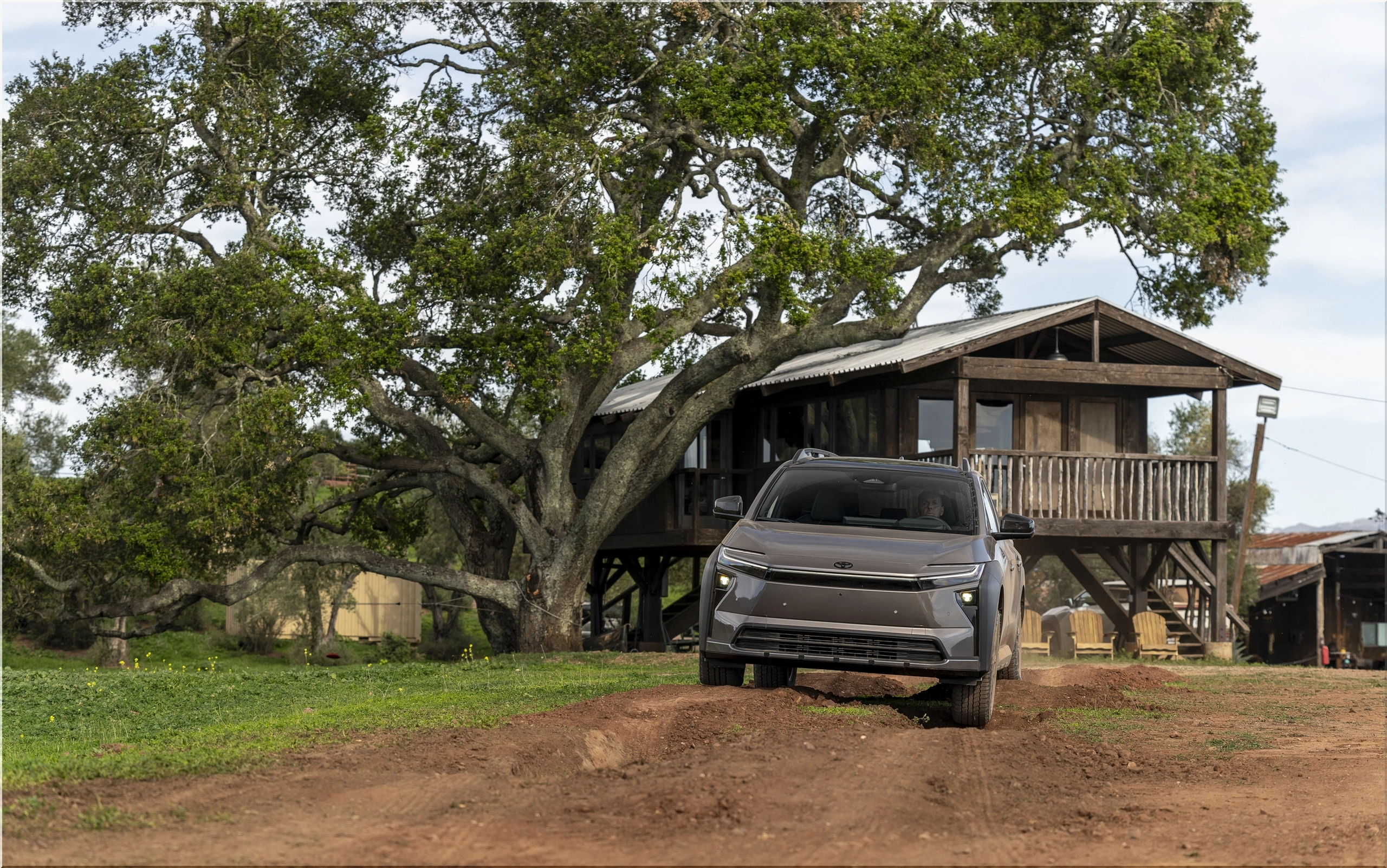
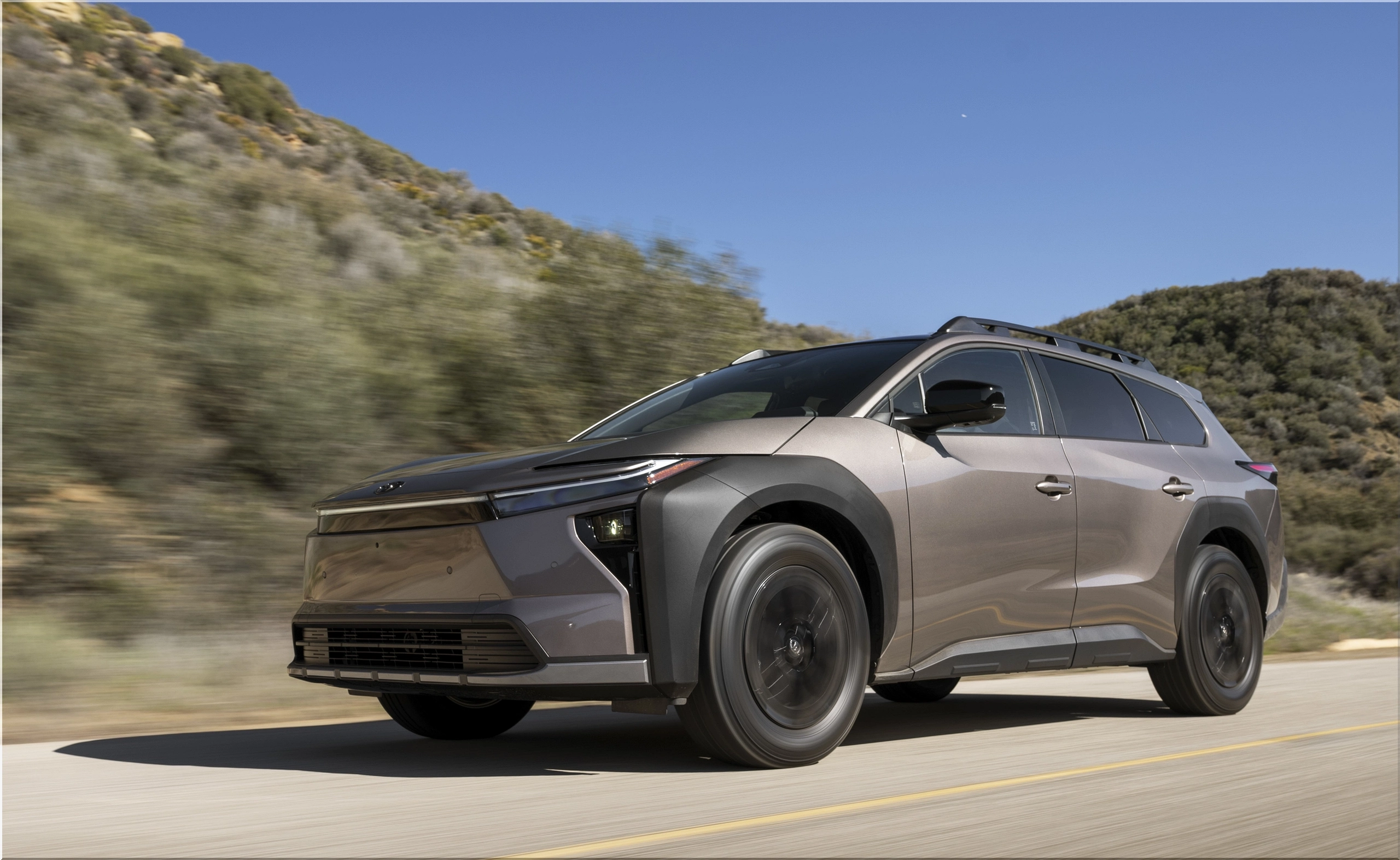
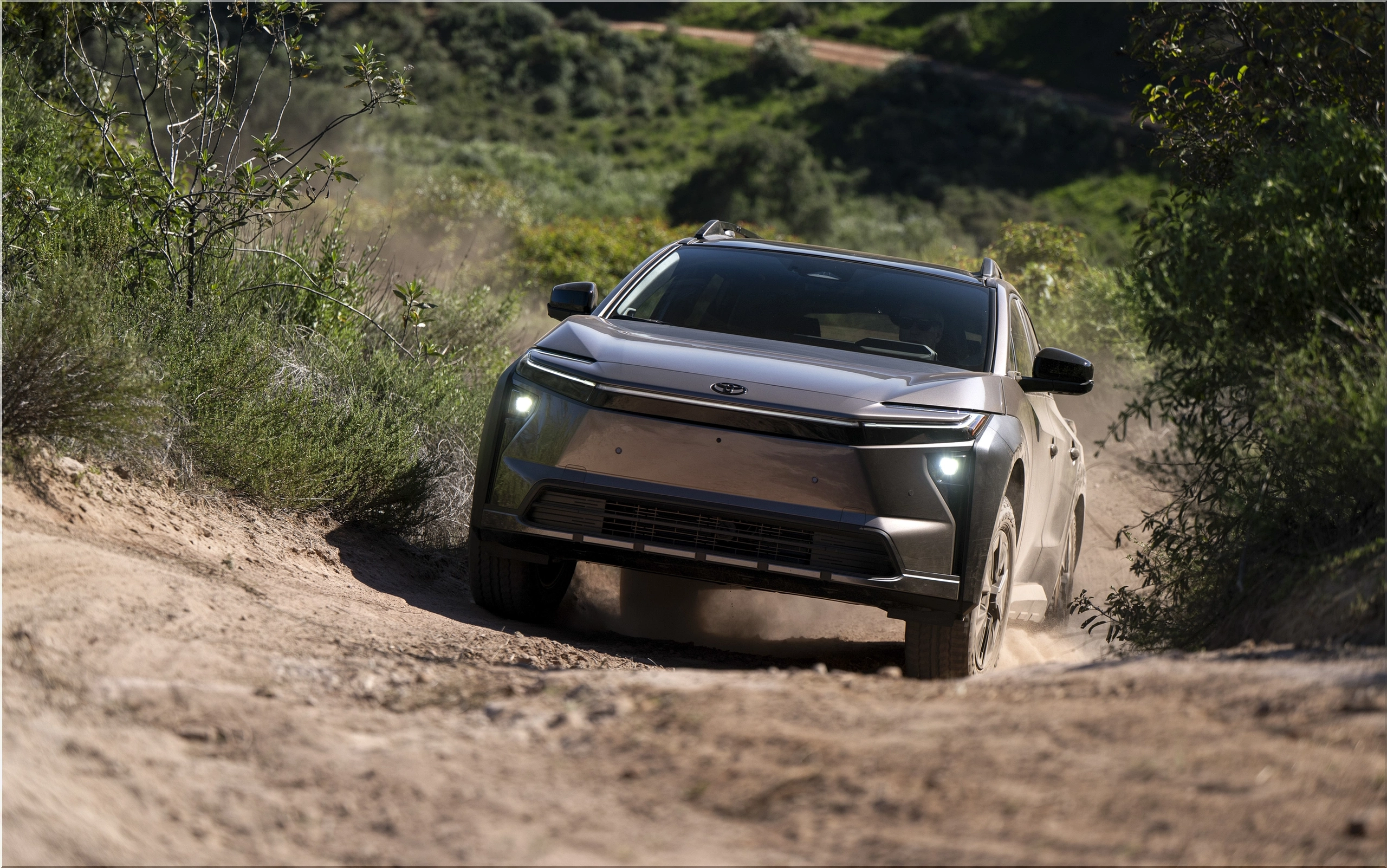
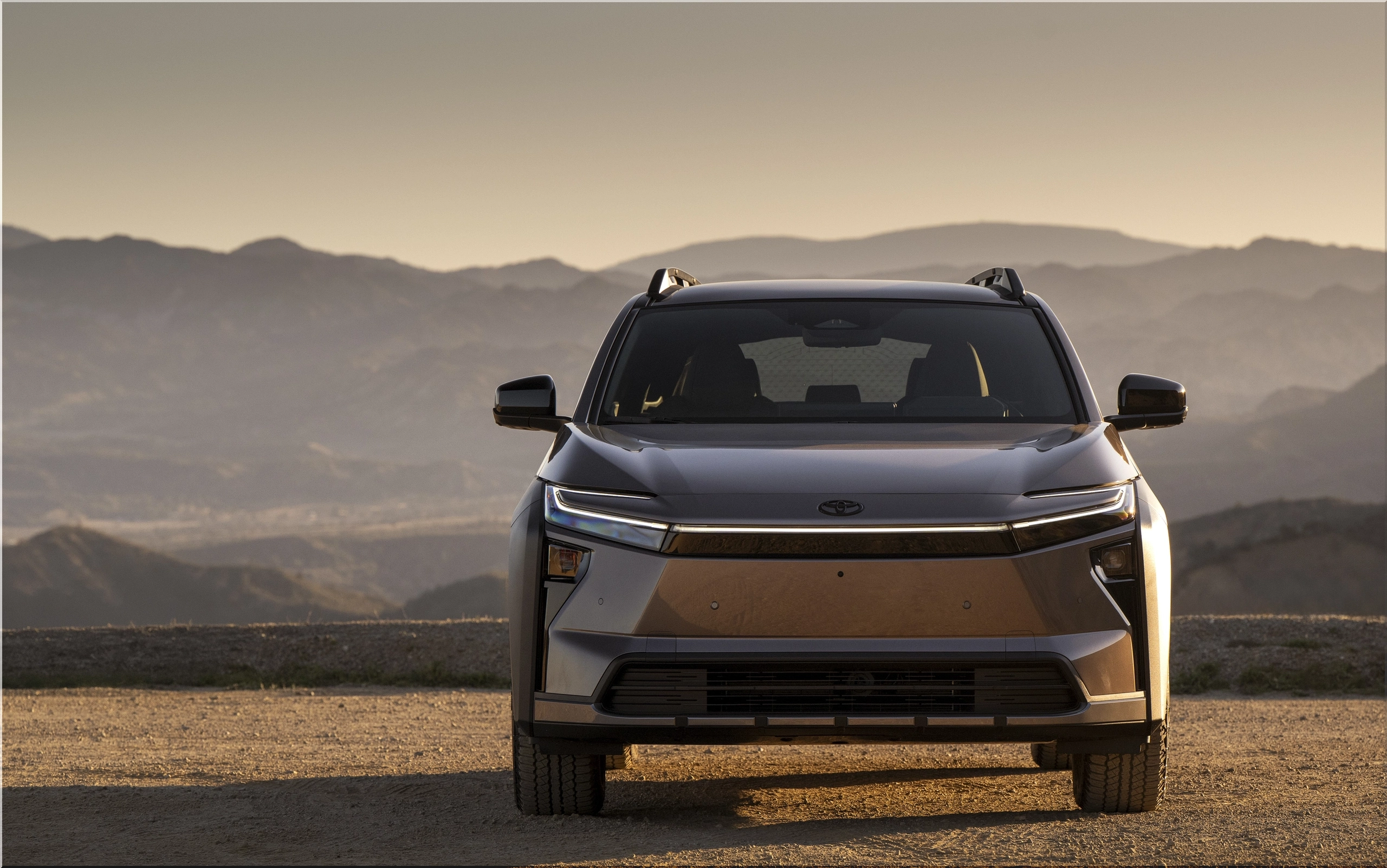
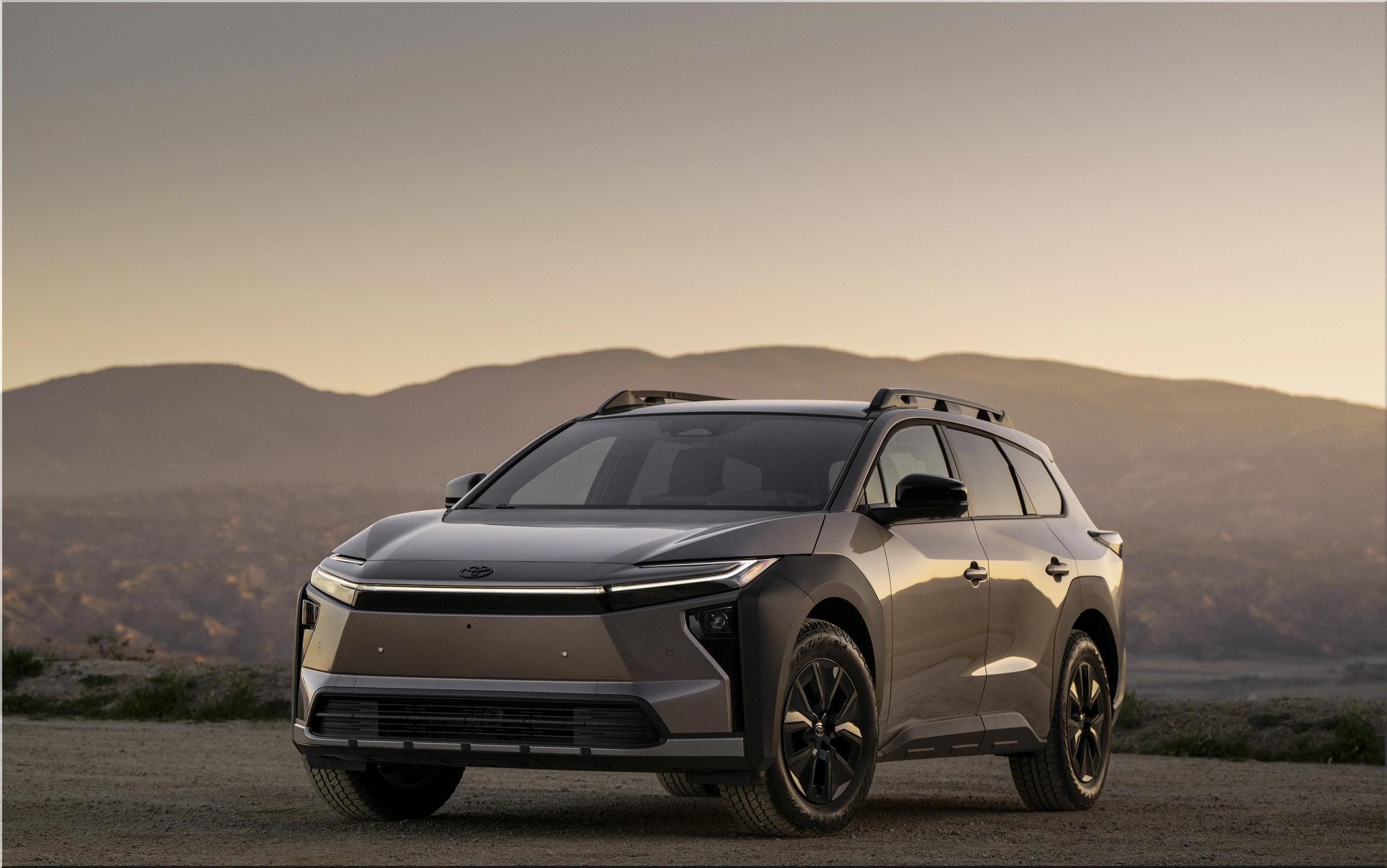
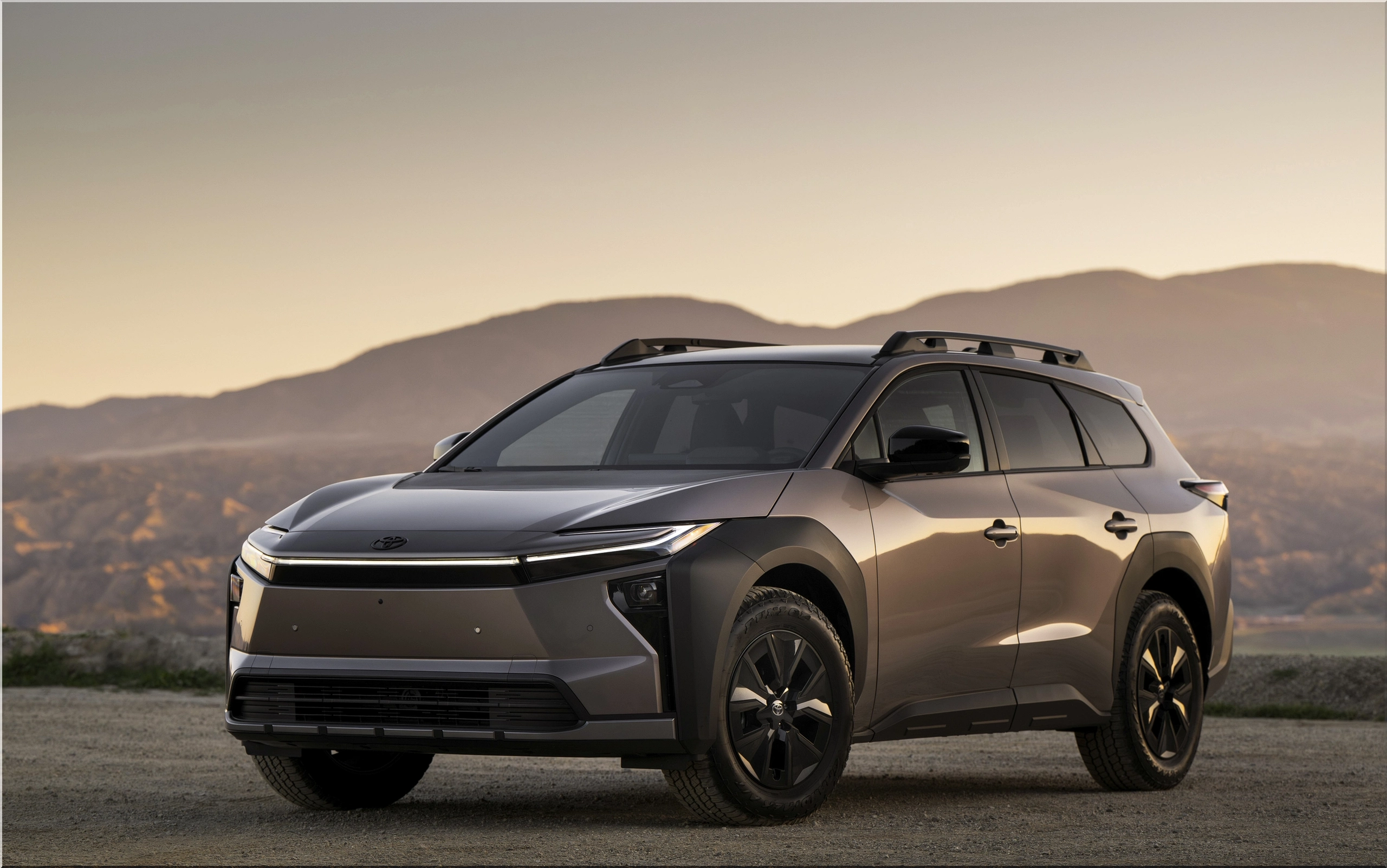
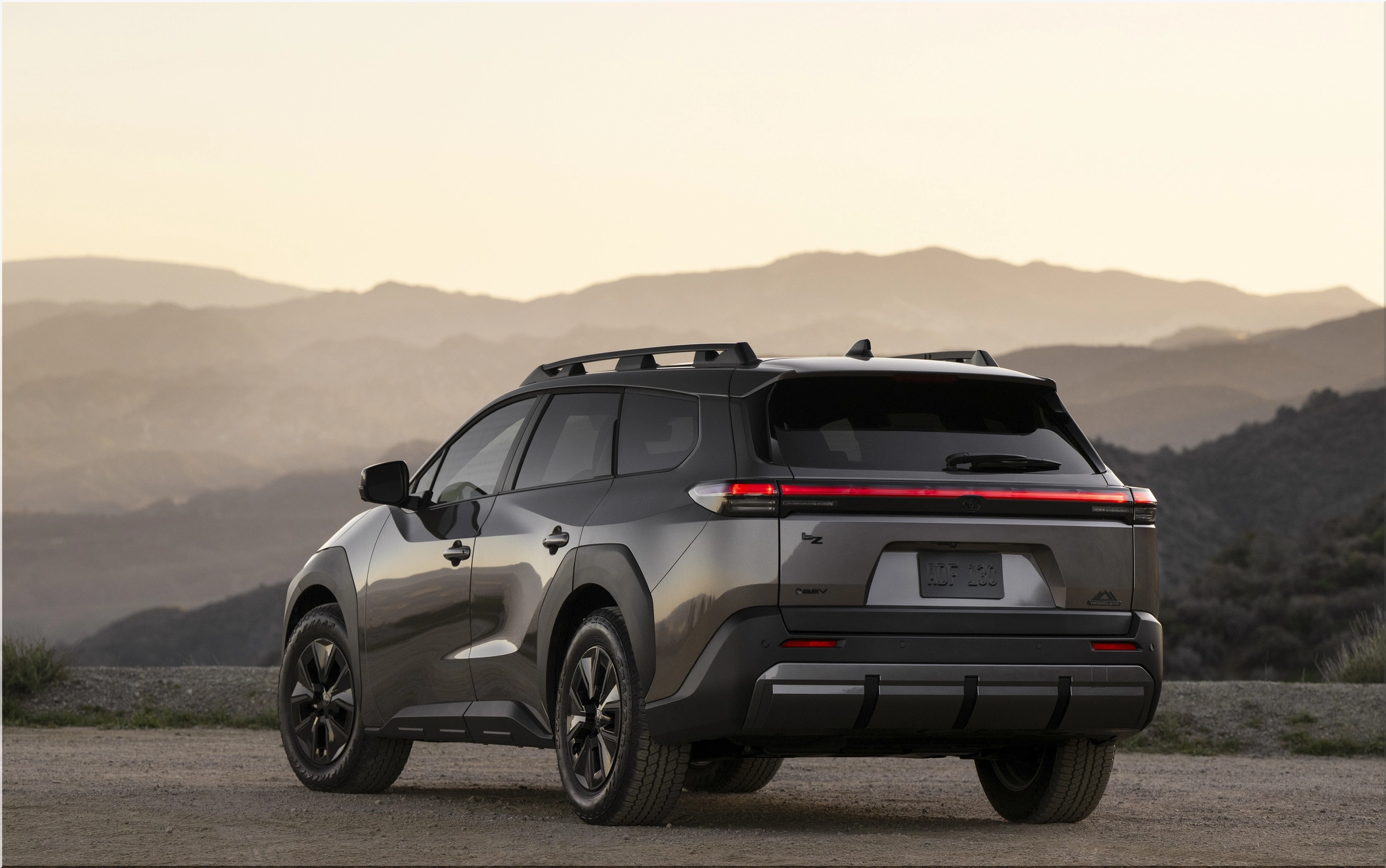
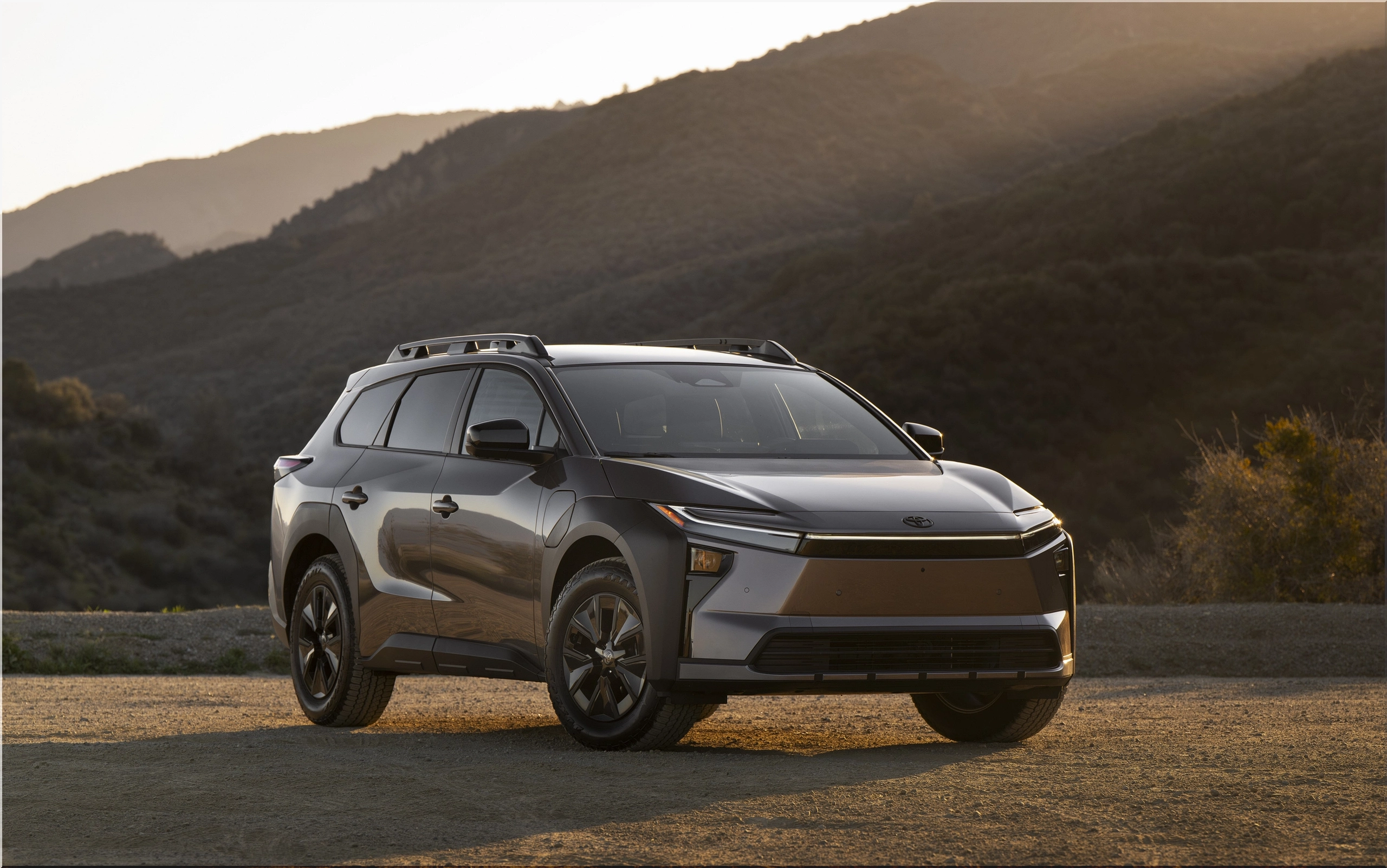
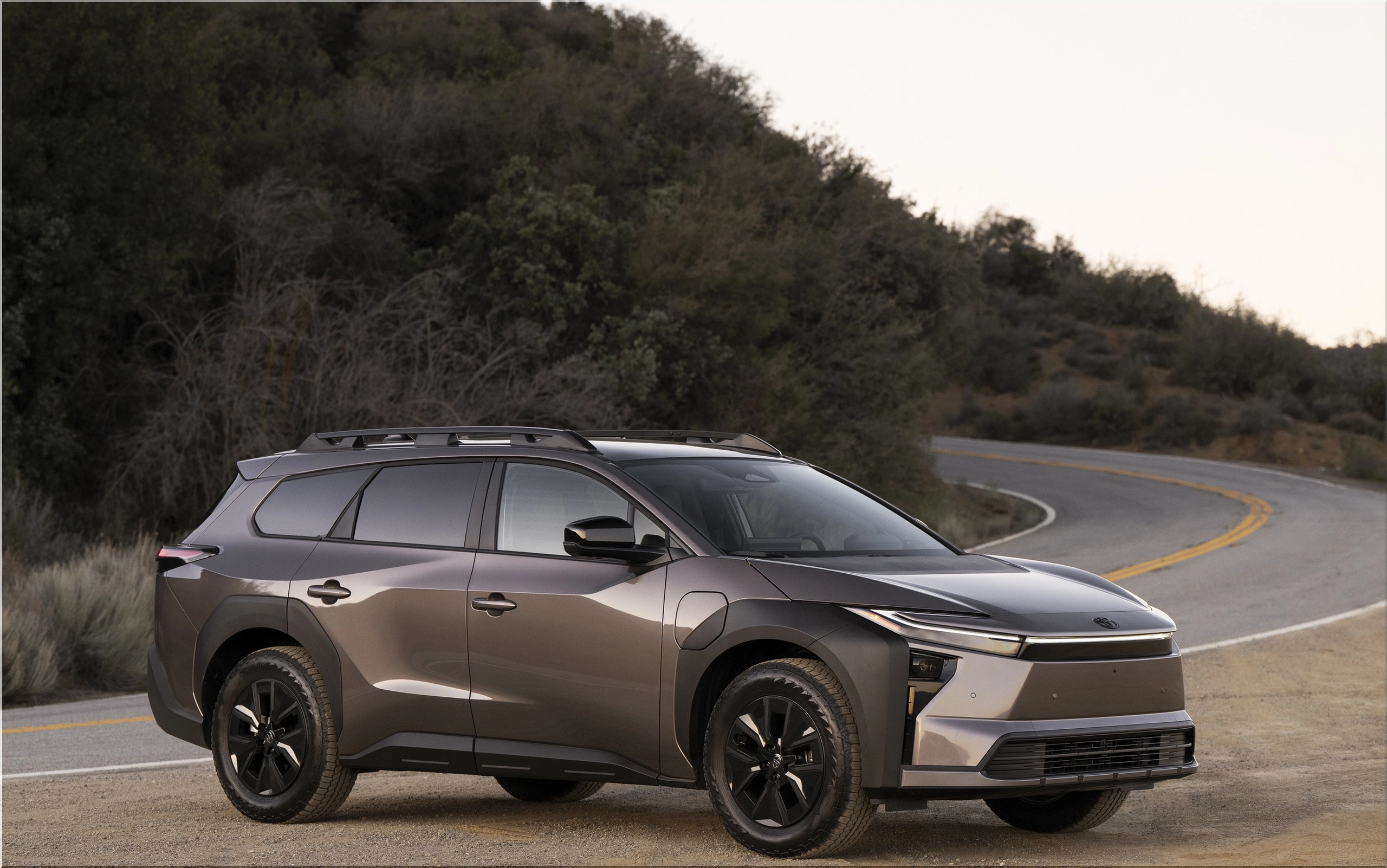
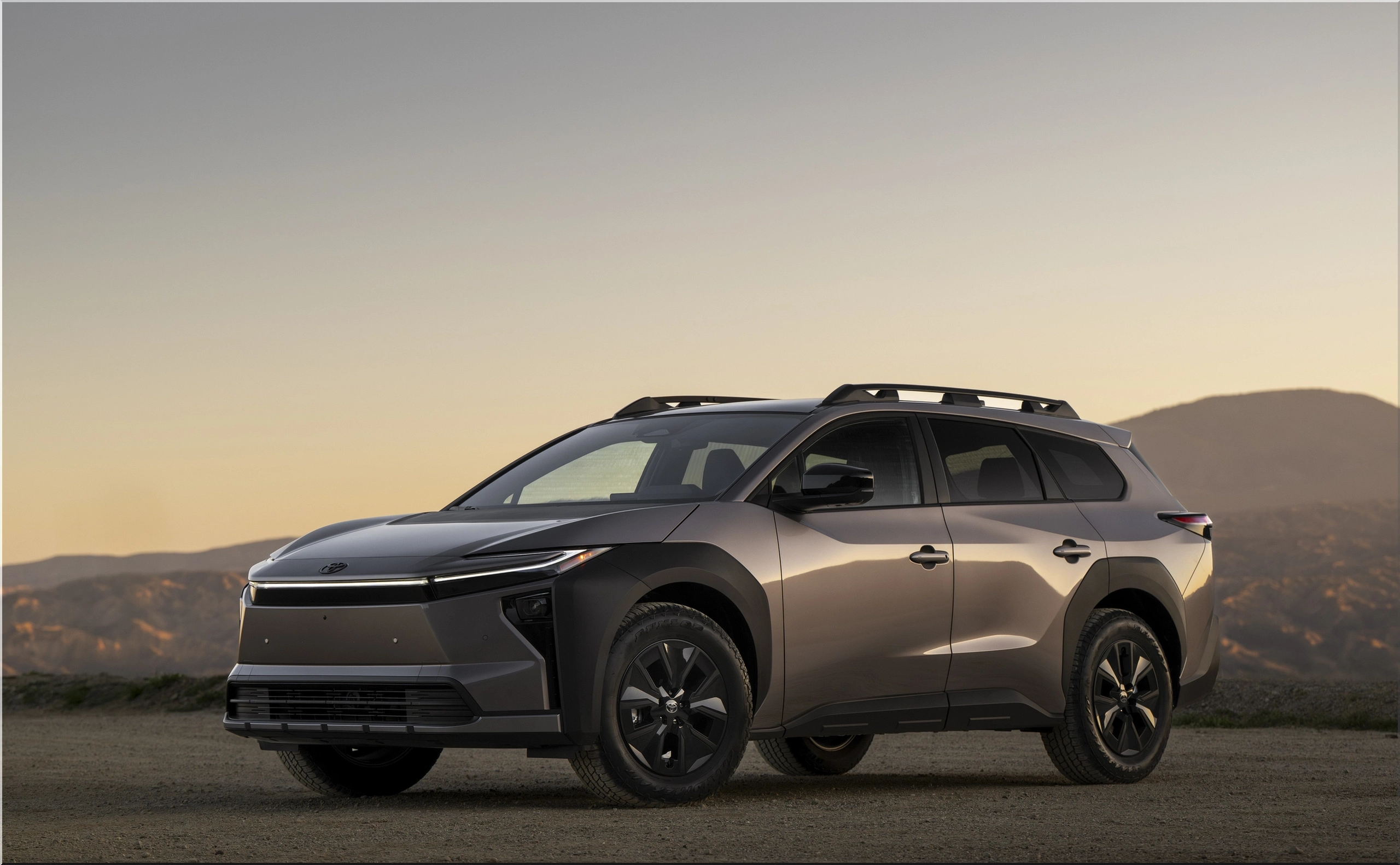
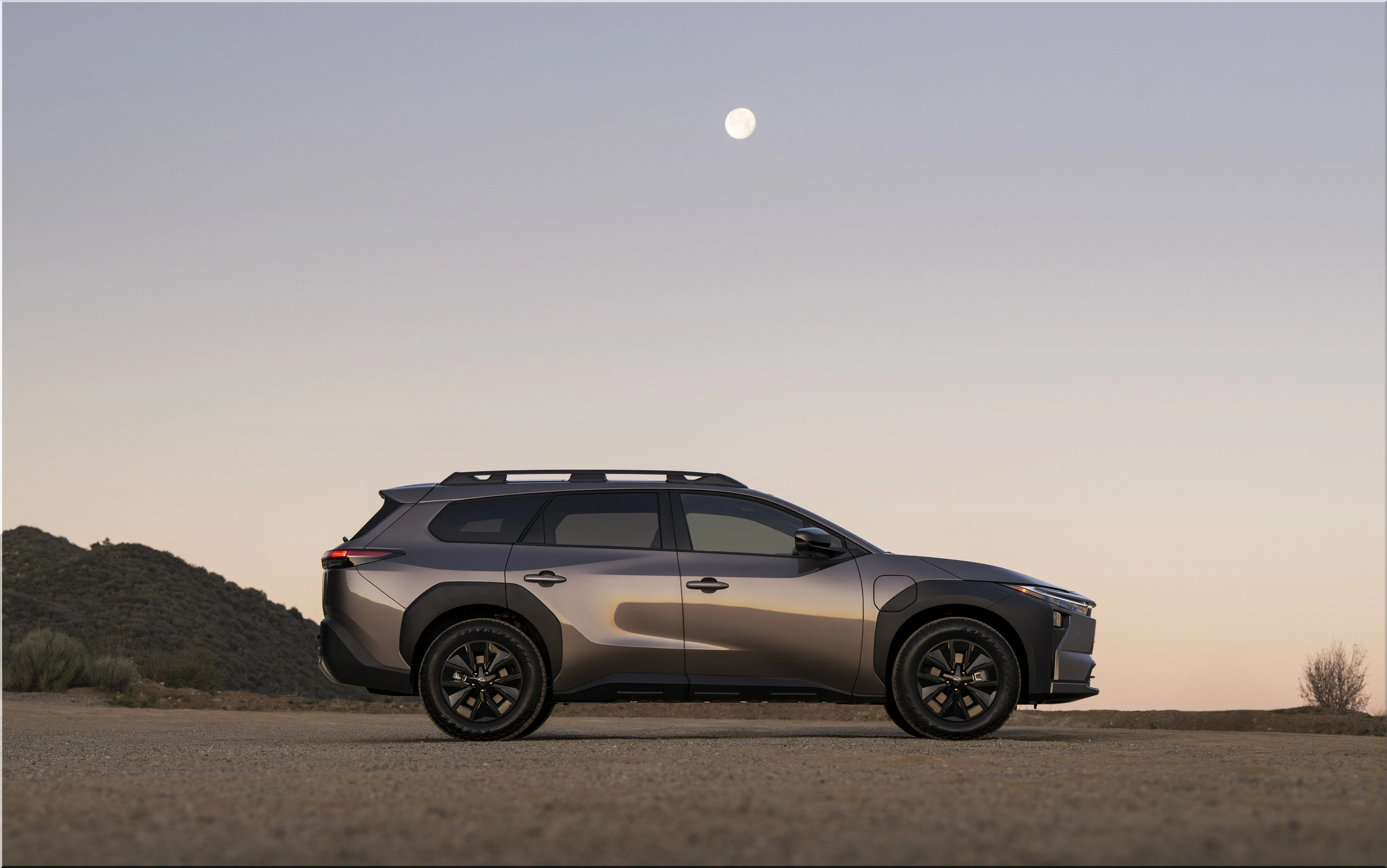
Toyota fixed a real problem with the 2026 Toyota bZ Woodland. The old bZ4X name carried baggage, and the standard Toyota bZ still reads like a sensible EV first and a desirable one second. The new bZ Woodland changes that equation with more power, more cargo room, more towing capacity, and a shape that finally matches the outdoor pitch.
Looking at the data, this is the most convincing Toyota EV sold in this size class so far. Standard dual-motor AWD pushes output to 375 horsepower, ground clearance rises to 8.4 inches, cargo space swells to as much as 74.3 cubic feet, and towing climbs to 3,500 pounds. That is a serious spec jump, not a badge-and-cladding exercise.
Image
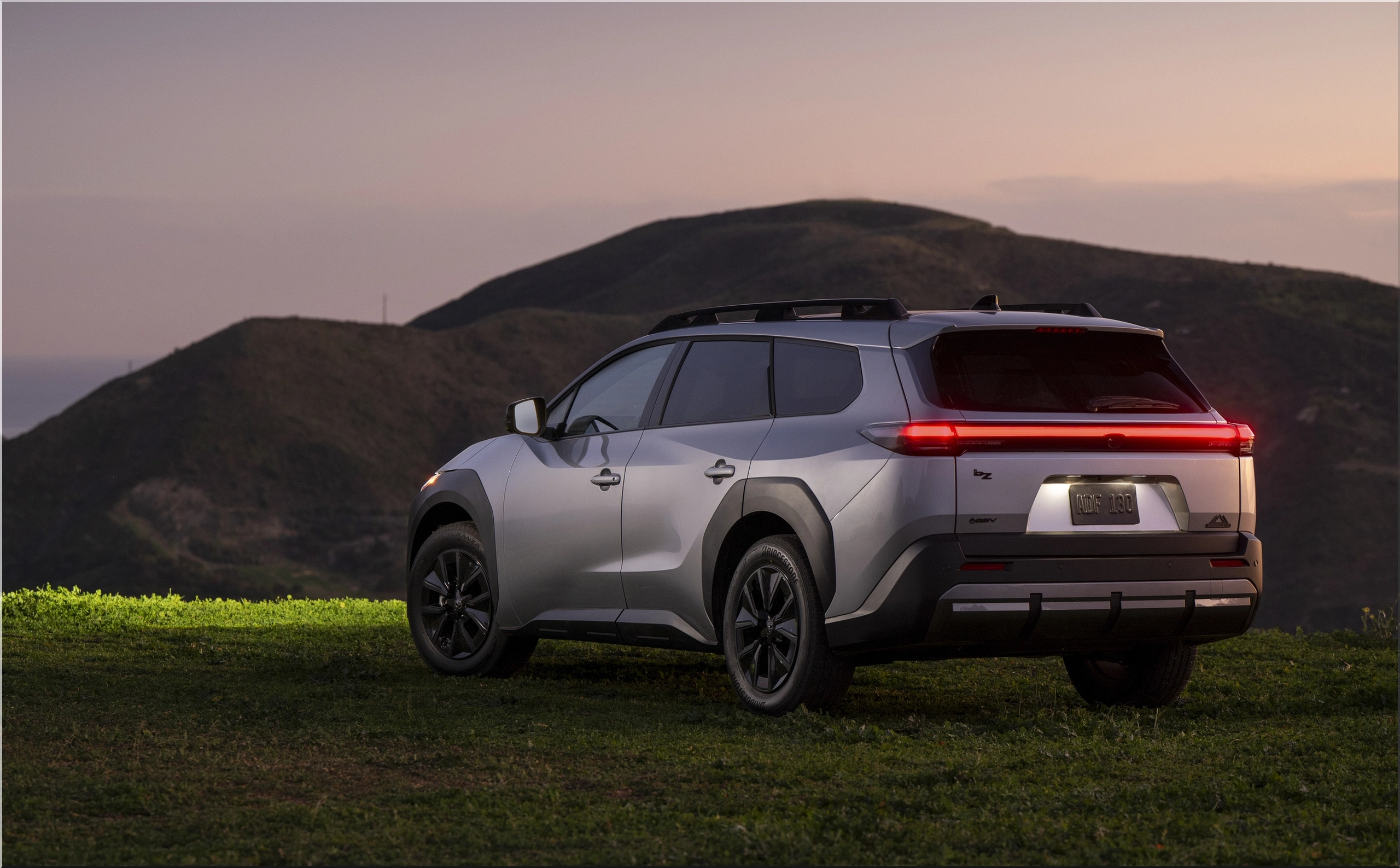
Why the bZ Woodland matters
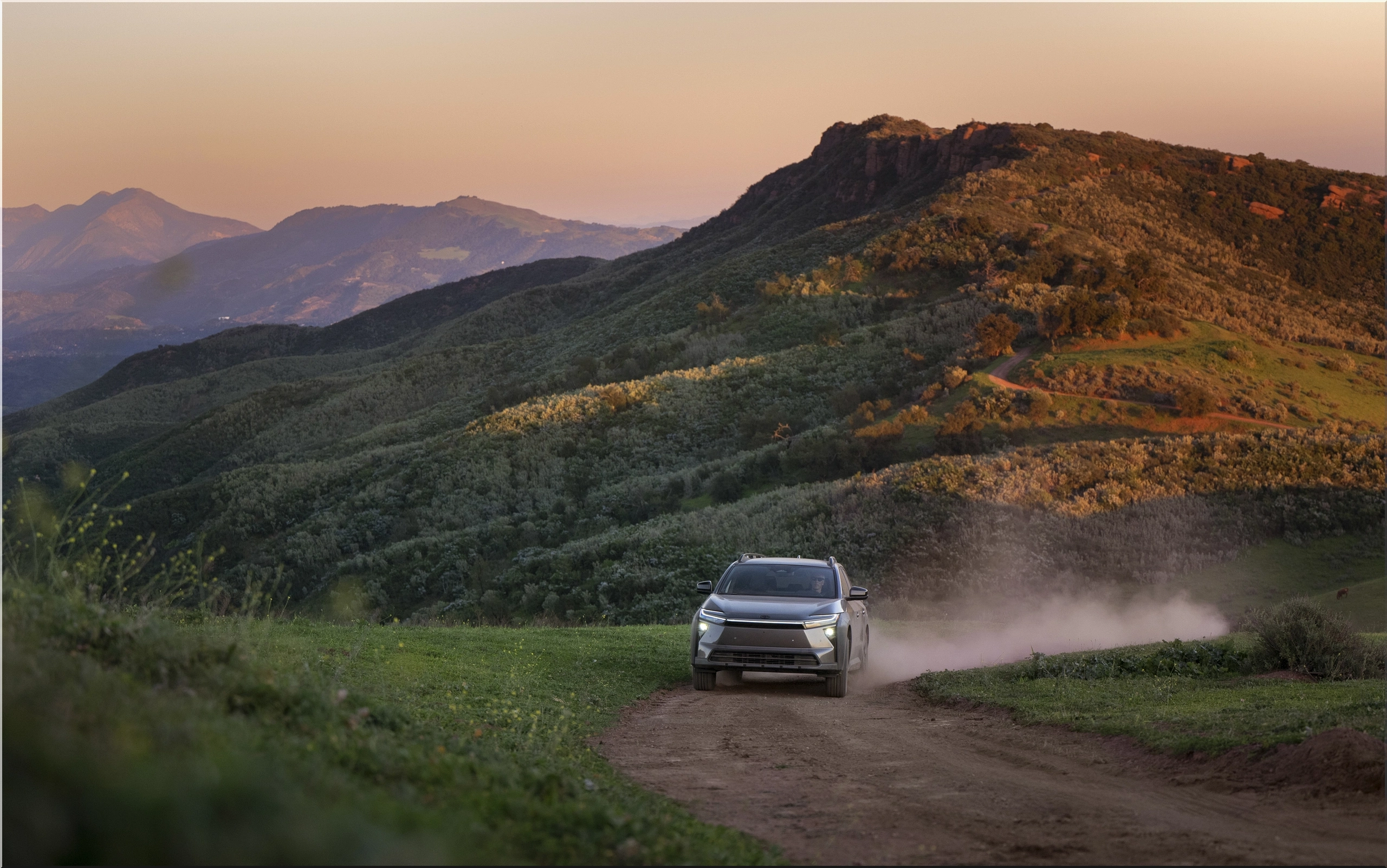
Toyota did not build the bZ Woodland to chase hardcore trail rigs. It built it to close the gap between commuter EV and weekend-hauler crossover. That distinction matters because the compact electric SUV market has started splitting into two camps: sleek urban EVs and rugged-looking variants that promise more utility without going full off-road special.
From an expert perspective, Toyota made the right call. Instead of throwing fake skid plates at the standard Toyota bZ, it stretched the body, raised the rear roofline, added real cargo volume, gave it useful towing, and paired the package with Subaru-linked traction software through X-Mode and Grip Control. That gives the Woodland a tangible reason to exist.
Powertrain and performance: the headline number finally lands
The big number here is 375 hp from the dual-motor AWD setup. That makes the Toyota bZ Woodland 2026 the most powerful bZ yet, and Toyota says it can hit 60 mph in about 4.4 seconds. For a brand that has often asked EV shoppers to accept moderation, that is a meaningful shift.
Image
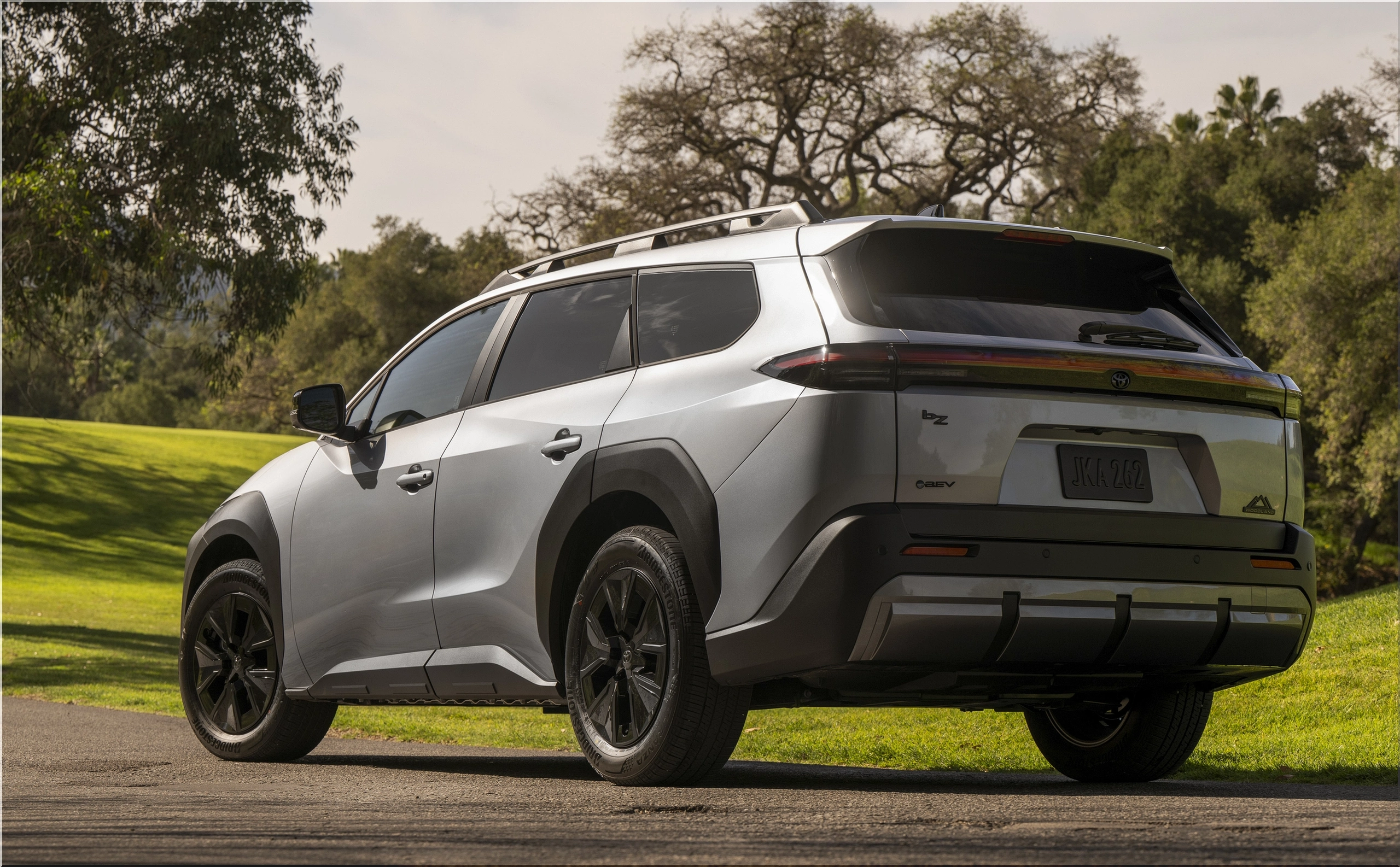
Specifically, Toyota backs that output with its larger 74.7-kWh battery pack. The setup comes standard on every Woodland, along with 18-inch wheels, AWD, and a North American Charging System port. Consequently, the Woodland no longer enters the chat as the slow, slightly awkward option. It finally has enough shove to match the aggressive stance.
Image

Performance and utility specs
| Spec | 2026 Toyota bZ Woodland |
|---|---|
| Power | 375 hp |
| Drivetrain | Dual-motor AWD |
| Battery capacity | 74.7 kWh |
| Estimated 0-60 mph | 4.4 sec |
| EPA-est. range | 281 miles |
| Range with all-terrain tires | 260 miles |
| Ground clearance | 8.4 in / 213 mm |
| Towing capacity | 3,500 lb |
| DC fast charging | 10%-80% in about 30 min |
| AC onboard charger | 11 kW |
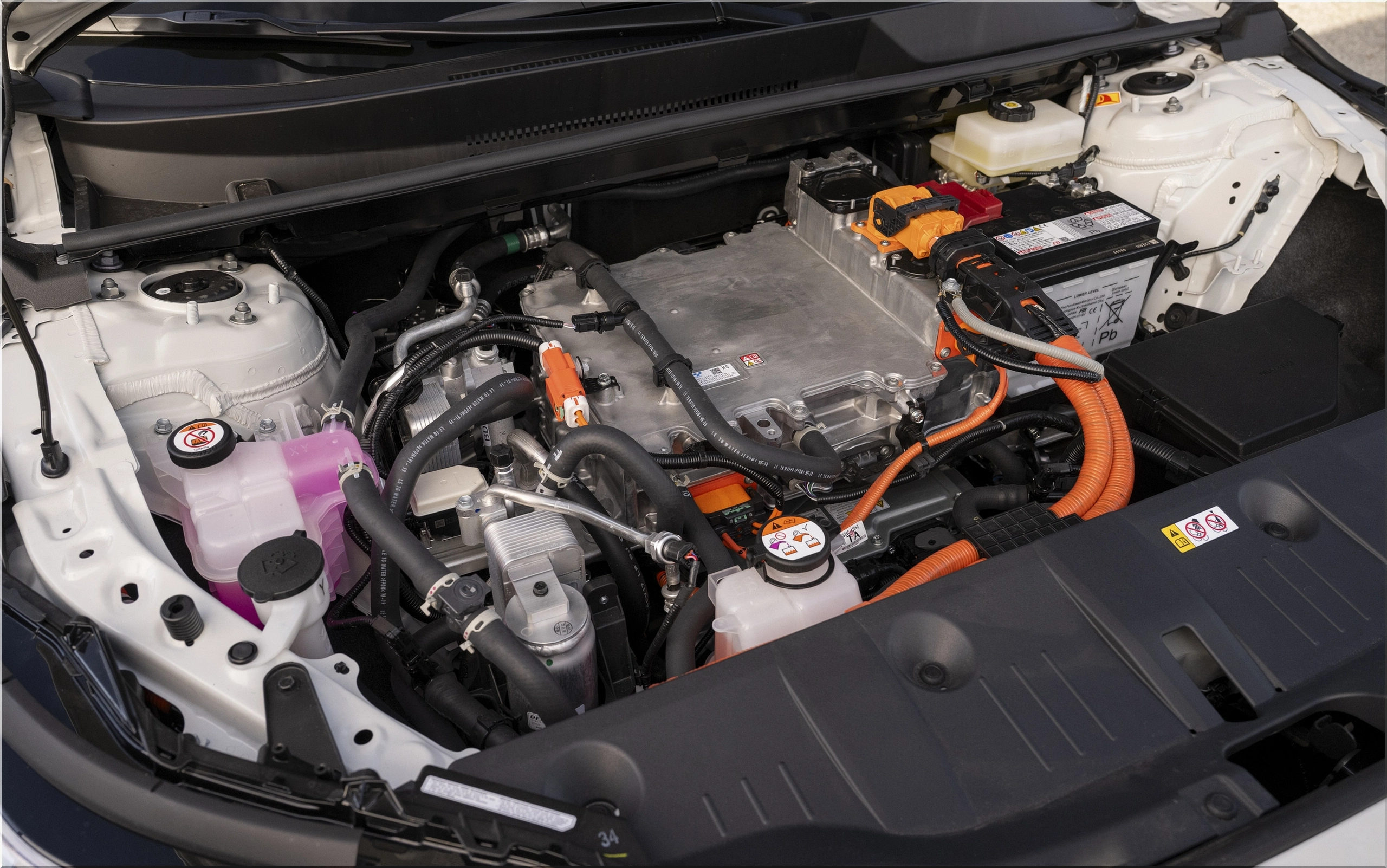
The engineering logic is easy to track. More output helps offset the Woodland's extra size and utility gear. AWD gives Toyota the traction story it needs for dirt roads, snow, and slick boat ramps. The larger battery keeps the vehicle competitive, even if range still falls short of the best long-distance EVs in the class.
Range and charging: better access, still not class-leading endurance
Toyota quotes up to 281 miles of EPA-estimated range on standard tires and 260 miles with the optional all-terrain setup. That is decent for a ruggedized AWD EV, but it does not dominate the segment. By comparison, rivals still hold an edge in outright road-trip confidence.
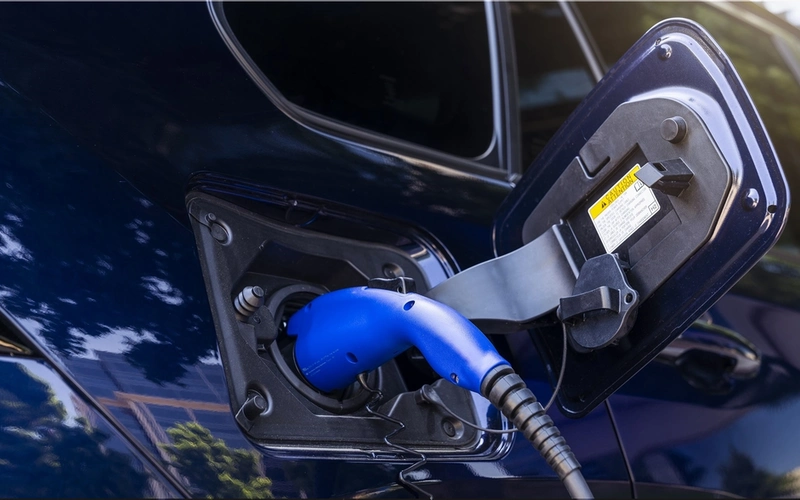
In addition, Toyota finally adds the hardware that buyers actually care about in 2026: a built-in NACS port. That opens access to Tesla Superchargers in the U.S., which matters more in daily life than a glossy brochure claim. Toyota also fits battery preconditioning and an 11-kW onboard charger, so both DC fast charging and home charging improve in practical use.
Here is the catch. MotorTrend's first-drive reporting raises fair doubts about real-world range, based on prior testing of the related bZ. That does not kill the Woodland's case, but it does mean shoppers should treat the EPA number as an upper bound, not a promise carved in stone.
Image
Size, packaging, and cargo: this is where the Woodland really wins
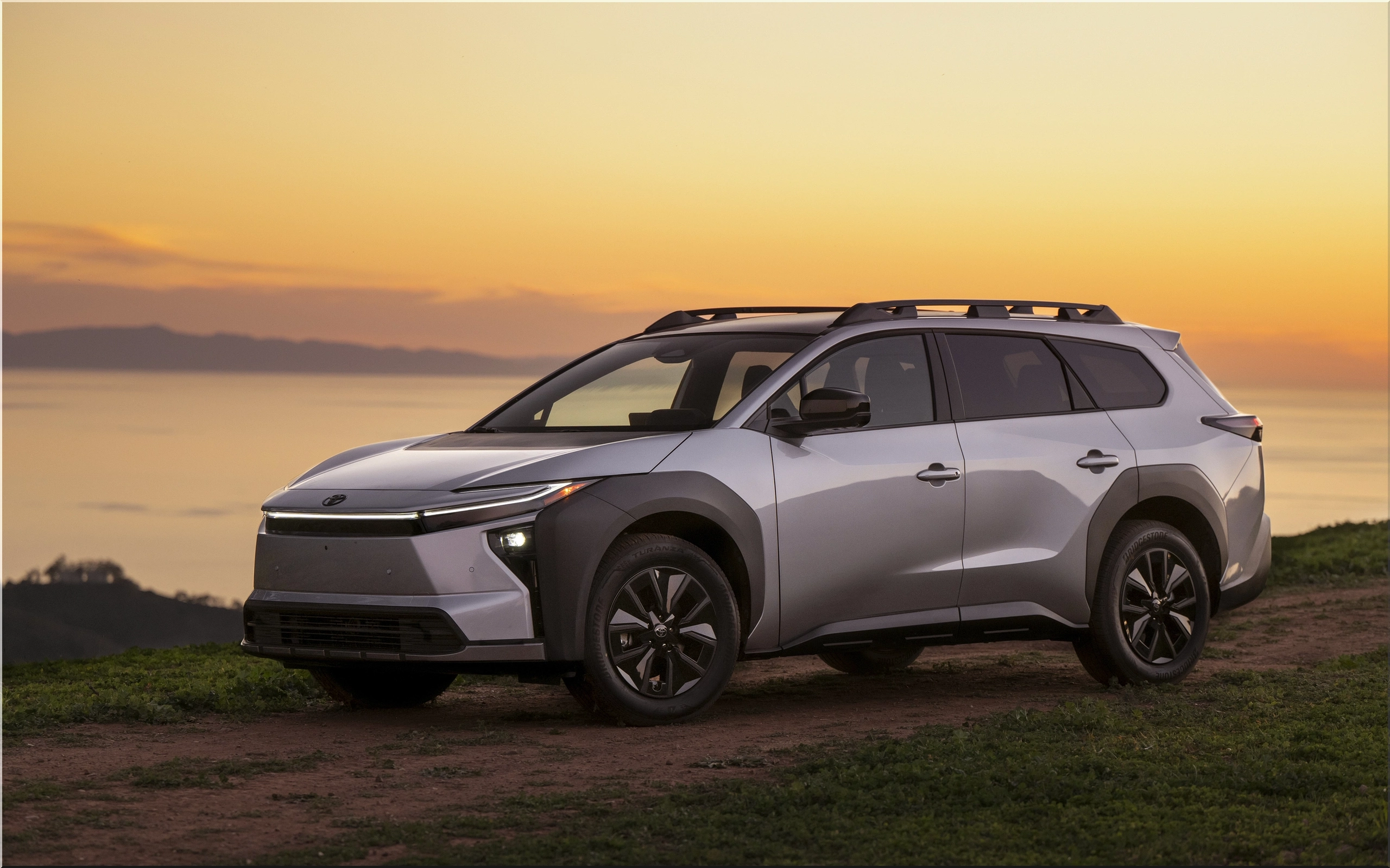
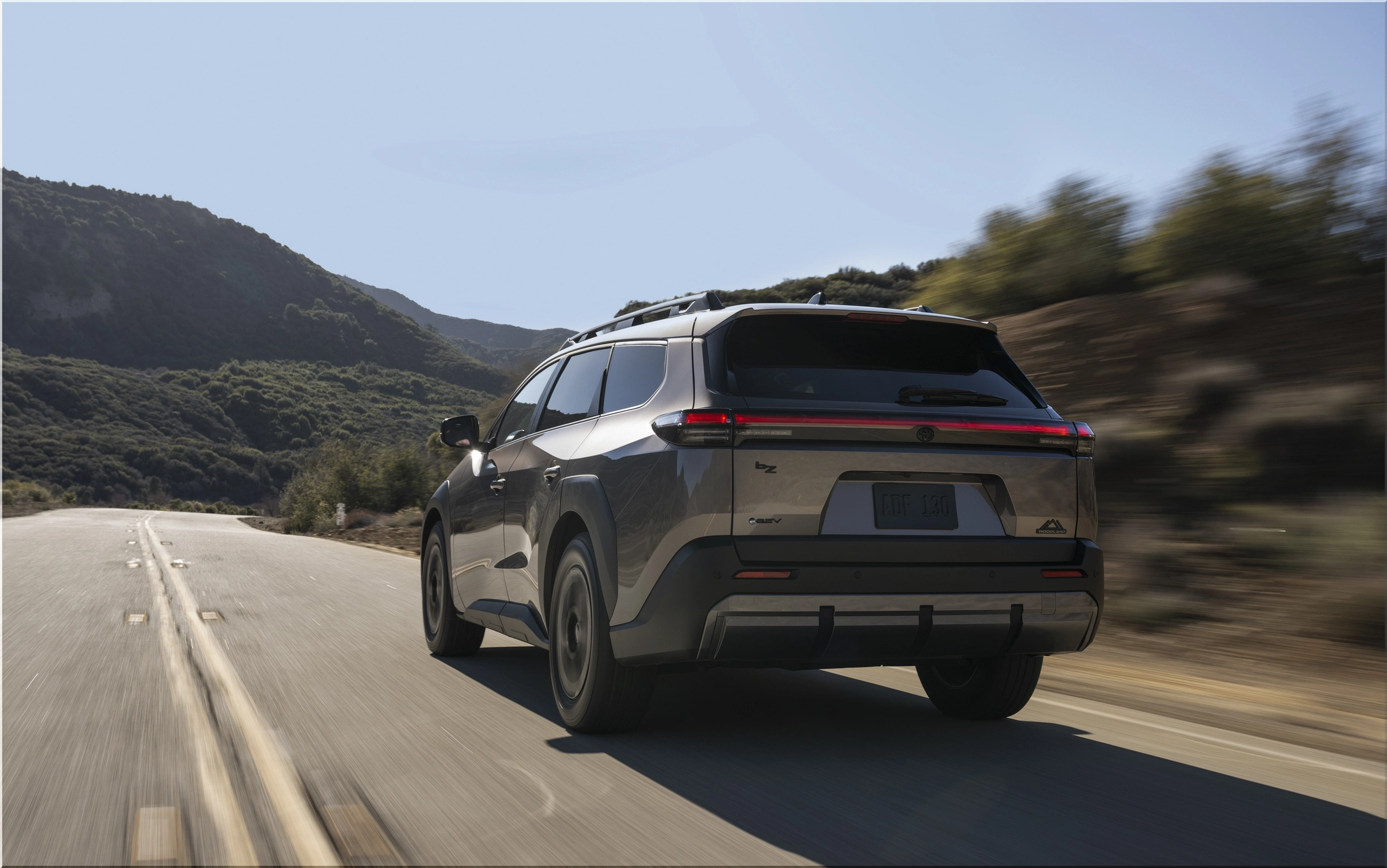
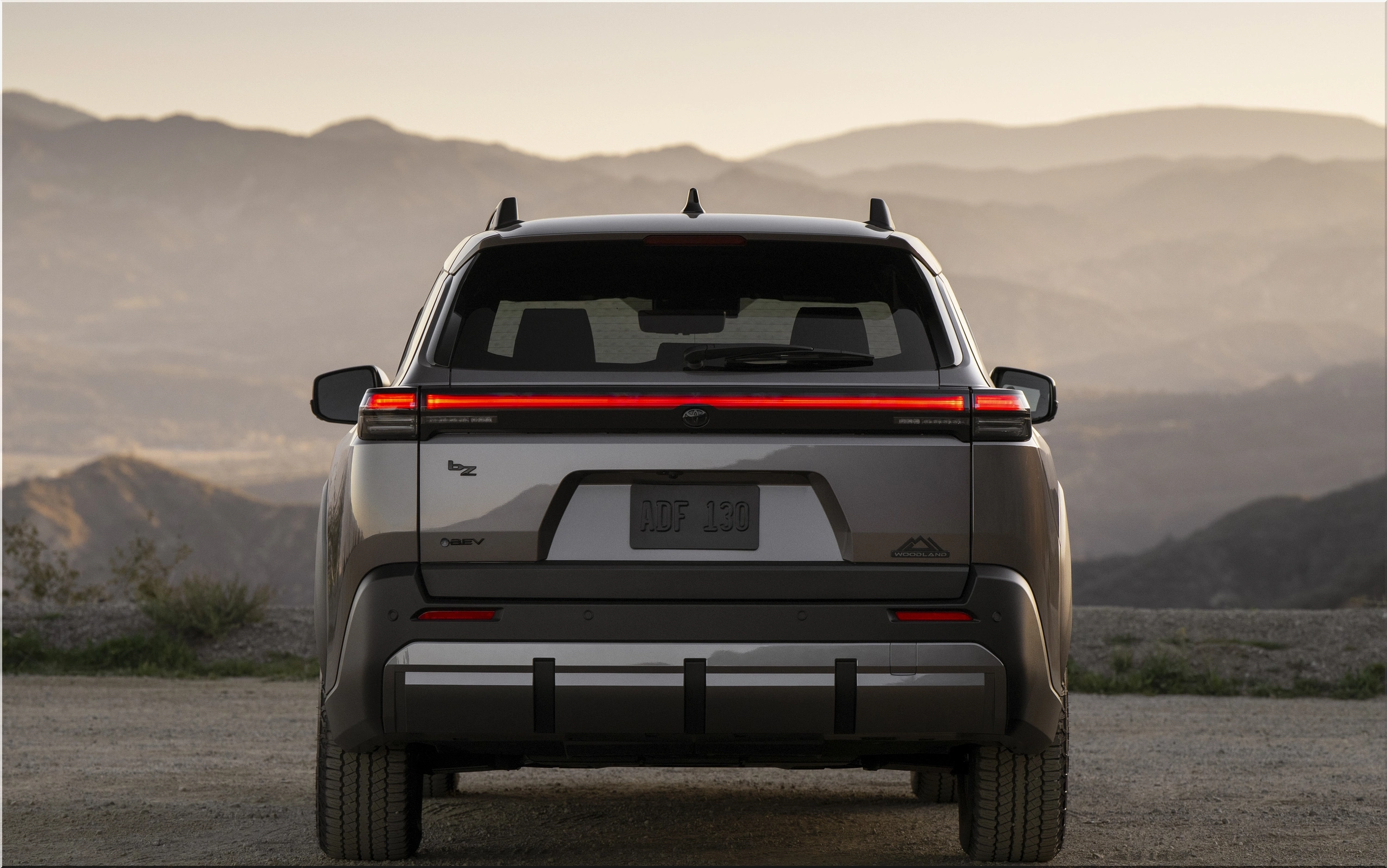
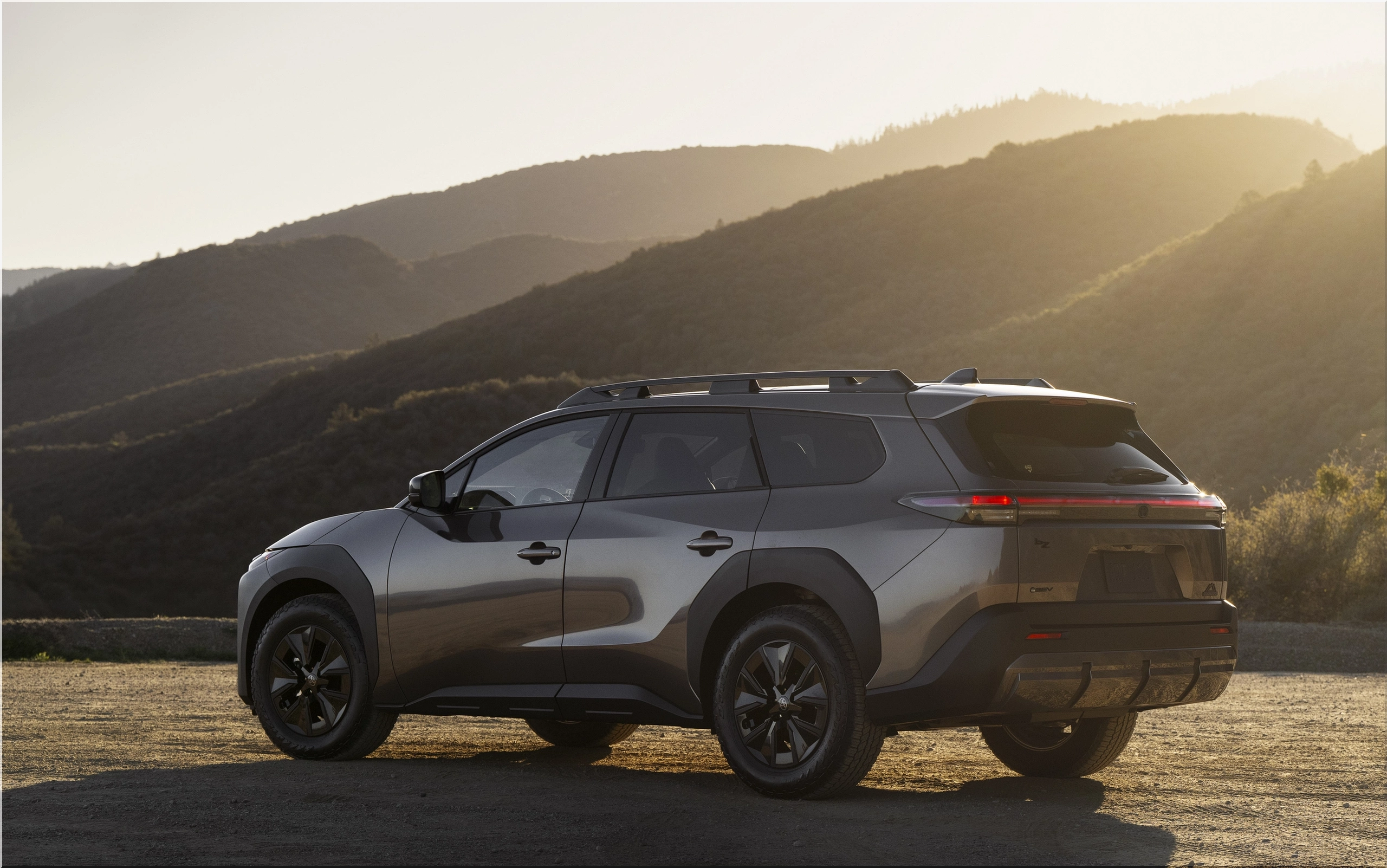
The 2026 Toyota bZ Woodland keeps a 112.2-inch wheelbase but stretches to about 190.2 inches long, 73.2 inches wide, and 65.9 inches tall. Converted to metric, that works out to roughly 2,850 mm, 4,831 mm, 1,859 mm, and 1,674 mm. Toyota says the body adds nearly six inches of length versus the standard bZ, and that extra sheetmetal goes to work.
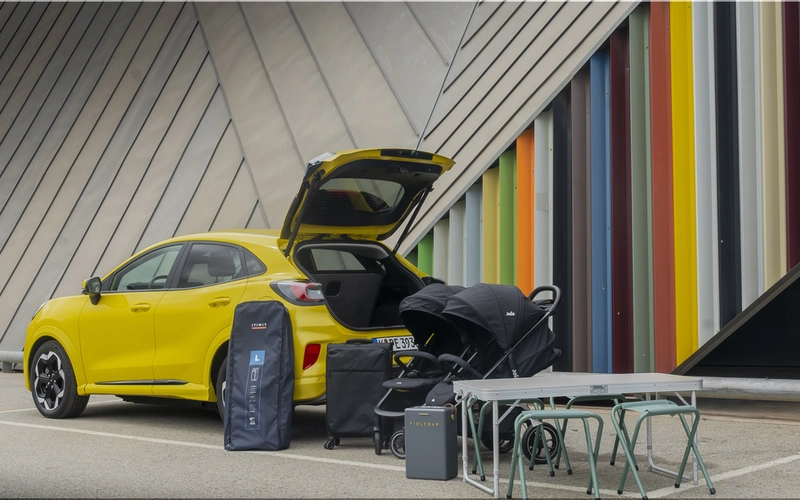
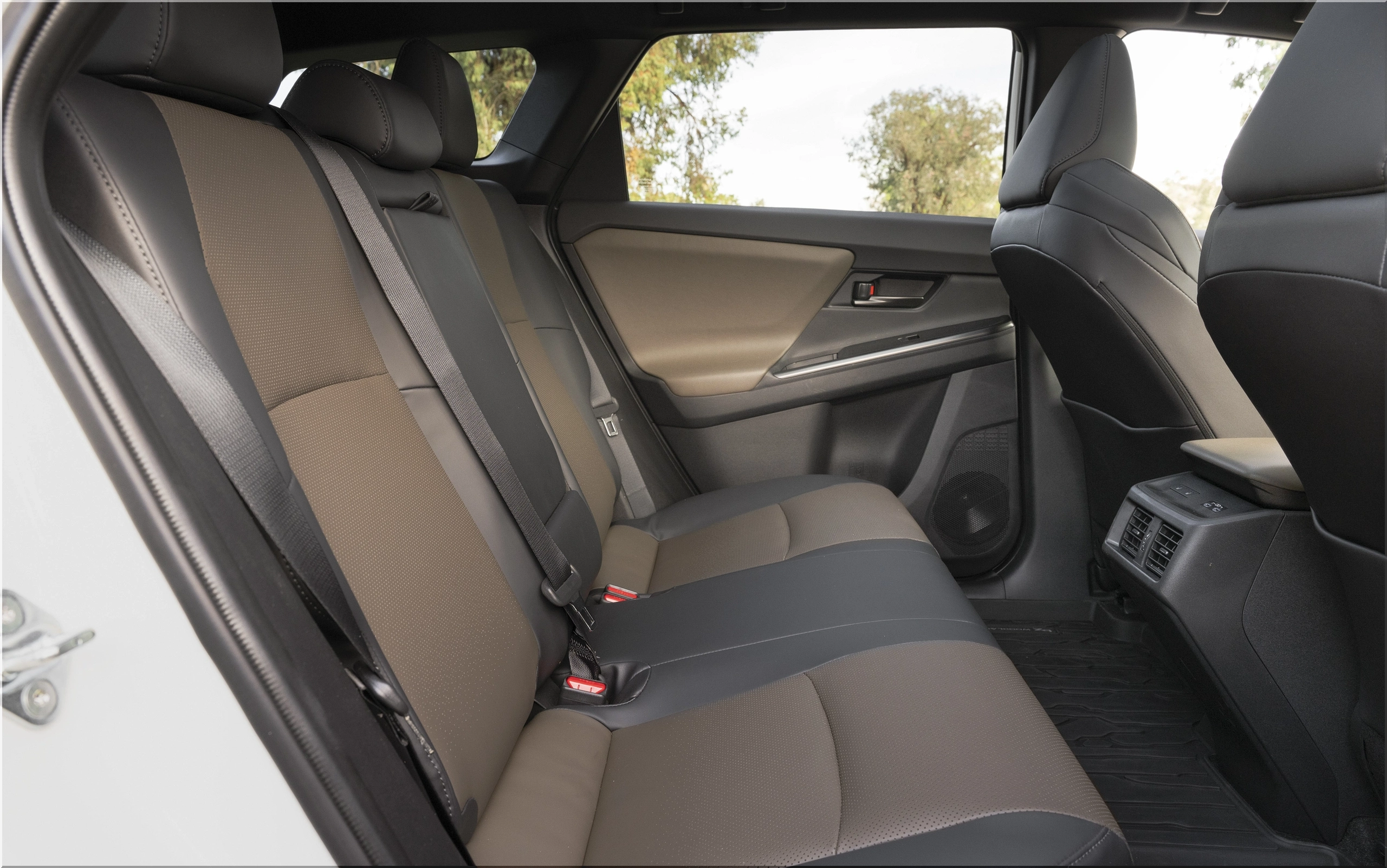
Cargo is the Woodland's strongest argument. Behind the second row, volume lands between 33.3 and 33.8 cubic feet. Fold the rear seats, and total space grows to 71.8 to 74.3 cubic feet, depending on configuration. That puts it ahead of the standard bZ, the Hyundai Ioniq 5 XRT, and the Ford Mustang Mach-E Rally for maximum cargo room.
Cabin and packaging data
| Measurement | 2026 Toyota bZ Woodland |
|---|---|
| Wheelbase | 112.2 in / 2,850 mm |
| Length | 190.2 in / 4,831 mm |
| Width | 73.2 in / 1,859 mm |
| Height | 65.9 in / 1,674 mm |
| Front legroom | 42.1 in / 1,069 mm |
| Rear legroom | 35.3 in / 897 mm |
| Front headroom | 38.6 in / 980 mm |
| Rear headroom | 37.5-38.4 in / 953-975 mm |
| Cargo behind rear seats | 33.3-33.8 cu ft |
| Max cargo volume | 71.8-74.3 cu ft |
By comparison, many electric crossovers still force buyers to choose between style and usable rear volume. Toyota gave up some sleekness here, and that was smart. The longer roofline looks a little wagon-ish, but it buys real space for gear, dogs, strollers, bikes, and the random hardware-store run that every crossover owner swears will happen "once in a while."
Image
Off-pavement hardware: enough for trails, not for hero shots
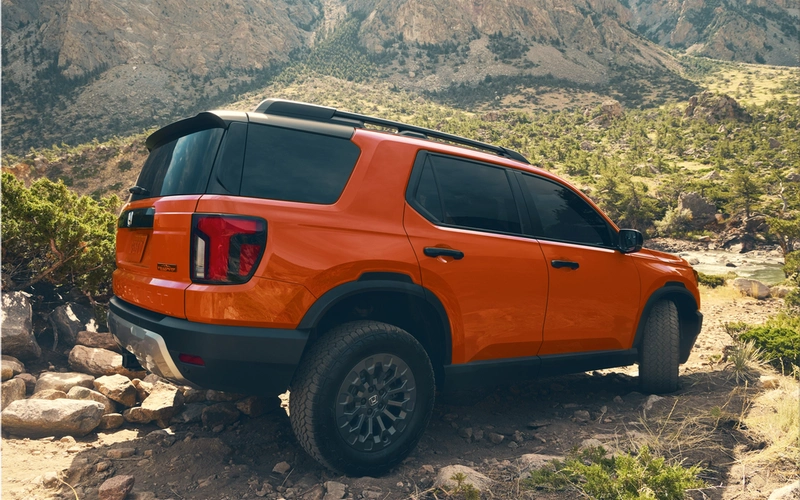
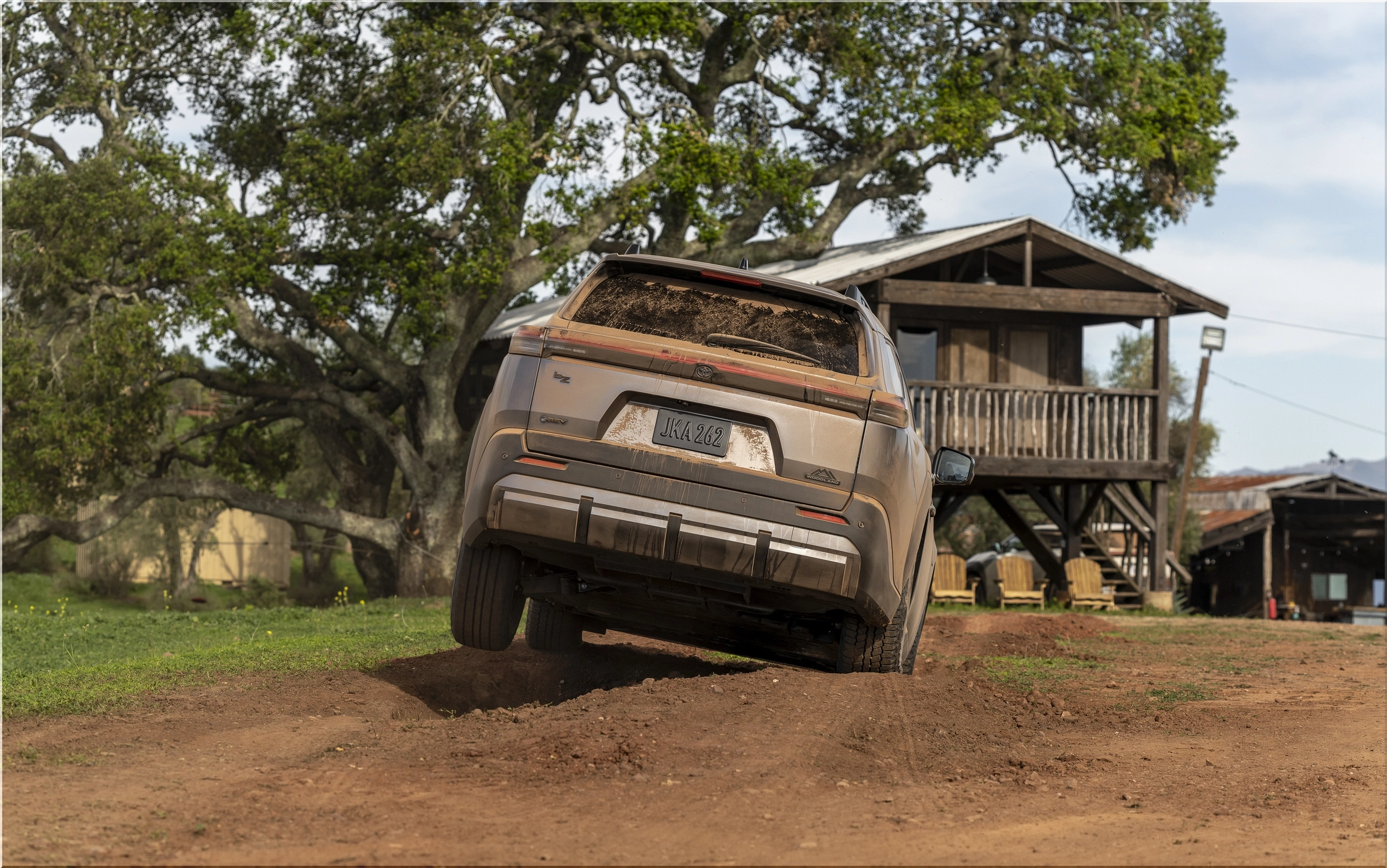
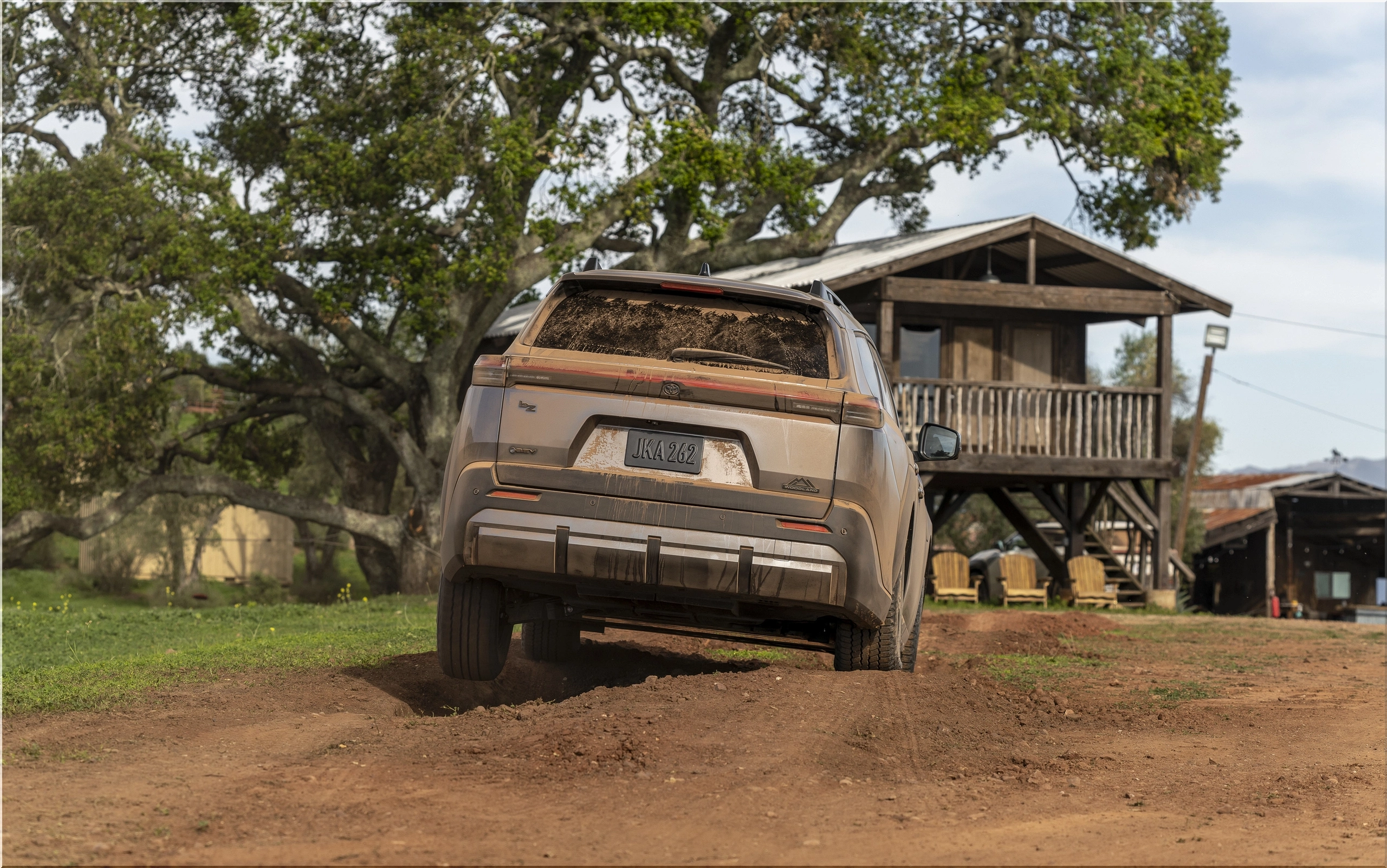
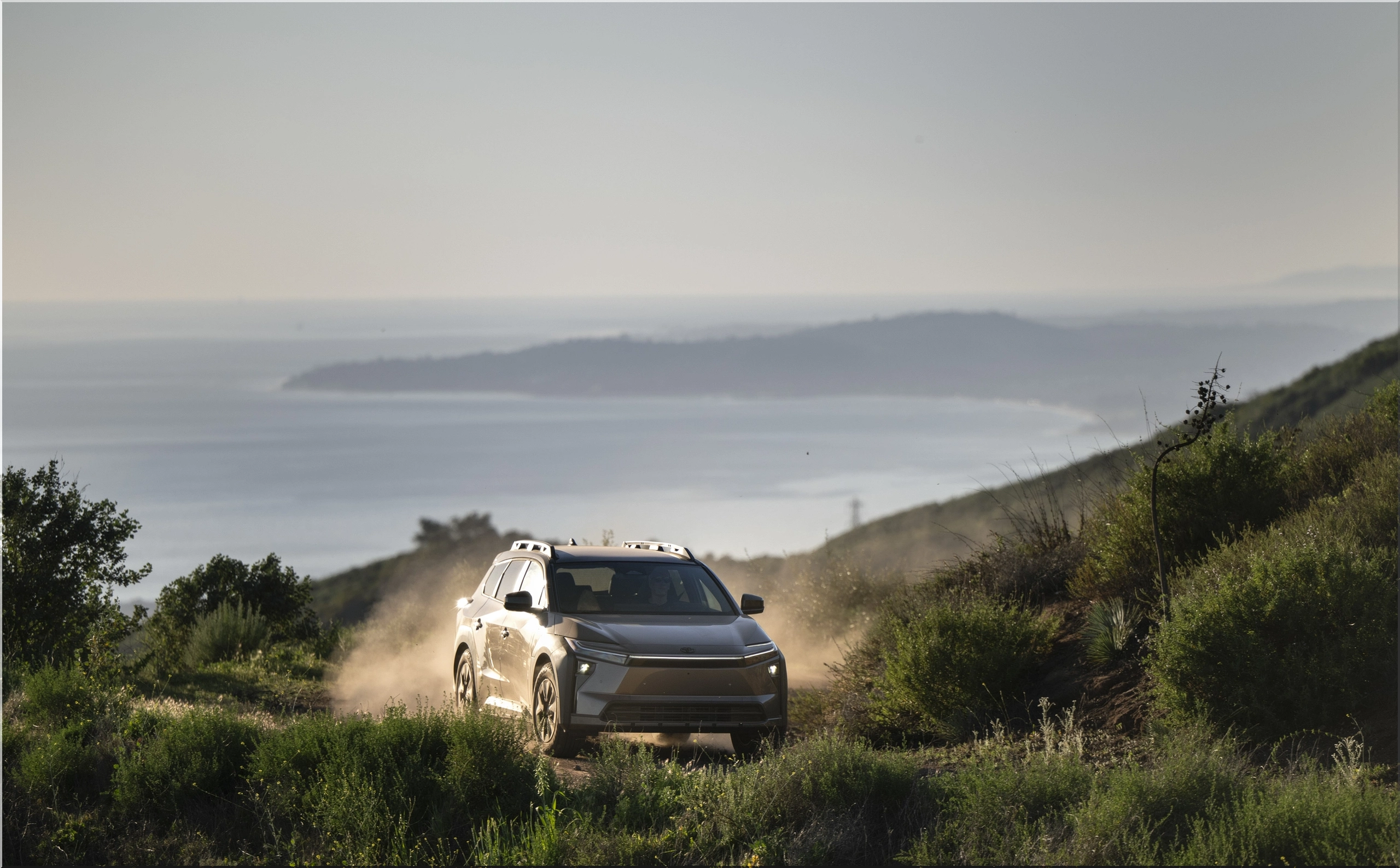
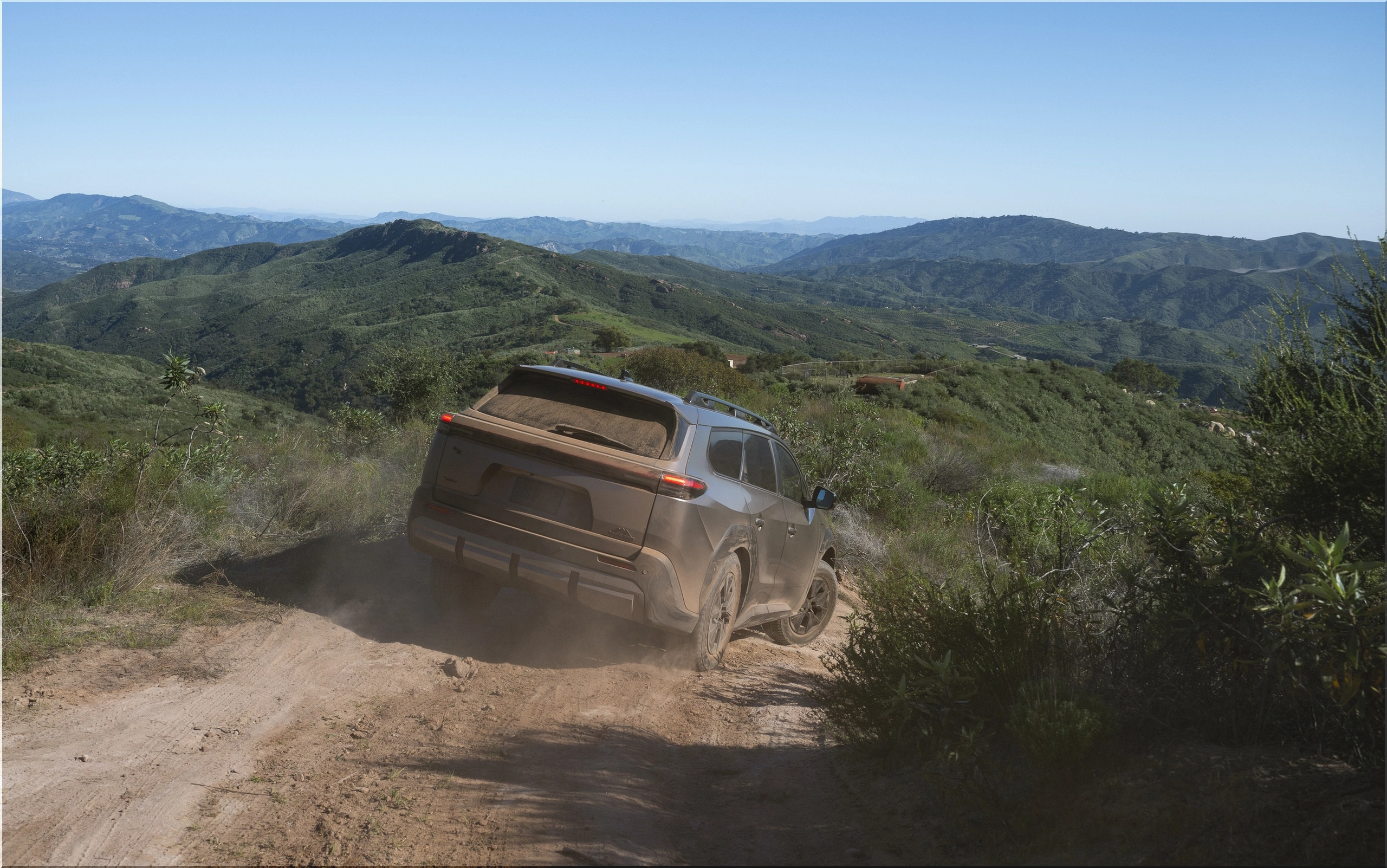
Toyota calls the Woodland adventure-ready, and that phrasing feels accurate. The X-Mode AWD system adjusts brake intervention and torque delivery for low-grip conditions, while Grip Control works like a low-speed crawl or descent aid. On gravel, mud, and steep loose surfaces, that software matters because electric motors can meter torque faster than a conventional driveline.
Consequently, the Woodland should perform well on fire roads, wet campsites, snow-covered access roads, and other low-speed terrain where traction management matters more than articulation. The 8.4-inch ride height helps, but this still is not a rock crawler. The underbody, tires, and approach profile tell that story fast.
Pro-Tips
- Pick the standard tire setup if range matters more than the tougher look.
- Pick the all-terrain tire package only if you regularly leave pavement.
- Use the 3,500-pound towing rating for small trailers, bikes, or light recreational gear, but watch the range drop that comes with towing.
- Prioritize home charging setup before delivery. The 11-kW AC charger gives the Woodland much better daily usability when paired with a proper 240V circuit.
Interior tech and equipment: well stocked, still slightly weird
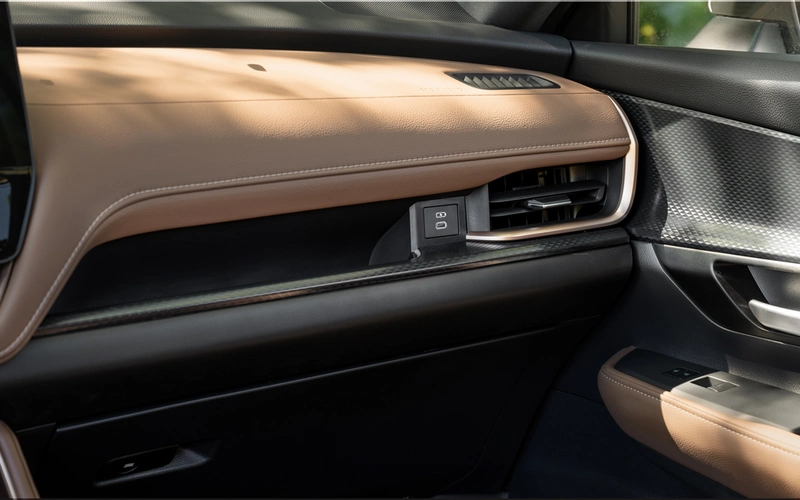
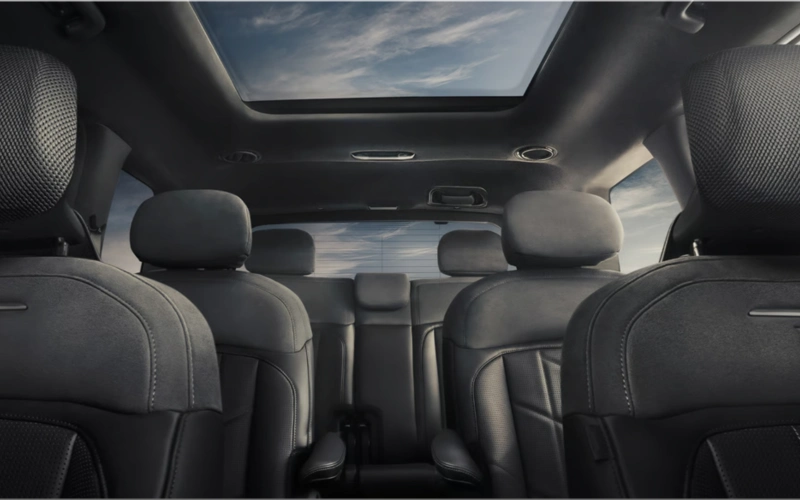
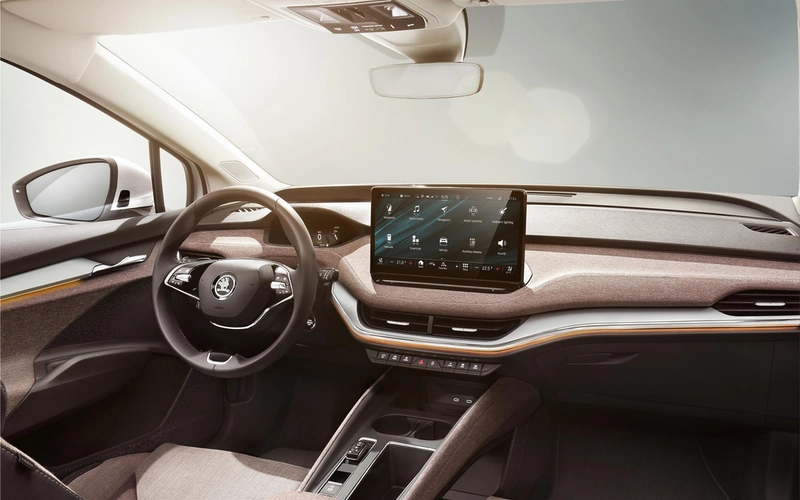
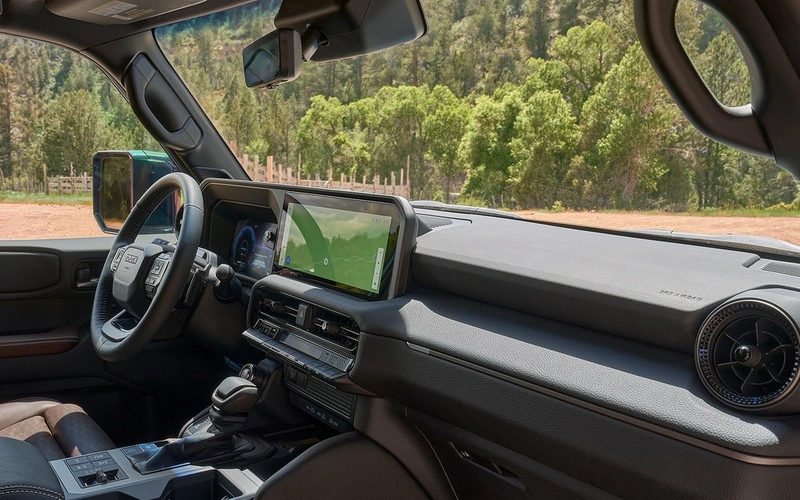
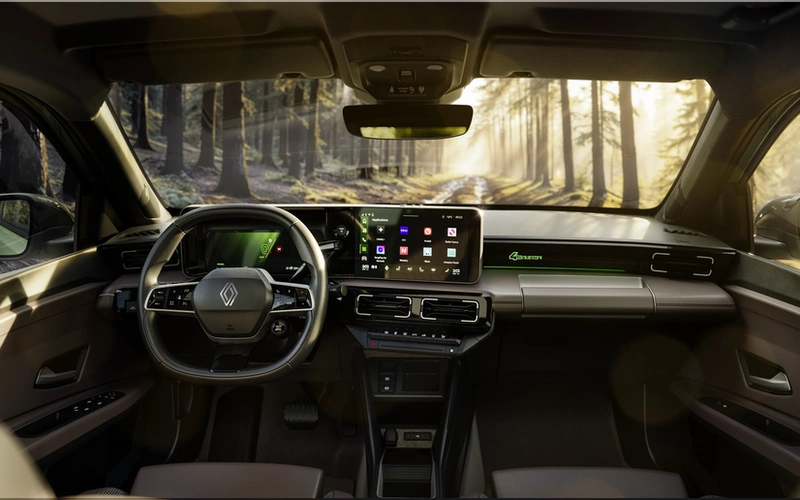
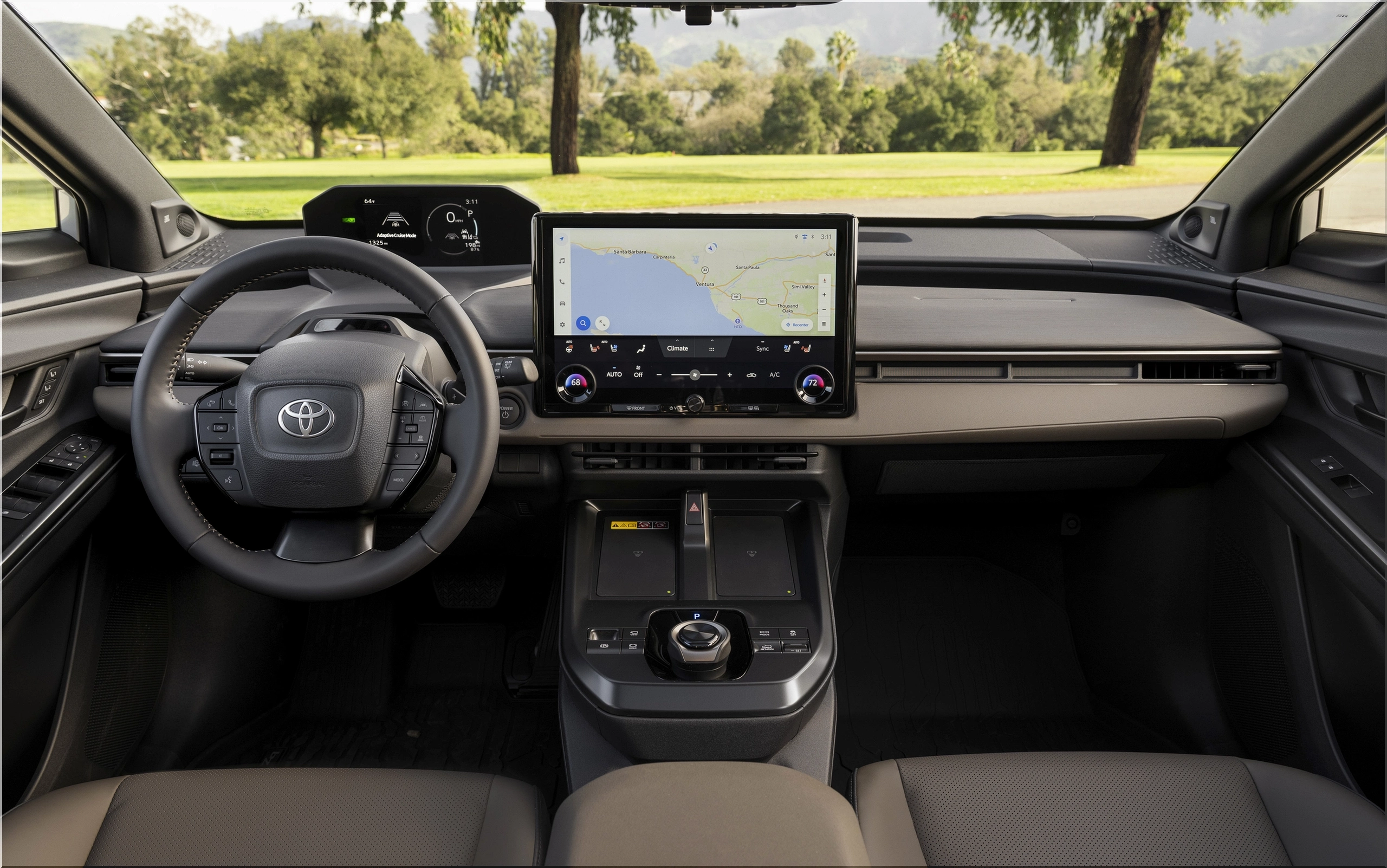
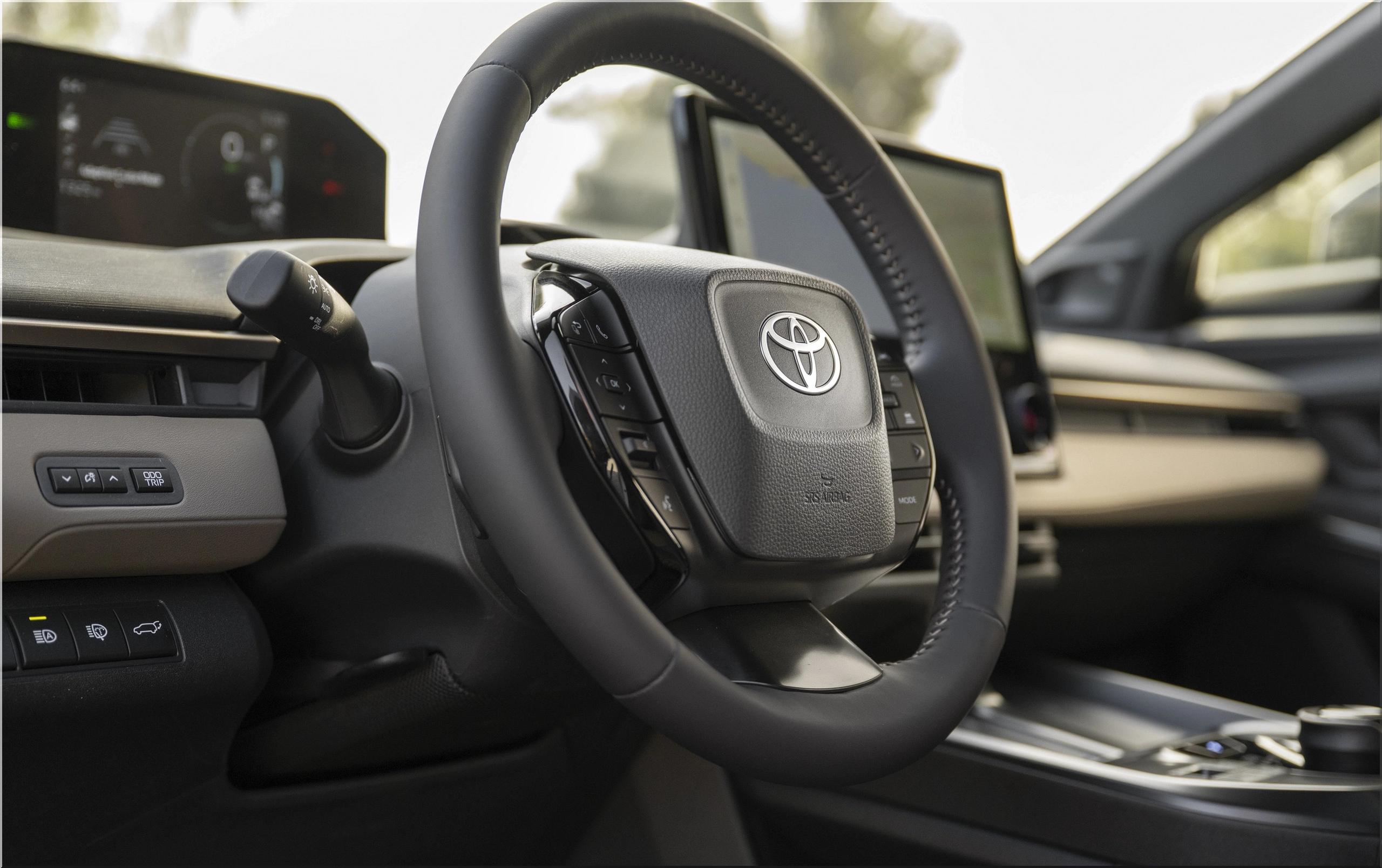
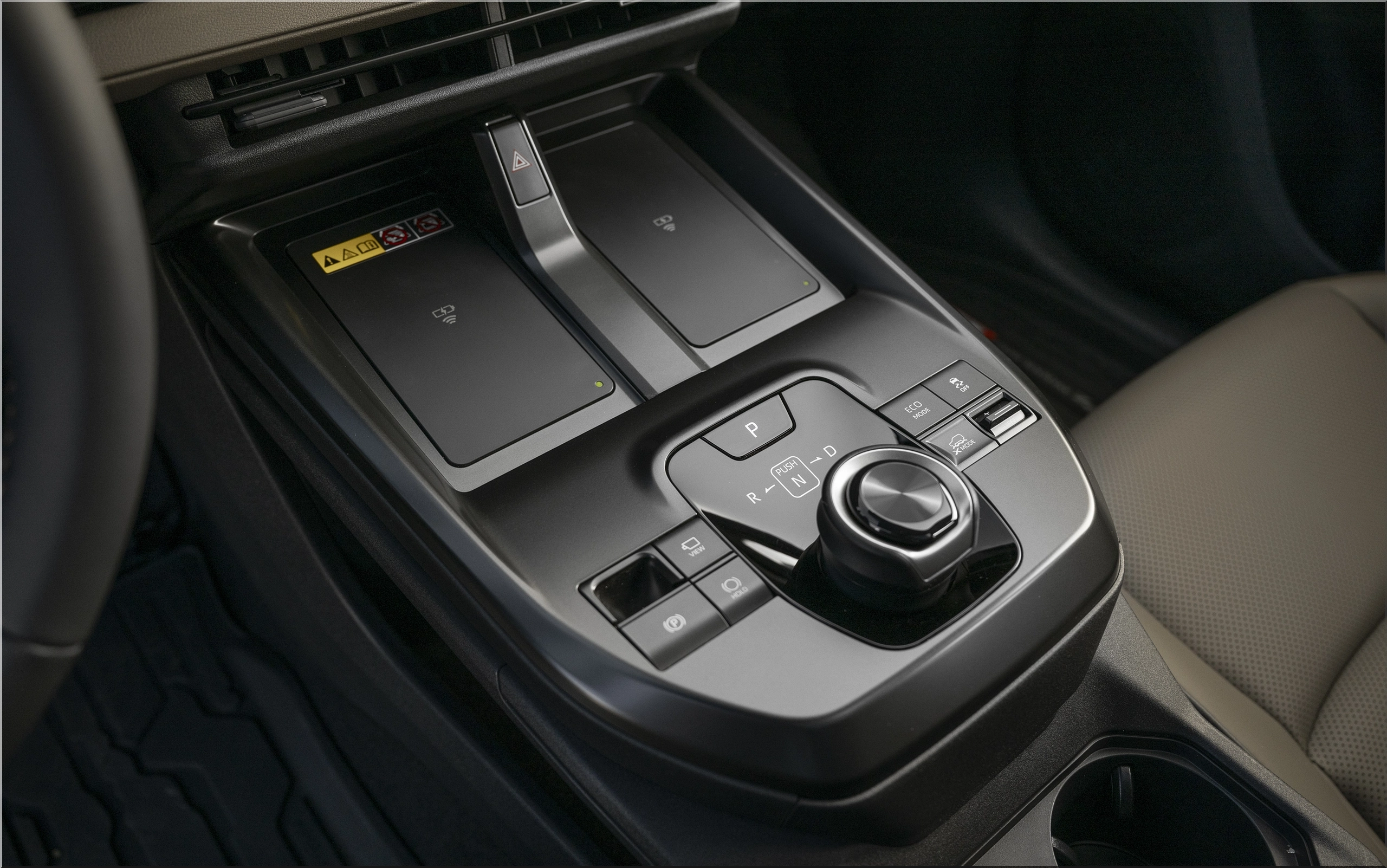
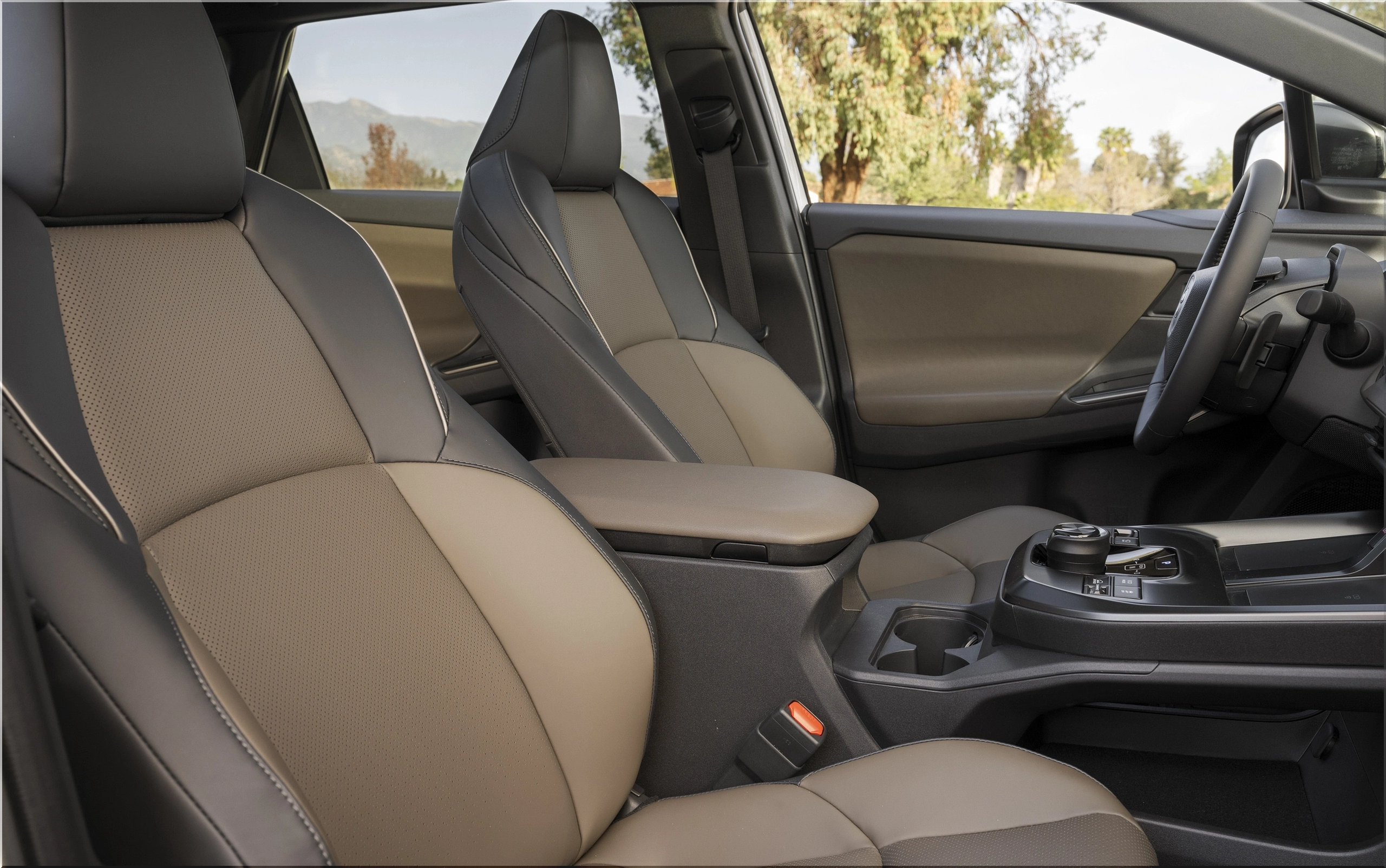
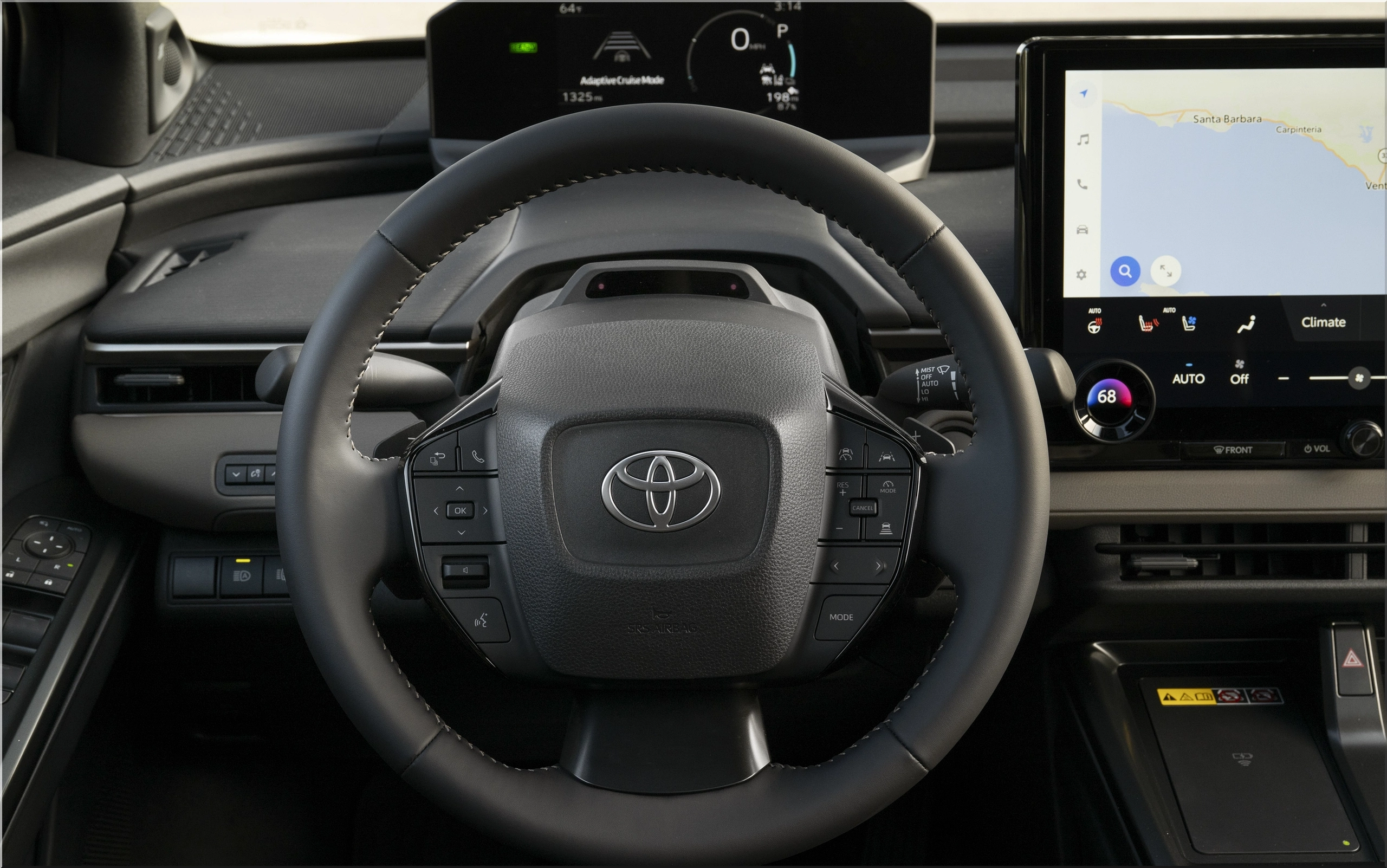
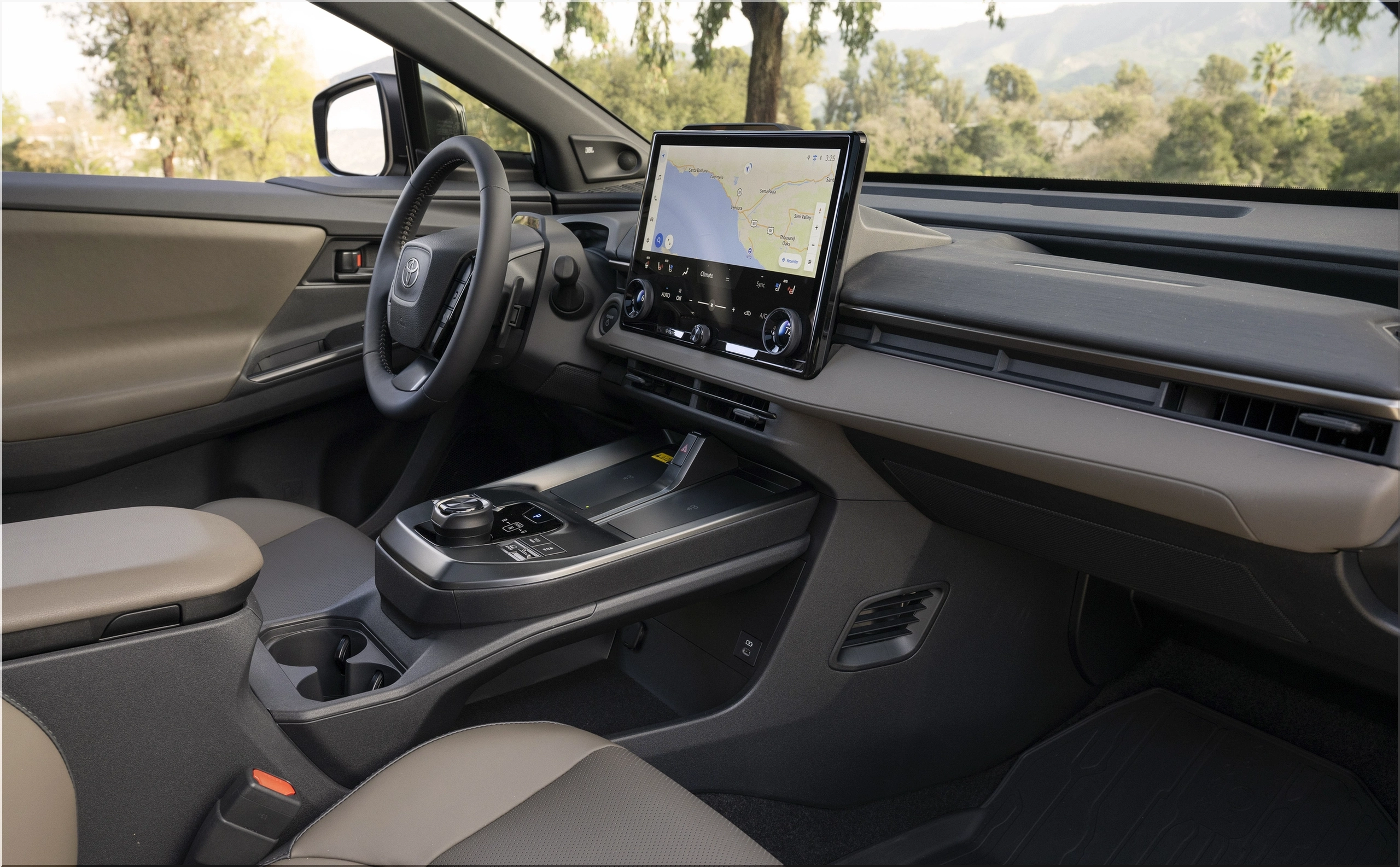
Toyota loads the Woodland well. Standard equipment includes a 14-inch touchscreen, dual wireless chargers, heated front seats, heated rear outboard seats, heated steering wheel, ambient lighting, a panoramic view monitor with multi-terrain monitor, and Toyota Safety Sense 3.0. Premium models add a JBL audio system, ventilated front seats, memory settings, a panoramic fixed-glass roof, and front radiant heaters.
The interface seems improved, but Toyota still keeps some odd packaging habits. The instrument display sits far forward, and the missing traditional glovebox still feels like a packaging experiment that escaped the lab. By comparison, Hyundai's Ioniq 5 interior still feels more naturally organized.
Direct-competitor comparison
Toyota did its homework on the target set. The Woodland lands between the bargain-play Subaru twin and the flashier performance or style-first rivals from Hyundai and Ford.
| Model | Horsepower | EPA Range | Ground Clearance | Max Cargo | Base Price |
|---|---|---|---|---|---|
| 2026 Toyota bZ Woodland | 375 hp | 281 mi | 8.4 in | 74.3 cu ft | $45,300 MSRP |
| 2026 Subaru Trailseeker | 375 hp | 281 mi | 8.5 in | about 74 cu ft | $39,995 MSRP |
| 2026 Hyundai Ioniq 5 XRT AWD | 320 hp | 259 mi | 7.0 in | 59.4 cu ft | $46,275 MSRP |
| 2025 Ford Mustang Mach-E Rally | 480 hp | 265 mi | 5.8 in | 59.5 cu ft | around $57,000 |
Looking at the data, the Toyota wins on cargo space and ties near the top on utility-minded hardware. The Subaru undercuts it hard on price and matches much of the core formula. The Hyundai gives up power and cargo but stays competitive on price. The Ford delivers wild acceleration, though it asks for much more money and gives back less clearance and cargo room.
So, is the 2026 Toyota bZ Woodland worth it?
Yes, with one condition: buy it for its mix of speed, space, and light-duty utility, not for long-range supremacy. That is the correct lens. The Toyota bZ Woodland first drive story comes down to this simple fact: Toyota finally built an EV that feels like it has a job description.
It moves hard enough to justify the 375-hp headline. It carries more stuff than the standard bZ by a wide margin. It tows enough to matter. It charges with a NACS port. It even looks like the version Toyota should have launched in the first place.
What now?
If you are shopping this class, put these three questions in front of the Woodland:
- Do you need the extra cargo room and towing over a regular Toyota bZ?
- Do you value Supercharger access and Toyota dealer familiarity over absolute range?
- Can you live with a price premium versus the closely related Subaru Trailseeker?
If the answer is yes, the 2026 Toyota bZ Woodland deserves a serious look. This is the first Toyota EV in this family that feels purpose-built instead of compliance-built.
Image Gallery
- Add new comment
- 123 views