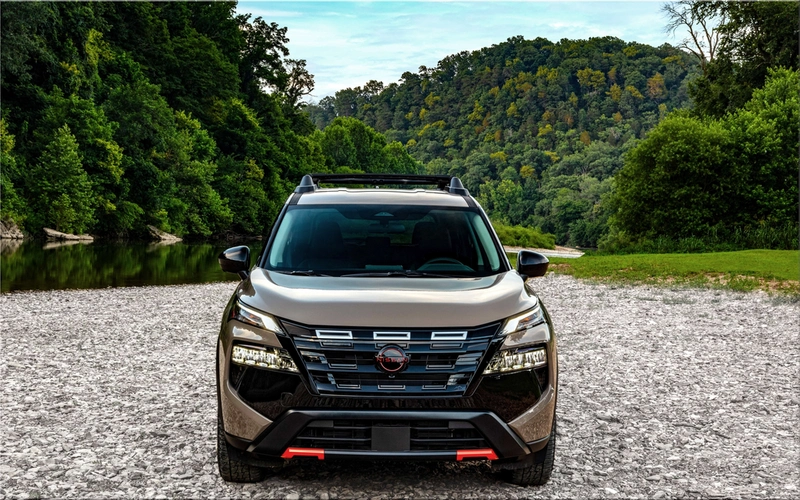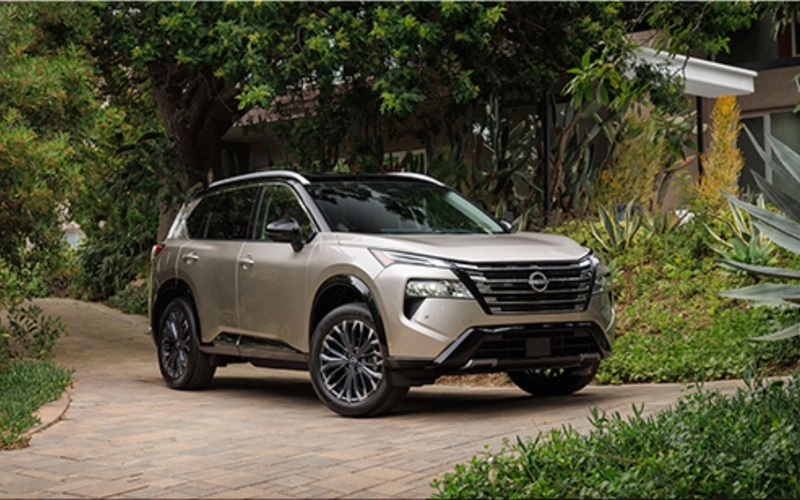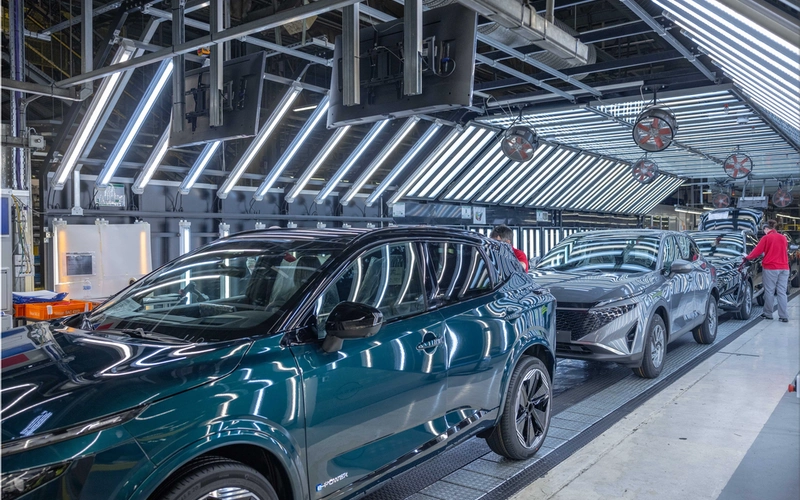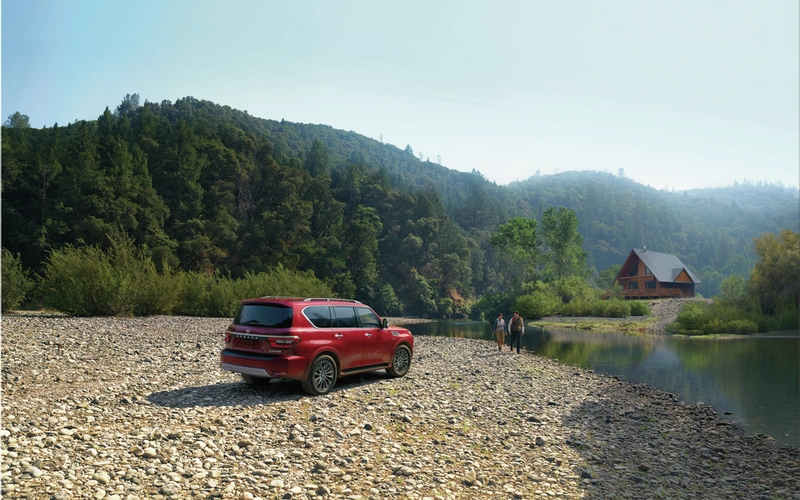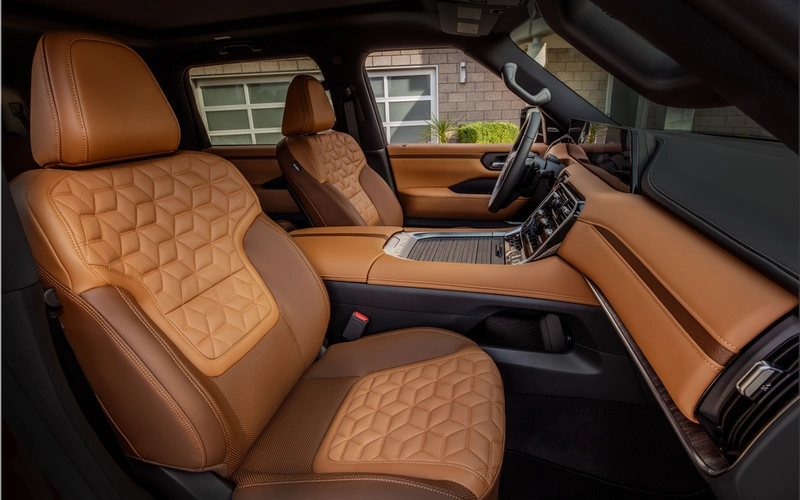
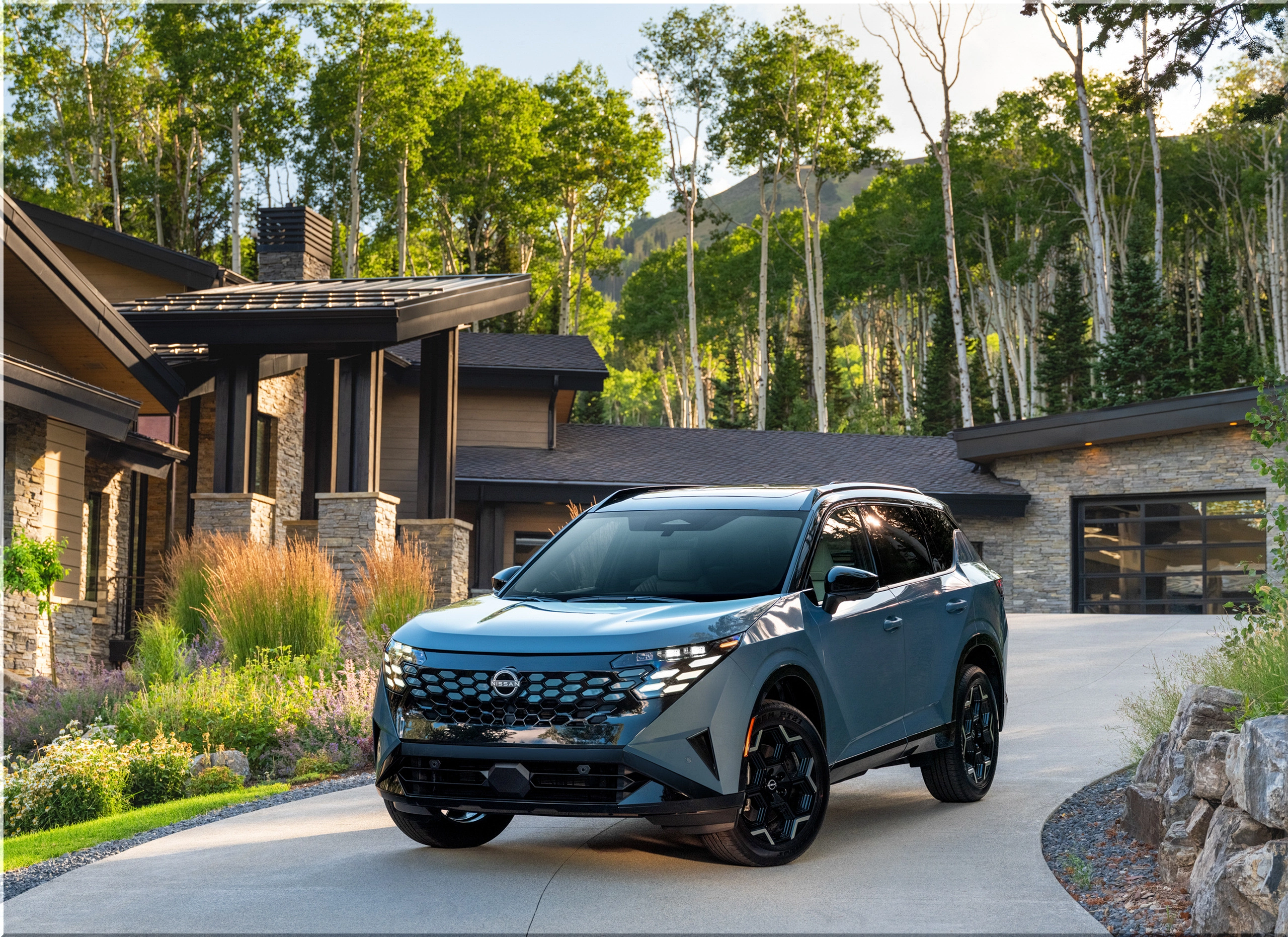
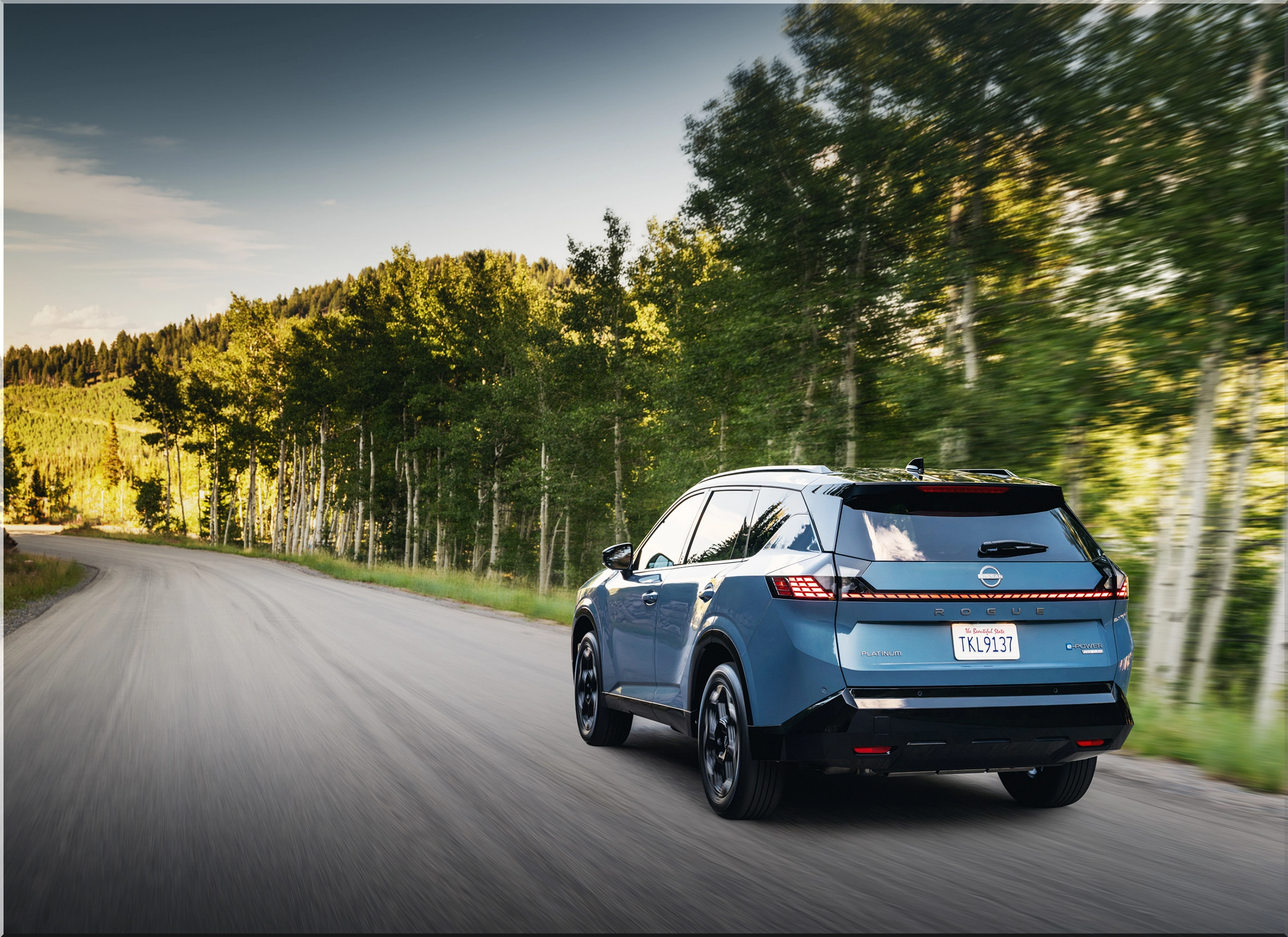
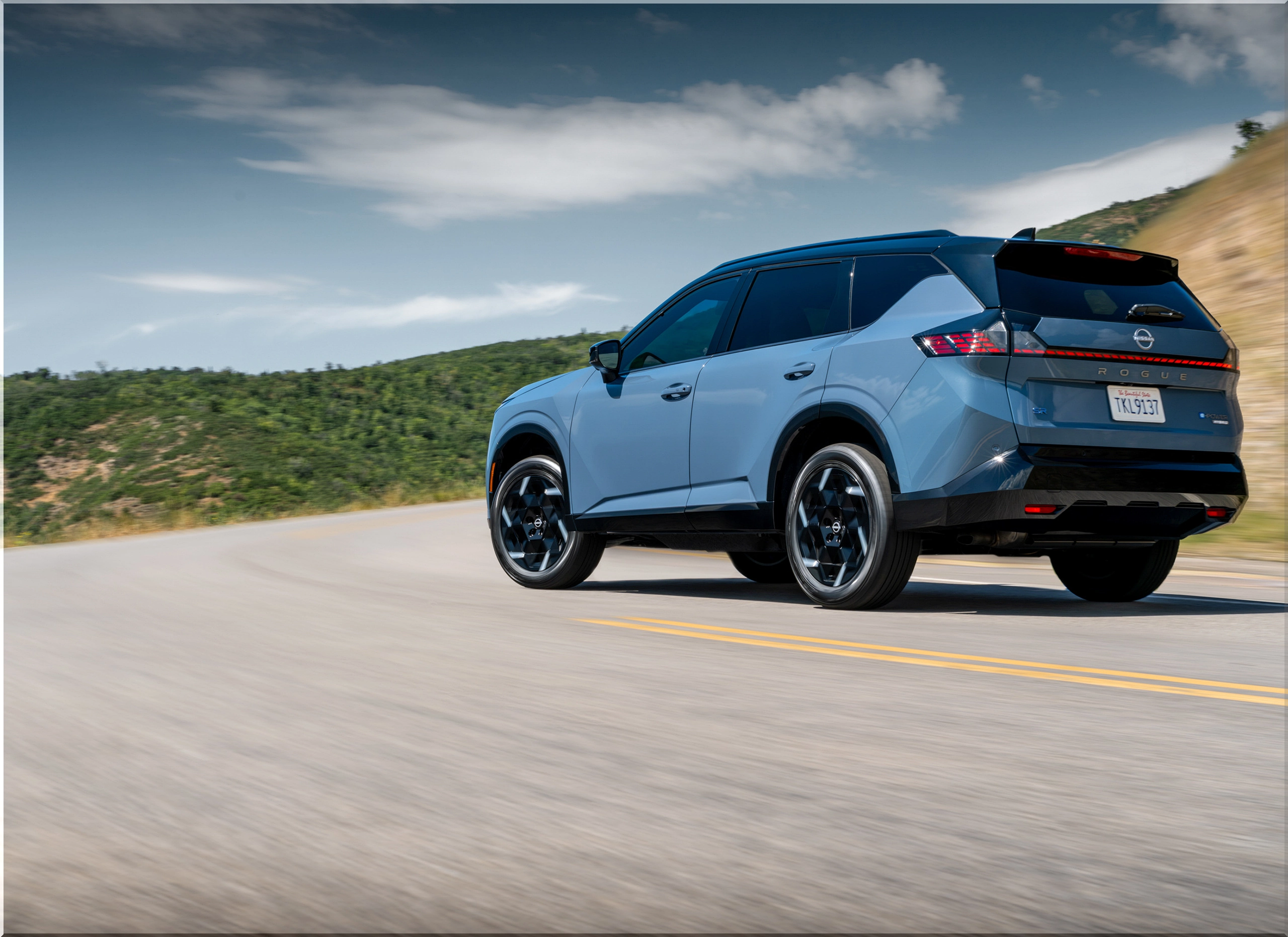
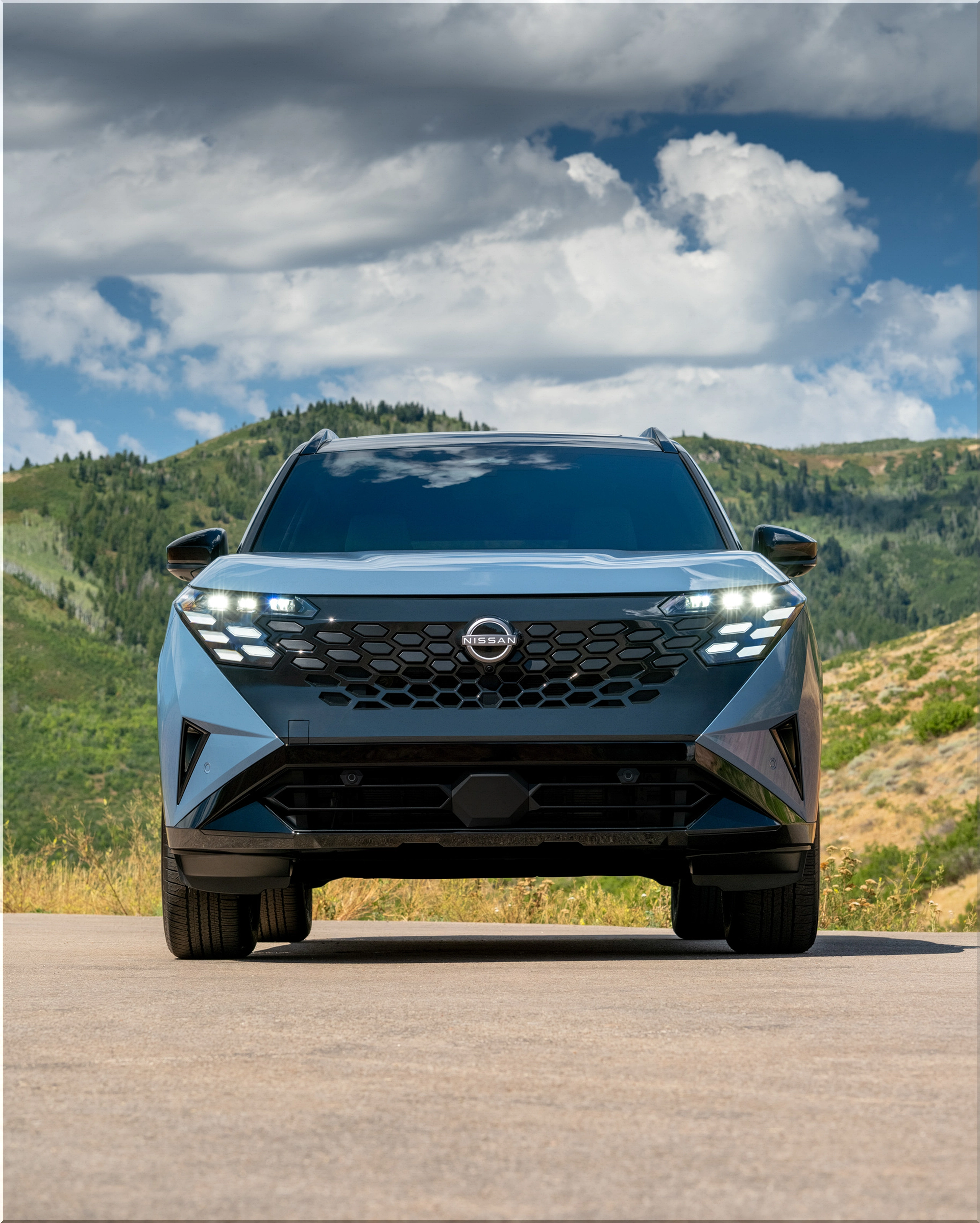
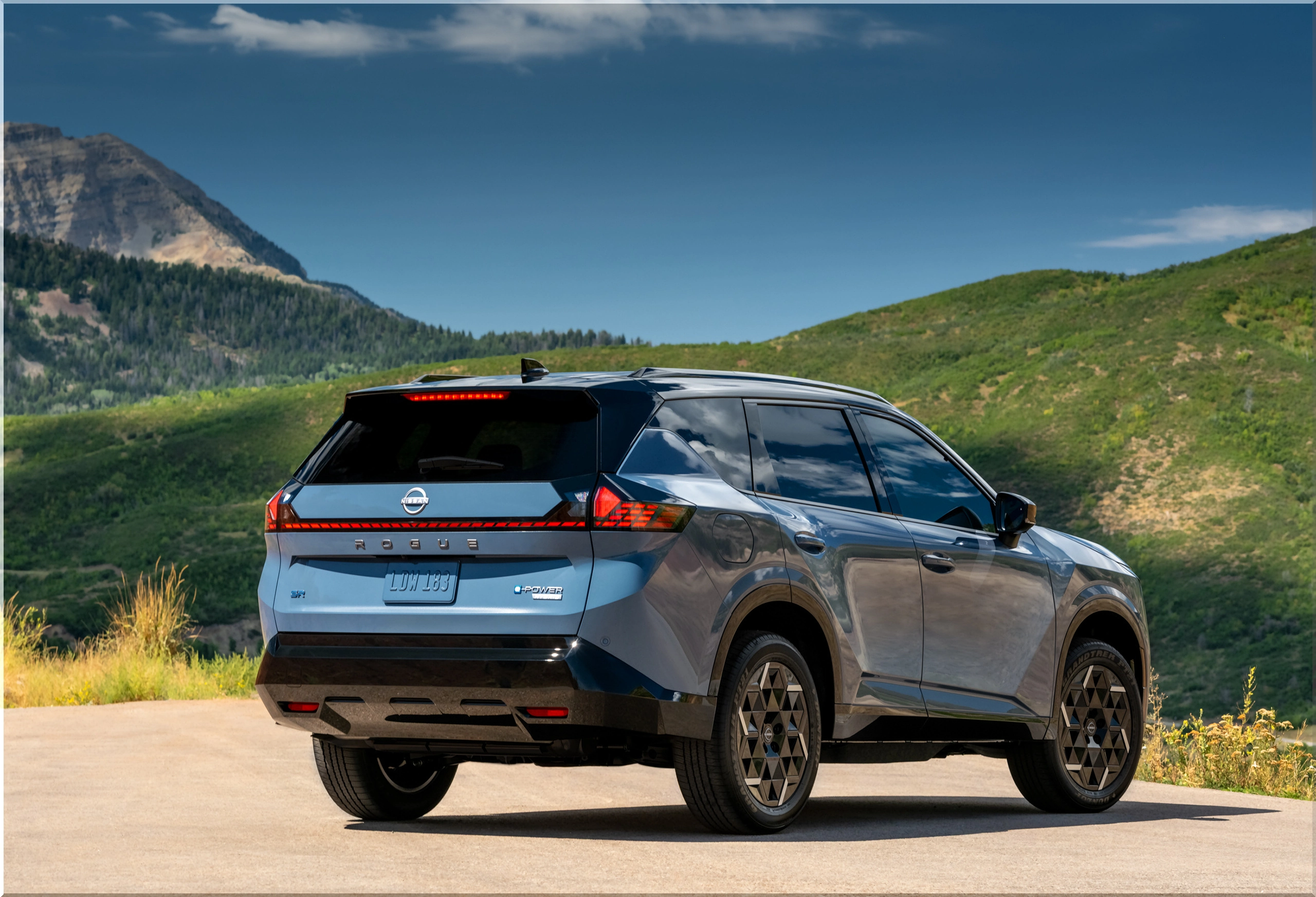
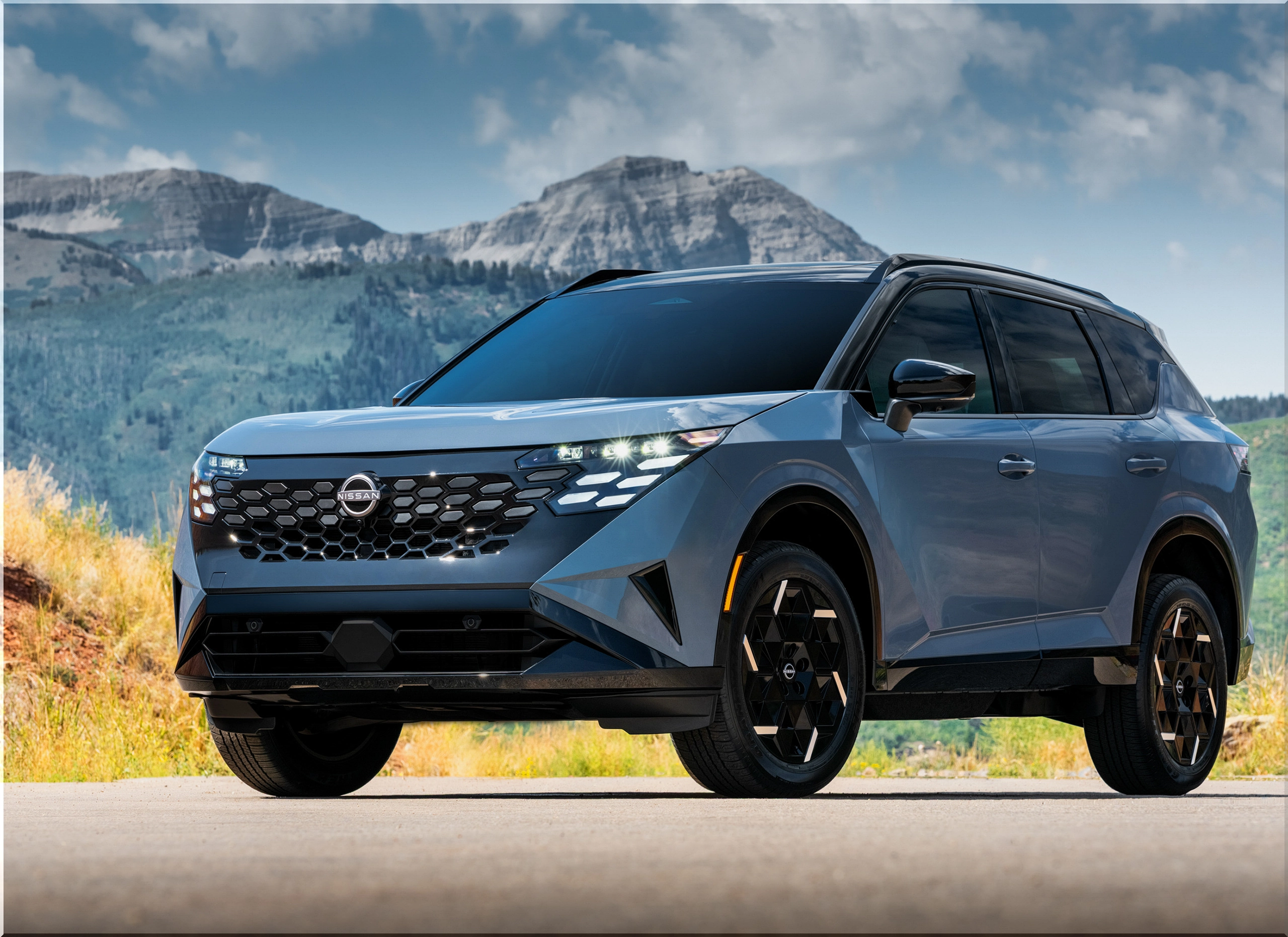
The 2027 Nissan Rogue Hybrid has earned a place on the 2026 Wards 10 Best Engines & Propulsion Systems list. The award recognizes its e-POWER hybrid system, which uses electric motors for every mile of propulsion while a gasoline engine supplies electricity.
For US buyers, the numbers give that engineering a practical purpose: 225 horsepower, standard dual-motor all-wheel drive and an EPA-estimated 38 mpg combined for the SR. Nissan starts pricing at $35,490 before destination, although the less expensive SV arrives after the initial launch model.
Image
What the Wards Award Recognizes
Nissan announced the recognition in the US on October 13, 2026, followed by its global release on October 14. The result marks Nissan Group's 25th appearance on the annual Wards list, which assesses propulsion technology, power, torque and efficiency.
The award also brings attention to Nissan's first US application of e-POWER. Nissan has sold nearly 2 million vehicles with the technology across 68 countries since 2016, giving the underlying concept a substantial operating history. That history covers earlier generations and other models; it does not establish this new Rogue's long-term reliability.
How Nissan e-POWER Drives the Wheels
Definition: A series hybrid uses its combustion engine to generate electricity. Electric motors supply wheel propulsion, and the engine never mechanically drives the wheels.
The Rogue Hybrid follows that arrangement with a turbocharged gasoline engine, a generator, a lithium-ion battery and separate front and rear traction motors. Electricity can reach the motors directly from the generator or through the battery. Regenerative braking also replenishes the battery, and the engine shuts down when operating conditions and battery charge permit.
Owners refuel with gasoline. The Rogue Hybrid e-POWER requires no external charging and uses a different system from Nissan's Rogue Plug-in Hybrid.
| Component | Peak horsepower | Peak torque | Operating detail |
|---|---|---|---|
| 1,498-cc gasoline engine | 148 hp at 5,000 rpm | 171 lb-ft at 3,600 rpm | Generates electricity |
| Front electric motor | 202 hp at 4,400-8,500 rpm | 243 lb-ft at 0-4,300 rpm | Drives the front axle |
| Rear electric motor | 134 hp at 5,500-9,600 rpm | 144 lb-ft at 0-3,000 rpm | Drives the rear axle |
| Complete propulsion system | 225 hp combined | Nissan lists individual motor figures | Uses a 1.67-kWh battery |
Use Nissan's 225-hp combined rating; component peaks do not add. The front motor's torque plateau starts at zero rpm, promising prompt launches. Independent tests still need to establish acceleration times.
Nissan also adds e-Pedal one-pedal driving, which slows the SUV to a complete stop when the driver lifts off the accelerator. Smooth Stop adjusts brake pressure near standstill to reduce the final pitching motion. Keep the brake pedal available for situations that require additional braking.
Image
Why the Dedicated Gasoline Engine Helps Efficiency
Nissan designed the ZR15DDTe engine around electricity generation. That task lets engineers concentrate efficiency within a narrower operating range than a conventional engine that must respond directly to wheel-speed and acceleration demands.
Specifically, the engine combines a 13:1 compression ratio with Nissan's STARC combustion technology. Strong air-fuel tumble and stable ignition support efficient combustion despite substantial exhaust-gas recirculation. Nissan also uses a comparatively large turbocharger to reduce pumping losses, while the electric drive and battery handle immediate acceleration demand.
Nissan reports 42% peak thermal efficiency. That figure describes the engine's conversion of fuel energy into mechanical work; generator, inverter and motor losses still reduce the energy that reaches the tires.
In addition, the 5-in-1 electric unit integrates the traction motor, inverter, reduction gearing, generator and generator speed-increasing gearing. Sharing a compact assembly reduces packaging demands and improves noise and vibration control. The drivetrain retains fixed gearing, but it eliminates a conventional shifting transmission.
Image
Rogue Hybrid MPG Versus Three US Rivals
The SR's 41 mpg city, 36 mpg highway and 38 mpg combined describe a specific trim. Nissan's October award announcement identifies these as EPA estimates; its earlier launch material used internal test estimates.
The following comparison uses AWD versions. Toyota's entry retains the manufacturer estimate in its published launch specifications.
| AWD hybrid SUV | Combined output | Combined fuel economy | Propulsion arrangement |
|---|---|---|---|
| 2027 Nissan Rogue Hybrid SR | 225 hp | 38 mpg, EPA estimate | Series hybrid with electric front and rear drive |
| 2027 Honda CR-V Sport Touring Hybrid | 204 hp | 37 mpg, EPA estimate | Two-motor hybrid with engine lock-up operation |
| 2026 Toyota RAV4 XLE Premium AWD | 236 hp | 41 mpg, manufacturer estimate | Power-split hybrid with rear electric motor |
| 2026 Hyundai Tucson Hybrid SE AWD | 231 hp | 38 mpg, EPA estimate | Hybrid with six-speed automatic |
Looking at the data, the Rogue offers 21 hp more than the Honda and a one-mpg combined advantage. Hyundai matches the Rogue's combined rating with six additional horsepower, while Toyota lists higher output and a higher fuel-economy estimate. The Wards recognition supports interest in Nissan's engineering; these figures still leave buyers with real tradeoffs.
Pro-Tips for a Useful Test Drive
- Drive the same urban and highway loop in each SUV. Assess engine noise during sustained acceleration.
- Check cold tire pressure against each vehicle's door placard before comparing ride quality.
- Price small MPG differences realistically. At an assumed 12,000 miles annually and $3.50 per gallon, 38 versus 37 mpg saves about $30 per year.
Should You Buy at Launch or Wait for the SV?
Wait for the SV if you want the lowest purchase price. Nissan initially brings the SR AWD with SR Technology Package to dealers in fall 2026 with limited availability, then adds the broader range in early 2027.
Every figure below includes Nissan's $1,575 destination charge and excludes taxes, registration and additional options:
- SV AWD: $37,065, expected early 2027.
- SV AWD with Premium Package: $39,165, expected early 2027.
- SR AWD: $39,065, expected early 2027.
- SR AWD with Technology Package: $43,065, initial fall 2026 model.
- Platinum AWD: $45,065, expected early 2027.
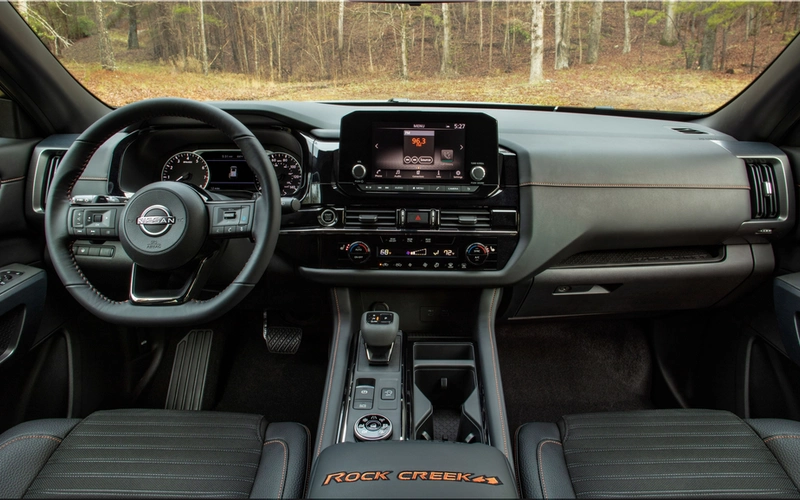
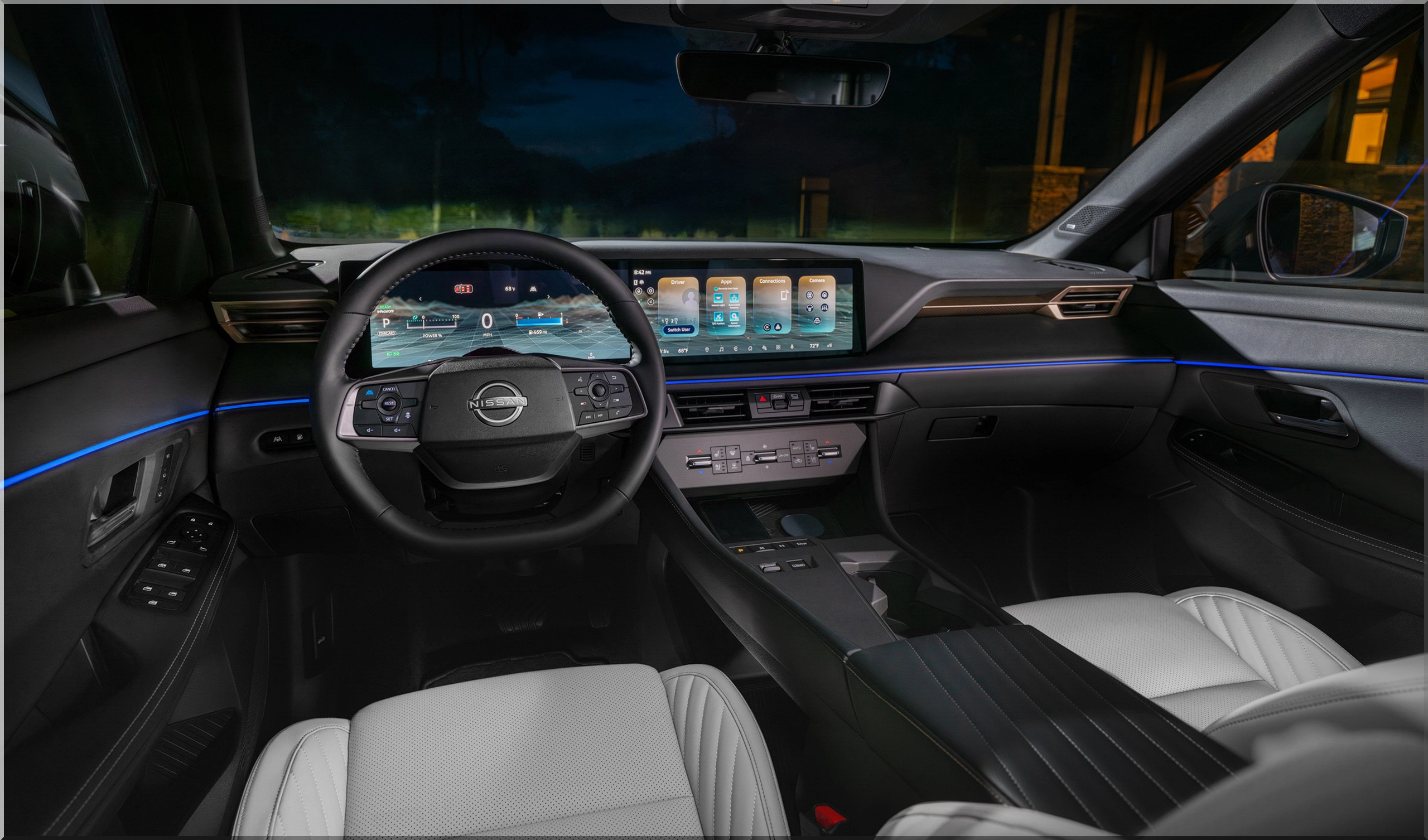
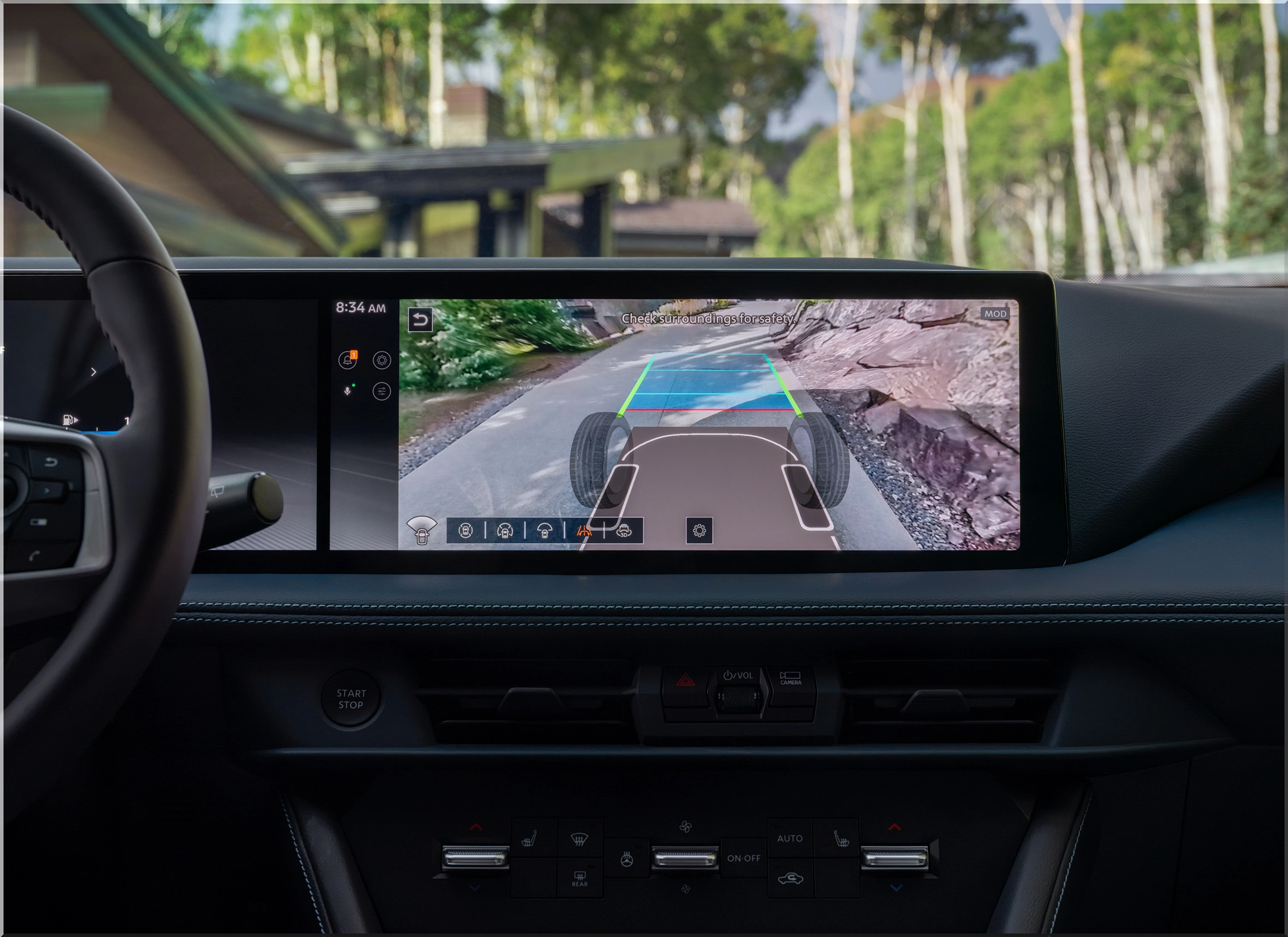
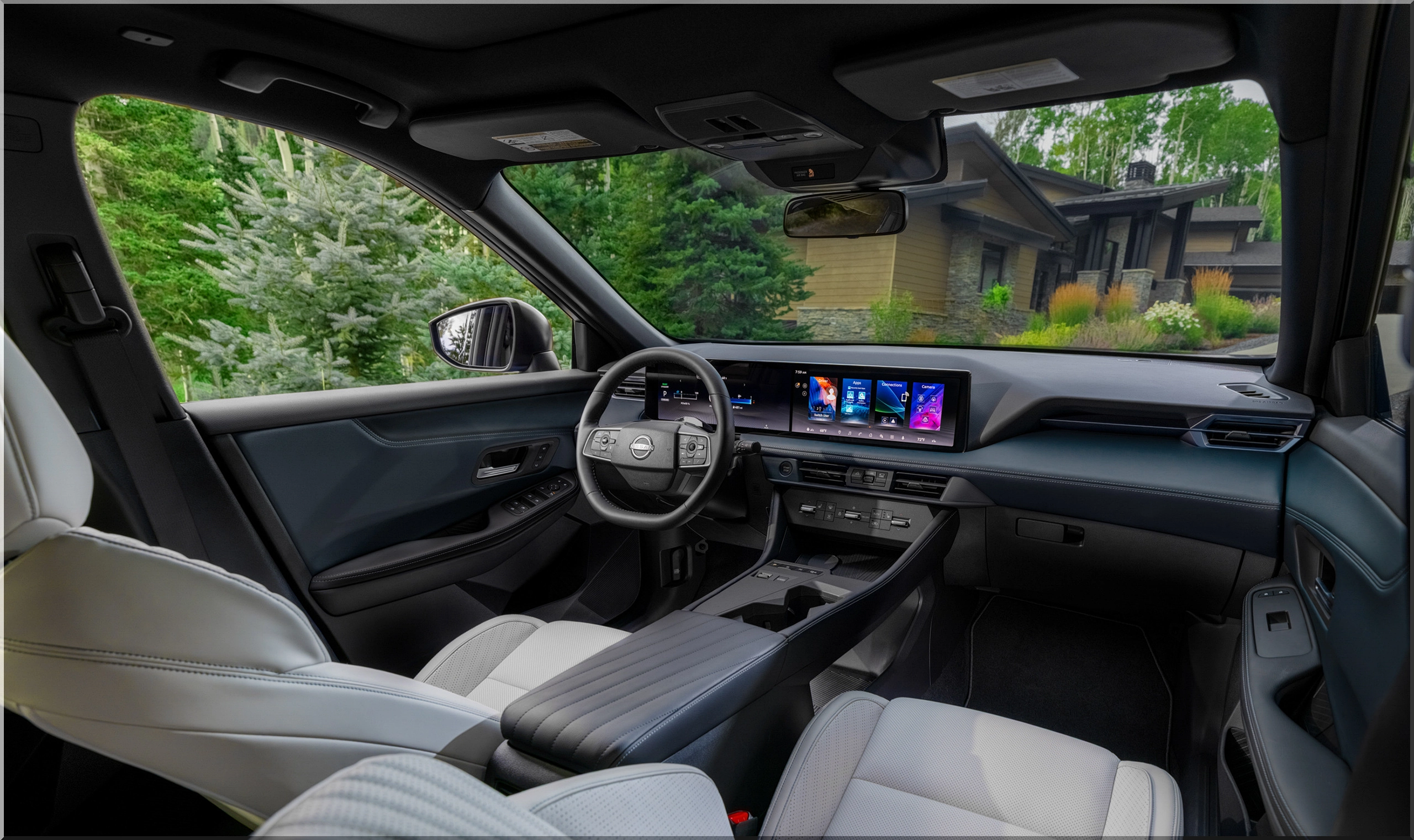
The launch configuration costs $6,000 more than the base SV. Its equipment includes a 14.3-inch touchscreen, a matching digital instrument display, upgraded camera views and additional driver assistance. Buyers who primarily want the e-POWER drivetrain can retain that core technology at the lower SV price.
SUV Utility and Emergency Readiness
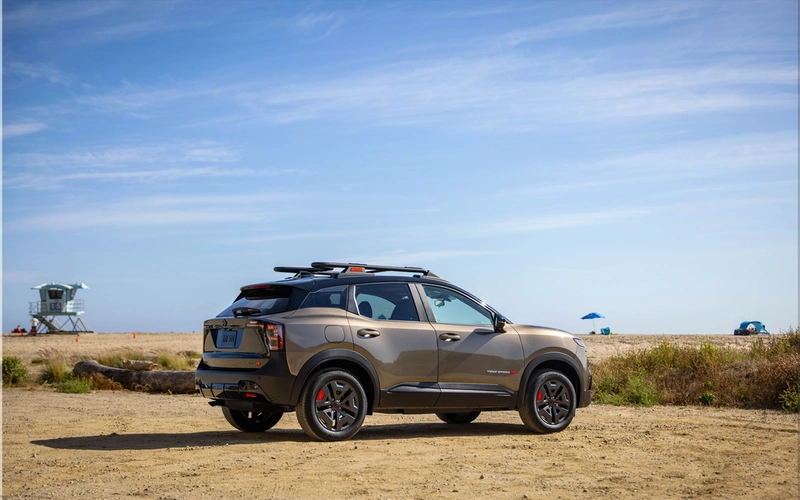
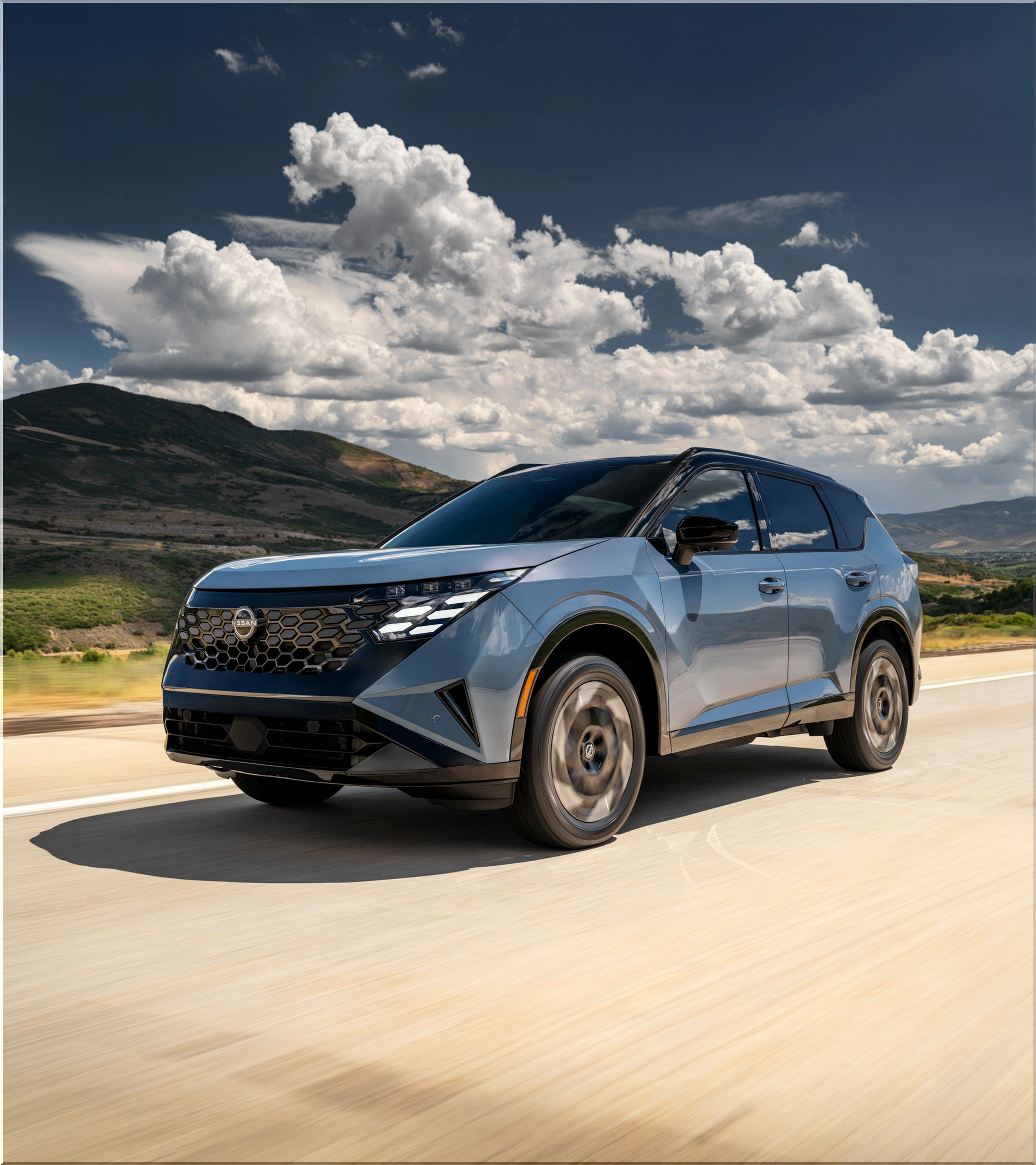
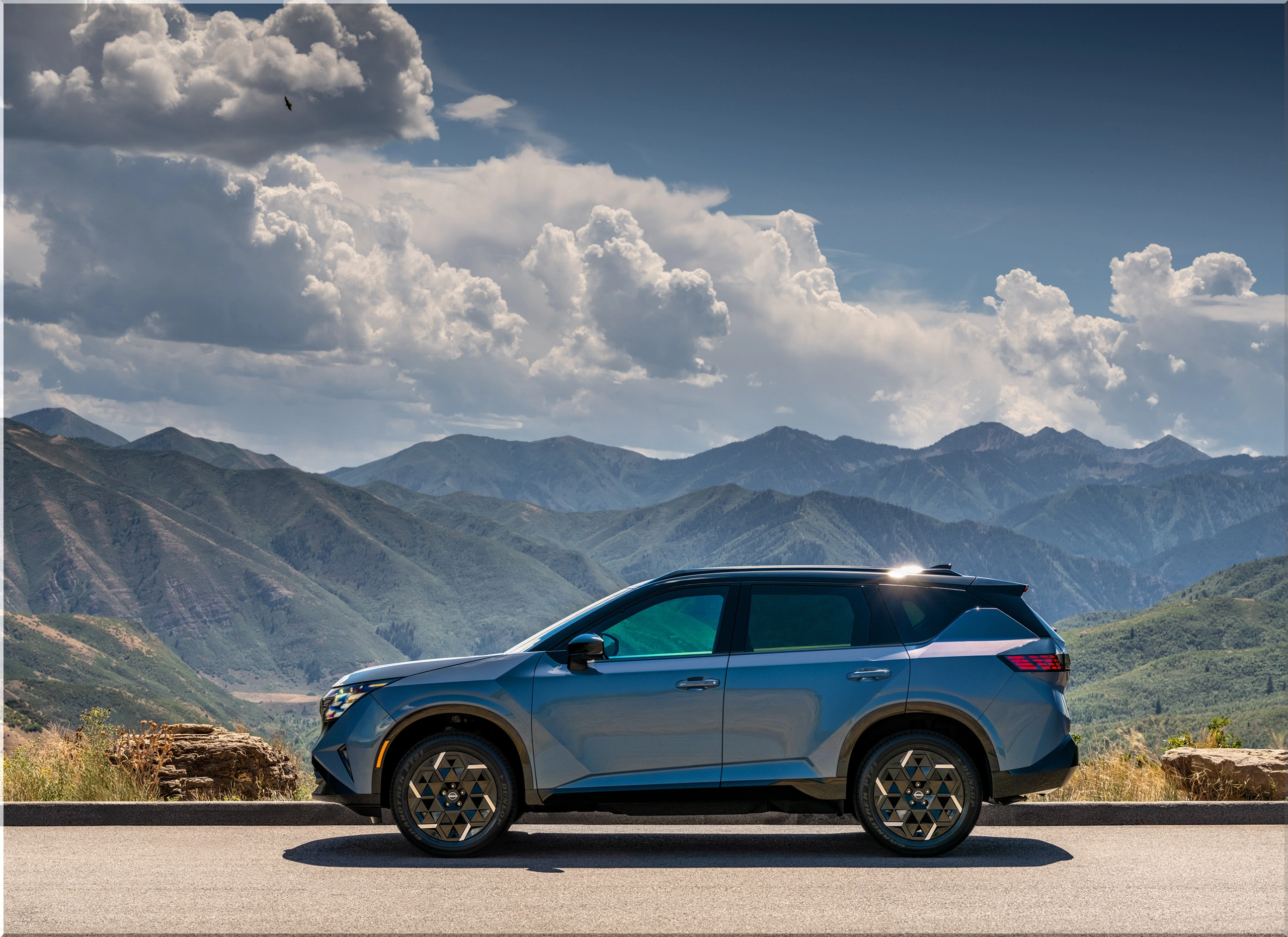
The Rogue Hybrid measures 183.1 inches long (4,651 mm) on a 106.5-inch wheelbase (2,705 mm). Ground clearance reaches 8.4 inches on SV and 8.5 inches on SR and Platinum, while the approach angle measures 19.5 degrees. These dimensions suit uneven access roads better than demanding rock trails.
Nissan rates towing at 1,500 pounds with proper equipment. Instant motor torque does not increase that limit. Check the loaded trailer, tongue weight and vehicle payload before attaching a small utility trailer.
For roadside preparation:
- Nissan lists a tire repair kit as standard and a $220 temporary-spare package for Platinum. Check the actual vehicle's equipment before a remote trip.
- Follow the temporary spare's marked speed limit and the owner's manual's distance and installation instructions.
- If you carry a full-size spare in the cargo area, verify wheel fitment and secure it with hardware and restraints rated for its weight.
From an expert perspective, the Rogue Hybrid's strongest case centers on electric-motor response, conventional gasoline refueling and standard AWD. A buyer should test those benefits against highway noise, trailer needs and the price of the exact trim.
Image Gallery


- Add new comment
- 2 views