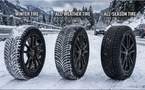
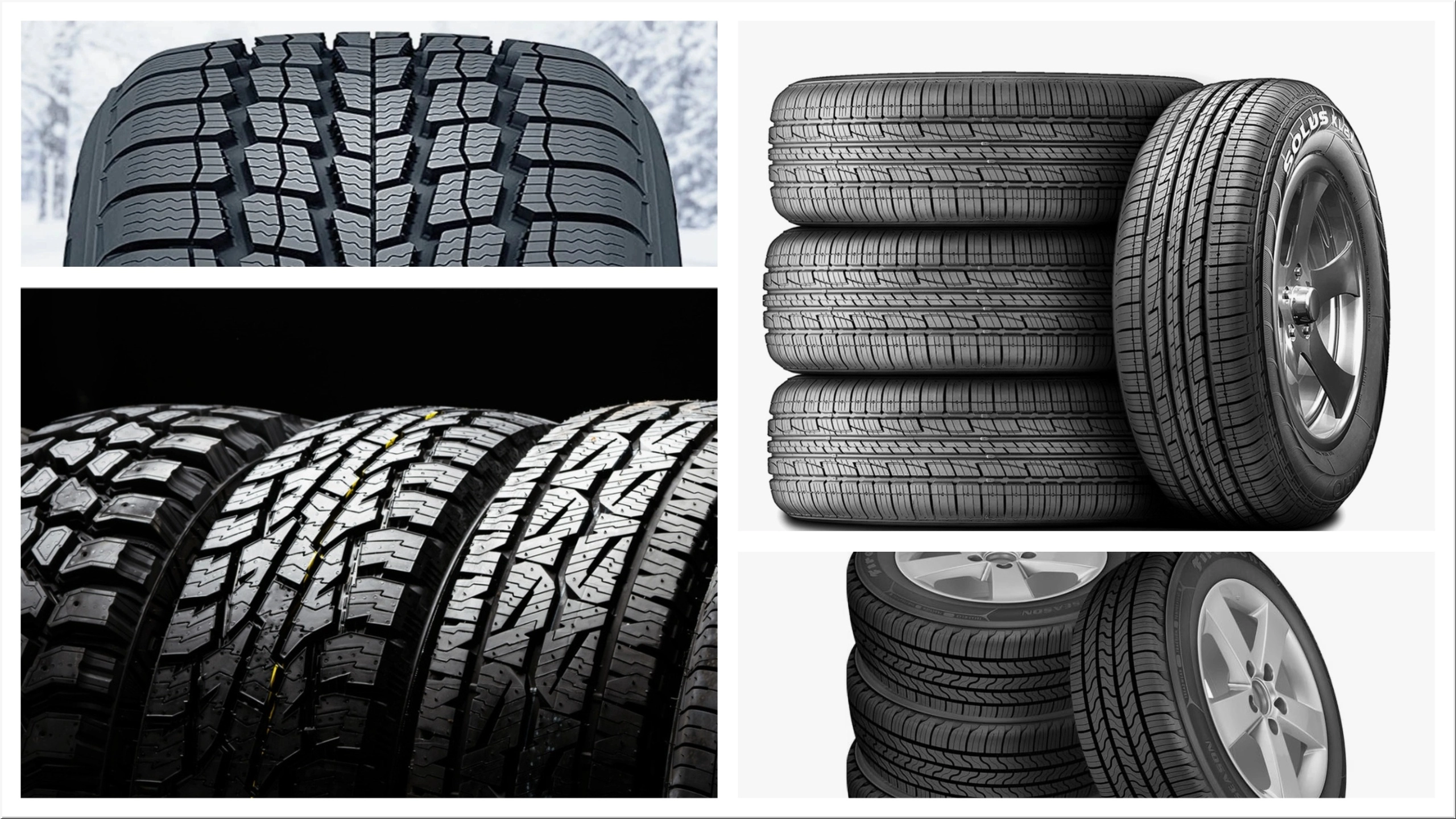
Choosing the right tires for your climate is about more than comfort — it’s about safety, traction, and performance. With so many tire categories available, many drivers wonder whether they really need winter tires, or if all-season or all-weather tires can do the job. This guide breaks down how each type works, where they shine, and which is best for your situation.
Quick comparison table
| Feature | Winter Tires | All-Season Tires | All-Weather Tires |
|---|---|---|---|
| Best for | Frequent snow, ice, or sub-freezing temps | Mild climates with occasional cold | Mixed climates with cold winters but limited snow |
| Rubber compound | Soft; stays flexible below 45°F (7°C) | Harder; stiffens in cold | Medium; blends winter & summer compounds |
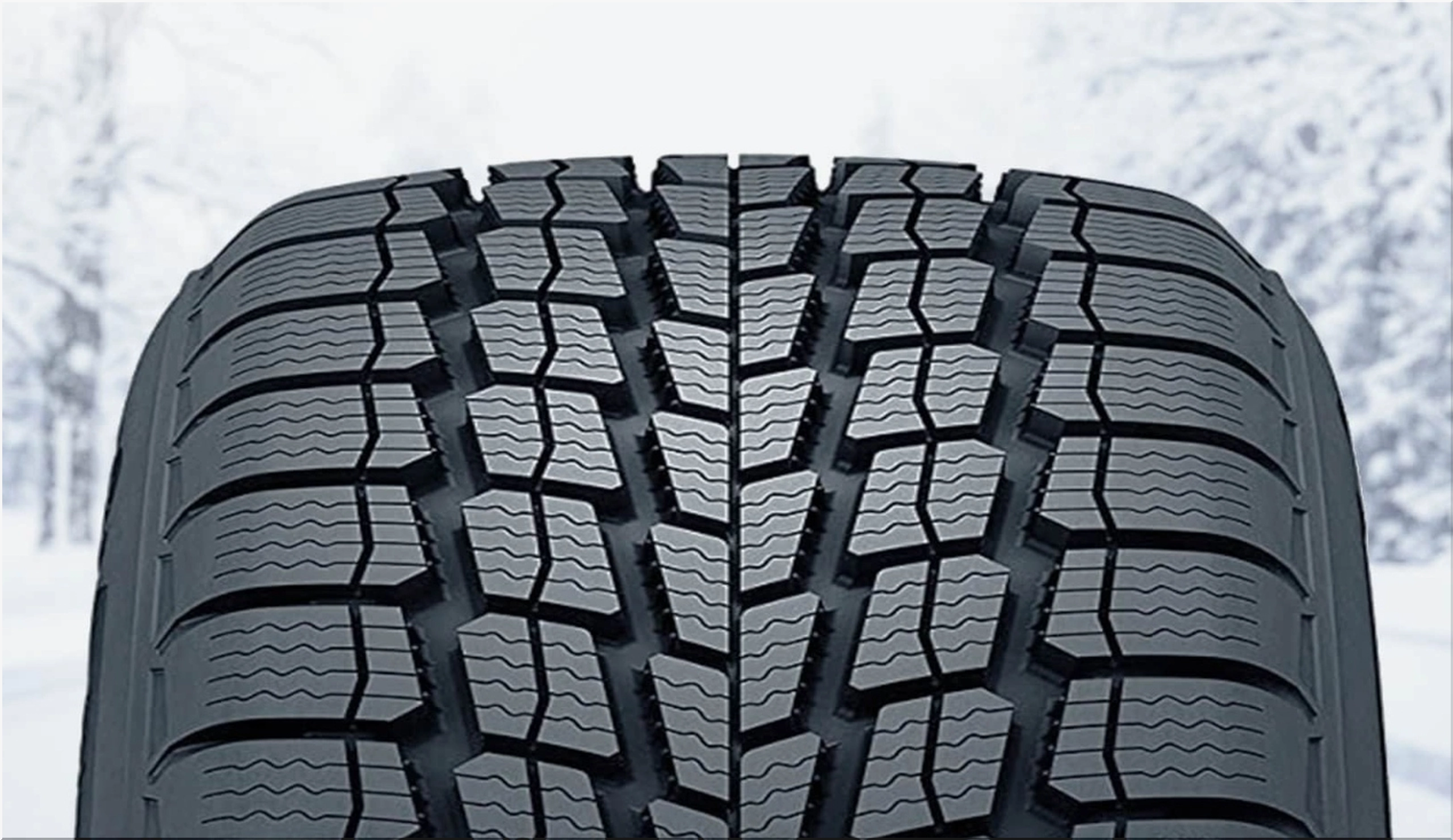
| Tread design | Deep grooves, many sipes for snow & ice grip | Shallower, optimized for dry/wet roads | More aggressive than all-season, with winter-style siping |
| Marked with | 3PMSF + M+S | M+S only | 3PMSF + M+S |
| Performance in snow/ice | ★★★★★ | ★☆☆☆☆ | ★★★☆☆ |
| Performance in rain | ★★★☆☆ | ★★★★☆ | ★★★★☆ |
| Performance in heat | ★☆☆☆☆ (wears fast) | ★★★★★ | ★★★★☆ |
| Lifespan | Shorter (seasonal use) | Longer (year-round use) | Moderate (year-round compromise) |
Winter tires
Purpose: Maximum grip in snow, slush, and ice.
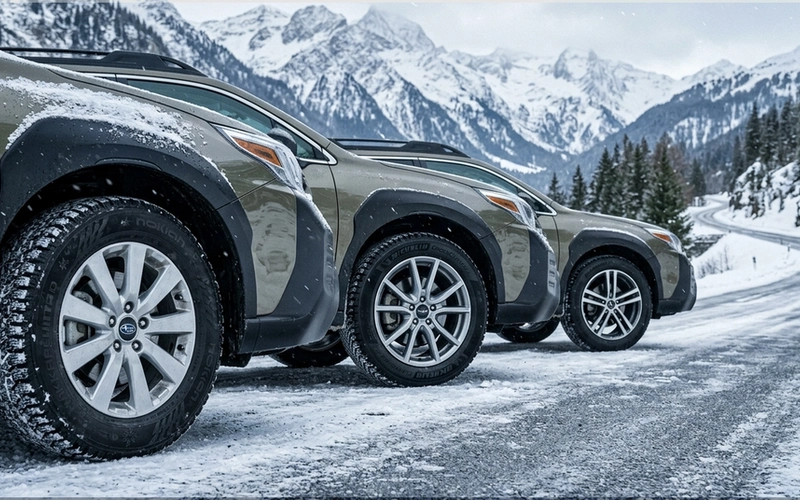
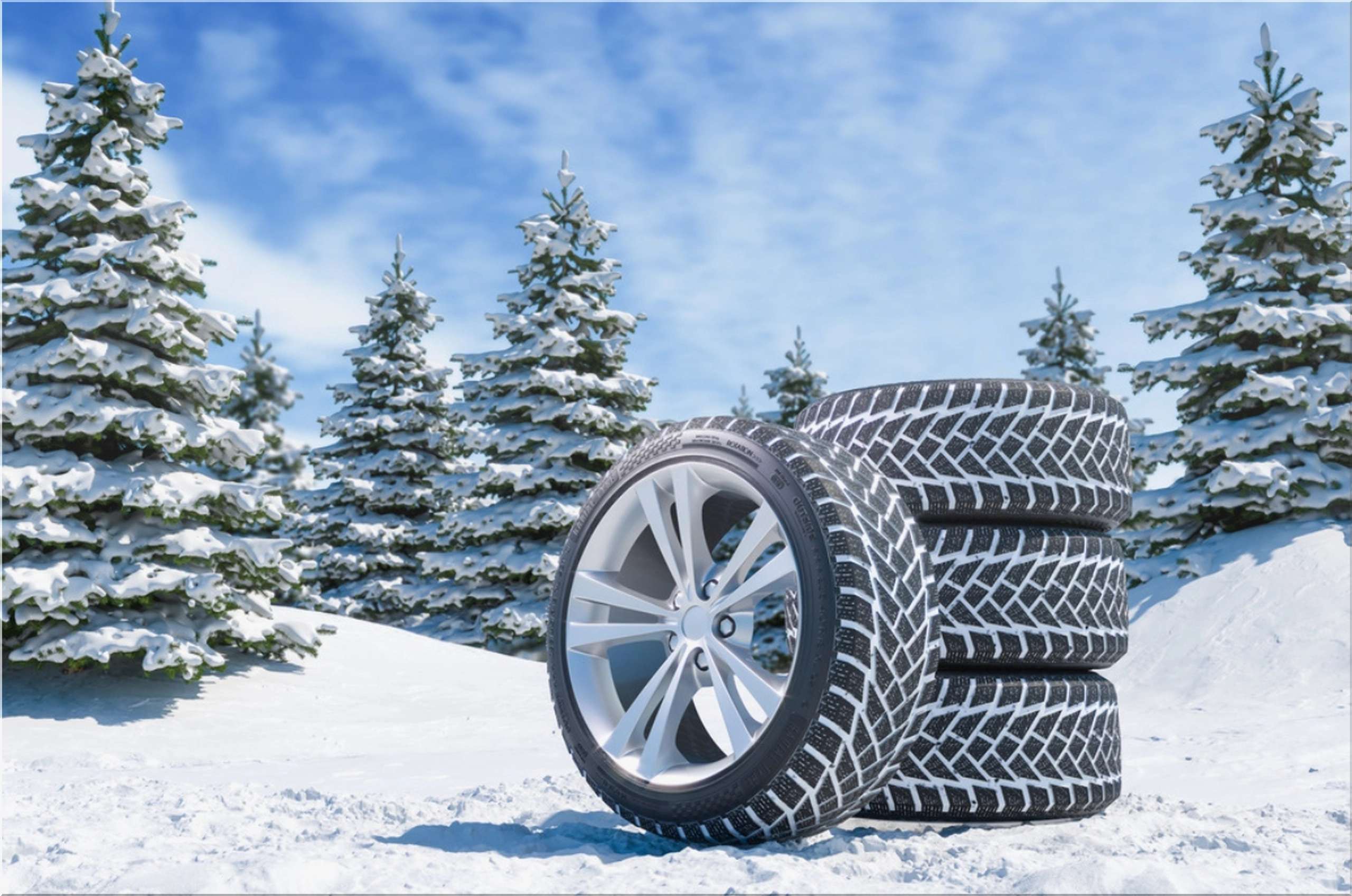
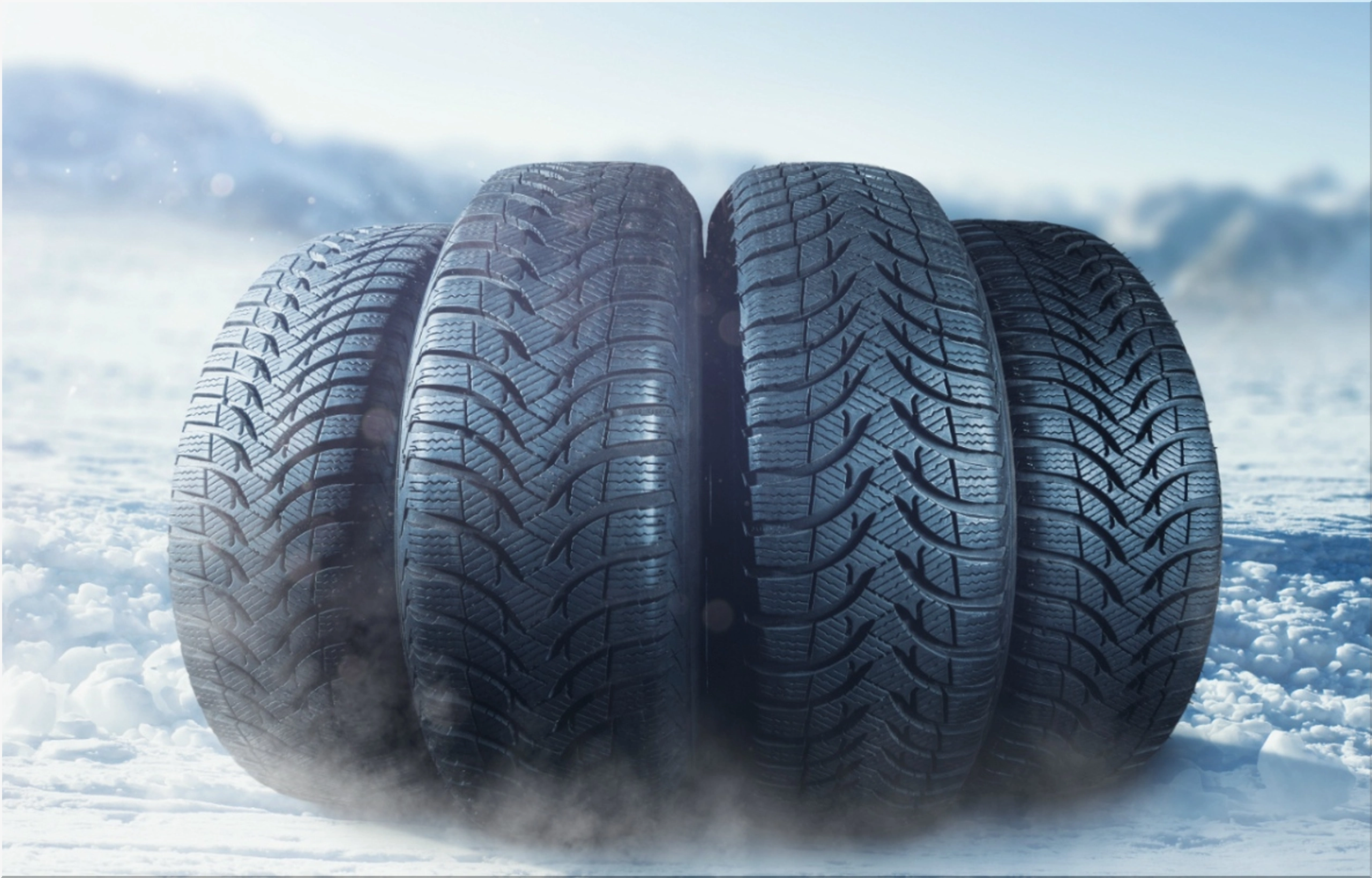
Winter tires use a soft rubber compound that remains flexible below 45°F (7°C), maintaining traction when all-season tires harden. Their deep tread blocks and micro-sipes cut through snow and channel away slush.
- Marked with the Three-Peak Mountain Snowflake (3PMSF) symbol and M+S (Mud and Snow).
- Offer 25–50% shorter stopping distances on snow and ice compared to all-season tires.
- Should be installed in full sets of four to maintain balance and control.
Best for: Drivers in regions with regular snowfalls, icy roads, or long winters — such as Canada, Northern U.S., or mountain areas.
Image
All-season tires
Purpose: Versatility for moderate climates.
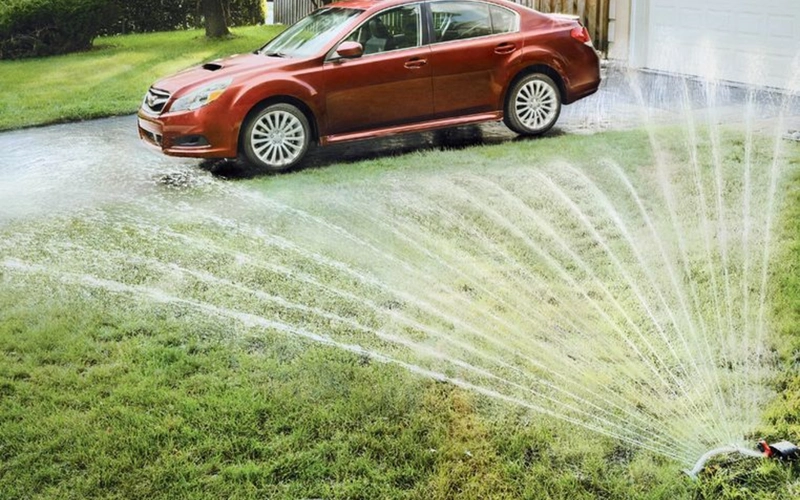
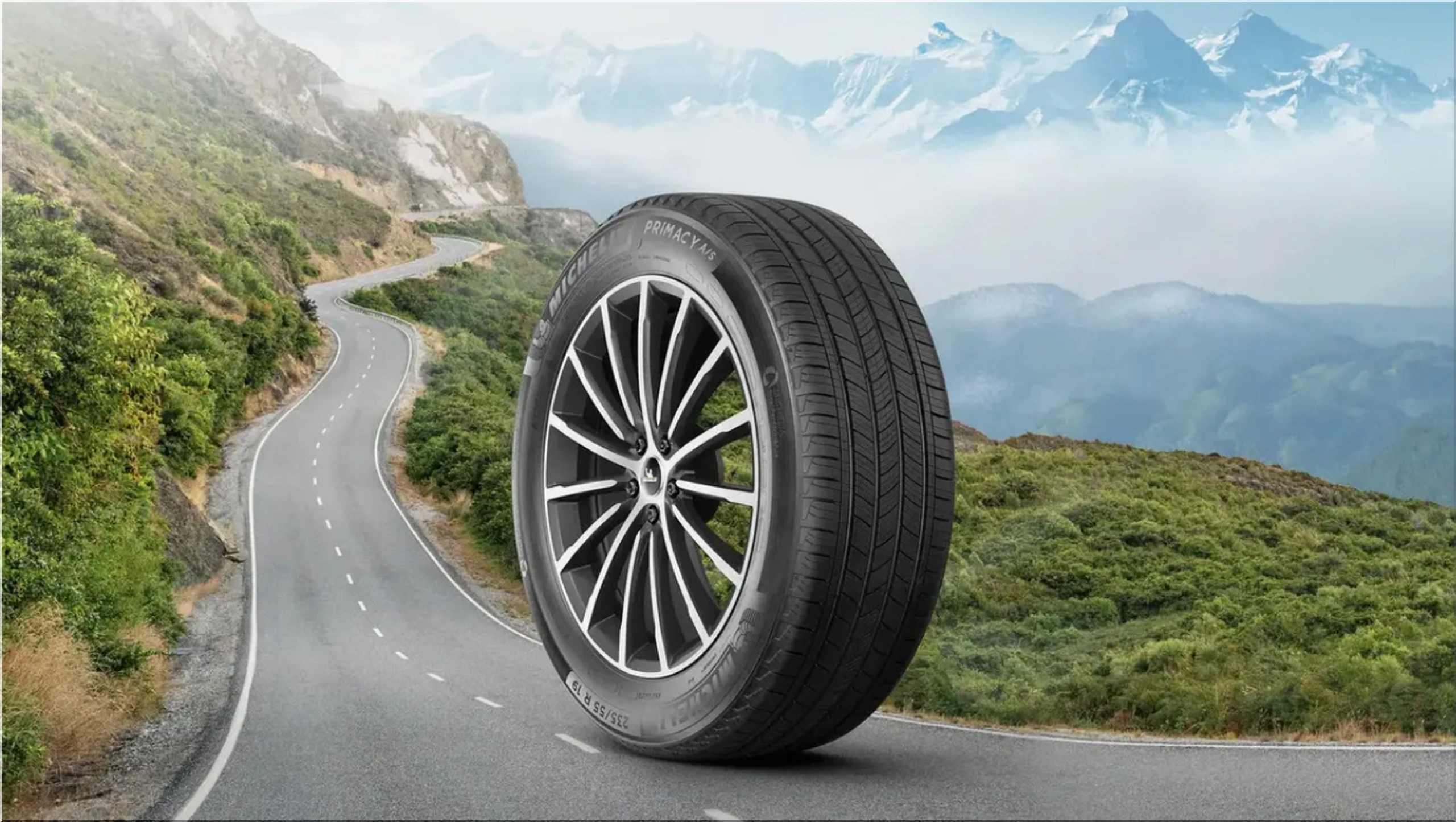
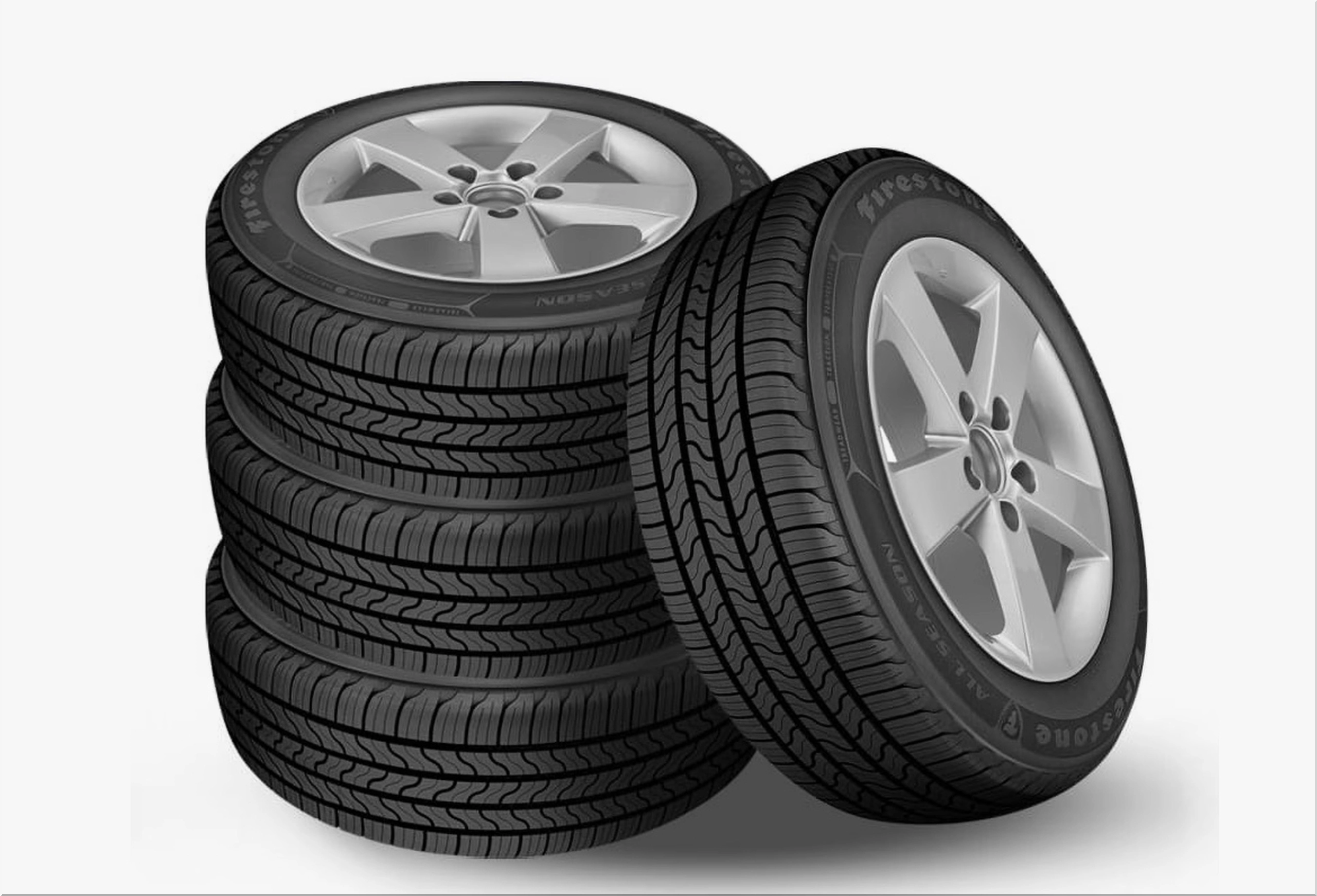
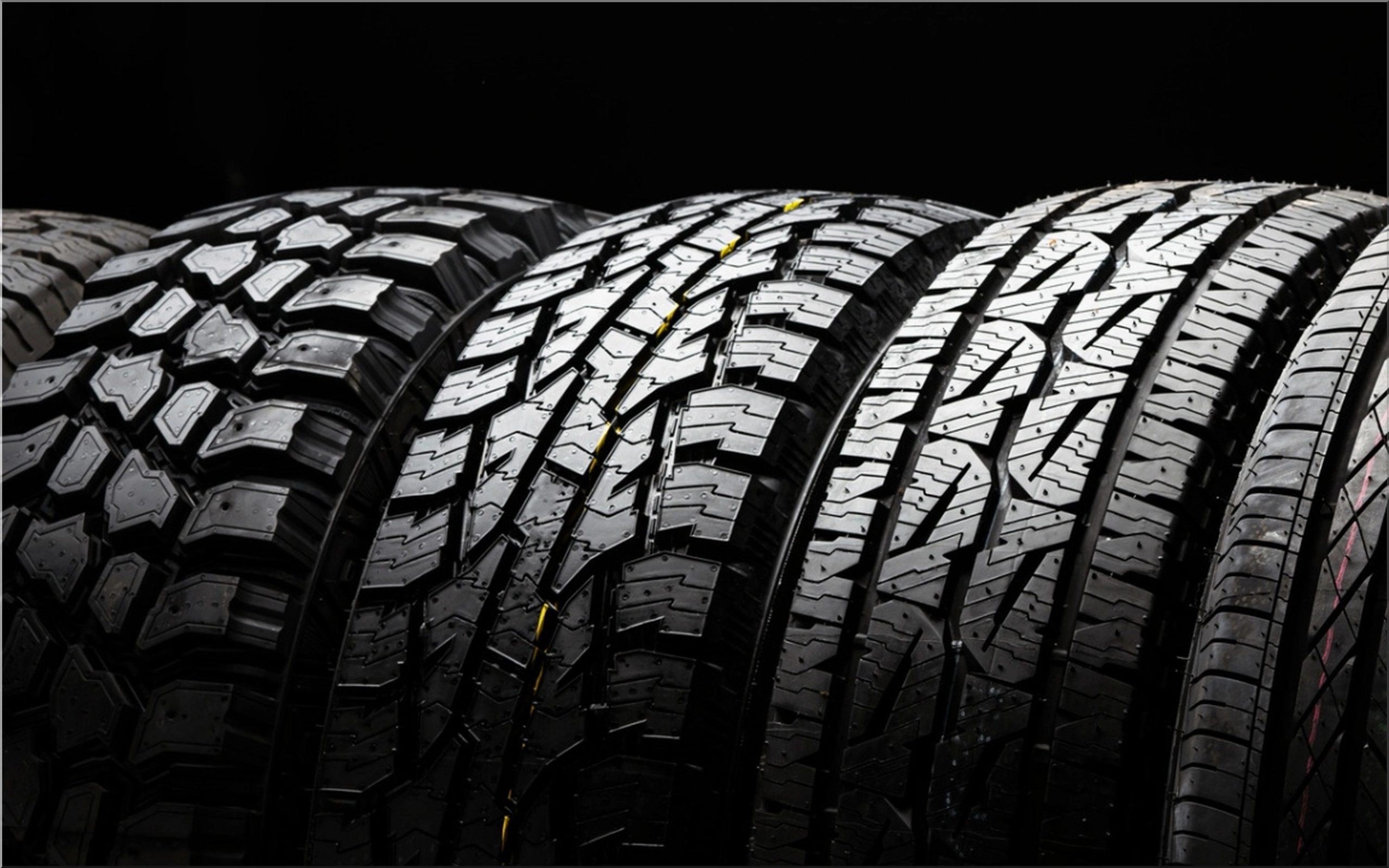
All-season tires are designed to perform adequately in a wide range of conditions — dry, wet, and light snow — but they’re not optimized for extreme heat or cold. Their compound hardens below freezing, reducing grip on icy roads.
- Marked only with M+S (Mud and Snow), not 3PMSF.
- Ideal for temperatures consistently above 40°F (4°C).
- Offer excellent tread life and quiet performance on highways.
Best for: Drivers in temperate climates who rarely see snow or freezing conditions.
Image
All-weather tires
Purpose: A hybrid between winter and all-season tires.
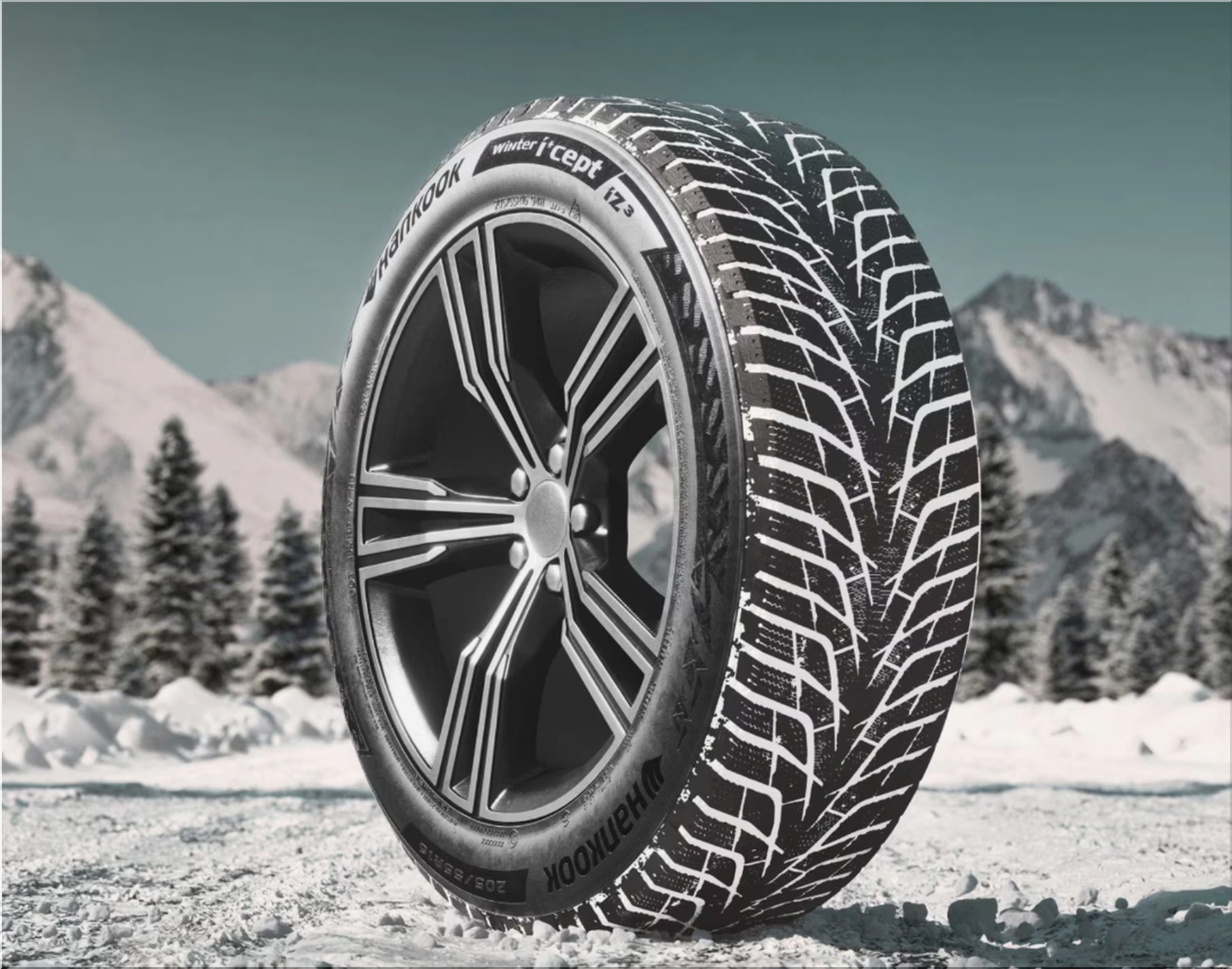
All-weather tires combine the tread design and cold-weather flexibility of winter tires with the durability and comfort of all-season models. They carry the 3PMSF symbol, meaning they’re certified for winter use, but they can stay on the car year-round.
- Use a silica-rich compound that balances grip in wet, cold, and mild heat.
- Maintain traction in light to moderate snow, unlike standard all-season tires.
- Offer a quieter and smoother ride than full winter tires.
Best for: Drivers who experience cold, wet winters with occasional snow but don’t want seasonal tire changes.
Image
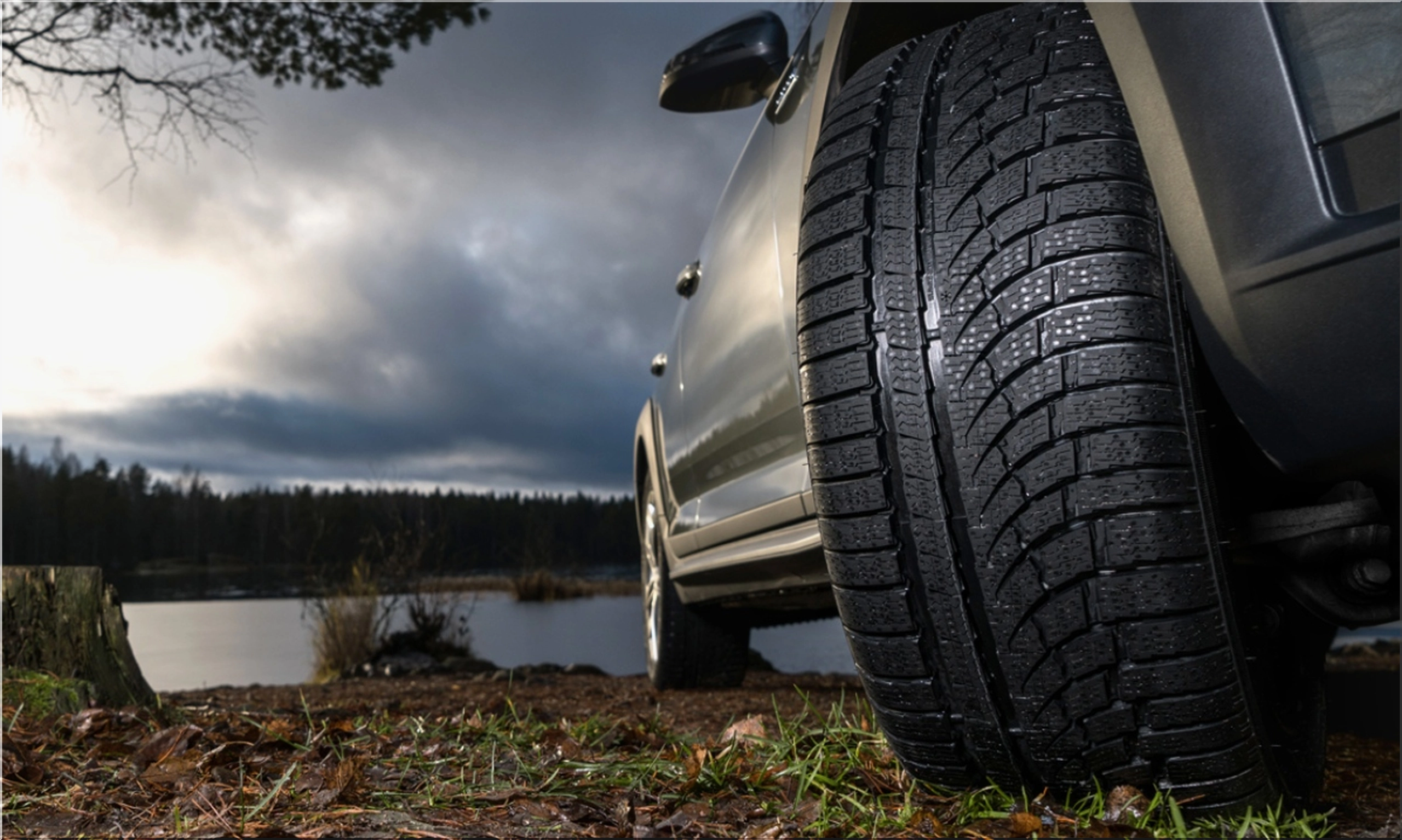
How to choose the right tire for your climate
- Check your average winter temperature. If it regularly drops below 45°F (7°C), consider winter or all-weather tires.
- Measure snowfall frequency. Frequent heavy snow → winter tires; occasional light snow → all-weather; no snow → all-season.
- Consider storage space and budget. Winter tires require a second set and seasonal changeovers; all-weather tires eliminate that hassle.
- Evaluate driving habits. City drivers benefit from all-weather convenience; highway commuters in cold regions need dedicated winter tires.
Key takeaways
- Use winter tires for maximum traction below 45°F and in frequent snow or ice.
- Choose all-weather tires for cold, wet climates without constant snow.
- Stick with all-season tires in mild regions with little or no winter precipitation.
Tip: Always replace tires in full sets of four, and look for the 3PMSF symbol if you want true winter certification.
Image Gallery

- 633 views