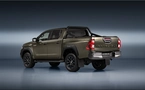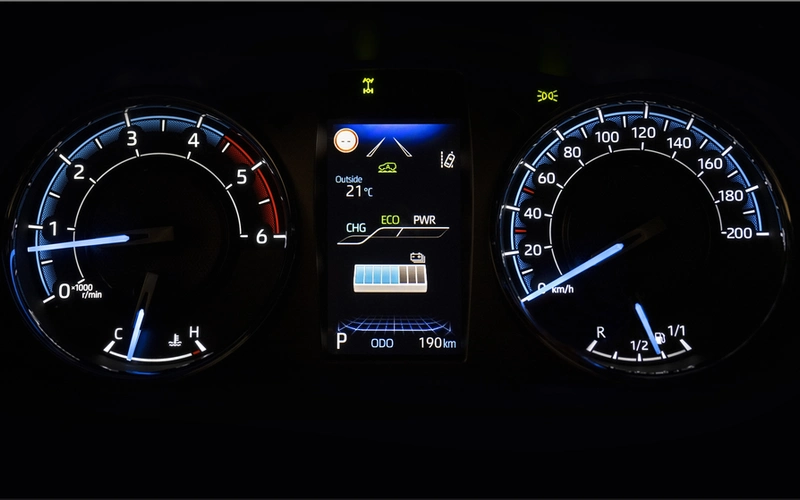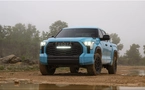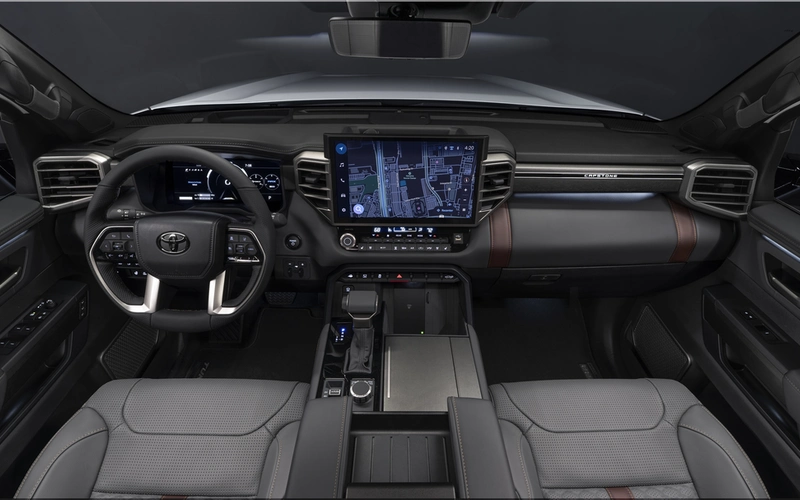
Toyota has started selling the U.S.-built Toyota Tundra and Toyota Highlander in Japan, which feels a bit like an American diner opening a sushi counter in Tokyo and somehow making it work. The company built these vehicles for North America, tuned them for American tastes, and now sends them back across the Pacific to its home market. That reversal gives the story its hook, but the real value sits in the product strategy.
This move shows Toyota using its North American factories as global assets rather than regional outposts. It also shows how policy changes can turn an odd idea into a sensible business plan. Once Japan opened a new path for certain U.S.-manufactured vehicles to enter the market with less regulatory friction, Toyota wasted no time putting steel behind the theory.
Image
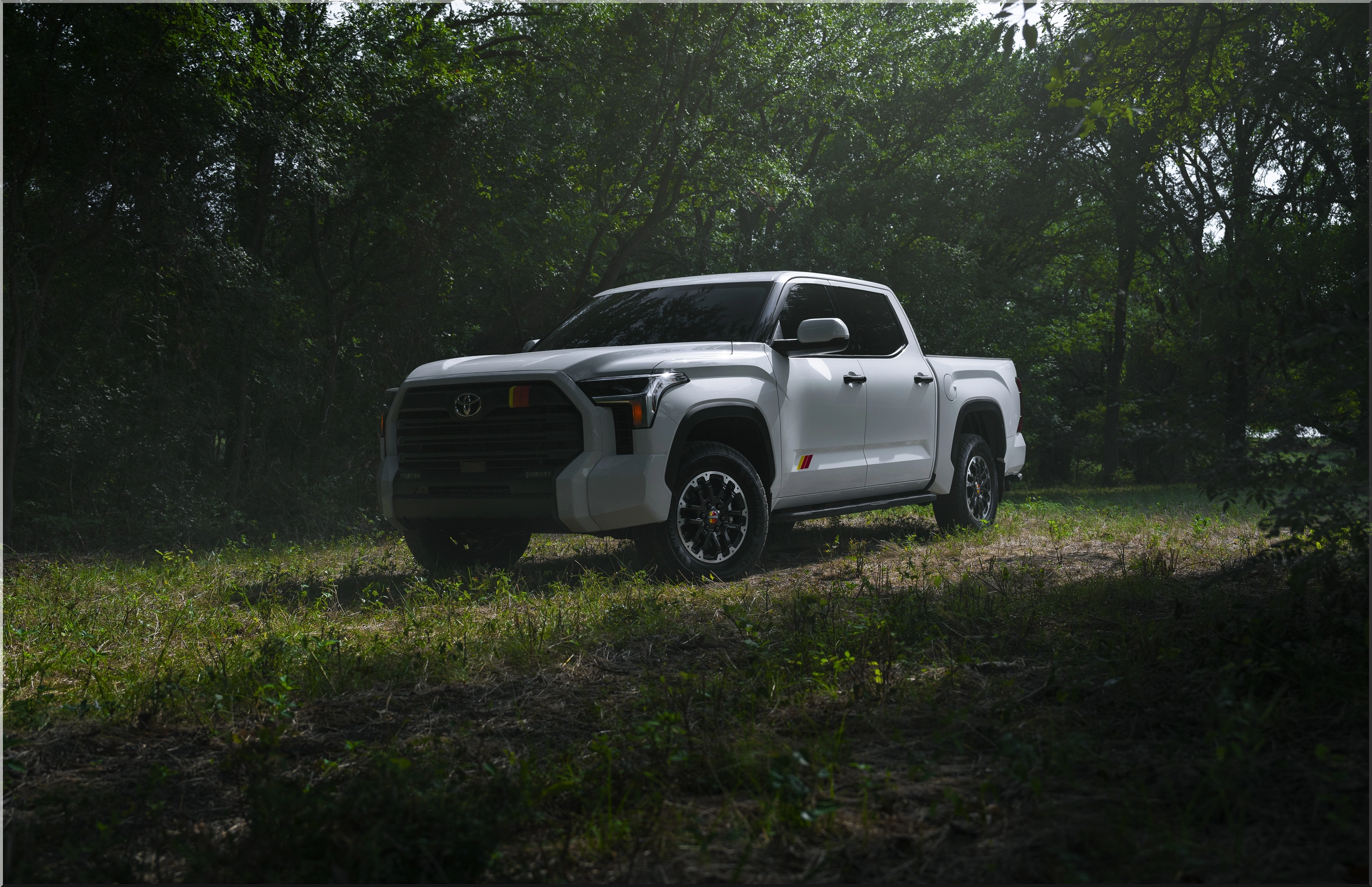
The result is simple. Japan now gets one very large pickup and one very rational three-row SUV, both carrying an American passport and a Toyota badge.
Why Toyota picked these two vehicles
Toyota chose the Tundra and Highlander because they do two very different jobs. One sells image, scale, and truck swagger. The other sells practicality, hybrid efficiency, and family logic.
That split matters. The Toyota Tundra Japan launch targets buyers who want a proper full-size pickup, not a half-step compromise with decorative toughness. The Toyota Highlander Japan launch goes after households that need space, all-weather traction, and seven-seat packaging without stepping into luxury-brand pricing.
In other words, Toyota sent one model for the heart and one for the calendar.
Image
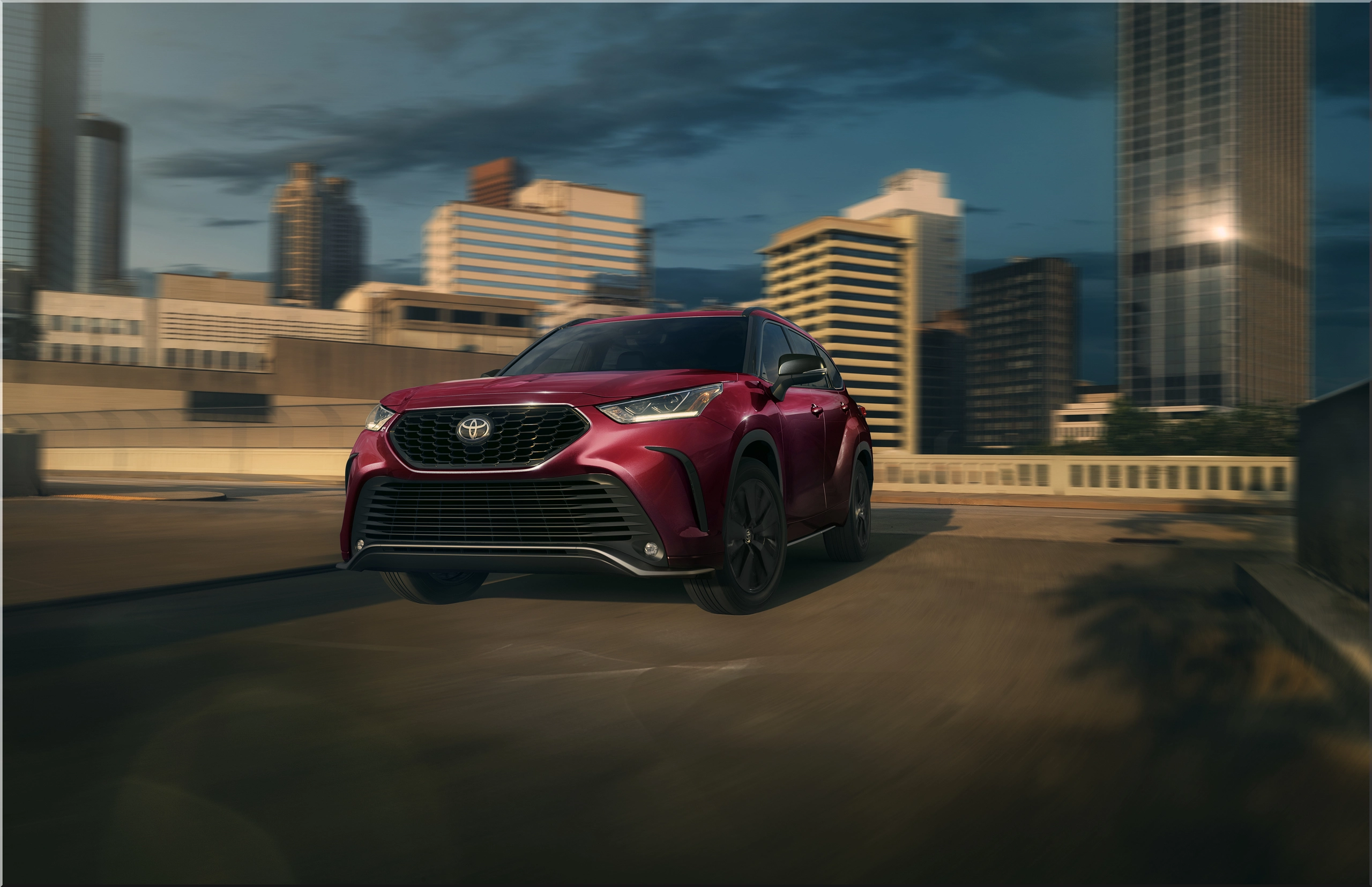
What each model brings to the table
- Toyota Tundra: full-size pickup proportions, body-on-frame construction, twin-turbo V6 power, and unmistakable American-truck presence
- Toyota Highlander: hybrid power, three-row seating, all-wheel drive, and daily usability
- Shared benefit: both expand Toyota's range in Japan without forcing the brand to create niche domestic-market replacements
- Business logic: Toyota can use existing U.S. production capacity more efficiently
From a product-planning perspective, this is sharp work. Toyota does not need blockbuster volume here. It needs the right kind of attention and a credible niche.
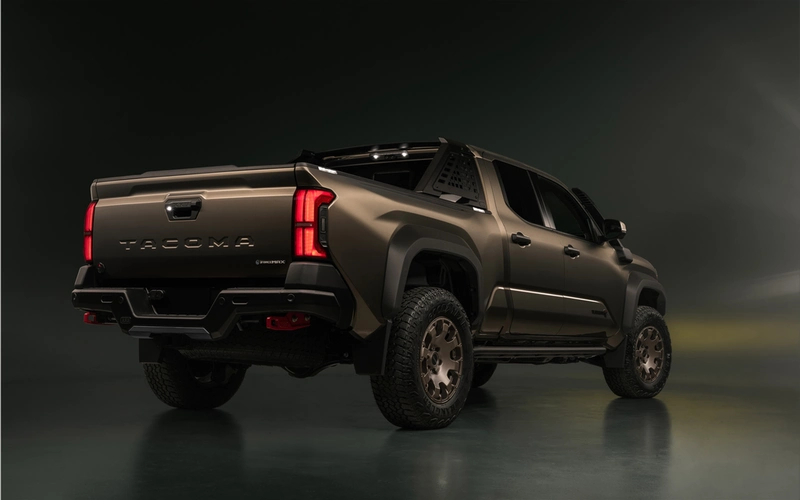
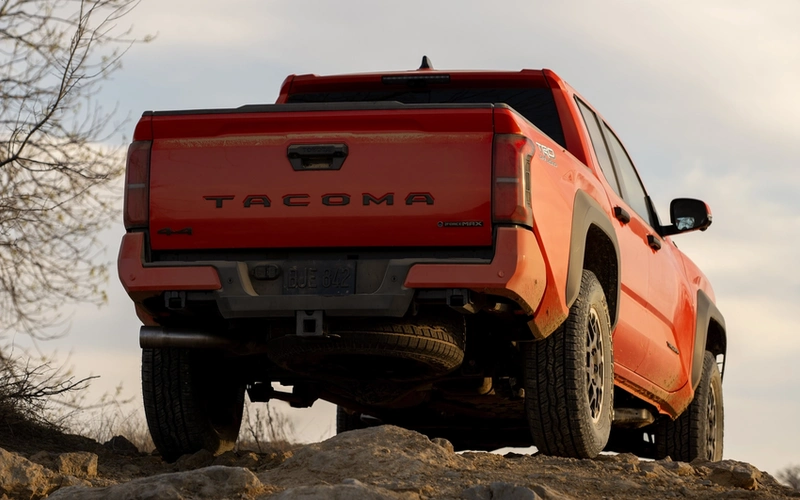
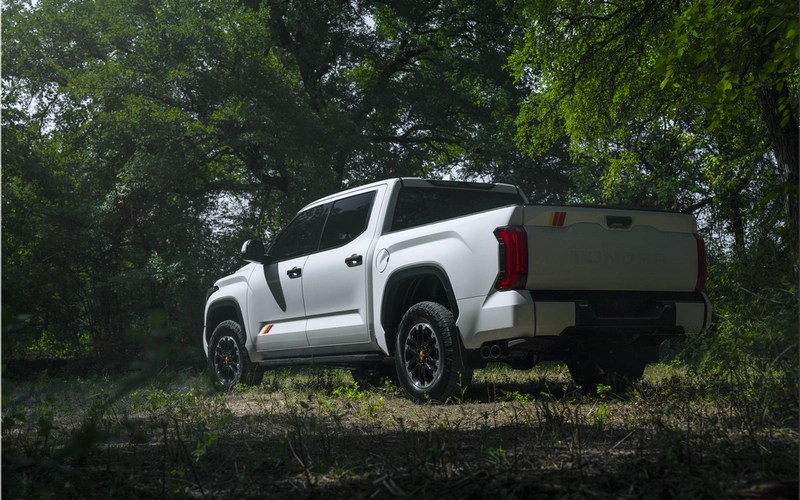
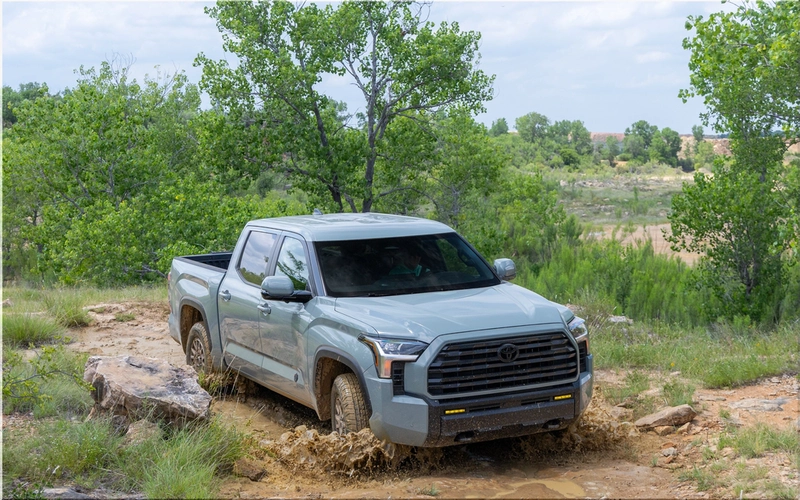
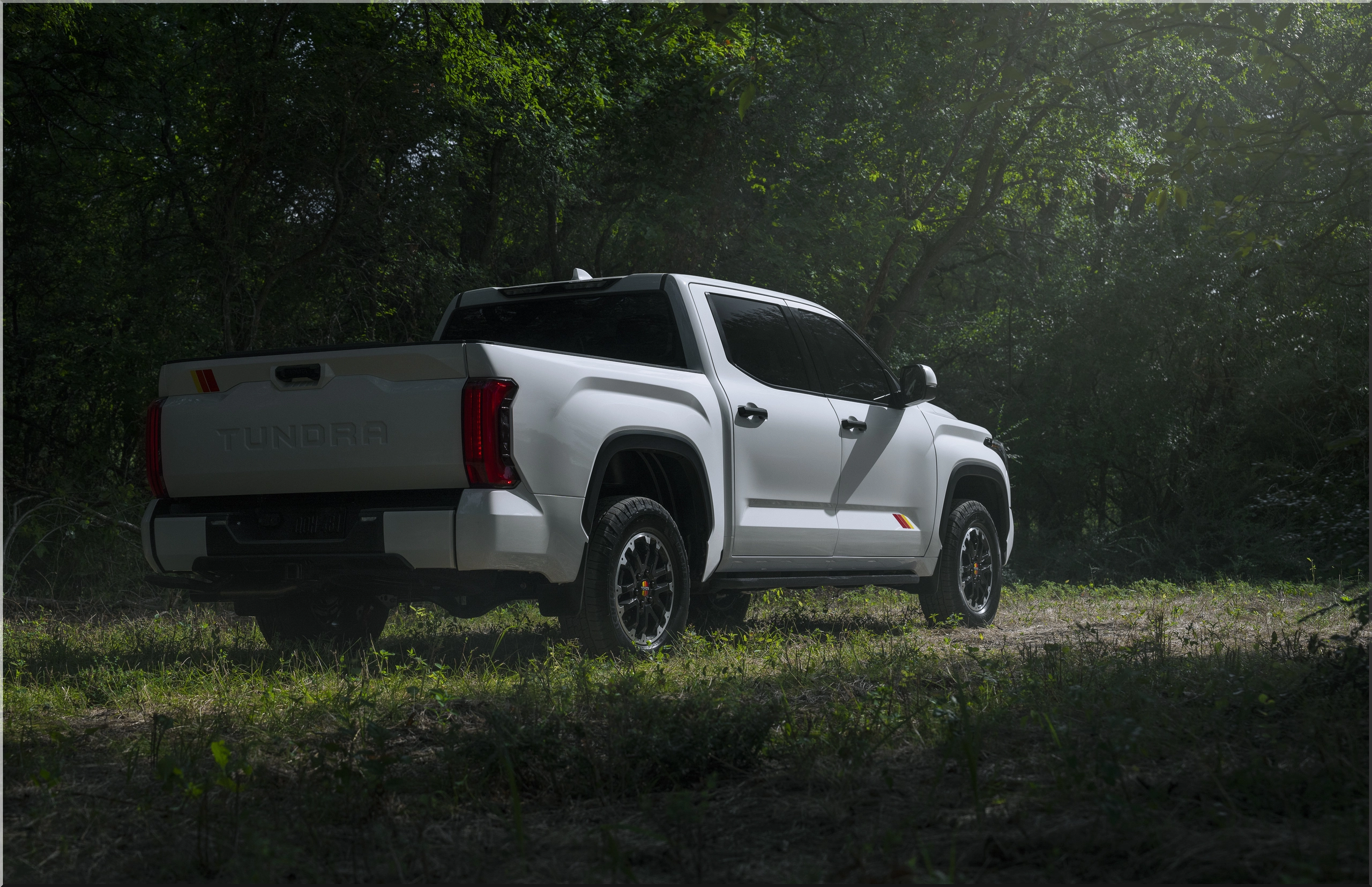
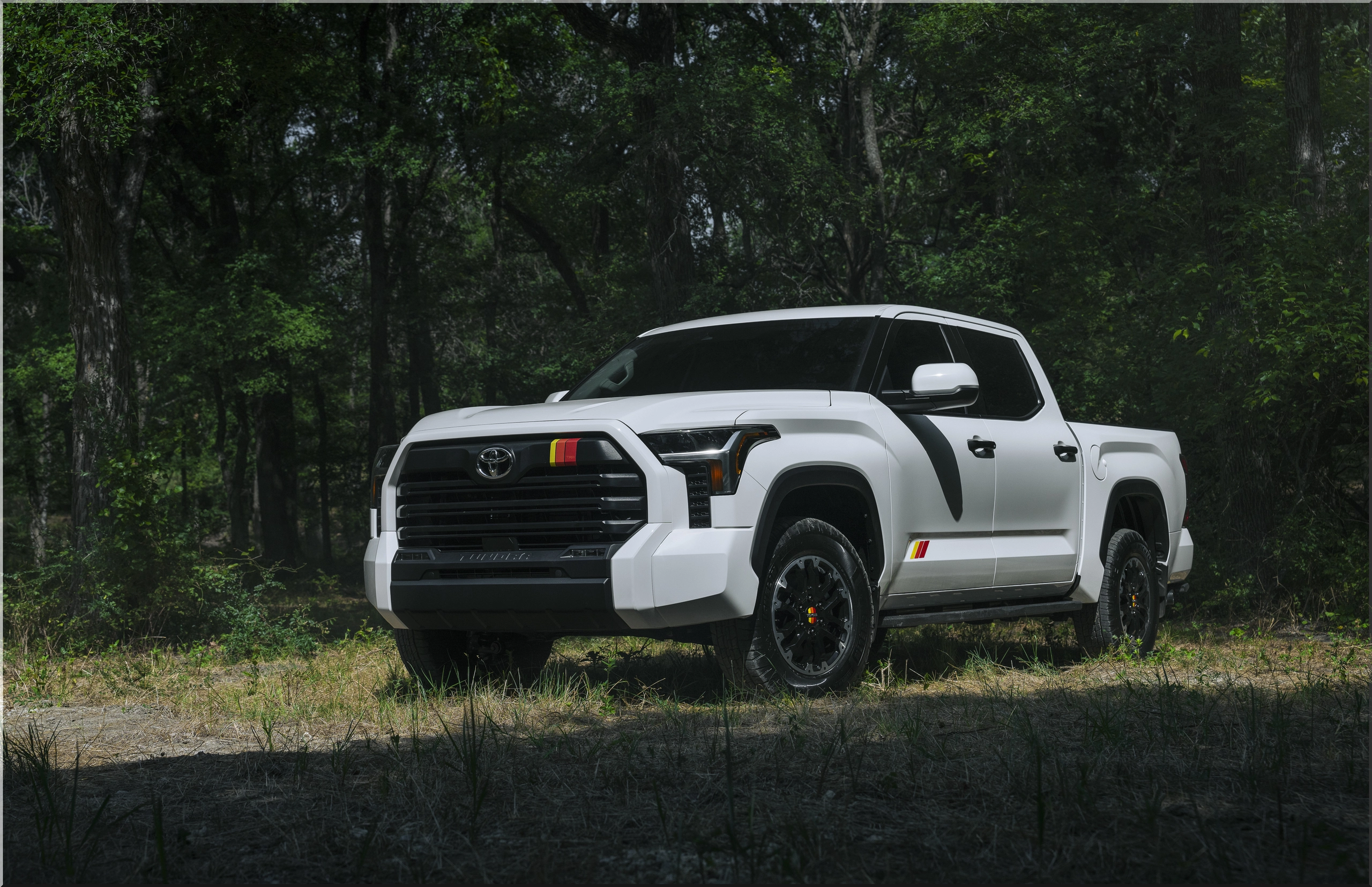
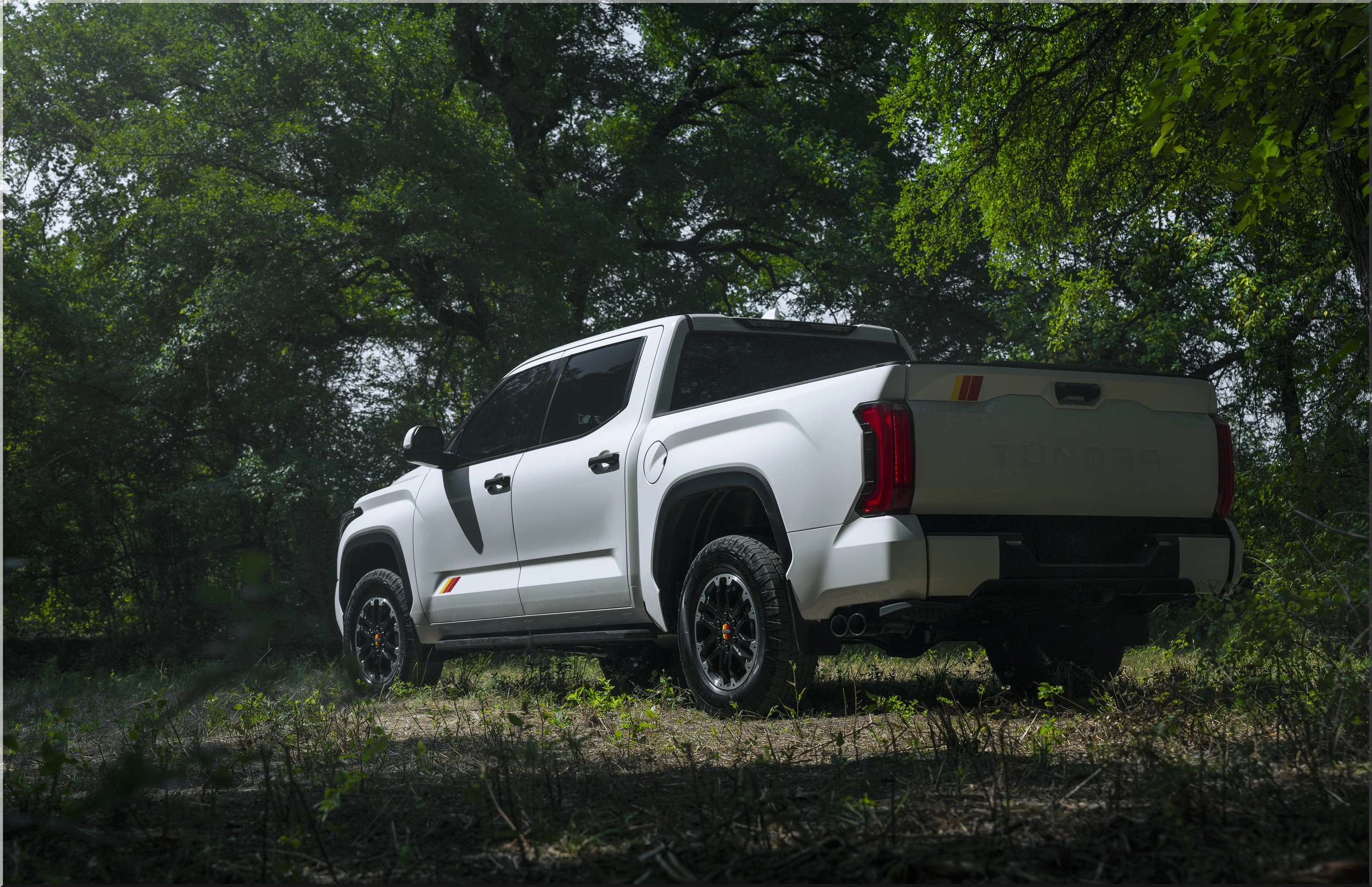
The Toyota Tundra in Japan is gloriously oversized
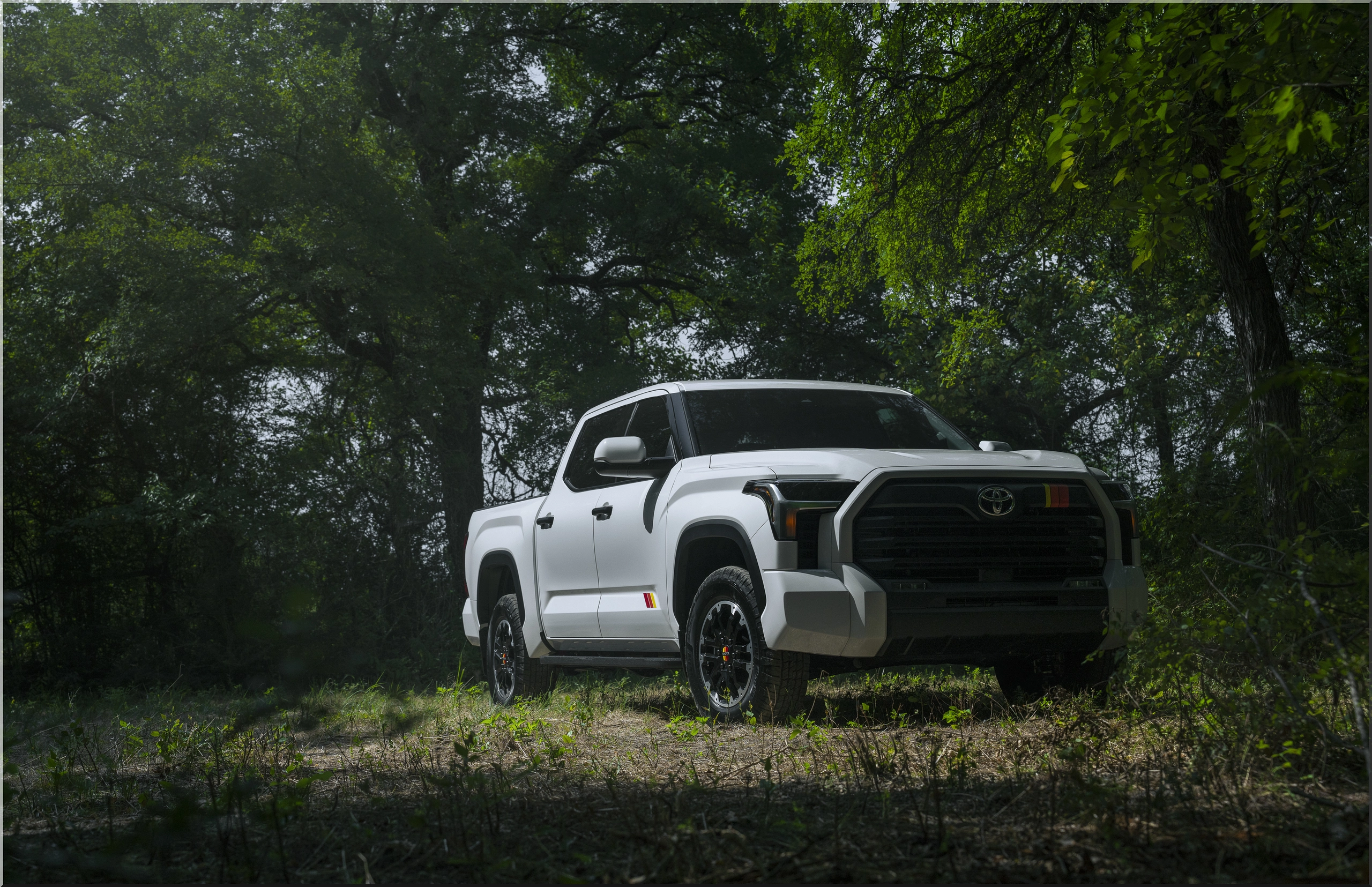
The Toyota Tundra arrives in Japan with all the subtlety of a marching band in a tea room. That is exactly the point. Buyers do not choose a truck this large because they misplaced a kei car. They choose it because it makes every ordinary parking space feel like a design suggestion.
Toyota Tundra key specs
| Specification | Toyota Tundra |
|---|---|
| Length | 5,930 mm / 233.5 in |
| Width | 2,030 mm / 79.9 in |
| Height | 1,980 mm / 78.0 in |
| Engine | 3.4-liter twin-turbo V6 |
| Transmission | 10-speed automatic |
| Driveline | Part-time 4WD |
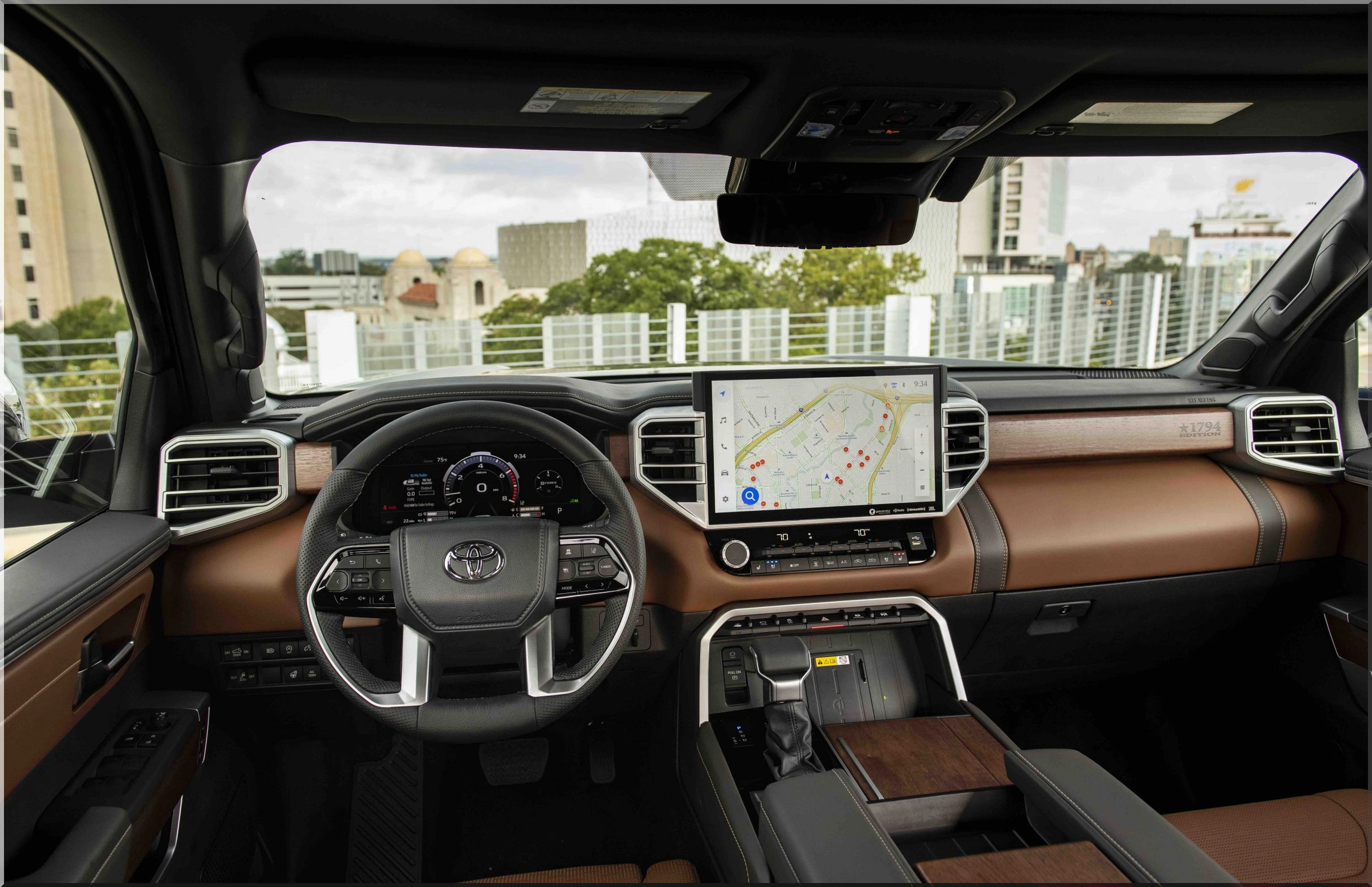
| Grade | 1794 Edition |
| Price | $75,201 |
Looking at the data, the Tundra stays true to its American mission. It rides on Toyota's TNGA-F body-on-frame platform, which underpins the brand's larger trucks and SUVs. That architecture gives the Tundra the stiffness and durability needed for towing, hauling, and the sort of outdoor use that makes compact crossovers look like they packed for a yoga retreat.
The twin-turbo V6 also tells its own story. Toyota no longer relies on a traditional big-displacement V8 to create truck credibility. It uses forced induction, tighter thermal control, and a 10-speed automatic to deliver stronger low-end response and better efficiency. That matters because modern truck buyers want torque, but they also want engineering that belongs to this century.
Image
Definition
TNGA-F is Toyota's ladder-frame platform for trucks and large SUVs. It improves rigidity, helps ride control, and supports heavier-duty use.
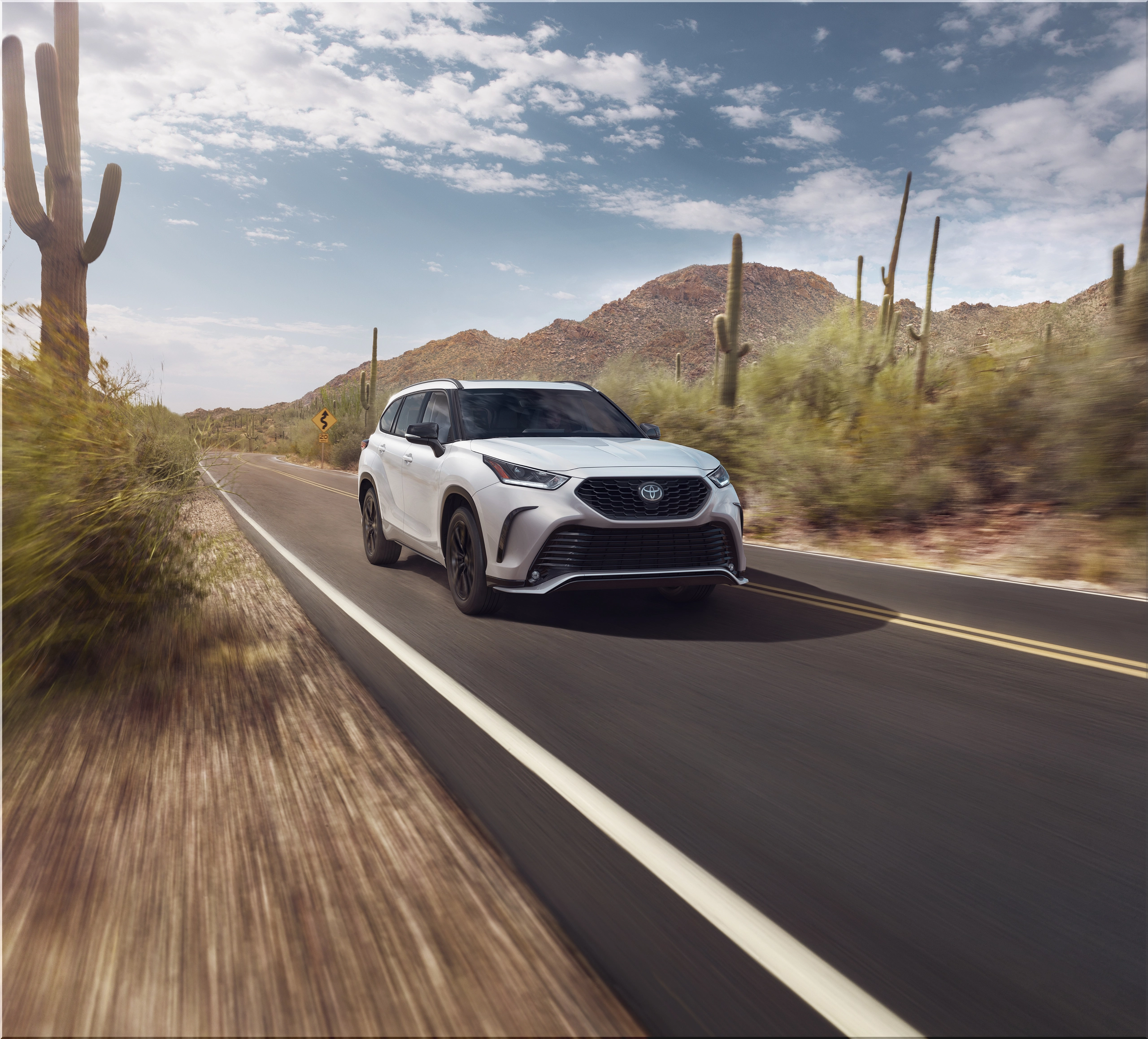
The Toyota Highlander plays the smarter hand
If the Tundra enters the room wearing boots the size of suitcases, the Toyota Highlander walks in carrying a spreadsheet. It still looks substantial, but it speaks the language of real-life ownership much more clearly.
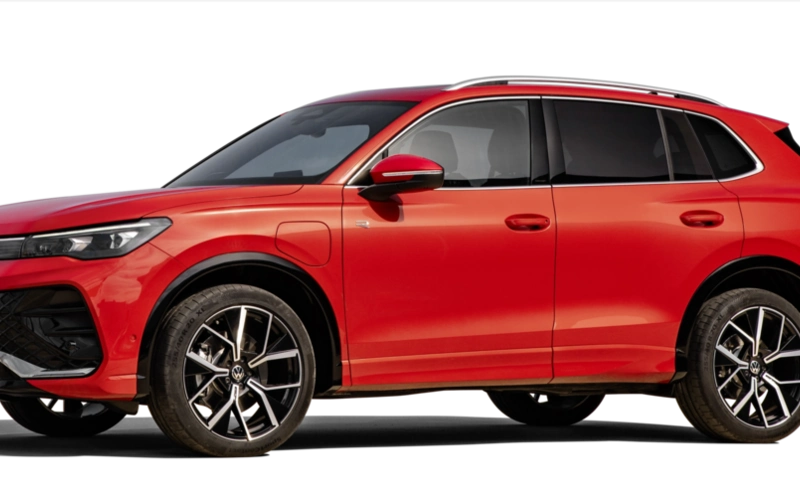
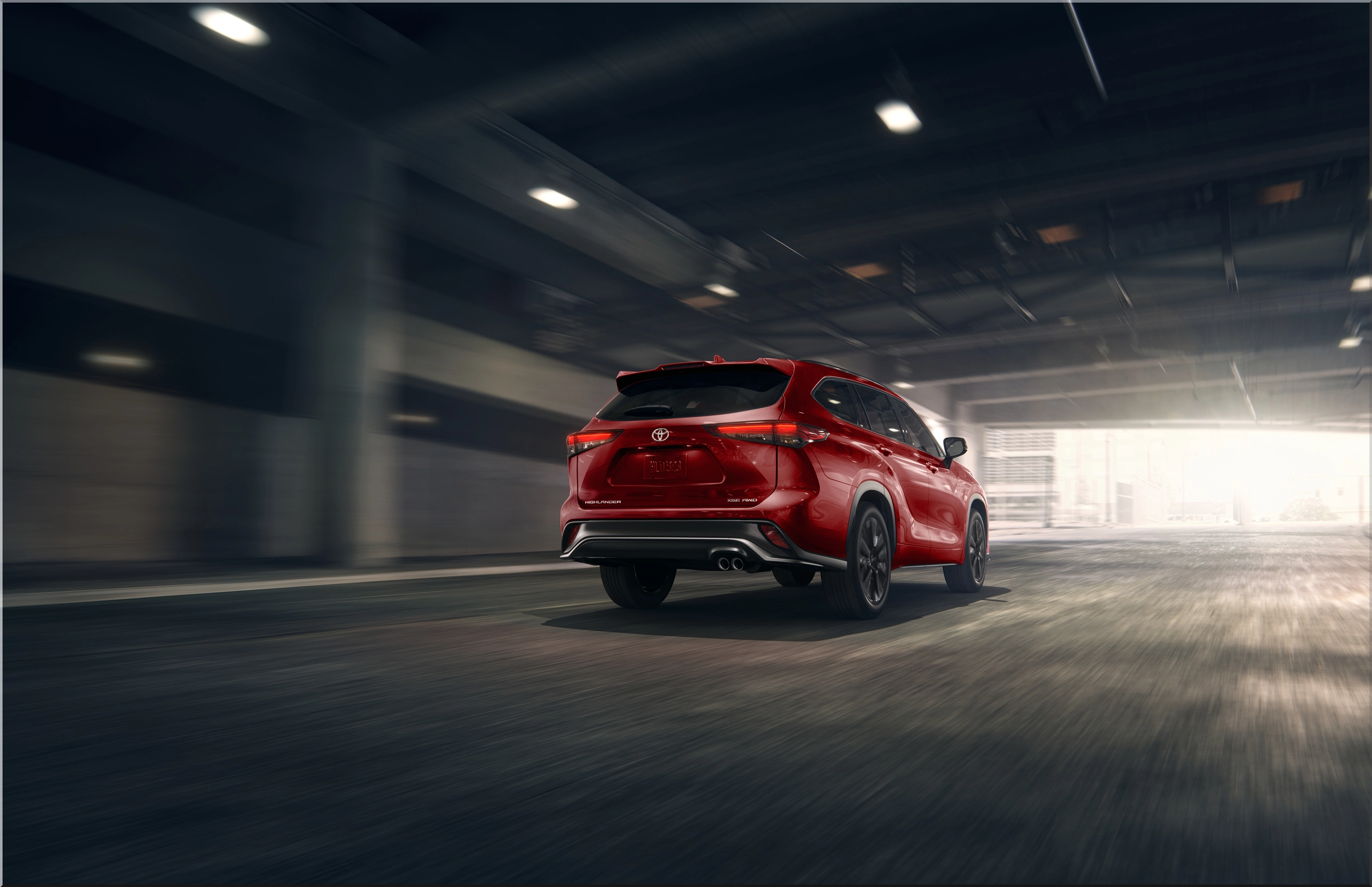
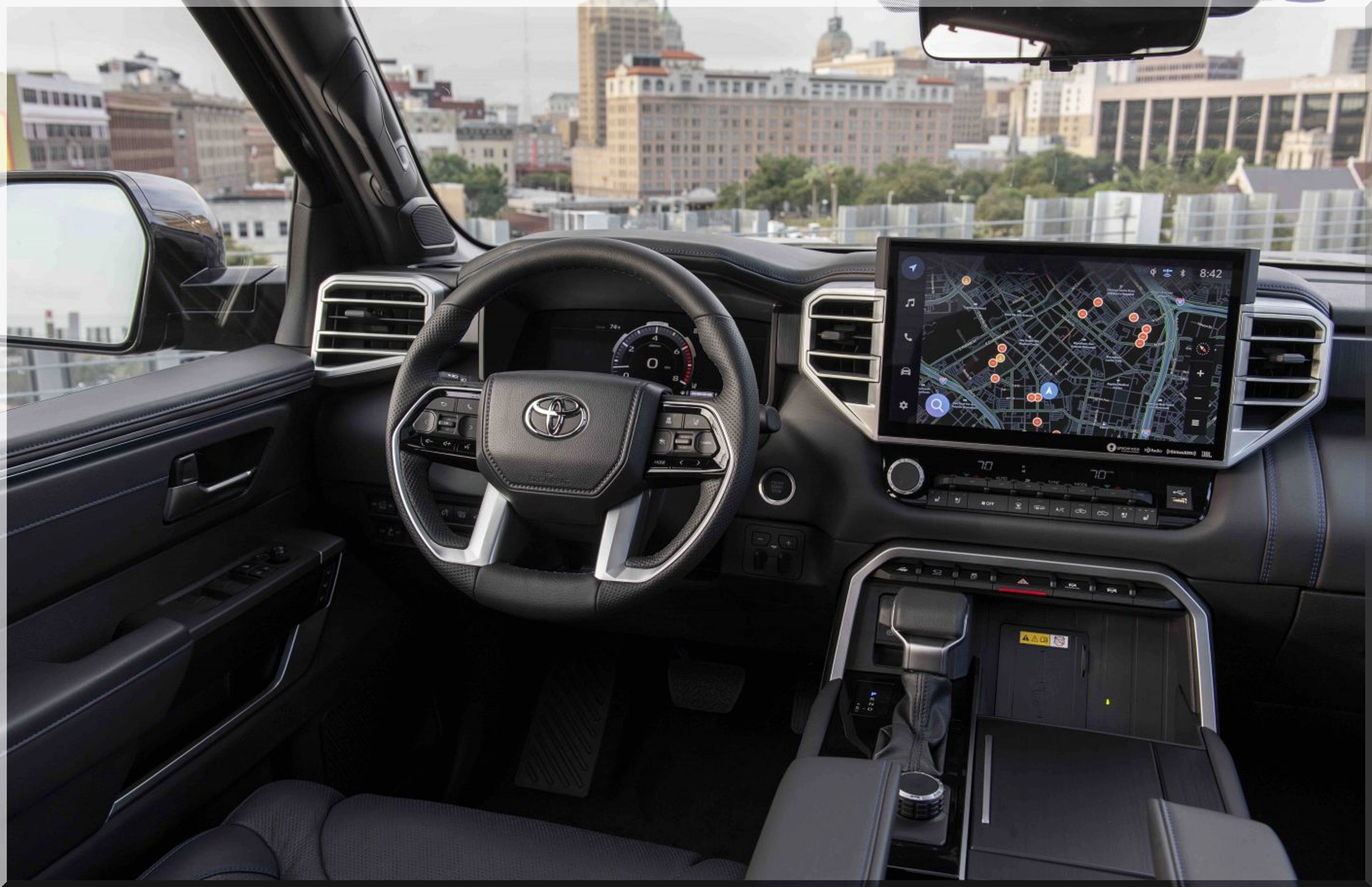
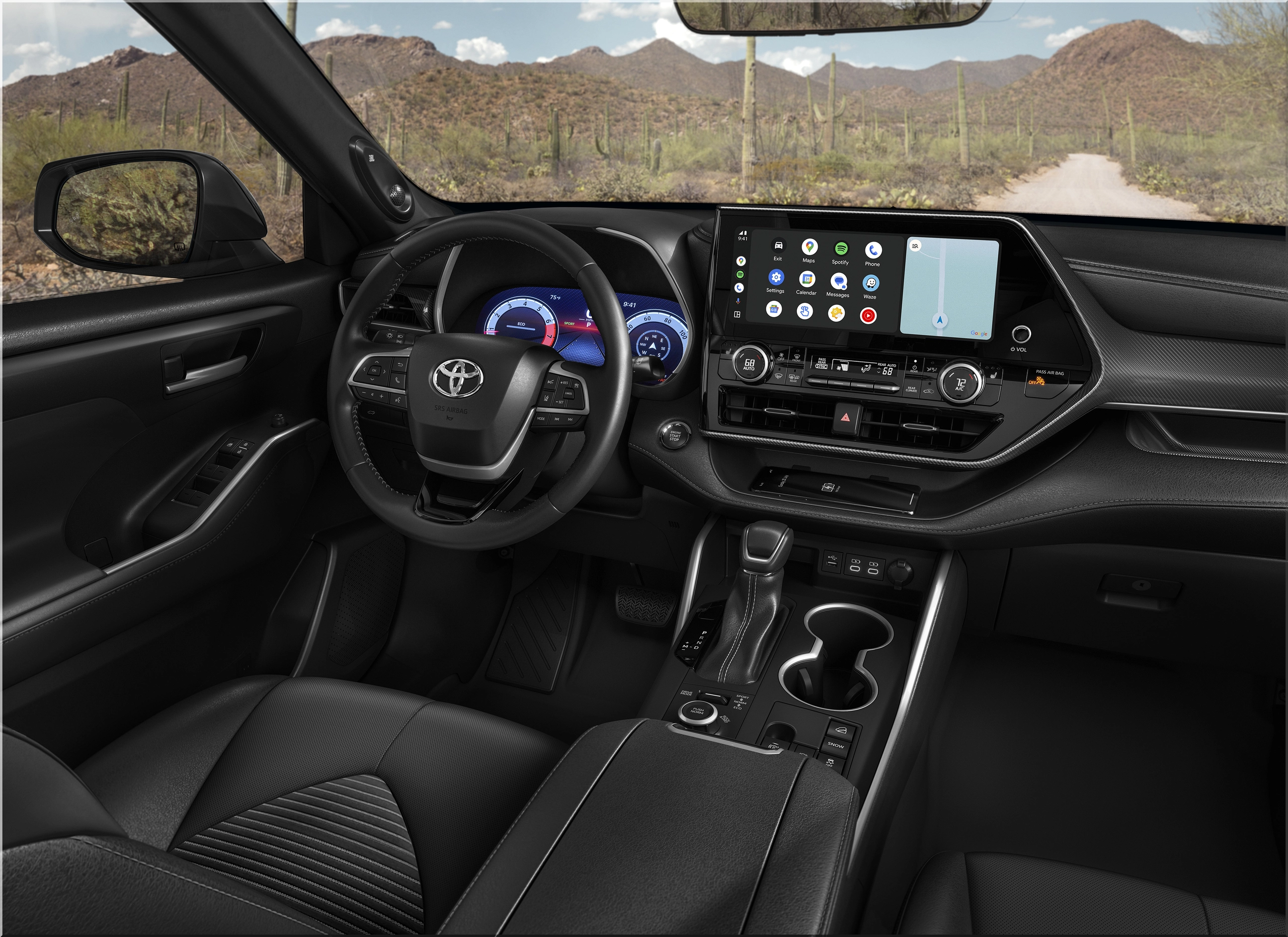
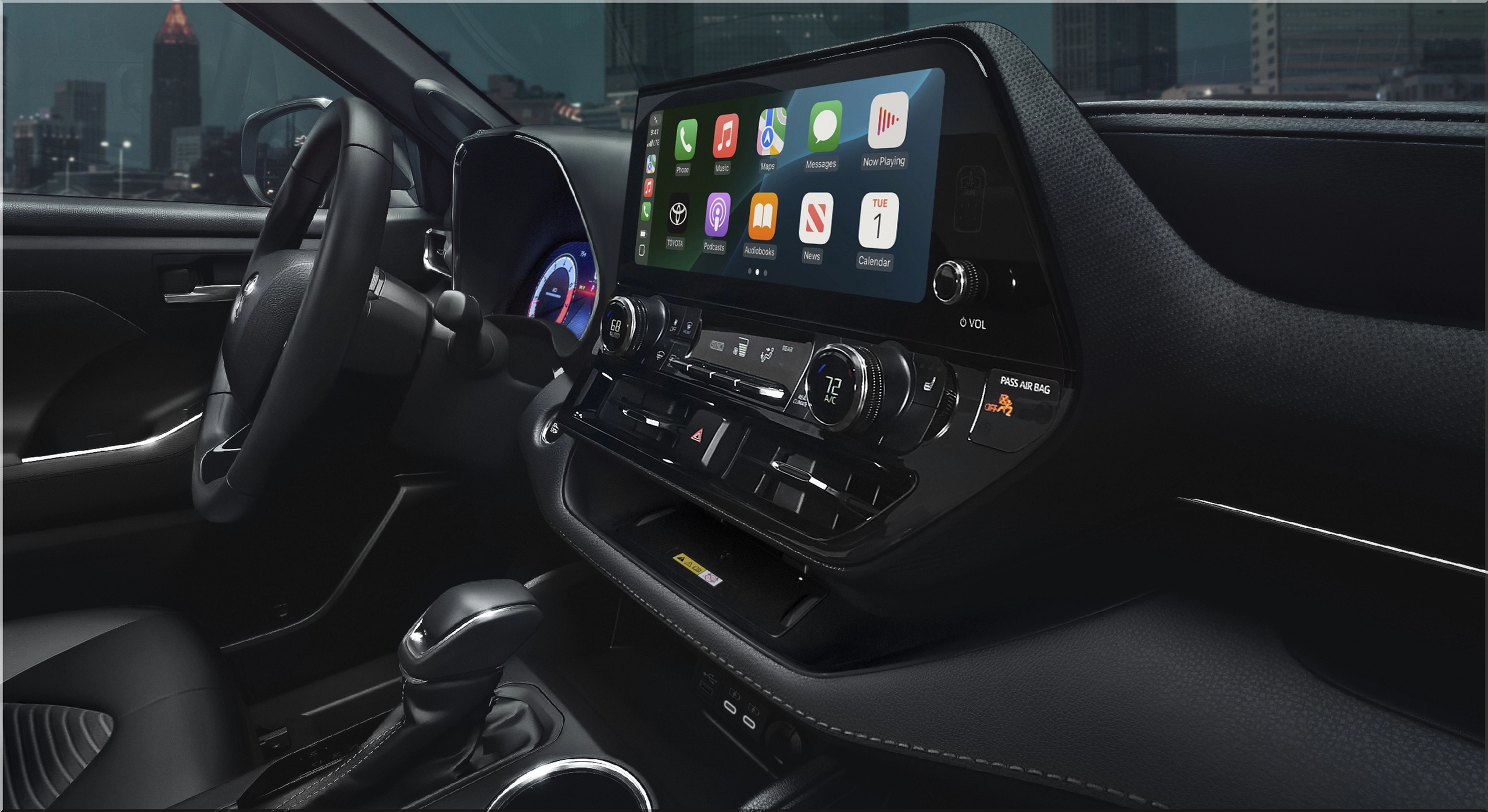
The Highlander gives Japanese buyers a large family SUV with hybrid power, E-Four all-wheel drive, and three-row seating. That combination lands closer to daily reality. School runs, motorway miles, luggage, rain, snow, grandparents, and a weekend escape all fit neatly into the Highlander's brief.
Toyota Highlander key specs
| Specification | Toyota Highlander |
|---|---|
| Powertrain | 2.5-liter hybrid |
| System output | 184 kW / 246.7 hp |
| Driveline | E-Four AWD |
| Seating | 7 passengers |
| Cargo with third row folded | 870 L / 30.7 cu ft |
| Cargo with third row up | 330 L / 11.7 cu ft |
| Grade | Limited ZR Hybrid |
| Price | $53,894 |
Specifically, the Highlander works because it combines size with restraint. The hybrid setup gives it stronger fuel logic than a conventional large SUV, and the electric rear axle setup in E-Four AWD adds traction only when needed. That approach cuts mechanical drag compared with a permanently engaged traditional system, which helps both refinement and economy.
By comparison, the Tundra sells an experience. The Highlander sells fewer compromises.
Image
Head-to-head: what Toyota is really testing
Toyota is not simply exporting vehicles. It is testing which kind of American-built Toyota fits Japan more naturally.
| Area | Toyota Tundra | Toyota Highlander |
|---|---|---|
| Main appeal | Full-size truck presence | Hybrid family practicality |
| Engineering focus | Body-on-frame utility | Crossover efficiency and packaging |
| Buyer profile | Lifestyle and recreation | Families and long-distance users |
| Daily-use challenge | Size in urban settings | Easier to integrate into daily life |
| Strategic role | Halo product | Broader commercial play |
The table makes the strategy clear. The Tundra grabs attention. The Highlander has the stronger chance of becoming a steady seller.
Why this move matters for Toyota
Toyota gains more than a headline here. It gains production flexibility, trade visibility, and a cleaner route to sell factory-built North American vehicles in Japan. That matters because automakers now live and die by how quickly they can move the right product through the right plant into the right market.
In addition, this approach lets Toyota preserve each model's original character. The company did not need to carve the Tundra down into something timid or repackage the Highlander into a different identity. It simply found a way to let the vehicles travel.
That kind of efficiency tends to look obvious only after someone else does it first.
Pro-Tip: watch the next model, not the first one
The first launch gets the applause. The second and third launches show whether the strategy actually works. If Toyota expands this pipeline with more U.S.-built Toyota models, then this story stops being a novelty and starts becoming a pattern.
That is when rivals begin paying attention.
What now?
Toyota now needs to prove that this is more than a clever bit of corporate symmetry. The next phase will show whether Japanese buyers treat these vehicles as curious imports or useful additions to the range.
Toyota has pulled off a rare automotive trick. It built two vehicles for America and then found a way to sell them back home without making the whole idea look ridiculous.
That takes confidence. It also takes timing.
This time, Toyota had both.
Image Gallery
- Add new comment
- 249 views