
The Tesla Model Y and the Future of Self-Driving Electric SUVs
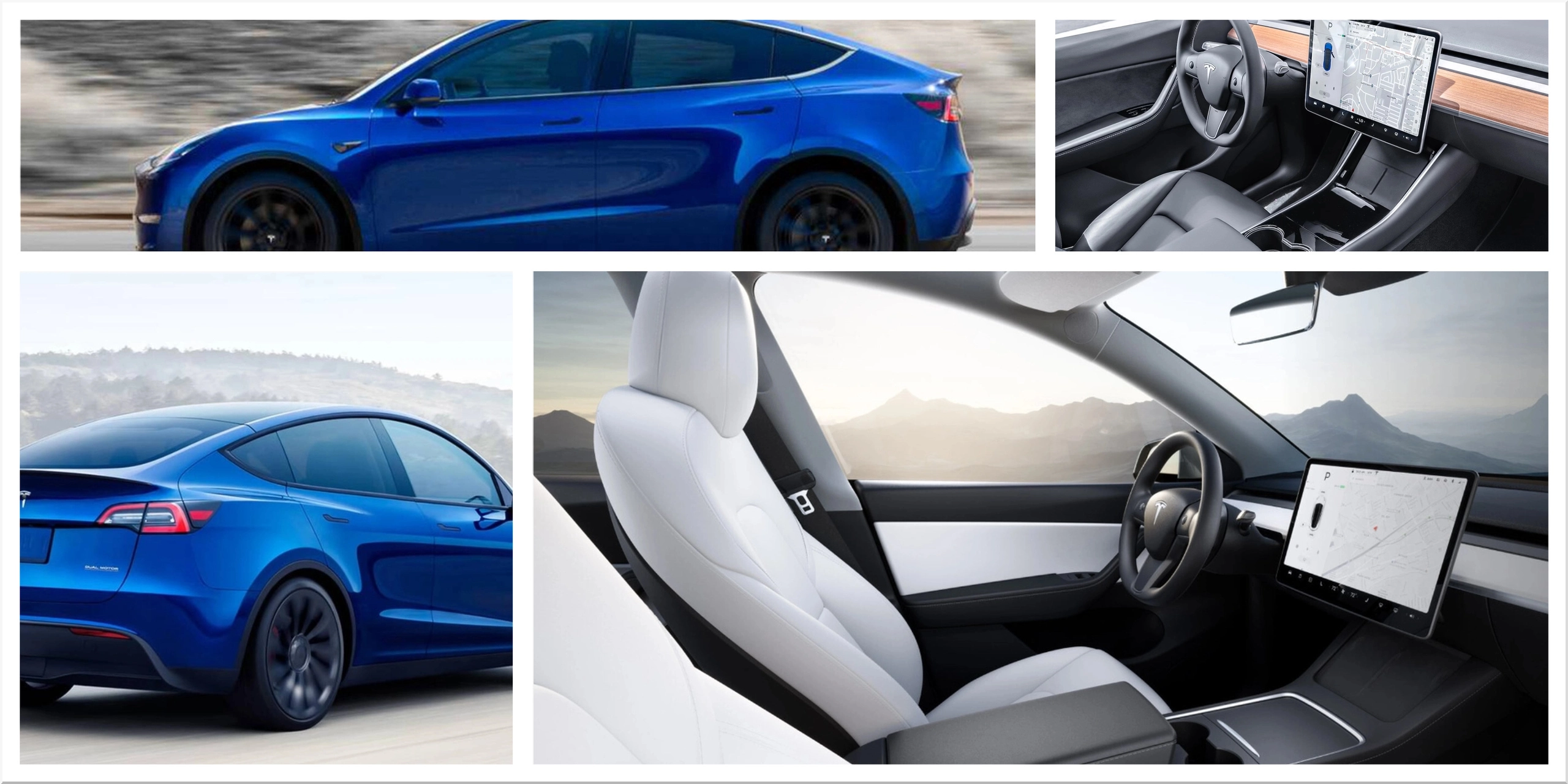
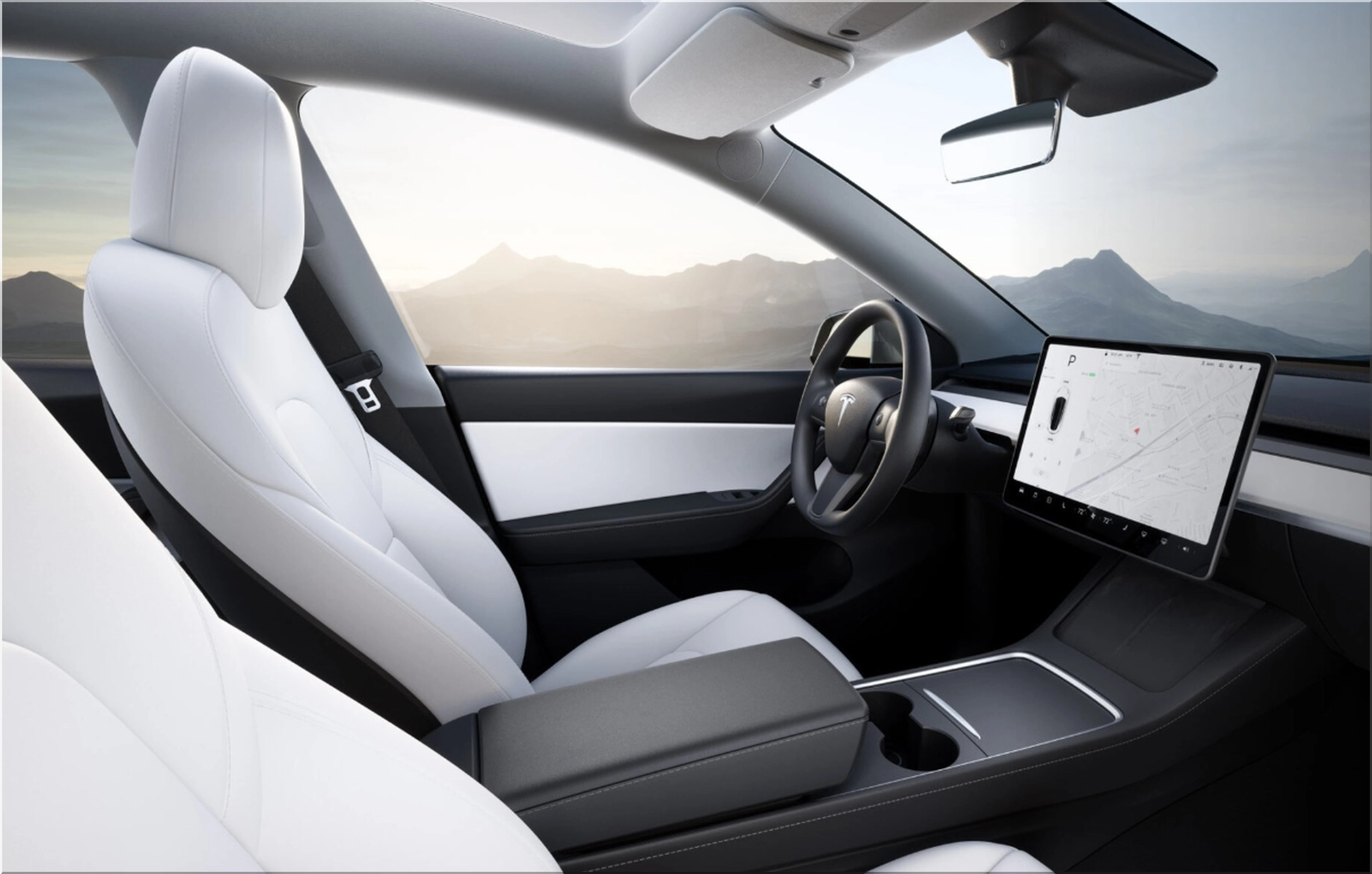
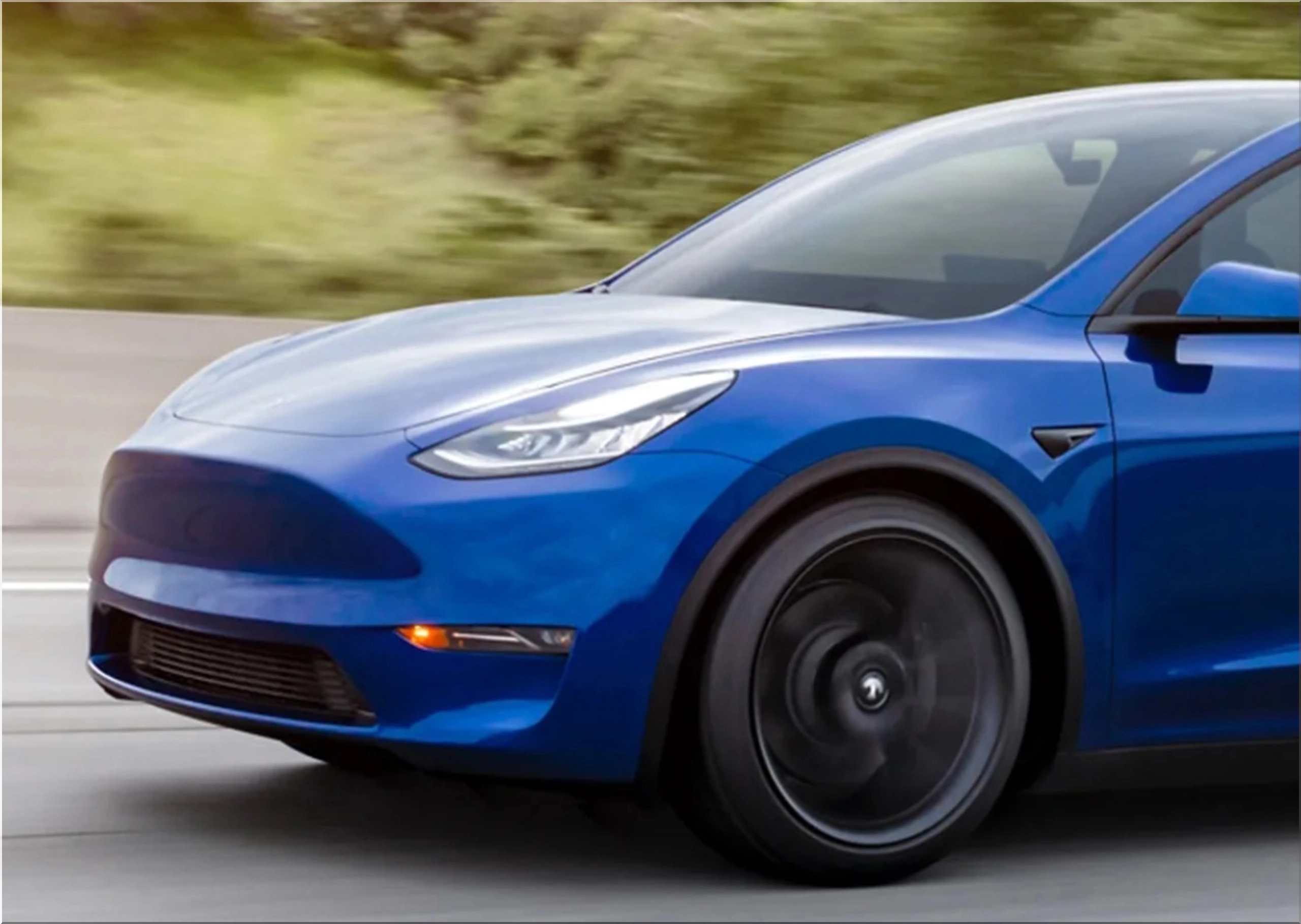
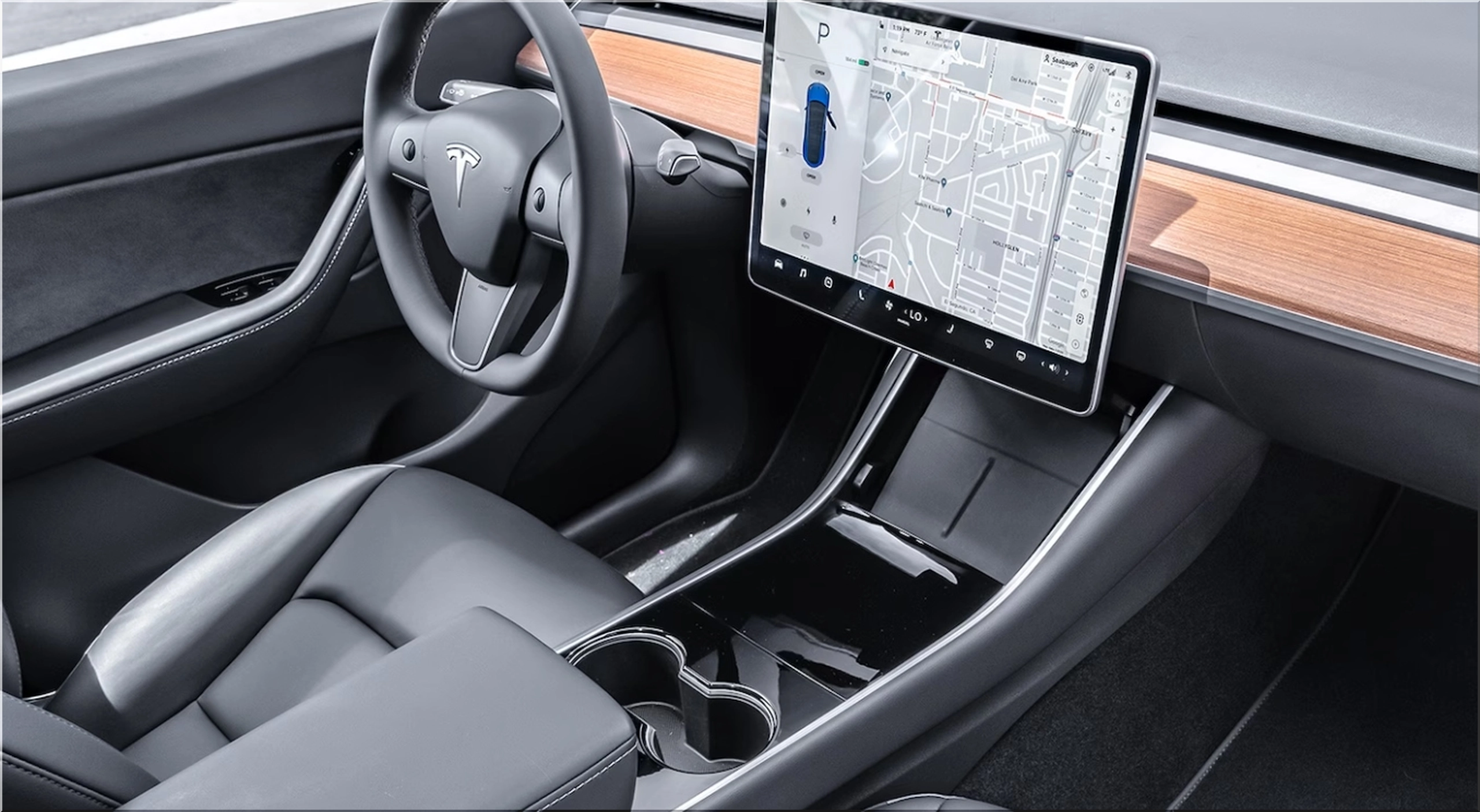
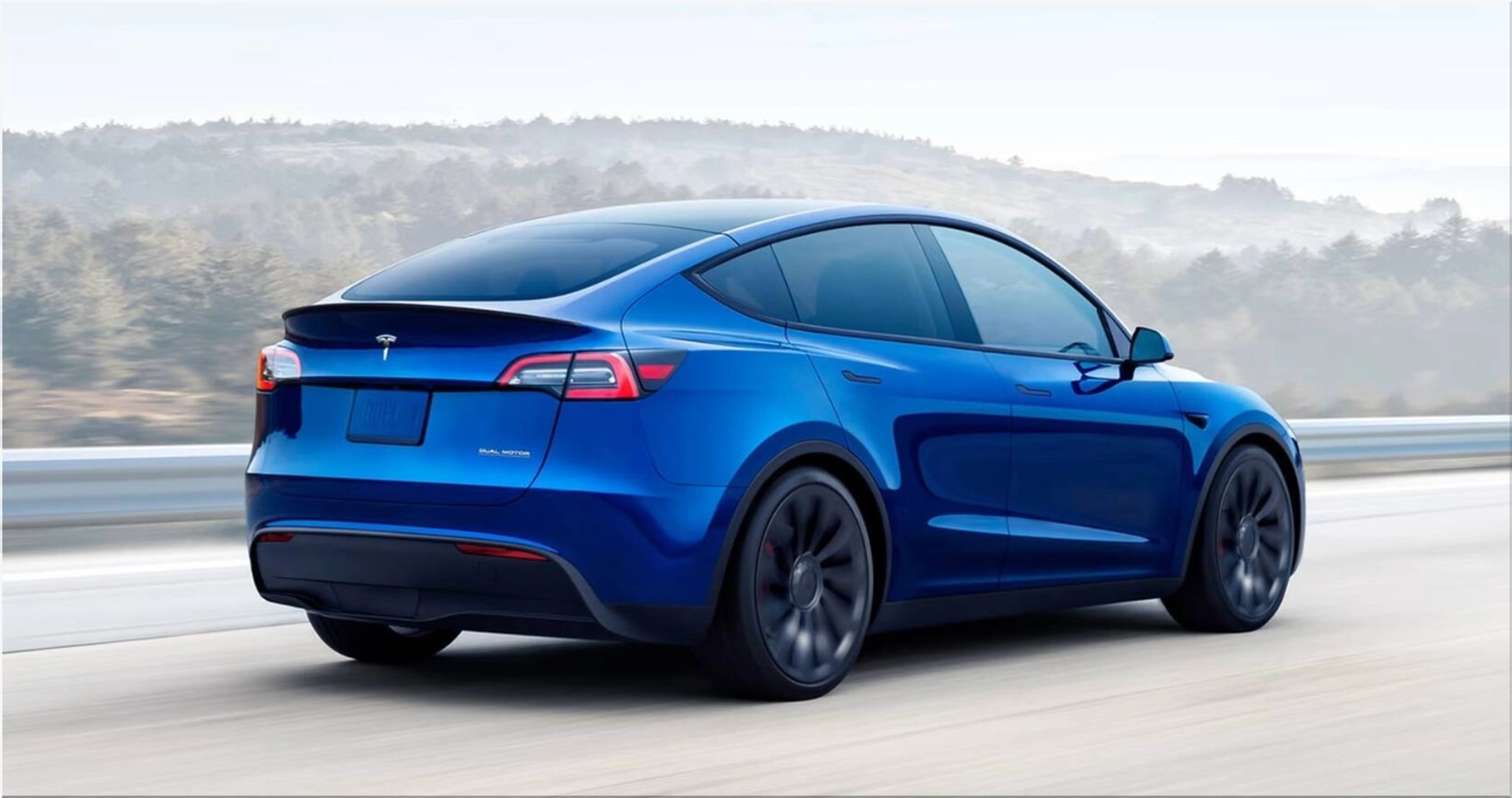
The Tesla Model Y has quickly become one of the most popular electric SUVs on the market, thanks to its impressive range, advanced technology, and sleek design. As the automotive industry continues to evolve, the future of self-driving electric SUVs looks promising. This blog explores the features of the Tesla Model Y, its self-driving capabilities, and what the future holds for self-driving electric SUVs.
The Tesla Model Y: An Overview
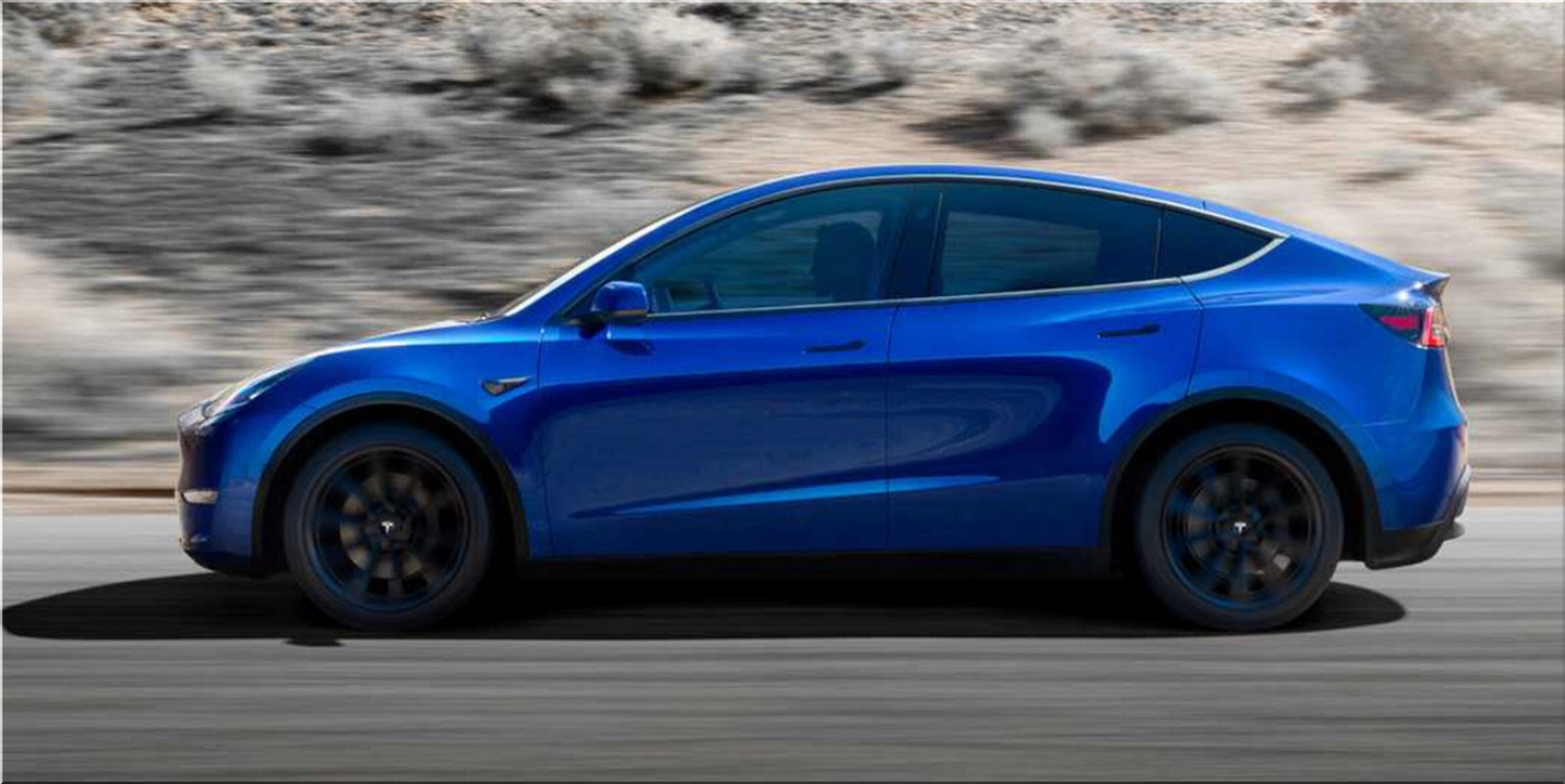
The Tesla Model Y is a fully electric, mid-size SUV that offers a blend of performance, safety, and versatility. It comes in several variants, including the Long Range and Performance models, each offering different levels of range and acceleration.
Key Features of the Tesla Model Y
- Range: The Model Y Long Range offers an impressive EPA-estimated range of up to 337 miles on a single charge.
This makes it suitable for long road trips and daily commutes alike.
- Performance: With a 0-60 mph time of just 3.5 seconds, the Performance model delivers thrilling acceleration.
providing a thrilling driving experience.
- Safety: The Model Y is engineered for safety, with features like Forward Collision Warning, Active Emergency Braking, and Lane Departure Avoidance.
It has earned excellent safety ratings from numerous industry authorities.
- Cargo Space: With 76 cubic feet of cargo space and fold-flat seats, the Model Y is designed for versatility.
It provides ample space for family road trips and bulky cargo.
Self-Driving Capabilities of the Tesla Model Y
Tesla has been at the forefront of developing self-driving technology, and the Model Y is equipped with some of the most advanced features available.
Autopilot and Full Self-Driving (FSD)
The Model Y comes standard with Autopilot, which includes features like Traffic-Aware Cruise Control and Autosteer. For an additional cost, buyers can opt for the Full Self-Driving (FSD) package, which adds capabilities such as Navigate on Autopilot, Auto Lane Change, Autopark, and Summon.
Full Self-Driving (Supervised)
Tesla's Full Self-Driving (Supervised) feature is designed to handle a variety of driving scenarios, including city streets, highways, and complex intersections. It uses inputs from multiple cameras and sensors to build a model of the surrounding environment and make driving decisions. However, it requires a fully attentive driver who is ready to take over at any moment.
Safety Features of the Tesla Model Y
The Tesla Model Y is packed with advanced safety features designed to protect occupants and prevent accidents.
Active Safety Features
- Forward Collision Warning: Provides visual and audible warnings when a frontal collision is imminent.
- Automatic Emergency Braking: Uses automatic braking to minimize collision risks.
- Lane Departure Warning: Warns the driver if unintended lane departure is detected.
- Blind Spot Monitoring: Detects vehicles in the blind spots and provides warnings to the driver.
Passive Safety Features
- Rigid Structure: The Model Y's structure is designed to absorb impact energy and protect occupants.
- Airbags: Includes front, side, and curtain airbags to protect occupants in the event of a collision.
- Low Center of Gravity: The battery pack's placement lowers the center of gravity, reducing rollover risk.
Safety Statistics
Tesla vehicles, including the Model Y, have achieved some of the highest safety ratings in the industry. According to the National Highway Traffic Safety Administration (NHTSA), the Model Y has a 5-star safety rating in all categories.
Additionally, Tesla's safety report indicates that vehicles with Autopilot engaged have a significantly lower accident rate compared to those without it. In Q3 2024, Tesla recorded one crash for every 7.08 million miles driven with Autopilot, compared to one crash for every 1.29 million miles driven without Autopilot.
The Future of Self-Driving Electric SUVs
The future of self-driving electric SUVs is bright, with advancements in technology and increasing consumer demand driving innovation. Keep an eye on these important trends and advancements.
Advancements in Autonomous Driving Technology
- Improved Sensors and Cameras: Future self-driving SUVs will likely feature more advanced sensors and cameras, providing better detection and response capabilities. These improvements will enhance the vehicle's ability to navigate complex environments and avoid obstacles.
- Artificial Intelligence: AI will play a crucial role in enhancing the decision-making processes of self-driving vehicles, making them safer and more reliable. Machine learning algorithms will enable these vehicles to learn from real-world driving data and improve over time.
- Regulatory Changes: As technology advances, regulatory frameworks will need to adapt to ensure the safe deployment of self-driving vehicles on public roads. Governments will need to establish clear guidelines and standards for autonomous vehicle testing and operation.
Market Growth and Consumer Adoption
- Increased Demand: The demand for electric SUVs is expected to grow, driven by environmental concerns and government incentives. Consumers are becoming more aware of the benefits of electric vehicles, such as lower emissions and reduced fuel costs.
- Diverse Offerings: More automakers are entering the electric SUV market, offering a wider range of options for consumers. This competition will drive innovation and lead to better and more affordable vehicles.
- Affordability: As technology matures, the cost of self-driving electric SUVs is expected to decrease, making them more accessible to a broader audience. Economies of scale and advancements in battery technology will contribute to lower prices.
Challenges and Considerations
- Safety and Reliability: Ensuring the safety and reliability of self-driving technology remains a top priority. Continuous testing and improvements are necessary to address potential issues. Manufacturers must rigorously test their systems to ensure they can handle a wide range of driving conditions.
- Infrastructure: The development of infrastructure, such as charging stations and smart traffic systems, will be essential to support the widespread adoption of self-driving electric SUVs. Governments and private companies will need to invest in building and maintaining this infrastructure.
- Public Perception: Building trust and acceptance among consumers is crucial for the success of self-driving vehicles. Transparent communication and education about the benefits and limitations of the technology are key. Addressing concerns about safety and privacy will be important in gaining public trust.
How to Choose an Eco-Friendly Used Car for Your Family’s Needs
While the Tesla Model Y represents the future of self-driving electric SUVs, choosing an eco-friendly used car for your family can also be a great way to reduce your environmental impact. Consider these tips to ensure you make the right choice.
Benefits of Eco-Friendly Used Cars
Eco-friendly used cars offer several advantages:
- Reduced Emissions: Hybrid and electric vehicles produce fewer emissions, contributing to a cleaner environment.
- Cost Savings: These cars often have lower fuel and maintenance costs.
- Sustainability: Buying used reduces the demand for new car production, which has a significant environmental impact.
Key Features to Consider
When selecting an eco-friendly used car, consider the following features:
Fuel Efficiency
Look for cars with high fuel efficiency ratings. These vehicles, including hybrids and electric models, offer great benefits by using less fuel and emitting fewer pollutants. For example, the Toyota Prius is renowned for its fuel efficiency, often exceeding 50 miles per gallon.
Safety Ratings
Ensure the car has high safety ratings from reputable sources like the National Highway Traffic Safety Administration (NHTSA) or the Insurance Institute for Highway Safety (IIHS). Safety features such as airbags, anti-lock brakes, and stability control are crucial for family vehicles. The Honda Civic Hybrid, for instance, is known for its robust safety features and high ratings.
Vehicle History
Always check the vehicle history report to ensure the car has been well-maintained and has no major accidents or issues. Look for:
- Accident History: Avoid cars with a history of significant accidents.
- Maintenance Records: Ensure regular servicing and maintenance. A well-documented service history can indicate a reliable vehicle.
Top Eco-Friendly Used Car Models
Here are some popular eco-friendly used car models to consider:
- Toyota Prius: Known for its excellent fuel efficiency and reliability.
- Honda Civic Hybrid: Offers a balance of performance and eco-friendliness.
- Nissan Leaf: A fully electric vehicle with zero emissions, ideal for city driving.
Additional Tips for Choosing an Eco-Friendly Used Car
- Test Drive: Always take the car for a test drive to ensure it meets your comfort and performance expectations.
- Warranty: Check if the car comes with any remaining manufacturer warranty or if the dealer offers an extended warranty.
- Resale Value: Consider the car's resale value, as some eco-friendly models retain their value better than others.
Conclusion
The Tesla Model Y is a testament to the advancements in electric vehicle technology and the potential of self-driving SUVs. As the automotive industry continues to evolve, the future of self-driving electric SUVs looks promising, with ongoing innovations and increasing consumer adoption. At the same time, choosing an eco-friendly used car for your family can be a practical and sustainable choice. By considering factors like fuel efficiency, safety ratings, and vehicle history, you can make an informed decision that benefits both your family and the environment.
- Add new comment
- 399 views