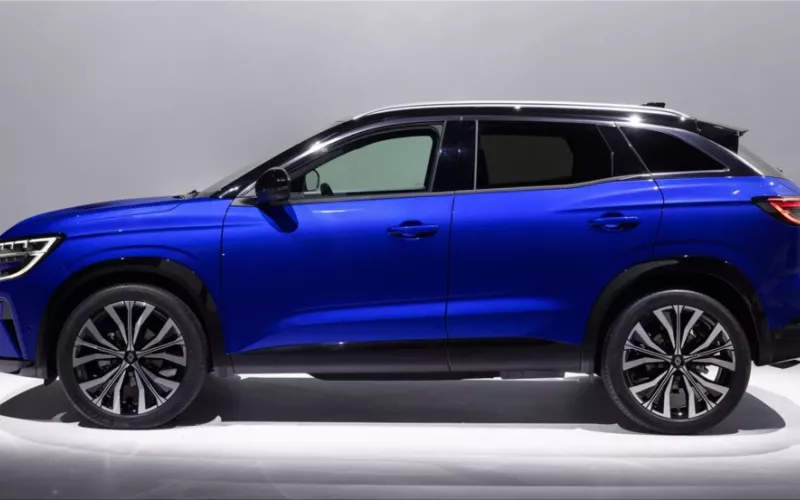
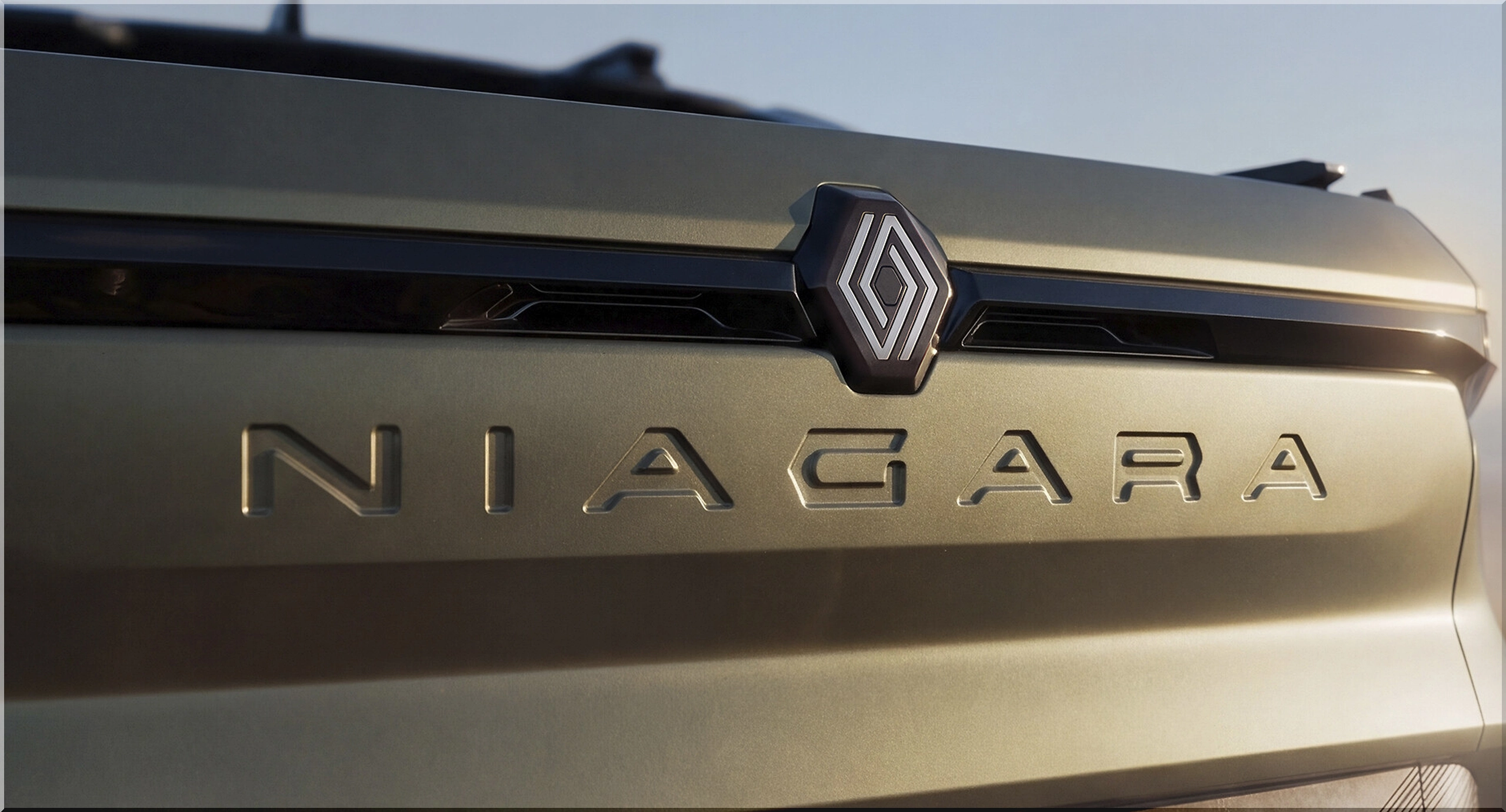
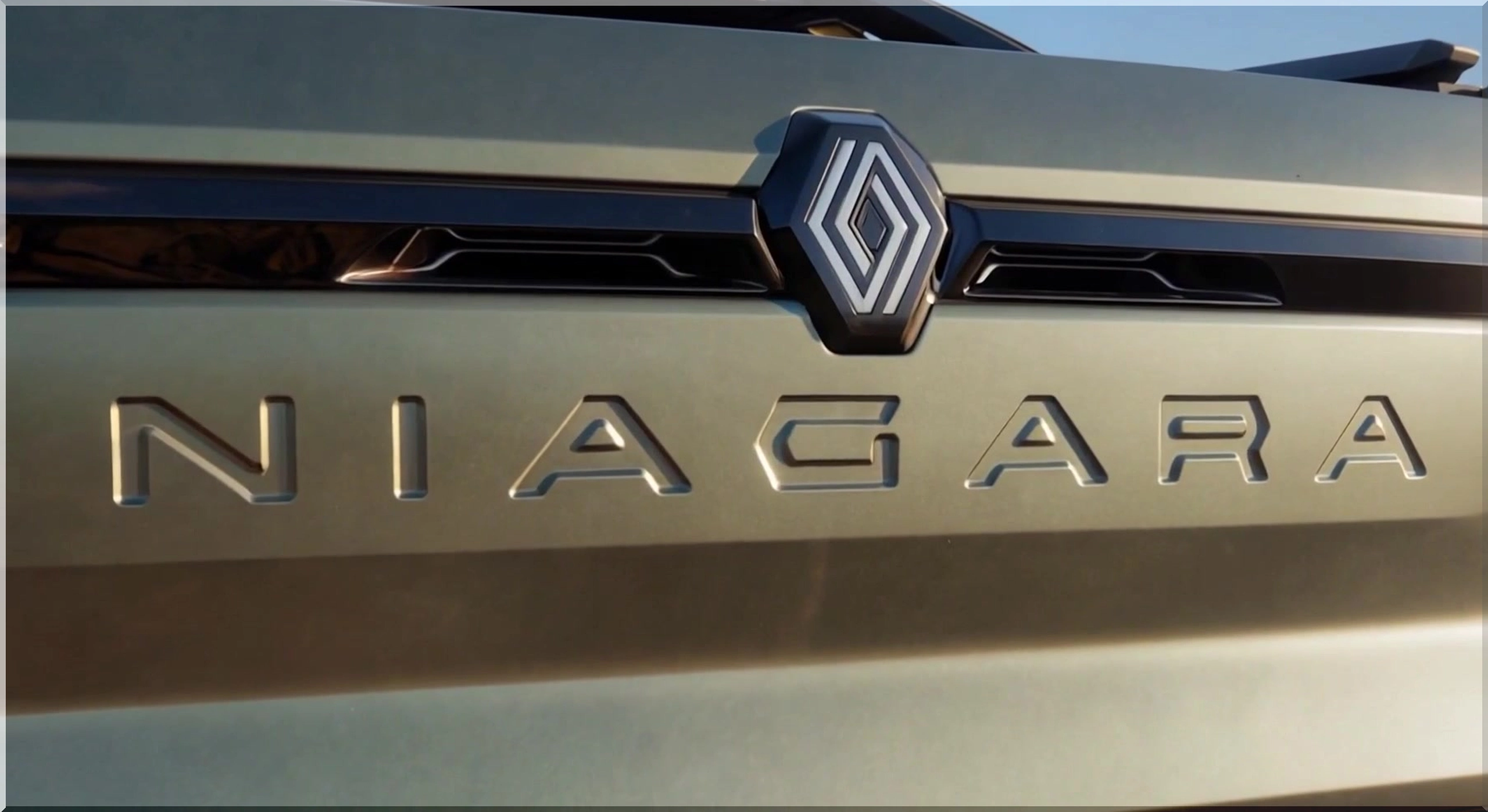
Renault has given its next Latin American pickup a name with serious intent: Renault Niagara. The new double-cab truck will debut in Argentina on September, 2026, with sales planned for late 2026 across Latin America. Renault will assemble it at the Córdoba plant in Argentina, giving the region a locally built pickup aimed at buyers who need weekday comfort, dirt-road grip, and cargo-bed utility.
This matters because Latin America loves compact and midsize pickups. Fiat Toro, Chevrolet Montana, Ford Maverick, Ram Rampage, and Renault Oroch already prove the demand. In addition, Renault needs a stronger pickup entry than Oroch if it wants to compete in Brazil, Argentina, and export markets where unibody trucks do the work of small SUVs and light commercial vehicles.
Image
Renault Niagara Specs: What We Know So Far
Renault has not released final production specs, but the Renault Niagara concept gives a clear technical preview. The concept measures about 4,900 mm long, or 192.9 inches, with a 2,949 mm wheelbase, or 116.1 inches. That places it close to the Fiat Toro and near the Ford Maverick in overall footprint.
| Renault Niagara Data Point | Known Or Expected Figure | U.S. Conversion |
|---|---|---|
| Concept length | 4,900 mm | 192.9 inches |
| Concept wheelbase | 2,949 mm | 116.1 inches |
| Platform range | 4,000-5,000 mm | 157.5-196.9 inches |
| Wheelbase range | 2,600-3,000 mm | 102.4-118.1 inches |
| Production location | Córdoba, Argentina | Argentina |
| Market launch | Late 2026 | Latin America |
Looking at the data, Renault wants Niagara to sit above a lifestyle mini-truck and below a traditional body-on-frame midsize pickup. That strategy cuts weight, improves cabin packaging, and gives Renault a lower-cost path to hybrid hardware.
Hybrid 4x4 System: Why Niagara Uses Electric Rear Drive
The concept uses E-Tech Hybrid 4WD hardware with a 48-volt mild-hybrid gasoline powerplant at the front and an electric motor at the rear. Specifically, the front axle handles most daily propulsion, while the rear motor can add traction without a driveshaft, transfer case, or heavy center differential.
That layout makes sense for Latin America. Many buyers drive on pavement during the week, then face gravel roads, farm tracks, rain-soaked dirt, and uneven job sites. Consequently, an electric rear axle gives Niagara all-wheel-drive traction when needed while keeping weight and mechanical drag lower than a conventional 4x4 system.
| Competitor | Segment Logic | Layout Focus | Niagara Relevance |
|---|---|---|---|
| Fiat Toro | Latin American unibody pickup | Comfort plus cargo | Main regional target |
| Chevrolet Montana | Compact pickup | Urban work use | Lower-cost pressure |
| Ford Maverick | Compact pickup | Hybrid-friendly packaging | U.S. comparison point |
| Ram Rampage | Premium compact/midsize pickup | Power and image | Higher-end pressure |
| Renault Oroch | Older compact pickup | Simple utility | Niagara replacement logic |
By comparison, a Ford Maverick Hybrid proves that pickup buyers accept electrified drivetrains when they lower fuel use without killing everyday usefulness. Niagara takes that idea in a more traction-focused direction.
Design And Utility: Pickup First, SUV Second
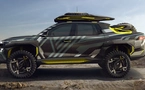
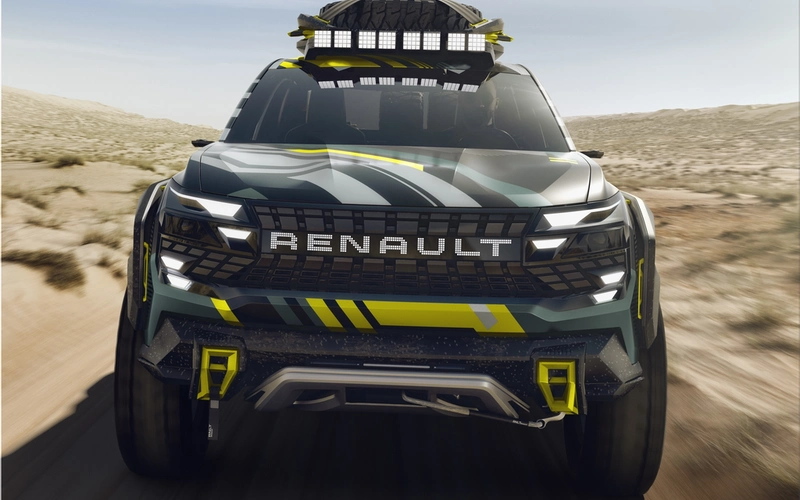
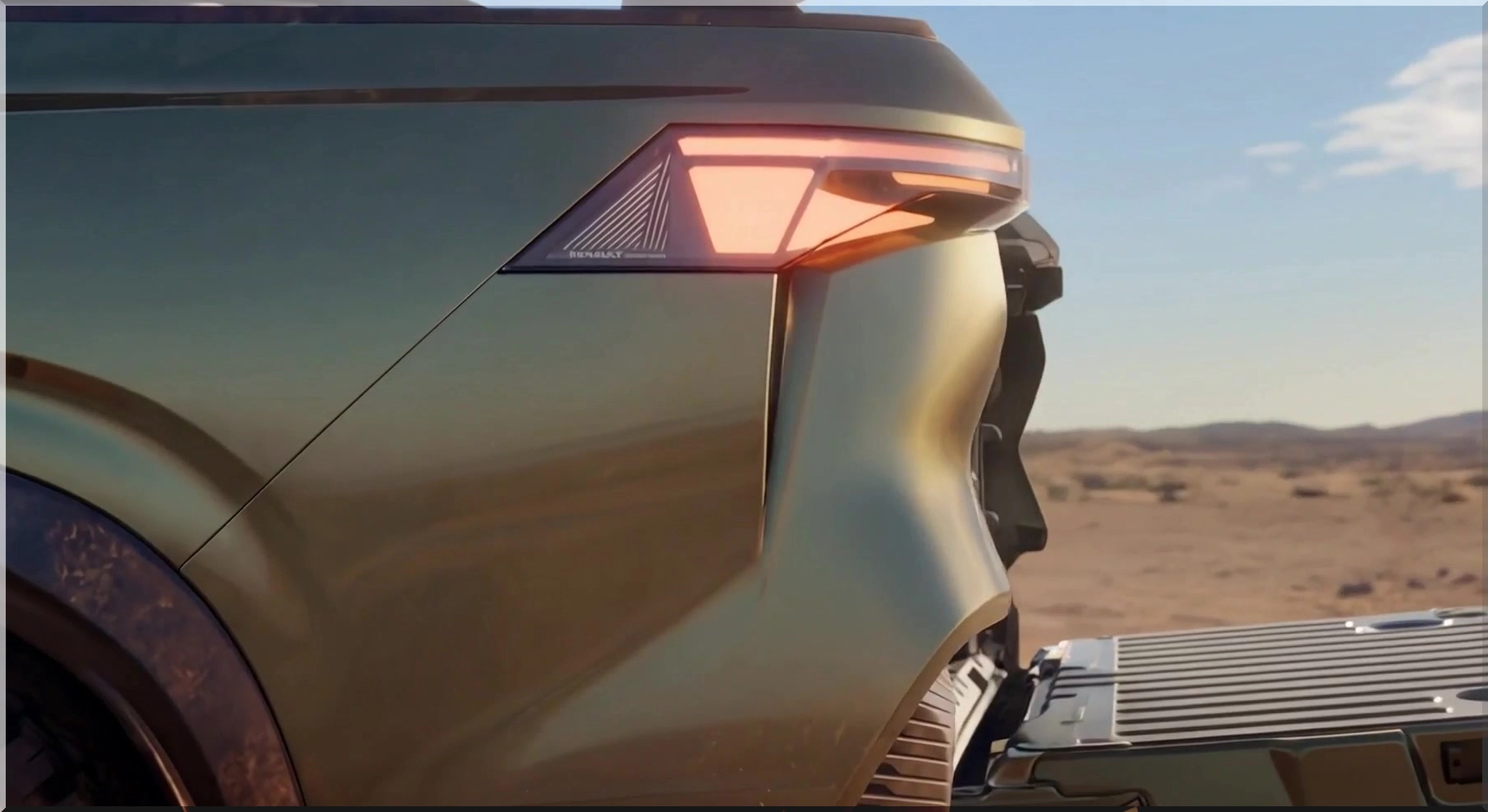
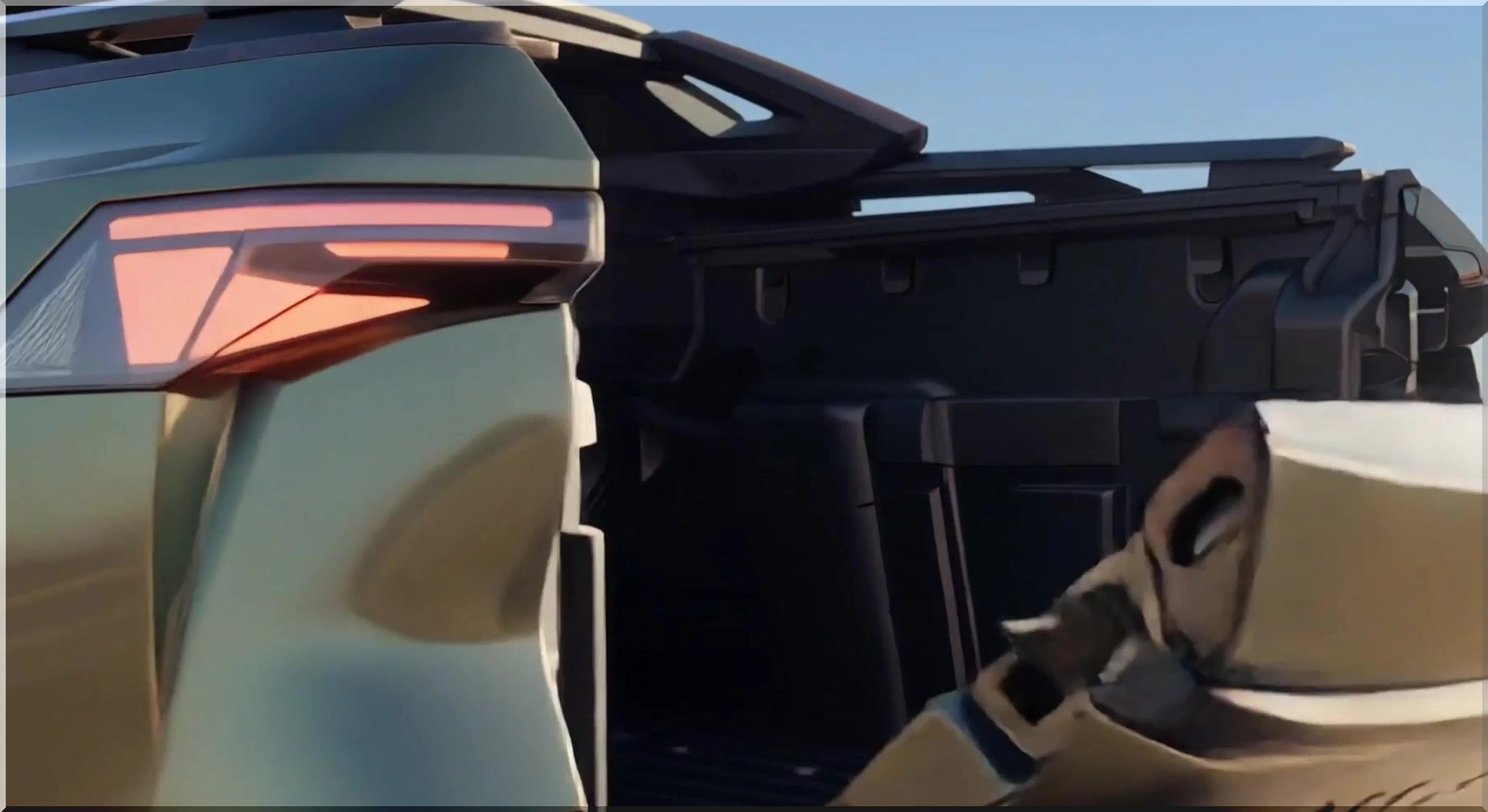
Renault shaped the Niagara concept with a high beltline, wide shoulders, pronounced skid-plate protection, and long-travel suspension. The concept also showed a roof rack, large wheels, short overhangs, and a cargo bed configured for adventure gear rather than only job-site loads.
The key utility points include:
- Double-cab pickup body for family and work use
- Hybrid 4x4 traction without a conventional rear driveshaft
- Long-travel suspension for rough roads
- Front underbody protection for poor-surface driving
- Cargo-bed flexibility for tools, luggage, and outdoor equipment
From an expert perspective, the production truck should keep the stance and basic proportions but tone down the concept details. Expect smaller wheels, more practical tire sidewalls, conventional lighting, and a bed designed around payload durability.
Why Renault Niagara Matters For U.S. Pickup Fans
The Renault Niagara pickup likely will not reach U.S. showrooms. That makes it forbidden-fruit material for American truck fans who track global pickups like the Fiat Toro, Ram Rampage, Toyota Hilux Champ, and Volkswagen Saveiro.
Still, Niagara gives U.S. readers a useful market signal. Compact trucks continue to grow because buyers want pickup utility without full-size truck cost, parking size, or fuel burn. In addition, hybrid pickup tech now points toward traction, not only MPG.
Pro-Tips For Pickup Buyers Watching Niagara
- Compare Niagara to Ford Maverick Hybrid for size and hybrid packaging logic.
- Compare Niagara to Fiat Toro for Latin American market intent.
- Watch tire size, ground clearance, payload, and rear suspension details when Renault reveals production specs.
- Check spare tire placement carefully, since compact pickups often trade underbody space for bed and hybrid hardware.
Is The Renault Niagara A Real Truck Or Just A Concept?
Yes, Renault has moved the Niagara name into a real production plan for Latin America. The show vehicle previewed the engineering direction, while the 2026 production model will turn that idea into a regional pickup built in Argentina.
Pricing remains unconfirmed. Power, torque, payload, towing capacity, fuel economy, bed volume, and final dimensions also remain undisclosed. But the strategic picture already looks clear: Renault Niagara will target buyers who want a practical pickup with SUV comfort, hybrid traction, and local-market toughness.
Image Gallery
- Add new comment
- 388 views