Home

Spare Wheel

Main navigation

  • Tires
  • Cars
  • SUVs
  • Pickups
  • Bikes
User account menu
  • Contact

Breadcrumb

  1. Home
  2. Tires & Wheels
  3. Tire care tips: the complete guide to pressure, rotation, tread wear, TPMS, and storage

Tire care tips: the complete guide to pressure, rotation, tread wear, TPMS, and storage

Tire care tips: the complete guide to pressure, rotation, tread wear, TPMS, and storage

Better tires mean safer stops, quieter rides, and fewer roadside surprises. This guide gives you practical, proven steps you can use today. Everything here follows standards from tire manufacturers and safety agencies, organized for quick scanning and better search visibility.

What you’ll learn

  • Set the right tire pressure and how temperature changes PSI
  • When and how to rotate tires for different drivetrains
  • How to measure tread depth and replace safely
  • TPMS light meanings and quick fixes
  • Donut spare tire speed and distance limits
  • How to read tire date codes and store tires properly

Tire pressure basics

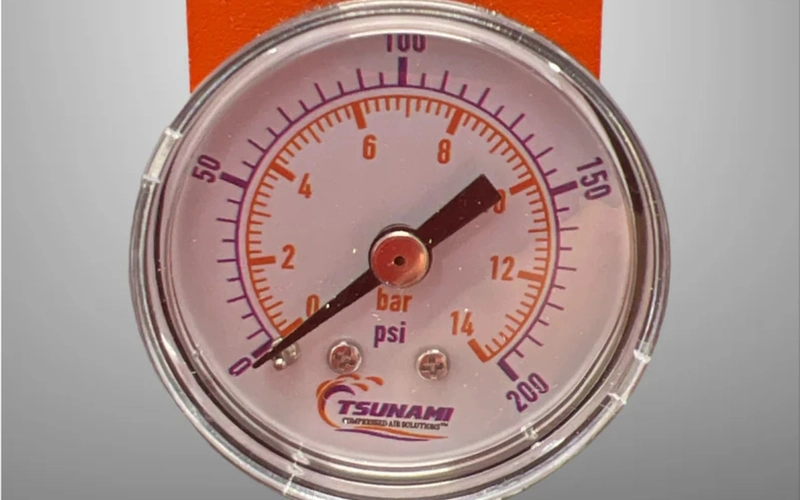
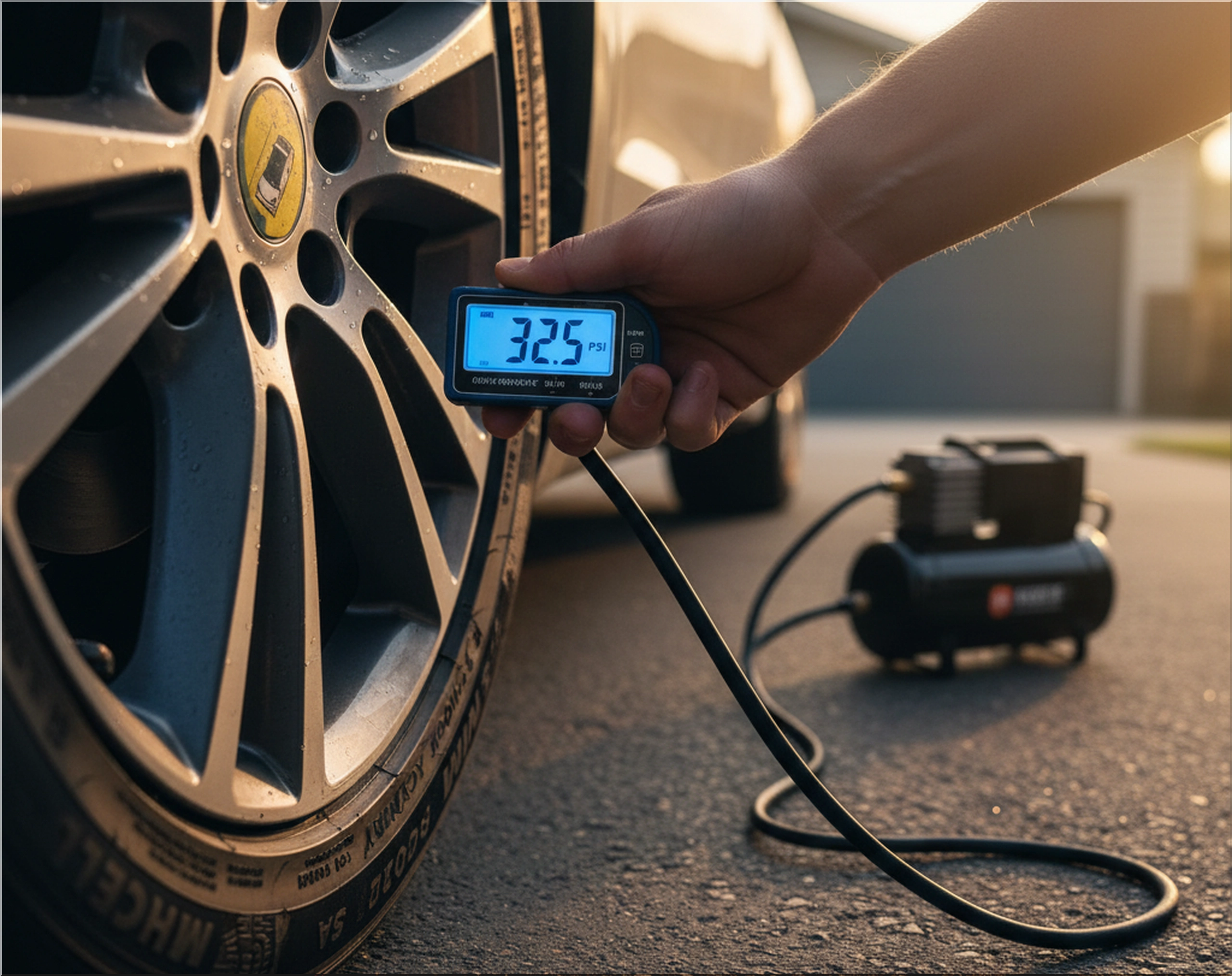
Use the placard, not the sidewall. The correct cold PSI is shown on the driver’s door placard or in your owner’s manual. Check at least once a month and before long trips or towing. Tires can lose 1–2 PSI per month naturally.

Temperature matters: pressure changes about 1–2 PSI for every 10°F (5–6°C) swing. Always check when tires are cold—parked for several hours or driven less than 3 km.

Image
Tire care tips

How to check tire pressure

  1. Find the correct PSI on the door placard or owner’s manual.
  2. Use a reliable gauge to measure cold tires.
  3. Inflate or deflate to match the specified pressure.
  4. Recheck monthly and before road trips or heavy loads.

Why it matters: underinflation reduces fuel economy, braking, and tire life.

Tire rotation: when, why, and patterns

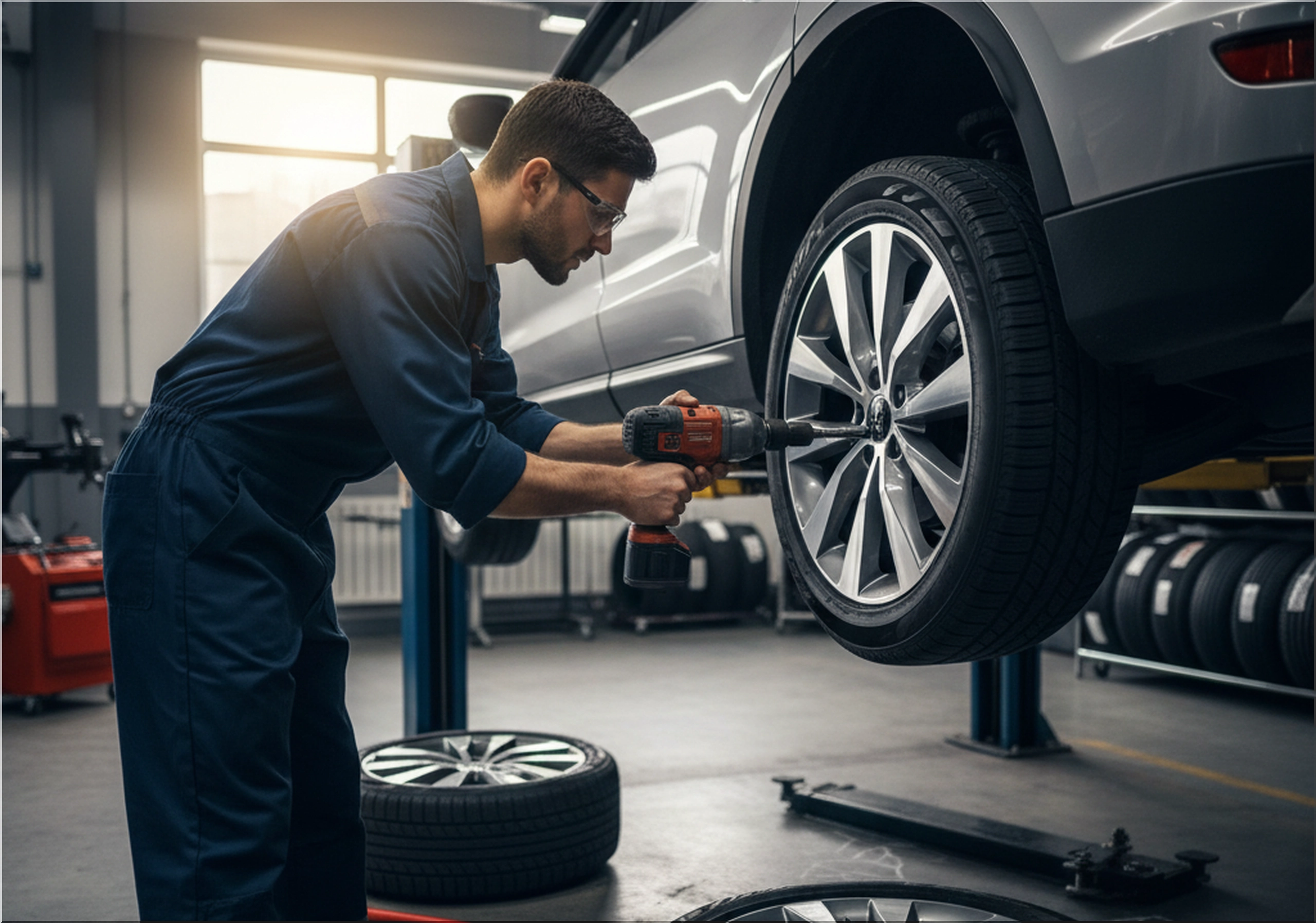
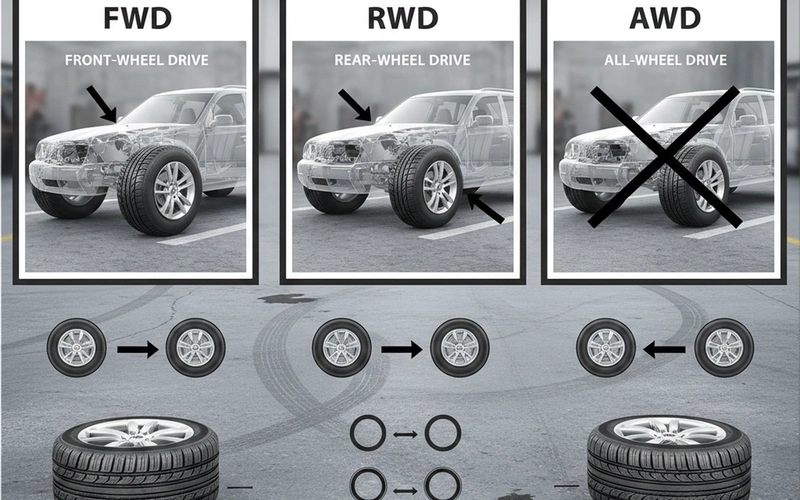
Front and rear tires wear differently. Rotating tires distributes wear evenly, improves handling, and helps you replace all tires as a set. Rotate about every 5,000–8,000 miles (8,000–13,000 km) or as your owner’s manual suggests.

For same-size, non-directional tires, use cross patterns. For directional or staggered setups, rotate front-to-rear on each side. Rebalance if vibration occurs.

Tread wear and safety

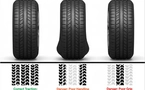
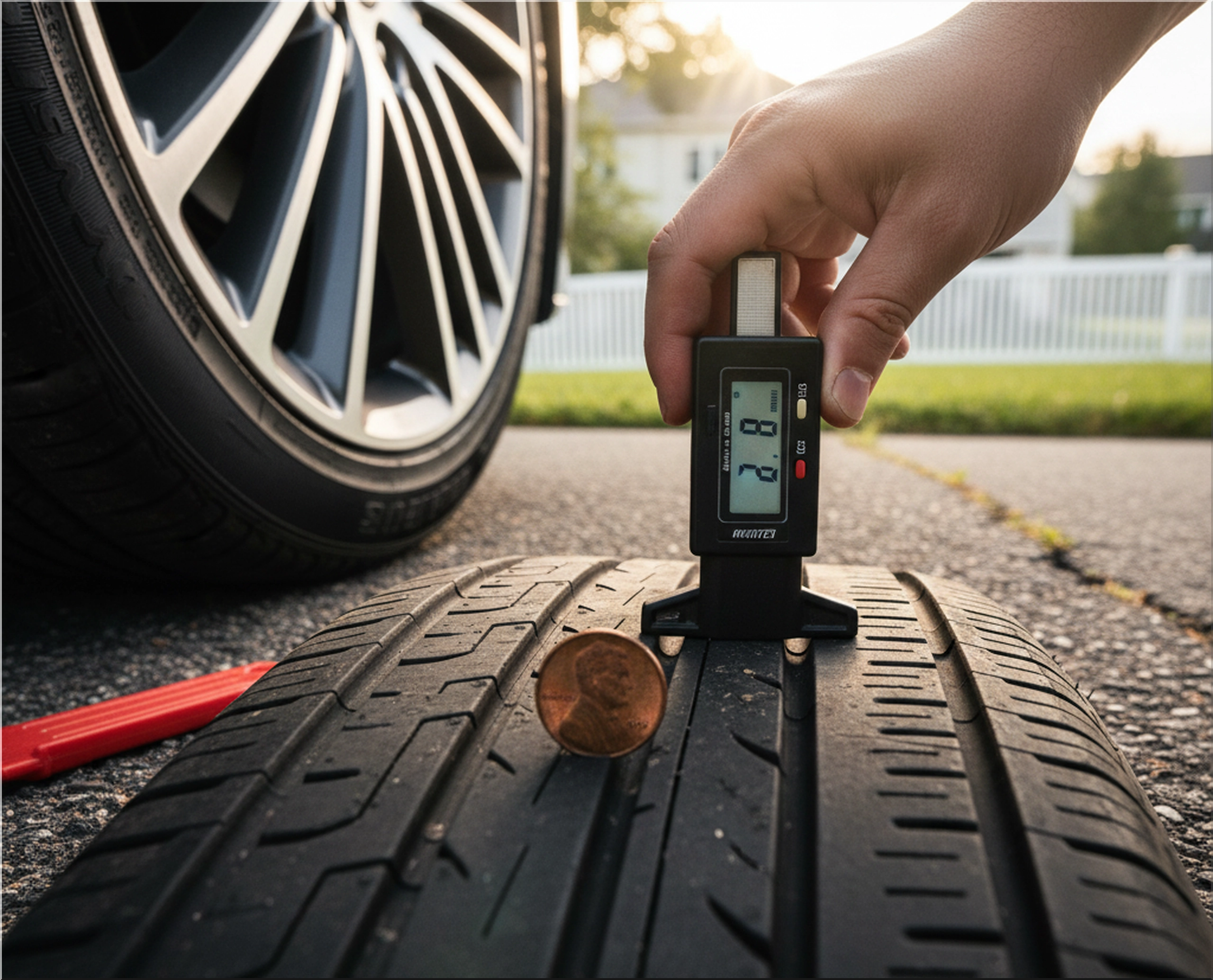
Legal minimum: 1.6 mm across the center three-quarters of the tread (or 2/32 inch). Replace sooner for safety.

Recommended replacement: around 4/32 inch (3.2 mm) for rain and 5/32 inch (4 mm) for snow driving.

Image
Tire care tips

How to measure tread depth

  1. Use a tread depth gauge for accuracy.
  2. Check multiple grooves and record the lowest reading.
  3. Inspect wear bars; when they’re level with the tread, it’s time to replace.

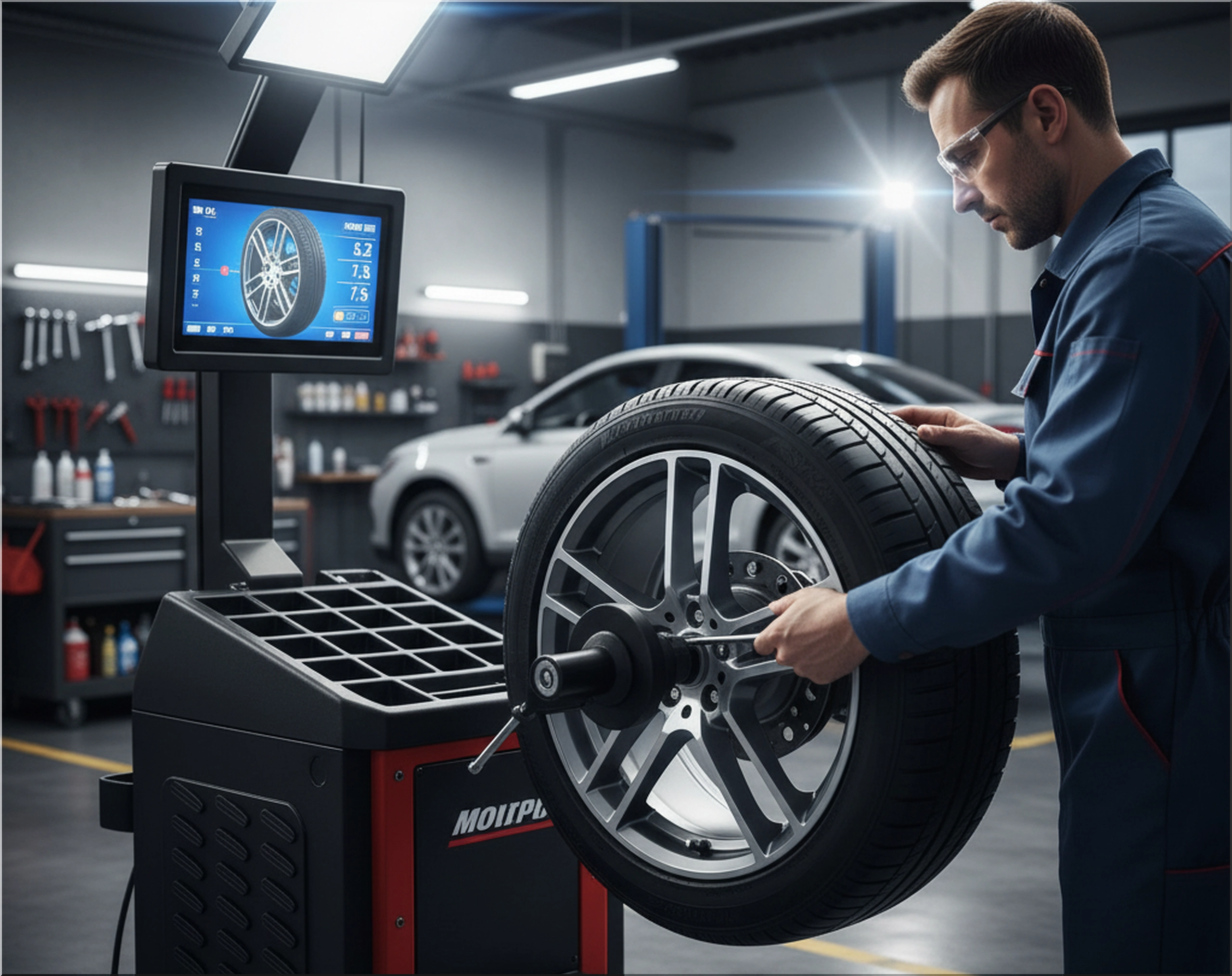
Alignment vs balancing

  • Balancing fixes vibrations at certain speeds. Balance whenever new tires are installed.
  • Alignment corrects pulling or uneven wear. If your car drifts on a straight road, get an alignment check.

TPMS decoded

  • Solid light: one or more tires are under- or overinflated—check pressures immediately.
  • Blinking then solid: system fault—have TPMS sensors serviced.

TPMS lights usually trigger at about 25% below recommended pressure. Always confirm with a manual gauge.

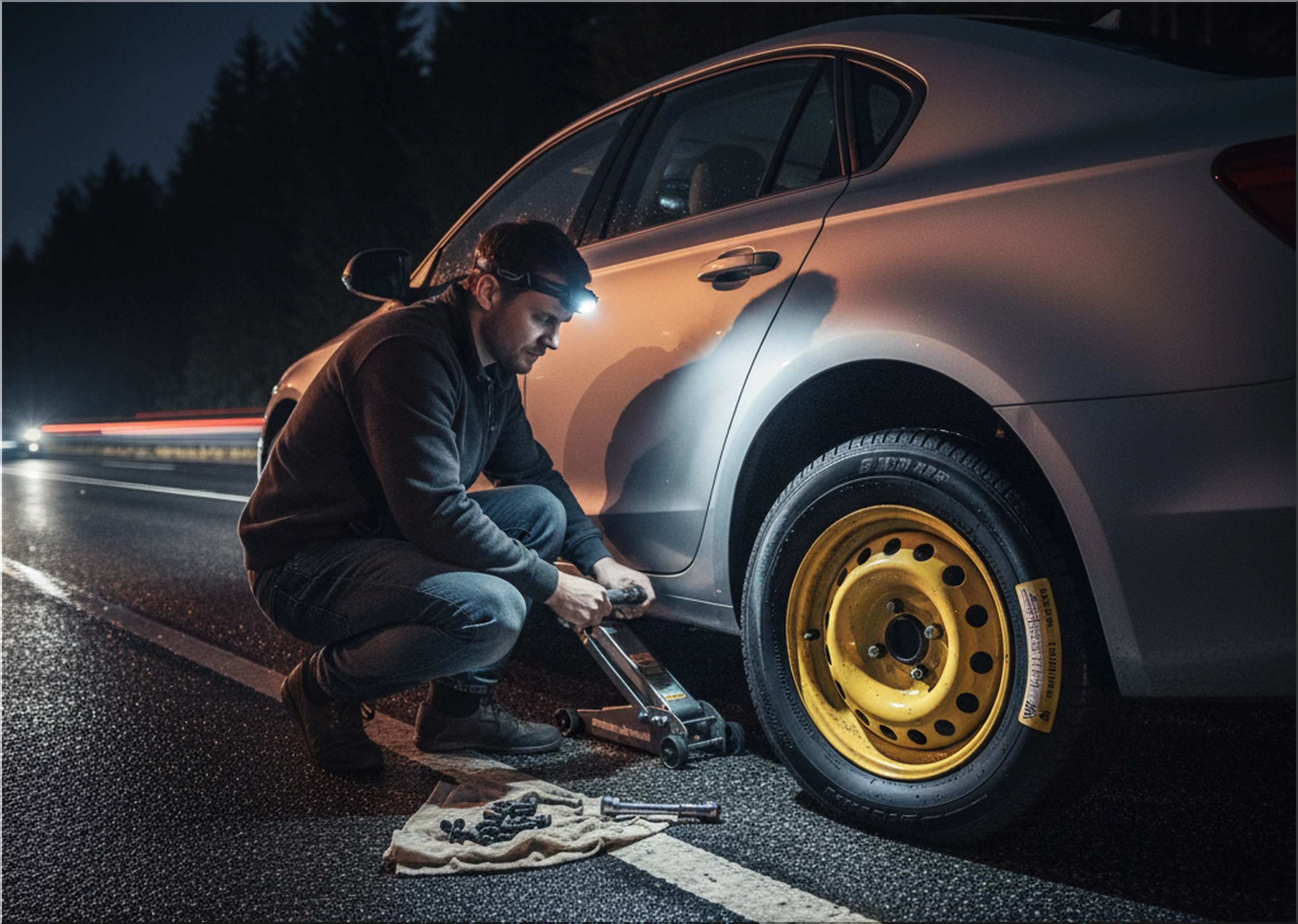
Donut spare tire rules

  • Max speed: about 50 mph (80 km/h)
  • Max distance: around 50 miles (80 km)
  • Inflation: many compact spares require 60 PSI—check before emergencies.

Tire age and DOT date code

The DOT code ends with four digits showing week and year (e.g., 0321 = 3rd week of 2021). Check one sidewall; it may appear only once per tire.

Inspect tires yearly after five years and replace at 6–10 years regardless of tread depth, including spares.

Image
Tire care tips

Seasonal tire care

  • Cold weather: adjust PSI as temperatures drop; consider winter tires if needed.
  • Spring/summer: mark tire positions when removing, clean before storage, and rotate when reinstalling.

Tire storage

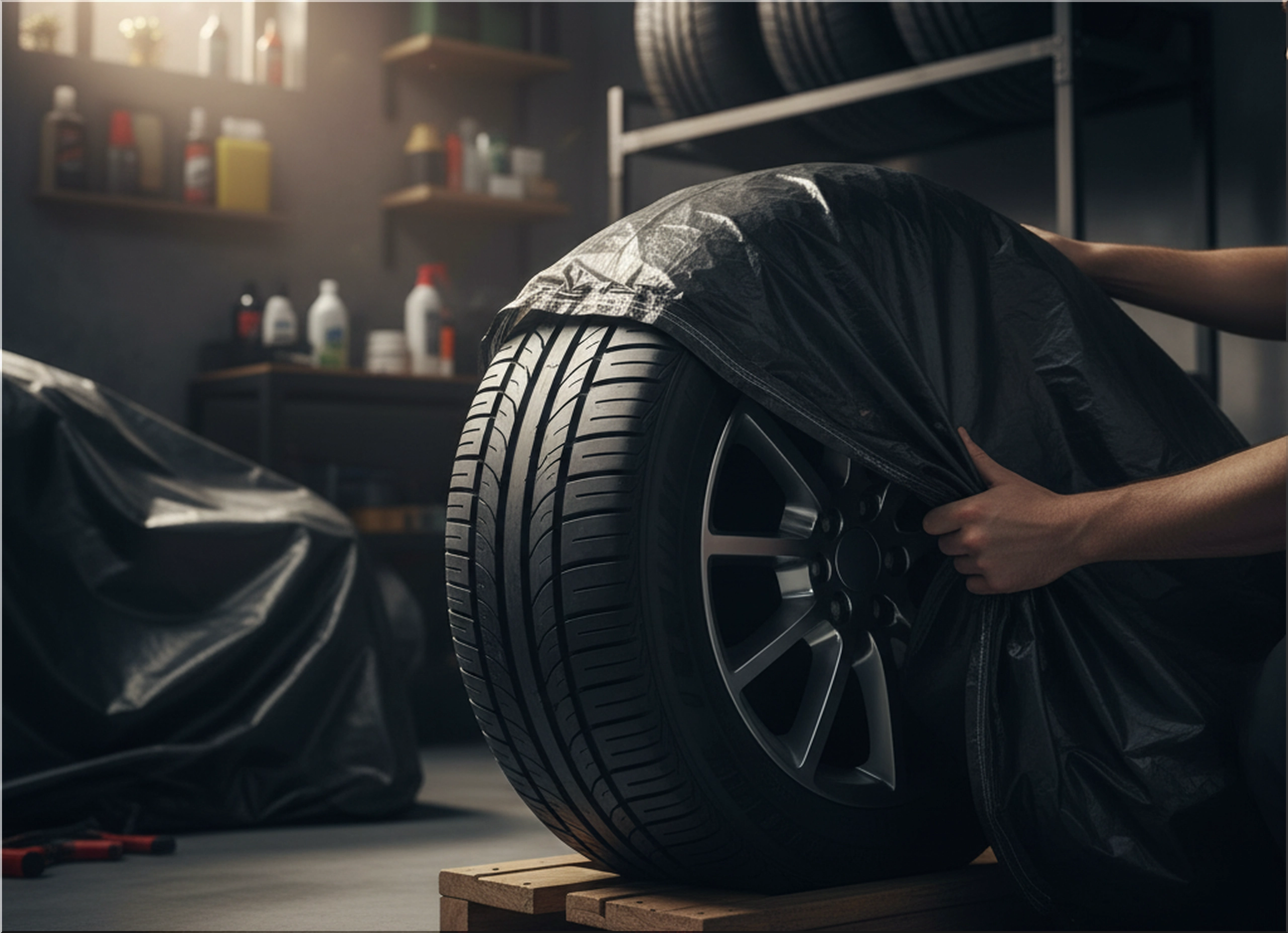
  • Store indoors in a cool, dry, shaded place away from ozone and chemicals.
  • Clean and dry tires before storage; bag to reduce ozone exposure.
  • On rims: store stacked or hanging. Off rims: store upright and rotate positions occasionally.

Monthly and seasonal checklists

Monthly: check tire pressure (including spare), tread condition, and visible damage.

Every rotation: measure tread depth, inspect wear patterns, rebalance, and check alignment.

FAQs

How often should I check tire pressure?
Check monthly and before long trips or heavy loads. Measure when tires are cold.

What PSI should I use?
Always follow the vehicle placard or owner’s manual, not the sidewall maximum.

When should I replace tires for rain or snow?
Replace at 4/32 inch for rain and 5/32 inch for snow to maintain traction.

What does a blinking TPMS light mean?
It signals a system fault. Check pressures and service the TPMS if needed.

How fast can I drive on a donut spare?
Up to 50 mph (80 km/h) for about 50 miles (80 km), unless otherwise stated on the tire label.

Do tires expire even with good tread?
Yes. Replace after 6–10 years, including spares, even if tread looks fine.

Always follow your vehicle manufacturer’s specifications and consult a qualified technician for maintenance or repair.

Image Gallery
Tire care tips
Tire care tips

Categories

  • Tires & Wheels

Brand

  • Michelin
  • Bridgestone
  • Continental
  • Goodyear
  • Dunlop
  • Pirelli
  • Hankook
  • Yokohama

Labels

  • Tire care tips
  • Tire pressure guide
  • Tread depth gauge
  • Tire rotation patterns
  • TPMS light
  • Spare tire rules
  • Tire storage
  • DOT code
  • Tire age
  • 168 views

By Spare Wheel, 7 November, 2025

Similar stories

How to check tire pressure correctly in winter and summer (PSI vs temperature)

How to check tire pressure correctly in winter and summer (PSI vs temperature)

check tire pressure correctly
  • Tires & Wheels
  • Tire pressure guide

Checking tire pressure is a simple yet critical maintenance step that ensures safety, performance, and fuel efficiency. Seasonal temperature swings can dramatically change tire pressure. Here’...

Tire rotation patterns: FWD, RWD, AWD, and staggered fitments explained

Tire rotation patterns: FWD, RWD, AWD, and staggered fitments explained

Tire rotation patterns: FWD, RWD, AWD
  • Tires & Wheels
  • Tire rotation patterns

Tire rotation keeps your tires wearing evenly, improving traction, braking, and tire lifespan. The correct rotation pattern depends on your vehicle’s drivetrain and whether your tires are directional...

Donut spare tire: maximum speed & distance by automaker

Donut spare tire: maximum speed & distance by automaker

Donut spare tire
  • Tires & Wheels
  • Donut spare tire

That small “donut” spare in your trunk is meant to get you home, not to finish your road trip. Most temporary spares have strict limits for speed and distance — ignore them, and you risk blowouts, brake imbalance, or damage to...

Curb-rash on wheels: DIY repair guide and when to stop DIY

Curb-rash on wheels: DIY repair guide and when to stop DIY

Curb-rash on wheels
  • Tires & Wheels
  • How to fix curb rash

Curb rash is the parking-lot tattoo nobody asked for. One tight drive-thru, one raised curb, one distracted parallel park, and your clean alloy wheel now wears a silver scar around the rim....

Like us!

Spare Wheel

Popular news

Mercedes-Benz EQA 250

The new Mercedes-Benz EQA 250 compact SUV

Audi SQ5 TDI 2021 SUV

The new Audi SQ5 TDI with 341 hp and 48V mild-hybrid system

Mercedes-Benz GLS SUV

Mercedes-Benz GLS SUV - comfort and luxury at the highest level

CUPRA Formentor Plug-in e-HYBRID

The new Cupra Formentor Plug-in e-HYBRID with 245hp from 43,000 euros

The history of Lamborghini's V12-powered super sports cars

The history of Lamborghini's V12-powered super sports cars

Mazda Axela Sport

Mazda Axela Sport or Mazda3 hatchback

2021 Hyundai Kona Electric

The 2021 Hyundai Kona Electric - small electric SUV

Renault Arkana

Renault Arkana receives 5 stars from EuroNCAP

Volkswagen T-Roc compact crossover SUV

The new Volkswagen T-Roc from 23,800 euros

Volkswagen T-Cross

The new Volkswagen T-Cross is an urban SUV - price, specs

Pagination

  • Previous page
  • 6
  • Next page

Friends

»Car Division »Electric cars »Panorica

Latest news
Jeep Avenger 4xe North Face Edition

Jeep Avenger 4xe North Face Edition: Price, Features, and Analysis

Range Rover Sport SV Carbon

Range Rover Sport SV Carbon: Performance First, Carbon Always

Toyota Urban Cruiser EV

New Toyota Urban Cruiser EV Targets Affordable AWD EV Market

Porsche Sepia Brown

Porsche Sepia Brown: Rare Heritage Color Boosts Collector Prices

Toyota Grand Highlander Platinum

New Toyota Grand Highlander 2026: Family SUV with AWD and Tech

2026 Toyota Tundra: Smarter Towing, Bigger Tank, and Hybrid Power

2026 Toyota Tundra: Smarter Towing, Bigger Tank, and Hybrid Power

GMC Acadia Denali Ultimate Family SUV

All-New GMC Acadia Denali Ultimate Family SUV: Bigger and Smarter

Citroën C3 Aircross 7-Seater

Citroën C3 Aircross 7-Seater Launches: A Compact SUV Targeting Families with Real Needs

2026 Porsche Taycan Black Edition

2026 Porsche Taycan Black Edition: Price, Features, and Performance Insights

Renault Boreal SUV: Pricing, Features, and Market Strategy Revealed

Renault Boreal SUV: Pricing, Features, and Market Strategy Revealed

Pagination

  • Previous page
  • 6
  • Next page
BMW
Toyota
Mercedes-Benz
Ford
Audi
Volkswagen
Porsche
Nissan
Honda
Kia
Hyundai
Renault
Jeep
Chevrolet
Alfa Romeo
Mazda
Peugeot
Subaru
Volvo
Lexus
Lamborghini
Citroen
Aston Martin
Fiat
RSS feed
All-New 2026 Suzuki Jimny Review – Bigger Screen, Safety, Same Rugged DNA
Audi Q5 Sportback
Drive Pilot: The Revolutionary SAE Level 3 System by Mercedes-Benz for the U.S. Drivers
Audi SQ5 TDI 2021 SUV
Lamborghini Gallardo
Dacia Duster Pick-up truck
Alfa Romeo Spider
2024 Acura ZDX Type S SUV

  ·Contact   ·Privacy policy   ·Powered by Drupal