Black Edition Strategy Expands to Volvo's Flagship SUV
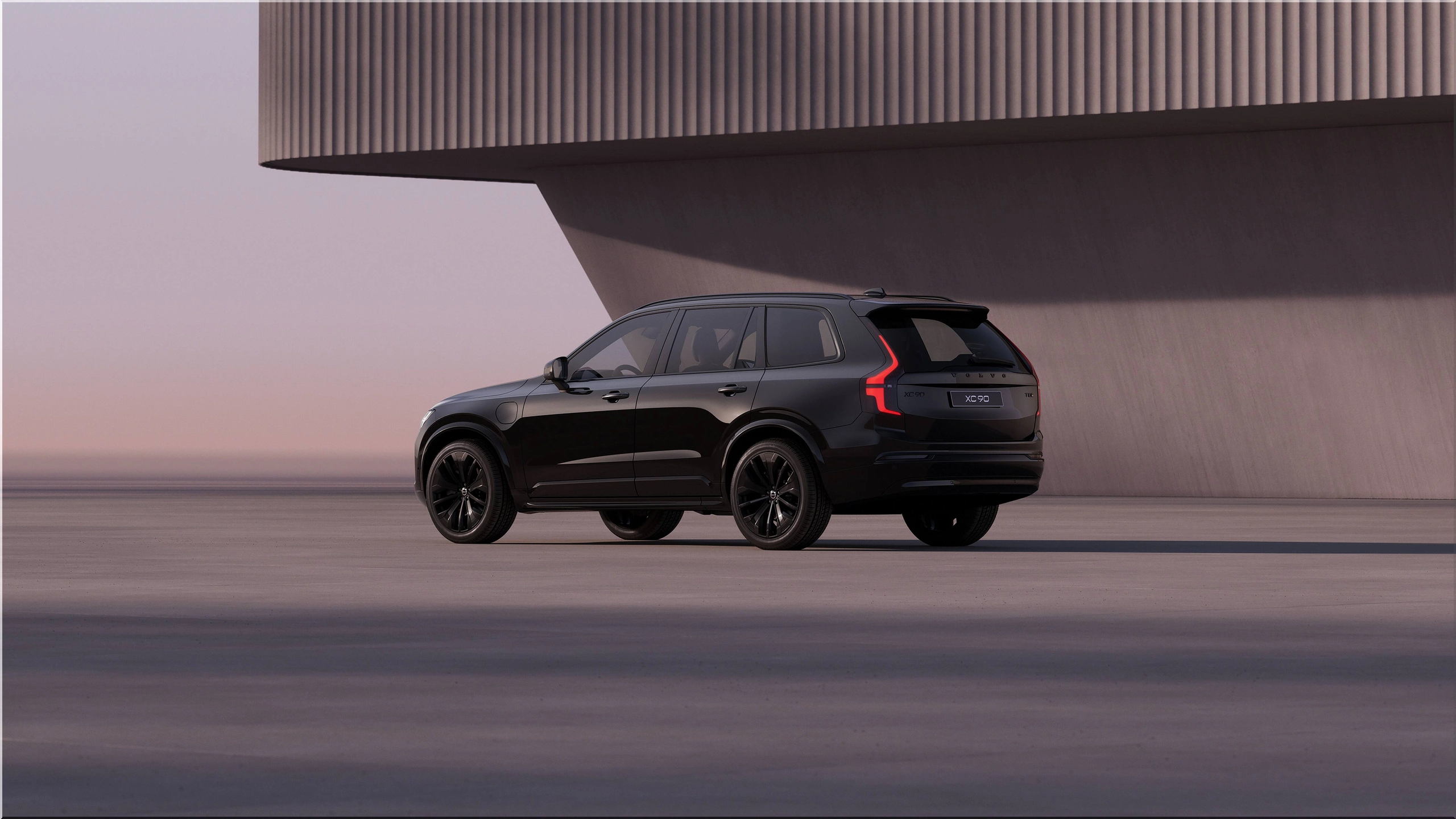
Volvo is expanding its Black Edition strategy to its largest and most profitable SUV, the XC90. The move responds to growing demand for premium trims with bold design cues and positions the brand to capture more revenue from its top-selling plug-in and mild hybrid lineup.

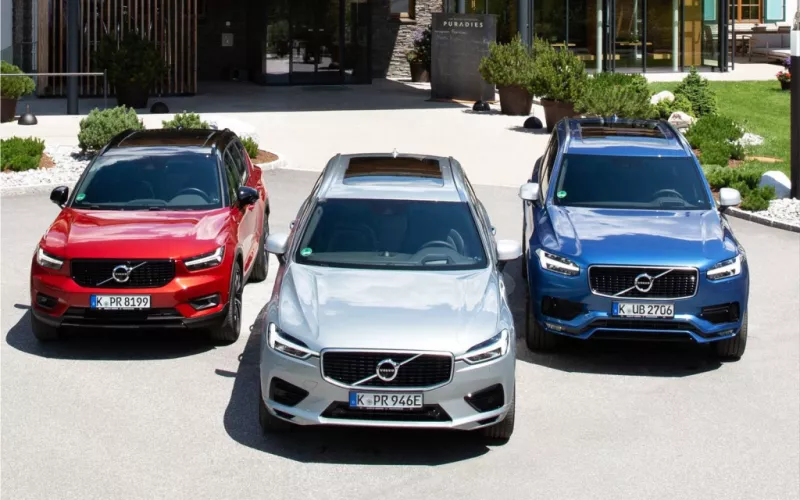
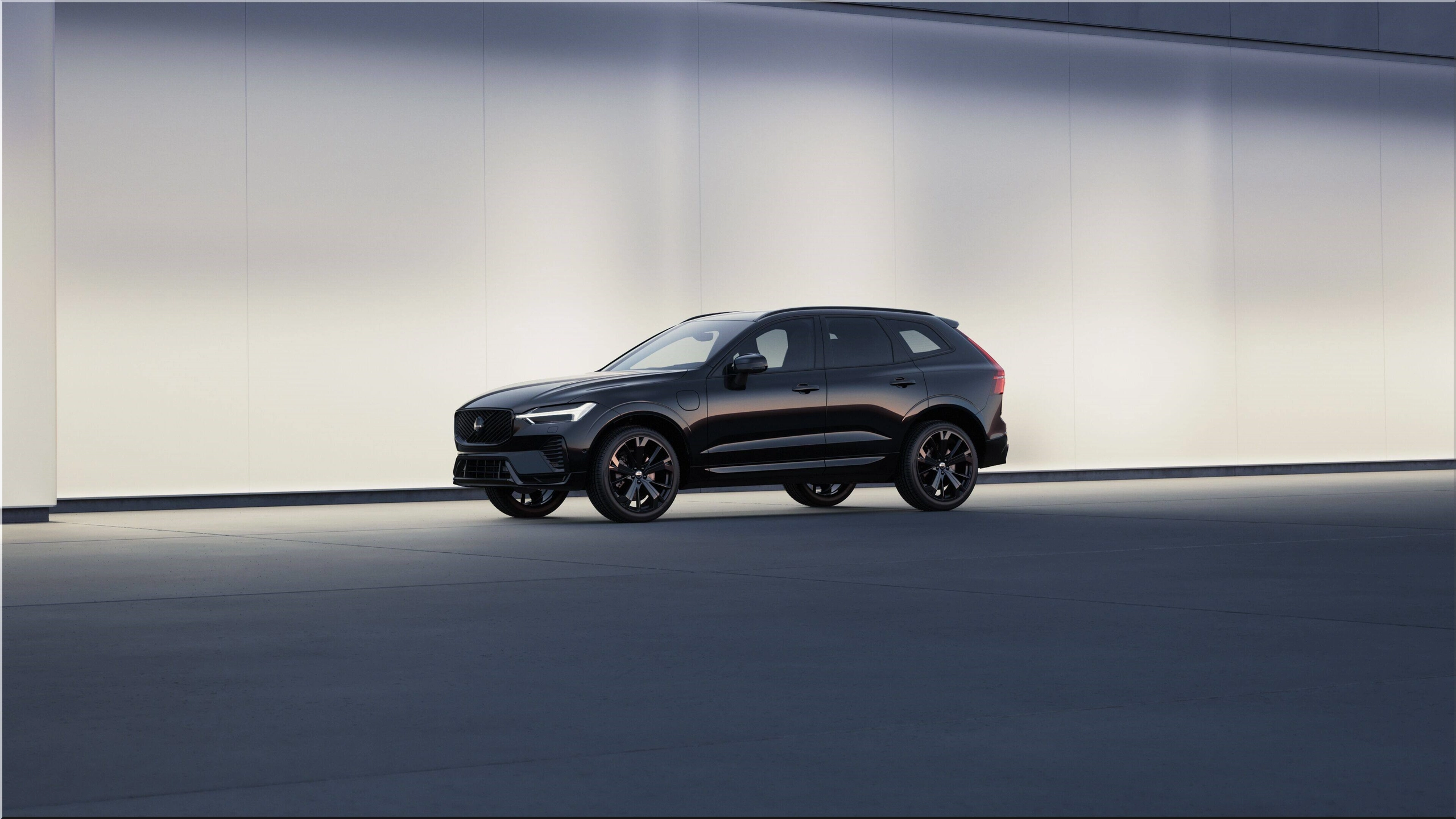
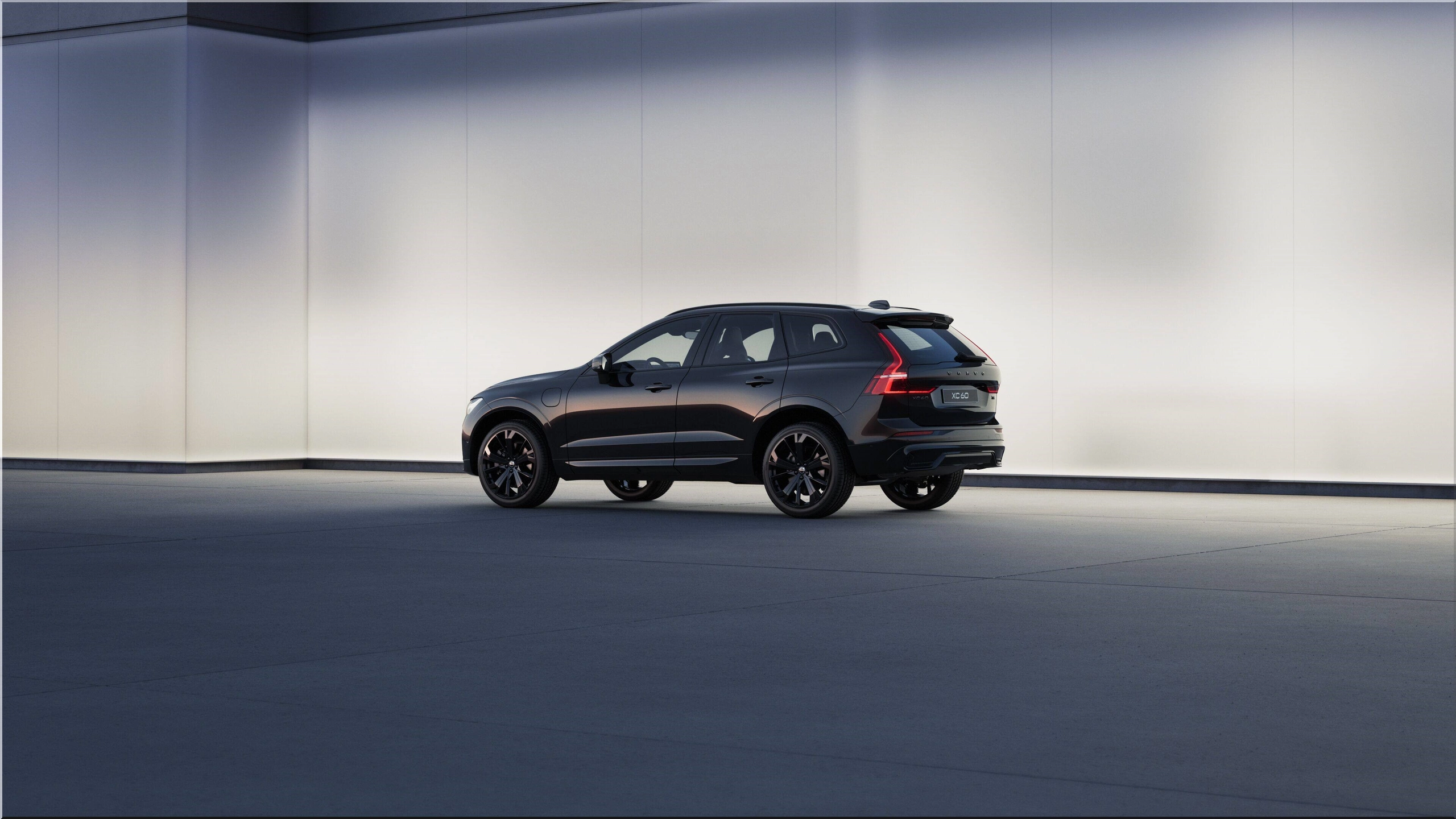
With the XC90 Black Edition now joining the XC60, EX40, EC40, and XC40, Volvo adds another high-margin configuration to its electrification-focused portfolio. It also previews a future EX30 Black Edition, signaling the brand’s intent to scale this design strategy across multiple segments.
Design Changes: Strategic Visual Updates for Premium Buyers
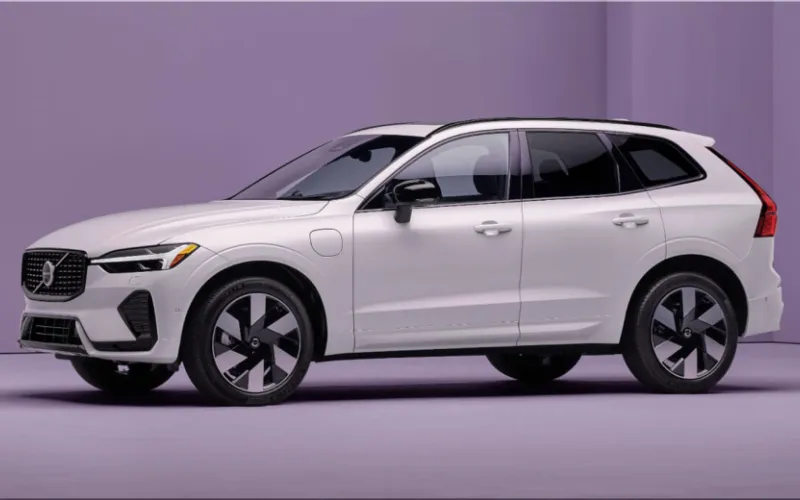
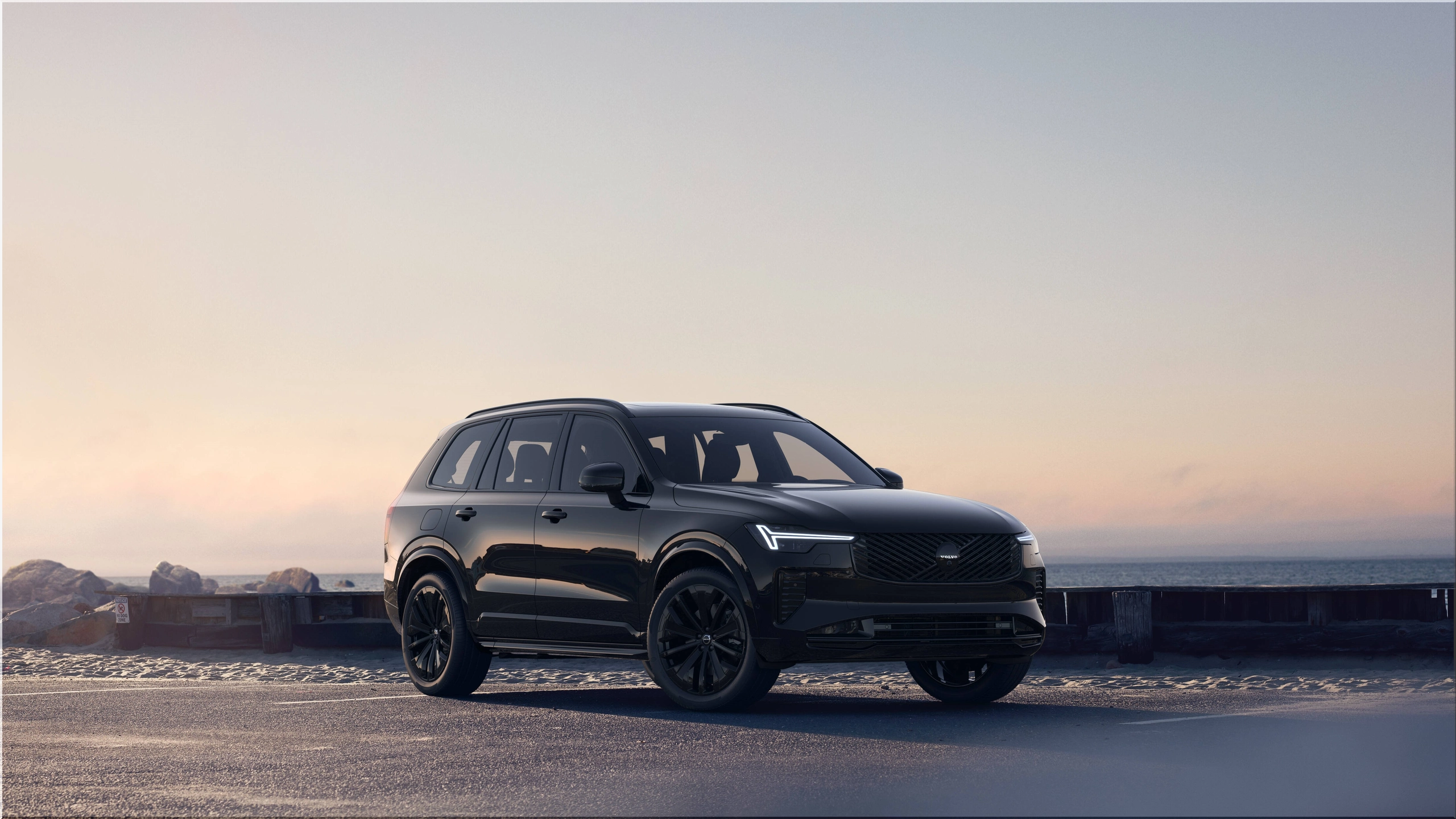
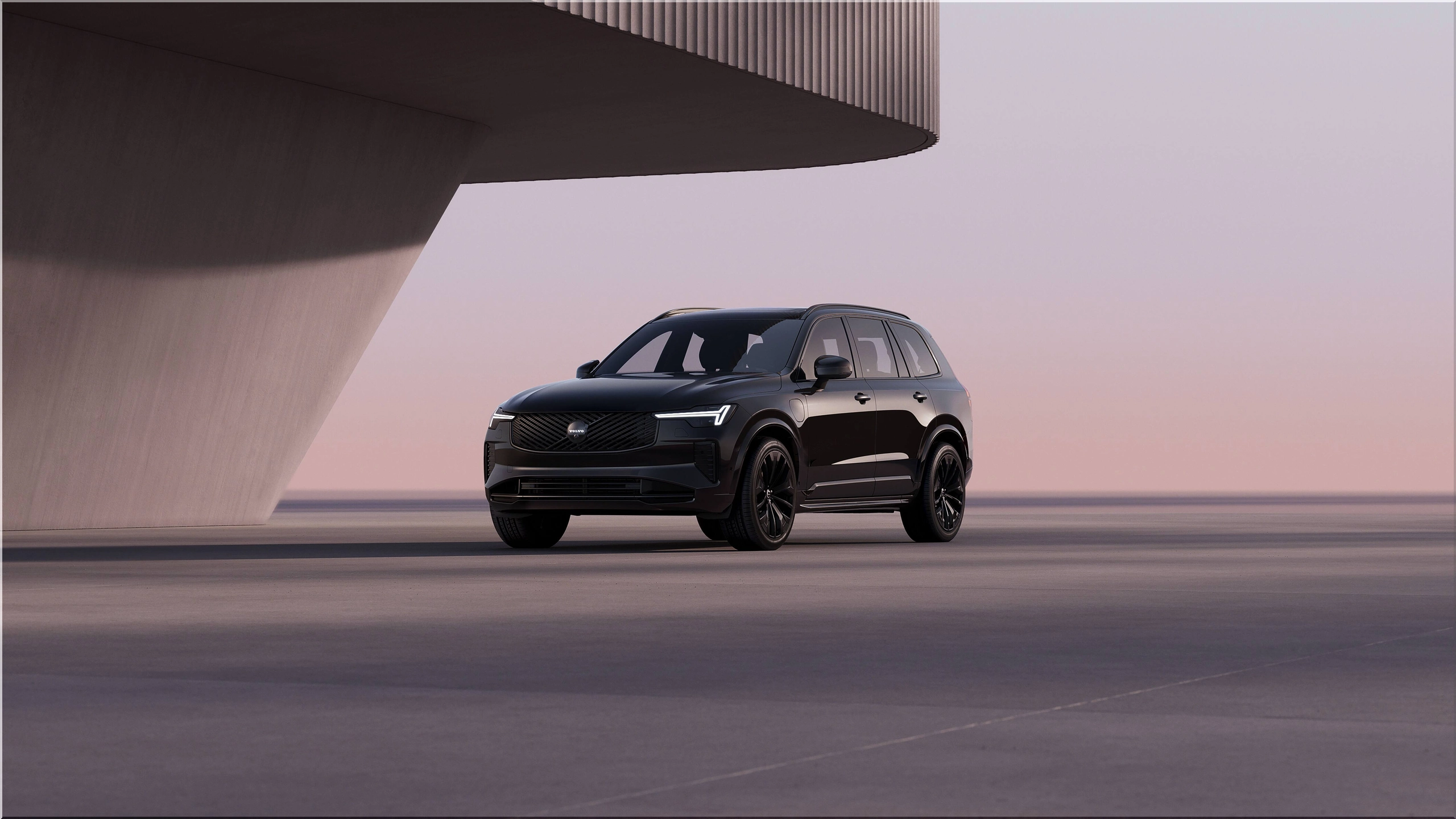
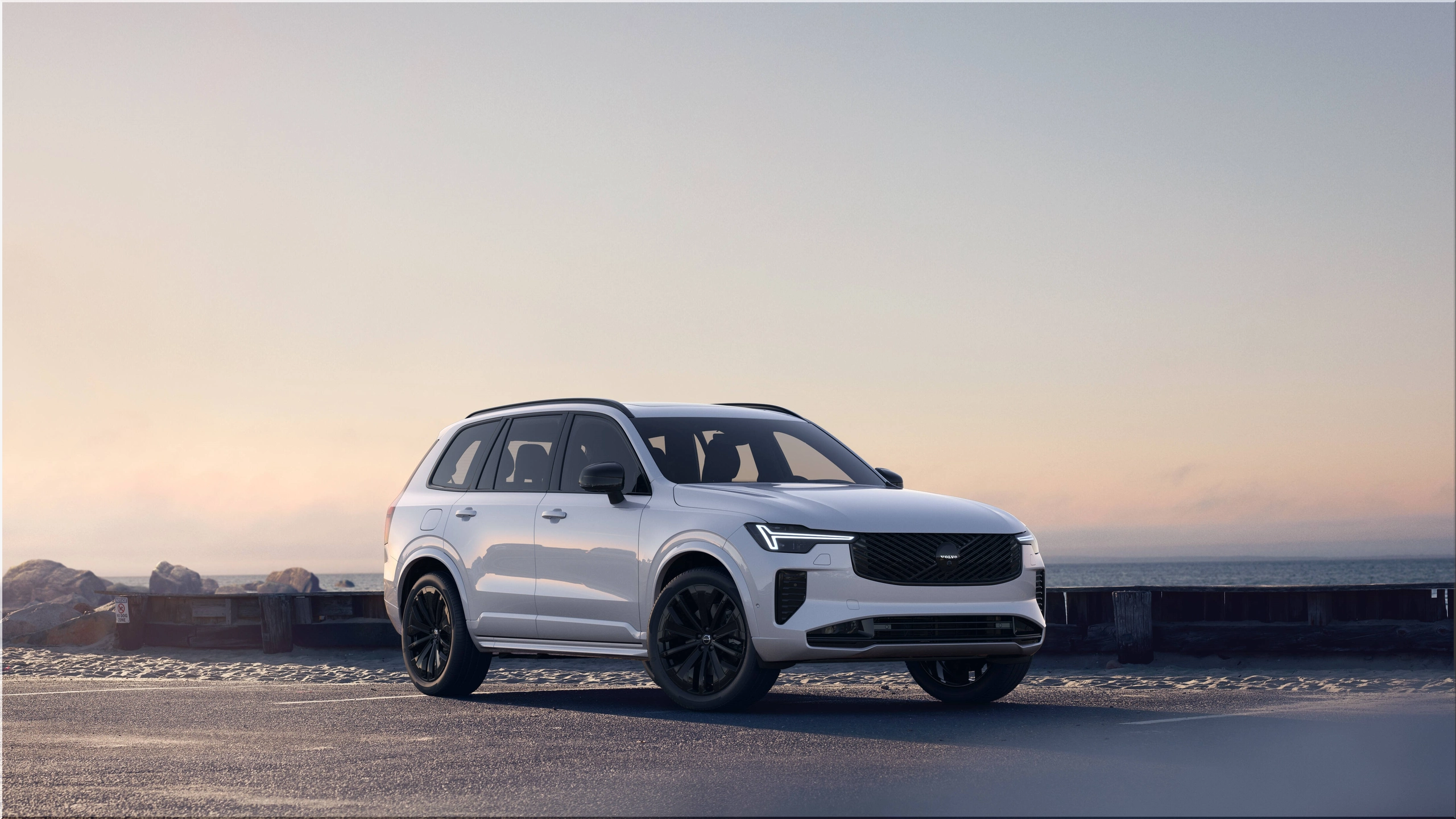
The Volvo XC90 Black Edition builds on the existing plug-in and mild hybrid models with targeted design updates aimed at buyers seeking exclusivity and visual impact.
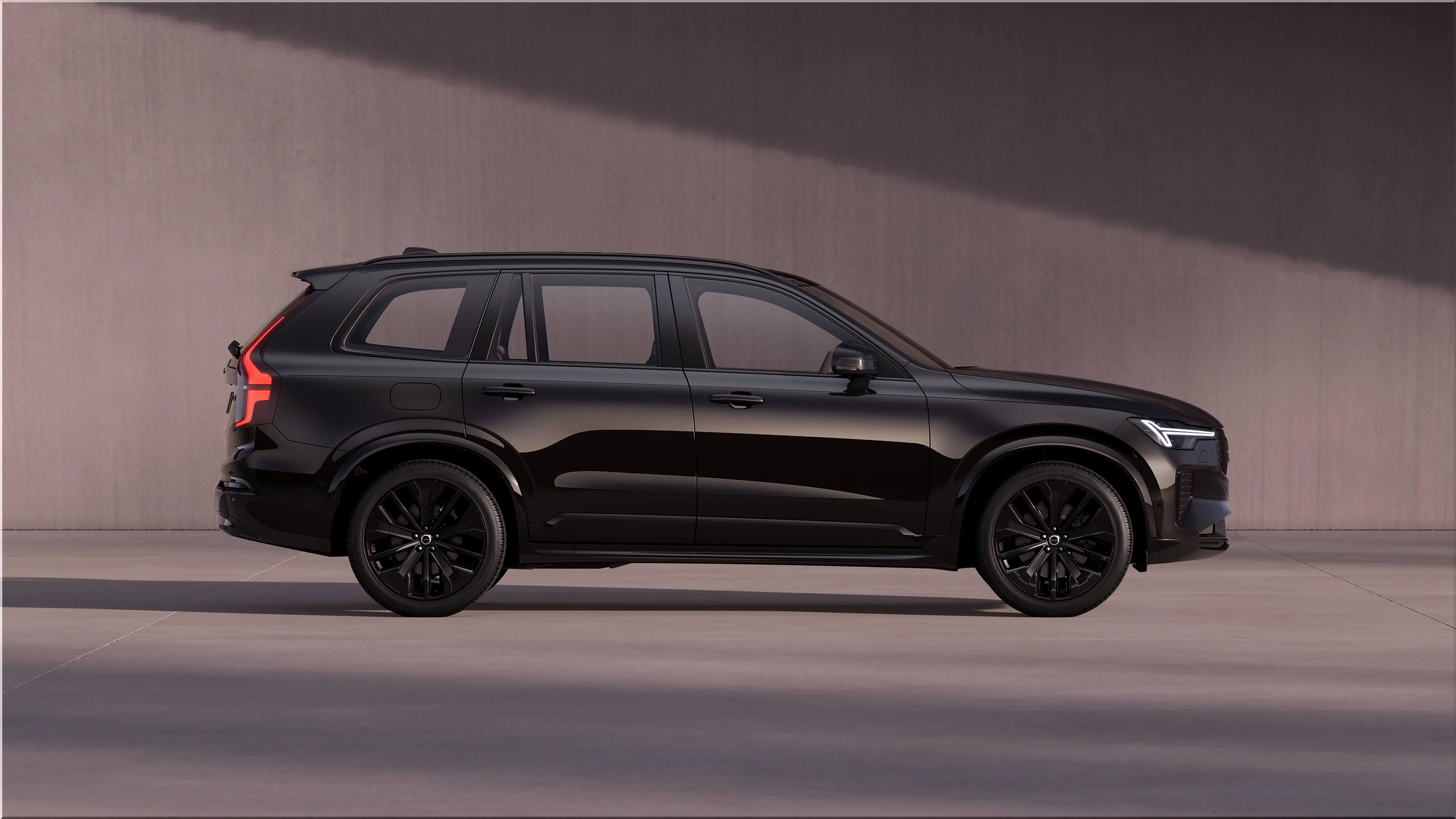
Key exterior features include:
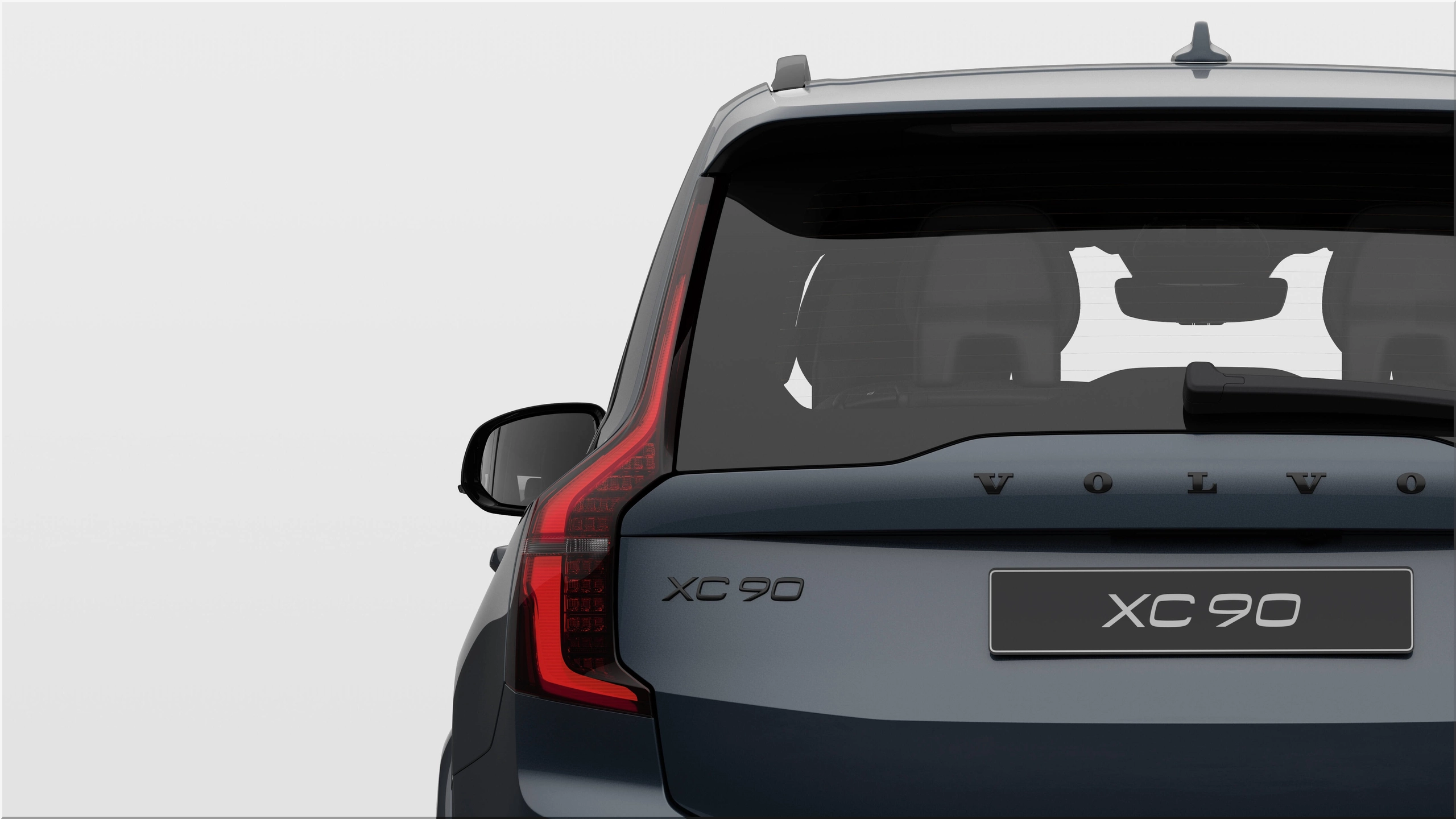
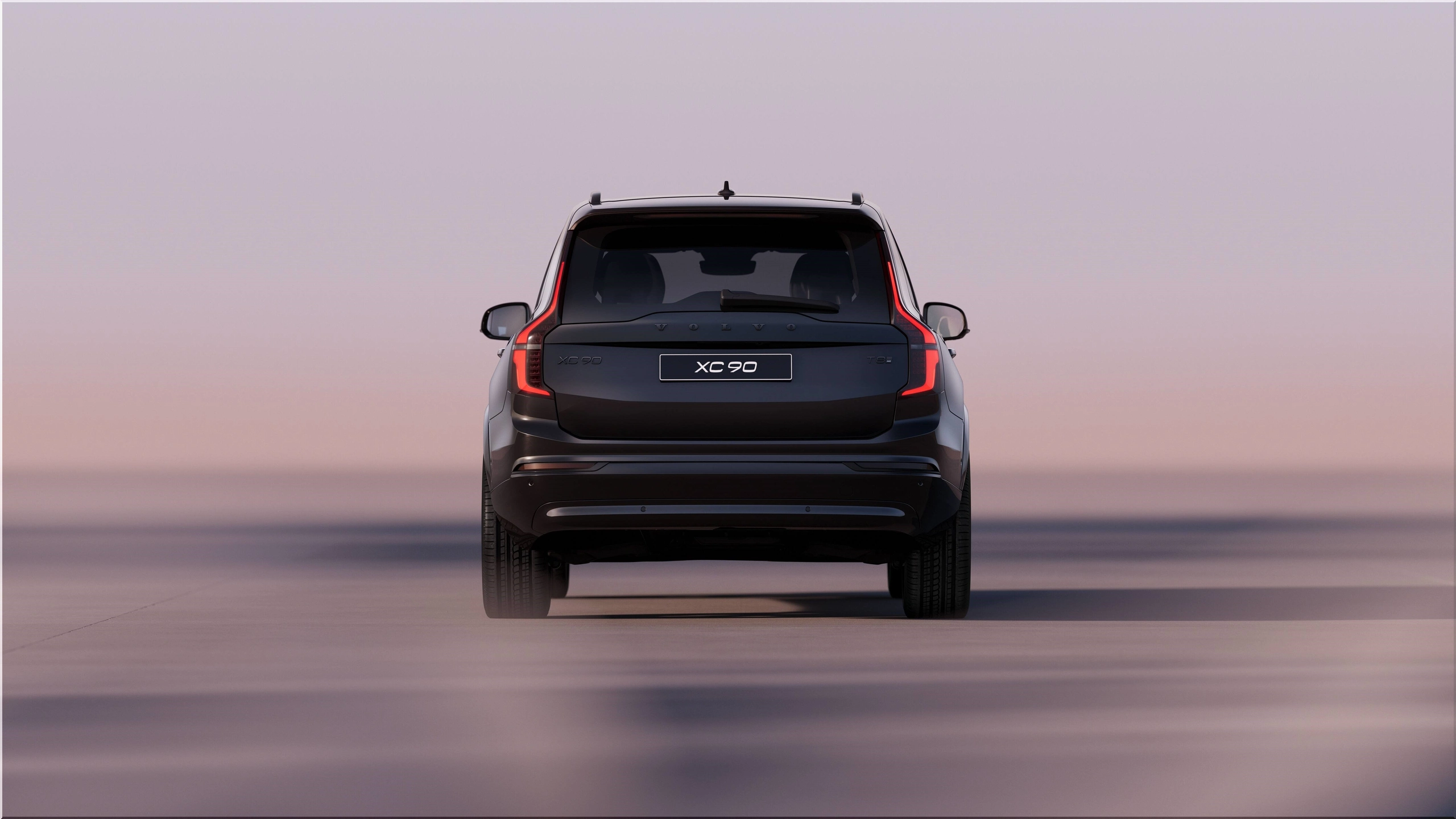
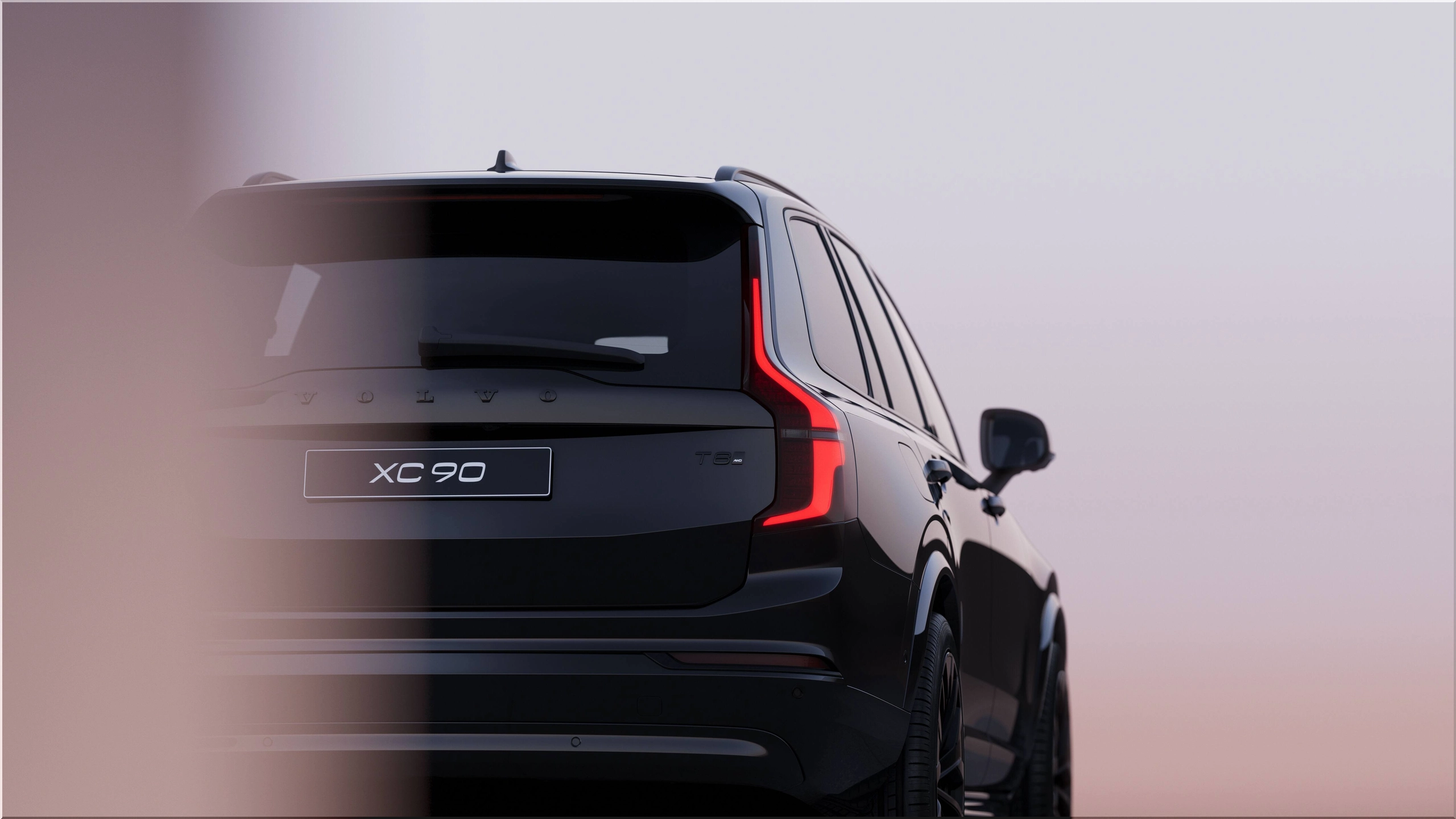
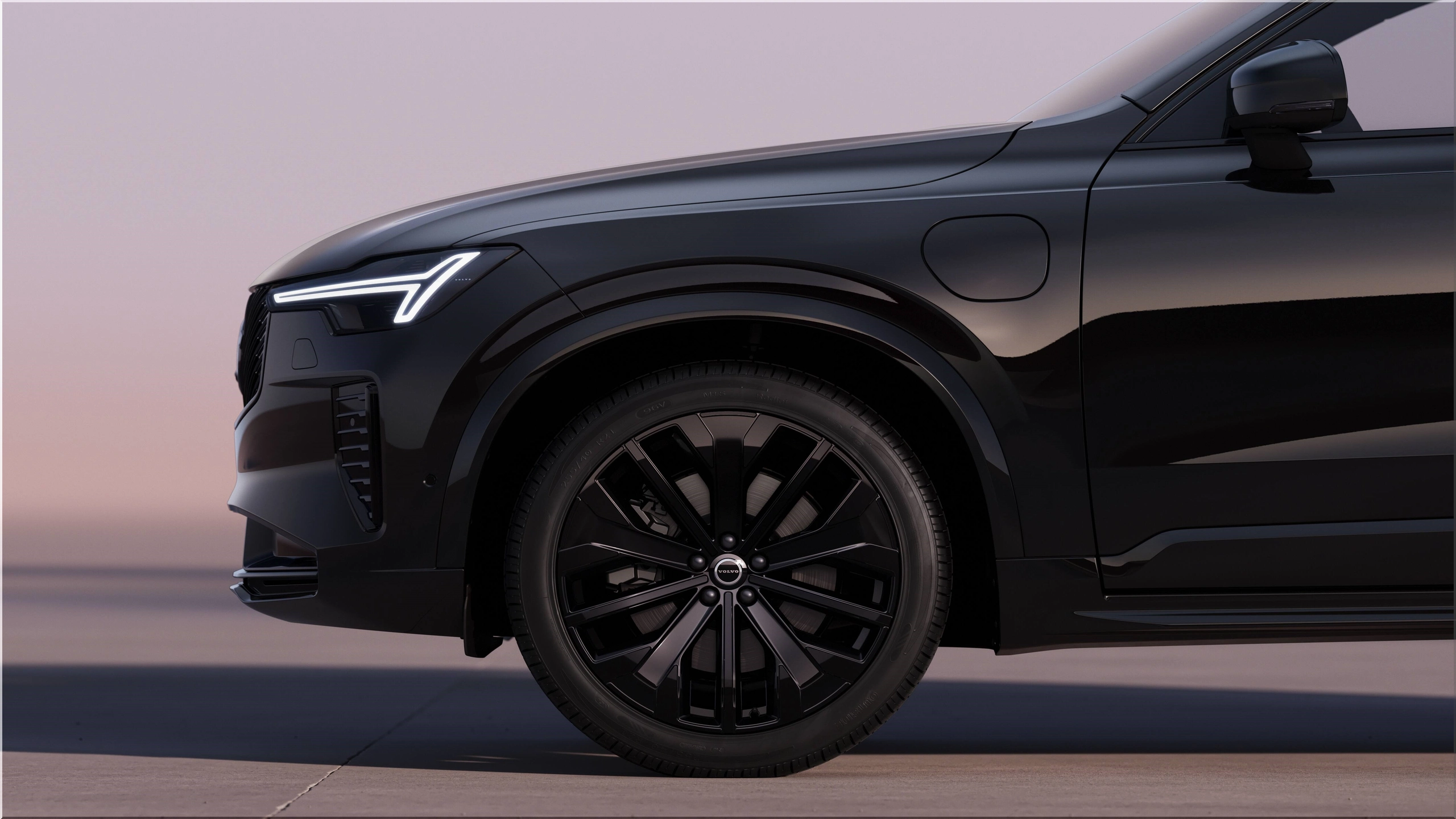
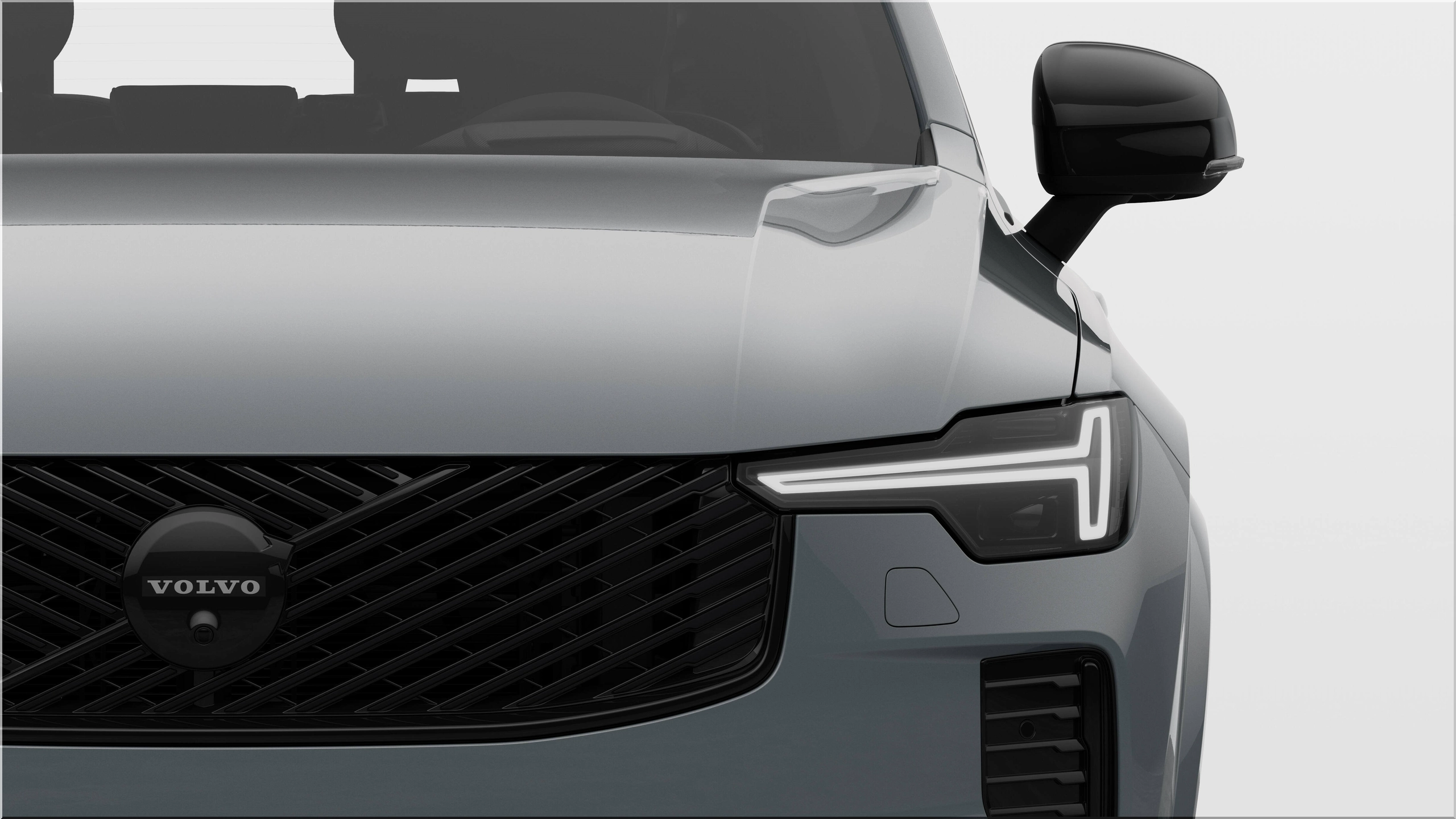
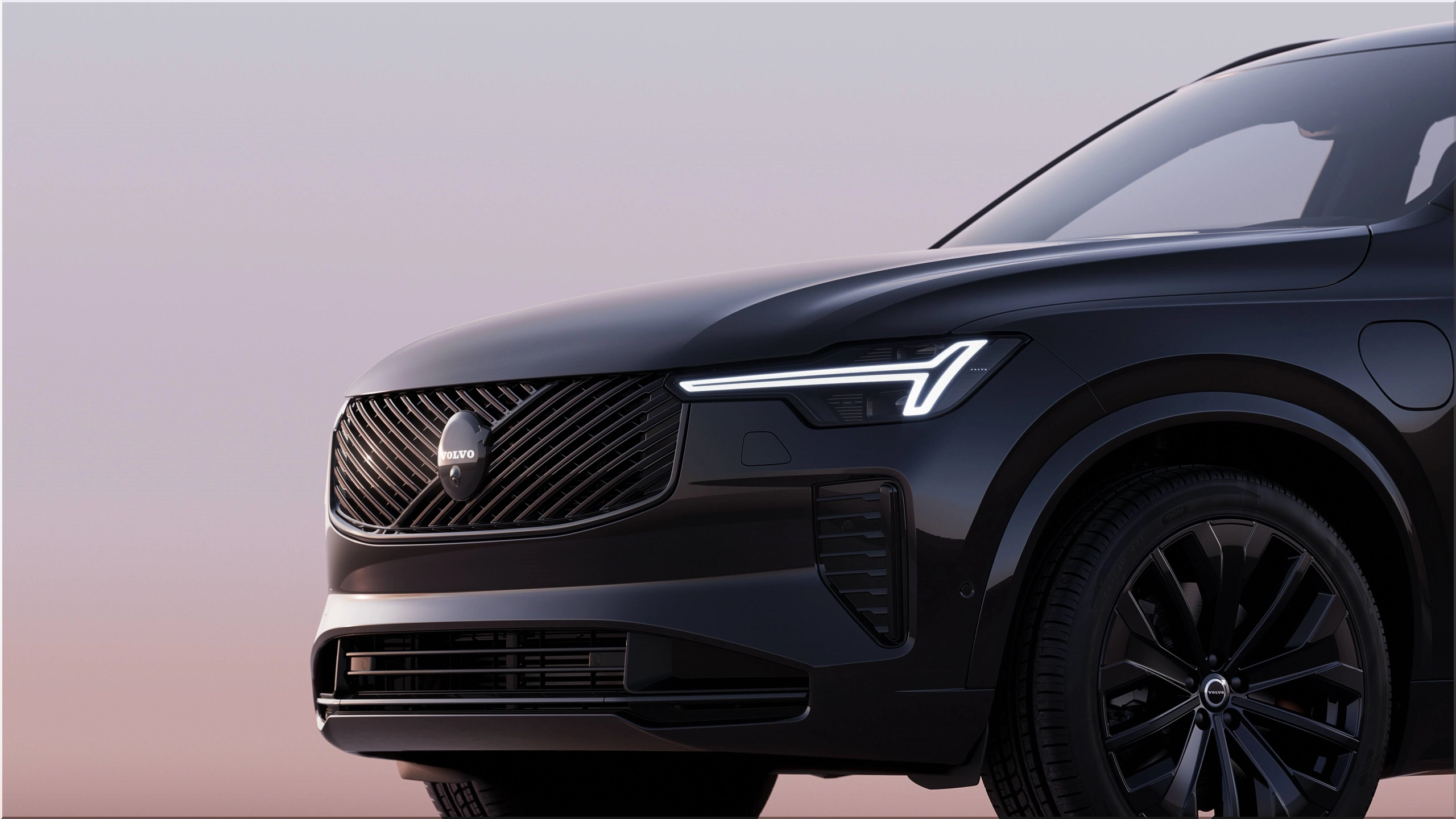
- Gloss black iron mark, grille, rear badges, and wheels.
- Four available exterior colors: Onyx Black, Crystal White, Denim Blue, and Vapour Grey.
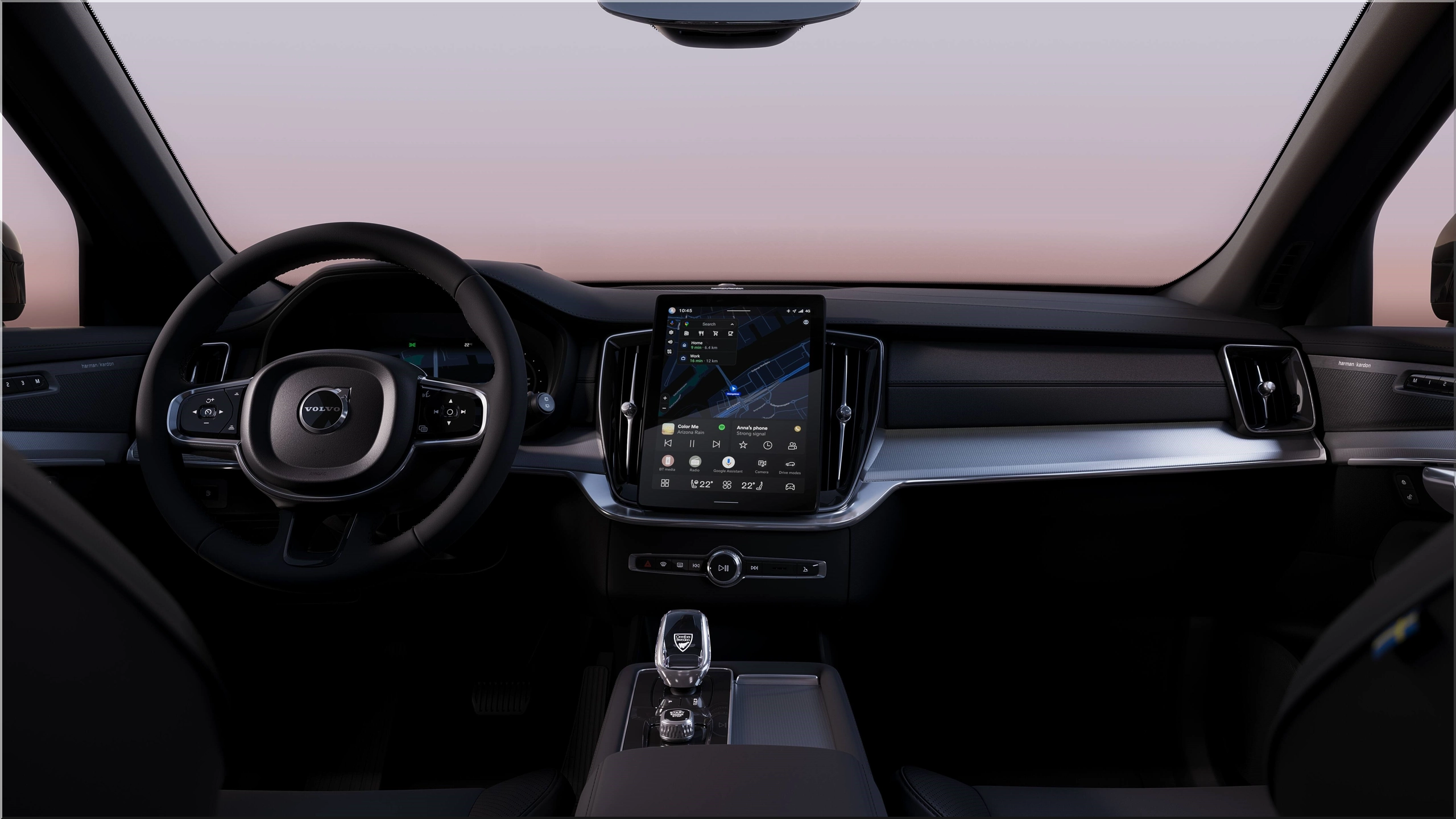
- Black-themed interior with two seat material options, charcoal headlining, and chequered aluminum trim.
These updates allow Volvo to compete more directly with premium variants from BMW, Mercedes-Benz, and Audi, which often use visual differentiation to justify price increases. The new colors also broaden customer appeal, addressing a limitation of earlier Black Edition models that were offered only in Onyx Black.
Electrification Strategy: Hybrids Remain a Key Transition Tool
The XC90 Black Edition is offered with both plug-in hybrid (PHEV) and mild hybrid (MHEV) powertrains, reflecting Volvo’s transitional approach to full electrification.
Volvo’s plug-in hybrids play a key role in the company’s electrification roadmap:
- They serve as a bridge to full EVs, offering electric range for daily driving with a combustion engine as backup.
- They provide a solution for customers without reliable charging access.
- They help Volvo meet fleet CO₂ targets while maintaining performance and range expectations.
By keeping plug-in options available, Volvo retains relevance in markets where EV adoption is still developing. This dual strategy also allows the automaker to smooth revenue volatility as it transitions away from combustion engines.
Safety: Maintaining a Core Volvo Advantage
Volvo’s safety leadership remains a core part of the XC90’s appeal. The Black Edition retains all of the model’s structural and active safety technology, including:
- An advanced safety cage designed to protect occupants in high-impact scenarios.
- A comprehensive suite of active safety systems, such as lane-keeping assist, collision avoidance, and adaptive cruise control.
This focus on safety helps Volvo maintain a premium price point and provides a competitive edge in a segment where family buyers often prioritize protection features.
Market Context: Premium Trims Boost Profitability and Brand Strength
The decision to extend the Black Edition badge to the XC90 is a calculated revenue play. Premium design variants can deliver significant profit margins compared with standard trims, often with minimal additional engineering costs.
Volvo’s broader lineup strategy reflects this focus:
- The XC90 joins four other models already offered as Black Editions.
- The planned EX30 Black Edition will bring the same formula to a smaller, potentially higher-volume EV segment.
This approach mirrors strategies used by competitors such as Audi’s S Line, BMW’s M Sport, and Mercedes’ AMG Line, which consistently outperform standard trims in take rates and profitability.
Volvo Financial Performance: Record Results Reinforce Strategic Choices
Volvo’s financial performance in 2024 underscores the effectiveness of its current strategy. The company reported:
- SEK 27 billion (~$2.4 billion USD) in core operating profit.
- SEK 400.2 billion (~$36.5 billion USD) in revenue.
- 763,389 vehicles sold globally — a company record.
These results provide the capital and confidence to expand premium trims and accelerate electrification efforts. The XC90 Black Edition fits this plan, targeting high-margin buyers while supporting the brand’s electrified future.
Competitive Position: How the XC90 Black Edition Fits into the SUV Market
The XC90 Black Edition positions Volvo to compete more aggressively in the premium plug-in SUV segment. Key rivals include:
| Model | Powertrain | Starting Price (USD) | EV Range (PHEV) | Unique Features |
|---|---|---|---|---|
| Volvo XC90 Black Edition | PHEV / MHEV | ~$72,000 | ~35 miles | Gloss black design, advanced safety |
| BMW X5 xDrive50e | PHEV | ~$73,000 | ~40 miles | Performance-oriented dynamics |
| Mercedes GLE 450e | PHEV | ~$75,000 | ~38 miles | High-tech interior, strong towing |
| Audi Q7 55 TFSI e | PHEV | ~$74,000 | ~34 miles | Balanced ride, tech-focused cabin |
Volvo’s approach prioritizes design differentiation, safety technology, and electrified versatility over outright performance. That strategy aligns with the preferences of its core customer base, which values safety, comfort, and understated luxury over sport-oriented driving dynamics.
Future Outlook: Electrification and Expansion Plans
The addition of the XC90 Black Edition is part of a broader expansion plan that will see more Volvo models offered with this trim. The forthcoming EX30 Black Edition will likely play a major role in extending the strategy to a more affordable, high-volume EV.
Volvo’s goal of becoming fully electric by 2030 remains central to this effort. Black Edition variants serve as a strategic tool to maintain strong sales and margins during the transition period.
Key elements of Volvo’s future roadmap:
- Gradual phase-out of pure combustion engines.
- Increased investment in plug-in hybrid technology as a transitional solution.
- Expansion of fully electric offerings, including the EX90, EX40, and EX30.
- Continued focus on premium trims to boost profitability.
Strategic Takeaways: Why the XC90 Black Edition Matters
The launch of the XC90 Black Edition is more than a design refresh — it’s a signal of Volvo’s evolving product and business strategy.
Key points for the market:
- Design differentiation: Bold styling updates target customers willing to pay more for exclusivity.
- Electrification bridge: PHEV and MHEV powertrains sustain sales as full EV adoption scales.
- Profitability focus: Premium trims increase margins without major engineering investment.
- Safety leadership: Volvo retains a core brand advantage that underpins its value proposition.
- Global competitiveness: The XC90 now competes more directly with premium German rivals in a critical segment.
Conclusion: Volvo Doubles Down on Design and Electrification
The Volvo XC90 Black Edition delivers more than cosmetic changes. It strengthens Volvo’s position in the premium SUV market, aligns with its electrification strategy, and capitalizes on rising demand for visually distinct, high-margin variants.
As the industry shifts toward fully electric models, offerings like the XC90 Black Edition help Volvo maintain strong revenue streams while building toward its all-electric future. It’s a tactical move designed to meet immediate customer demand and lay the groundwork for long-term transformation.
Image Gallery


- Add new comment
- 292 views