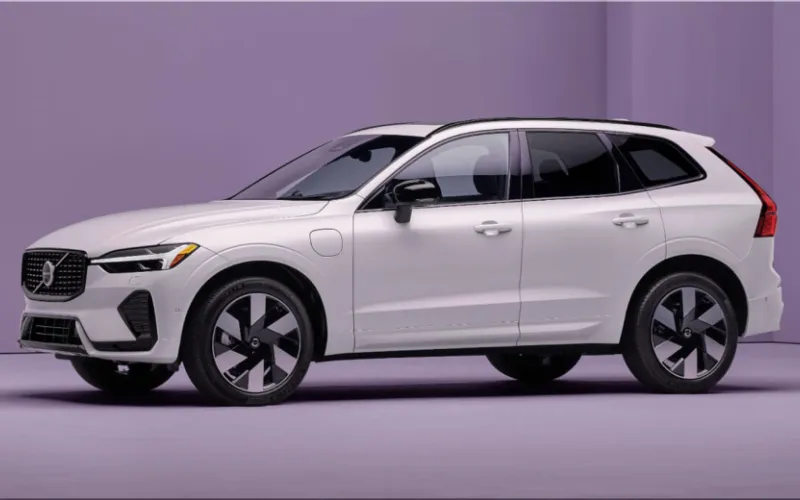
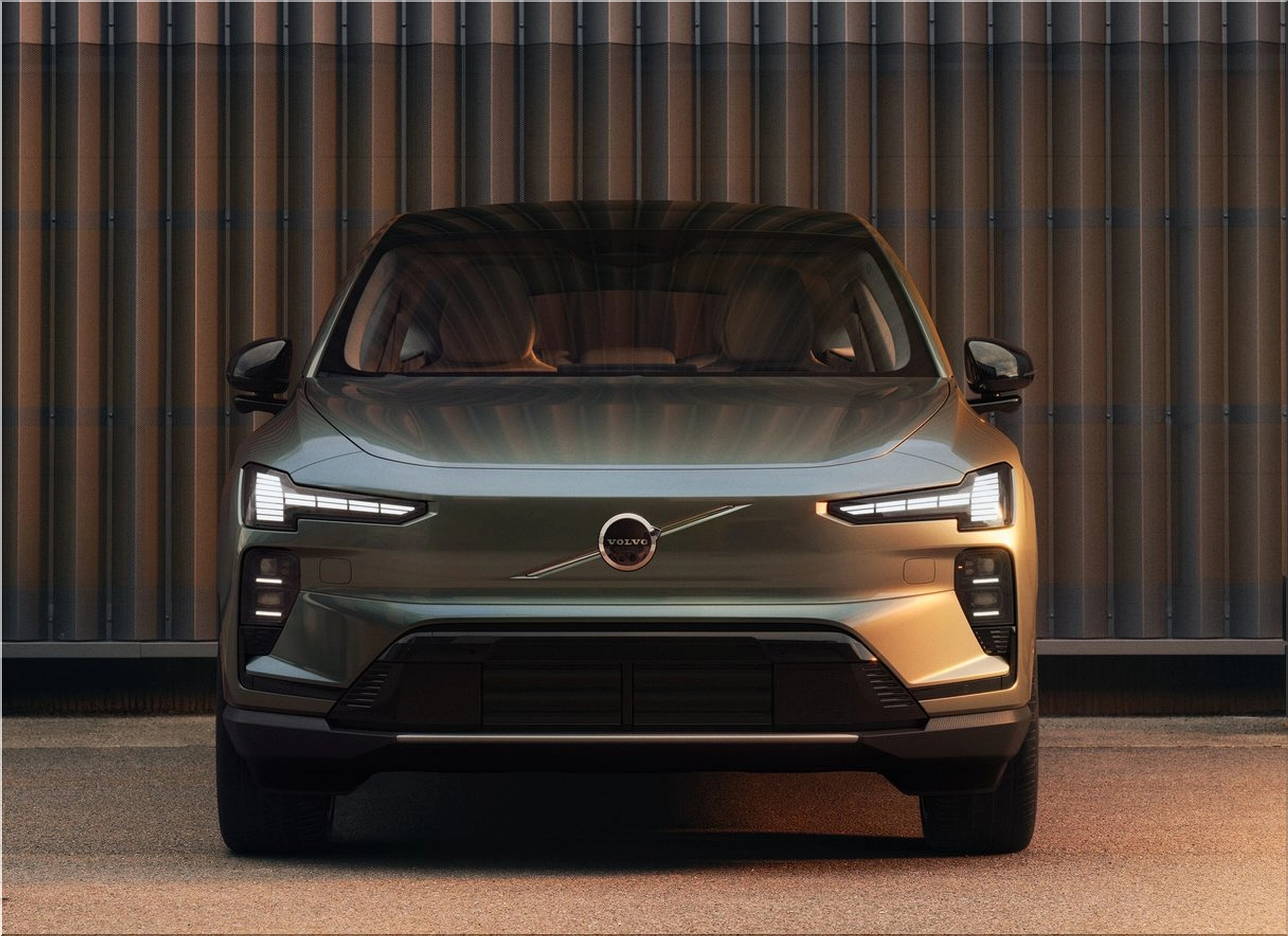
Volvo just changed the math for electric SUVs. The 2027 Volvo EX60 targets the heart of the luxury market, aiming directly at the Tesla Model Y, Audi Q6 e-tron, and Porsche Macan Electric.
This all-electric successor to the top-selling XC60 arrives with technical specs that look more like a laboratory experiment than a suburban cruiser. We are talking about an 800V architecture, mega casting manufacturing, and a range that clears the 500-mile mark.
Image
Range Anxiety Dies at 500 Miles
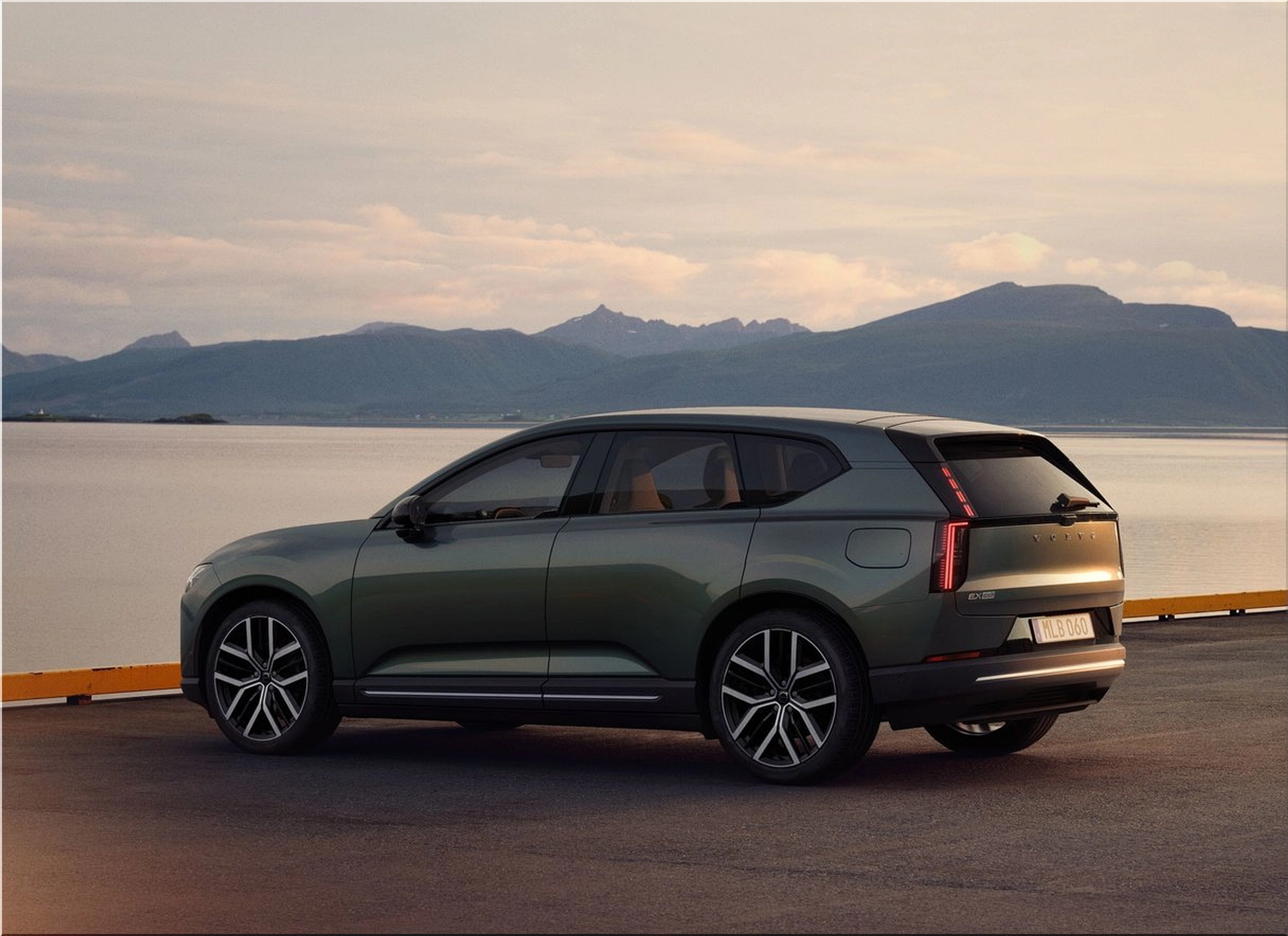
Range remains the primary hurdle for EV adoption. Volvo addresses this with a best-in-class 810-kilometer range (approximately 503 miles). This figure applies to the all-wheel-drive configuration, which usually sacrifices efficiency for traction.
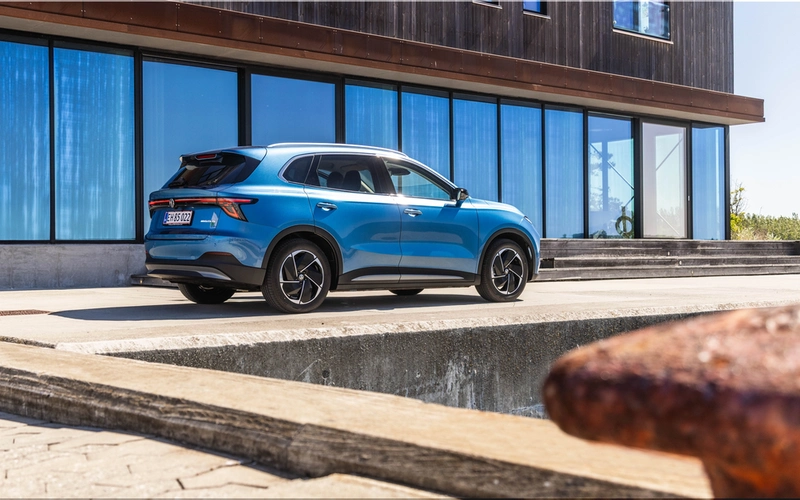
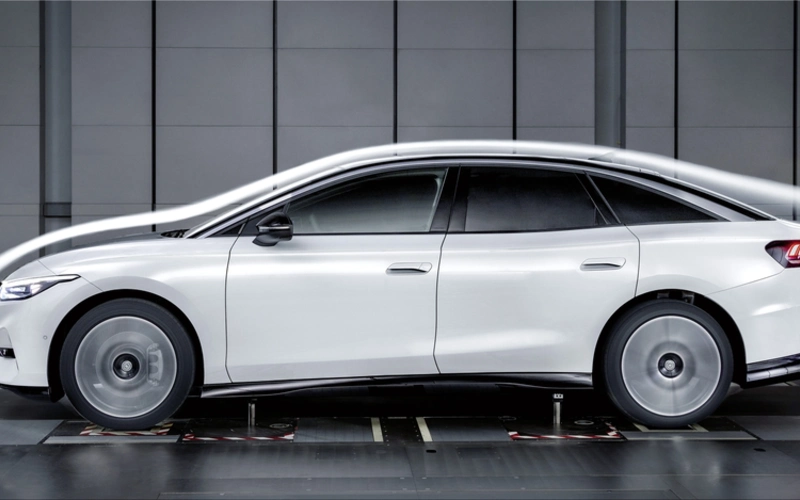
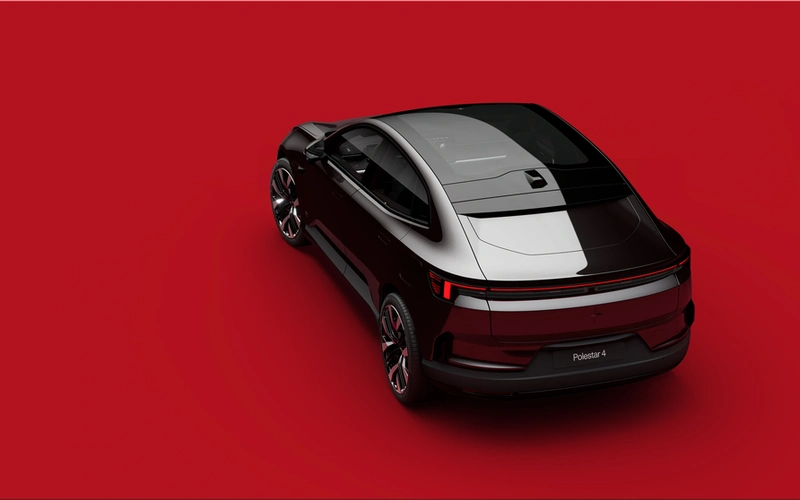
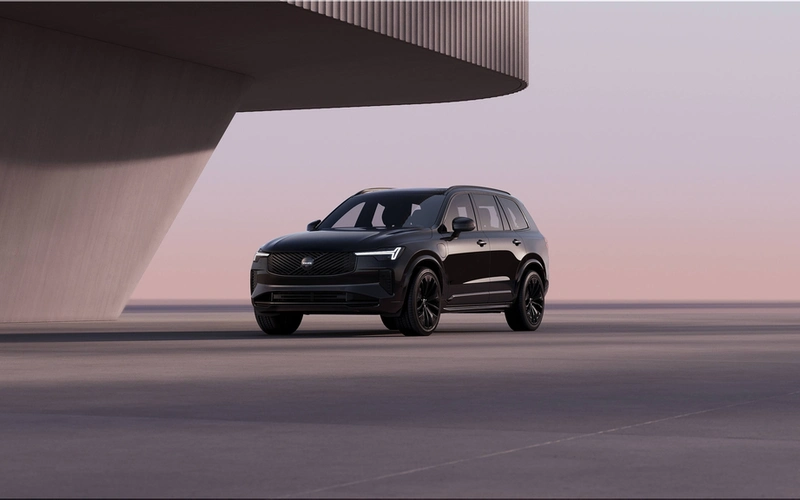
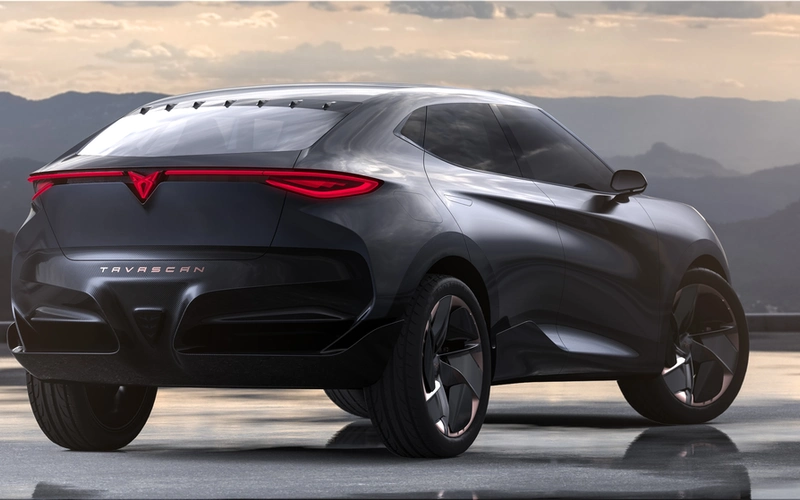
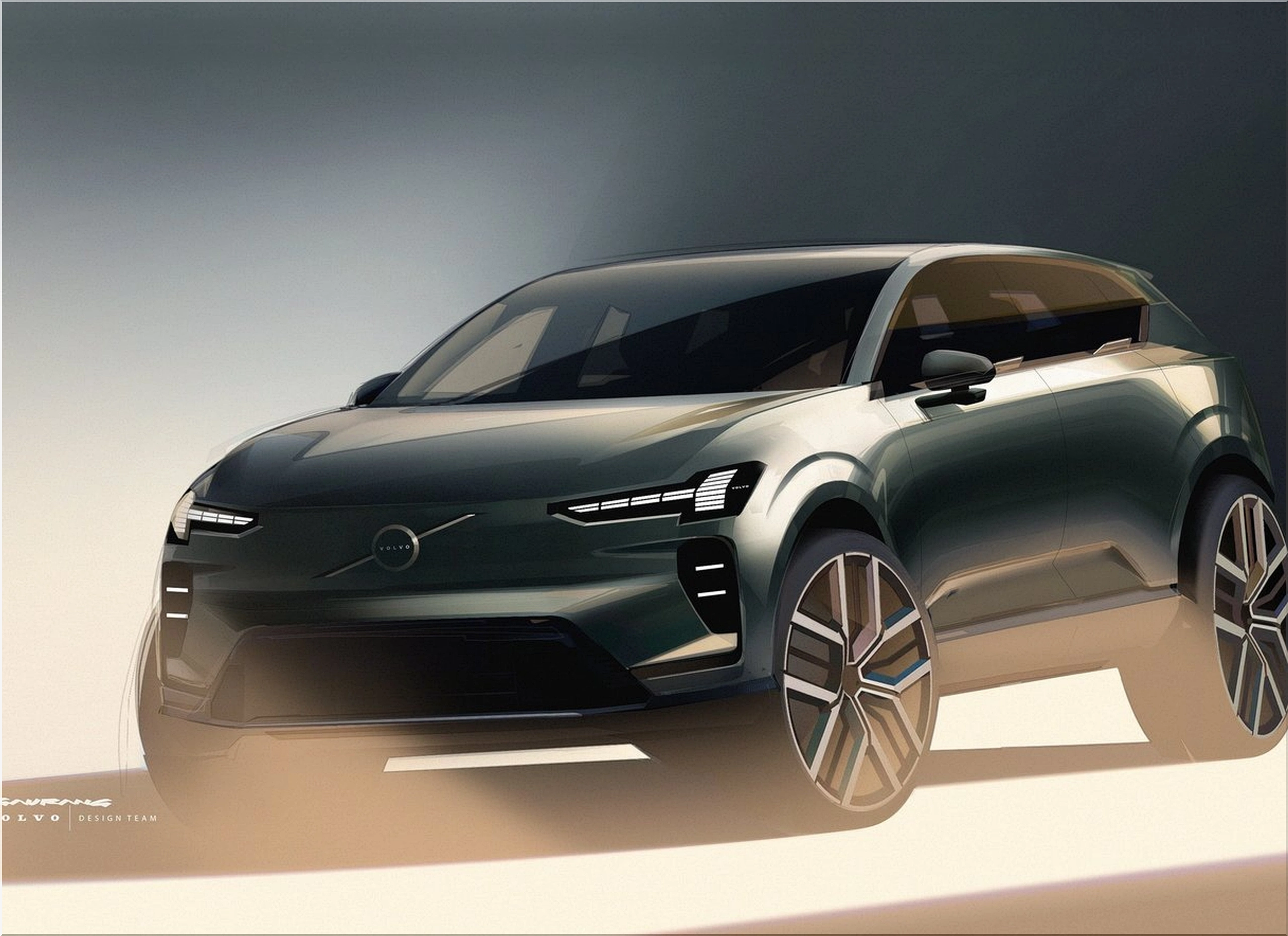
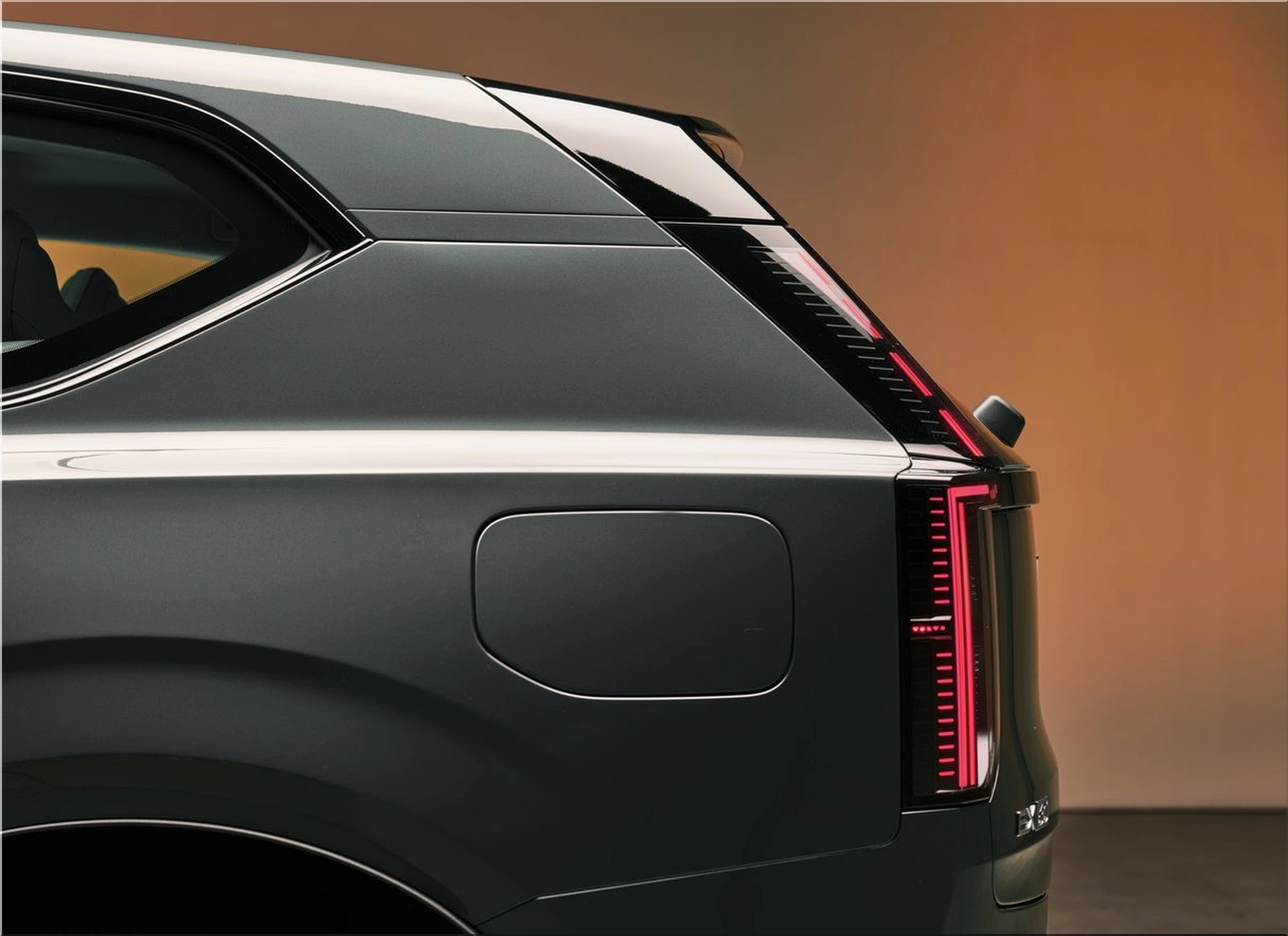
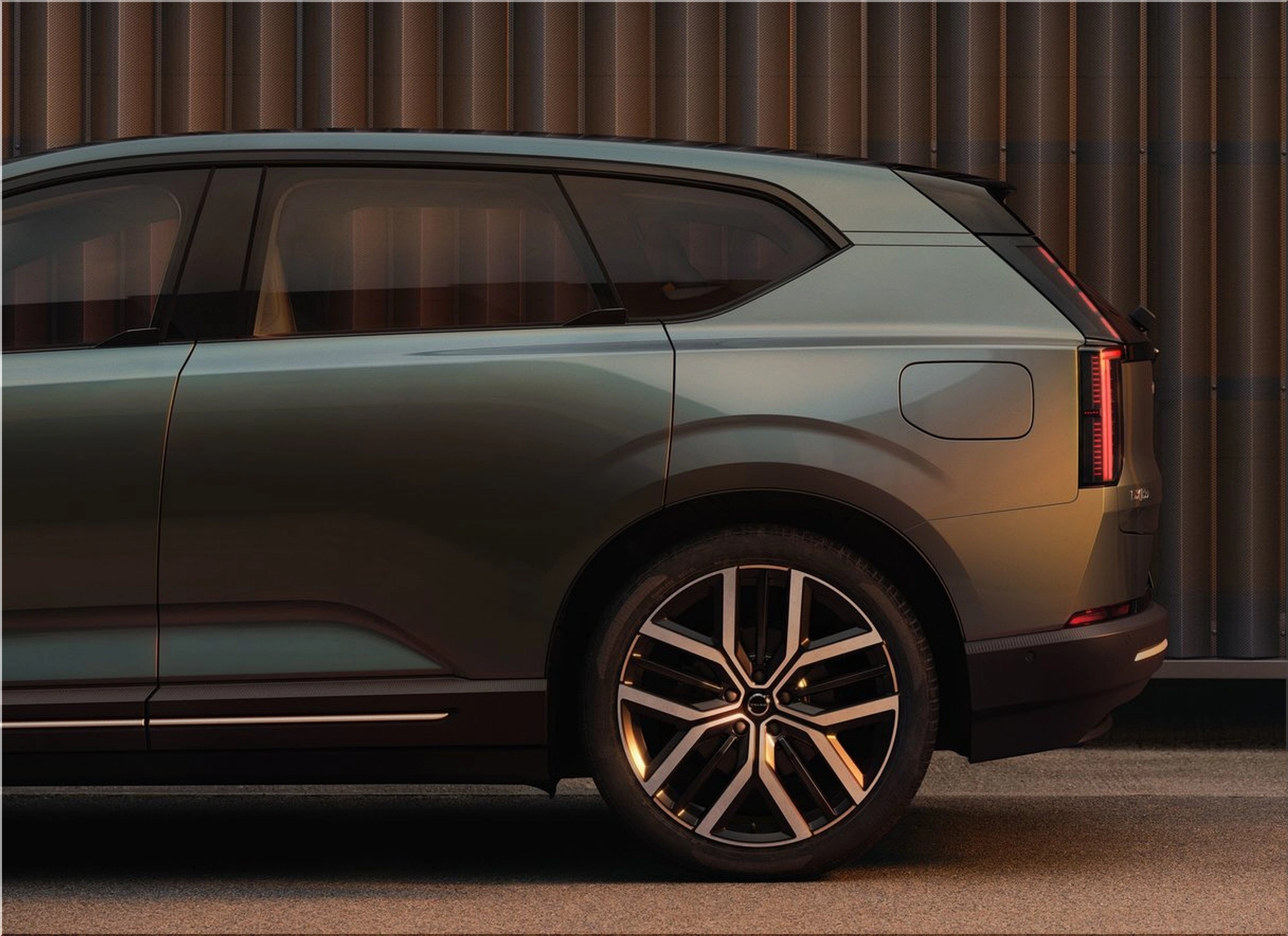
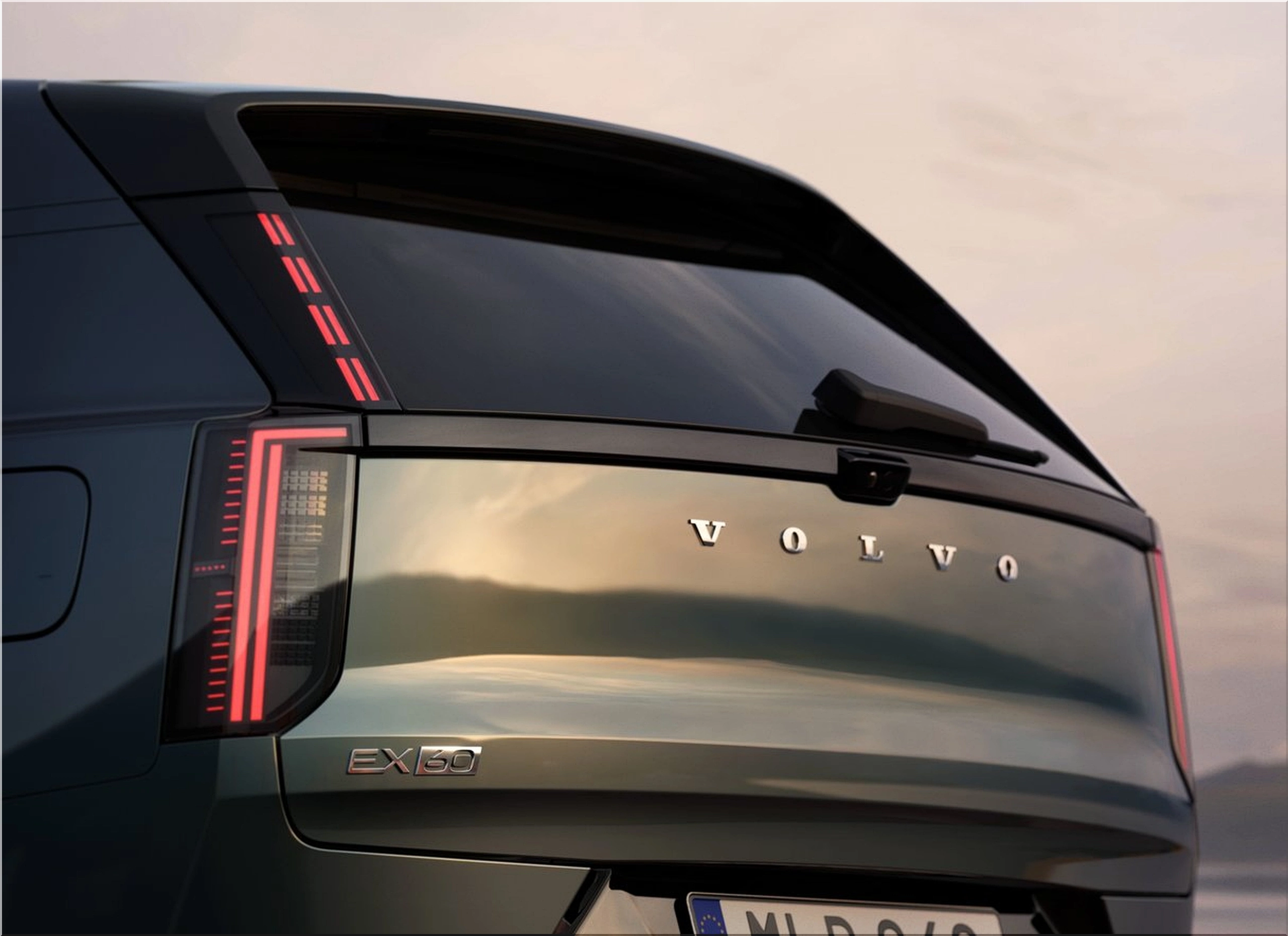
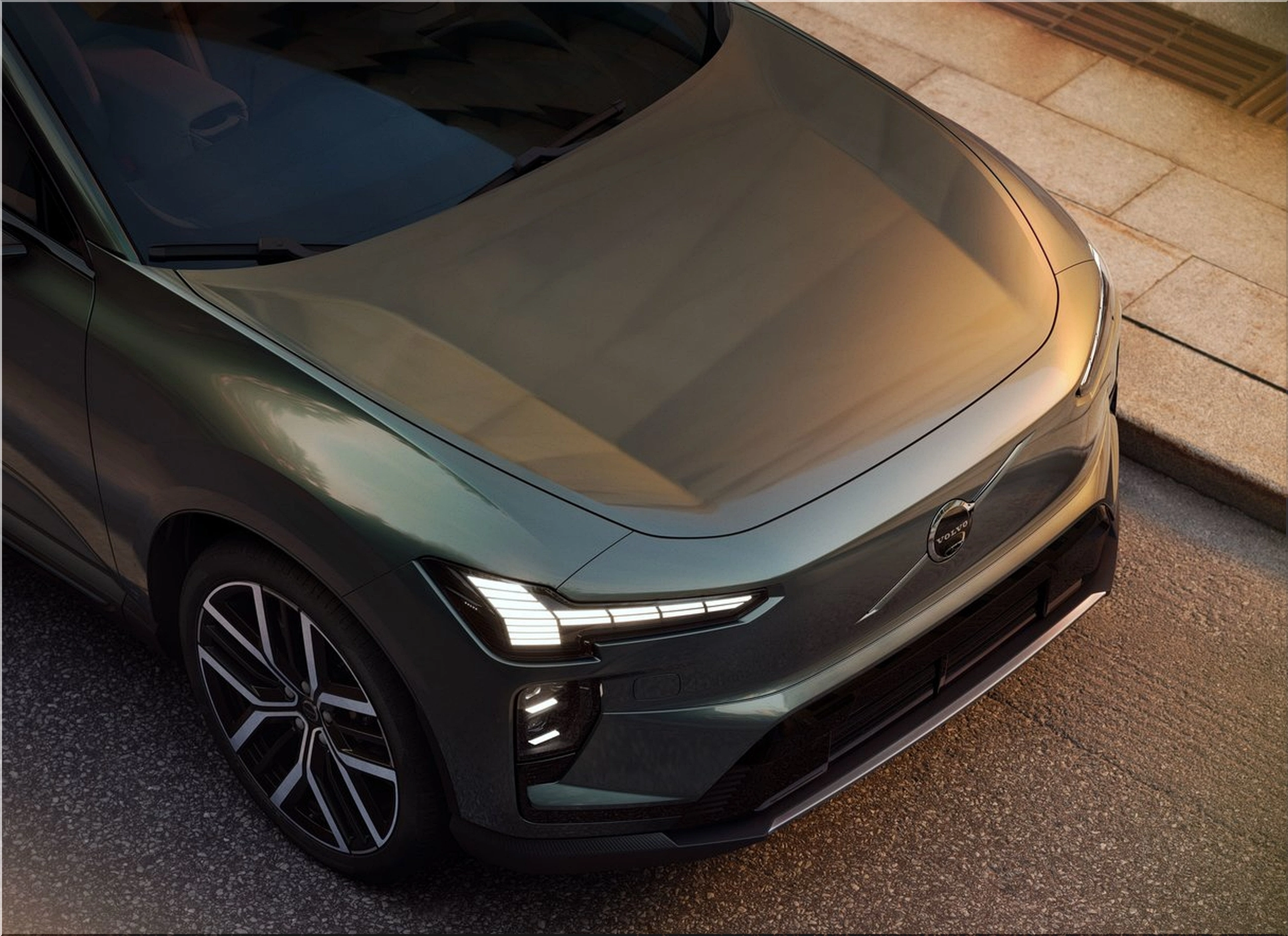
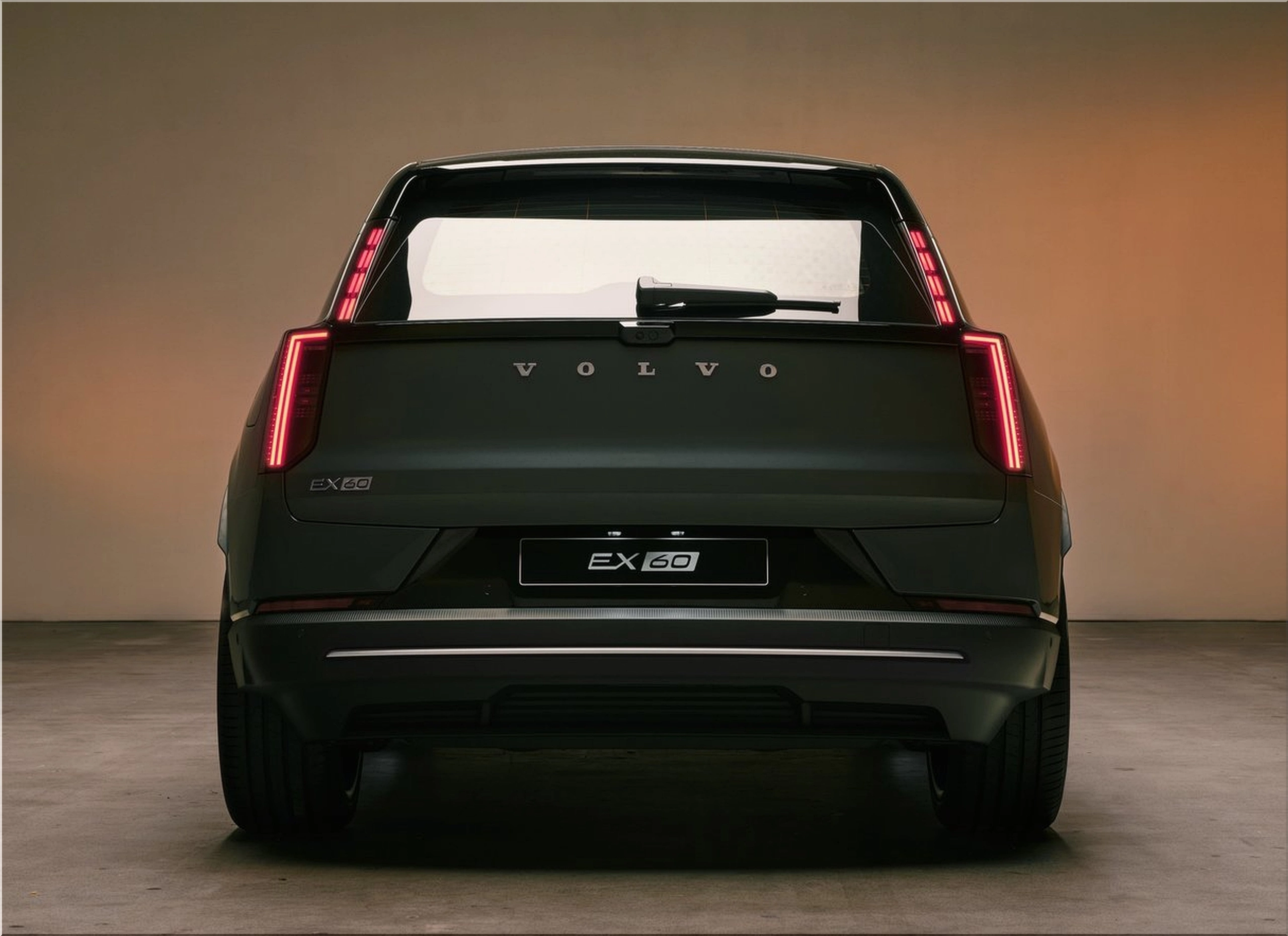
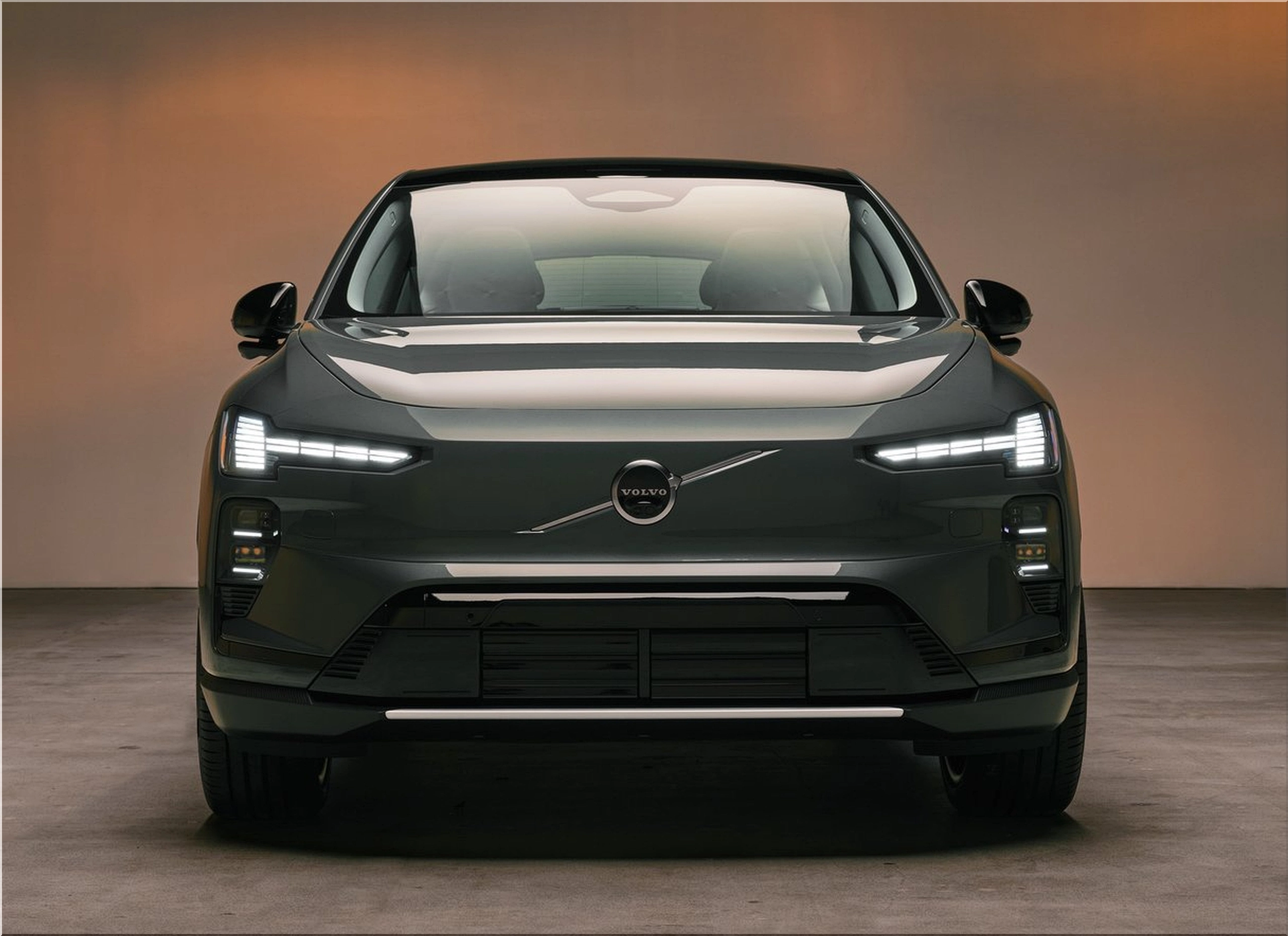
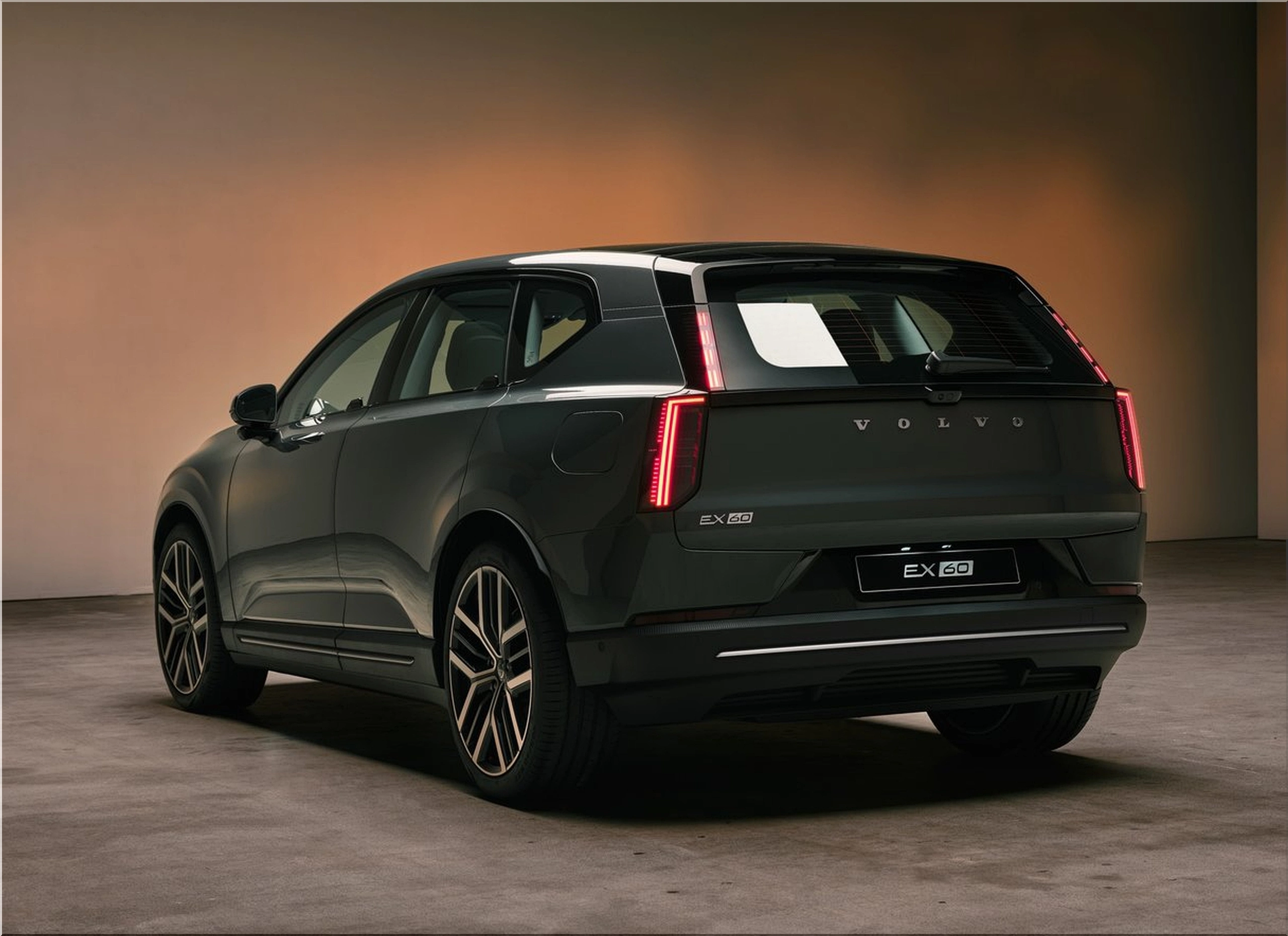
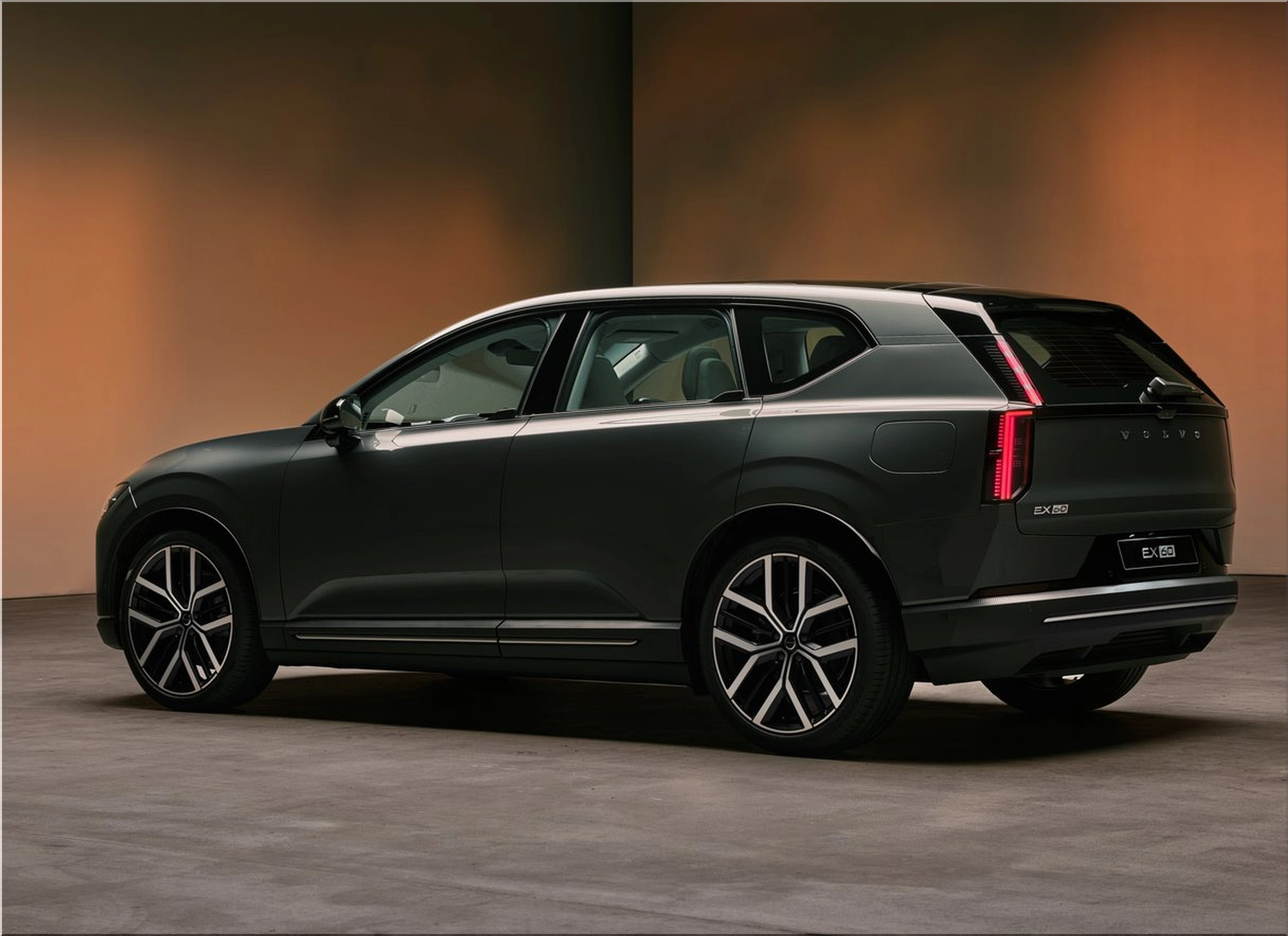
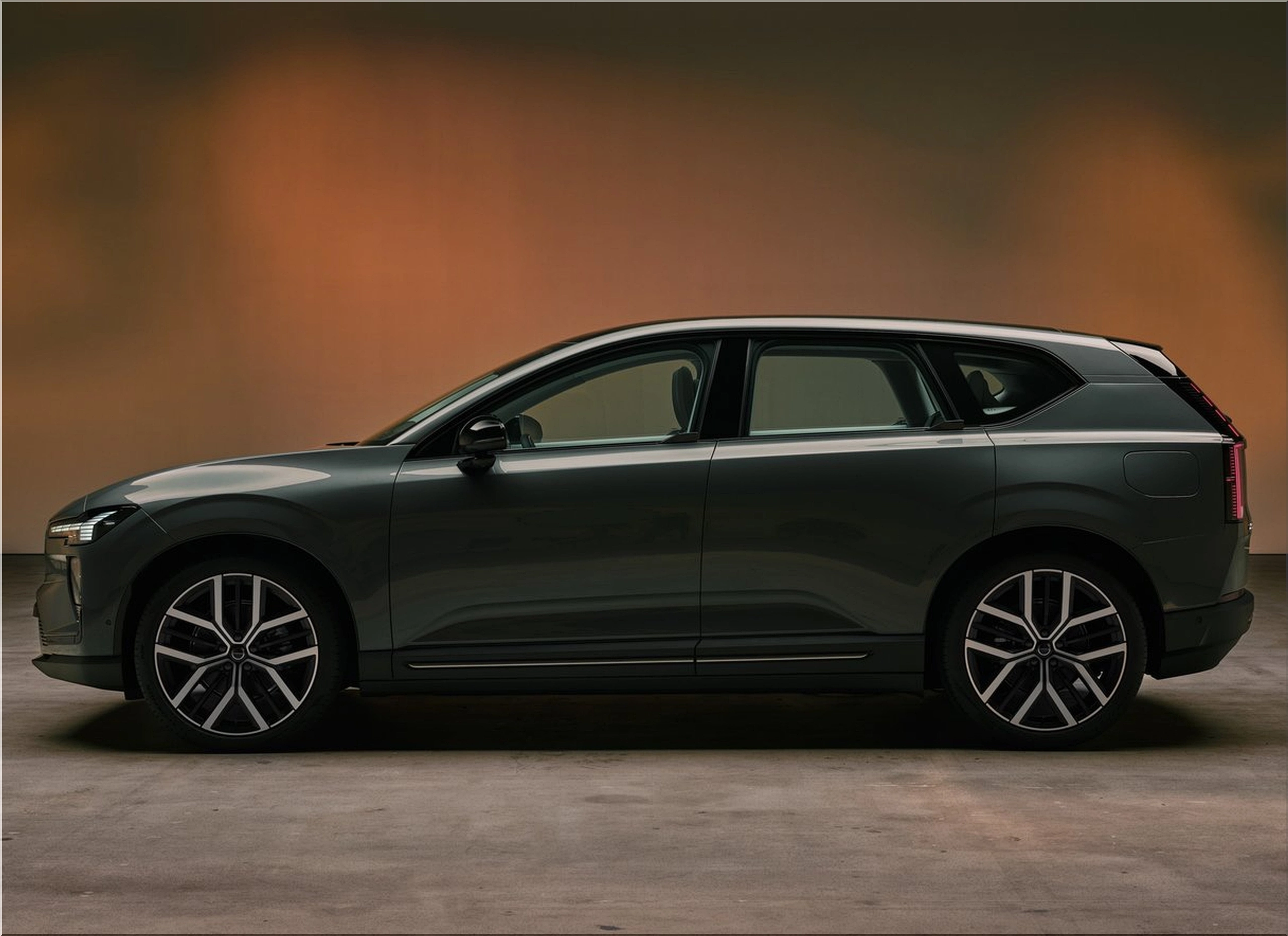
To achieve this, Volvo engineers prioritized aerodynamics and battery integration. The 2027 Volvo EX60 features a drag coefficient of 0.26. A low front end, sloping roofline, and tapered body sides allow the vehicle to cut through the air with minimal resistance. This efficiency directly translates to more miles per kilowatt-hour.
Image
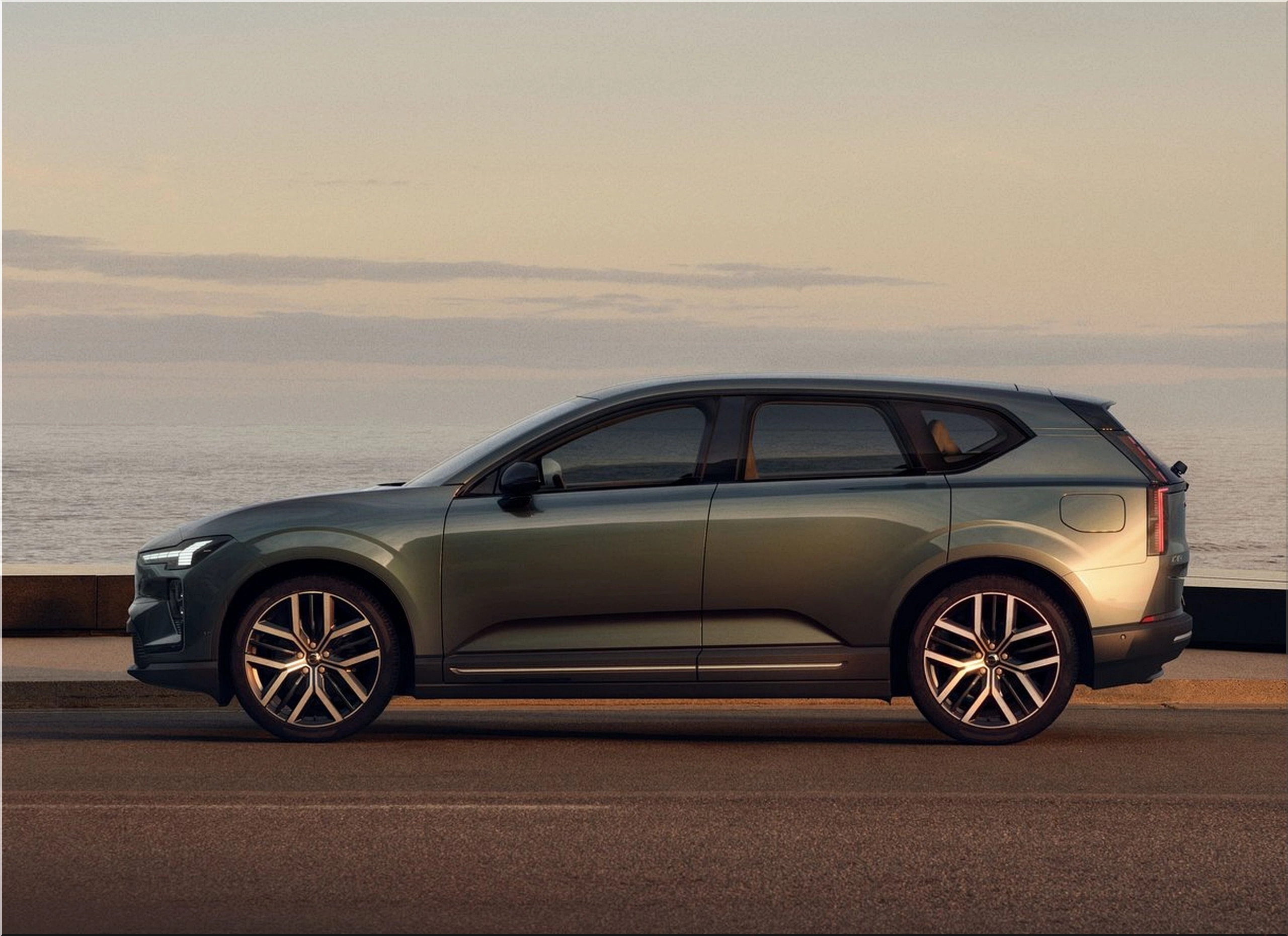
Key Performance Specifications
- Max Range: 503 miles (810 km)
- Architecture: 800-volt high-speed charging
- Aerodynamics: 0.26 Cd
- Seating: Five-passenger configuration
Mega Casting and Cell-to-Body Integration
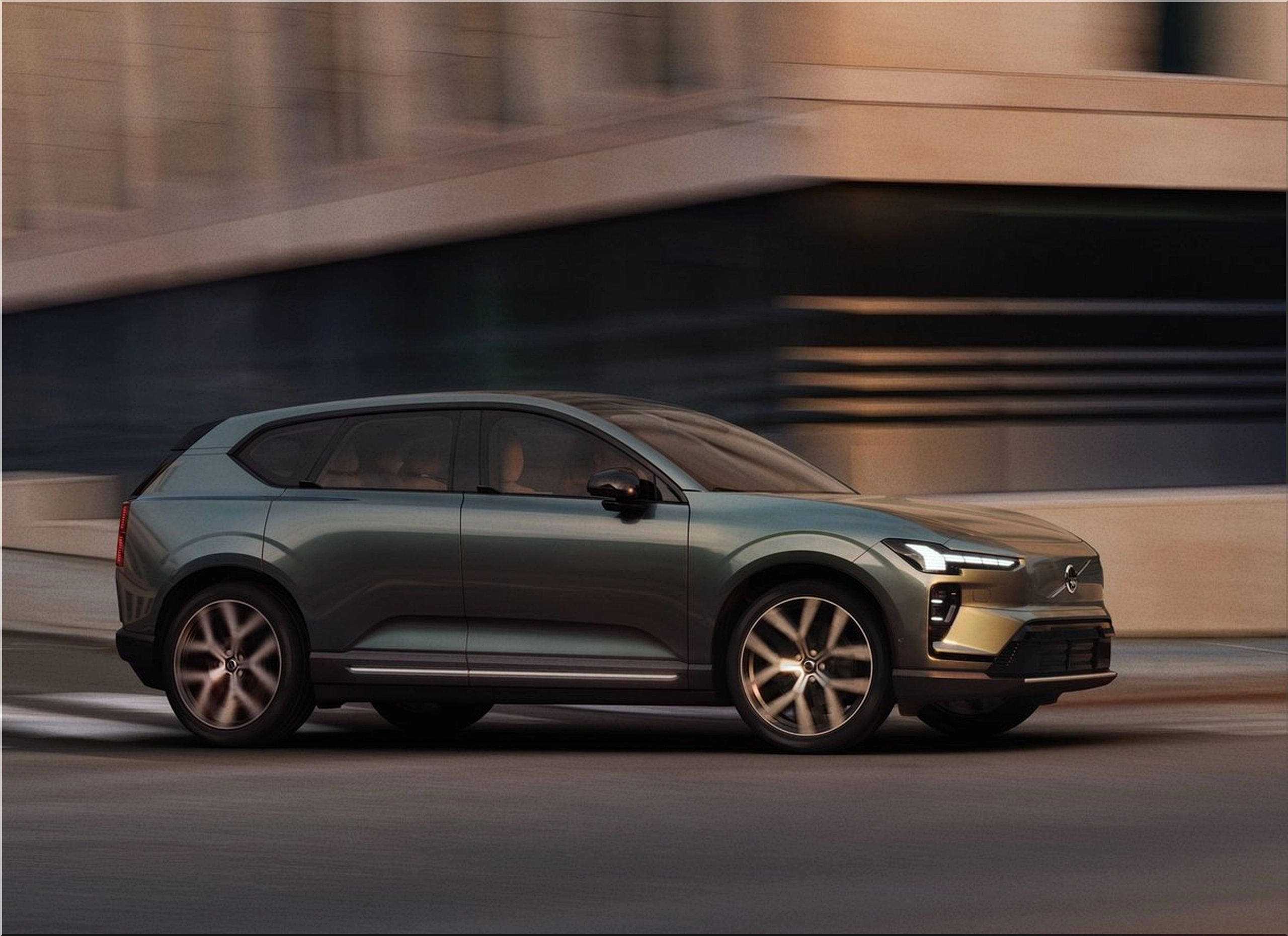
The EX60 serves as the debut for the GPA (Global Product Architecture). This platform moves away from traditional parts-bin assembly. Volvo now uses mega casting for the rear floor section.
Instead of welding dozens of individual stamped metal pieces, a single large casting forms the rear structure. This reduces weight, improves rigidity, and increases interior space. Volvo couples this with cell-to-body battery technology. The battery pack is no longer a separate box bolted to the frame; it is a structural component of the floor.
This integration lowers the center of gravity and strengthens the safety cage. Volvo continues to use boron steel in the safety cell to maintain its reputation for crashworthiness.
Image
The Midsize Luxury EV Landscape
The midsize electric SUV segment is the most competitive space in the industry. Volvo needs the EX60 to win on technical merits and value to maintain its market share.
| Feature | 2027 Volvo EX60 | Tesla Model Y Long Range | Porsche Macan Electric |
|---|---|---|---|
| Max Range (Est) | 503 Miles | 310 Miles | 381 Miles |
| Charging Speed | 800V DC Fast | 250kW Max | 270kW Max |
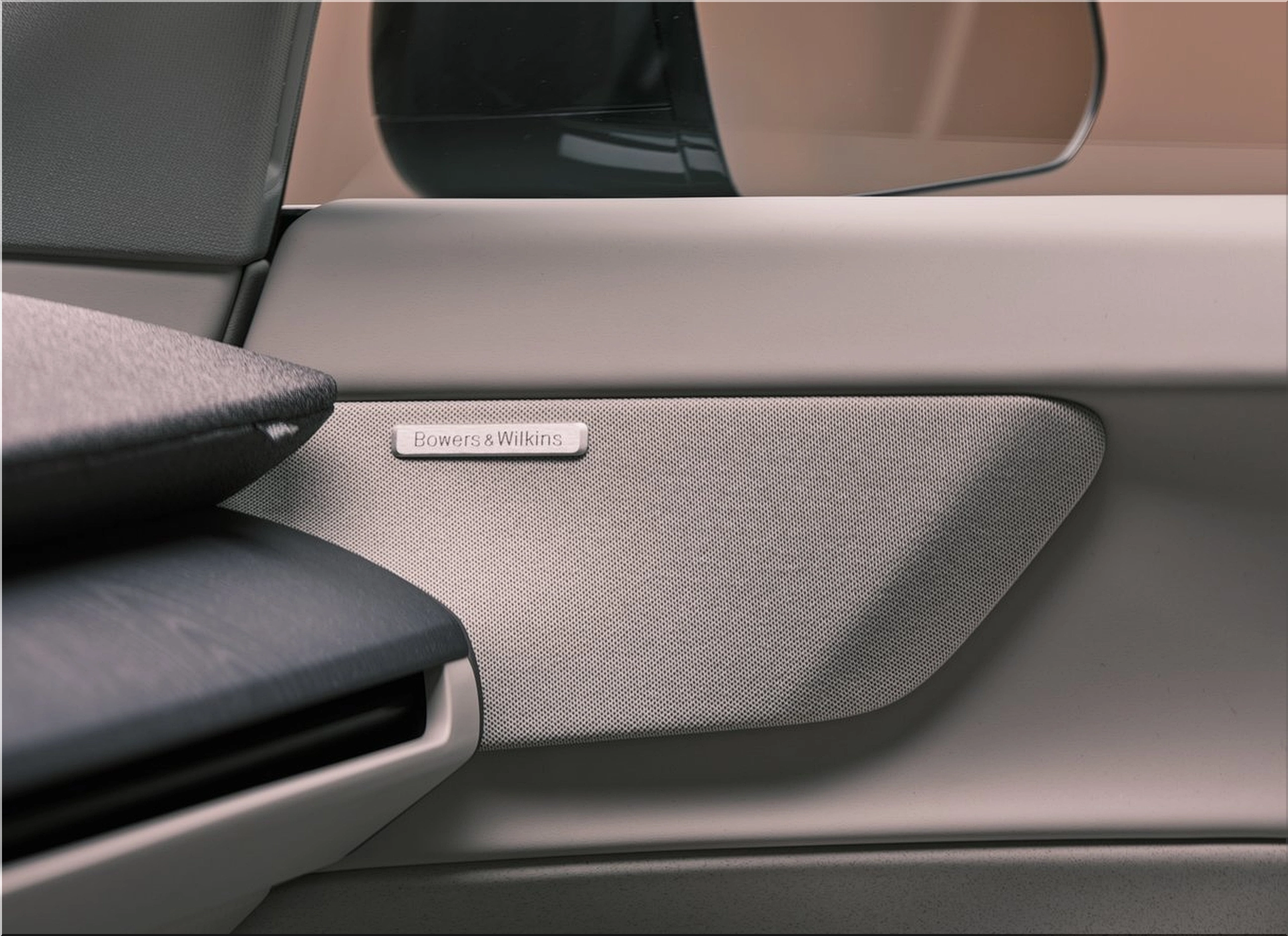
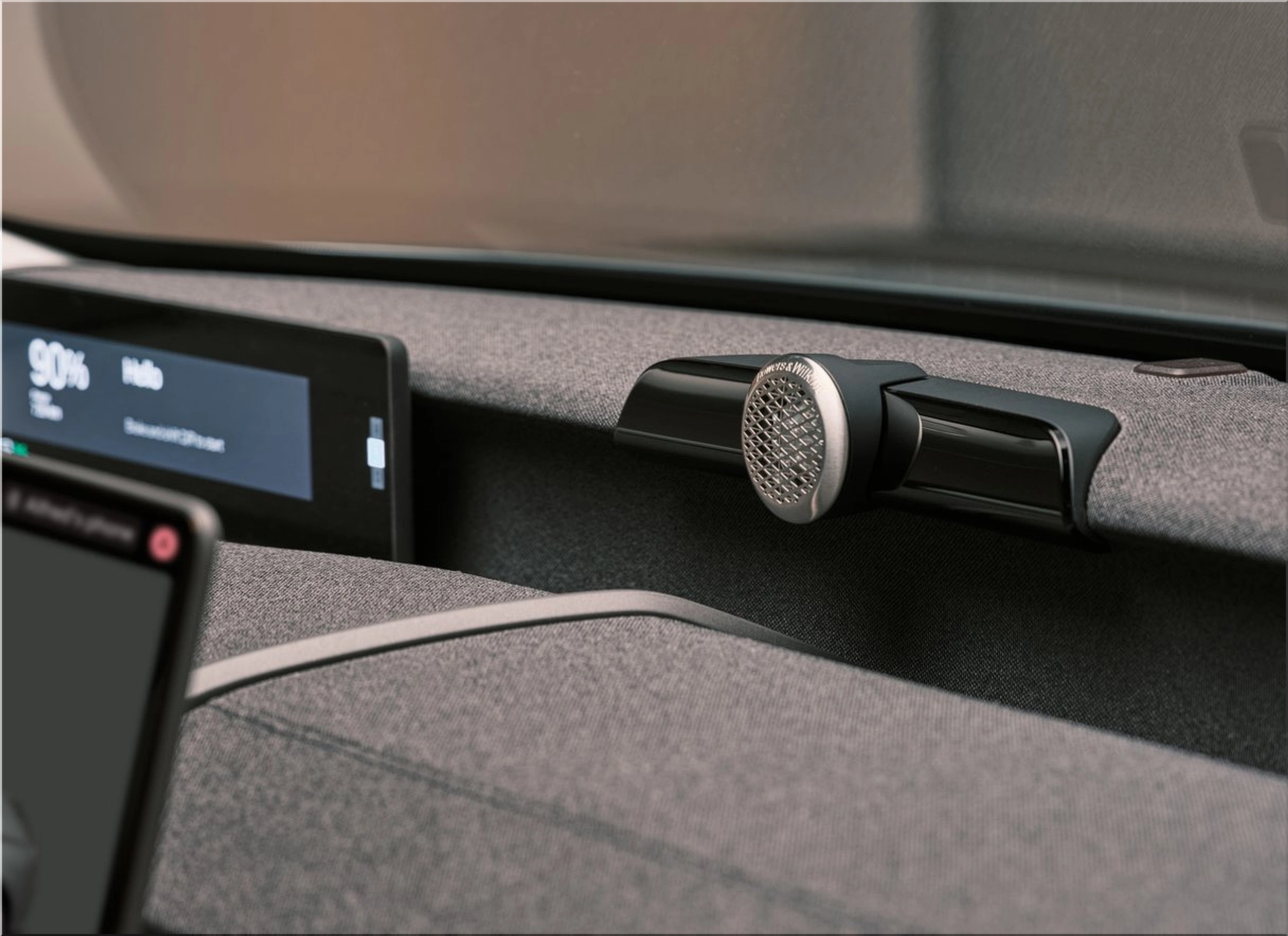
| Audio System | 28-Speaker B&W | 13-Speaker Premium | 14-Speaker Bose |
| Manufacturing | Mega Cast / Cell-to-Body | Mega Cast / Structural Pack | Traditional Unibody |
| Starting Price (USD) | $62,000 (Approx.) | $47,990 | $78,800 |
Note: Prices and range estimates are based on current manufacturer data and exchange rates.
Core Computing and the HuginCore System
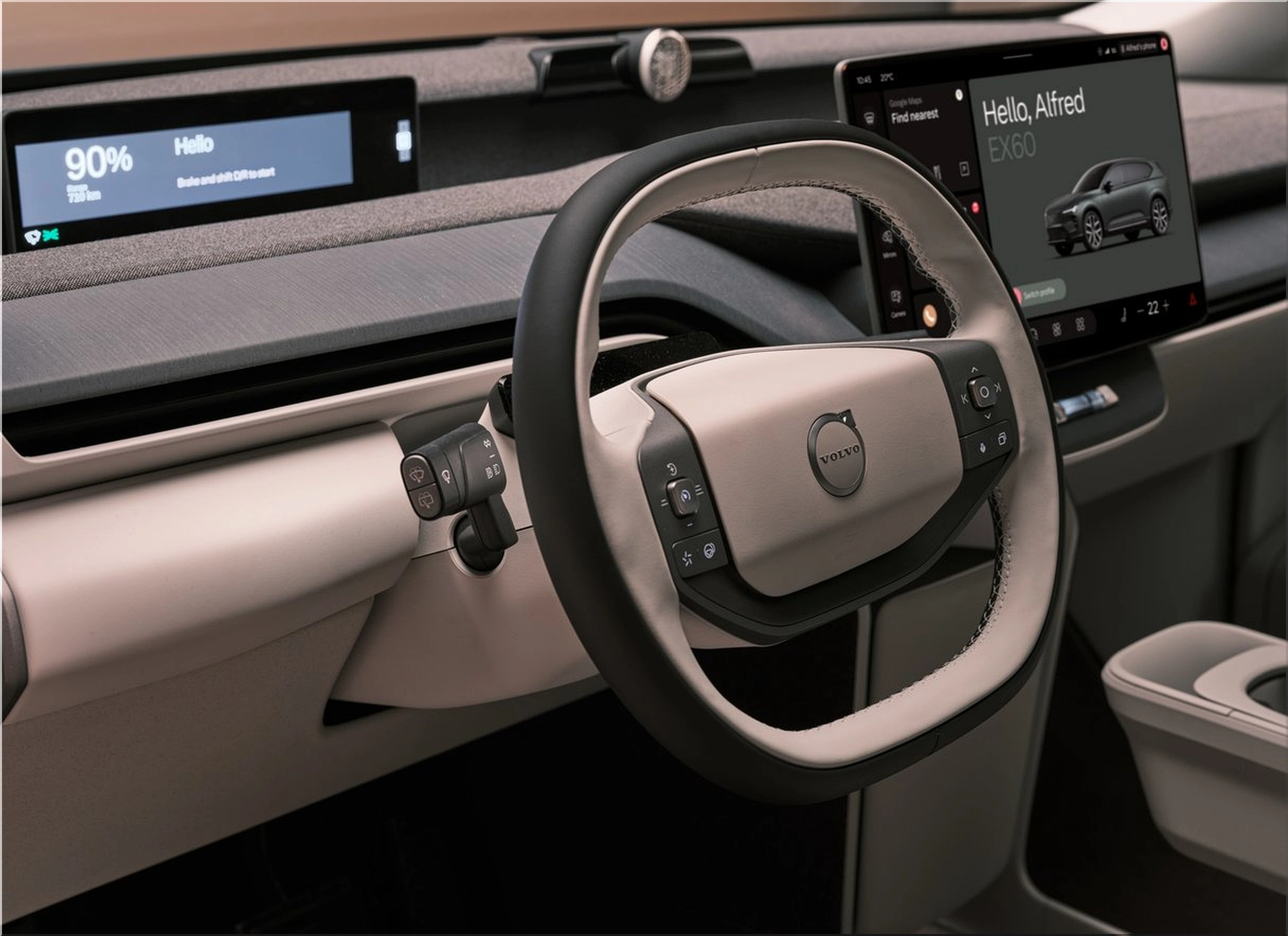
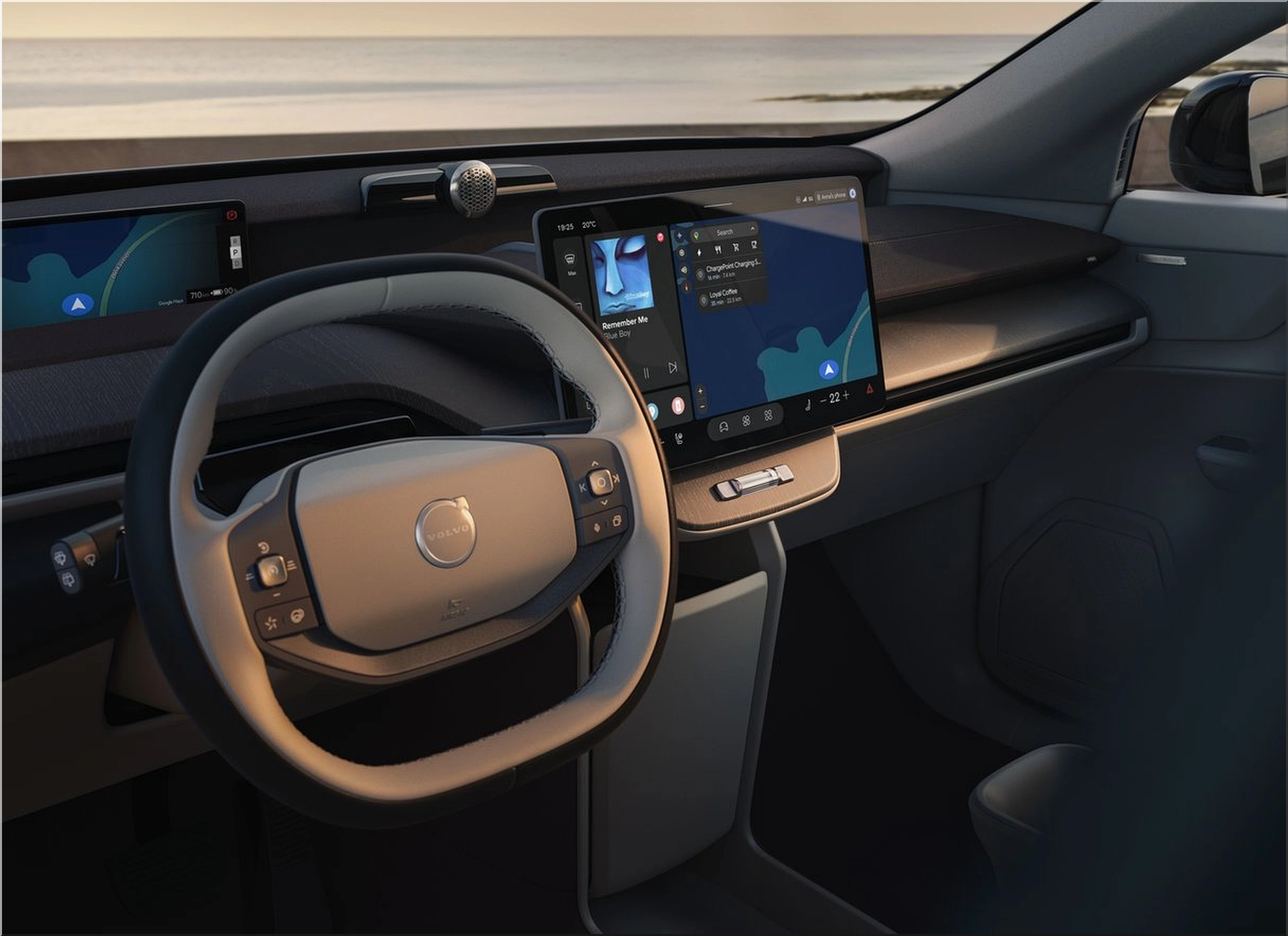
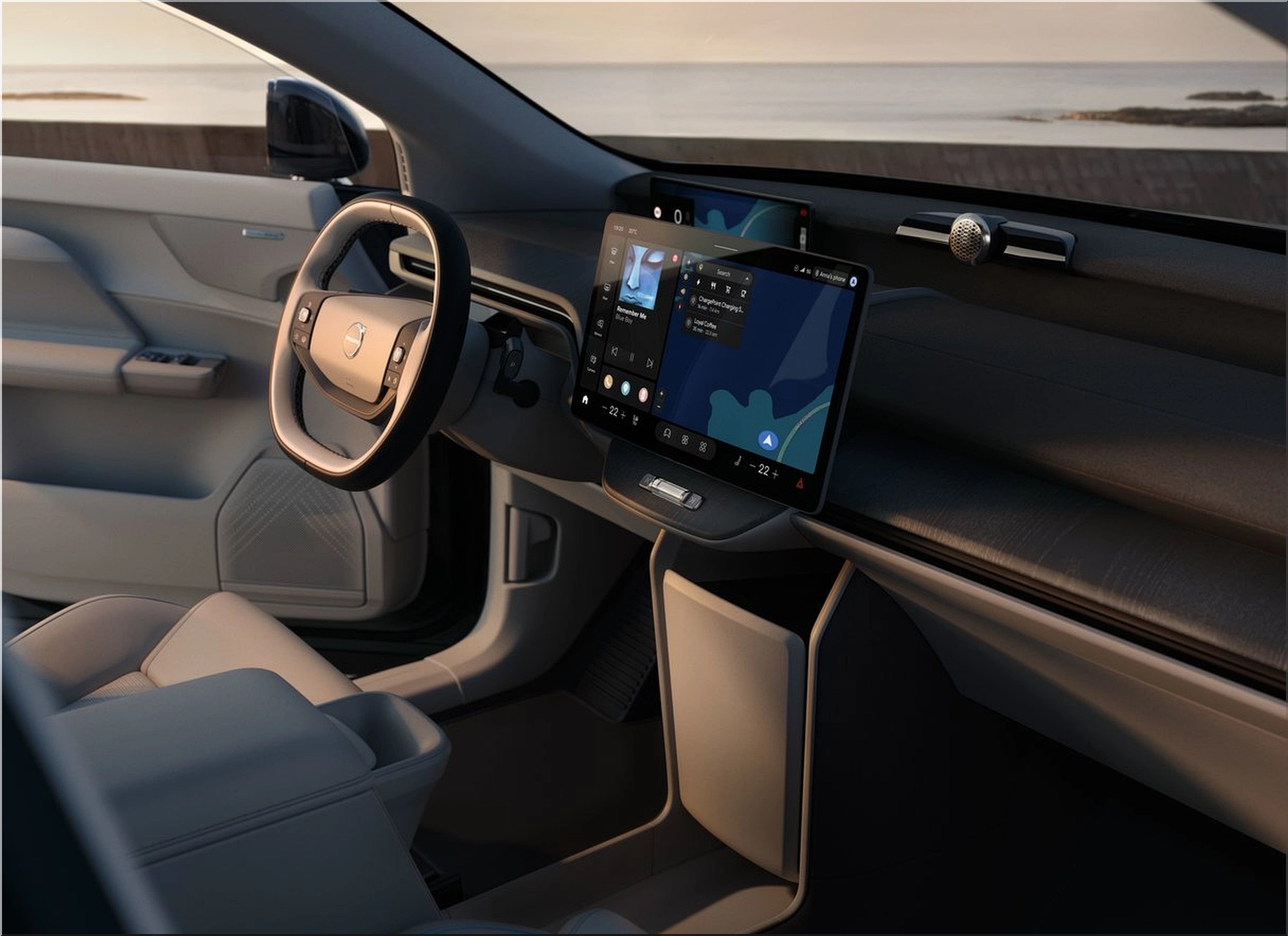
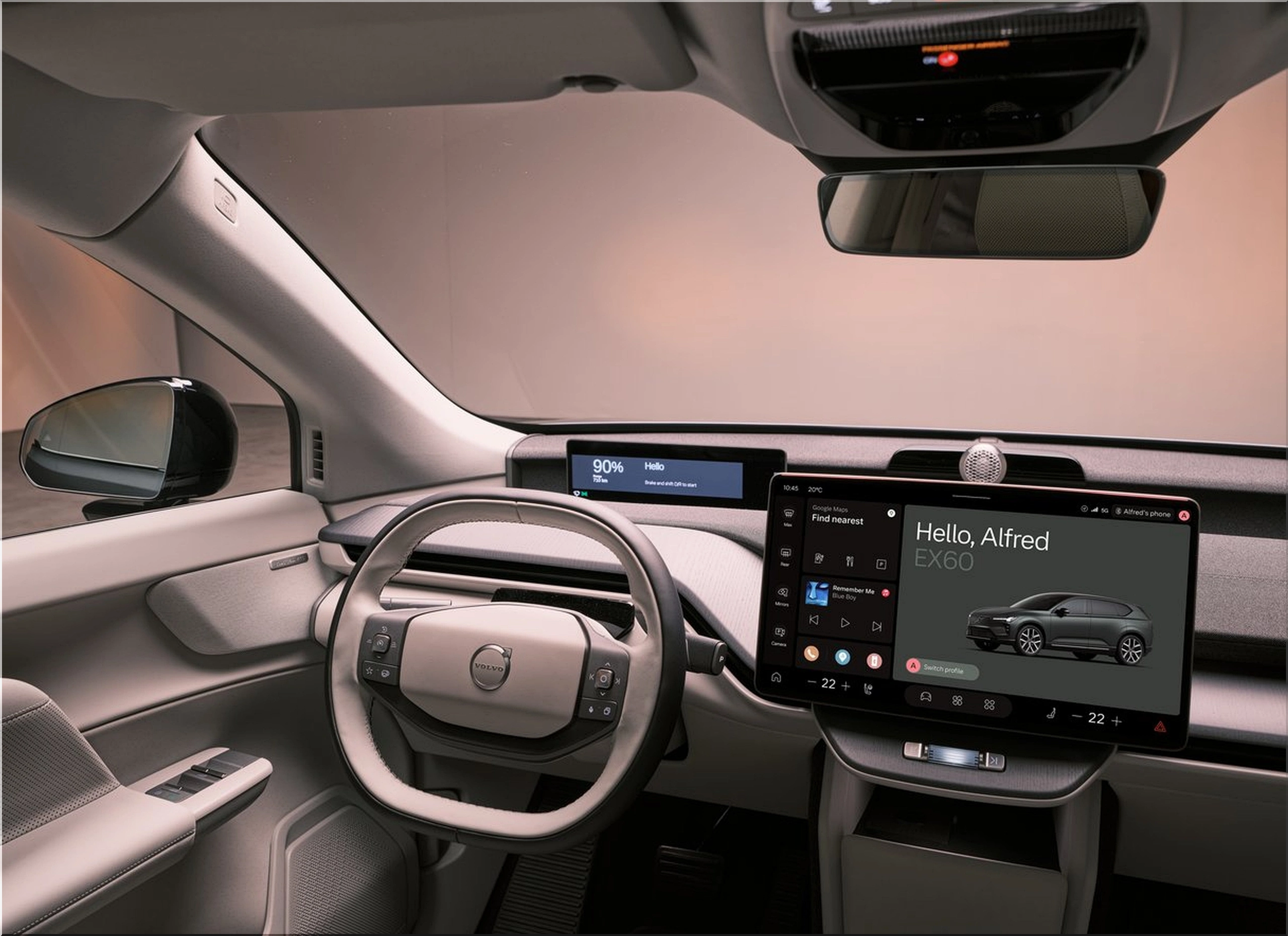
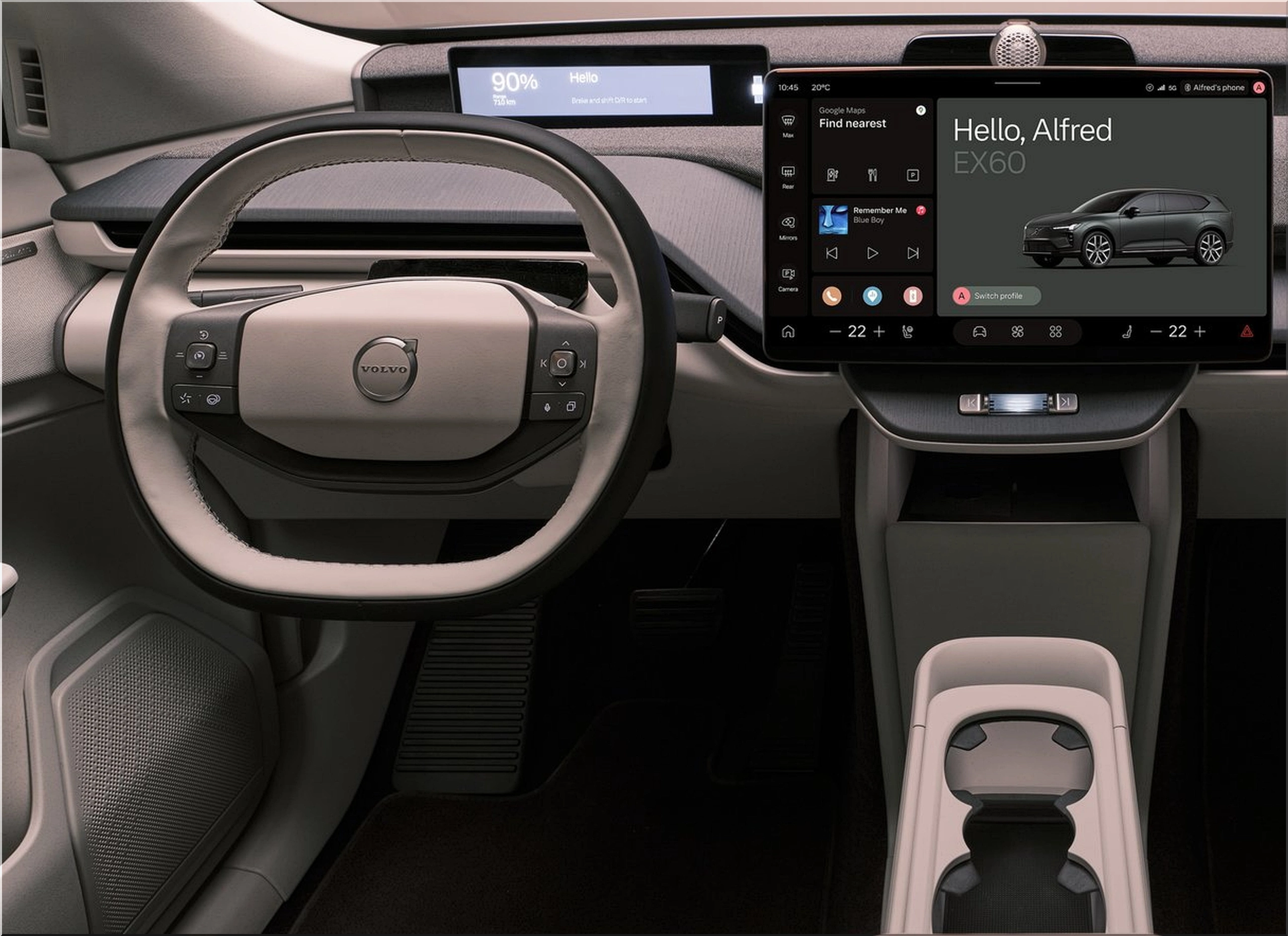
Volvo is shifting from a collection of small computers to a centralized brain. The EX60 runs on HuginCore, a proprietary core computing system. This hardware handles everything from safety sensors to the infotainment display.
By partnering with NVIDIA, Google, and Qualcomm, Volvo ensures the software remains fast. The infotainment system eliminates lag. Maps load instantly. Screens respond to touch without the stuttering common in older automotive interfaces.
Audio and Immersive Tech
- Bowers & Wilkins System: 28 speakers strategically placed throughout the cabin.
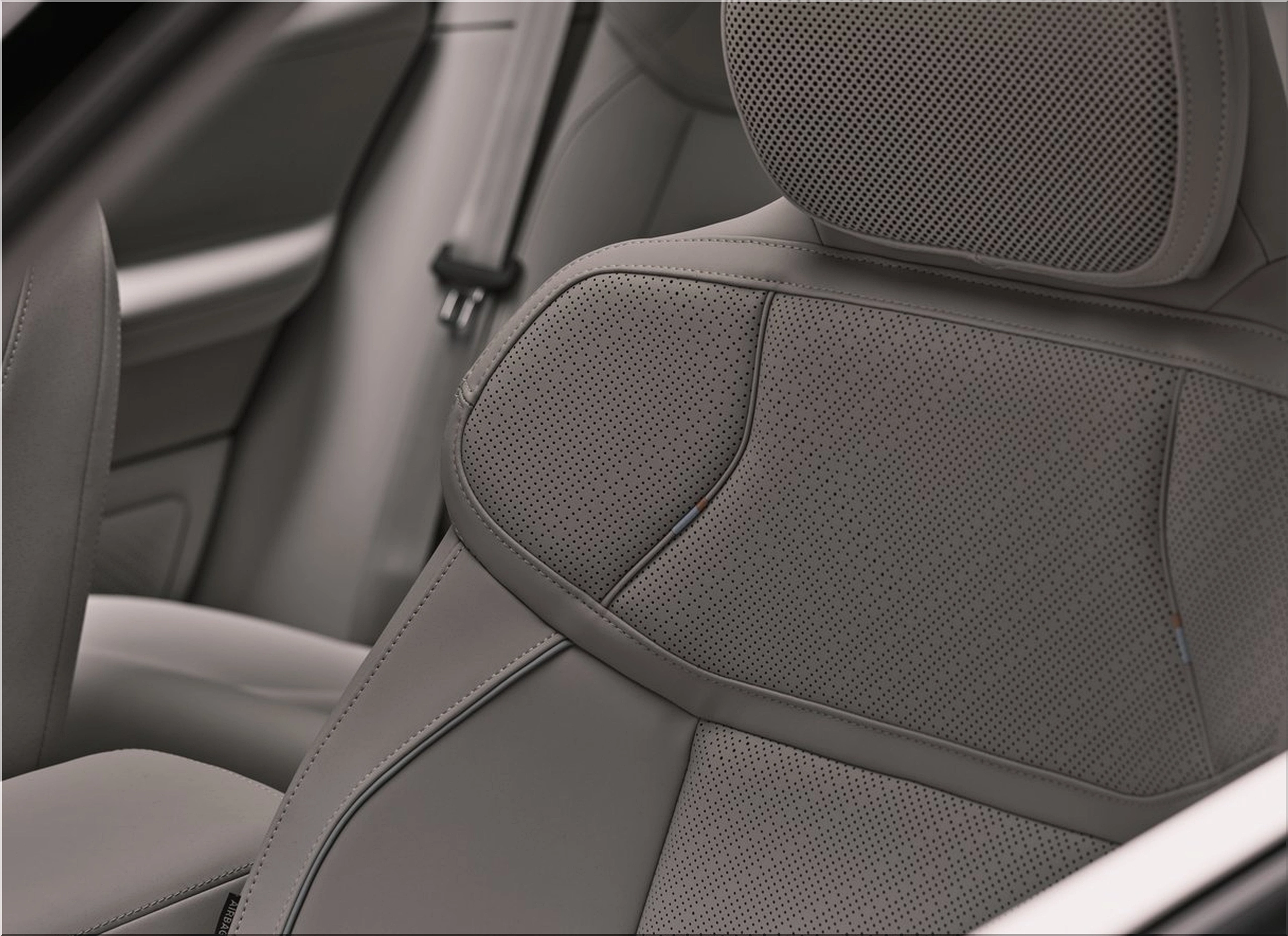
- Headrest Speakers: Integrated audio in all four main seats for individual sound zones.
- Dolby Atmos: First Volvo to feature Apple Music with native Spatial Audio support.
- Over-the-Air (OTA) Updates: The HuginCore system allows for constant software improvements.
Interior Utility and Scandinavian Minimalism
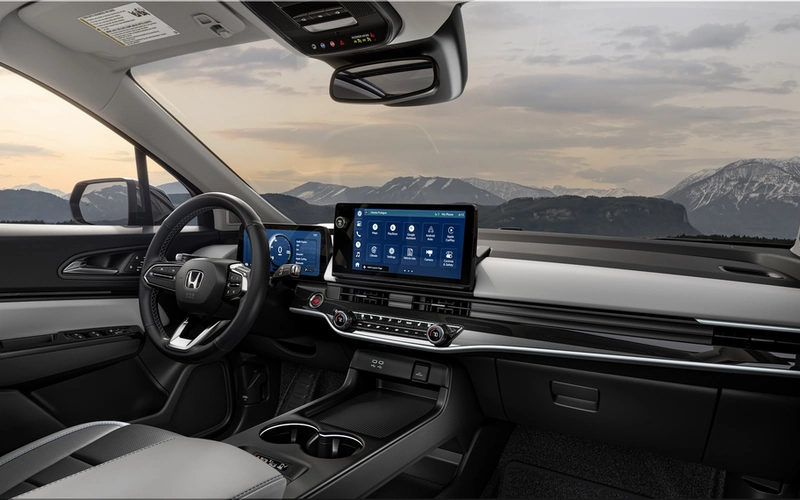
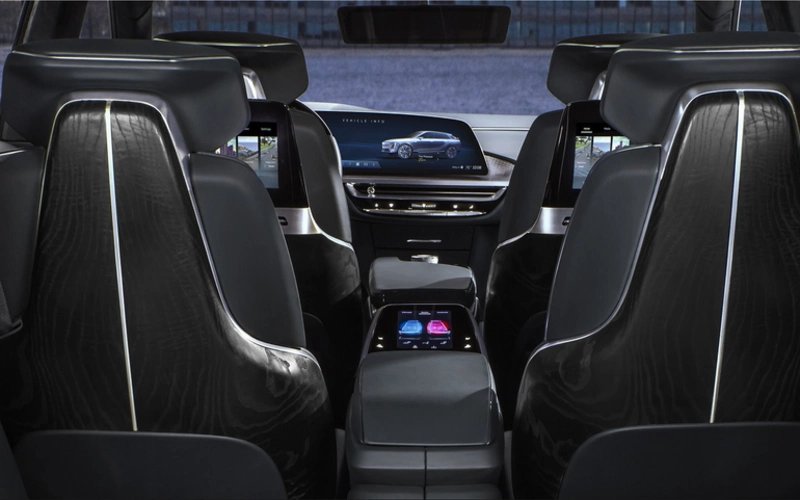
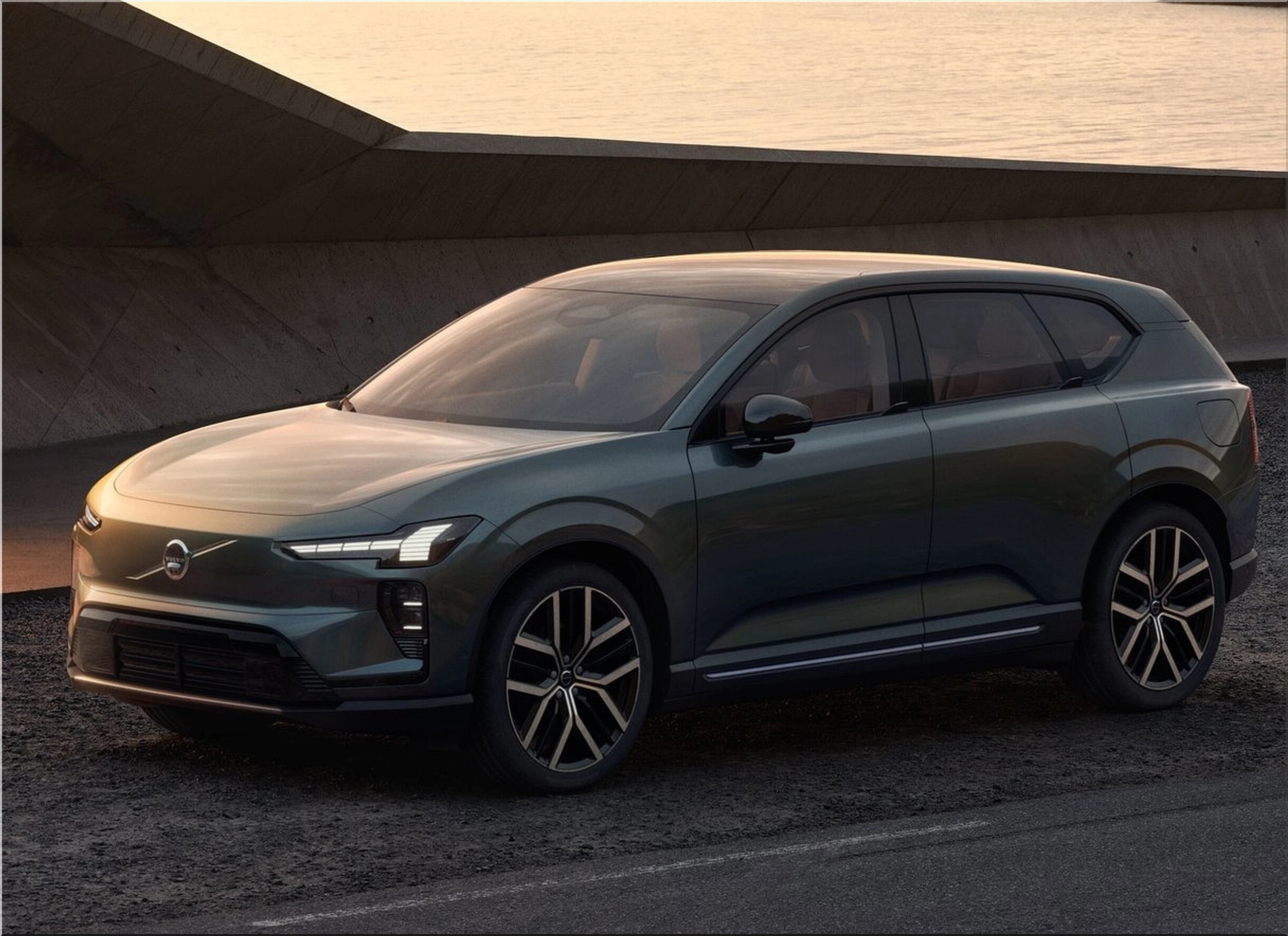
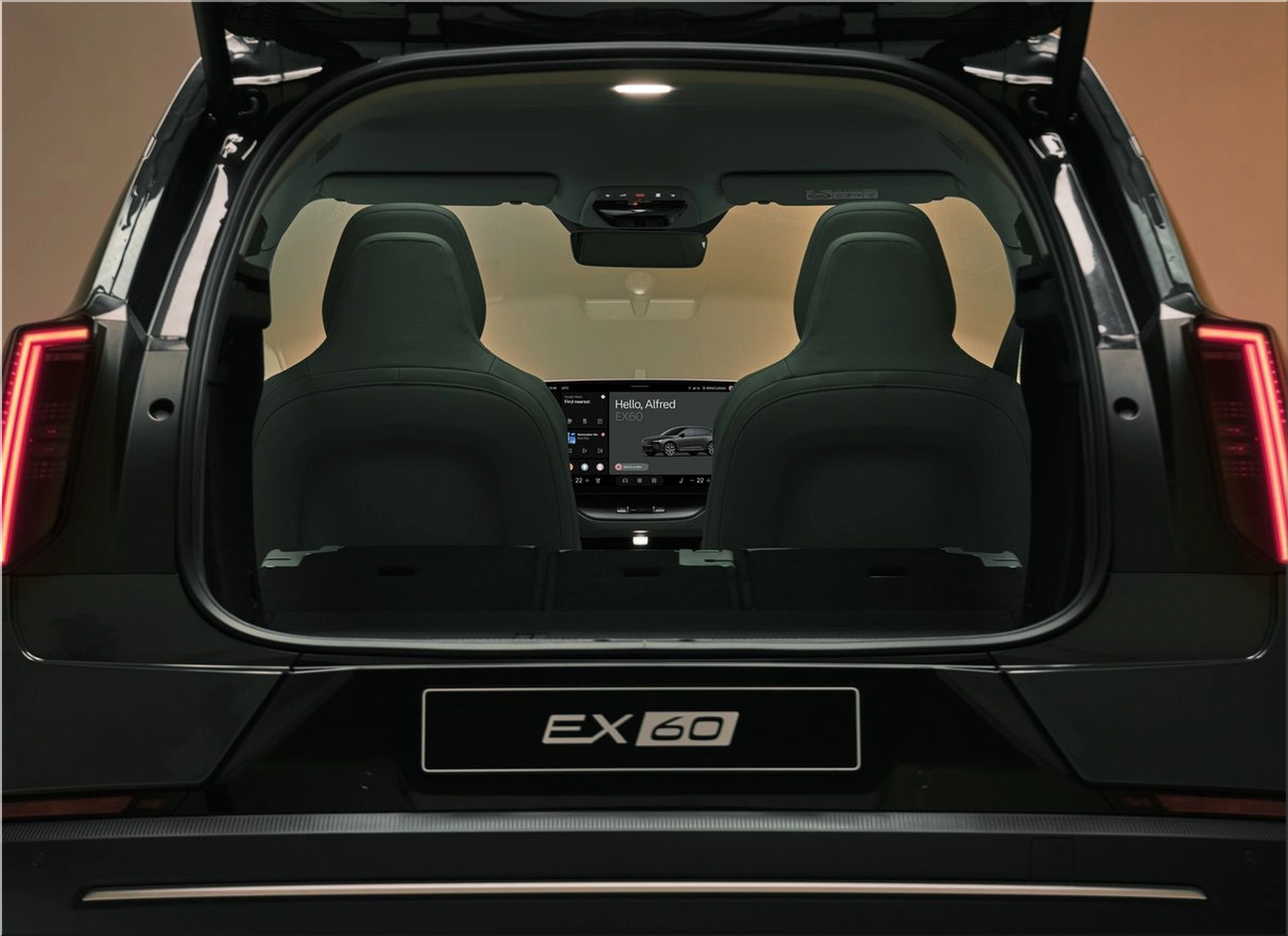
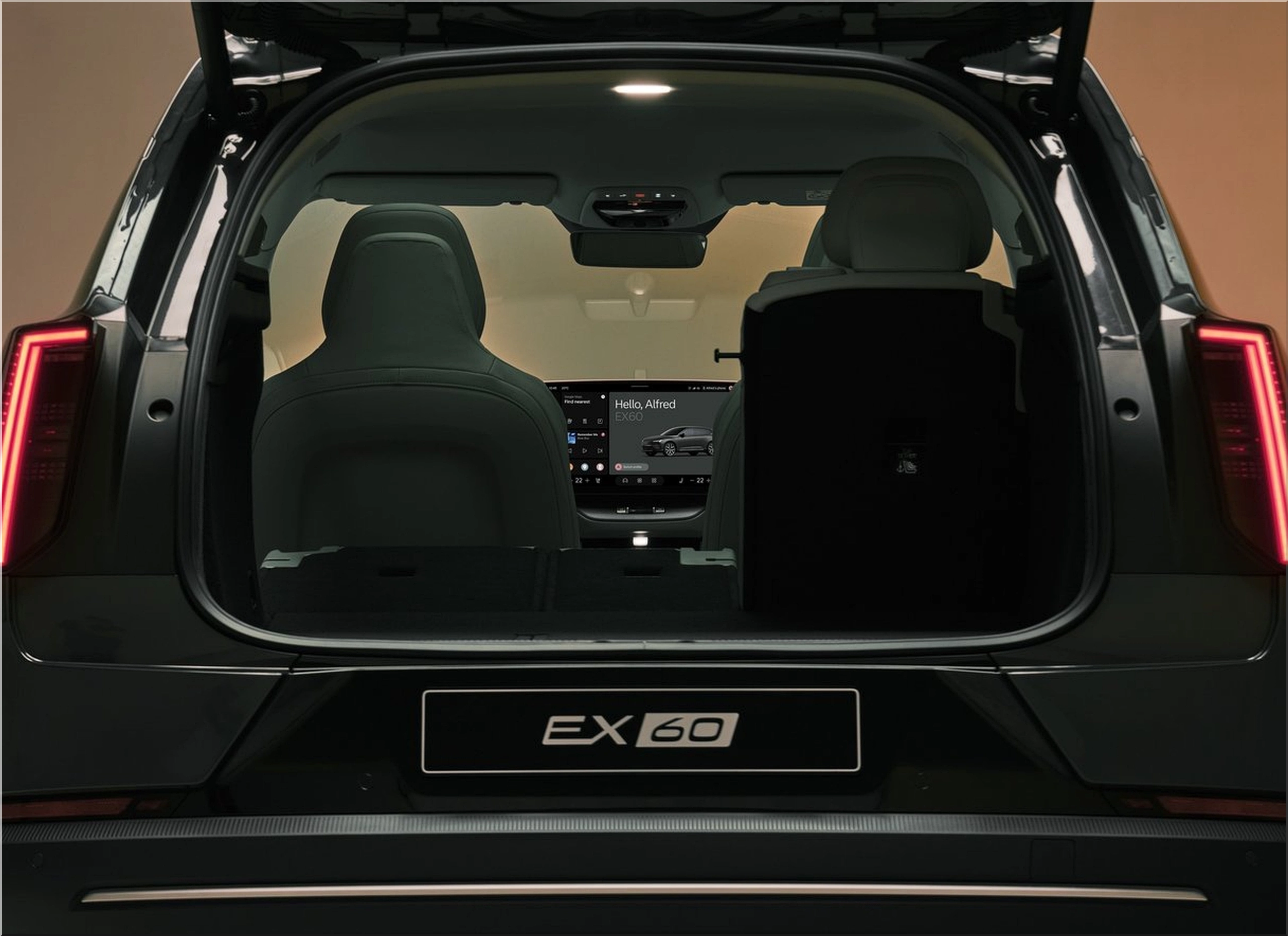
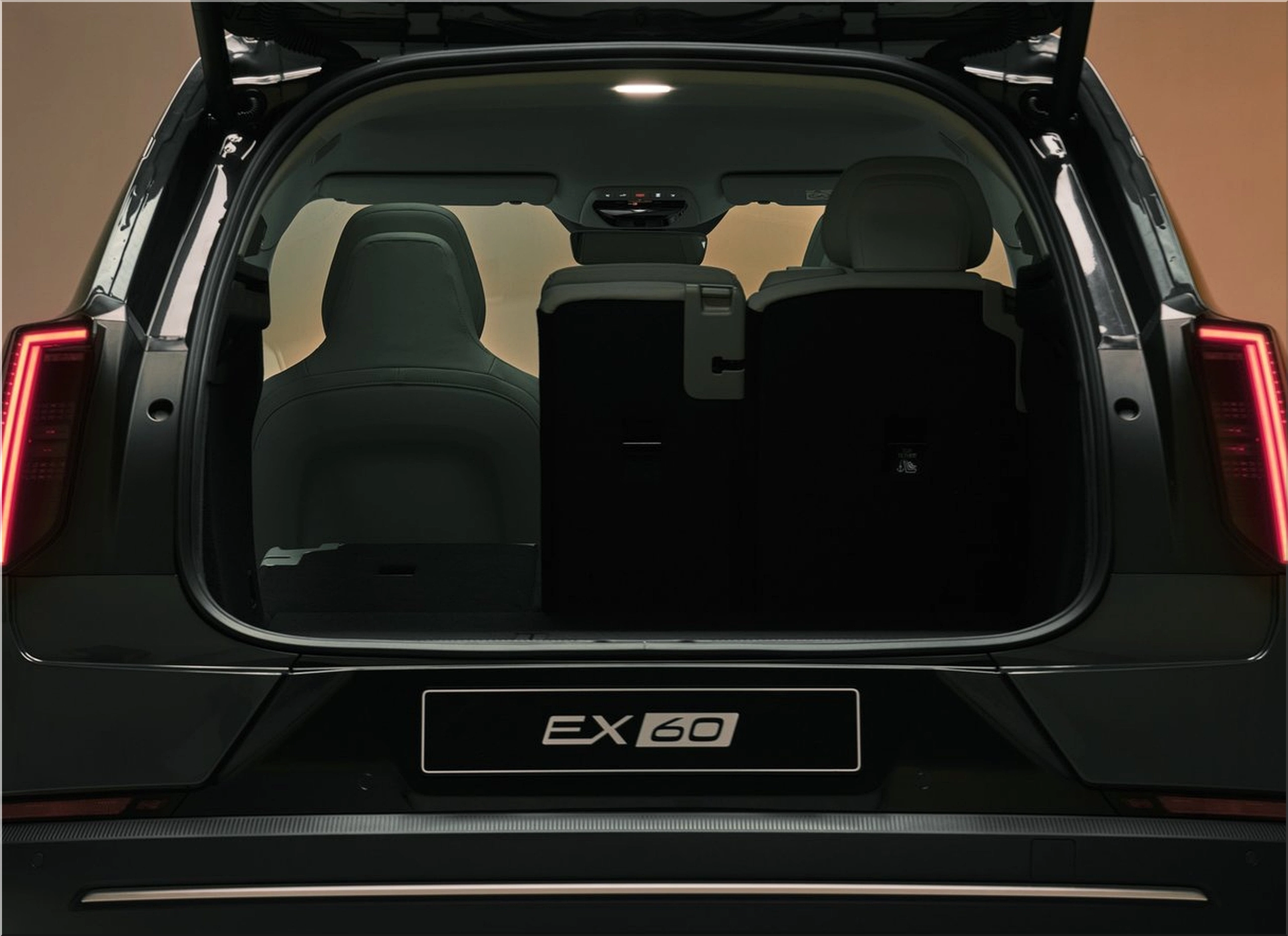
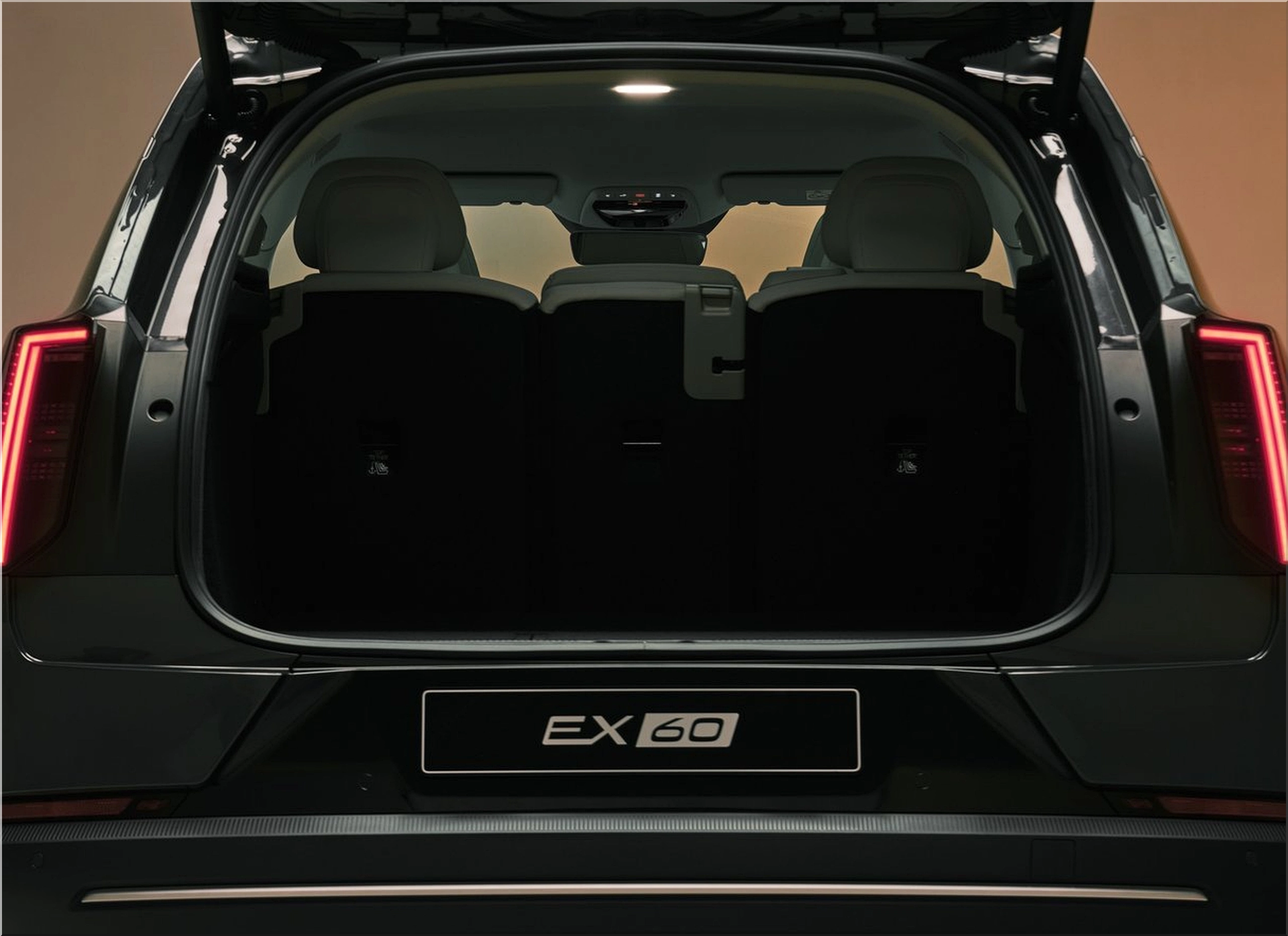
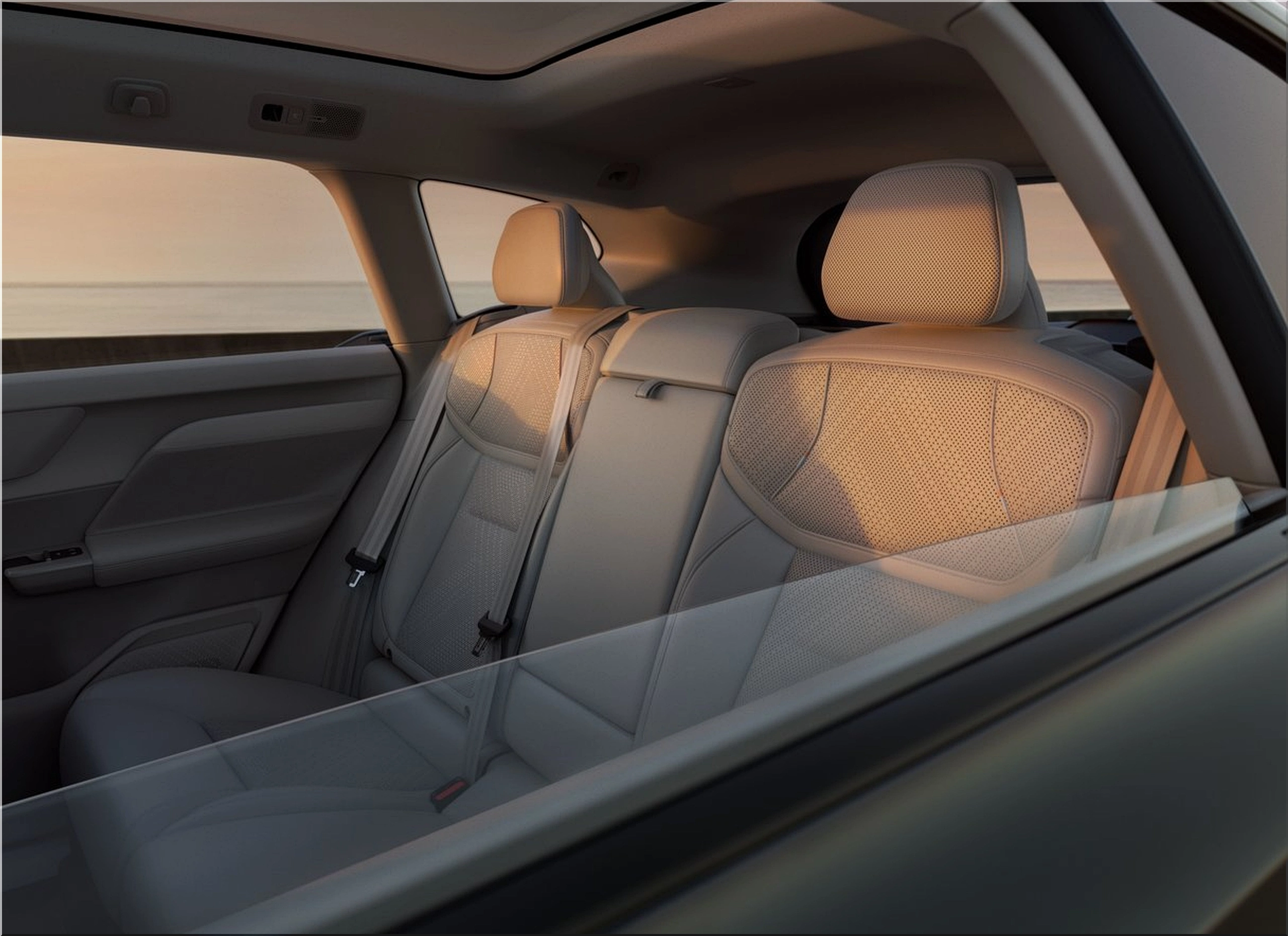
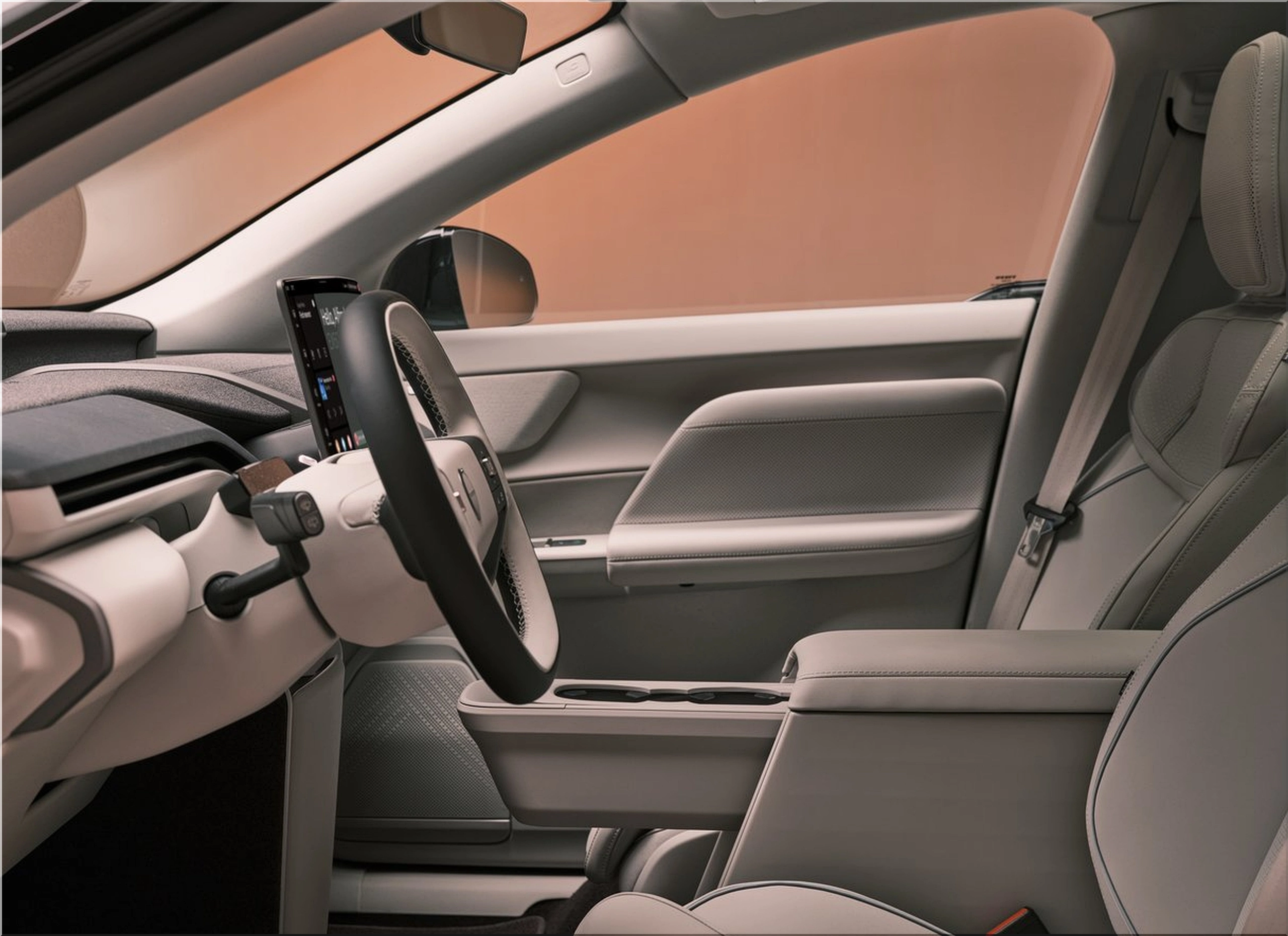
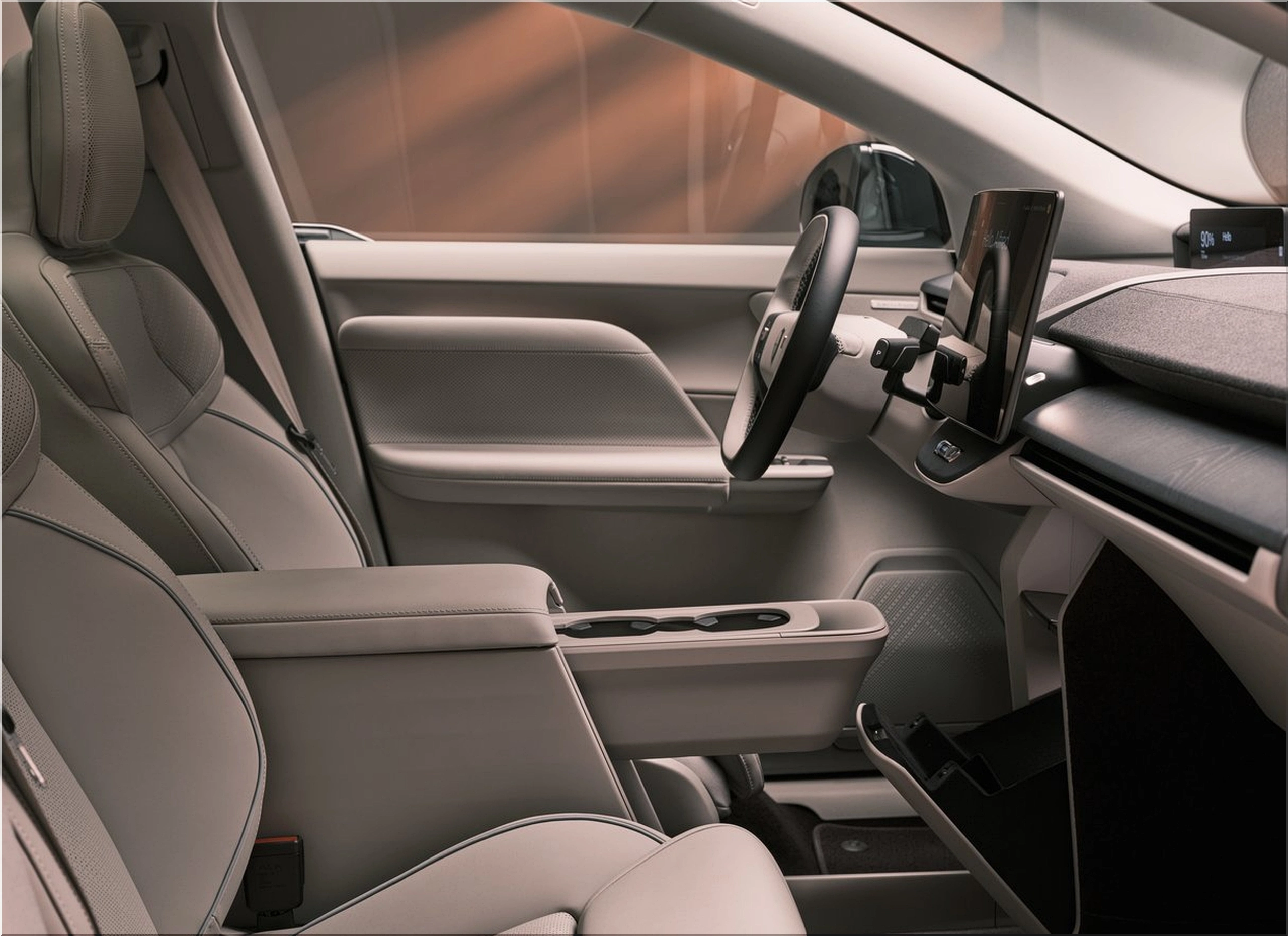
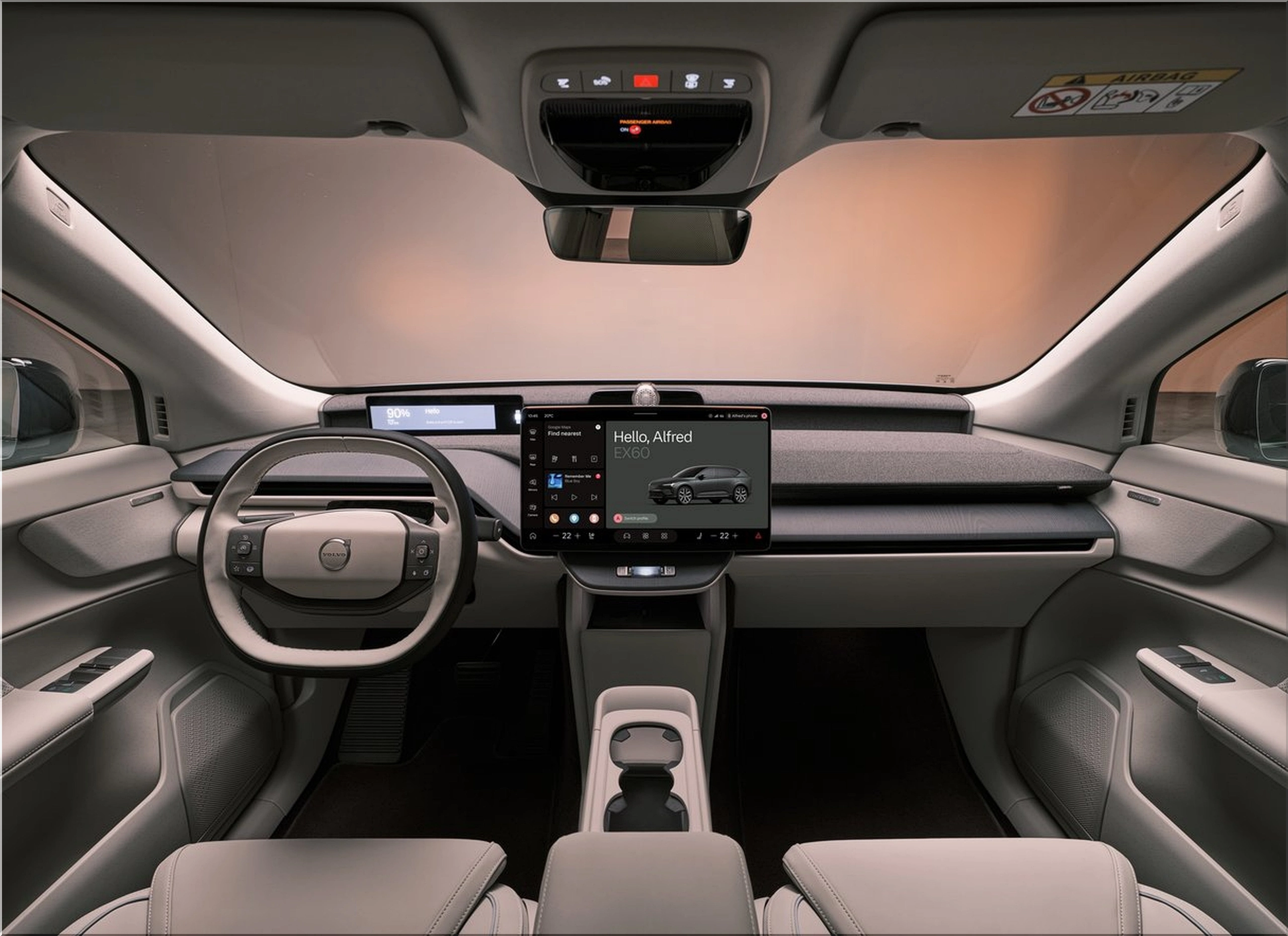
The EX60 maximizes its long wheelbase and flat floor. Without a transmission tunnel or exhaust routing, rear-seat passengers gain significant legroom.
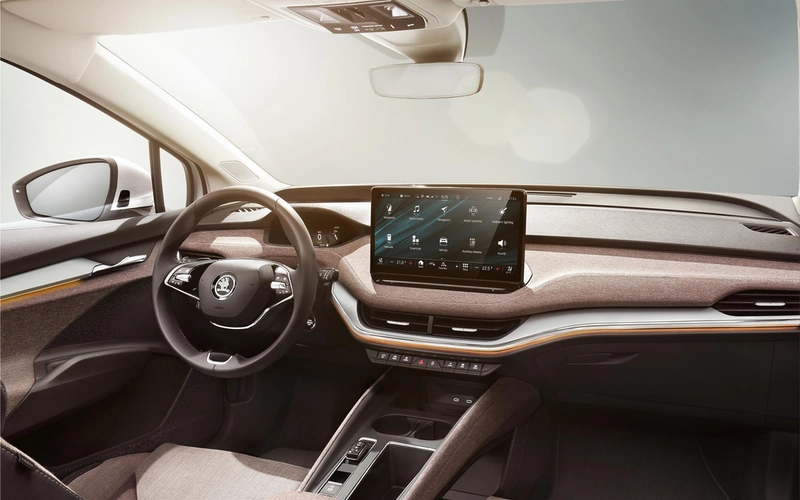
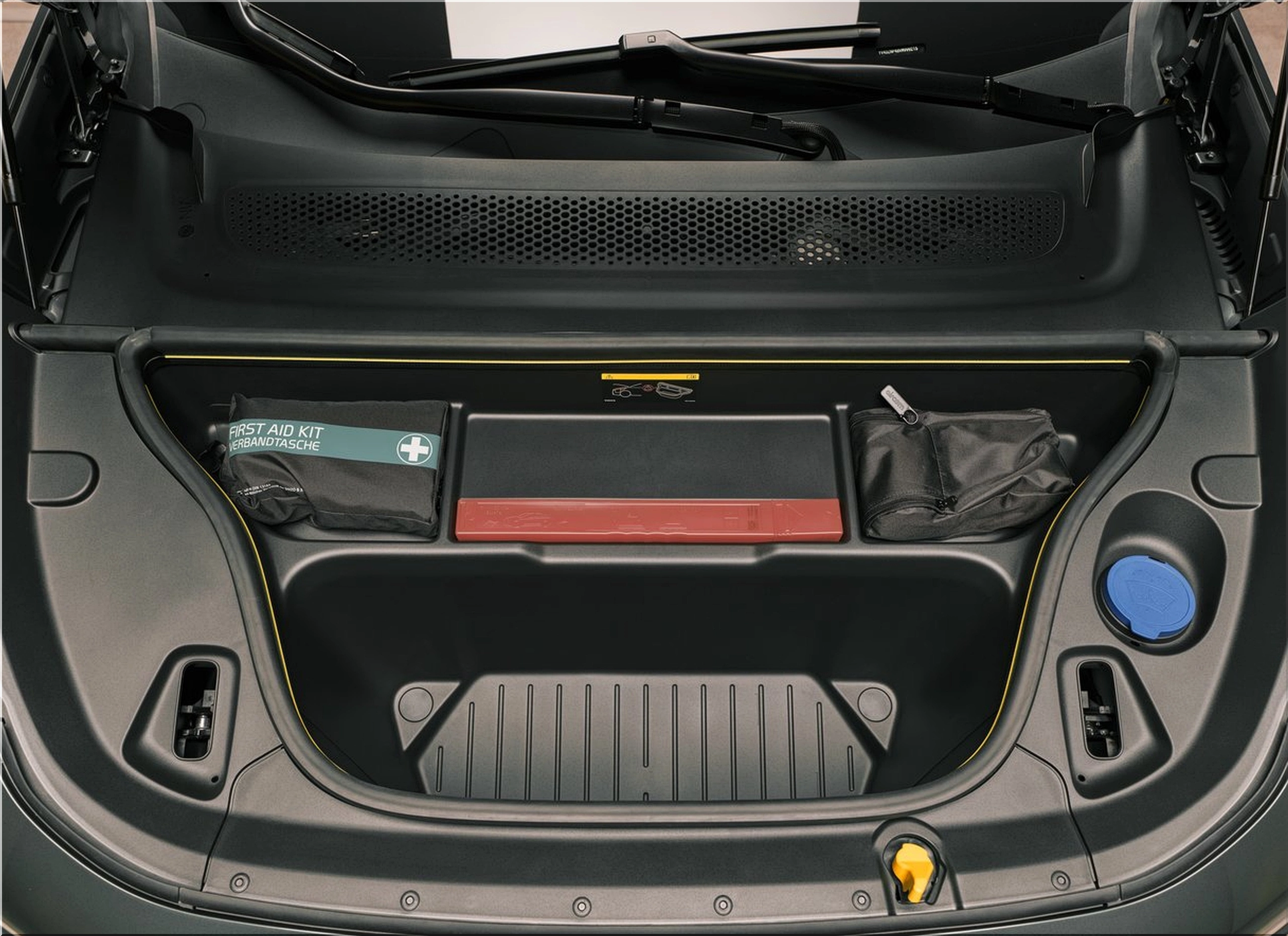
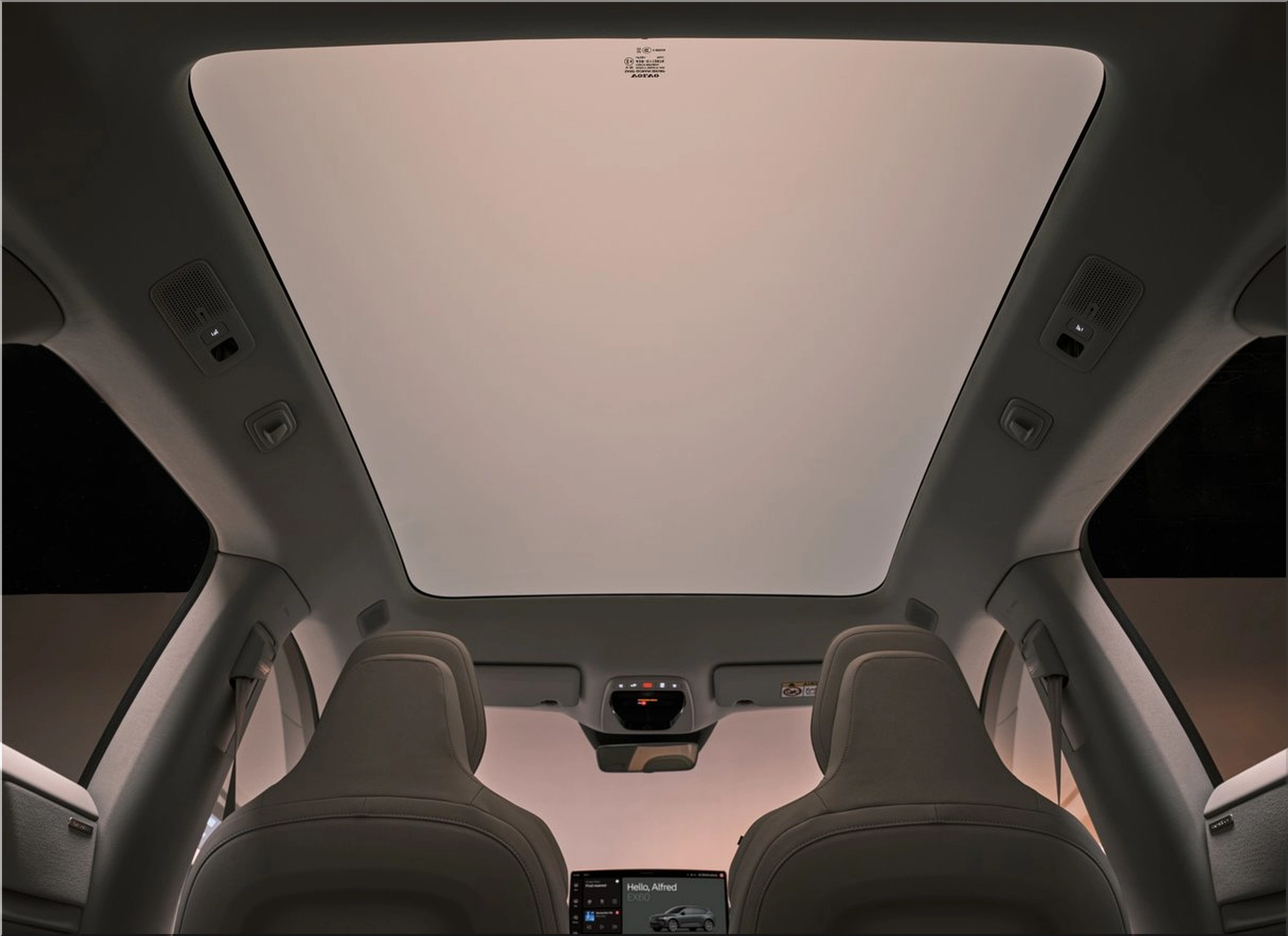
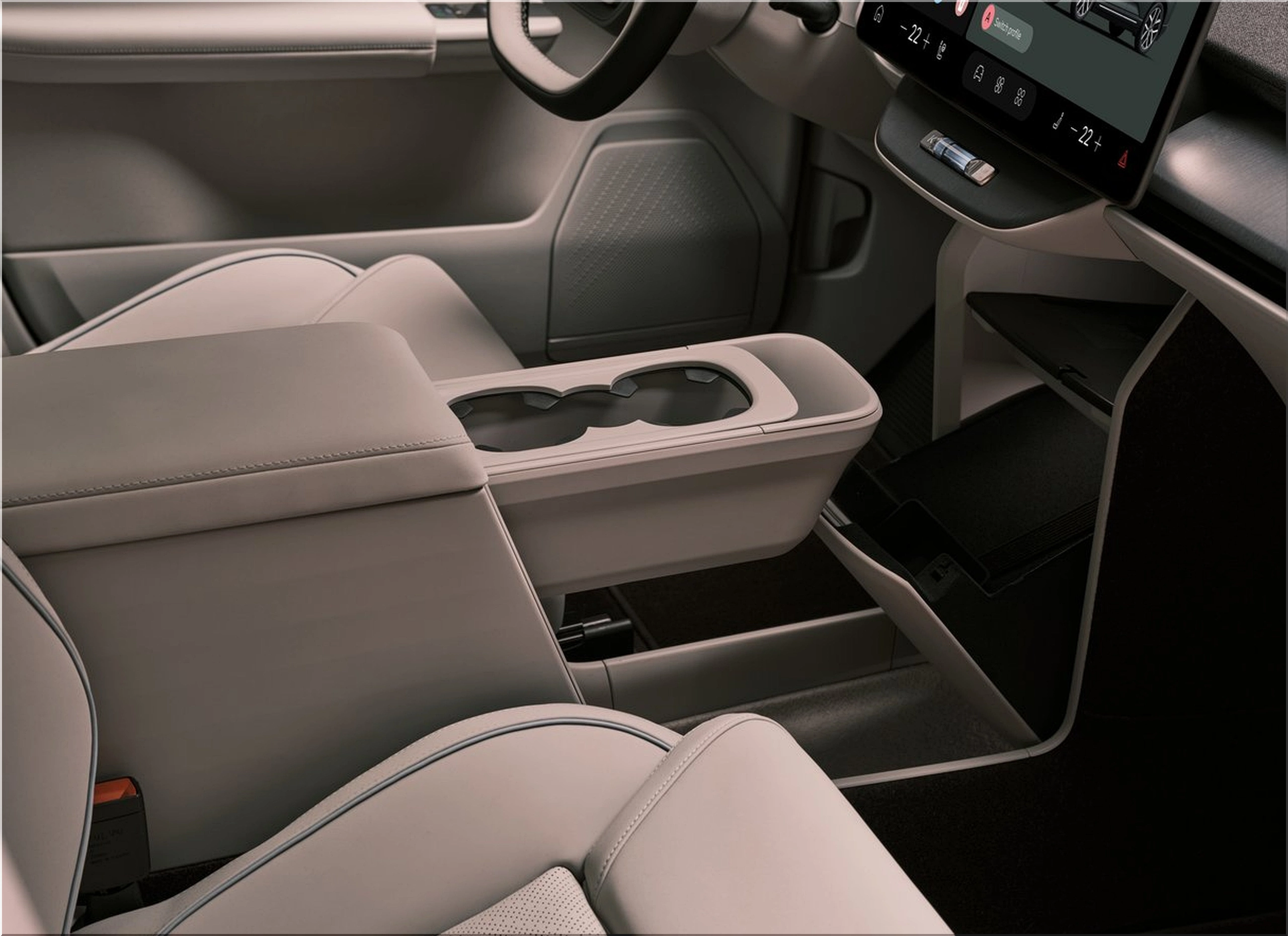
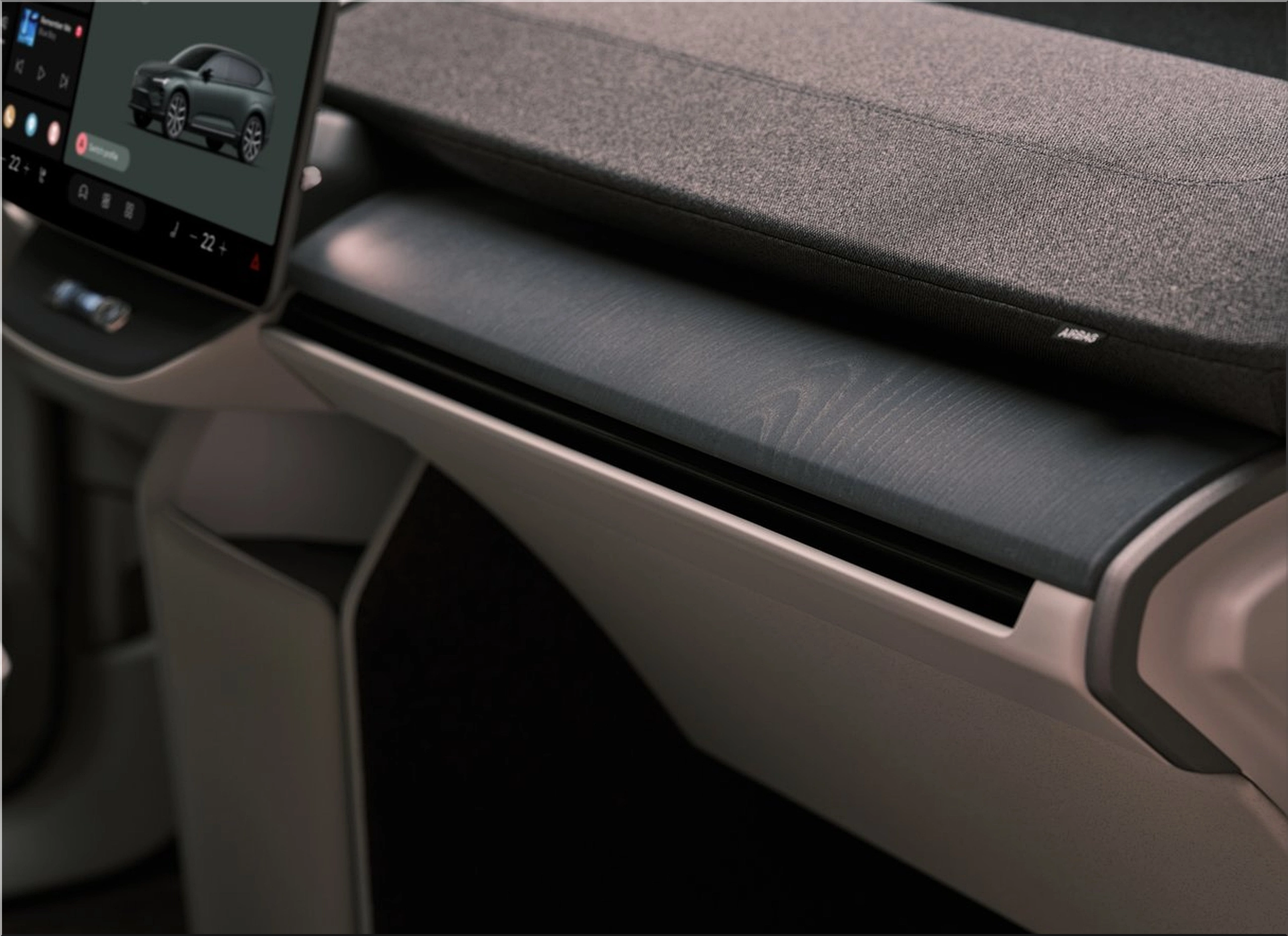
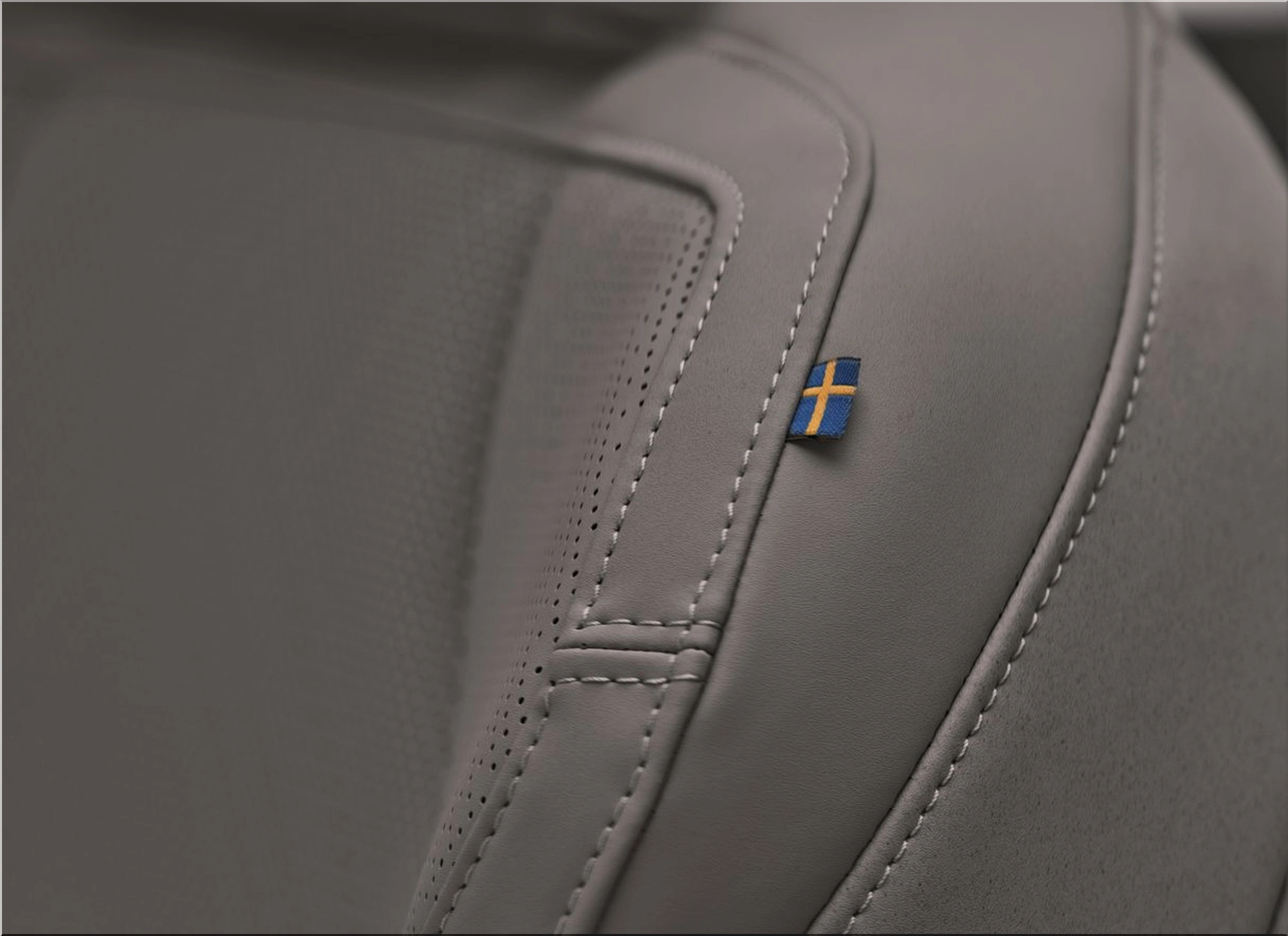
The cabin uses high-end natural materials. Volvo avoids excessive chrome and plastic, focusing instead on textures that feel refined. Storage is a priority. Designers added smart compartments for personal items throughout the cabin, taking advantage of the space saved by the cell-to-body battery layout.
Image
Safety Innovation: The Three-Point Update
Volvo invented the three-point seatbelt, and the EX60 introduces its latest evolution. This award-winning safety innovation provides specialized protection for front-row occupants by adjusting tension and position based on real-time sensor data.
The vehicle constantly assesses its surroundings. A wide array of sensors, including LiDAR and high-resolution cameras, create a 360-degree map of the environment. The car does not just react to crashes; it works to prevent them by predicting the movements of other road users.
Order Dates and Production Timeline
Production for the EX60 begins this spring at the Volvo factory in Sweden. European customers can place orders immediately.
For the North American market, orders open in late spring 2026. Volvo will release three main variants:
- P6: Entry-level single motor.
- P10: Long-range dual motor.
- P12: High-performance flagship.
Customer deliveries for the P6 and P10 models start in summer 2026. The P12 variant will follow shortly after.
Image
What Now?
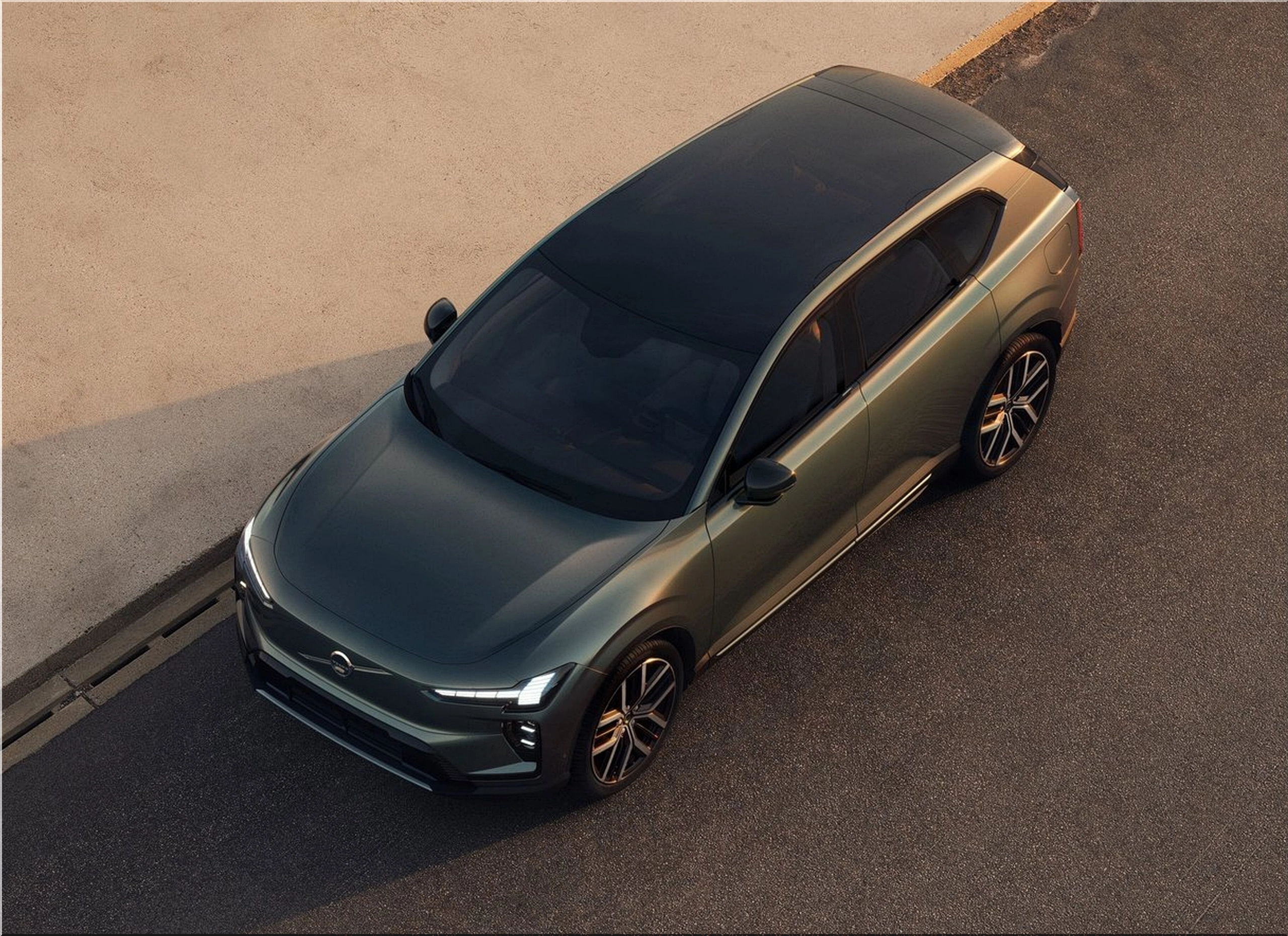
The 2027 Volvo EX60 represents a shift in how Volvo builds cars. It is lighter, faster-charging, and offers more range than its German or American rivals. If you are in the market for a midsize luxury SUV, wait for the spring 2026 US order window. The leap in battery integration and computing power makes this a significant upgrade over current electric offerings.
Image Gallery
- Add new comment
- 317 views