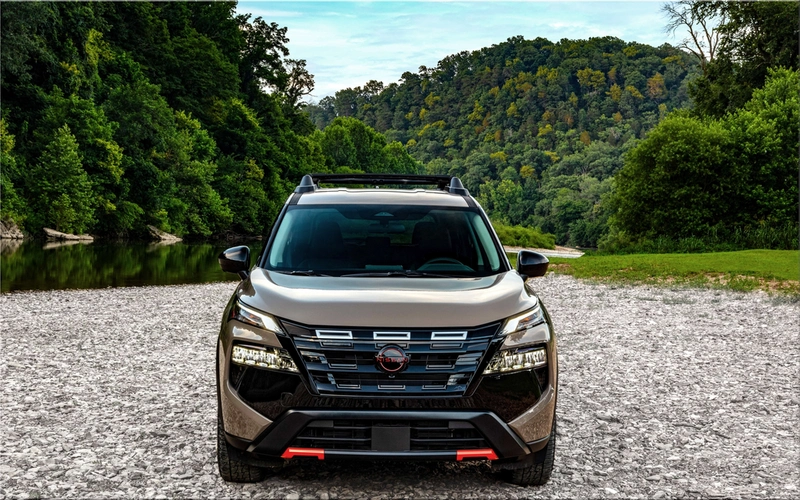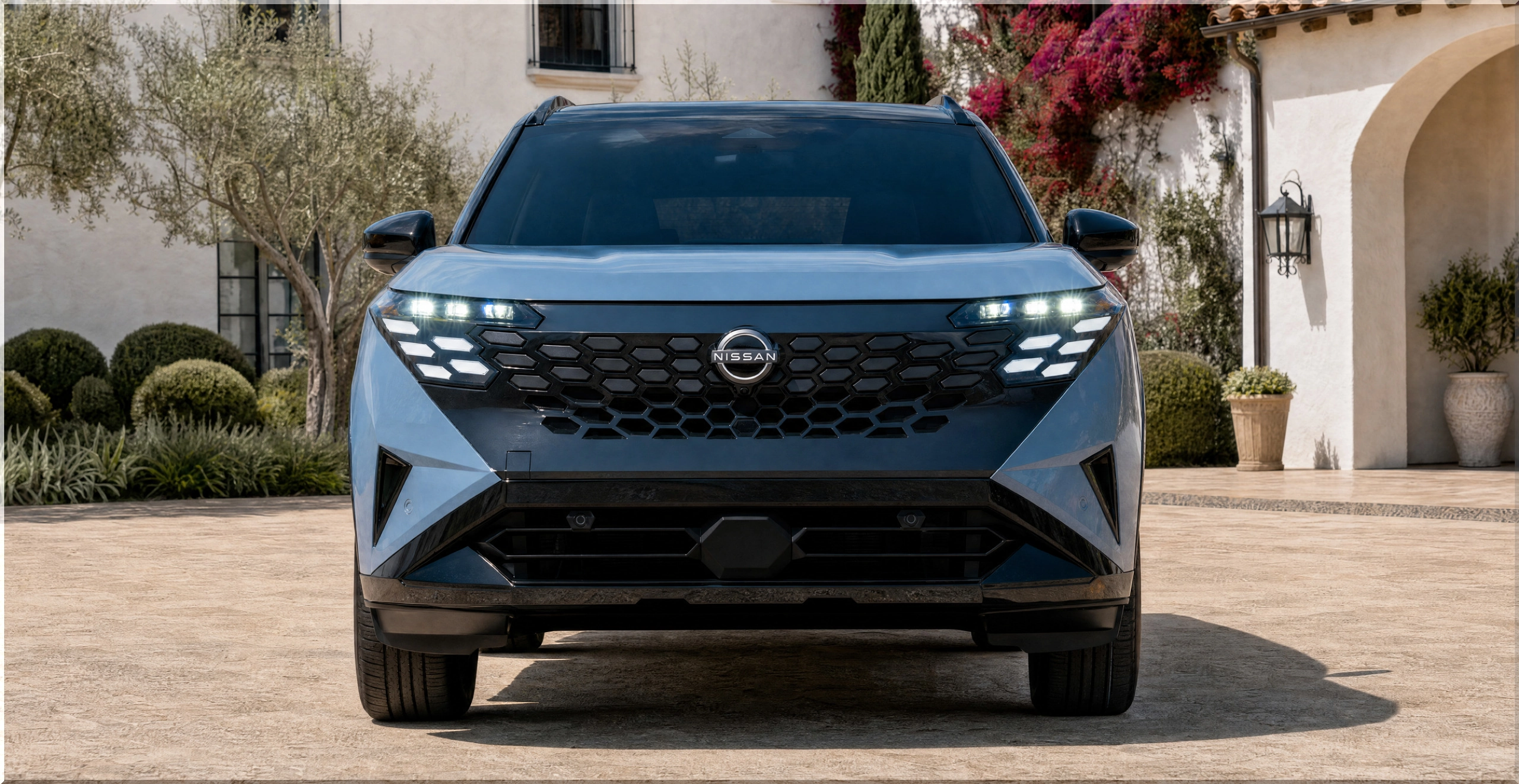
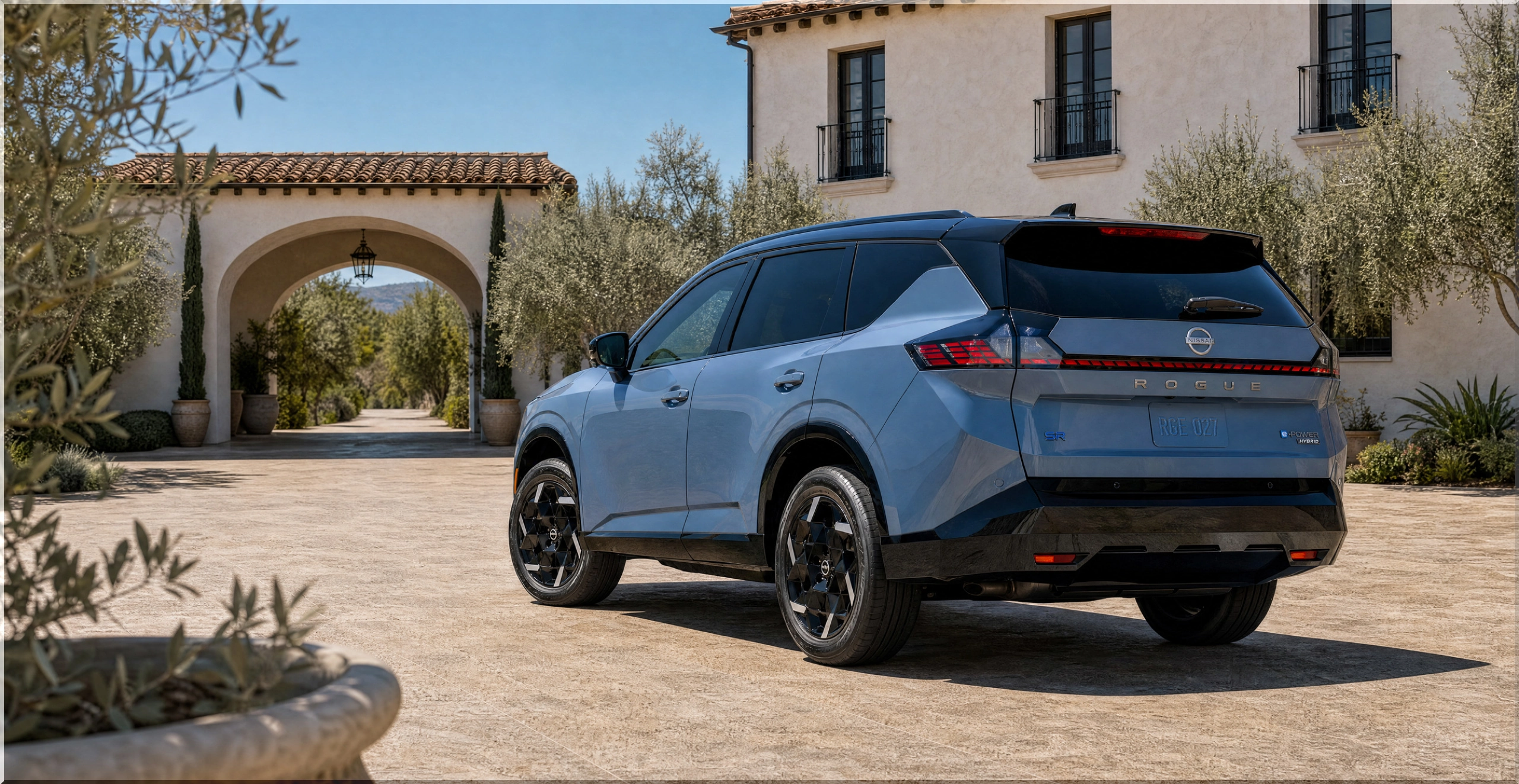
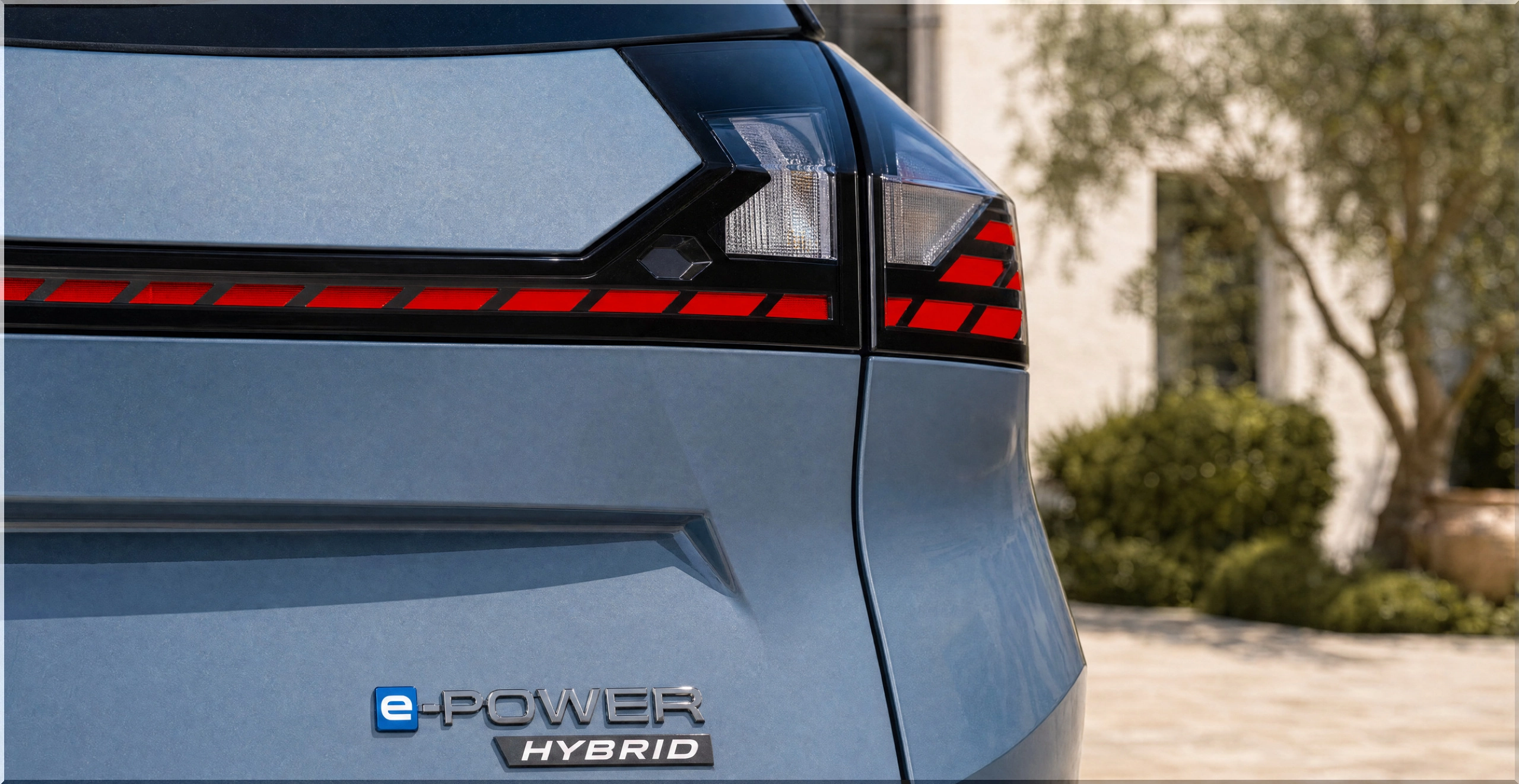
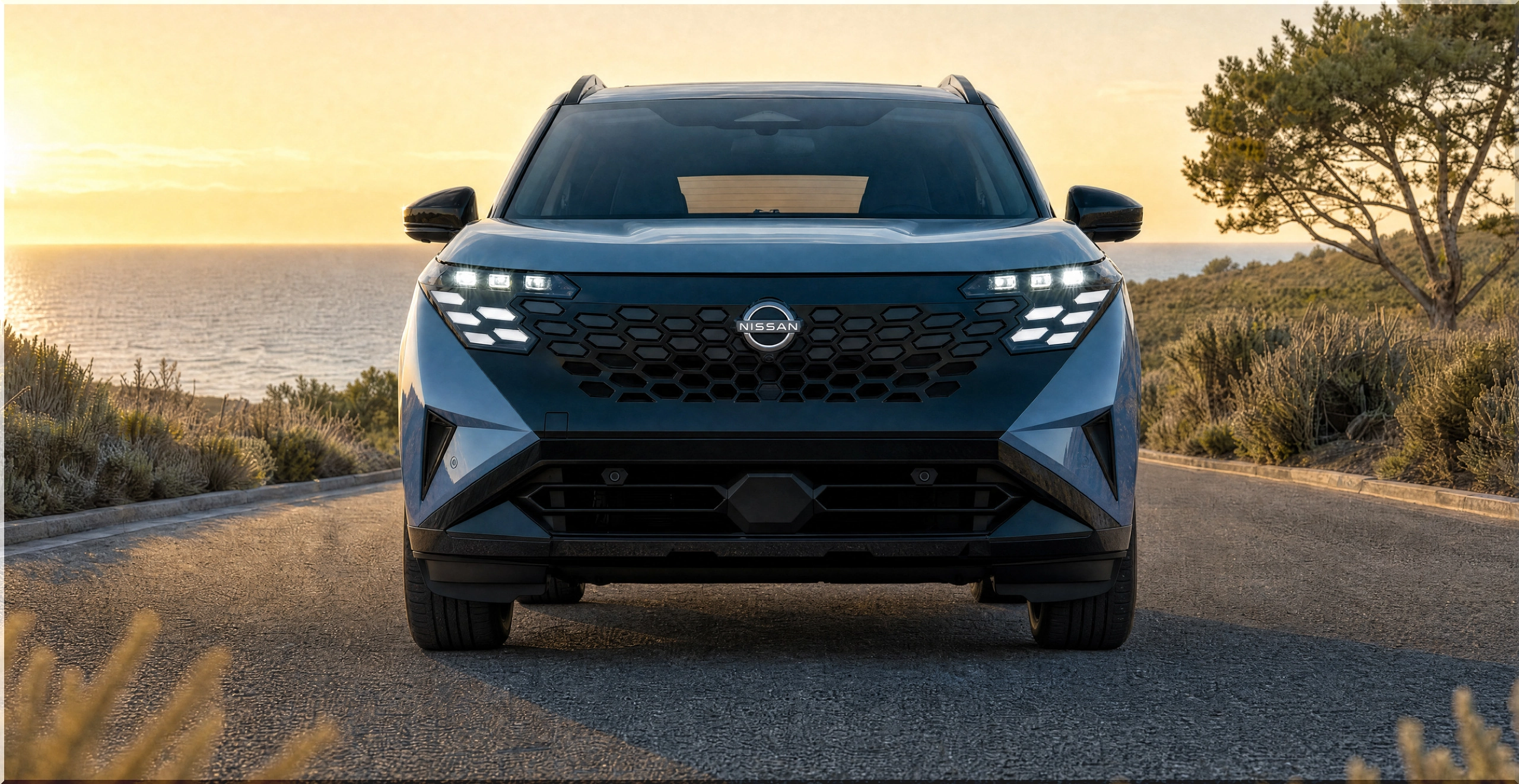
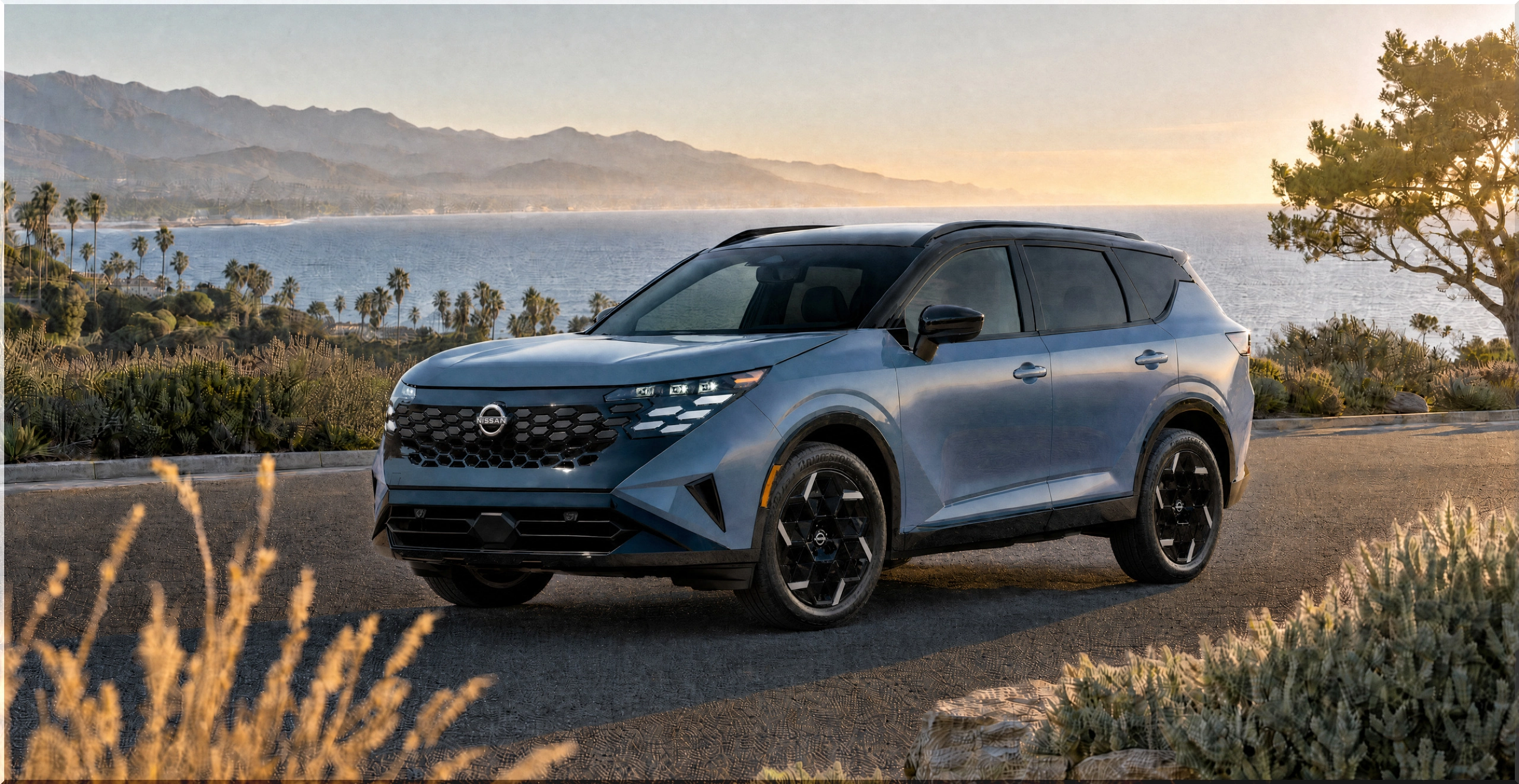
The 2027 Nissan Rogue Hybrid changes the machinery behind Nissan's compact SUV. A gasoline engine generates electricity, two electric motors turn the wheels, and every trim includes all-wheel drive. You fill the tank with regular gasoline. You never plug it in.
That layout supports Nissan's refinement pitch: quieter acceleration, smoother stops, and driver assistance that handles traffic with fewer abrupt inputs. The $35,490 starting price deserves attention, but the first showroom arrivals carry a much higher sticker. Here is what the specifications mean for American buyers.
Image
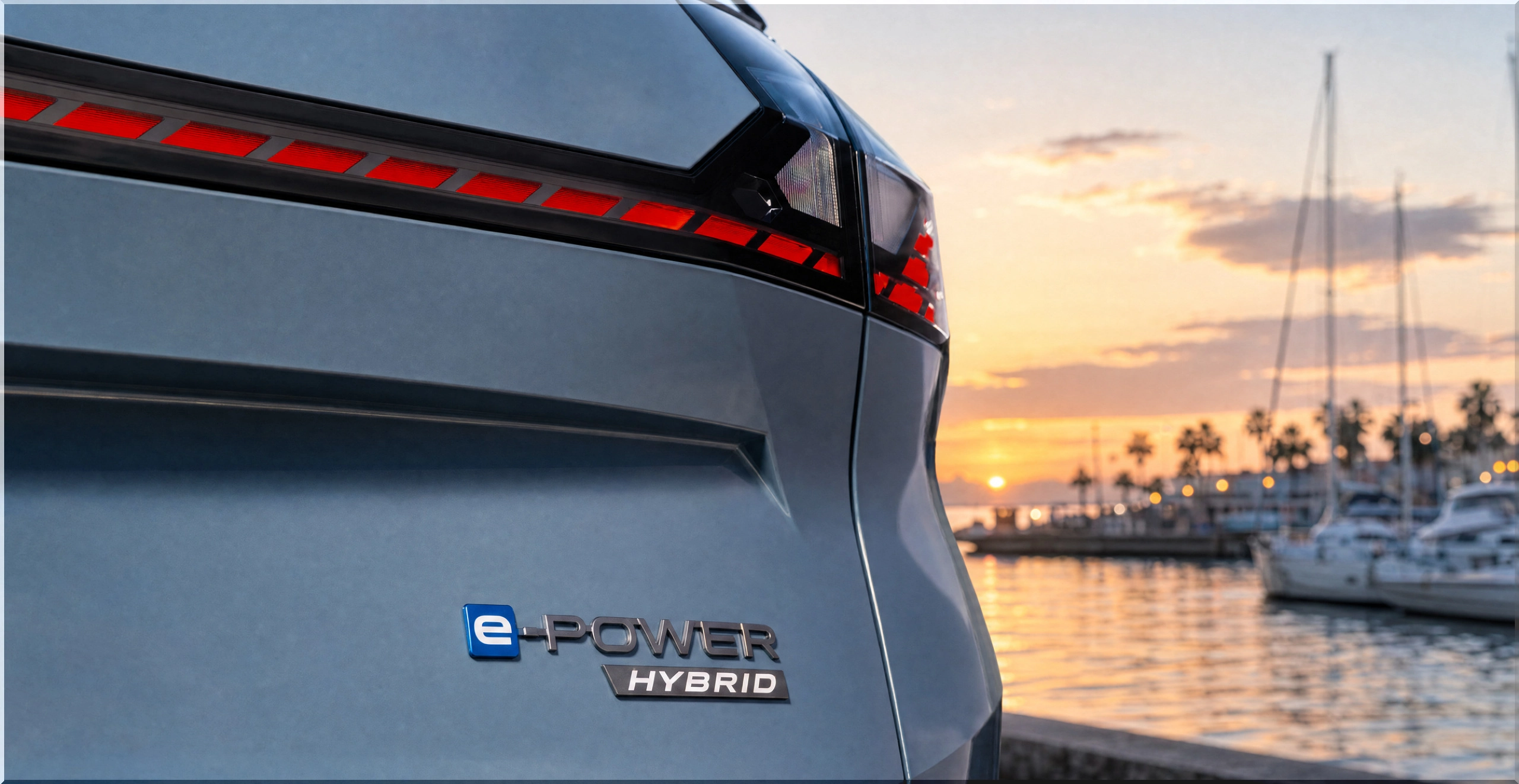
Price and Availability: The First Rogue Hybrid Costs More
Nissan opens the rollout with the SR AWD and its $4,000 Technology Package. The SV, standalone SR, and Platinum follow in early 2027. Add Nissan's $1,575 destination charge before comparing dealer quotes.
| Configuration | MSRP before destination | Price including destination | Buying distinction |
|---|---|---|---|
| SV AWD | $35,490 | $37,065 | Lowest entry price; standard dual-motor AWD |
| SR AWD | $37,490 | $39,065 | Sport styling and 19-inch wheels |
| SR AWD with Technology Package | $41,490 | $43,065 | Initial launch configuration; larger displays and added assistance |
| Platinum AWD | $43,490 | $45,065 | Ventilated front seats, head-up display, Bose audio |
These totals exclude taxes, registration, dealer charges, and other options. Nissan's October 30 announcement says vehicles begin reaching dealers the following week, while its availability footnote projects limited SR Technology Package inventory from late November. Confirm the delivery date for an actual vehicle before arranging a trade-in.
Image
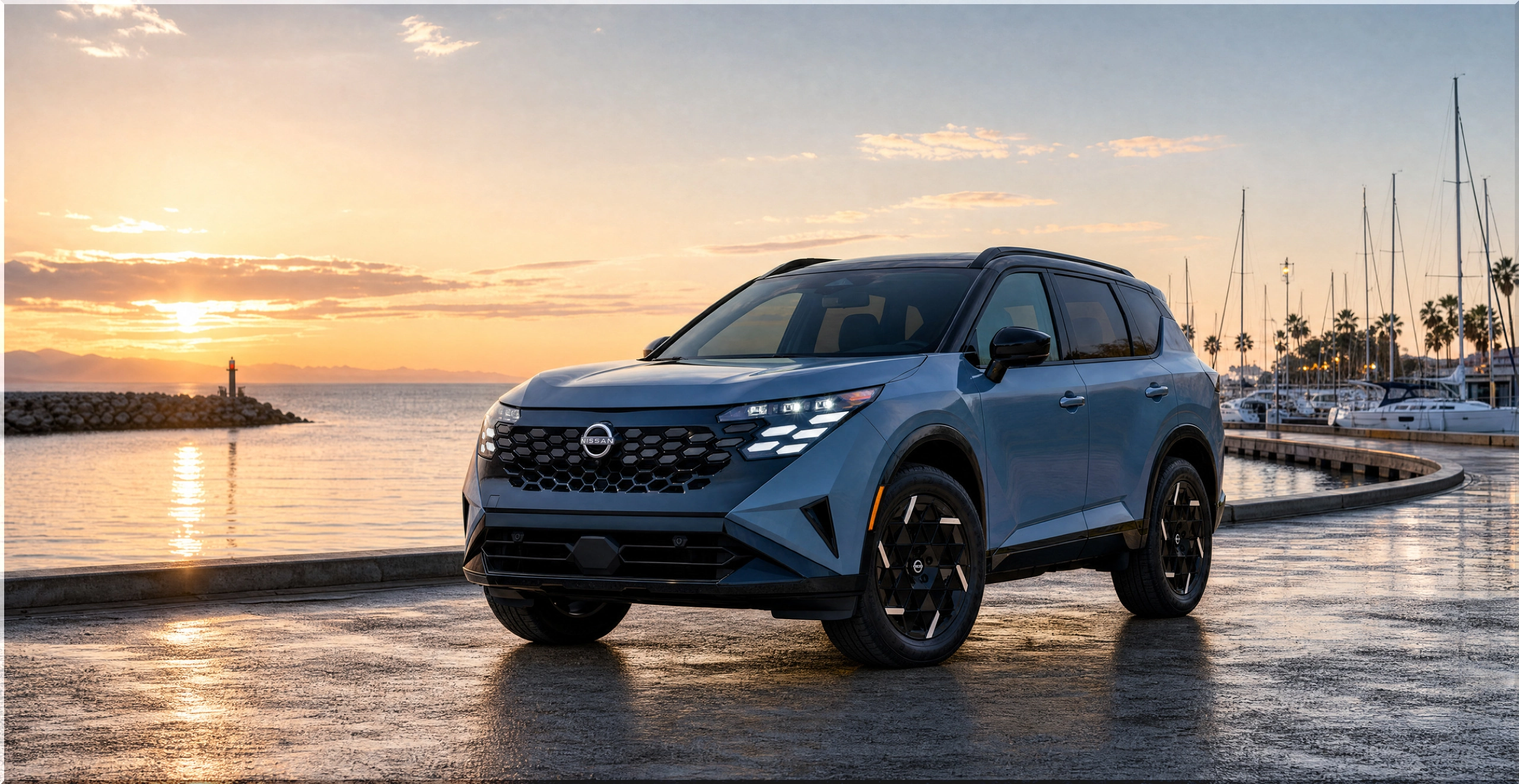
How Nissan's e-POWER Hybrid Works
A series hybrid uses its combustion engine to generate electrical power while electric motors handle propulsion. Nissan's e-POWER system follows that principle without a mechanical engine-to-wheel connection.
The dedicated ZR15DDTe generator engine displaces 1,498 cc and uses turbocharging, direct injection, and a 13.0:1 compression ratio. Nissan reports 42% thermal efficiency. That figure describes engine efficiency under its stated development conditions; it does not mean the vehicle converts 42% of every gallon into motion during every trip.
| Specification | 2027 Rogue Hybrid | Practical meaning |
|---|---|---|
| Total system output | 225 hp | Use this rating when comparing hybrid power |
| Generator engine | 148 hp at 5,000 rpm; 171 lb-ft at 3,600 rpm | Supplies electrical energy rather than wheel torque |
| Front motor | 202 hp; 243 lb-ft from 0-4,300 rpm | Delivers torque from launch |
| Rear motor | 134 hp; 144 lb-ft from 0-3,000 rpm | Adds electrically controlled rear-axle drive |
| Hybrid battery | 1.67 kWh lithium-ion | Buffers energy and captures regenerative braking |
| Length / wheelbase | 183.1 / 106.5 inches; approximately 4,651 / 2,705 mm | Defines its compact SUV footprint |
| Ground clearance | 8.4 inches SV; 8.5 inches SR/Platinum | Approximately 213-216 mm |
| Maximum trailer weight | 1,500 pounds when properly equipped | Suits light trailers, subject to load limits |
Do not add the two motor ratings together. Battery output, generator supply, and control limits constrain simultaneous delivery, so Nissan rates the complete system at 225 hp. The small battery also supports short engine-off operation rather than a plug-in hybrid's extended electric range.
Image
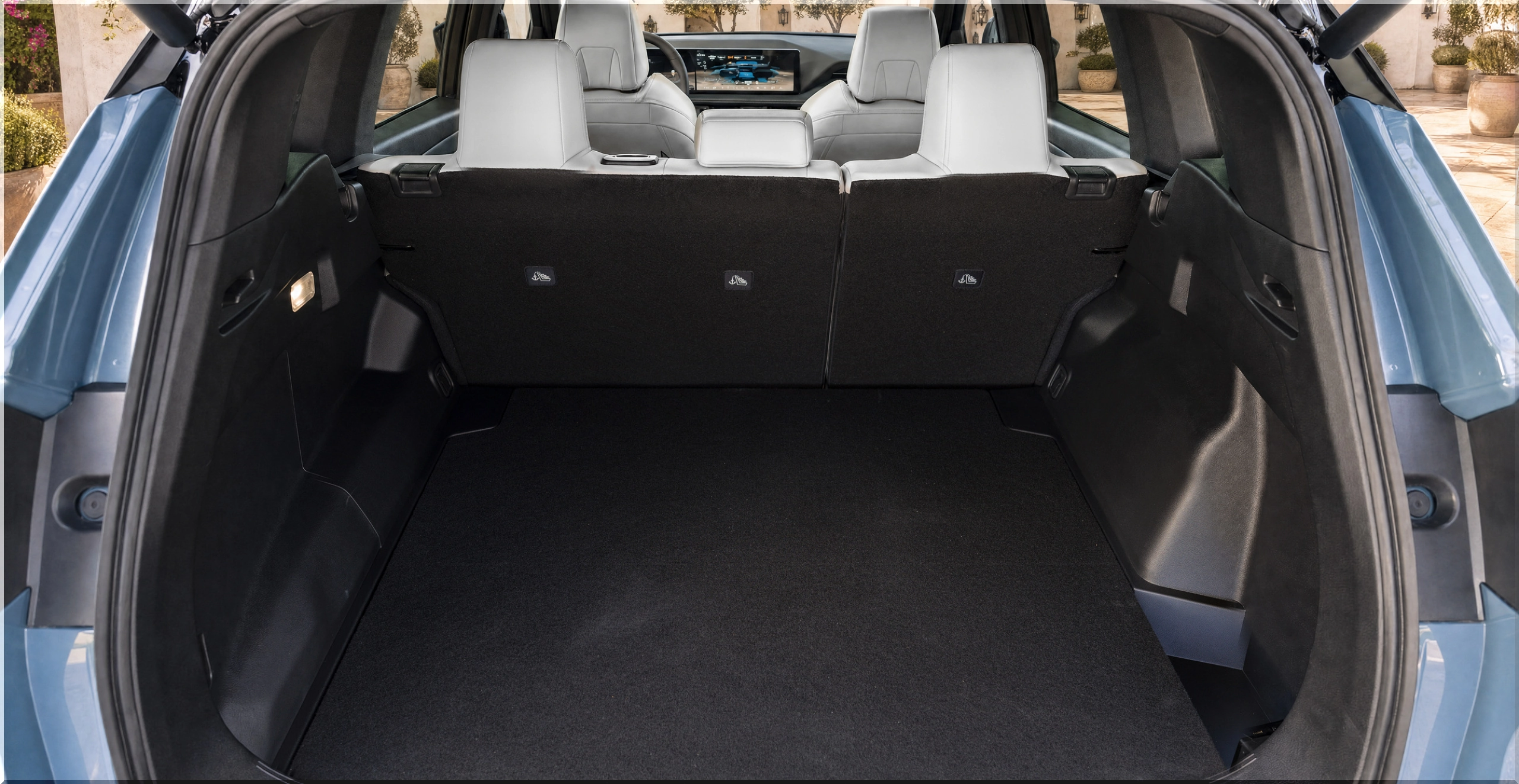
1. A Quieter Cabin Starts With the Powertrain
The engine can generate electricity without matching wheel speed directly. That freedom lets 2027 Nissan Rogue Hybrid manage engine operation around electrical demand and efficiency, while the motors deliver acceleration without conventional transmission shifts. Heavy acceleration can still call the engine into action; this remains a gasoline-fueled vehicle.
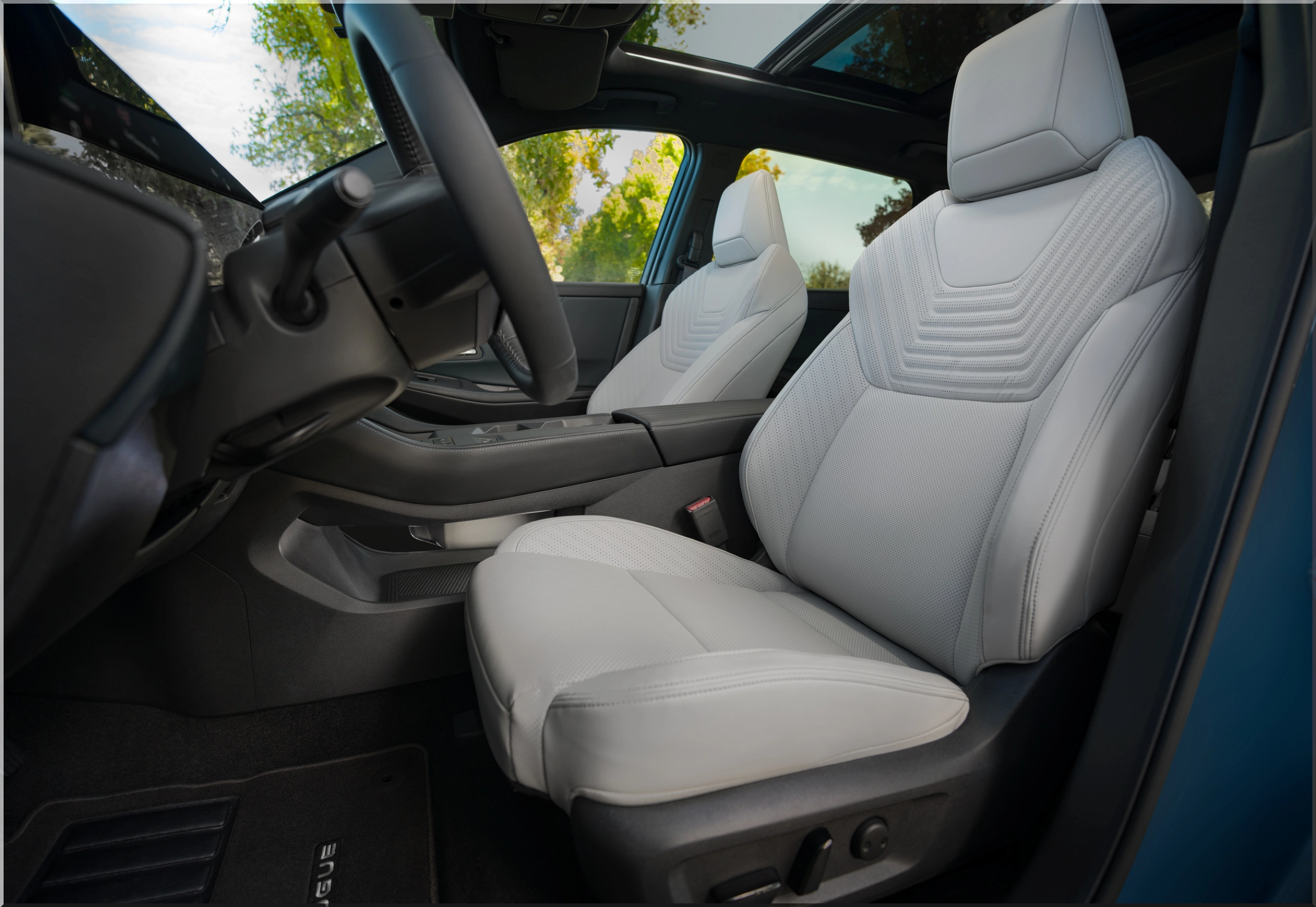
Nissan also targets the noise paths around passengers. Wheel-well insulation addresses tire noise, while concealed wipers, door-mounted mirrors, slim roof rails, improved seals, and acoustic-laminated glass tackle wind and outside sound. Even the available ventilated seats use a quieter cooling design.
The comfort specification extends beyond insulation:
- Zero Gravity seats support occupants on longer drives.
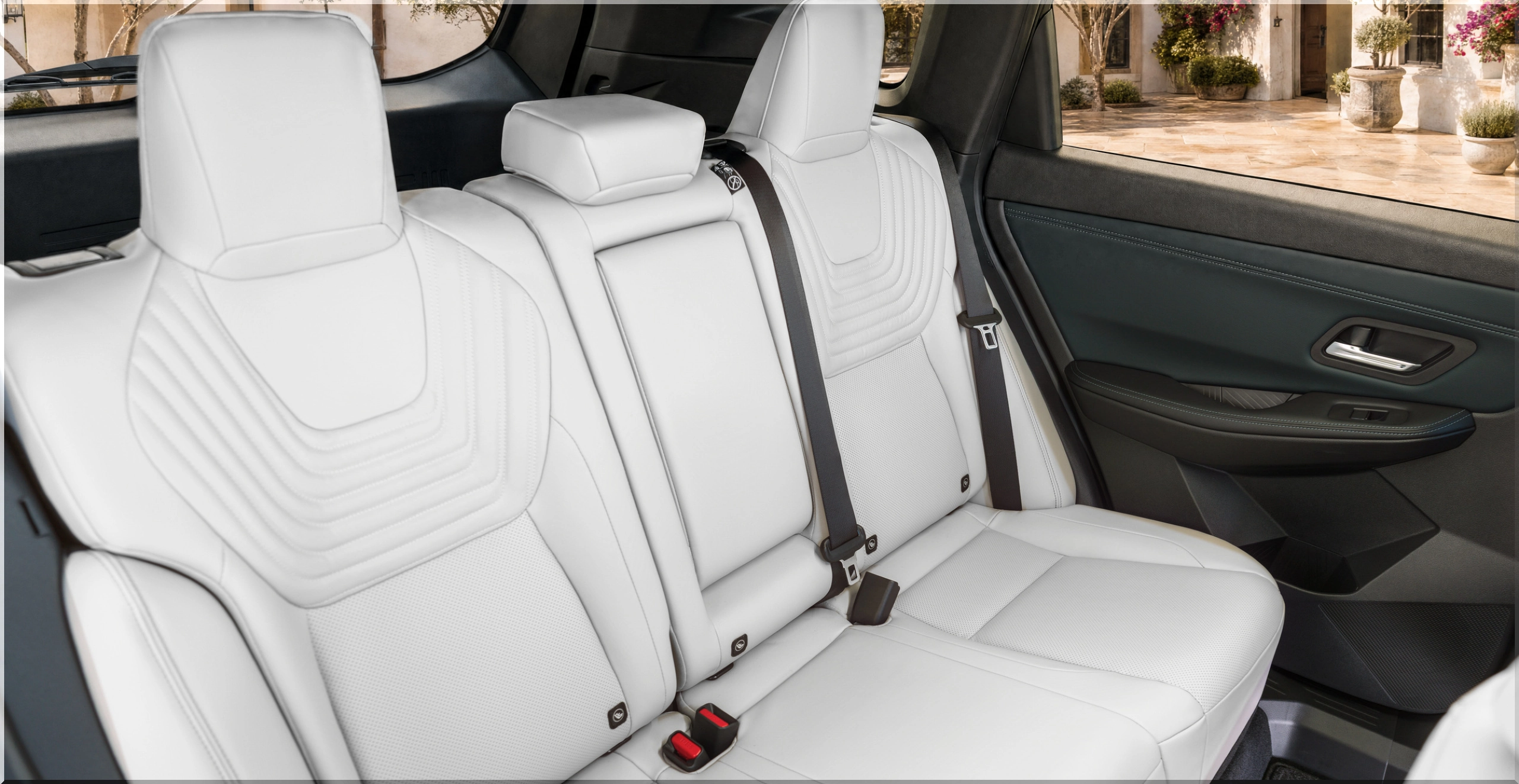
- Front legroom measures 41.5 inches, versus 36.2 inches behind it.
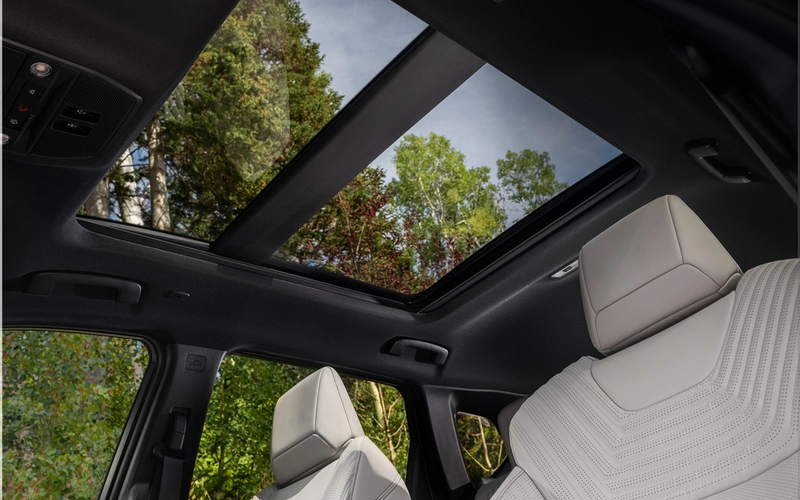
- Front headroom measures 40.9 inches without the moonroof and 39.2 inches with it.
- Rear doors open nearly 90 degrees, easing child-seat loading.
Those measurements expose a tradeoff. The Rogue gives taller drivers room up front, but the moonroof removes 1.7 inches of front headroom. Sit in the exact trim before choosing equipment from a screen.
Image
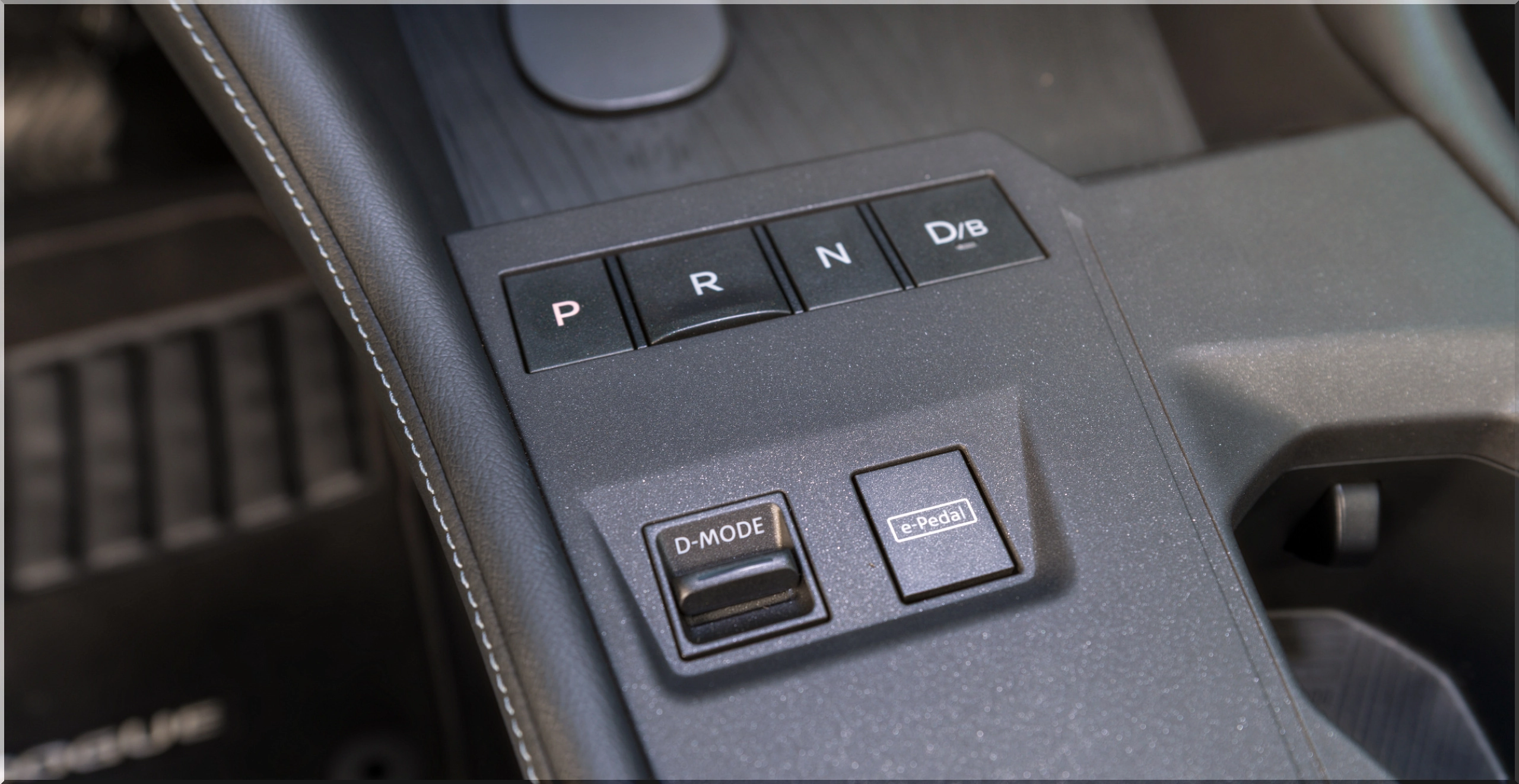
2. Smooth Stop Addresses the Last Few Feet
Smooth Stop automatically eases braking pressure as the Rogue finishes stopping. Drivers hold the brake pedal steady while the system manages that final transition, reducing the fore-and-aft motion passengers feel when braking force changes abruptly.
Nissan pairs it with e-Pedal, which can slow the SUV to a complete stop when the driver releases the accelerator. Regenerative braking recovers energy during deceleration, while the vehicle manages braking to reach a stop. Keep the brake pedal available for emergencies and conditions that demand more deceleration.
The distinction matters during a test drive. Strong regeneration controls speed; Smooth Stop addresses how the vehicle settles at the end. Try both in ordinary traffic to judge whether Nissan's calibration suits your footwork.
Image
3. ProPILOT Assist Adds Smoother Traffic Control
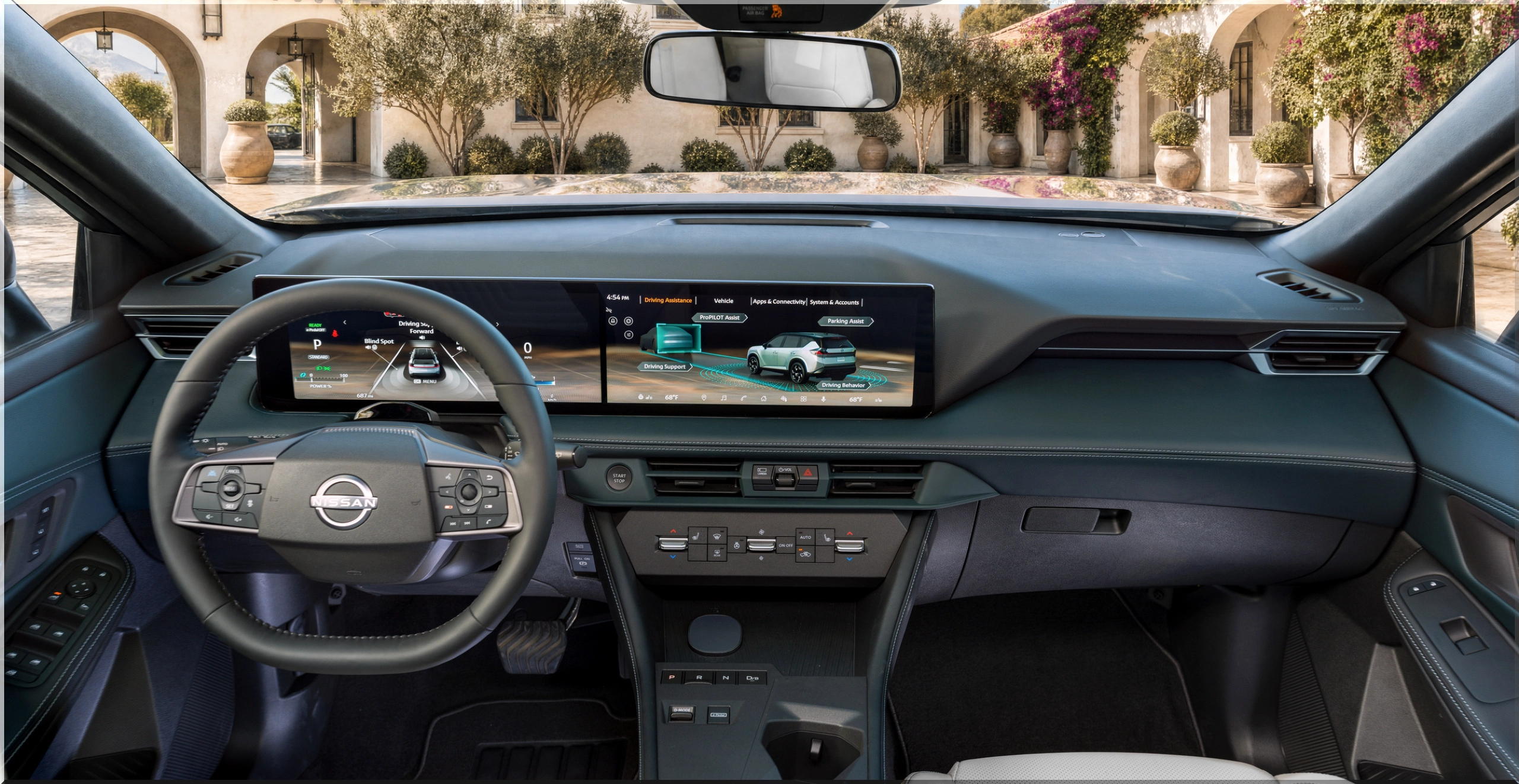
Standard ProPILOT Assist combines following-distance control with hands-on lane-centering assistance. Nissan gives the front camera a 20% wider field of view and reports up to 33% greater object-detection distance. Earlier detection gives the system more time to adjust speed before traffic compresses.
The SR Technology Package and Platinum add Hands-Off Traffic Jam Support below 30 mph under supported conditions. Auto Lane Change works on divided highways between 37 and 85 mph, with the driver's hands on the wheel. Neither feature removes the driver's responsibility to watch traffic and take control.
- Standard equipment includes a 12.3-inch touchscreen, wireless Apple CarPlay and Android Auto, and a 15-watt Qi2 charger.
- The SR Technology Package and Platinum bring dual 14.3-inch displays and Google built-in.
- Physical climate controls keep frequent adjustments within direct reach.
Video
Video title
Nissan Rogue Hybrid e-POWER
Rogue Hybrid vs. CR-V Hybrid and Tucson Hybrid
The hybrid compact SUV comparison favors different vehicles for different jobs. Compare AWD versions rather than mixing Nissan's standard AWD with a rival's front-drive economy rating.
| U.S. configuration | System output | City/highway/combined mpg | Maximum towing |
|---|---|---|---|
| 2027 Nissan Rogue Hybrid SR AWD | 225 hp | 41/36/38 | 1,500 lb |
| 2027 Honda CR-V Sport Hybrid AWD | 204 hp | 40/34/37 | 1,000 lb |
| 2026 Hyundai Tucson Hybrid SE AWD | 231 hp | 38/38/38 | 2,000 lb with trailer brakes |
Nissan's launch release identifies the SR figures as EPA estimates. Its specification sheet lists estimated 41/35/37 mpg for SV and Platinum. Hyundai matches the SR's combined rating and beats its highway figure, while Nissan leads this trio in city mileage. Honda counters with 41 inches of rear legroom, 4.8 inches more than the Rogue. Hyundai also carries the highest trailer rating here.
Image
Which Rogue Hybrid Should You Buy?
Pro-Tip: Price the SV first, then identify the equipment you will actually use. It shares the 225-hp drivetrain with the higher trims. At the listed prices, moving from the launch SR Technology Package to Platinum costs another $2,000 before options, which makes Platinum worth examining if you want ventilated seats and a head-up display.
For emergency readiness, check beneath the cargo floor before signing. Nissan lists a tire repair kit as standard and a $220 T155/90D18 temporary spare package only for Platinum. The spare reduces listed cargo height from 33.5 to 31.9 inches. Follow its marked operating limits and the owner's manual.
The Rogue's strongest argument combines electric-drive response with everyday comfort. Buyers who tow heavier trailers or regularly carry tall rear passengers should compare rivals closely. Buyers who prioritize smoother commuting have a clear reason to put this Nissan on their test-drive list.
Image Gallery
- Add new comment
- 23 views