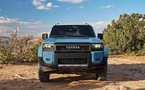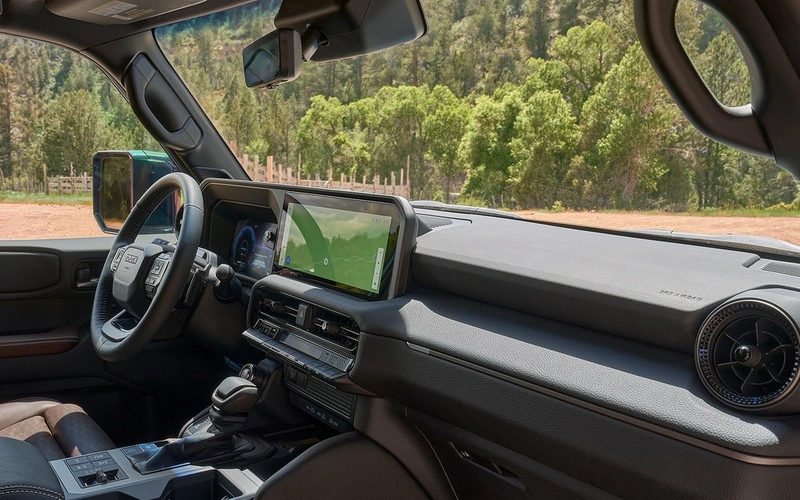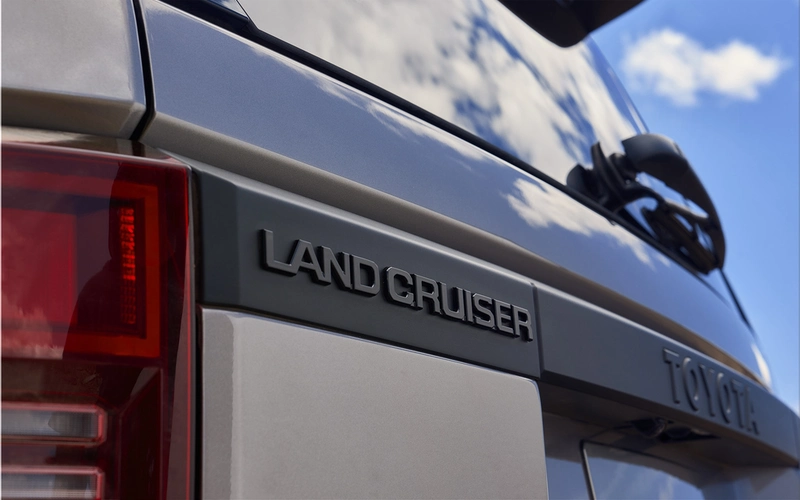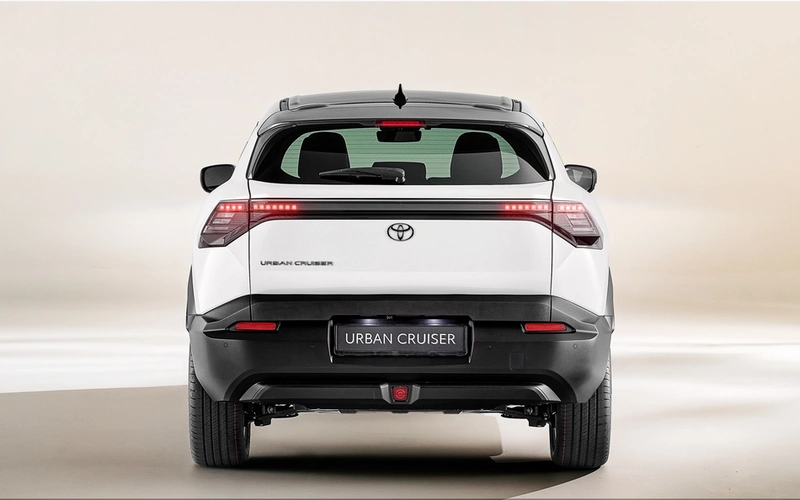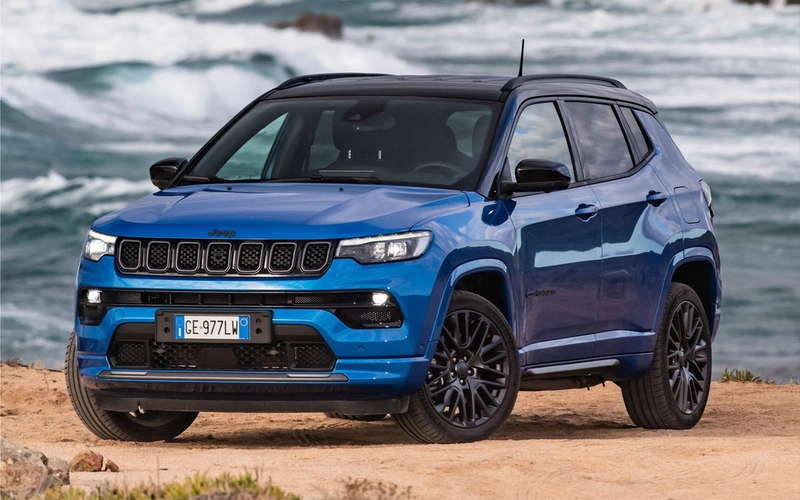
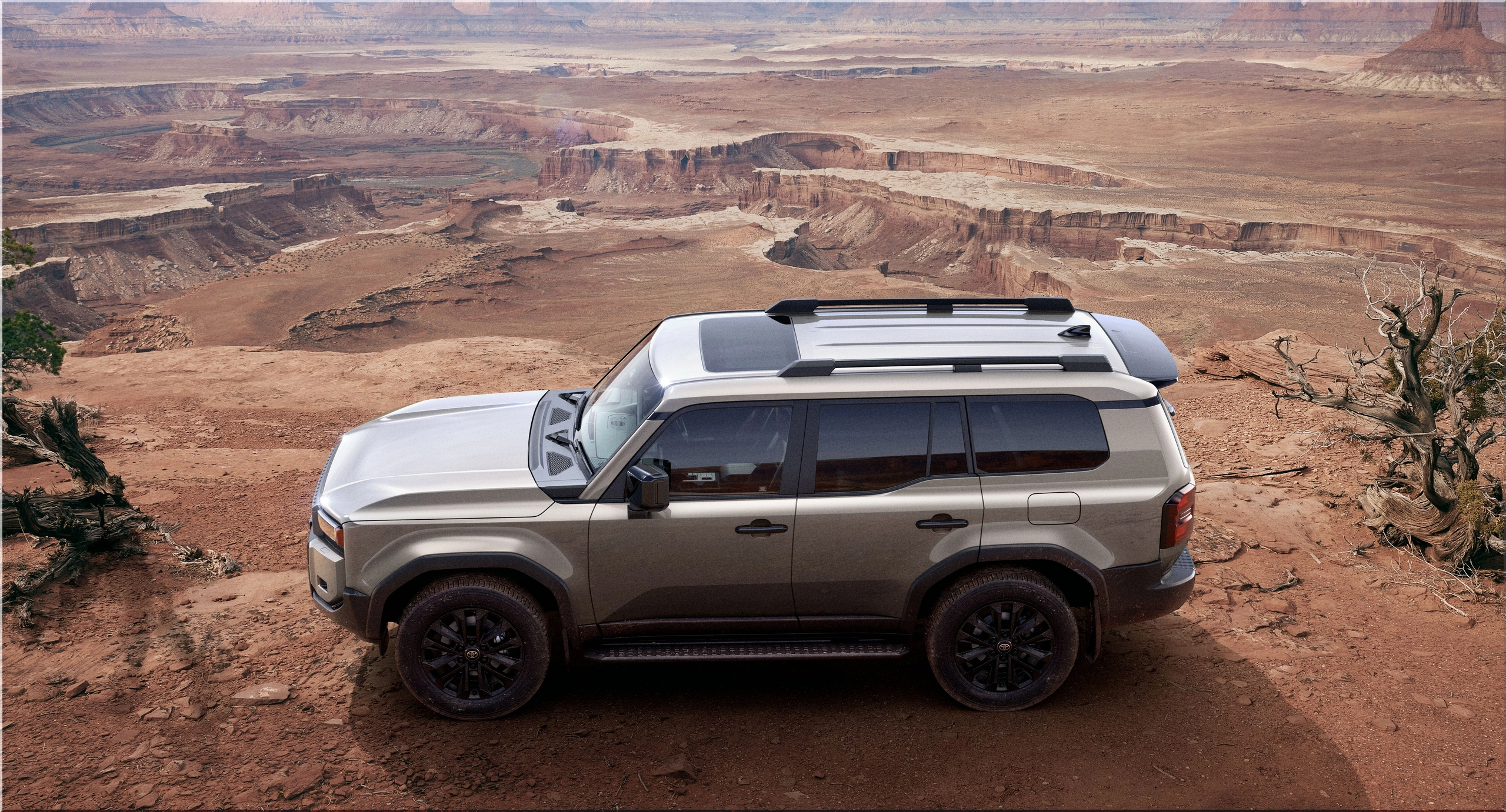
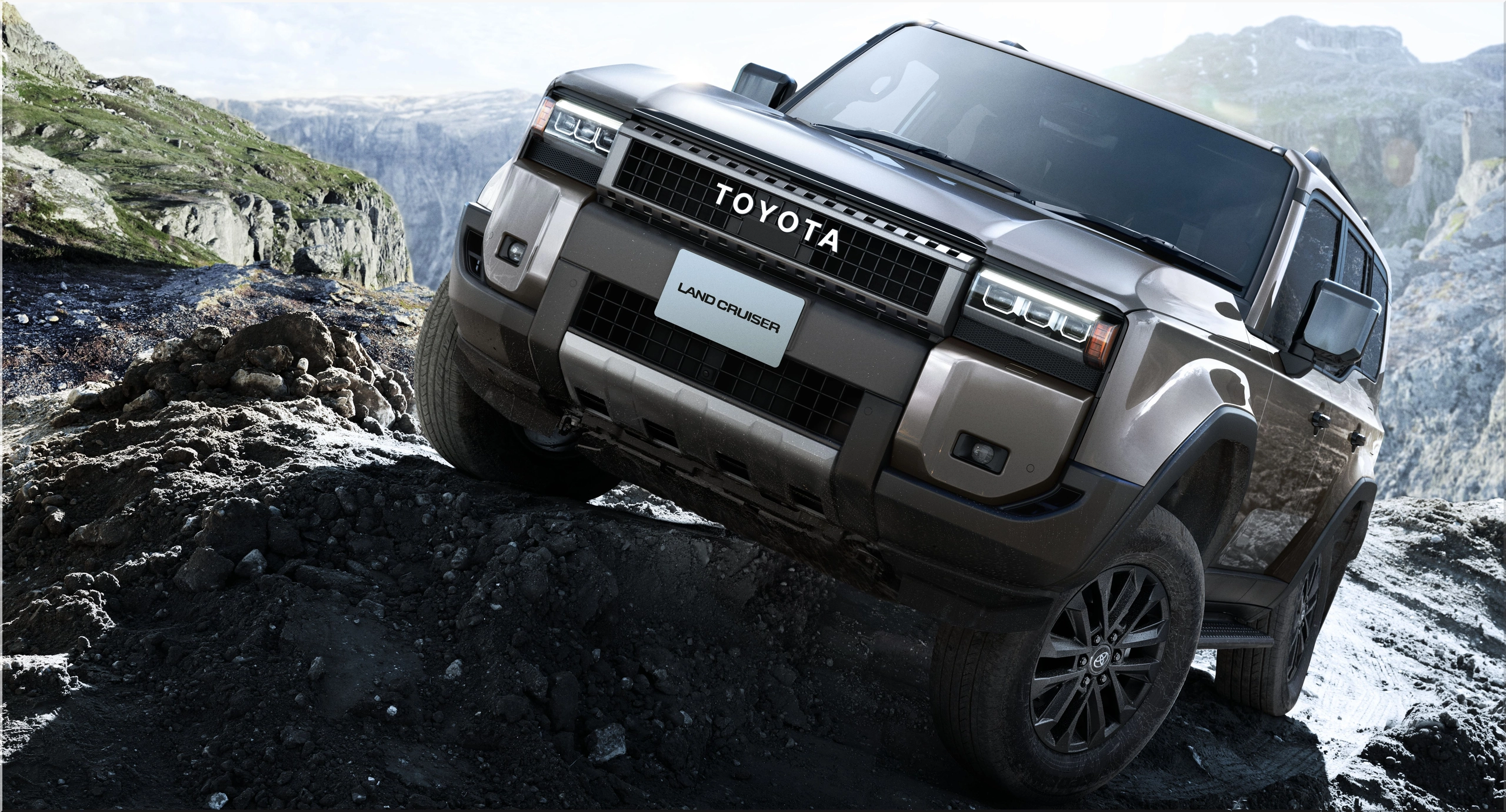
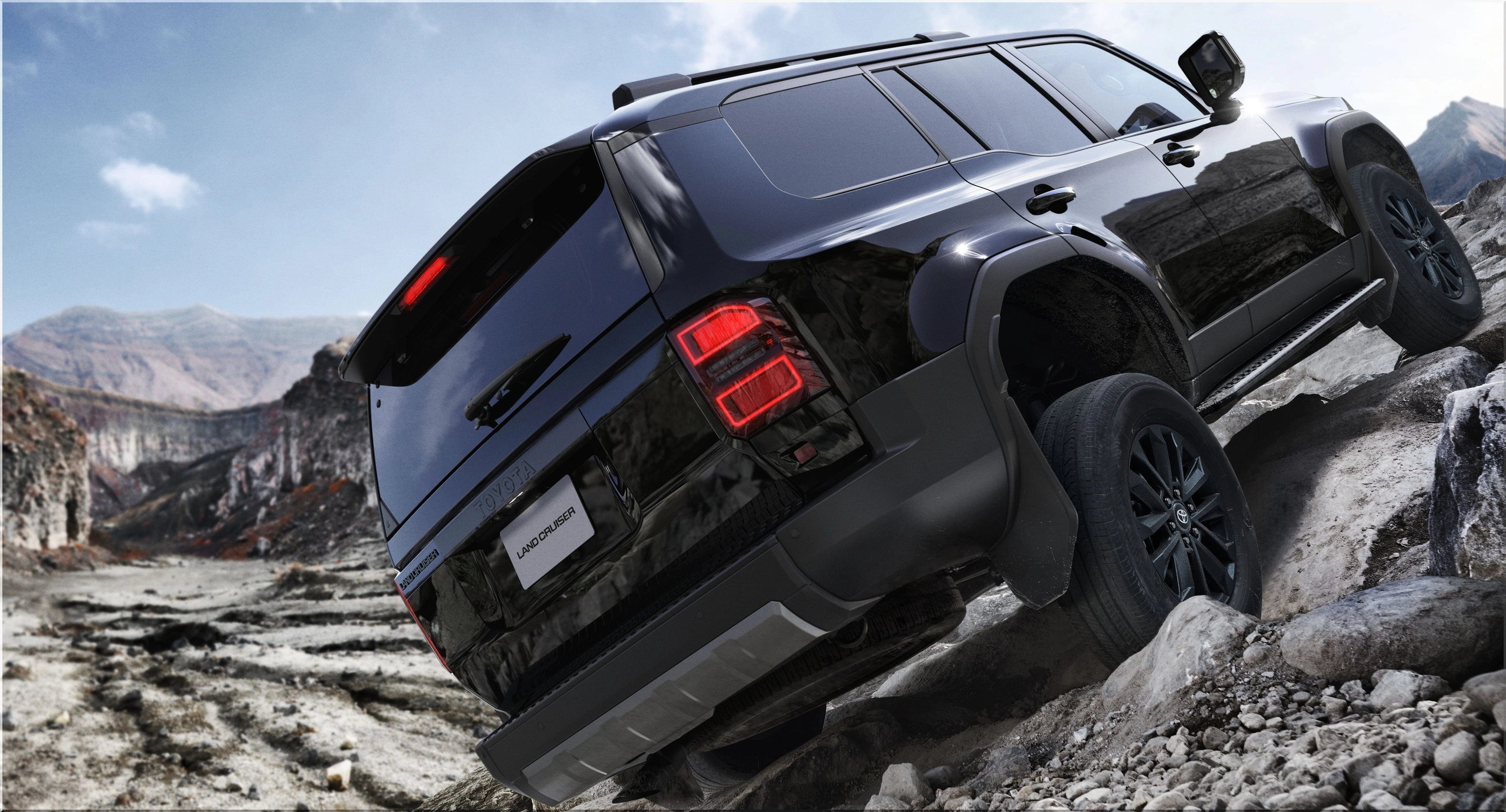
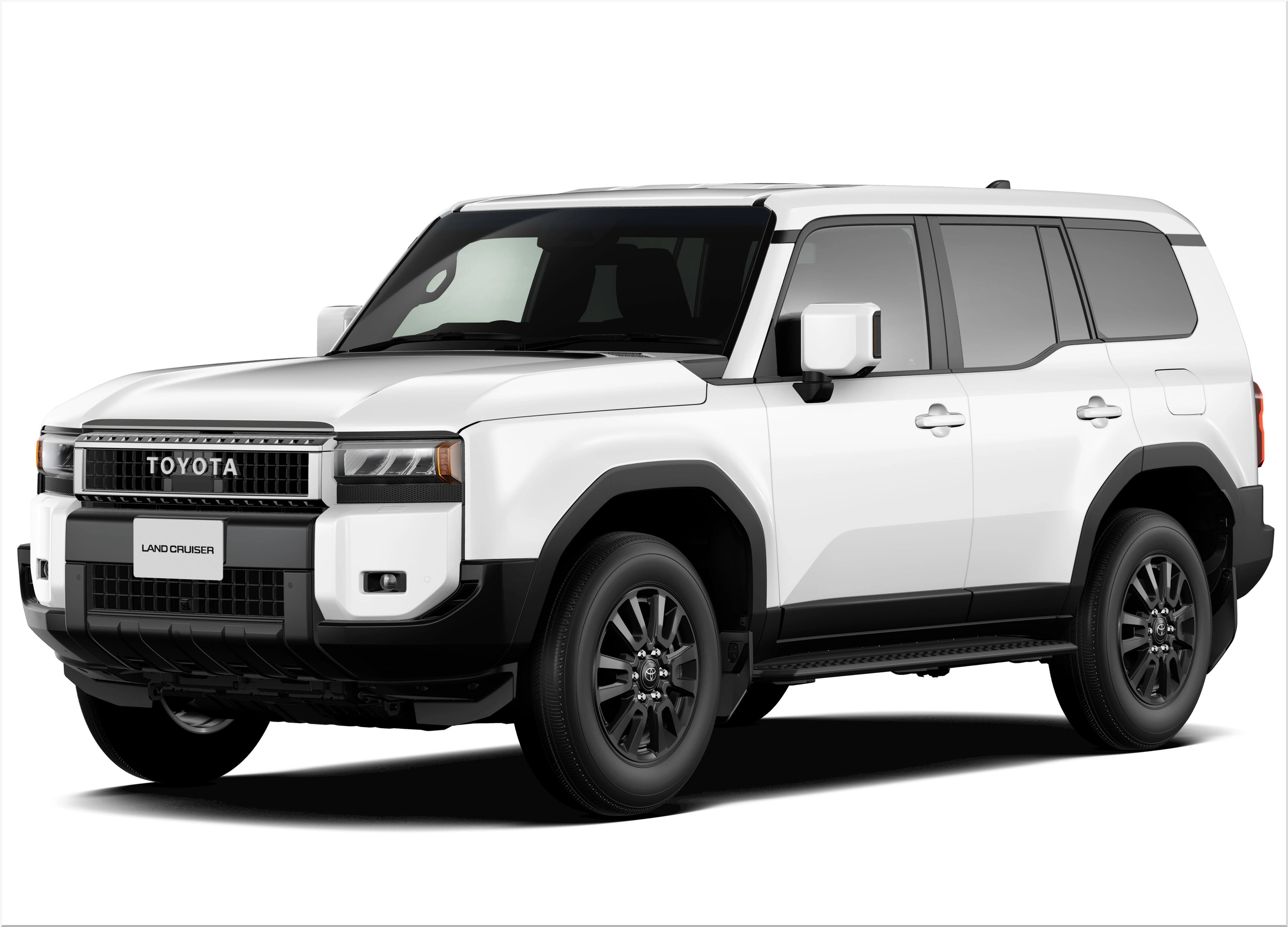
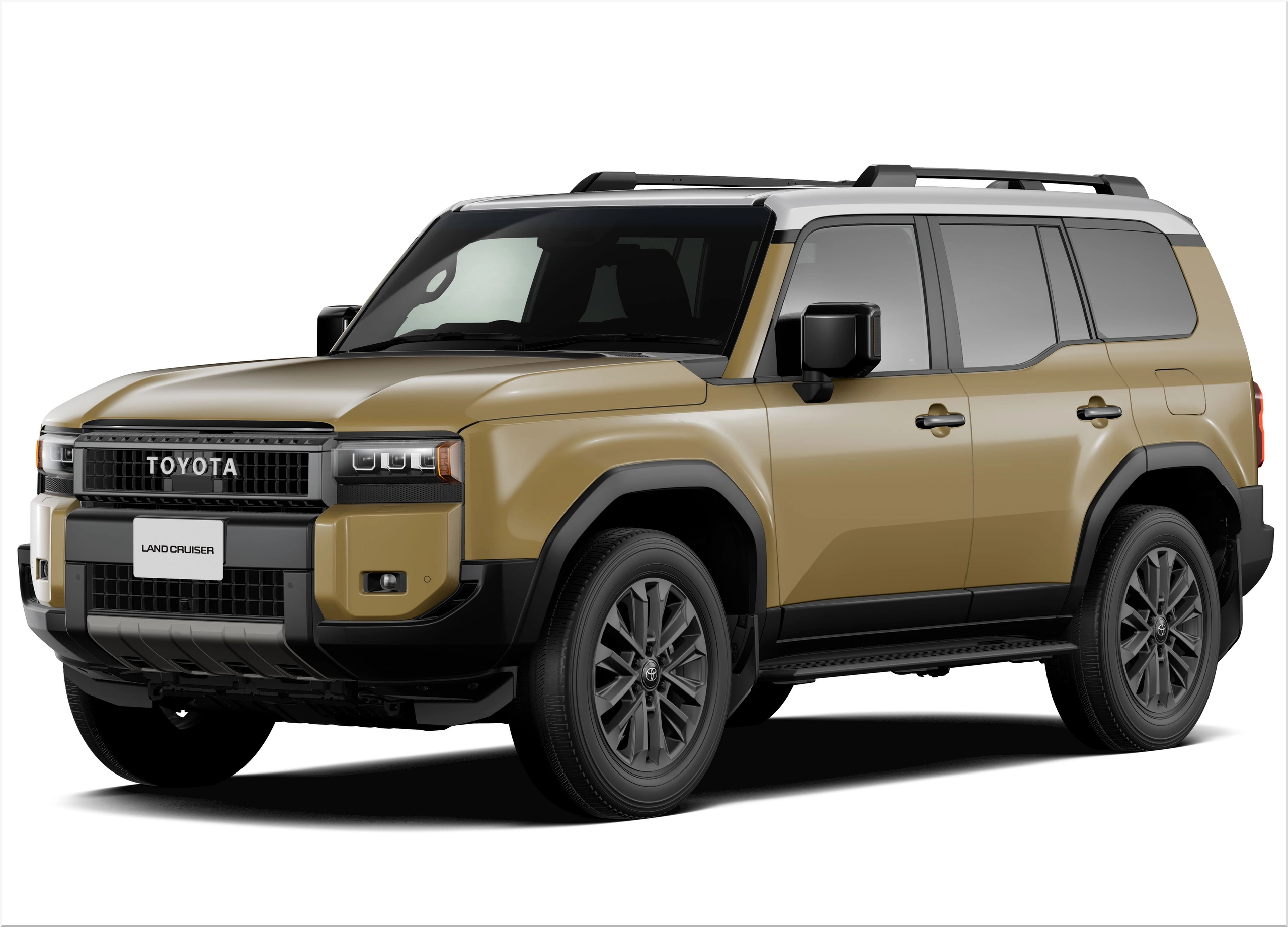
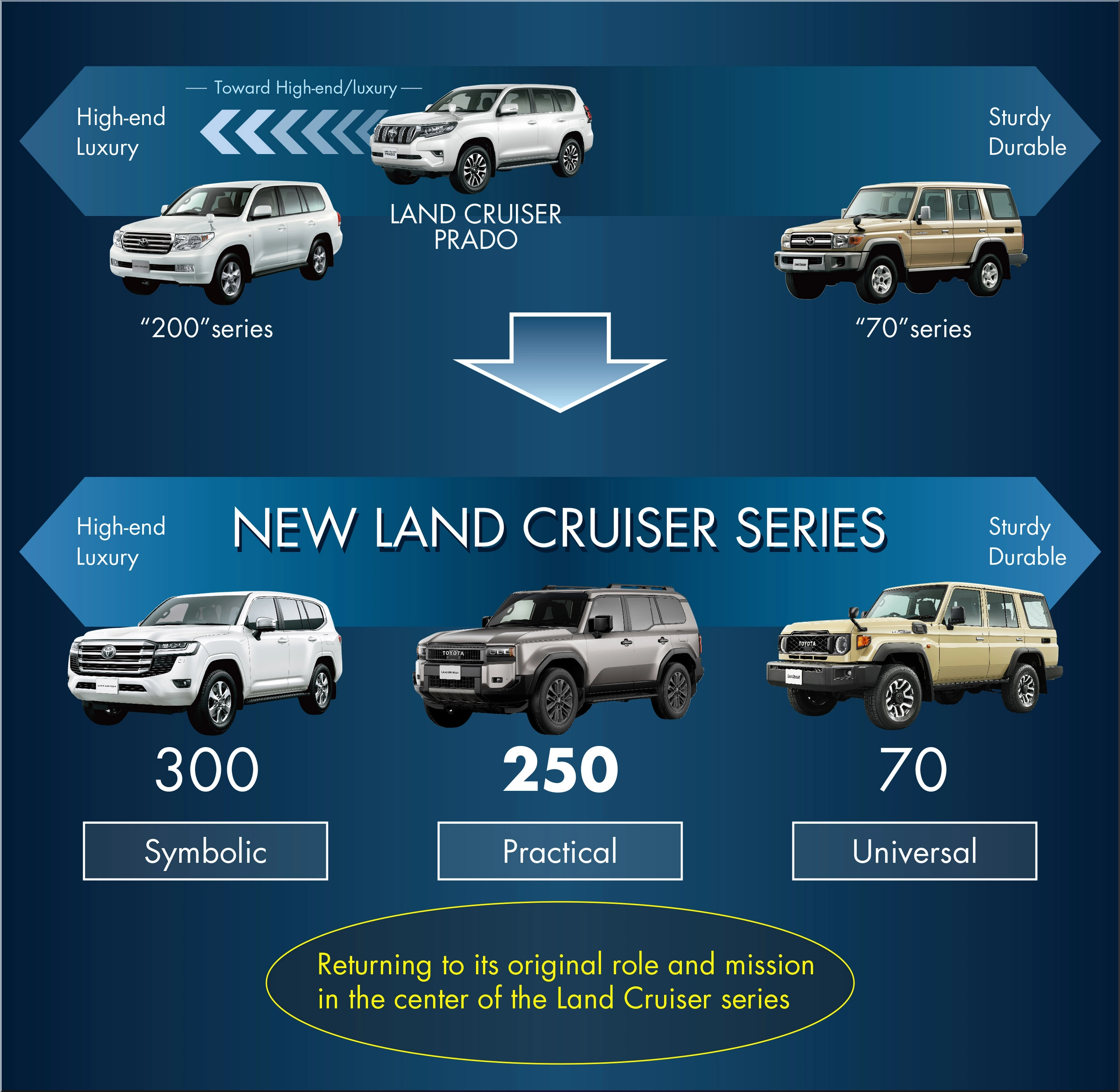
Toyota has officially launched the all-new Land Cruiser "250" series in Japan. This new model sits between the compact "Prado" 150 series and the flagship "300" series, bringing the Land Cruiser brand’s focus on reliability, safety, and off-road performance into a modern package. The Land Cruiser "250" aims to meet the global demand for a vehicle that prioritizes durability and function over luxury.
Toyota plans to supply approximately 5,000 units per month globally. Deliveries in Japan are set to begin this winter.
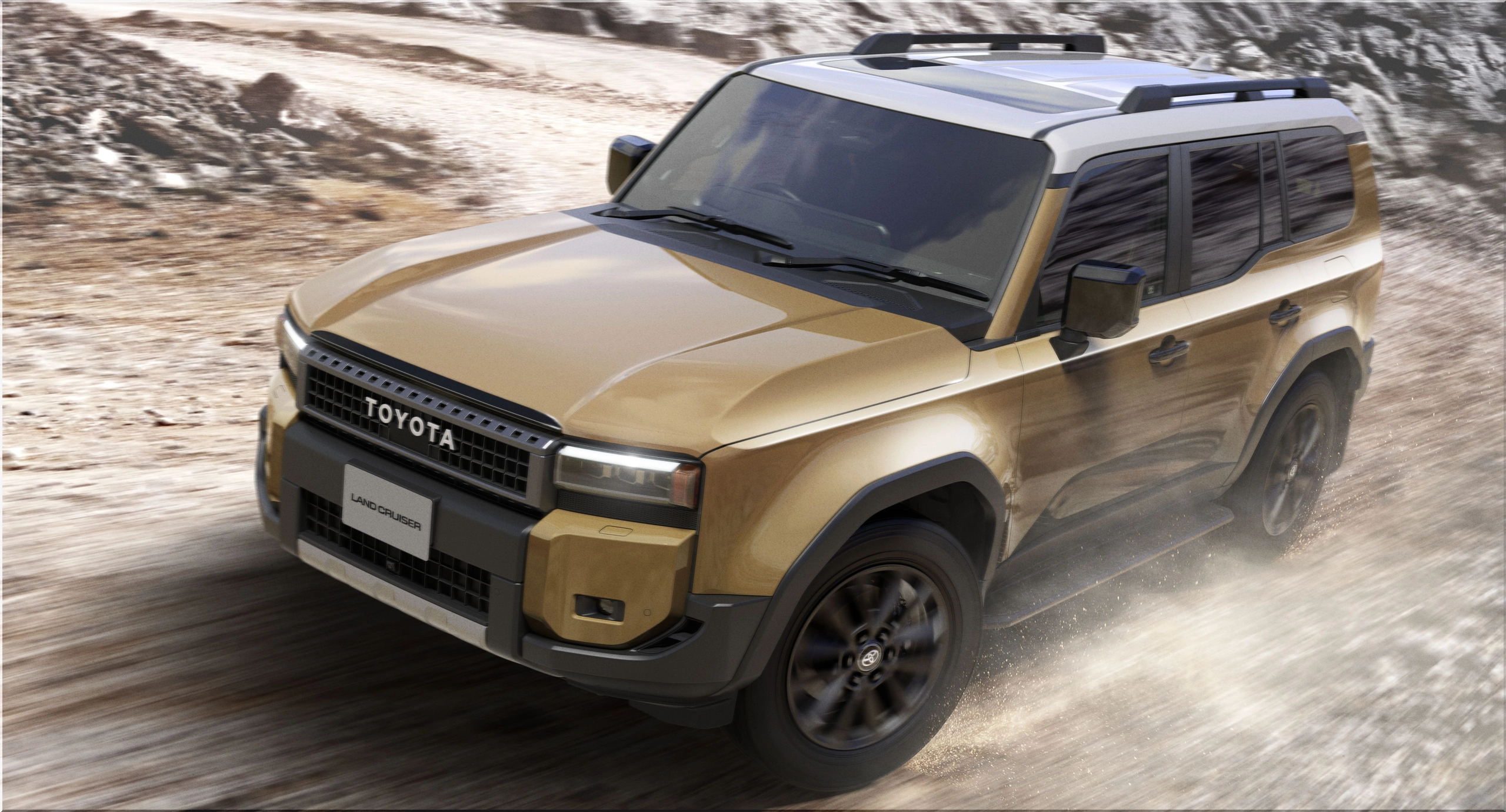
Key Features of the Toyota Land Cruiser "250" Series
The Toyota Land Cruiser "250" delivers a modernized approach while respecting its heritage. Here are the most important features:
- Built on the GA-F platform, shared with the Land Cruiser "300" series.
- Frame rigidity increased by 50% compared to the previous "Prado."
- Combines electronic and mechanical systems for enhanced off-road capability.
- Features electric power steering (EPS) and stabilizer disconnect mechanism (SDM).
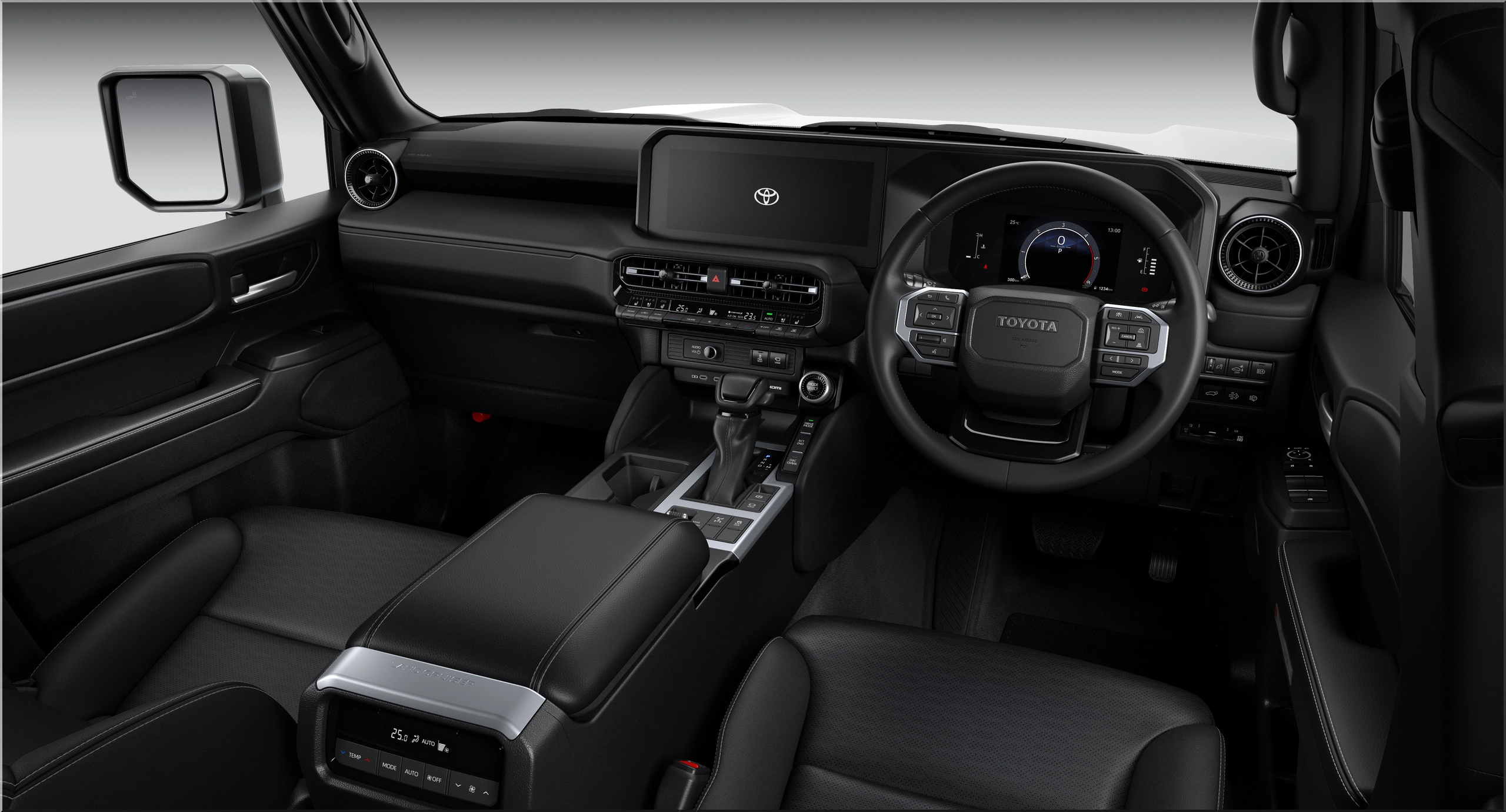
- Improved safety with Toyota Safety Sense.
- Offered with diesel and gasoline powertrains, including mild hybrid options.
Focus on Core Land Cruiser Values
Toyota highlights three key commitments in the Land Cruiser "250" series:
- Durability: Designed for long-term use under tough conditions.
- Safety: Enhanced with the latest active safety technologies.
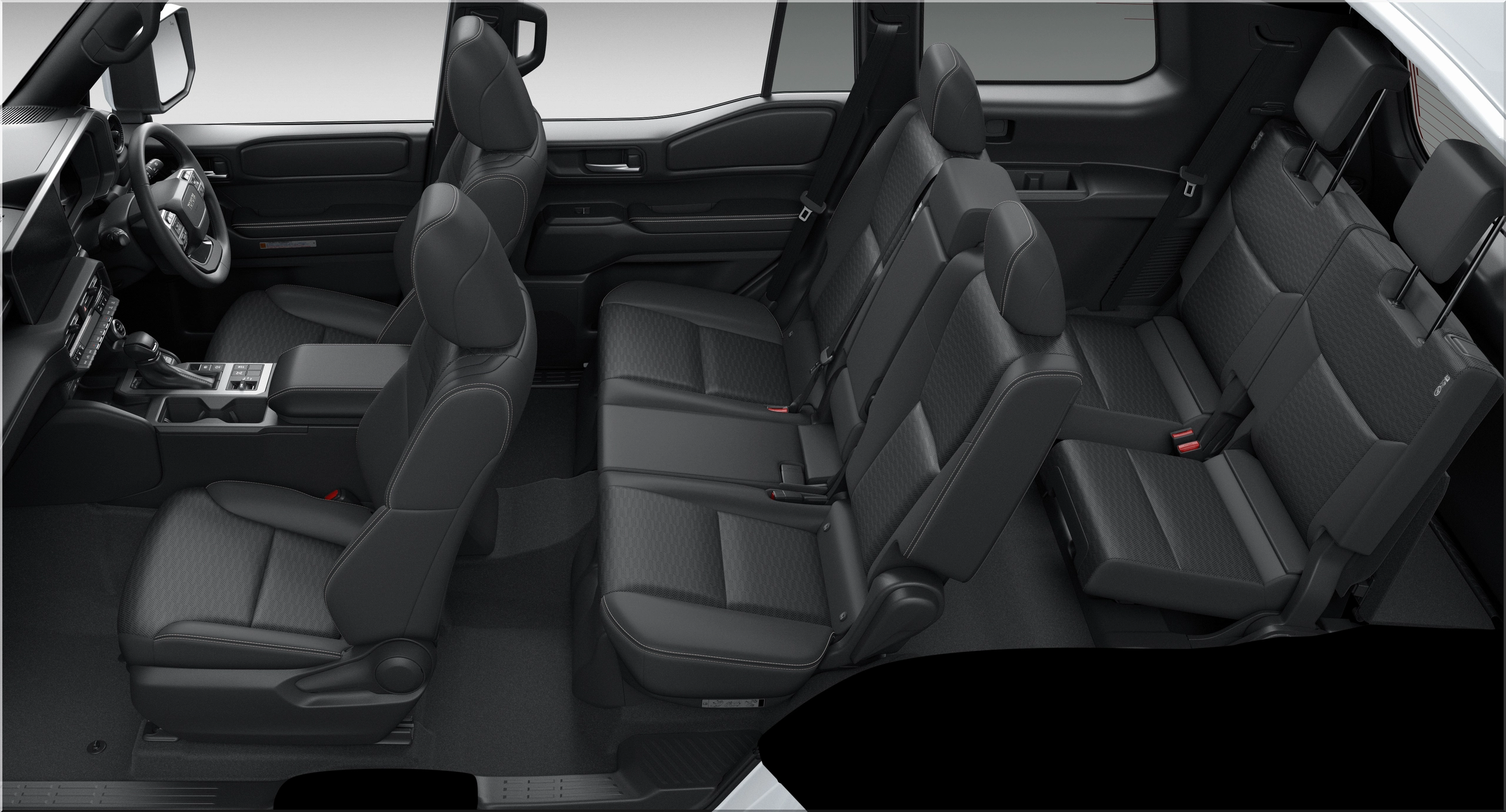
- Peace of Mind: Easy to repair, maintain, and operate.
These principles remain central to the Land Cruiser philosophy.
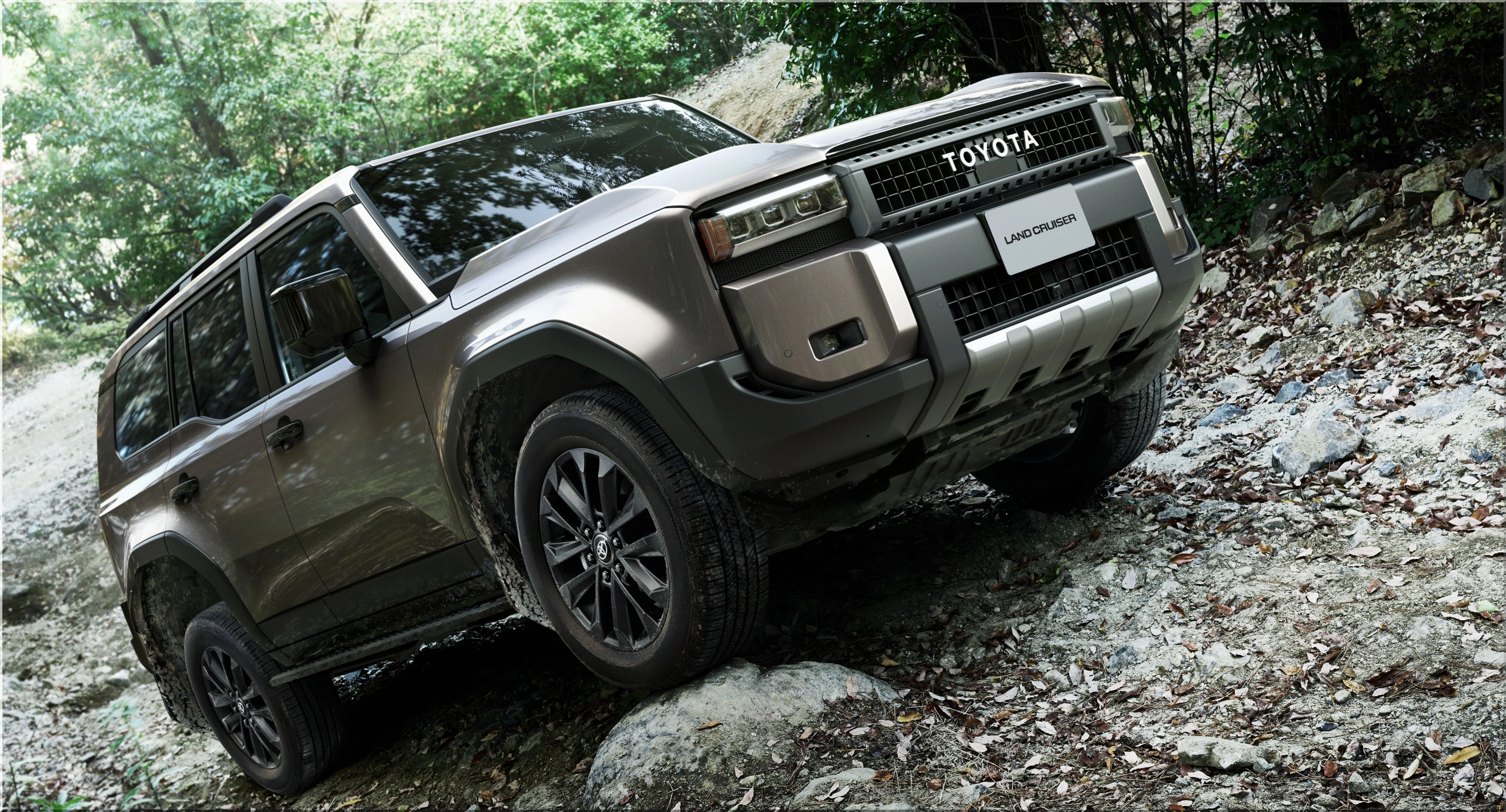
Design Approach: Simple, Functional, Recognizable
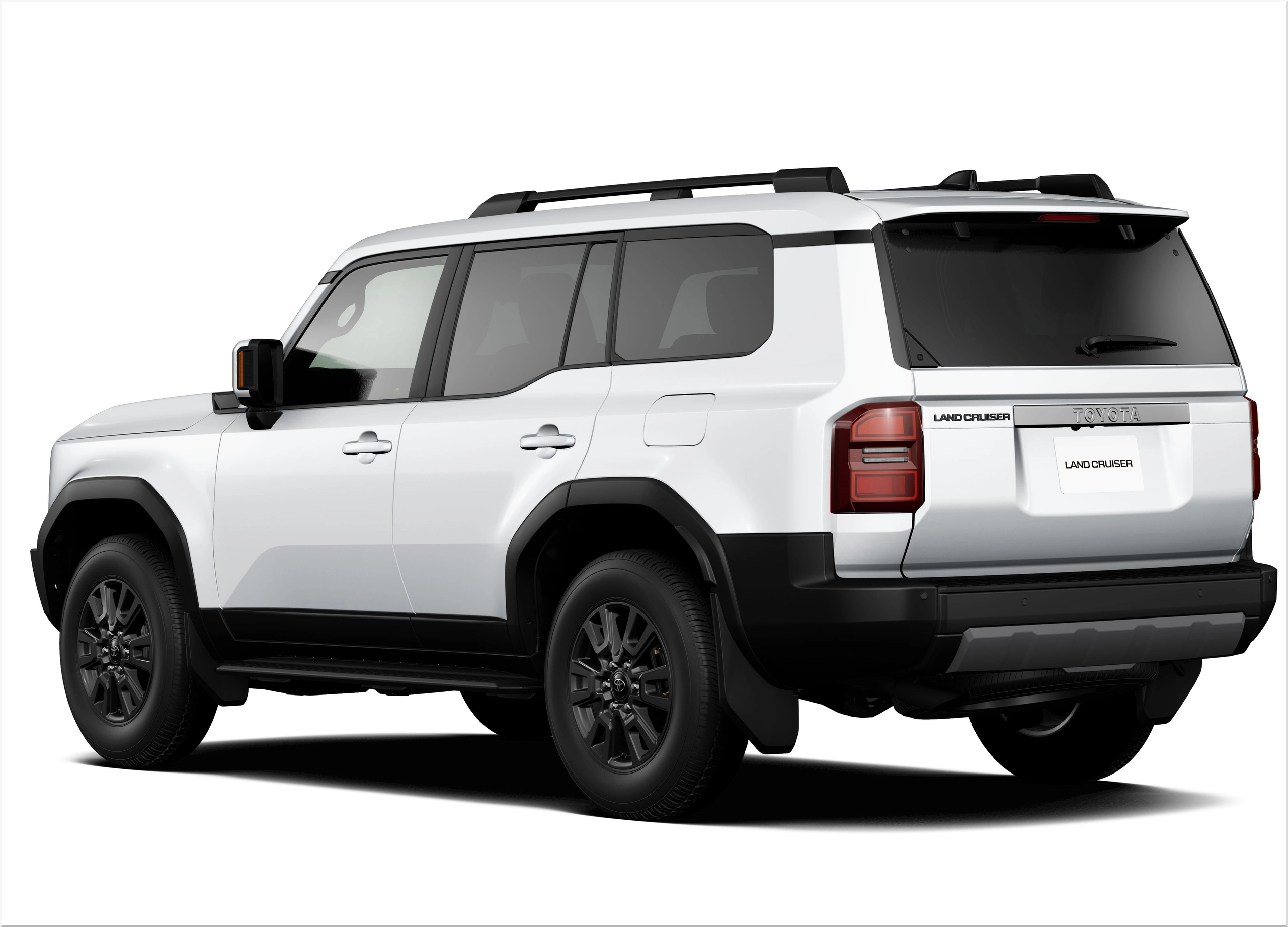
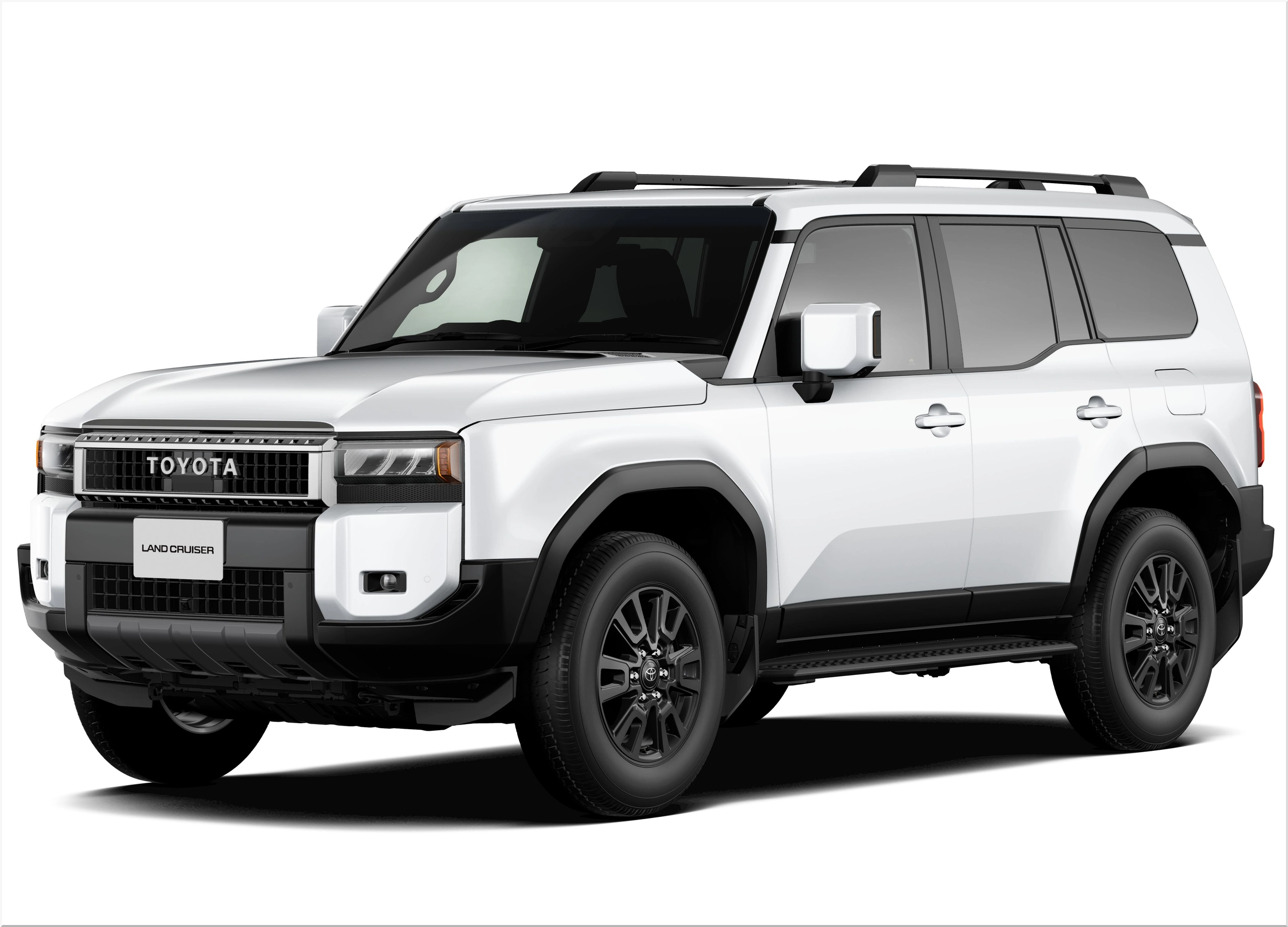
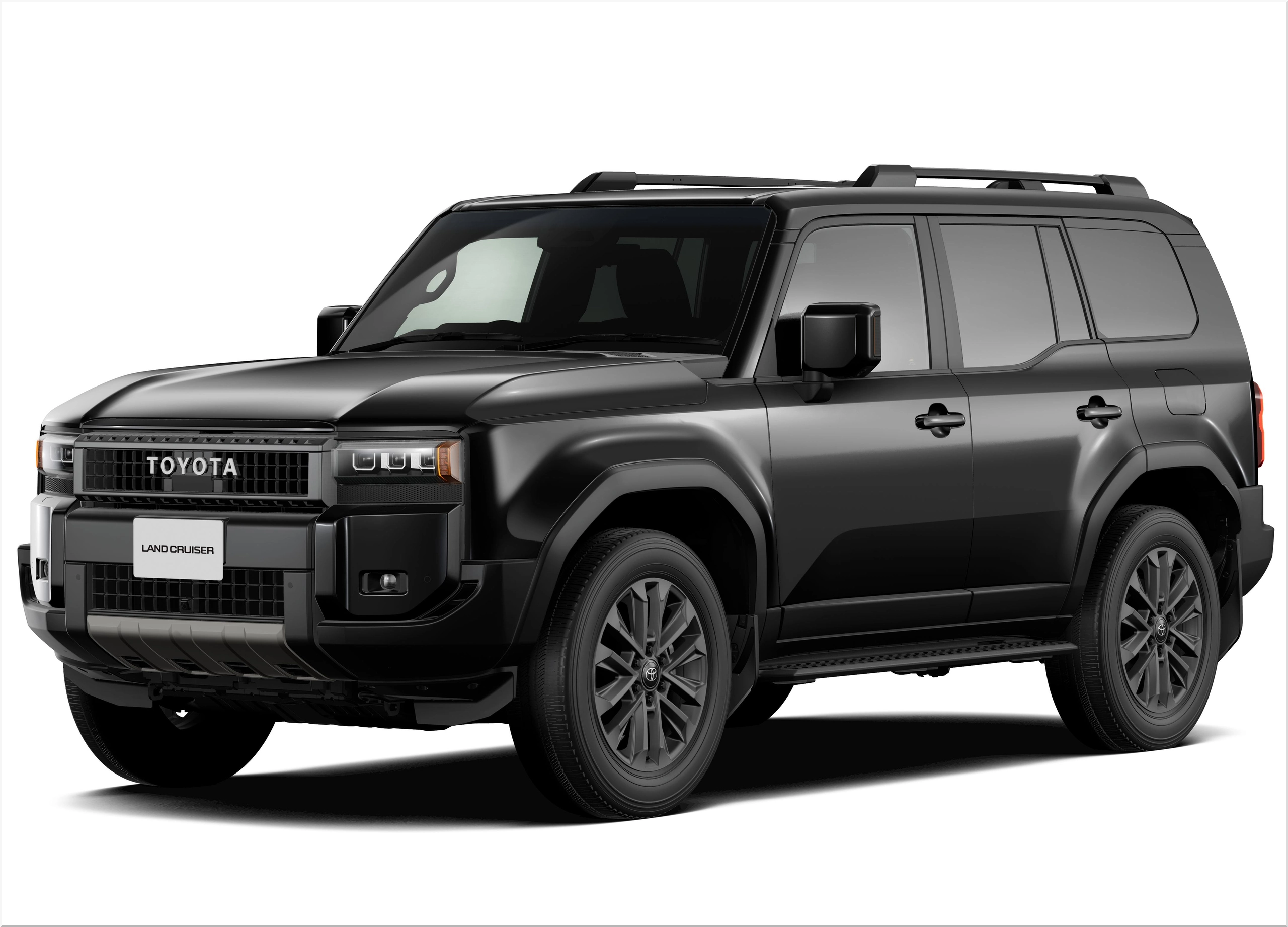
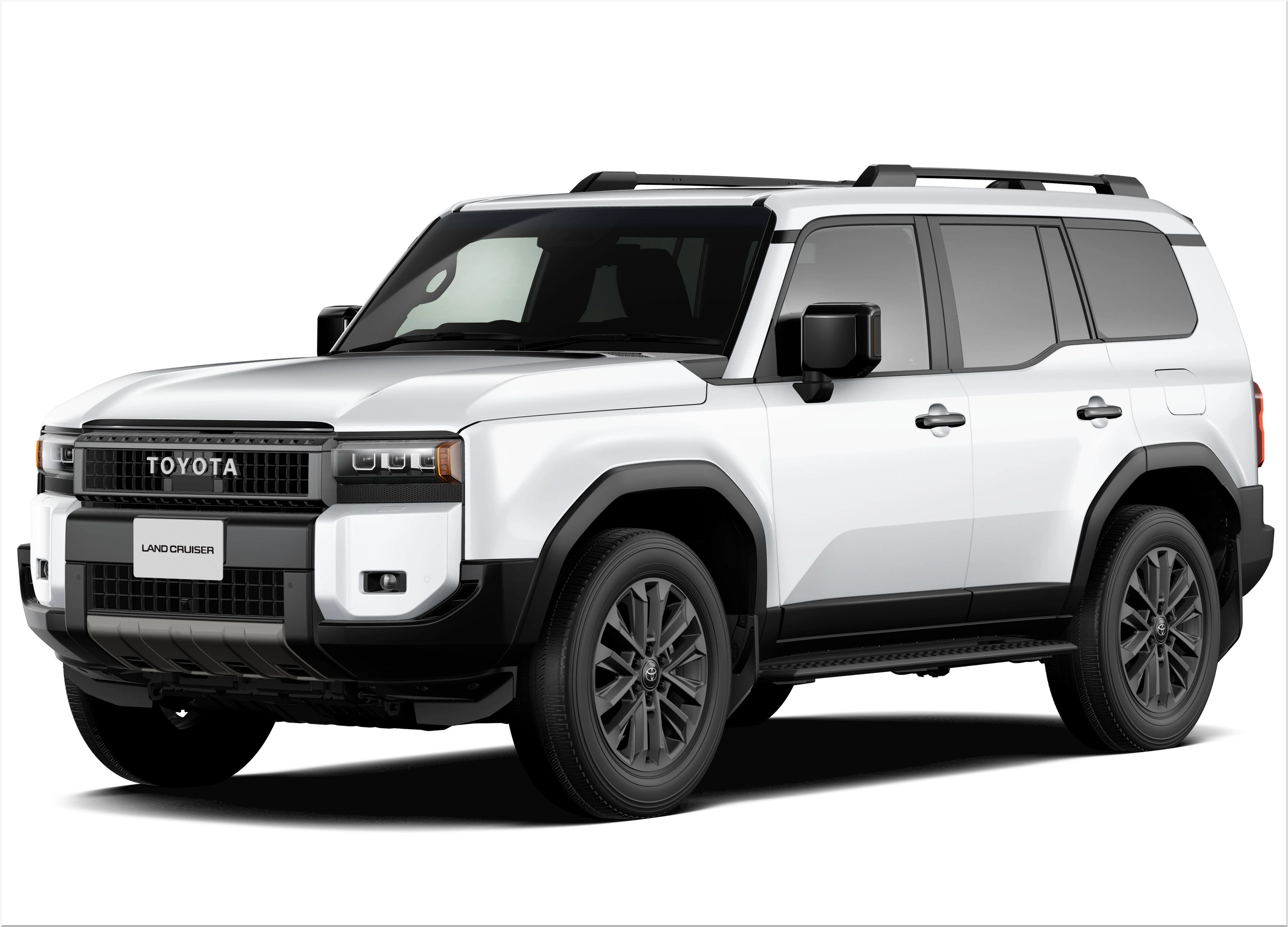
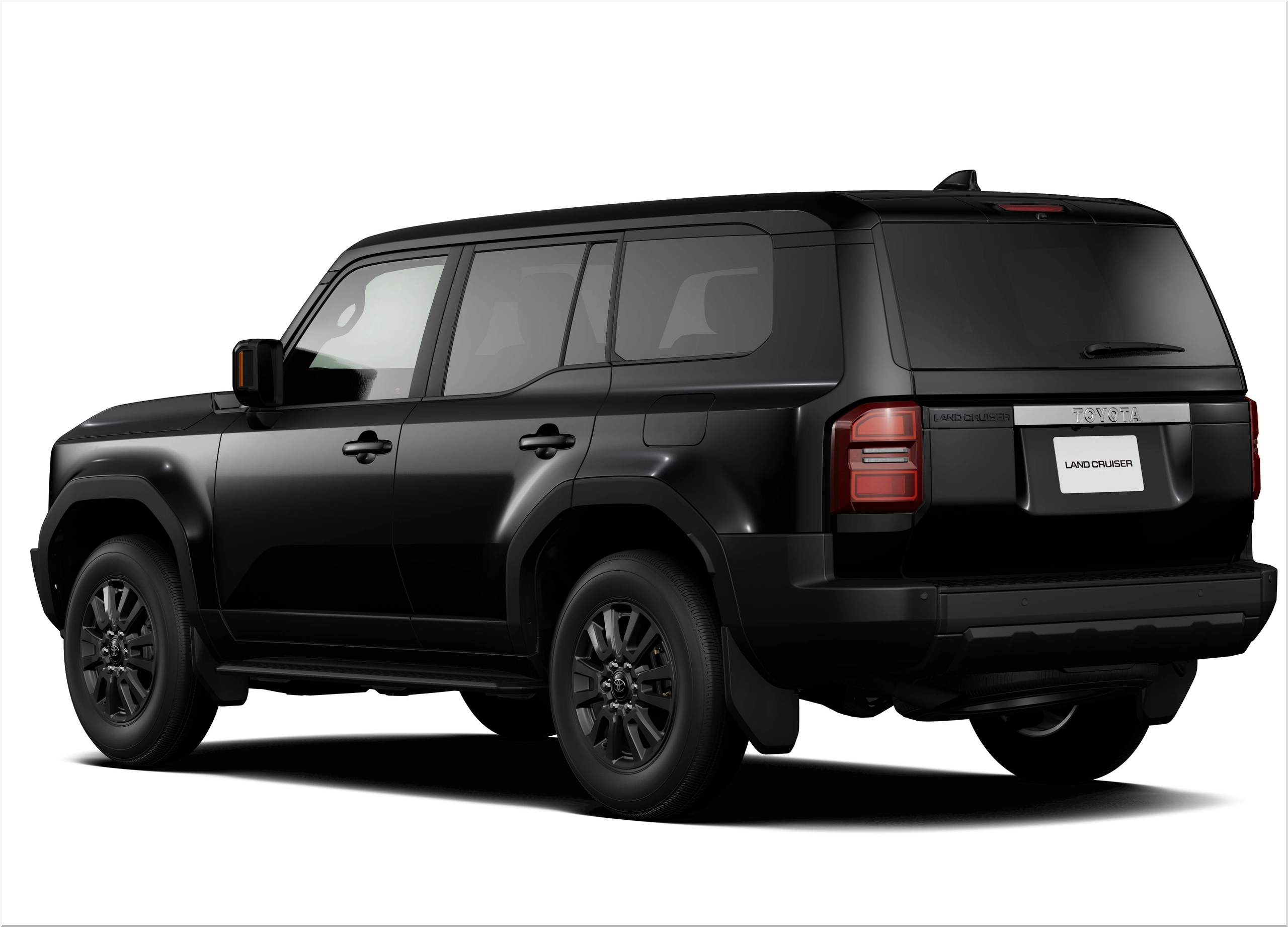
The new Land Cruiser "250" uses a rectangular design language to maximize visibility and ease of handling. The design process emphasized:
- Straight-line body shapes for functionality.
- Horizontal lines that improve stability and peripheral awareness.
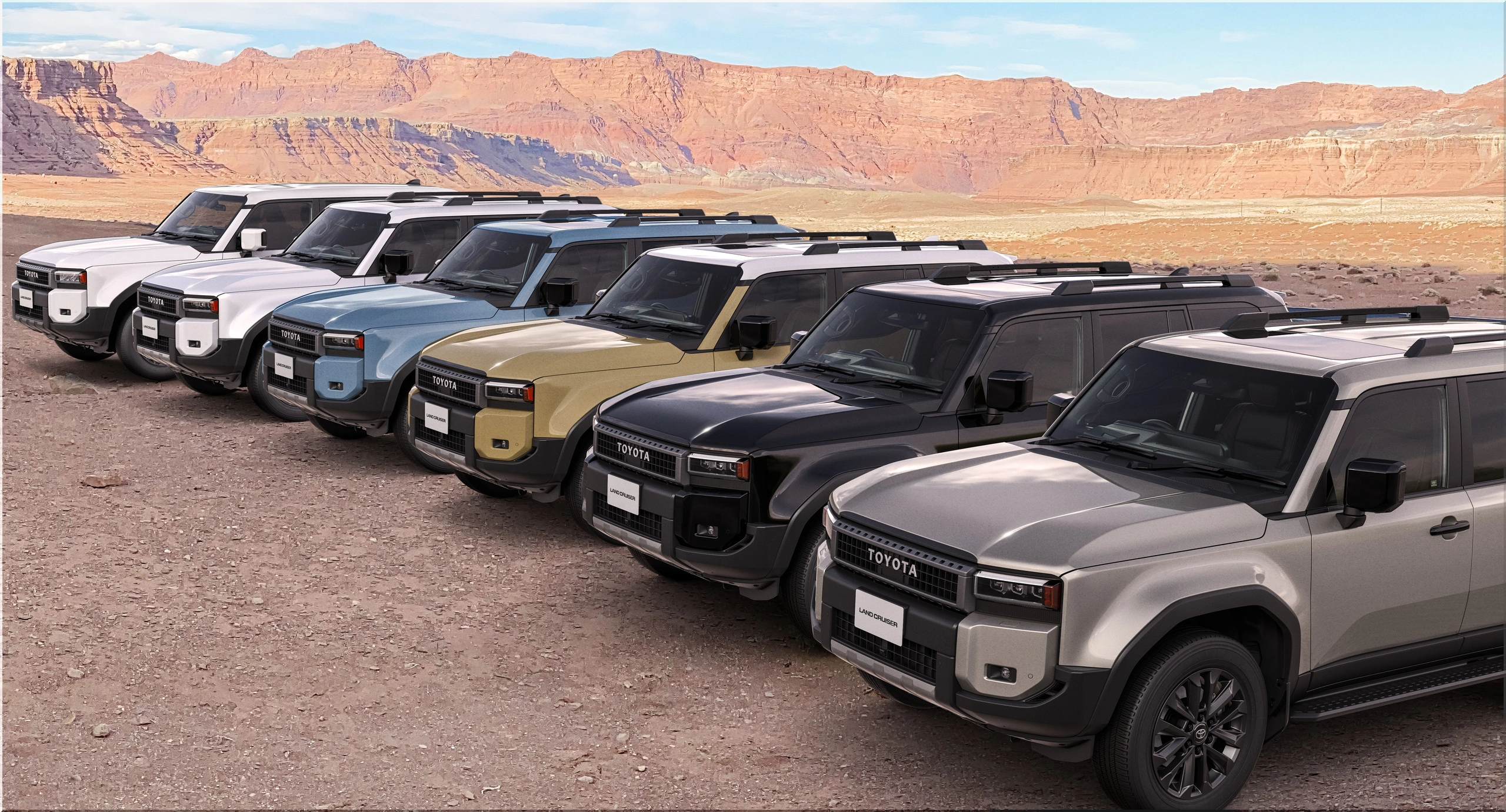
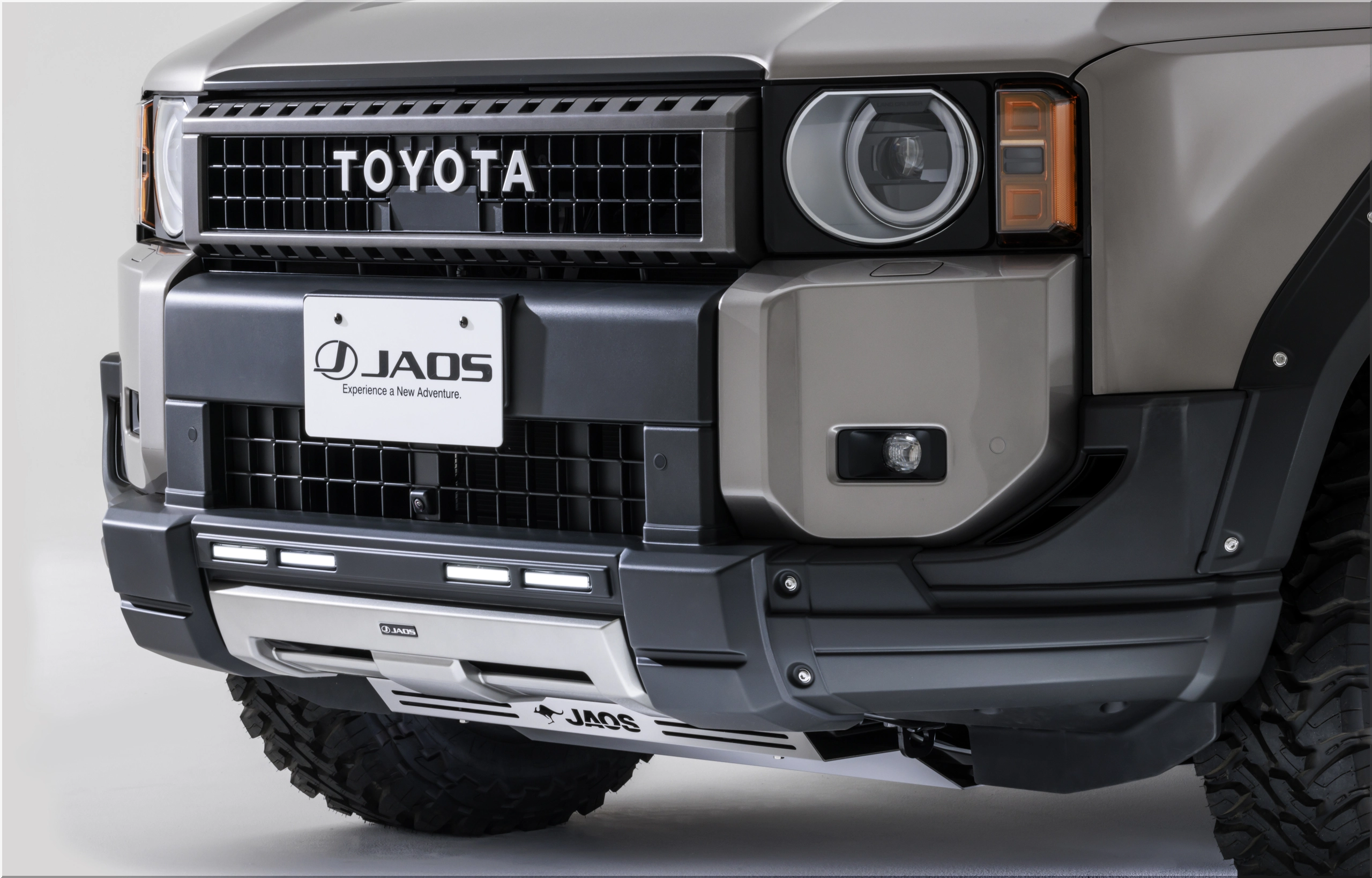
- Two front design types: "Cool" with round lamps and "Modern" with rectangular lamps.
This approach enhances off-road capability and reduces complexity.
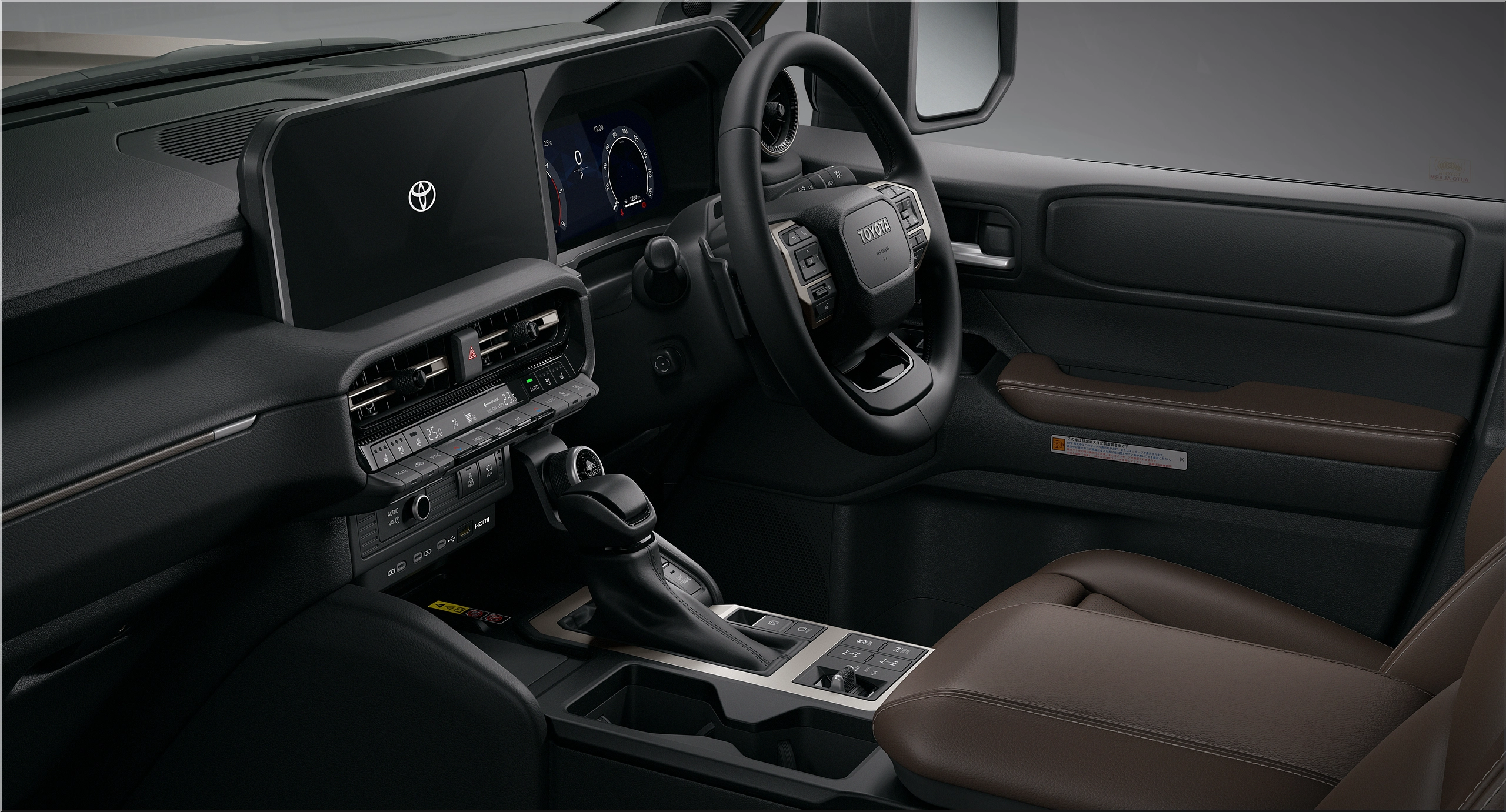
Performance: Powertrain and Chassis Details
The Land Cruiser "250" uses the GA-F platform, ensuring improved performance across varied terrains. Key mechanical features include:
- 2.8L diesel turbo engine with Direct Shift-8AT.
- 2.8L diesel turbo engine with 48V mild hybrid system.
- 2.7L gasoline engine with 6 Super ECT.
Chassis improvements:
| Component | Improvement |
|---|---|
| Frame Rigidity | Up by 50% from the previous Prado |
| EPS and SDM | Enhanced low-speed maneuverability |
| Wheel articulation | Maximized for off-road performance |
Safety and Technology Features
Toyota integrates Toyota Safety Sense, its suite of advanced safety systems, into the Land Cruiser "250". Key features include:
- Pre-collision system with pedestrian detection.
- Lane tracing assist and adaptive cruise control.
- Driver monitoring camera for fatigue detection.
- Multiple airbags and reinforced cabin structure.
These safety systems support the Land Cruiser’s focus on providing security in all driving conditions.
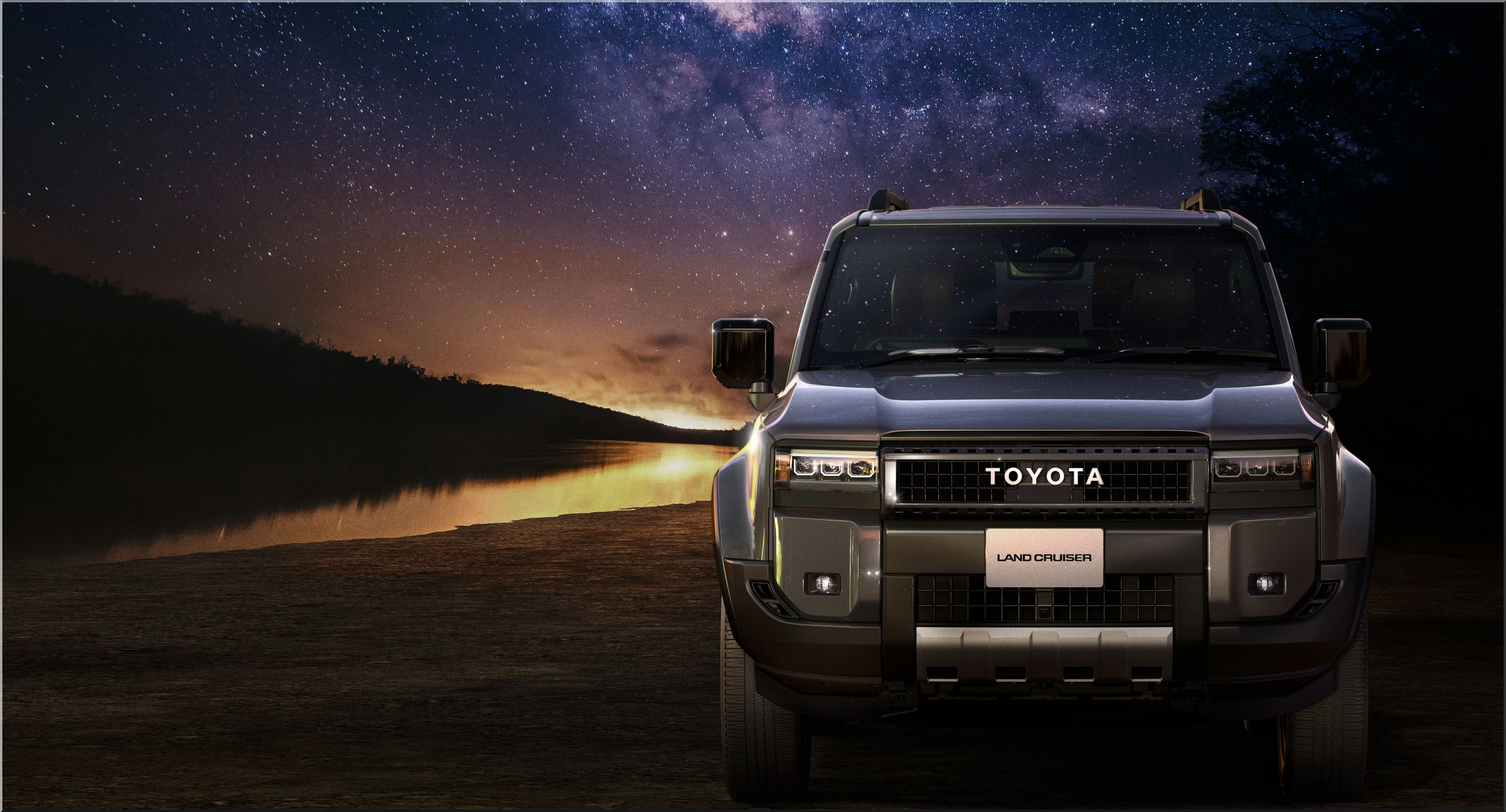
Model Variants and Market Strategy
Toyota offers the Land Cruiser "250" in several grades to meet diverse customer needs. Variants include options for:
- Diesel engine only.
- Diesel engine with mild hybrid system.
- Gasoline engine options.
The brand positions the "250" series as an accessible model for both emerging and established markets. Toyota plans to introduce Hybrid Electric Vehicle (HEV) versions in 2025 to meet evolving environmental standards.

Target Audience: Practical Utility Across Global Markets
The Land Cruiser "250" targets:
- Government agencies and humanitarian organizations.
- Rural users needing reliable off-road transportation.
- Consumers seeking durability and ease of repair over luxury features.
Toyota emphasizes that the Land Cruiser "250" series supports regions where infrastructure is limited and maintenance resources are scarce.
Comparison Table: How the Land Cruiser "250" Stacks Up
| Model | Engine Options | Frame Rigidity | Safety Package | Price Range (USD) |
|---|---|---|---|---|
| Toyota Land Cruiser "250" | Diesel, Diesel Mild Hybrid, Gasoline | 50% increase | Toyota Safety Sense | Estimated $45,000–$60,000 |
| Toyota Land Cruiser "300" | Gasoline V6 twin-turbo, Diesel V6 | Higher than 250 | Toyota Safety Sense | $85,000–$100,000 |
| Toyota Land Cruiser "Prado" (150) | Diesel, Gasoline | Standard | Toyota Safety Sense | $40,000–$55,000 |
| Mitsubishi Pajero Sport | Diesel | Standard | Adaptive safety suite | $35,000–$50,000 |
| Ford Everest | Diesel, Diesel Bi-turbo | High-strength frame | Ford Co-Pilot360 | $40,000–$55,000 |
The Land Cruiser "250" finds a niche between the heavier "300" series and lighter competitors like the Pajero Sport.
Manufacturing and Environmental Goals
Production of the Land Cruiser "250" involves efforts toward carbon neutrality. Toyota reports progress in reducing lifecycle CO₂ emissions. The use of 48V mild hybrid technology supports better fuel efficiency and reduced emissions.
Toyota will also offer vehicle recycling programs and promote repairability as part of its commitment to sustainability.
Conclusion: Reinforcing Land Cruiser’s Global Role
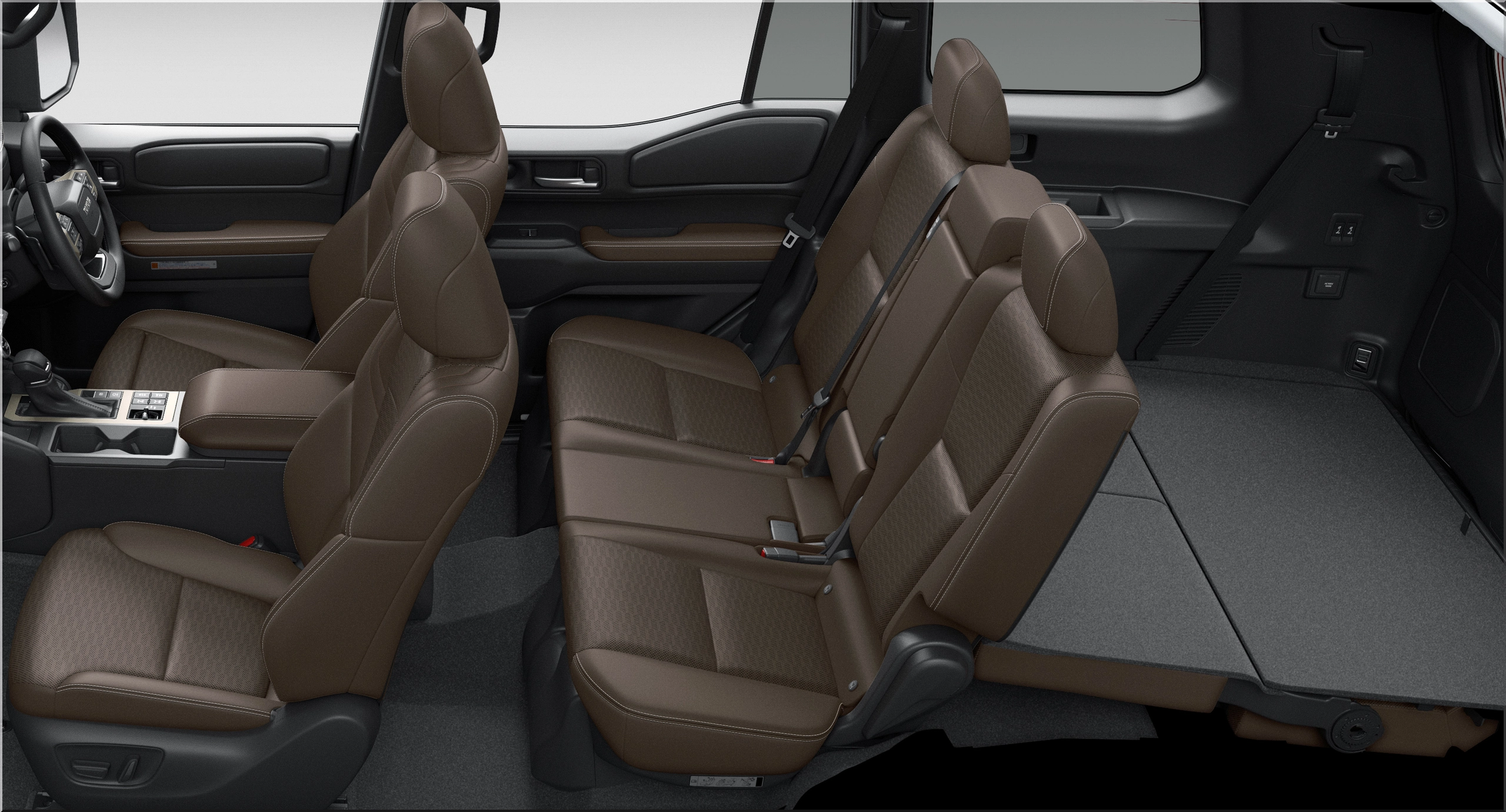
The all-new Land Cruiser "250" delivers functionality, durability, and safety. It continues Toyota’s mission of building vehicles that operate dependably in extreme conditions. With improved off-road capability and advanced safety features, the "250" series stands ready to meet the needs of customers across markets worldwide.
Toyota strengthens its position in the global SUV sector with a focus on reliability and usability, not luxury. The Land Cruiser "250" extends this legacy into the future while respecting the model’s heritage.
Image Gallery

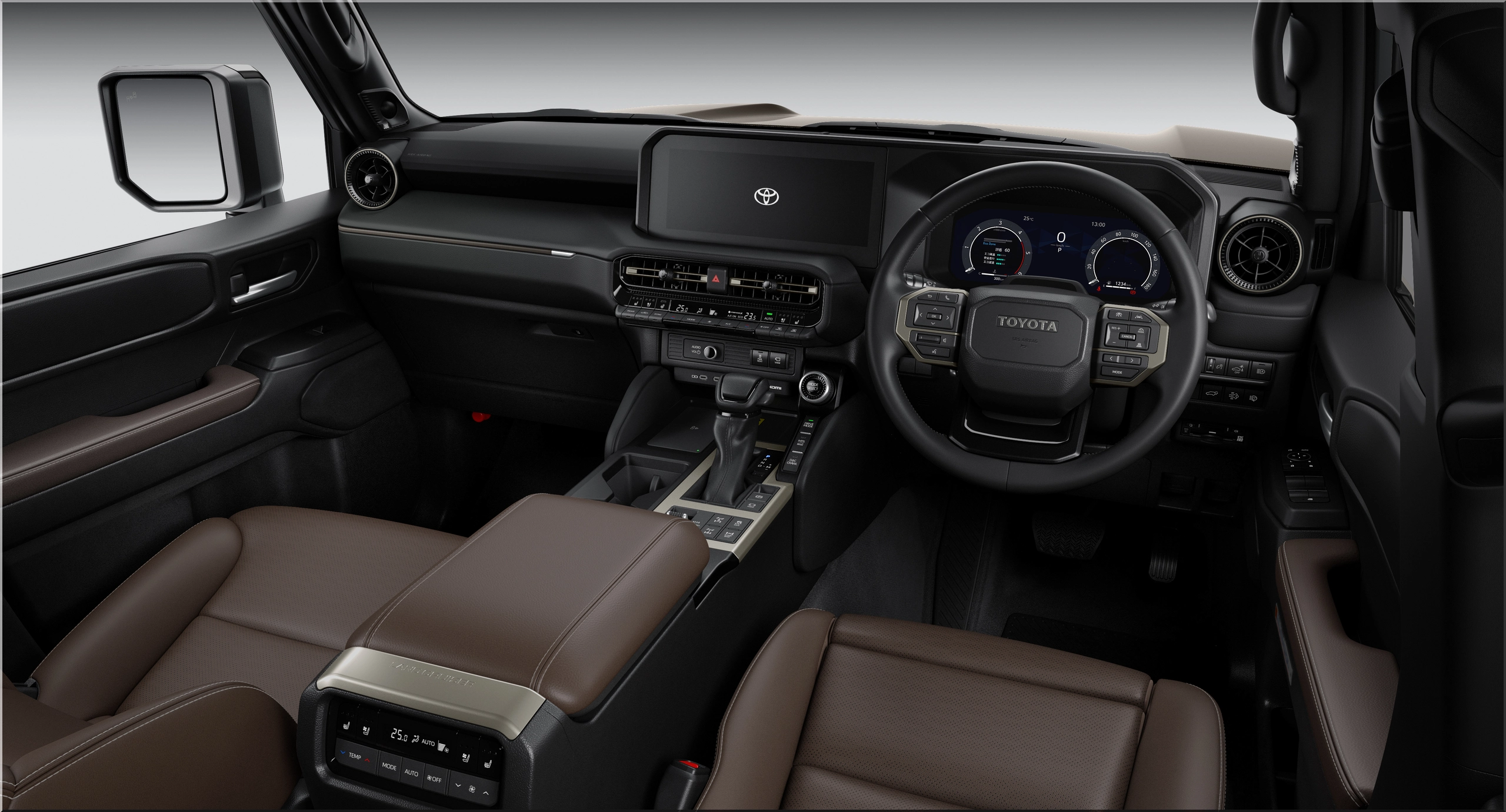
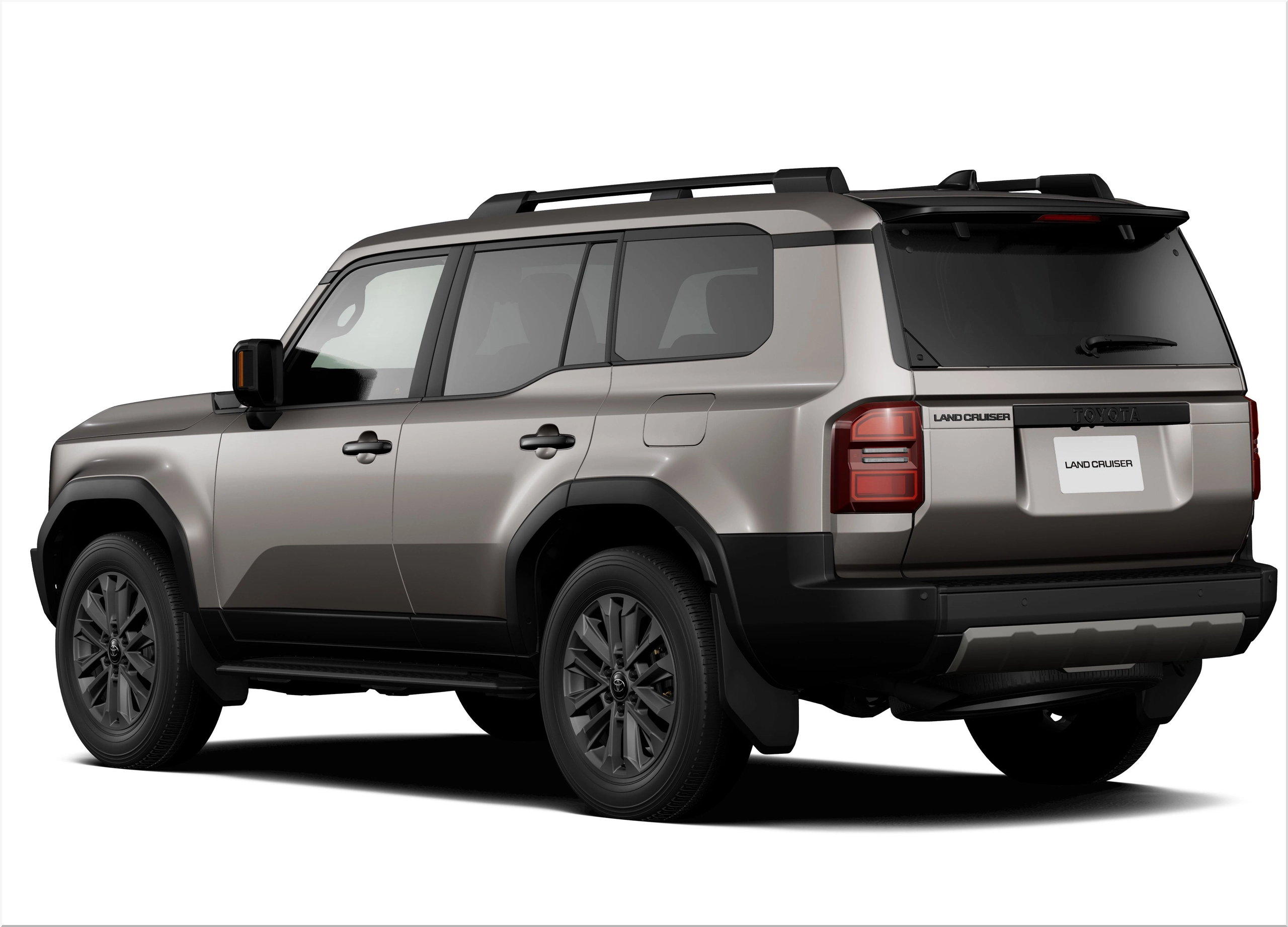
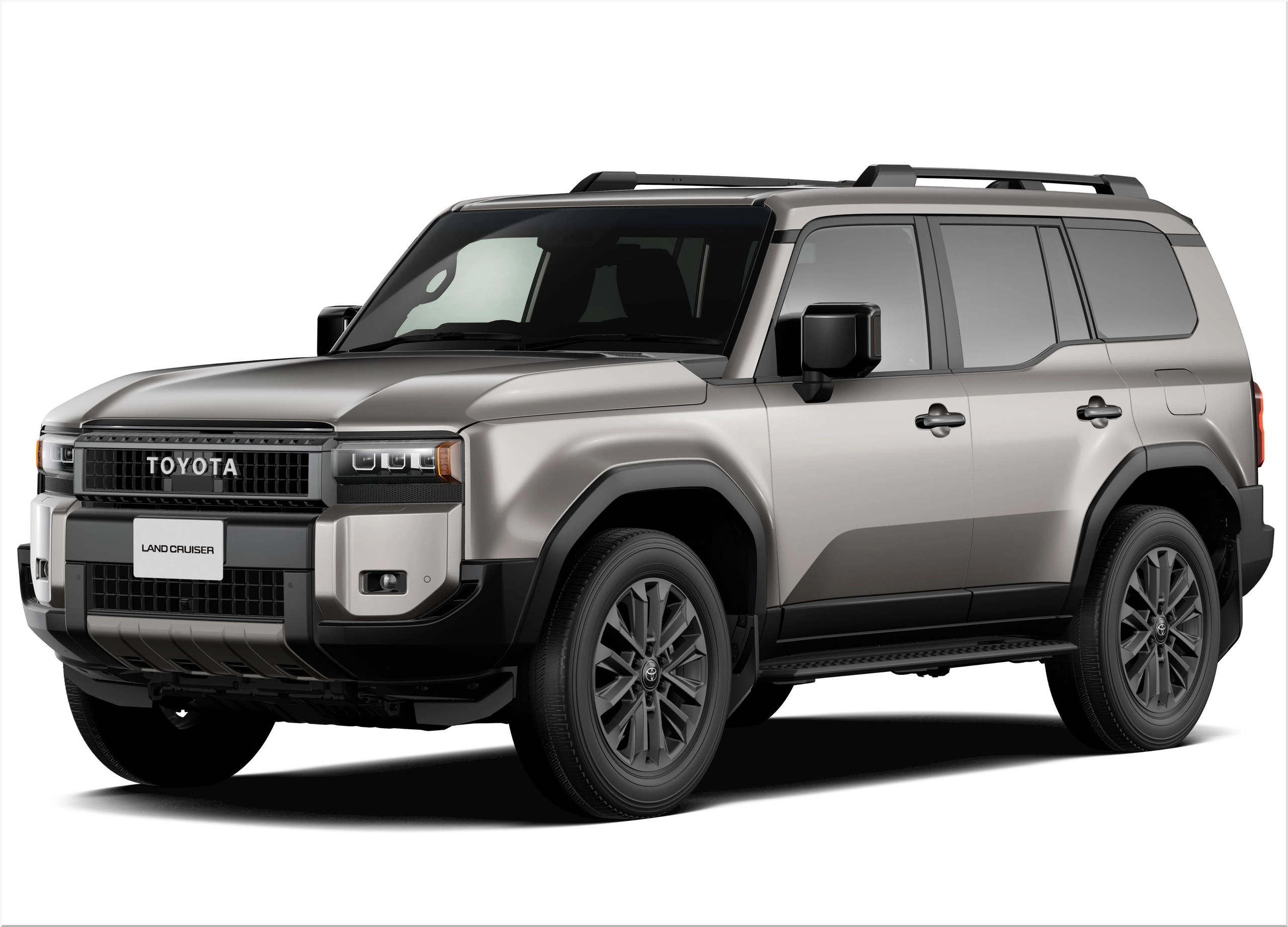
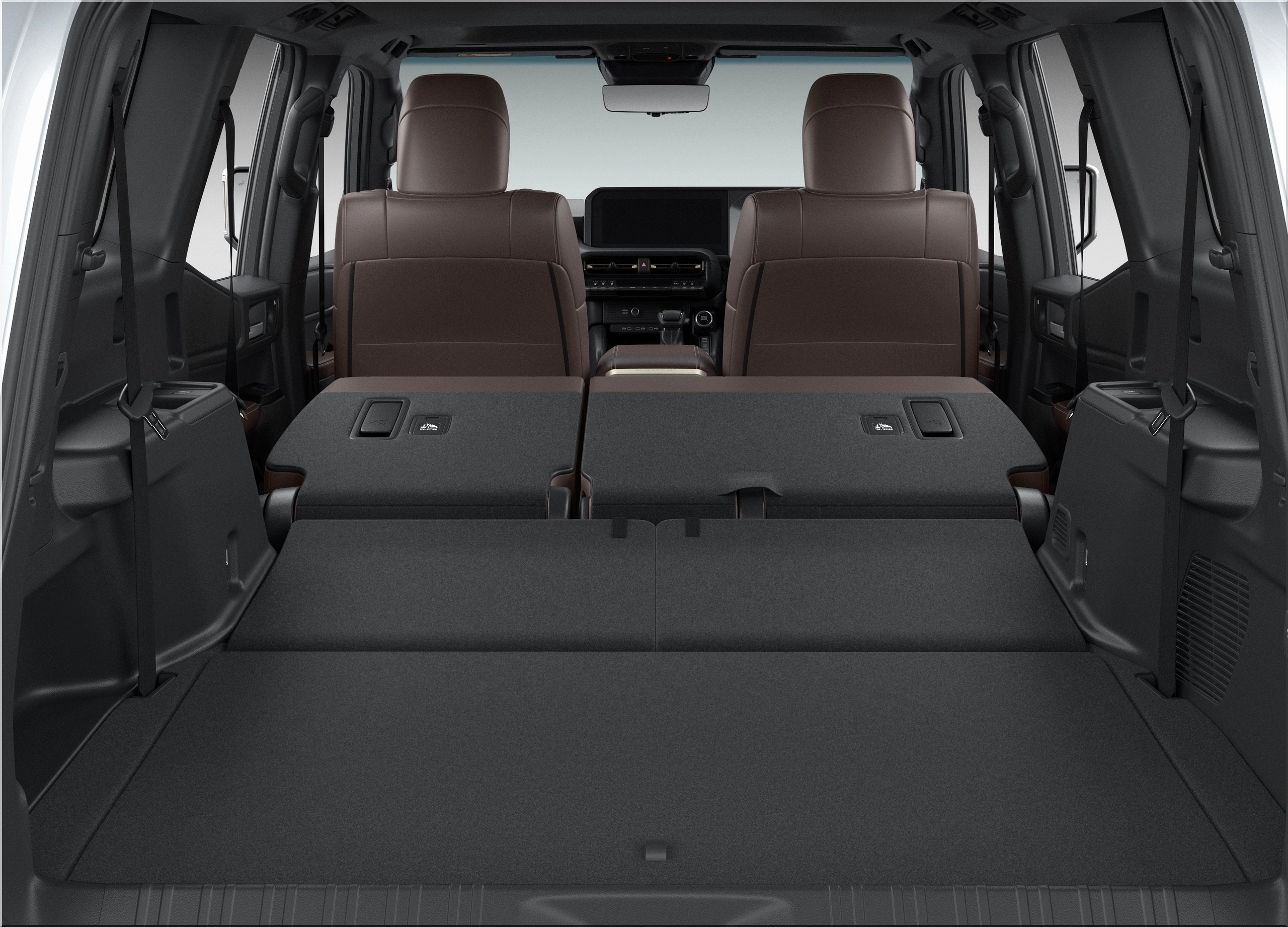



- Add new comment
- 383 views