Second-generation T-Roc
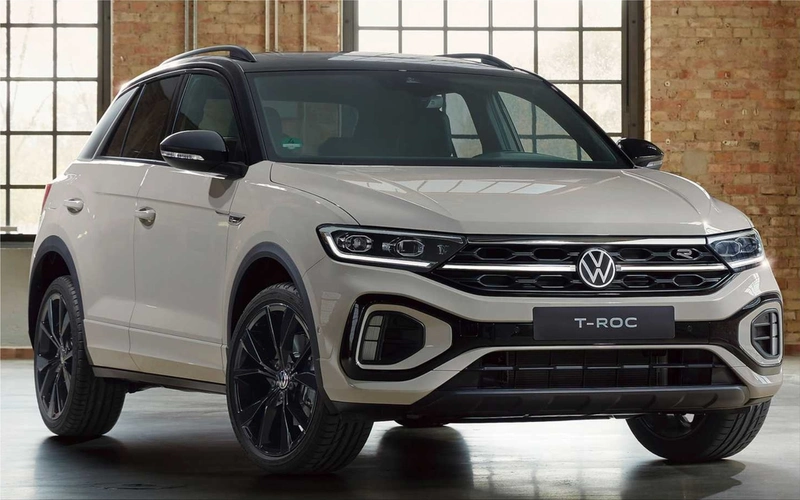
Volkswagen has launched the second-generation T-Roc, its compact SUV that has already sold more than two million units since 2017. The new model arrives with a longer body, hybrid-only engines for Europe, and an interior focused on higher quality and digital functionality. Starting prices begin at $34,000 USD (converted from €30,845).
This article breaks down the design, technology, engines, pricing, competitor comparisons, sales projections, and market outlook of the 2026 T-Roc with a data-driven focus.
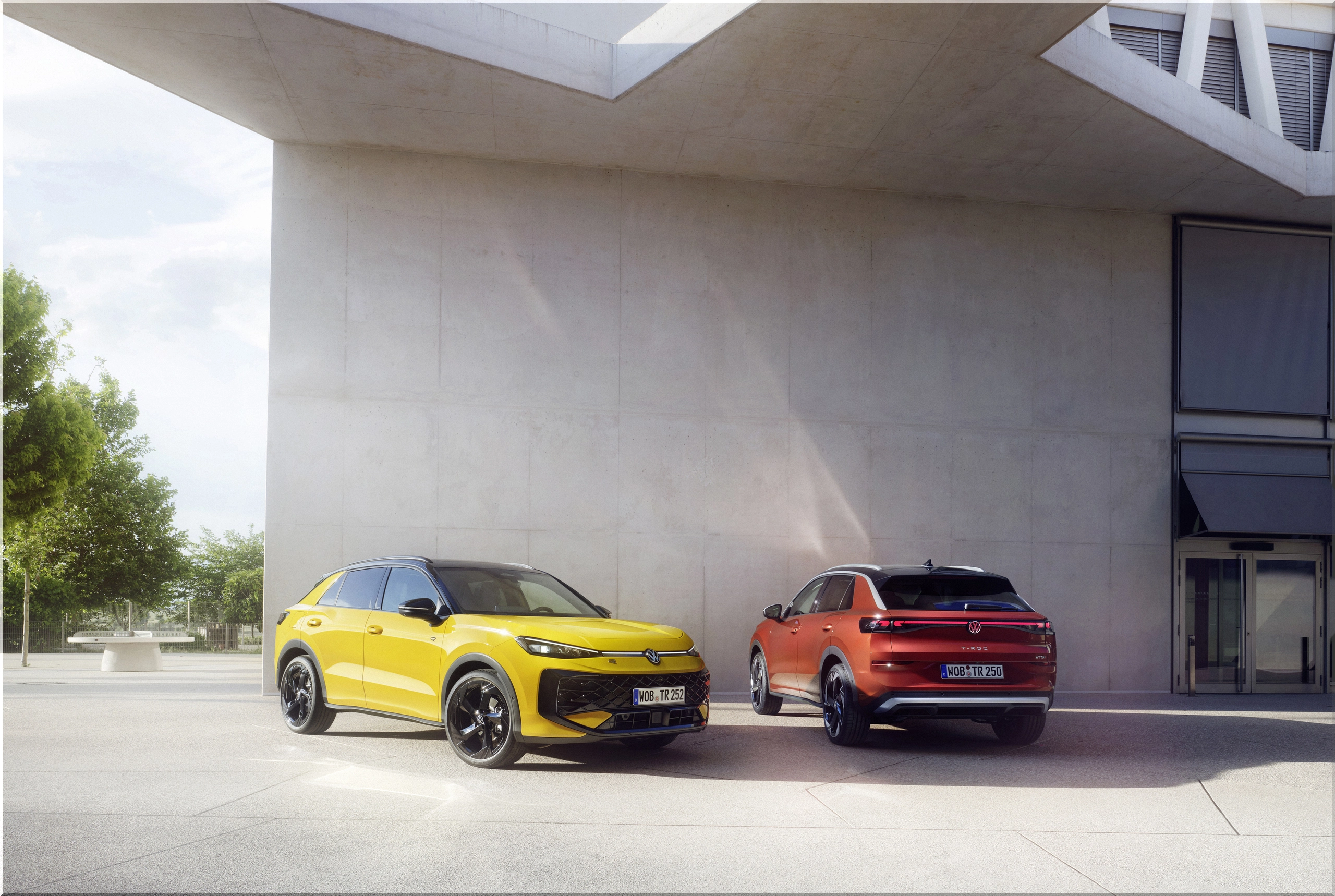
Key Changes in the 2026 Volkswagen T-Roc
- Length increased by 12 cm, improving passenger space and luggage capacity.
- Standard mild-hybrid engines with full hybrids coming later.
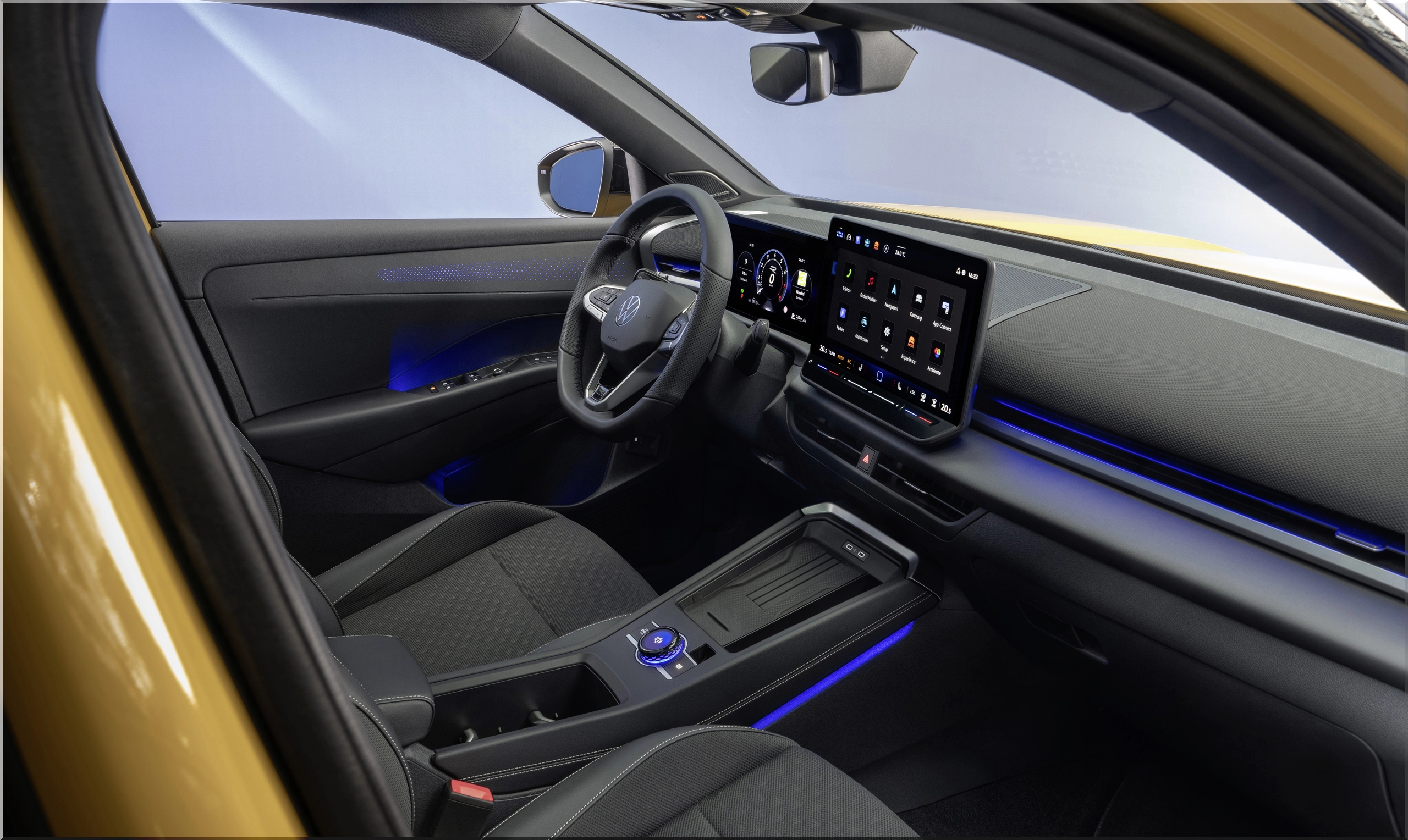
- Interior redesign with a 13-inch infotainment display and improved materials.
- New driver-assistance systems including Park Assist Pro and predictive Travel Assist.
- Simplified trim strategy with four clear equipment lines.
- Starting price: $34,000 USD for the 1.5 eTSI mild hybrid.
Exterior Design and Dimensions
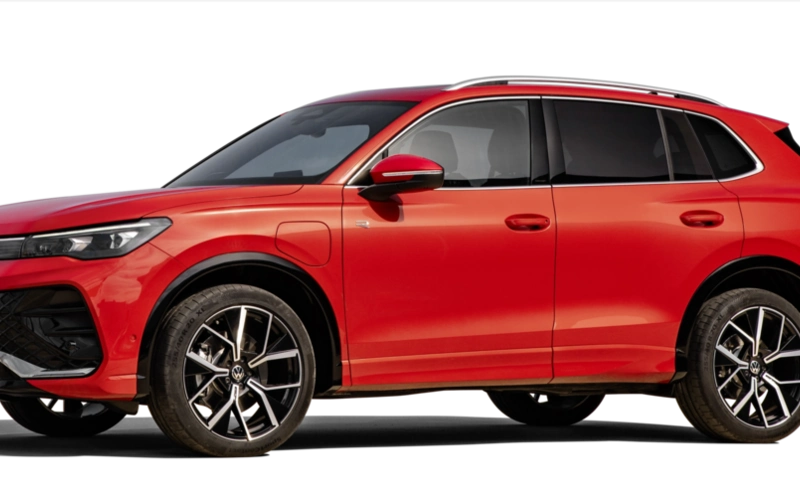
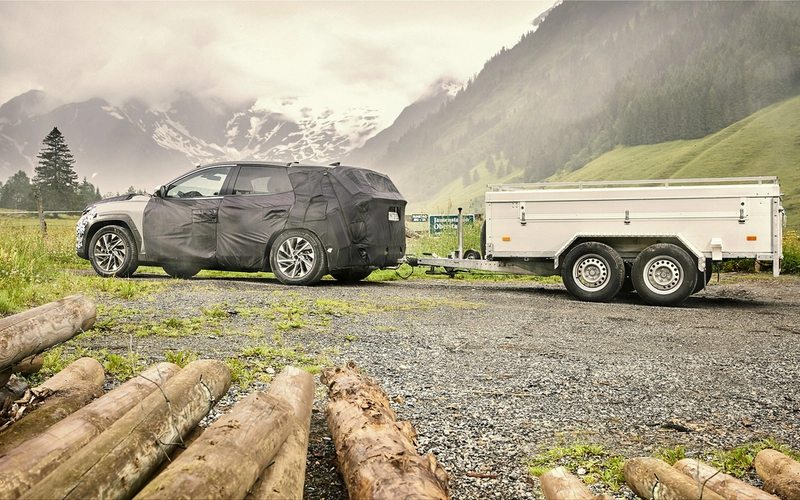
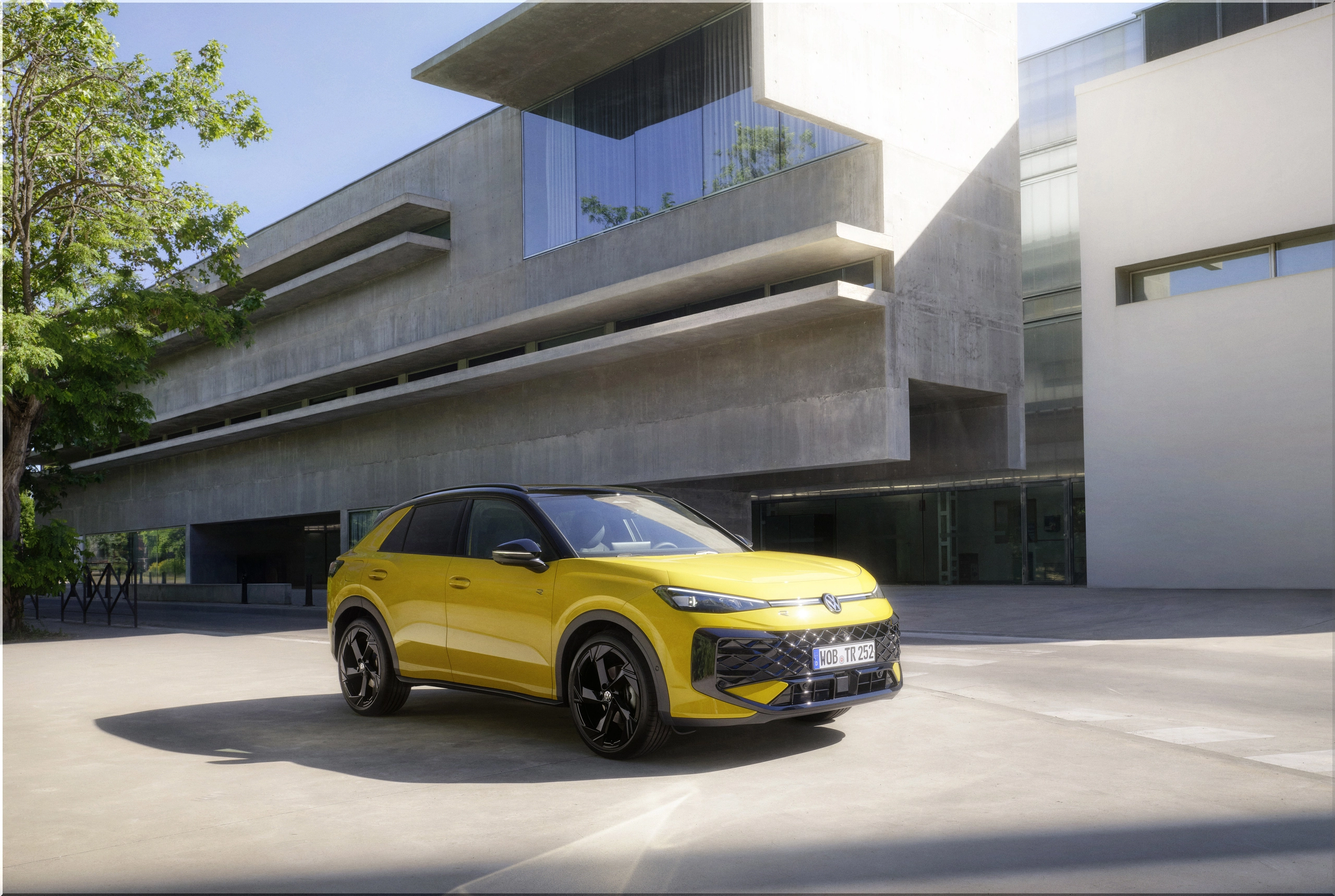
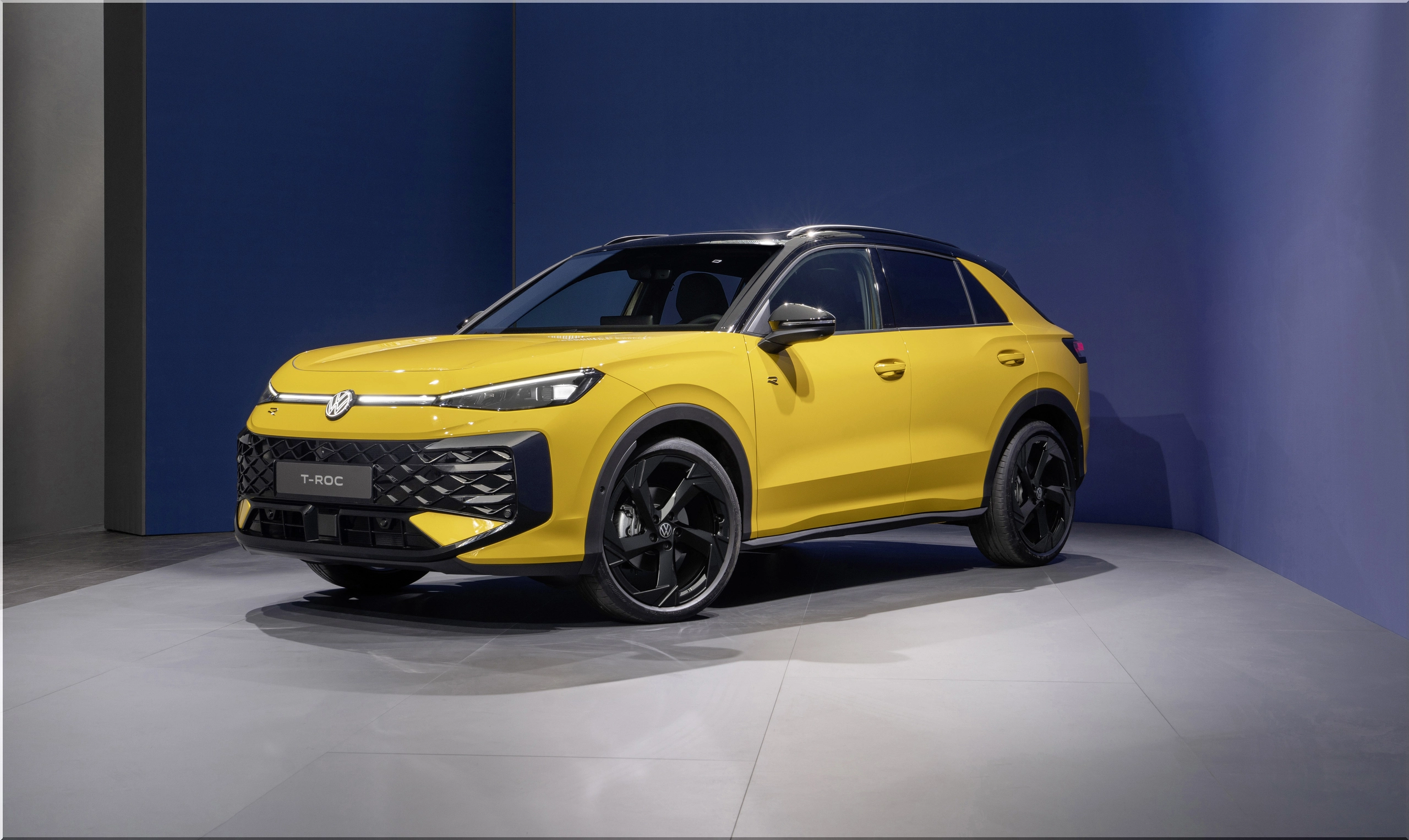
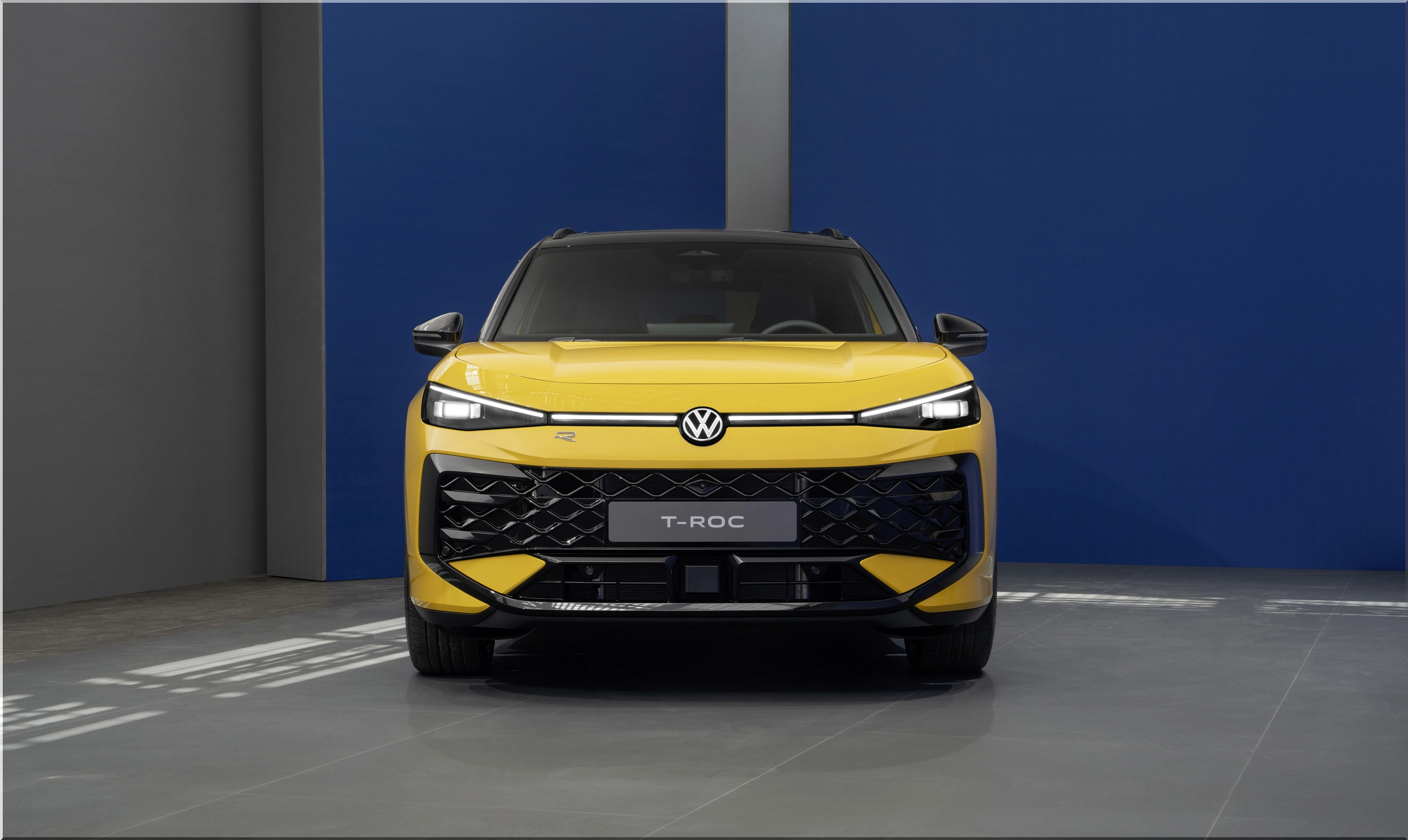
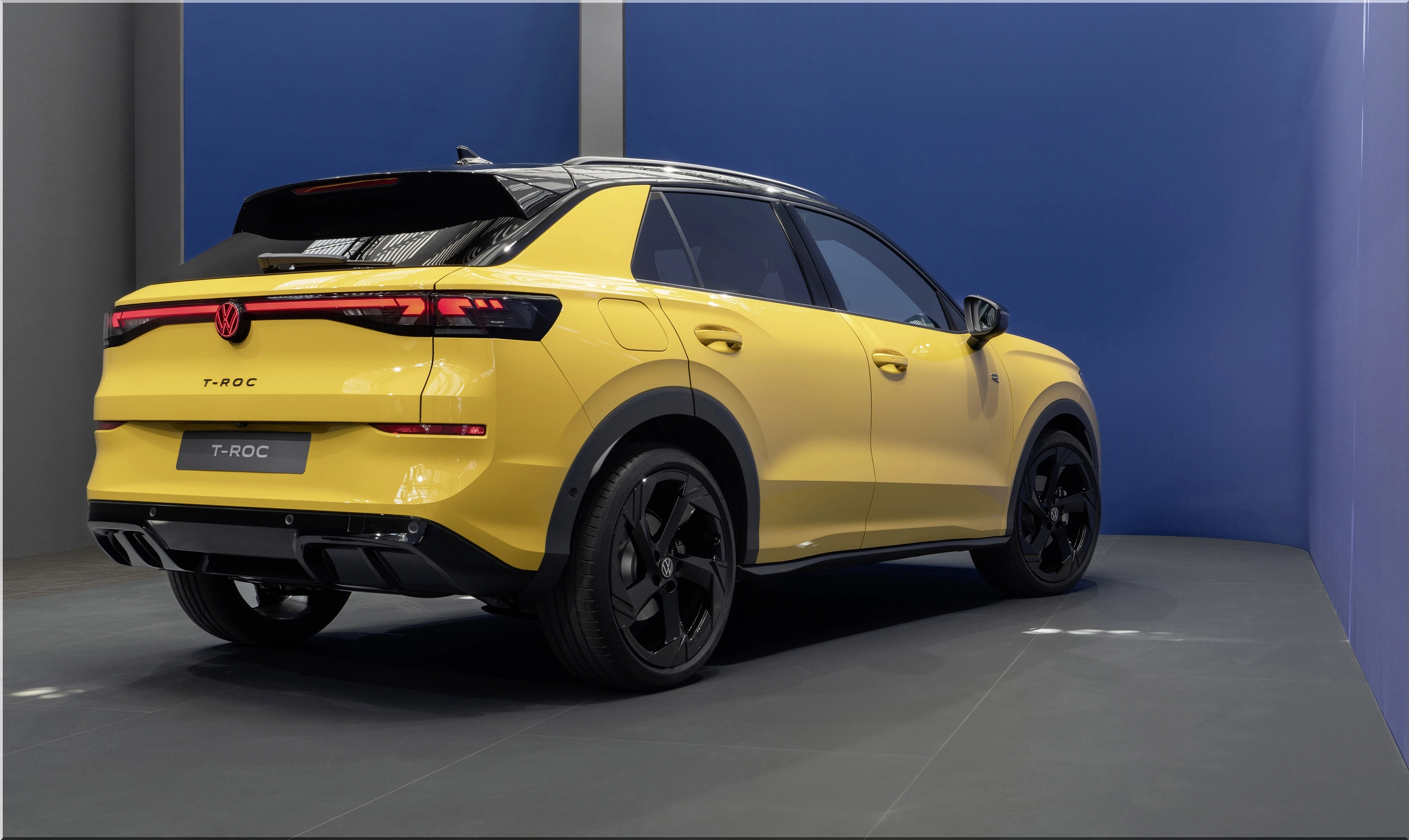
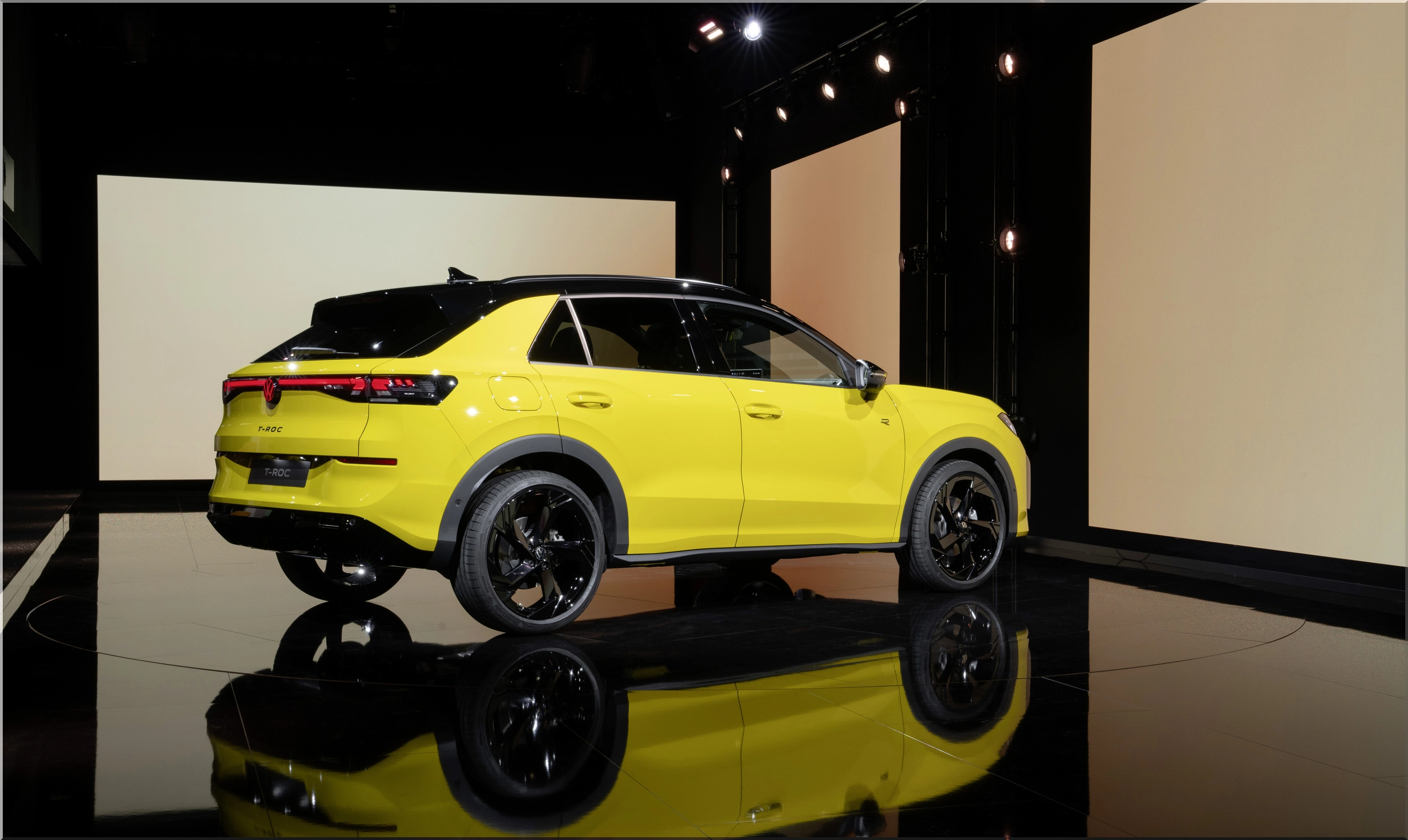
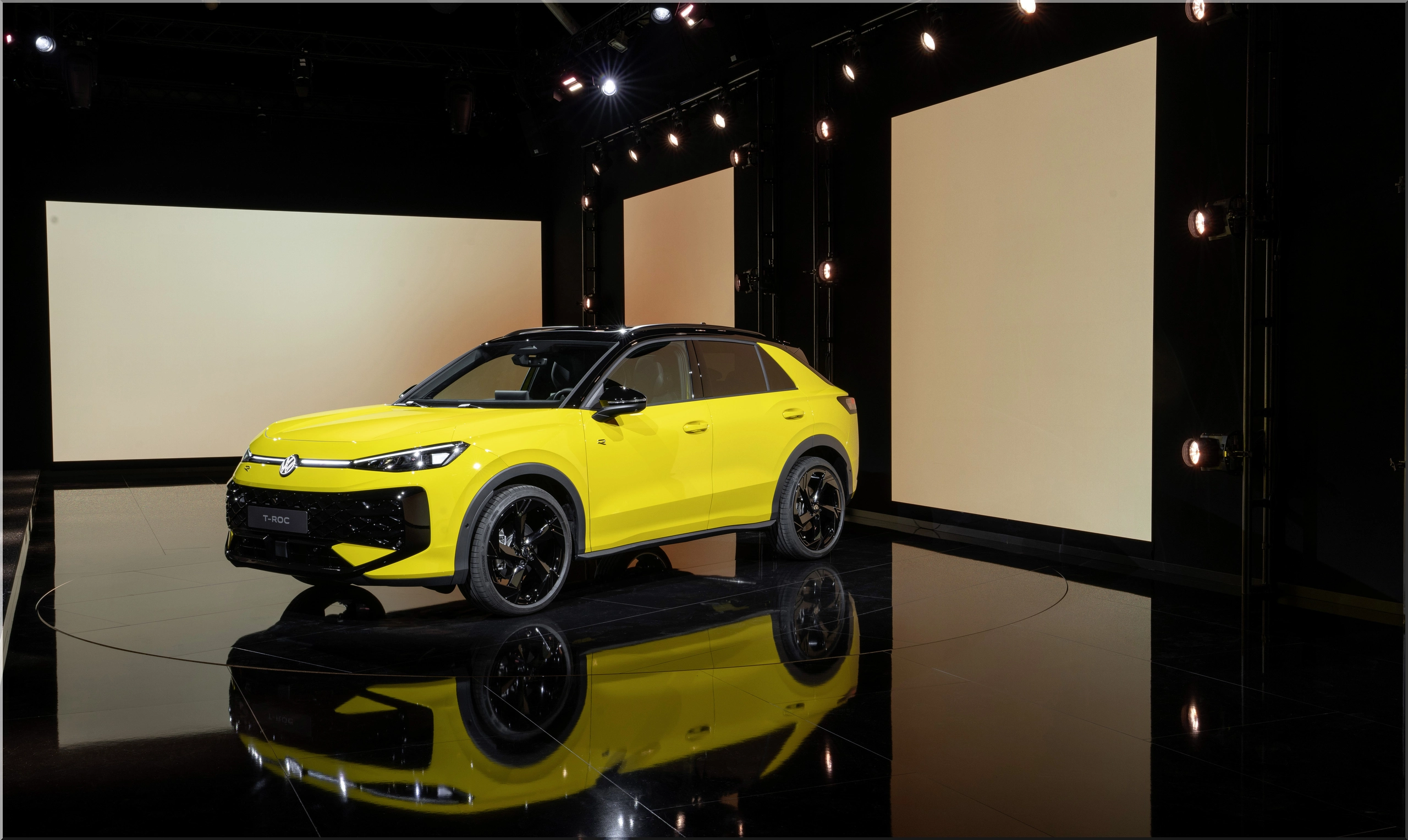
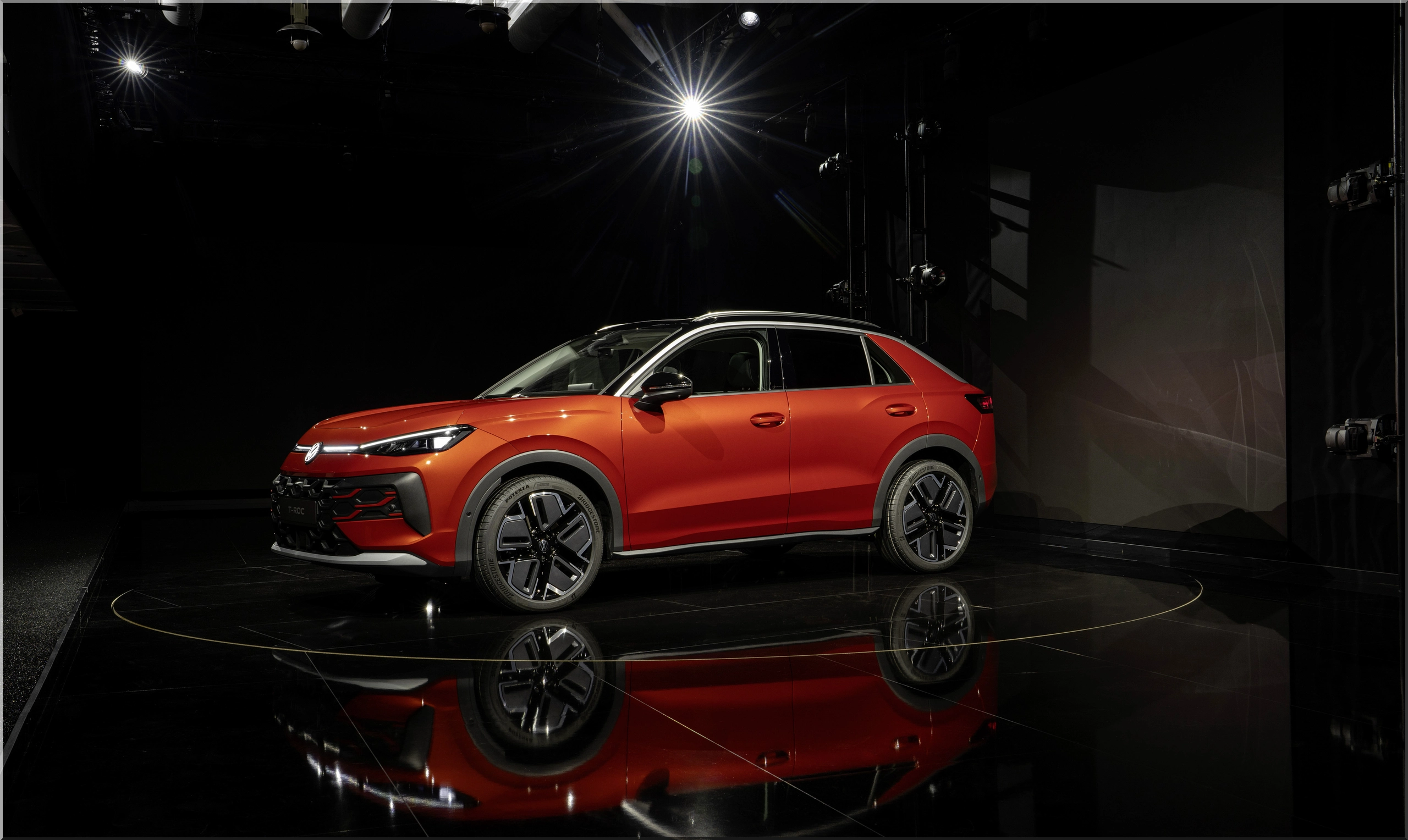
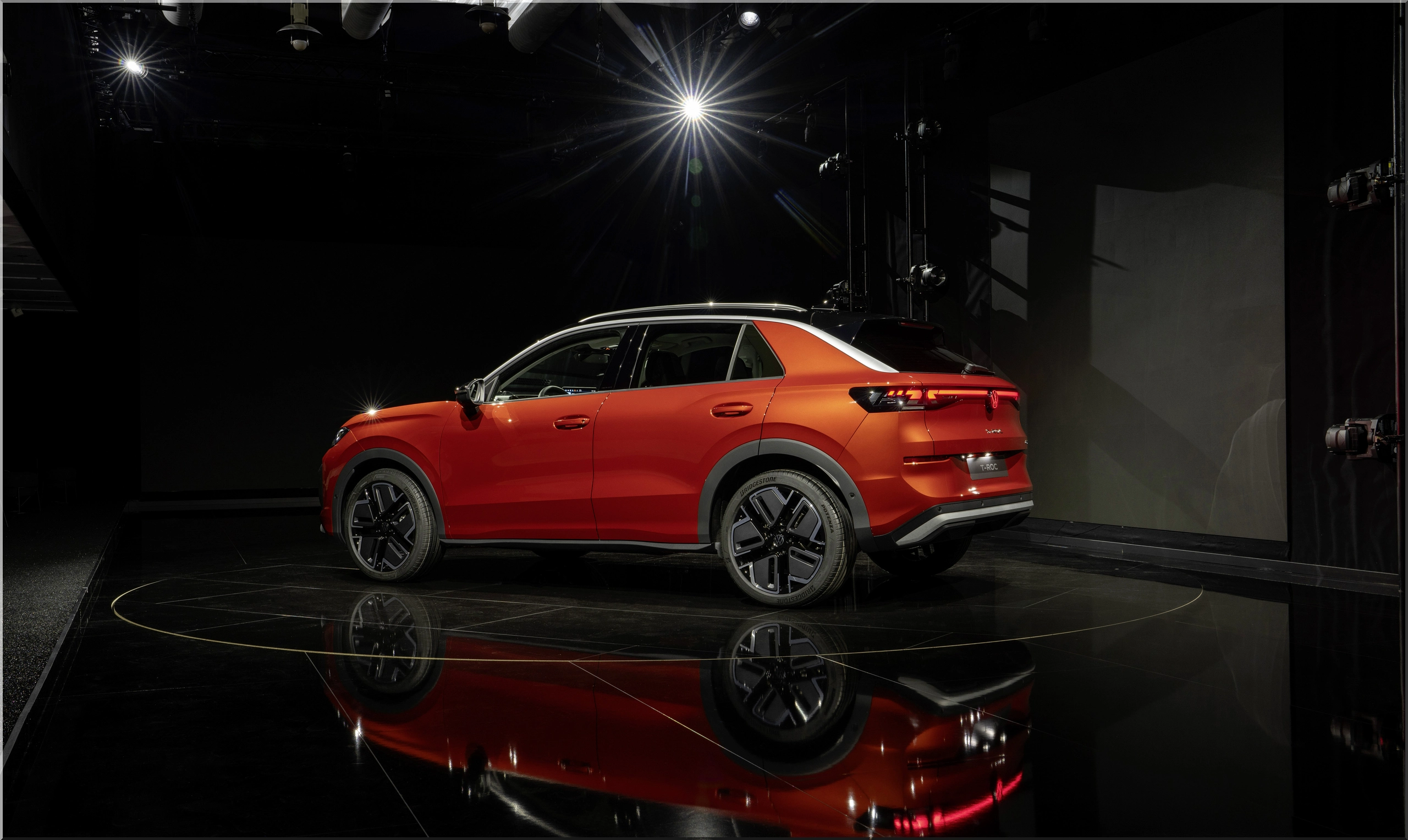
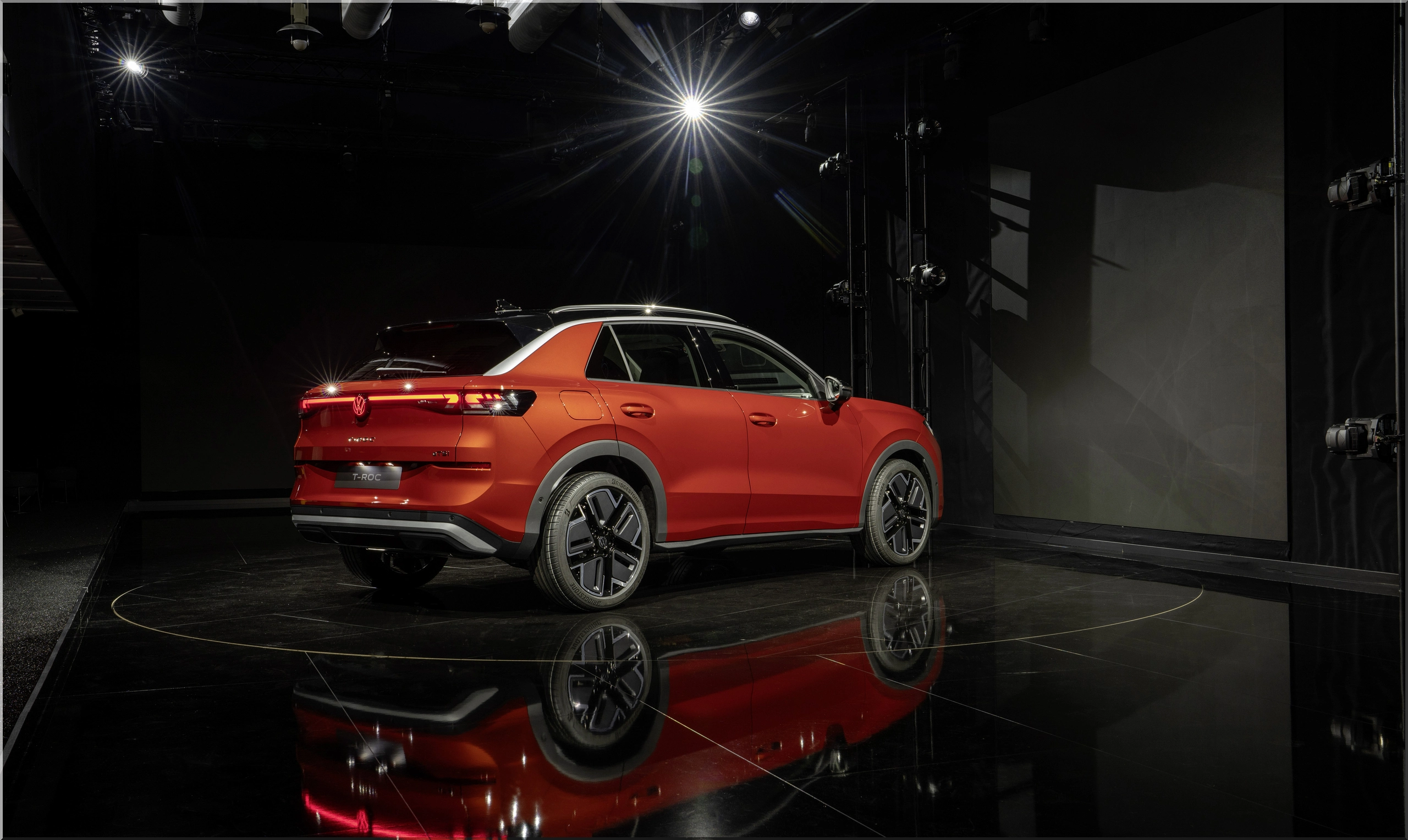
The 2026 T-Roc adopts a cleaner, stronger design while retaining the coupe-like rear profile. The extra 12 cm in overall length supports improved aerodynamics and interior volume.
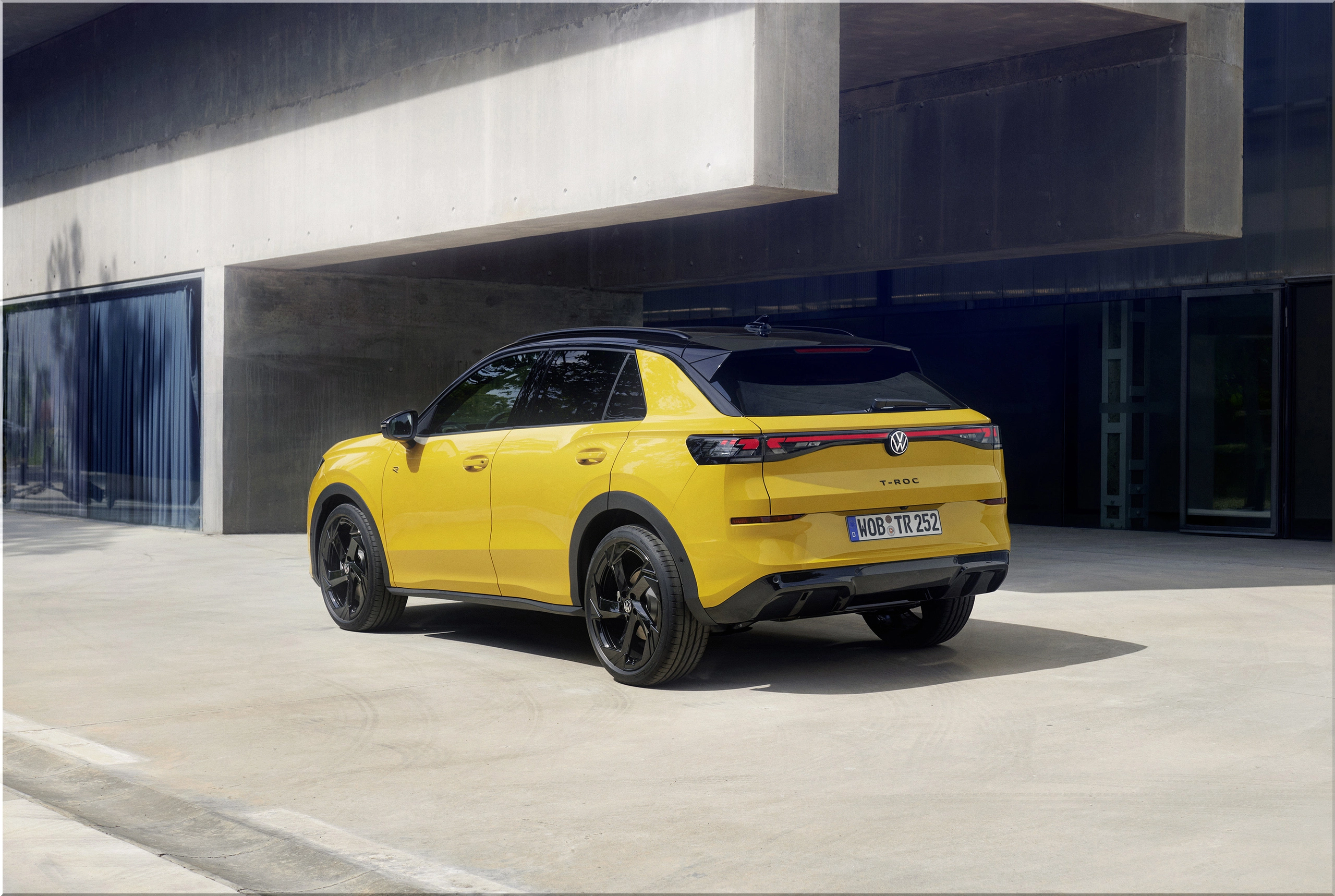
Lighting Technology
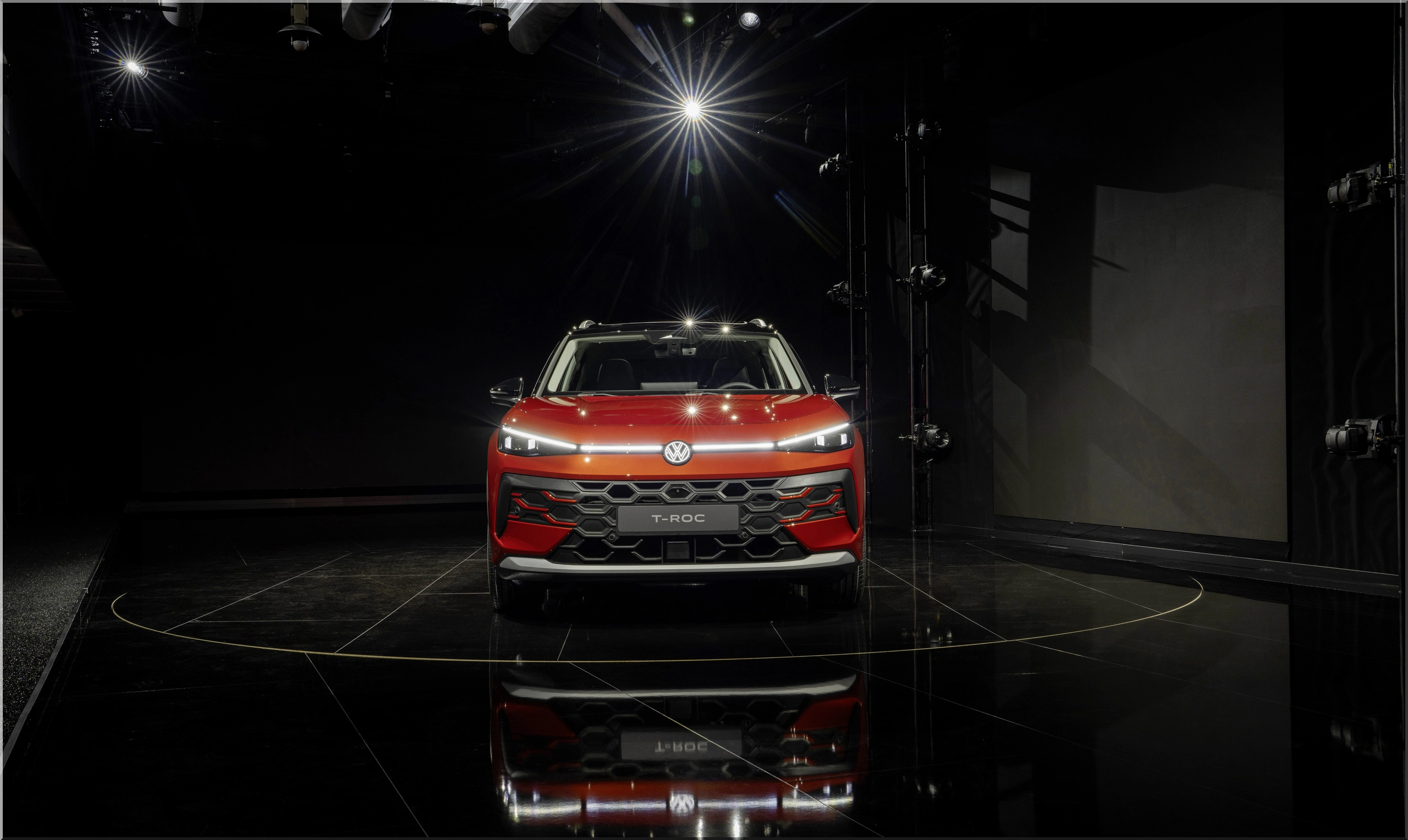
- Standard LED headlights.
- IQ.Light matrix LEDs with an illuminated VW logo (standard on R-Line and Style trims).
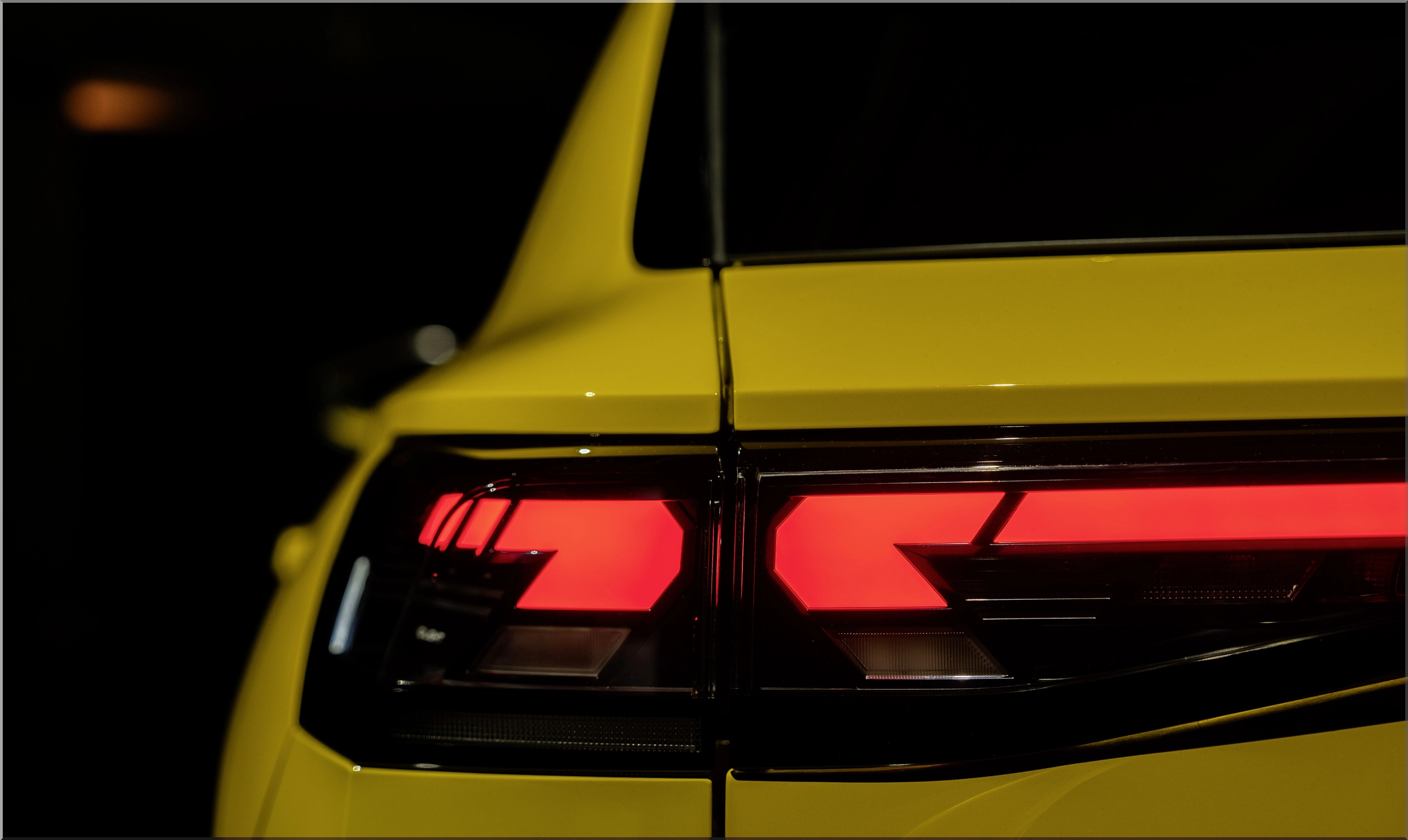
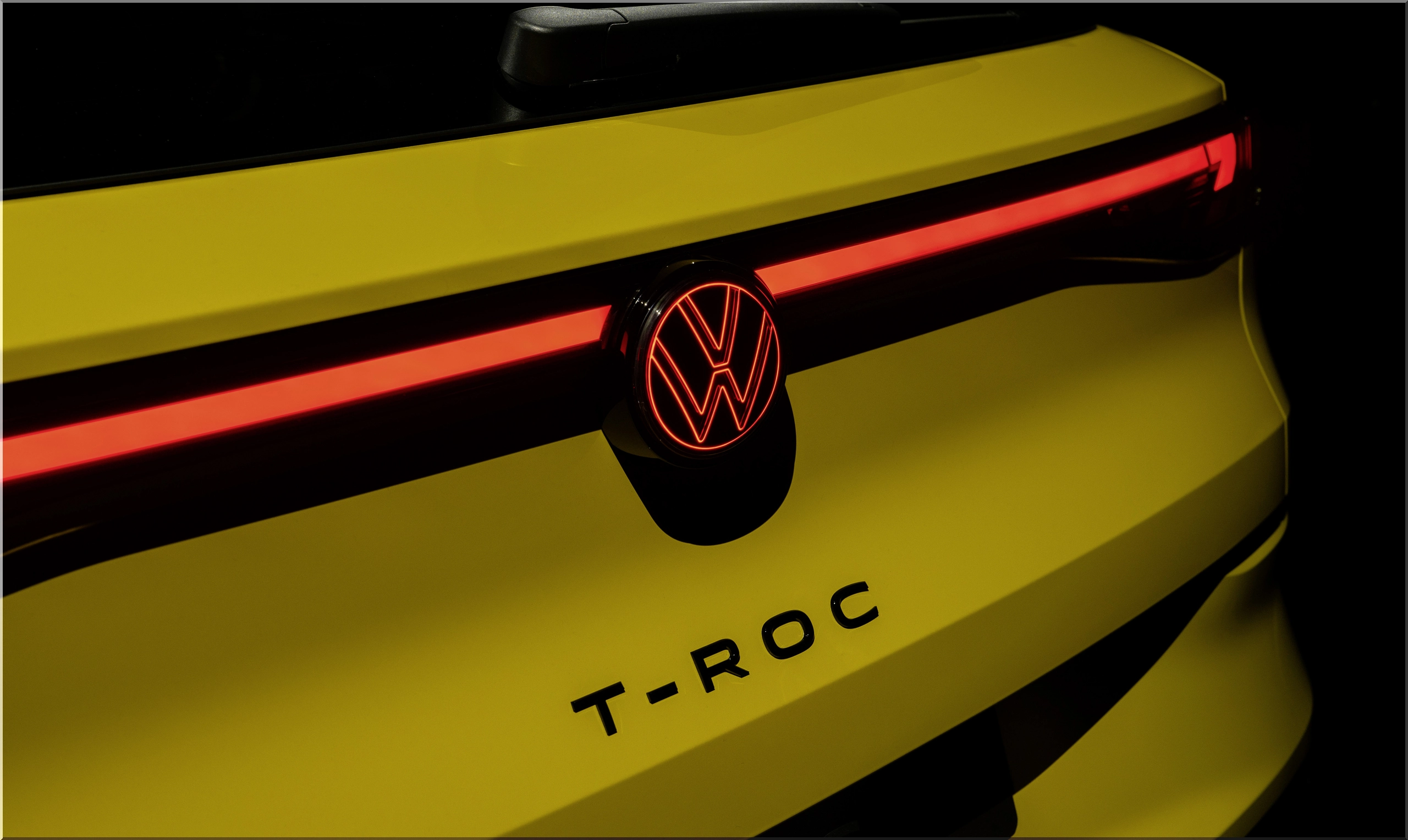
- Rear: full-width LED strip with an illuminated VW badge.
Color Options
Six body paints:
- Pure White Uni
- Wolf Grey Metallic
- Canary Yellow Uni
- Flame Red Metallic
- Celestial Blue Metallic
- Grenadilla Black Metallic
A black contrast roof is available for all trims.
Interior and Technology
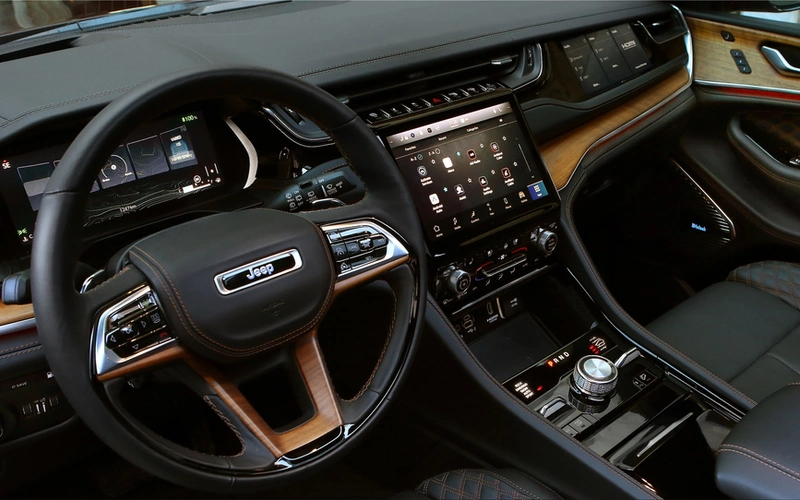
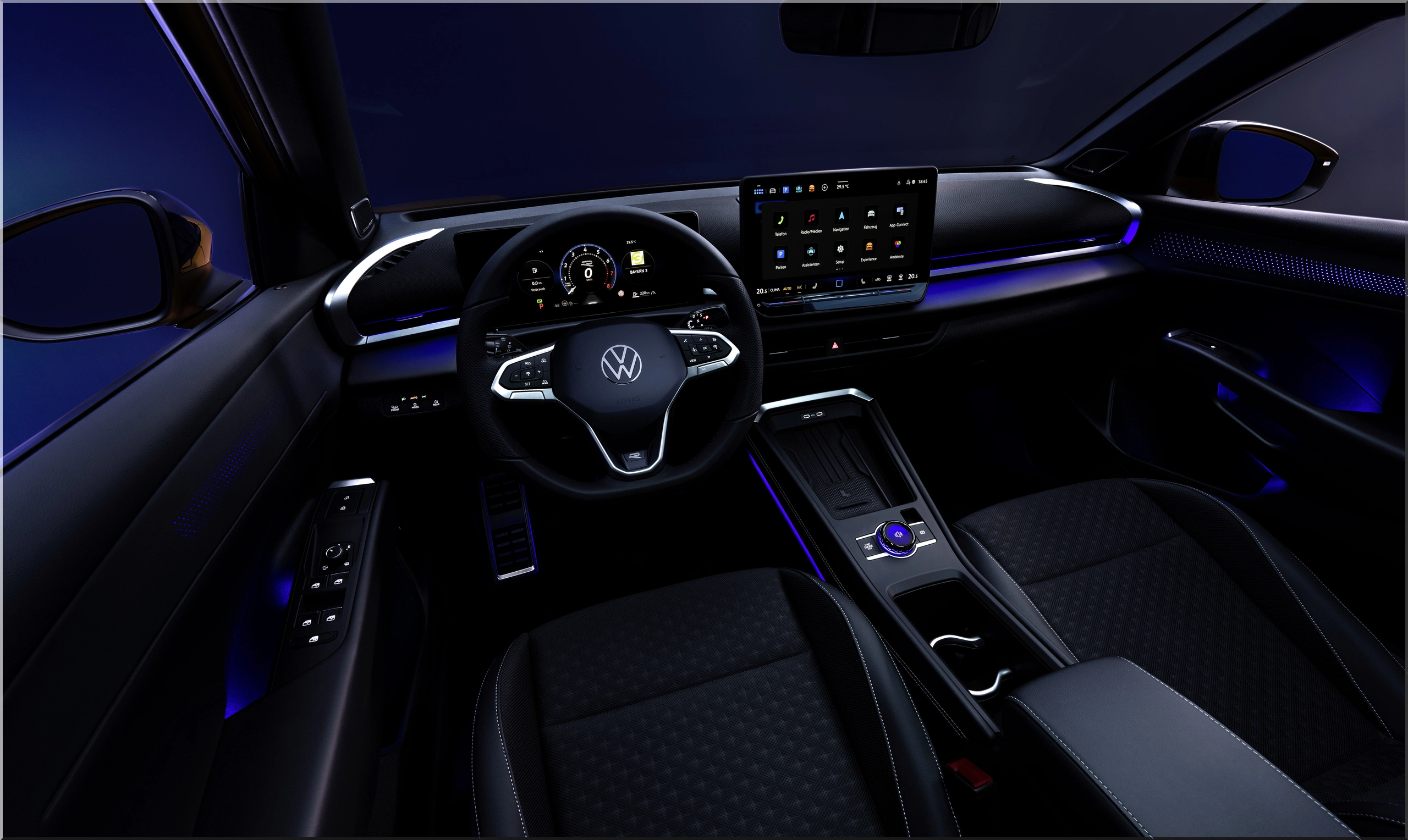
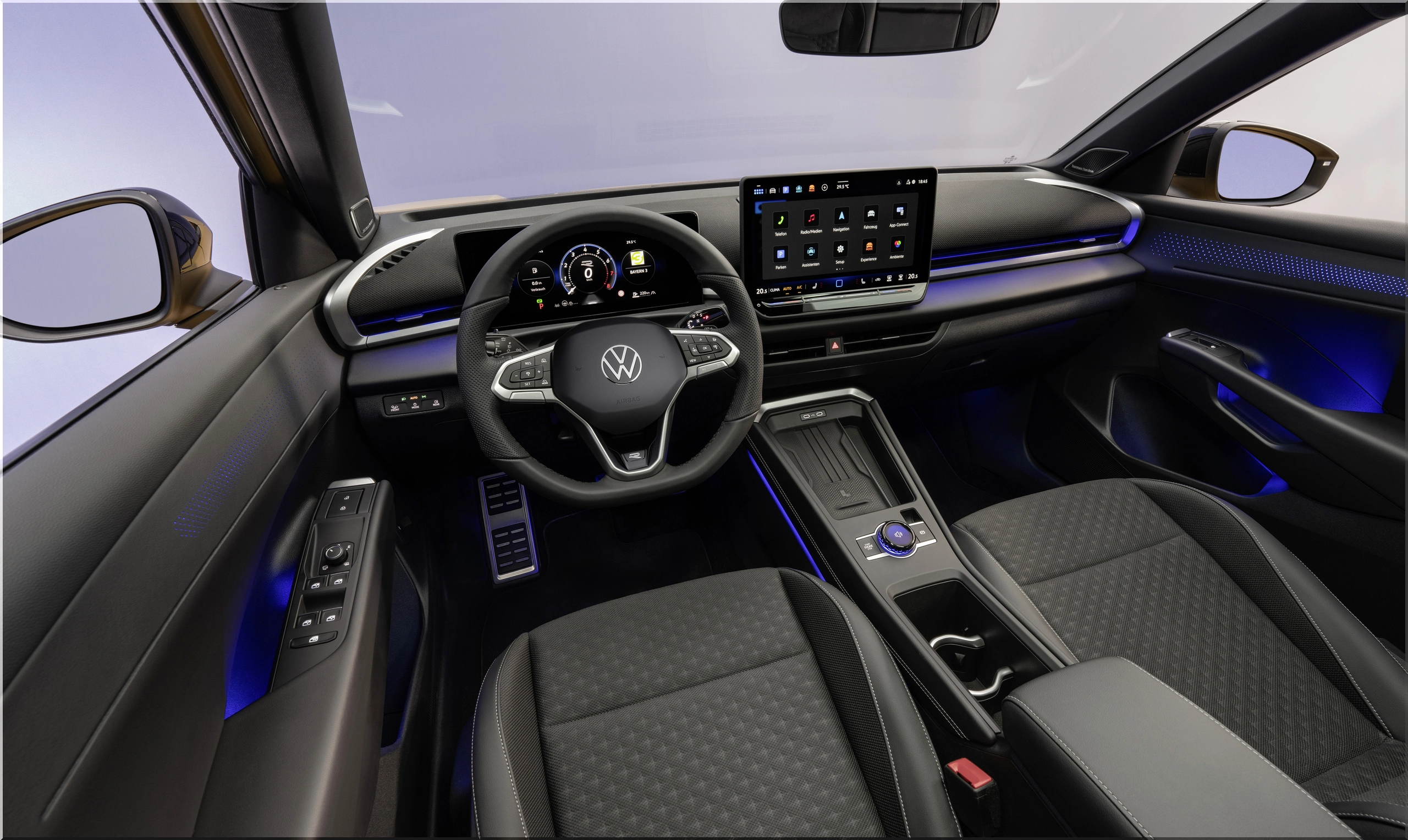
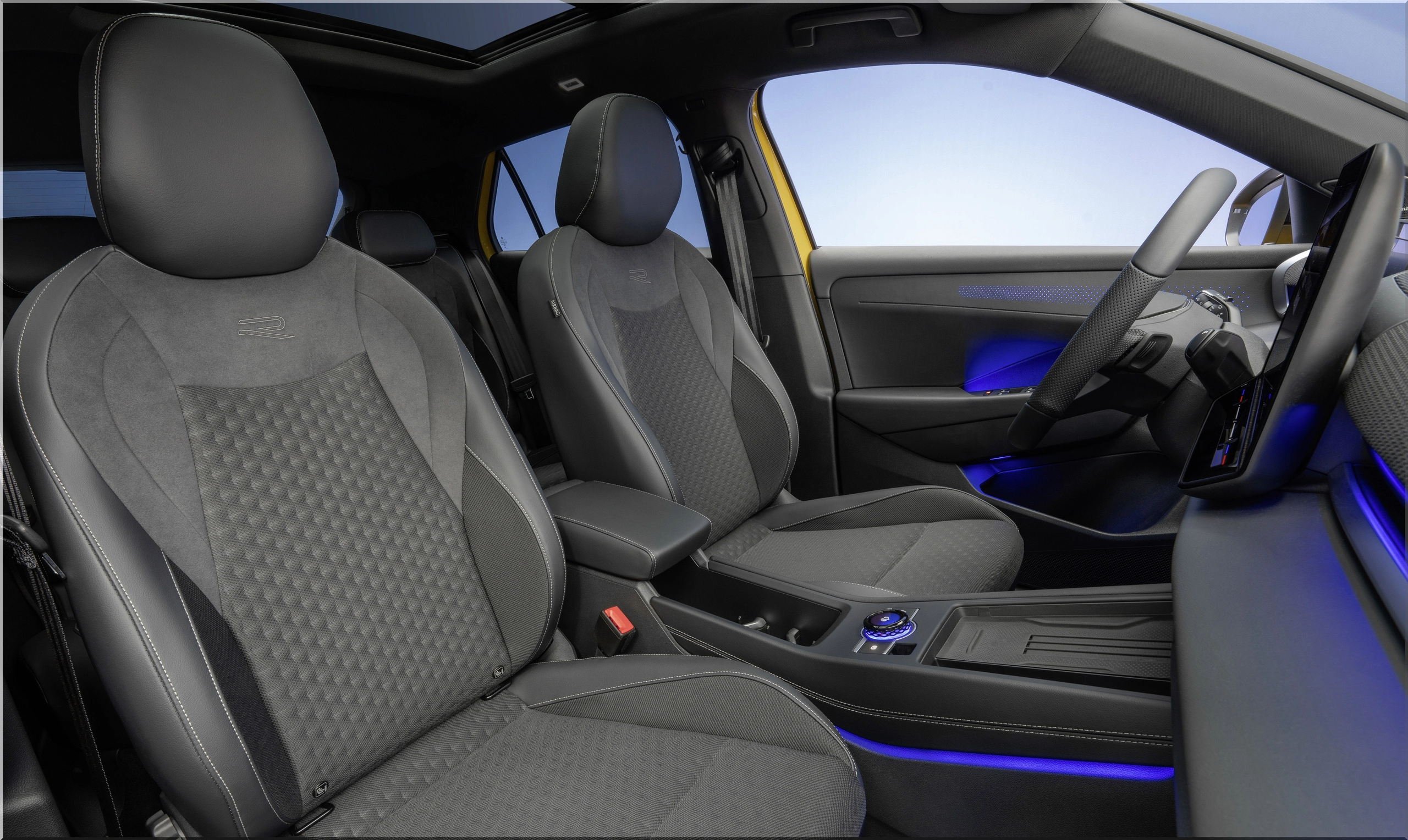
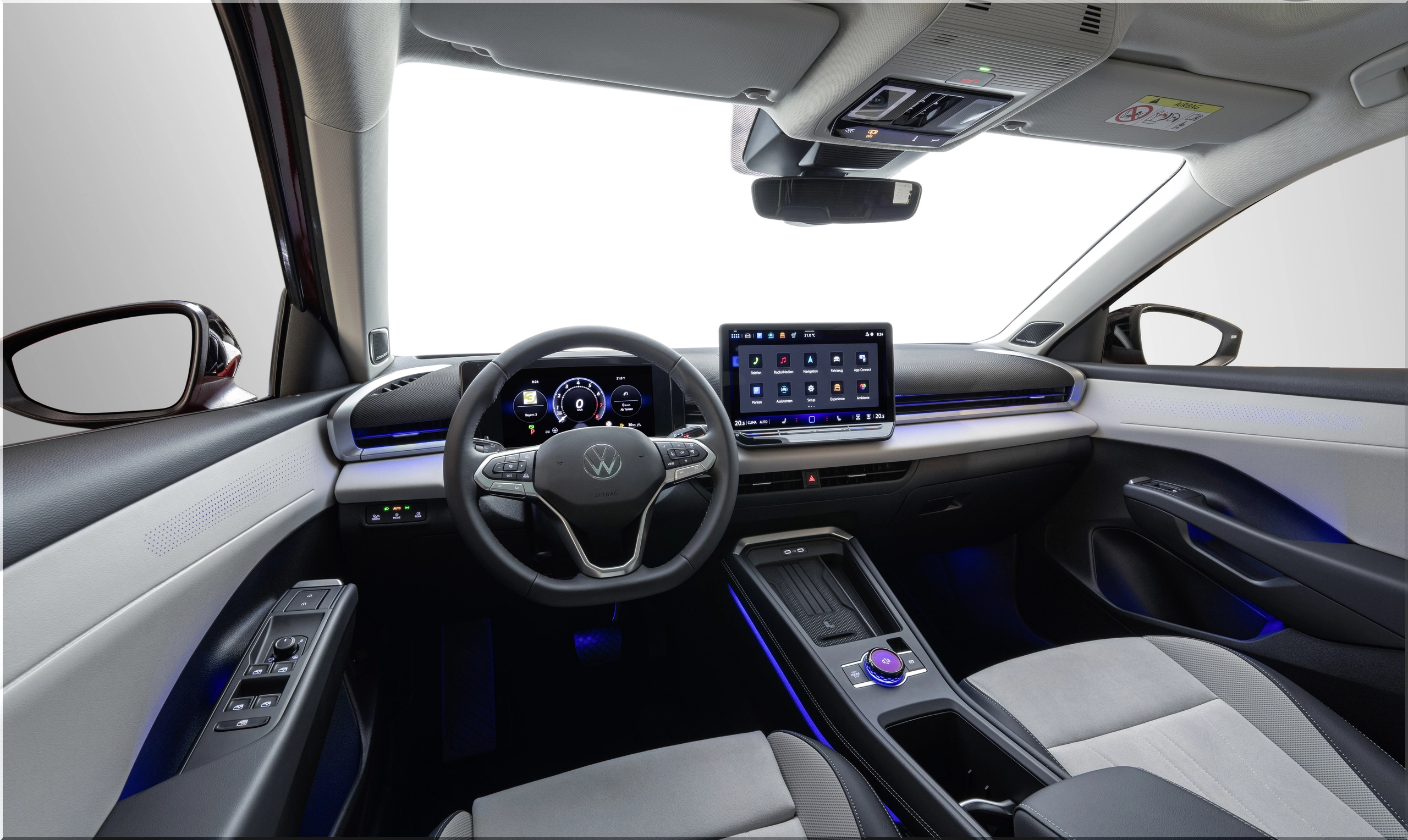
Volkswagen focused on upgrading perceived quality. The dashboard now features soft-touch materials and customizable ambient lighting.
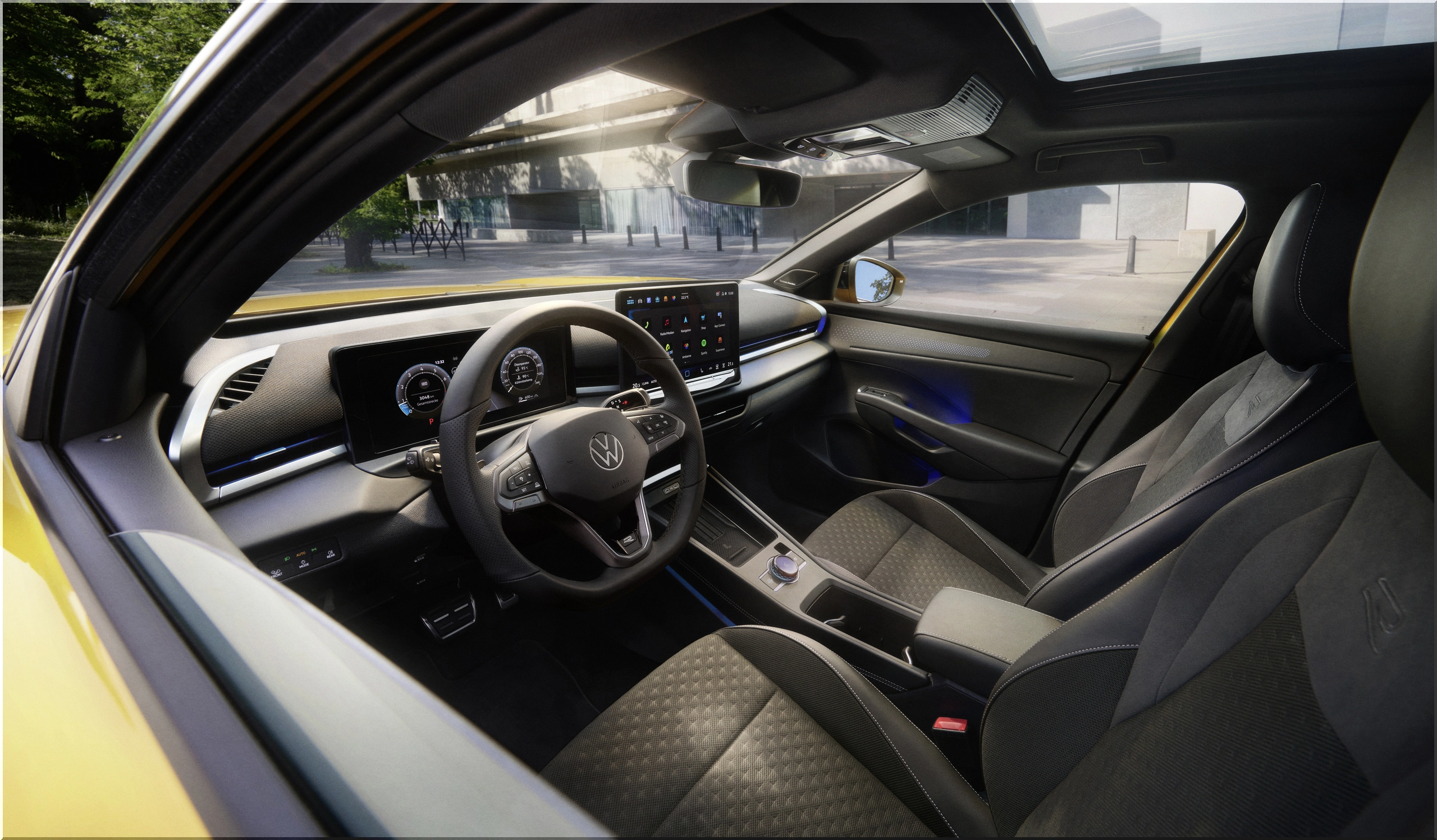
Infotainment and Controls
- Standard digital cockpit.
- Up to 13-inch central display.
- Integrated head-up display (new for this class).
- Driver mode selector with expanded functionality.
Space and Comfort
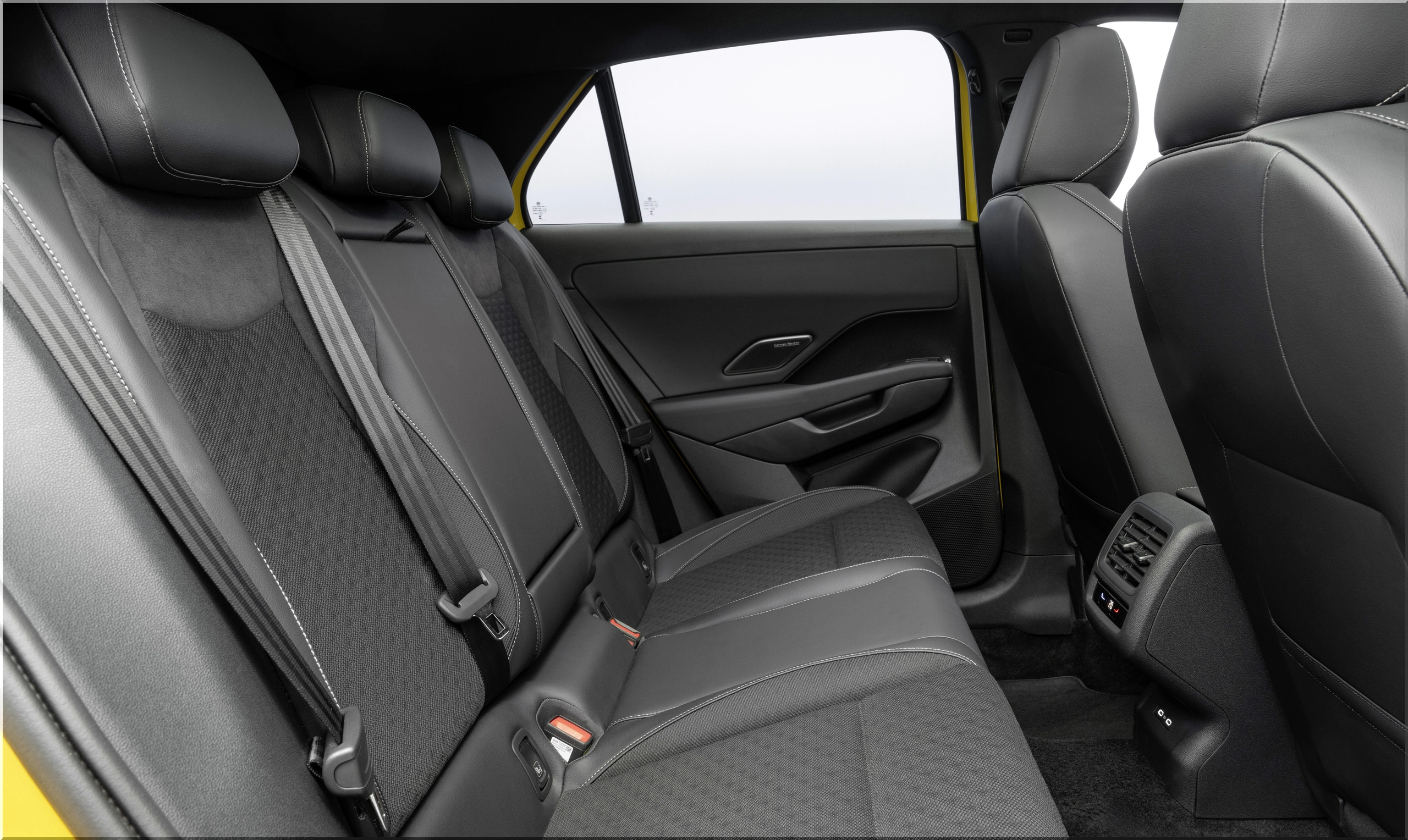
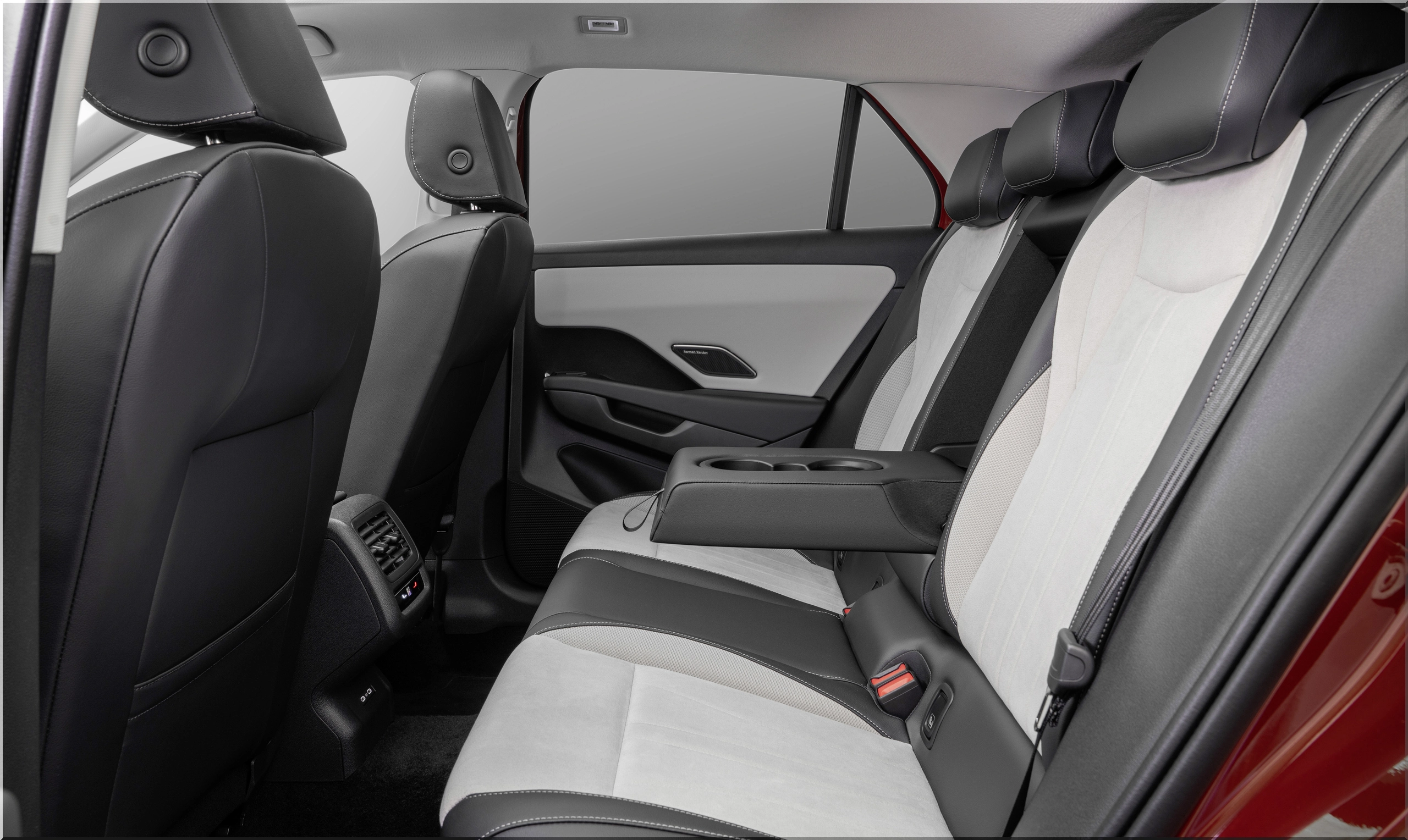
- Rear passengers over 1.85 m tall fit comfortably behind tall front occupants.
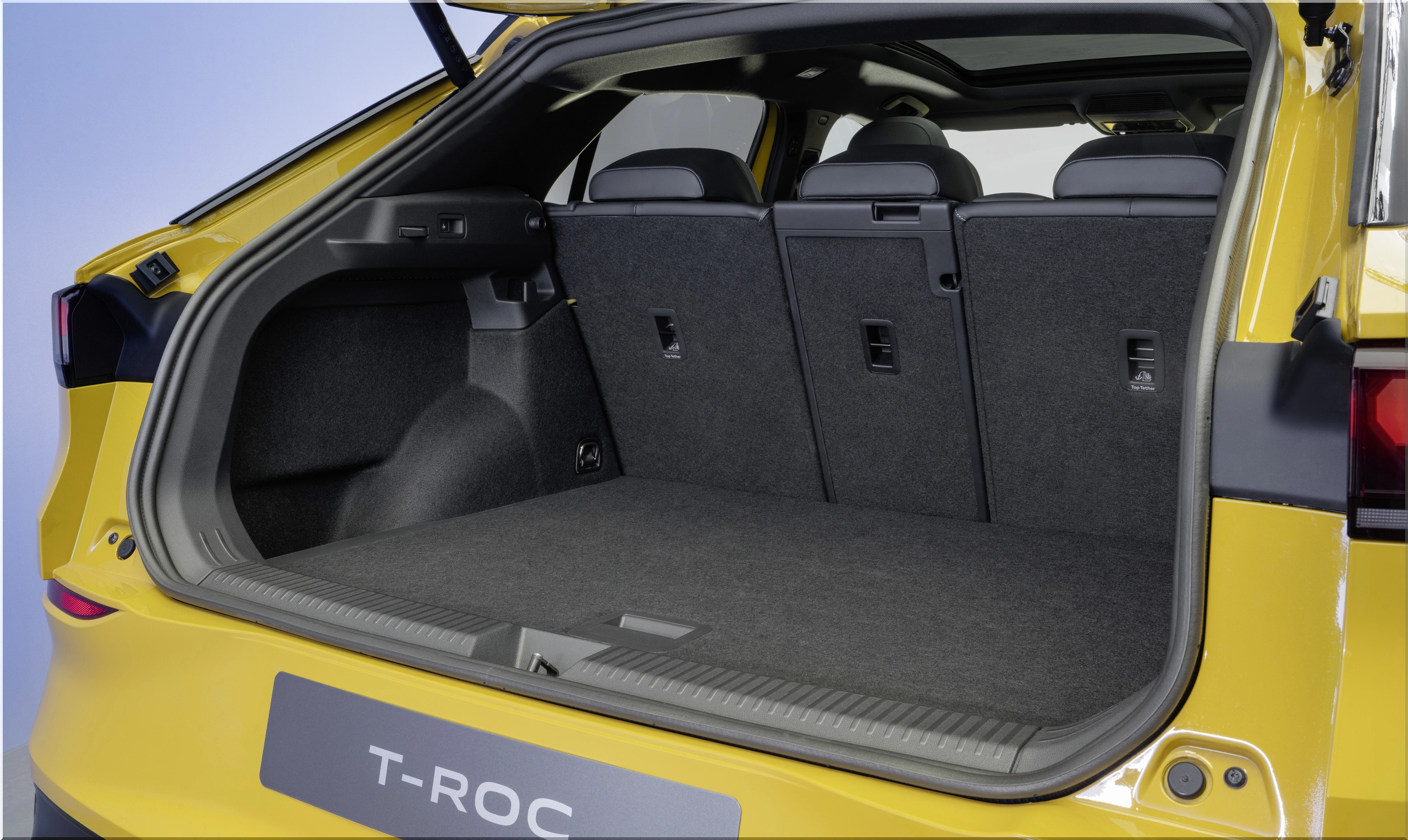
- Cargo volume: 475 liters, an increase of 30 liters.
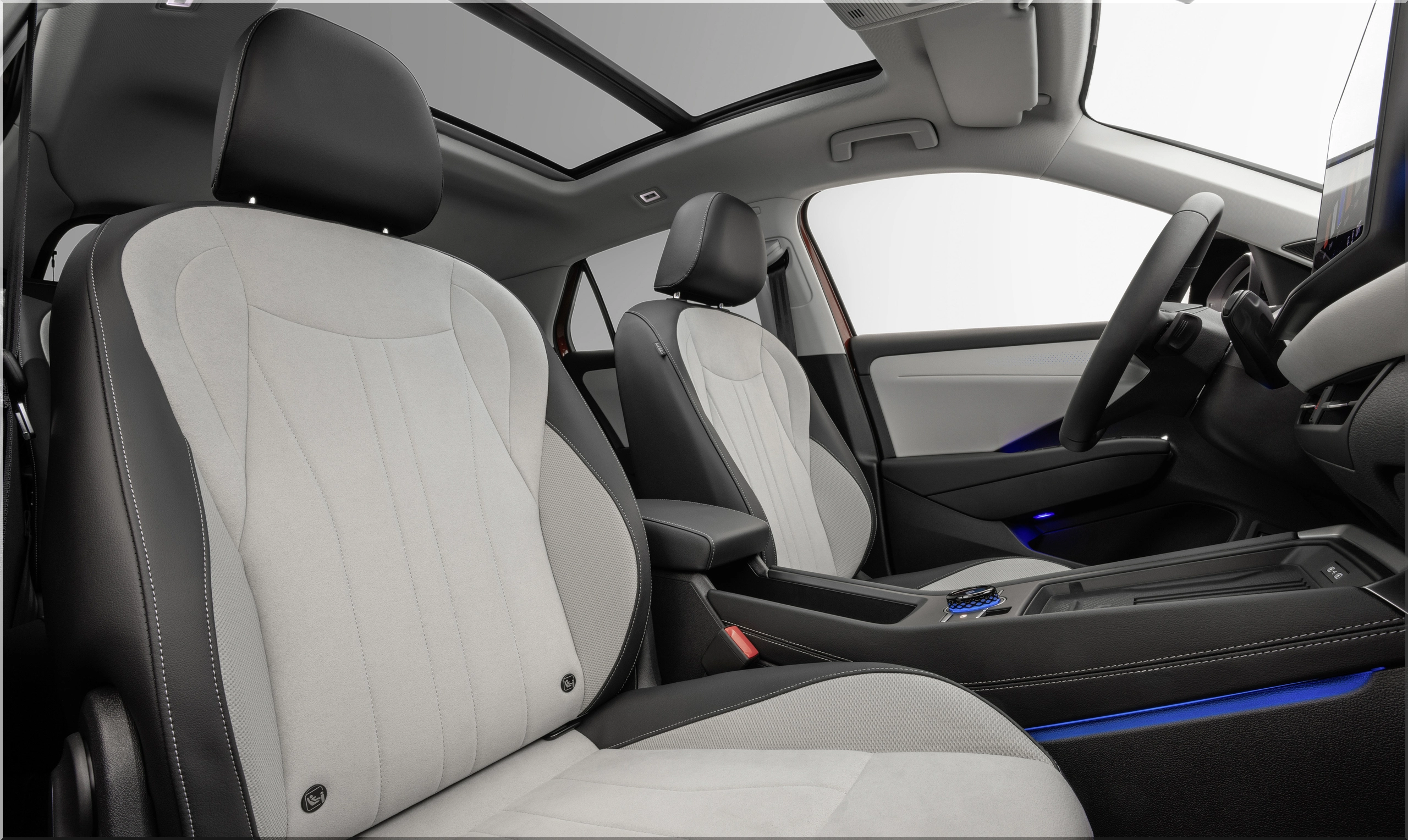
- New 14-way ergoActive seat with massage available in Style trim.
Engines and Hybrid Strategy
Volkswagen is moving the T-Roc to a hybrid-only lineup in Europe.
Engine Options at Launch
- 1.5 eTSI mild hybrid with 116 hp.
- 1.5 eTSI mild hybrid with 150 hp.
- Both engines include 48V mild-hybrid systems and a 7-speed DSG transmission.
Coming Soon
- Two full hybrids, always front-wheel drive.
- 2.0 TSI mild hybrid with available 4MOTION all-wheel drive.
- T-Roc R returning as the performance flagship.
Driver Assistance and Safety Systems
The 2026 T-Roc gains systems previously reserved for larger VW SUVs.
Standard and Optional Features
- Travel Assist: predicts speed limit changes and supports automated lane changes.
- Park Assist Pro: smartphone-controlled parking up to 50 meters.
- Exit warning system: alerts if a cyclist or car is approaching when opening doors.
Trim Levels and Equipment Strategy
Volkswagen reduced the number of packages by 50%, simplifying choices for buyers.
Four Trim Levels
- T-Roc – budget and functionality.
- Life – adds comfort.
- Style – focus on design and technology.
- R-Line – focus on sportiness.
This structure shortens decision-making and helps Volkswagen manage production costs.
Production and Market Position
The T-Roc is built in Palmela, Portugal, alongside the first-generation model. In 2024, 292,000 units were sold in Europe, confirming its place as Volkswagen’s second-best-selling SUV after Tiguan.
Market Outlook
- Compact SUVs remain the largest growth segment in Europe.
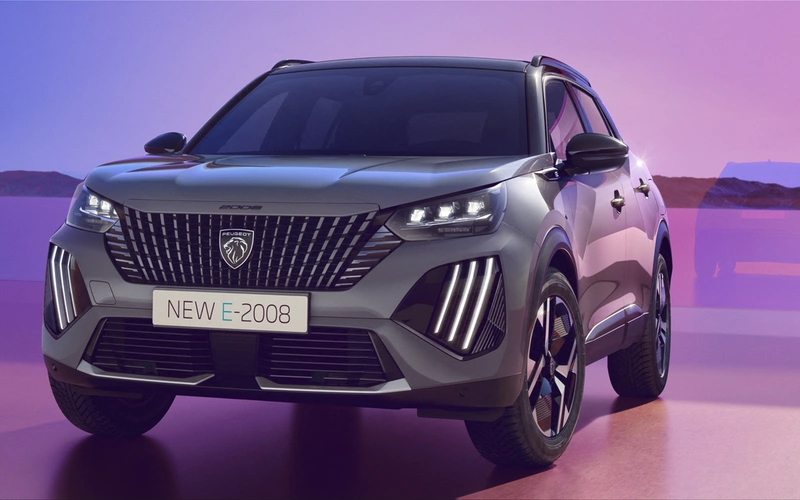
- Competitors include the Hyundai Kona, Toyota Corolla Cross, and Peugeot 2008.
- With hybrids as standard, the T-Roc positions itself for upcoming EU emissions regulations.
Price and Value Analysis
Starting price: €30,845 (~$34,000 USD) for the 1.5 eTSI mild hybrid (116 hp).
| Model | Power | Hybrid System | Transmission | Drivetrain | Starting Price (USD) |
|---|---|---|---|---|---|
| 1.5 eTSI | 116 hp | Mild hybrid | 7-speed DSG | FWD | $34,000 |
| 1.5 eTSI | 150 hp | Mild hybrid | 7-speed DSG | FWD | TBD |
| 2.0 TSI | ~190 hp | Mild hybrid | 7-speed DSG | AWD (4MOTION) | TBD |
| T-Roc R | >300 hp | Mild hybrid | 7-speed DSG | AWD | TBD |
Full hybrid pricing will be announced closer to launch. Expect pricing gaps of $2,000–$4,000 over base models.
Competitor Comparisons
The compact SUV segment in Europe is one of the most contested. The Volkswagen T-Roc, Hyundai Kona Hybrid, and Toyota Corolla Cross Hybrid are three of the strongest players in 2026.
Volkswagen T-Roc vs Hyundai Kona Hybrid vs Toyota Corolla Cross Hybrid
| Model | Base Price (USD) | Powertrain | Output | Cargo Space | Key Advantage |
|---|---|---|---|---|---|
| VW T-Roc (2026) | $34,000 | Mild Hybrid (1.5 eTSI) | 116 hp | 475 L | Hybrid-only lineup, premium interior tech |
| Hyundai Kona Hybrid (2025) | $32,000 | 1.6L Hybrid | 141 hp | 466 L | Slightly cheaper, strong warranty |
| Toyota Corolla Cross Hybrid (2025) | $33,000 | 2.0L Hybrid | 197 hp | 440 L | More power, Toyota hybrid reputation |
Takeaways
- The T-Roc offers more interior space and technology than both rivals.
- The Kona Hybrid undercuts on price and attracts budget-conscious buyers.
- The Corolla Cross Hybrid leads in horsepower but trails in cargo capacity.
Projected Sales Outlook 2025–2030
Volkswagen expects the new T-Roc to remain a core volume driver in Europe. Hybrid-only powertrains will support compliance with CO2 targets until EV adoption grows further.
Projected Sales Volumes (Europe, in units)
| Year | VW T-Roc Sales Forecast | Market Notes |
|---|---|---|
| 2025 | 300,000 | Strong launch year with early adopter demand. |
| 2026 | 310,000 | Full hybrid and T-Roc R boost sales. |
| 2027 | 295,000 | Slight dip as EV adoption increases. |
| 2028 | 285,000 | Competitive pressure from Chinese and Korean brands. |
| 2029 | 270,000 | Gradual decline as VW shifts focus to ID. EV lineup. |
| 2030 | 250,000 | Still strong, but hybrids face stricter EU regulations. |
Analysis
- Peak sales between 2025–2026 due to hybrid novelty and upgraded design.
- Decline expected post-2027 as more affordable EVs enter the compact SUV market.
- By 2030, the T-Roc may transition to a plug-in hybrid or full EV to remain competitive.
Competitive Advantages
The T-Roc holds three measurable advantages:
- Hybrid-only lineup aligns with EU fleet CO2 targets.
- Interior upgrade closes the gap with premium rivals.
- Simplified trim matrix accelerates dealer sales and production efficiency.
Challenges and Risks
- EV transition: Volkswagen must balance hybrid success with its ID. family of electric SUVs.
- Price positioning: At $34,000, the T-Roc is close to larger models like the Tiguan.
- Rising competition: Chinese automakers may pressure pricing in compact SUV segments.
Conclusion
The 2026 Volkswagen T-Roc combines hybrid-only engines, a bigger body, and high-tech features to remain one of Europe’s strongest-selling compact SUVs. Competitor analysis shows it beats the Hyundai Kona Hybrid in space and tech while challenging the Toyota Corolla Cross Hybrid in practicality.
Sales projections suggest the T-Roc will remain a top-three Volkswagen SUV in Europe through 2030, though EV competition will gradually reduce its share.
For buyers who want hybrid efficiency, advanced technology, and compact SUV practicality, the new T-Roc provides measurable gains in space, technology, and performance options that keep it competitive in Europe’s most crowded SUV class.
Image Gallery

- Add new comment
- 396 views