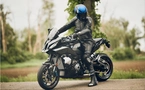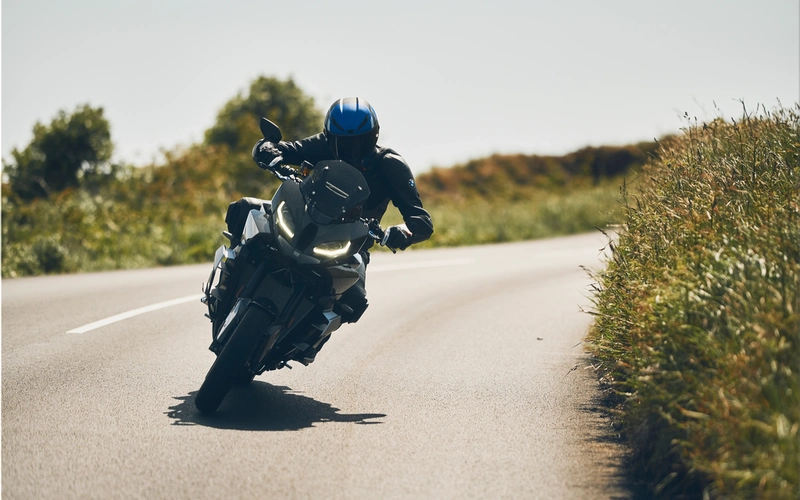
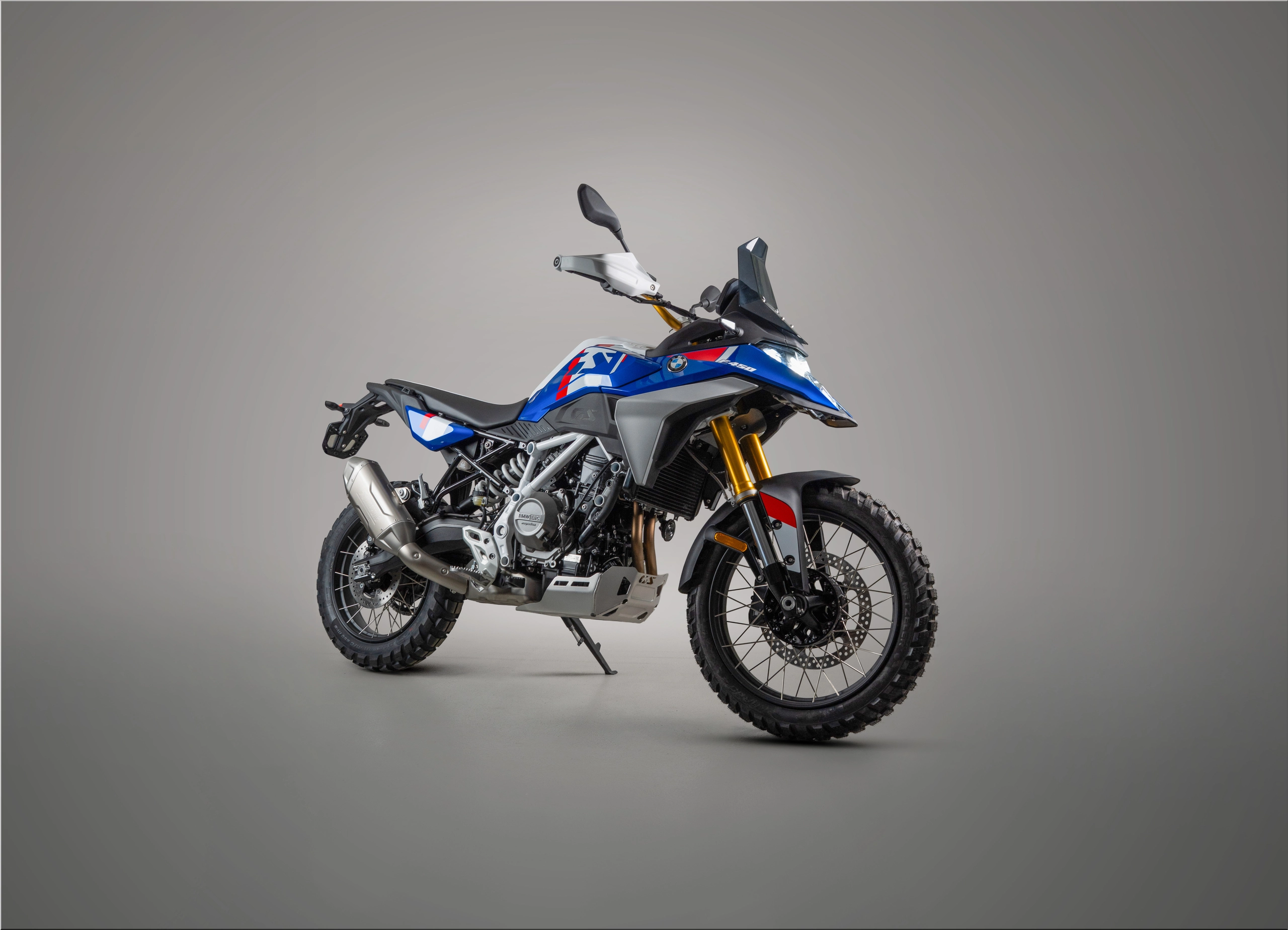
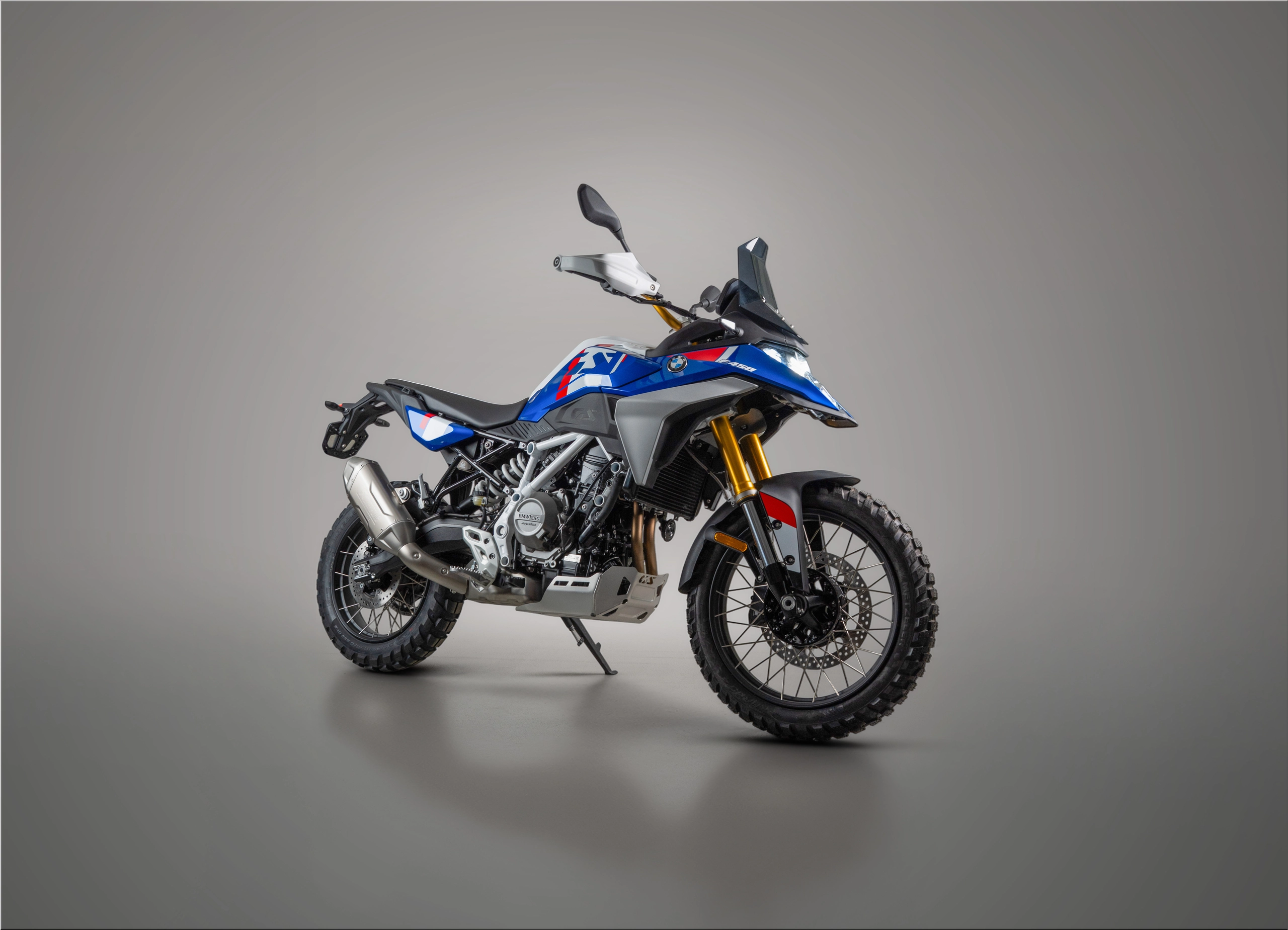
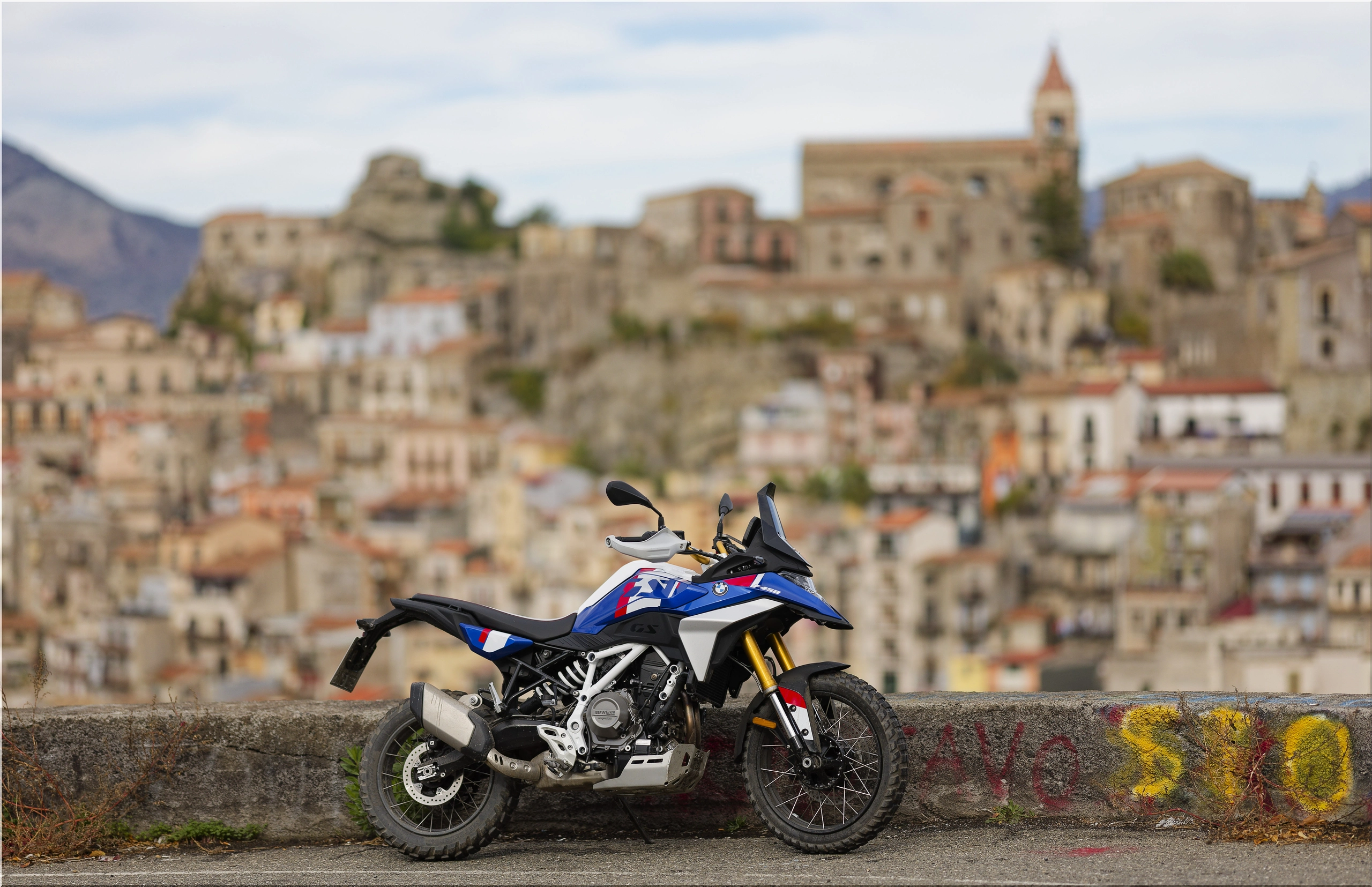
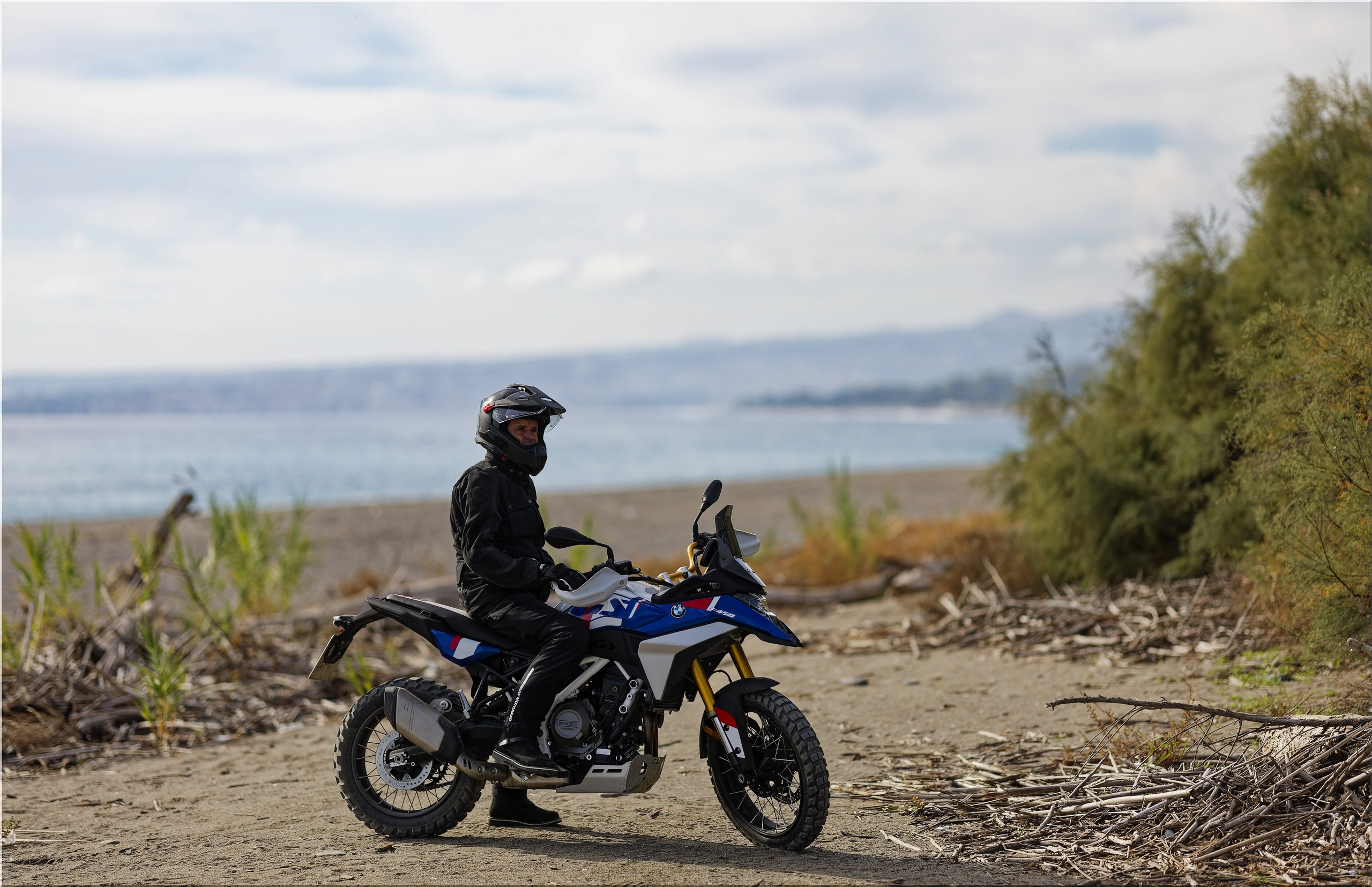
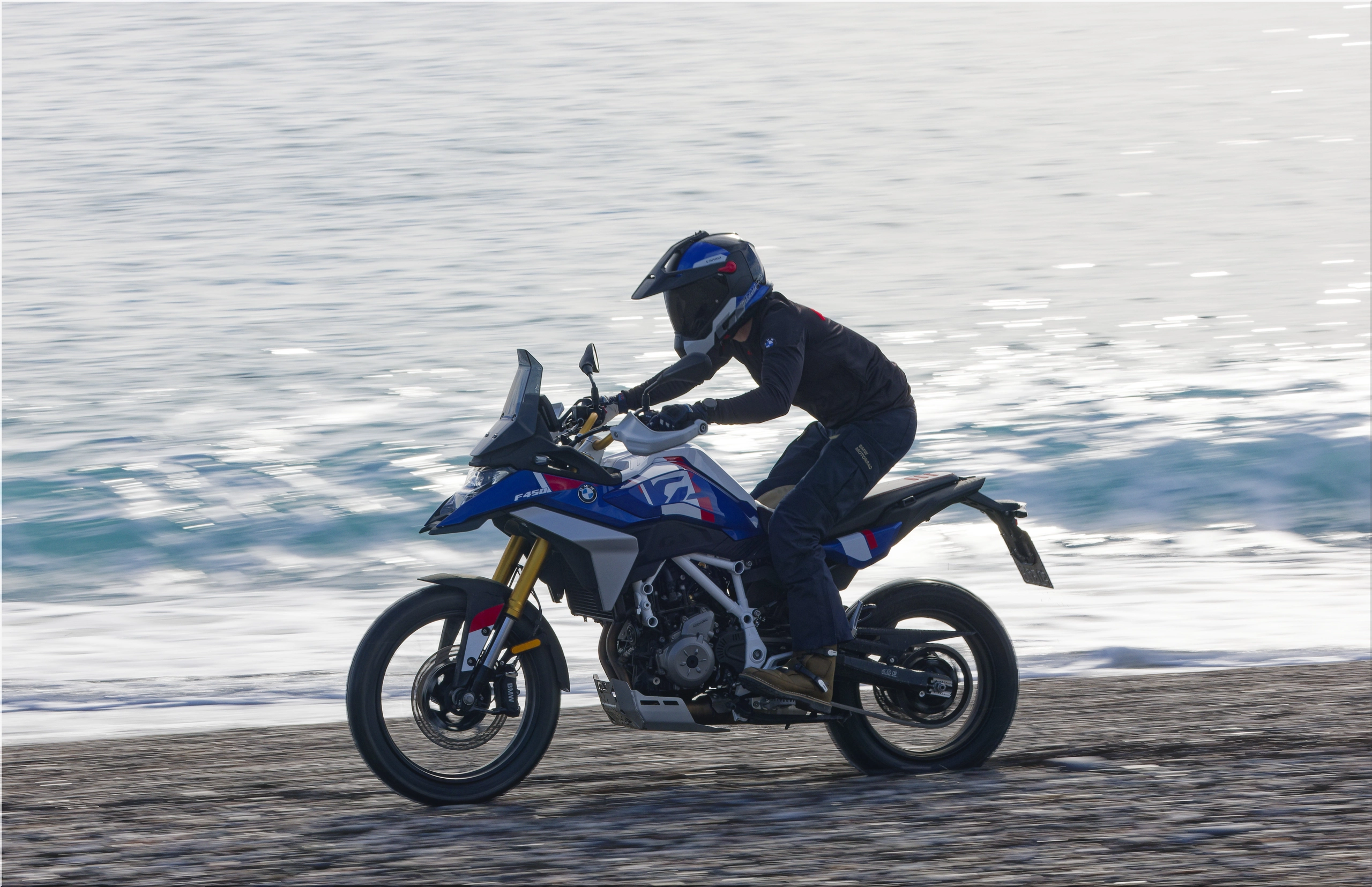
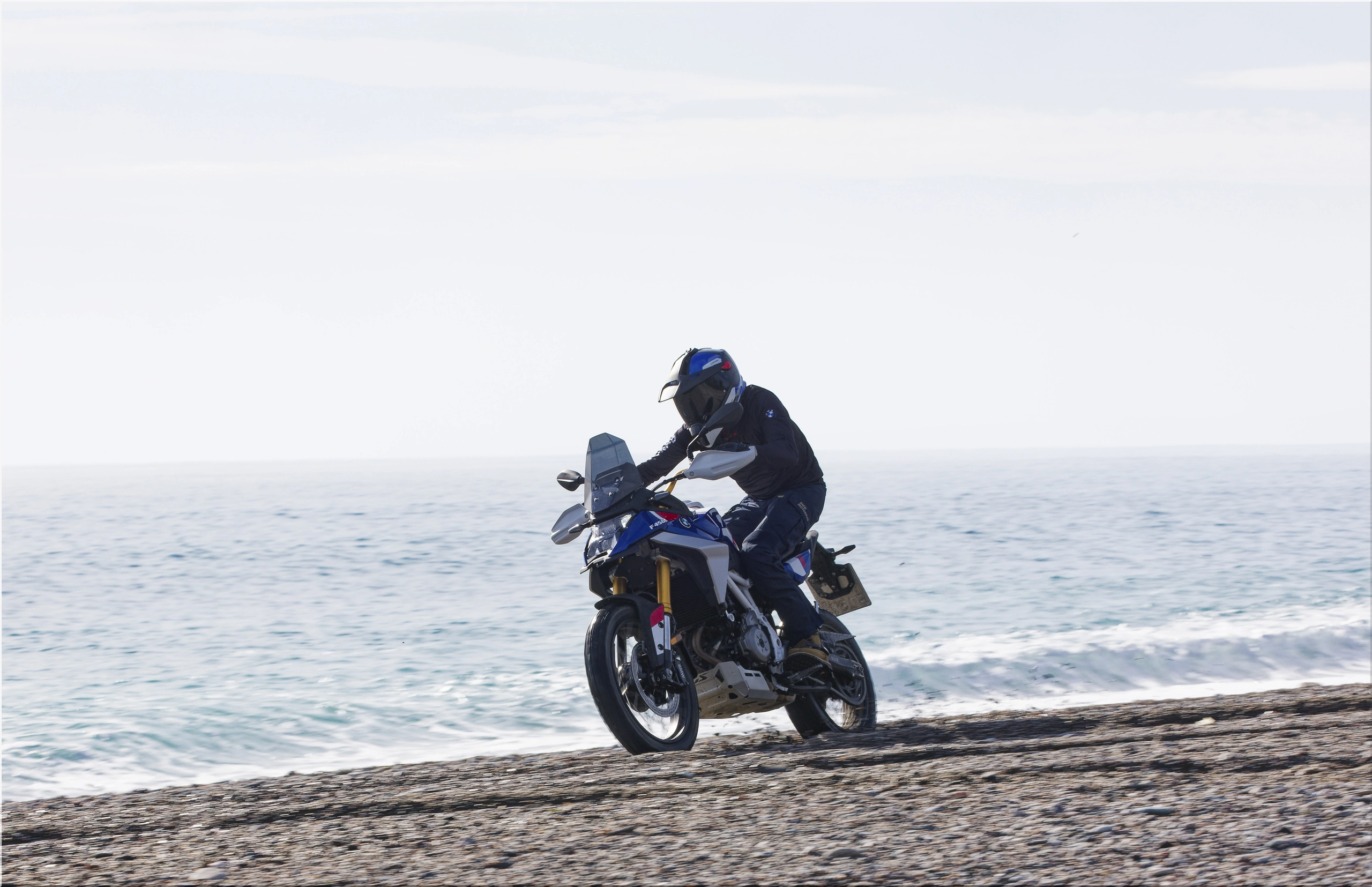
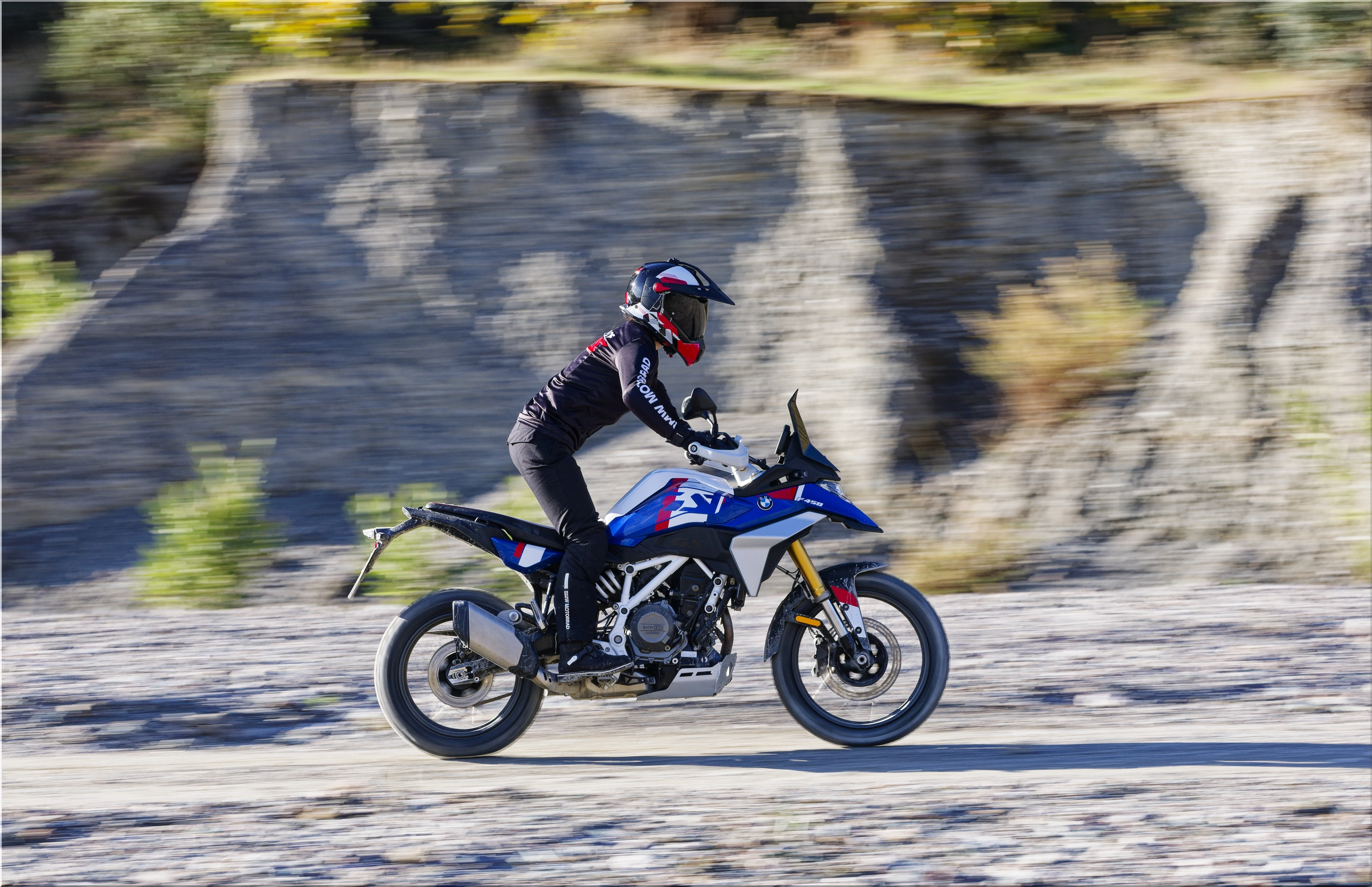
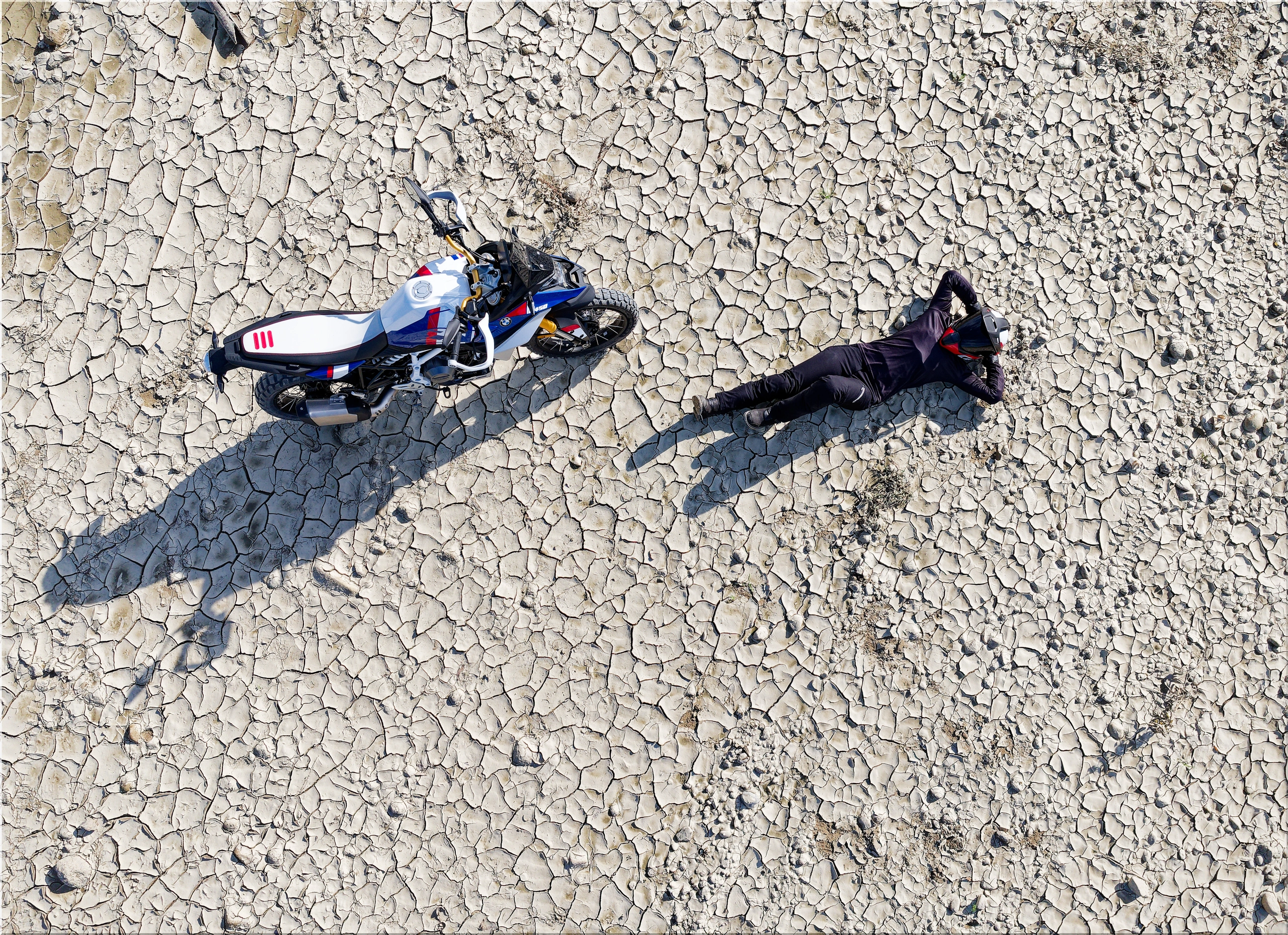
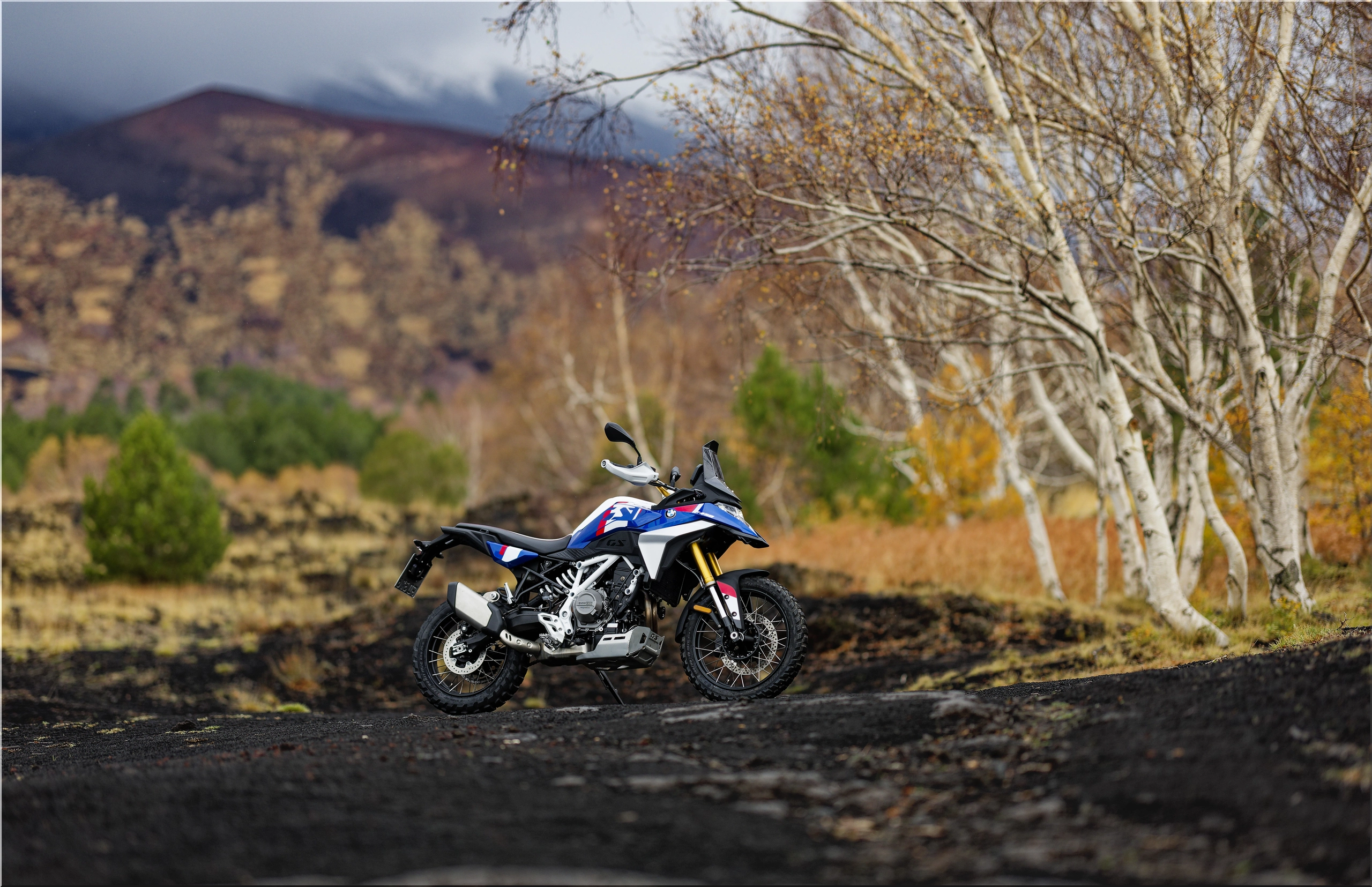
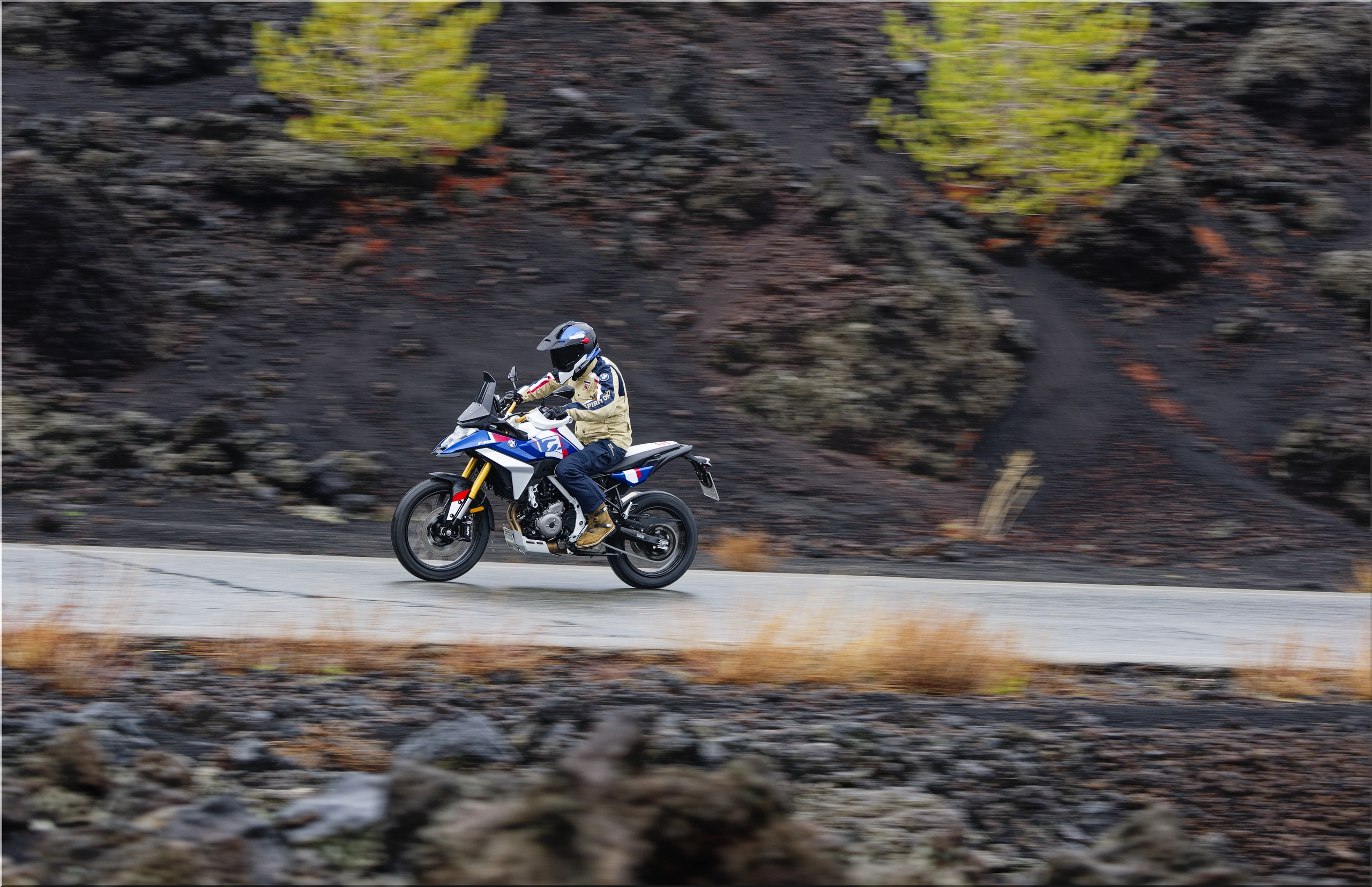
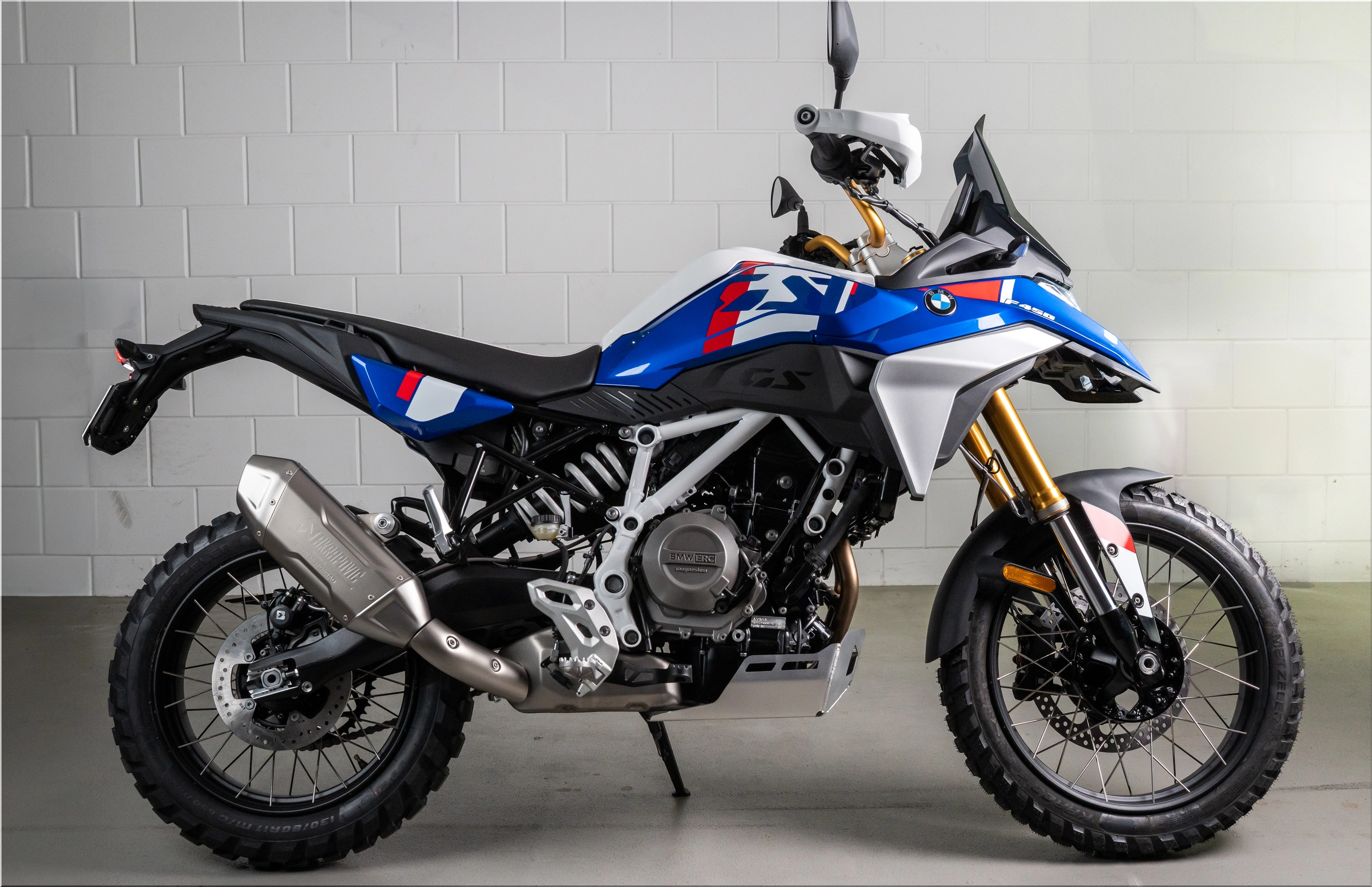
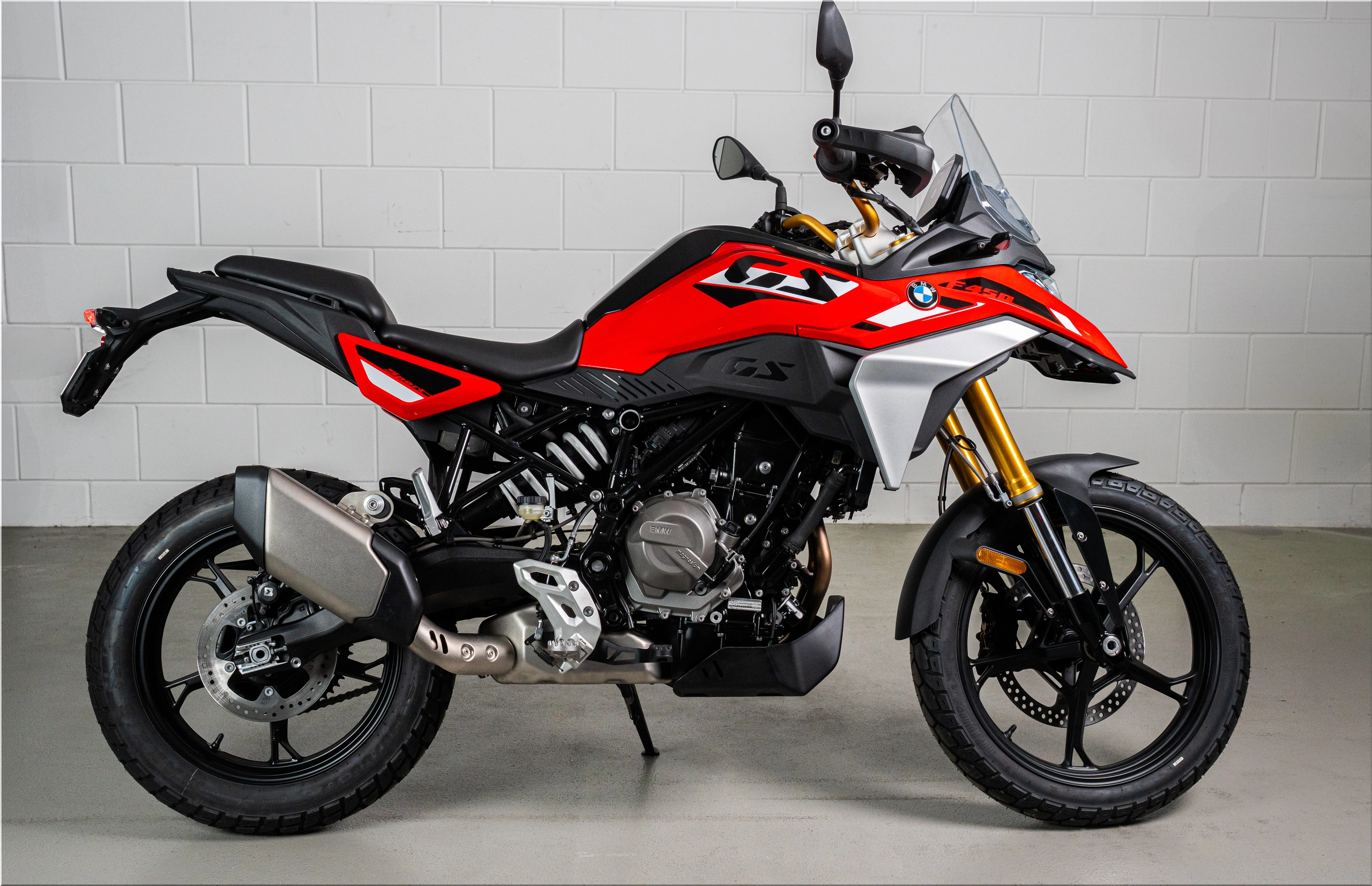
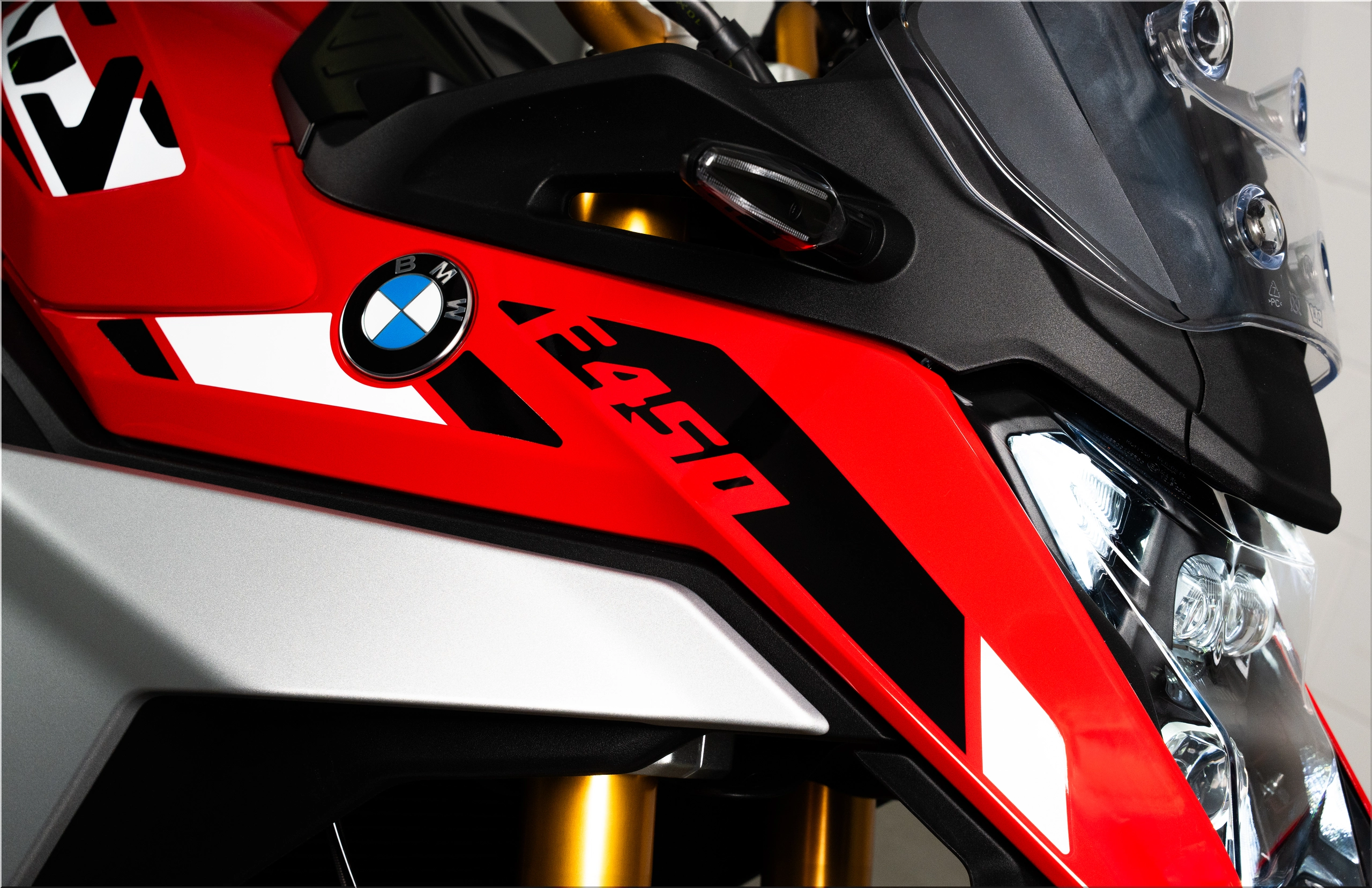
BMW Motorrad has spent years owning the big-bike adventure space. The 2027 BMW F 450 GS shows the company finally wants a serious answer in the lighter class too. This motorcycle arrives with a new 420 cc parallel-twin engine, a claimed 48 hp, 32 lb-ft of torque, and a ready-to-ride weight of 393 pounds, which puts it in a very useful part of the market for riders who want less mass without giving up highway range, off-pavement ability, or modern rider aids.
Image
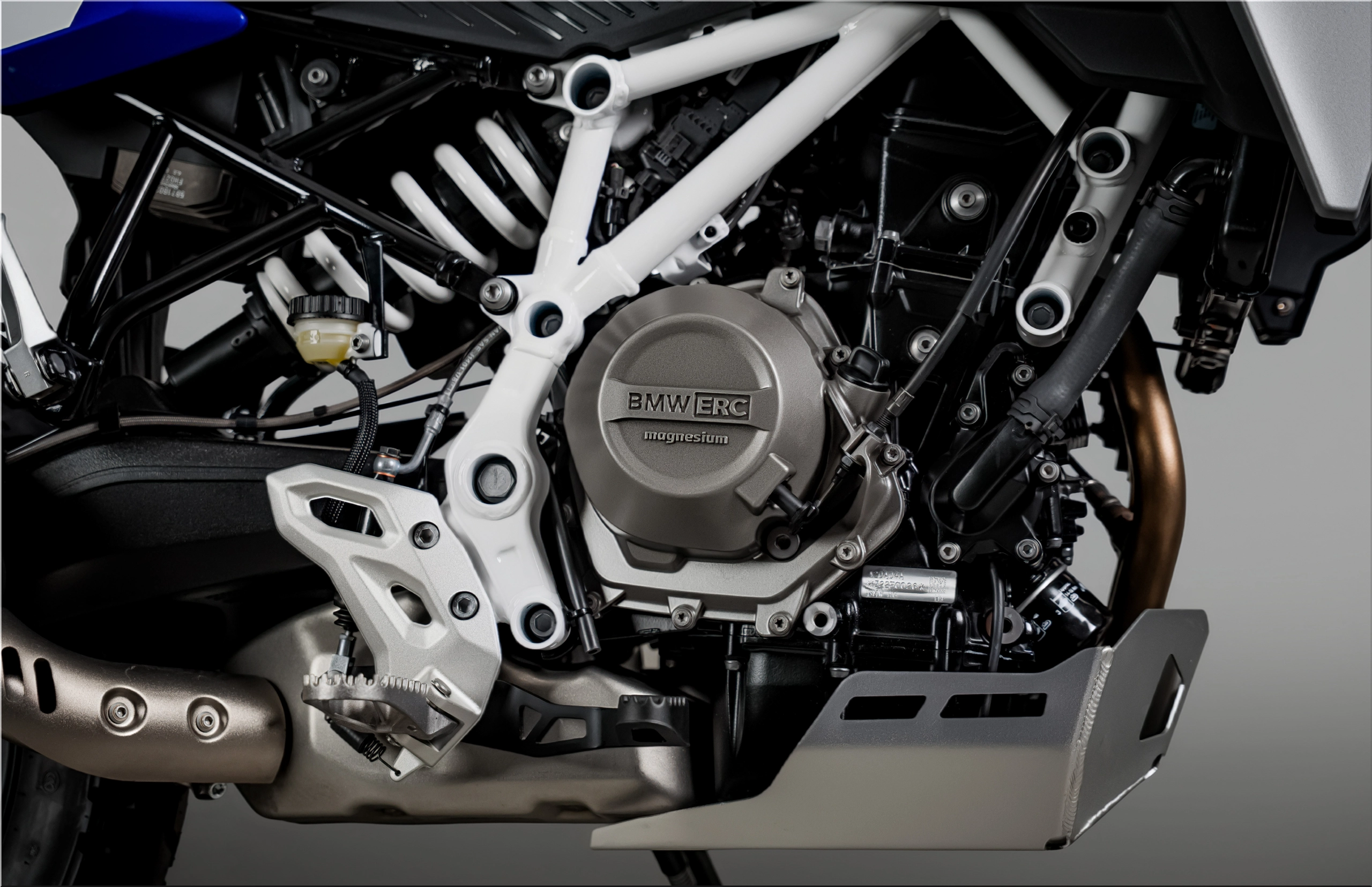
That matters. A lot of smaller adventure bikes ask buyers to trade comfort for price, or power for dirt manners, or electronics for simplicity. The BMW F 450 GS tries to keep all three in balance. It carries the look and riding position of a full GS, but it scales the package to something easier to manage in traffic, on a gravel road, or on a long weekend ride.
BMW F 450 GS key specs at a glance
The spec sheet gives this bike real weight in the segment. BMW did not build a stripped commuter with adventure styling. It built a small GS with a clear engineering brief.
| Specification | BMW F 450 GS |
|---|---|
| Engine | 420 cc air/liquid-cooled parallel twin |
| Power | 48 hp |
| Torque | 32 lb-ft at 6,750 rpm |
| Transmission | 6-speed |
| Wet weight | 393 lbs |
| Fuel tank | 3.6 gallons |
| Front suspension | 43 mm USD fork, 7 inches of travel |
| Rear suspension | Adjustable shock with progressive damping |
| Wheels | 19-inch front / 17-inch rear |
| Ride modes | Rain, Road, Enduro |
| Safety tech | ABS Pro, DTC, DBC, MSR |
| Display | 6.5-inch TFT |
| Availability | Late 2026 |
Looking at the data, BMW aimed this machine at riders who want an adventure bike that still feels manageable. The wet weight stays under 400 pounds. The power lands right at the A2 limit in many markets. The tank size and fuel use suggest a practical touring range rather than a short-hop playbike.
The new 420 cc twin gives the F 450 GS its whole identity
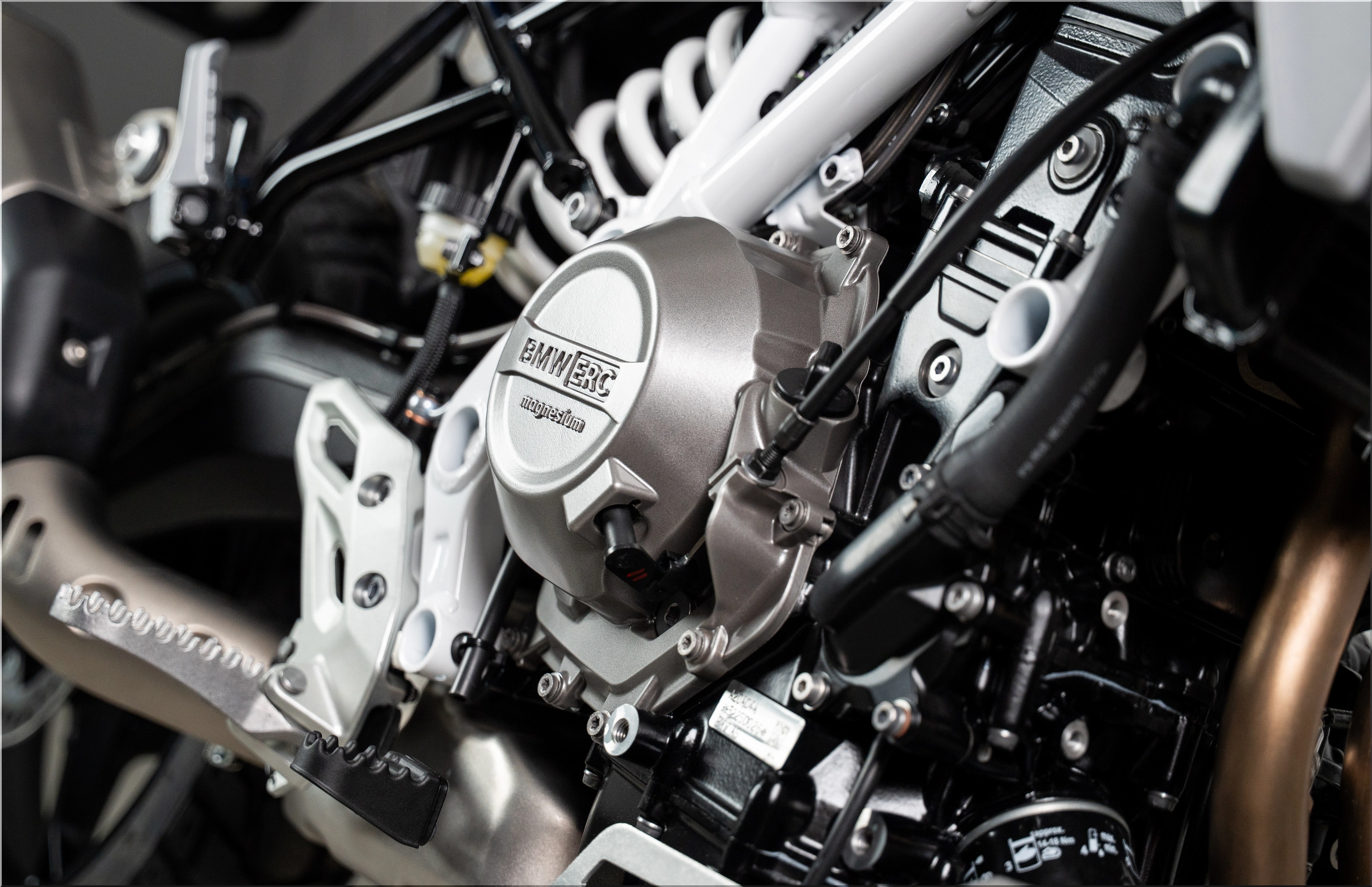
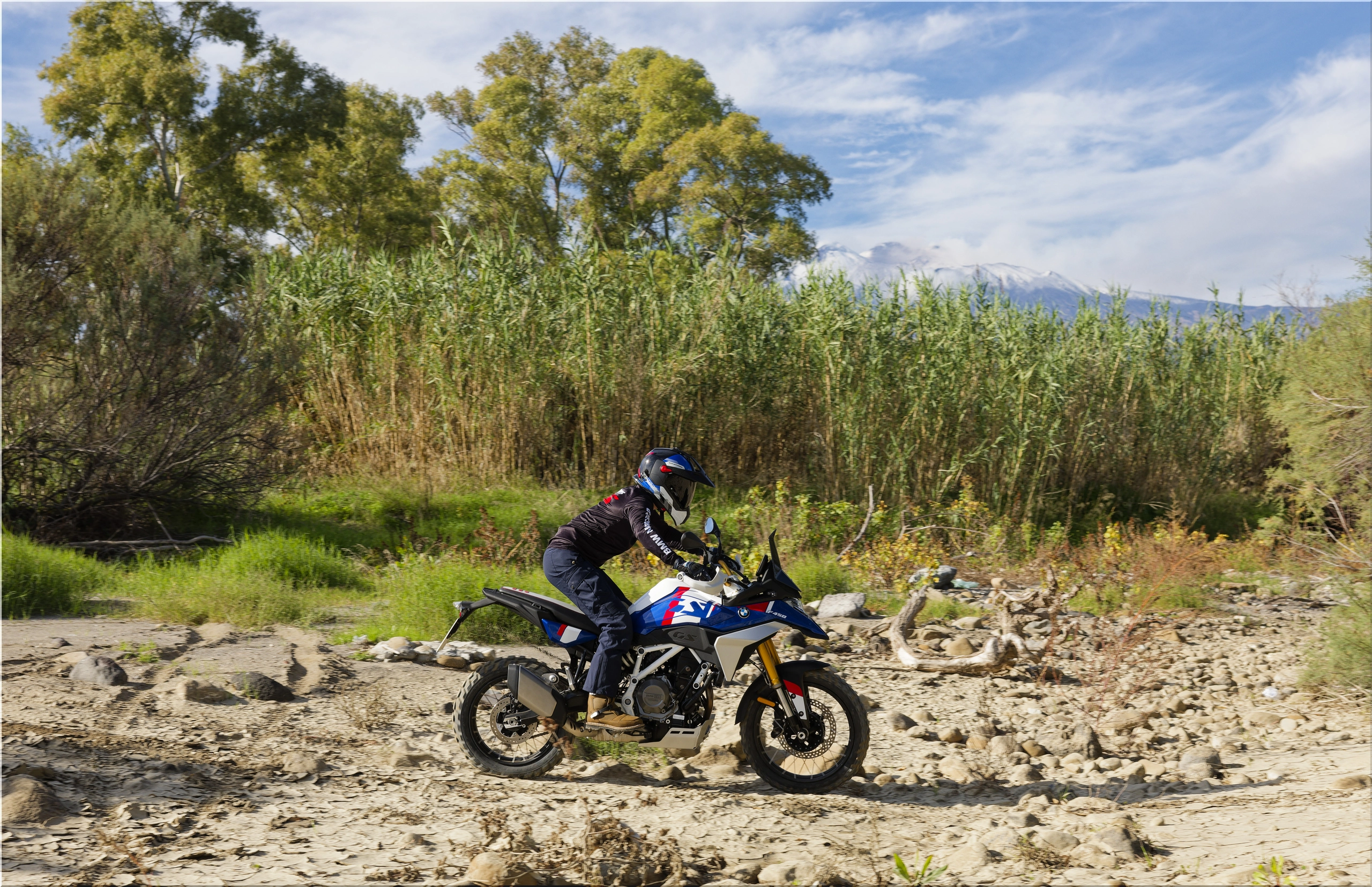
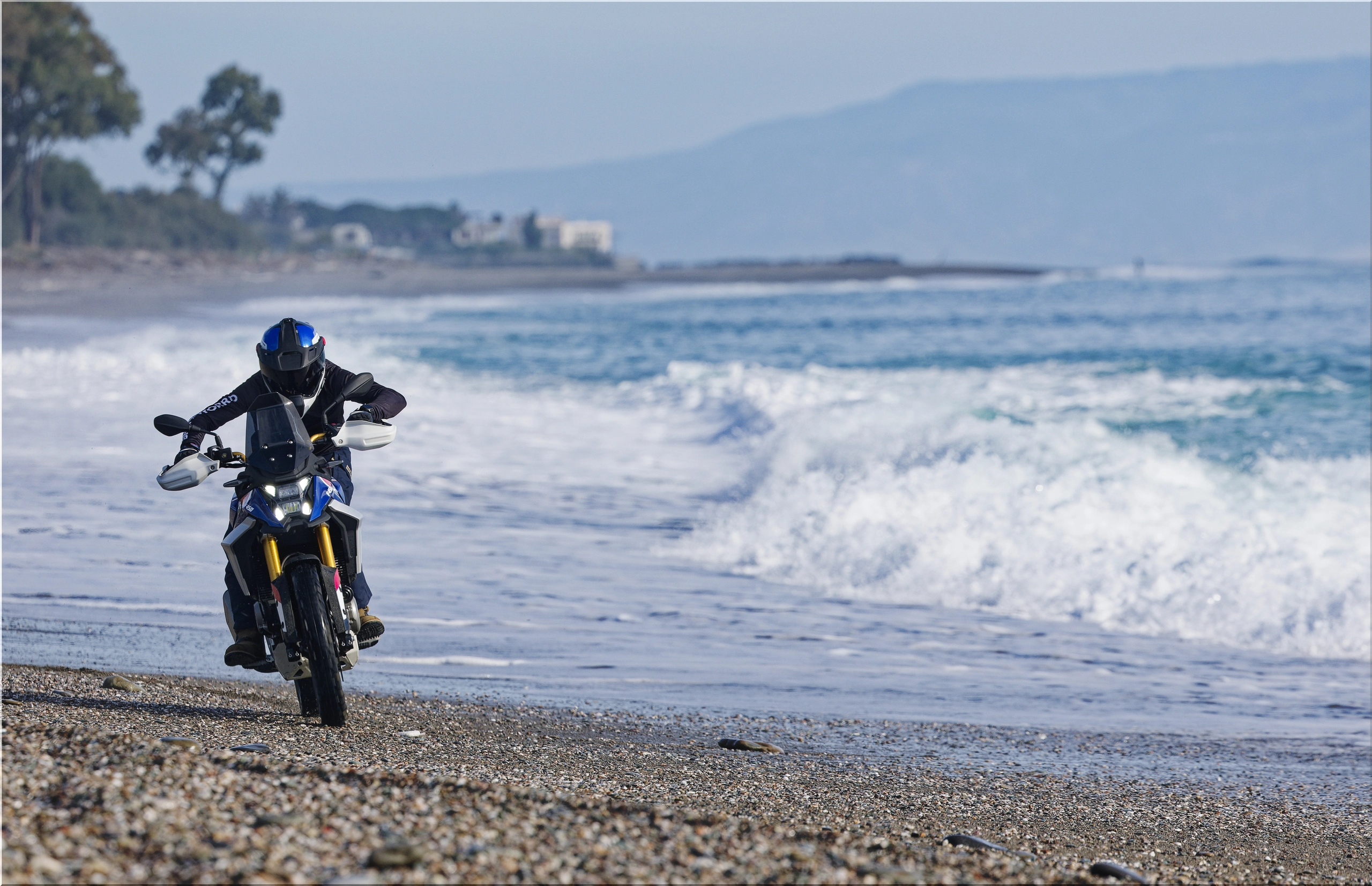
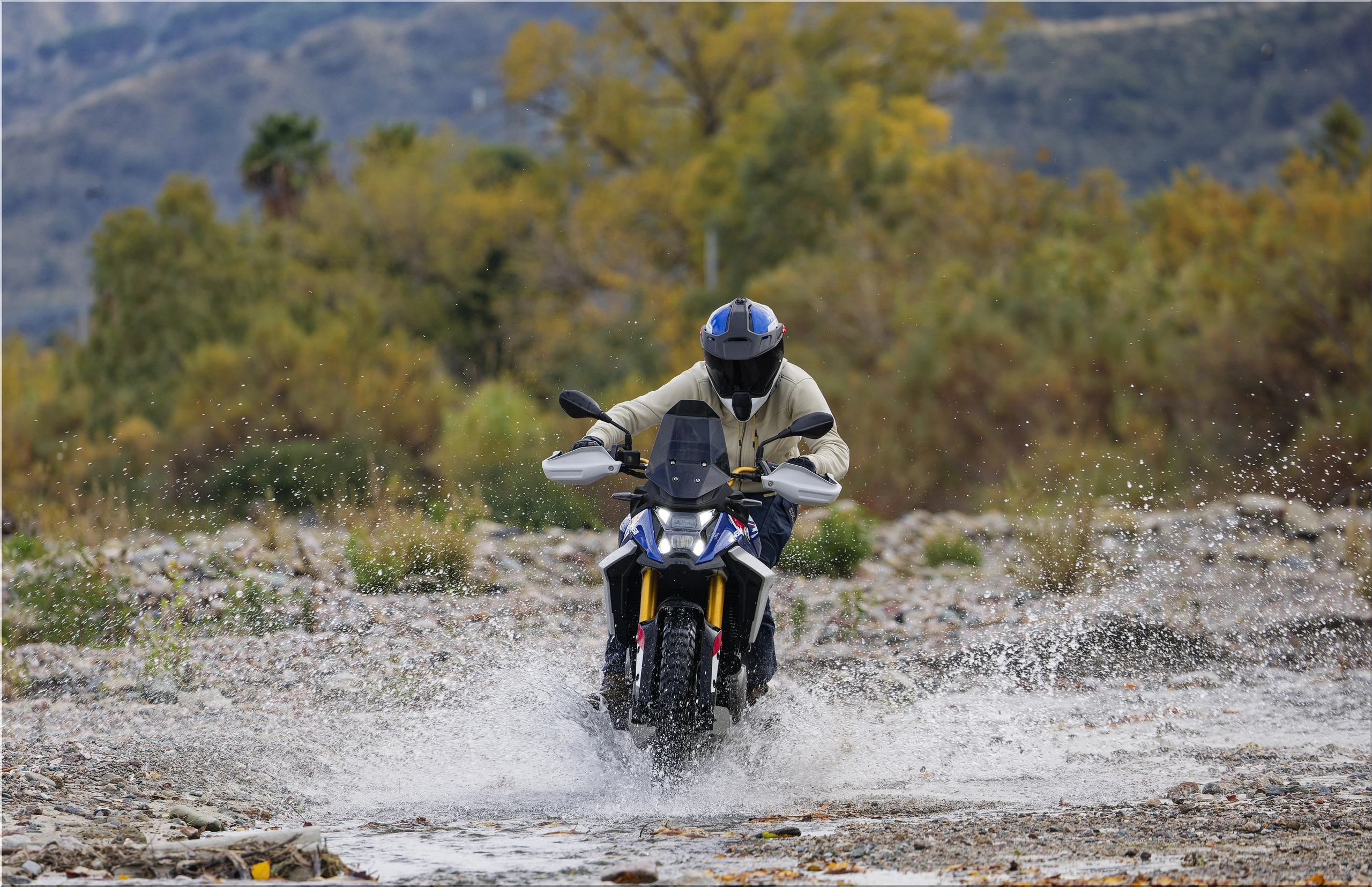
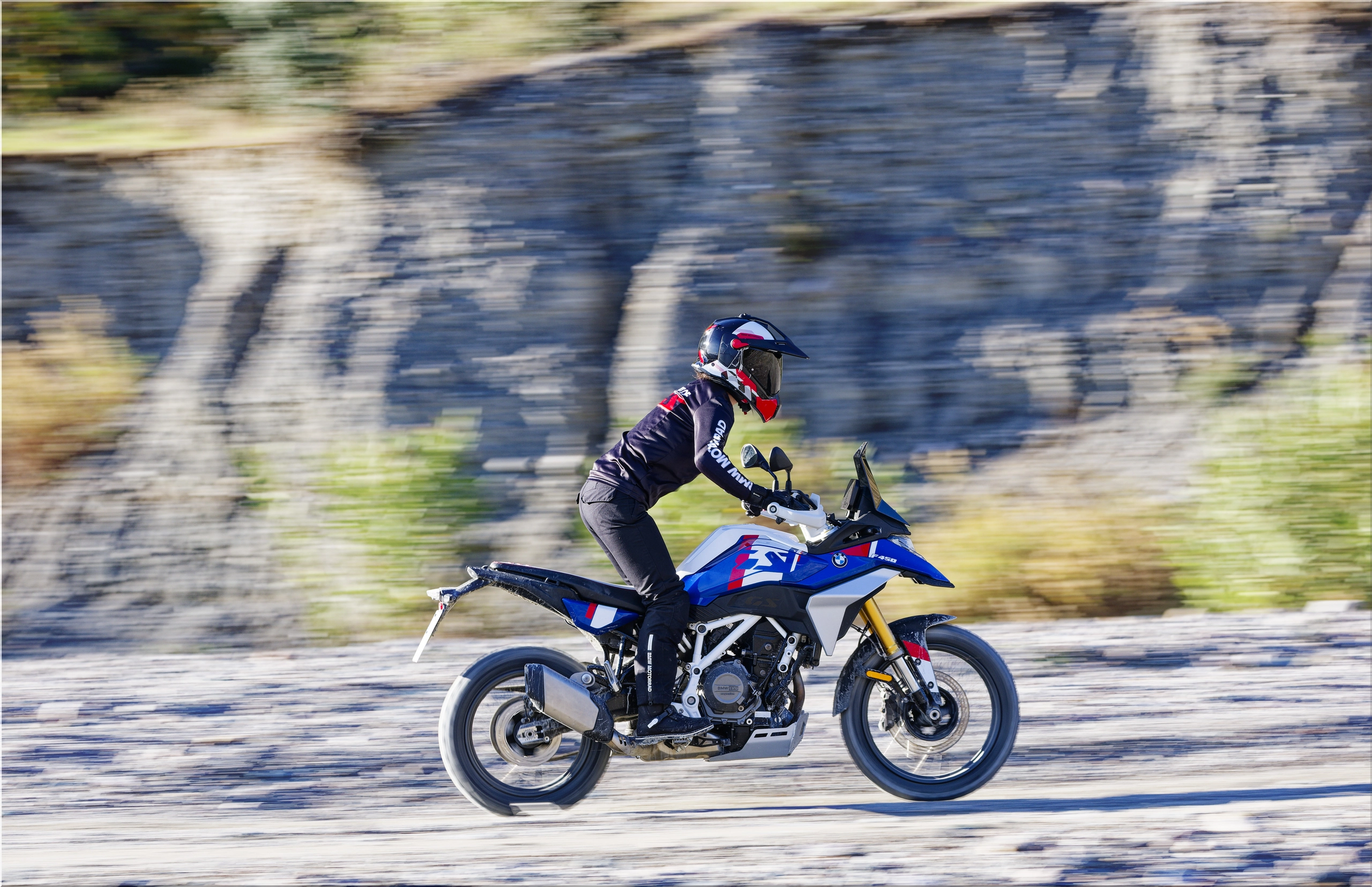
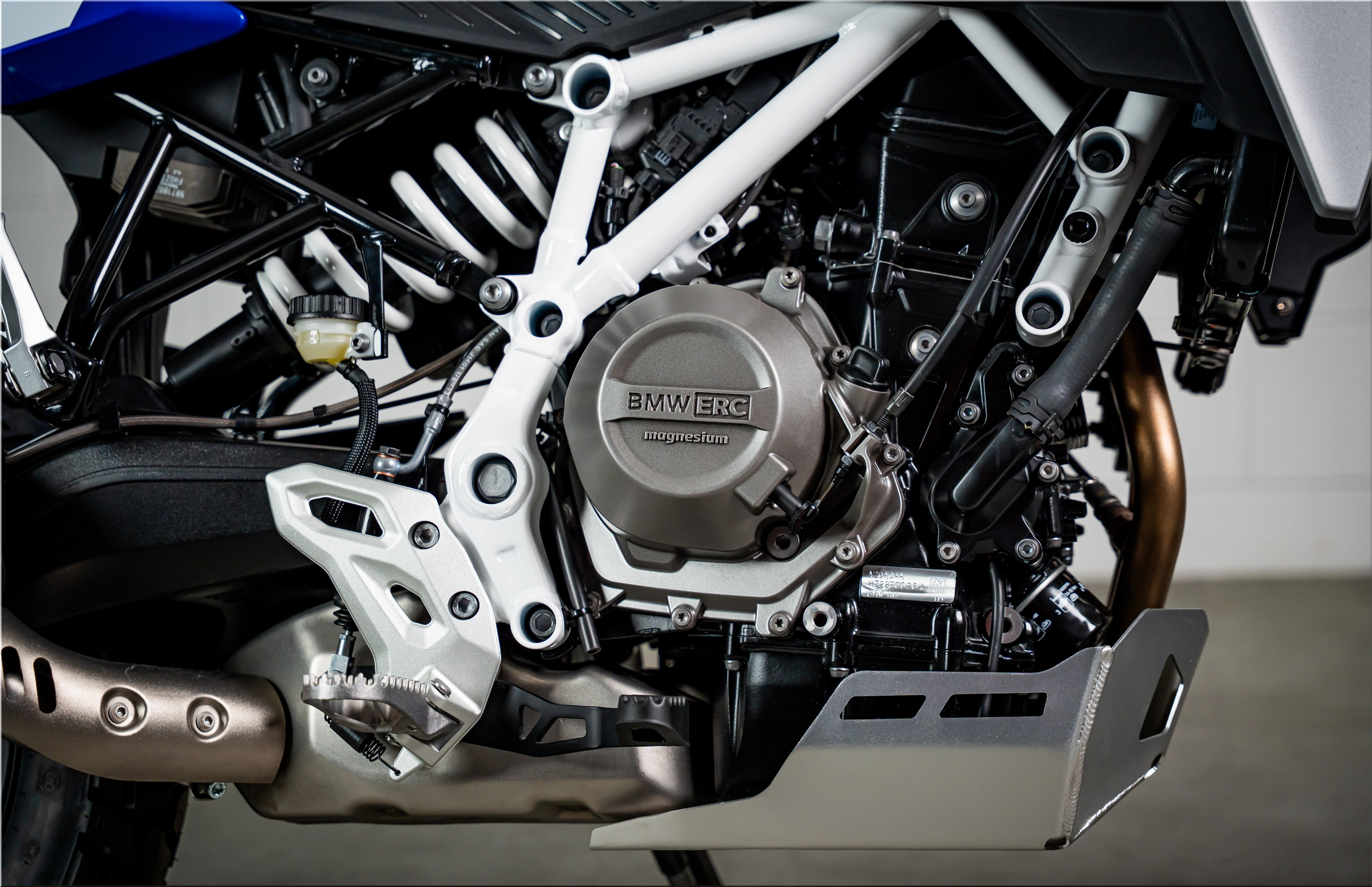
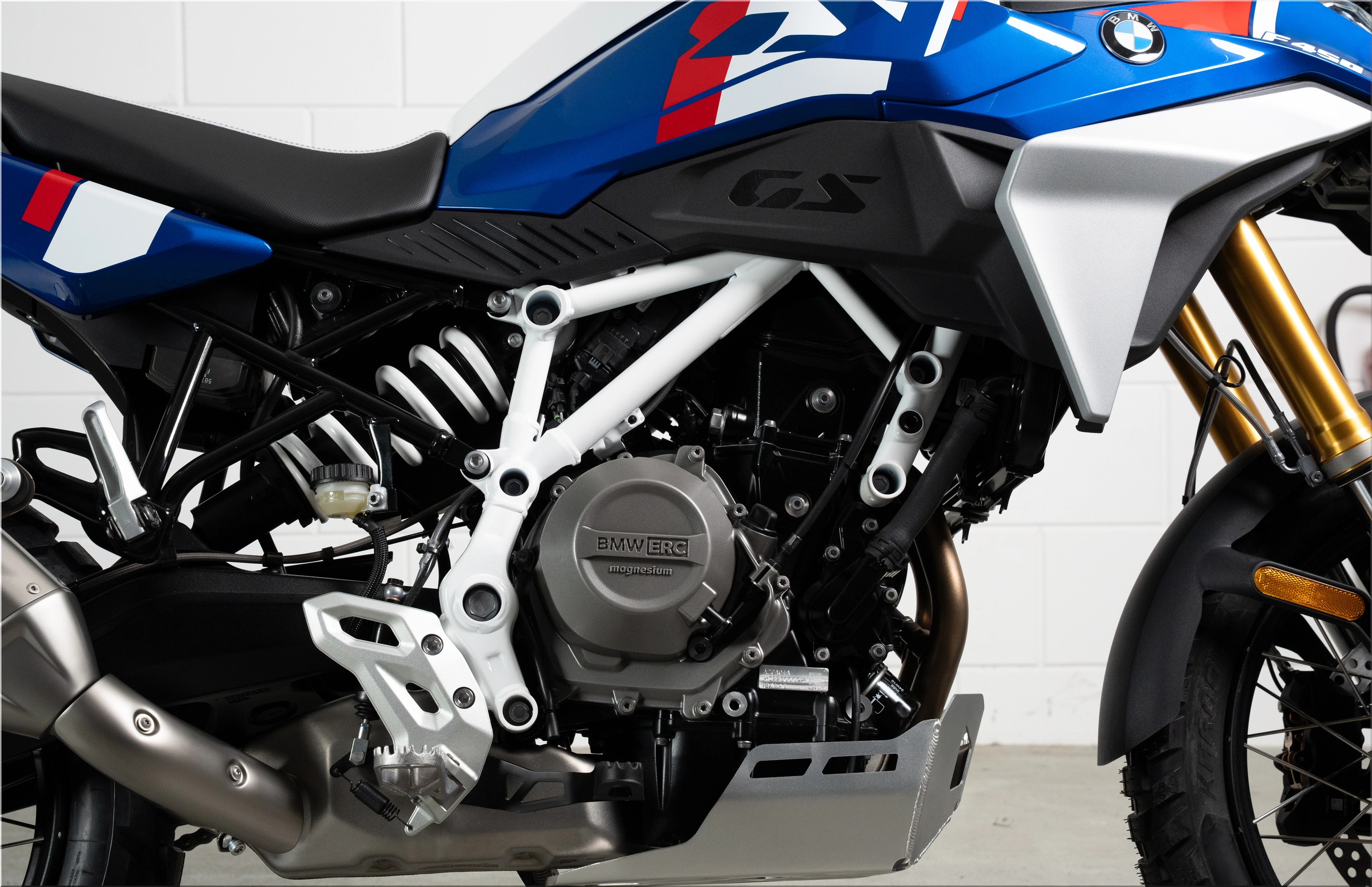
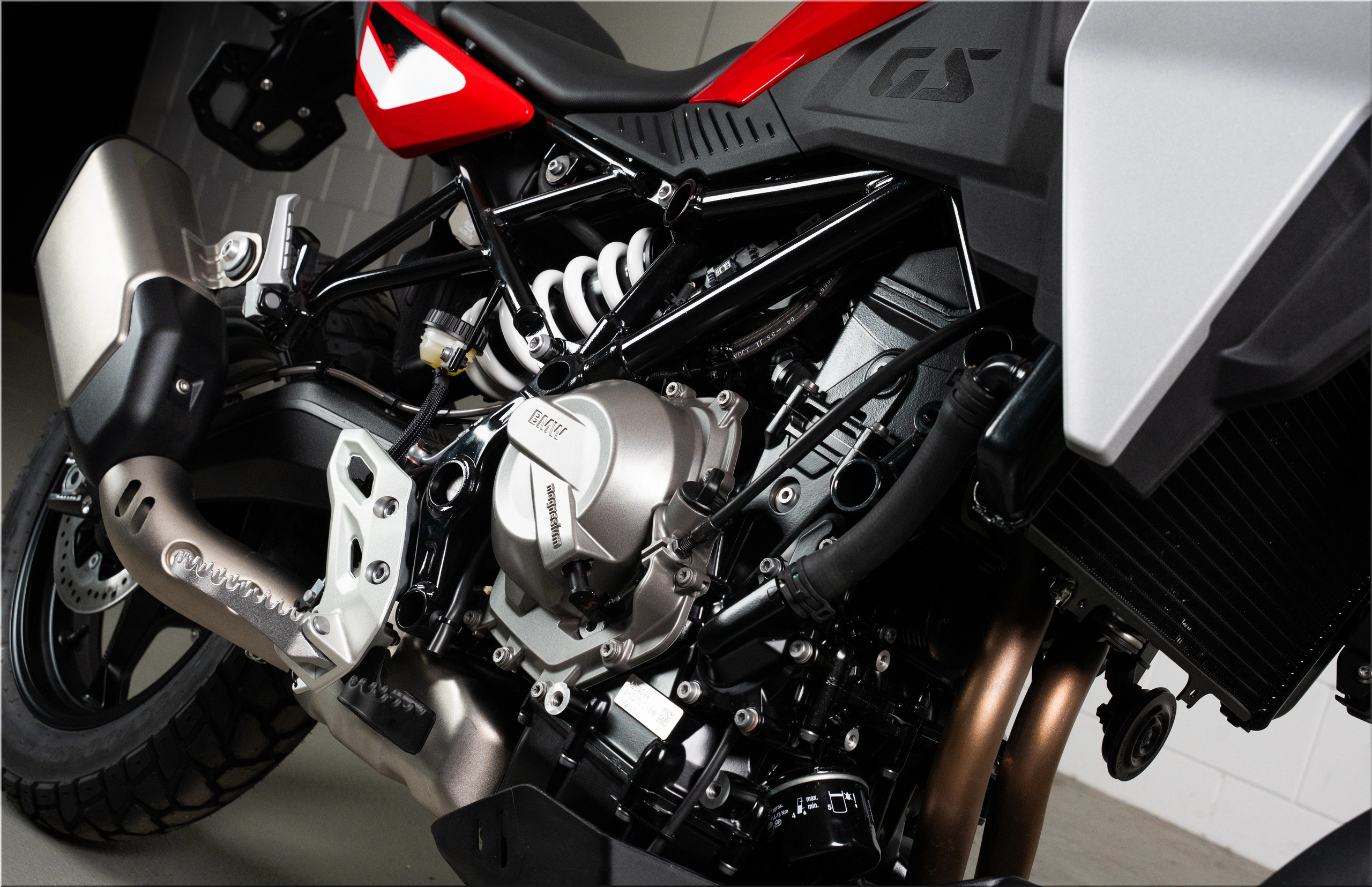
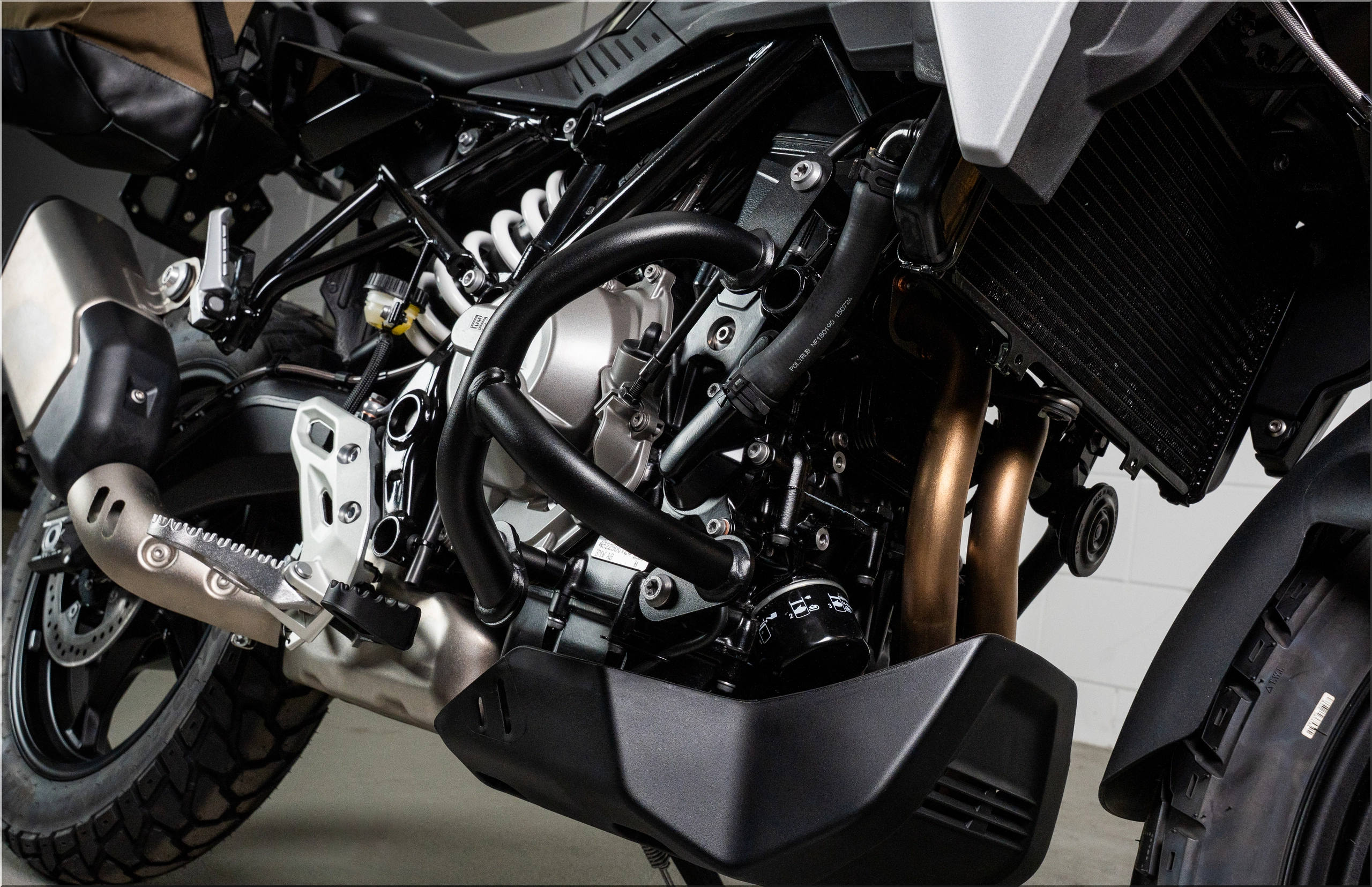
The engine does most of the heavy lifting here. BMW developed a new 420 cc two-cylinder for this motorcycle instead of dropping in a single-cylinder mill and calling it a day. That choice changes the bike's whole character. A twin usually brings smoother running at highway speed, cleaner throttle response, and a less busy feel once the pace climbs.
Image
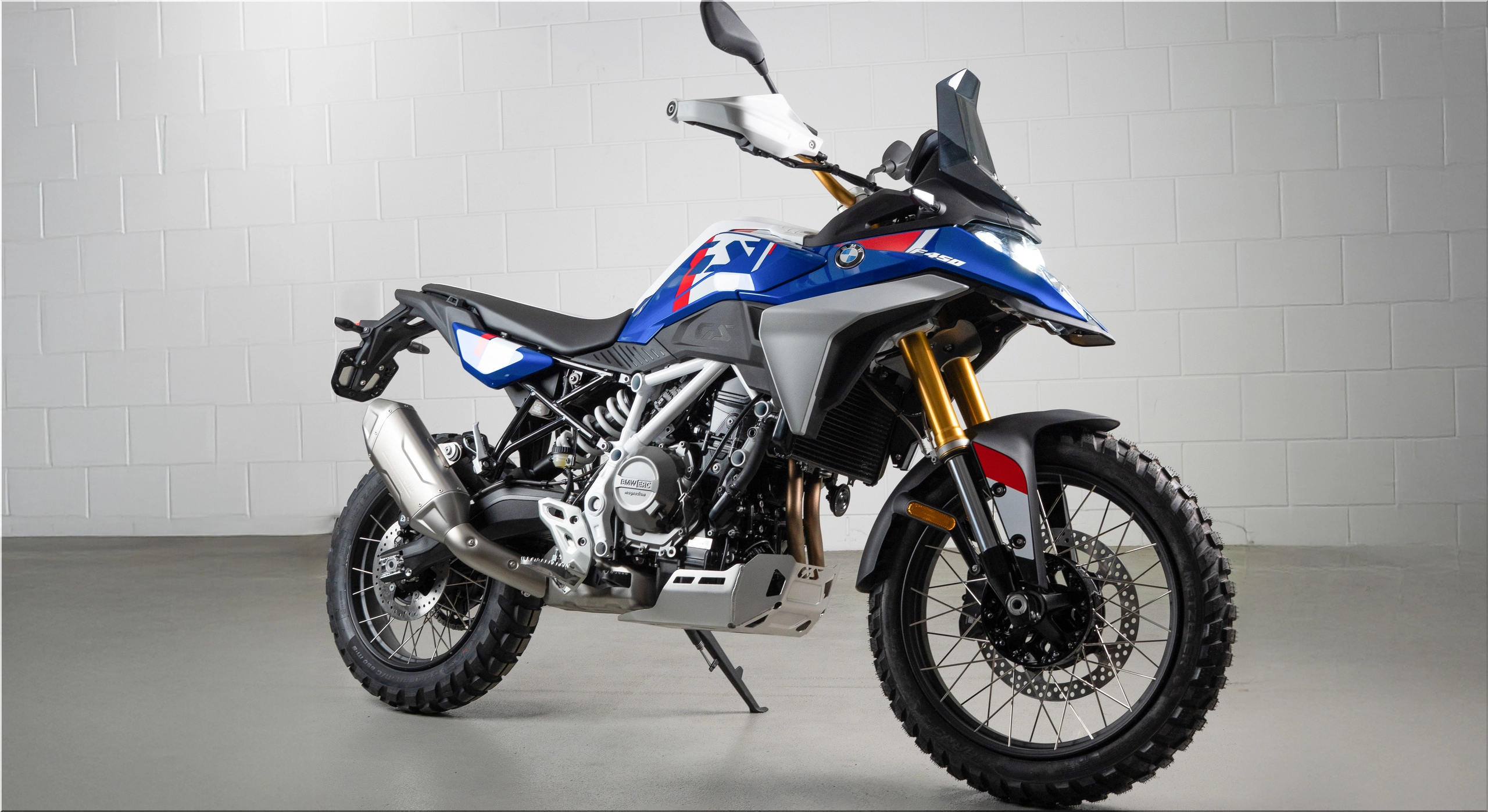
Specifically, BMW gave the engine a 135-degree crankpin offset and paired it with a single balance shaft. That setup helps shape the power delivery and sound while cutting unwanted vibration. You feel the logic right away: a lightweight ADV has to handle low-speed trail work, daily commuting, and sustained road miles. A lumpy single can still work well, but a compact twin usually gives a bike more polish when the road opens up.
BMW also says the engine meets EU5+ rules, returns about 3.8 L/100 km, and works with a standard 10,000 km service interval. From a buyer's point of view, that means the F 450 GS aims for low running costs without feeling cheap.
Easy Ride Clutch is more than a gadget
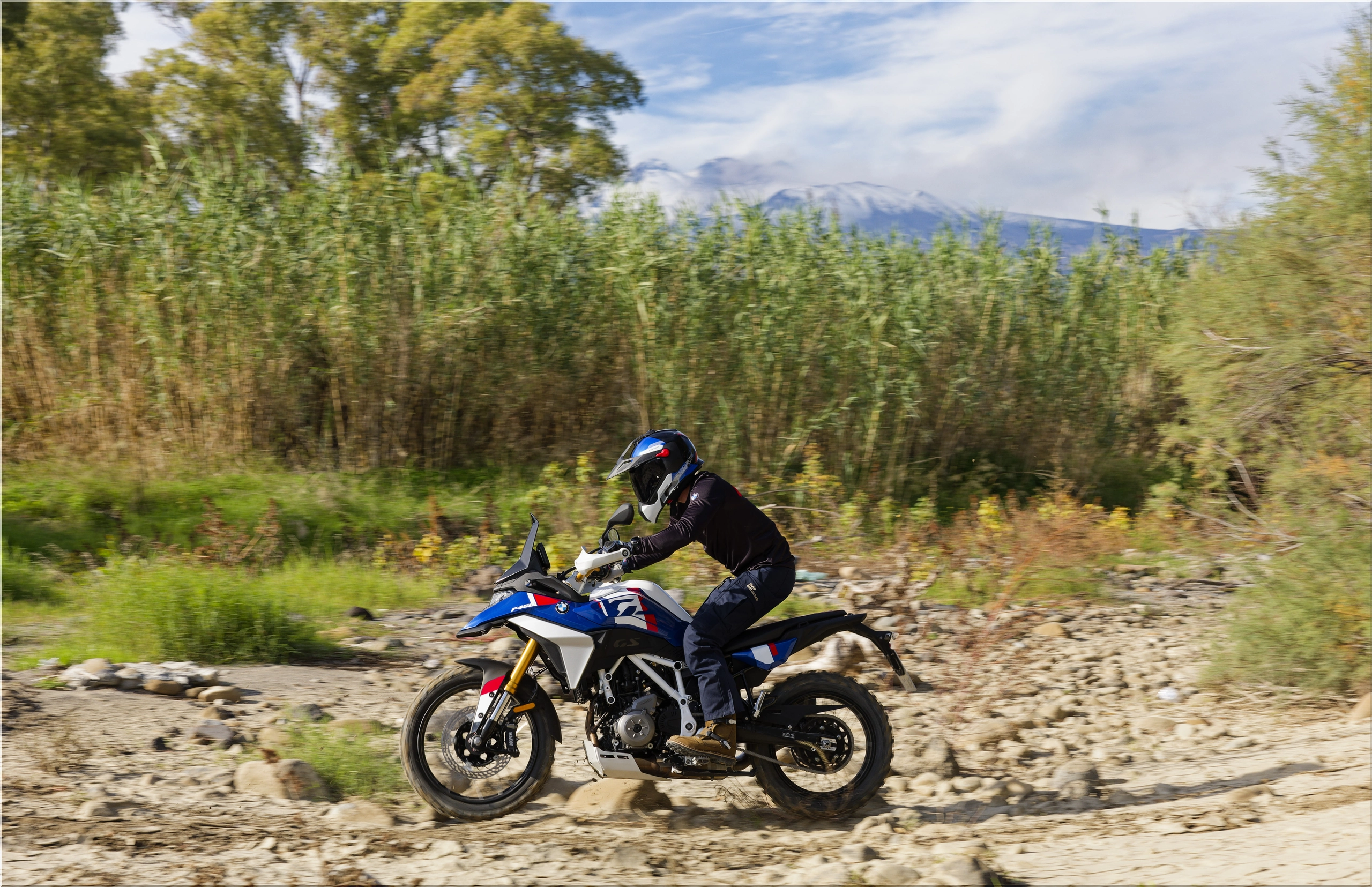
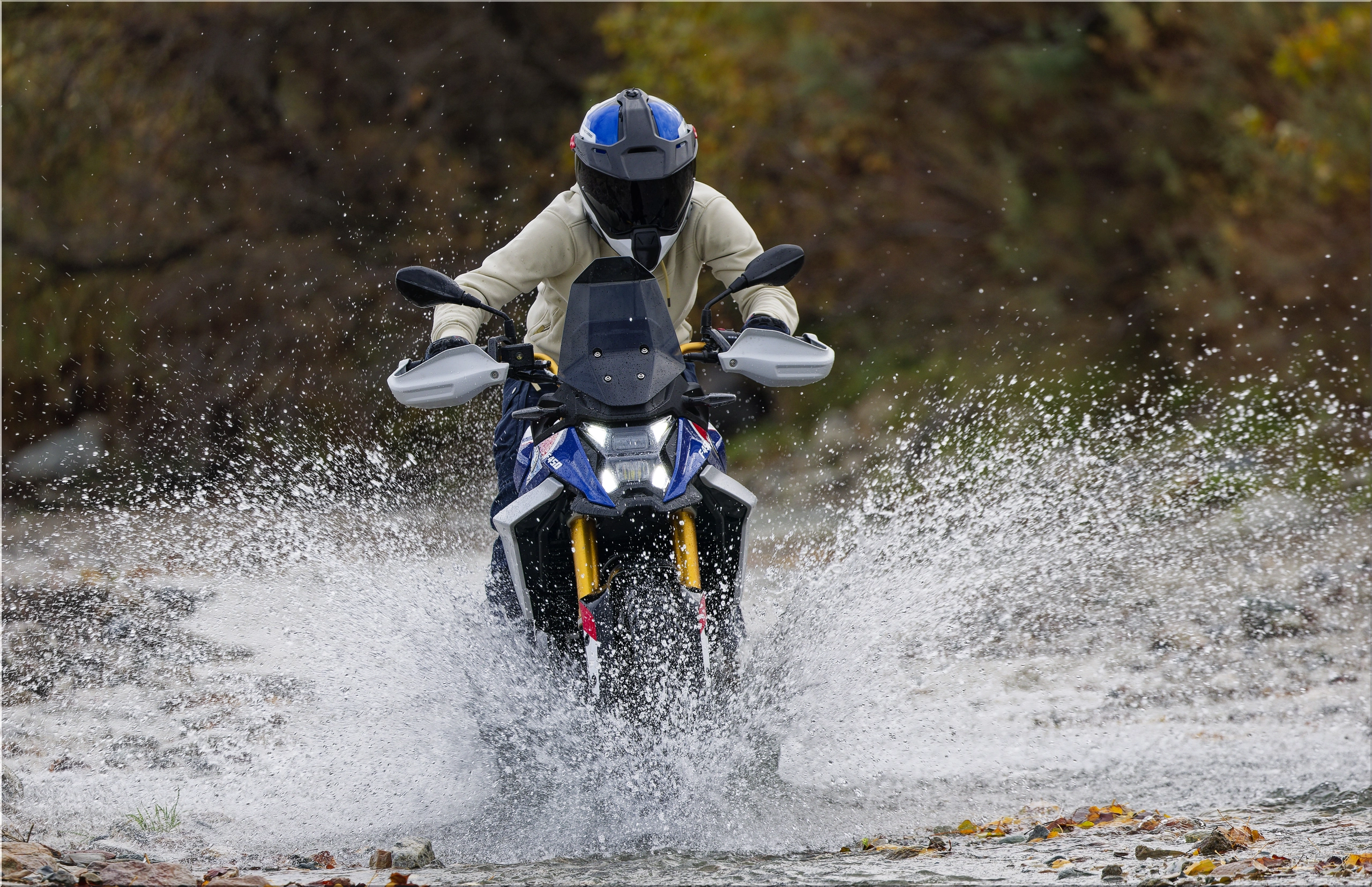
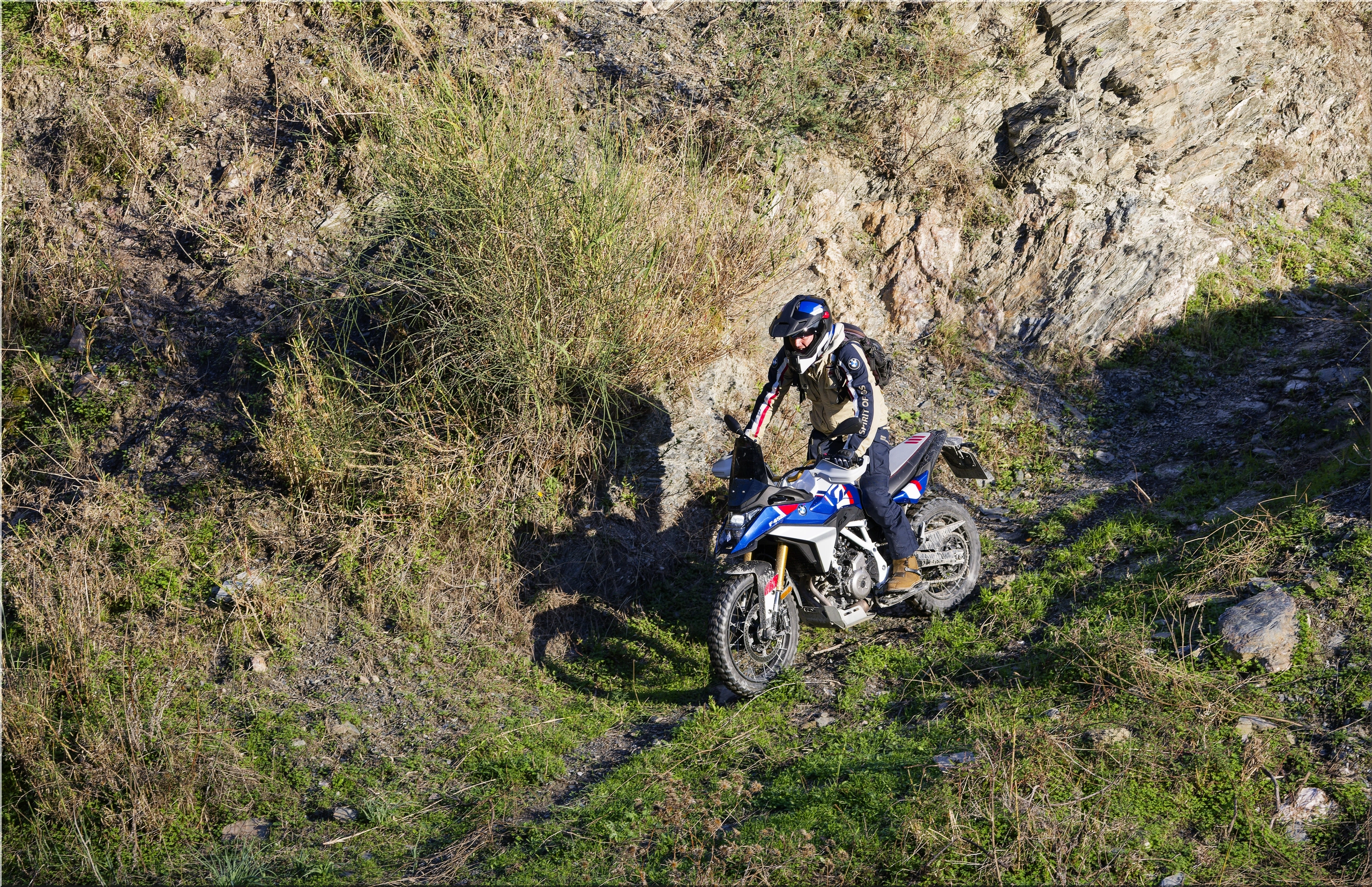
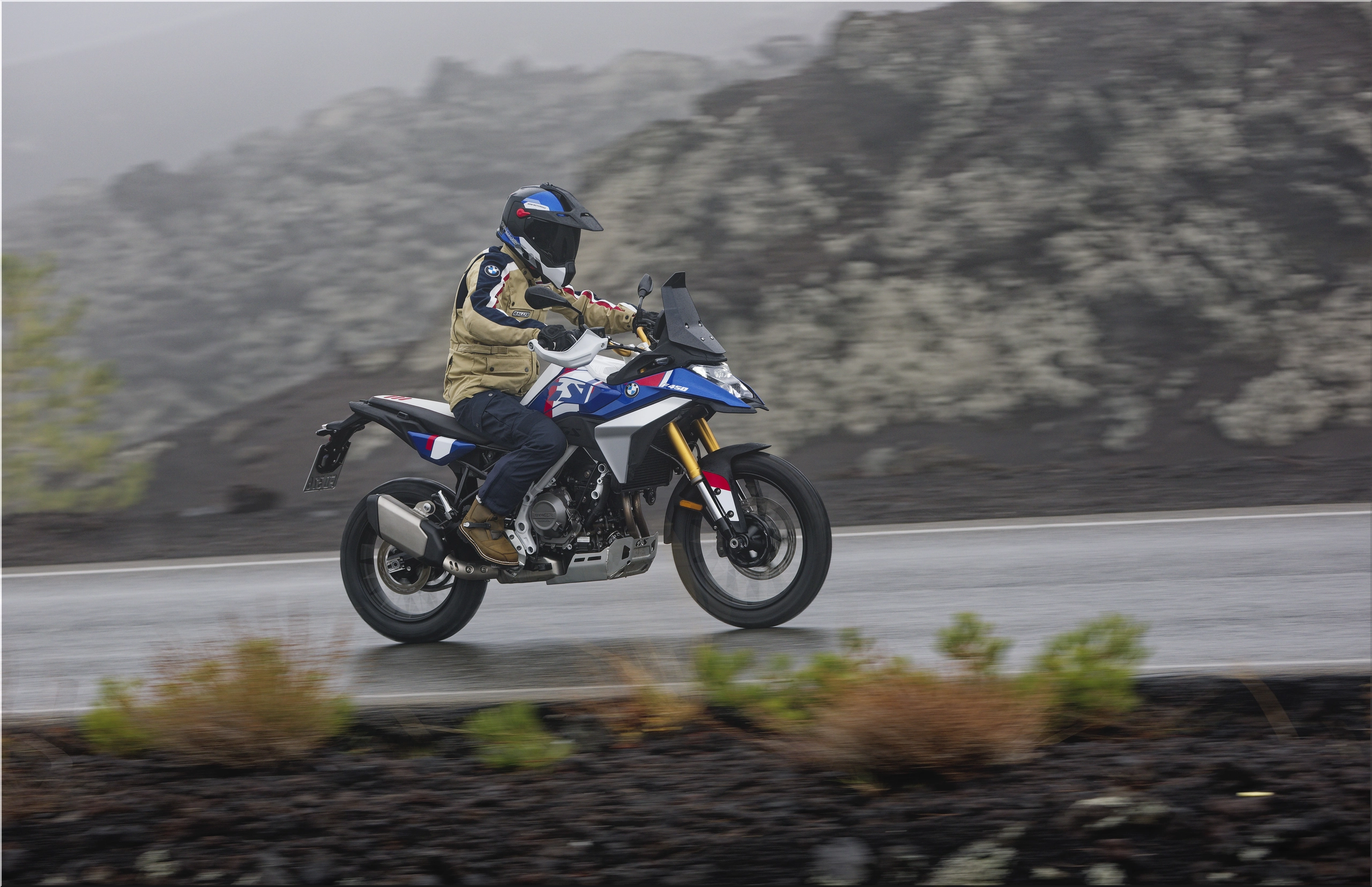
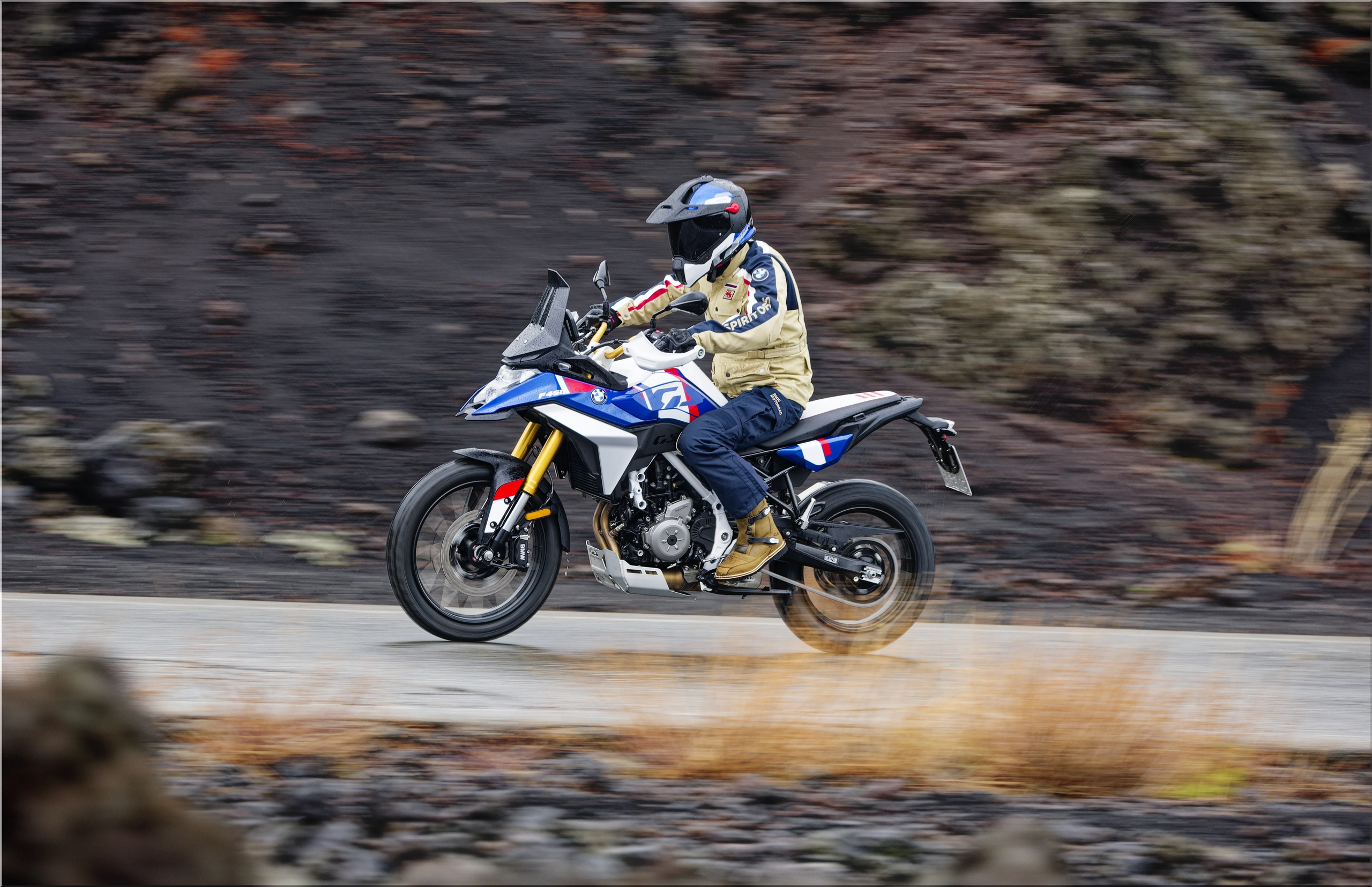
One of the most interesting parts of the BMW F 450 GS is the Easy Ride Clutch. BMW describes it as a further development of a centrifugal clutch system. In plain English, it reduces or removes the need to work the clutch lever during starts, slow-speed riding, stop-and-go traffic, and tricky off-road sections.
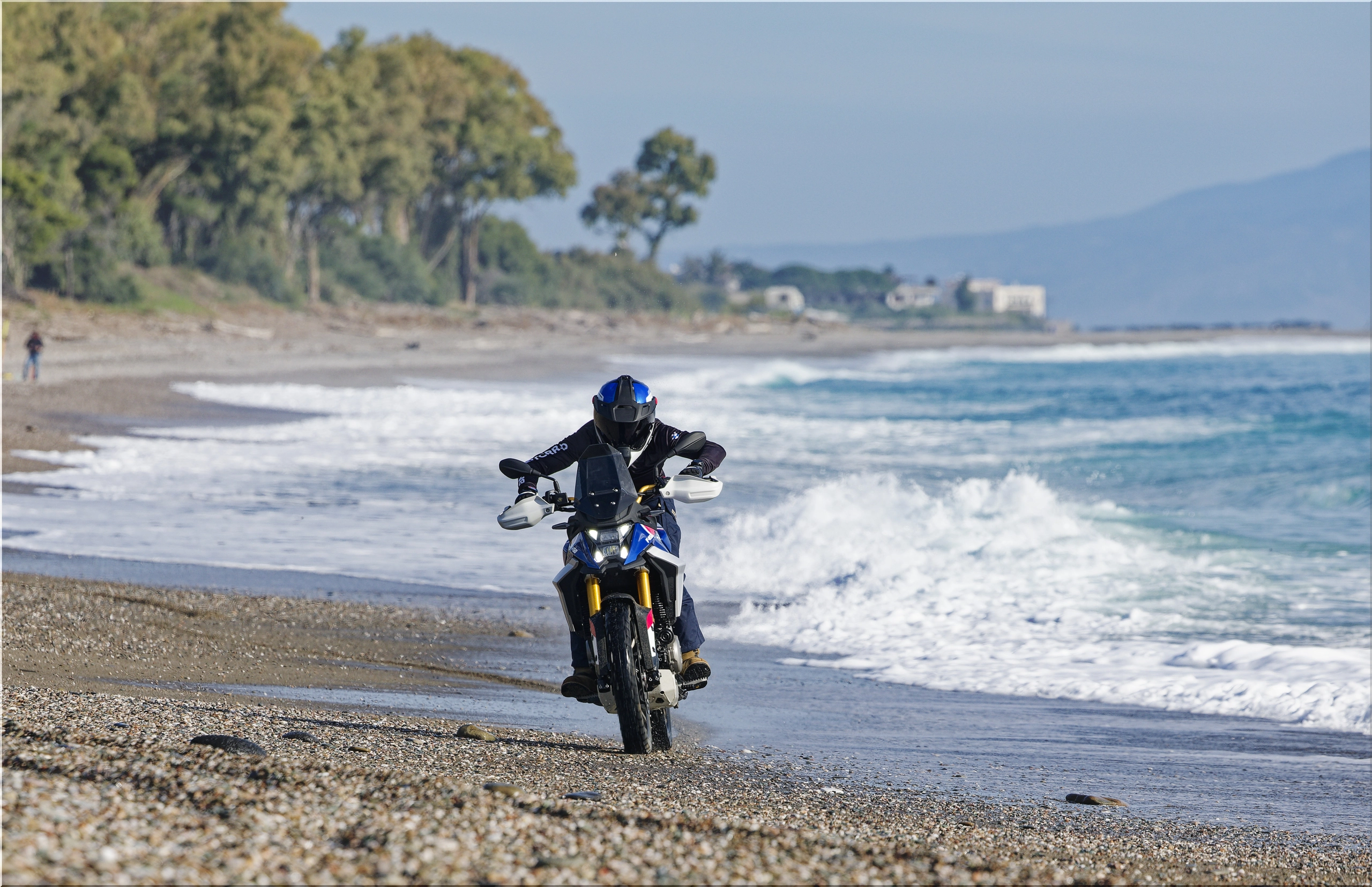
That sounds simple, but the payoff is real. Newer riders get fewer stalls. Experienced riders get less hand fatigue in traffic and more control in loose terrain. BMW also kept the clutch lever in place, so the rider can still step in manually when the trail gets technical or when a quick front-wheel lift helps clear an obstacle. That decision shows good judgment. It adds convenience without taking away rider control.
Image
Chassis, suspension, and geometry tell you where this bike belongs
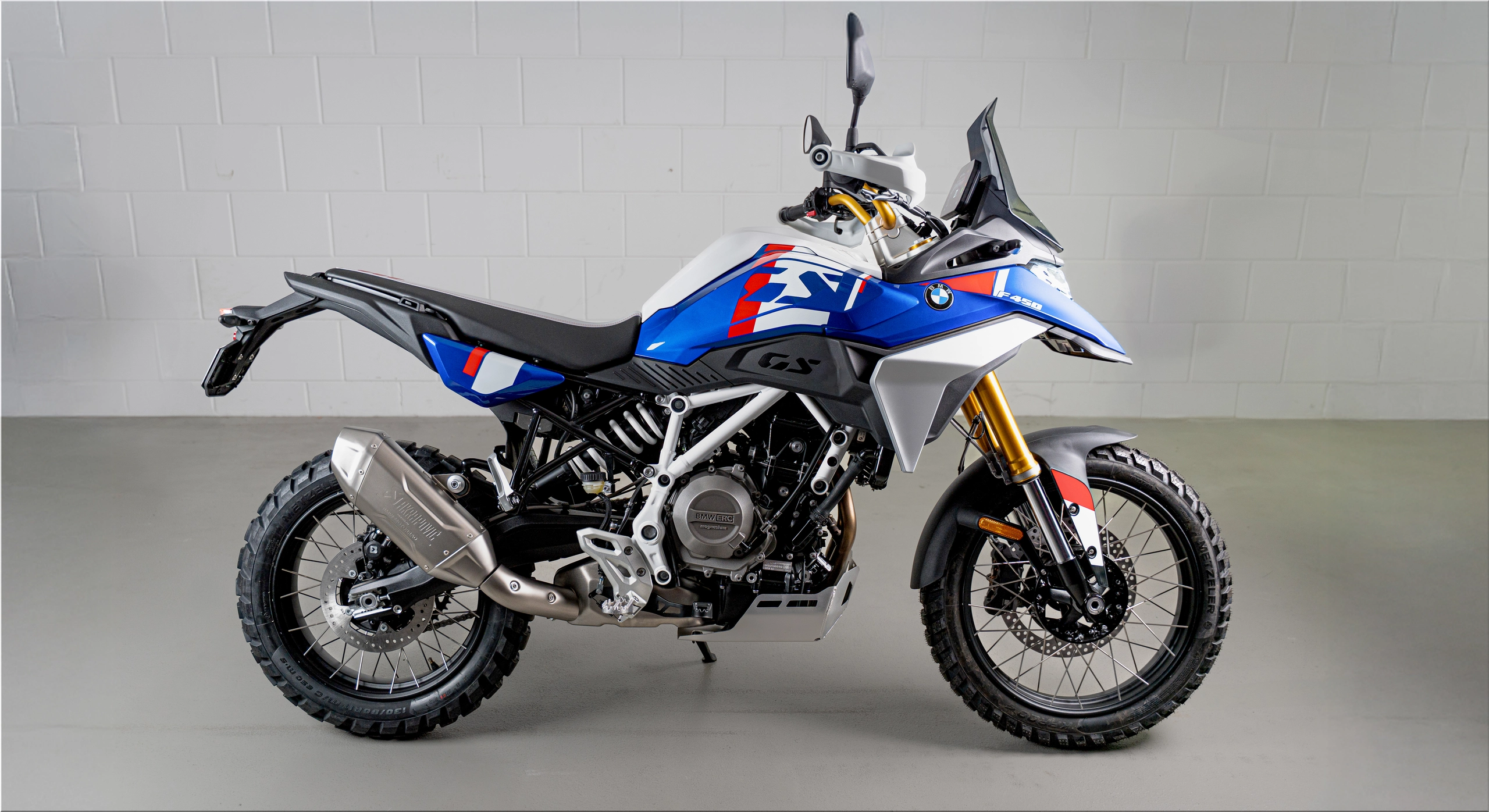
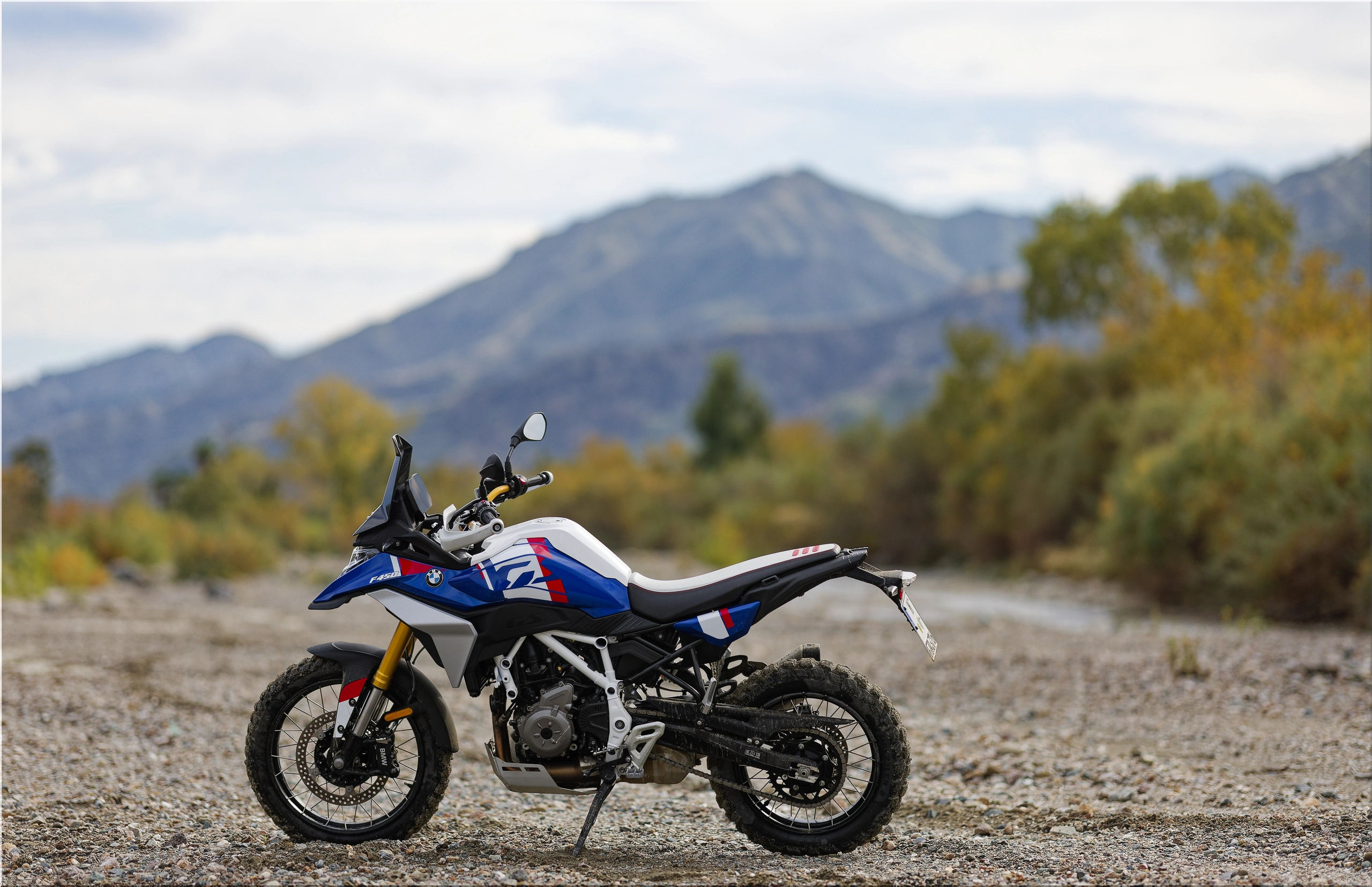
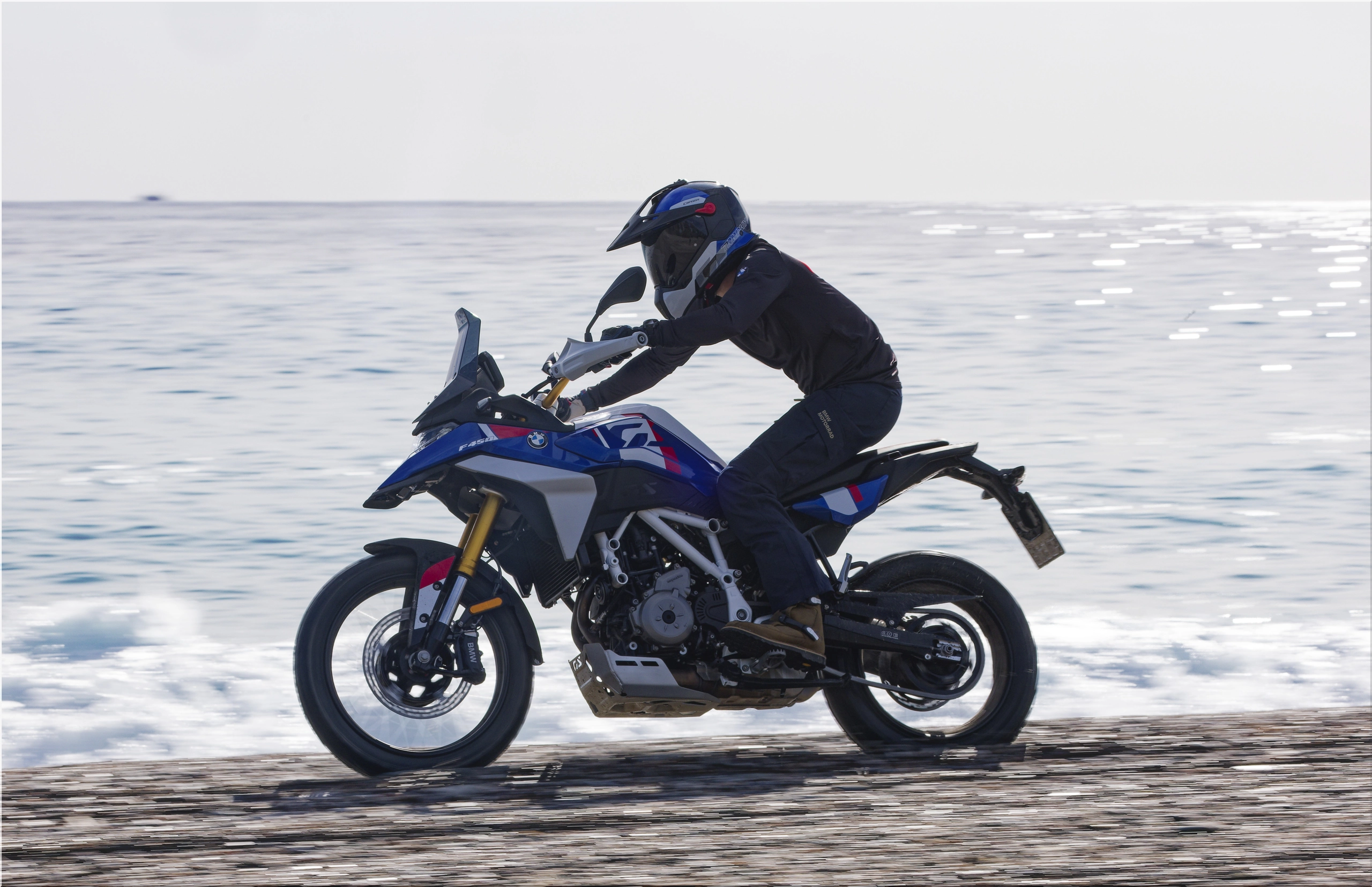
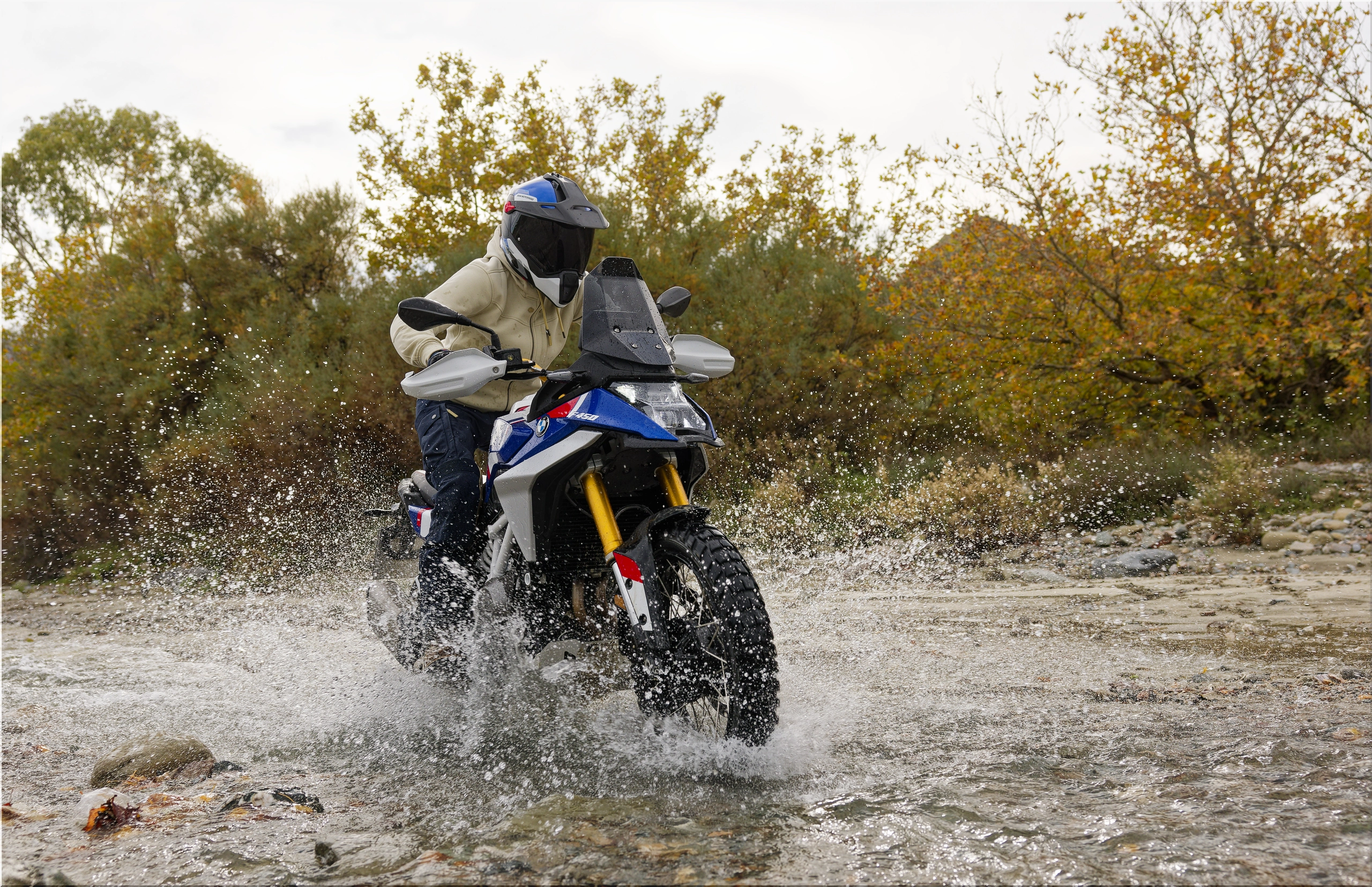
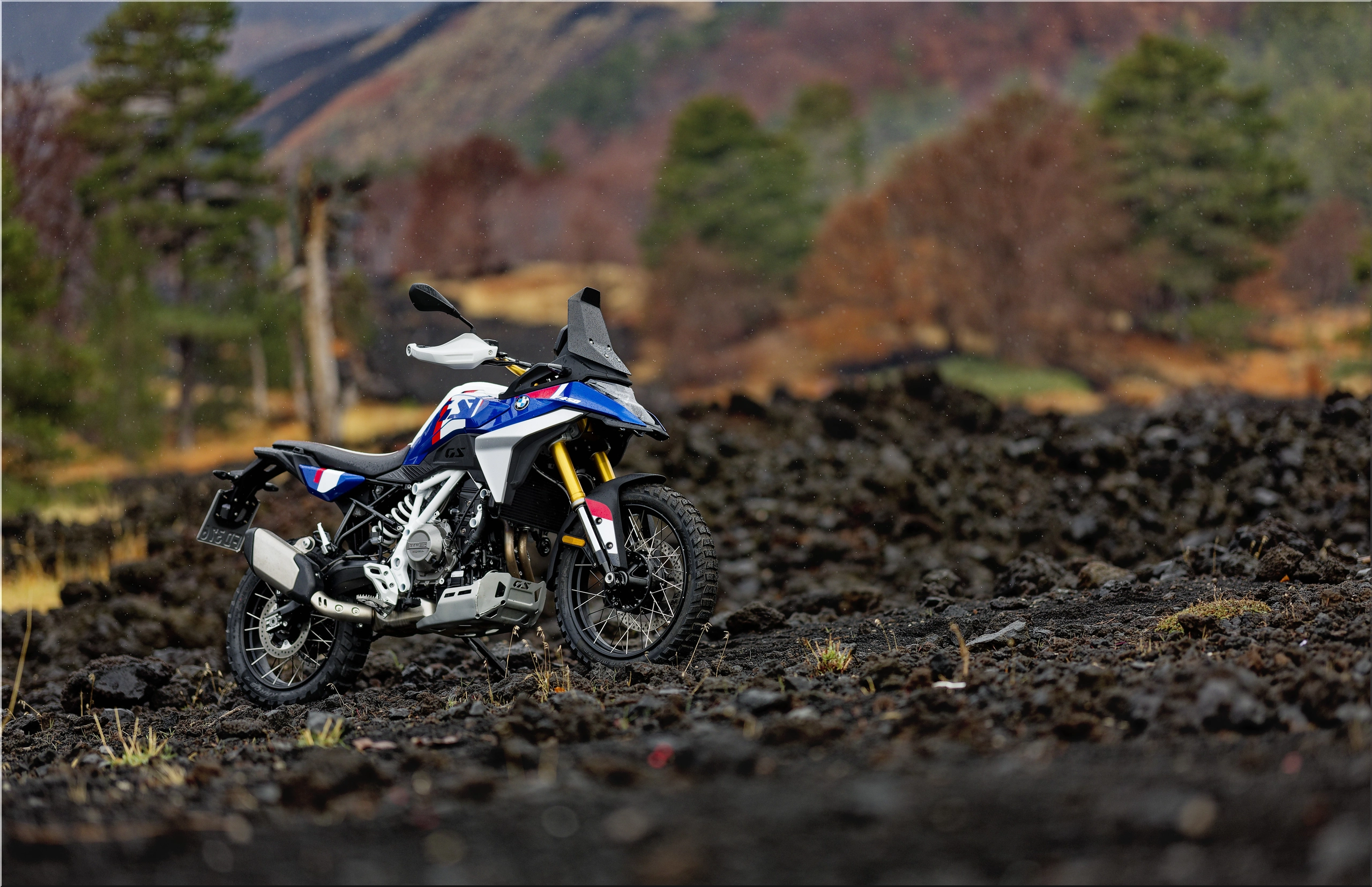
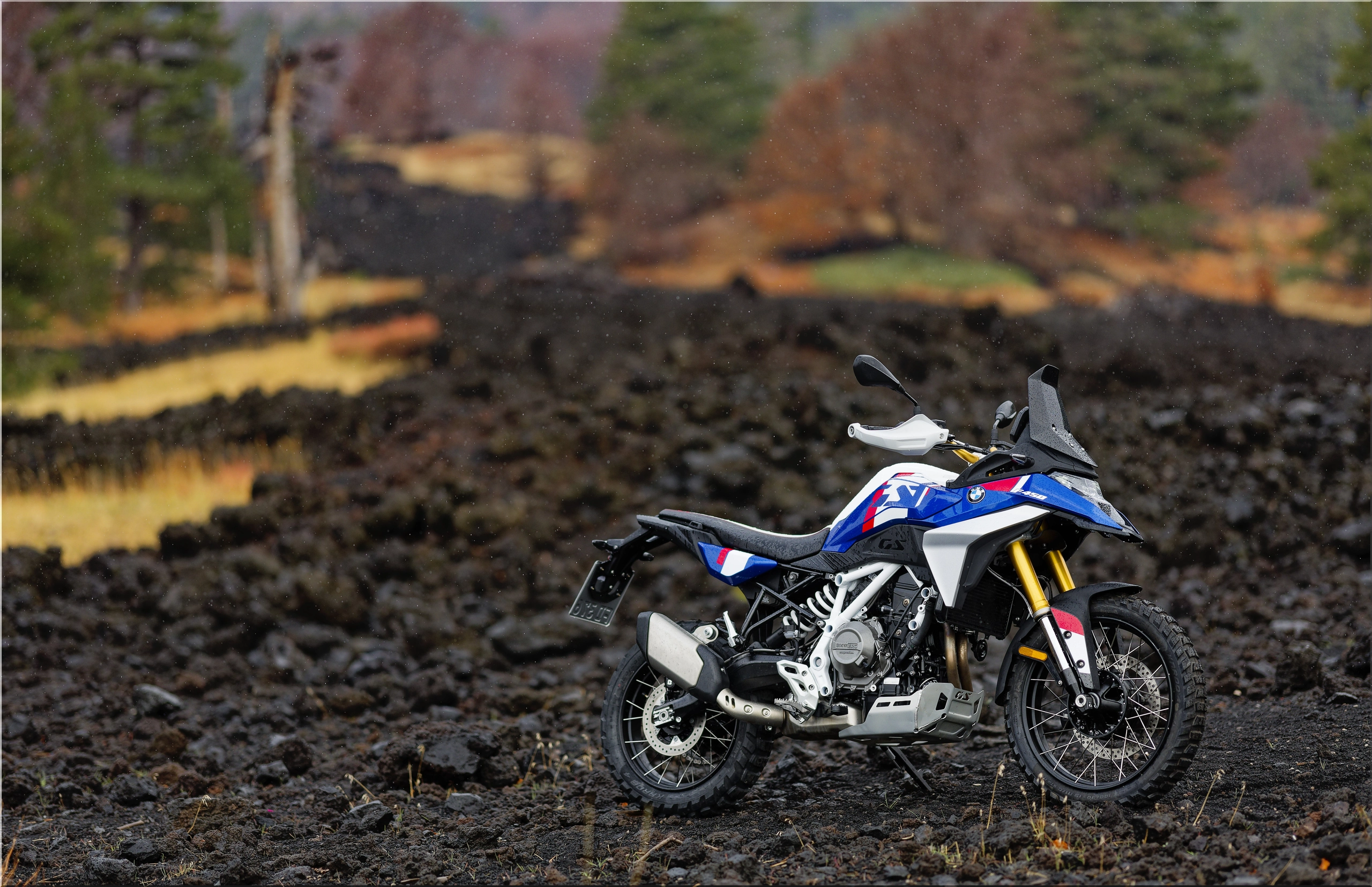
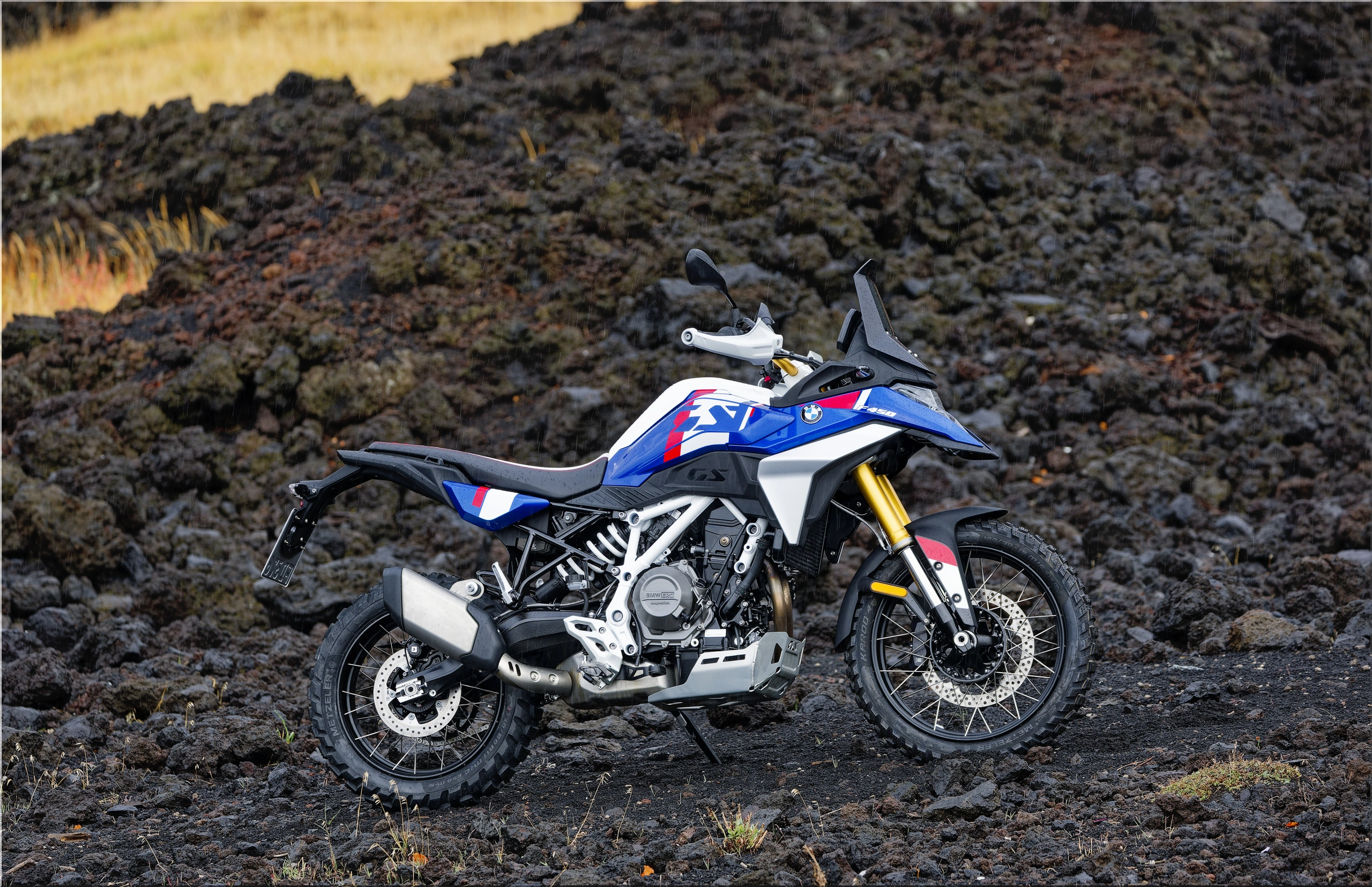
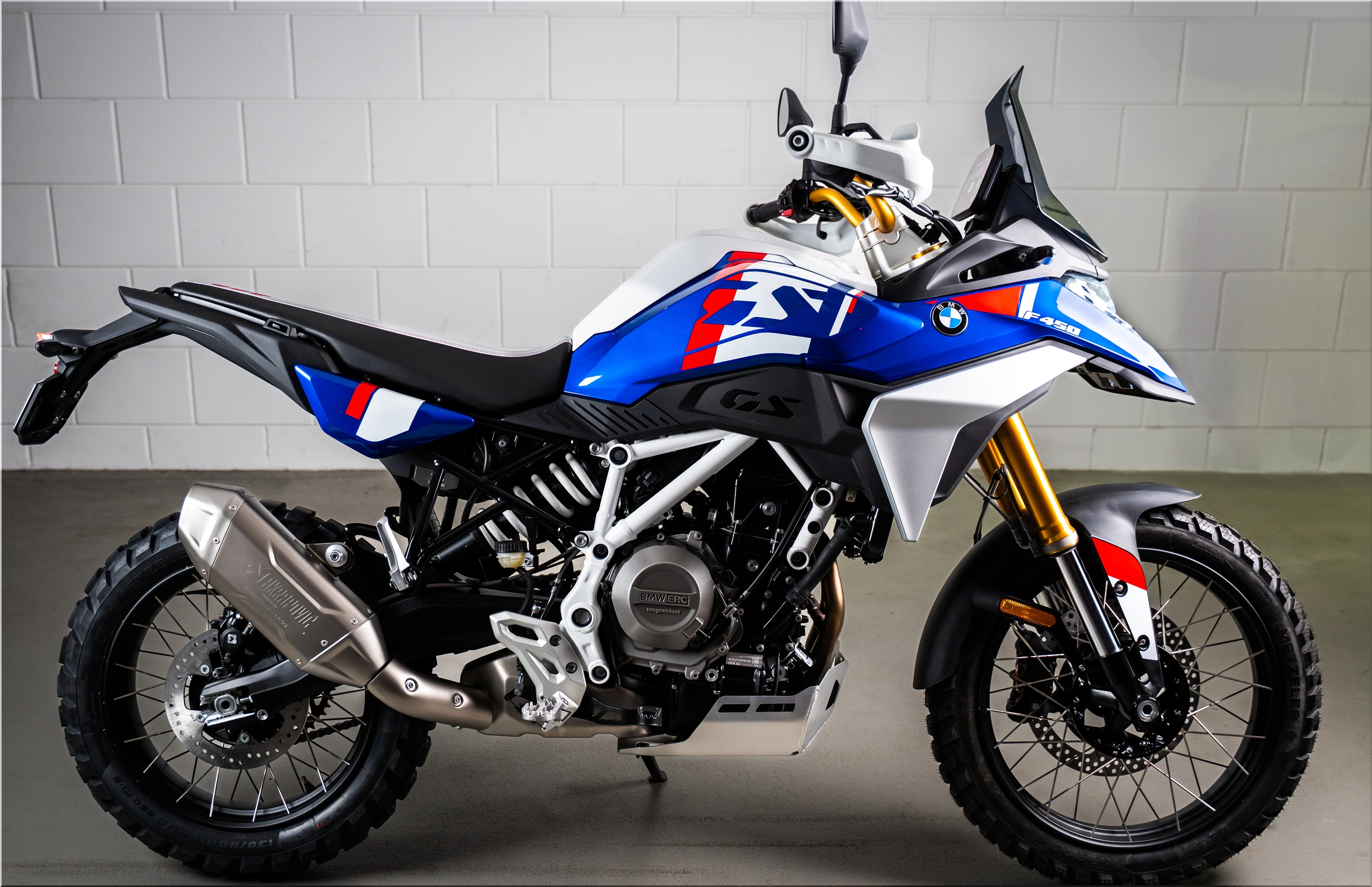
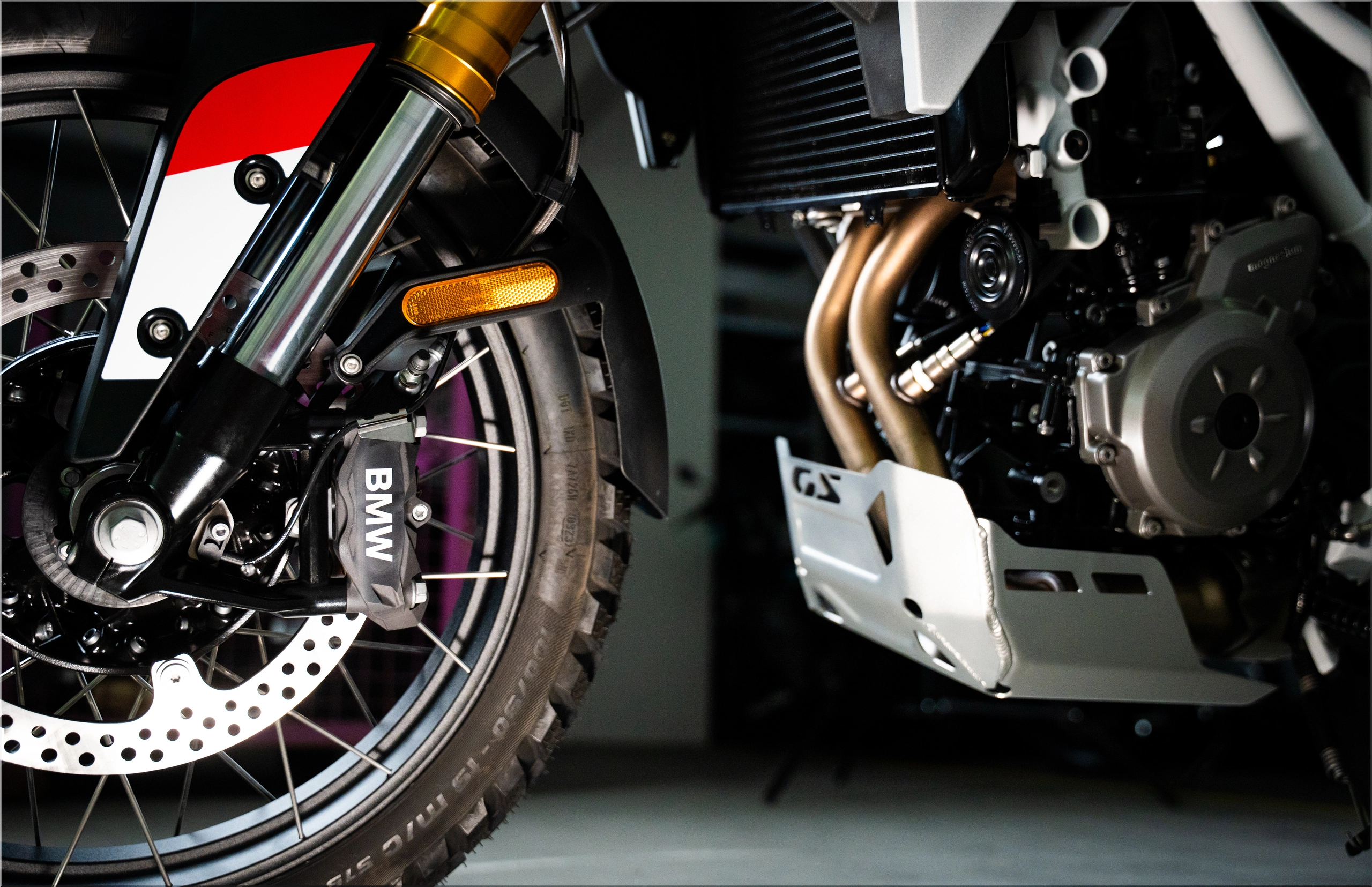
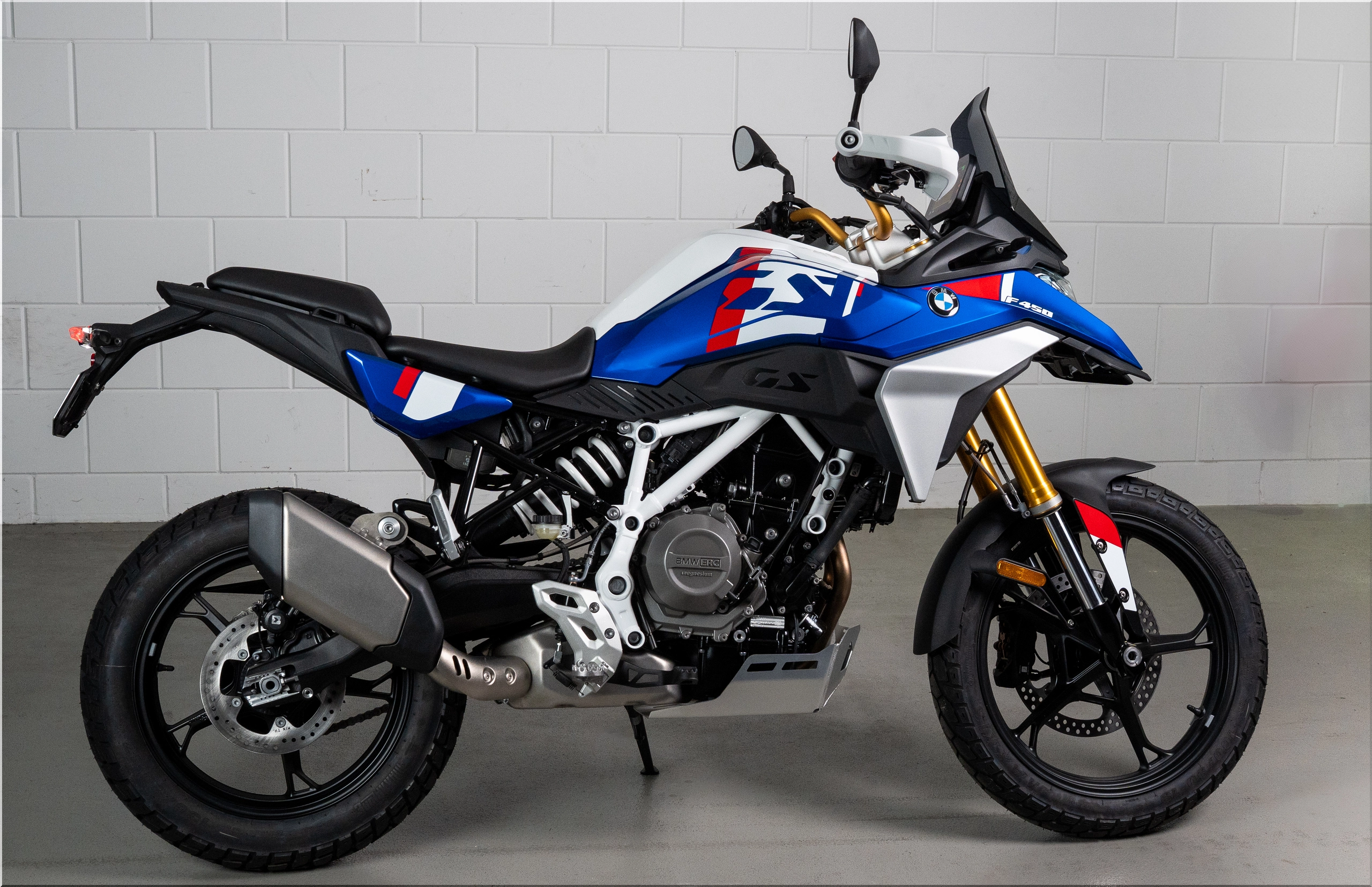
The chassis follows the same logic. BMW uses a steel tubular frame with the engine acting as a stressed member, a 43 mm KYB upside-down fork, and an aluminum double-sided swingarm with a directly connected shock. The bike rolls on a 19-inch front wheel and a 17-inch rear, which places it closer to the all-rounder end of the ADV class than to the rally-focused edge.
That wheel setup matters because it shapes the bike's use case. A 19/17 combination gives riders better road composure than a tall 21-inch front, while still keeping enough bump absorption and tire choice for dirt roads and light trail work. BMW also offers sports suspension on upper trims, plus wider enduro footrests and extra protection parts, which lets buyers push the bike further off pavement if they want to.
Core chassis and control features
- 43 mm KYB upside-down fork
- 7 inches of front suspension travel
- Adjustable rear shock with progressive damping
- Brembo 4-piston front brake
- ABS Pro for braking support while leaned over
- Adjustable levers and off-road-ready footrests
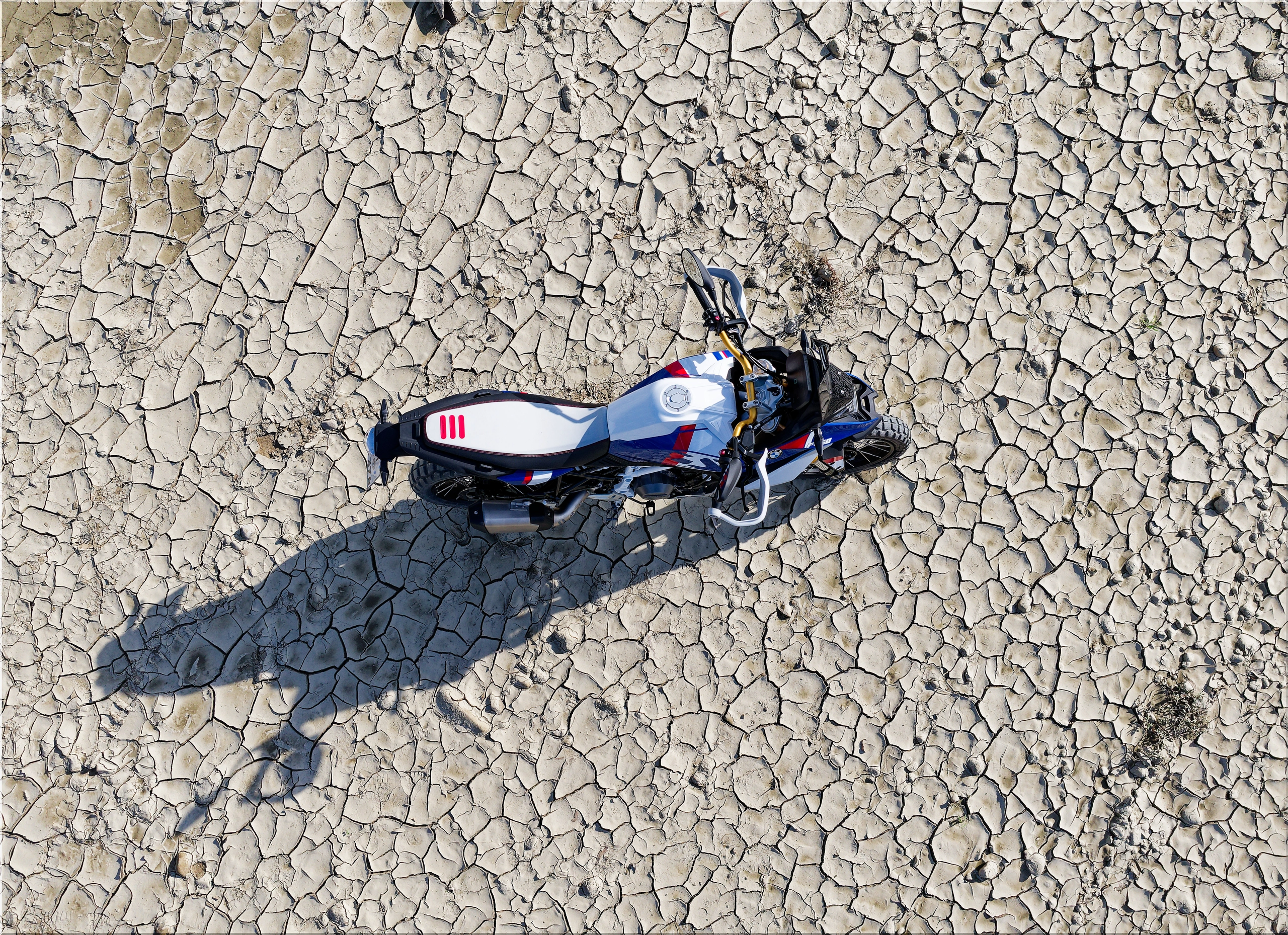
- Optional low seat and rally-style seat options
BMW loaded the electronics without bloating the bike
BMW could have stripped the electronics to hit a lower price target. It did not. The standard package includes Rain, Road, and Enduro modes, plus Dynamic Traction Control, Dynamic Brake Control, and engine drag torque control. A large 6.5-inch TFT display, LED lighting, and a USB-C socket also come with the bike.
That matters because electronics in this class often arrive in a thin package. Here, BMW uses them to widen the bike's comfort zone. Rain mode helps in poor conditions. Enduro mode gives the bike a more useful dirt setup. ABS Pro and brake control systems add a layer of confidence on mixed surfaces and unpredictable roads.
Image
Which F 450 GS trim makes the most sense?
BMW will sell the bike in several versions, and the trim walk makes sense.
| Variant | Key Equipment | Best Fit |
|---|---|---|
| Basic | Core GS package | Riders who want the lowest entry point |
| Exclusive | Riding Modes Pro, Shift Assistant Pro, handguards, engine guard | Mixed road and dirt use |
| Sport | Exclusive equipment plus sports suspension | Riders who push harder on rough roads |
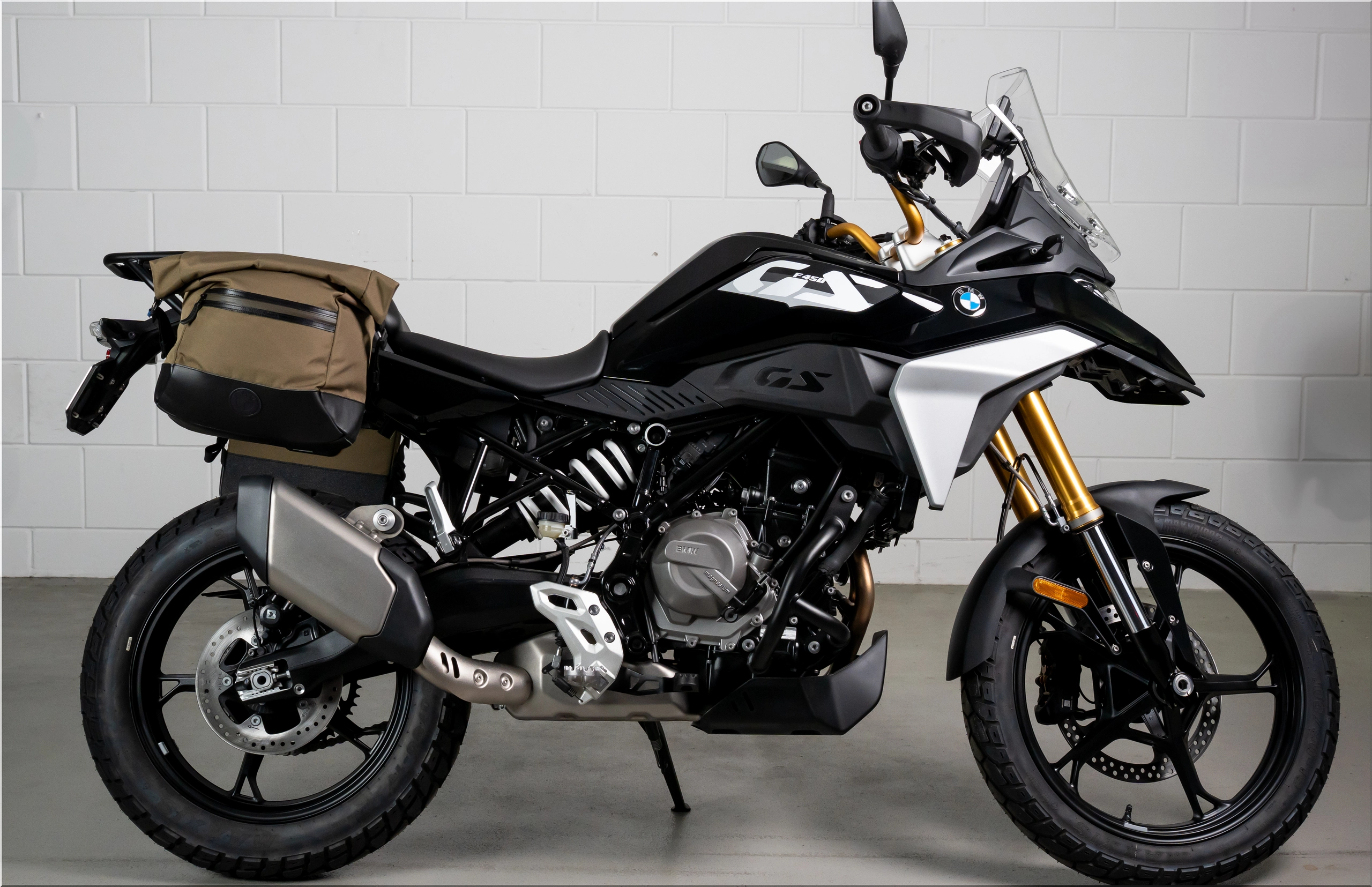
| GS Trophy | Easy Ride Clutch, sports suspension, enduro hardware, rally styling | Buyers who want the fullest off-road spec |
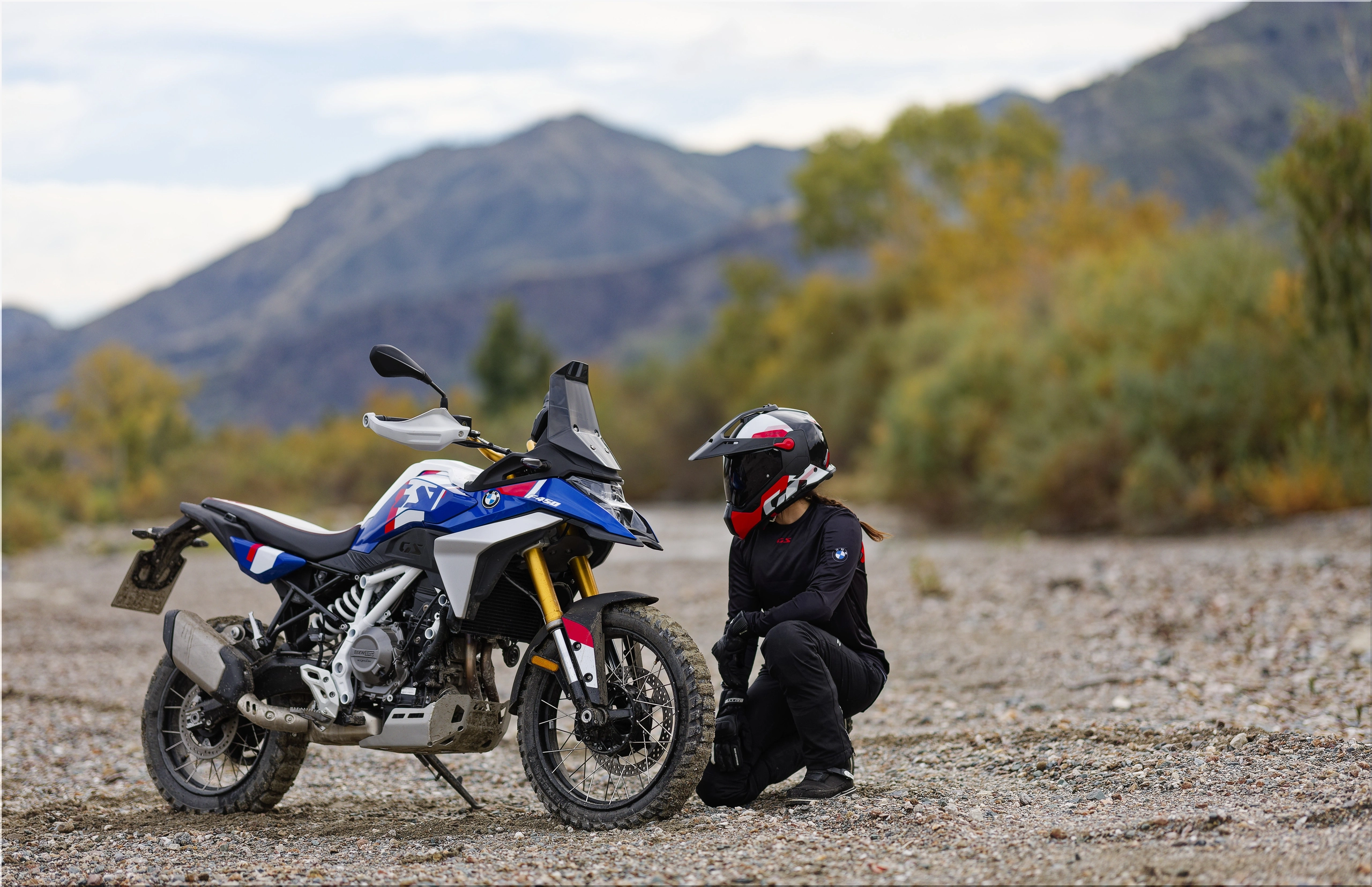
The GS Trophy trim will grab most of the attention, and for good reason. It adds the Easy Ride Clutch, sports suspension, enduro footrests, and stronger protection pieces. That is the version that most clearly matches the bike's promise.
Where the BMW F 450 GS fits in the market
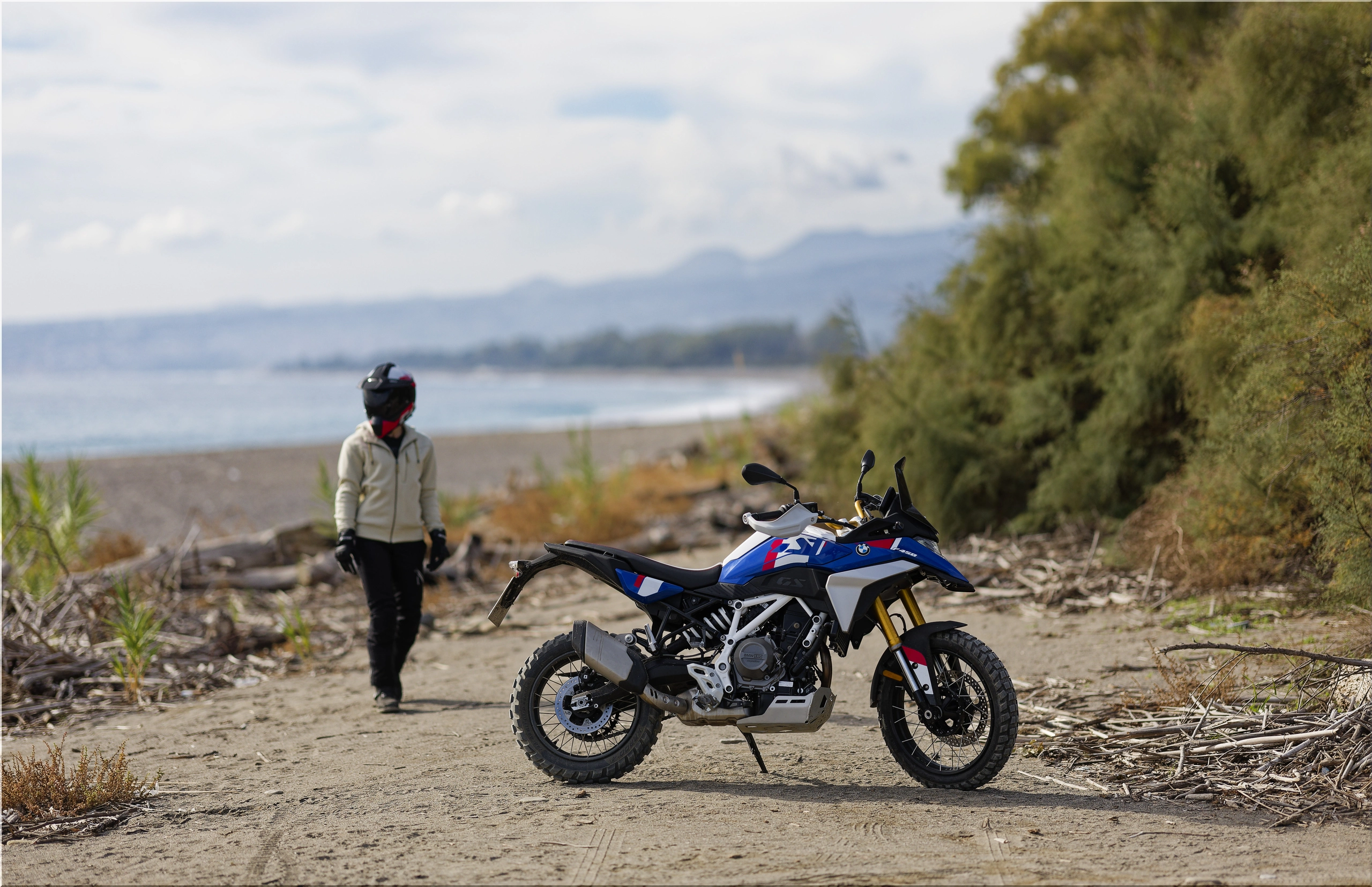
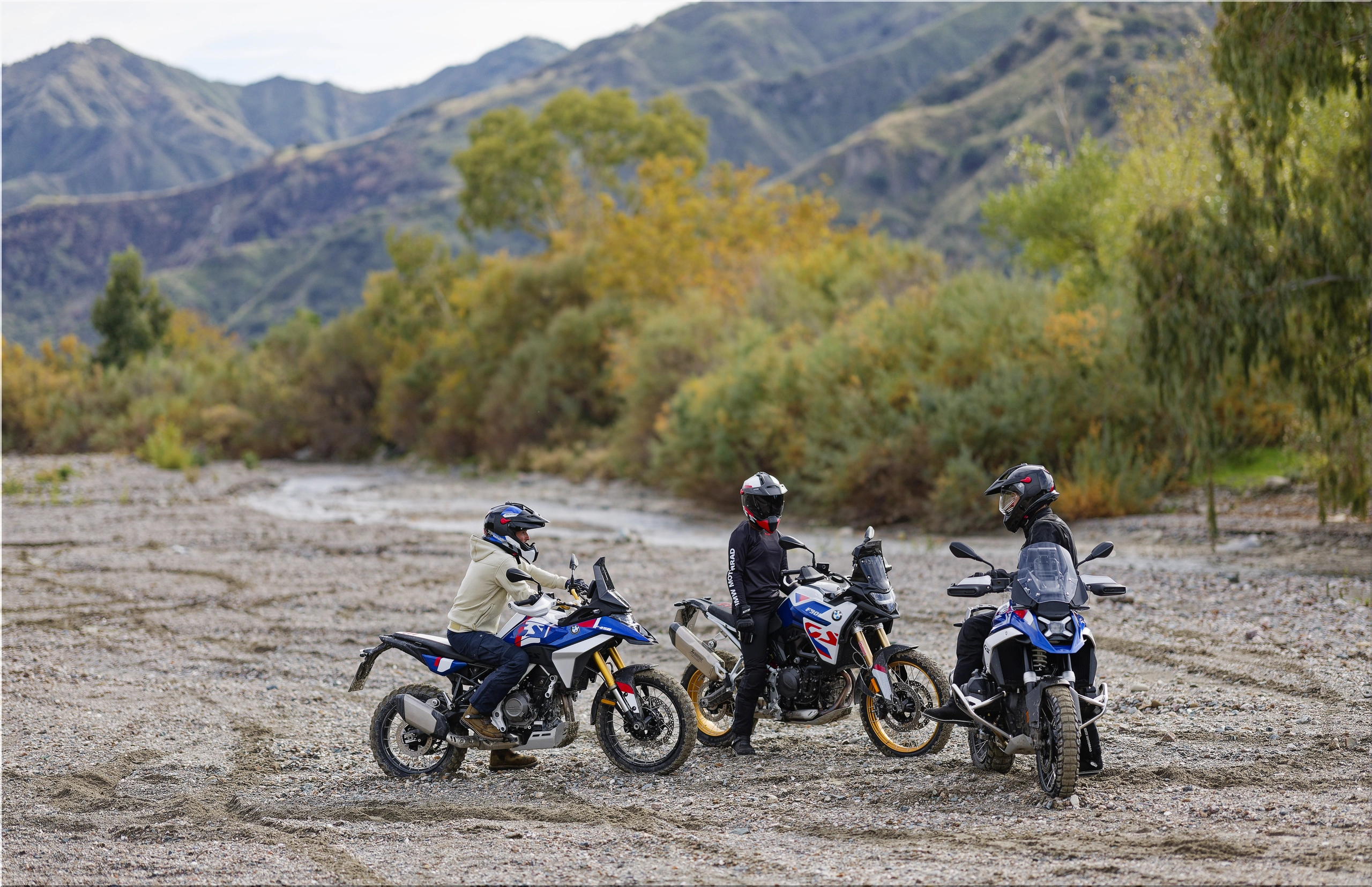
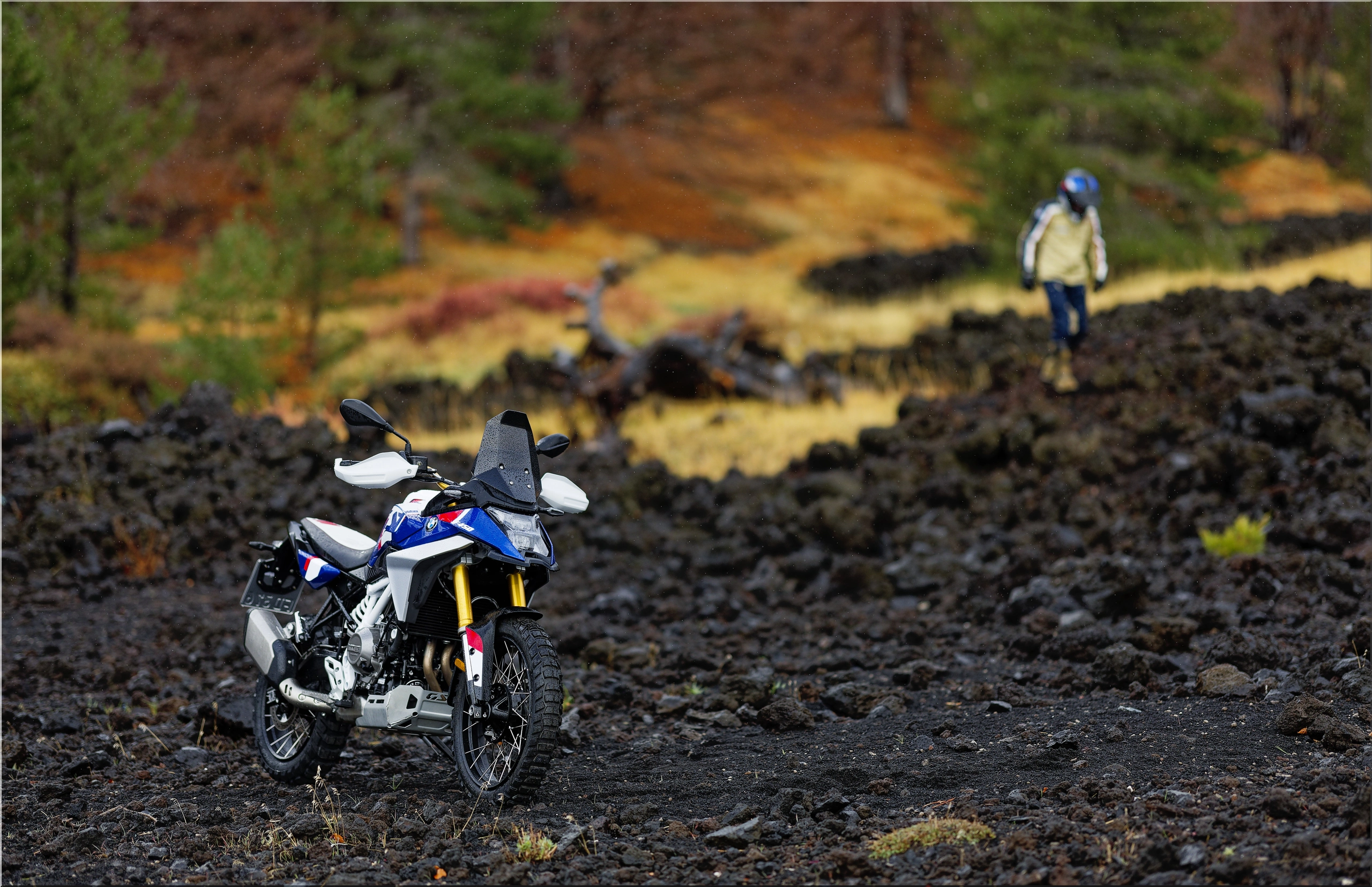
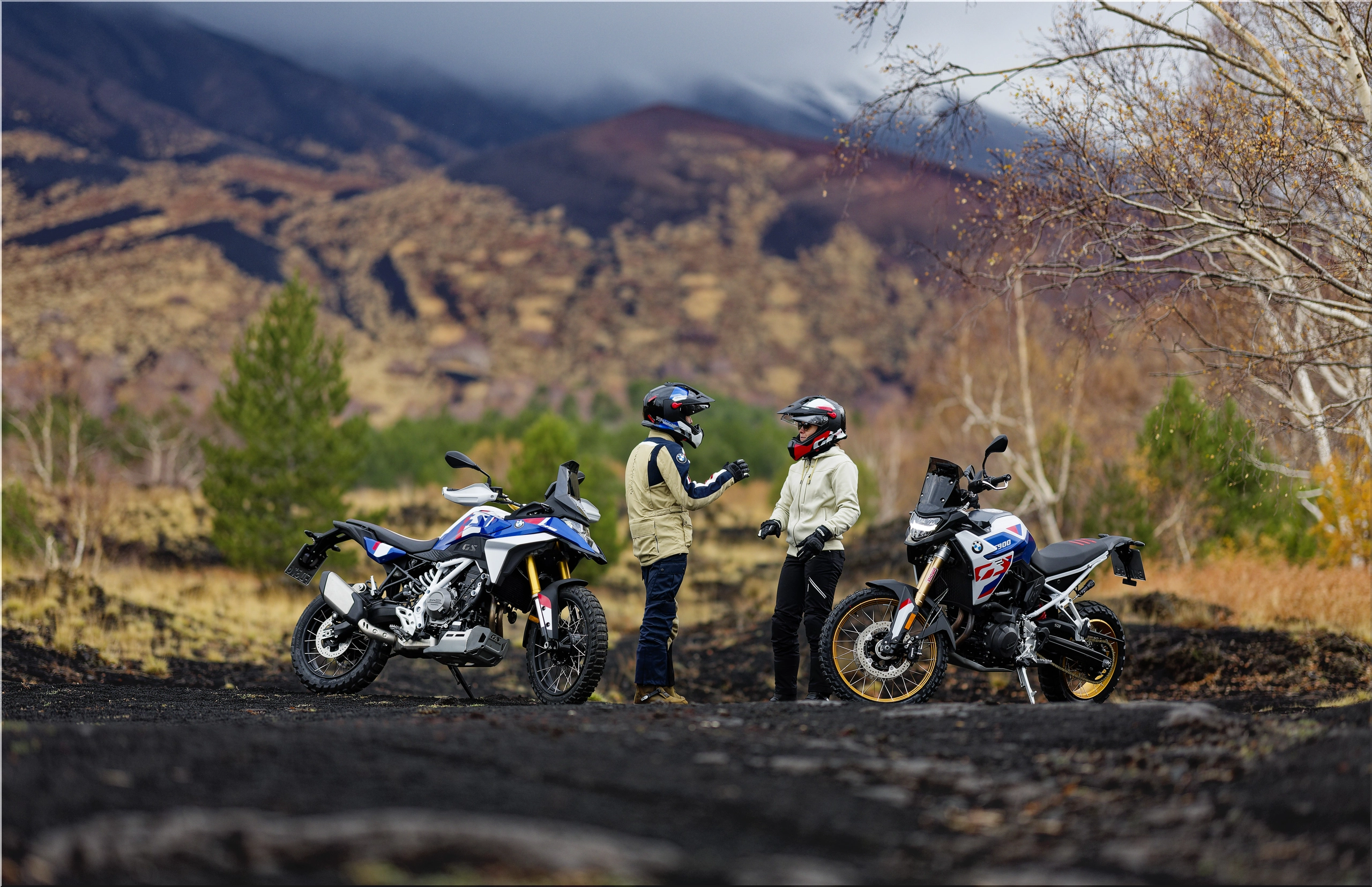
The BMW F 450 GS sits in a growing class of lighter adventure bikes aimed at riders who want less bulk than a middleweight or liter-class ADV. By comparison, BMW's approach leans toward refinement, useful electronics, and twin-cylinder road manners rather than bare-bones value or hard-core dirt bias.
That gives the bike a clear lane. It should appeal to newer riders moving up, returning riders who want something less intimidating, and seasoned owners stepping down from heavier machines. In all three cases, lower weight helps. So does a manageable seat, sensible power, and a spec list that does not feel cut-rate.
Image
Pro-Tips for buyers
- Choose the GS Trophy if you expect frequent dirt use or slow, technical riding.
- Choose Sport if pavement comes first and gravel comes second.
- Watch final U.S. pricing closely, because that will decide how hard this bike hits the class.
- Try the optional seat choices before buying. Fit changes everything on a smaller ADV.
What now?
The 2027 BMW F 450 GS looks like a smart move at the right time. It brings real GS design, a fresh twin-cylinder engine, solid rider aids, and a usable chassis into a lighter package that more riders can live with every day. If BMW lands the price well, this could become one of the most persuasive small adventure bikes on sale.
Image Gallery




- Add new comment
- 254 views