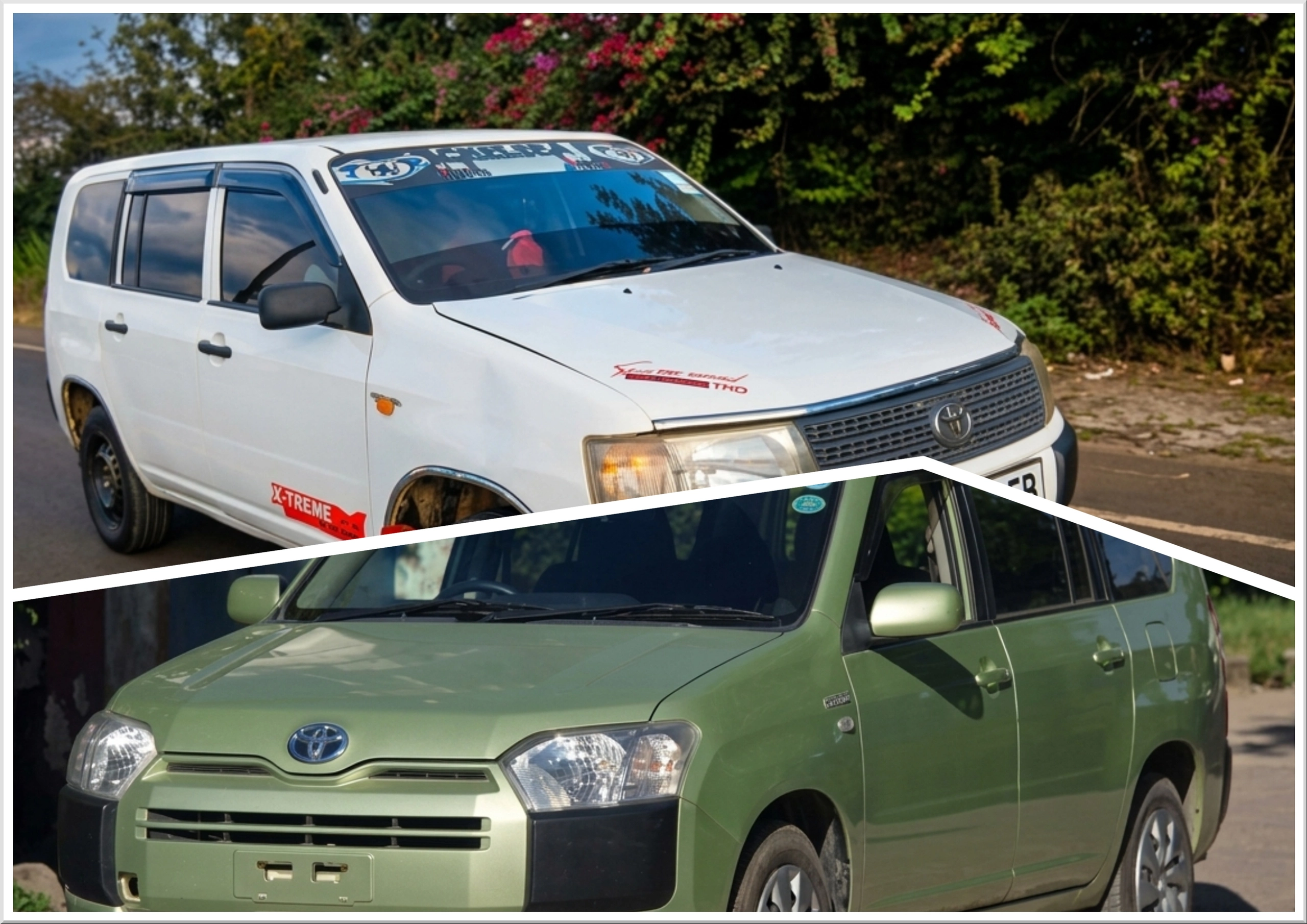
The Toyota Probox is often considered for jobs that require a compact vehicle with useful carrying space. Whether it will deliver goods, support a small business or serve as a mixed family and work car, the important question is how well a particular example handles your routine. Two vehicles can share a name yet differ in condition, layout, engine and maintenance history. A low asking price will not help if the car spends its first weeks off the road. This guide turns the decision into practical checks: cargo fit, driving condition, documents and the total cost of keeping the vehicle working.
Rules for vehicle transfer and commercial use can change. Confirm current registration, insurance and operating requirements with the relevant Kenyan authority and qualified professionals before putting a car to work.
Image
Describe a typical working day
List what the vehicle will carry, how often it will stop and where it will park. Small parcels, tools, produce and passengers create different needs. Measure the longest and widest items you transport and think about how they will be secured. The advertised cargo space may be adequate on paper but awkward if the opening is narrow or the floor shape wastes room. If people will ride regularly, assess their seating and luggage needs with the same care.
Consider the routes. Repeated short trips in traffic place different demands on a car from long runs between towns. Unpaved approaches may make tyre and suspension condition especially important. Decide whether fuel use, easy loading, passenger comfort or minimal downtime is your main priority. You can then compare cars by how they perform the work, not simply by how clean they look in photographs.
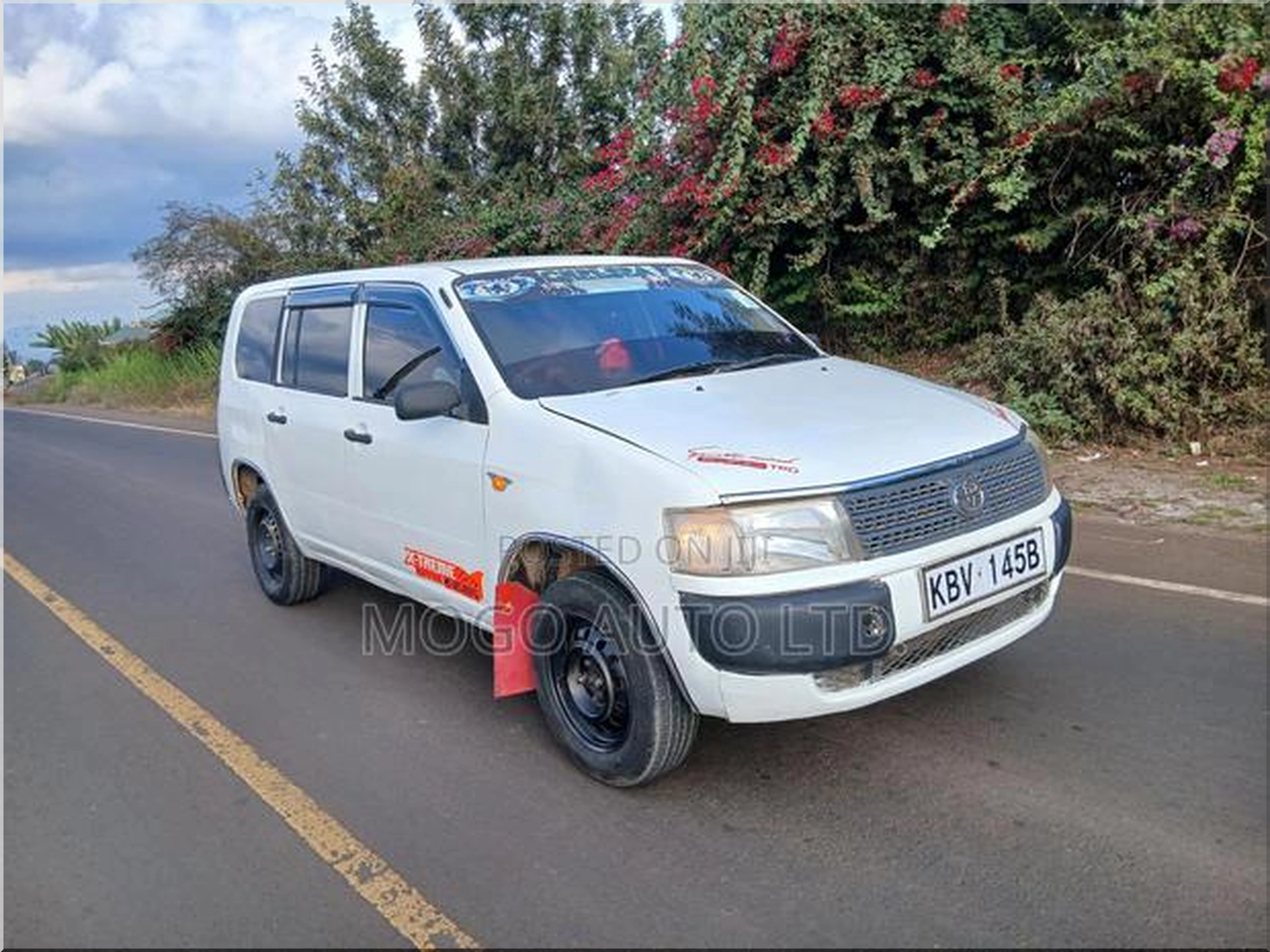
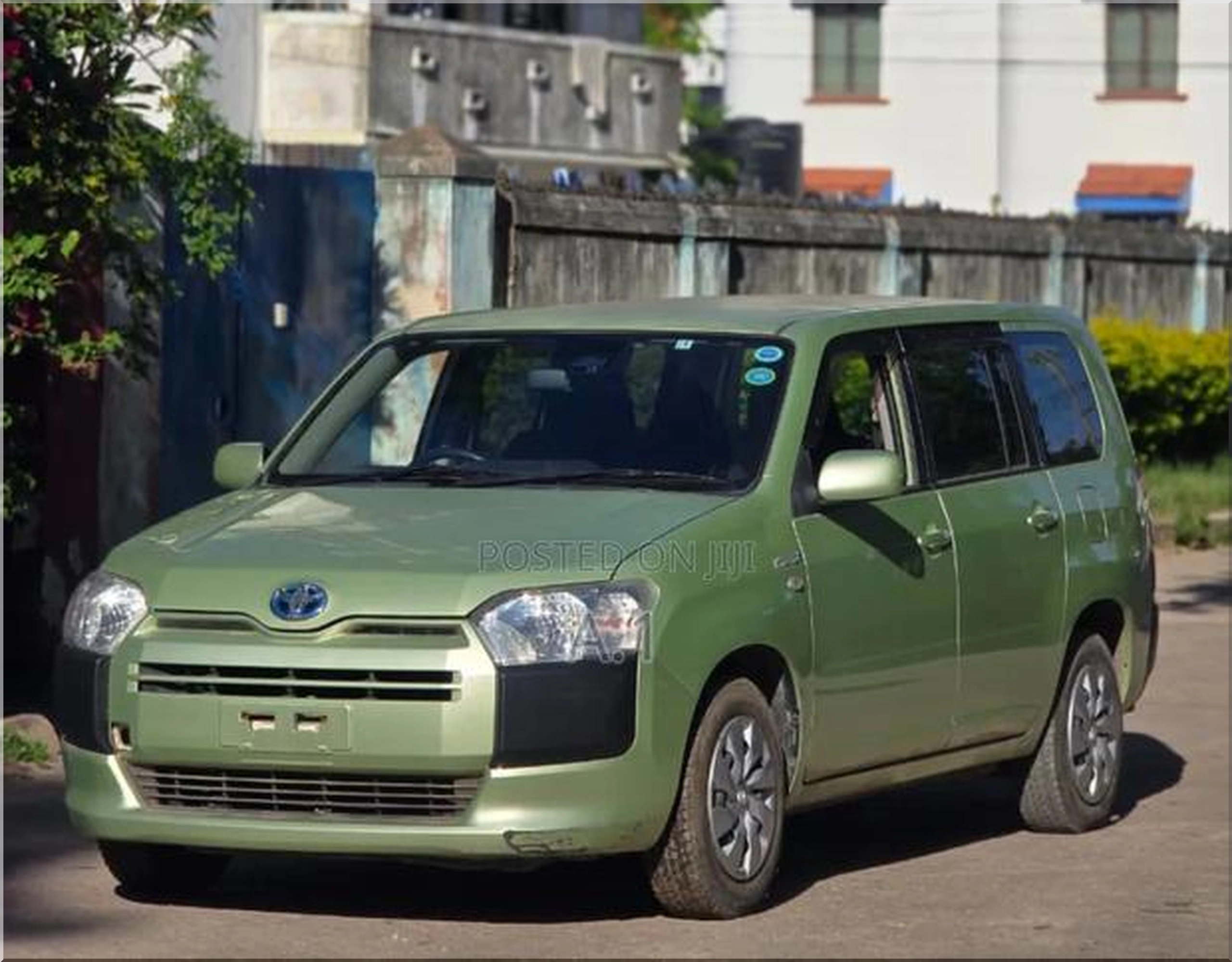
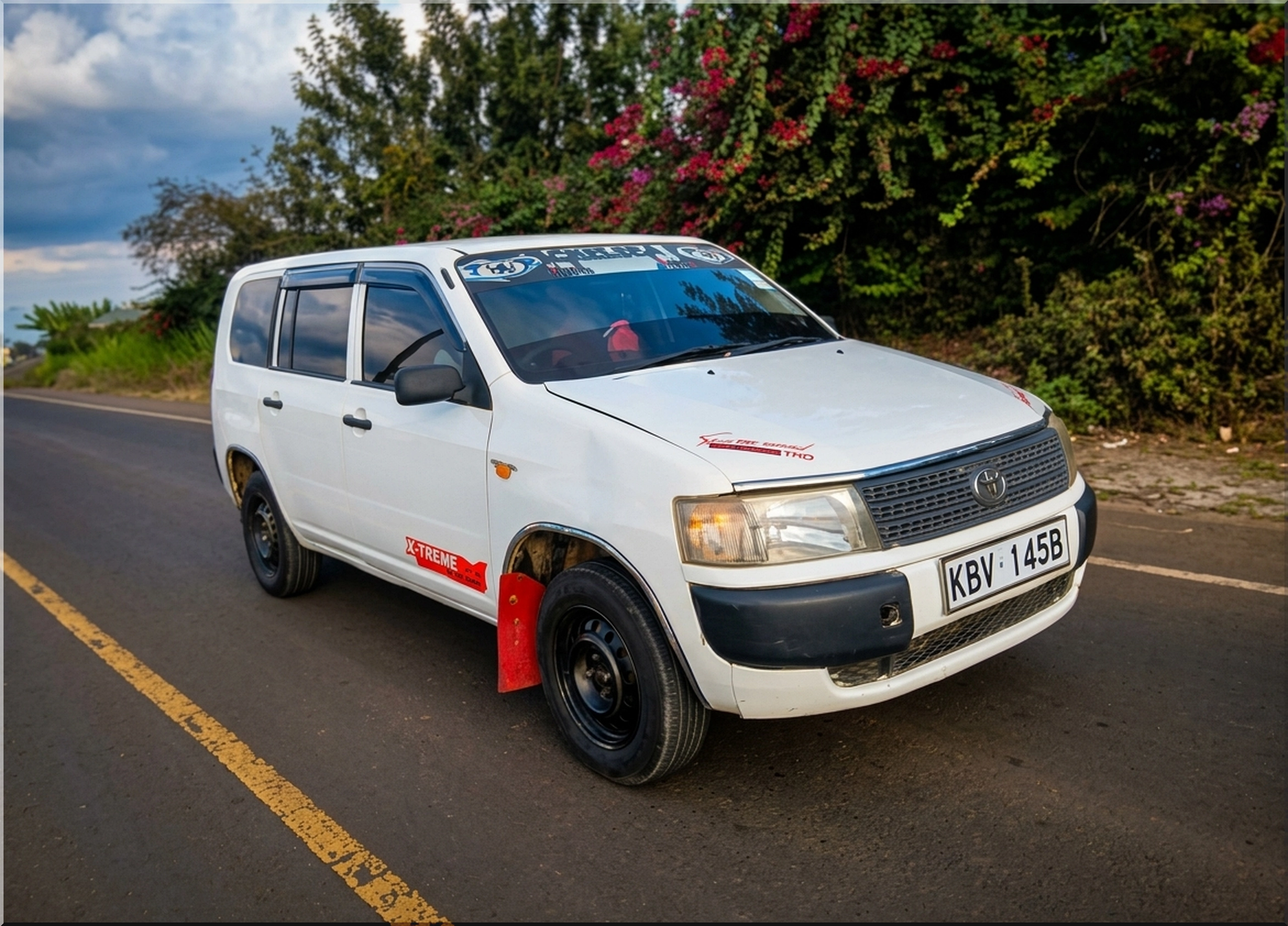
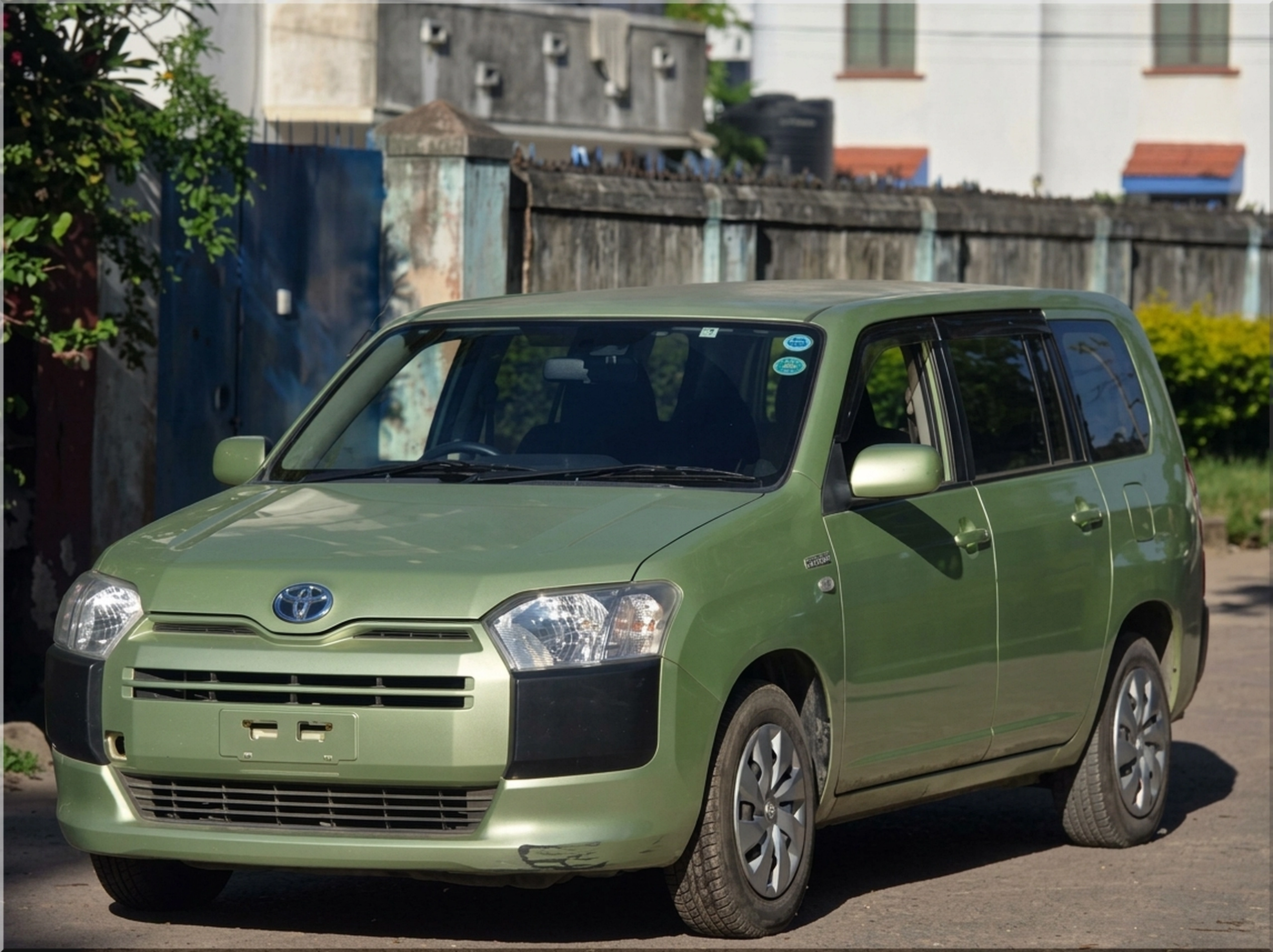
Comparing Probox listings can help you see the range of years, conditions and versions on offer. Ask sellers for clear photos of the load area, rear opening, seats, tyres and service records before visiting. A listing may not explain how the car has been used or what changes have been made, so treat it as the beginning of an inspection rather than the full story.
Inspect the load area as a workspace
Open the rear door and load a representative item if the seller allows it. Check the height of the loading lip, the usable floor area and whether the door can open fully where you normally park. Look for damage to the floor, side panels and rear frame. Scratches can reflect ordinary work, but cracks, bent metal or poorly repaired impact damage need closer attention. Check that doors close securely and do not rattle on the road.
Plan how cargo will be restrained. Loose goods can move under braking and injure occupants or damage the vehicle. Check the condition and suitability of any tie-down points, and ask a professional about safe loading if your goods are heavy or unusually shaped. Do not assume that a vehicle's reputation for practicality permits any load. The applicable weight limits and approved seating arrangement must be respected for the specific car.
Decide whether the cabin fits mixed use
If the vehicle will also carry family or colleagues, sit in every seat. Check access, belts, ventilation and the condition of the cushions. A rear bench may be present but uncomfortable for long journeys with a full load behind it. Confirm that head restraints and seat mountings are intact. If seats have been added, removed or altered, ask for documentation and verify that the current configuration is lawful and insured for your intended use.
Consider noise and comfort over your typical route. A vehicle that is fine for short deliveries may be tiring on a long intercity journey. Test the driving position, visibility and the ease of entering and leaving repeatedly. Small frustrations become significant when the driver makes many stops each day.
Image
Check the engine, transmission and running gear
Ask to see the car before it has been started for the day. A cold start can reveal rough running, smoke, unusual noises or warning lights that disappear once warm. Look for leaks beneath the vehicle and signs of improvised repairs under the bonnet. Test the transmission through slow and normal driving, and pay attention to hesitation or harsh changes. Have an independent mechanic diagnose any concern rather than relying on a seller's explanation.
Inspect tyres for uneven wear and damage. Check the suspension, steering and brakes through a professional inspection, especially if the car has carried heavy loads or worked on rough roads. Uneven wear may have several causes; the important point is to find and price the actual fault. Ask whether the cooling system and other scheduled items have been maintained, using the service guidance for the exact version.
Read the history behind the odometer
Request dated service invoices, repair records and any inspection reports. Compare the dates and distance shown with the odometer and visible wear. A working car may accumulate wear through frequent starts, loading and short trips even when its distance travelled appears modest. Check the driver's seat, pedals, door handles and cargo area for clues about use. These observations cannot prove mileage, but they can prompt sensible questions.
Ask what work is due soon. Tyres, brakes and fluids are routine costs; a neglected transmission or damaged body structure is a larger concern. If the vehicle has been repainted or fitted with different equipment, request the reason and supporting documents. A clear maintenance story makes budgeting easier and helps you decide whether the car can start work immediately.
Take a test drive that resembles the job
Drive the car in traffic, at ordinary cruising speed and over roads similar to those on your route. Notice how it starts, steers, shifts and brakes. Listen for knocks over bumps and rattles from the cargo area. If the seller permits a safe representative load, observe whether the car remains stable and comfortable, without exceeding its limits. Test the visibility and manoeuvring at loading points and narrow parking spaces.
After the drive, look for new leaks, smells or warning messages. Ask a mechanic to inspect the car on a lift and provide a written report. A road test alone cannot reveal the condition of components hidden underneath. If a seller refuses a reasonable independent inspection, include that uncertainty in your decision.
Calculate the cost per working day
Budget for fuel, insurance, scheduled service, tyres, repairs and time off the road. A cheaper car can cost more if it needs immediate work or repeatedly interrupts deliveries. Ask local workshops about service access for the exact engine and transmission. Consider whether you have a backup vehicle or alternative plan when maintenance is due. For a business, reliability is part of the vehicle's value.
Fuel use will vary with traffic, load, tyre condition and driving style. Be careful with broad claims that every Probox has the same running costs. Compare your shortlisted vehicles by the likely cost of putting each into dependable condition and keeping it there. A written inspection estimate can make this comparison more realistic than a seller's promise.
Check documents and intended use
Match identification details on the car with official registration records and confirm the seller has authority to transfer it. The NTSA service portal provides registration, inspection and logbook verification services. Ask about outstanding finance or other restrictions and follow the current transfer procedure. If the car will be used commercially, discuss your exact activity with an insurer and the relevant authority so the cover and approvals fit the work.
Record the vehicle, condition, included equipment and payment terms in a written agreement. Meet the seller in a place where both the car and documents can be checked, and use a traceable payment method. Do not pay a deposit merely to reserve a photograph. If the seller says a document or inspection can be sorted out later, establish it before the sale instead.
Keep the car dependable after purchase
Address safety-related inspection findings before regular work. Check tyres, lights, brakes and load restraints frequently, and follow the maintenance schedule for the exact version. Keep service receipts and ask drivers to report new noises or changes in handling promptly. Clean and inspect the cargo area so damage does not remain hidden under goods. Consistent care reduces disruption and gives the next buyer a clearer record if you sell the car later.
The bottom line
Choose a Toyota Probox by testing the specific car against the loads, routes and people it will carry. Inspect the cargo area and running gear, read its service history and obtain an independent mechanical report. Verify ownership and requirements for your intended use through official channels. A useful working vehicle is one that can perform the job safely and consistently after the sale.
- Add new comment
- 4 views