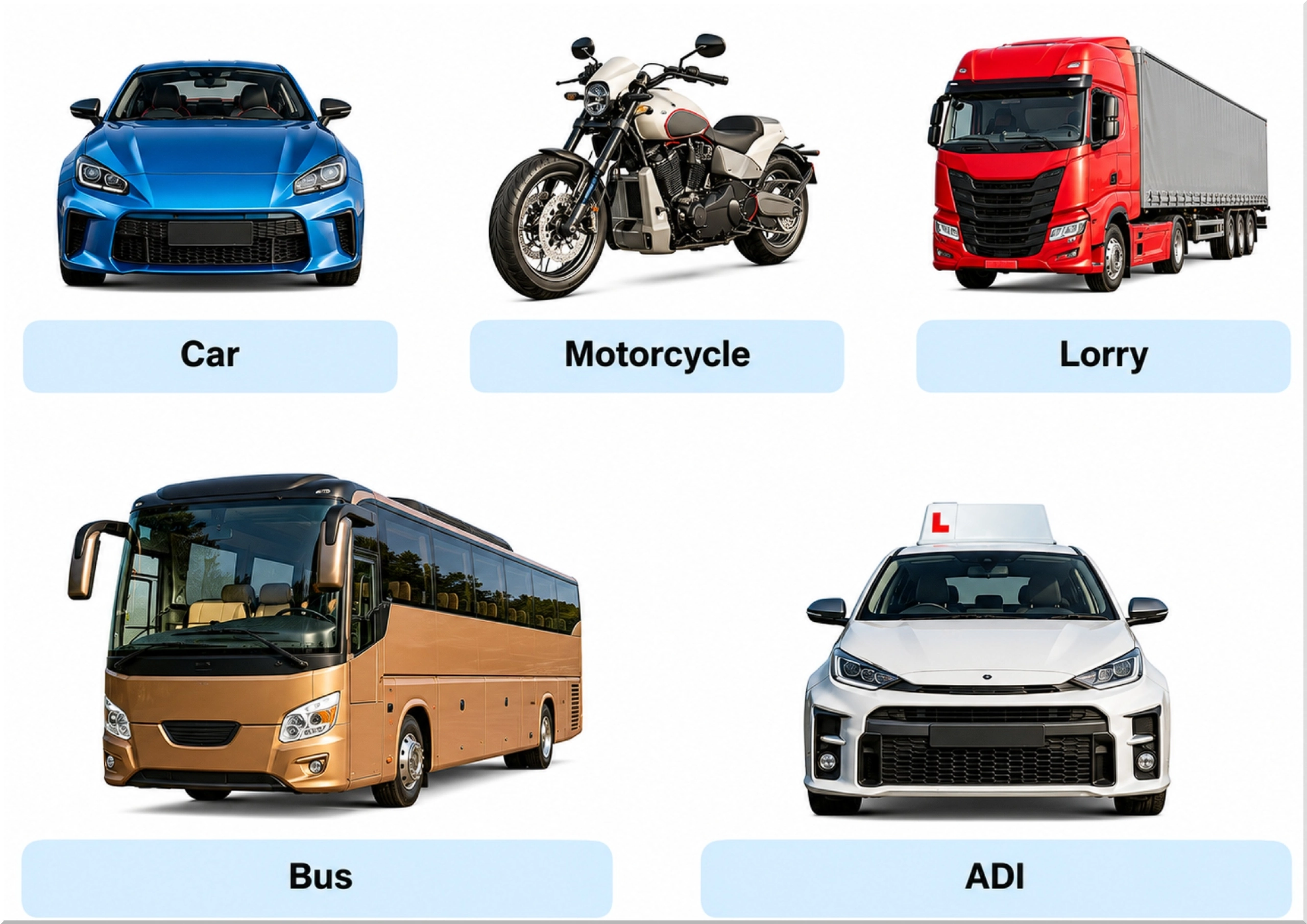
Navigating the complex network of British roads requires more than just mechanical control over a vehicle; it demands an exhaustive, practical understanding of the official rules that govern traffic flow, safety, and etiquette. The Highway Code is the definitive rulebook for all road users in England, Scotland, and Wales, serving as the bedrock of legal compliance and accident prevention across the nation.
Whether you are a seasoned motorist looking to refresh your knowledge after years on the tarmac, an international driver converting to a British licence, or a learner preparing for rigorous examinations, mastering these guidelines is non-negotiable. Road regulations evolve continuously to accommodate technological advancements, shifting environmental priorities, and updated safety insights, making ongoing study essential for everyone behind the wheel.
Failing to adhere to the directives outlined in the code can result in heavy financial penalties, penalty points on your licence, driving bans, or catastrophic collisions. Therefore, treating the text not as a set of arbitrary suggestions, but as a mandatory blueprint for survival, is paramount. To test your comprehension of these critical regulations before stepping into an official examination center, it is highly recommended to practice using a Theory Test to gauge your readiness and identify any weak spots in your knowledge.
In this comprehensive, exhaustive guide, we will dissect the fundamental road rules, right-of-way frameworks, speed restrictions, and highway code updates that every competent driver must master to keep British roads safe and efficient.
The Core Hierarchy of Road Users
One of the most vital paradigms embedded into modern UK driving regulations is the concept of the road user hierarchy. Rather than treating all traffic participants as equal threats, this system places the legal burden of responsibility squarely on the shoulders of those operating heavier, more powerful vehicles.
| Priority Level | Vulnerability Group | Primary Responsibilities of Motorists |
|---|---|---|
| 1 (Most Vulnerable) | Pedestrians (Children, Elderly, Disabled) | Must give way at all junctions, zebra, and parallel crossings. |
| 2 | Cyclists and Horse Riders | Maintain wide berths (at least 1.5m) when overtaking; do not cut across. |
| 3 | Motorcyclists | Watch for filtering maneuvers in slow-moving traffic columns. |
| 4 | Cars and Taxis | Standard compliance with lane discipline and speed caps. |
| 5 (Least Vulnerable) | Vans, Buses, and Heavy Goods Vehicles (HGVs) | Account for large blind spots, wide turning circles, and momentum. |
Under these rules, if you are turning into a road and a pedestrian is waiting to cross, you must give way. Similarly, squeezing past cyclists or failing to look out for vulnerable groups carries severe legal consequences if it compromises safety.
Speed Limits and Legal Thresholds
Speeding remains one of the leading contributory factors in fatal road accidents. The Highway Code establishes clear parameters for national speed limits, though local authorities possess the power to lower these limits based on residential density, school zones, or accident statistics.
- Built-up Areas: Usually restricted to 30 mph, with 20 mph limits rapidly expanding across urban cores and residential neighborhoods to protect pedestrians.
- Single Carriageways: Capped at 60 mph for cars and motorcycles, and significantly lower for vans (50 mph) and HGVs (40-50 mph).
- Dual Carriageways: Capped at 70 mph for standard cars and motorcycles, separating opposing traffic streams via central reservations.
- Motorways: Subject to a strict 70 mph ceiling, unless variable digital gantry signs dictate lower temporary speeds to manage congestion or hazard response.
Crucial Rule Note: A speed limit is a legal maximum, not a target. Driving too fast for the prevailing weather conditions—such as torrential downpours, black ice, or thick fog—can lead to prosecution for driving without due care and attention, even if you are traveling under the posted limit.
Junctions, Roundabouts, and Right of Way Protocols
Intersections represent high-conflict zones where misunderstanding right-of-way rules frequently leads to minor fender-benders or severe collisions. Memorizing the exact mechanics of junctions is essential for road survival.
- Emerging from Minor Roads: Traffic emerging from a side road onto a major road must give way to all vehicles traveling along the major route. You must not force oncoming traffic to alter its speed or direction.
- Box Junctions: Marked by yellow criss-cross grids. You are strictly forbidden from entering a box junction unless your exit lane is completely clear. The only exception is when you are turning right and prevented from clearing the junction solely by oncoming traffic.
- Standard Roundabouts: Approach in the correct lane, signal your intentions appropriately, and give way to traffic approaching from your immediate right unless traffic lights or road markings specify otherwise.
- Mini-Roundabouts: Treat them with the same priority rules as standard roundabouts, but remember that you must drive around the central blue disc marking rather than passing over it, unless your vehicle's physical size makes it entirely unavoidable.
Motorway Regulations and Emergency Procedures
High-speed motorway driving requires acute concentration, supreme lane discipline, and absolute adherence to safety protocols. Because vehicles travel at uniform high velocities, small mistakes compound into catastrophic multiple-vehicle pile-ups.
Always drive in the left-hand lane unless you are actively overtaking slower-moving traffic. Lane hogging—remaining in the middle or outer lanes when the left lane is vacant—disrupts traffic flow and is officially recognized as a punishable offense subject to fixed penalty notices. Furthermore, smart motorway gantry signs displaying a red X indicate that a lane is completely closed due to an accident or obstruction; driving in a red X lane endangers recovery workers and carries automatic fine and point sanctions.
If your car breaks down on a motorway, your primary objective is to reach safety. Steer your vehicle onto the hard shoulder or an Emergency Refuge Area (ERA) if available. Switch on your hazard warning lights, unbuckle all occupants, exit via the passenger doors away from moving traffic, and climb over the safety barrier while waiting for assistance behind the fence line.
Frequently Asked Questions (FAQ)
What is the penalty for using a mobile phone while driving?
Using a handheld device for calls, texts, photos, or browsing while driving incurs a minimum fine of £200 and 6 penalty points. New drivers caught within two years of passing their test face immediate licence revocation.
Do bus lanes operate 24 hours a day?
Not necessarily. While some bus lanes are active continuously, many display roadside panels detailing specific operational hours (e.g., Monday to Friday, 7:00 AM to 7:00 PM). Always check the sign before entering outside restricted windows.
How can I ensure I am fully prepared for the Highway Code theory exam?
Consistent study of the official manual combined with iterative practice sessions via interactive mock exams is the most reliable strategy to ensure first-time success in your official testing assessment.
Are smart motorways legally distinct from standard motorways?
The core rules of movement apply, but smart motorways often feature dynamic speed limits, converted hard shoulders running as live traffic lanes, and automated enforcement cameras designed to catch red-X violations instantly.
- Add new comment
- 3 views