Overview
Porsche produced the 911 Carrera T Formosa through its Sonderwunsch program to meet a precise goal: create a region-specific vehicle that reflects Taiwan's terrain and culture through measurable design choices. The car uses production-grade engineering paired with custom aesthetics. The project focuses on visual identity and driver engagement rather than output upgrades or new hardware.
Regional Influence on Exterior Design
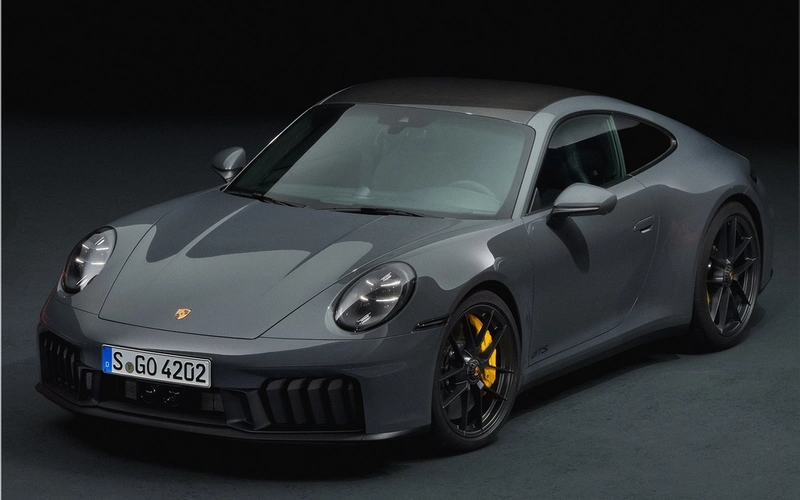
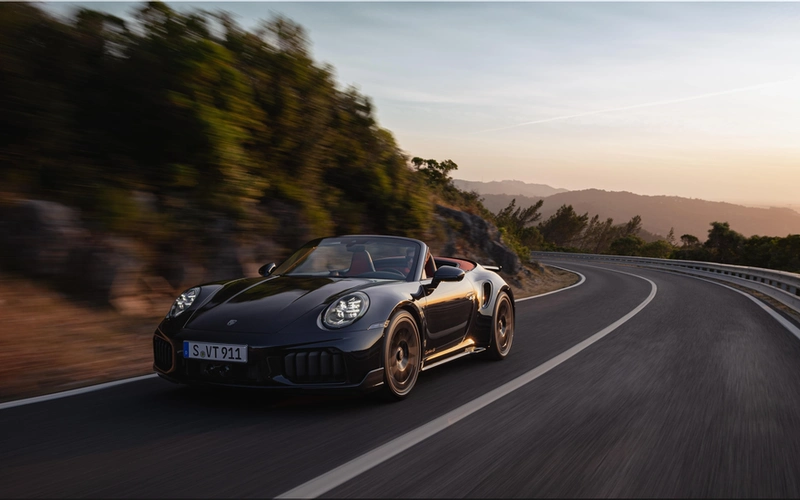
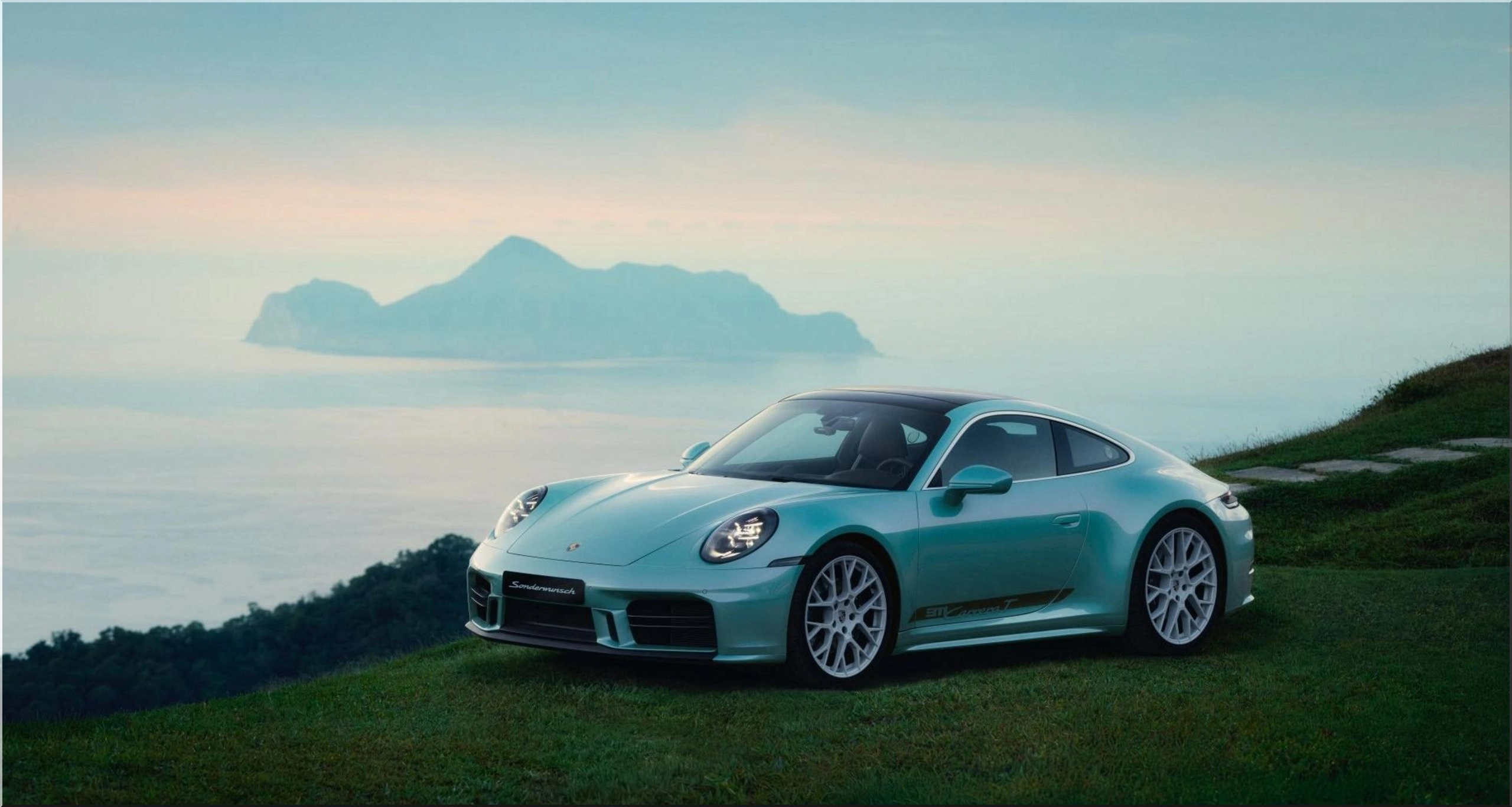
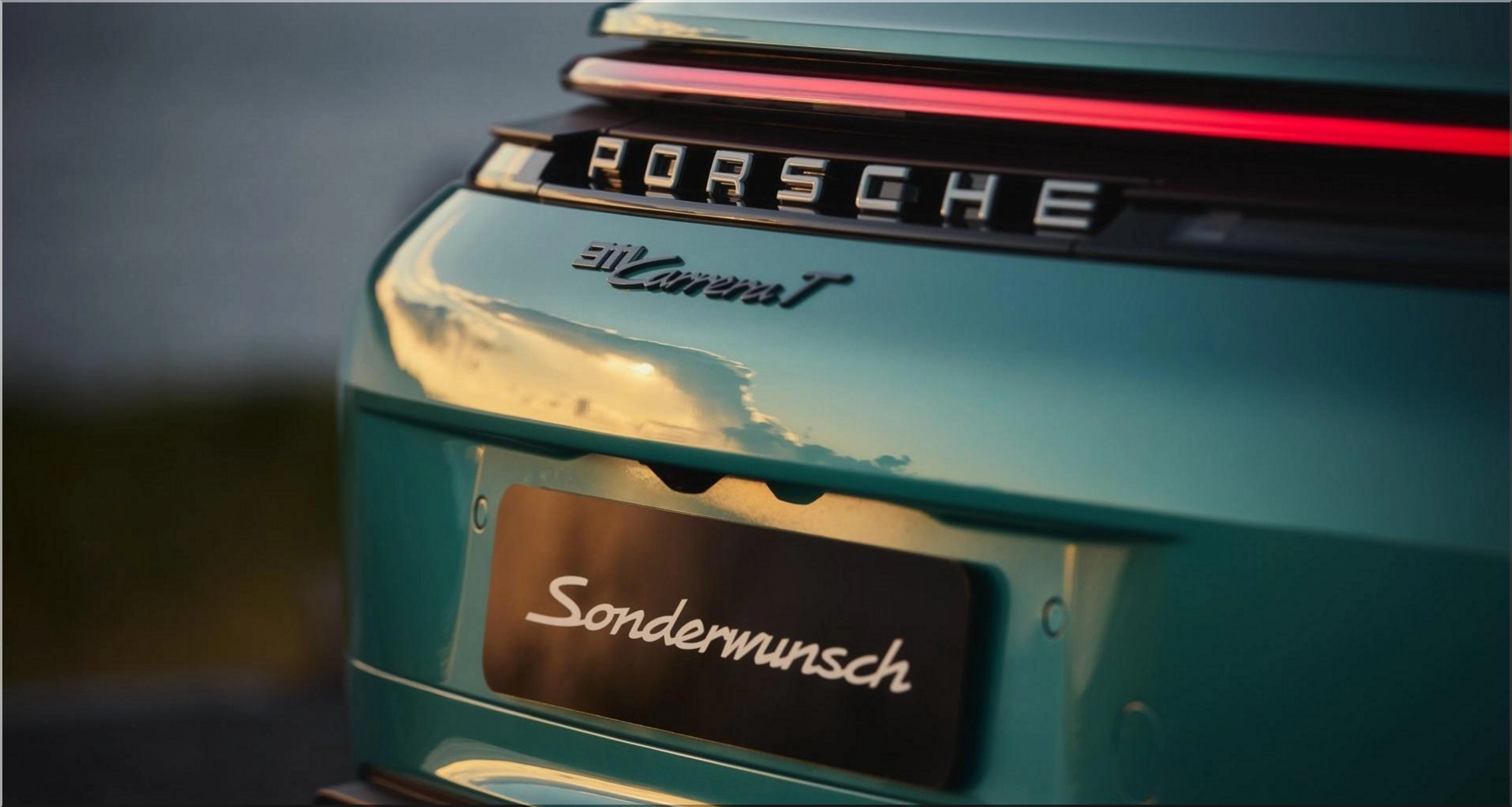
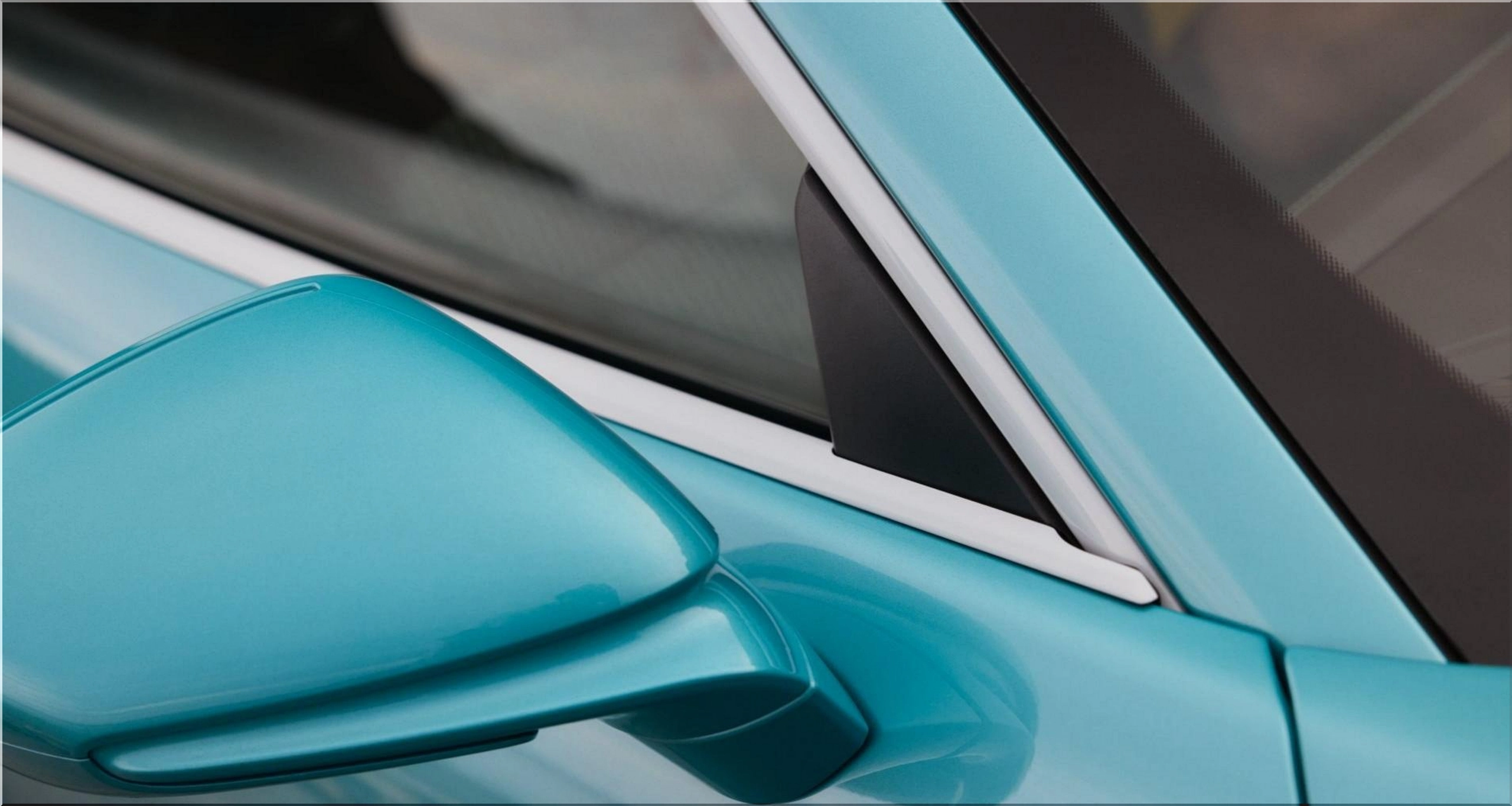
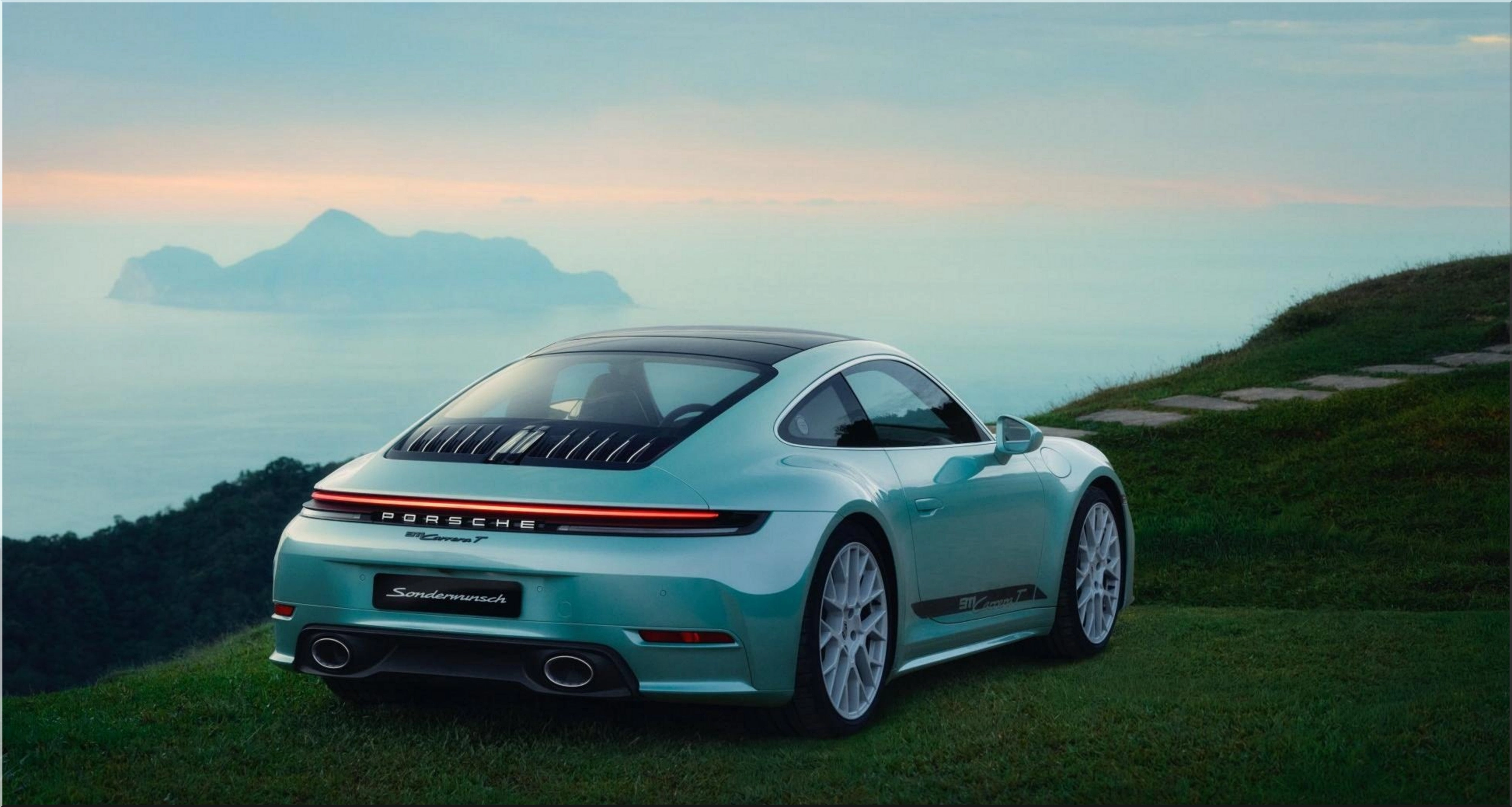
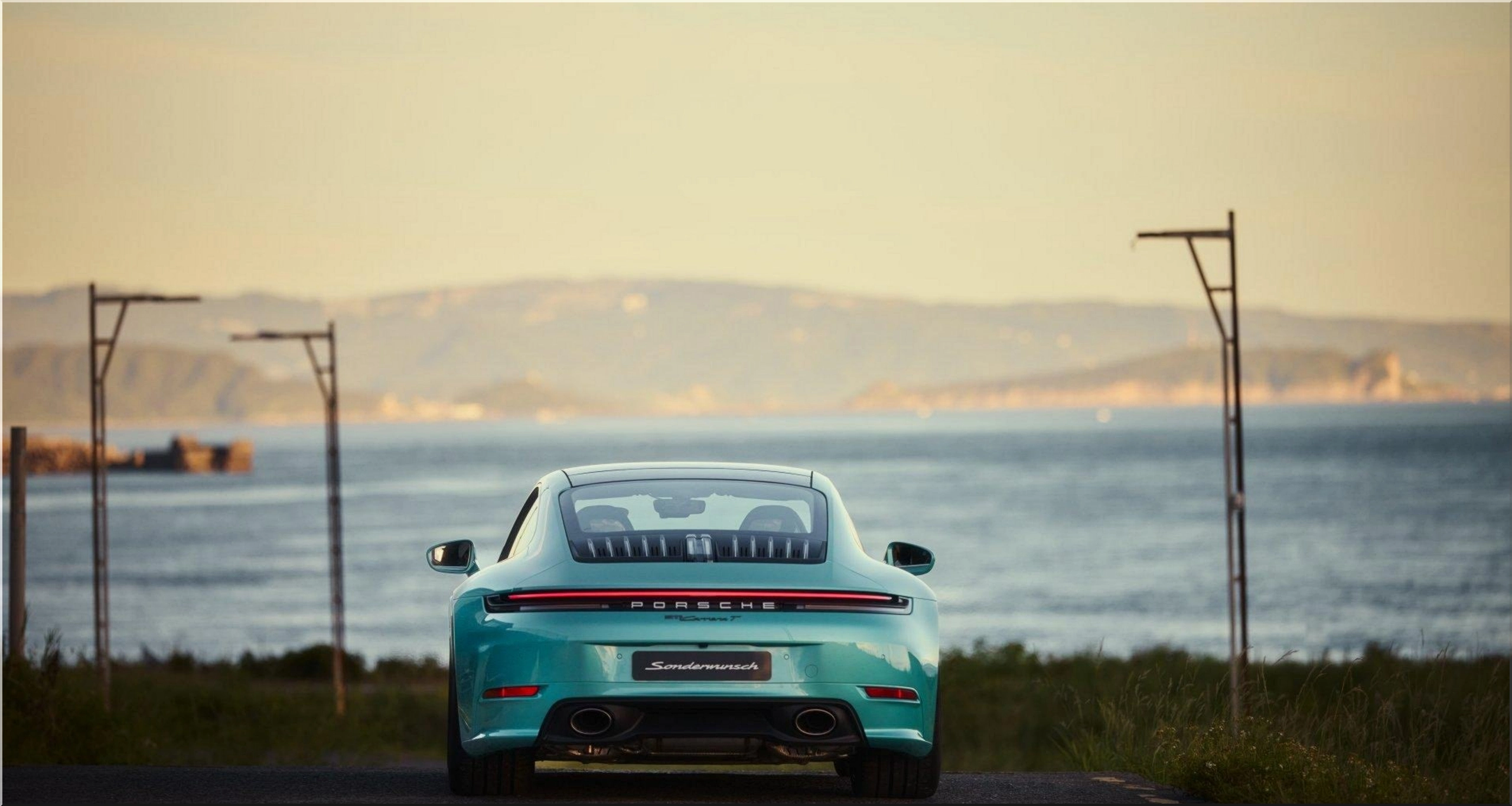
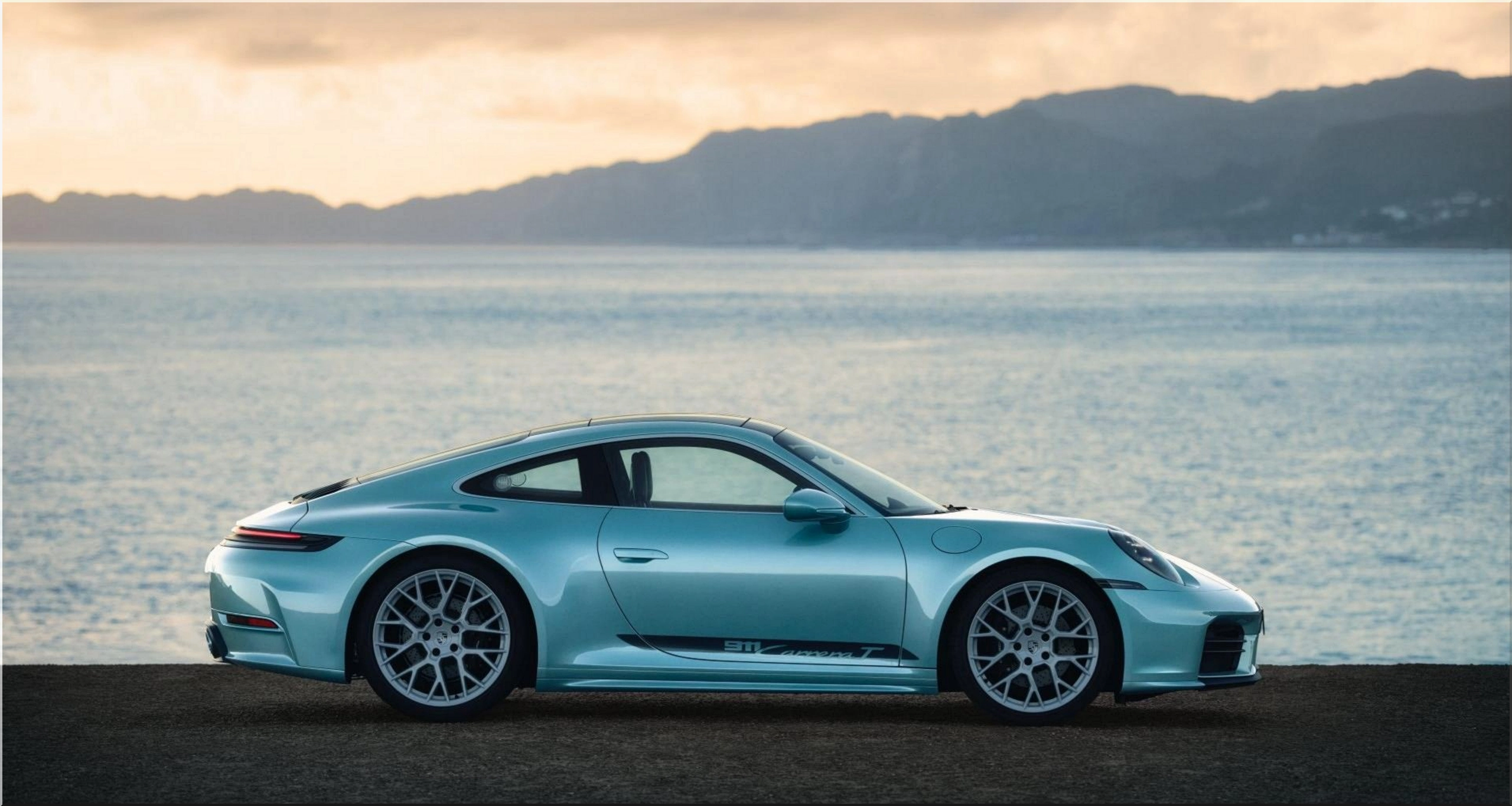
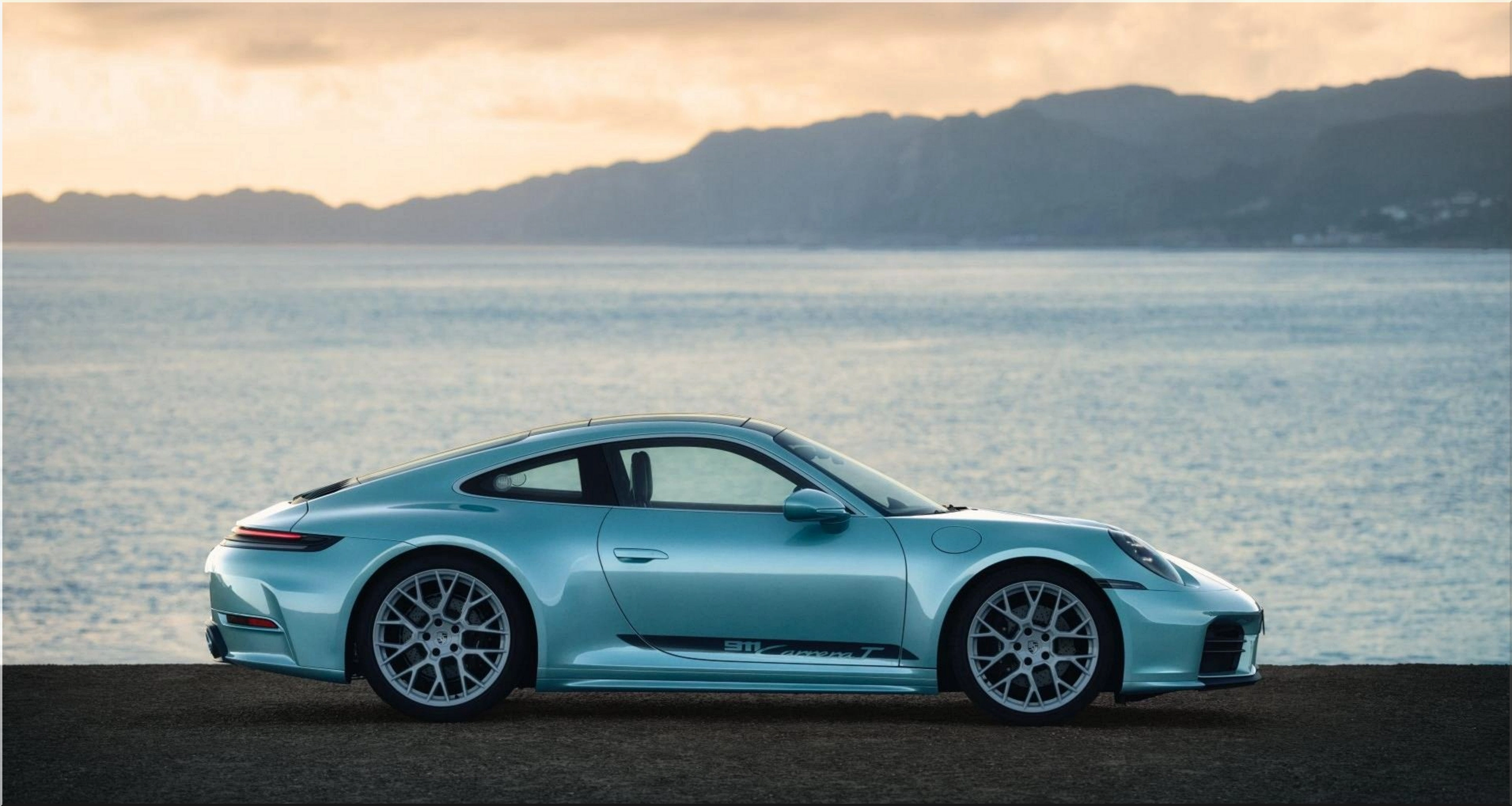
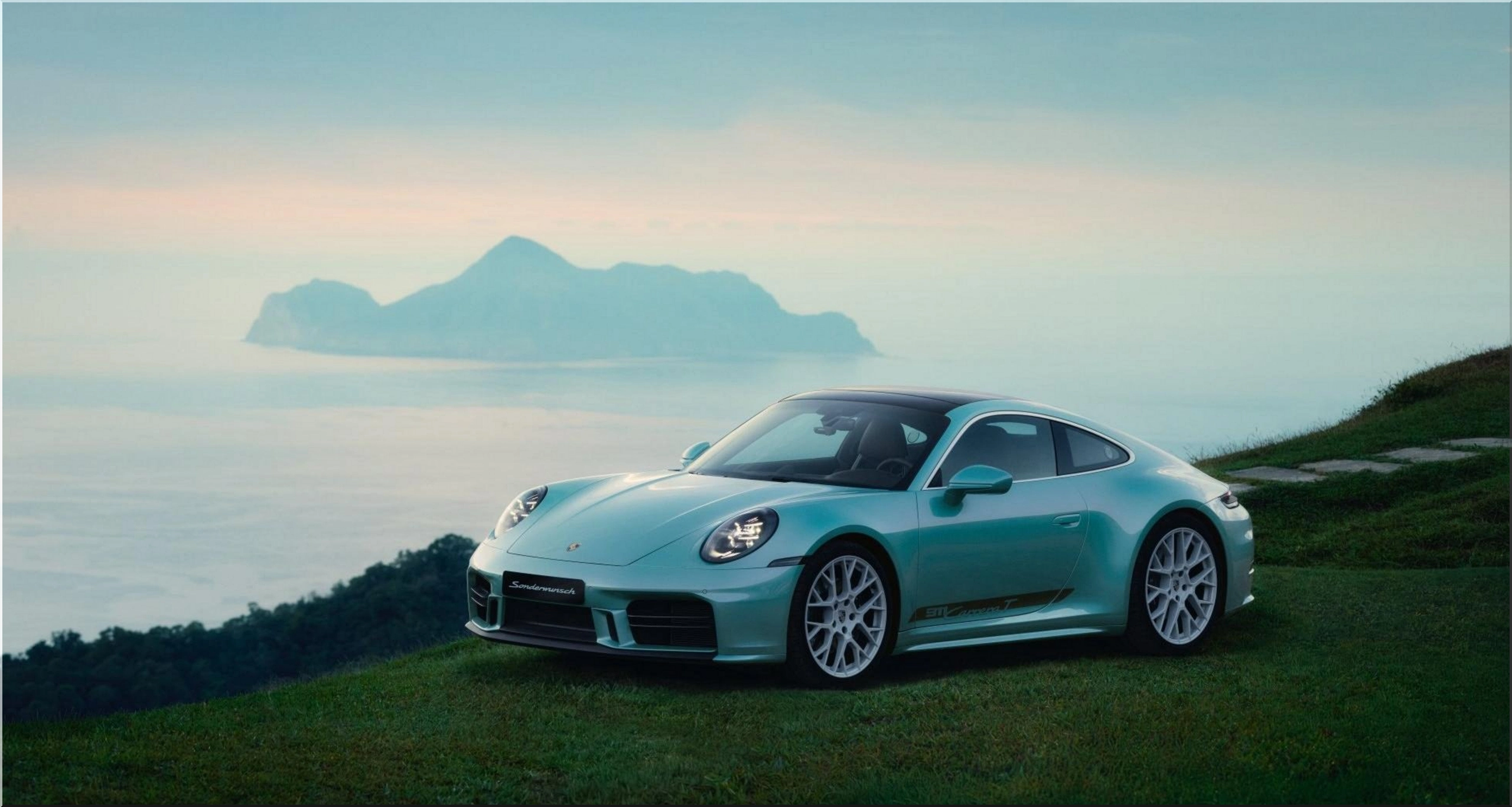
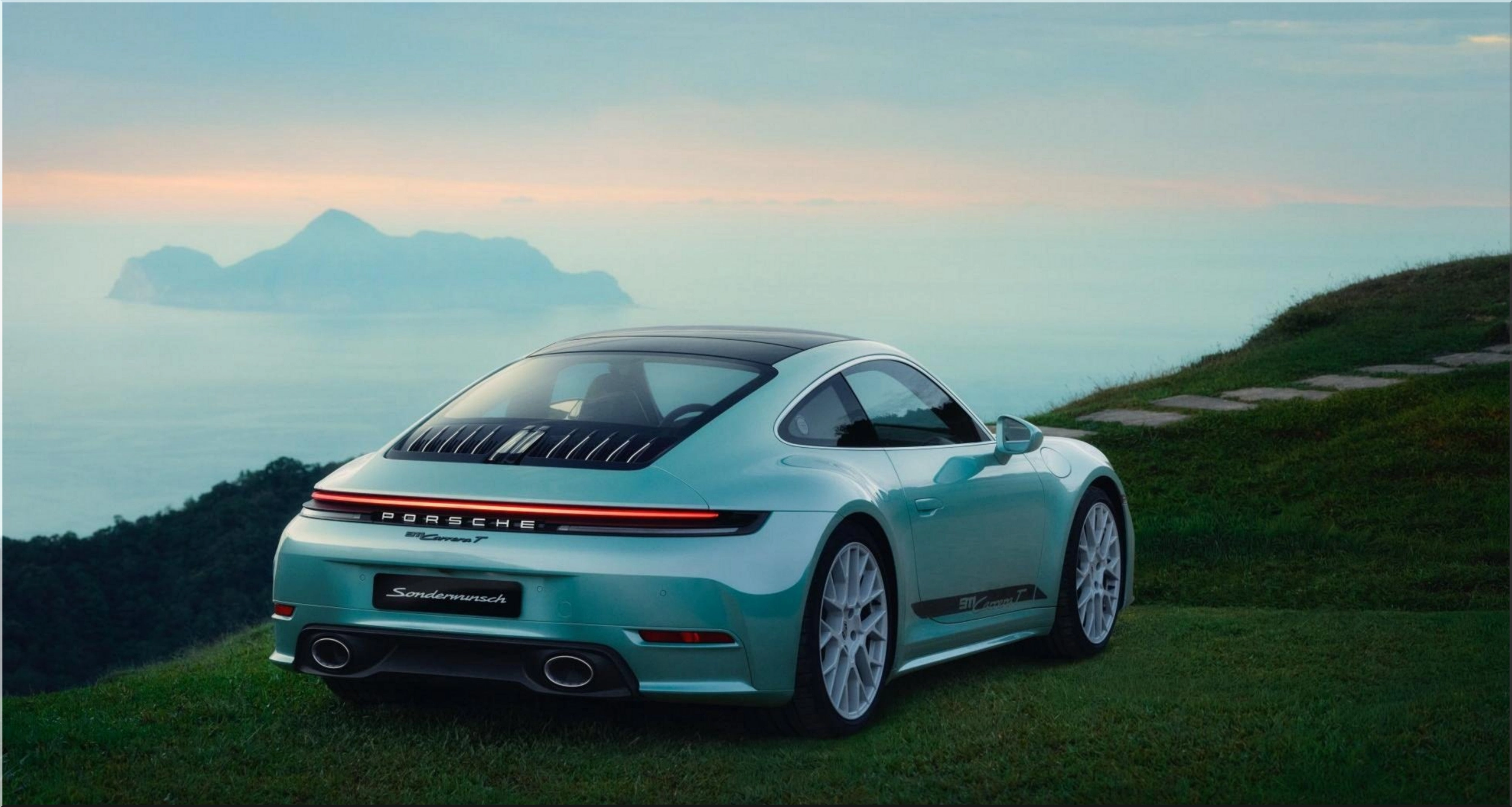
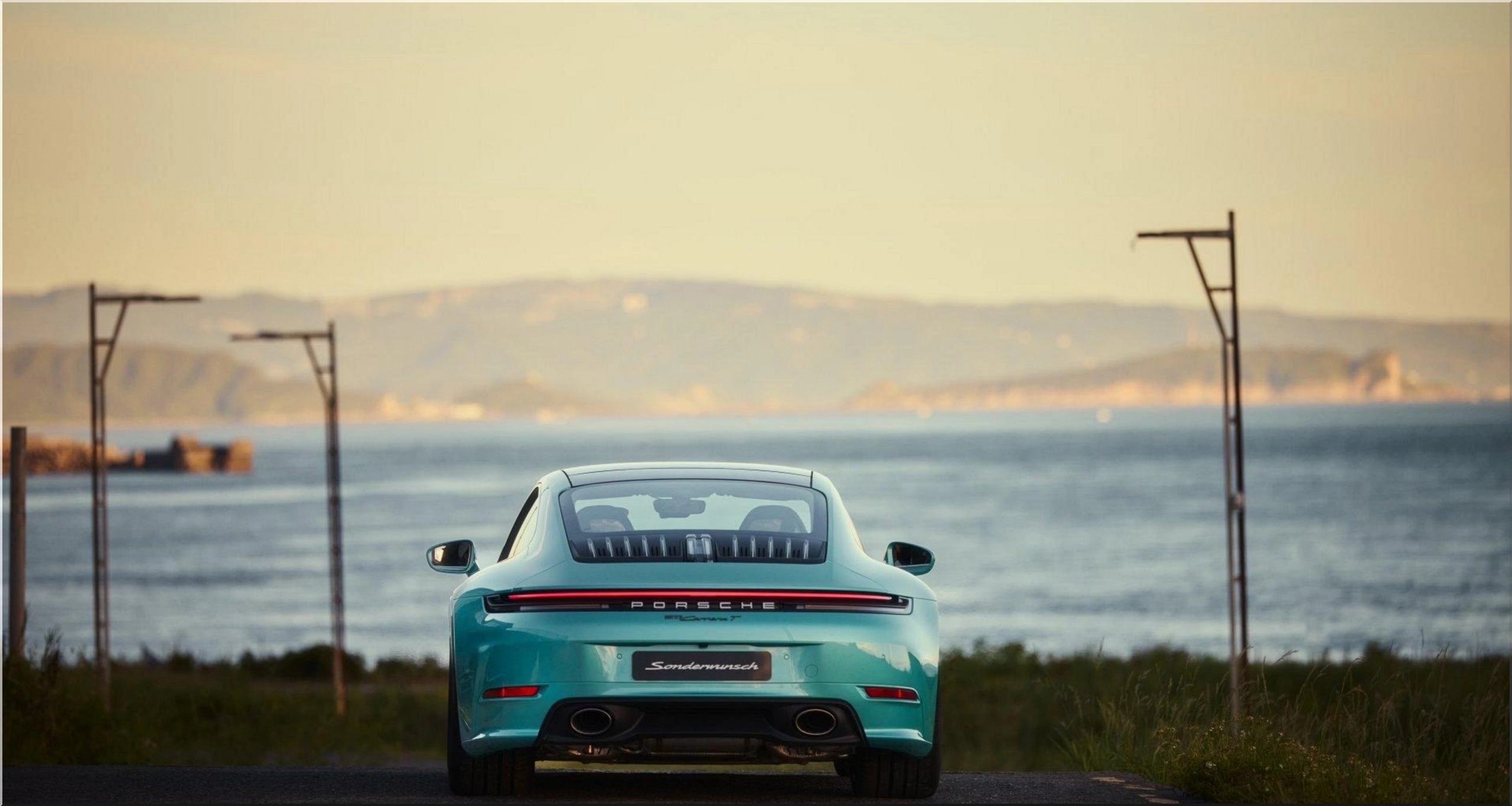
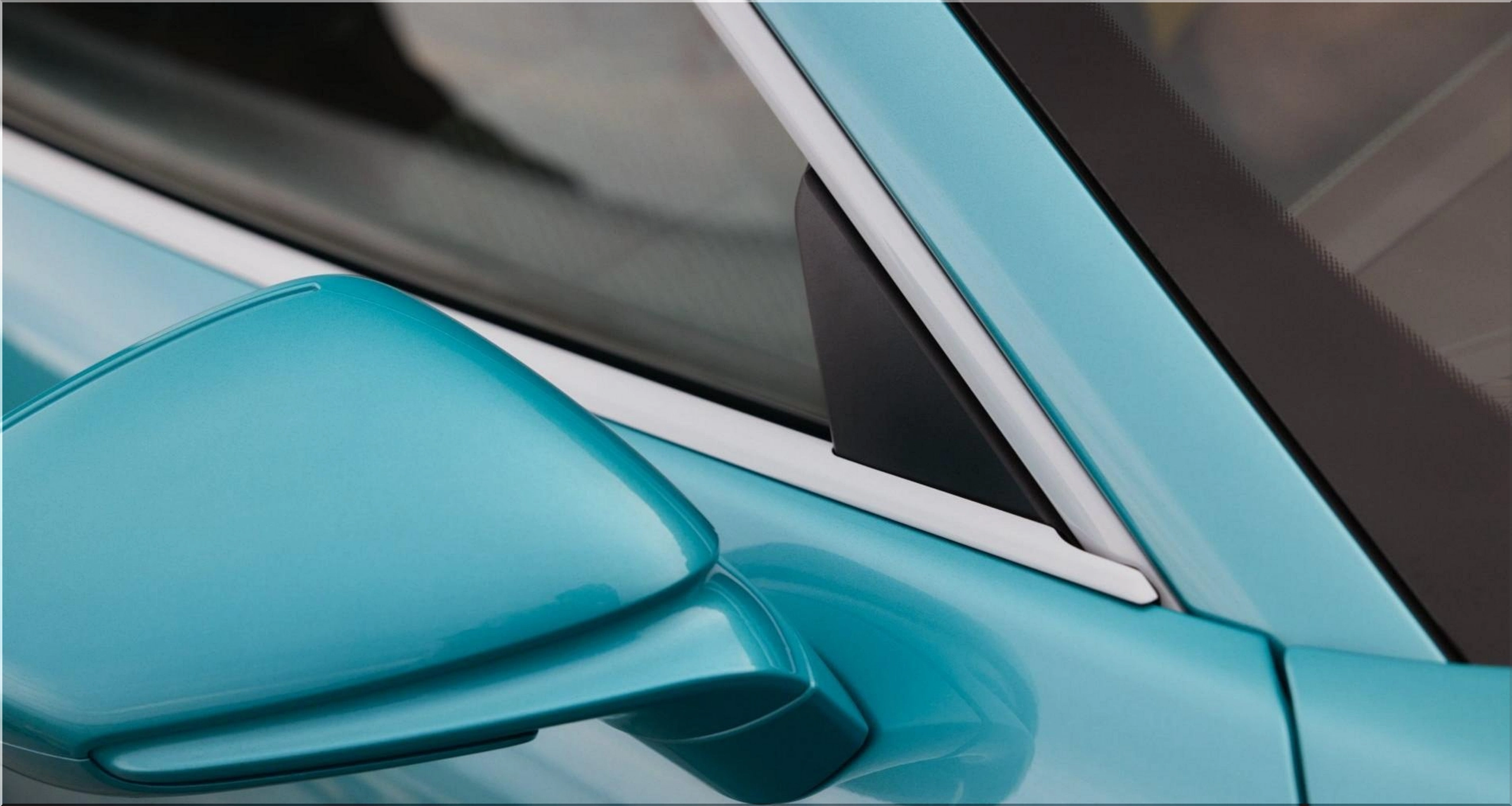
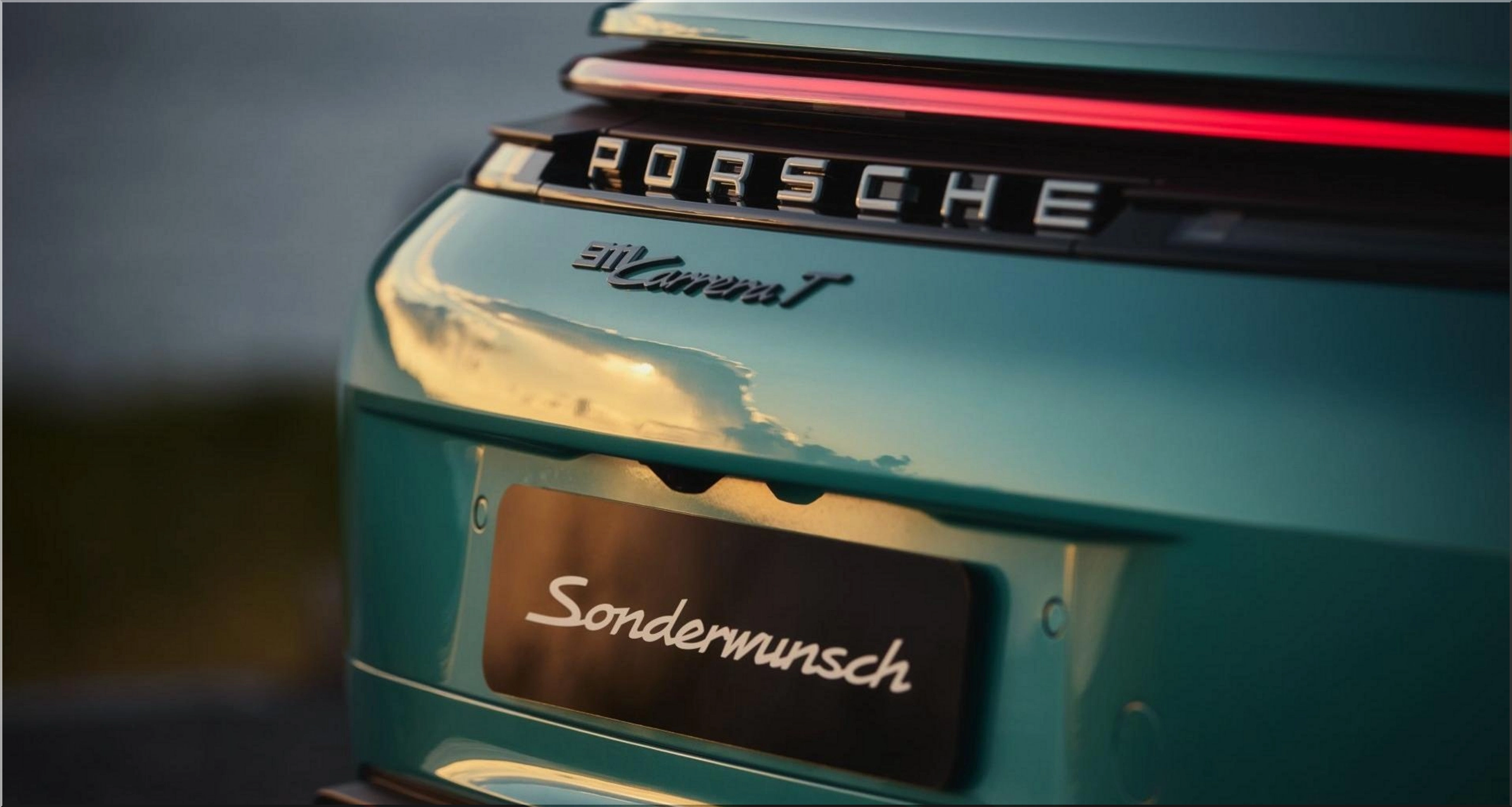
The exterior uses Ipanema Blue Metallic, a color selected to represent surrounding Pacific waters. Contrasting details in Suzuka Grey Metallic mirror the island's coastal rock structures. Short overhangs and a low stance give the car a focused driving profile on narrow mountain routes.
Key exterior elements include:
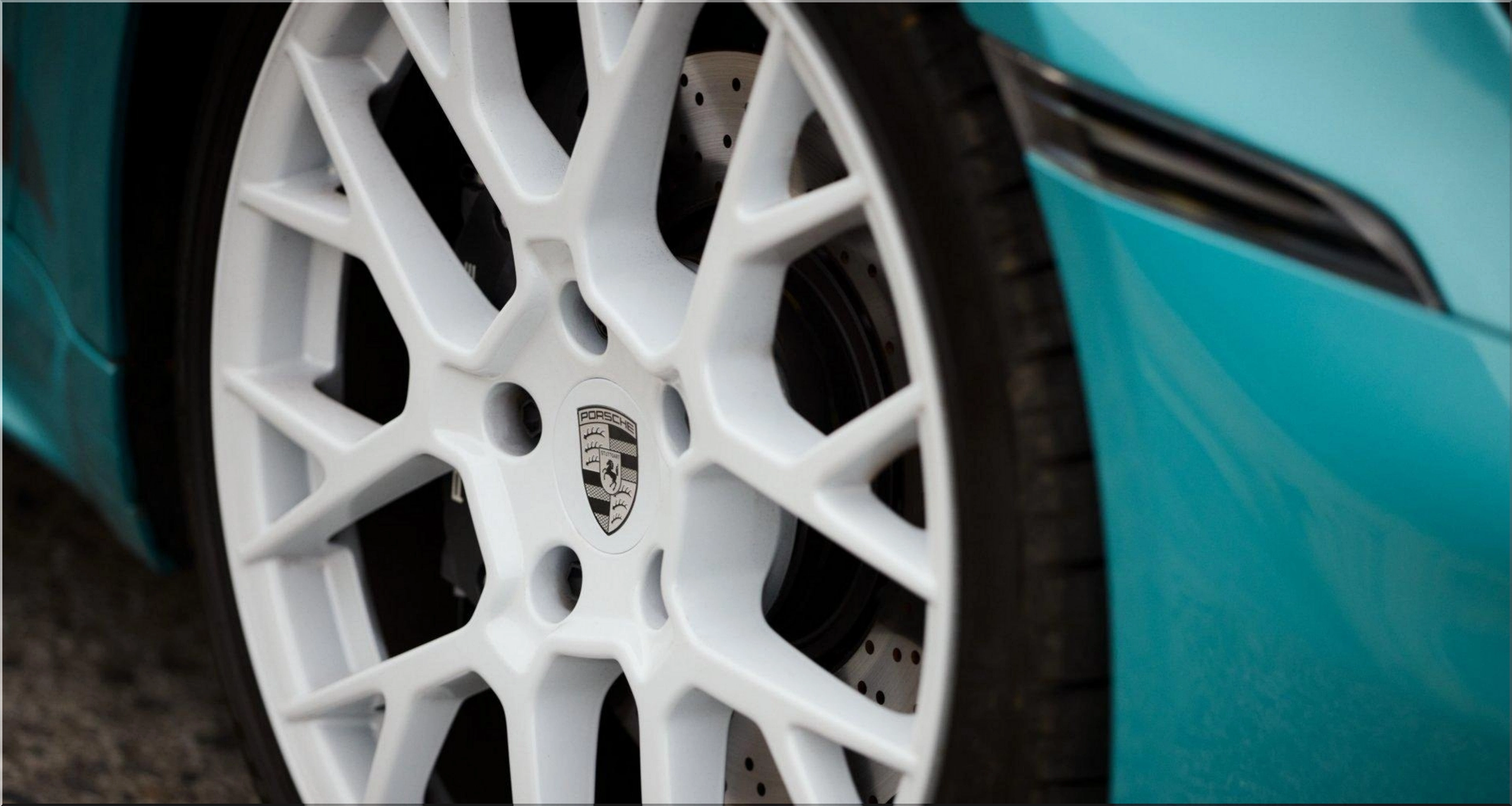
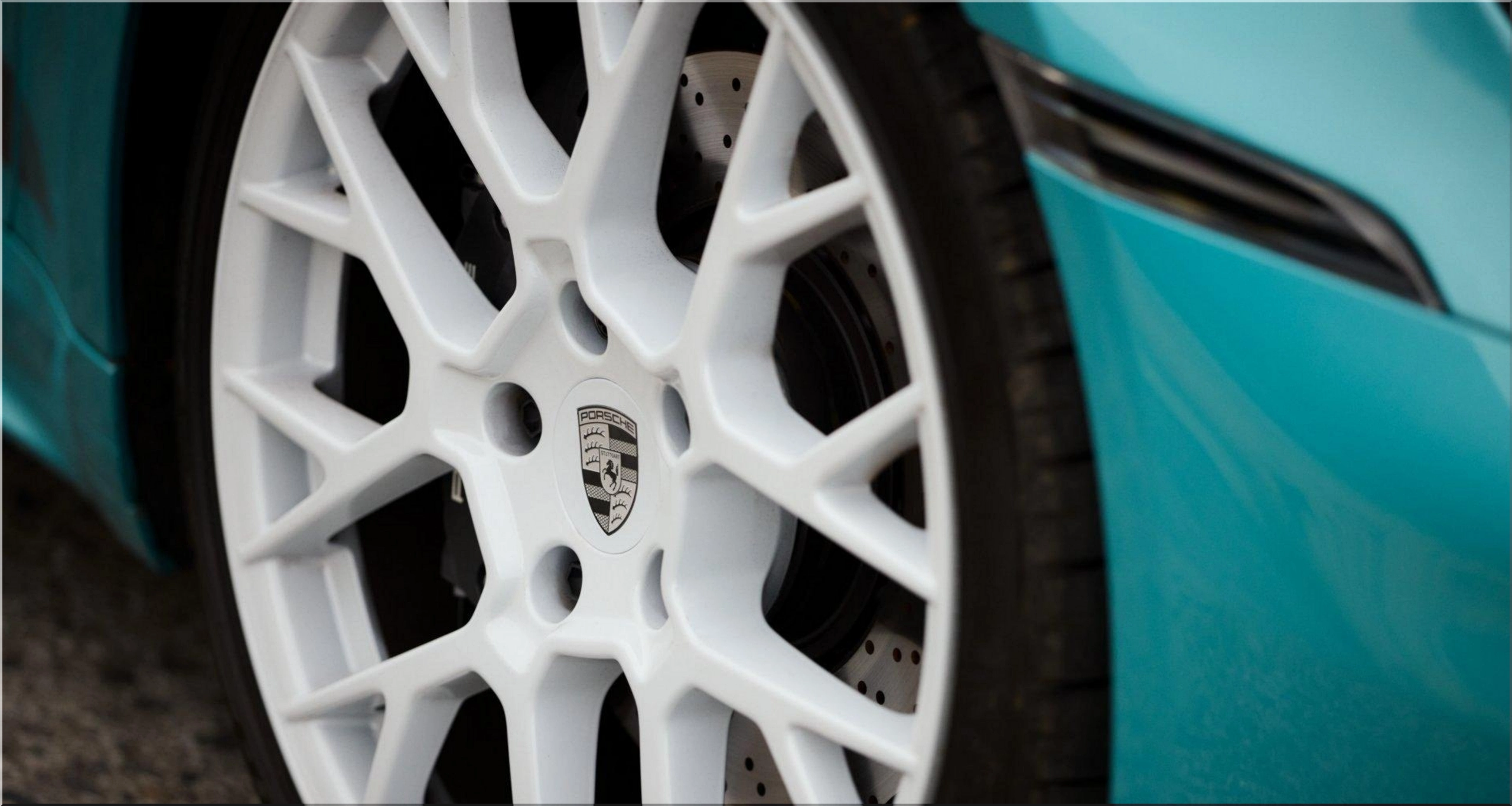
- 20/21-inch RS Spyder wheels in Suzuka Grey Metallic.
- HD Matrix LED headlights in black.
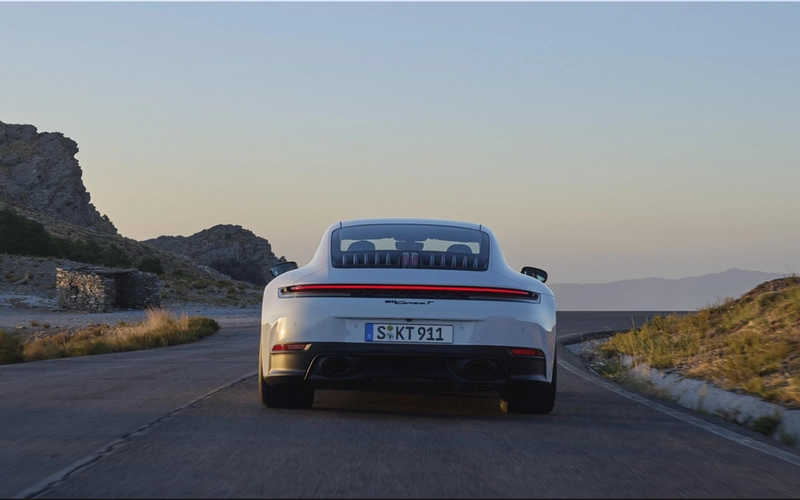
- Rear light design with a custom pattern.
- Grey Vanadium wheel rim accents to add contrast.
Each component reflects a data-backed design choice. Porsche mapped the palette to common coastal tones and used darker contrasting areas to highlight body curvature under varied lighting.
Image
Interior Decisions Based on Local Topography
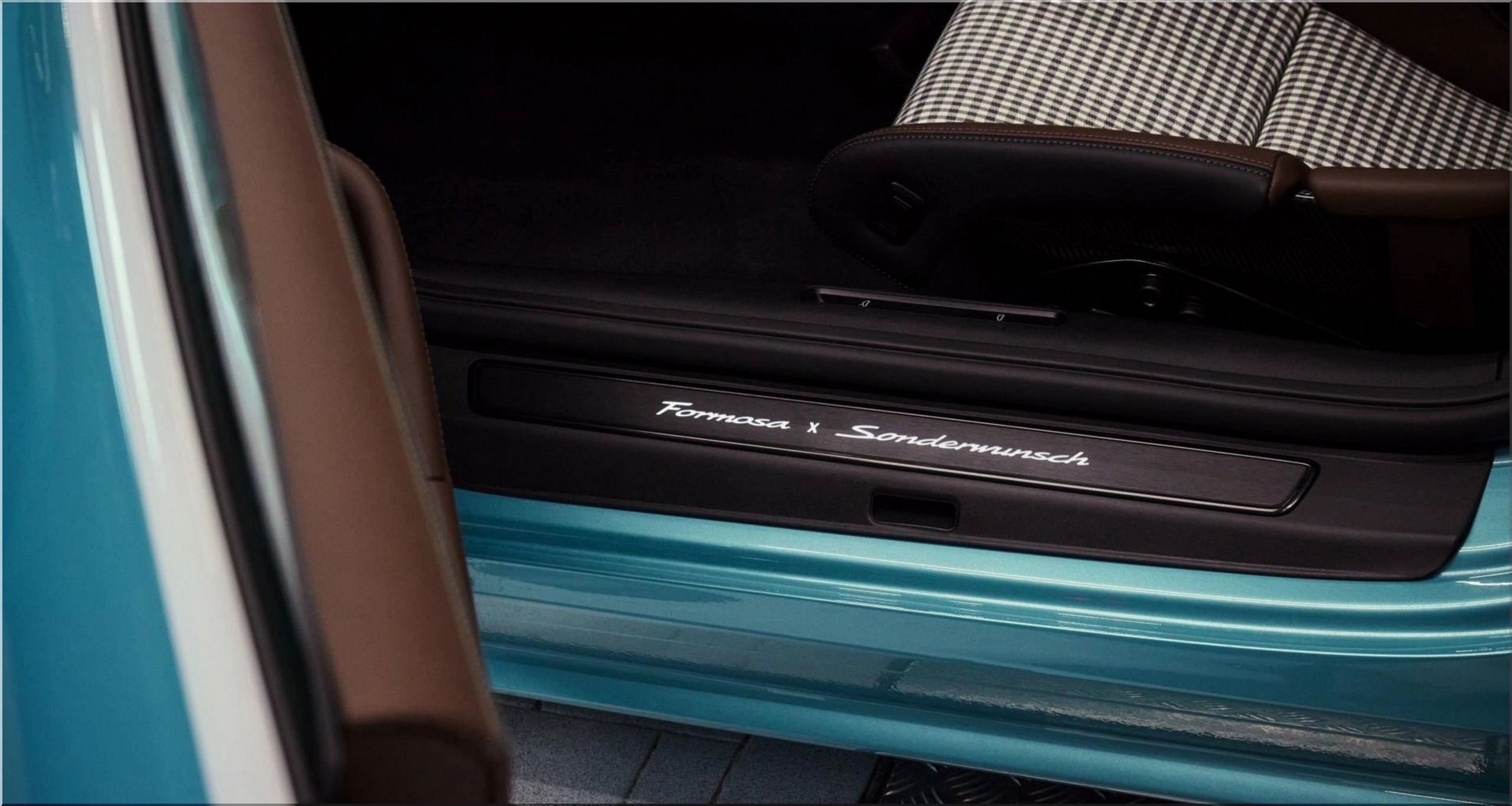
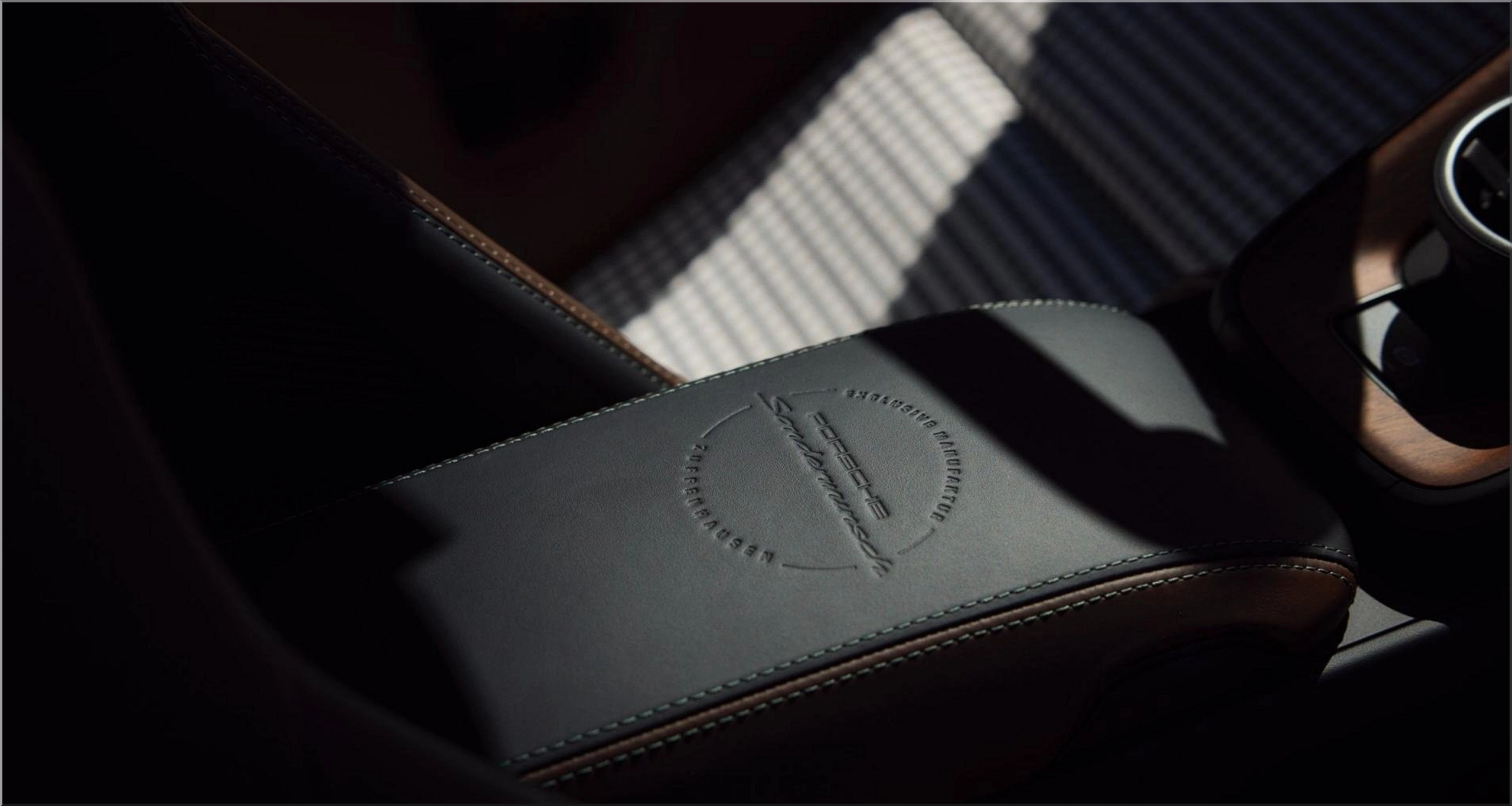
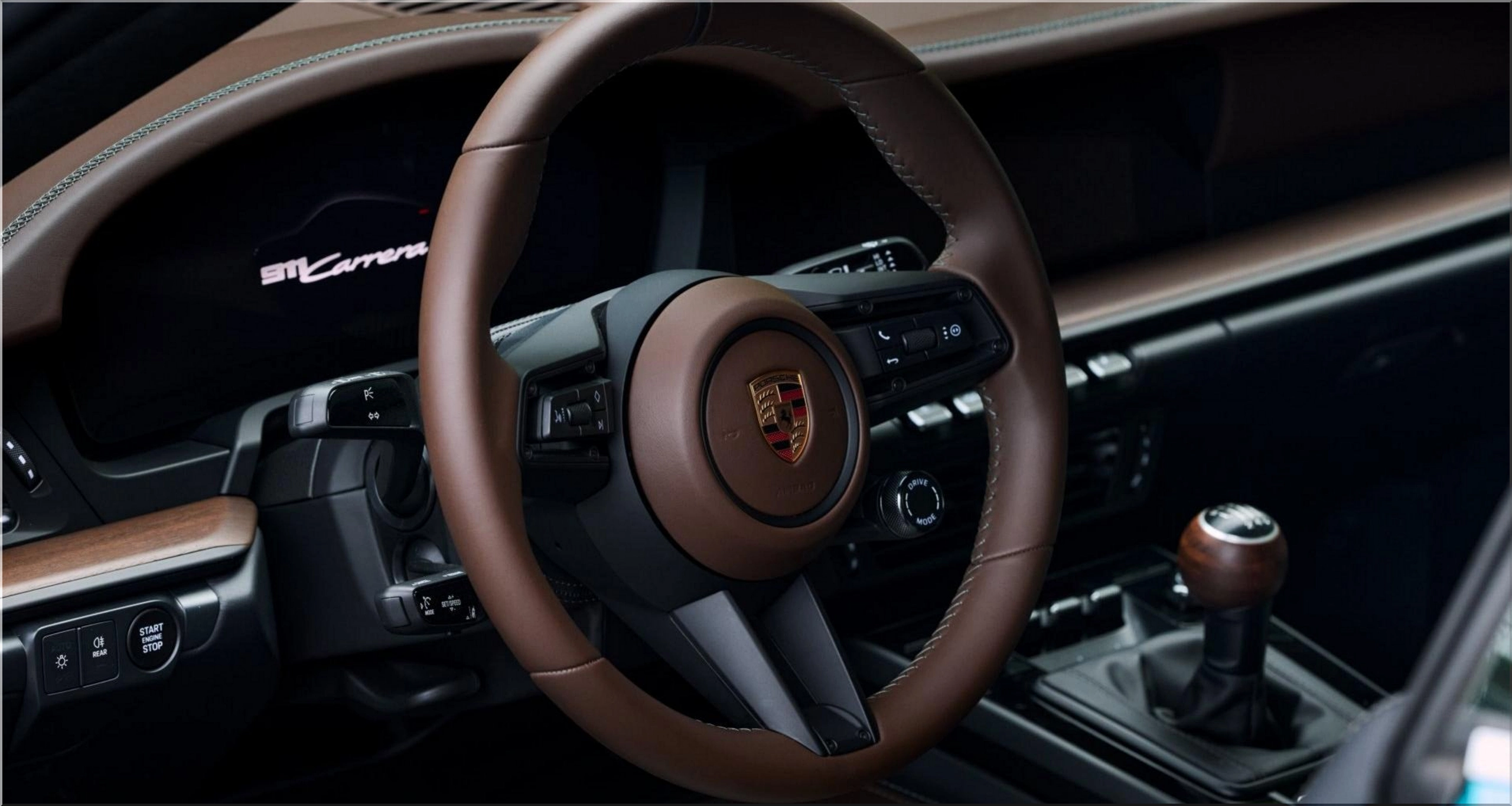
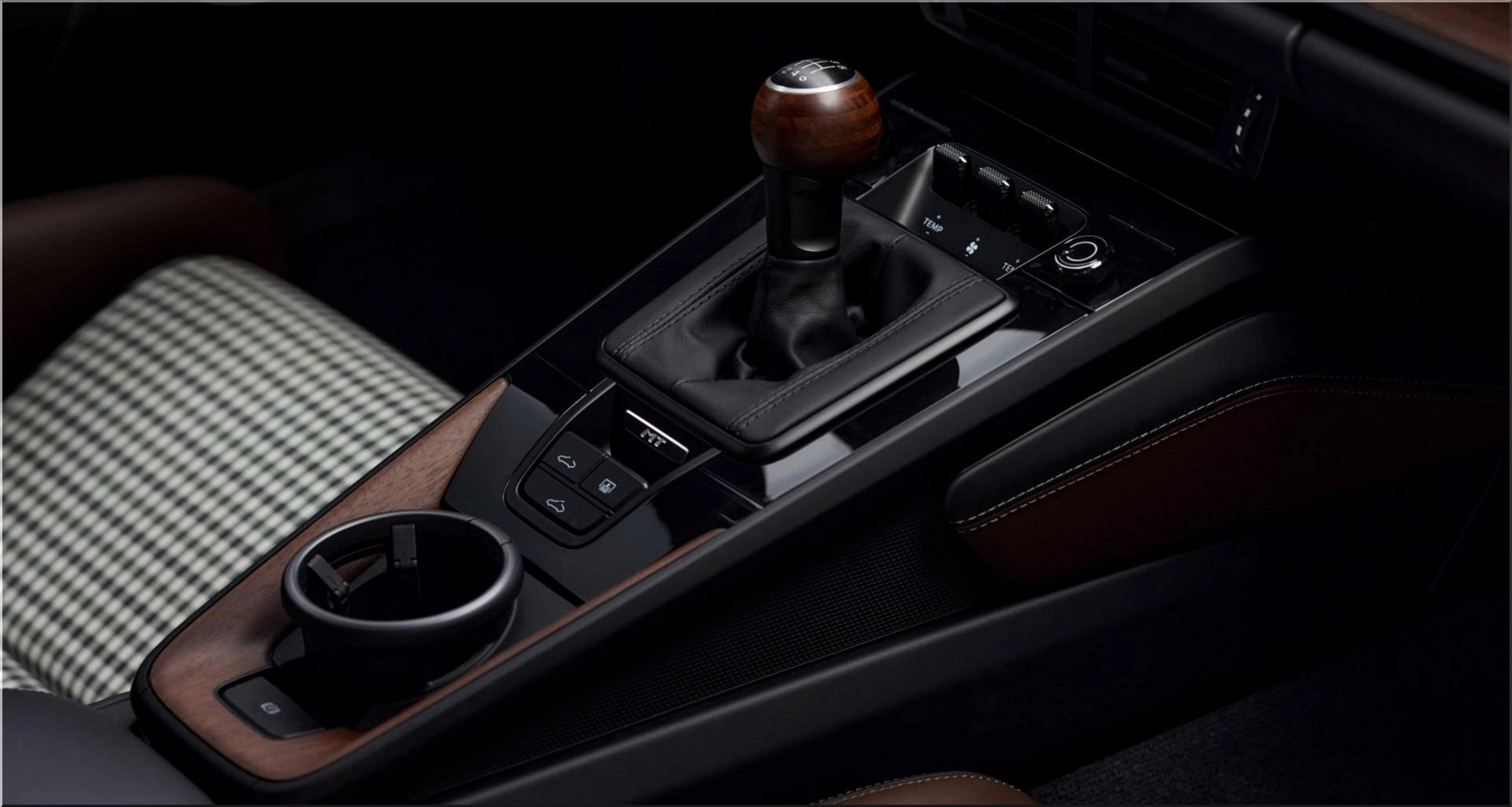
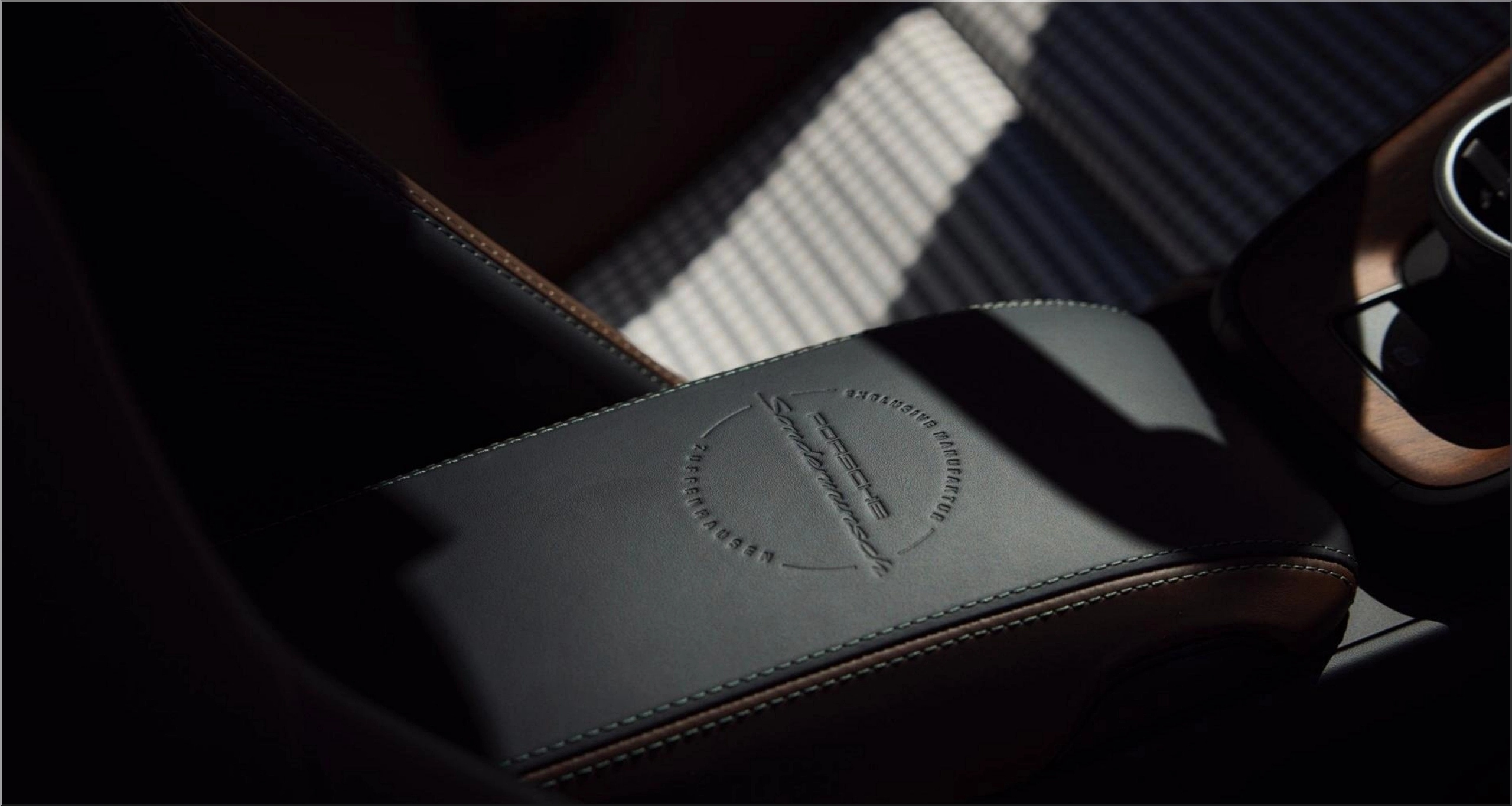
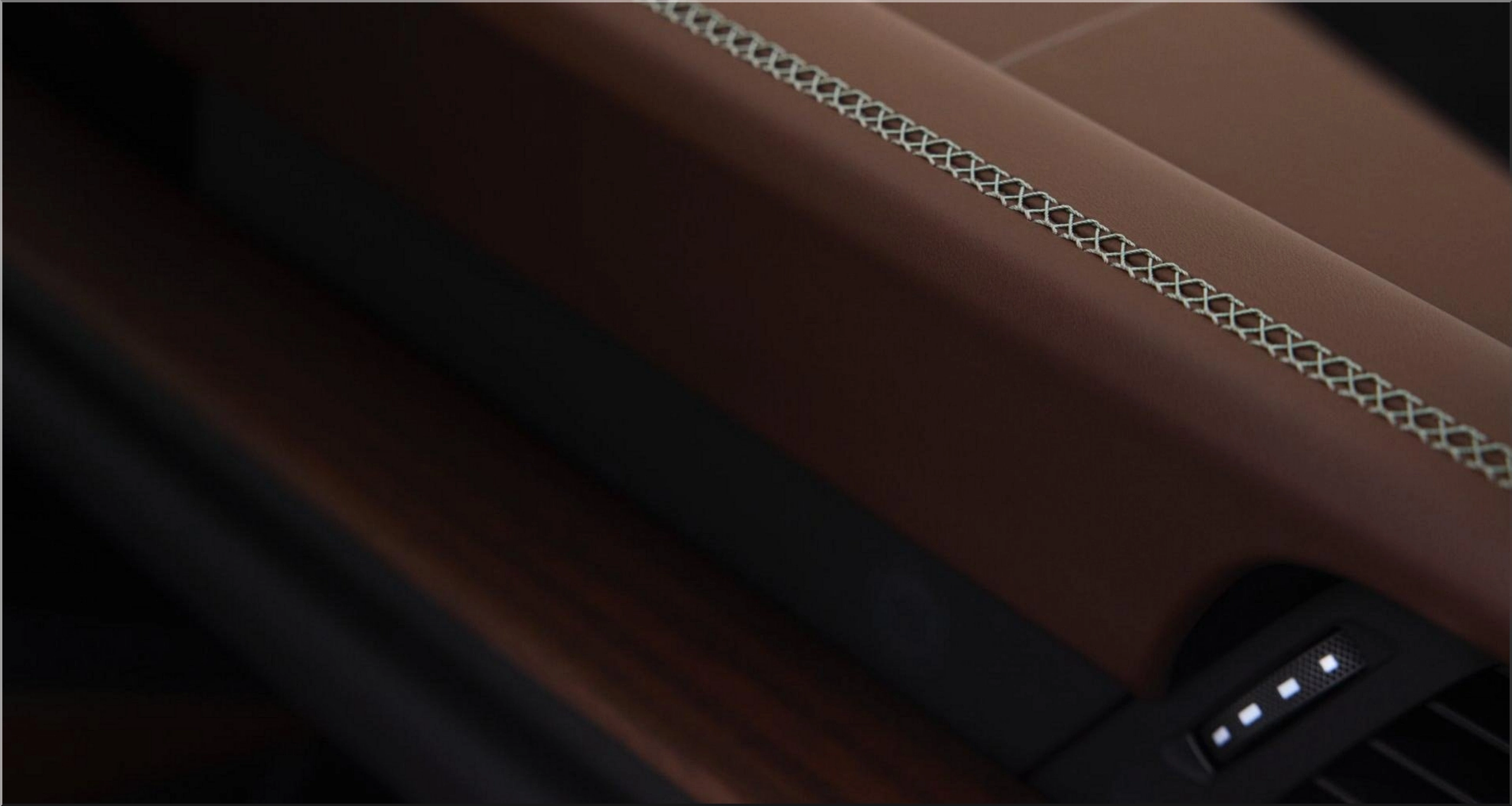
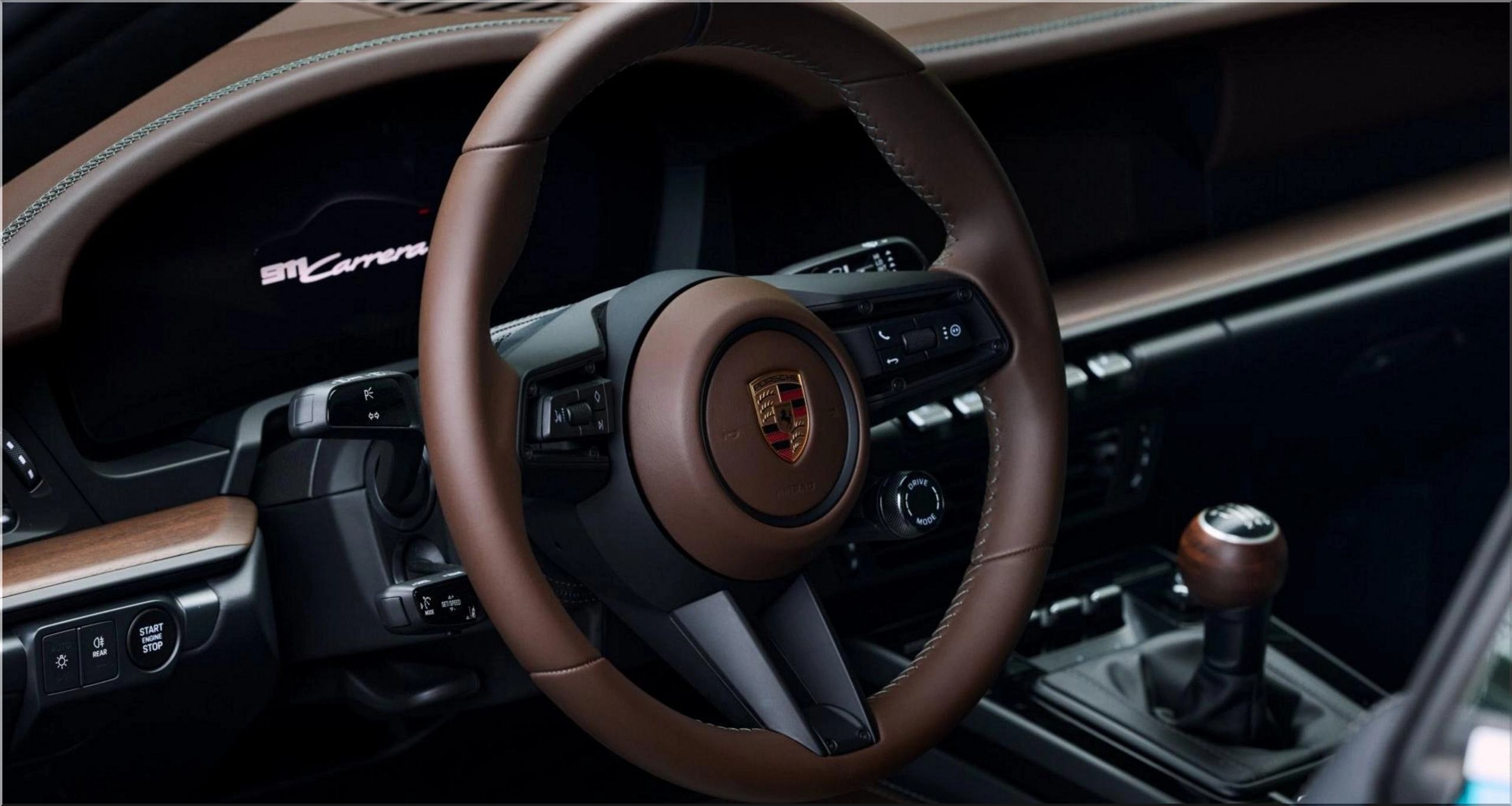
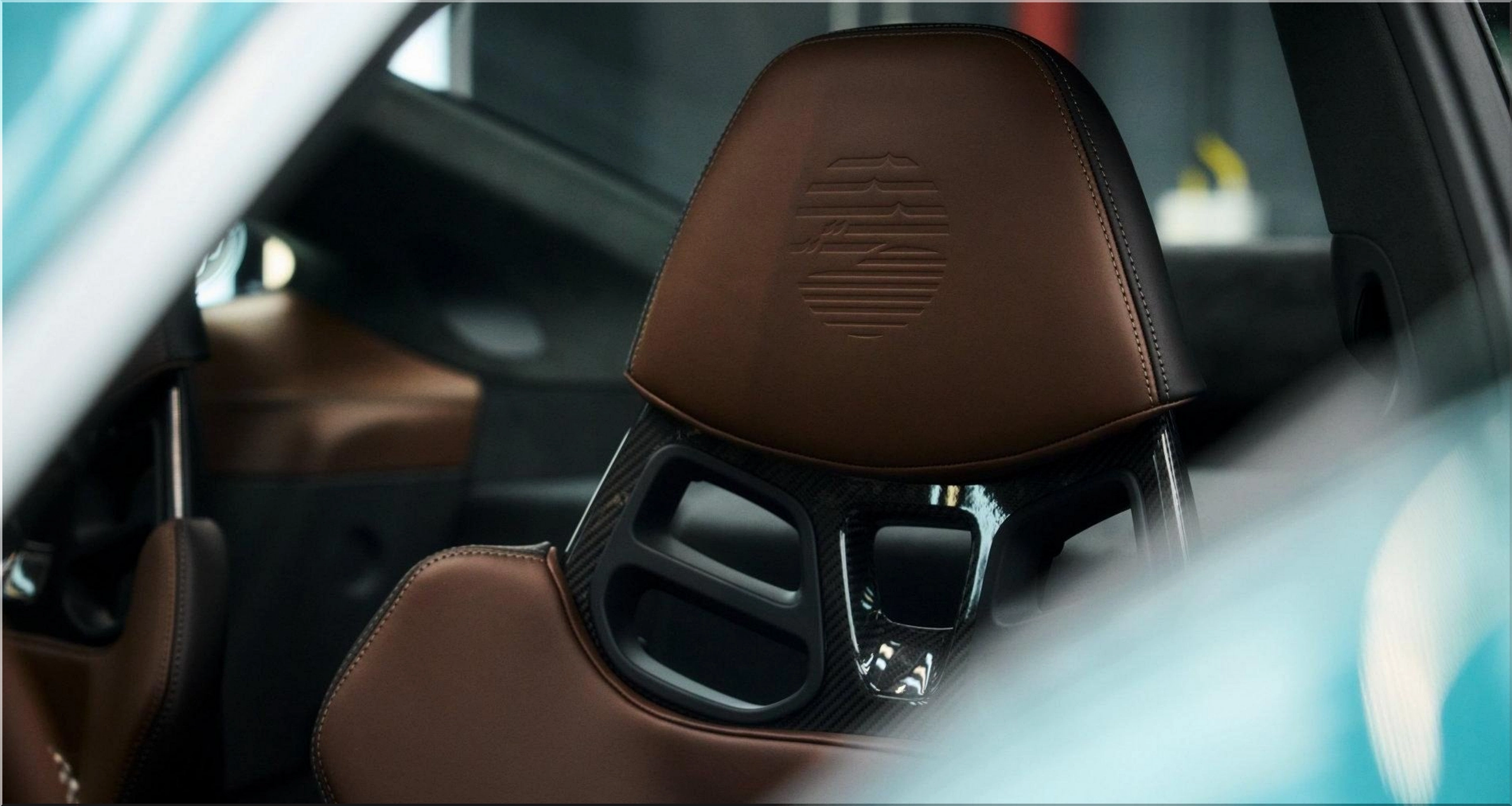
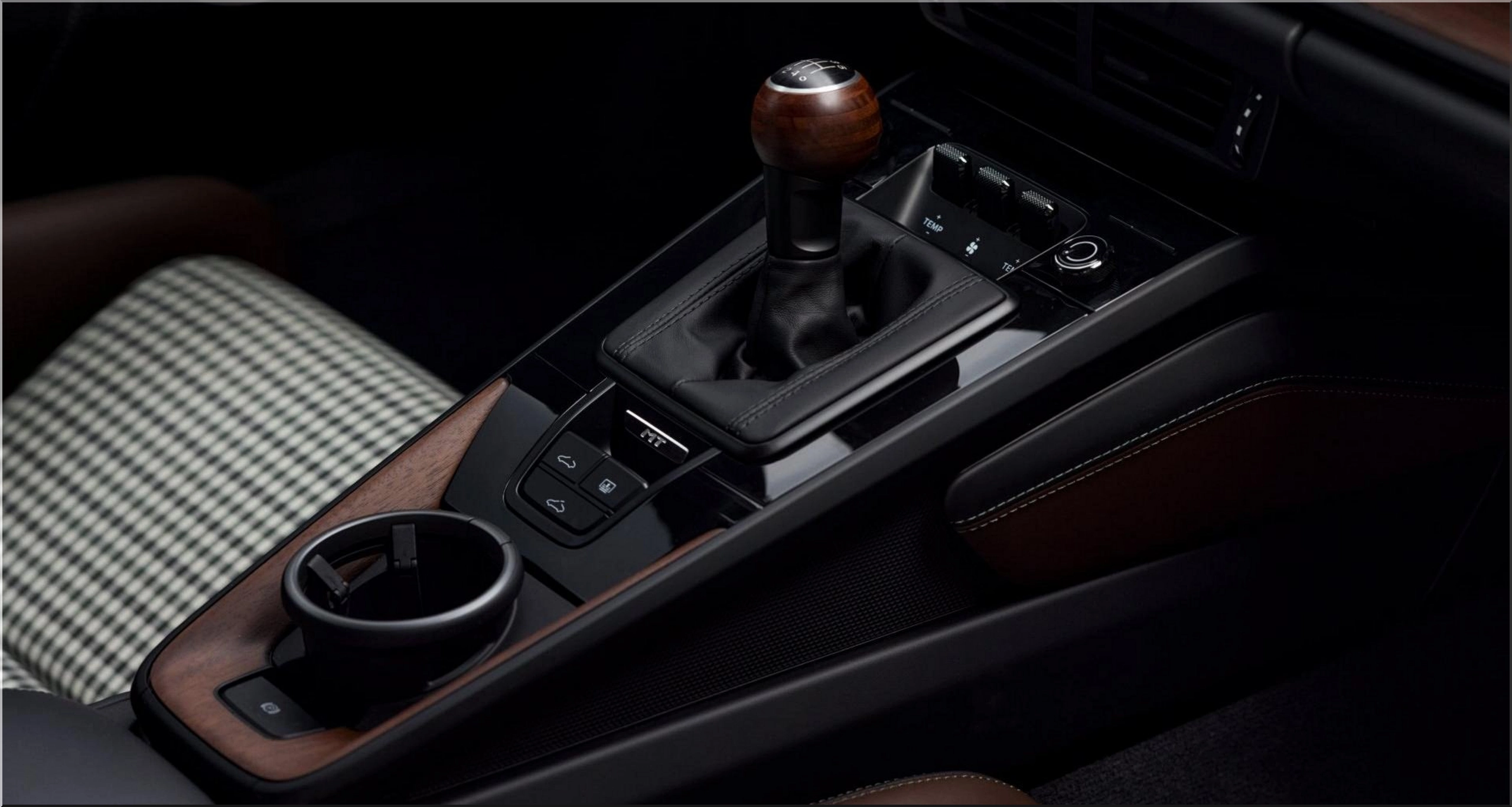
The cabin integrates paldao wood trim, chosen to represent Taiwan's mountain forests. The seating uses a black and brown Truffle leather combination with Night Green stitching. These choices follow a theme of muted, natural tones tied to specific landscapes.
The interior adds:
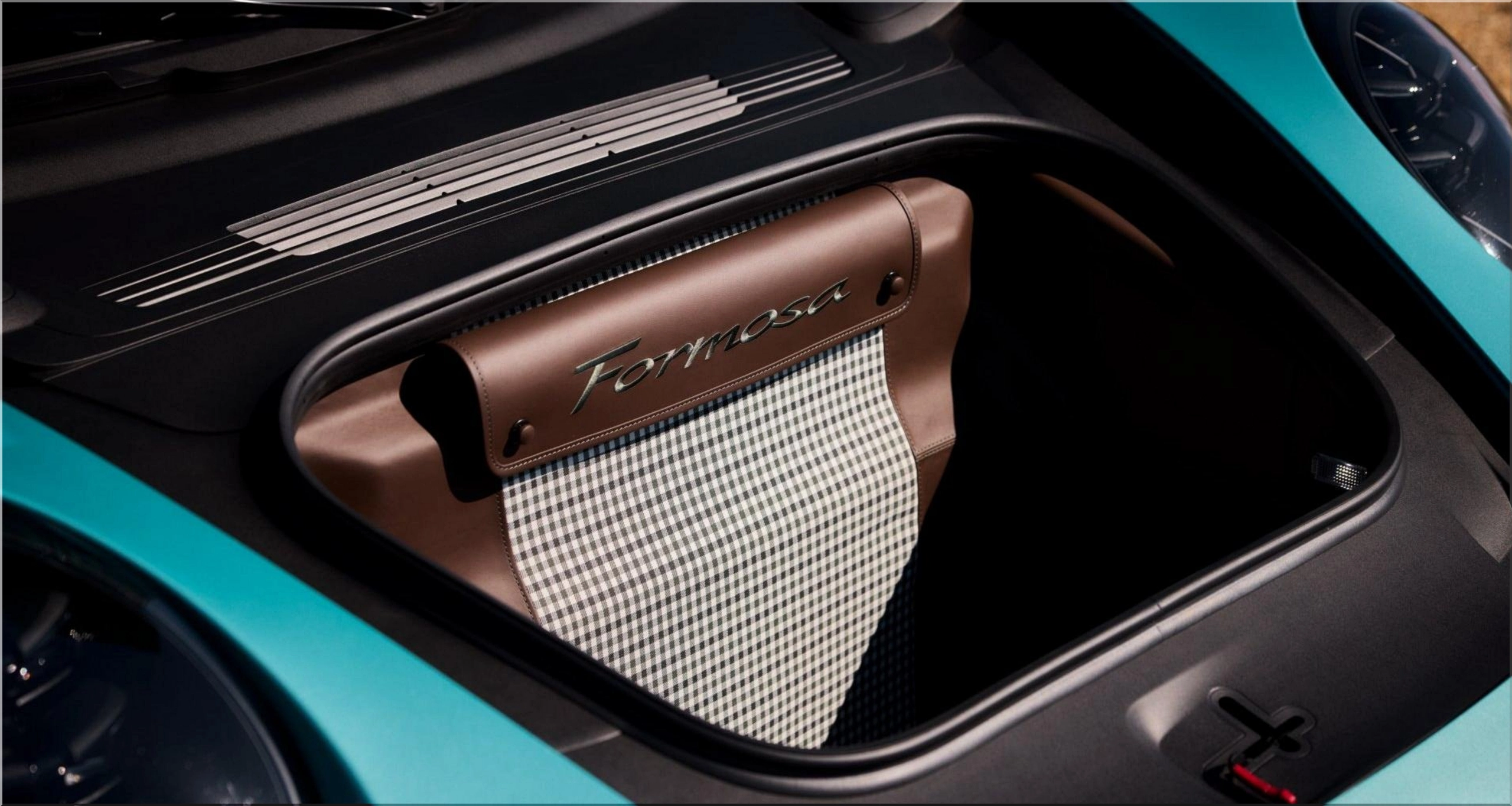
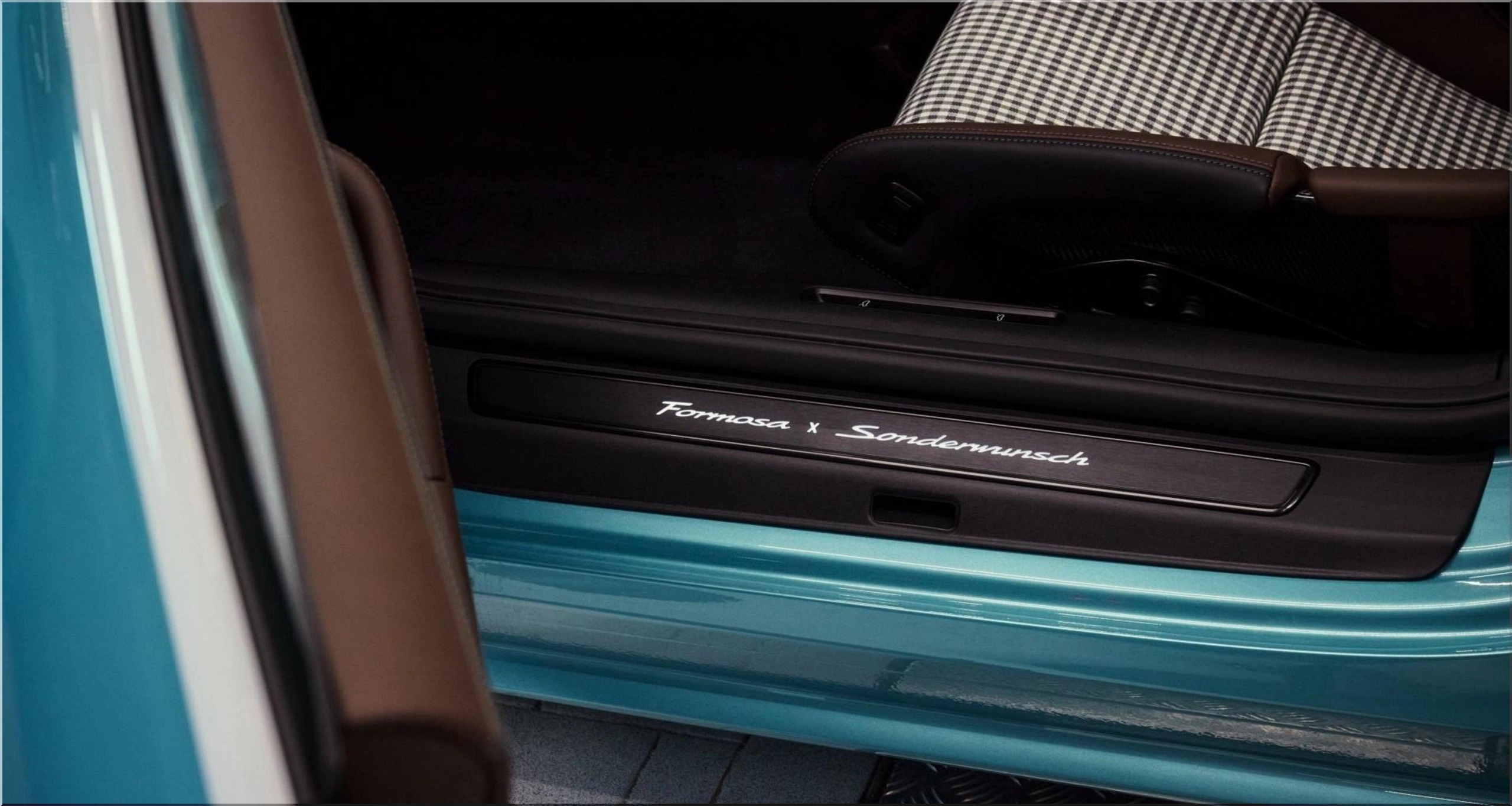
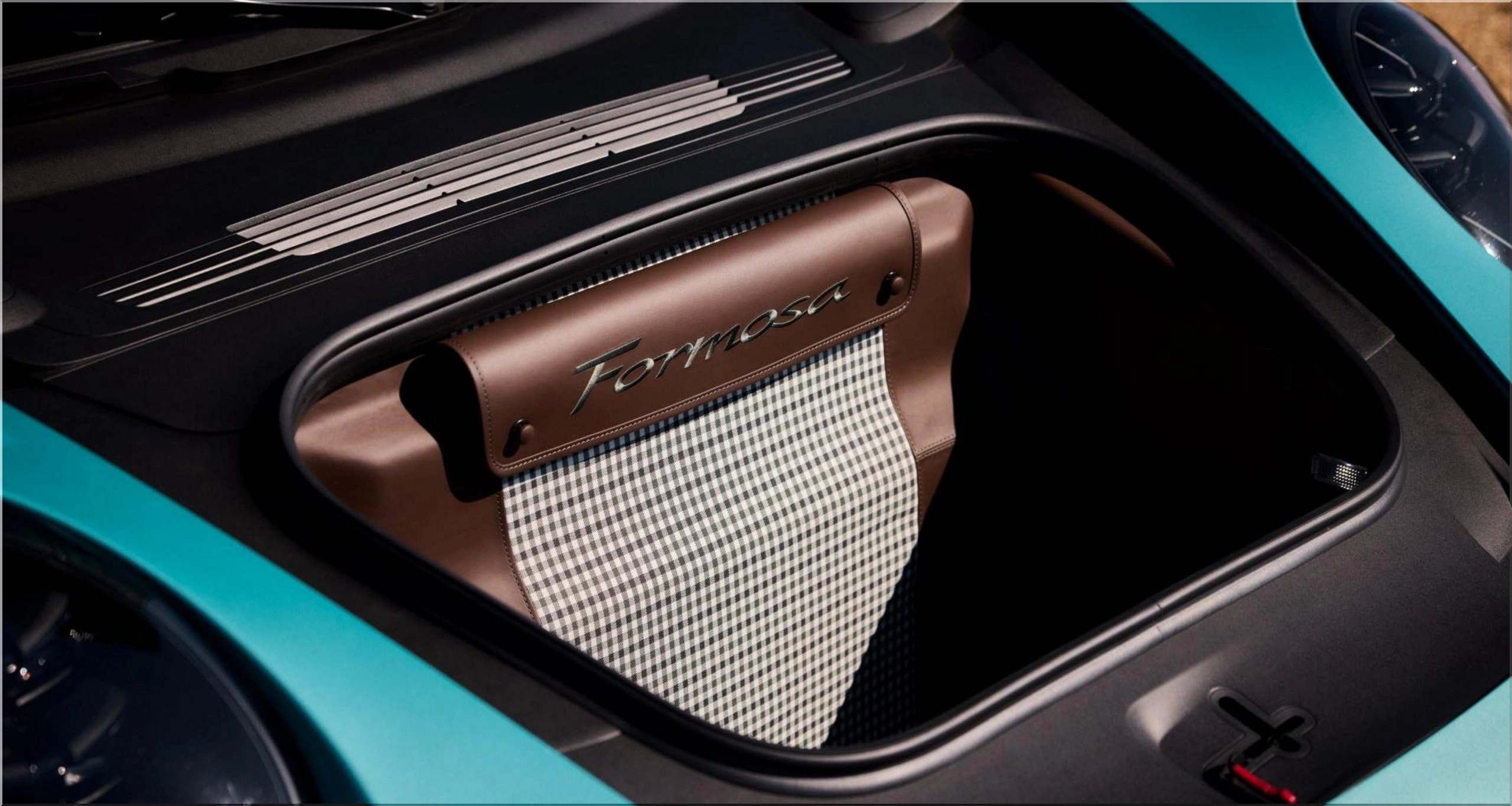
- A new Formosa check pattern in green, black, and cream.
- A fully leather-lined front trunk with Formosa embroidery.
- Illuminated Formosa x Sonderwunsch door sills.
- Headrests with a graphic combining the vehicle outline, waves, and mountains.
These elements demonstrate Porsche's focus on personalization without compromising fit, finish, or ergonomics. No detail affects control placement or visibility. Every change stays aesthetic to retain driver familiarity.
Image
Engineering and Driving Dynamics
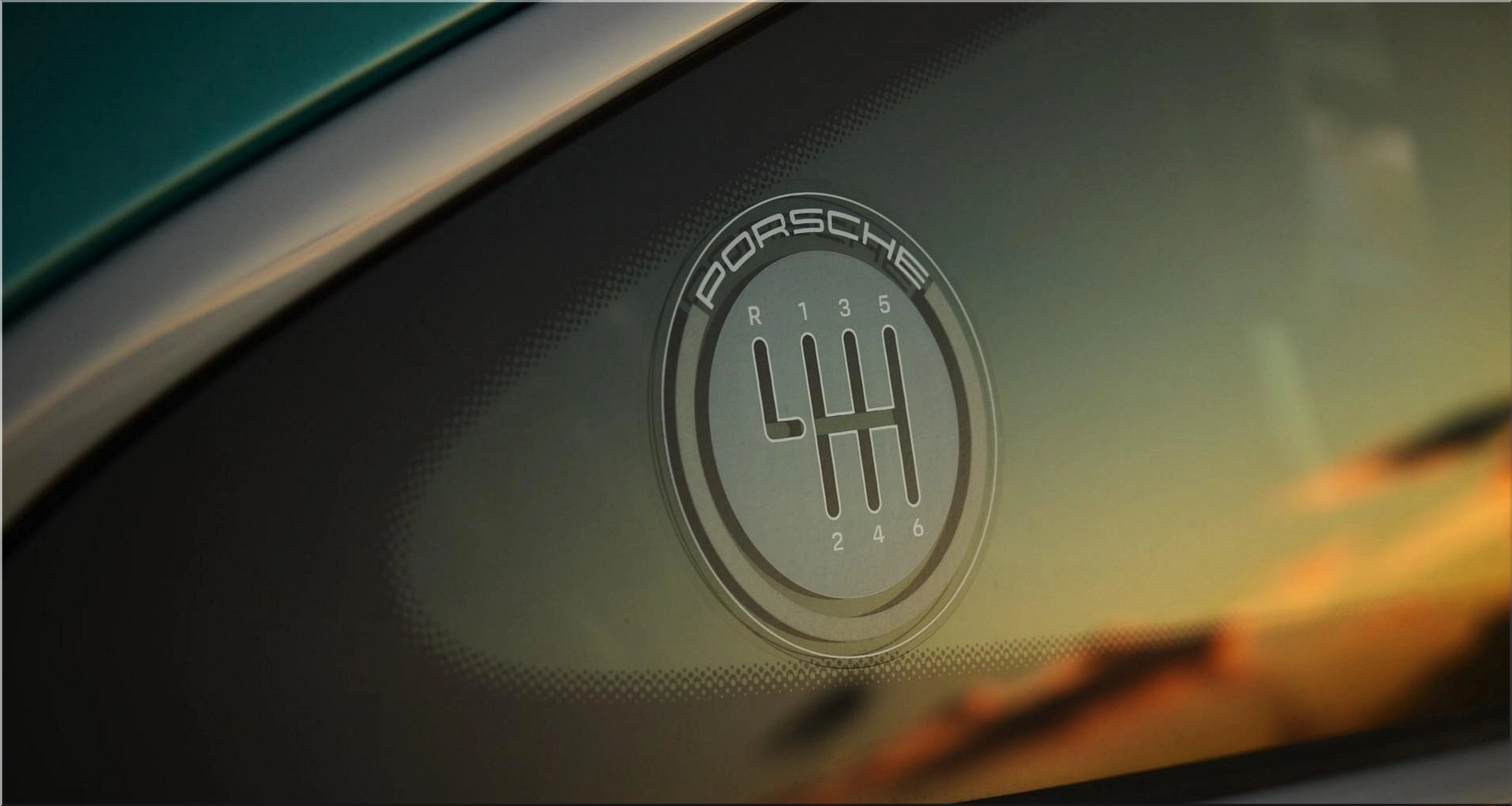
Under the custom exterior, the 911 Carrera T Formosa follows the standard Carrera T configuration. The car keeps its lightweight package, manual transmission, and sport chassis. This combination remains suited for Taiwan's varied roads, many of which require rapid directional changes and consistent torque delivery.
Key performance characteristics:
- Mechanical layout built for engaged driving.
- Manual gearbox contributing to lower overall mass.
- Sport suspension tuned for direct response.
There are no power upgrades; the platform does not need them for the intended experience. Reducing mass and sharpening handling provides more usable performance than adding horsepower, especially on mountain roads.
Video
Video title
Porsche 911 Carrera T Formosa
Efficiency Data
The consumption figures provided for the standard 911 Carrera T show combined WLTP values between 10.5 and 10.9 liters per 100 km. CO2 emissions fall between 237 and 248 g/km. These are typical for a rear-engined sports car with a six-cylinder engine and manual transmission. Converting fuel cost estimates to the U.S. market places operation within the normal range for vehicles in this class, with fuel expenses aligning with a premium sports car segment.
Buyer Profile and Market Context
The Sonderwunsch program targets a narrow buyer group. Most requests fall into limited-run or one-off categories, with pricing dependent on customization depth. Vehicles built under this program often exceed 200,000 USD after options, labor, and bespoke materials. Unique projects such as the Formosa example can move higher based on required engineering hours.
This model does not address volume sales. Instead, it demonstrates Porsche's capability to create market-specific cars without engaging new production runs. For Taiwan, the project signals deeper engagement with local customers who value personalization and cultural recognition.
Image
Design Summary: What the Data Shows
The 911 Carrera T Formosa uses measurable design strategies:
- Color mapping tied to known geographic features.
- Interior materials selected from natural elements common to Taiwan.
- Driving setup optimized for tight, elevation-heavy routes.
- Brand positioning that supports customer identity in a high-value market.
Porsche applies these inputs into a package that stays aligned with the Carrera T's core traits: low mass, direct steering, and manual control.
Table: Key Specifications and Features
| Category | Detail |
|---|---|
| Base Model | 911 Carrera T |
| Primary Custom Color | Ipanema Blue Metallic |
| Contrast Color | Suzuka Grey Metallic |
| Wheels | 20/21-inch RS Spyder |
| Headlights | HD Matrix LED in black |
| Interior Trim | Paldao wood |
| Seat Pattern | Formosa check in green, black, cream |
| Transmission | Manual |
| Chassis | Sport suspension |
| Estimated Cost (USD) | 200,000+ USD with Sonderwunsch customization |
Actionable Insight for Automotive Analysts
This project offers three strategic takeaways for analysts and manufacturers:
- Localized design increases market engagement without new mechanical development.
- Bespoke programs generate high-margin products while using existing platforms.
- Data-driven regional storytelling strengthens brand identity in competitive premium markets.
Image
Porsche's 911 Carrera T Formosa shows how a manufacturer can build a targeted product using existing engineering, controlled customization, and a narrative based on measurable geographic elements. It demonstrates a method for producing region-specific vehicles that require minimal additional certification or tooling.
Image Gallery
- Add new comment
- 347 views