Home

Spare Wheel

Main navigation

  • Tires
  • Cars
  • SUVs
  • Pickups
  • Bikes
User account menu
  • Contact

Breadcrumb

  1. Home
  2. Tires & Wheels
  3. Winter vs all-season vs all-weather tires: the complete decision guide

Winter vs all-season vs all-weather tires: the complete decision guide

Winter vs all-season vs all-weather tires

Choosing the right tires for your climate is about more than comfort — it’s about safety, traction, and performance. With so many tire categories available, many drivers wonder whether they really need winter tires, or if all-season or all-weather tires can do the job. This guide breaks down how each type works, where they shine, and which is best for your situation.

Quick comparison table

FeatureWinter TiresAll-Season TiresAll-Weather Tires
Best forFrequent snow, ice, or sub-freezing tempsMild climates with occasional coldMixed climates with cold winters but limited snow
Rubber compoundSoft; stays flexible below 45°F (7°C)Harder; stiffens in coldMedium; blends winter & summer compounds
Tread designDeep grooves, many sipes for snow & ice gripShallower, optimized for dry/wet roadsMore aggressive than all-season, with winter-style siping
Marked with3PMSF + M+SM+S only3PMSF + M+S
Performance in snow/ice★★★★★★☆☆☆☆★★★☆☆
Performance in rain★★★☆☆★★★★☆★★★★☆
Performance in heat★☆☆☆☆ (wears fast)★★★★★★★★★☆
LifespanShorter (seasonal use)Longer (year-round use)Moderate (year-round compromise)

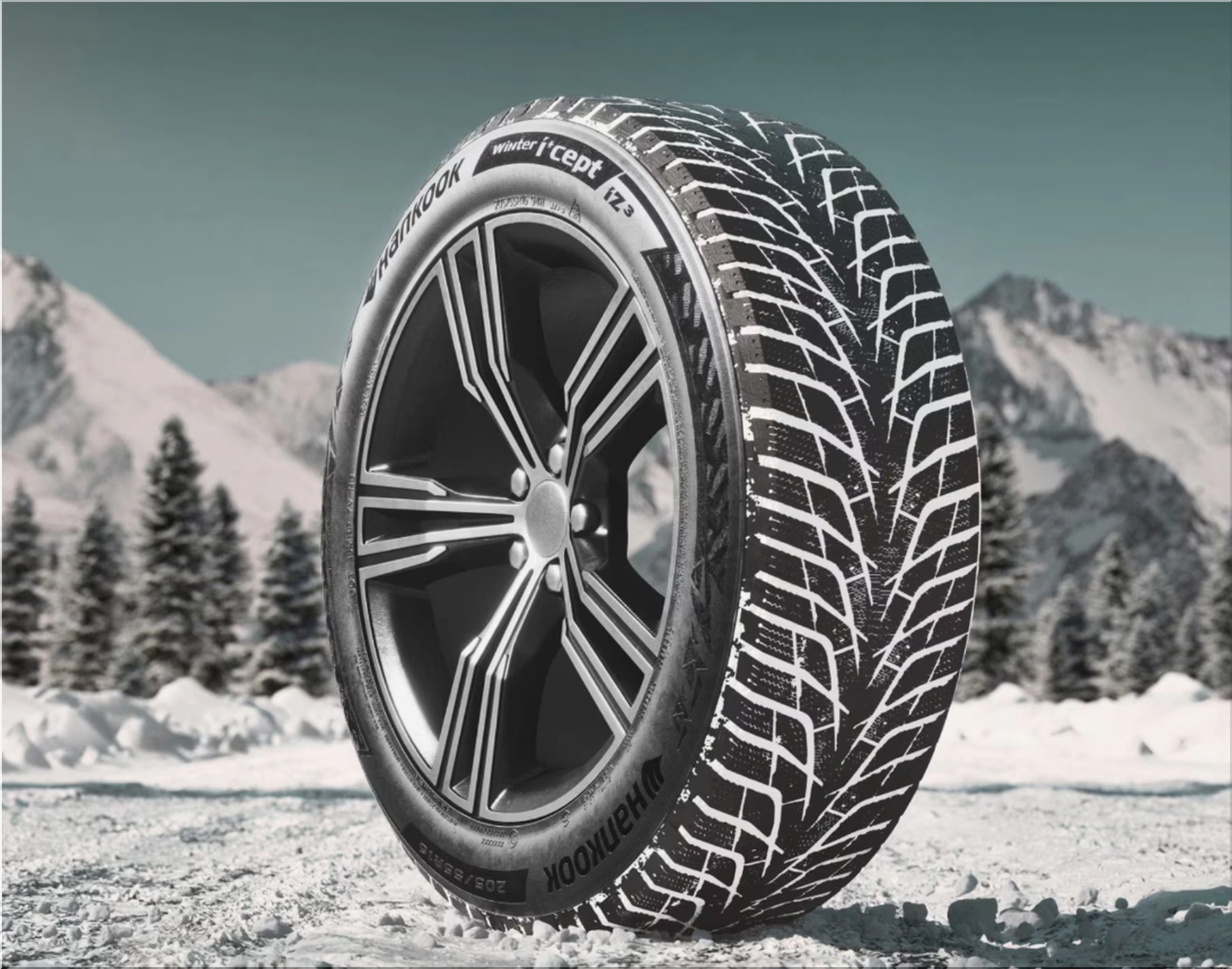
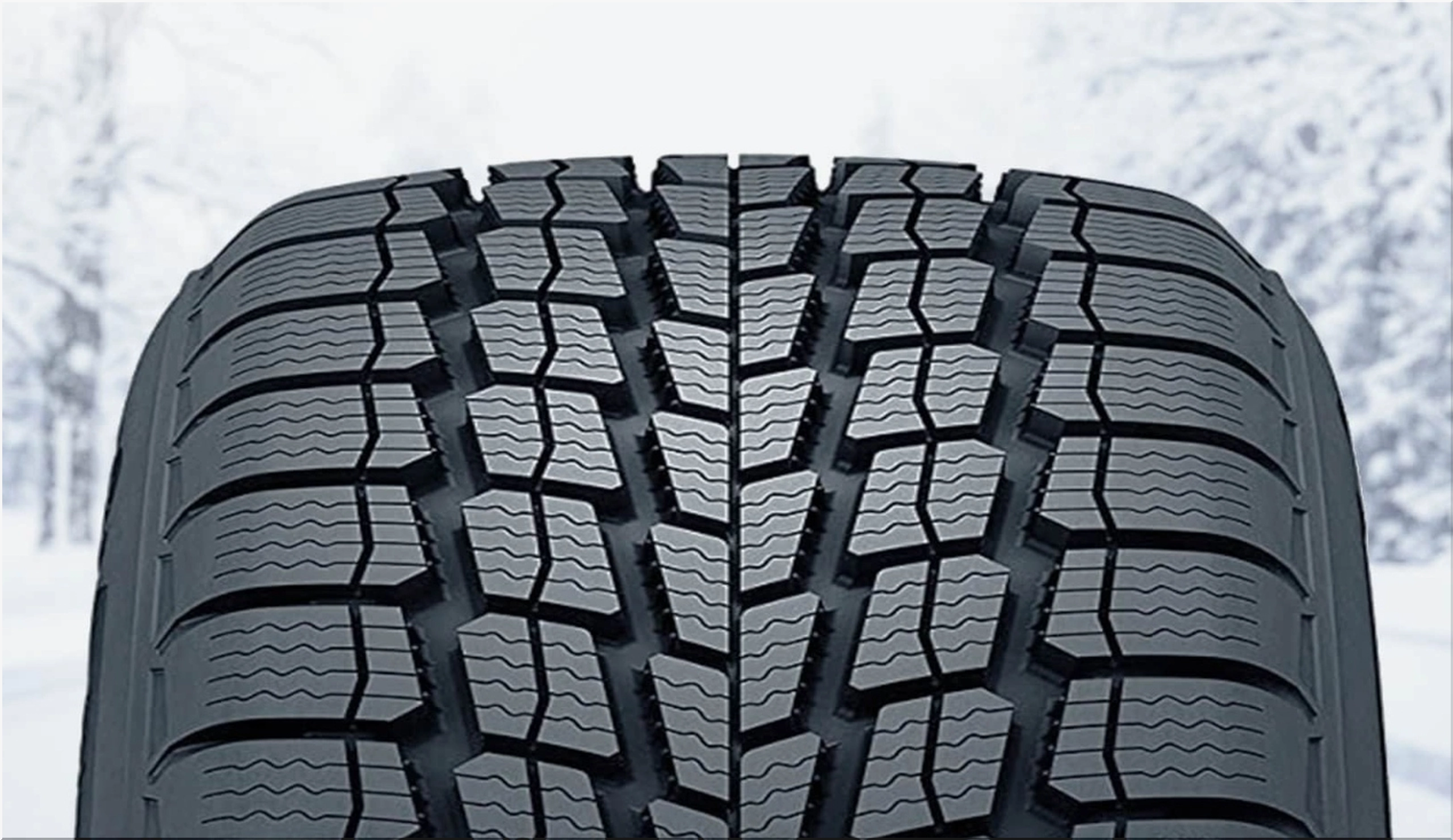
Winter tires

Purpose: Maximum grip in snow, slush, and ice.

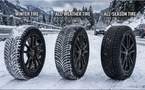
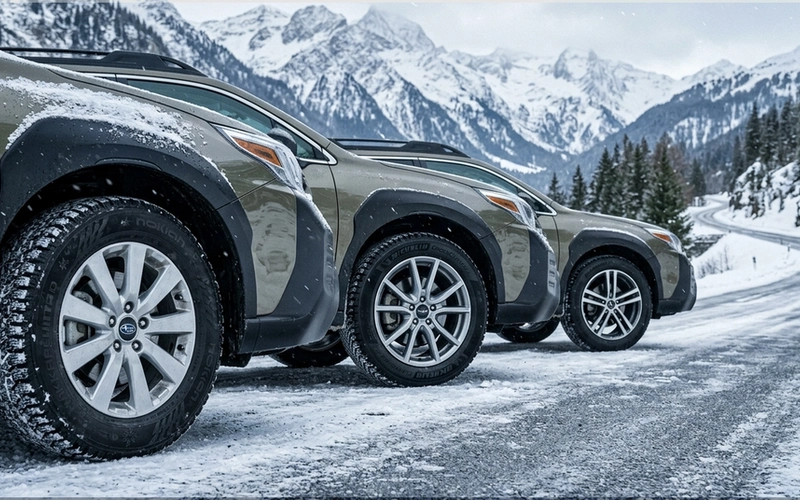
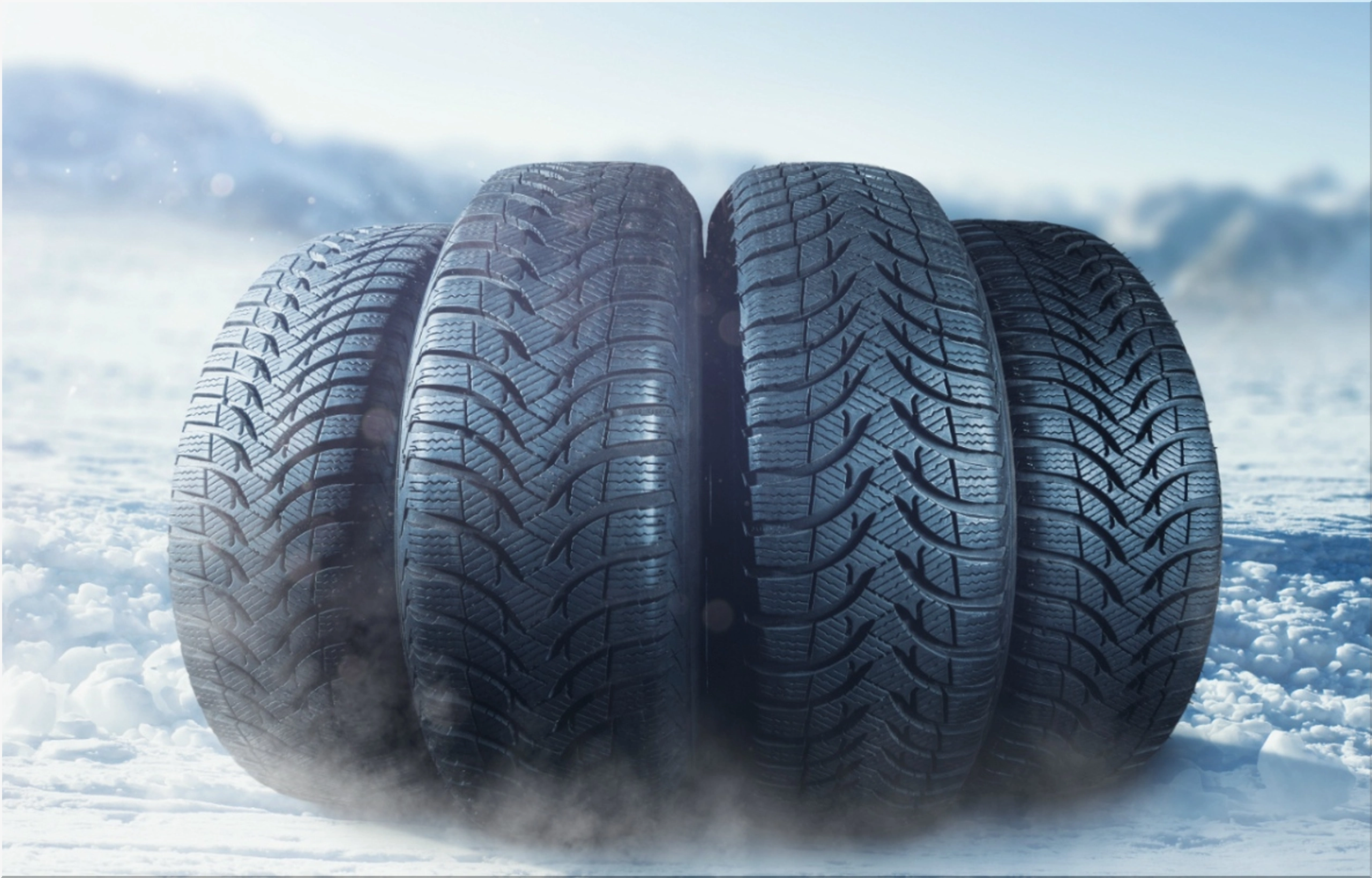
Winter tires use a soft rubber compound that remains flexible below 45°F (7°C), maintaining traction when all-season tires harden. Their deep tread blocks and micro-sipes cut through snow and channel away slush.

  • Marked with the Three-Peak Mountain Snowflake (3PMSF) symbol and M+S (Mud and Snow).
  • Offer 25–50% shorter stopping distances on snow and ice compared to all-season tires.
  • Should be installed in full sets of four to maintain balance and control.

Best for: Drivers in regions with regular snowfalls, icy roads, or long winters — such as Canada, Northern U.S., or mountain areas.

Image
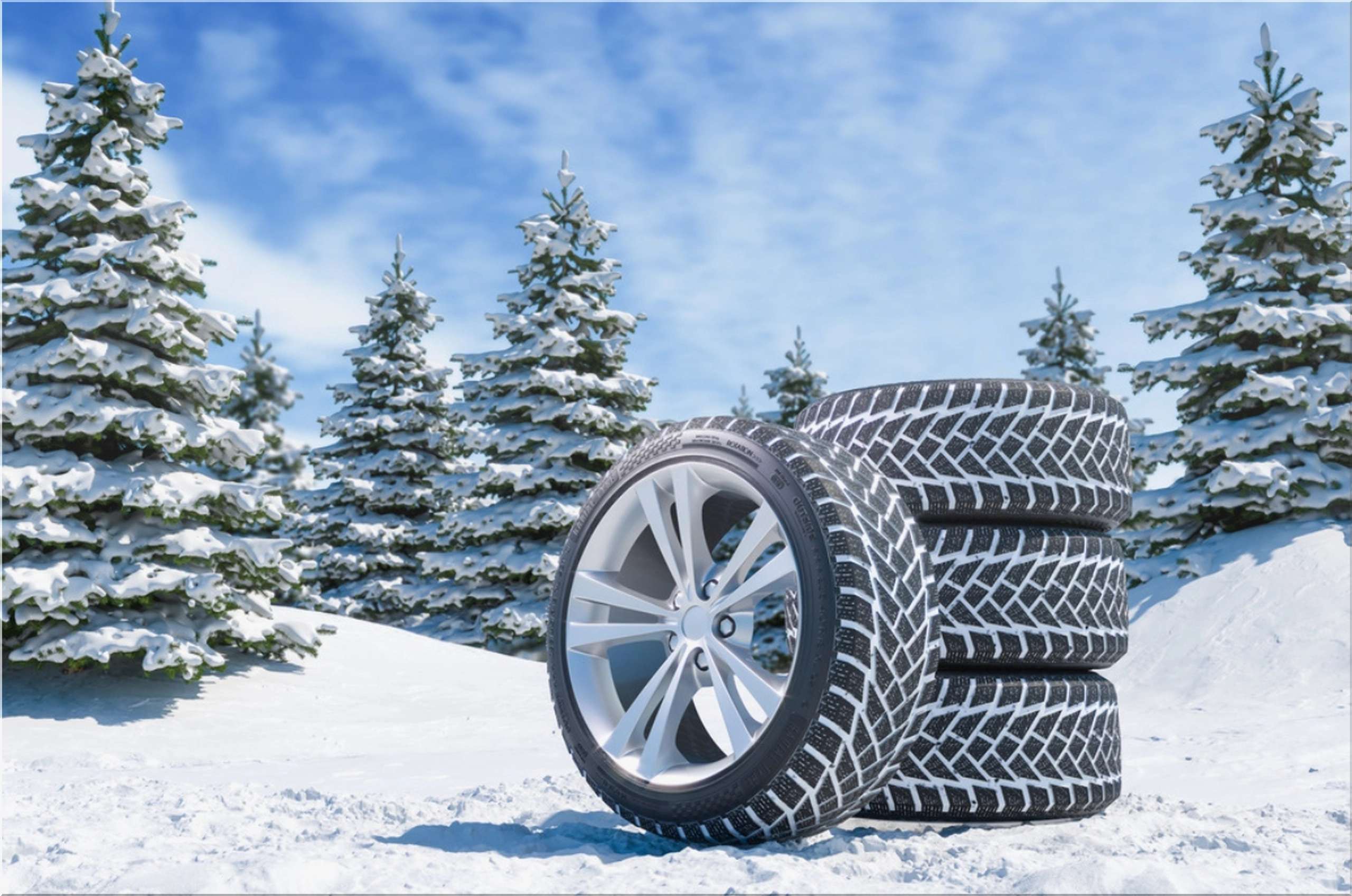
Winter tires

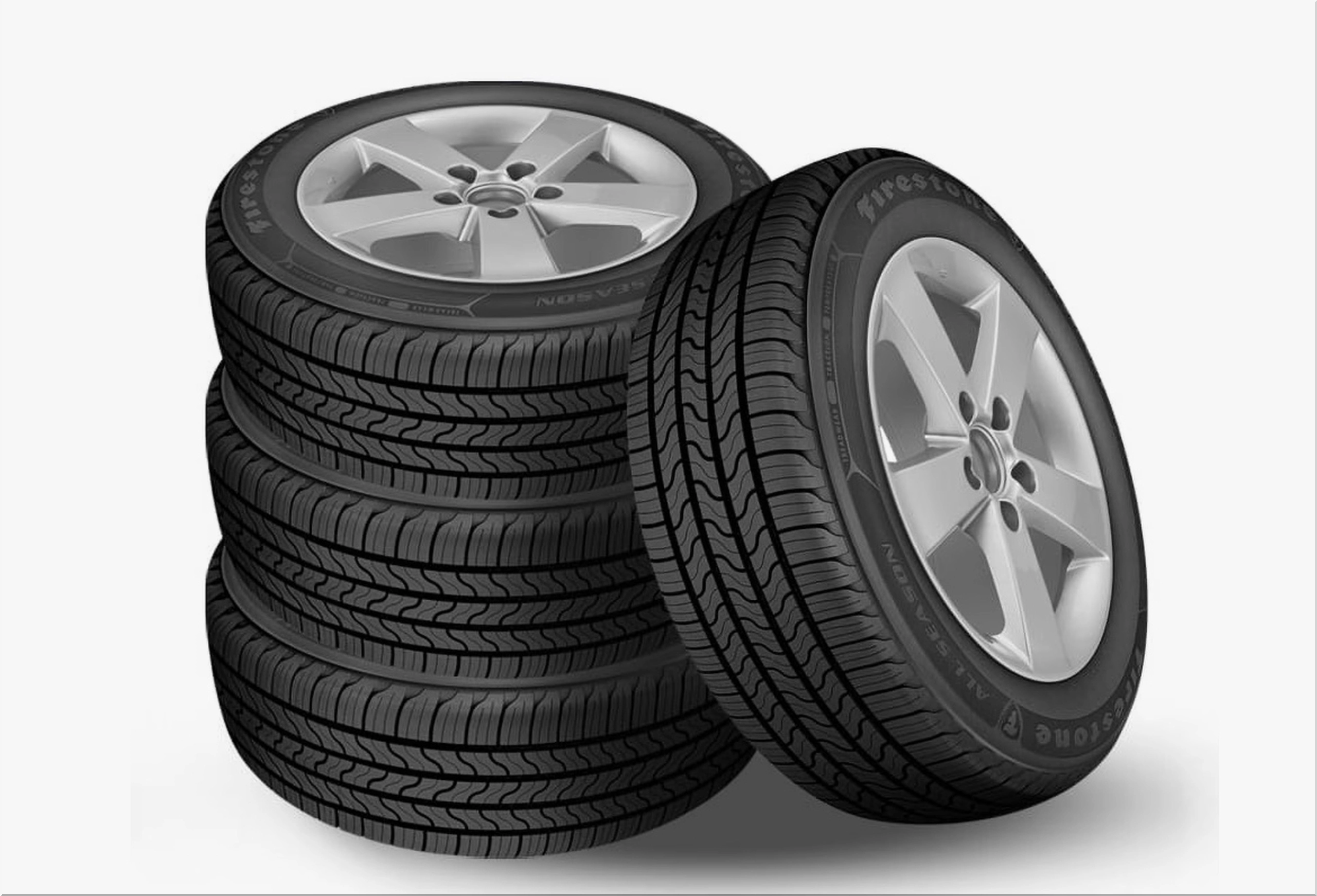
All-season tires

Purpose: Versatility for moderate climates.

All-season tires are designed to perform adequately in a wide range of conditions — dry, wet, and light snow — but they’re not optimized for extreme heat or cold. Their compound hardens below freezing, reducing grip on icy roads.

  • Marked only with M+S (Mud and Snow), not 3PMSF.
  • Ideal for temperatures consistently above 40°F (4°C).
  • Offer excellent tread life and quiet performance on highways.

Best for: Drivers in temperate climates who rarely see snow or freezing conditions.

Image
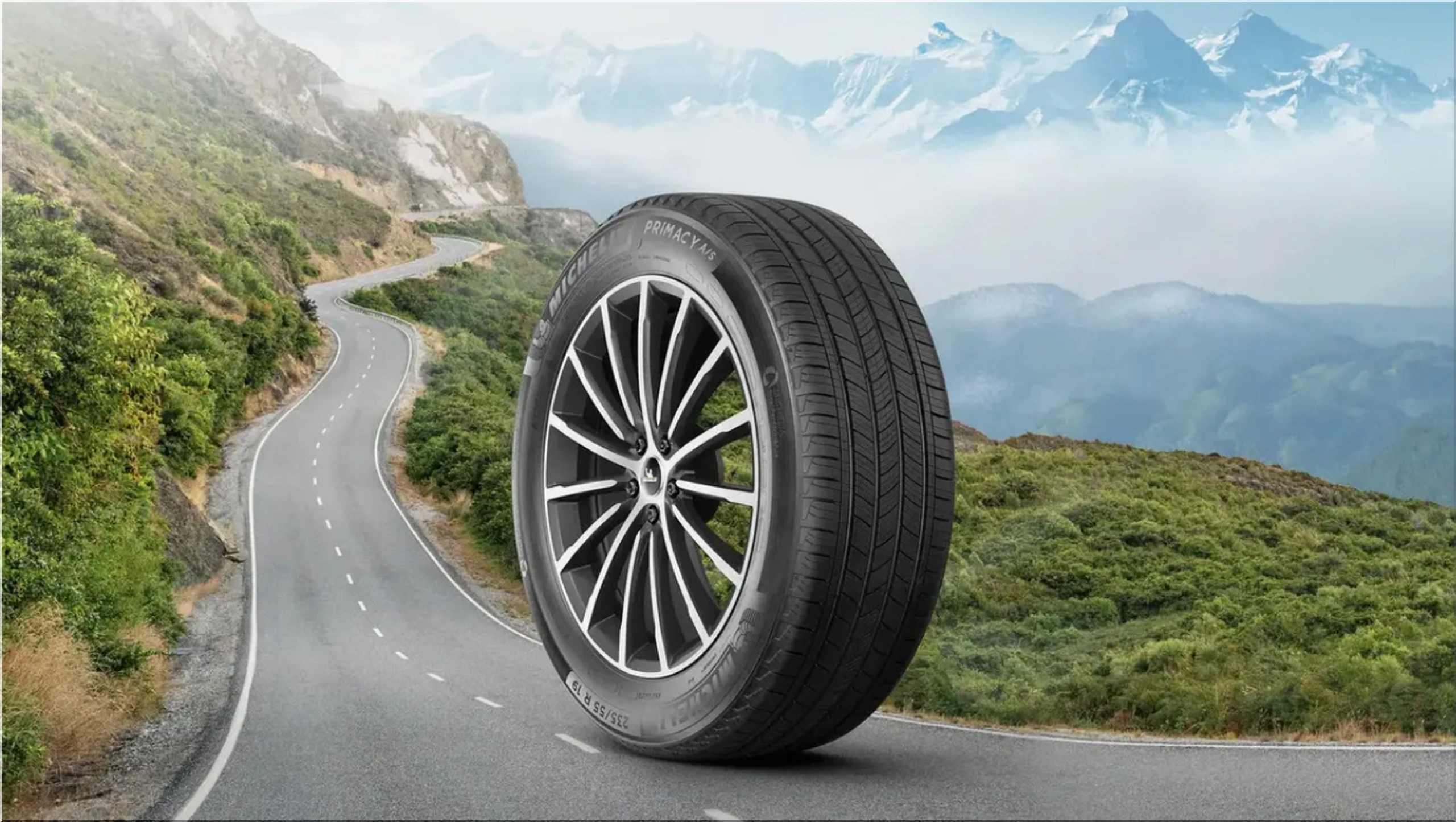
All-season tires

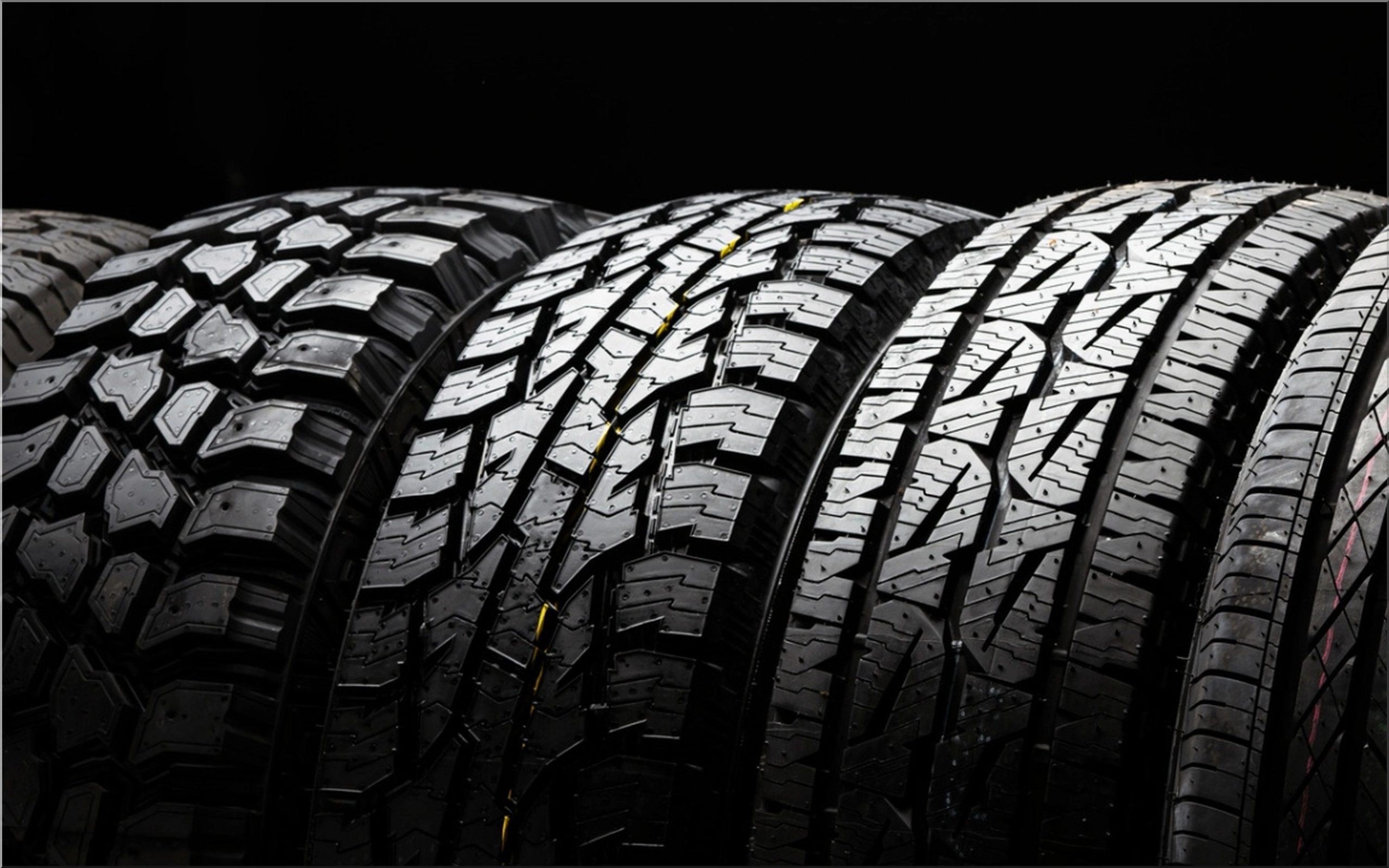
All-weather tires

Purpose: A hybrid between winter and all-season tires.

All-weather tires combine the tread design and cold-weather flexibility of winter tires with the durability and comfort of all-season models. They carry the 3PMSF symbol, meaning they’re certified for winter use, but they can stay on the car year-round.

  • Use a silica-rich compound that balances grip in wet, cold, and mild heat.
  • Maintain traction in light to moderate snow, unlike standard all-season tires.
  • Offer a quieter and smoother ride than full winter tires.

Best for: Drivers who experience cold, wet winters with occasional snow but don’t want seasonal tire changes.

Image
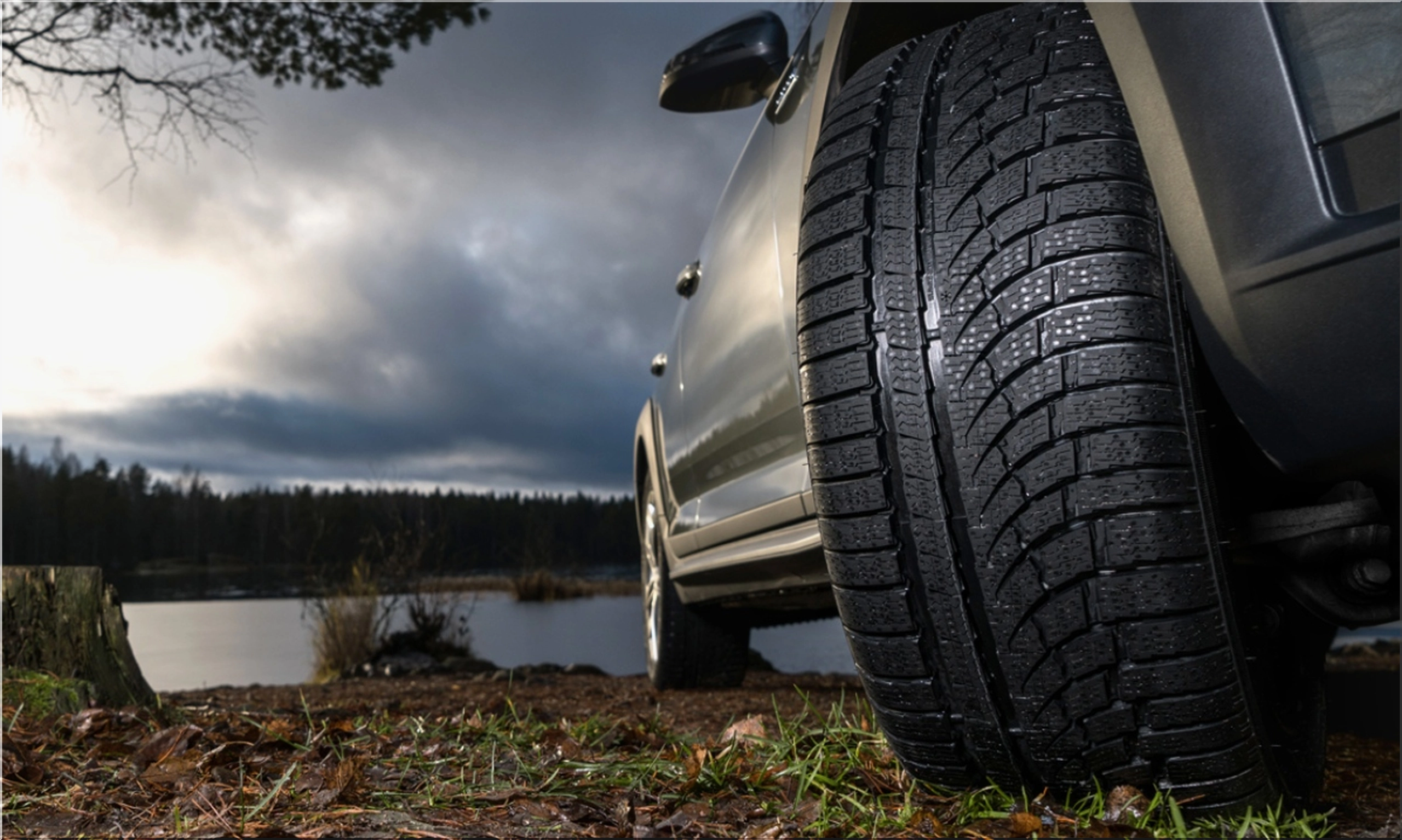
All-weather tires

How to choose the right tire for your climate

  1. Check your average winter temperature. If it regularly drops below 45°F (7°C), consider winter or all-weather tires.
  2. Measure snowfall frequency. Frequent heavy snow → winter tires; occasional light snow → all-weather; no snow → all-season.
  3. Consider storage space and budget. Winter tires require a second set and seasonal changeovers; all-weather tires eliminate that hassle.
  4. Evaluate driving habits. City drivers benefit from all-weather convenience; highway commuters in cold regions need dedicated winter tires.

Key takeaways

  • Use winter tires for maximum traction below 45°F and in frequent snow or ice.
  • Choose all-weather tires for cold, wet climates without constant snow.
  • Stick with all-season tires in mild regions with little or no winter precipitation.

Tip: Always replace tires in full sets of four, and look for the 3PMSF symbol if you want true winter certification.

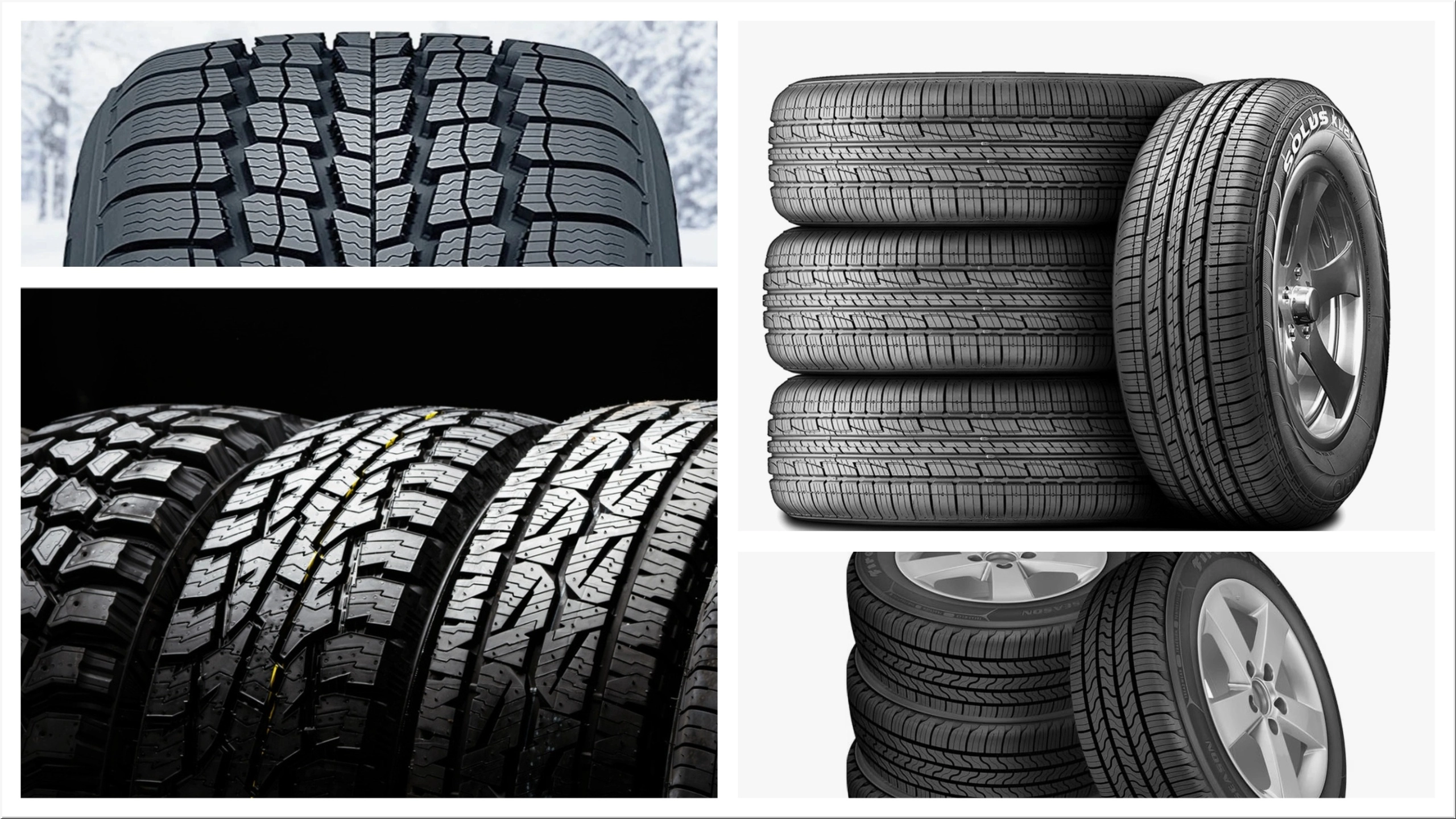
Image Gallery
Winter tires
Winter tires
All-season tires
All-season tires
All-weather tires
All-weather tires

Categories

  • Tires & Wheels

Labels

  • Winter tires
  • All-season tires
  • All-weather tires
  • Tire comparison
  • Snow tires
  • Tire decision guide
  • Three-Peak Mountain Snowflake
  • 291 views

By Spare Wheel, 7 December, 2025

Similar stories

Prepare your car for Winter Driving

Prepare your car for Winter Driving

  • driving safe

The winter is almost here so is your car ready for it? Here are some tips on checking your car and some vital emergency supplies.

It's very important to have winter tires because these tires are...

Tire care tips: the complete guide to pressure, rotation, tread wear, TPMS, and storage

Tire care tips: the complete guide to pressure, rotation, tread wear, TPMS, and storage

Tire care tips
  • Tires & Wheels
  • Tire care tips

Better tires mean safer stops, quieter rides, and fewer roadside surprises. This guide gives you practical, proven steps you can use today. Everything here follows standards from tire manufacturers and safety...

Donut spare tire: maximum speed & distance by automaker

Donut spare tire: maximum speed & distance by automaker

Donut spare tire
  • Tires & Wheels
  • Donut spare tire

That small “donut” spare in your trunk is meant to get you home, not to finish your road trip. Most temporary spares have strict limits for speed and distance — ignore them, and you risk blowouts, brake imbalance, or damage to...

How to check tire pressure correctly in winter and summer (PSI vs temperature)

How to check tire pressure correctly in winter and summer (PSI vs temperature)

check tire pressure correctly
  • Tires & Wheels
  • Tire pressure guide

Checking tire pressure is a simple yet critical maintenance step that ensures safety, performance, and fuel efficiency. Seasonal temperature swings can dramatically change tire pressure. Here’...

Tire rotation patterns: FWD, RWD, AWD, and staggered fitments explained

Tire rotation patterns: FWD, RWD, AWD, and staggered fitments explained

Tire rotation patterns: FWD, RWD, AWD
  • Tires & Wheels
  • Tire rotation patterns

Tire rotation keeps your tires wearing evenly, improving traction, braking, and tire lifespan. The correct rotation pattern depends on your vehicle’s drivetrain and whether your tires are directional...

Curb-rash on wheels: DIY repair guide and when to stop DIY

Curb-rash on wheels: DIY repair guide and when to stop DIY

Curb-rash on wheels
  • Tires & Wheels
  • How to fix curb rash

Curb rash is the parking-lot tattoo nobody asked for. One tight drive-thru, one raised curb, one distracted parallel park, and your clean alloy wheel now wears a silver scar around the rim....

Like us!

Spare Wheel

Popular news
Peugeot e-2008 electric SUV

The new Peugeot e-2008 electric SUV from 33,000 euros

Mazda MX-5

Mazda MX-5 - the world's best-selling roadster

Mercedes-Benz GLC plug-in hybrid SUV

The new Mercedes-Benz GLC plug-in hybrid with enhanced off-road abilities

Nissan Juke

Nissan Juke: the B-segment SUV starts at 17,200 euros

Subaru Outback Wilderness

Discover the 2024 Subaru Outback Wilderness: Rugged design, unmatched capability and unbeatable comfort

Volkswagen Tiguan compact SUV

Volkswagen Tiguan facelift: gasoline, diesel and hybrid

Jeep Renegade Trailhawk 4xe

Jeep Renegade 4xe is for adventure, freedom and passion

McLaren Saber

2021 McLaren Saber is reserved exclusively for USA customers

Honda Civic

1974 "Tokyo Joe" Honda Civic 1200 Racecar

2021 Audi Q5 TFSI e

The new Audi Q5 TFSI e plug-in hybrid at attractive prices

Pagination

  • Previous page
  • 7
  • Next page

Friends

»Car Division »Electric cars »Panorica

Latest news

Land Rover Defender OCTA Black

New Land Rover Defender OCTA Black: V8 Power, All Black Design

Vauxhall Frontera GRAVEL

Vauxhall Frontera GRAVEL: Off-Road Electric SUV Aims Directly at the Adventure Segment

2026 Kia Seltos

Full Breakdown of 2026 Kia Seltos Pricing and Powertrains

2025 Ford Ranger PHEV

Why the 2025 Ford Ranger PHEV Is Built for U.S. Truck Buyers

2026 Corvette ZR1X: 1,250-HP AWD Flagship - American Hypercar Performance

2026 Corvette ZR1X: 1,250-HP AWD Flagship - American Hypercar Performance

Ford F‑150 Lobo

New 2025 Ford F‑150 Lobo: Street Truck Stance, V8 Power, 22-Inch Wheels

Volkswagen Golf GTI Edition 50

Volkswagen Golf GTI Edition 50: Fastest Front-Drive VW Ever Built

New 2026 Ford Ranger Super Duty Specs: Towing, Payload, and Power

New 2026 Ford Ranger Super Duty Specs: Towing, Payload, and Power

New 2026 BMW M2 CS: Precision Engineering Meets Track-Ready Performance

New 2026 BMW M2 CS: Precision Engineering Meets Track-Ready Performance

New Mitsubishi Eclipse Cross Review: What You Get for the Money

New Mitsubishi Eclipse Cross Review: What You Get for the Money

Pagination

  • Previous page
  • 7
  • Next page
BMW
Toyota
Mercedes-Benz
Ford
Audi
Volkswagen
Porsche
Nissan
Honda
Kia
Hyundai
Renault
Jeep
Chevrolet
Alfa Romeo
Mazda
Peugeot
Subaru
Volvo
Lexus
Lamborghini
Citroen
Aston Martin
Fiat
RSS feed
All-New 2026 Suzuki Jimny Review – Bigger Screen, Safety, Same Rugged DNA
Audi Q5 Sportback
Drive Pilot: The Revolutionary SAE Level 3 System by Mercedes-Benz for the U.S. Drivers
Audi SQ5 TDI 2021 SUV
Lamborghini Gallardo
Dacia Duster Pick-up truck
Alfa Romeo Spider
2024 Acura ZDX Type S SUV

  ·Contact   ·Privacy policy   ·Powered by Drupal