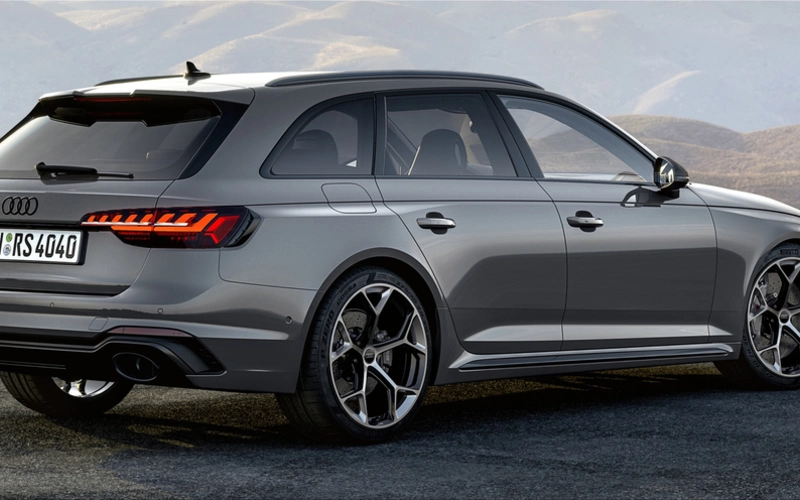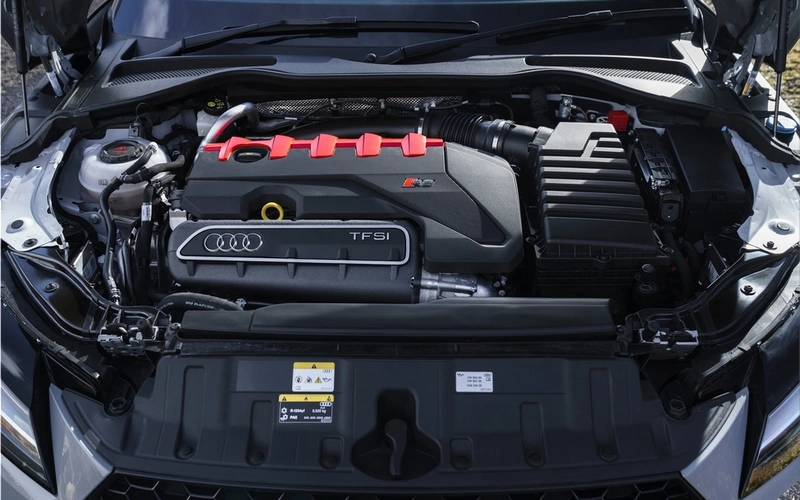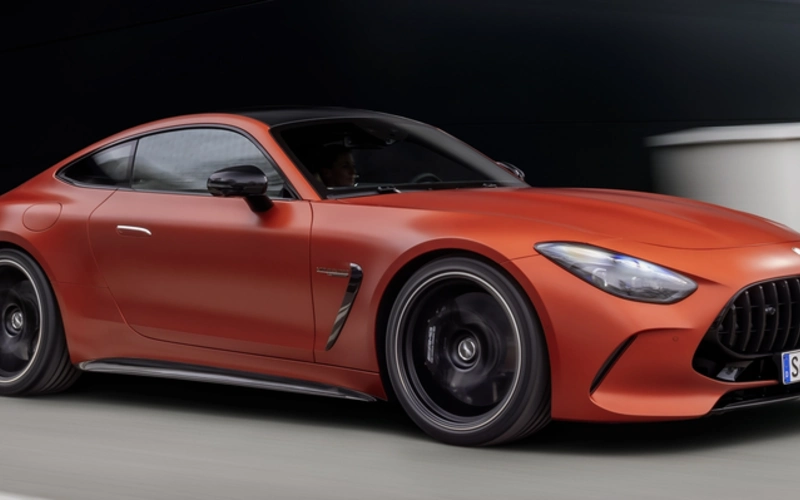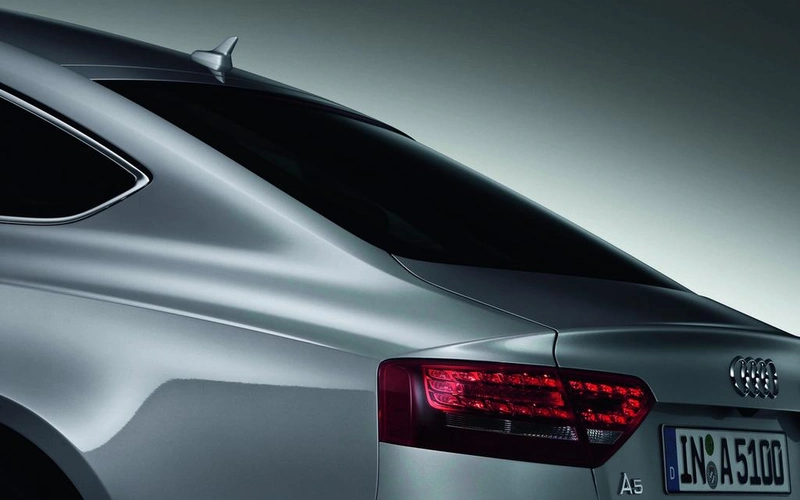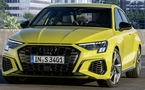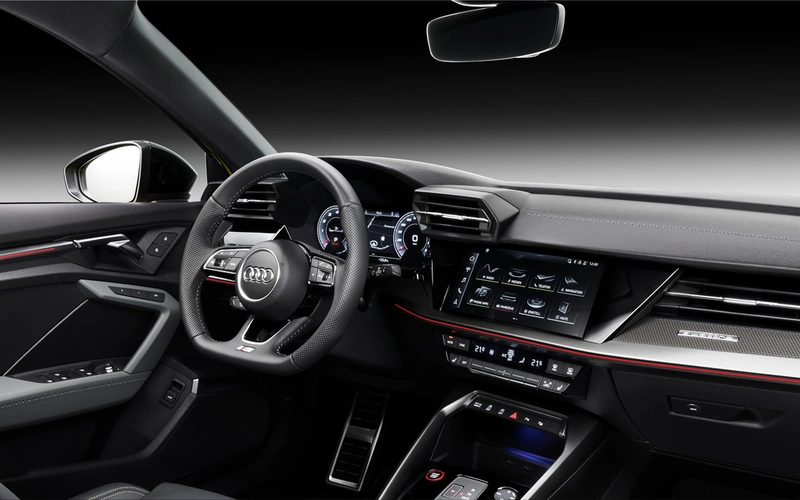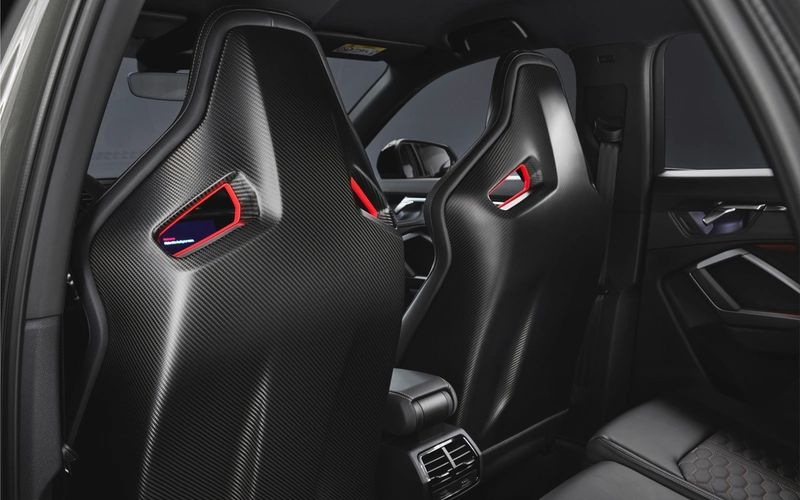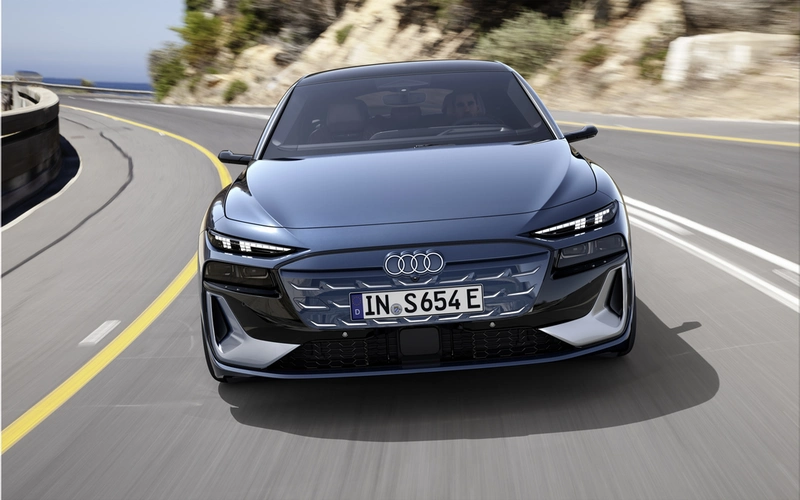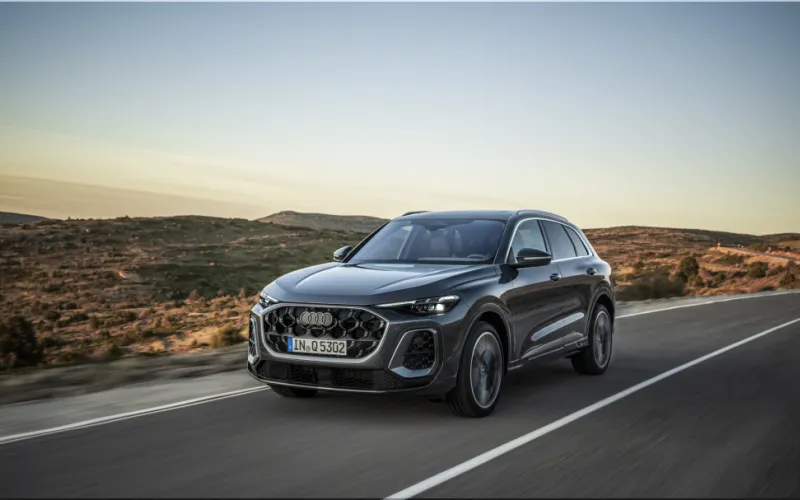
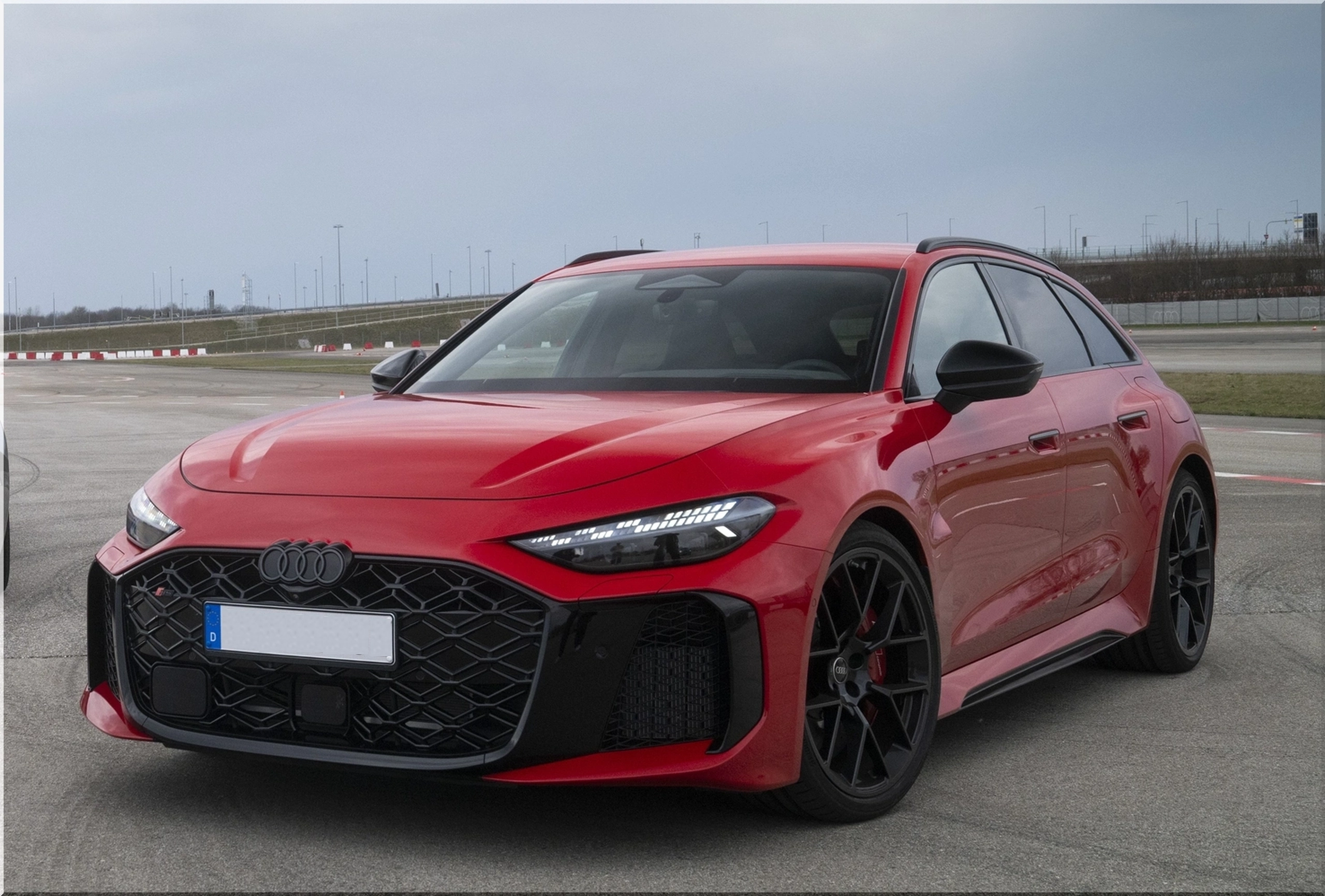
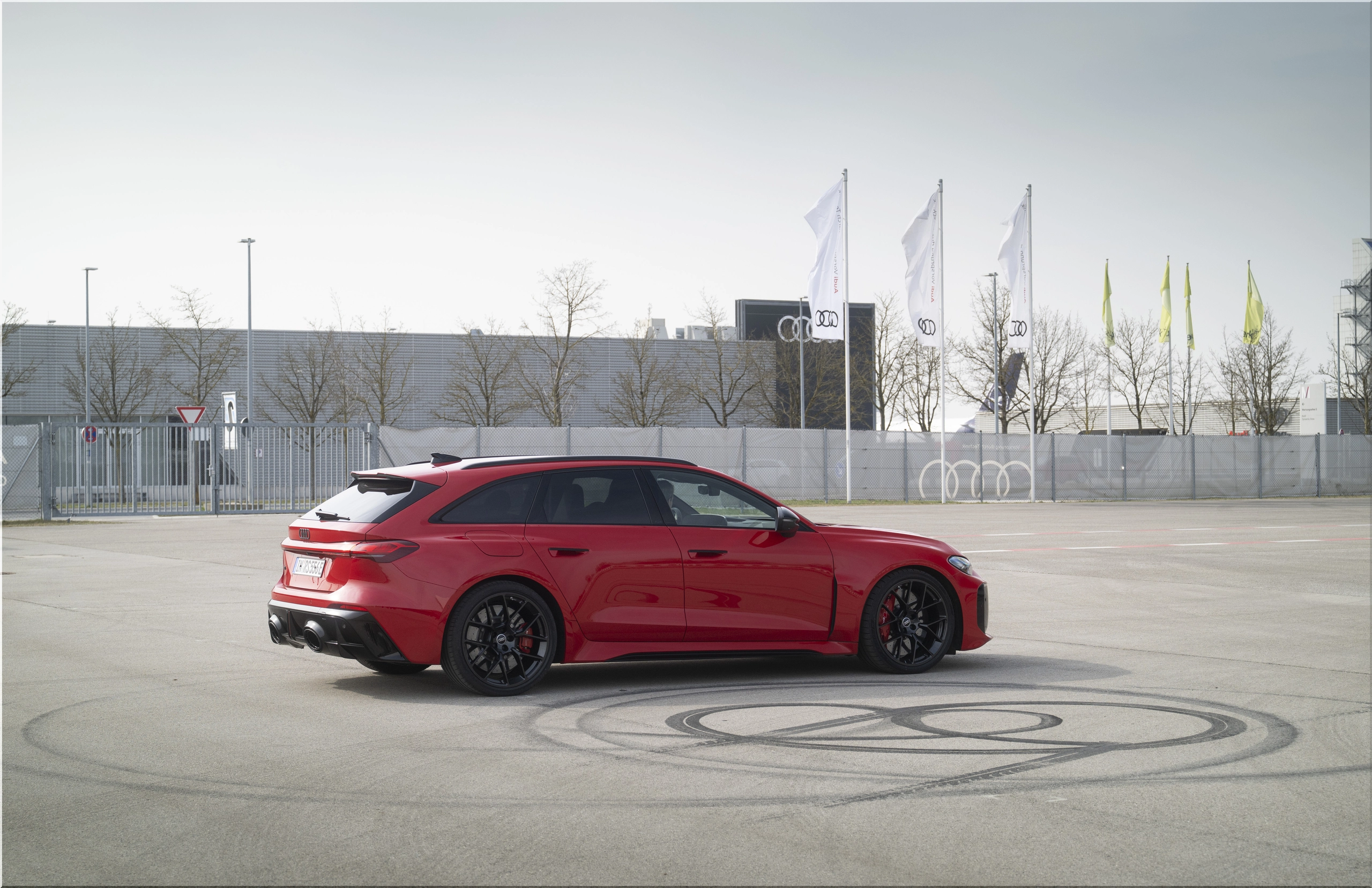
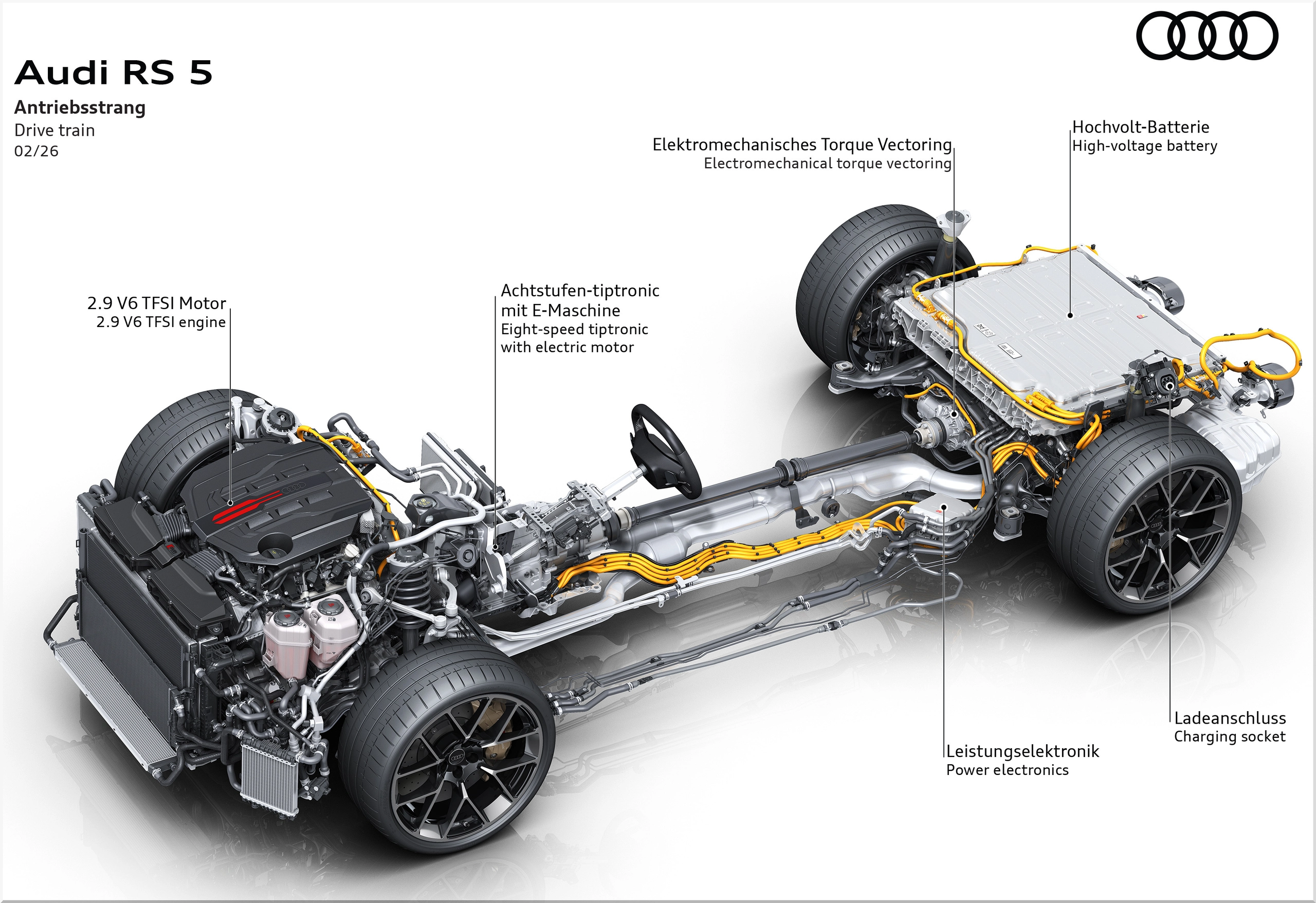
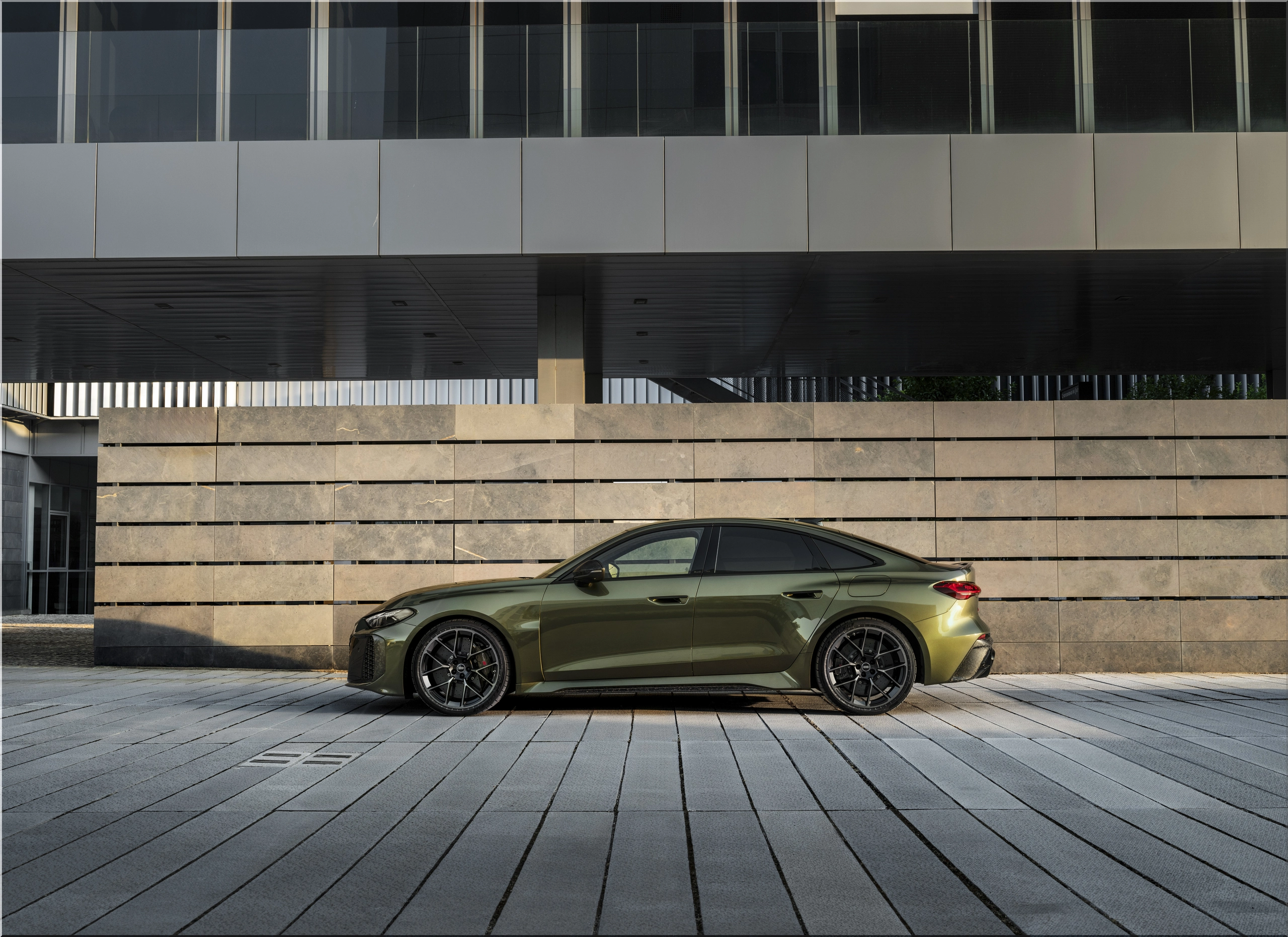
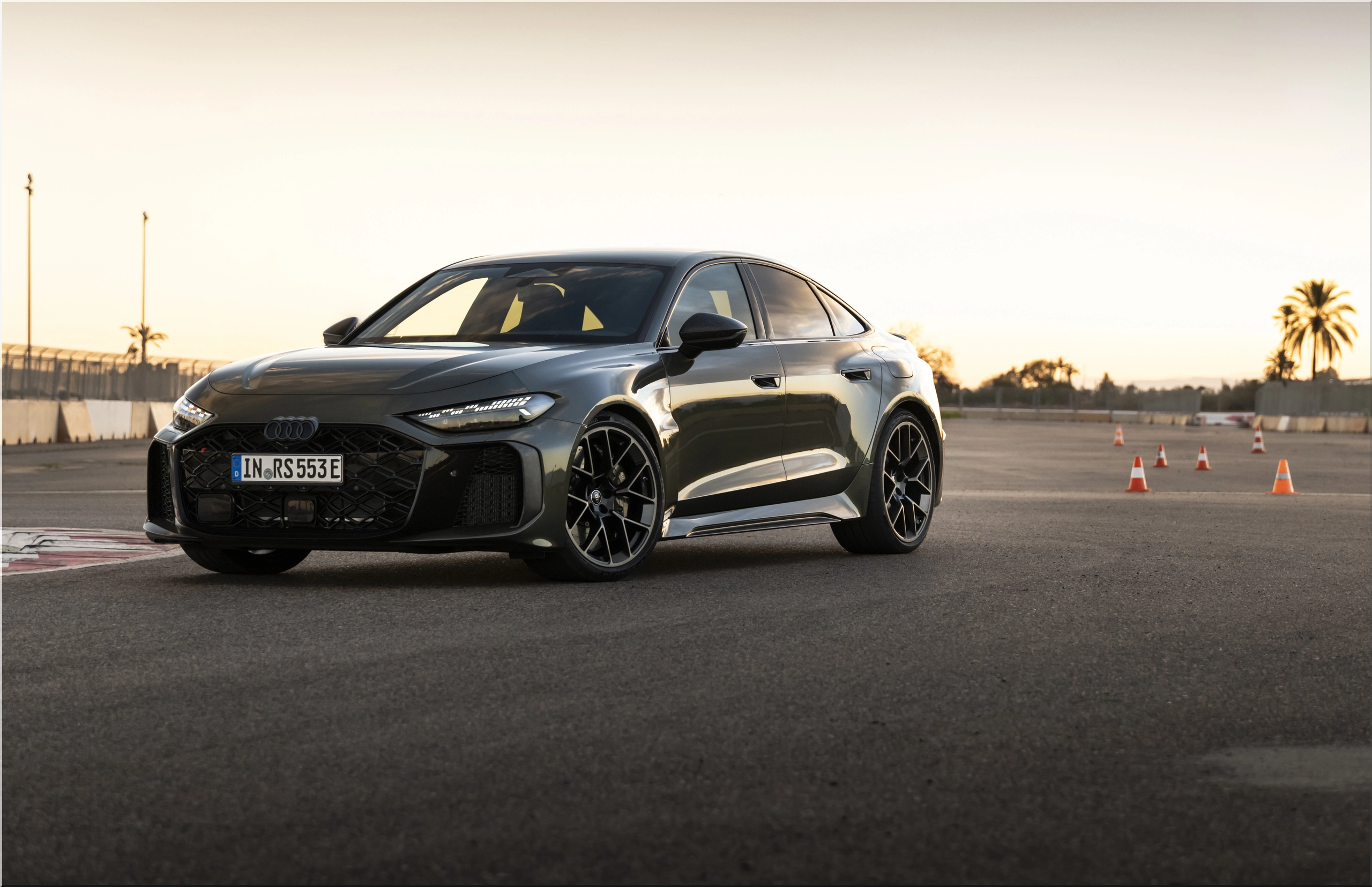
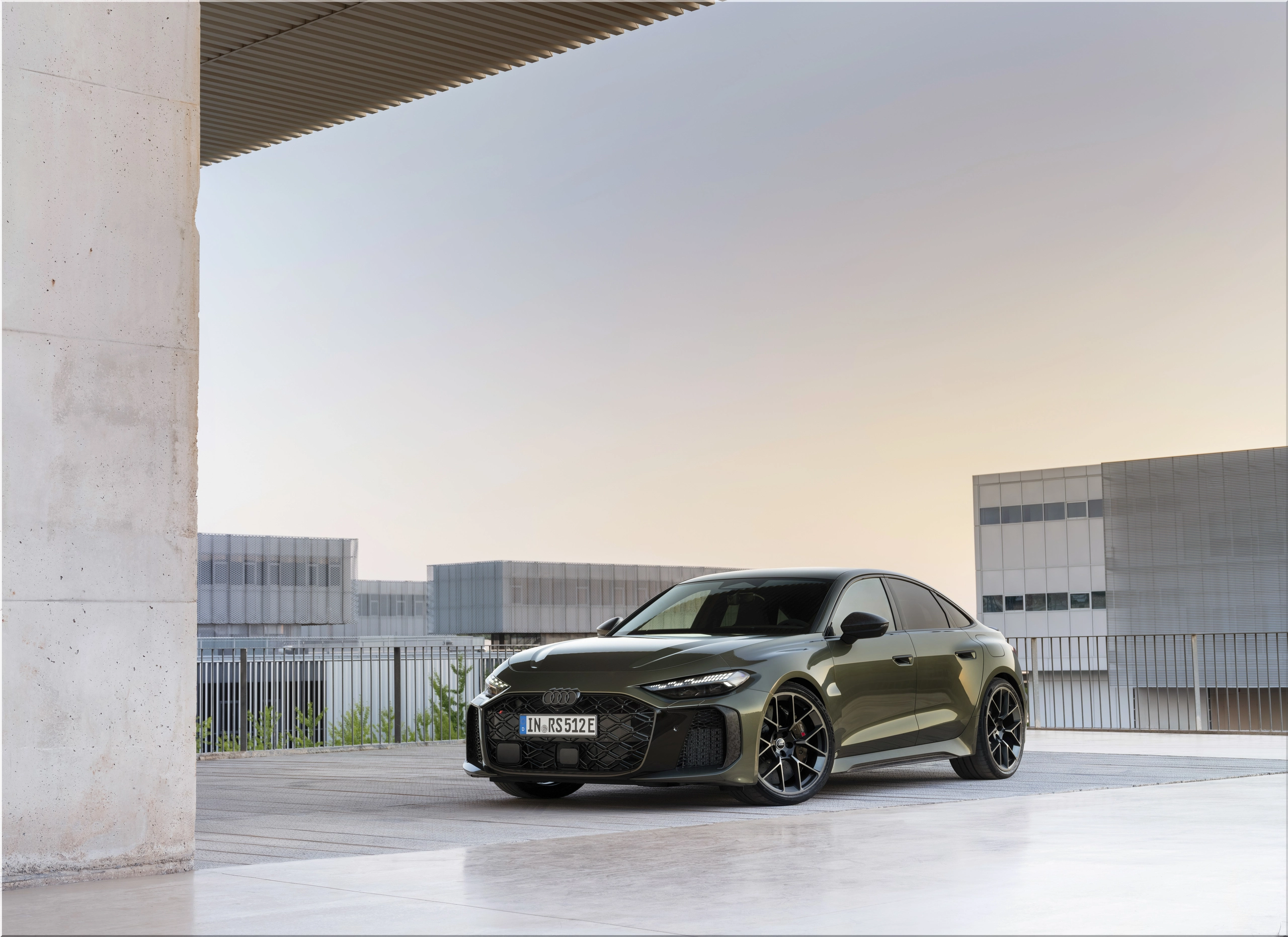
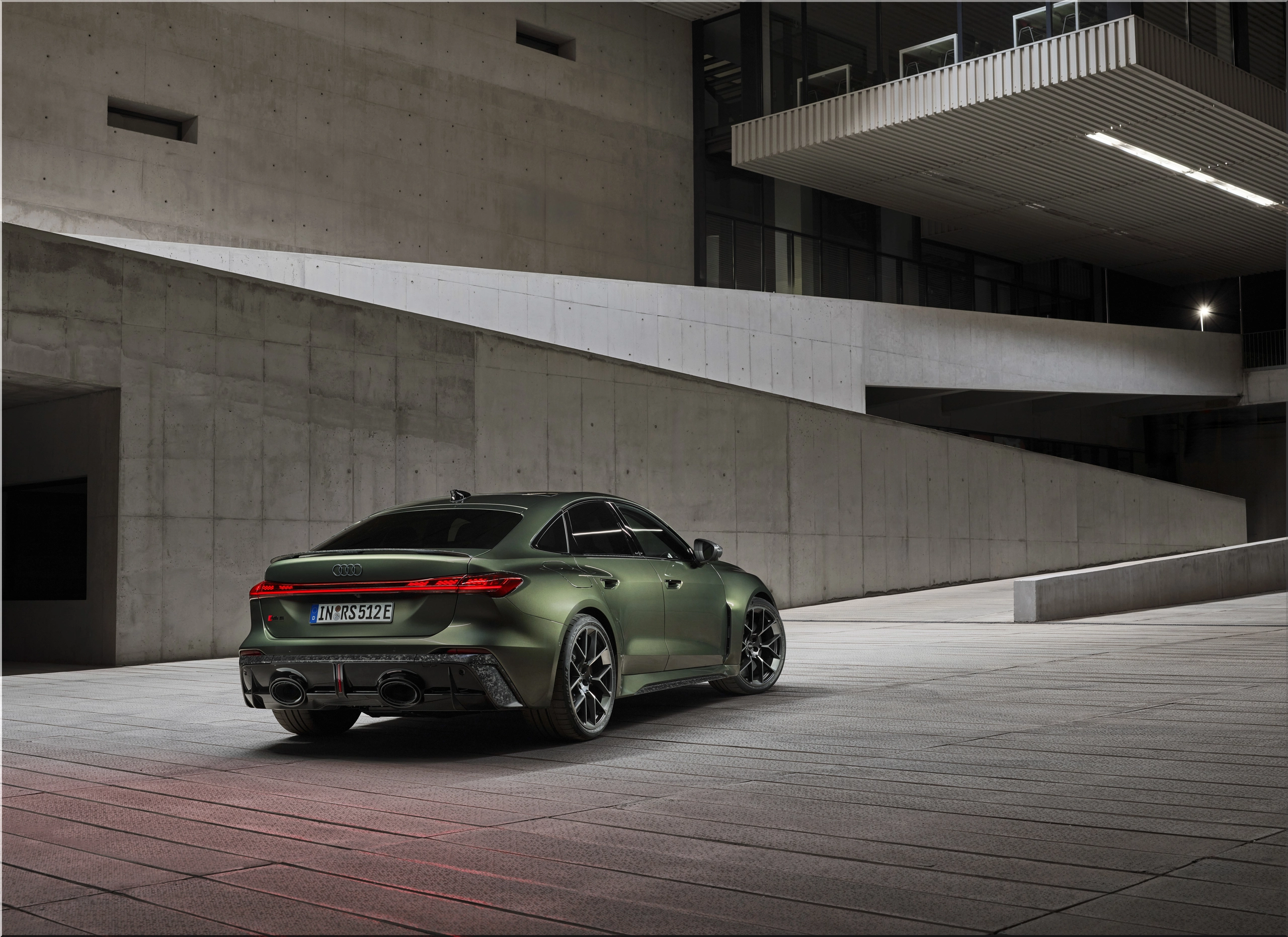
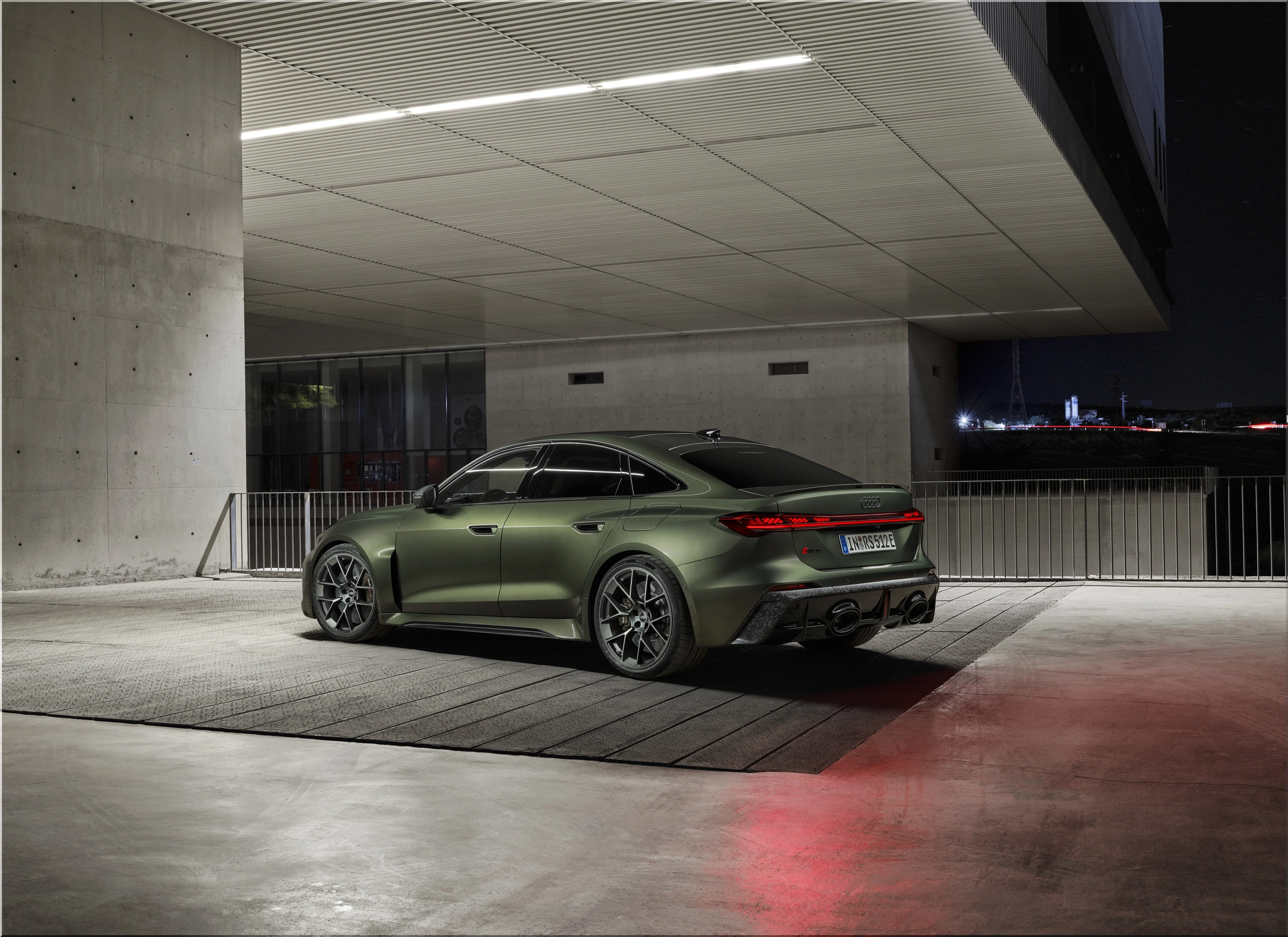
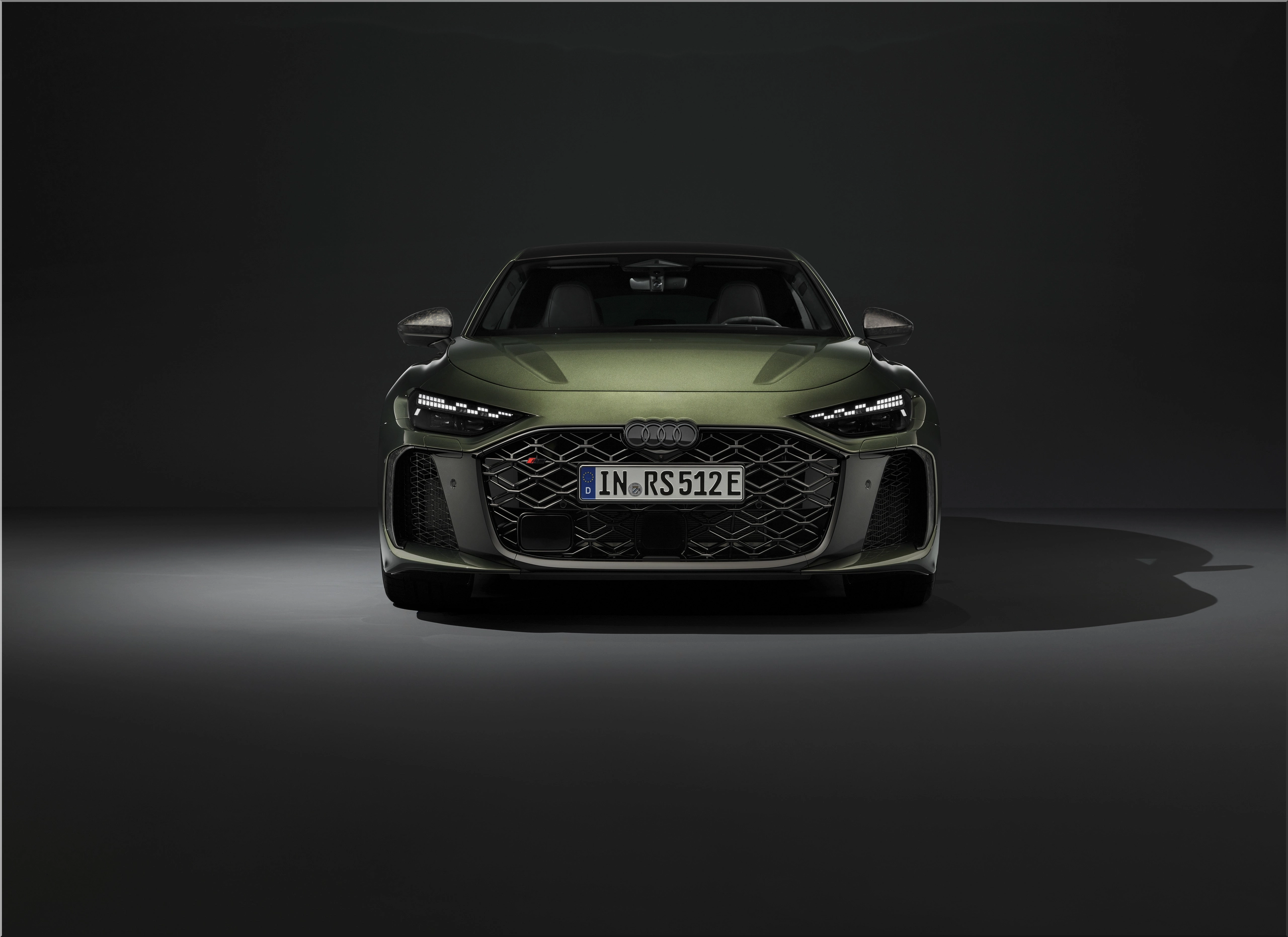
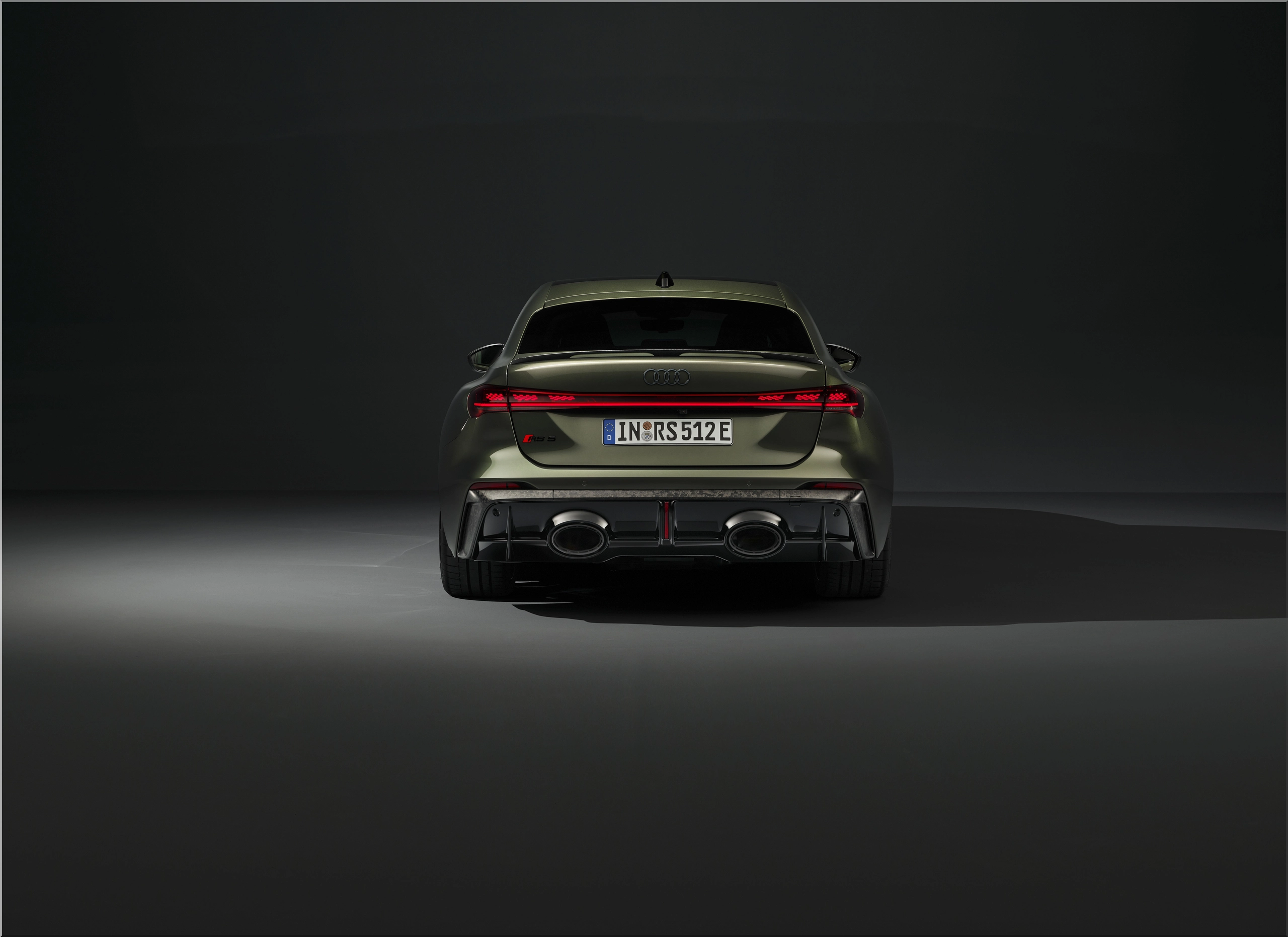
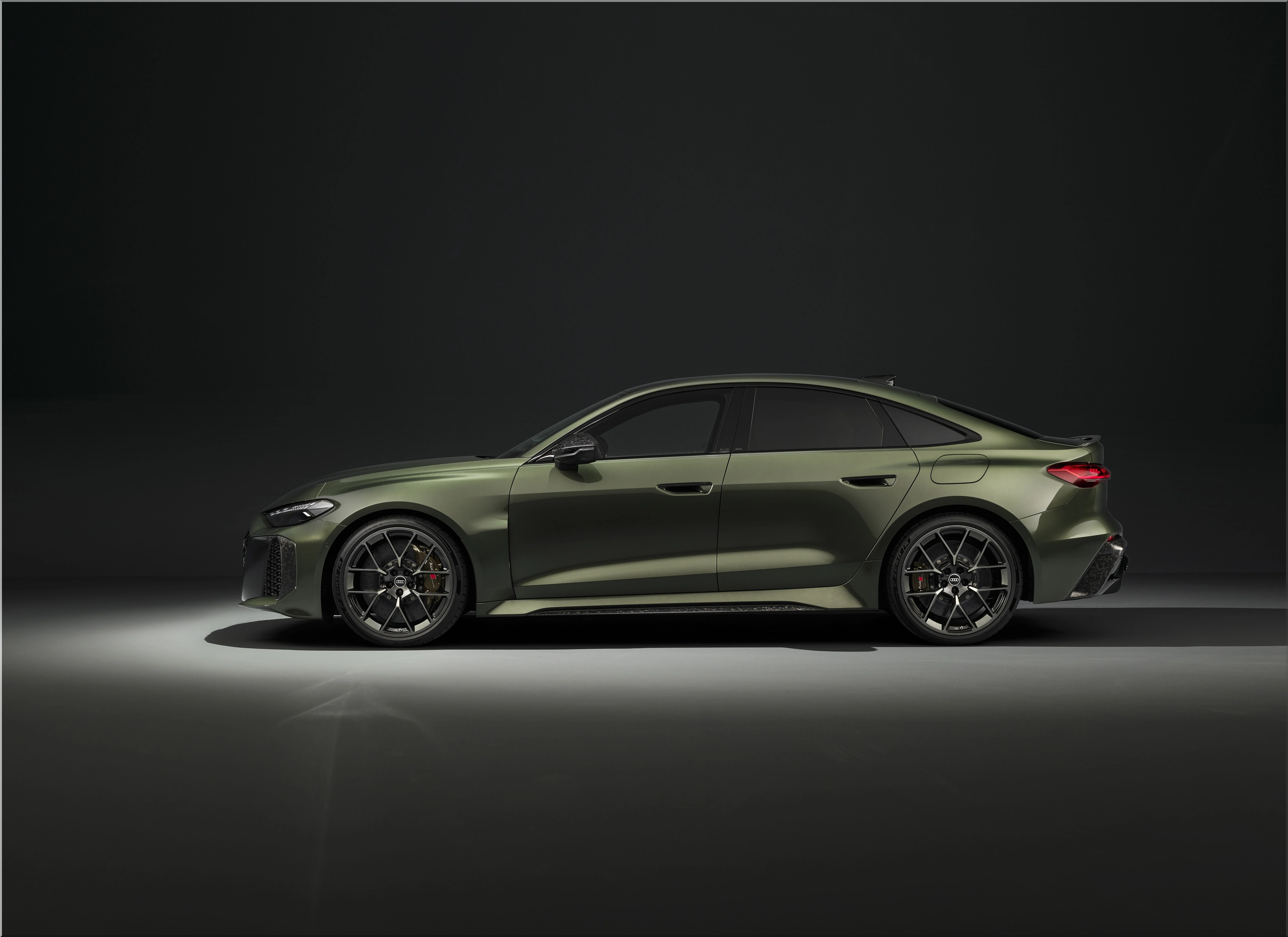
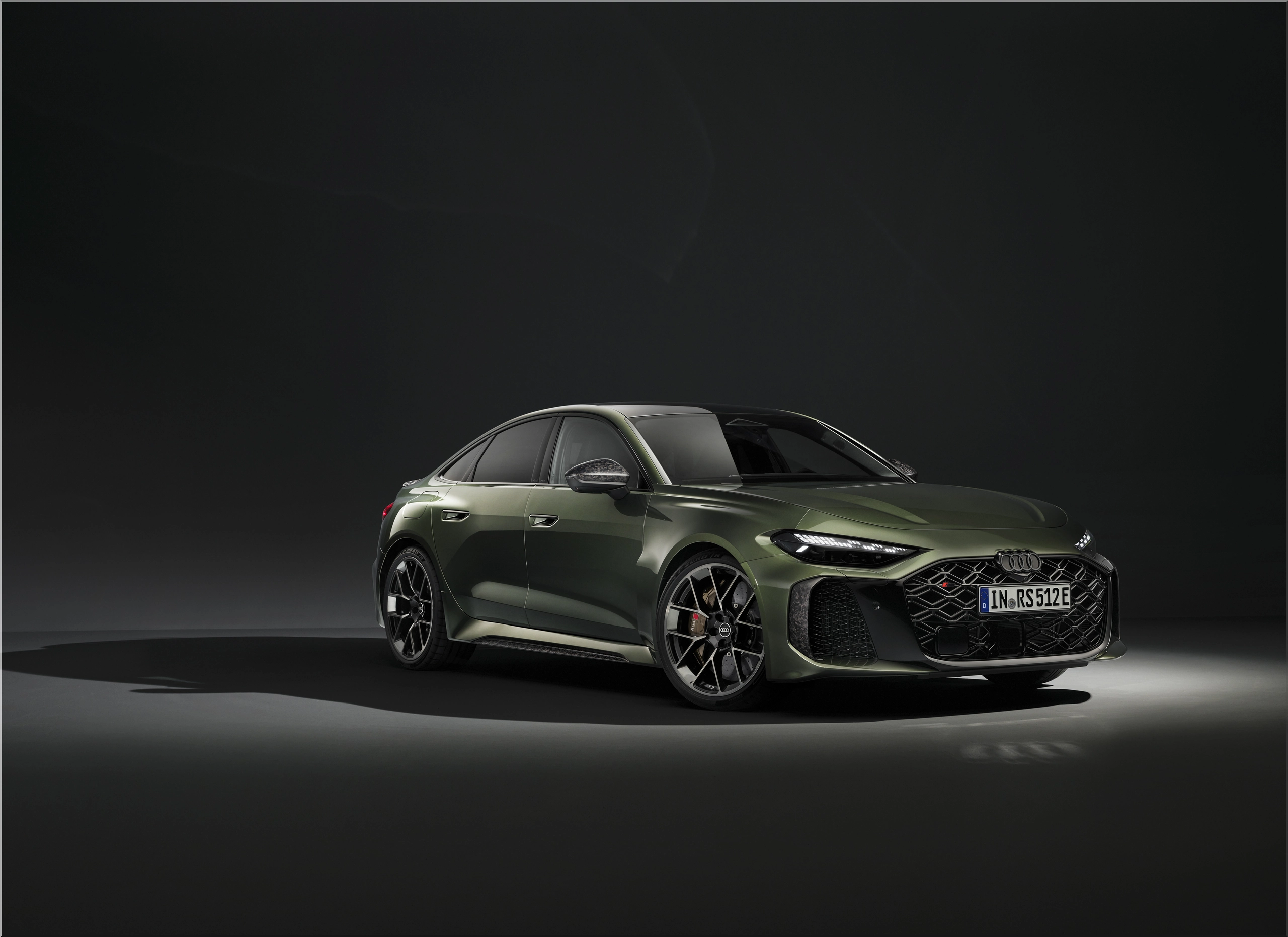
The Audi RS 5 has moved into plug-in hybrid territory, and Audi Sport did not use electrification as a soft landing. It used it as a force multiplier. The new Audi RS 5 hybrid combines a 2.9-liter twin-turbo V6, a 400-volt electric system, a 25.9-kWh battery, and a rear transaxle that actively moves torque across the rear axle.
Image
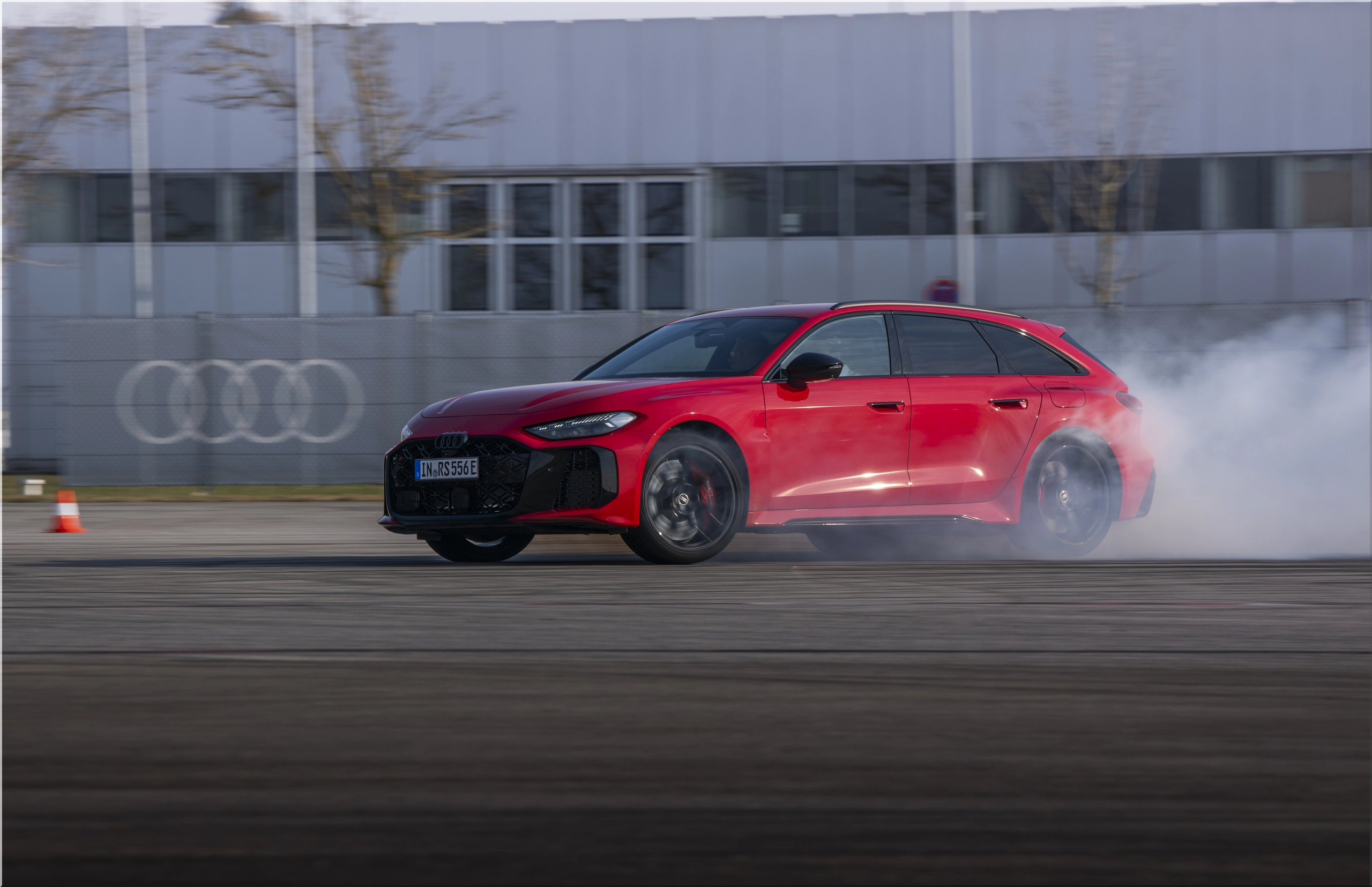
For U.S. readers, the key question starts with value. Audi lists German pricing at 106,200 euros for the RS 5 Sedan and 107,850 euros for the RS 5 Avant. The Audi RS 5 is about $124,500 for the Sedan and $126,400 for the Avant before U.S. taxes, destination, tariffs, or market-specific changes. Audi has not published final U.S. pricing in the data reviewed here, so those numbers work as exchange-rate context, not a window sticker.
Audi RS 5 Hybrid Specs: Power, Battery, Speed, and Range
The new Audi RS 5 delivers 470 kW, equal to 639 PS and roughly 630 horsepower. The gasoline side carries the tradition: a 2.9-liter V6 TFSI with two variable-geometry turbochargers, 375 kW, and 600 Nm of torque. The electric side adds 130 kW and 460 Nm, pushing combined torque to 825 Nm, or about 609 lb-ft.
Image
In addition, Audi RS quotes a 0-100 km/h run of 3.6 seconds, which roughly maps to 0-62 mph. Top speed rises to 285 km/h, or about 177 mph, when fitted with the Audi Sport package. Electric driving range reaches up to 84 km, or about 52 miles, with city electric range up to 87 km, or about 54 miles, under European test logic.
| Audi RS 5 Hybrid Metric | Official Figure | U.S. Conversion |
|---|---|---|
| System output | 470 kW / 639 PS | About 630 hp |
| System torque | 825 Nm | About 609 lb-ft |
| V6 output | 375 kW / 510 PS | About 503 hp |
| Electric motor output | 130 kW / 177 PS | About 174 hp |
| Battery capacity | 25.9 kWh gross / 22 kWh net | Same |
| 0-100 km/h | 3.6 seconds | 0-62 mph |
| Optional top speed | 285 km/h | About 177 mph |
| Max electric range | 84 km EAER | About 52 miles |
| AC charging | 11 kW | Full charge in 2.5 hours |
Why Audi Used a Plug-In Hybrid System
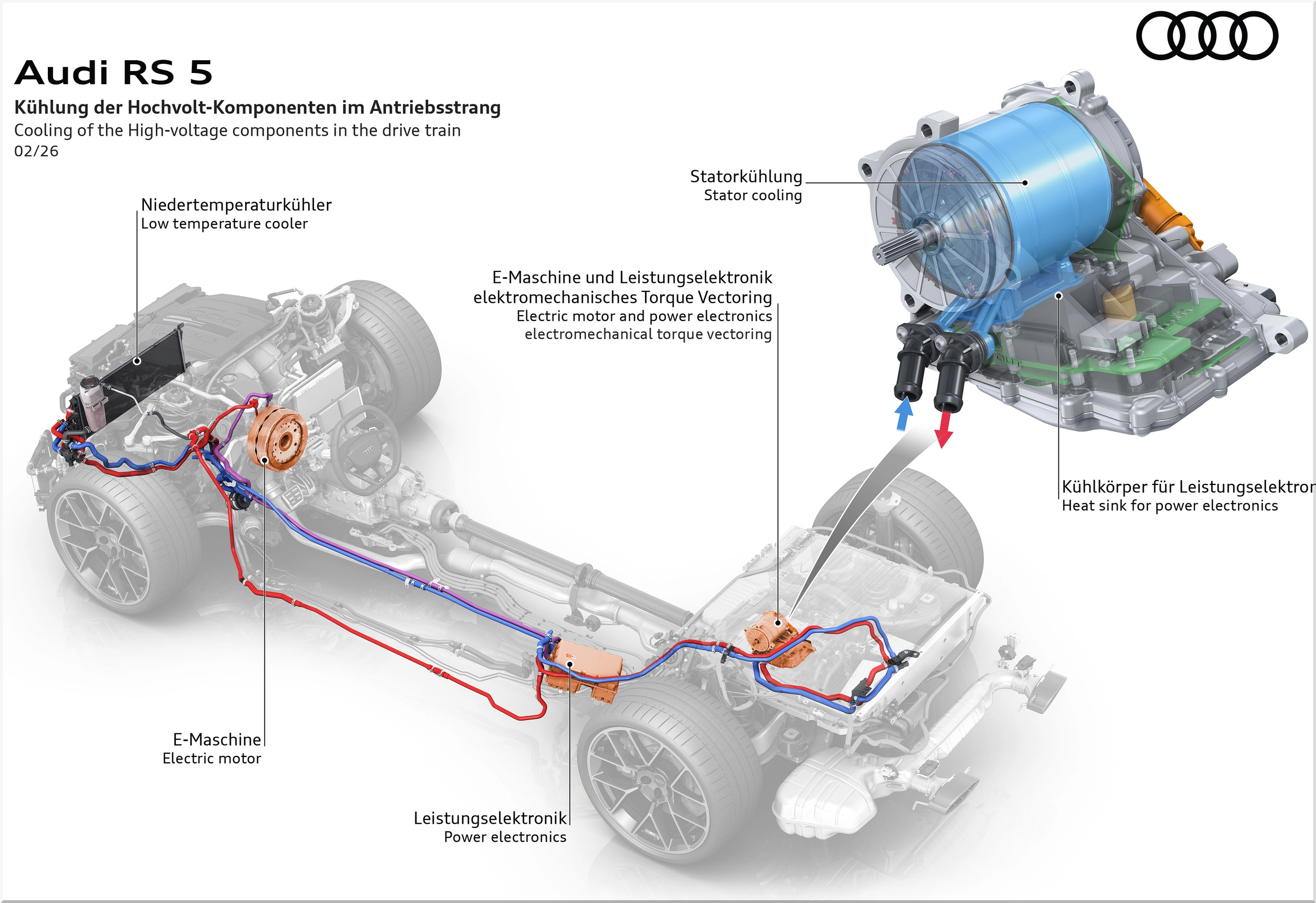
Looking at the data, Audi did not chase electric range alone. It built a powertrain that keeps boost, battery output, and torque control available during hard driving. The battery sits beneath the trunk floor and uses improved cell chemistry that Audi says supplies more power at low charge levels and in extreme temperatures.
Specifically, RS sport and RS torque rear modes hold the state of charge at roughly 90 percent. That decision tells you how Audi tuned the car. It protects repeatable performance, not only commute efficiency. The system also feeds up to 8 kW to the permanent-magnet motor inside the torque-vectoring unit, so the battery supports both acceleration and cornering control.
Image
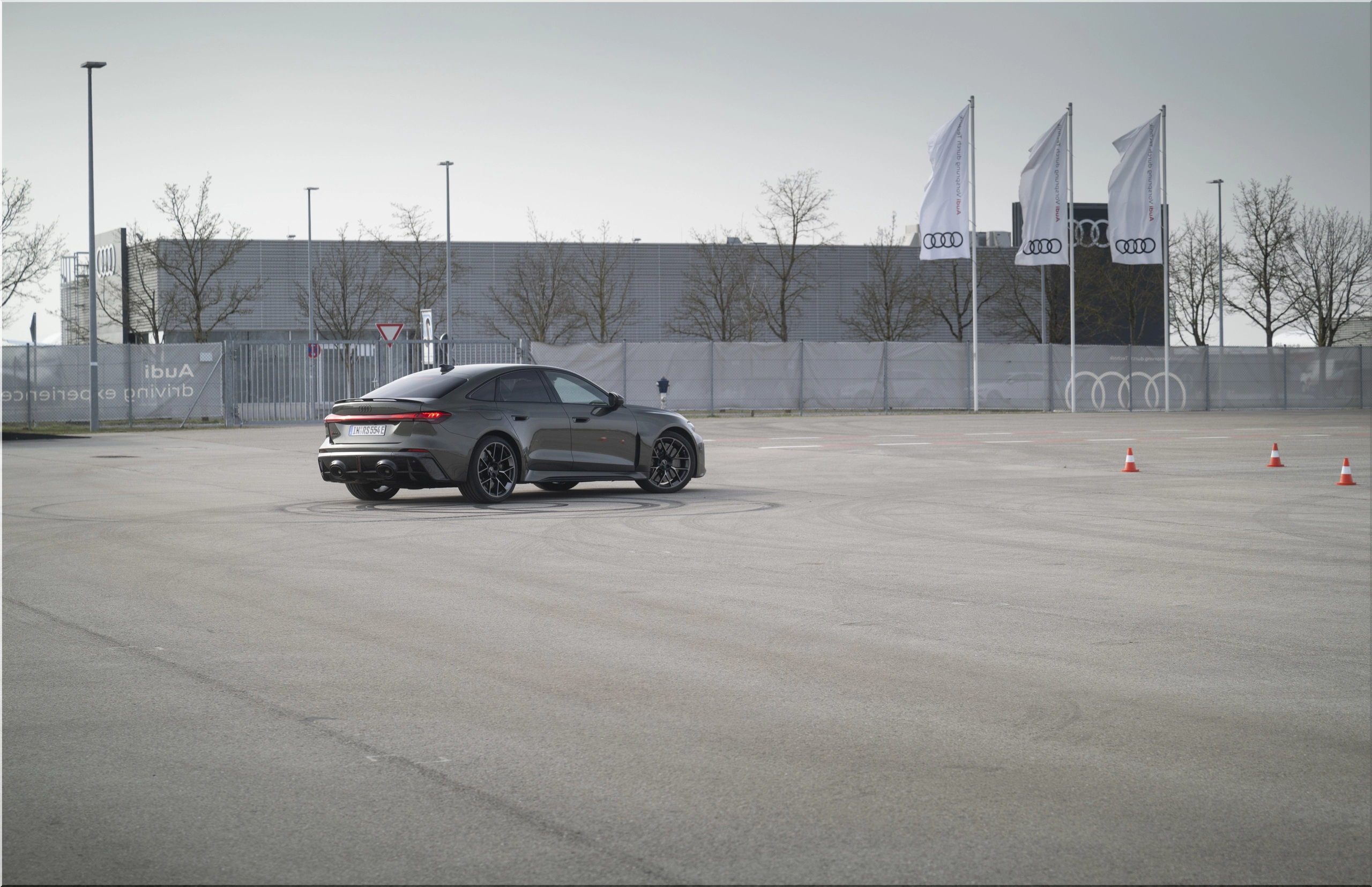
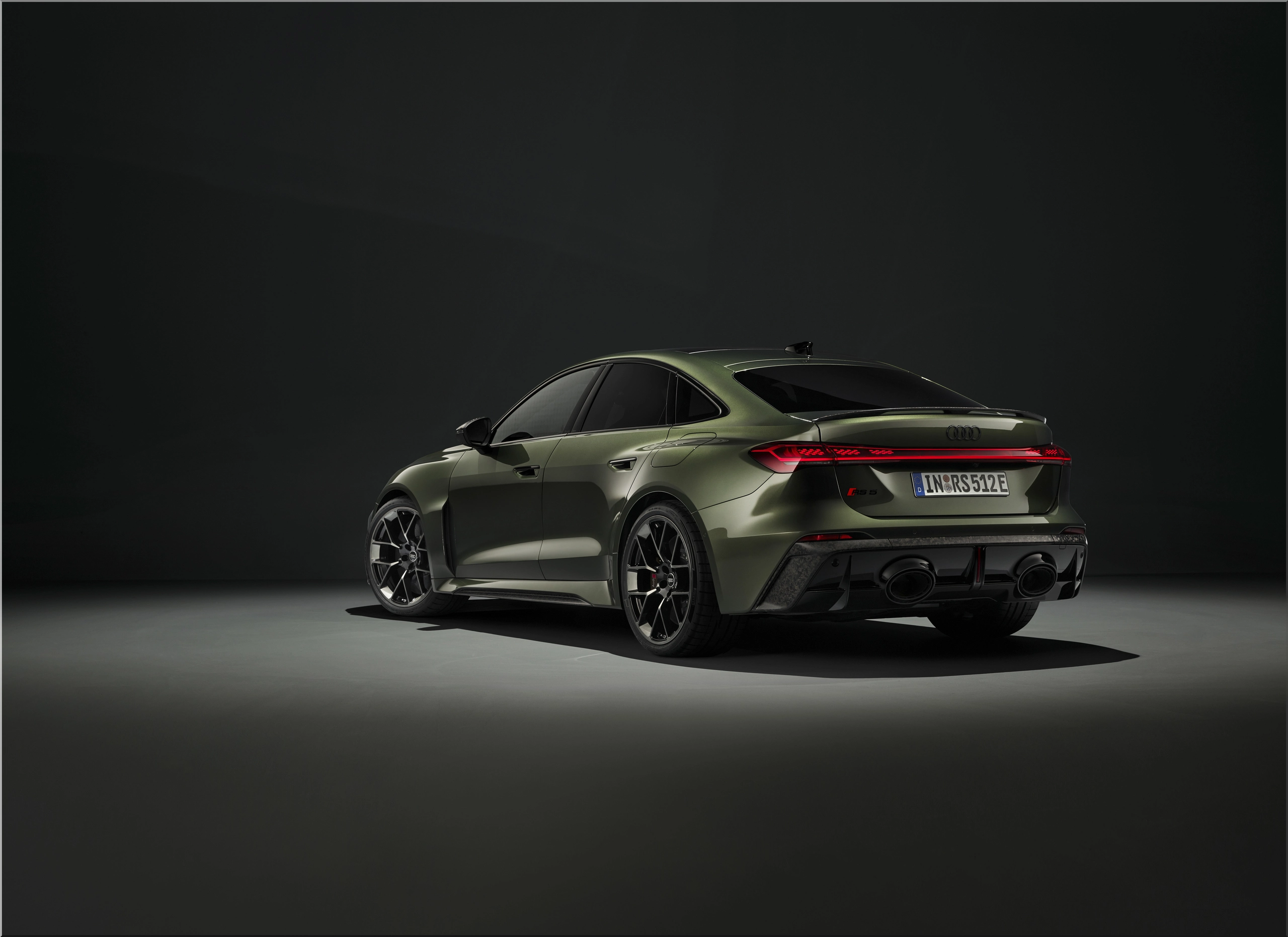
Quattro With Dynamic Torque Control Changes the Rear Axle
The biggest engineering story sits behind the cabin, not under the hood. The quattro with Dynamic Torque Control system uses an 8-kW, 40-Nm high-voltage actuator, overdrive gears, and a conventional differential to create torque differences across the rear axle. Audi says the system reacts in 15 milliseconds and recalculates rear torque distribution every 5 milliseconds, or 200 times per second.
By comparison, a clutch-based torque splitter needs power load to fully distribute torque. Audi's electromechanical system can act while the driver lifts off the throttle or brakes into a corner. Consequently, the RS 5 can influence yaw before the gasoline engine or main electric motor sends big drive torque through the axle.
Image
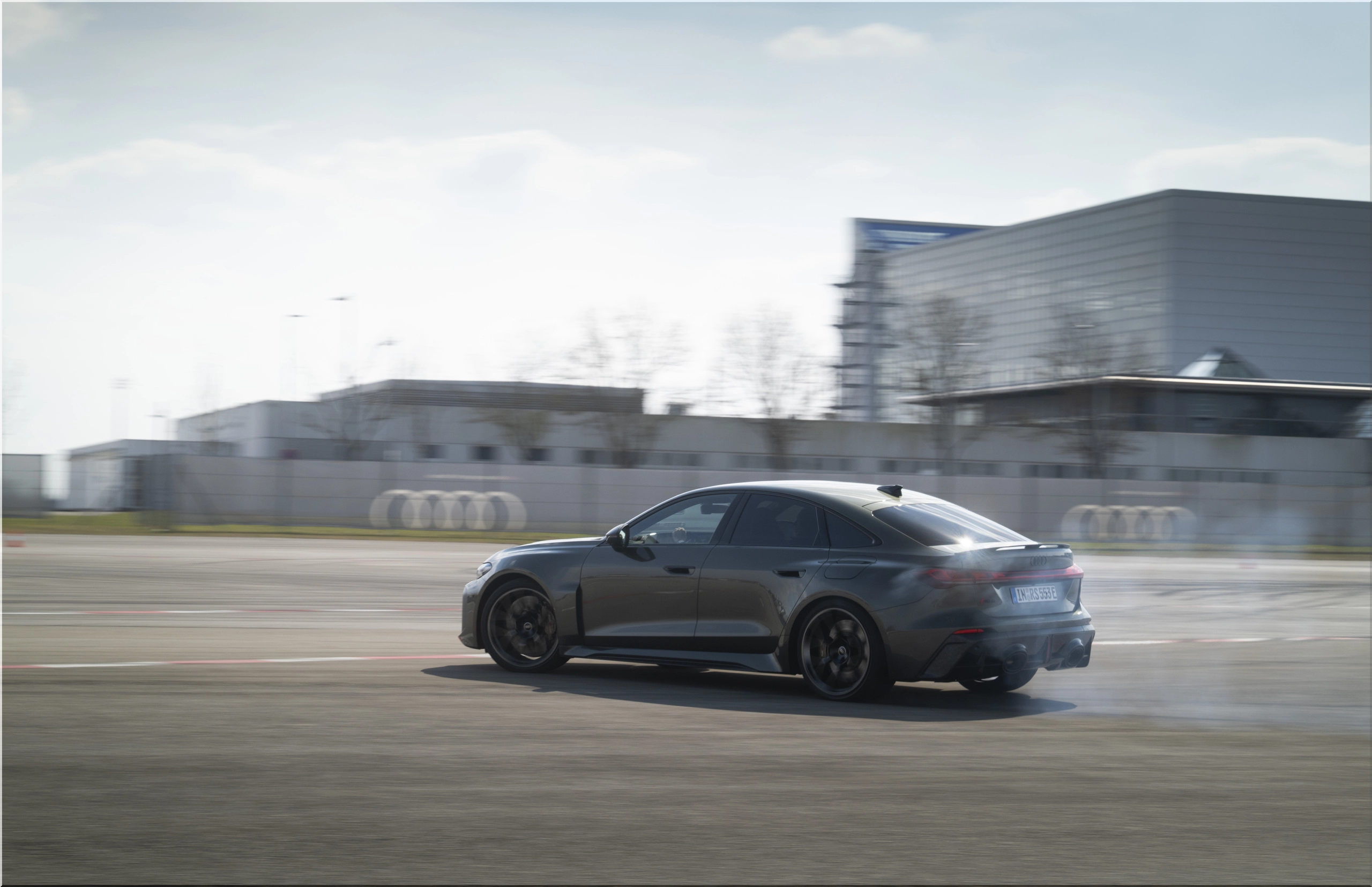
Electromechanical torque vectoring uses an electric actuator and gears to create a torque difference between left and right wheels. In the RS 5, that means the rear axle can help rotate, stabilize, or tighten the car's line during turn-in, mid-corner balance, and corner exit.
Chassis, Brakes, and Tire Hardware
Audi also gave the RS 5 a 10 percent stiffer unibody than the base A5. That matters because a hybrid performance sedan carries serious mass: 2,355 kg for the Sedan and 2,370 kg for the Avant. Converted, that means about 5,192 pounds and 5,225 pounds.
Image
The chassis uses five-link suspension front and rear, RS-specific axle geometry, and twin-valve shock absorbers that control compression and rebound independently. From an expert perspective, that twin-valve layout gives Audi a wider tuning window because the damper can resist body pitch and roll without making every sharp road impact feel like a punishment.
| Chassis and Brake Hardware | Standard / Optional Detail |
|---|---|
| Body stiffness | 10 percent stiffer than base A5 |
| Sedan curb weight | 2,355 kg / about 5,192 lb |
| Avant curb weight | 2,370 kg / about 5,225 lb |
| Steering ratio | 13:1 |
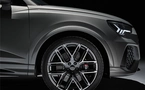
| Standard wheels | 20-inch RS alloys with 285/35 tires |
| Optional wheels | Forged 21-inch RS wheels |
| Standard brakes | 420 mm front / 400 mm rear steel discs |
| Optional ceramic brakes | 440 mm front / 410 mm rear discs |
| Ceramic brake weight saving | About 30 kg / 66 lb |
| 100-0 km/h braking | 30.6 meters / about 100 ft with ceramics |
Audi RS 5 Sedan vs Audi RS 5 Avant
The Sedan makes the cleaner U.S. business case. The Audi RS 5 Avant makes the enthusiast case. Both use the same 470-kW hybrid system, but the wagon body adds practicality, weight, and cult status.
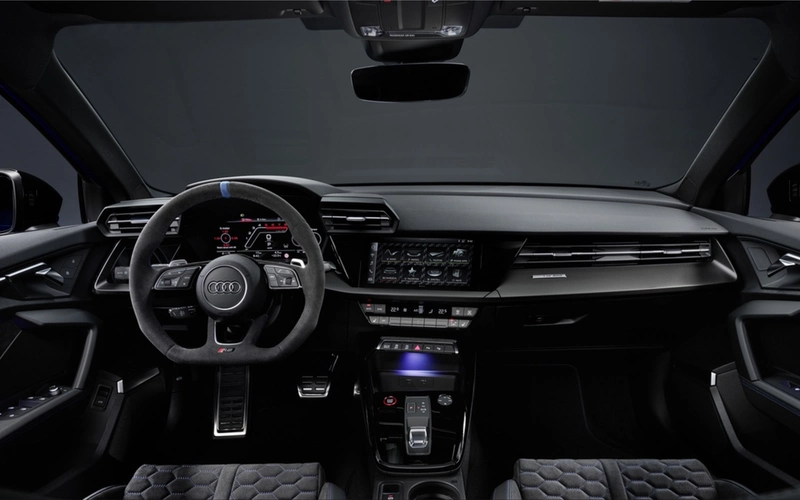
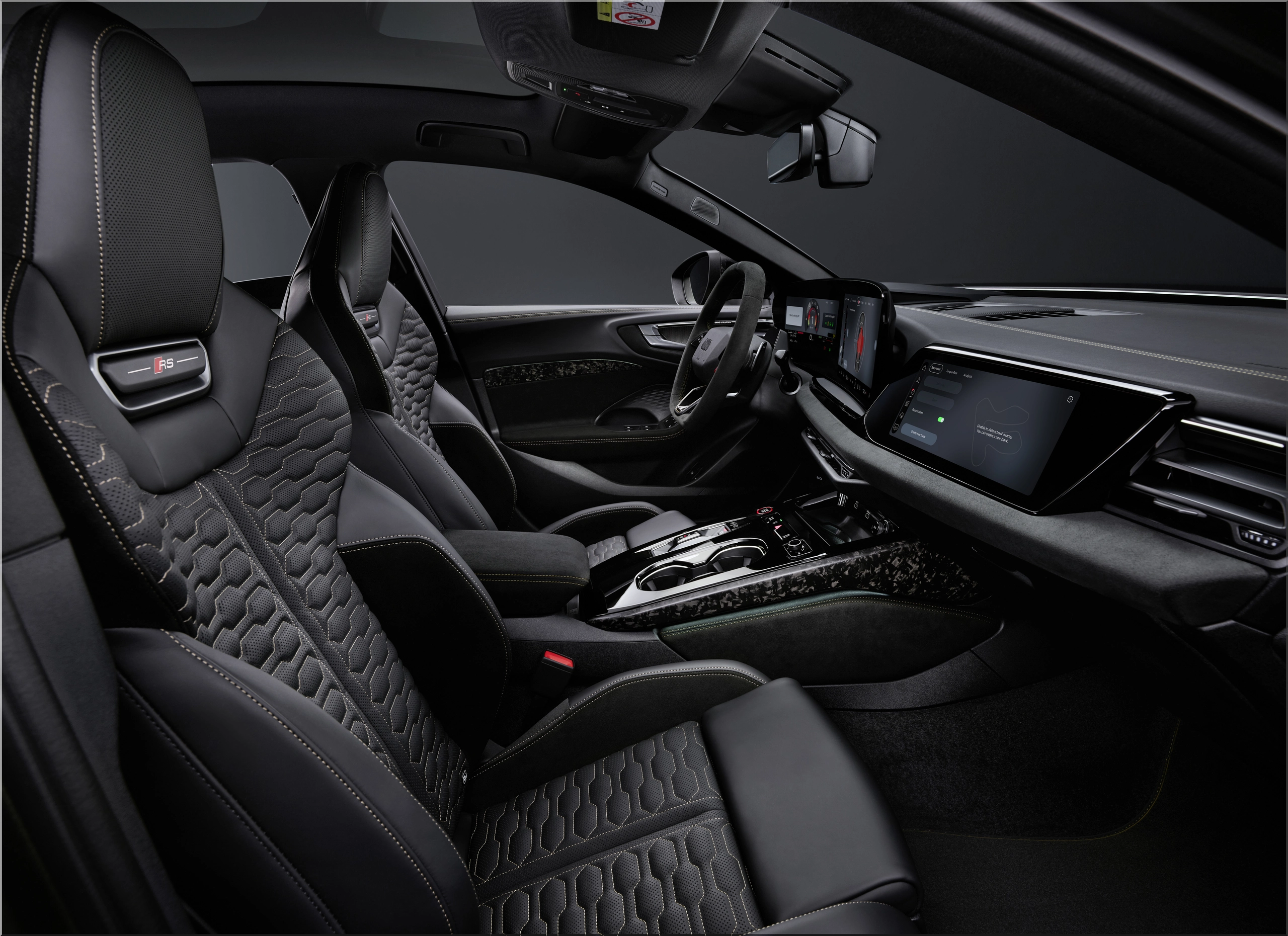
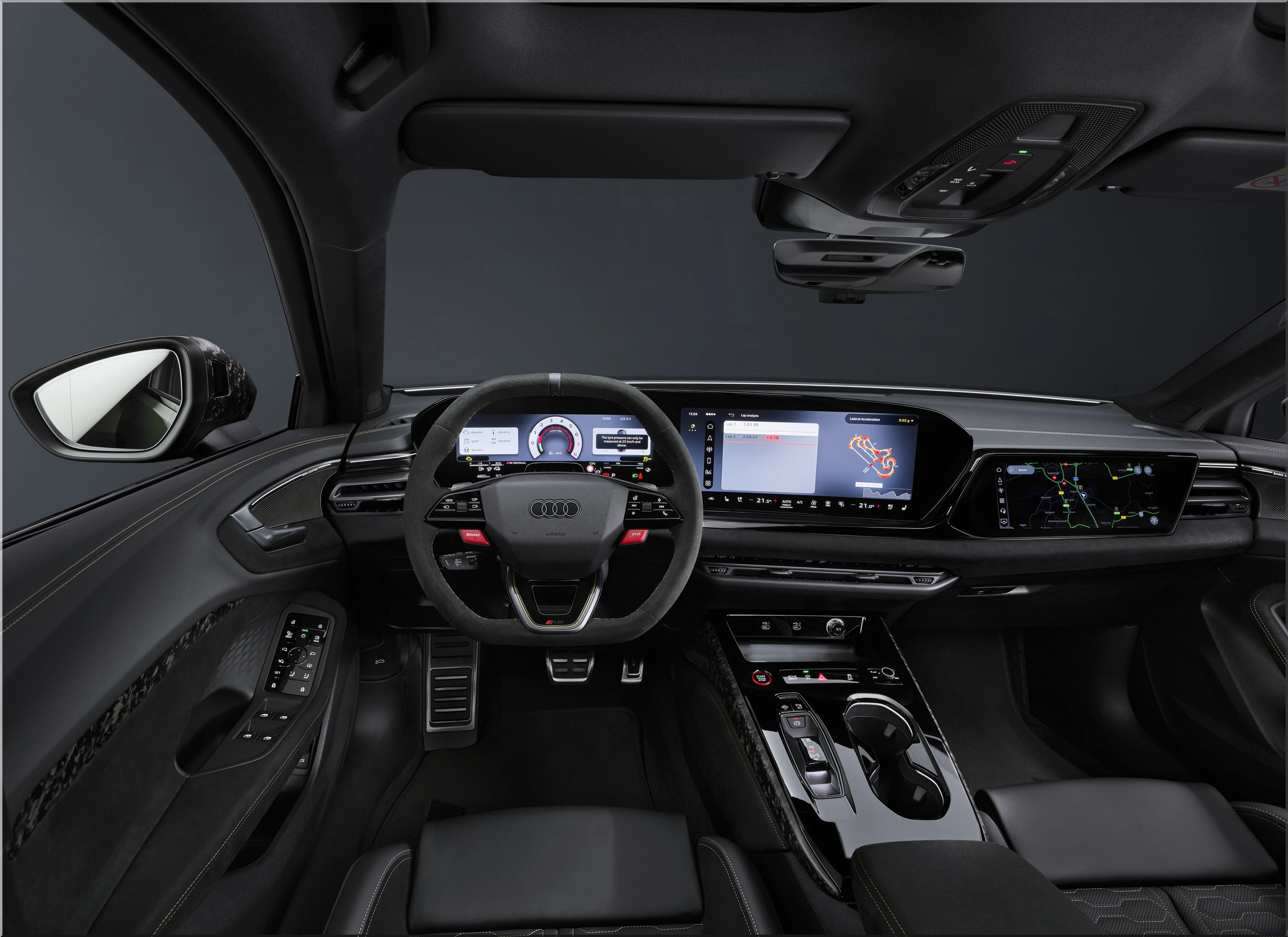
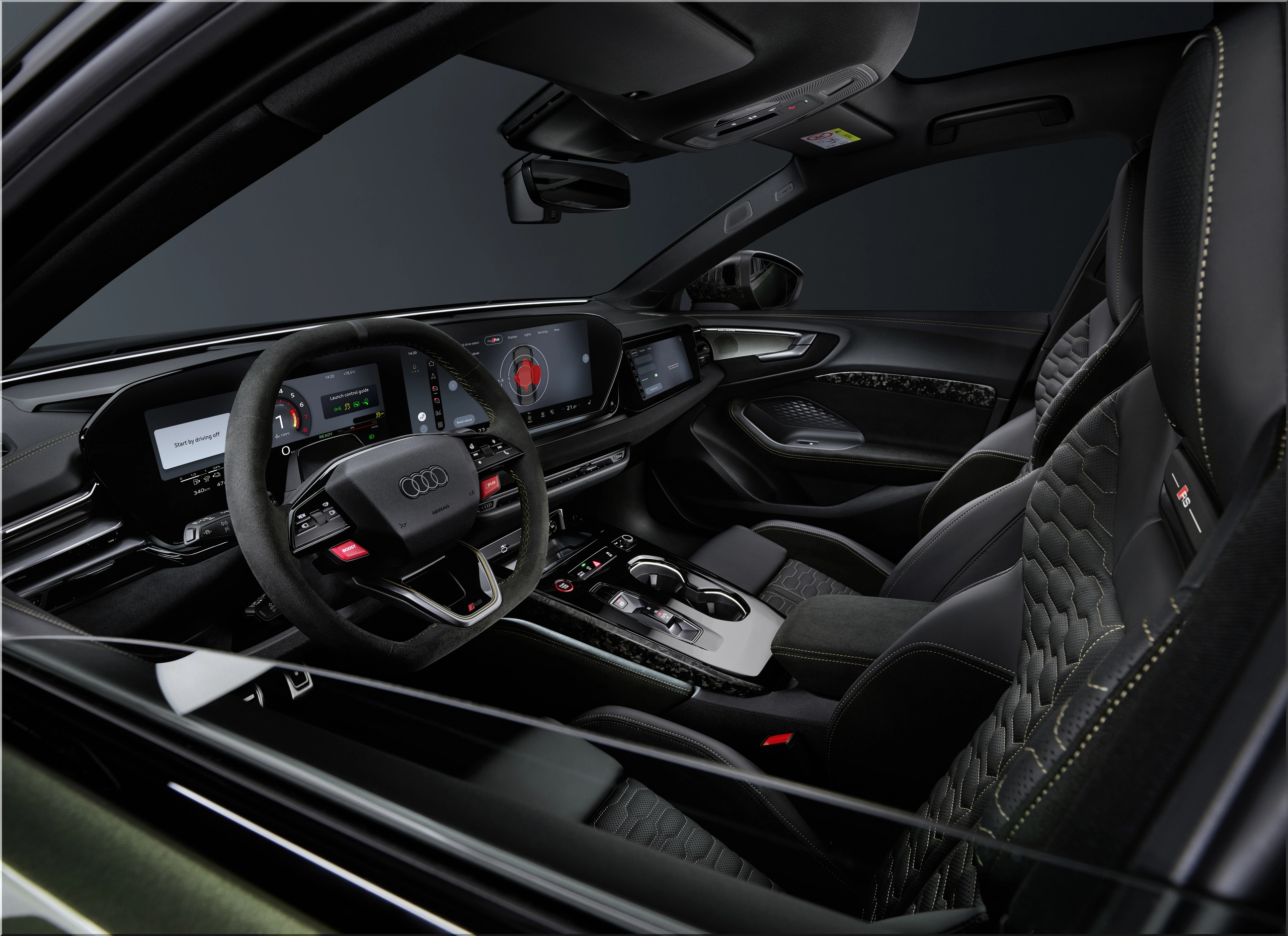
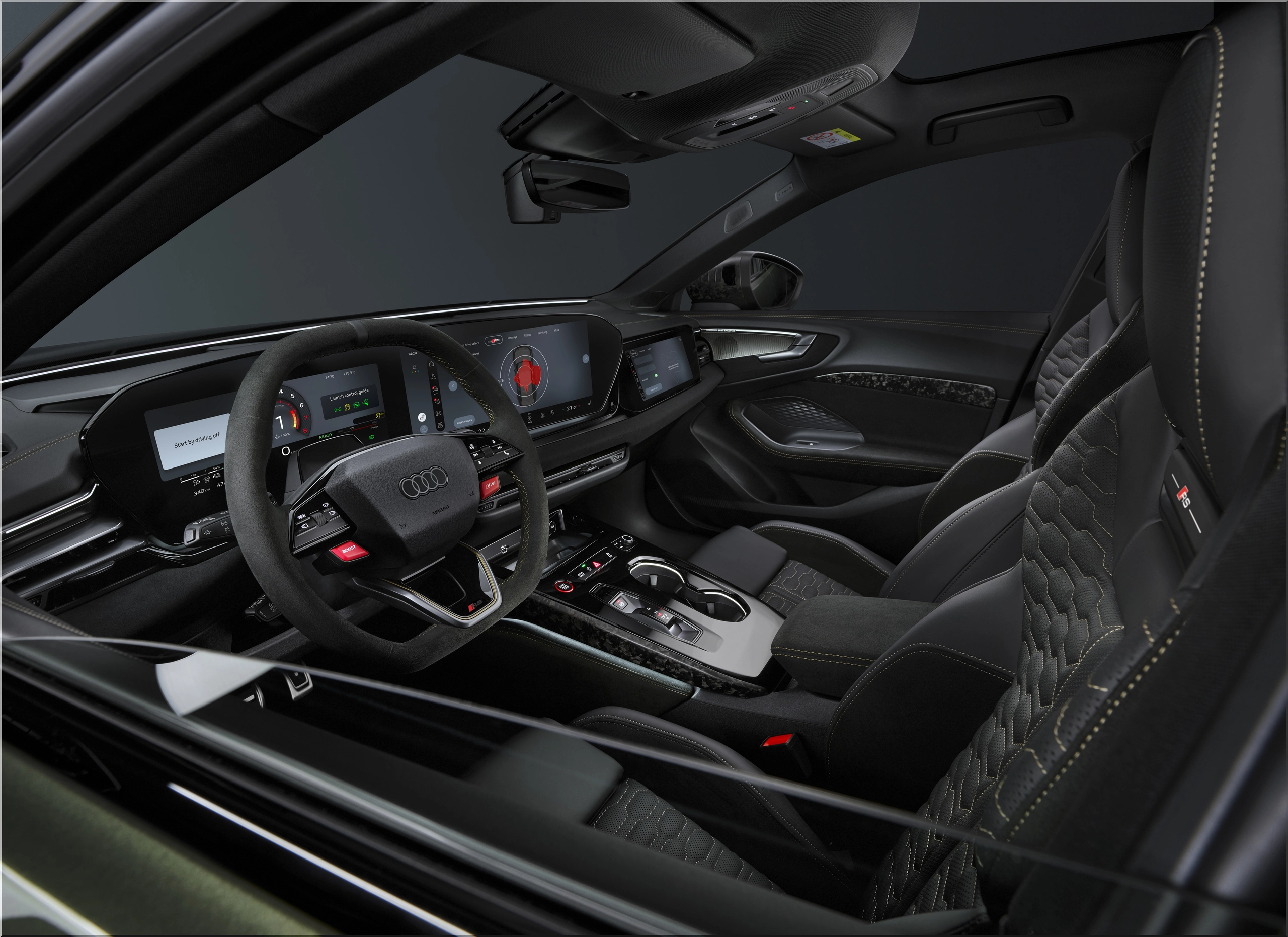
In addition, Audi gives both versions the same core digital cockpit: an 11.9-inch virtual cockpit, a 14.5-inch MMI touch display, and a 10.9-inch passenger display. The RS displays show tire pressures, tire temperatures, powertrain temperatures, G forces, lap times, and drivetrain data. That makes the cabin useful for drivers who actually track the car, not only buyers who like carbon trim.
Pro-Tips for U.S. Audi RS 5 Buyers
- Watch final U.S. specs closely. European range, pricing, and equipment may shift when Audi confirms the American model.
- Prioritize ceramic brakes only for hard use. They save about 66 pounds and resist heat, but steel brakes may make more sense for daily driving costs.
- Check tire availability before choosing 21-inch wheels. Staggered, RS-specific performance tires can cost more and offer fewer replacement choices.
- Use the electric range strategically. A 50-mile electric window can cover weekday errands, while the V6 and hybrid system preserve the car's long-distance role.
- Inspect tire pressure often. Heavy performance hybrids load their tires hard, so correct PSI protects braking, steering response, and tread life.
Should Performance Buyers Care About the Audi RS 5 Hybrid?
Yes, but they should care for the right reason. The Audi RS 5 plug-in hybrid does not simply add electric hardware for emissions math. It uses the battery, electric motor, rear transaxle actuator, brake-by-wire system, and RS drive modes as one performance system.
The trade-off comes through mass and complexity. At more than 5,190 pounds, the RS 5 needs smart hardware to feel sharp. Audi's answer uses software speed, electric torque, and chassis stiffness to offset weight while adding real electric-only driving range. That makes this RS 5 one of the most technically serious Audi Sport models yet, and a major test of how performance hybrids will replace pure gasoline sport sedans.
Image Gallery
- Add new comment
- 99 views