2026 Honda WN7 Electric Motorcycle Review: 100 Nm Torque, 87-Mile Range

Honda has entered the full-size electric motorcycle market with the 2026 Honda WN7, a machine engineered for data-backed performance rather than marketing promises. It represents a significant step for the company toward full electrification by the 2040s.
Honda’s First Production Electric Motorcycle
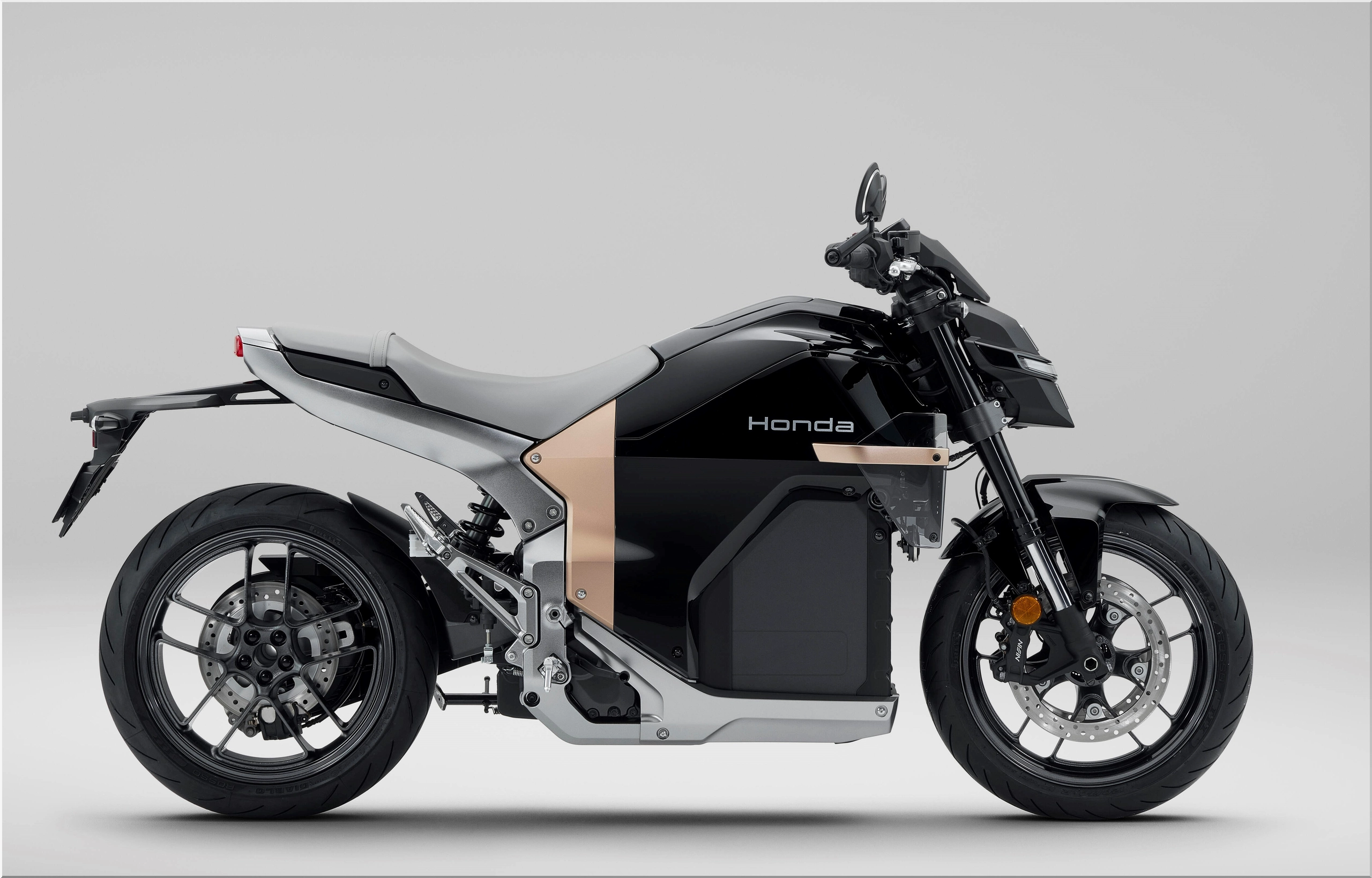
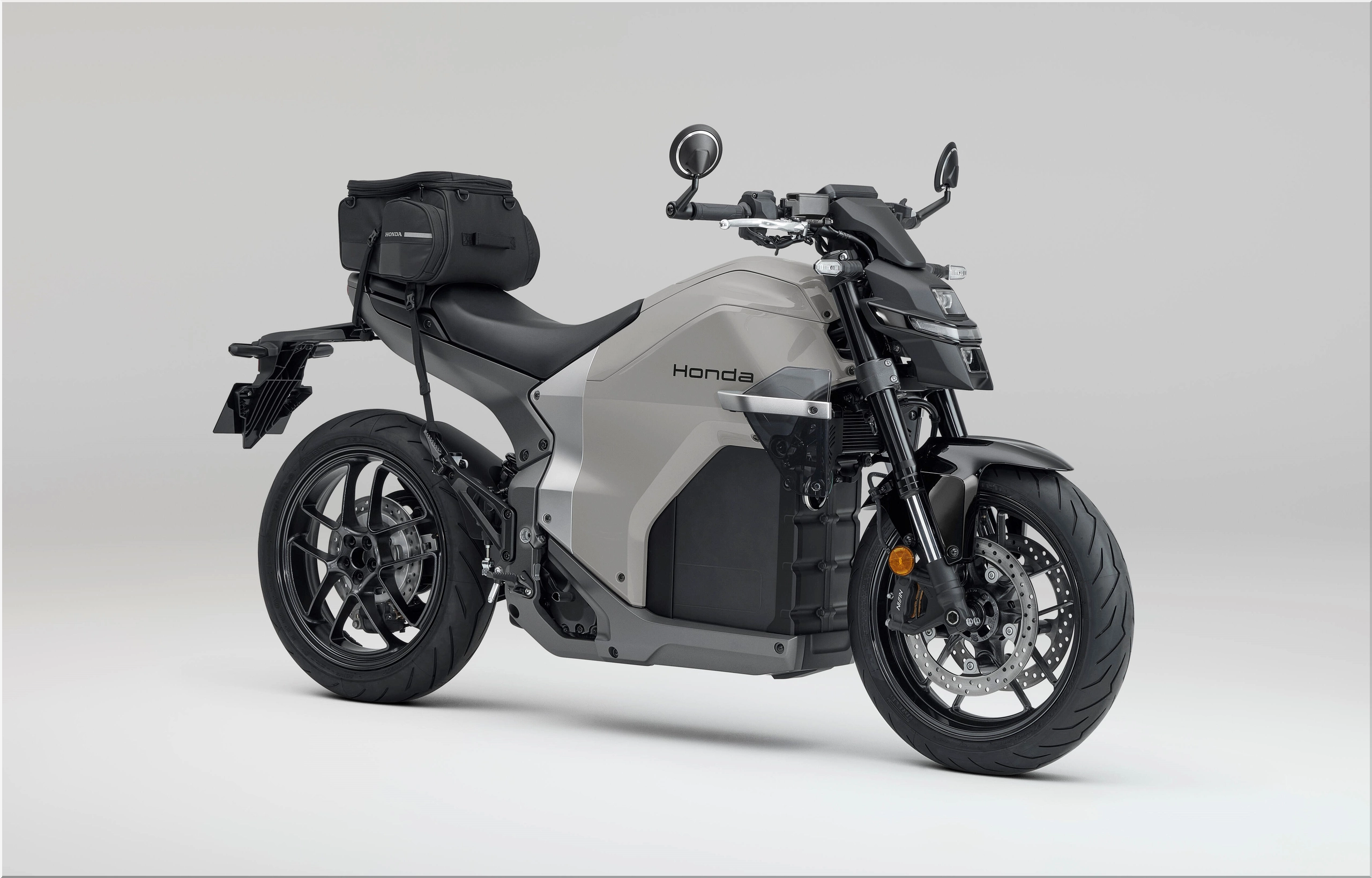
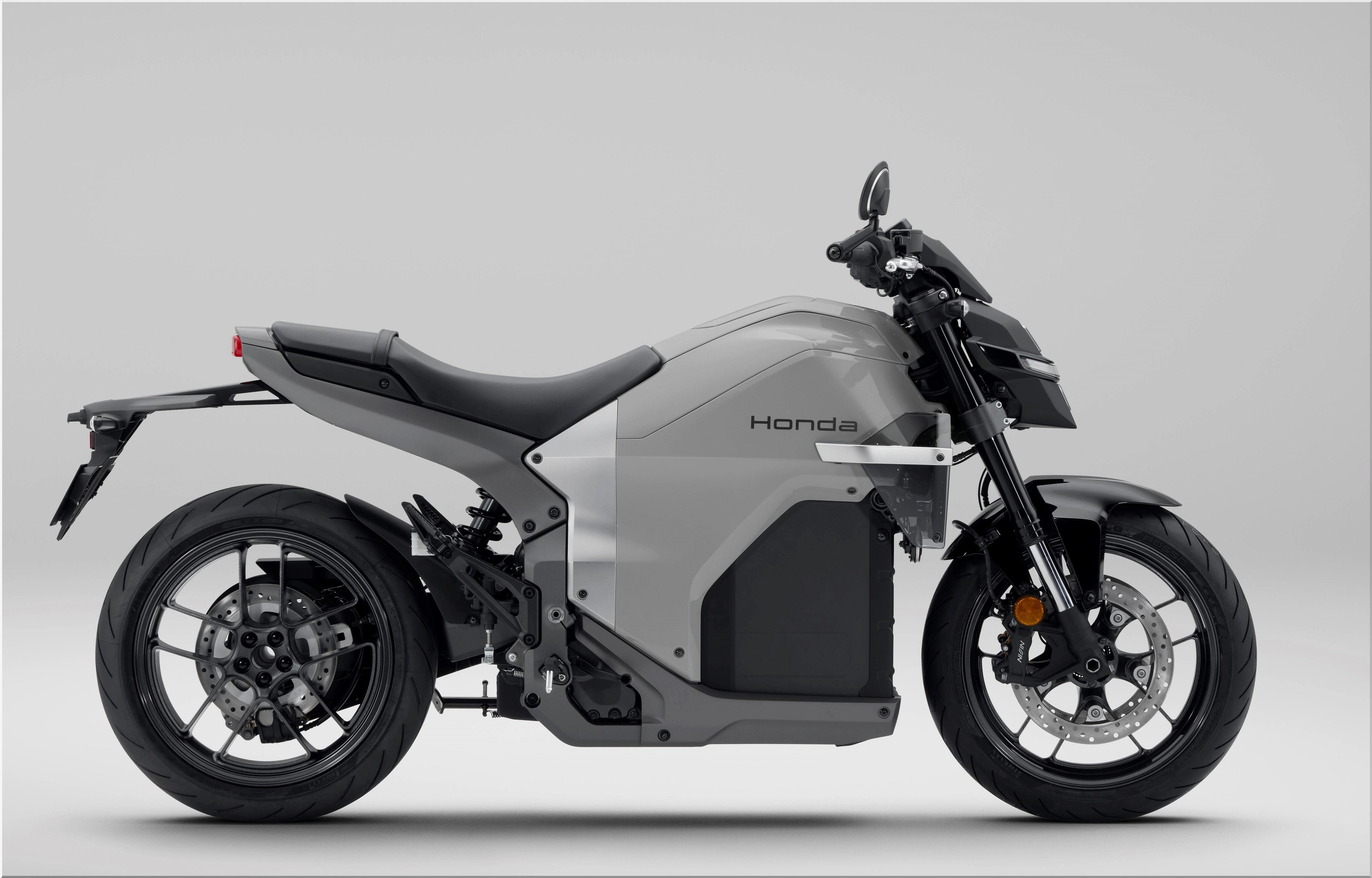
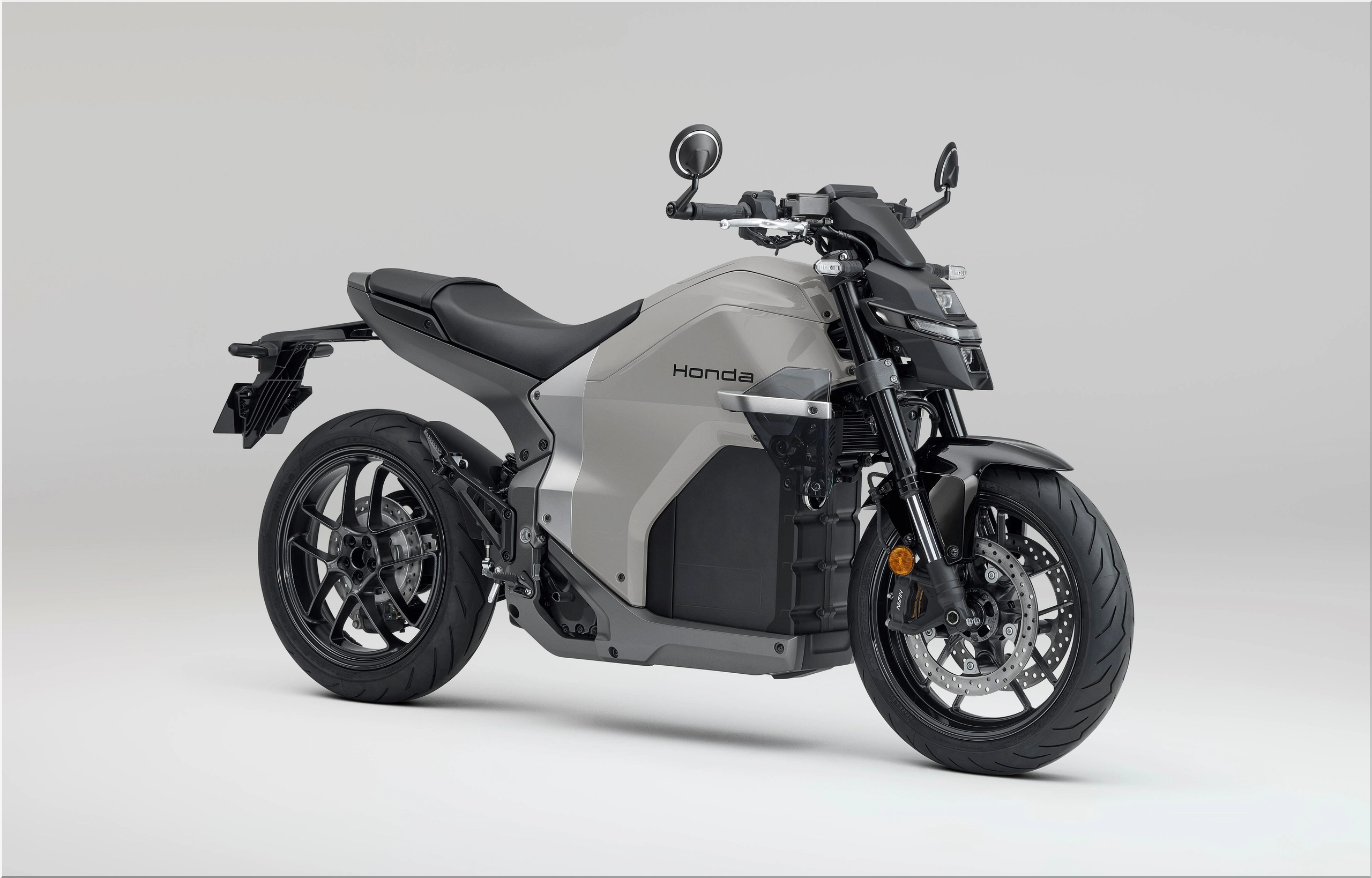
The Honda WN7 serves as the brand’s first production electric motorcycle, bridging Honda’s long-standing combustion expertise with future-focused design. It’s built around a 9.3 kWh high-voltage battery pack and a liquid-cooled electric motor that delivers 50 kW peak power and 100 Nm of torque. This configuration enables sharp, linear acceleration — 0–100 km/h in 4.6 seconds — putting it near parity with the CB500 Hornet.
Range is rated at 140 km (87 miles) under WMTC conditions, with an 11 kW A1-licence version offering slightly more distance per charge at 153 km (95 miles).
Image
Fast Charging, Simple Living
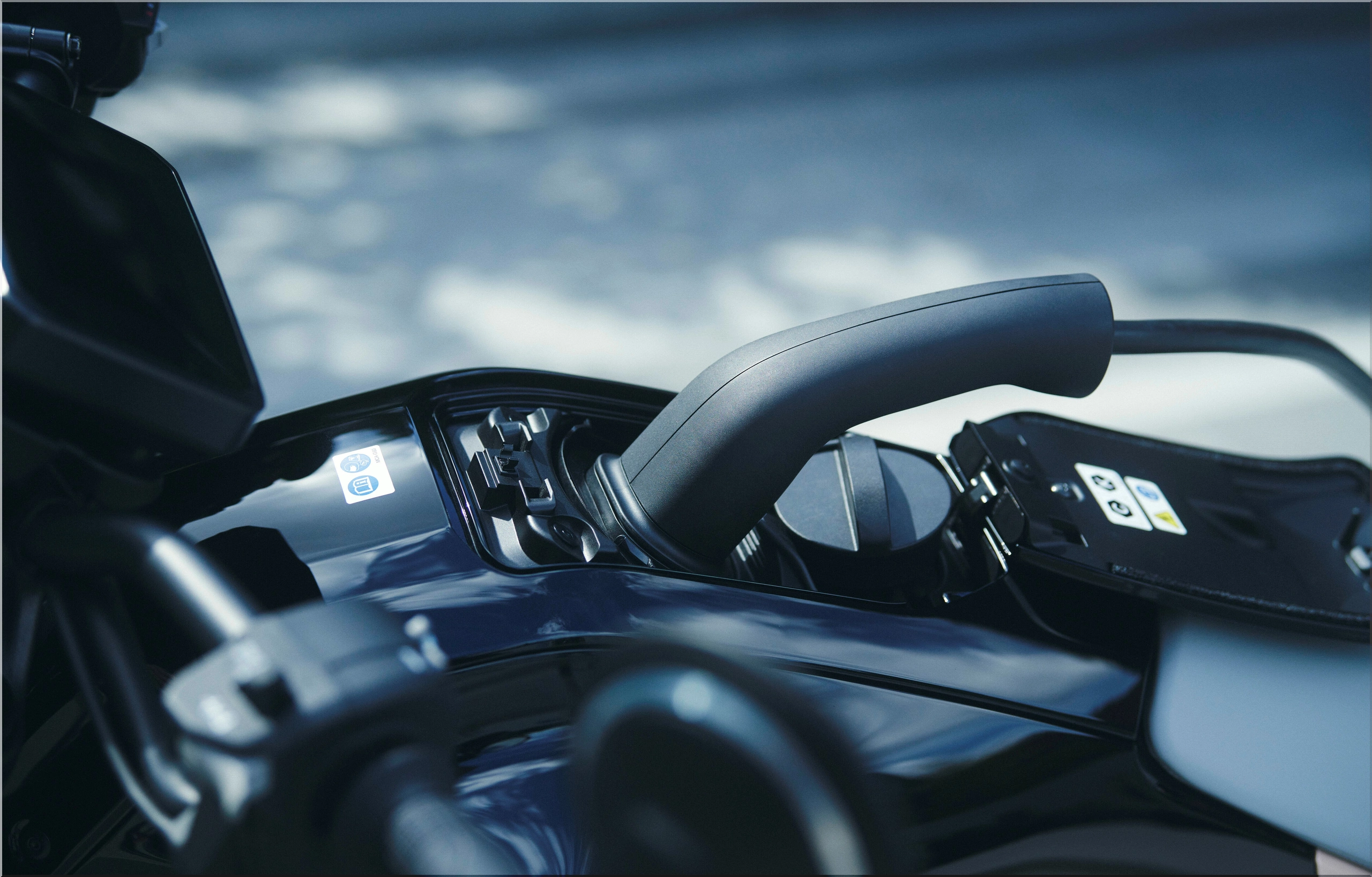
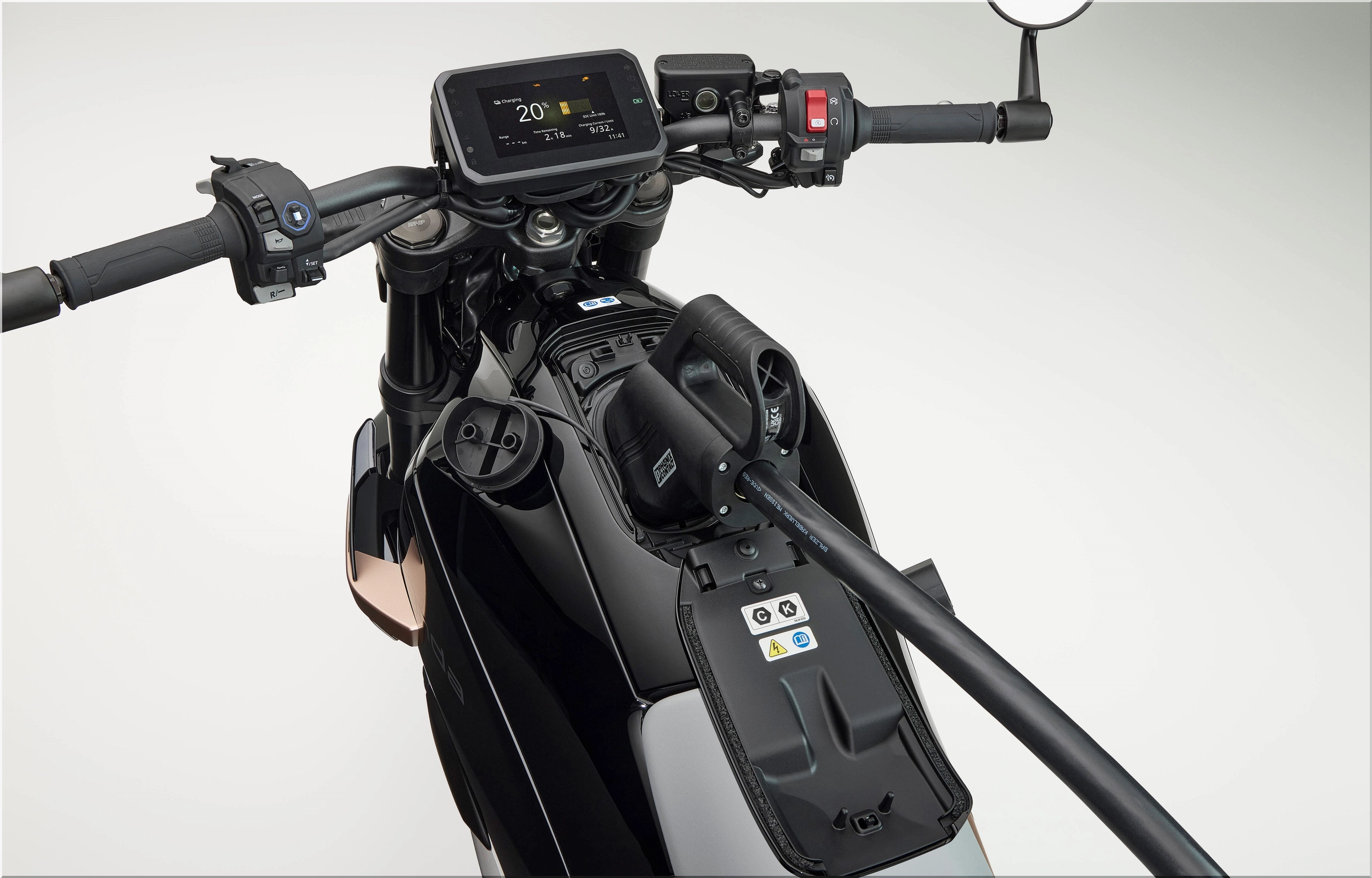
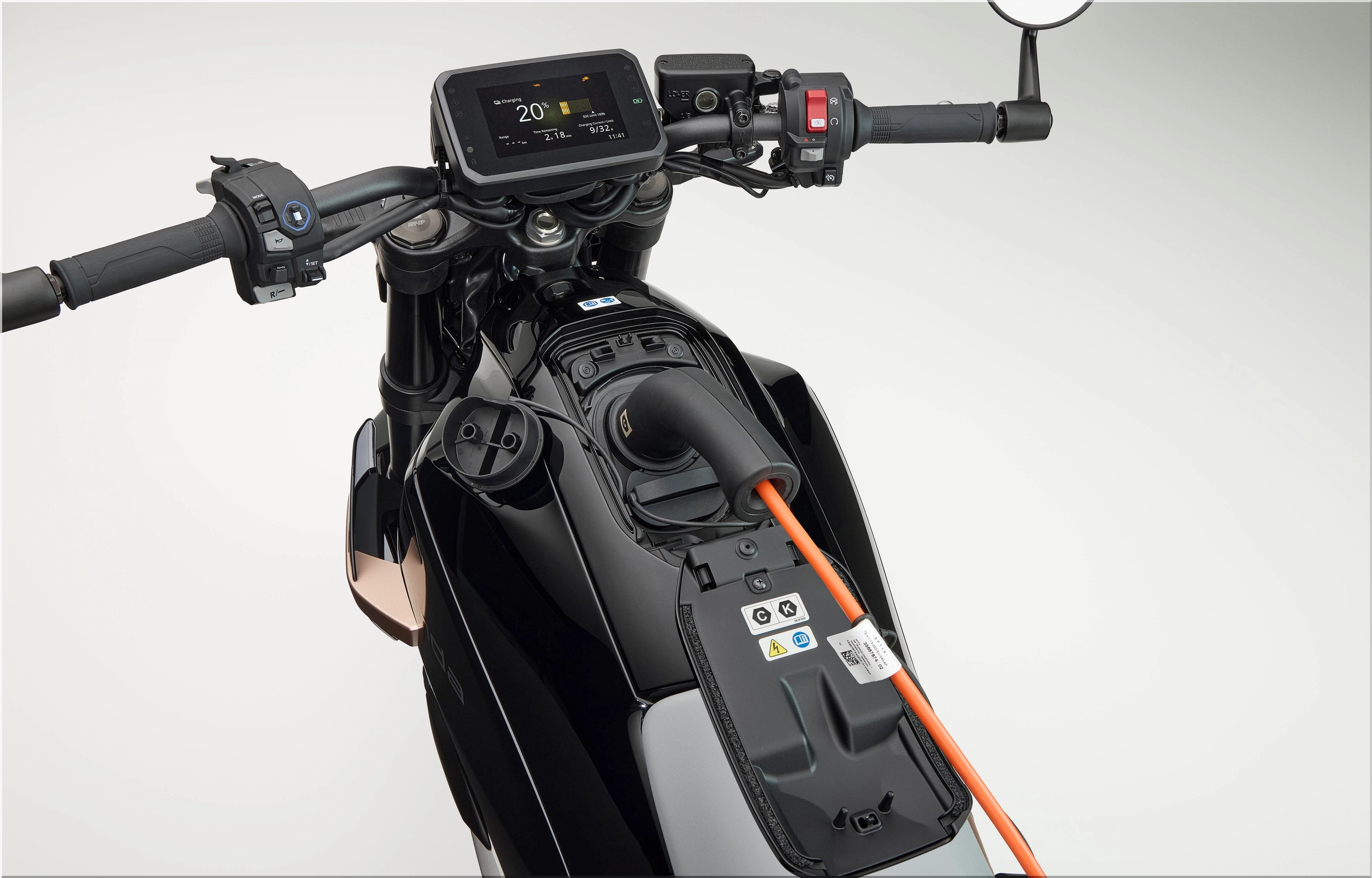
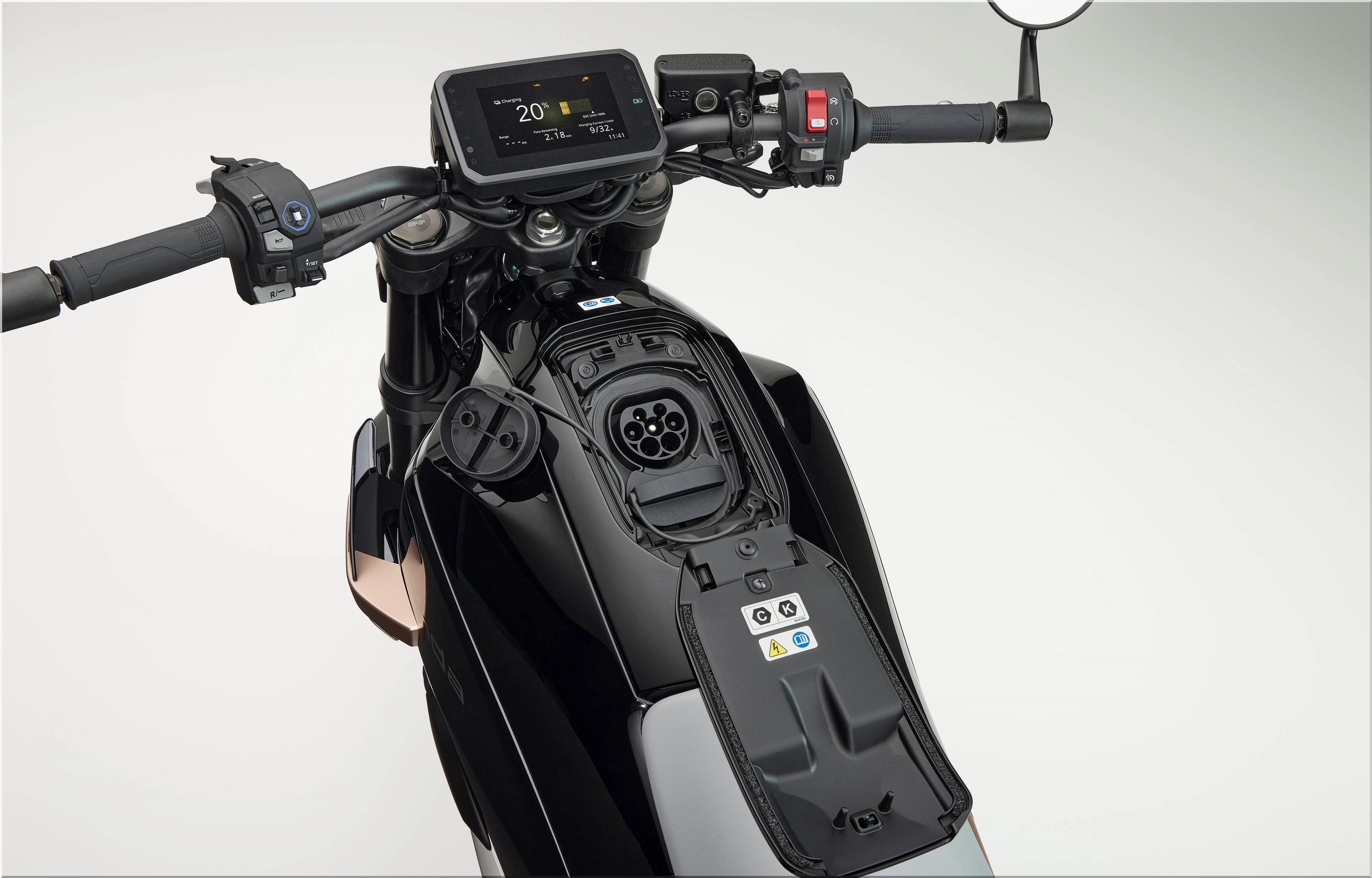
Honda engineered the WN7’s charging system to fit existing infrastructure. It supports CCS2 fast charging, allowing a 20%–80% top-up in 30 minutes, good for about 89 km (55 miles) of additional range. Using a standard AC230V wall plug, full charging takes 5.5 hours, while a dedicated 6 kVA home charger reduces that to 2.4 hours.
Charging compatibility with car-based networks removes range anxiety for urban riders. Honda’s strategy here is clear: align motorcycle charging with the expanding EV ecosystem instead of building an isolated one.
Image
Lightweight Chassis and Intelligent Ride Dynamics
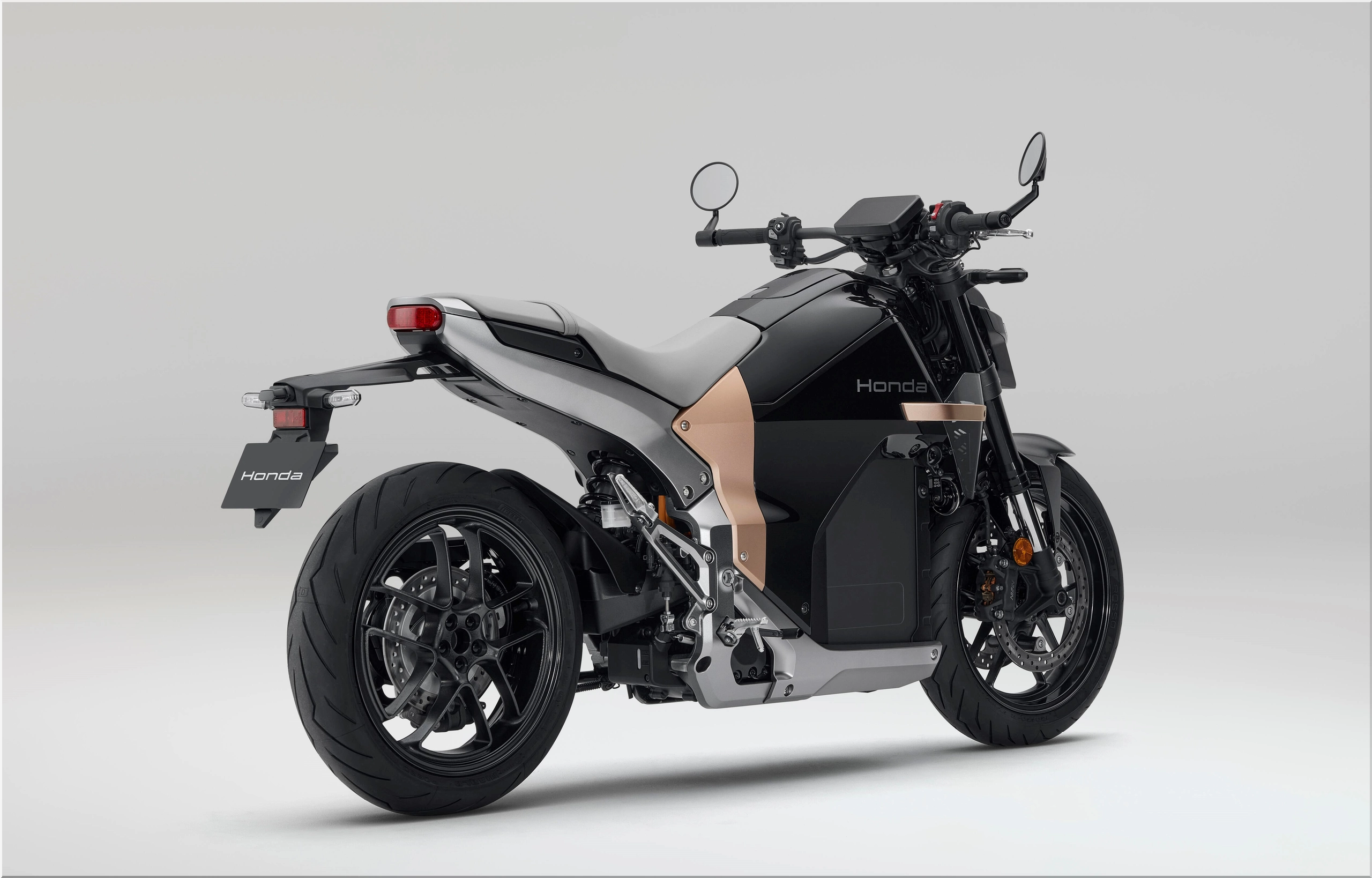
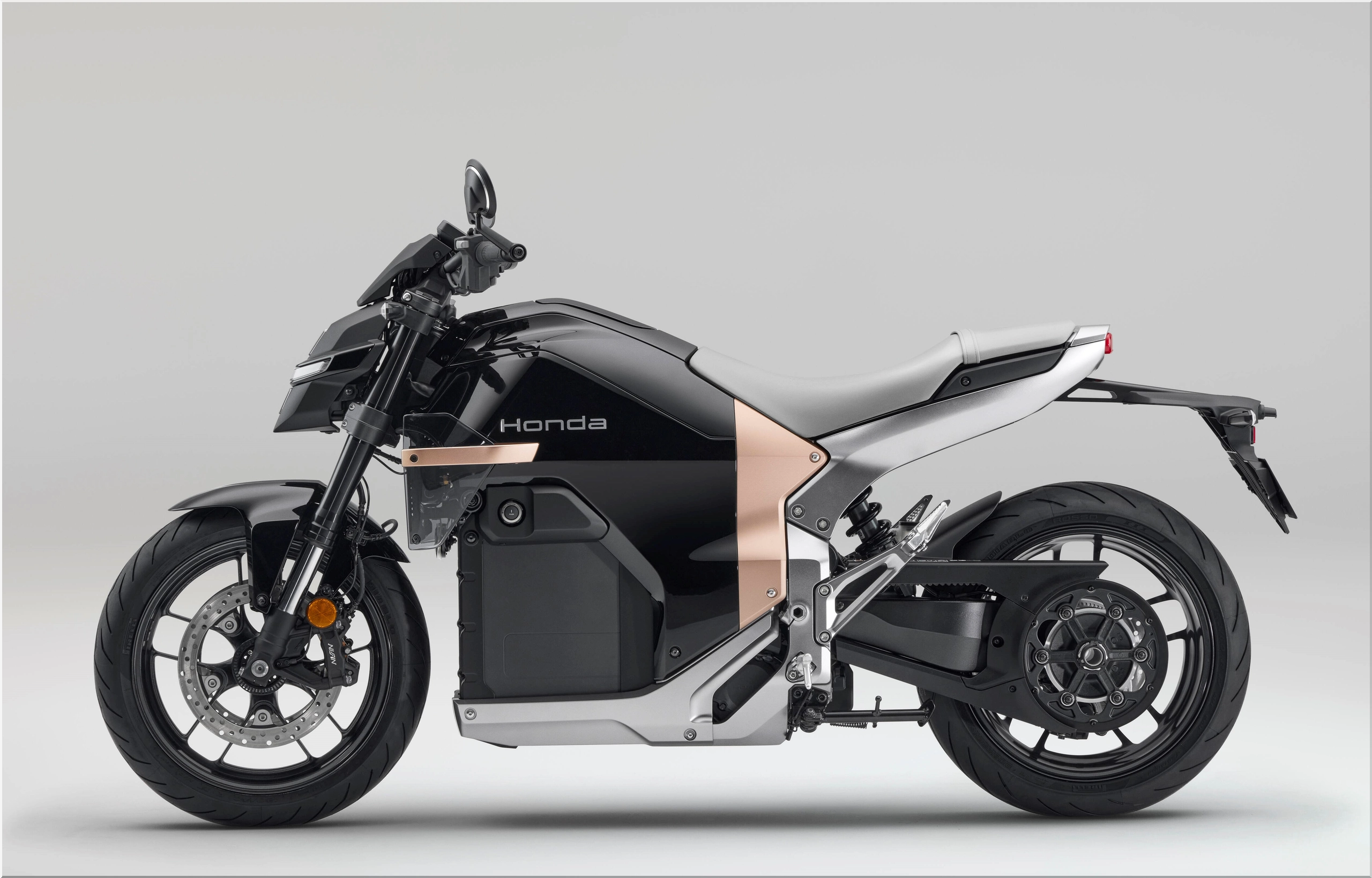
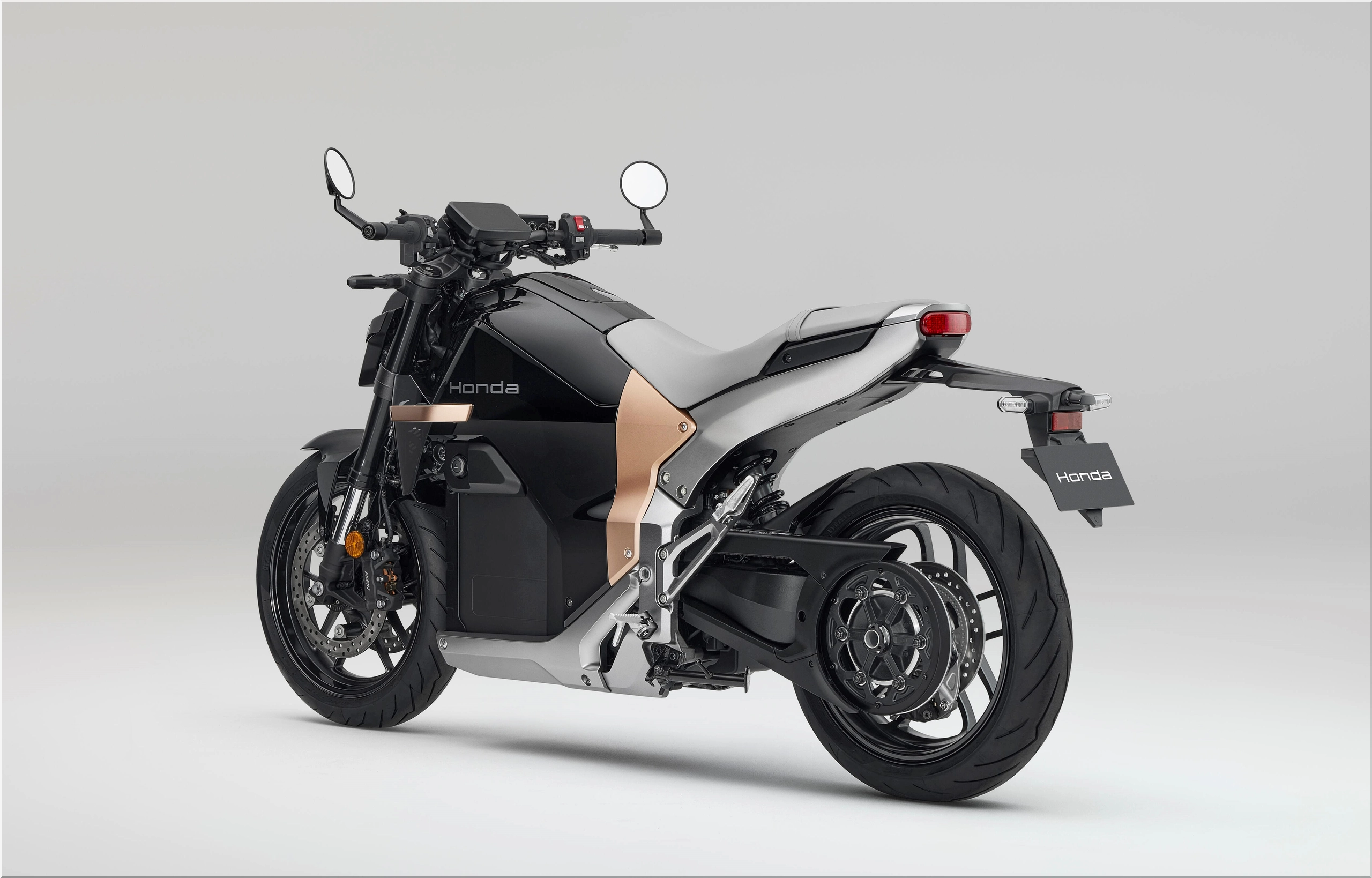
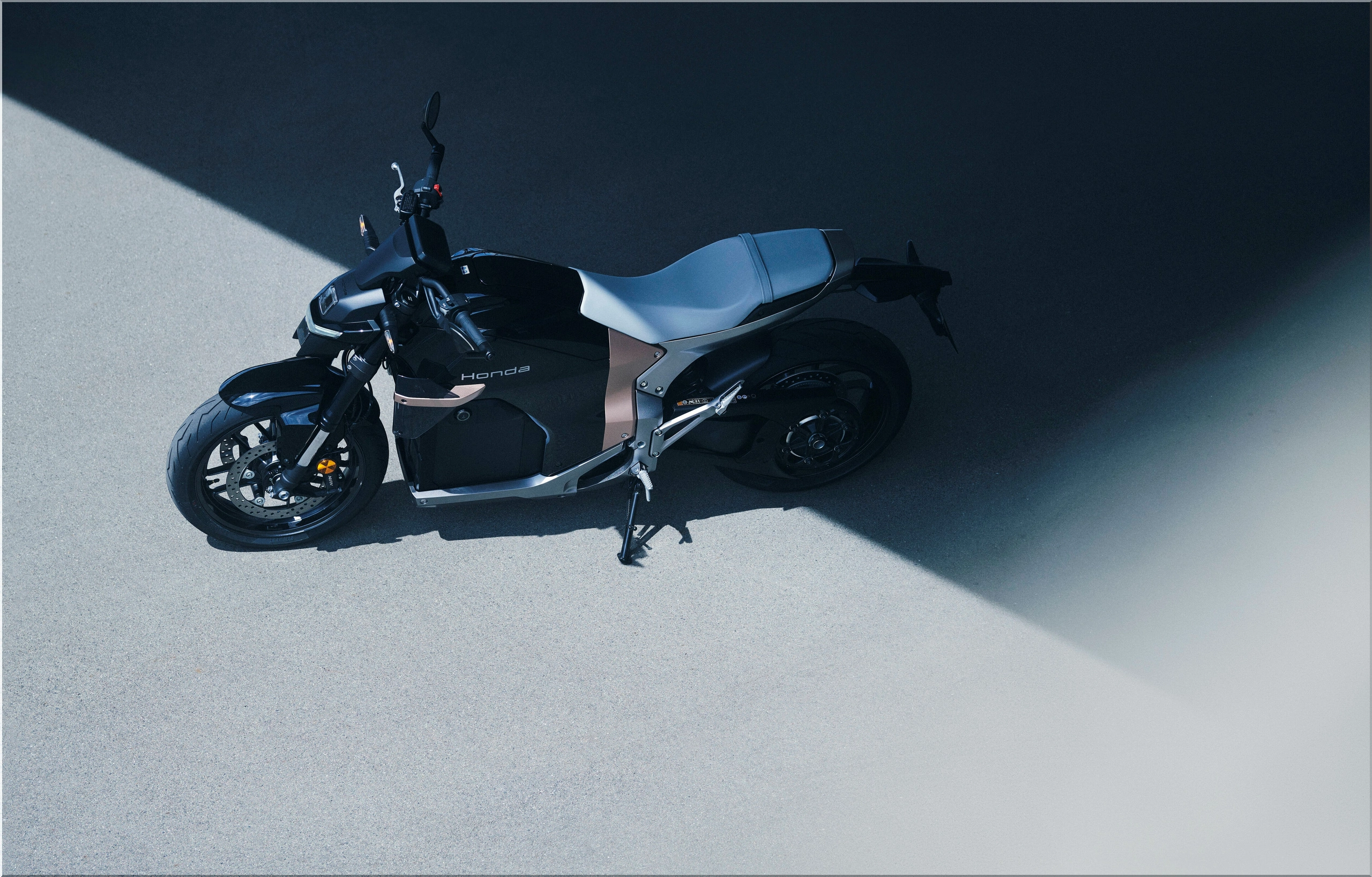
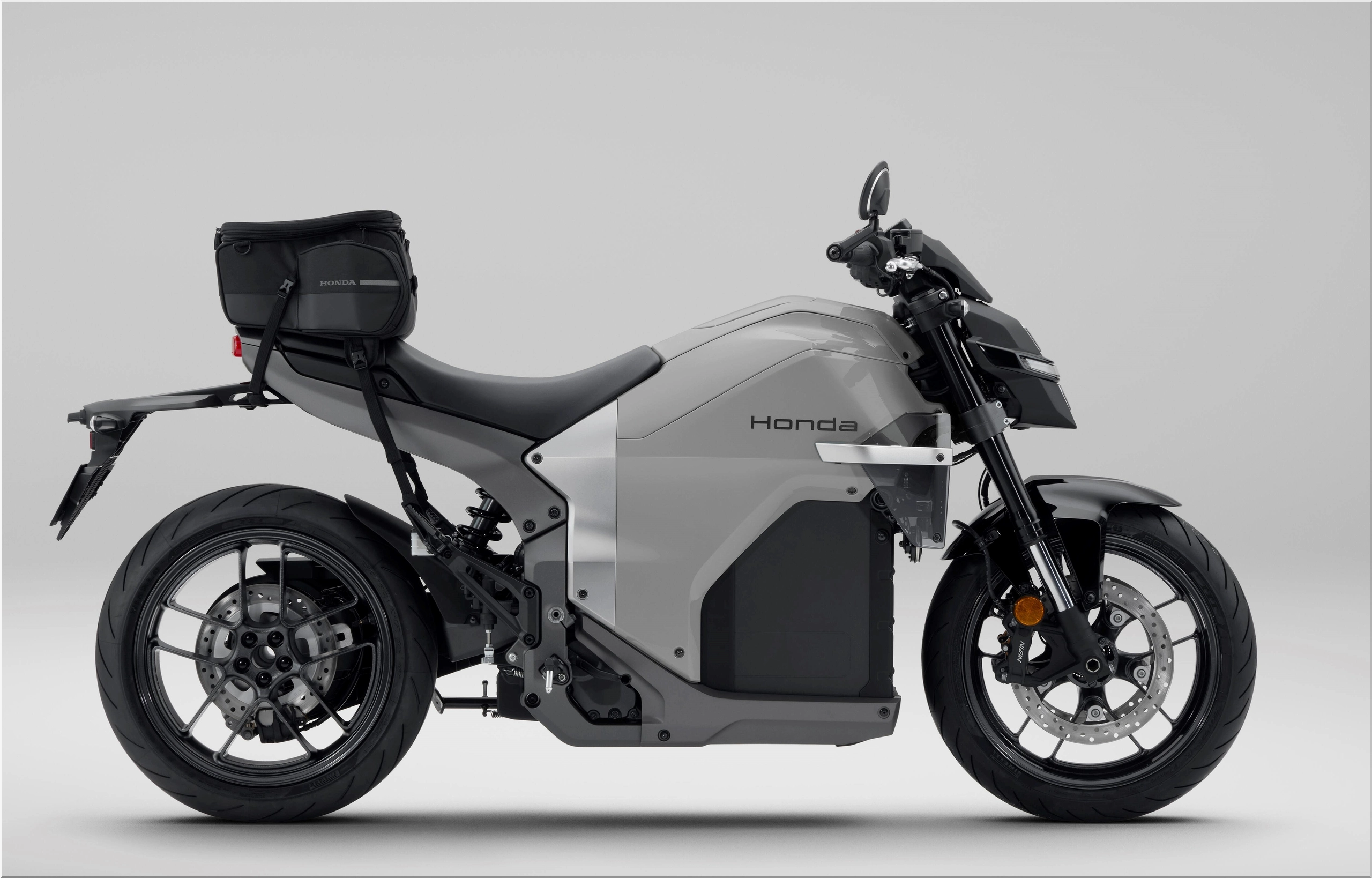
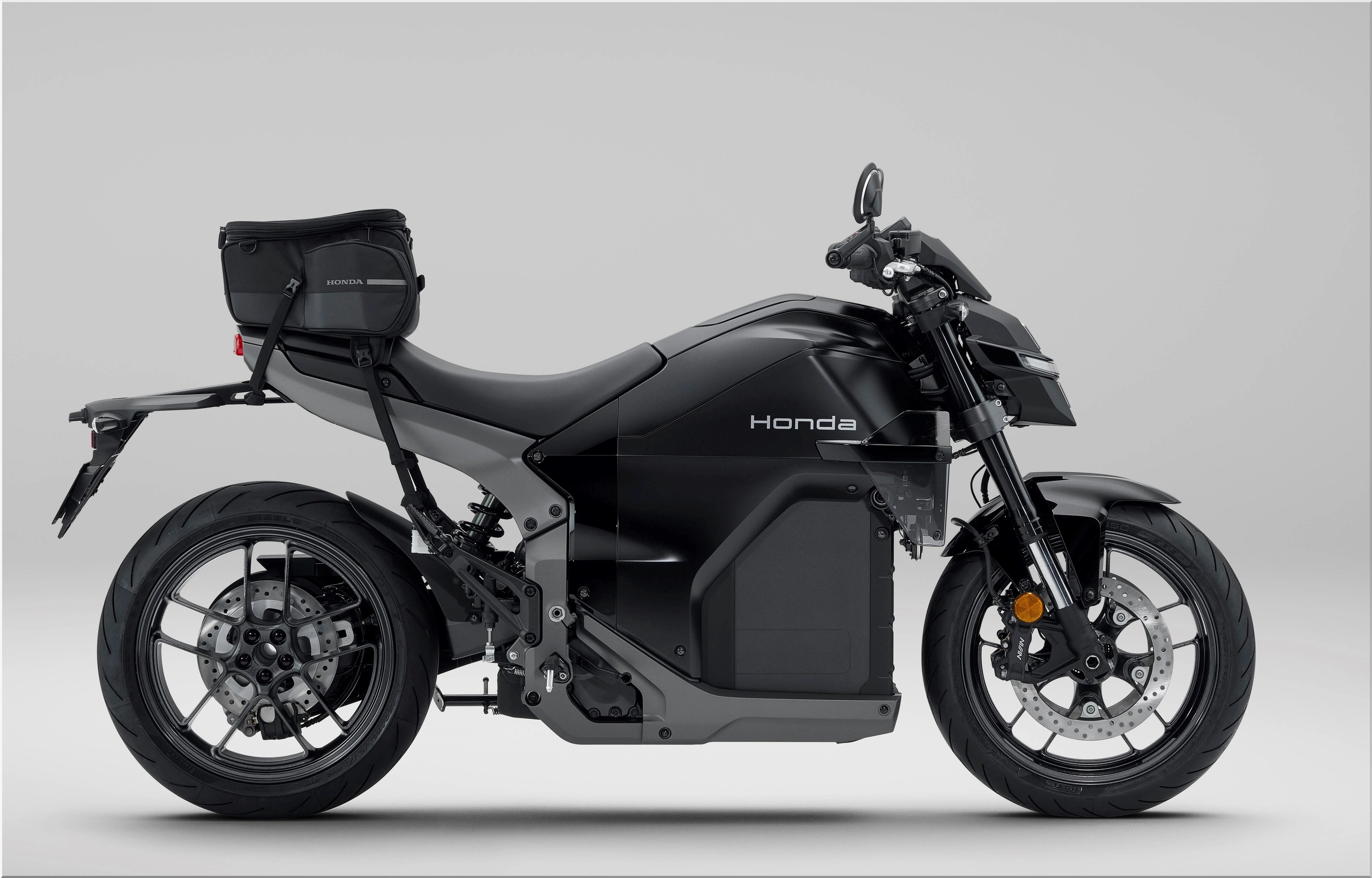
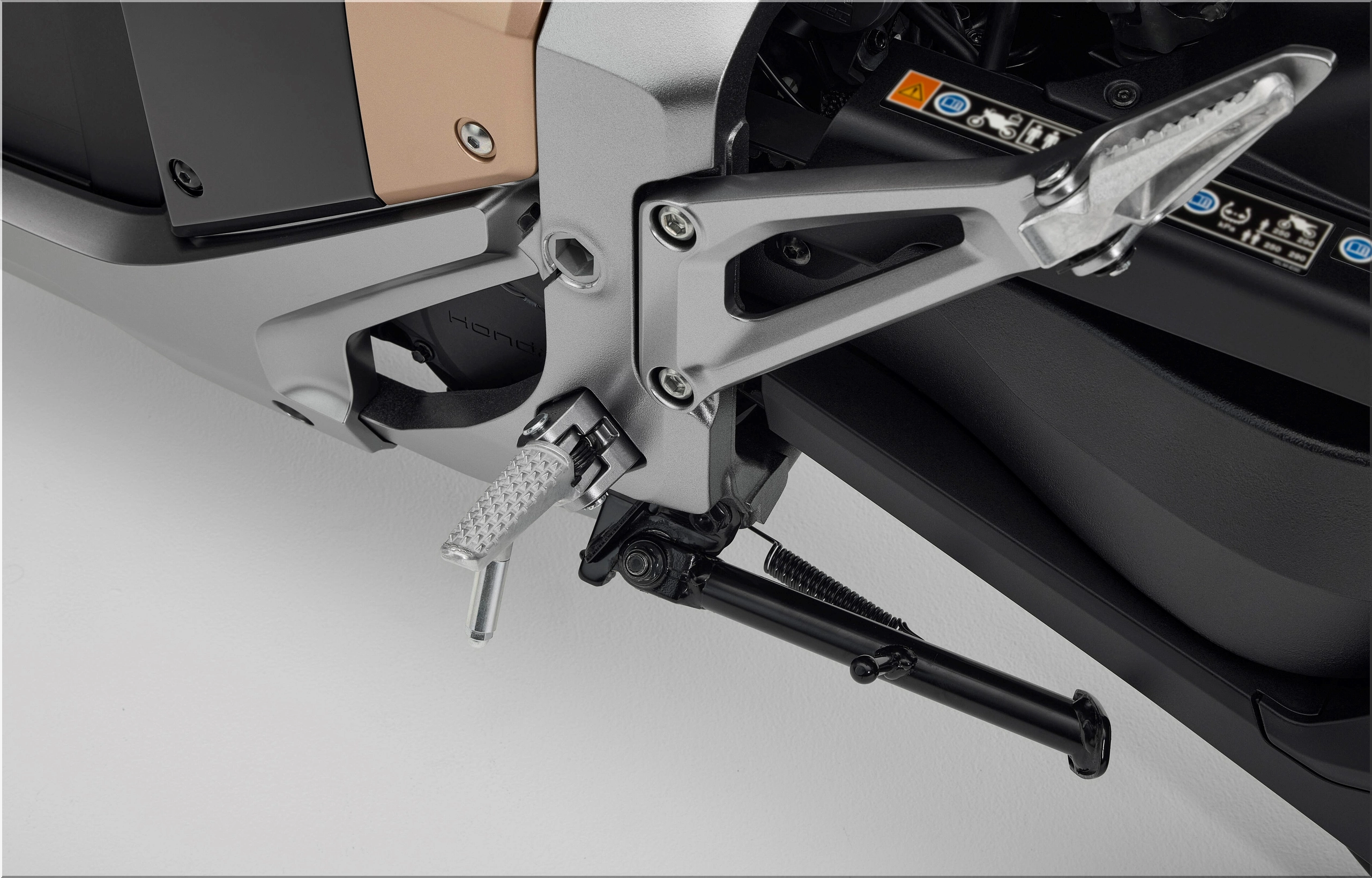
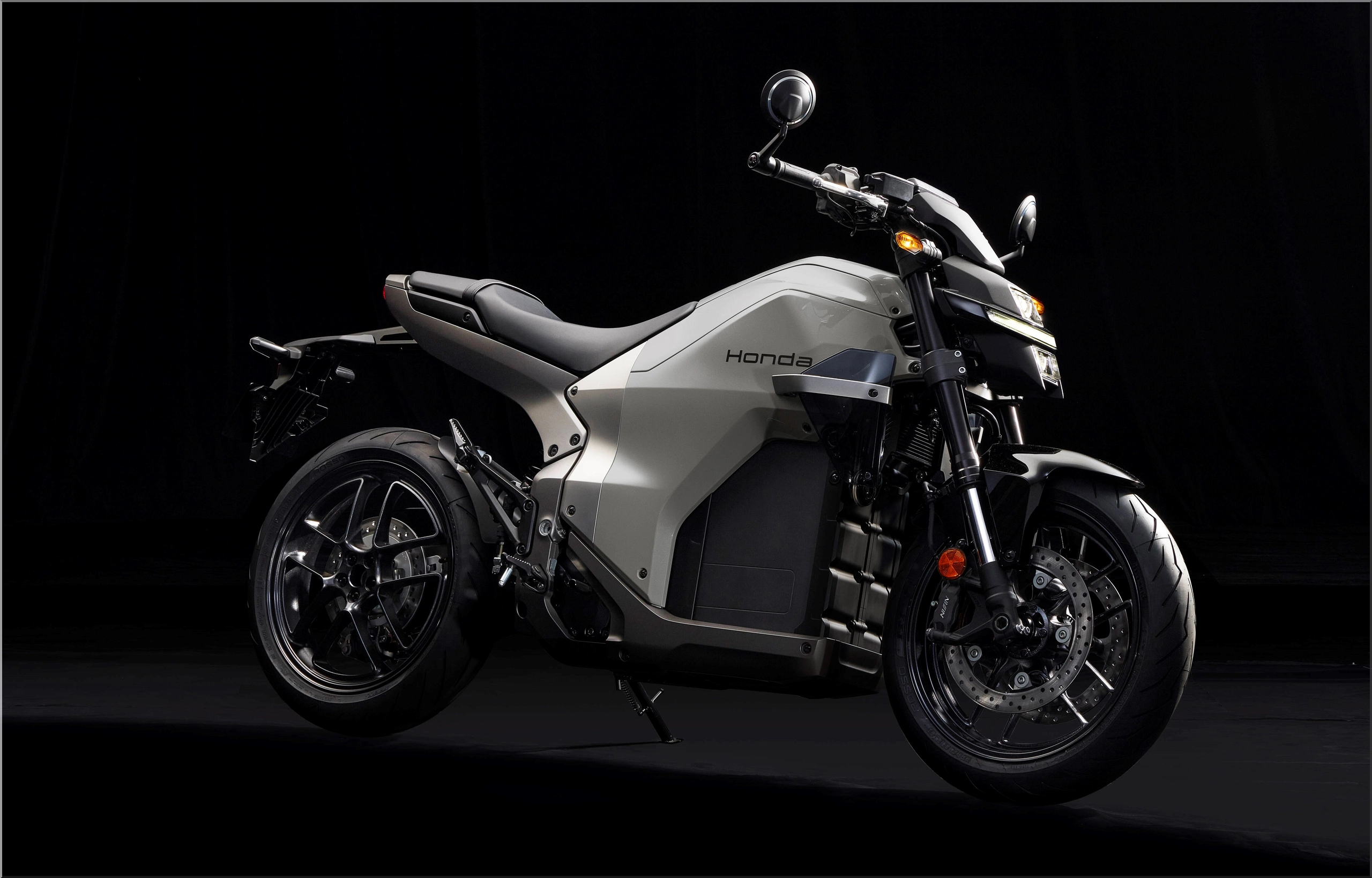
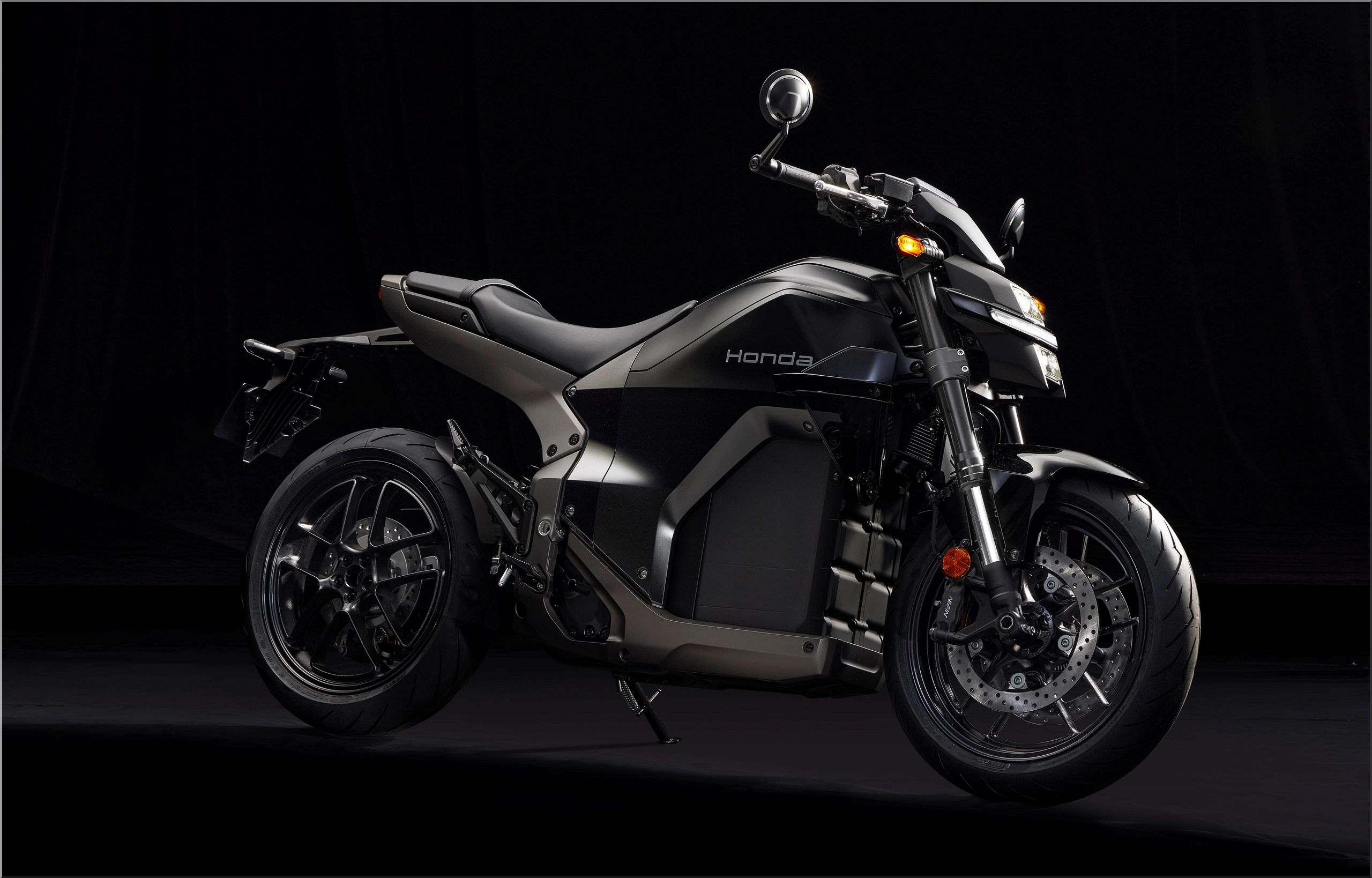
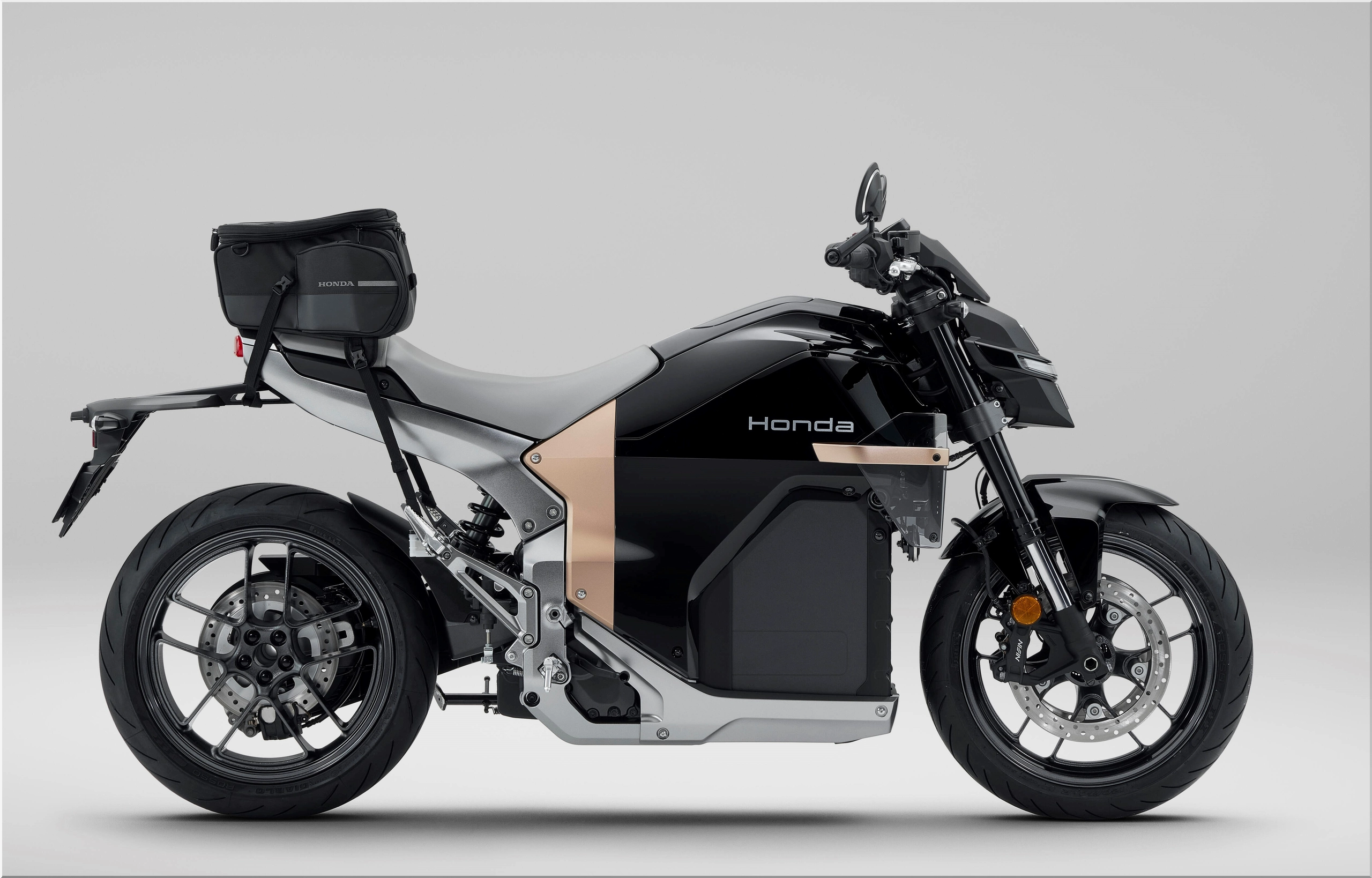
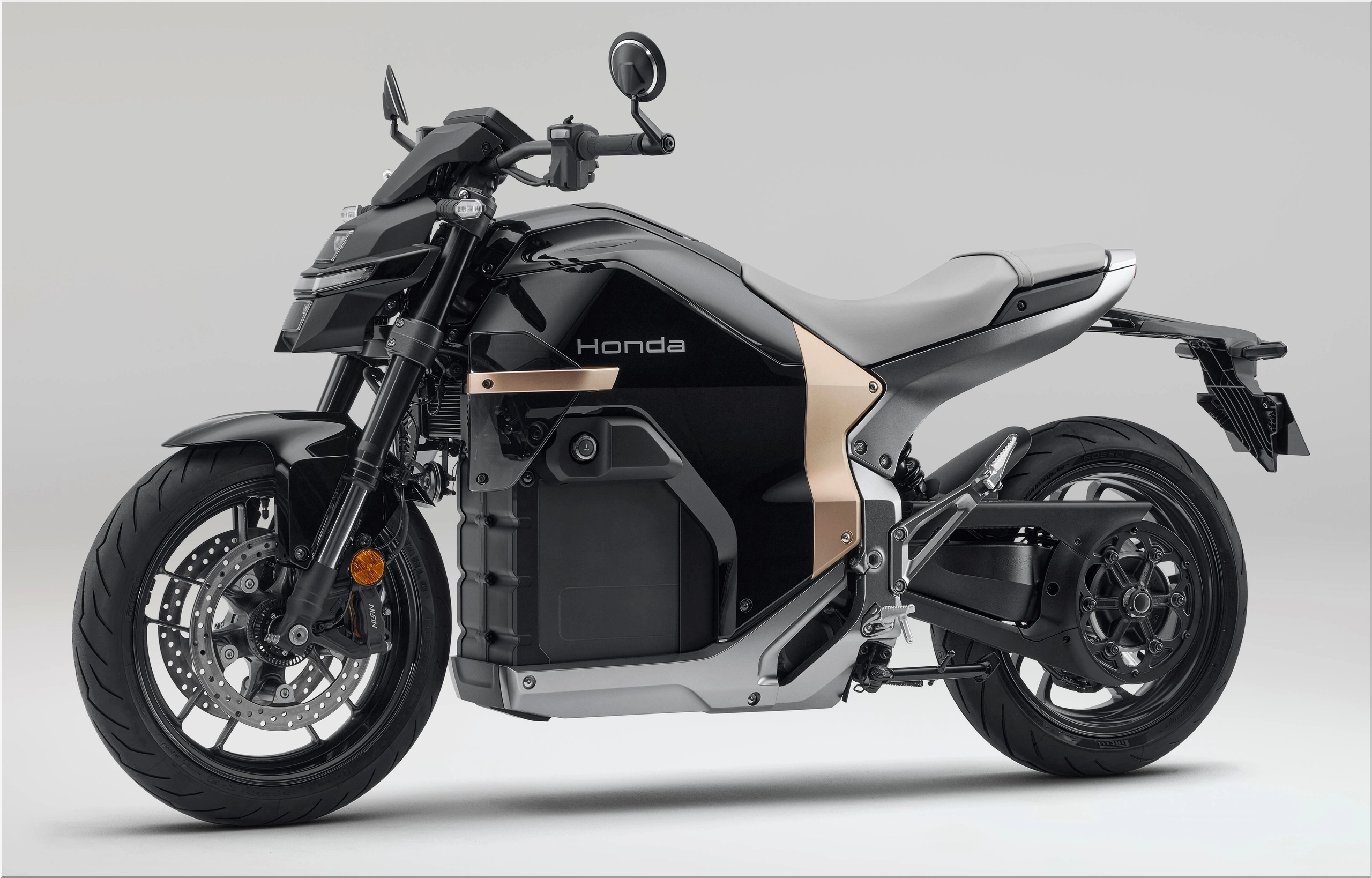
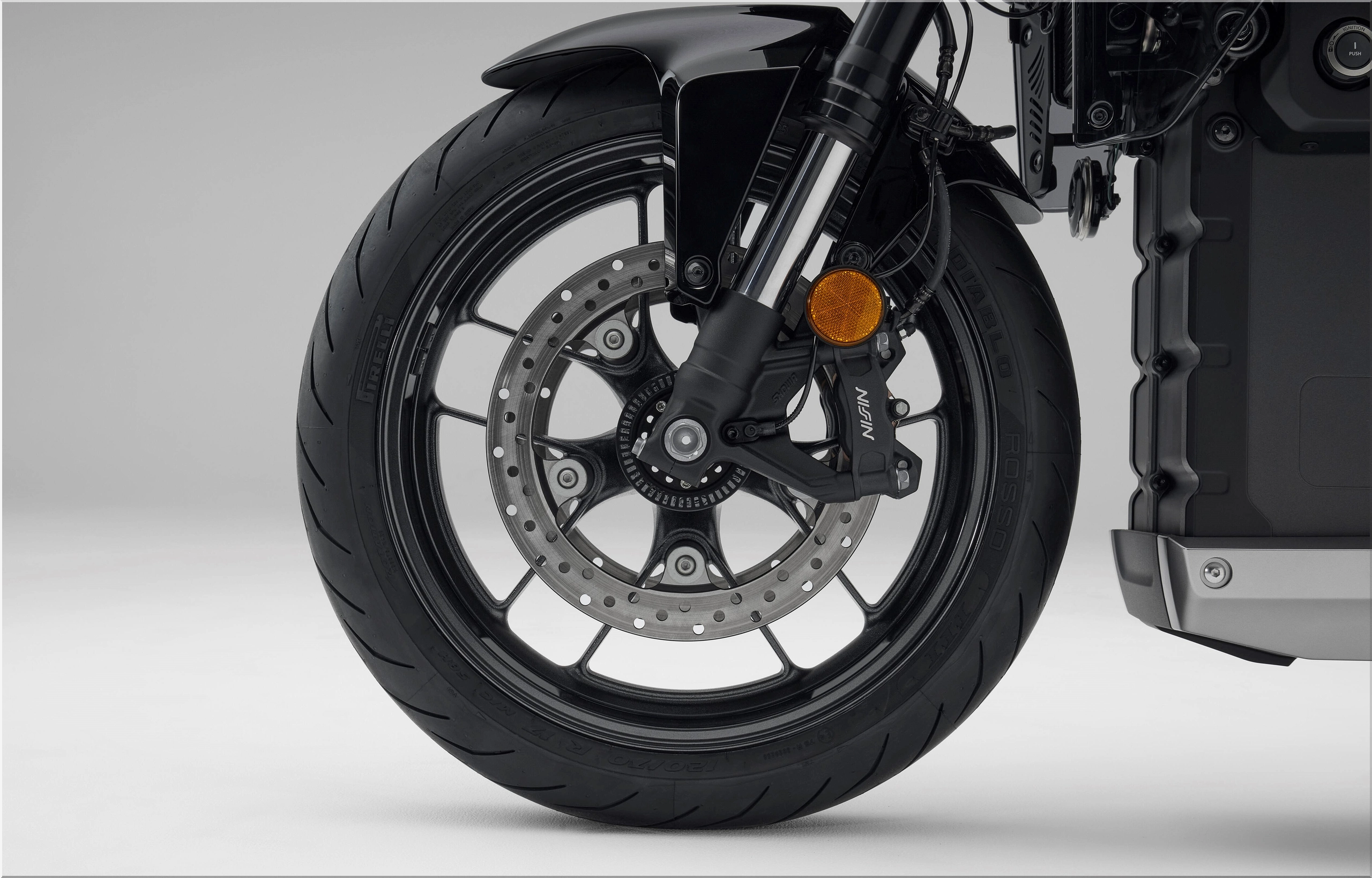
The frameless aluminum chassis uses the battery as a structural component, minimizing weight and improving stiffness. It’s paired with Showa 43mm USD forks and a Pro-Arm single-sided swingarm for agility and control. Braking is handled by Nissin dual-piston calipers up front and a single-piston rear caliper, coordinated by IMU-based Cornering ABS.
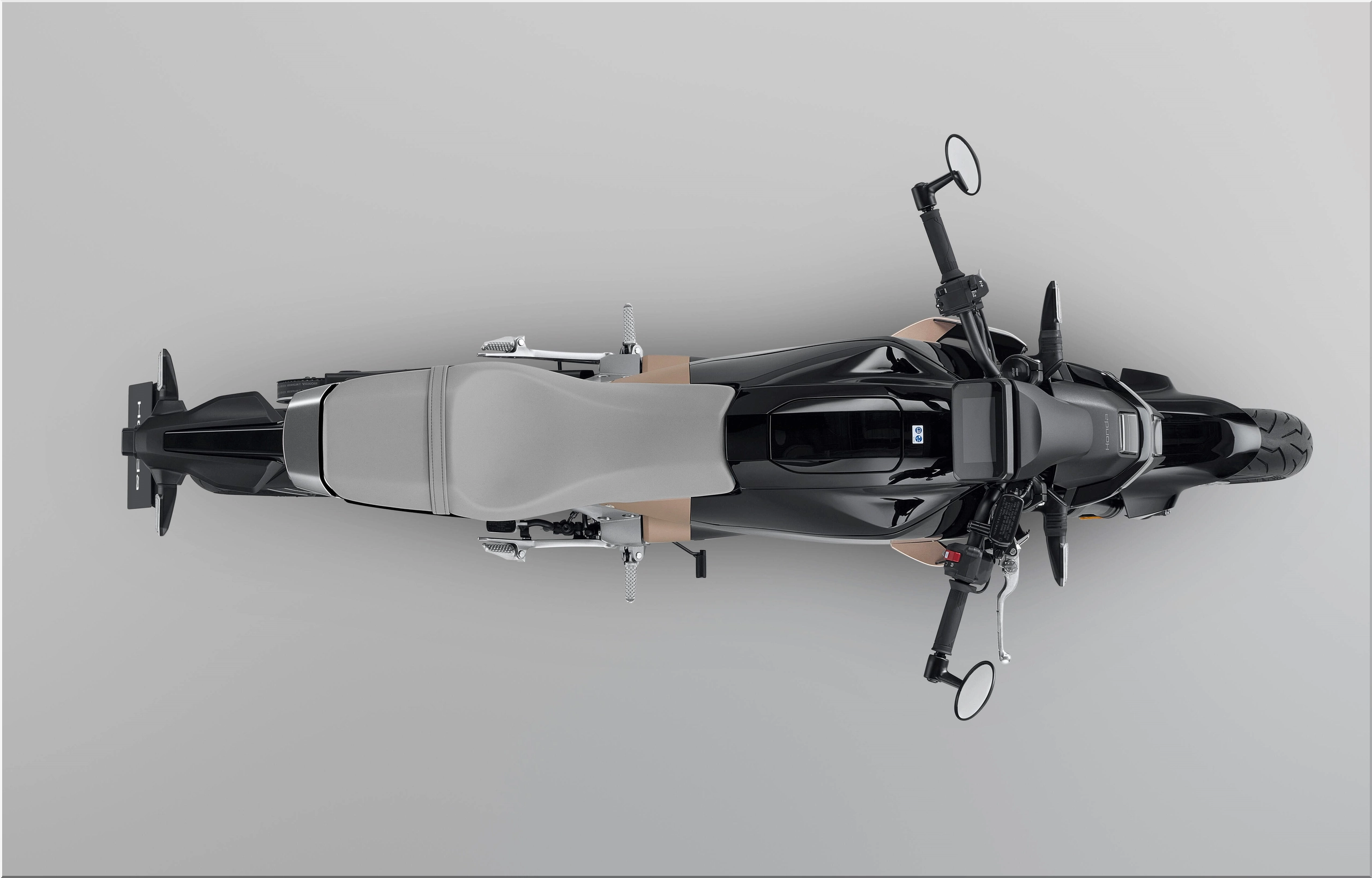
Curb weight lands at 217 kg (478 lbs). The seat height of 800 mm (31.5 inches) and upright riding position target comfort for urban commuters and new riders alike. The rake of 25°, trail of 99 mm, and wheelbase of 1,480 mm form a balanced geometry that emphasizes predictability.
Image
Four Modes, Real Control
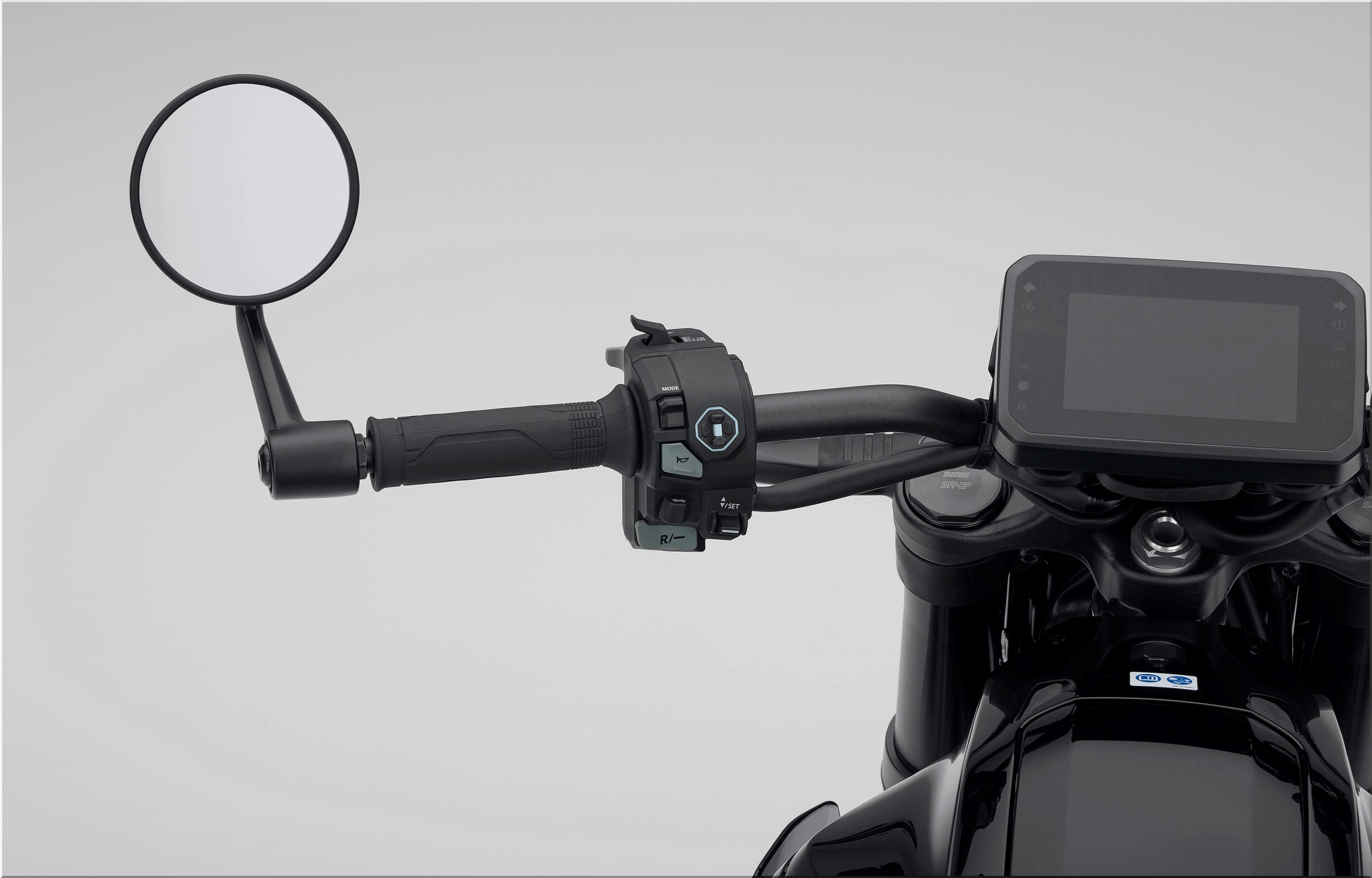
The WN7 electric bike integrates four riding modes — Standard, Sport, Rain, and Econ — each modifying throttle response and regenerative braking strength. Honda Selectable Torque Control (HSTC) and Selectable Speed Limit Assist (SSLA) help riders maintain stability and avoid unintentional over-throttle in tight city traffic.
Deceleration power can be adjusted across four levels (0–3), allowing riders to fine-tune braking feel. For maneuvering in tight spaces, Walking Speed Mode offers forward and reverse motion at up to 5 km/h (3 mph).
Performance Figures That Matter
| Specification | 18kW Model | 11kW Model |
|---|---|---|
| Peak Power | 50 kW | 11.2 kW |
| Torque | 100 Nm | 100 Nm |
| Range | 140 km (87 mi) | 153 km (95 mi) |
| Top Speed | 129 km/h (80 mph) | 120 km/h (75 mph) |
| 0–50 m | 3.9 s | 5.0 s |
| Battery Capacity | 9.3 kWh | 9.3 kWh |
| Charging (20–80%) | 30 min | 30 min |
In practice, those numbers translate to quick launches and steady urban cruising. Honda’s engineers also optimized gear noise and vibration, using helical-cut reduction gears and a belt drive to ensure quiet, consistent power delivery.
Designed for the Electric Era
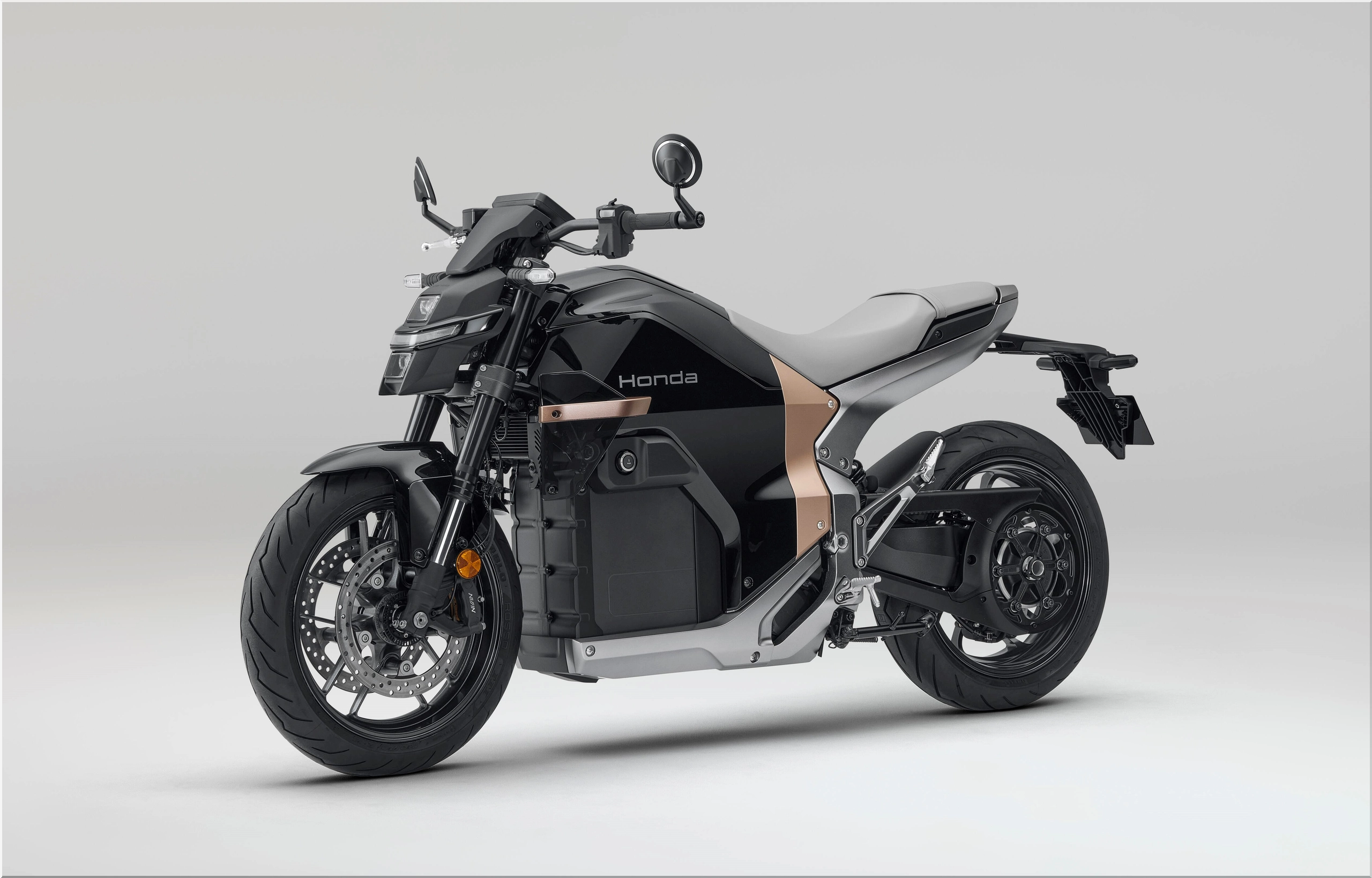
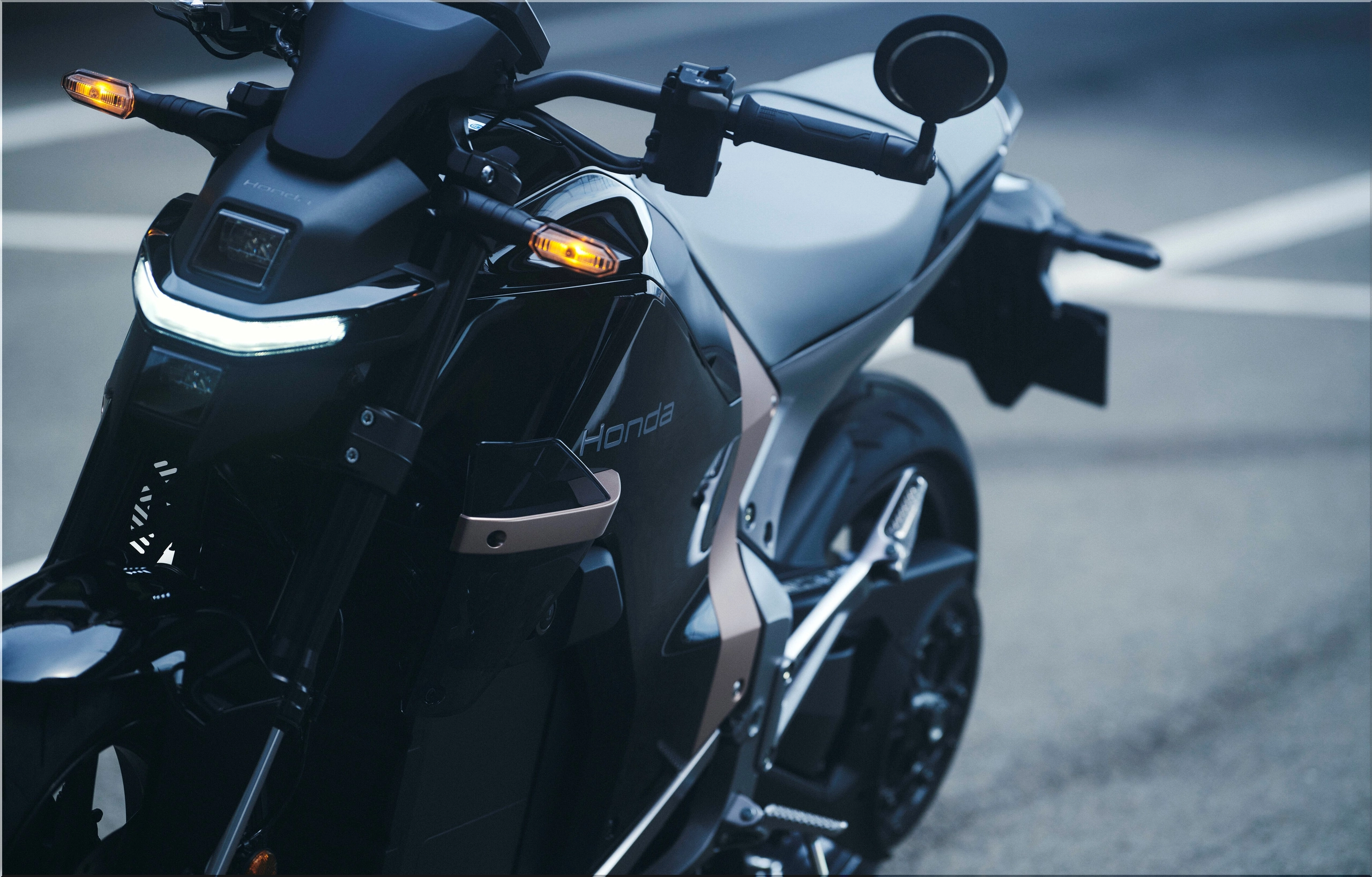
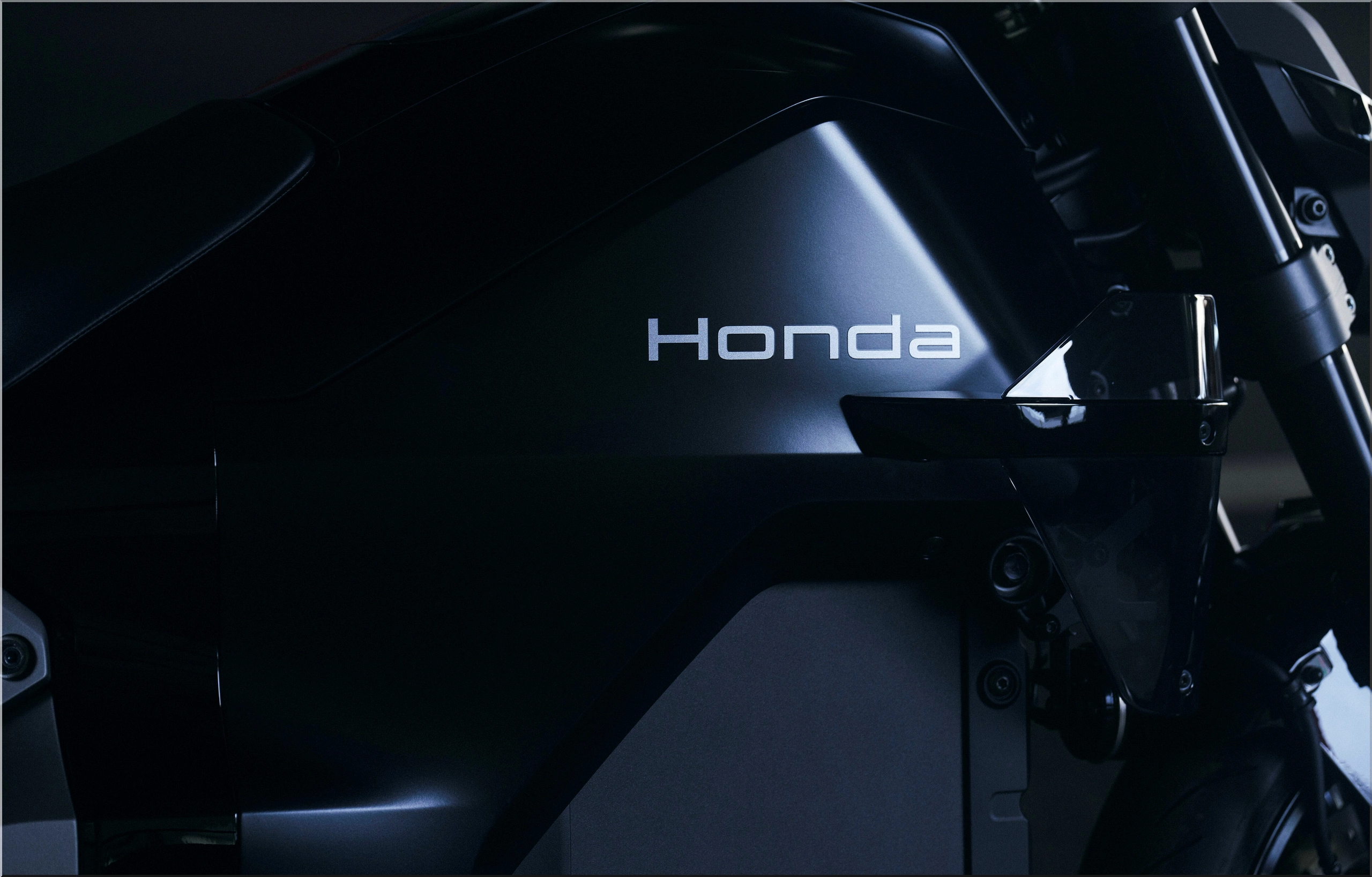
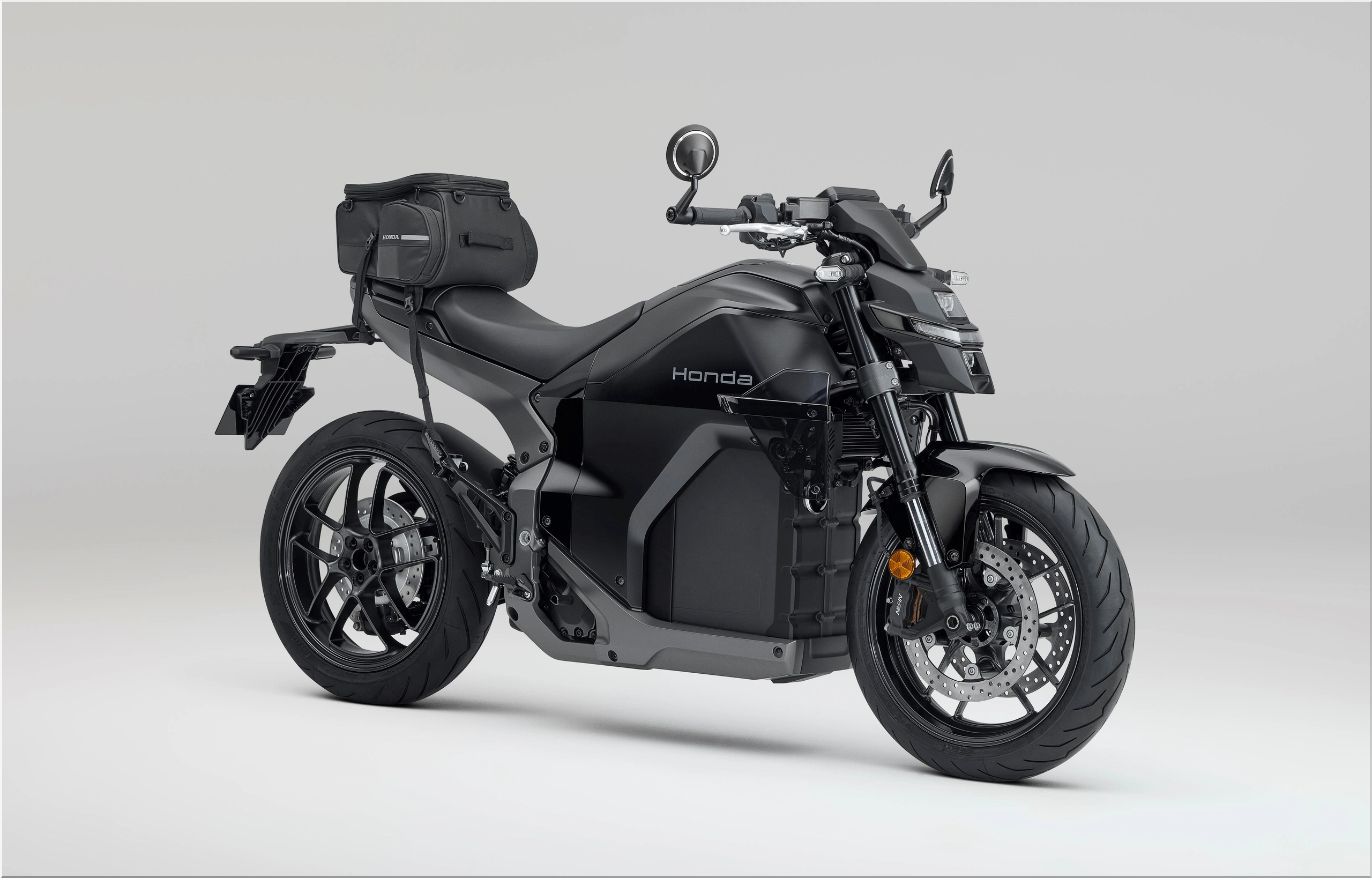
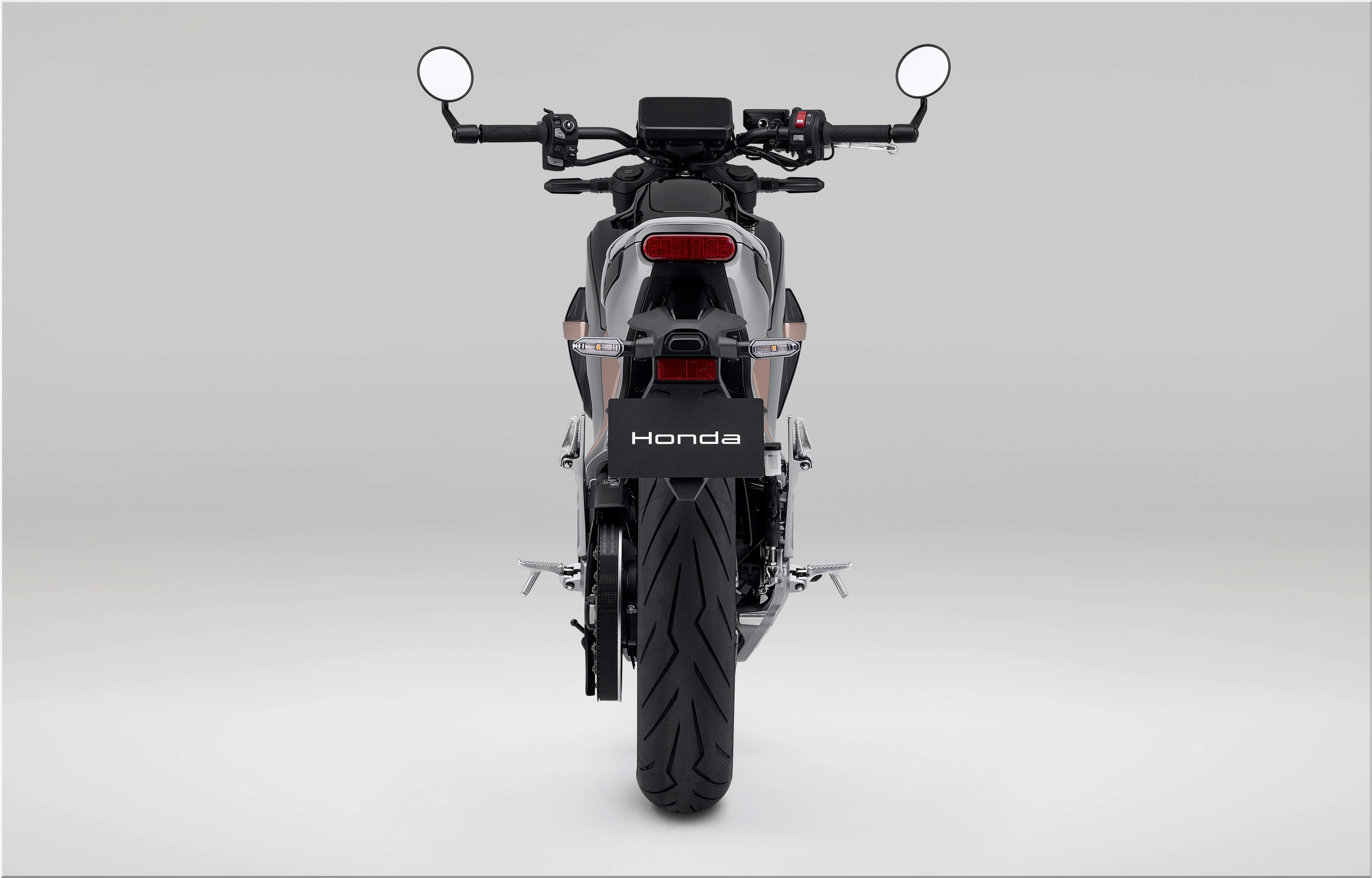
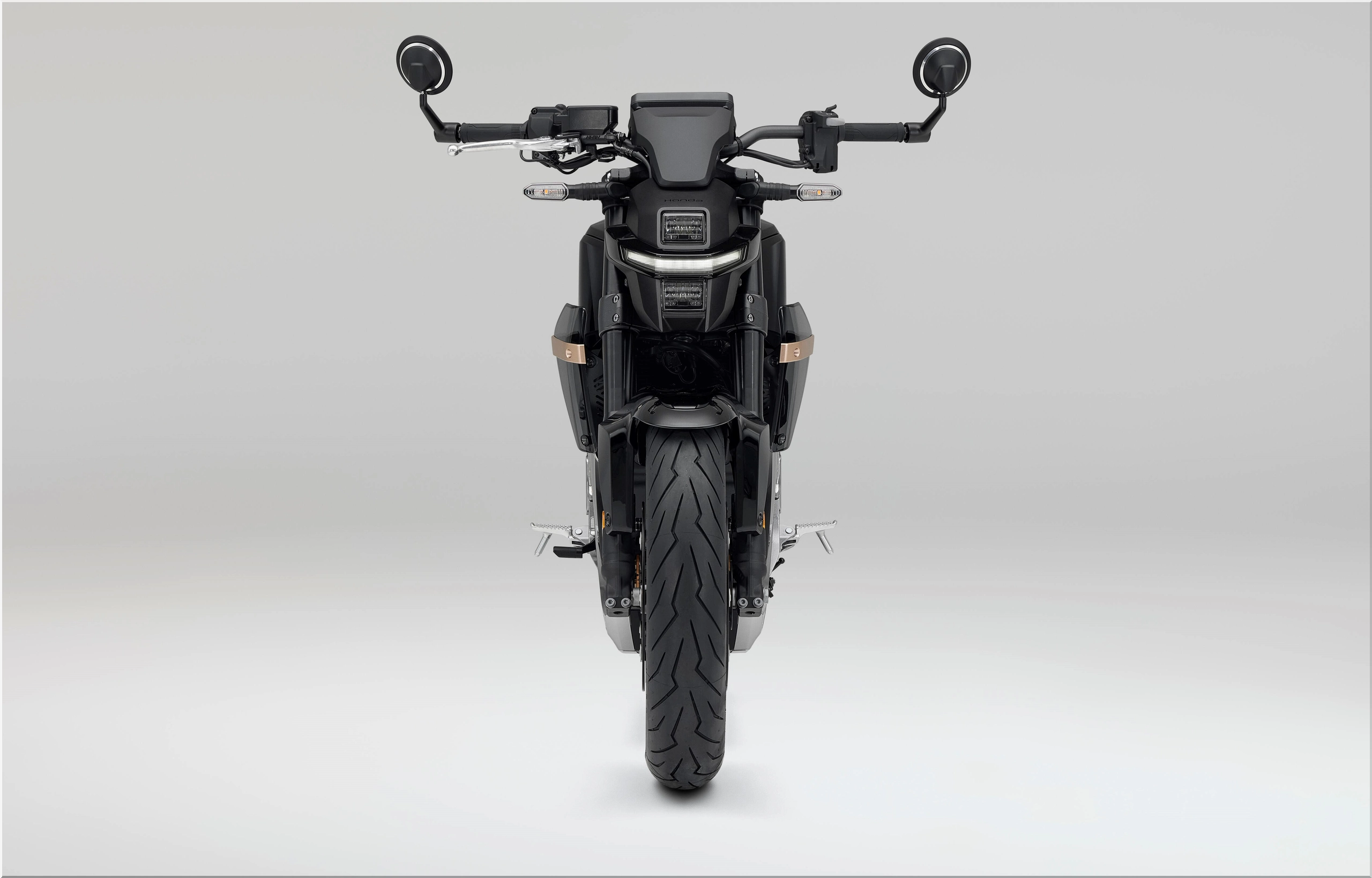
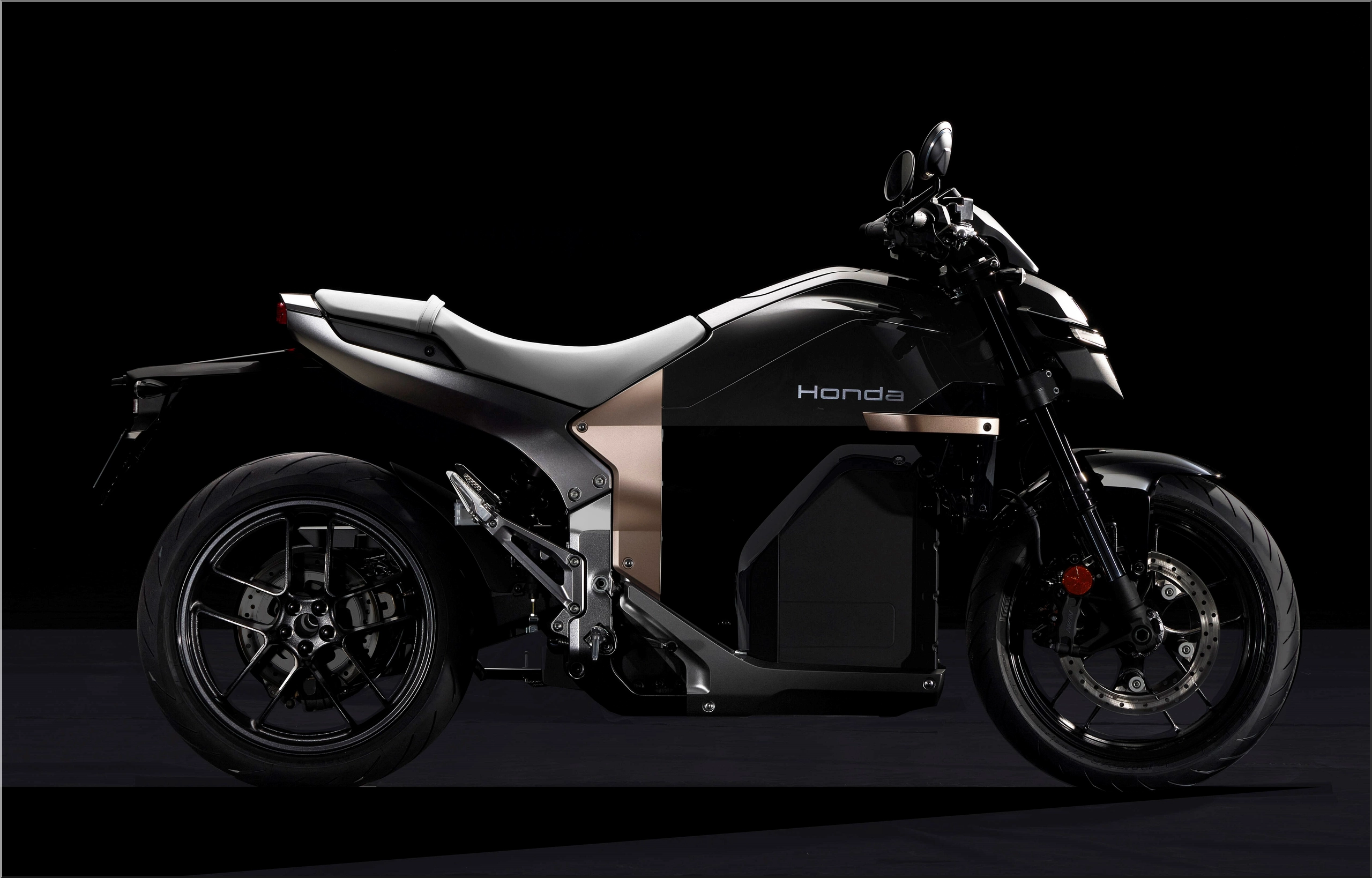
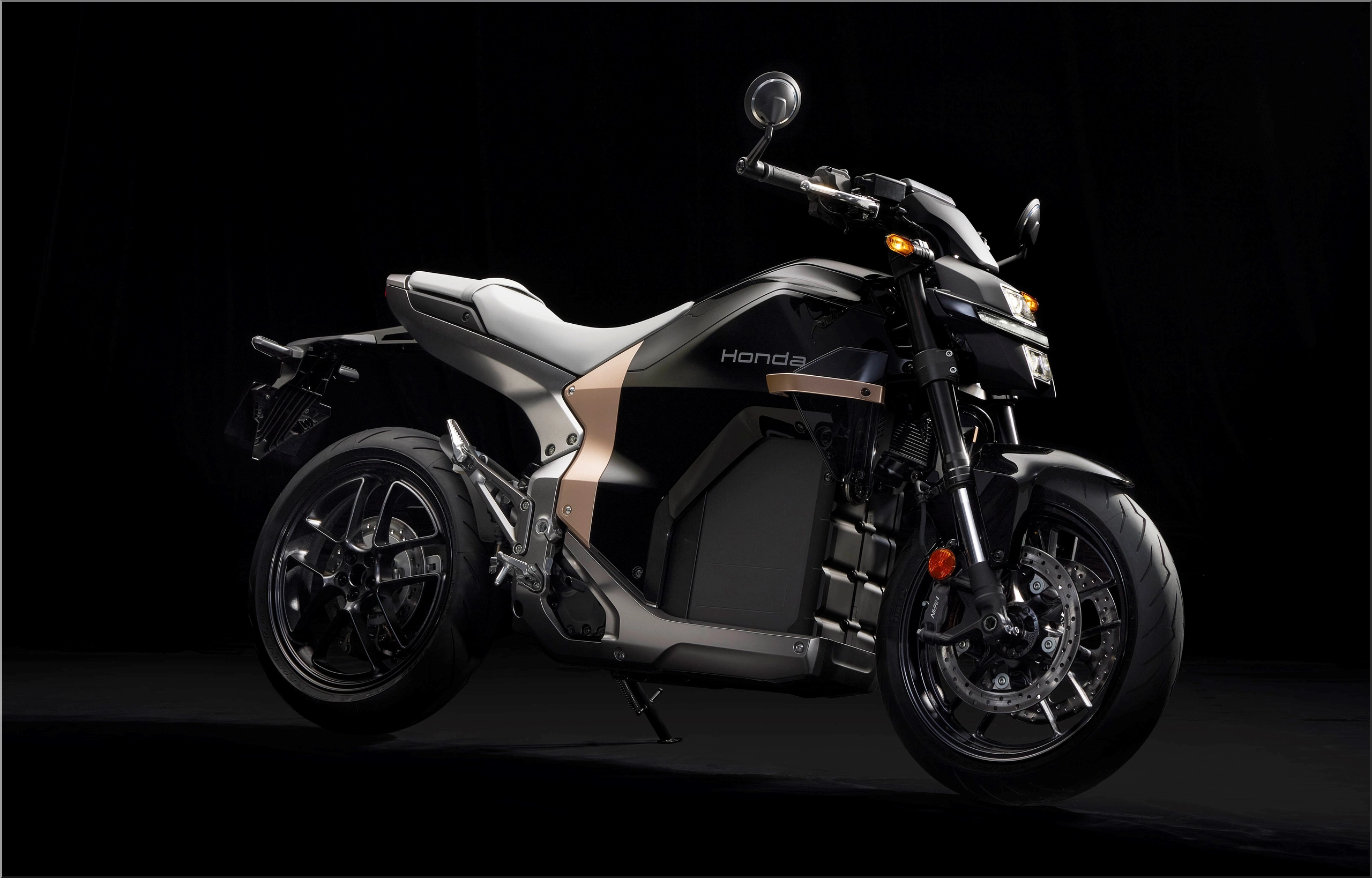
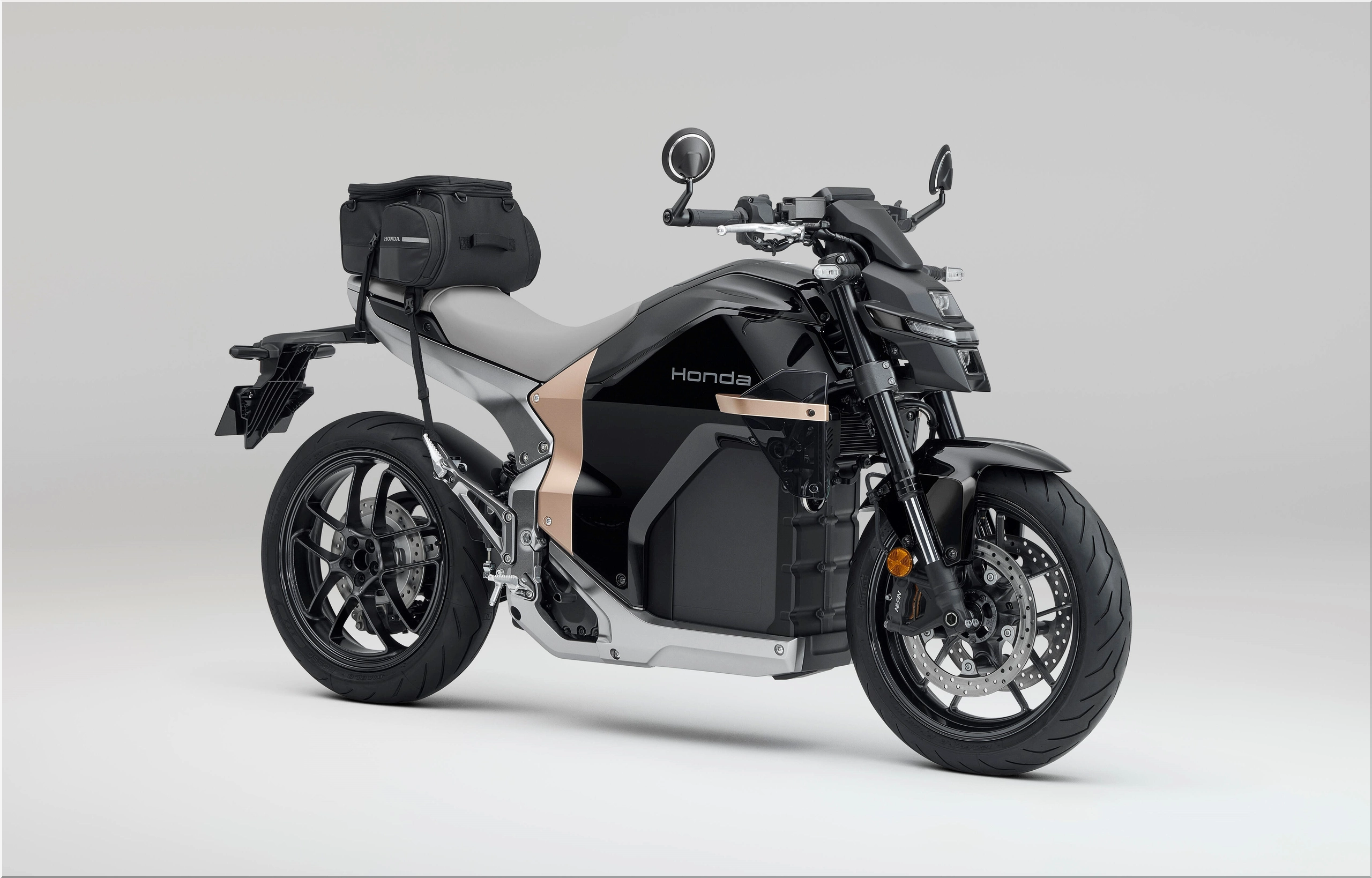
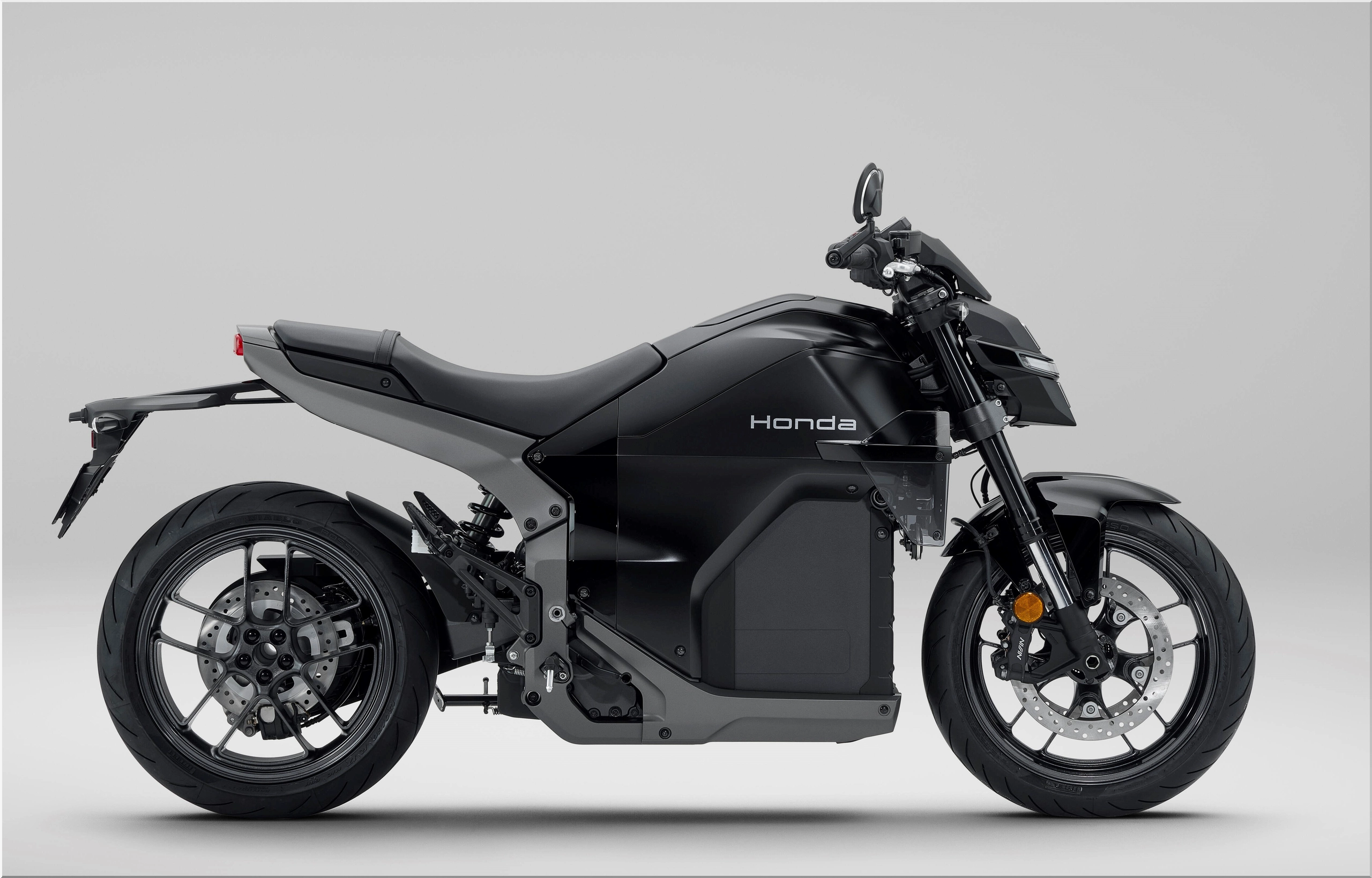
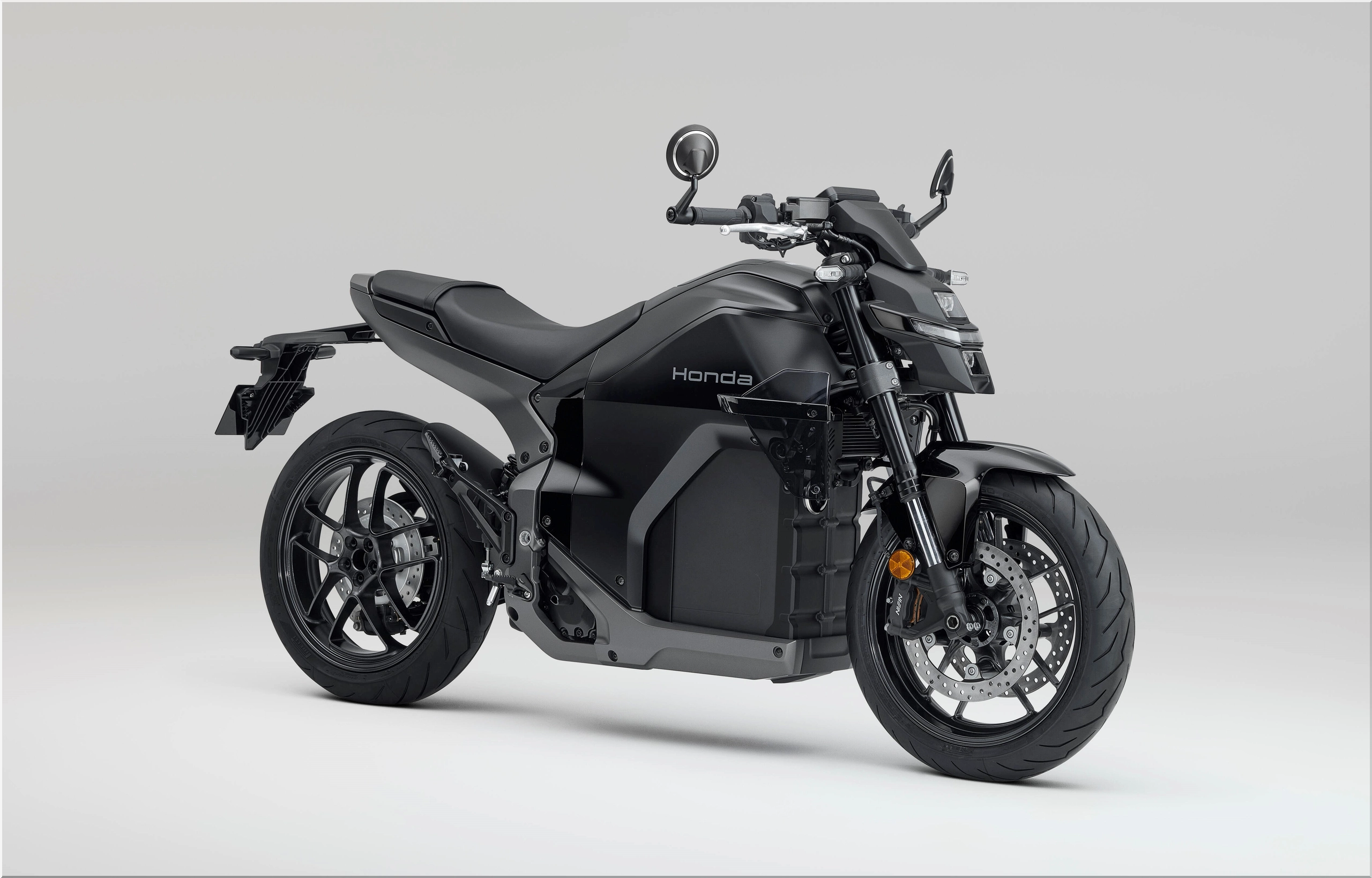
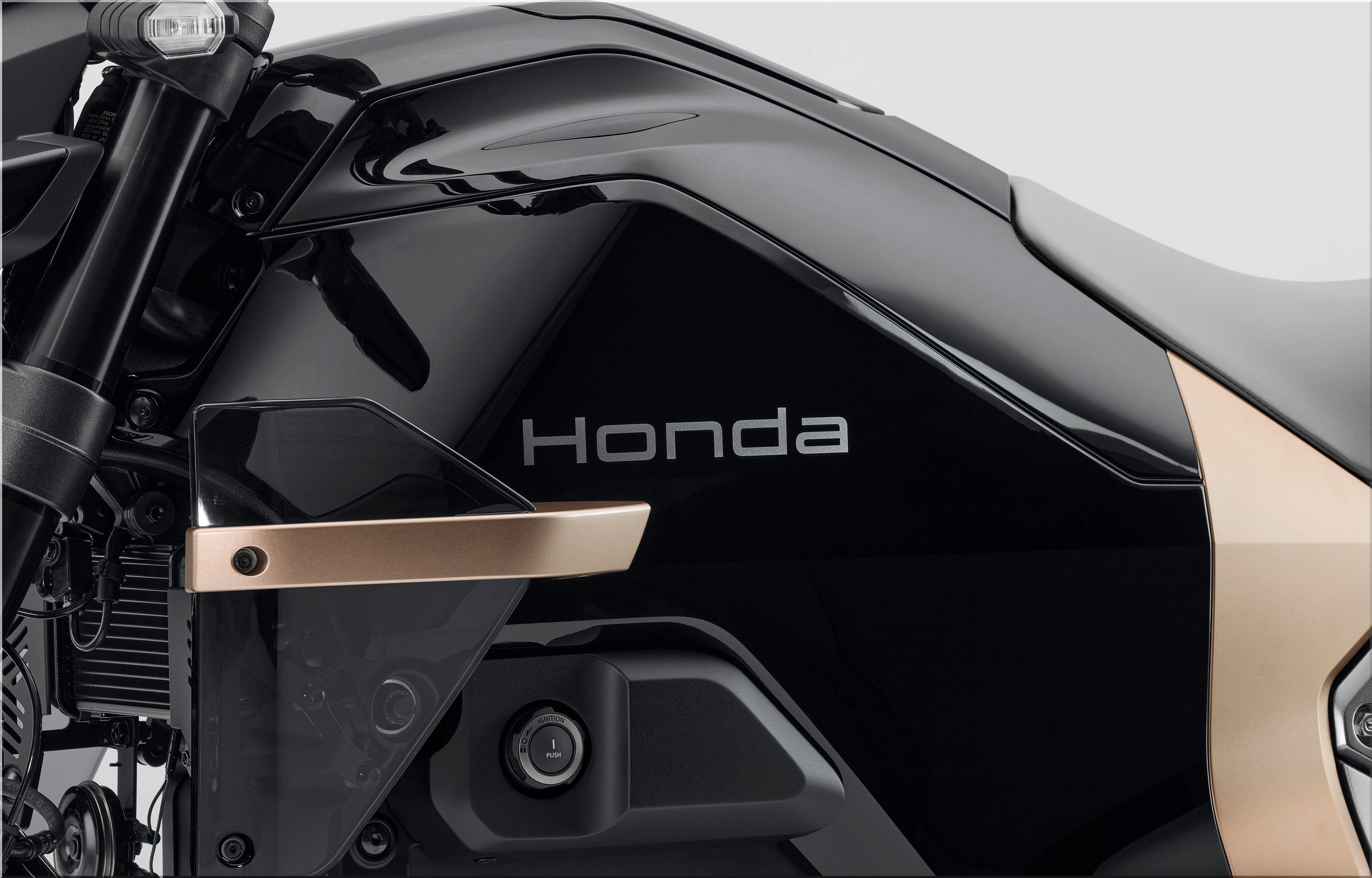
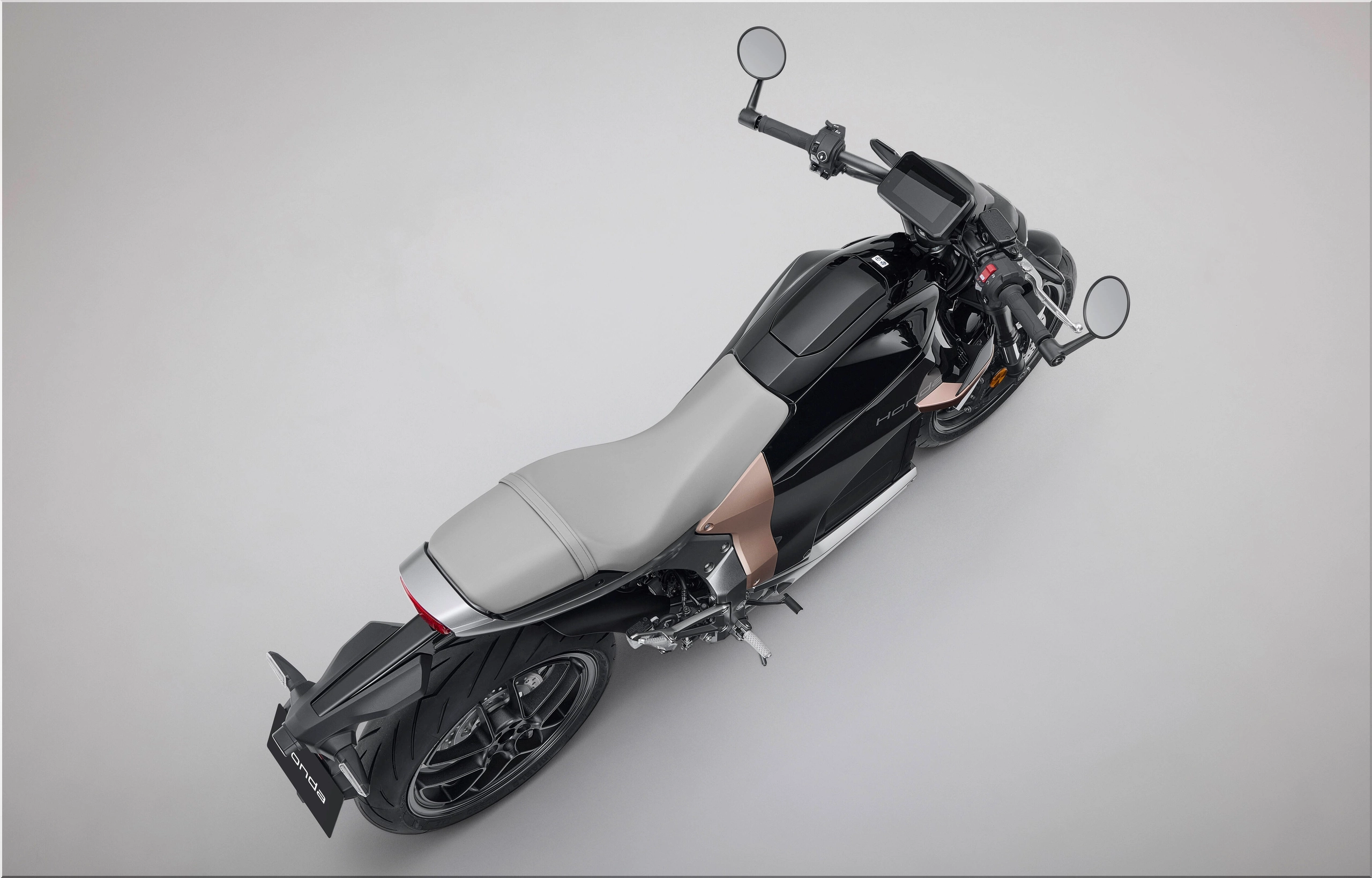
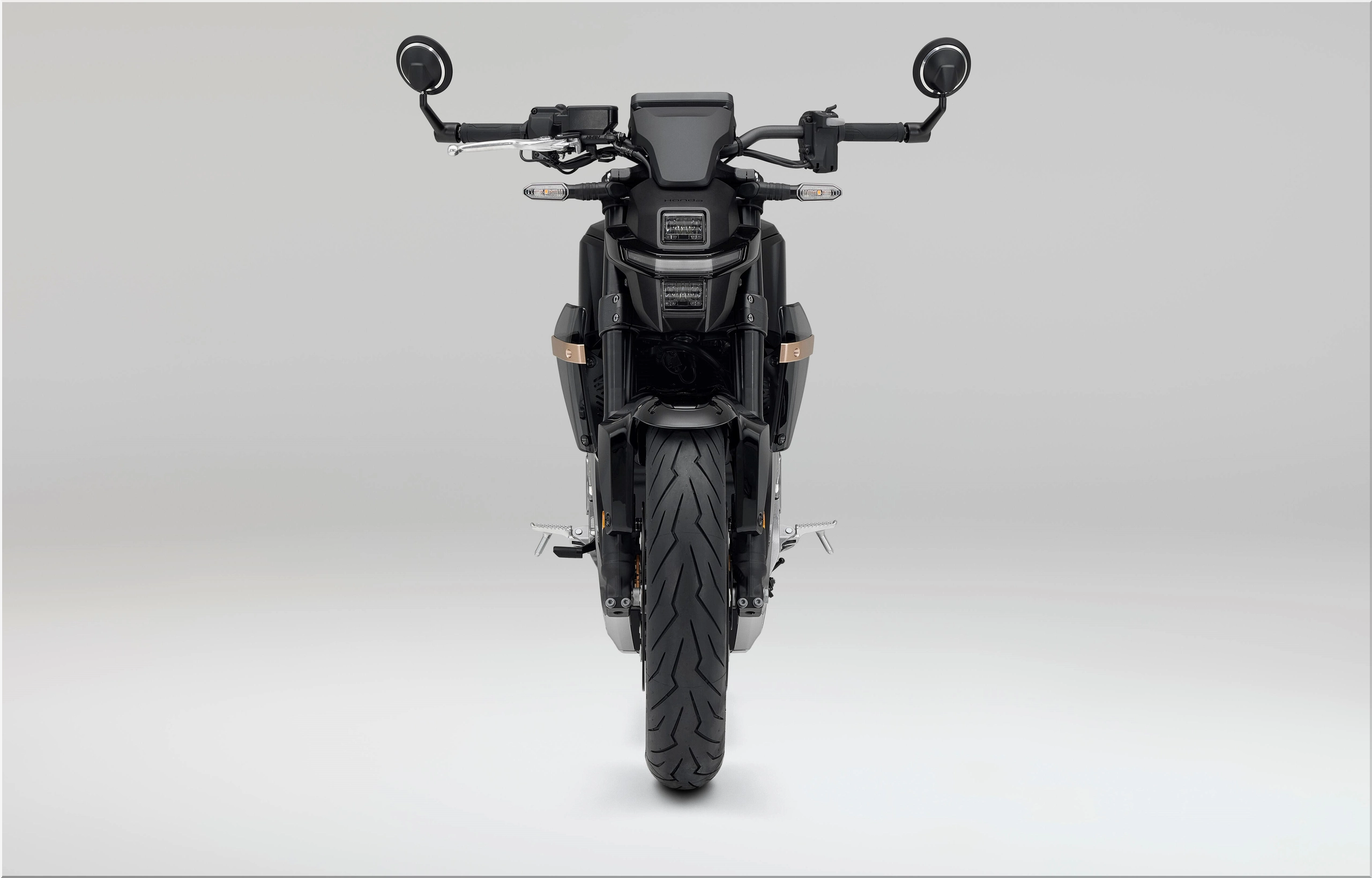
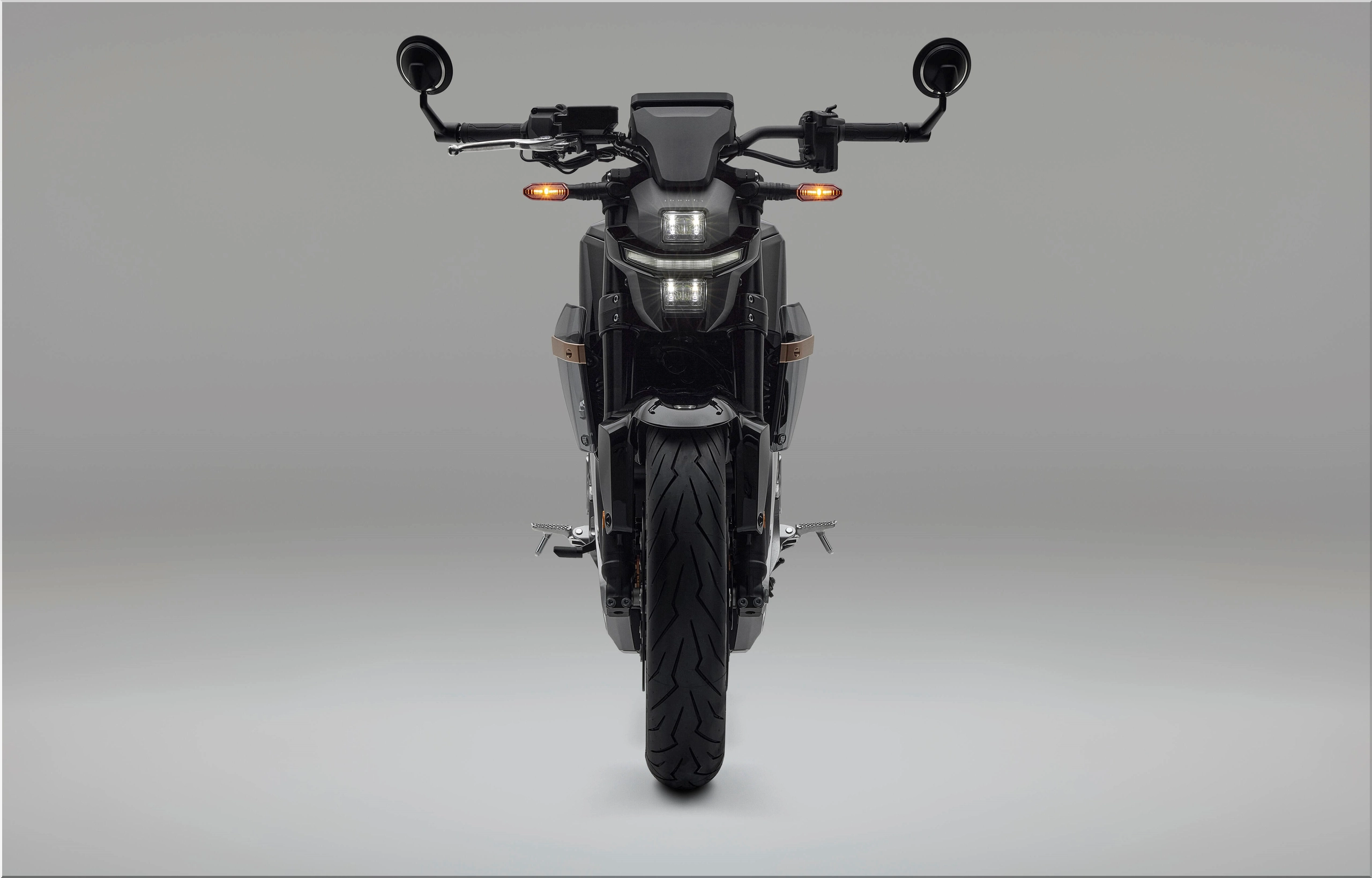
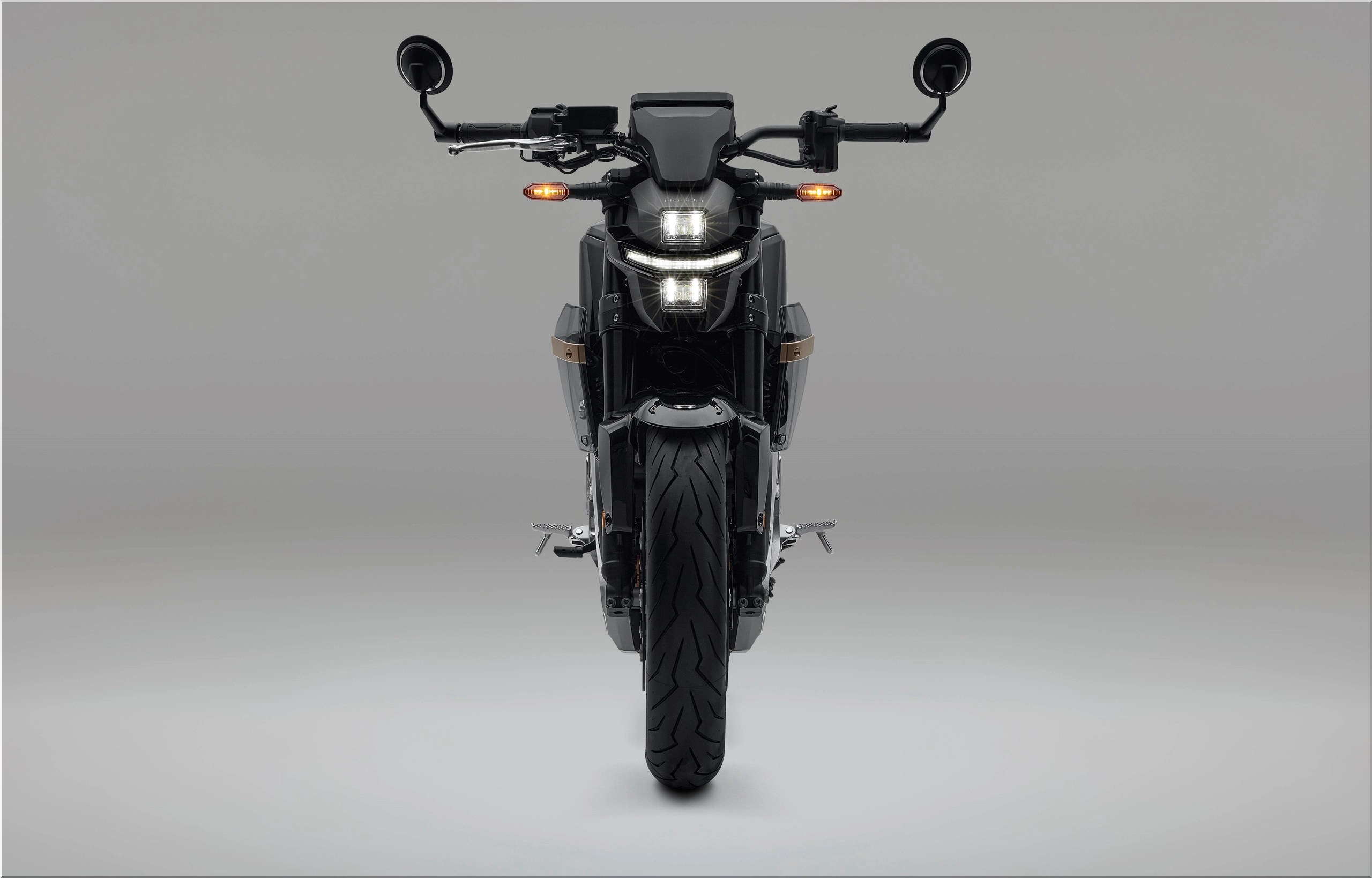
Visually, the WN7 introduces a new Honda Electric design language, marked by horizontal body lines, a compact center mass, and an absence of the traditional fuel tank silhouette. The design uses the battery casing as a visual focal point — a bold departure from Honda’s past.
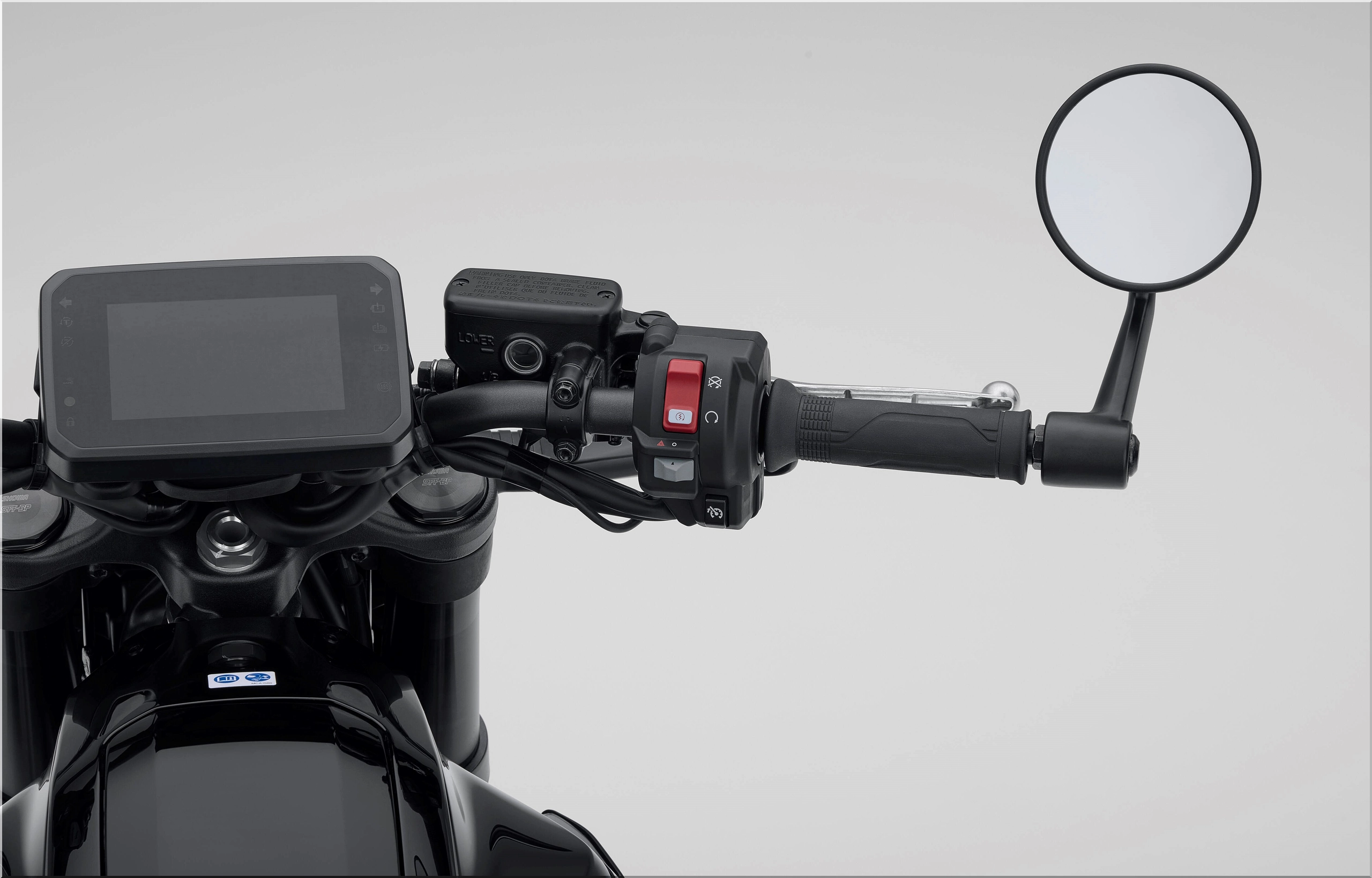
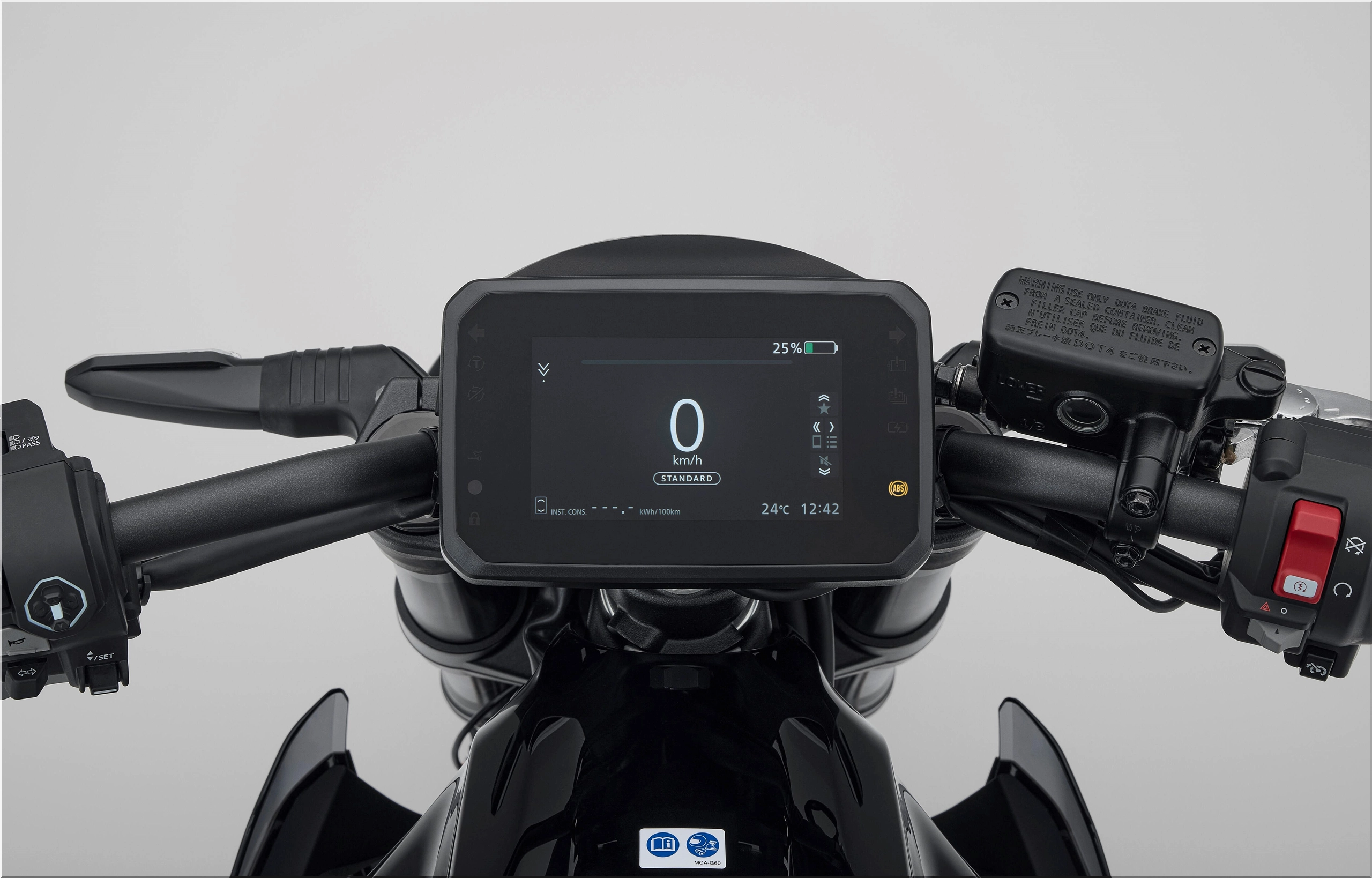
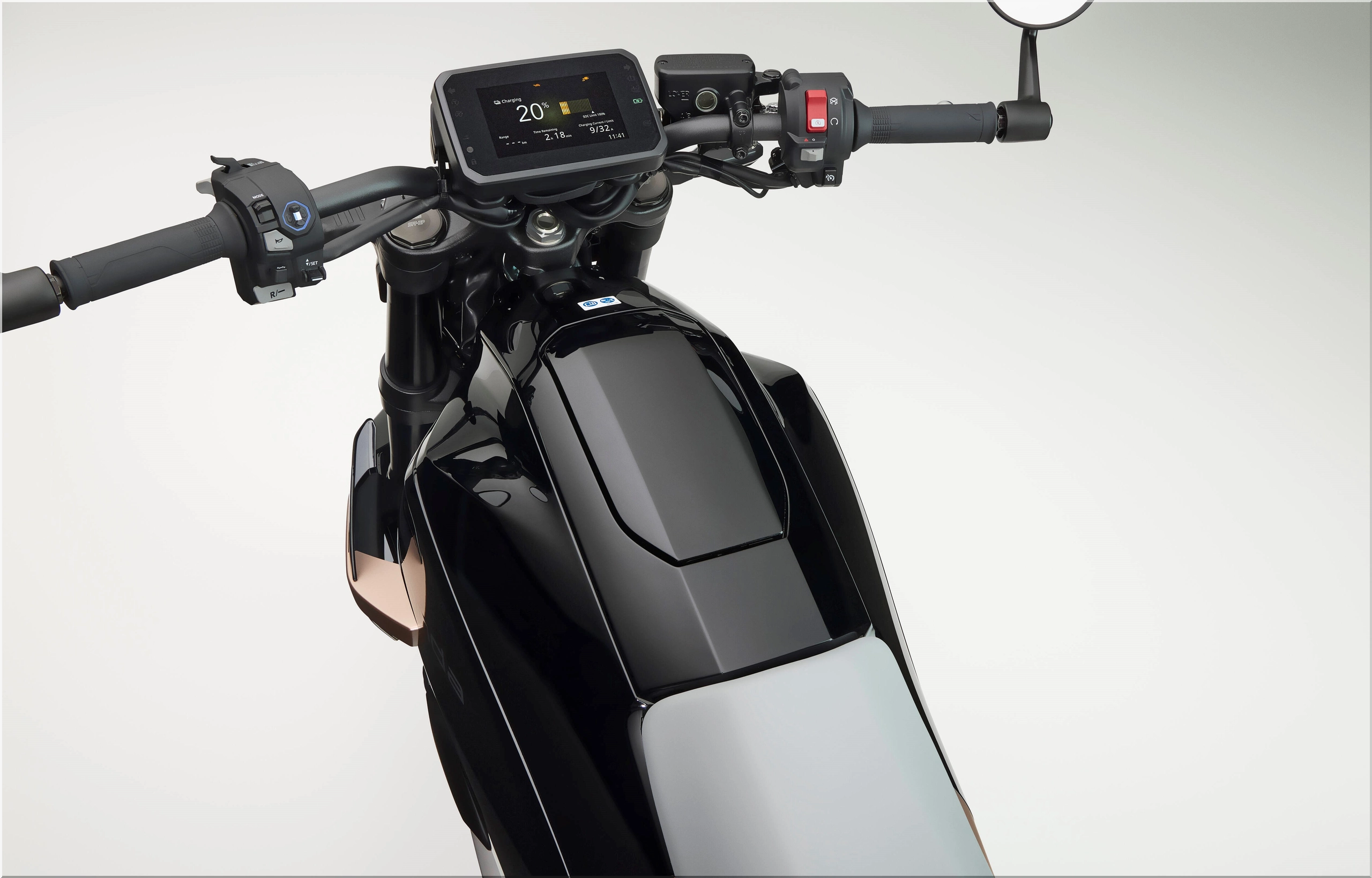
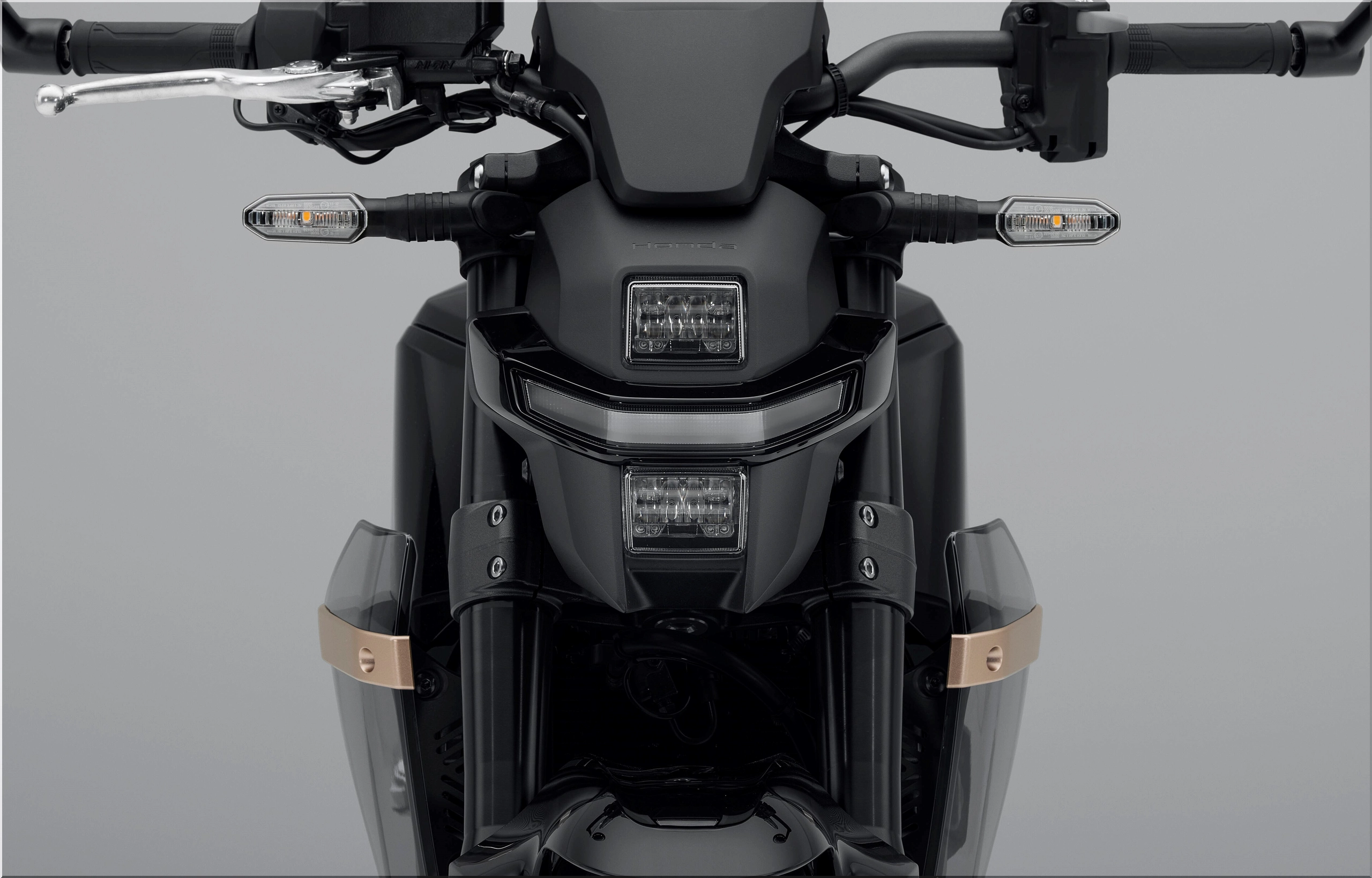
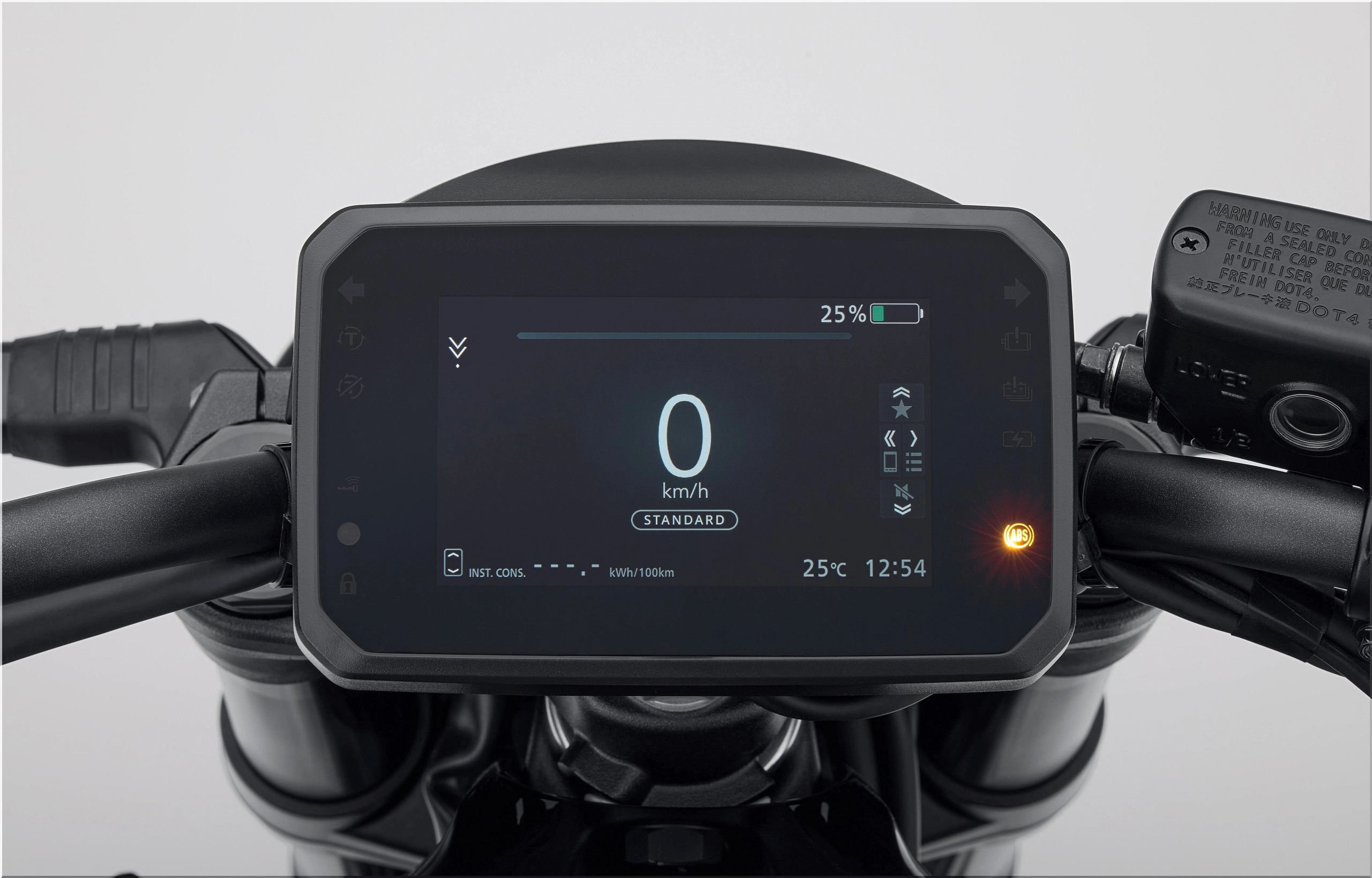
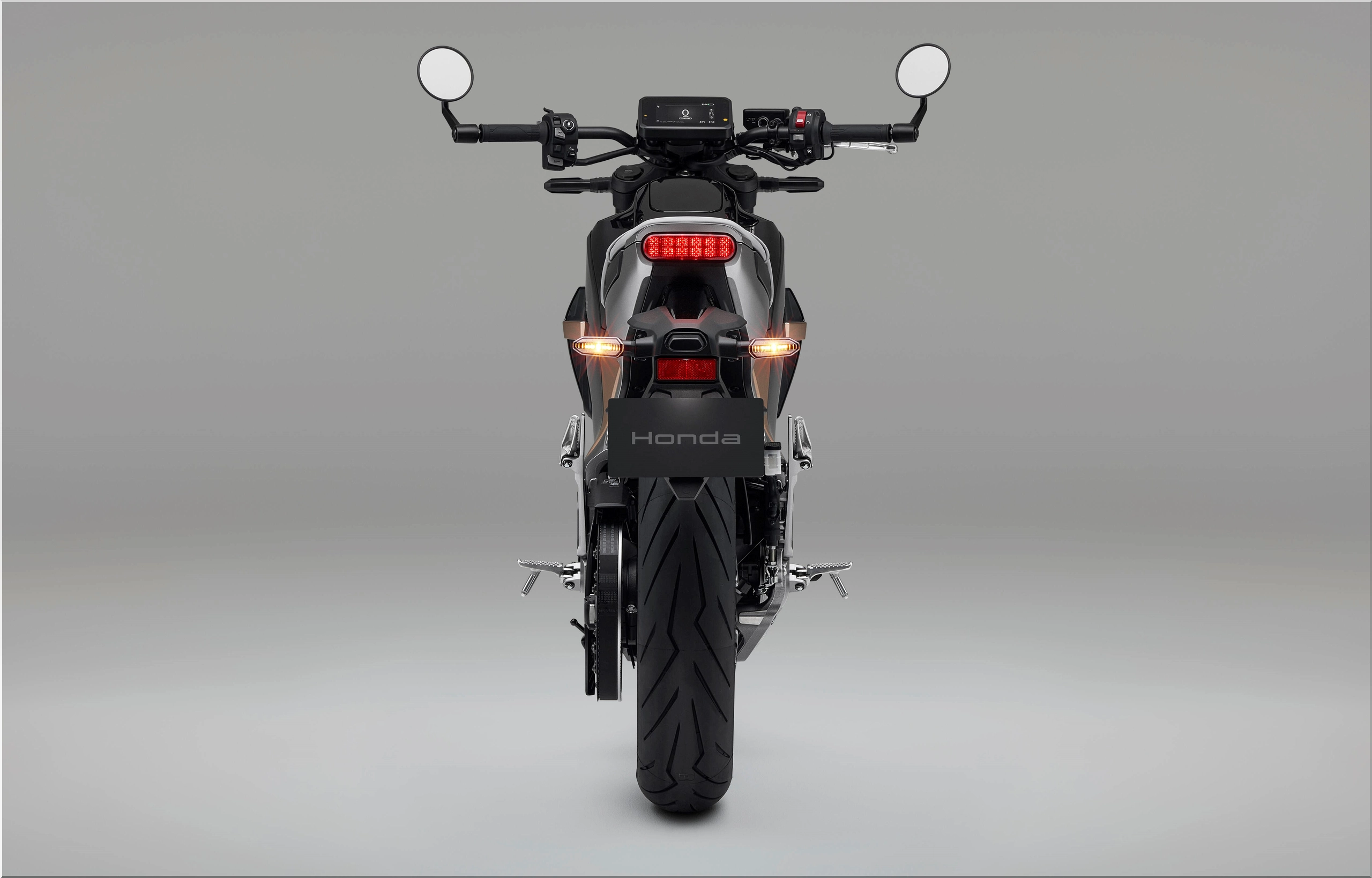
Lighting is fully LED, with dual projector headlights, DRL strips, and auto-canceling indicators with Emergency Stop Signal (ESS). The 5-inch TFT display provides access to the Honda RoadSync system, offering smartphone integration, navigation, and EV diagnostics such as power use, range, and charge status.
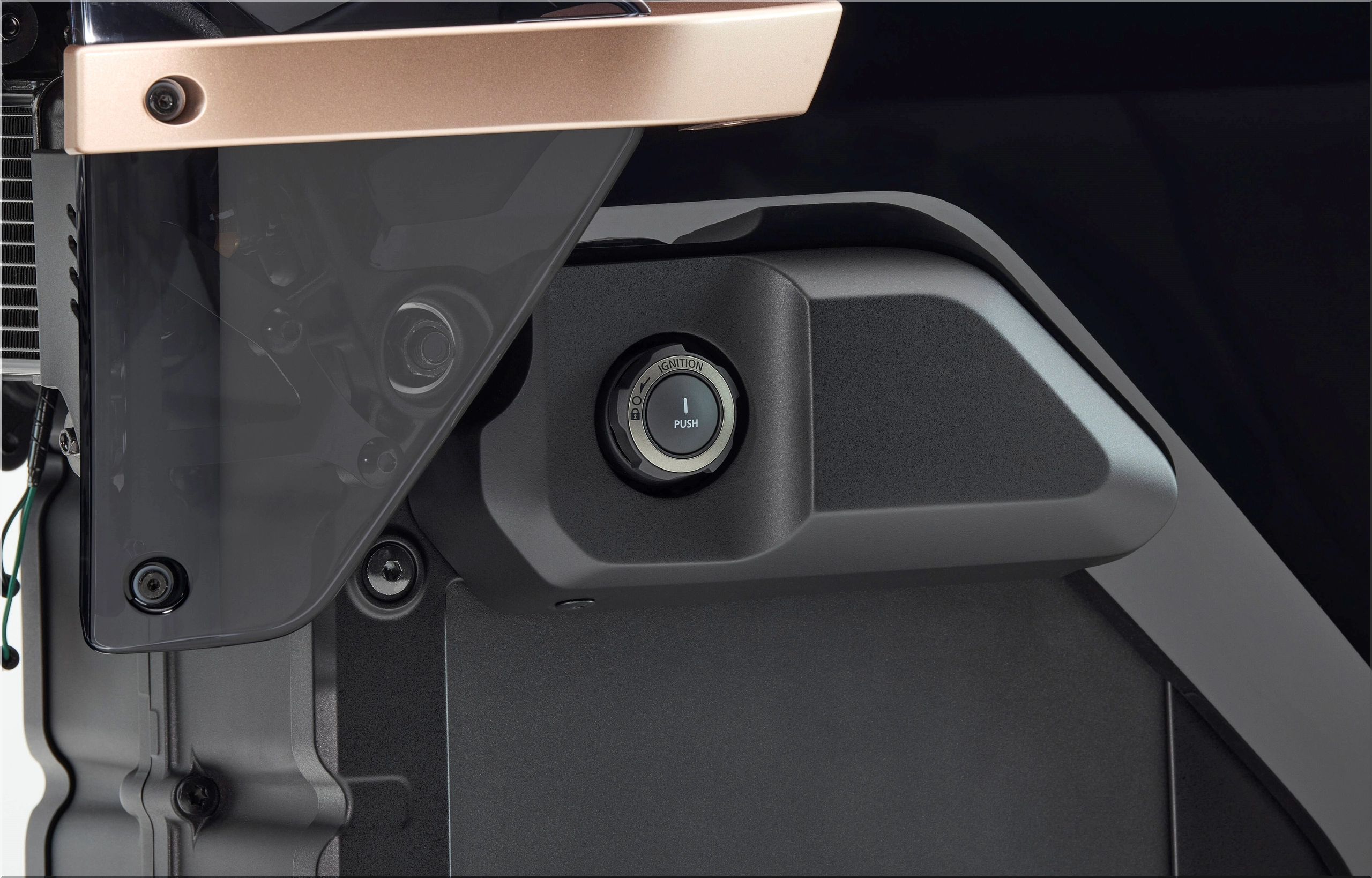
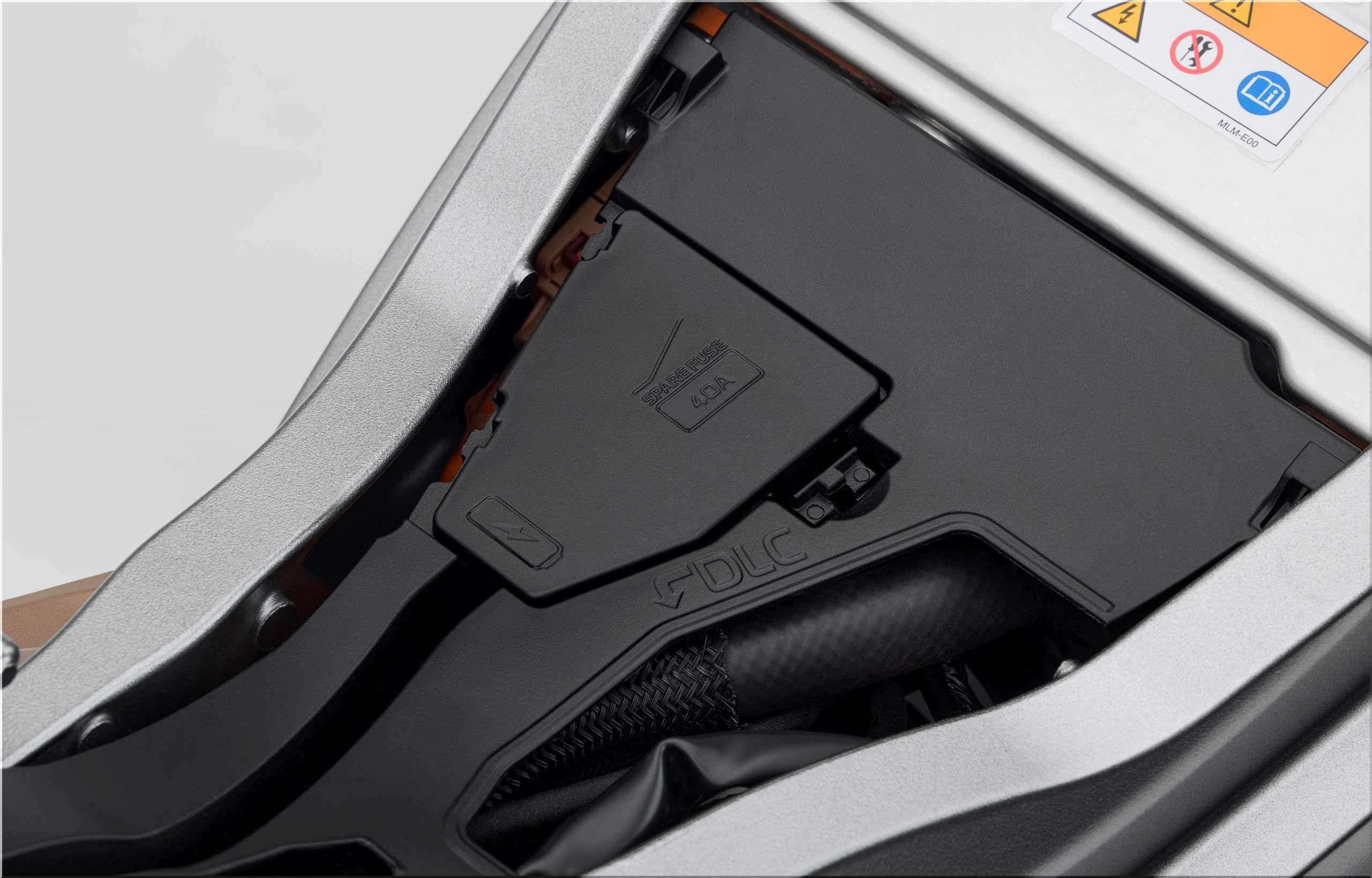
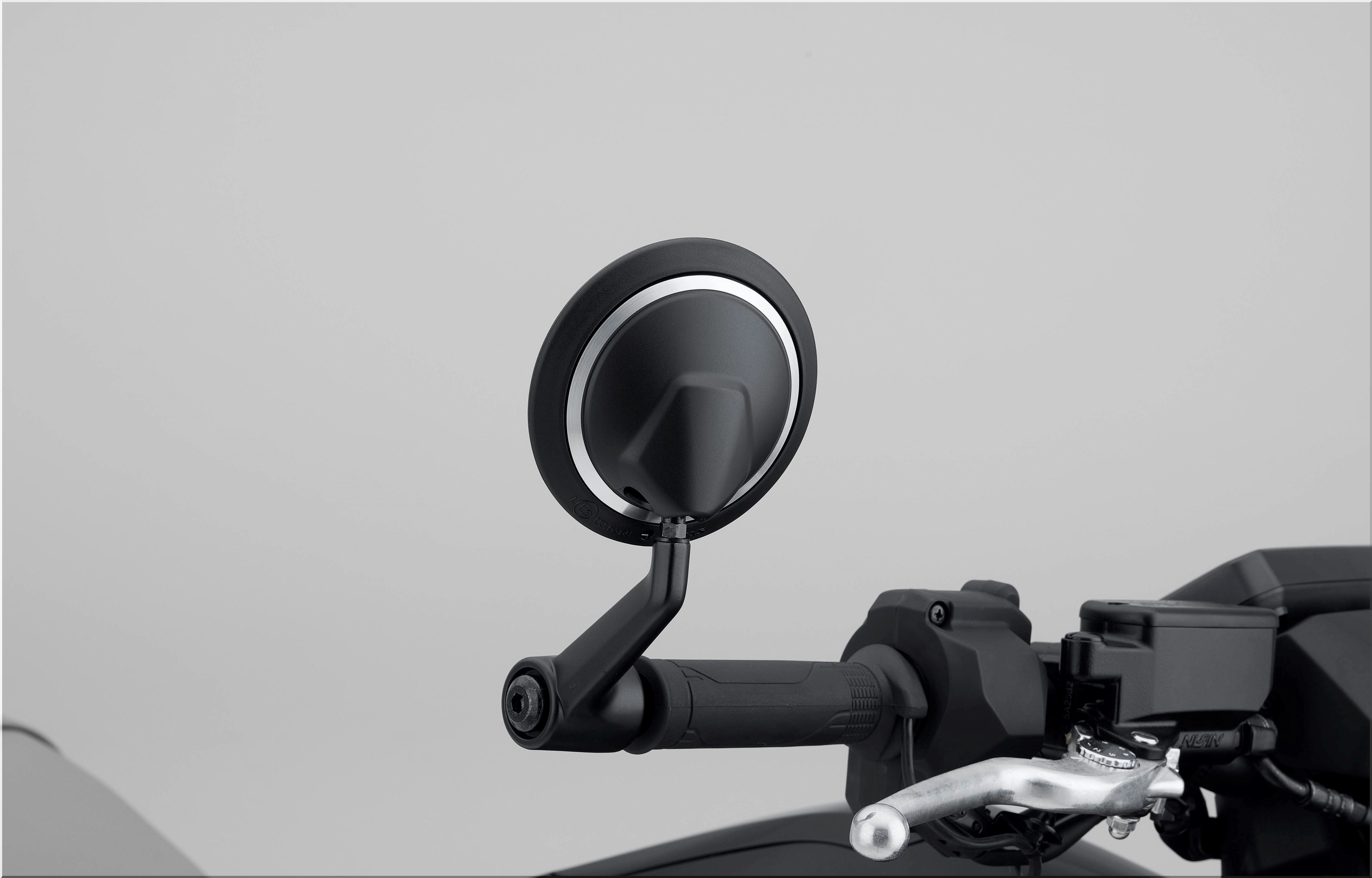
The Honda Smart Key system and USB-C charging port make daily operation straightforward. Even small touches — such as bar-end mirrors and semi-opaque air shrouds — are designed with aerodynamic function in mind.
Image
Target Market and Pricing Outlook
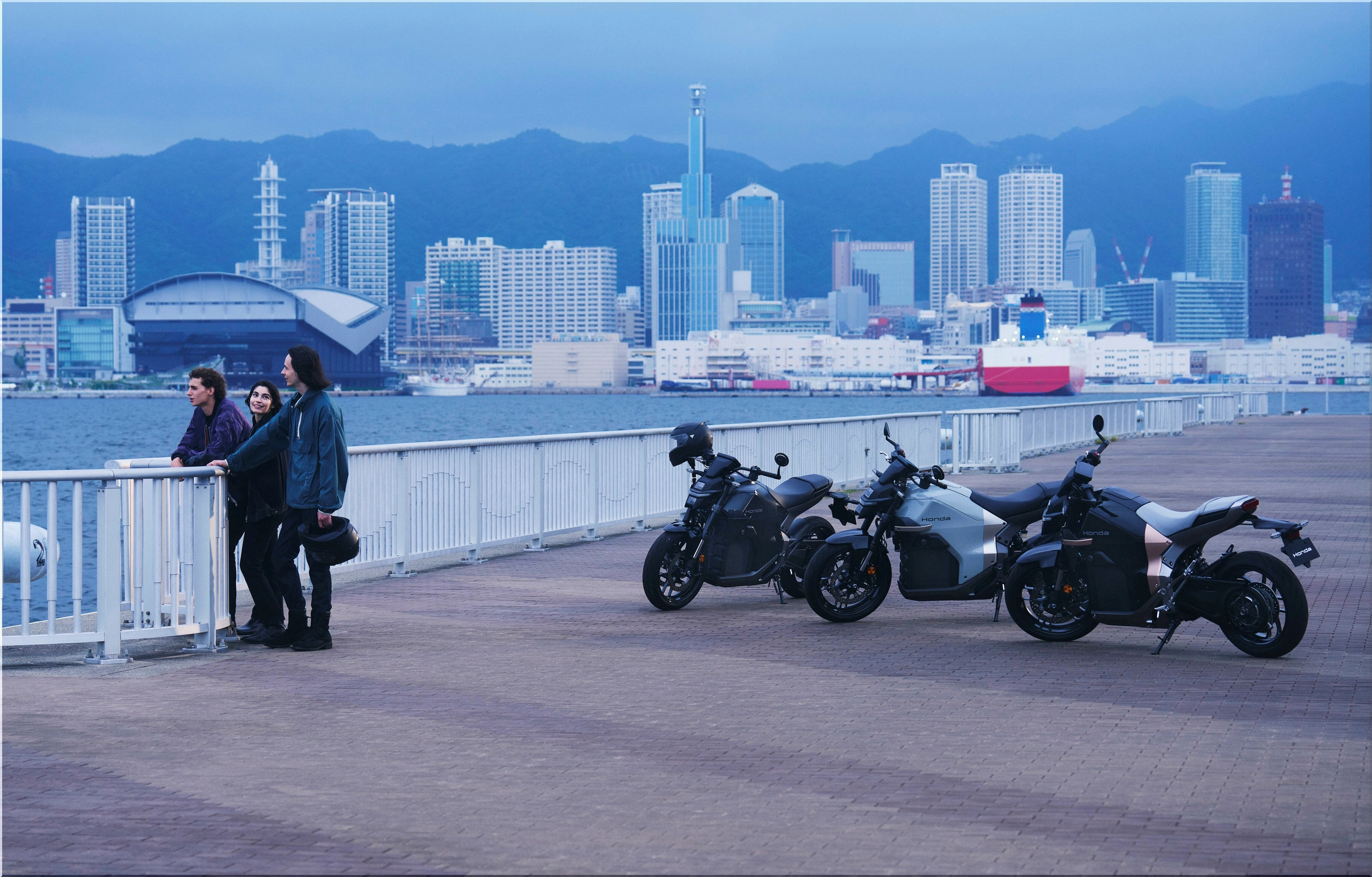
Honda’s WN7 targets urban riders moving from small-displacement gasoline motorcycles to their first electric machine. Expect the European pricing to start around $11,000 USD, depending on market incentives. Its A1-licence compatibility opens access to younger riders, while performance and build quality make it appealing to commuters seeking low running costs and high reliability.
By integrating the CCS2 fast-charging system, Honda also positions the WN7 to benefit from the accelerating EV infrastructure growth across Europe and Asia.
Video
Video title
2026 Honda WN7 Electric Motorcycle
Why It Matters
Honda’s electric transition strategy has focused on scooters until now. The WN7 changes that, offering a full-size, street-legal motorcycle with competitive power, practical range, and proven handling. It’s also a manufacturing signal: Honda is scaling its battery and control systems for use across future models.
The company’s focus on carbon neutrality by the 2040s depends on widespread EV adoption. The WN7 demonstrates that Honda can maintain its identity — performance, durability, and usability — while transitioning to a fully electric product line.
Image
Conclusion
The 2026 Honda WN7 represents a deliberate, data-backed step toward electrification. It balances engineering precision, urban usability, and rider confidence. For Honda, it’s more than a proof of concept — it’s a signal that electric motorcycles have moved past the prototype stage into mass-market readiness.
The WN7 isn’t an experiment. It’s Honda doing what it has always done best: refining, simplifying, and delivering technology that works. And for riders, that means an electric motorcycle built to perform today — not just promise for tomorrow.
Image Gallery






- Add new comment
- 549 views