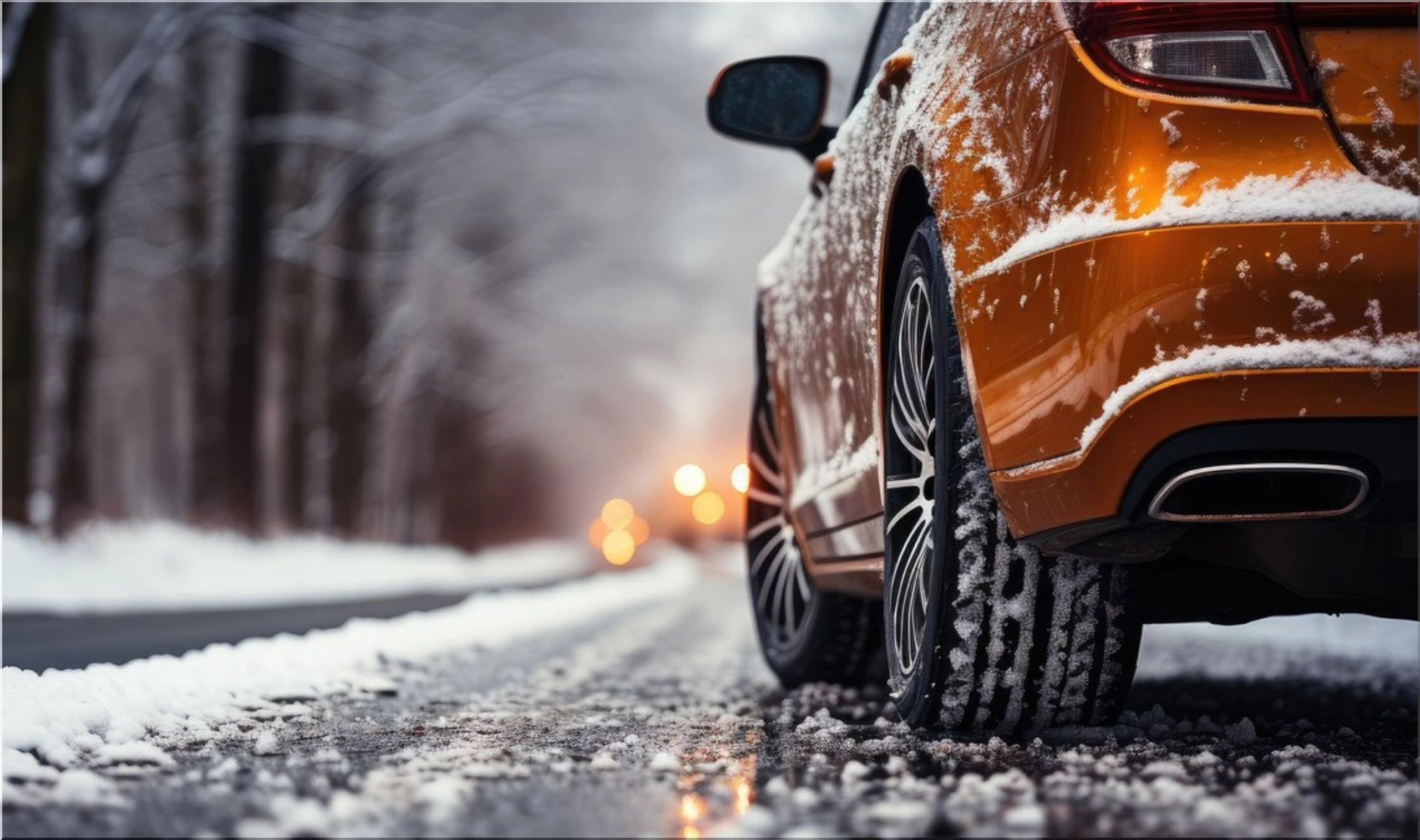
Cold snaps are the fastest way to turn perfectly fine tires into underinflated tires. You did not suddenly get four punctures overnight. In most cases, the air inside your tires simply contracts as temperatures drop, lowering your PSI reading and sometimes triggering the TPMS light.
Image
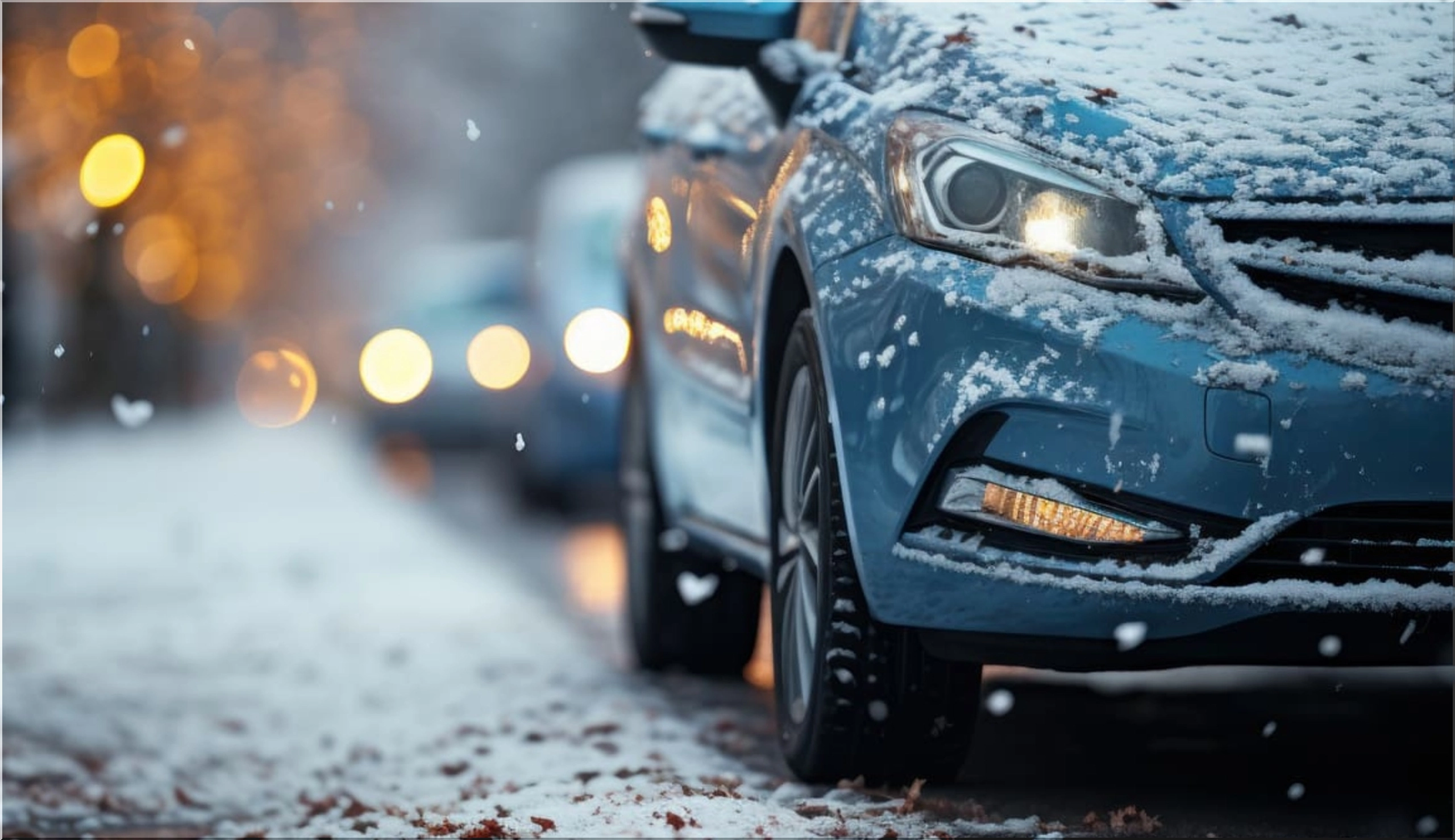
This guide explains why it happens, how much pressure changes with temperature, and the correct way to set your tire pressure in winter so your handling, braking, and tire wear stay predictable.
The quick rule
- Target the door-placard pressure. Set your tires to the vehicle's recommended PSI, measured cold.
- Check when tires are cold. Parked for at least 3 hours (or driven only a very short distance).
- Recheck after big temperature swings. If the forecast drops sharply, your PSI will follow.
Why PSI drops in cold weather
Your tire is a sealed container filled with air. When air temperature drops, the air molecules move less and exert less pressure on the tire's inner walls. The result is a lower PSI reading even if no air has leaked out.
Cold weather can also reveal slow leaks you did not notice in summer. If you are constantly adding more than a couple PSI every few weeks, get the tire inspected for a nail, valve stem leak, or rim seal issue.
How much tire pressure changes with temperature
Pressure change is predictable enough that you can plan for it:
- Expect about 1 to 2 PSI change for each 10 degrees of temperature change (rule-of-thumb guidance commonly used for seasonal maintenance).
- Over a large seasonal shift (late summer to mid-winter), a tire can easily read 4 to 8 PSI lower if you never top it up.
Simple example
If your tires are set to 35 PSI on a mild day and the temperature drops significantly overnight, your morning reading may be a few PSI lower. That is enough to change steering feel, braking response, and tire wear over time.
Image
How to set tire pressure correctly in winter
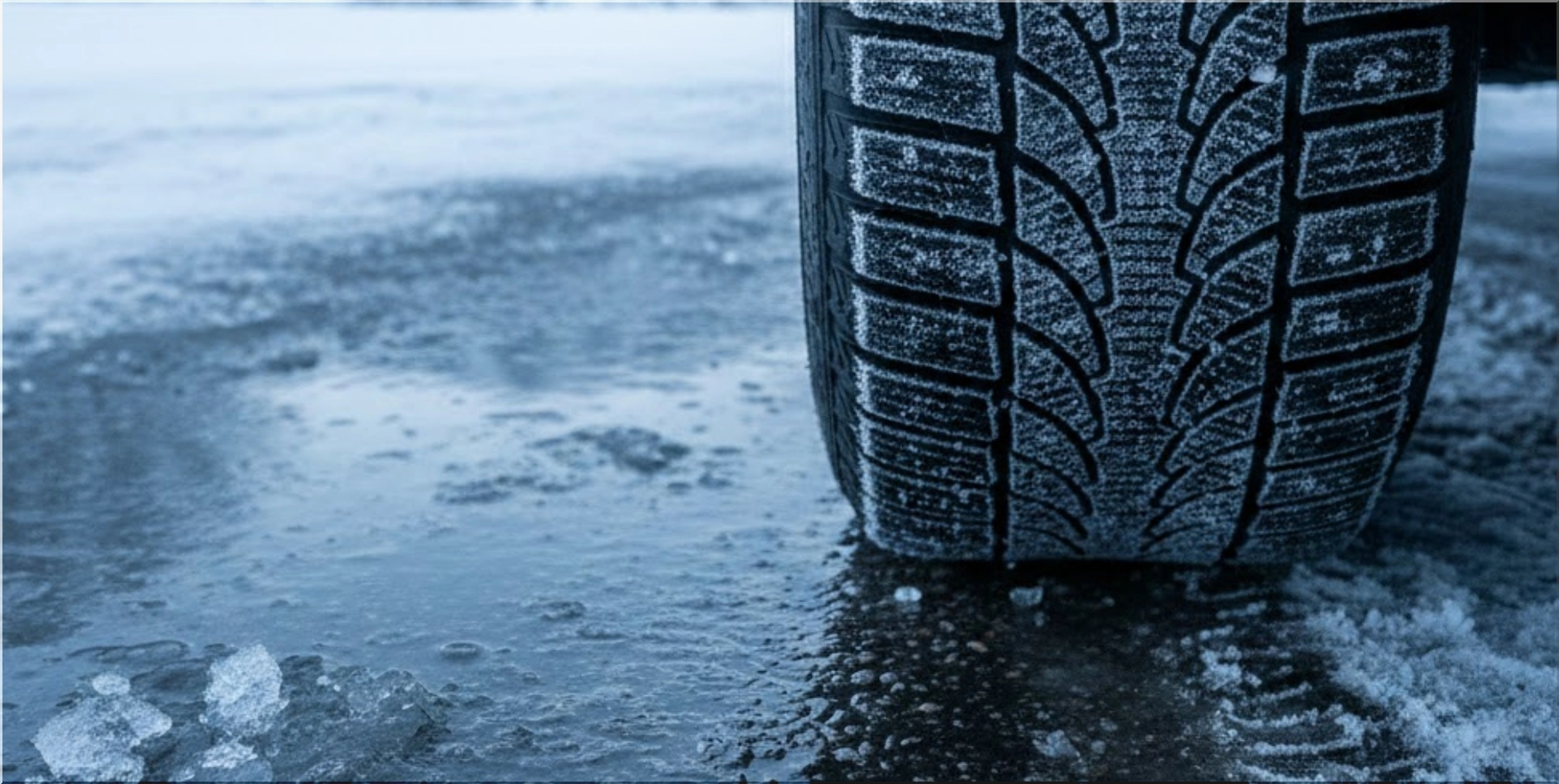
The goal is simple: set the pressure to the vehicle recommendation with the tires cold, in the same conditions you will drive in.
Step-by-step: cold-weather tire pressure check
- Find your recommended PSI. Use the driver door placard (or fuel door/manual if your vehicle uses that). Do not use the tire sidewall number.
- Check when cold. Best time is morning before driving, or after the car has been parked for at least 3 hours.
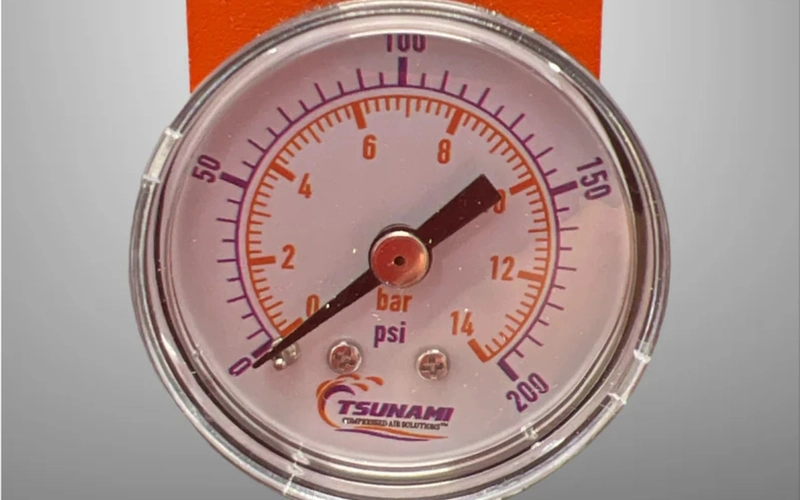
- Measure all four tires. Do not assume they match. Tires can vary corner to corner.
- Adjust to the placard PSI. Add air in short bursts, then recheck. If you overfill, release air slowly and recheck.
- Do not bleed air from warm tires. Warm tires read higher PSI. If you let air out while warm, you can end up underinflated once they cool.
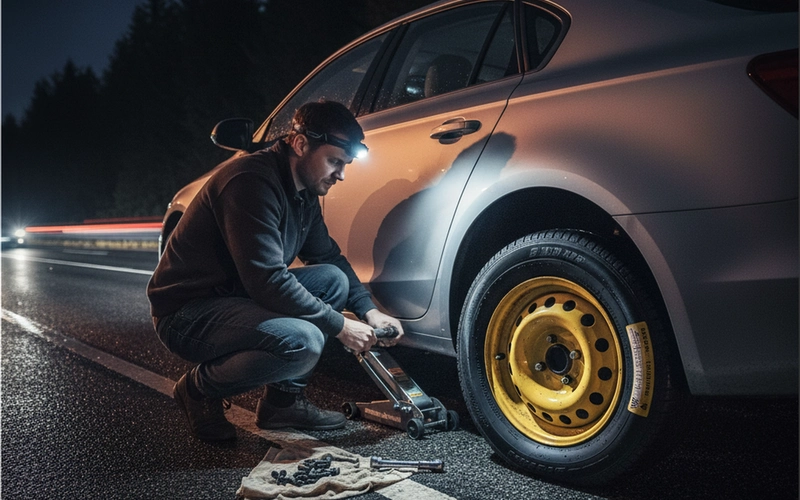
- Check the spare, too. Spares often sit for years and commonly need air when you actually need them most.
The heated garage trap
If you inflate tires inside a warm garage, then immediately drive into freezing air, your pressure can drop after you leave. For the most accurate winter setup:
- Check pressure outdoors (or with the garage door open long enough for temperatures to equalize), or
- Drive a very short distance, park, wait for the tires to cool fully, then set pressure to spec.
Should you inflate above the door-placard PSI in winter?
For normal winter driving, no. The safest, most consistent approach is to set pressure to the vehicle's recommended cold inflation pressure and keep it there with regular checks.
If your area has rapid temperature swings, the better solution is not guessing higher PSI. It is checking more often (and topping up to the placard number when cold).
TPMS in winter: why the light comes on in the morning
TPMS warnings often appear on cold mornings because pressure dropped overnight. After driving, tire temperature rises and PSI increases, which can make the warning disappear. That does not mean the tires were fine. It means you are hovering near the low-pressure threshold.
Use a gauge and set the tires to the placard PSI when cold. That is the correct fix, not hoping the light stays off.
How often to check tire pressure in cold weather
- At least once a month year-round.
- Every 2 weeks during deep winter or when temperatures fluctuate heavily.
- Before long trips or heavy loads (winter road trips are hard on tires).
Common mistakes to avoid
- Setting pressure based on the tire sidewall maximum instead of the vehicle placard.
- Checking pressure right after highway driving and treating that hot reading as the target.
- Letting air out of warm tires in winter (the classic underinflation setup).
- Ignoring the spare tire until the day you need it.
Image
FAQs
What does "cold tire pressure" actually mean?
Cold means the tire is at ambient temperature: parked for at least 3 hours, or driven only a very short distance at low speed.
Is a 2 to 4 PSI drop in winter normal?
Yes. A sharp temperature drop can reduce PSI quickly even with no leaks.
Can underinflation damage tires?
Yes. Underinflation increases heat, accelerates shoulder wear, and can contribute to tire failure over time.
Do winter tires need different PSI than all-season tires?
Usually no. Follow the vehicle placard PSI unless your vehicle manufacturer specifies otherwise.
My TPMS light turns off after driving. Should I still add air?
Yes. Set pressure when cold to the placard PSI. The light turning off after driving is a temperature effect, not a fix.
Bottom line
Cold weather lowers PSI because air contracts. The fix is not complicated: check your tires cold, inflate to the vehicle placard PSI, and recheck after major temperature drops. Do that consistently and you will drive through winter with better grip, better braking, and longer tire life.
Image Gallery
- 1848 views