Development Roots
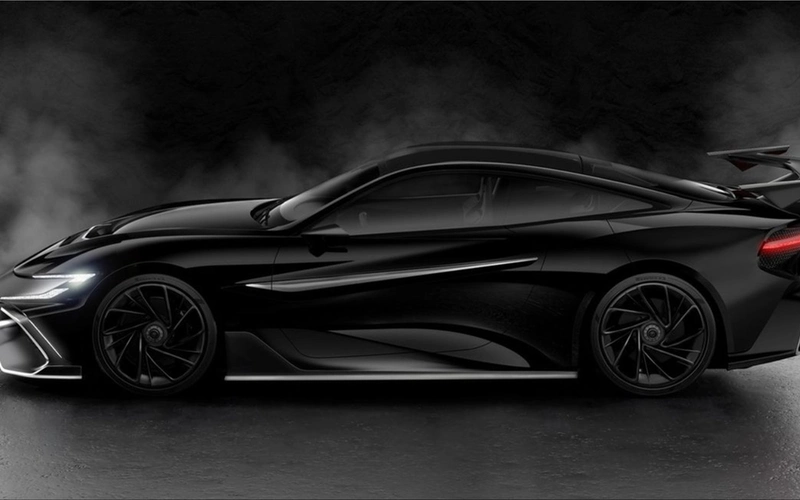
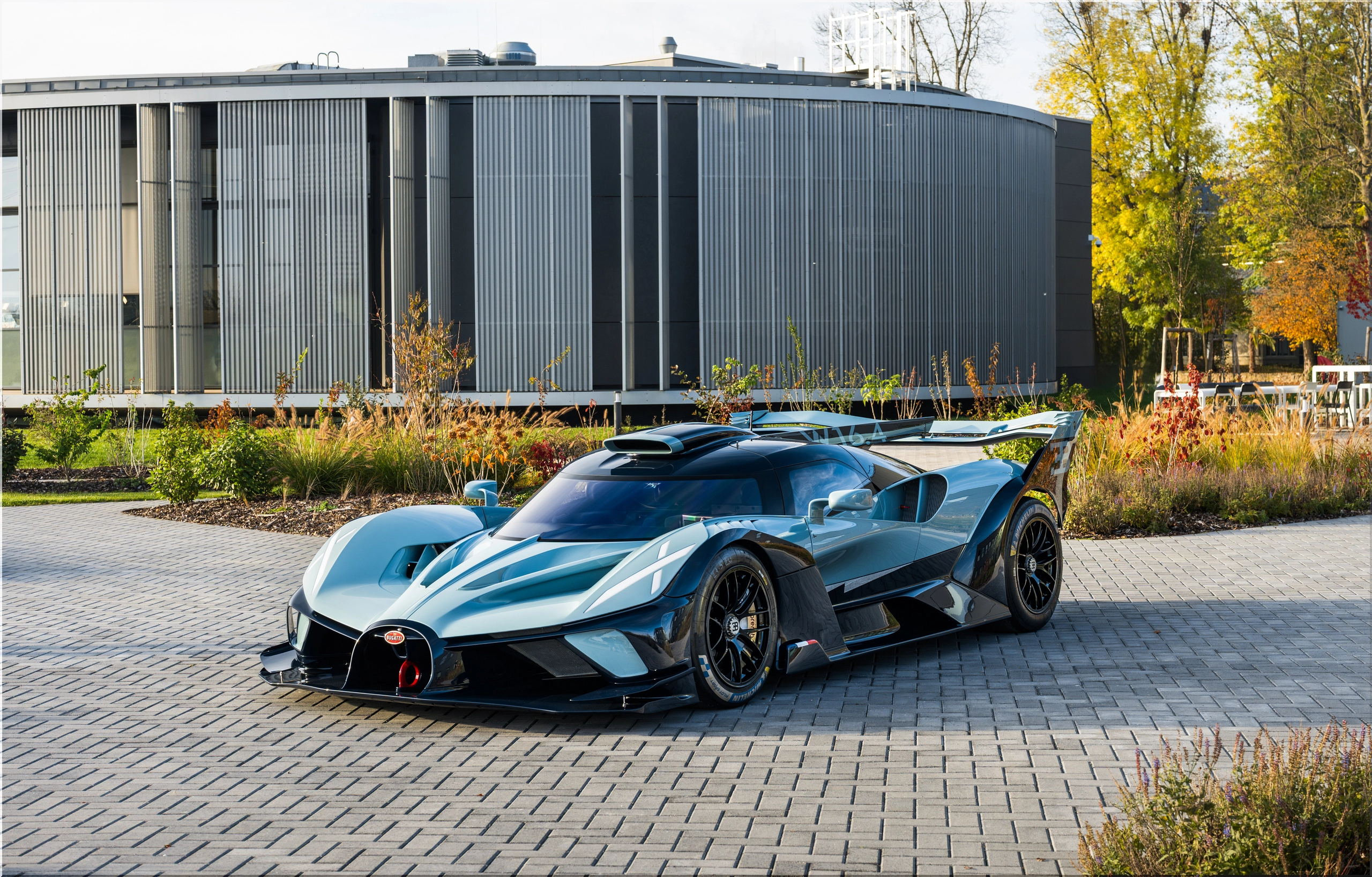
Bugatti concluded production of the Bolide with a final customer car that closes a program shaped by data, discipline, and a direct vision for track engineering. The company set a simple objective in 2021: build a track hypercar that met Bugatti standards while pushing mechanical limits. The team treated every system as part of a connected structure. Each choice needed measurable gains in performance, quality, or durability.
August 2021 marked the program's start. Designers and engineers began shaping production hardware from the earlier concept model. The work focused on creating a machine that served both the gentleman driver and the professional racer, without compromise in usability or reliability.
Image
Key Milestones
A short, structured development sequence defined the project:
- 2021: Concept-to-production transition begins.
- 2022: Design freezes after functional and aesthetic validation.
- Early 2023: Engineering work concludes.
- Mid-2023 to early 2024: Intensive test cycle.
- 2025: Customer track events confirm readiness.
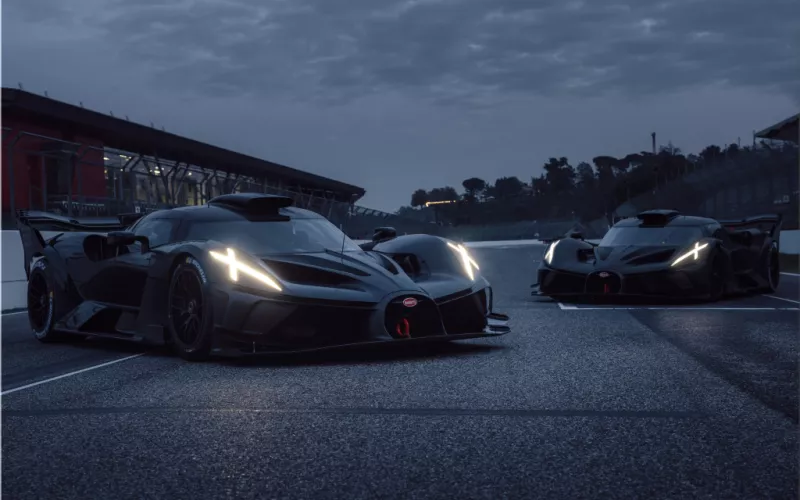
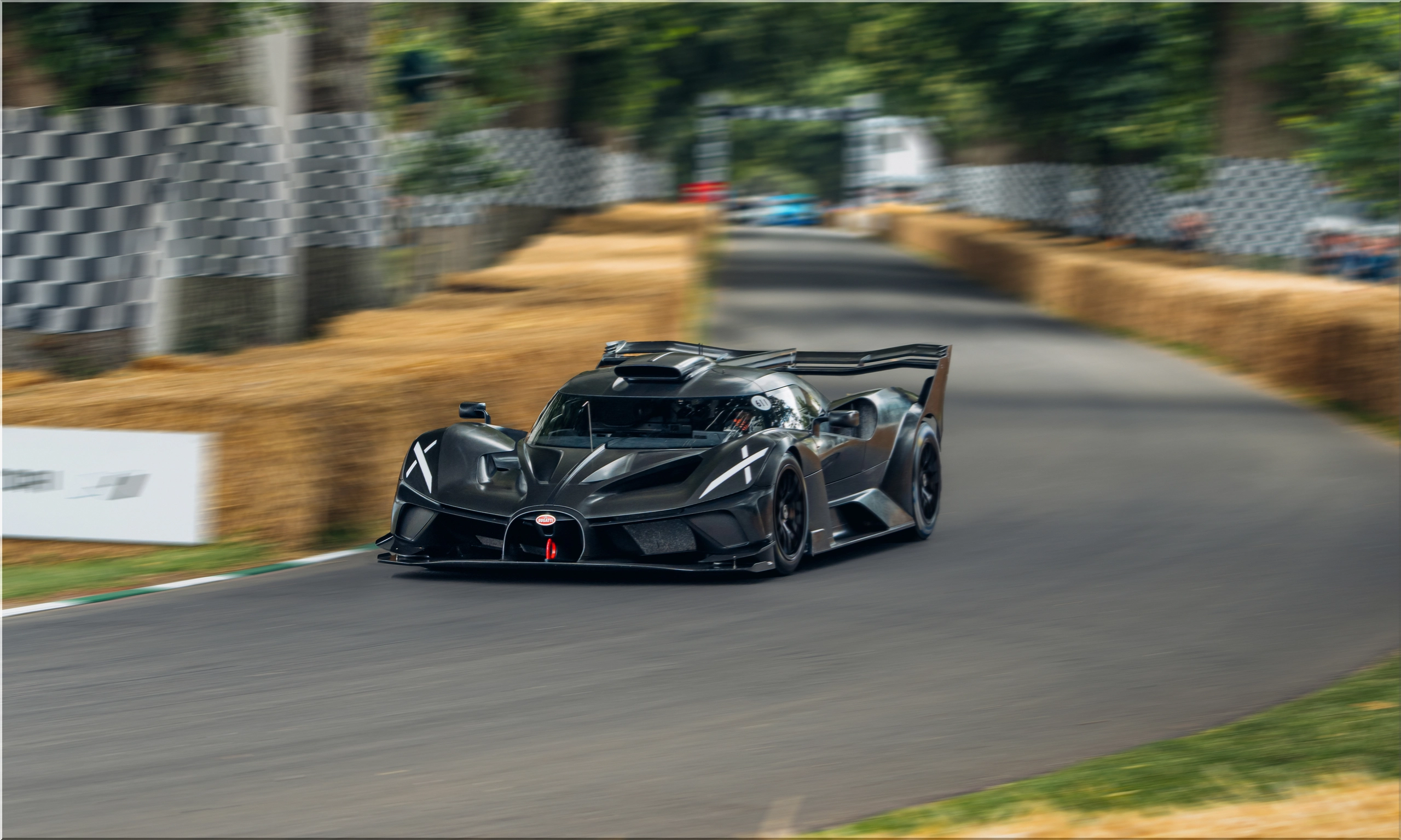
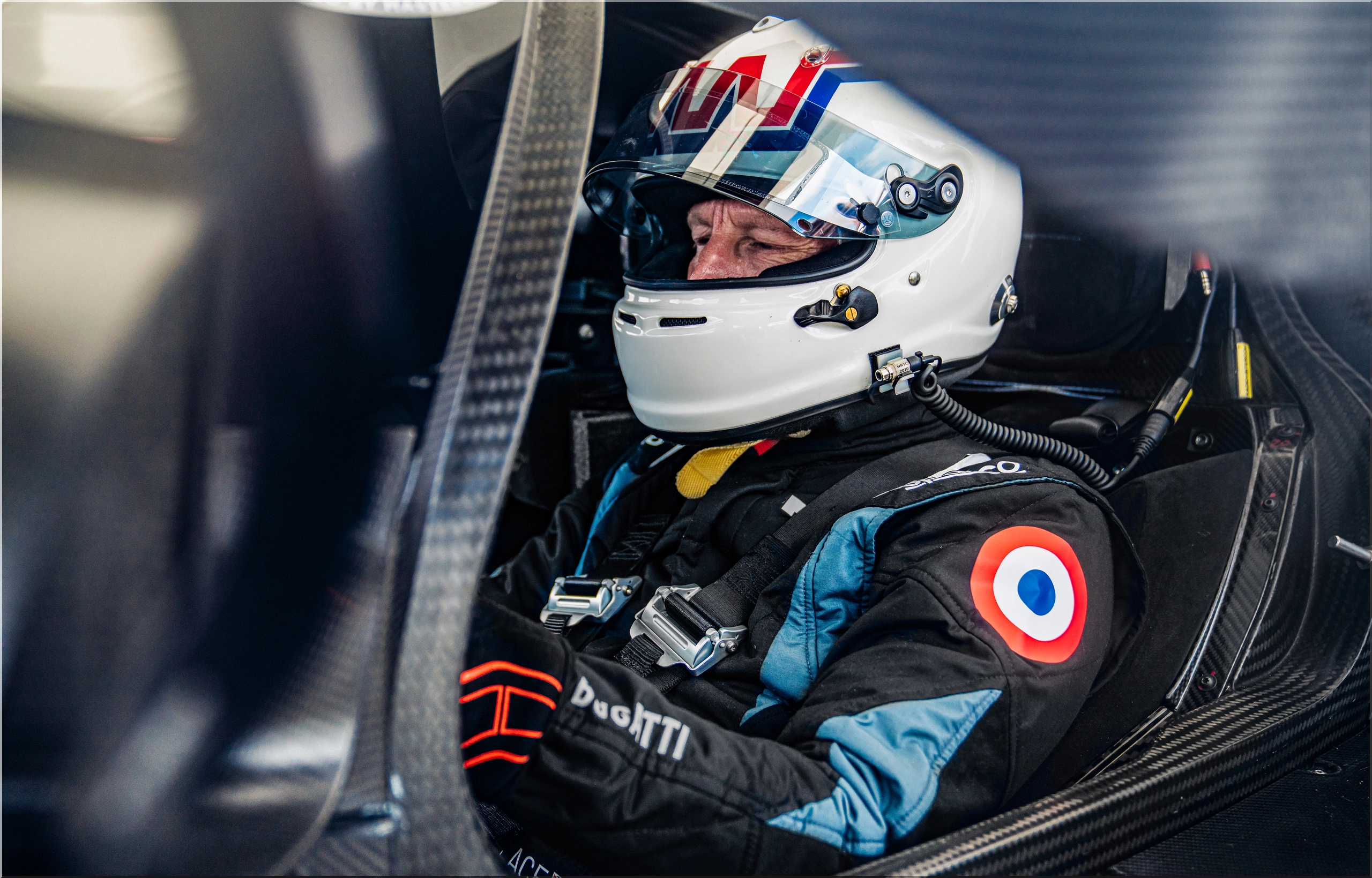
By 2023, prototypes were ready for track use. Bugatti used long test days to measure real-world gains. Teams worked through strict schedules, targeting minutes of downtime instead of hours. Overnight prep reset the car for each morning session, creating a repeatable data loop.
Image

Track Validation
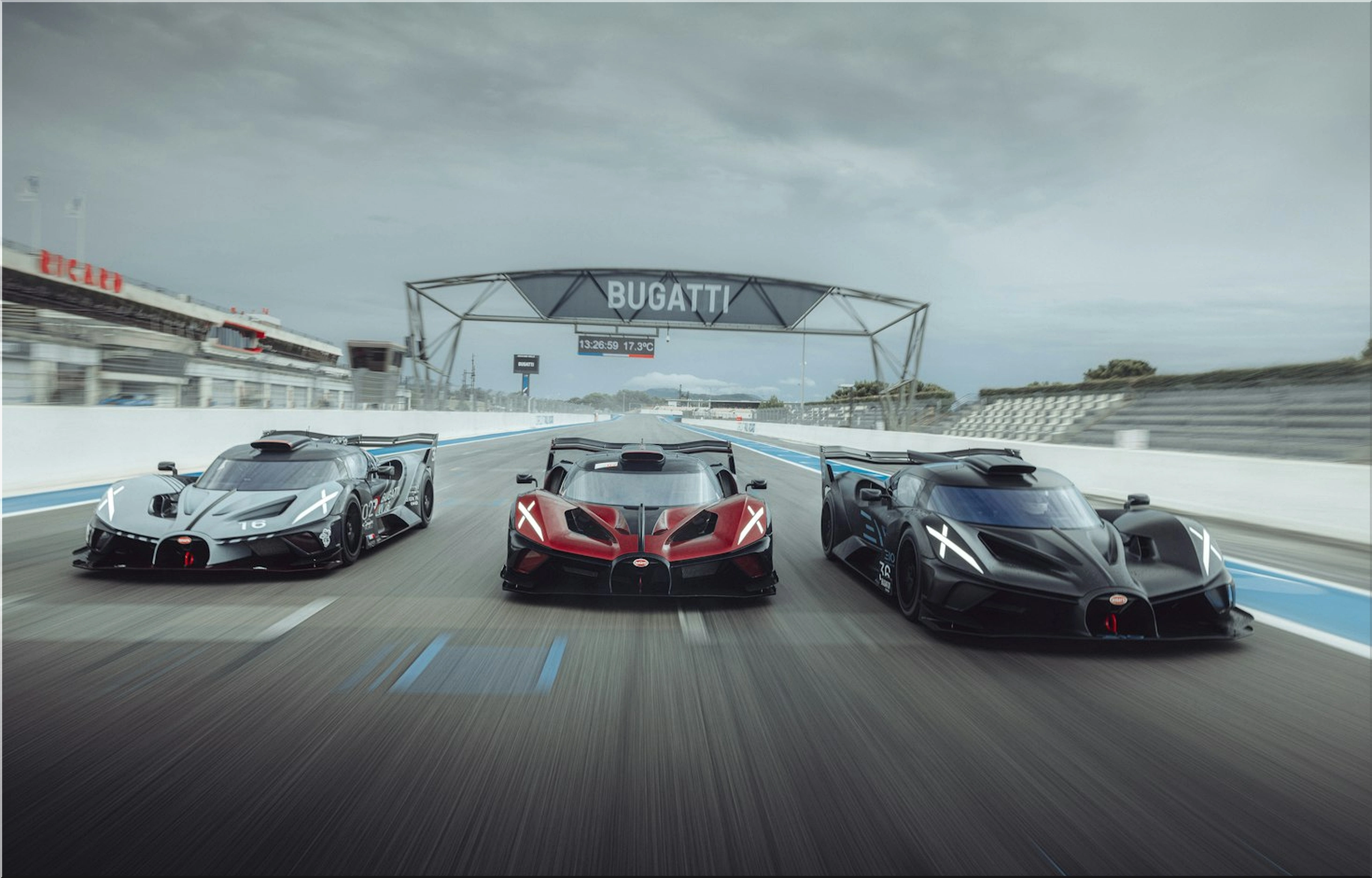
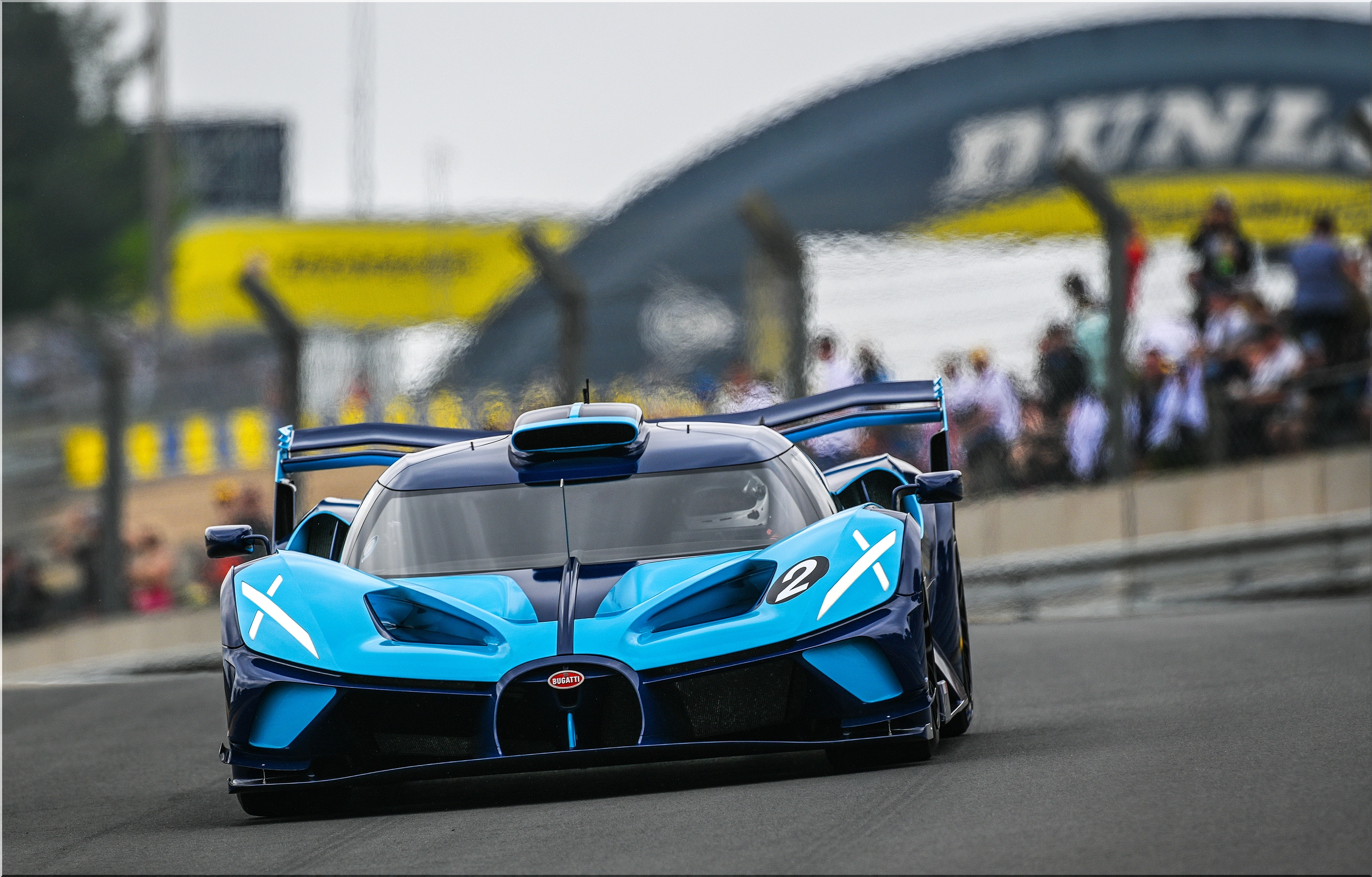
Le Mans played a key role during the car's evaluation phase. Engineers recorded 218 mph runs on the straight, confirming early simulations. This test window helped refine the aero package, cooling systems, and driver-support systems. Performance mattered, but Bugatti also focused on customer confidence. The car needed to deliver predictable behavior under pressure, regardless of driver skill.
From mid-2023 to early 2024, the car passed through one of the company's longest and most intense track programs. Each day linked analysis, component adjustments, and repeat testing. The goal was simple: confirm that every element performed the same way on the 100th lap as it did on the first.
Image
Production Standards
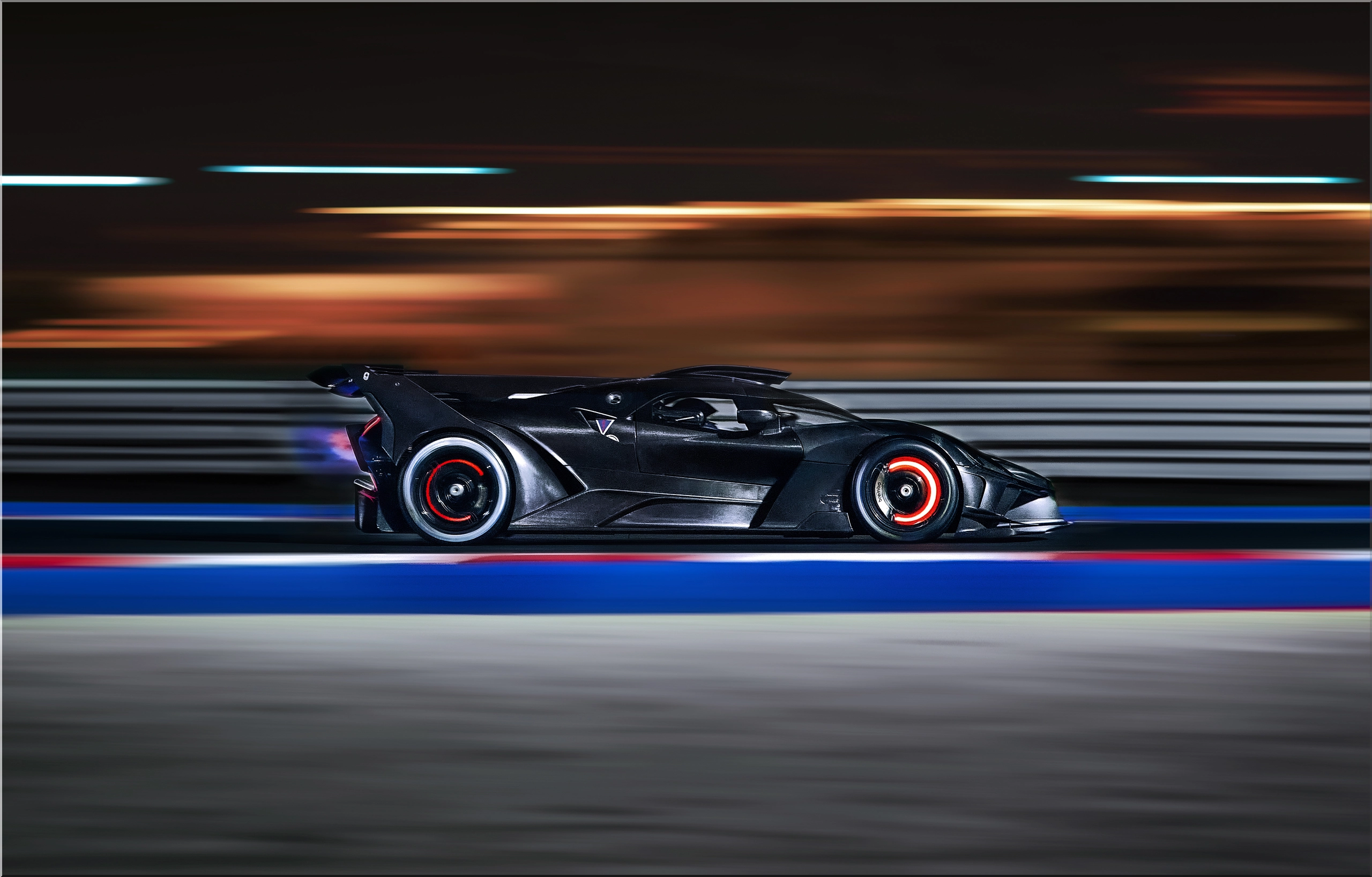
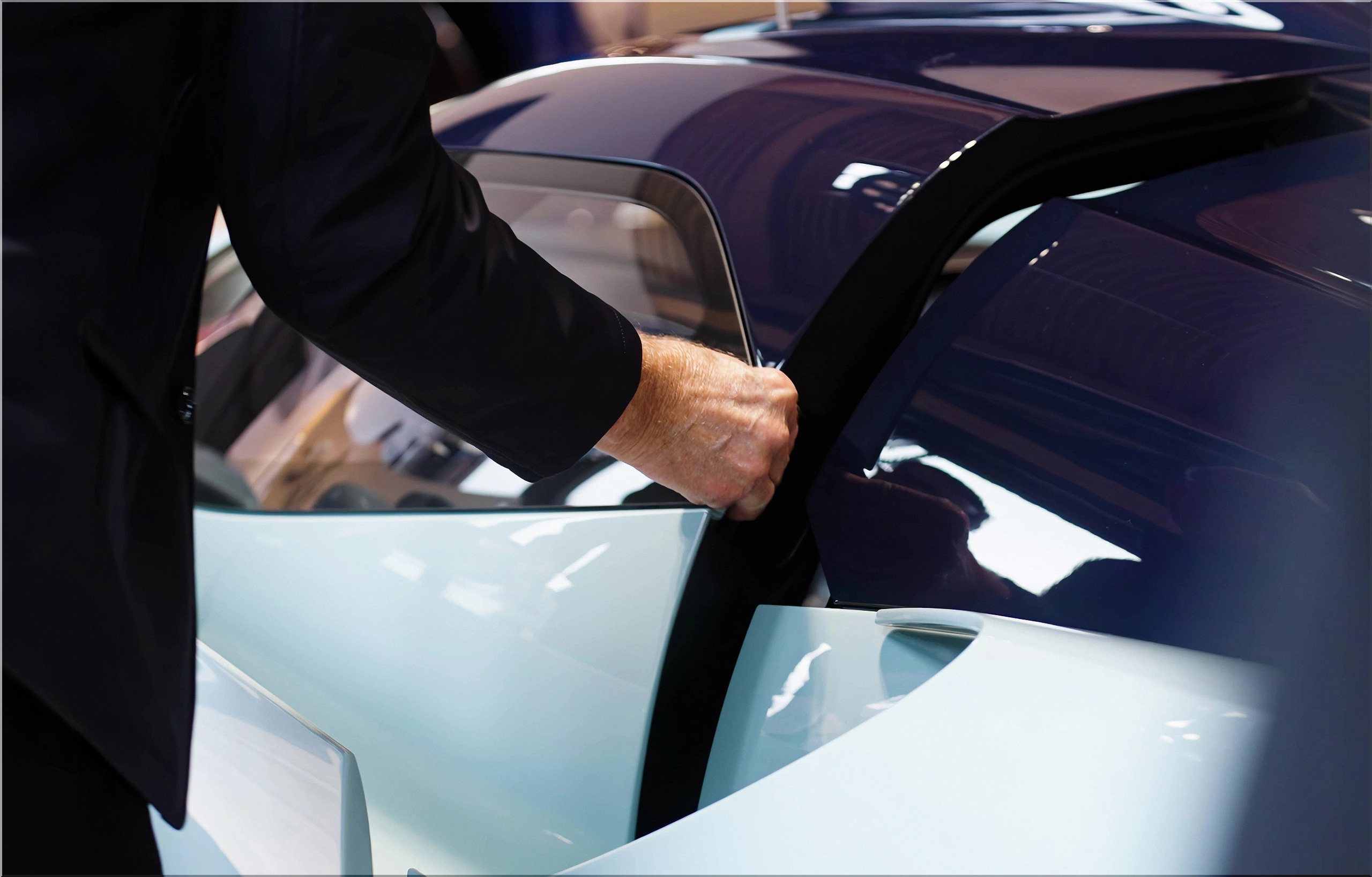
Transforming a track-only machine into a Bugatti-grade product demanded precision from suppliers and internal teams. Motorsport programs often prioritize fast part swaps and short service life. Bugatti instead targeted long-term consistency. Paint, materials, cockpit components, electrical systems, and structural hardware needed to match the quality seen in road-legal Bugatti models.
The team balanced extreme loads with craftsmanship requirements. Engineers needed to deliver both performance and durability without excess weight. Production specialists needed to build components capable of lasting decades while retaining track capability.
Image
The Final Customer Car
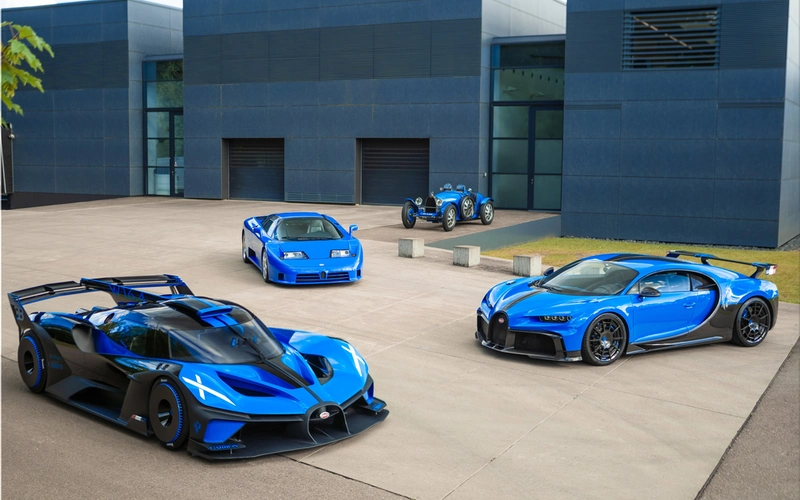
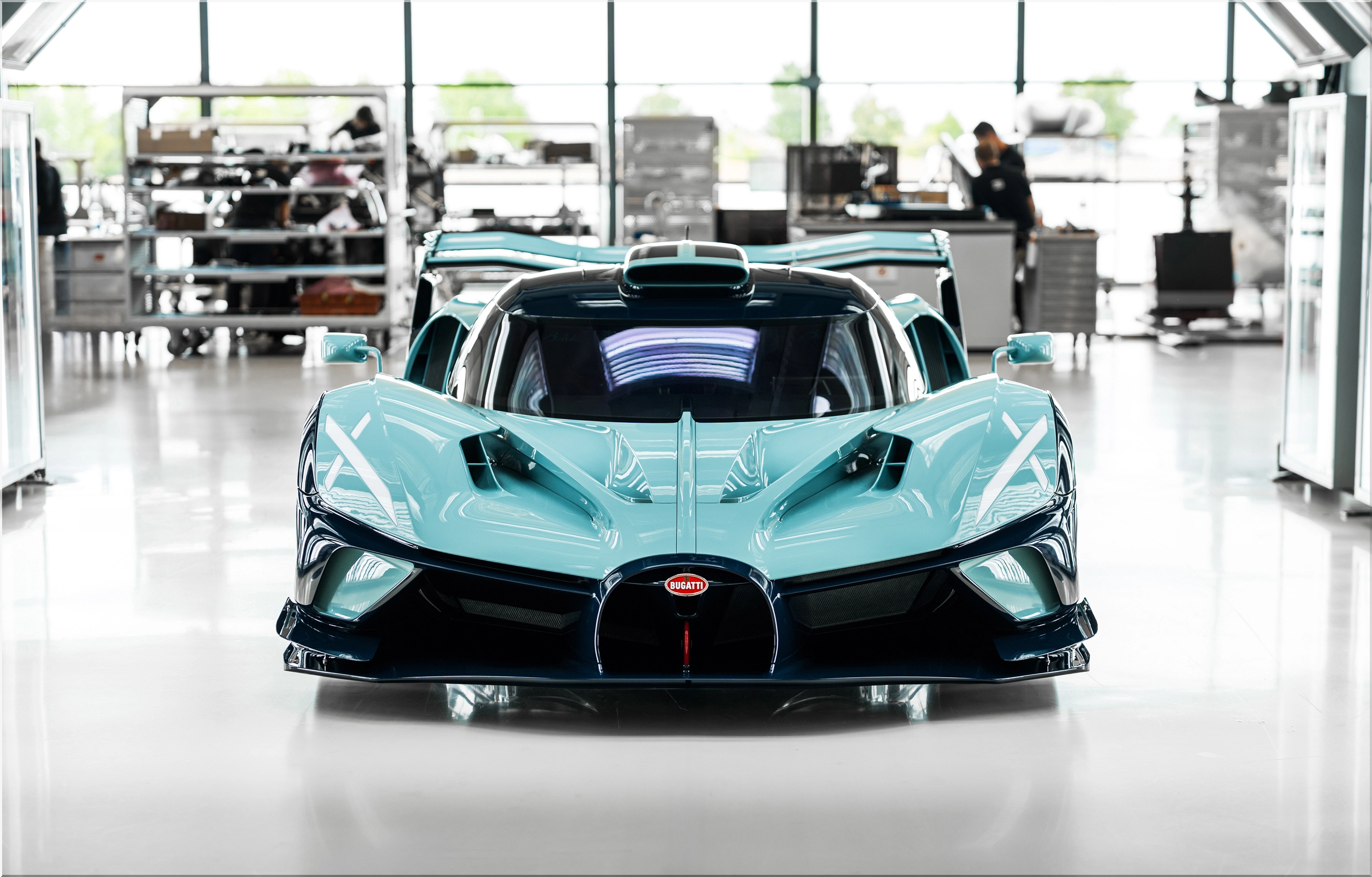
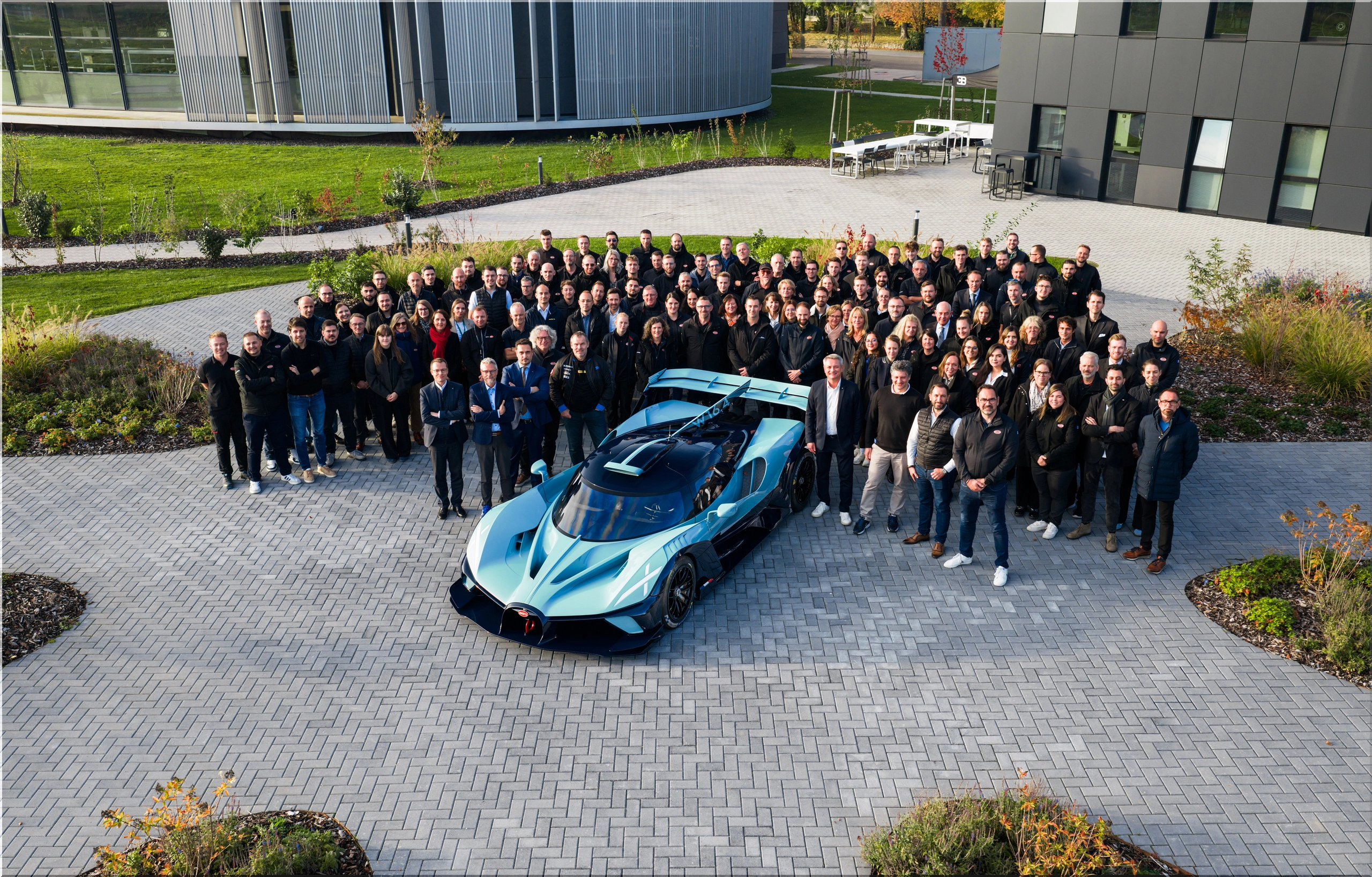
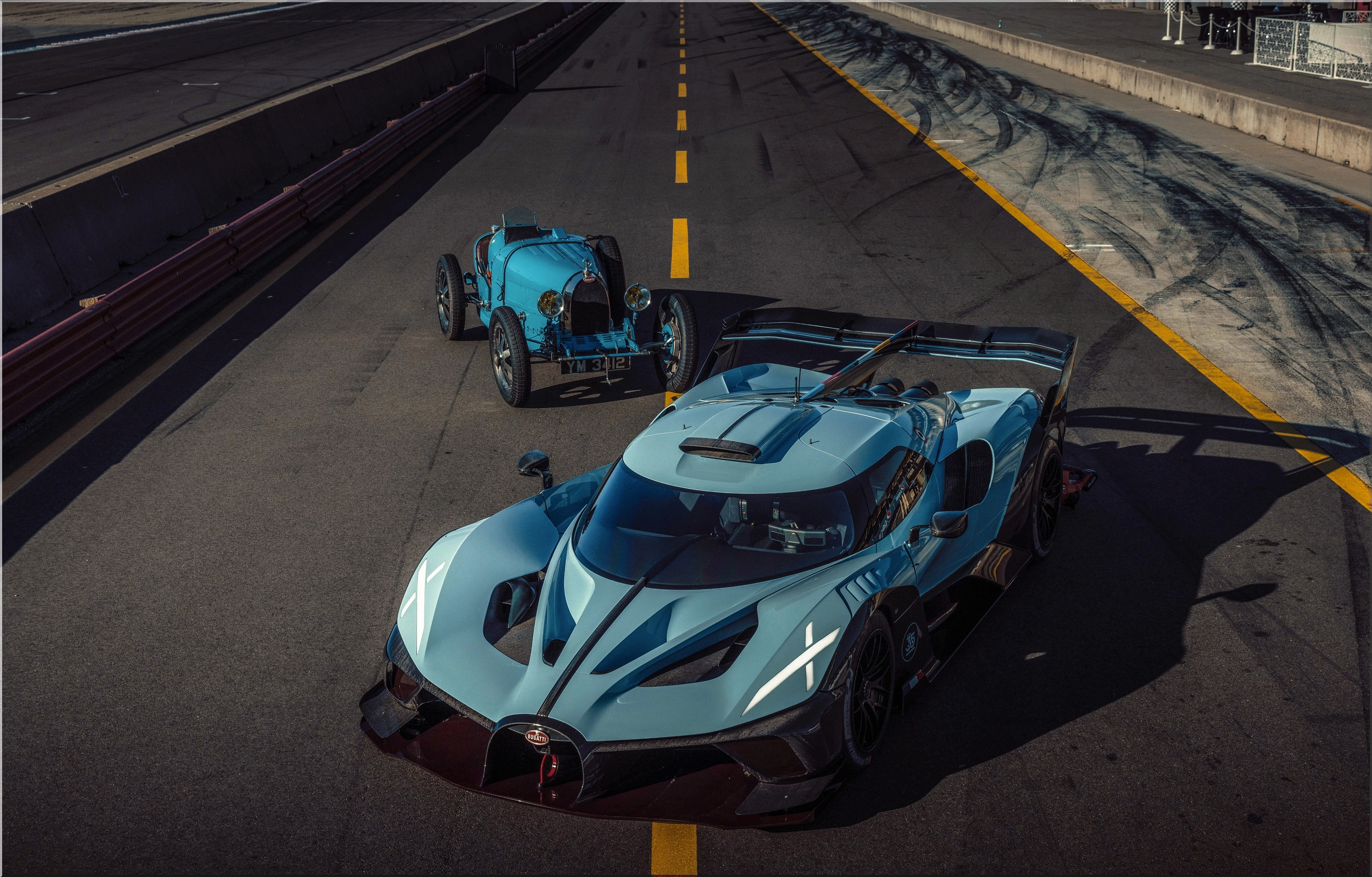
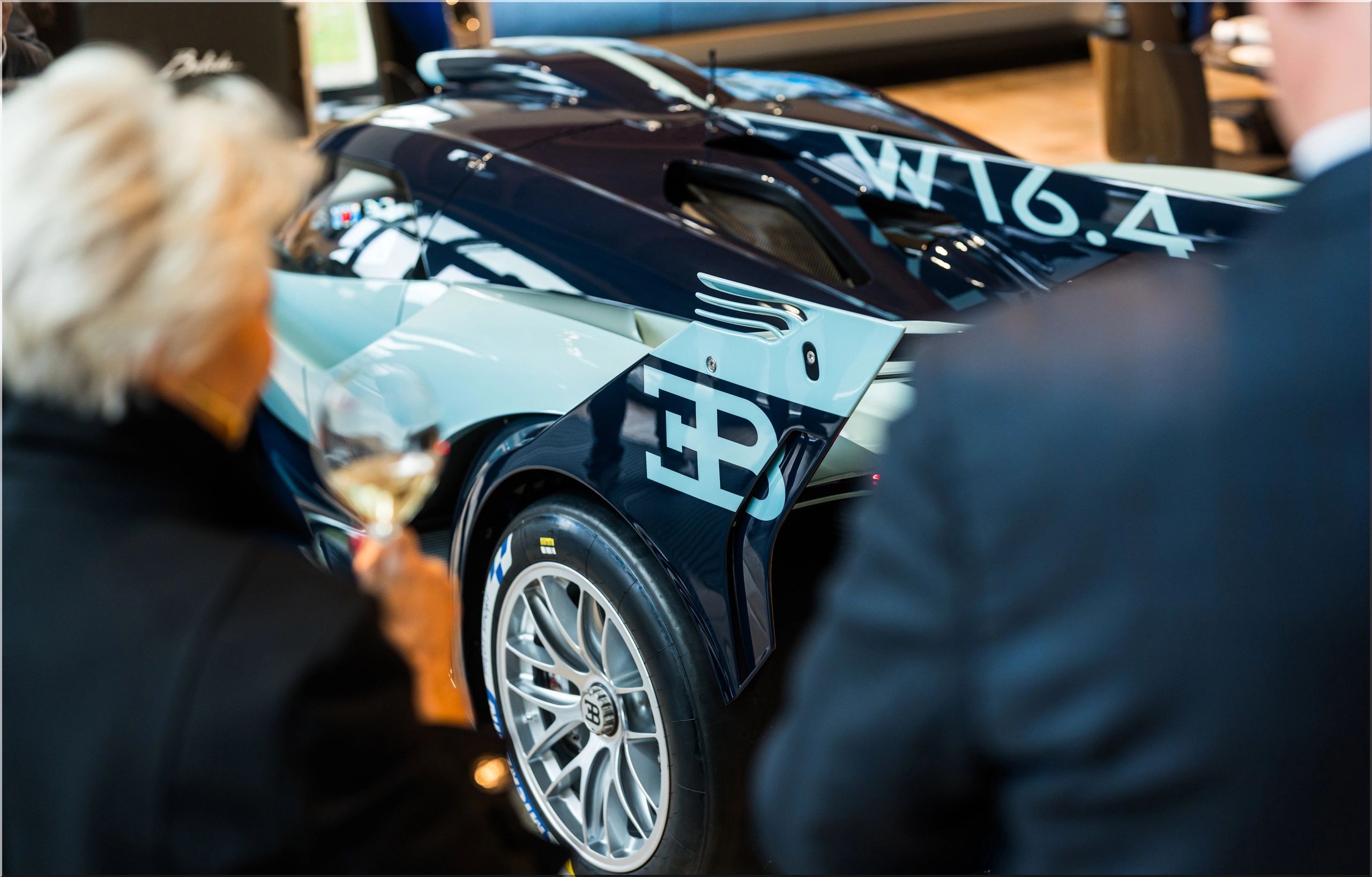
The last Bugatti Bolide went to a long-time Bugatti collector. The color scheme drew from a personal Type 35, connecting early racing history to modern engineering. Exterior shades included Black Blue, Special Blue Lyonnais, and interior Lake Blue Alcantara. This approach linked three personal Bugatti models across decades.
Interior stitching in Light Blue Sport, French flag accents, and heritage-based color placement tied the car to a larger racing lineage. The delivery included a private handover at Molsheim, marking the end of the model's production run.
Image
What the Bolide Represents
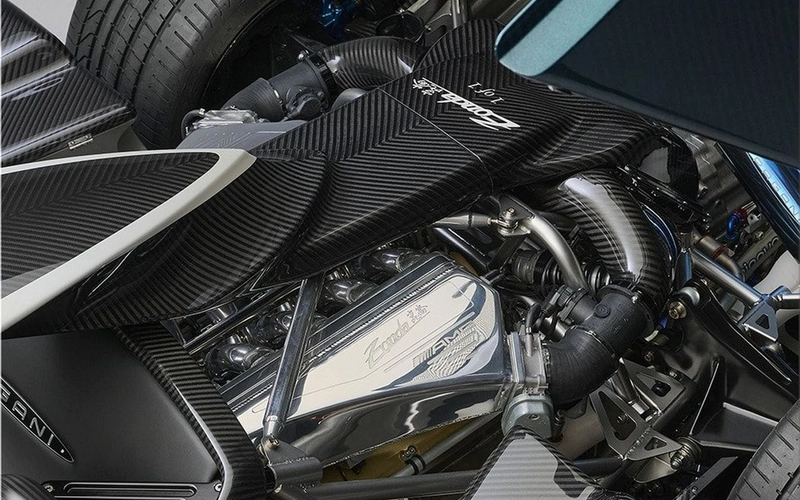
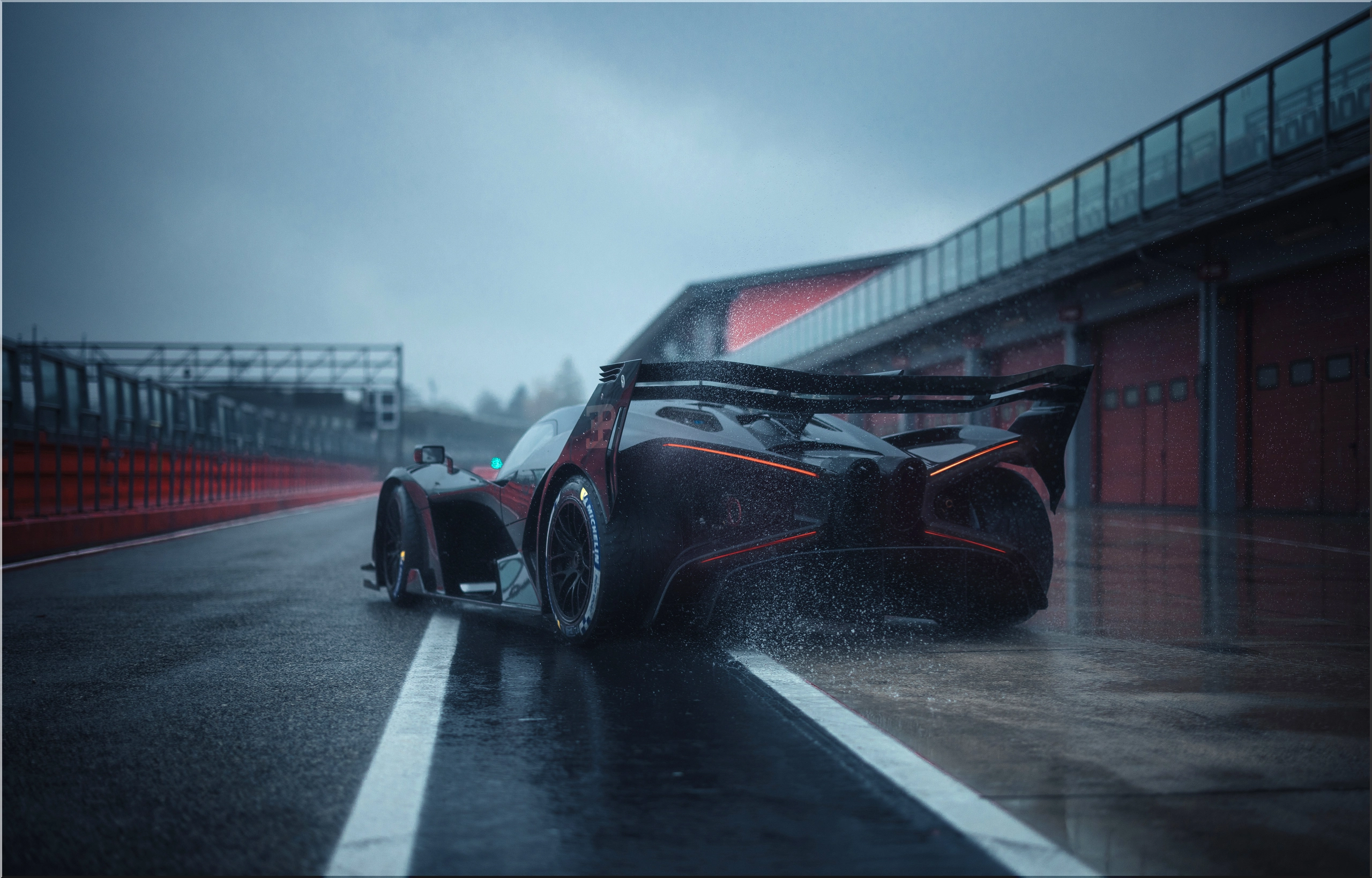
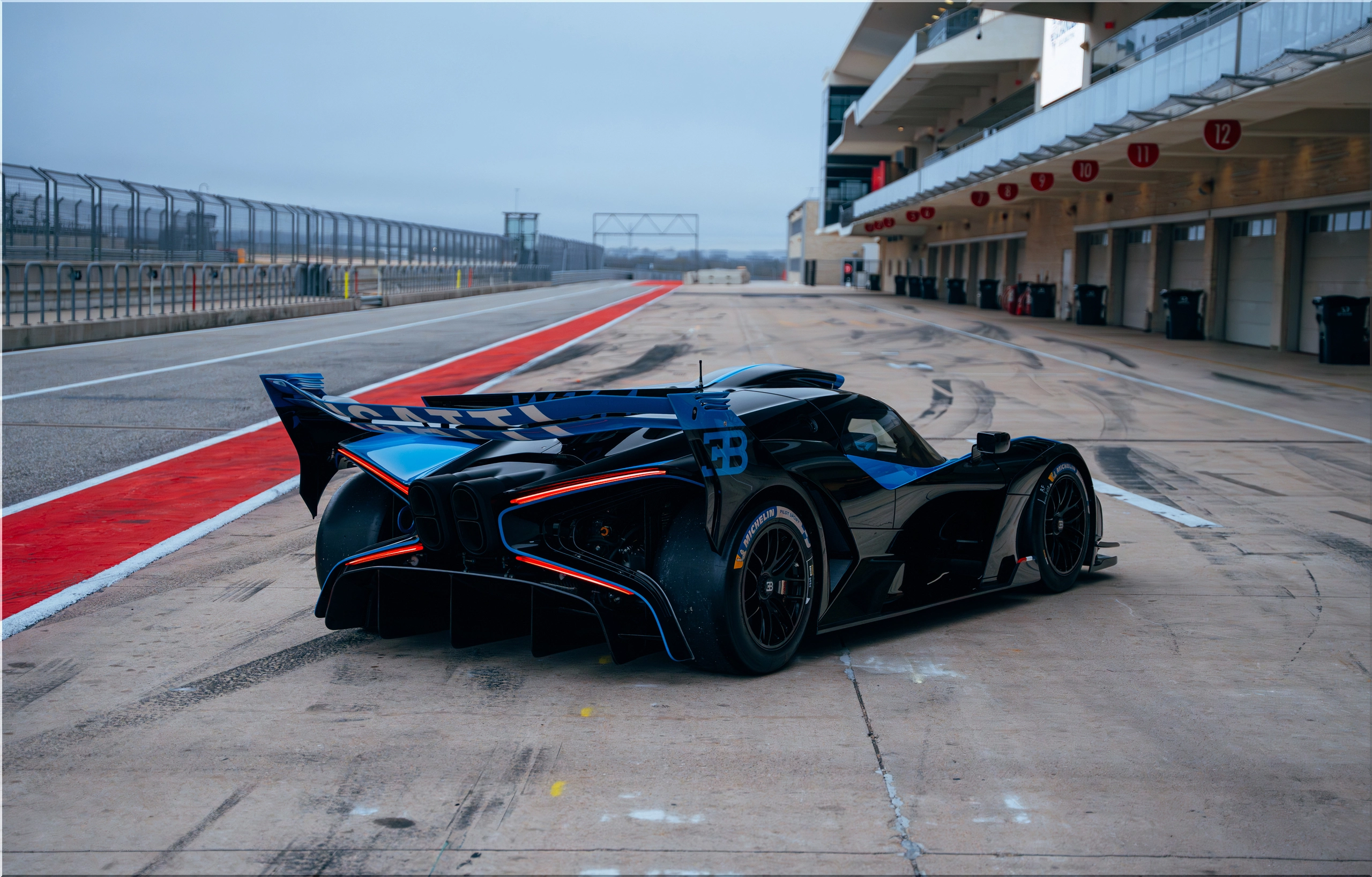
Only 40 units exist. Each example reflects a narrow focus on weight, aerodynamics, power, and quality execution. Bugatti positioned the Bolide as the upper limit of its W16 track engineering, closing the chapter before the next generation of powertrains redefines the brand's direction.
Technical Snapshot
| Category | Specification |
|---|---|
| Production | 40 units |
| Vehicle Type | Track-only hypercar |
| Development Start | 2021 |
| Design Completion | 2022 |
| Engineering Completion | 2023 |
| Top Recorded Test Speed | ~218 mph |
| Interior | Alcantara, motorsport-grade materials |
| Powertrain | W16-based architecture |
Image Gallery




- Add new comment
- 460 views