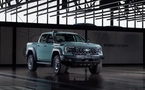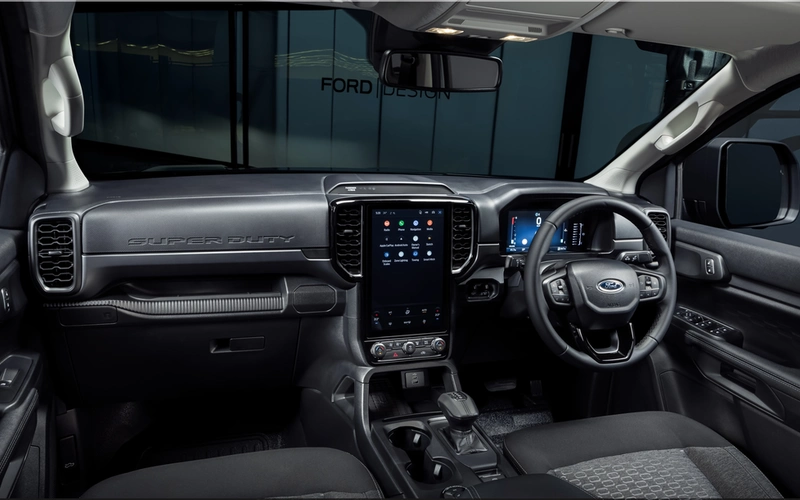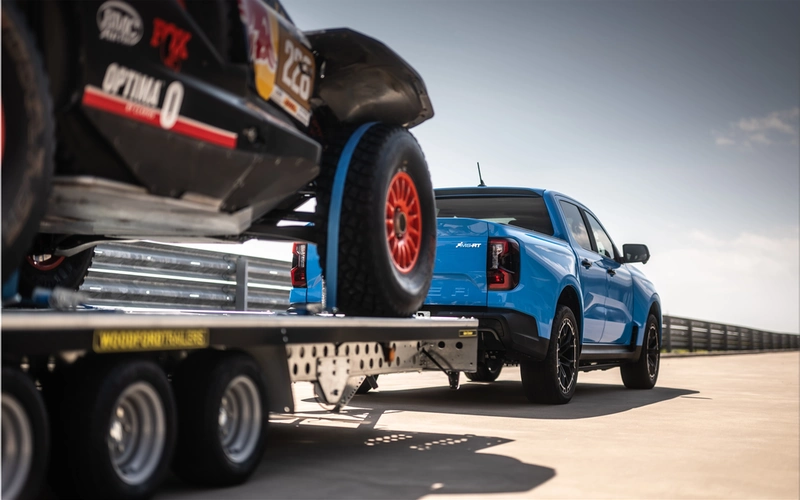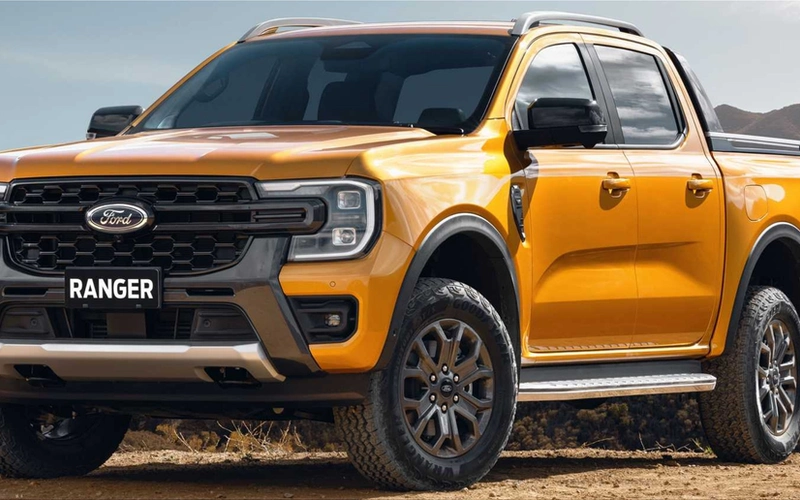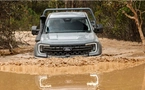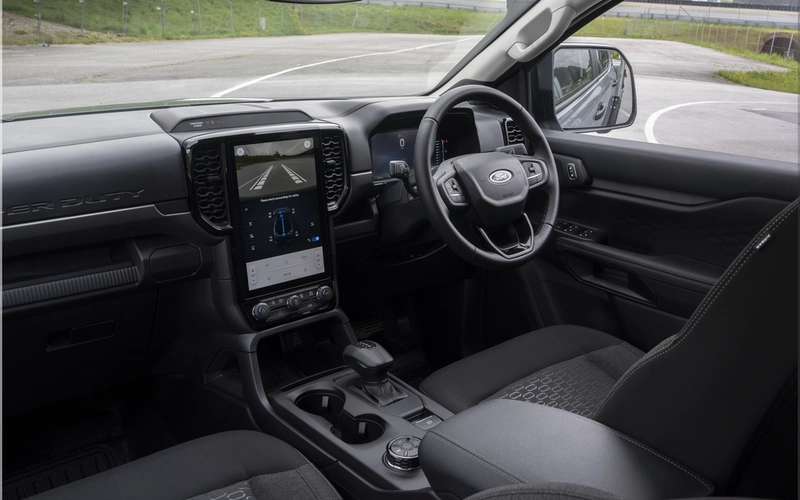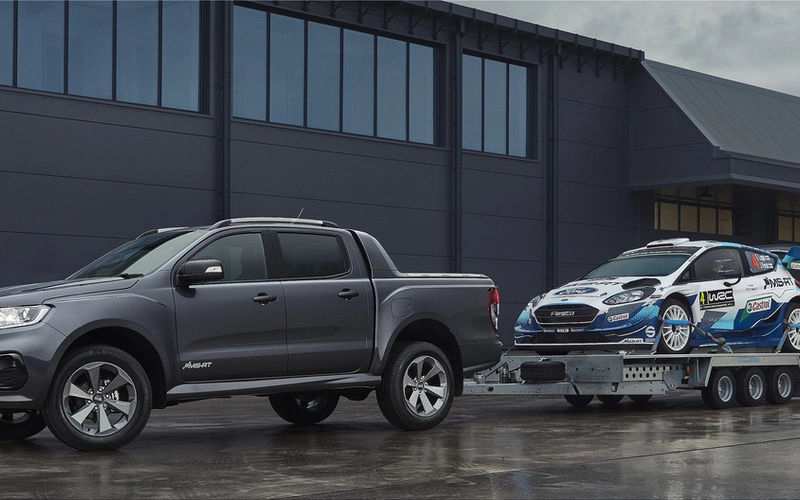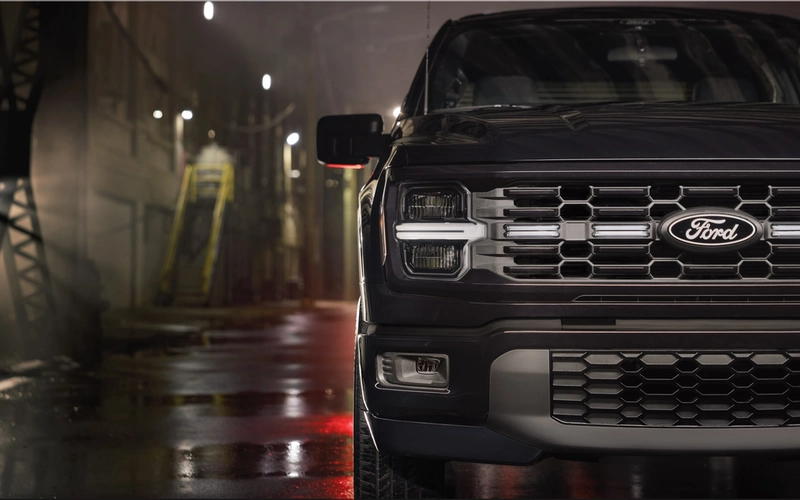
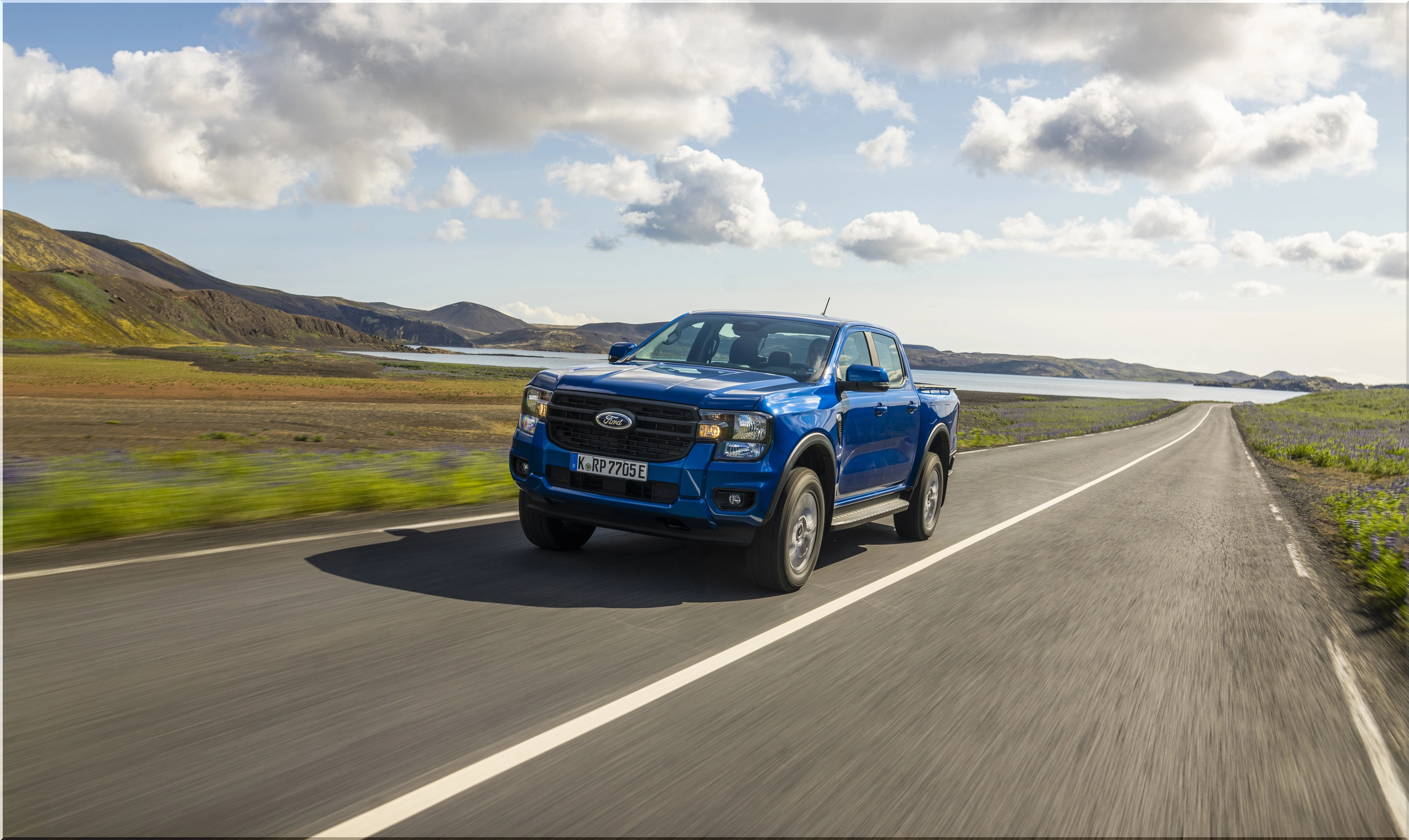
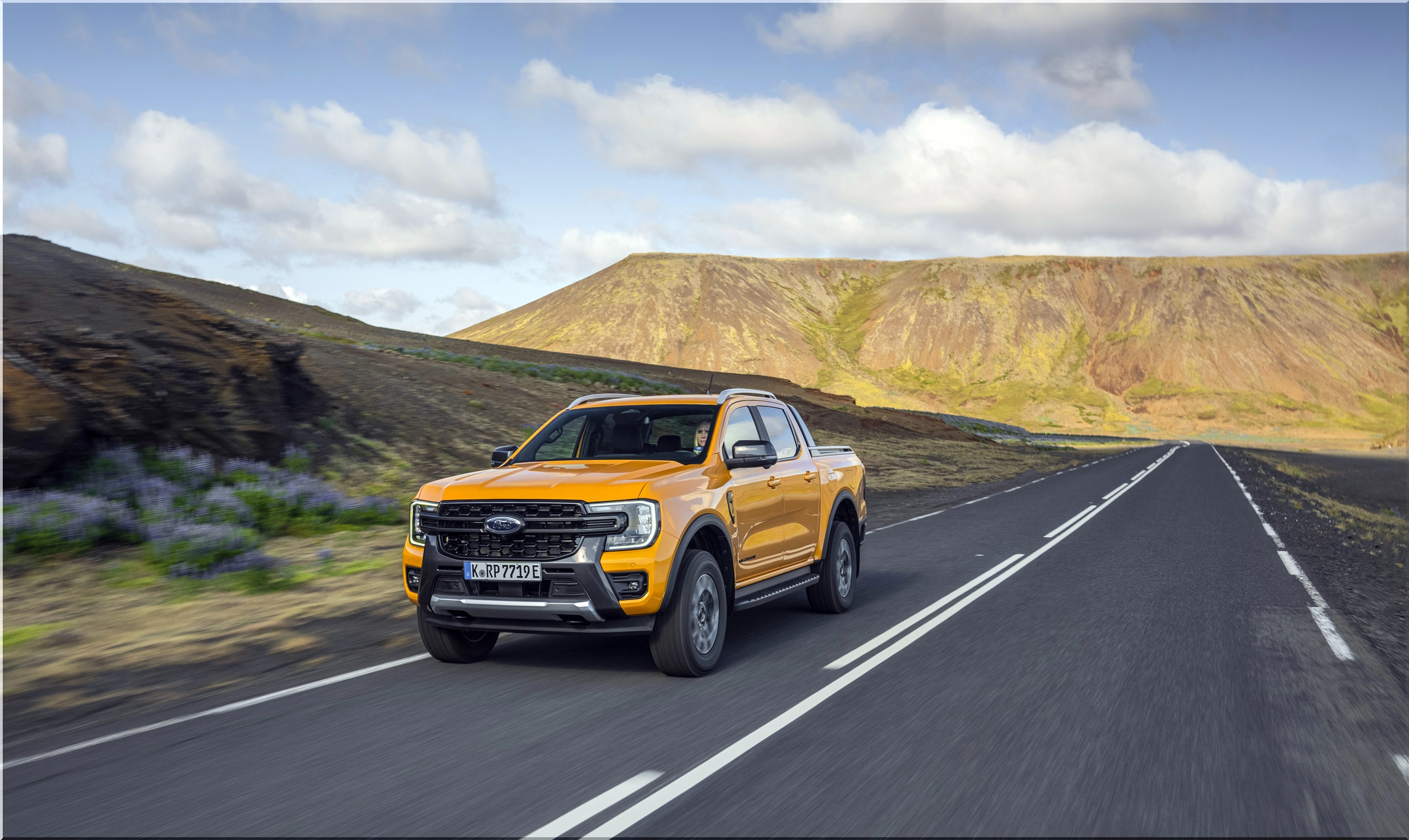
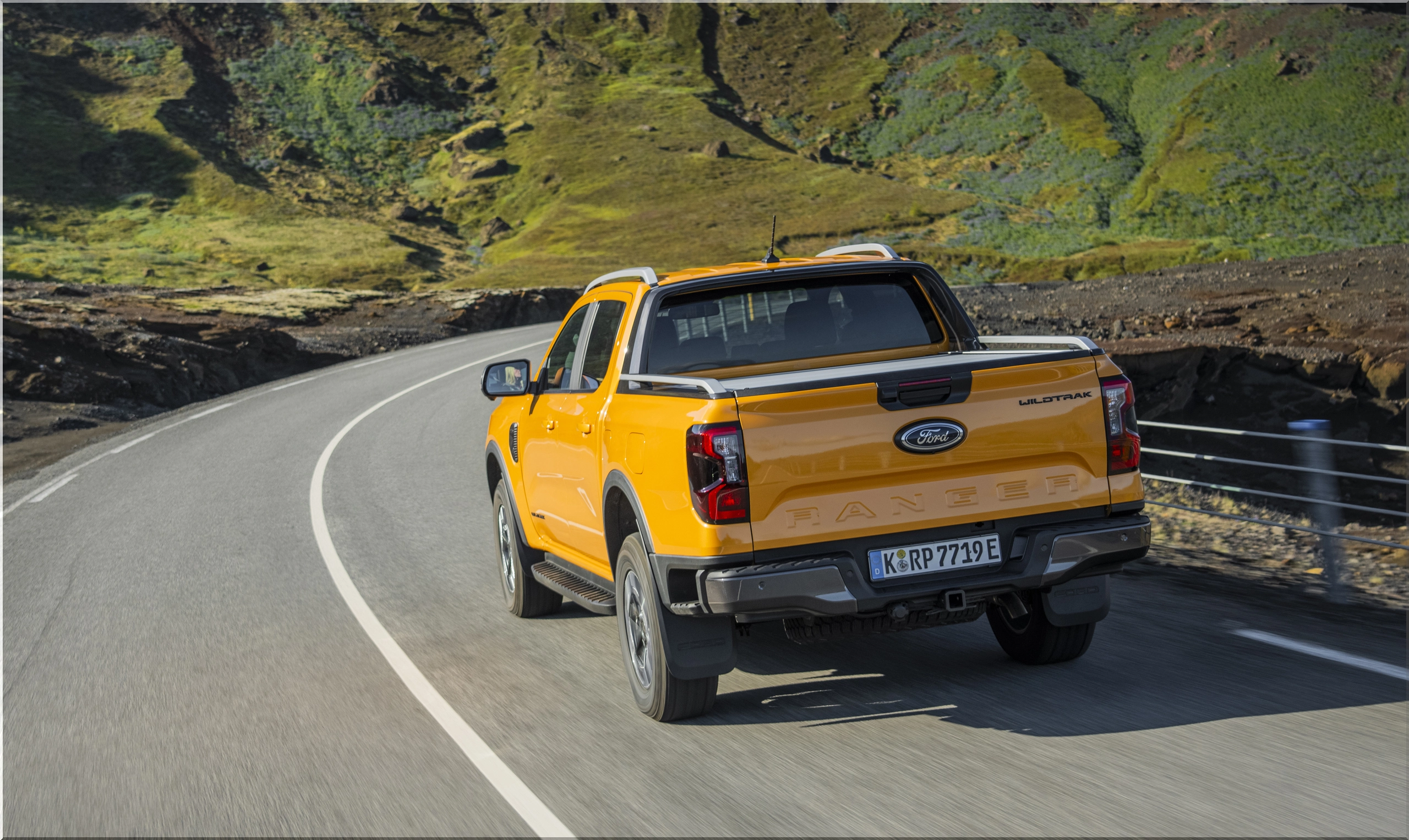
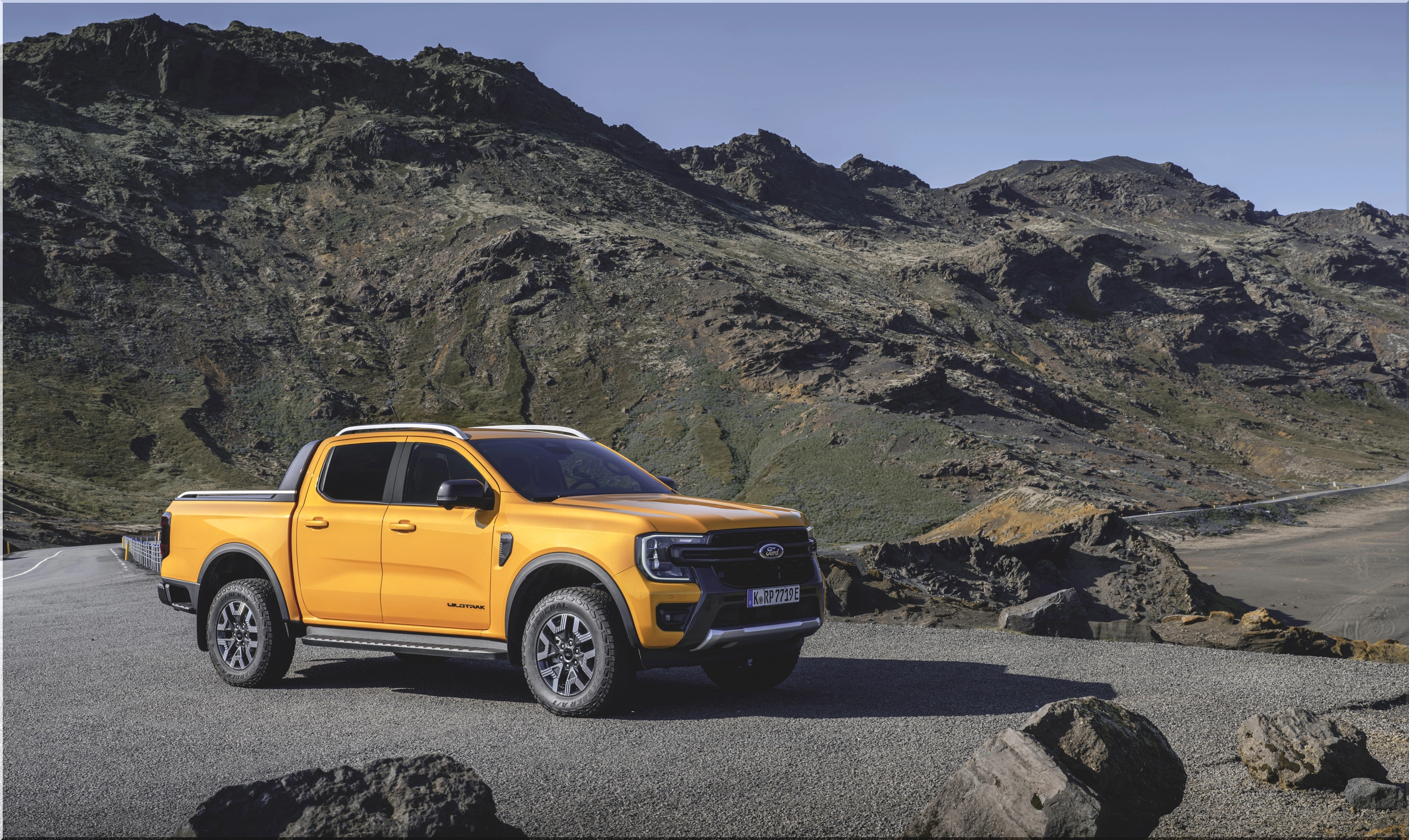
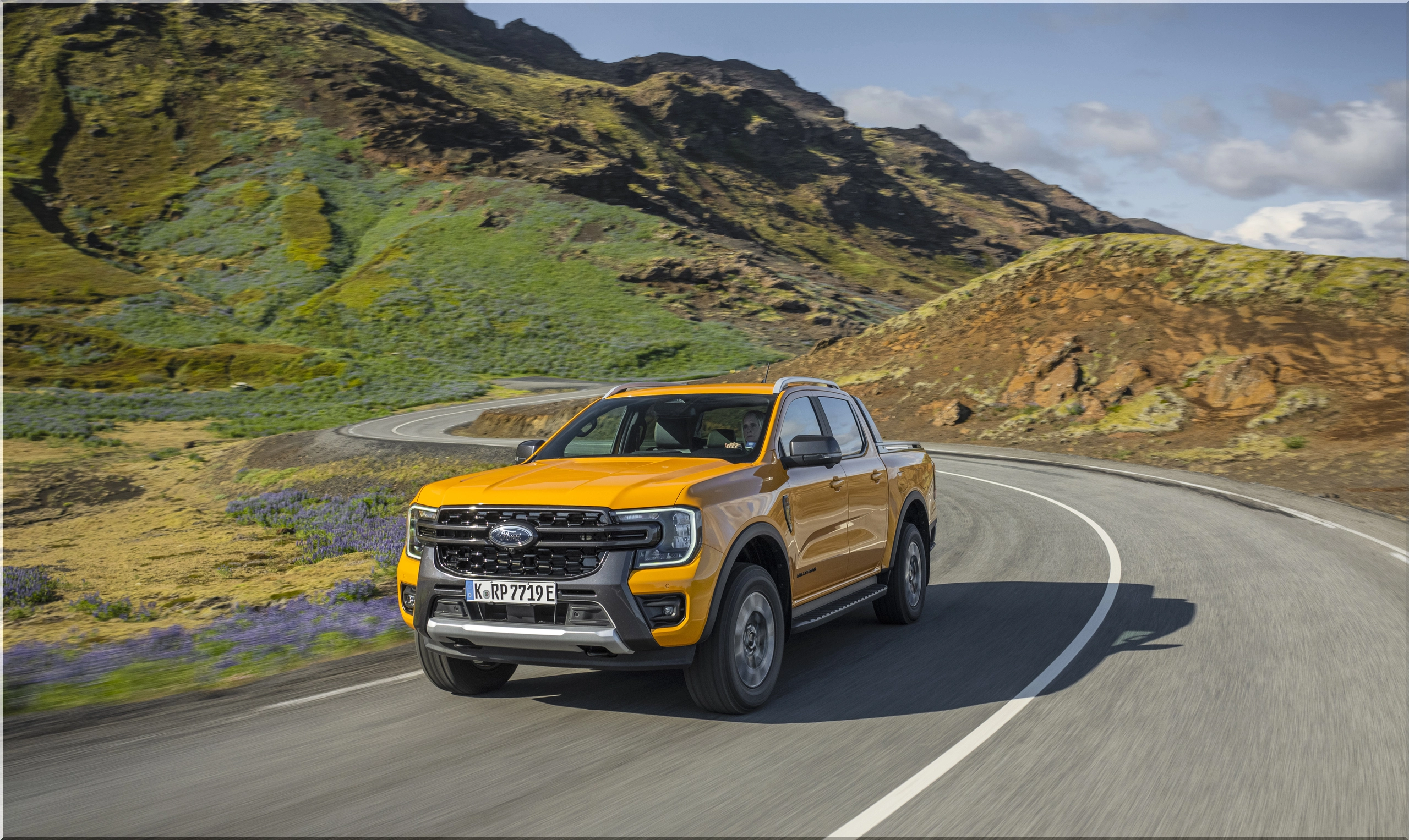
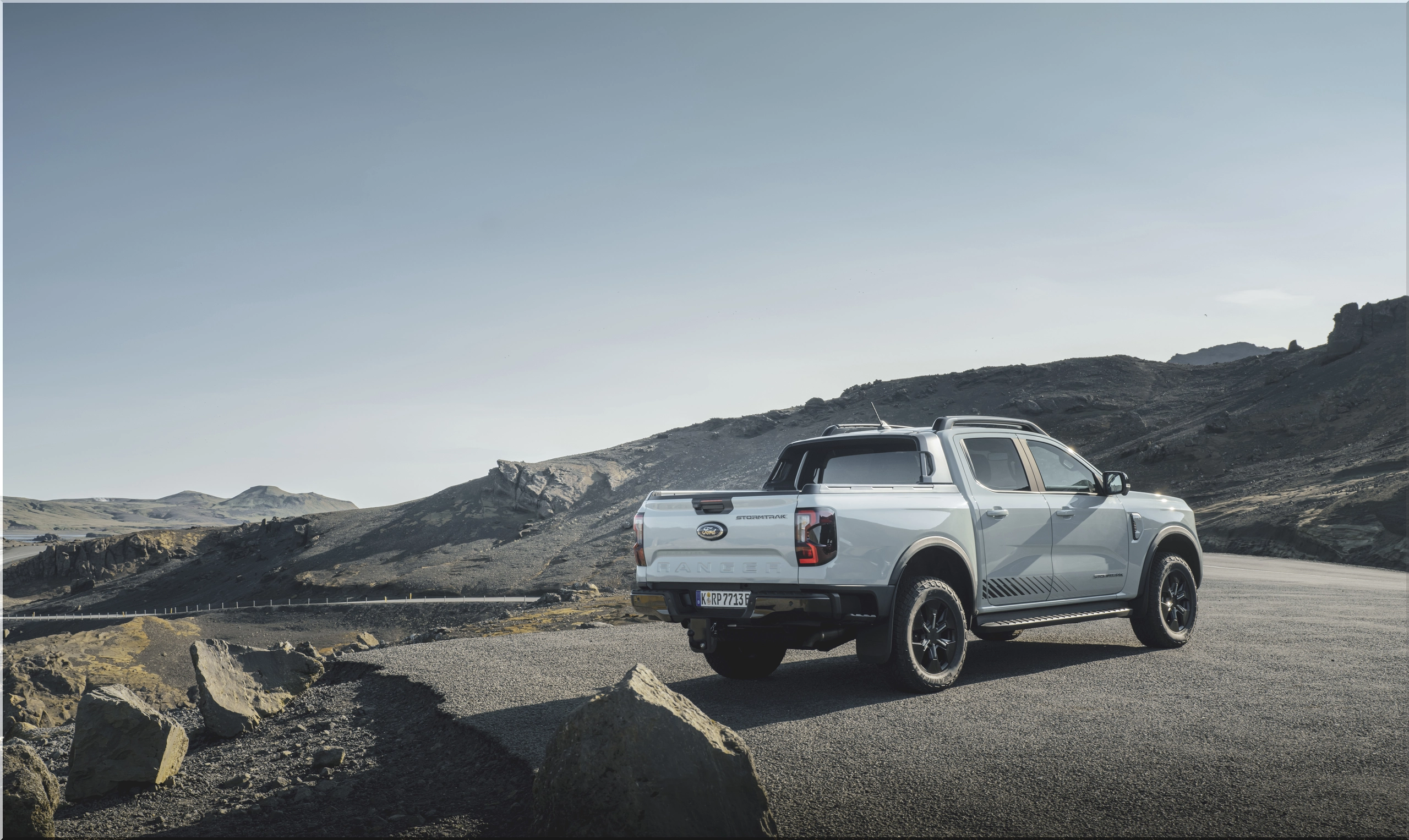
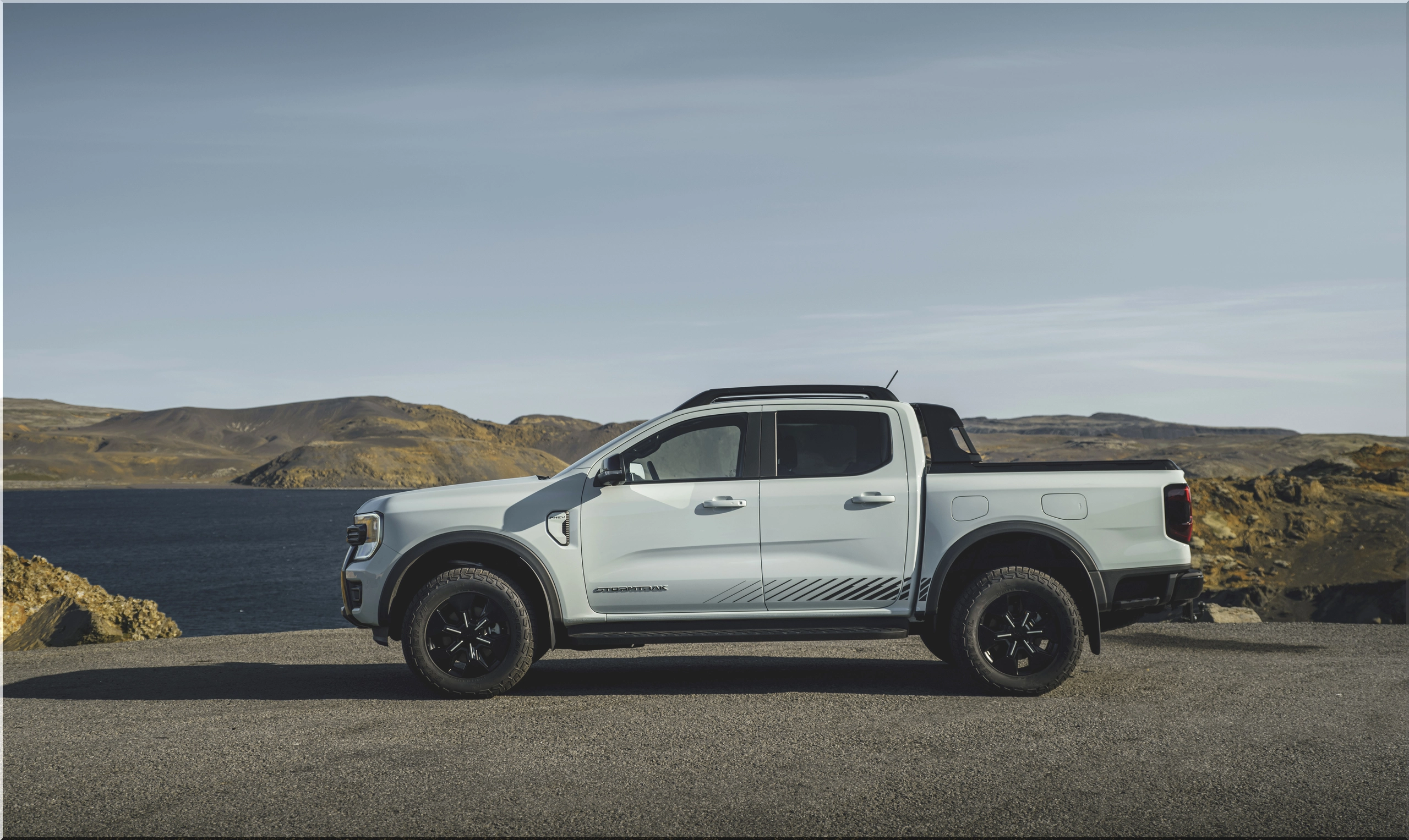
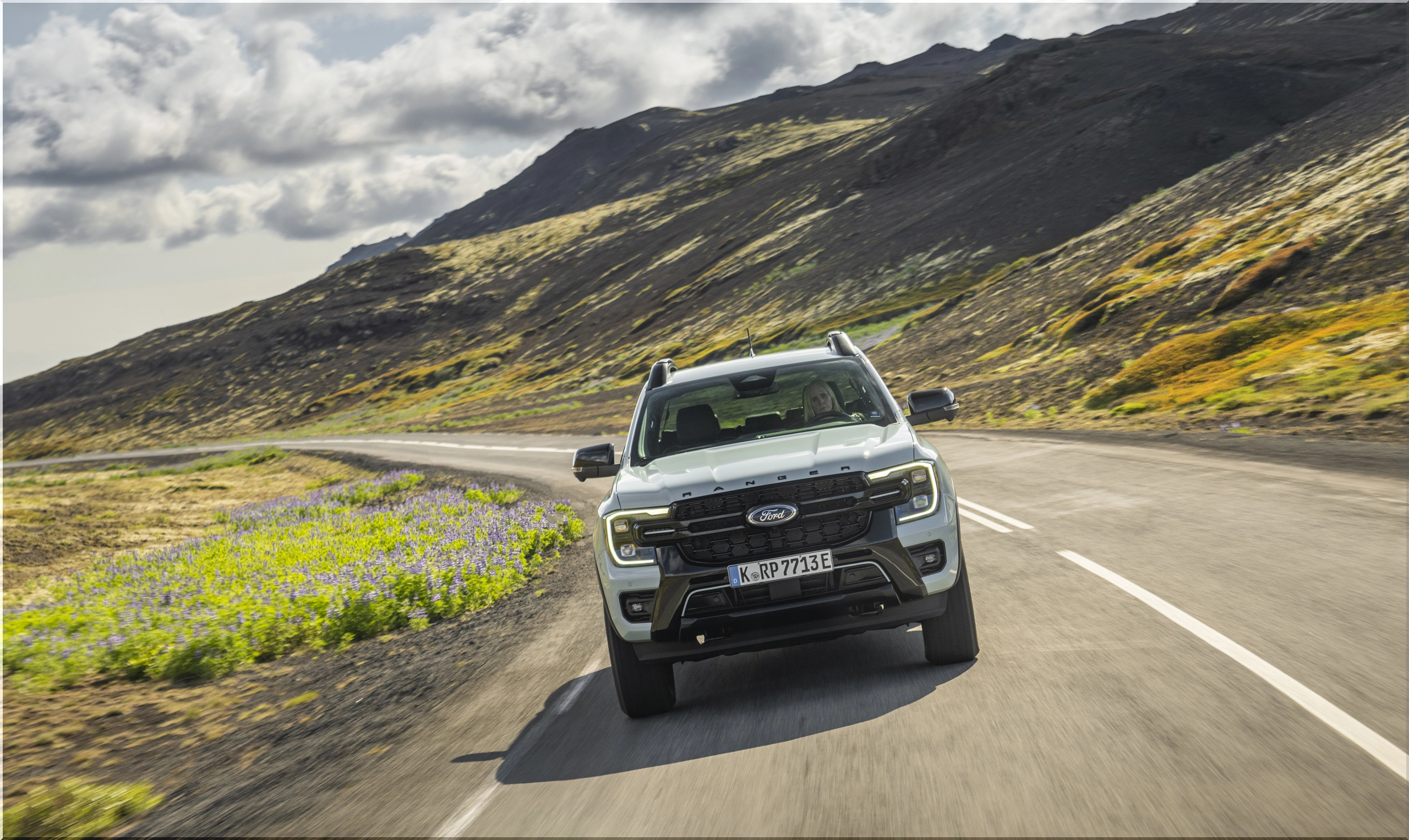
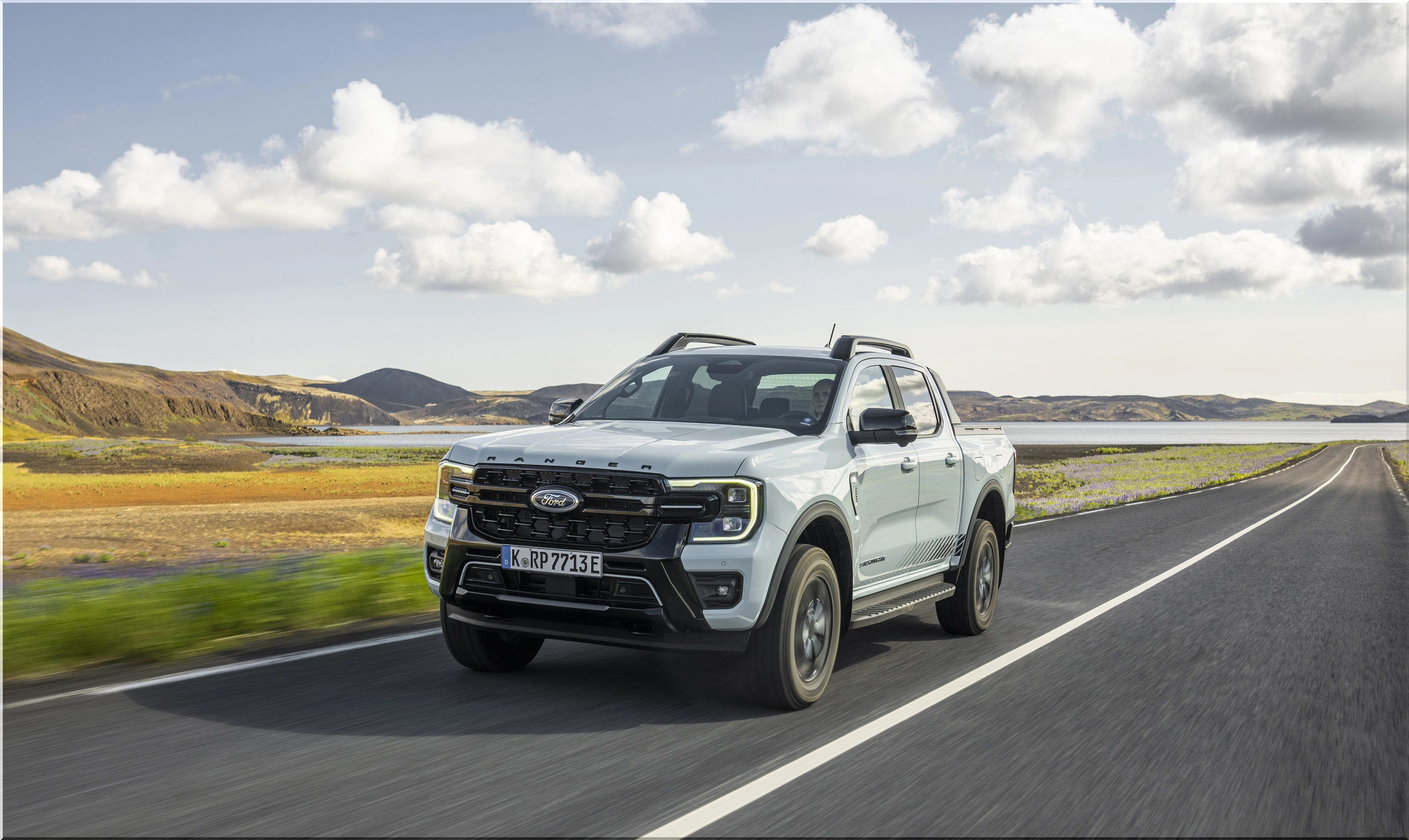
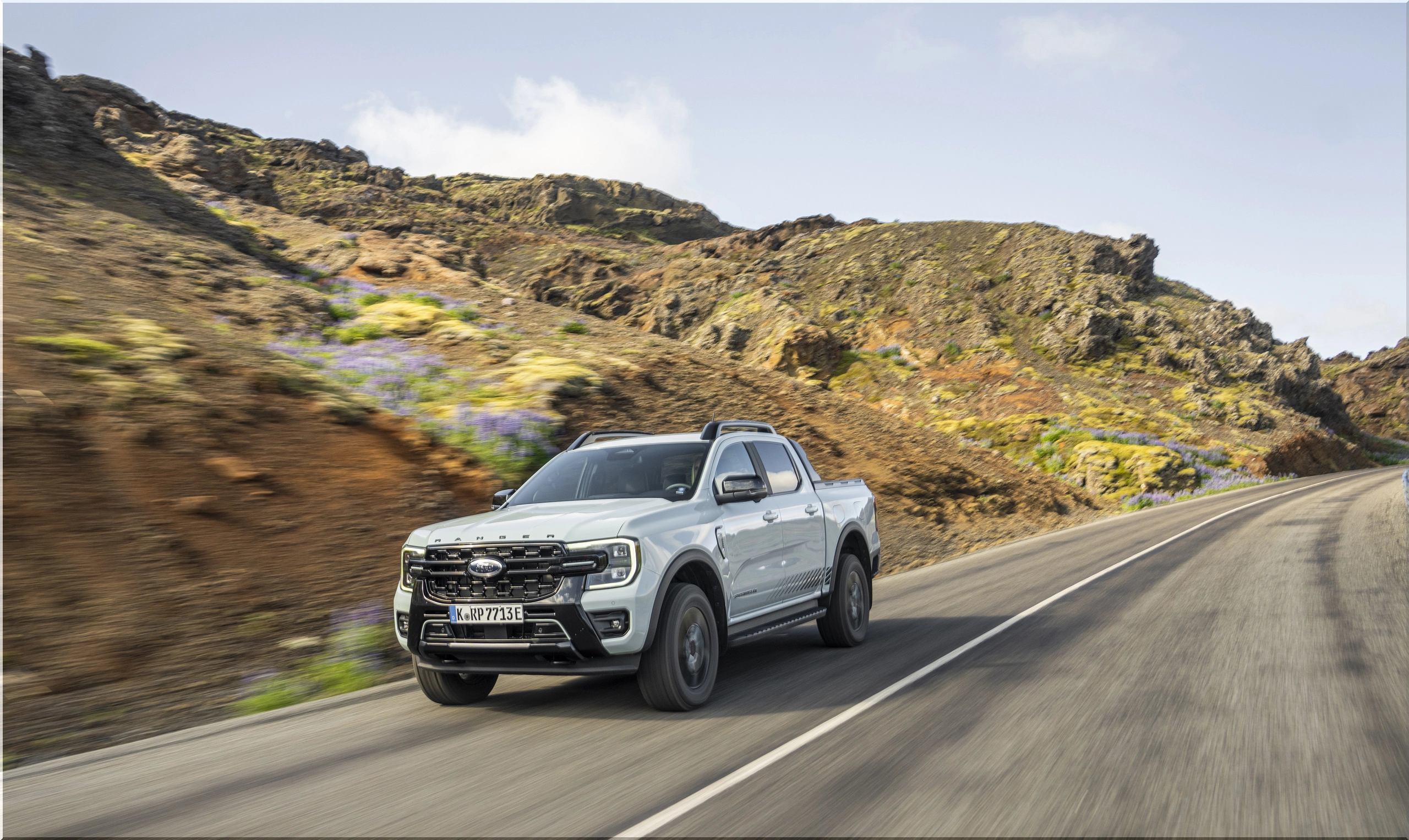
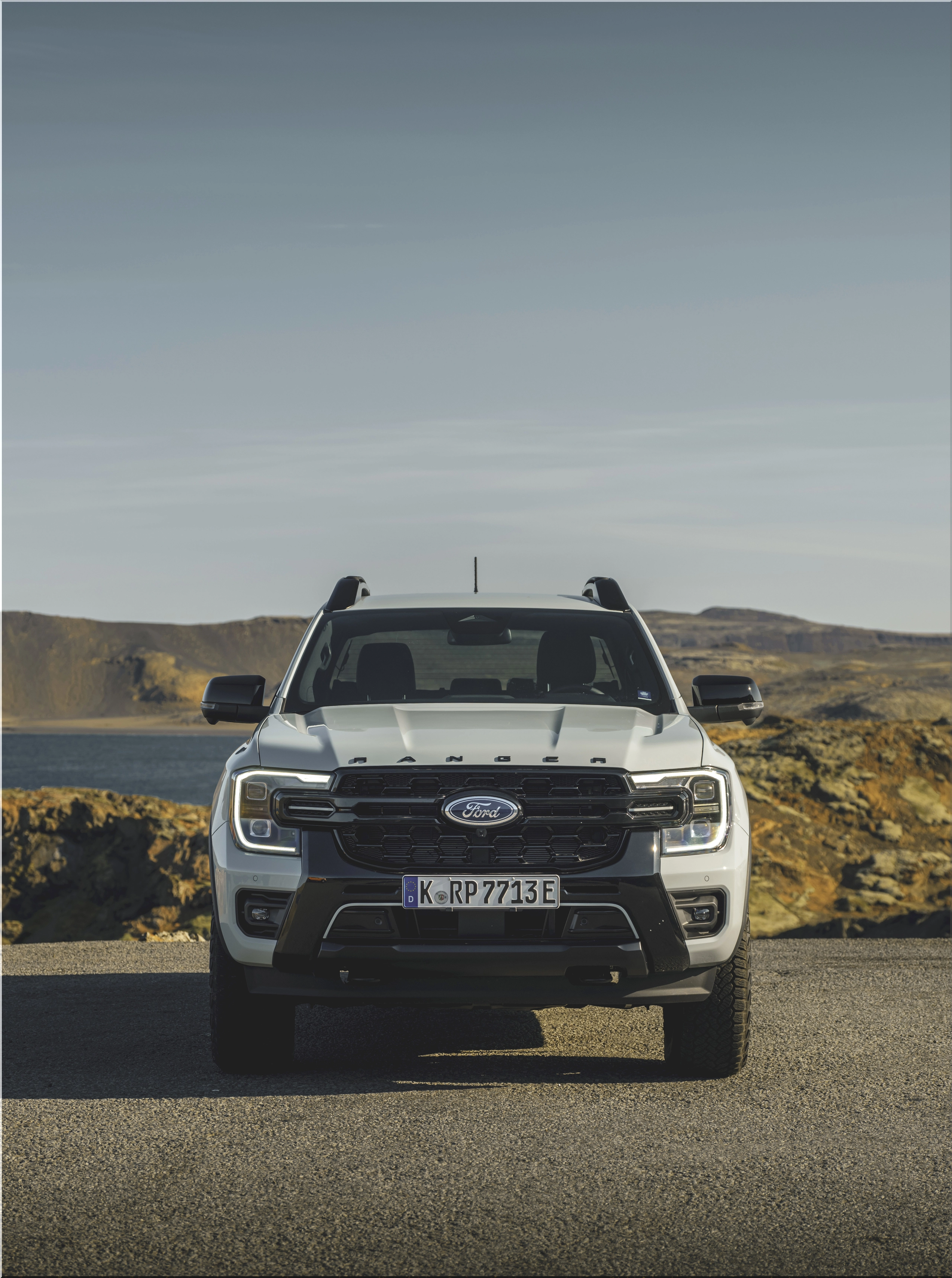
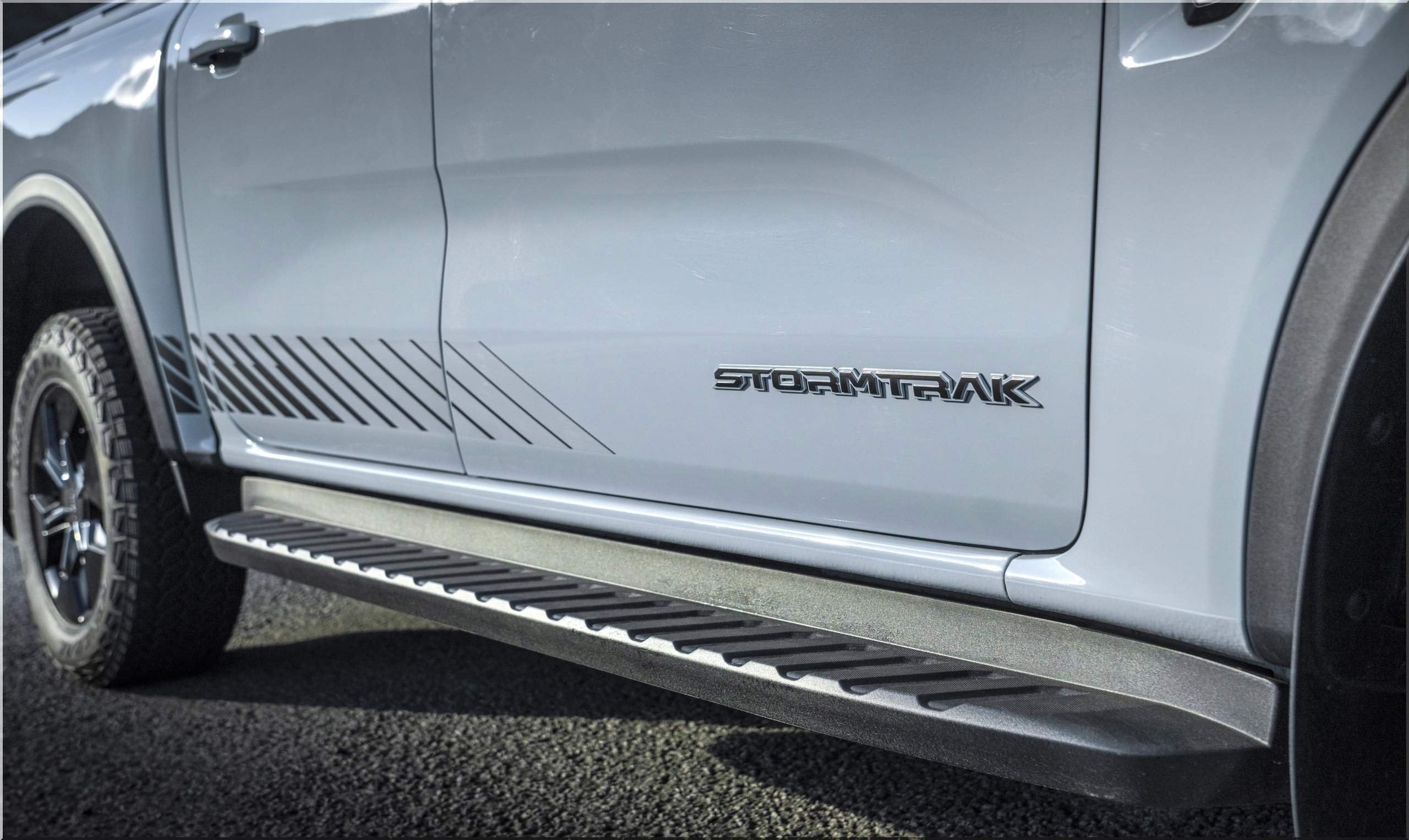
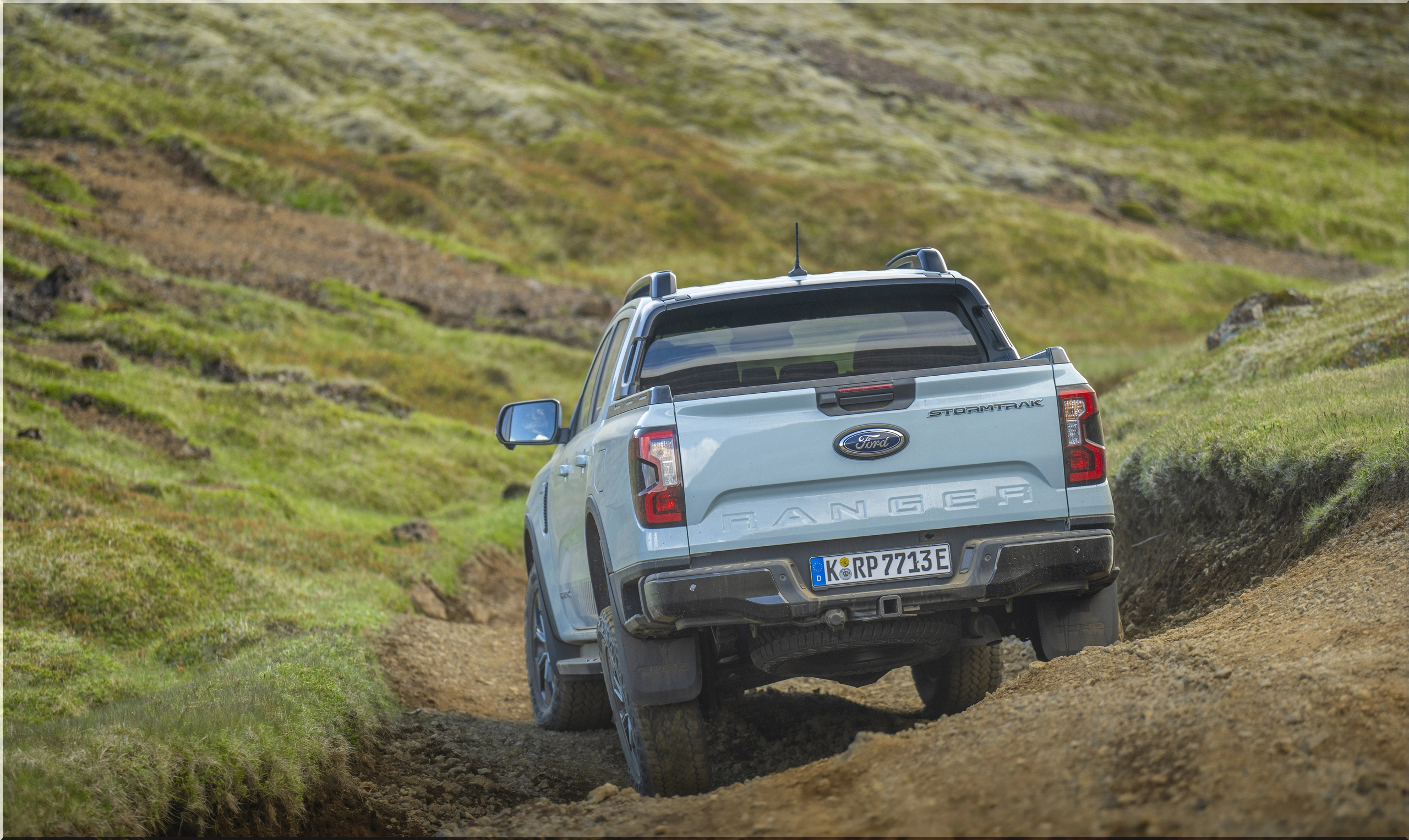
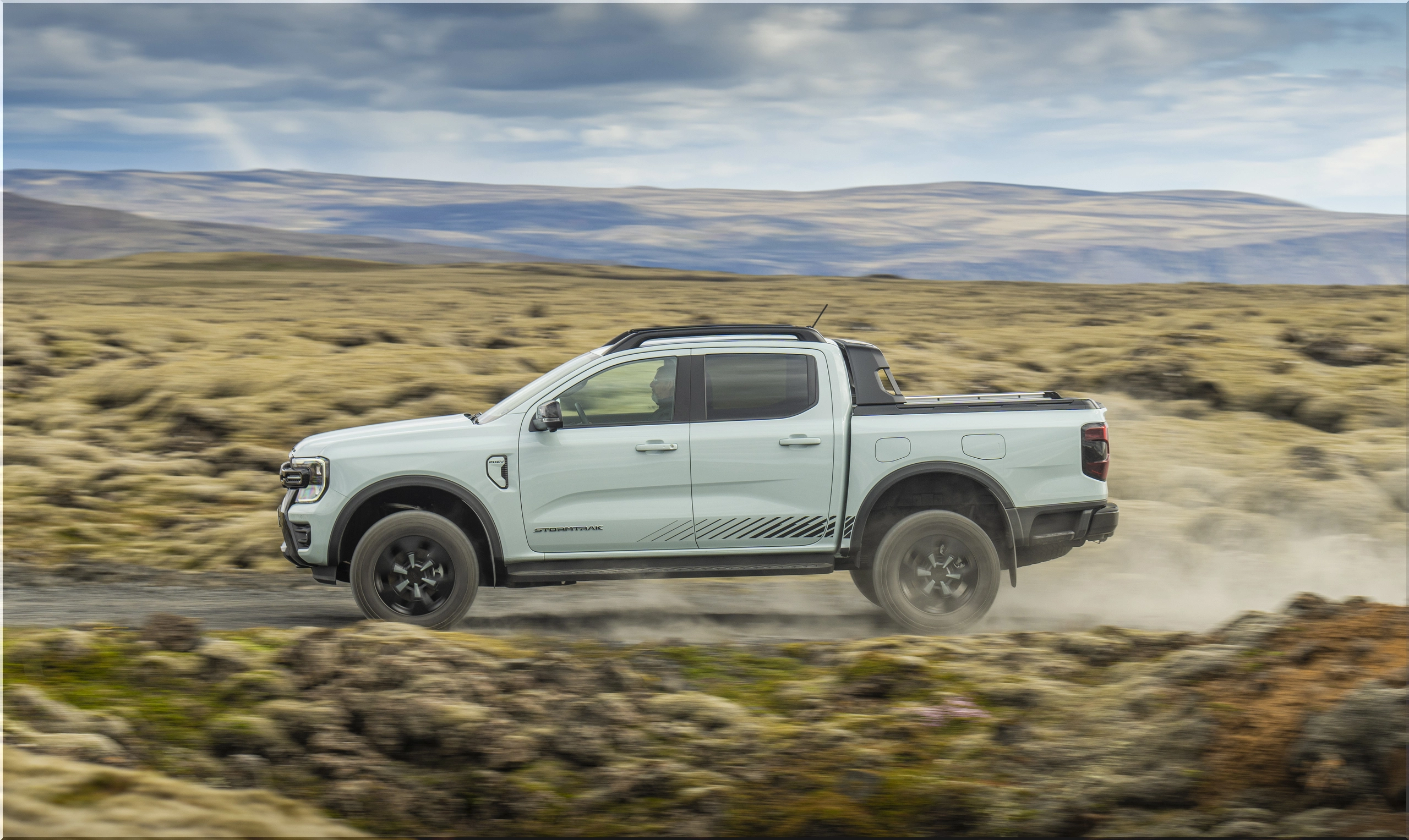
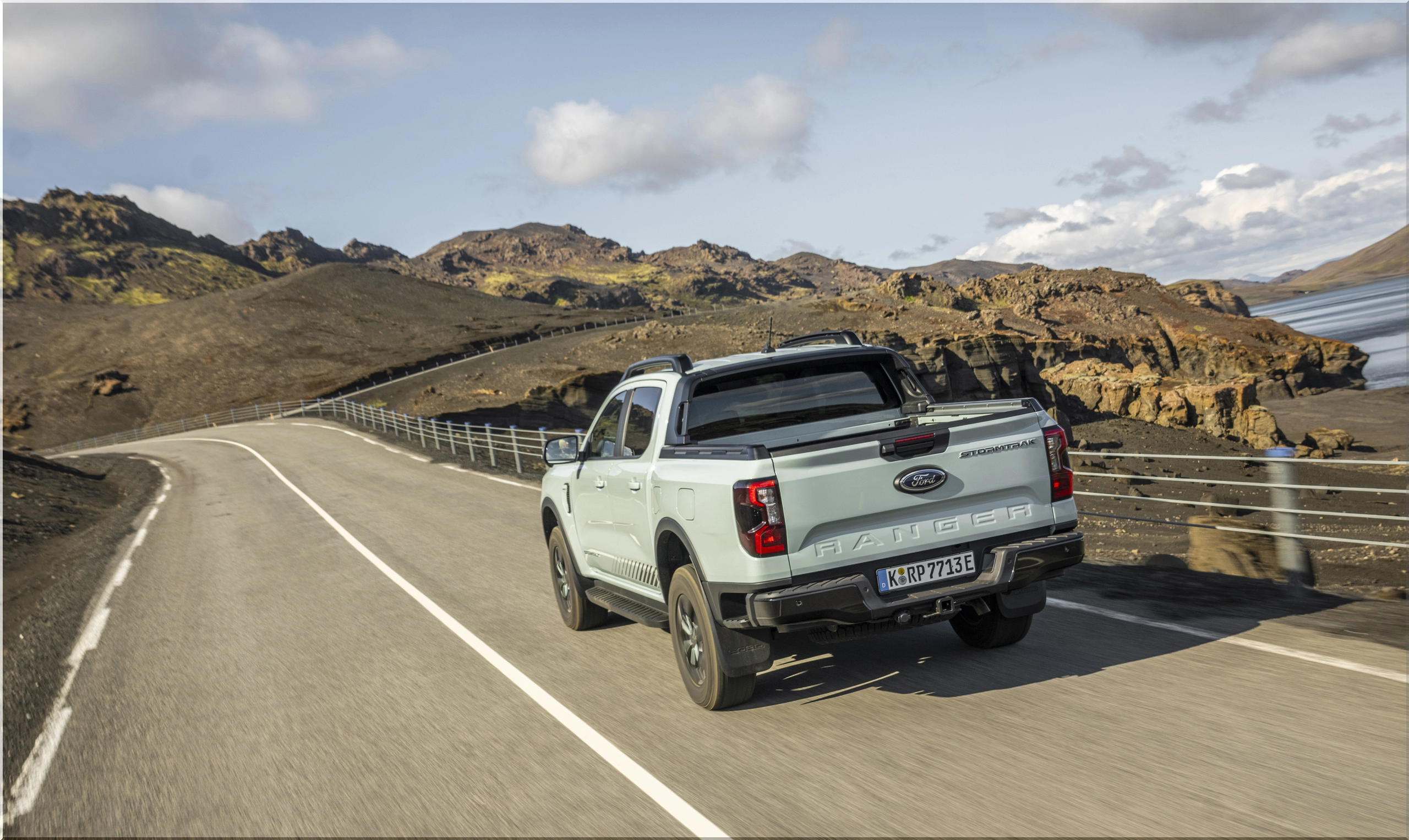
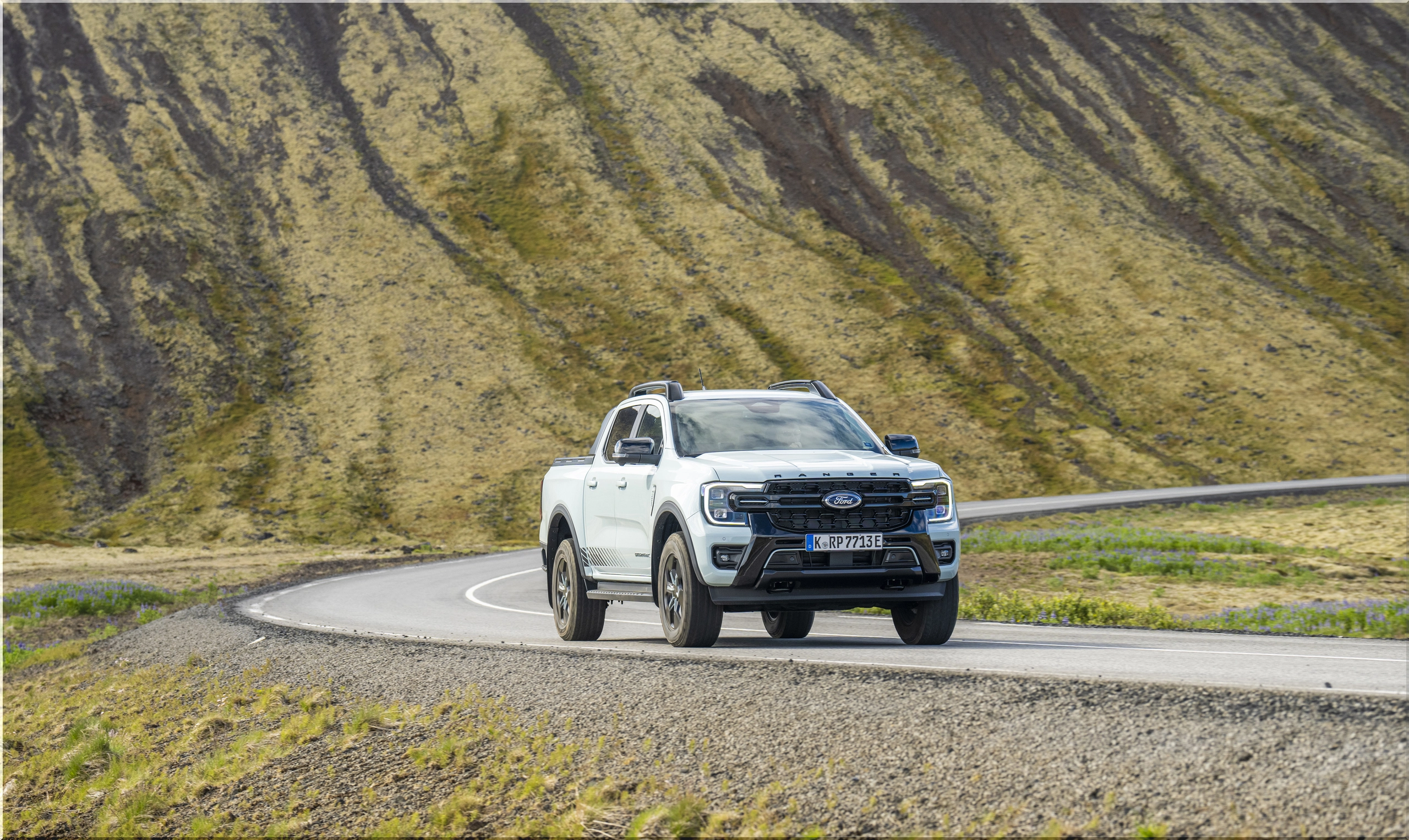
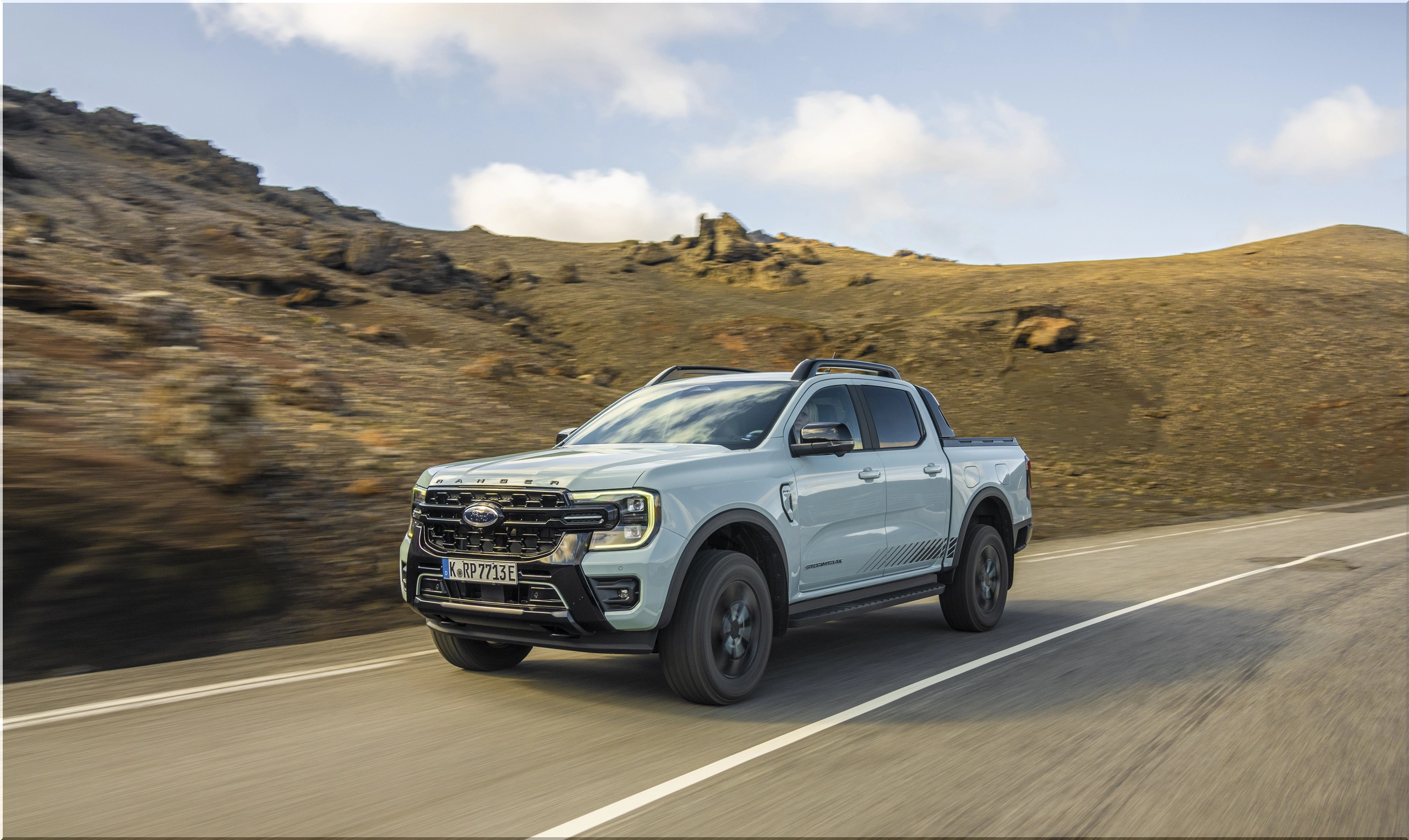
The 2025 Ford Ranger PHEV officially launches in Europe and Australia, combining a 2.3-liter EcoBoost gasoline engine, a 75-kW electric motor, and an 11.8-kWh battery pack. The plug-in hybrid system produces a combined 281 horsepower and 515 lb-ft of torque, making it the most powerful torque-rated Ranger ever built.
It offers an estimated 27 miles of all-electric range, a max towing capacity of 7,716 lbs, and a payload of over 2,200 lbs. That’s all achieved without sacrificing utility or off-road capability.
But Ford has confirmed: No U.S. release is planned for now.
More Torque Than Any U.S.-Spec Ranger, Including Diesels
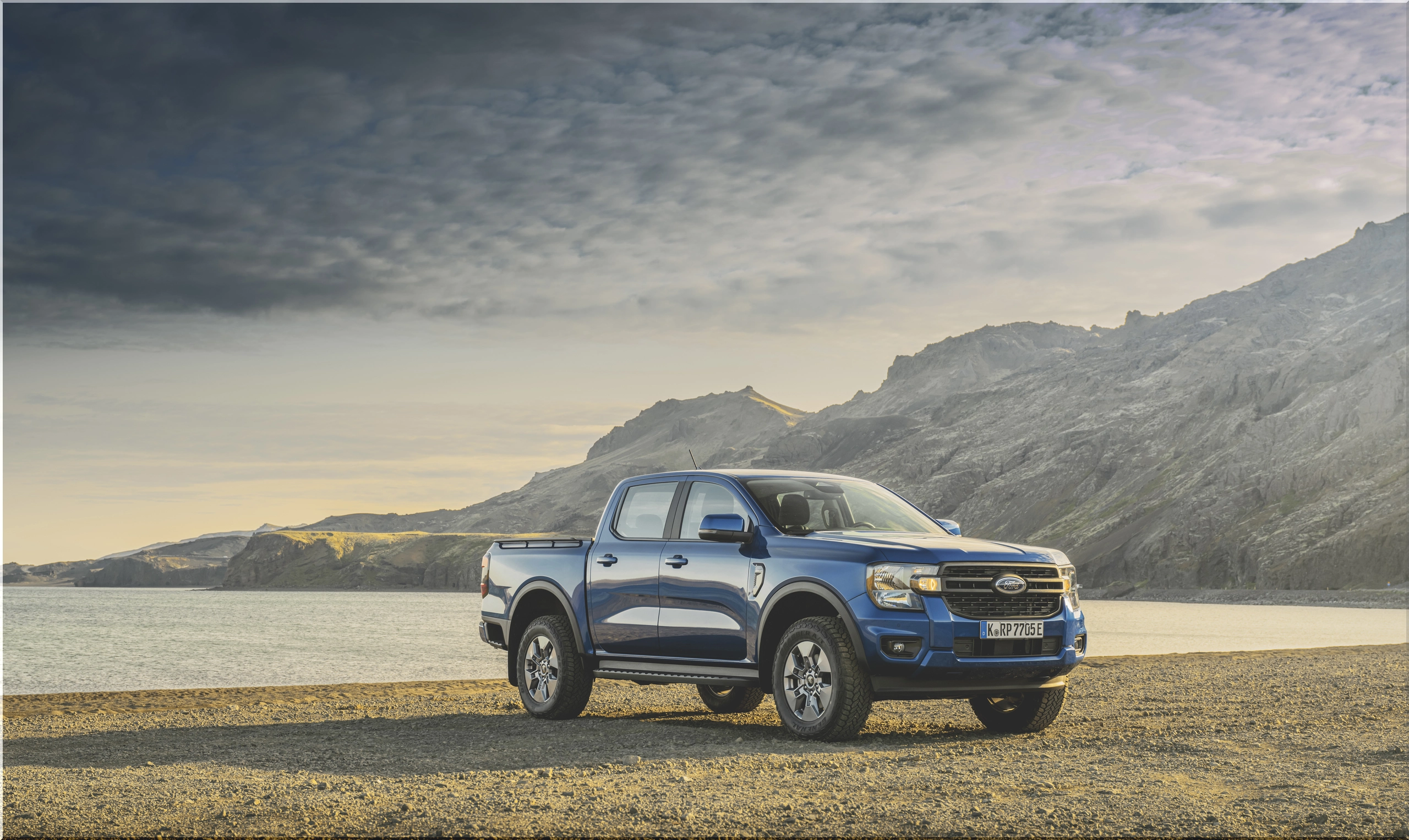
The current U.S. Ranger, powered by a 2.3L EcoBoost engine, makes 270 hp and 310 lb-ft of torque. The global Ranger PHEV delivers 515 lb-ft—a 66% increase in torque. That’s more than a base F-150 and better suited for towing and off-roading.
It uses a 10-speed automatic transmission and comes standard with 4WD, low-range gearing, and off-road drive modes. Torque from the electric motor is instant, giving it better response when towing trailers or hauling payload.
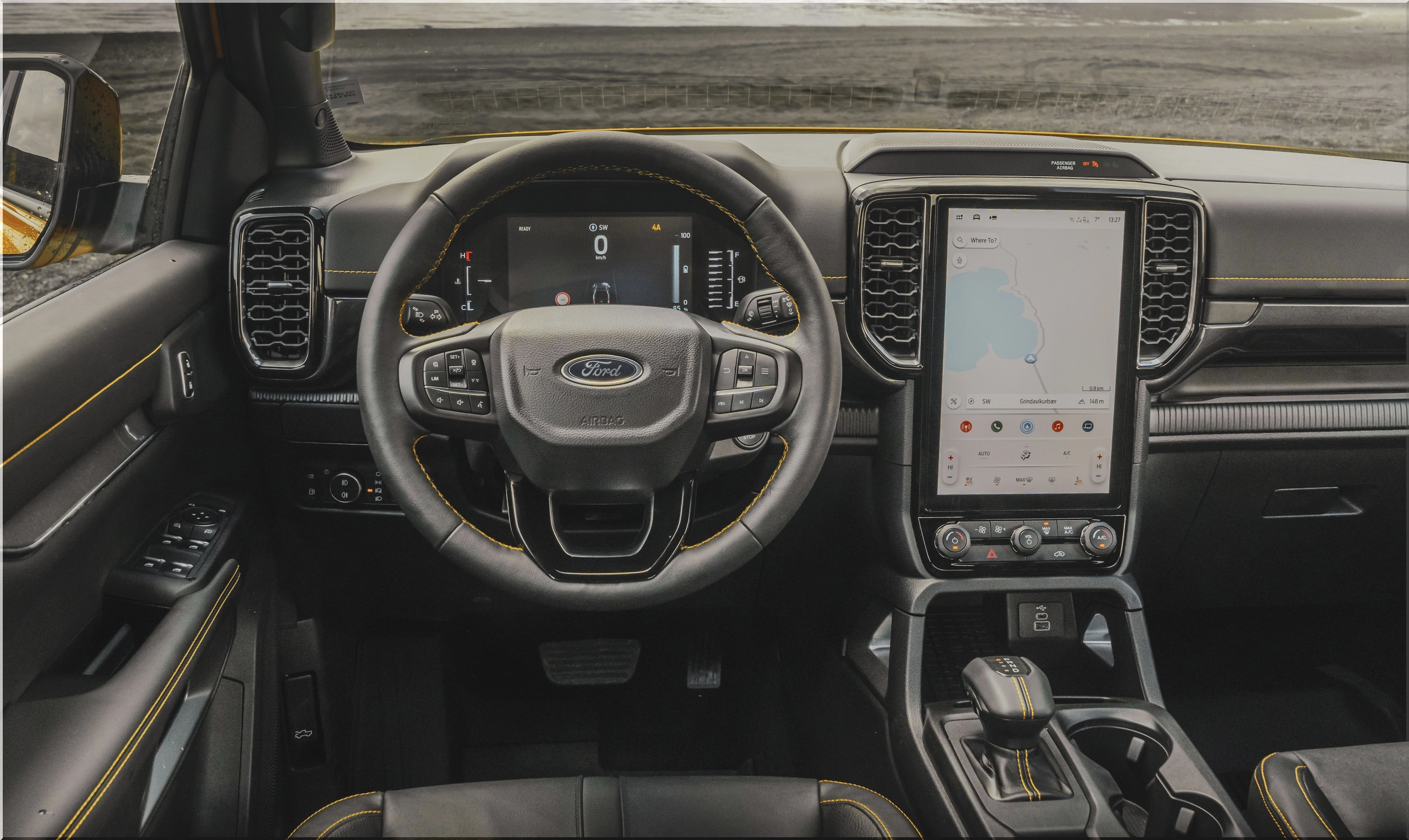
Ford Ranger PHEV Technical Specs (Global Model)
| Component | Specification |
|---|---|
| Gas Engine | 2.3L EcoBoost I4 |
| Electric Motor | 75 kW |
| Battery Capacity | 11.8 kWh |
| Combined Output | 281 hp / 515 lb-ft |
| Transmission | 10-speed automatic |
| Drivetrain | Full-time 4WD + low range |
| Electric Range (WLTP) | Up to 27 miles |
| Max Towing Capacity | 7,716 lbs |
| Max Payload | ~2,200 lbs |
EV Range and Charging Suit American Work Schedules
The Ranger PHEV’s 27-mile electric range (based on WLTP) likely equates to 20–23 miles under U.S. EPA standards. That’s enough for short commutes or stop-and-go urban routes.
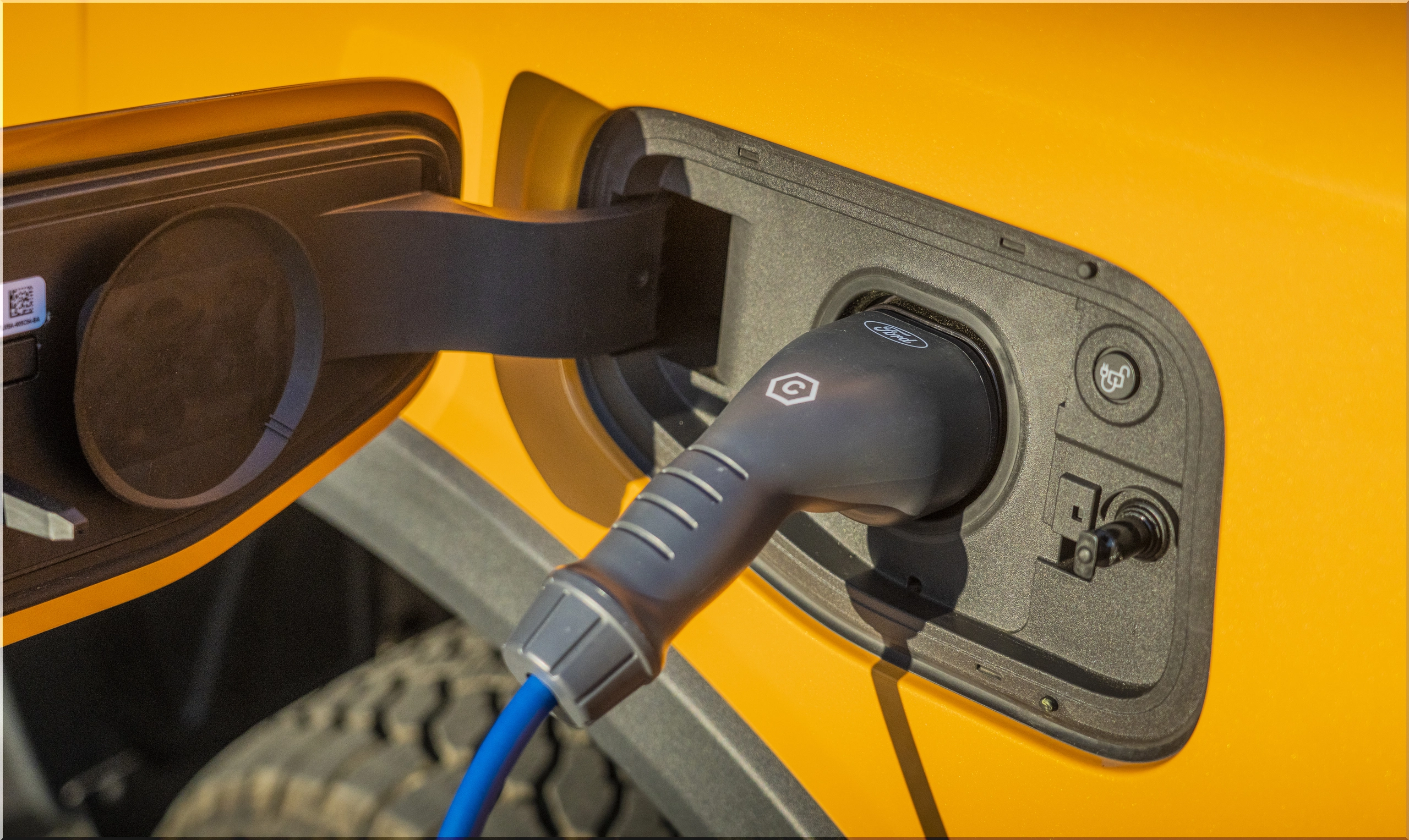
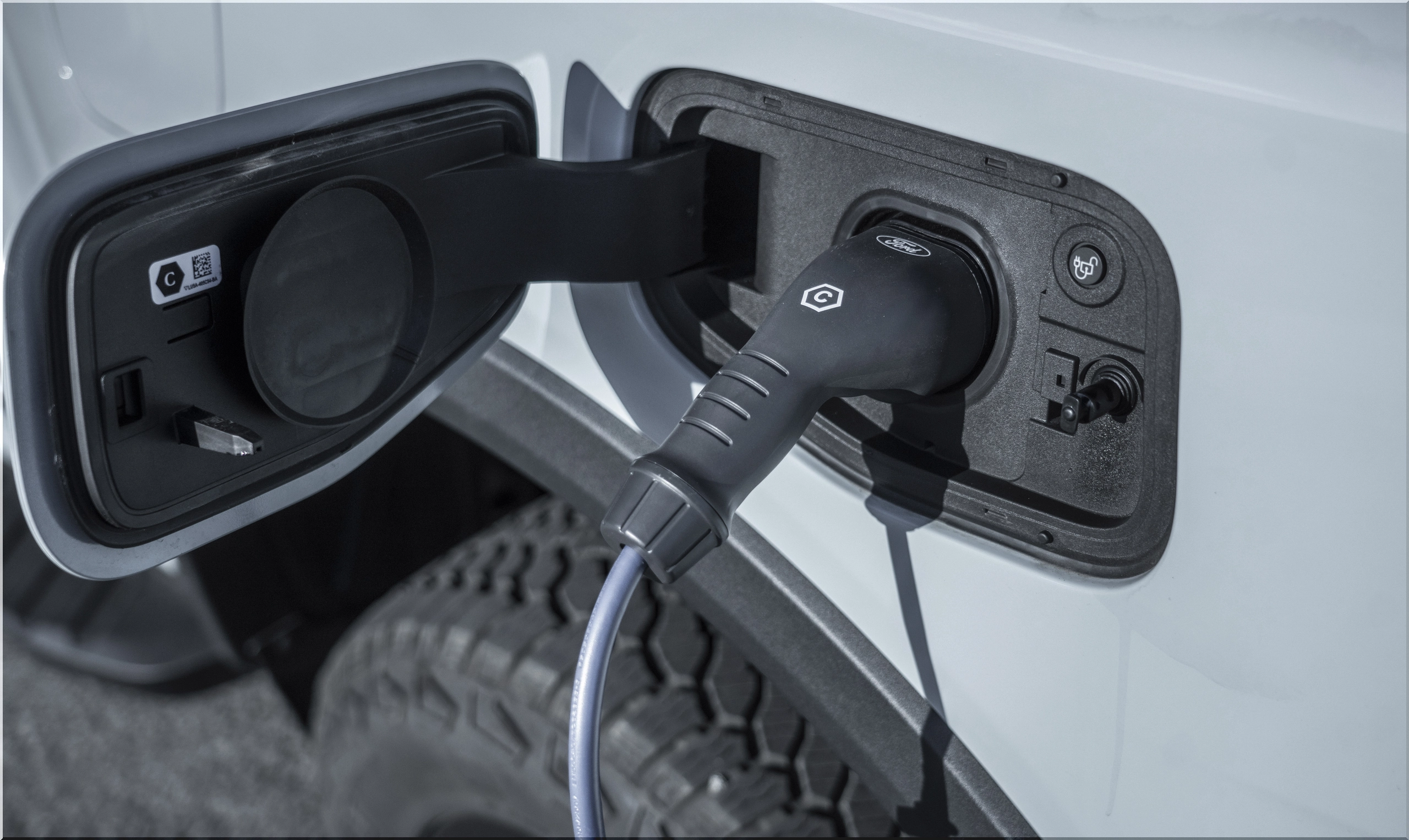
Charging is handled via a 3.7-kW Level 2 AC system, with a full recharge taking less than 4 hours. There’s no DC fast charging—this isn’t meant for long-distance EV-only road trips. It’s designed for short-distance electric use and gas-hybrid flexibility.
With a full tank and charged battery, the total range exceeds 500 miles.
All the Utility—No Compromise
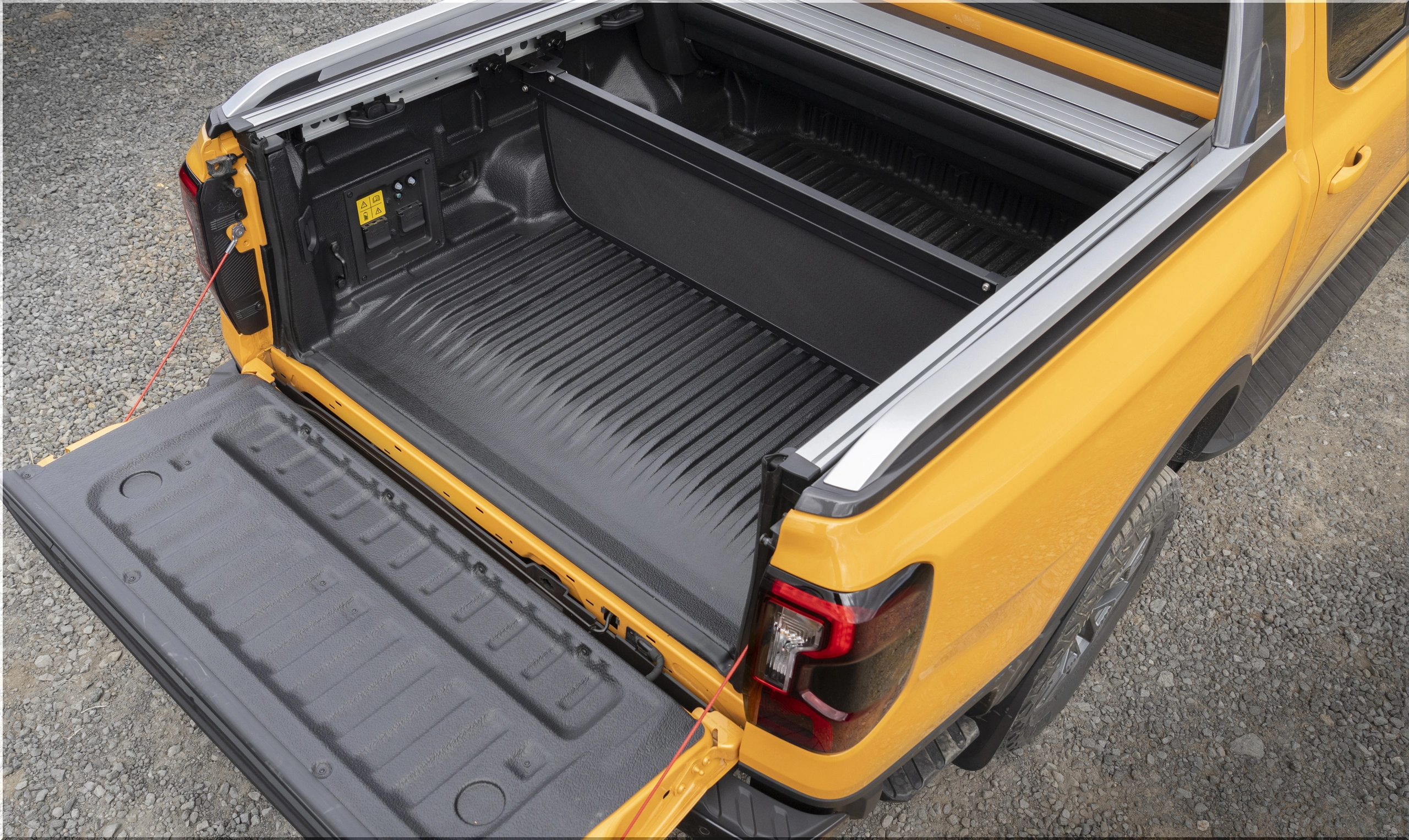
Despite the addition of a hybrid system, towing capacity remains 7,716 lbs, and payload exceeds 2,200 lbs. Ford confirmed no loss in truck bed dimensions. The battery raises the load floor by just 1.2 inches (31 mm).
- Locking rear differential
- Low-range transfer case
- Hill descent control
- Off-road modes (Mud/Ruts, Snow/Sand)
The battery is mounted under the bed. Suspension remains heavy-duty with leaf springs in the rear.
Pro Power Onboard Turns the Ranger into a Mobile Generator
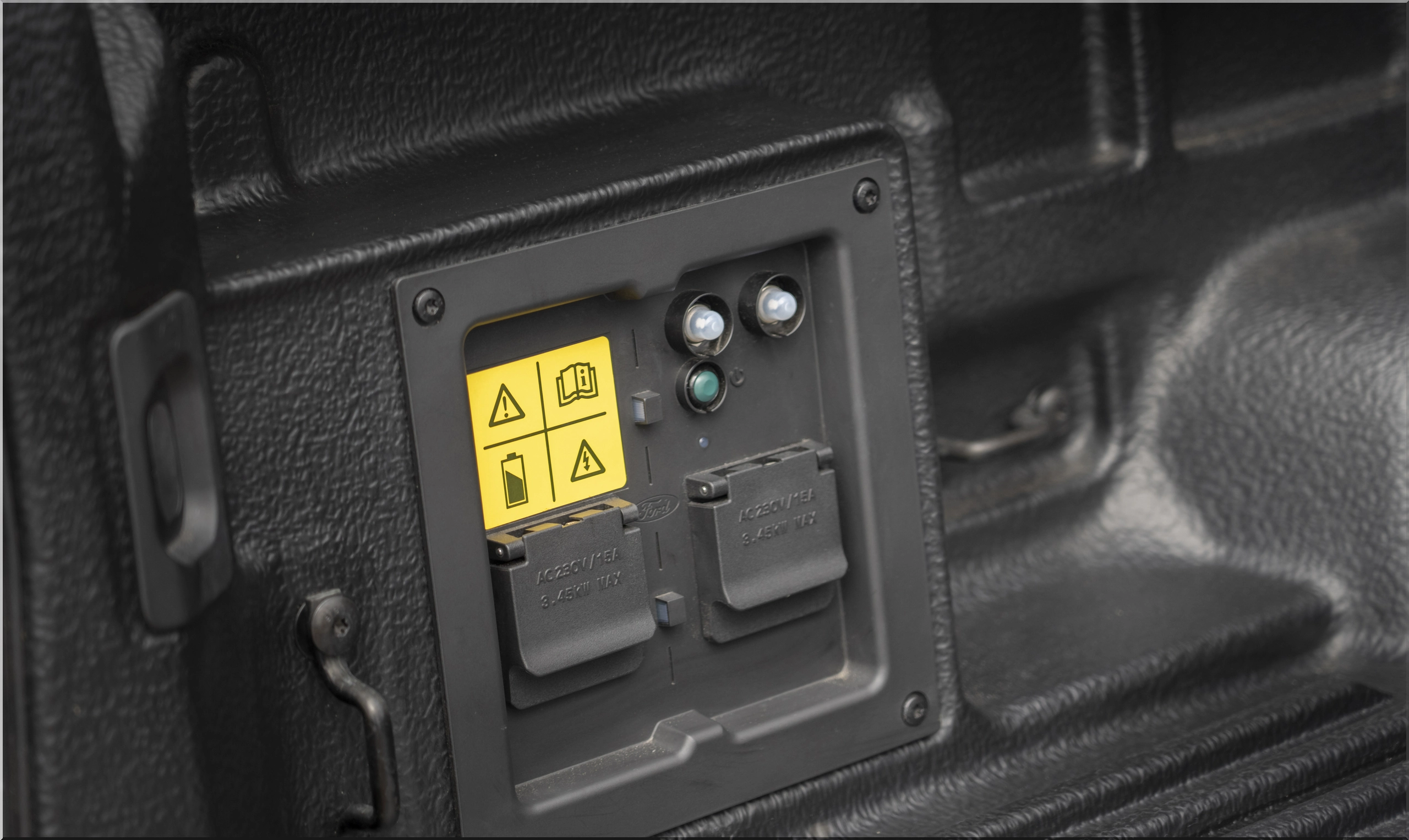
Like the F-150 PowerBoost and Lightning, the Ranger PHEV includes Pro Power Onboard. It turns the truck into a generator with options for:
- 2.3 kW for tools or appliances
- 6.9 kW for welders or jobsite equipment
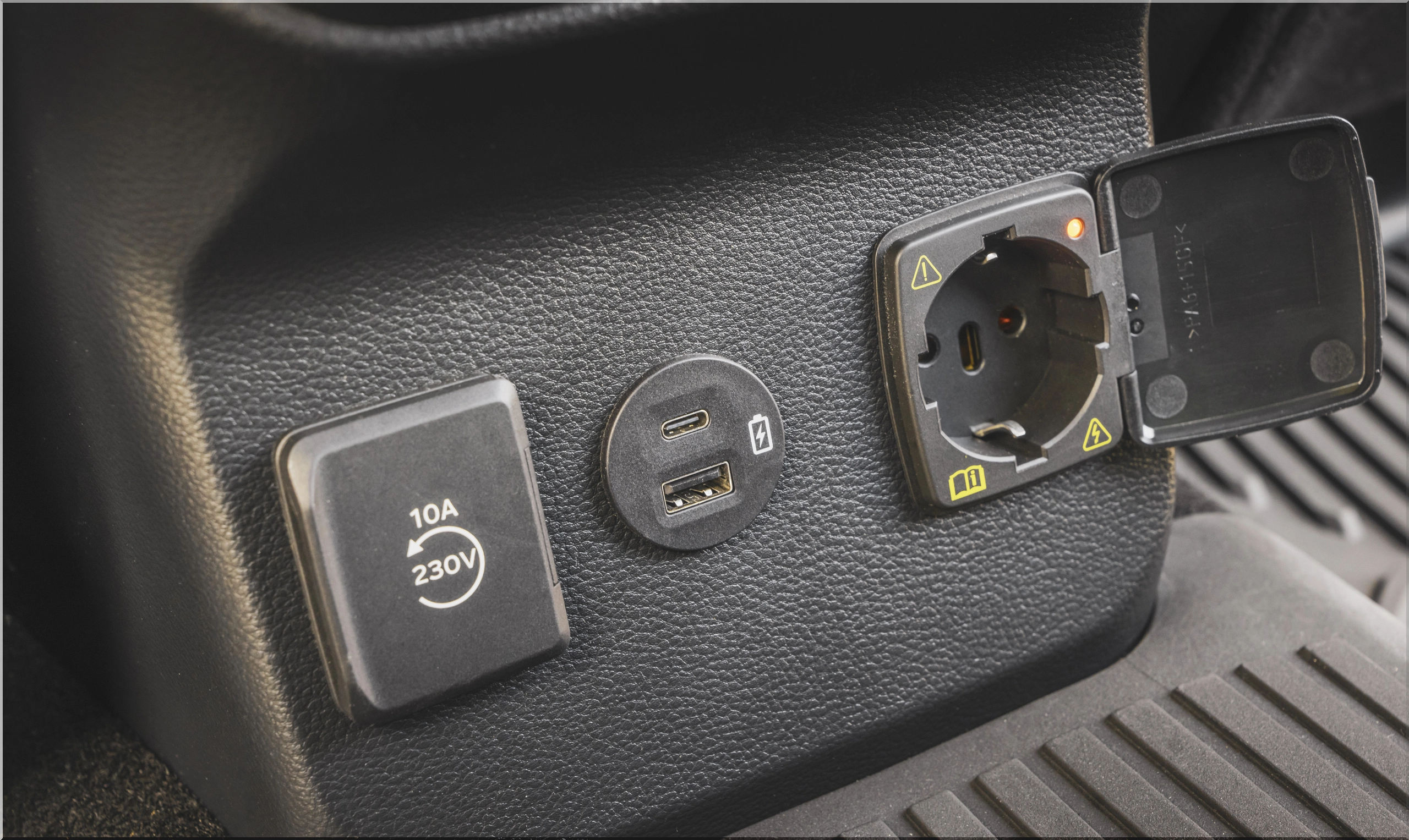
There are multiple 230V outlets in the bed and cabin. Power is supplied directly from the high-voltage battery, so there’s no need for a loud gas generator.
Big Value for Fleets and Small Businesses
The PHEV format cuts tailpipe emissions and fuel costs without forcing users to change their workflow. Fleet operators running 50–70 miles daily can use EV mode most of the day, switching to hybrid when needed.
Ford estimates fuel savings of $800–$1,000 per year per truck with regular charging. Maintenance costs also drop due to lower engine hours and brake wear.
Commercial Use Advantages
- Operates in low-emission zones
- No idling generators required
- Off-grid tool power for work crews
- Lower fleet taxes in emission-regulated states
Ford Has No Immediate U.S. Launch Plan
Ford confirmed the Ranger PHEV will not be sold in the U.S. at launch. It’s built in Thailand and South Africa and would need modifications to meet North American regulations.
Instead, Ford is focused on:
- F-150 Lightning (full EV)
- F-150 PowerBoost (full-size hybrid)
- Transit and E-Transit vans
Ford may revisit the decision based on U.S. demand, regulatory pressure, or competition.
U.S. Alternatives and Market Gaps
There are no plug-in hybrid midsize trucks available in the U.S. yet. Closest options include:
- Toyota Tacoma Hybrid – non-plug-in, 326 hp
- F-150 PowerBoost – hybrid, no plug-in option
- Chevy Colorado / GMC Canyon – no hybrid or EV
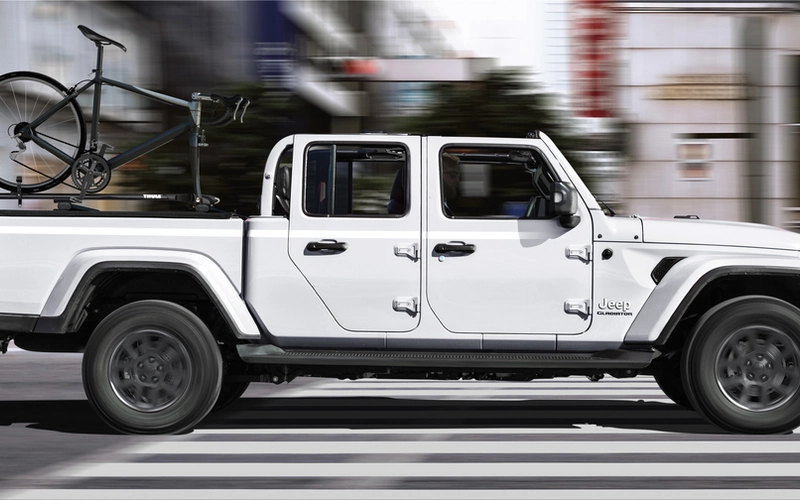
- Jeep Gladiator 4xe – rumored, unconfirmed
- Rivian R1T – full EV, premium price
The Ranger PHEV fills a gap for affordable, capable, plug-in pickups—if Ford chooses to bring it stateside.
Could the Ranger PHEV Be Built in America?
The Ranger is already built in Wayne, Michigan. Ford could produce a U.S.-specific Ranger PHEV using domestic battery suppliers to meet IRA tax credit requirements.
Another option: adapt the Escape PHEV’s powertrain to a future Maverick PHEV, targeting the $30K–$35K segment with 40+ mpg and plug-in range.
Bottom Line
The 2025 Ford Ranger PHEV combines strong torque, hybrid efficiency, and work-ready capability. It answers real-world needs for contractors, fleets, and rural buyers.
But unless U.S. demand becomes undeniable, Ford will keep this plug-in pickup overseas.
Image Gallery


- Add new comment
- 188 views