A load can look profitable when you compare the rate with the miles. But fuel, waiting time, empty miles, equipment problems, and unpaid work can change the picture before the truck returns home.
For owner-operators and fleet managers, the goal is to understand what each trip costs beyond the fuel pump. A closer look at the entire run can reveal where money slips away and which changes can protect the margin.
Start with the whole trip, not just the loaded miles
Imagine a load pays $2,000 for 800 loaded miles. The rate looks like $2.50 per loaded mile. But if the truck travels another 200 miles empty to pick up the next load, the same $2,000 covers 1,000 total miles, or $2 per mile.
That example does not include any payment from the next load, but it shows why loaded miles alone can be misleading. The truck still consumes fuel and adds wear when it runs empty.
Before accepting a load, consider:
- How far is the truck from the pickup?
- Where will the delivery leave the driver?
- Is outbound freight usually available in that area?
- Will the trailer suit the nearby freight?
- How much time will the next pickup require?
A lower-paying load that ends near a reliable customer may be more useful than a higher-paying load that leaves the truck far from its next opportunity. The right answer depends on the full route and the freight available afterward.
Waiting time has a cost, even when the truck is parked
Long loading and unloading delays affect more than the current delivery. They can push back the next pickup, disrupt a planned route, and reduce the time available for productive work.
Track when the driver arrives, when loading or unloading begins, and when the truck leaves. Compare those records with the appointment and any detention terms agreed with the broker or shipper.
This information gives dispatchers a better basis for planning. If one facility regularly takes much longer than expected, the business can account for that time when quoting future loads or scheduling the next pickup.
Drivers should also report delays early. An update from the dock can give dispatch time to contact the next customer, adjust an appointment, or find another solution.
Idling can quietly add to the fuel bill
A parked truck with the engine running still burns fuel. The U.S. Department of Energy estimates that a heavy-duty truck consumes about 0.8 gallons per hour while idling. Actual use varies by truck and conditions.
At that estimate, three hours of idling would use about 2.4 gallons. At a hypothetical diesel price of $4 per gallon, that is $9.60 for one stop. Across 20 similar stops, the fuel would cost about $192.
That calculation is an illustration, not a forecast for every truck. Still, it gives fleets a reason to review where and why idling occurs.
Options such as auxiliary power units, battery-powered climate systems, and truck-stop electrification may help reduce engine idling. The Department of Energy lists these among the options available to heavy-duty truck operators. Compare equipment, installation, maintenance, and energy costs with your own idle-time records before buying.
Driver comfort and safety matter too. A plan to reduce idling should still provide a safe way to heat or cool the cab during rest periods.
Trailer choice affects more than the purchase price
The right trailer can make a fleet more flexible. The wrong one can limit the loads a driver can accept or add time at the shipper.
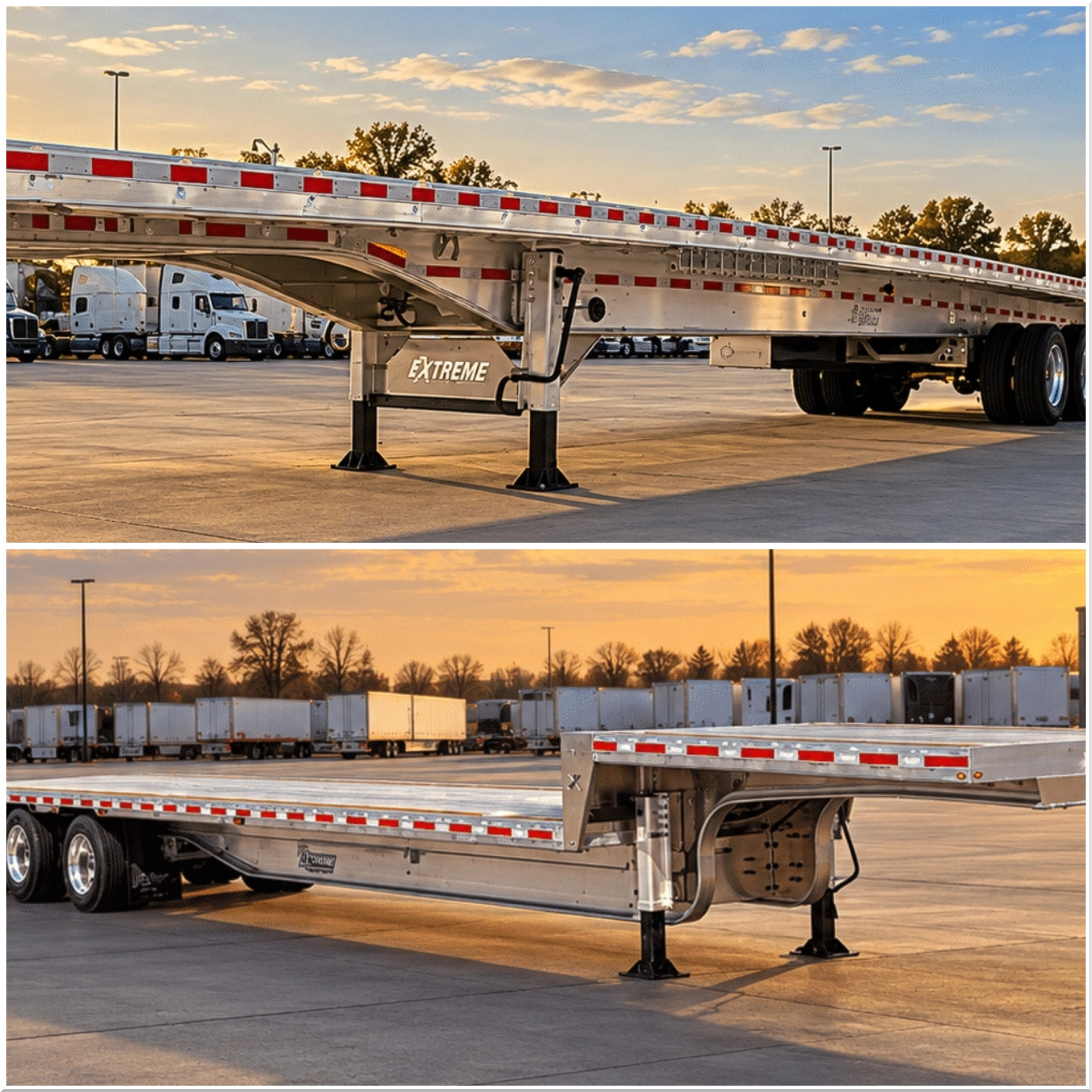
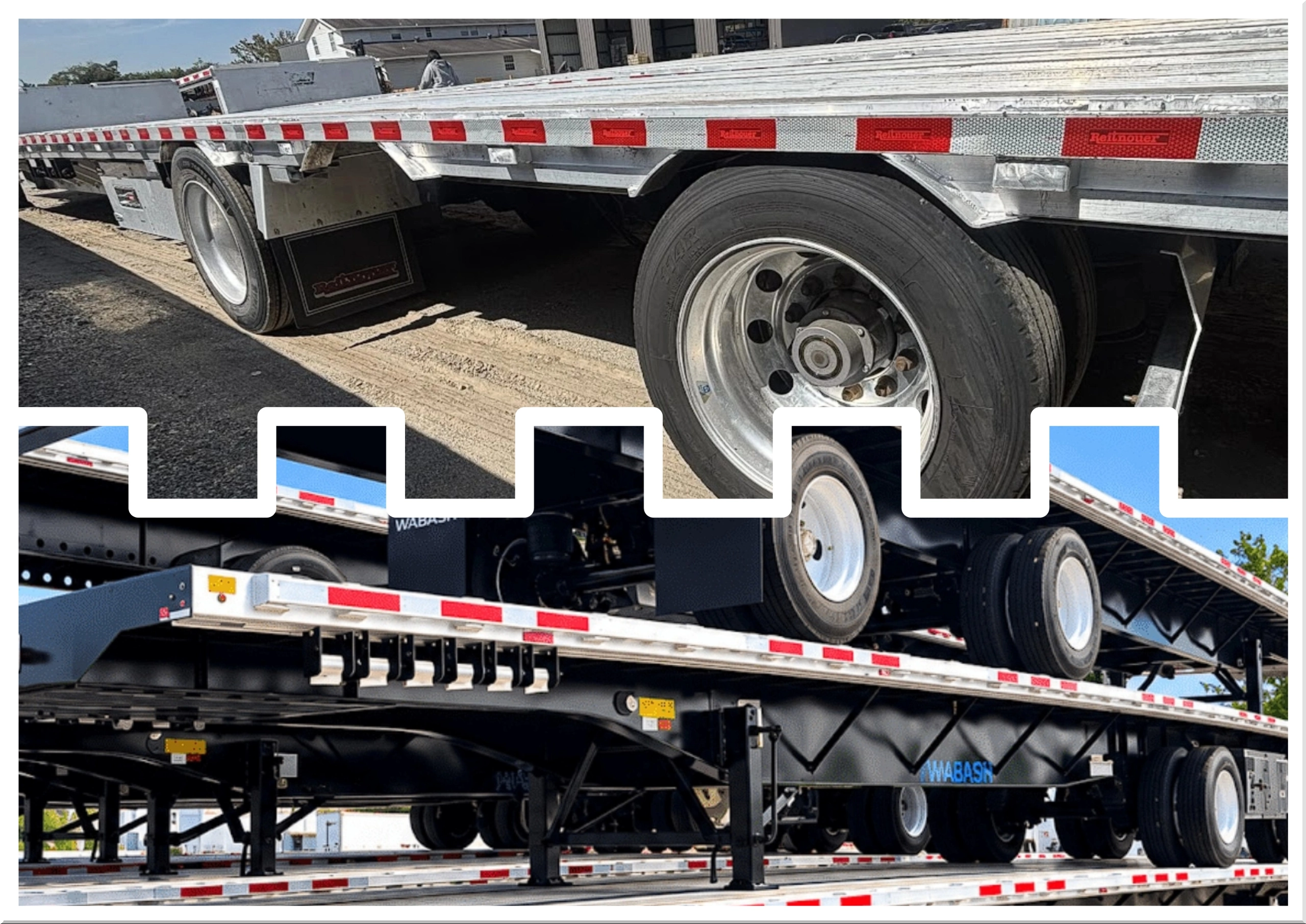
A dry van may suit a carrier moving enclosed general freight, while a flatbed can serve different freight and loading needs. Specialized equipment can open access to other work, but it should match the loads the operator expects to haul regularly.
Before buying, review:
- The type, weight, and dimensions of the freight.
- Loading and unloading methods at customer facilities.
- The routes and lanes the trailer will serve.
- Maintenance history and expected repair needs.
- Whether the trailer fits the tractor and planned operation.
Businesses comparing equipment can browse Semi Trailers for Sale and use their actual freight requirements to narrow the options.
A trailer that costs less upfront is not always the least expensive choice over time. Inspection and maintenance records can help buyers understand what work may be needed before putting it on the road.
Small equipment problems can become expensive delays
A damaged light, a tire problem, or a faulty coupling component can interrupt a run. Finding a defect at the yard generally gives the operator more options than discovering it during a roadside stop or after a breakdown.
The Federal Motor Carrier Safety Administration says drivers must be satisfied that specified parts and accessories are in good working order before operating a vehicle. Its list includes brakes, lights, tires, coupling devices, wheels, and rims. Cargo must also be properly distributed and secured before departure.
A useful inspection routine goes beyond a quick walk-around. Drivers need enough time to look closely, report defects, and have problems addressed before the vehicle returns to service.
Fleet managers can support that process by making reports easy to submit and by tracking recurring issues. If the same trailer repeatedly returns with tire or lighting problems, the maintenance team can investigate the cause instead of treating each event as unrelated.
Measure the numbers that lead to better decisions
A trucking business does not need a complicated dashboard to find opportunities. Start with a few records that are consistent enough to compare from one month to the next:
- Total miles, including empty miles.
- Revenue for each trip or lane.
- Fuel used and purchased.
- Loading and unloading time.
- Maintenance and repair expenses.
- Missed appointments and their causes.
Review the numbers alongside driver feedback. A lane that appears profitable on paper may involve unreliable appointments or a difficult reload. A trailer that stays busy may also spend too much time waiting for repairs.
The most useful question is not simply, “Did this load pay well?” It is, “How did this load affect the next load, the equipment, and the rest of the week?” That broader view can help trucking businesses choose better work and keep more of what they earn.
- Add new comment
- 7 views