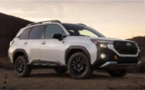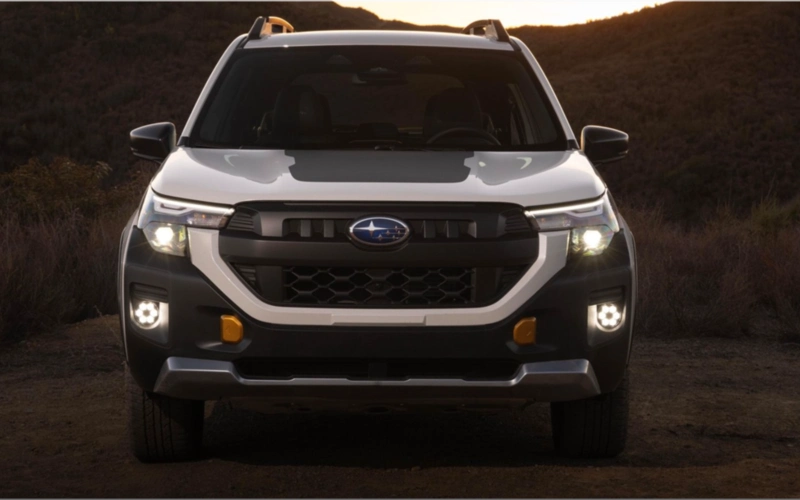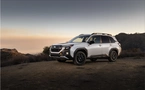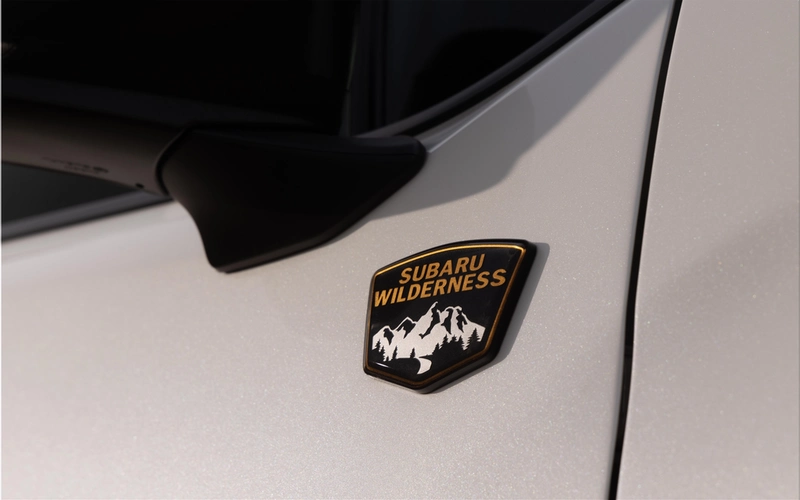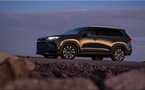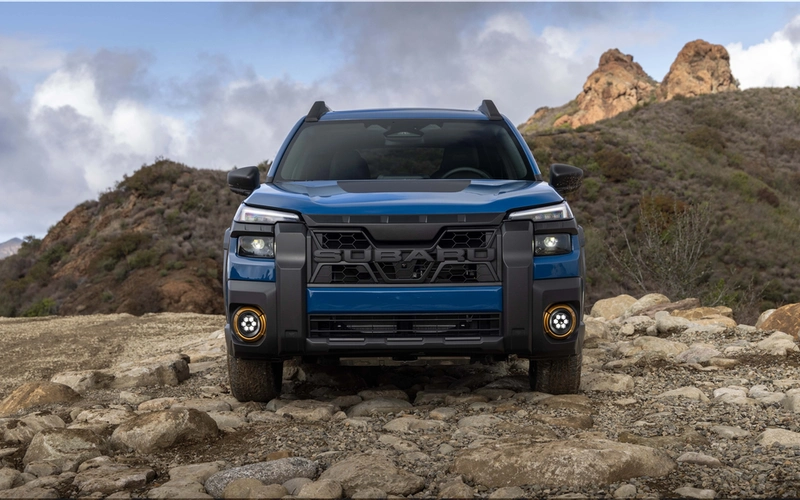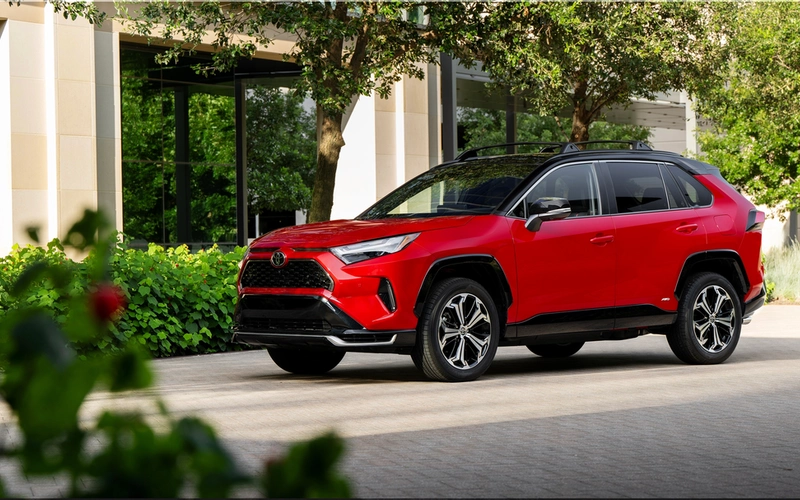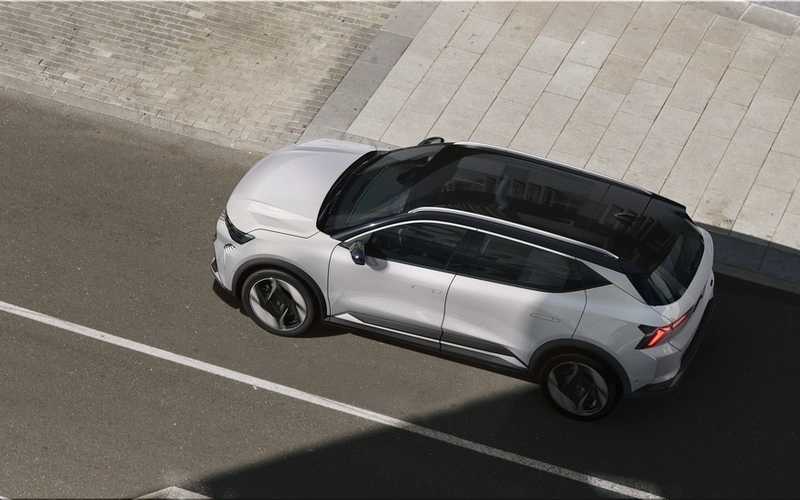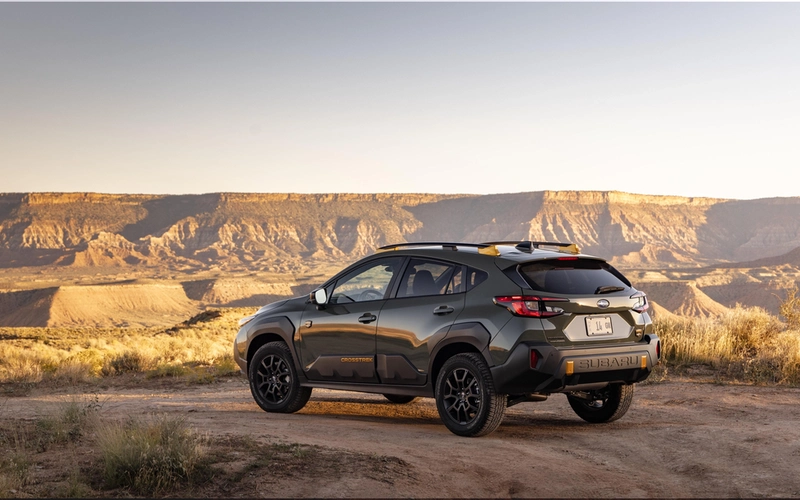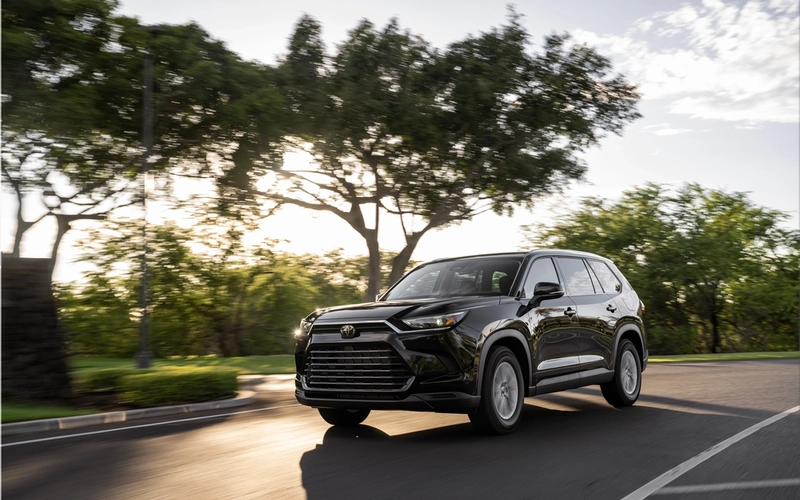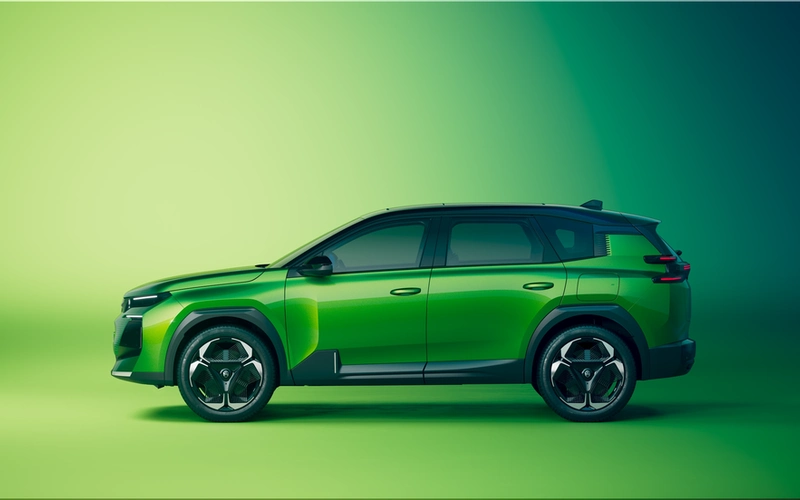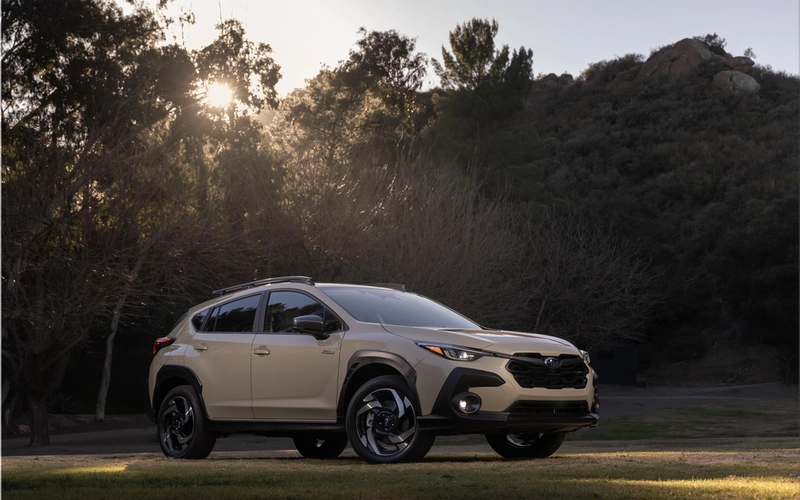
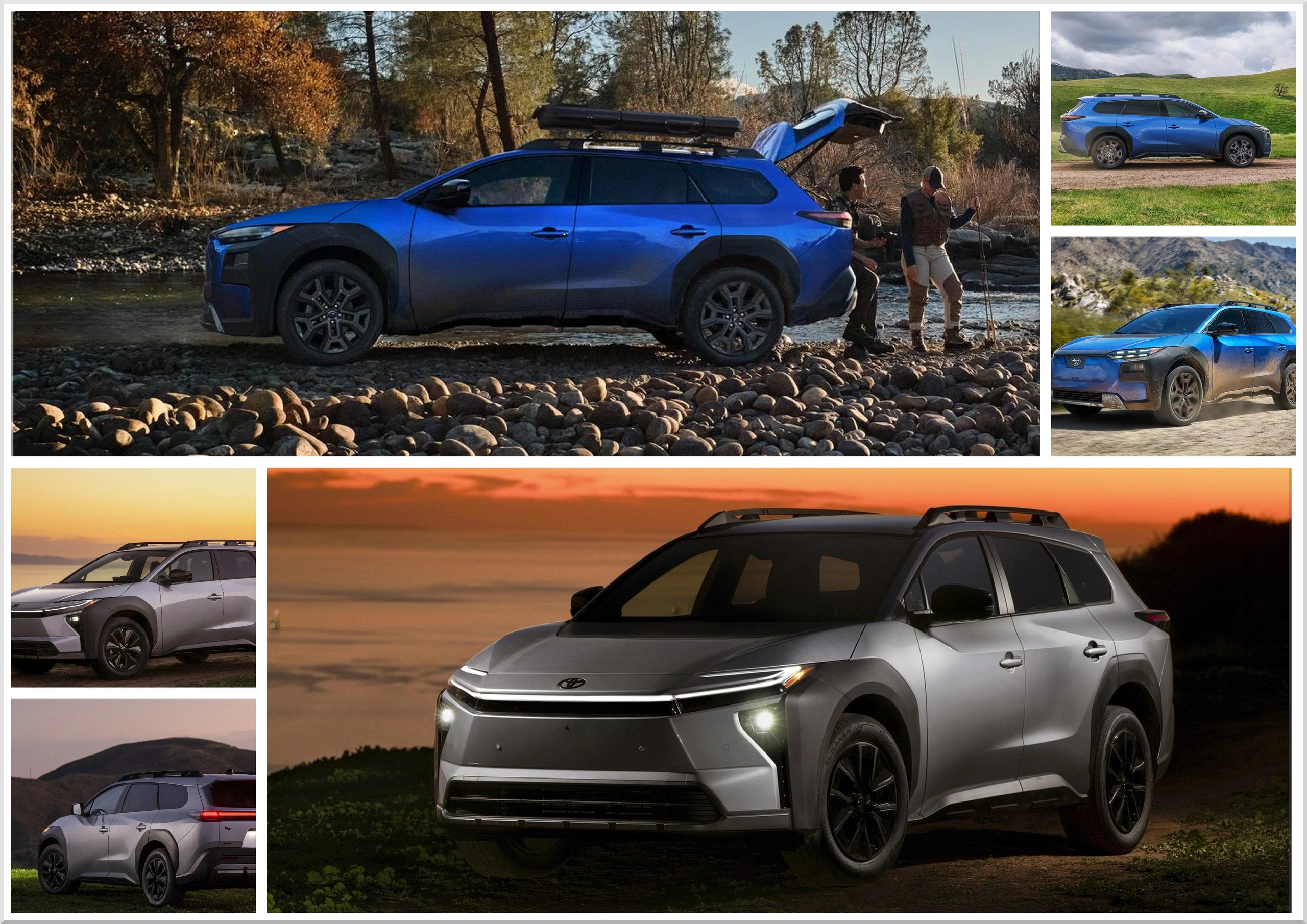
The 2027 Subaru Trailseeker EV wins this comparison on value. It starts $5,505 below the 2027 Toyota bZ Woodland after destination, yet it supplies the same 375 horsepower, 74.7-kWh battery, 281-mile maximum range, dual-motor all-wheel drive, and 3,500-pound tow rating.
Toyota still gives buyers valid reasons to pay extra. The entry Toyota bZ Woodland includes heated rear seats, a 360-degree Multi-Terrain Monitor, a 1,500-watt cargo outlet, and available all-terrain tires. Subaru reserves several comparable amenities for the Limited, though that trim still costs $1,505 less than the base Toyota after destination.
Quick Answer: Which Electric SUV Should You Buy?
Buy the 2027 Subaru Trailseeker Premium if value leads your decision. Its $41,470 delivered price retains 18-inch wheels, 281 miles of EPA-estimated range, dual-mode X-MODE, heated front seats, dual wireless phone chargers, and a power liftgate.
Image
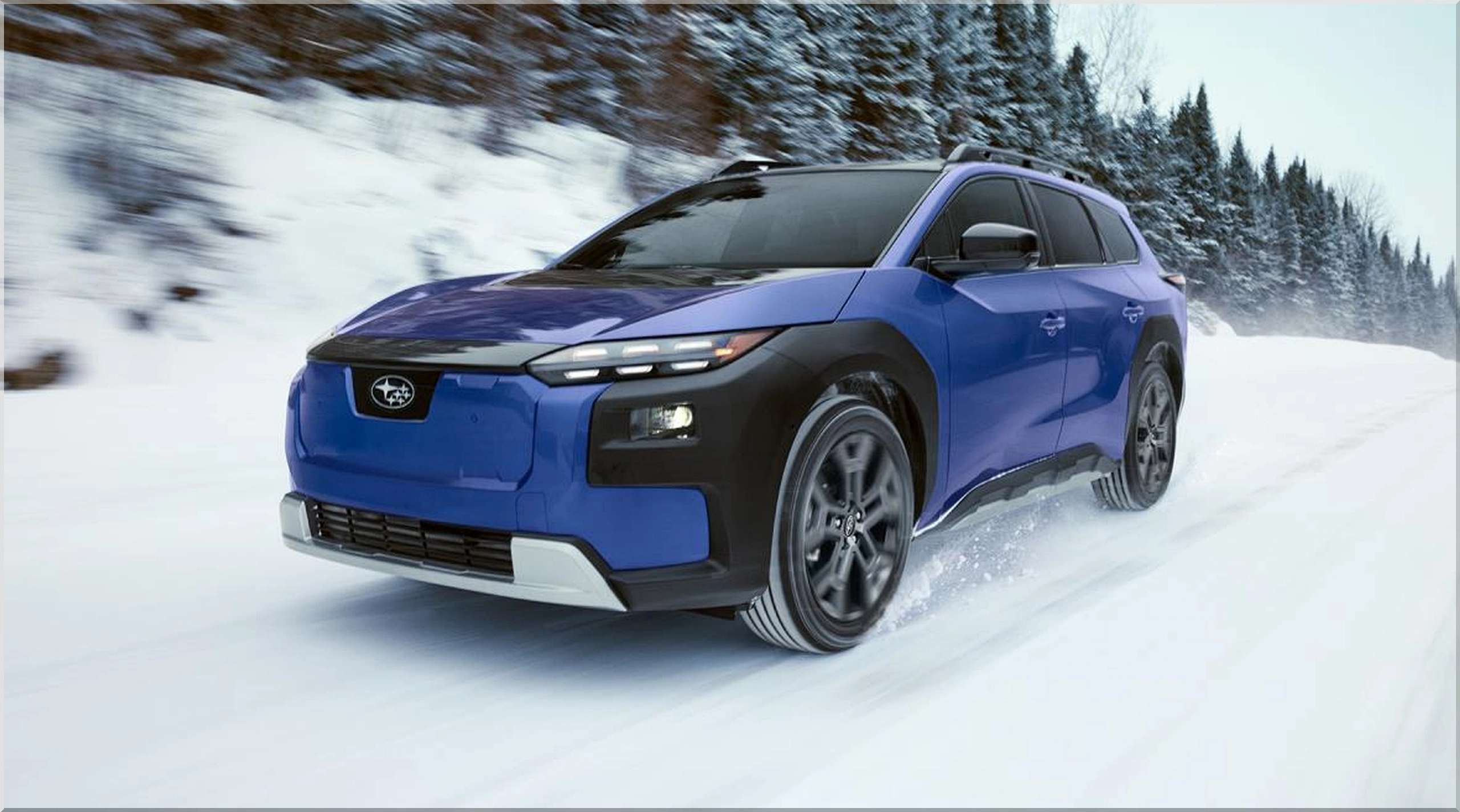
Choose the 2027 Toyota bZ Woodland AWD for richer winter equipment, a standard trail camera, 18-inch wheels, and a factory all-terrain tire choice. Toyota also includes one year or 10,000 miles of scheduled maintenance, though routine EV service will rarely erase a $5,505 opening gap.
Image
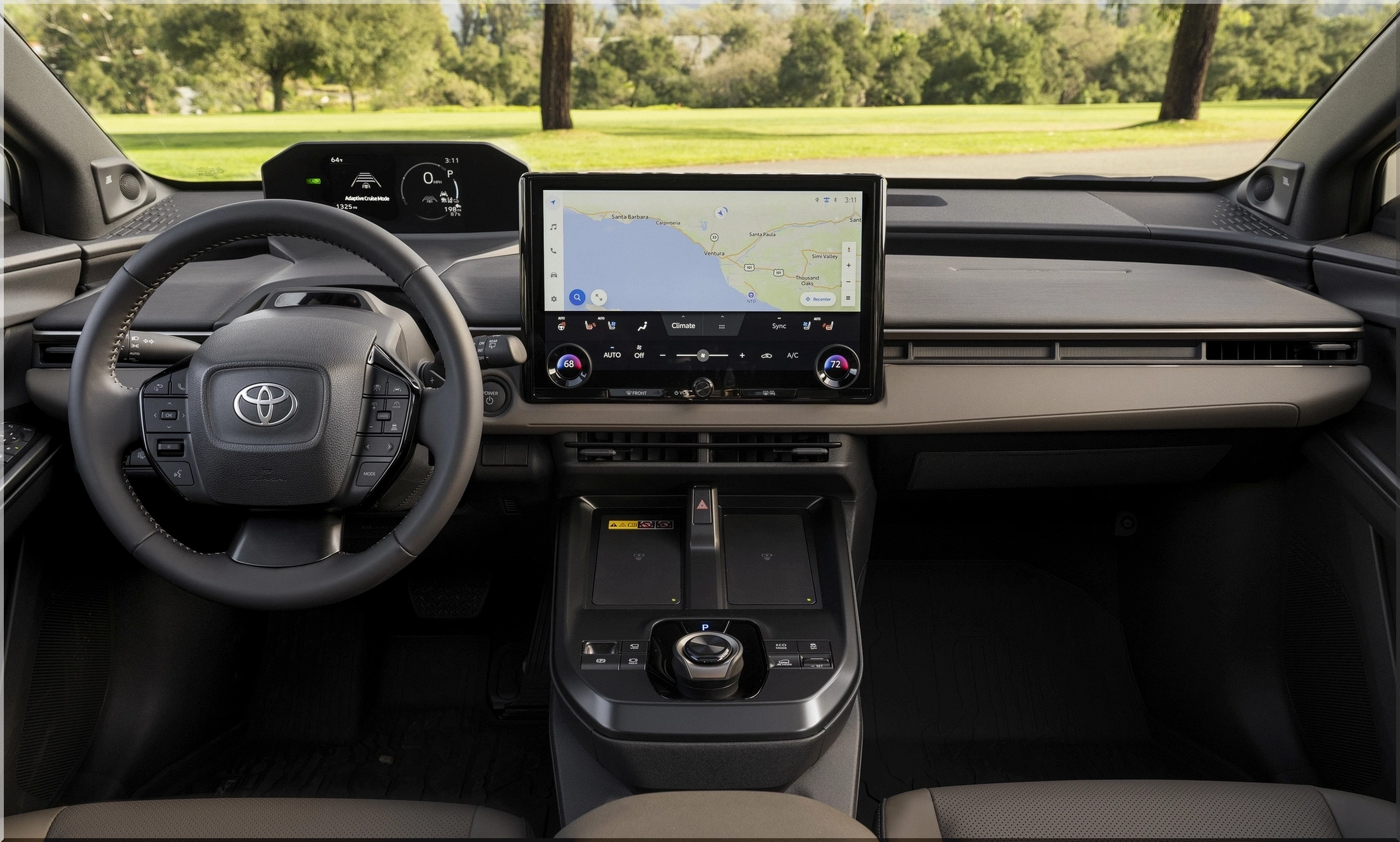
- Best value: Subaru Trailseeker Premium
- Best equipped value: Subaru Trailseeker Limited
- Best factory tire choice: Toyota bZ Woodland AWD
Shared Hardware Makes Price the Main Story
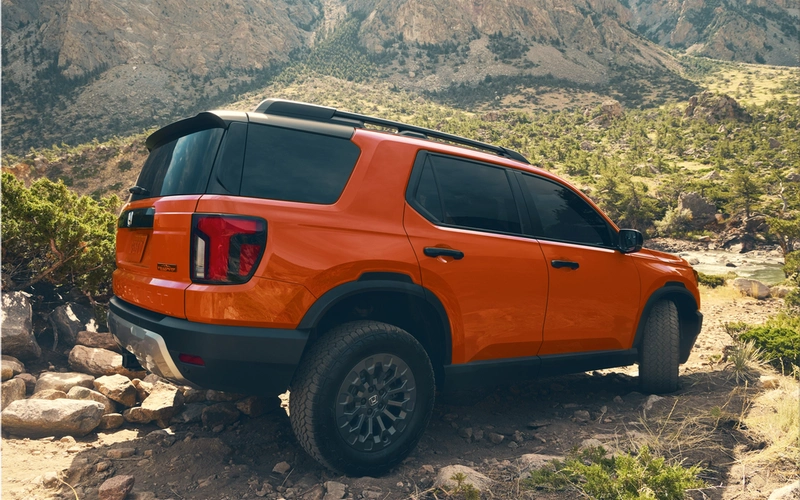
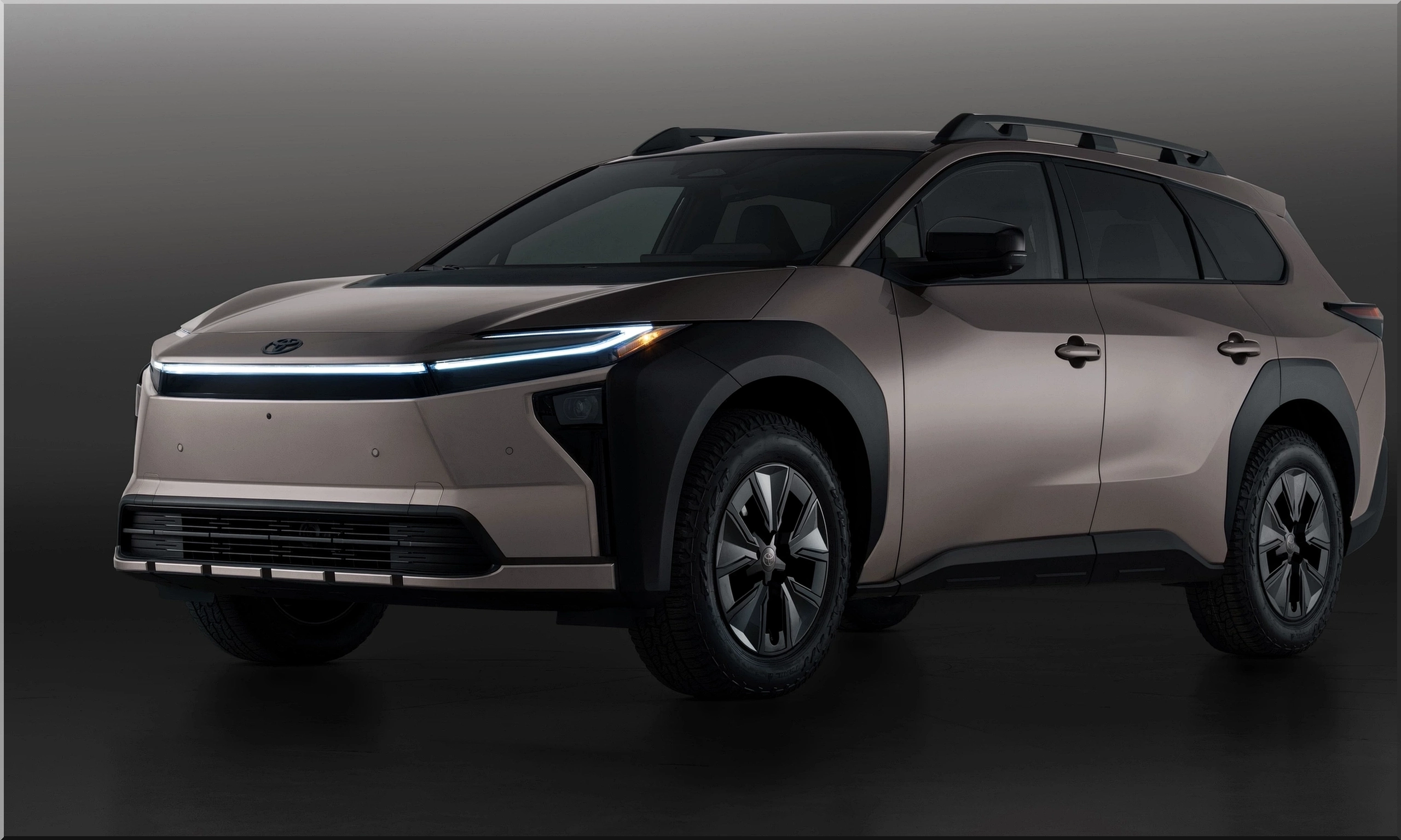
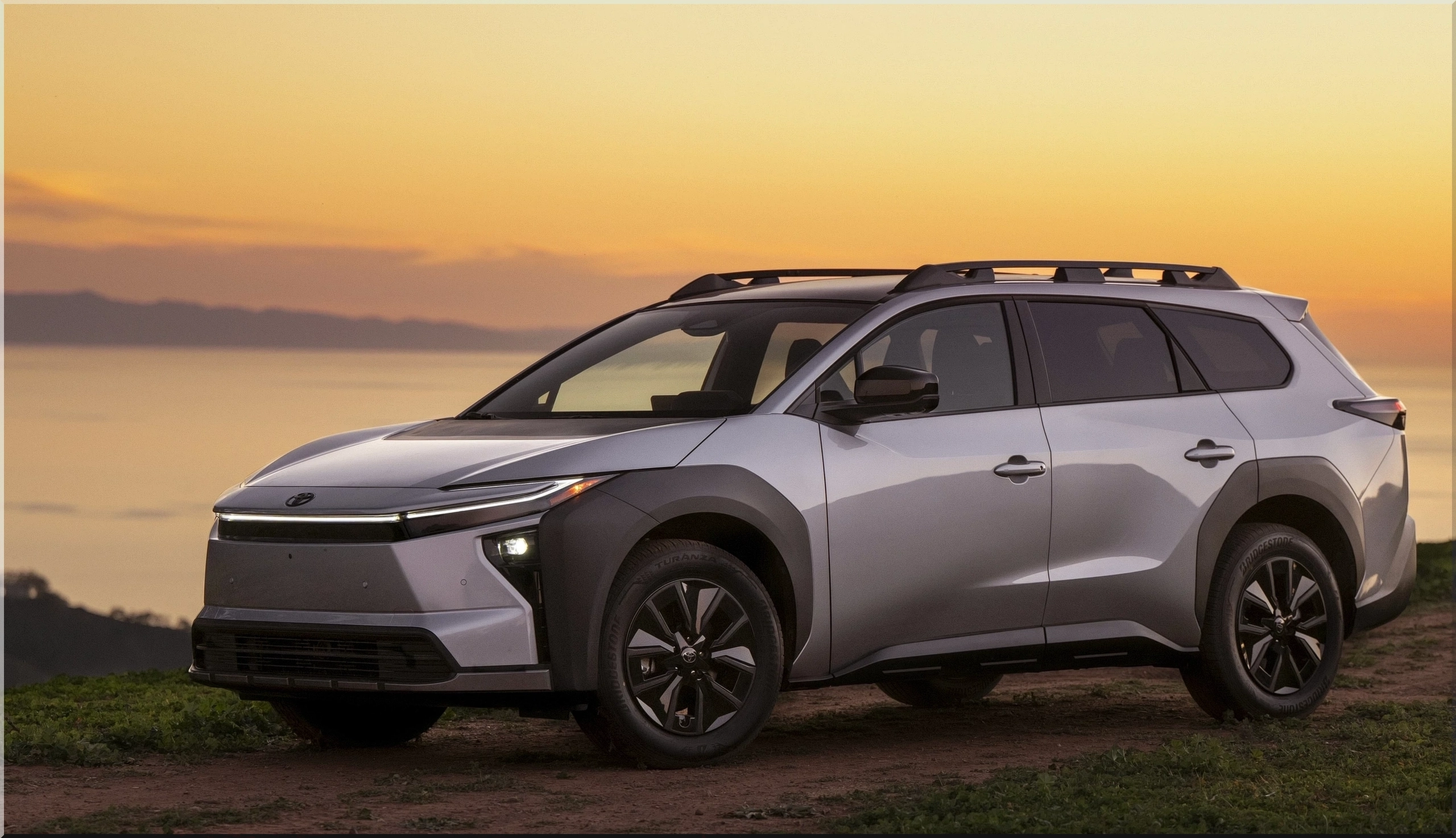
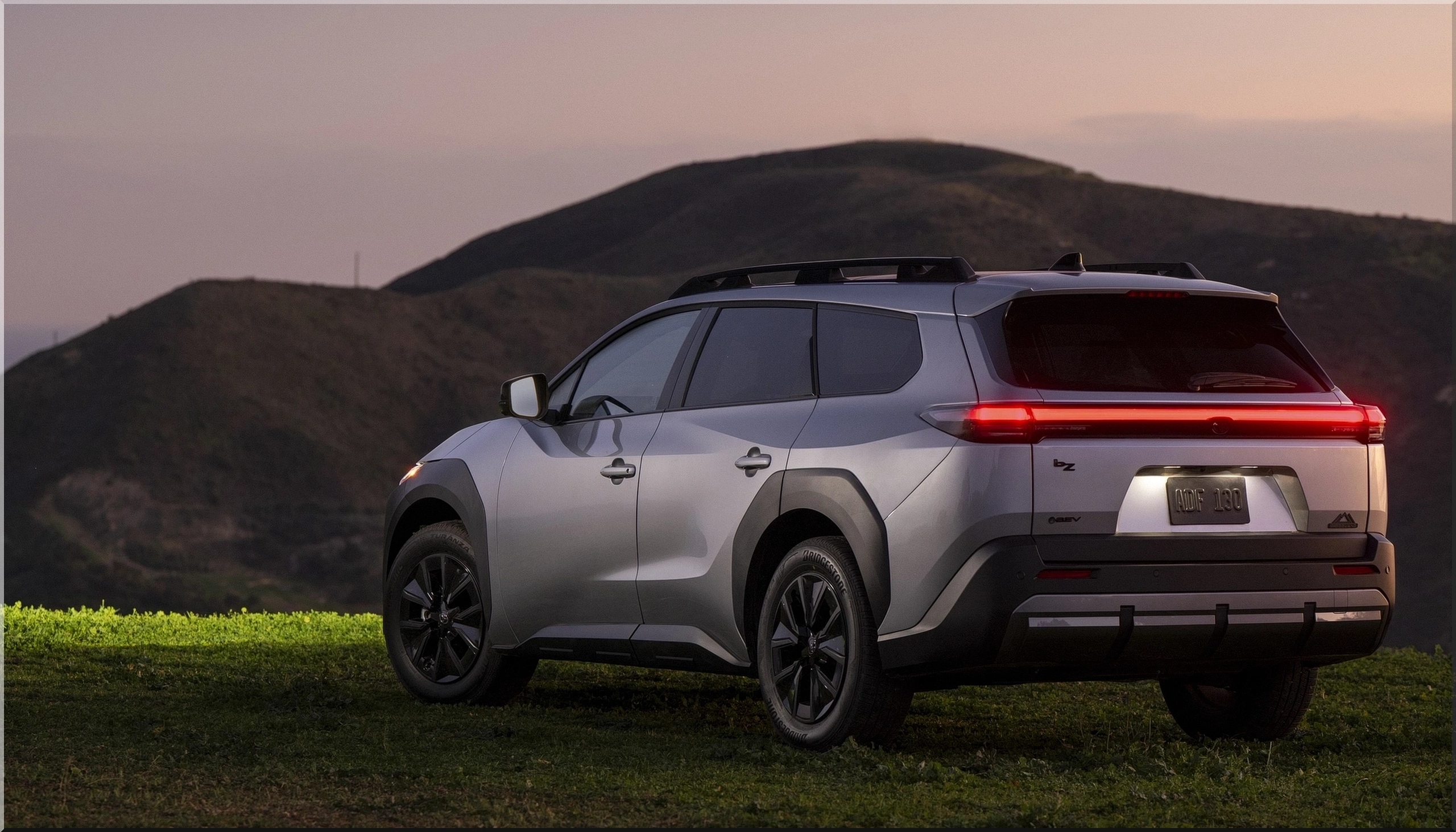
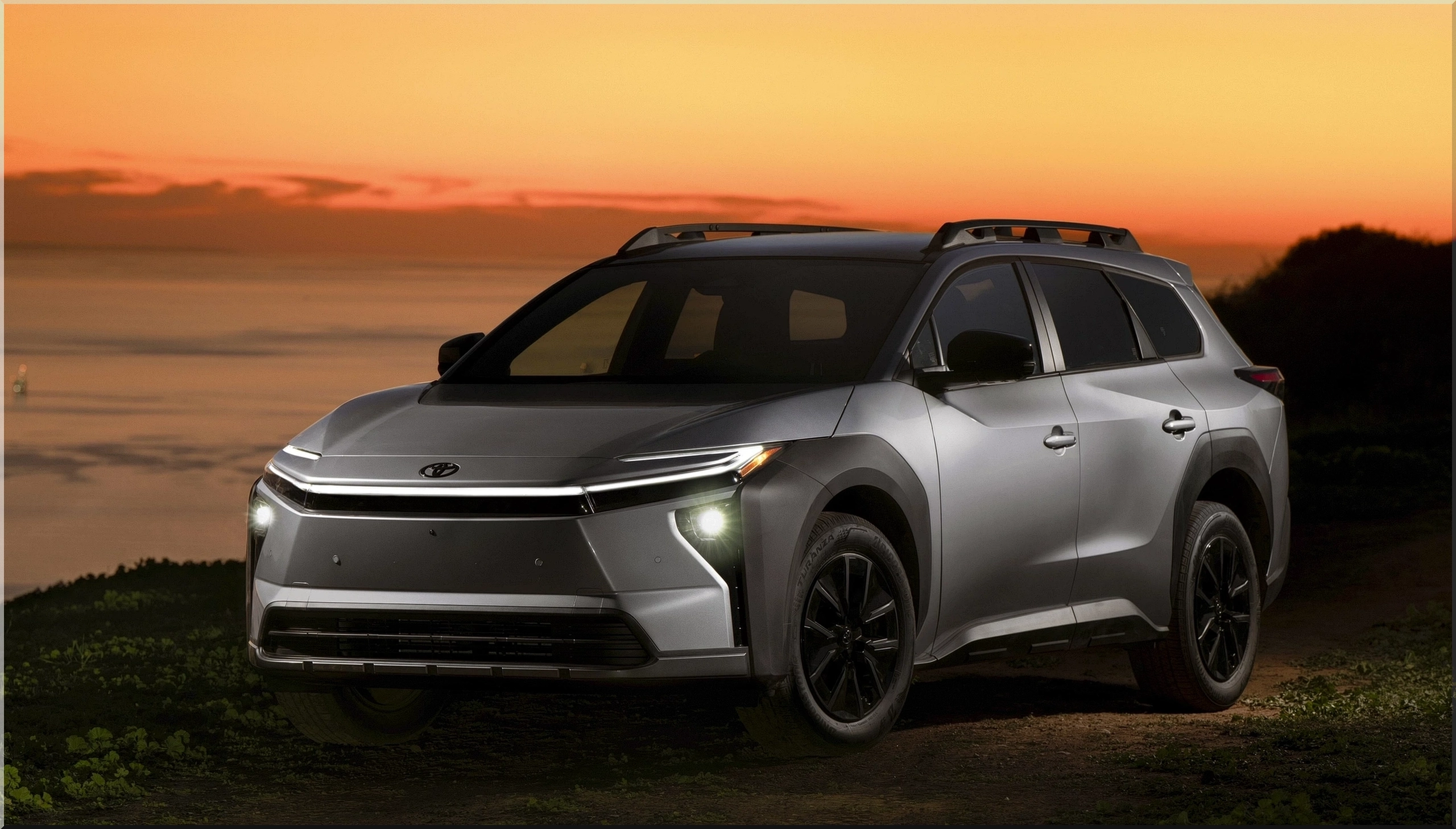
Toyota and Subaru developed these five-seat EVs together. Both use a 112.2-inch wheelbase, an underfloor battery, front and rear drive units, strut front suspension, multilink rear suspension, and direct-drive gearing.
Looking at the data, bumper skins and lighting create the small exterior differences. The Subaru measures 0.6 inch longer; width, height, and wheelbase match.
| Specification | 2027 Toyota bZ Woodland | 2027 Subaru Trailseeker |
|---|---|---|
| Drive layout | Dual-motor AWD | Dual-motor AWD |
| Combined output | 375 hp | 375 hp |
| Published torque | 396 lb-ft | 396 lb-ft |
| Battery capacity | 74.7 kWh gross | 74.7 kWh gross |
| AC charging | 11 kW | 11 kW |
| Peak DC charging | 150 kW | 150 kW |
| Claimed 10%-80% DC time | About 30 minutes | As little as 28 minutes |
| Maximum range | 281 miles | 281 miles |
| Maximum towing | 3,500 lb | 3,500 lb |
| Ground clearance | 8.4 in / 213 mm | 8.5 in / 216 mm |
| Wheelbase | 112.2 in / 2,850 mm | 112.2 in / 2,850 mm |
| Length | 190.2 in / 4,831 mm | 190.8 in / 4,846 mm |
| Width | 73.2 in / 1,859 mm | 73.2 in / 1,859 mm |
| Height | 65.9 in / 1,674 mm | 65.9 in / 1,674 mm |
| Independently tested curb weight | 4,570 lb | 4,553 lb |
| Independently tested 0-60 mph | 3.9 seconds | 3.9 seconds |
Power, Torque, and Acceleration
Each axle uses a permanent-magnet motor. Test data lists 224 hp and 198 lb-ft at each unit, while system controls cap combined output at 375 hp and 396 lb-ft. The separate peak points prevent a simple 448-hp total.
The motors deliver their strongest pull from very low speed, then reduce torque as rpm rises. Neither brand publishes a full curve. Consequently, Toyota's 1.6-second 30-50-mph run and 2.3-second 50-70-mph run provide the useful data; Subaru needed 2.3 and 3.3 seconds.
Toyota claims 4.5 seconds from zero to 60 mph; Subaru claims 4.3. Independent testing recorded 3.9 seconds for each unchanged 2026 version. Tire type, battery temperature, state of charge, and rollout accounting explain the spread.
Range and Charging: The Tires Change the Result
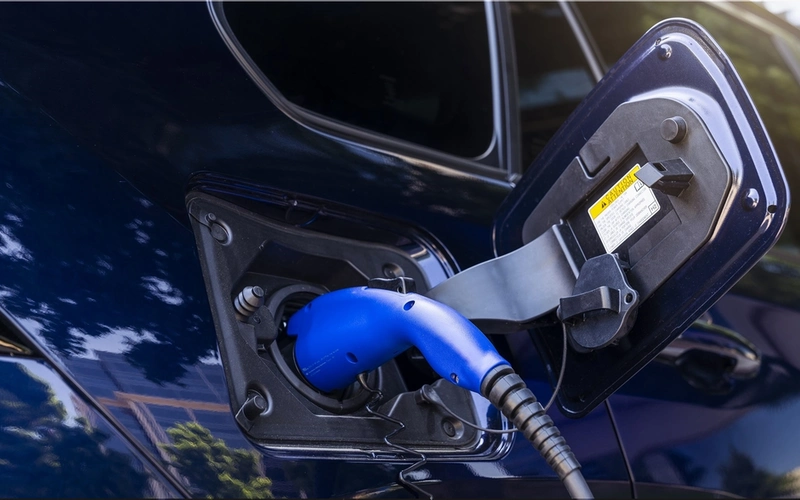
Both EVs pair a 74.7-kWh lithium-ion battery with a native NACS port for compatible Tesla Superchargers. Battery preconditioning warms the pack before fast charging, and Subaru says its system can retain charging speed down to 14 degrees Fahrenheit, or minus 10 degrees Celsius.
Toyota's all-season setup earns 127 MPGe city, 107 highway, and 117 combined. The Subaru Premium earns 126 city, 107 highway, and 117 combined. In addition, each consumes an EPA-rated 29 kWh per 100 miles.
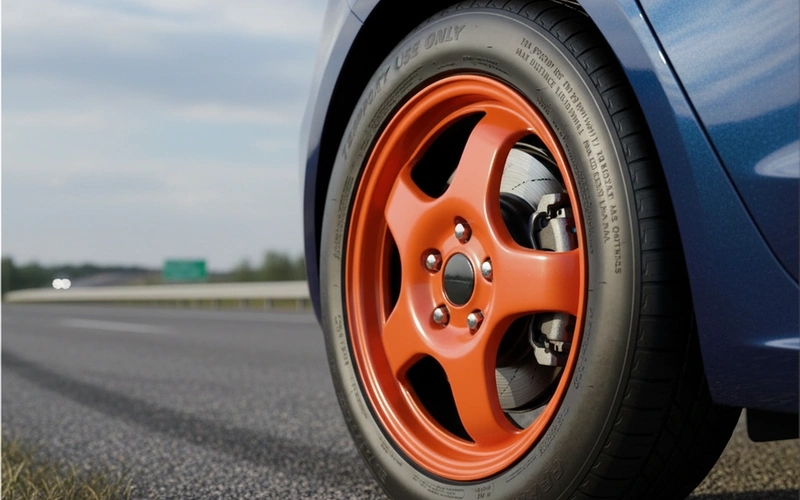
The tire and wheel decisions create the useful differences:
- Toyota's optional all-terrain tires cut range from 281 to 260 miles and efficiency from 117 to 109 combined MPGe.
- Subaru's 20-inch-wheel Limited and Touring trims return 274 miles and 114 combined MPGe.
- A 10%-80% road-trip window represents about 197 rated miles in a 281-mile version and 182 miles in a 260-mile Toyota.
- An independent 75-mph test returned 190 miles from a Trailseeker Touring, showing how sustained highway speed can pull actual distance well below the EPA mixed-cycle figure.
MPGe
MPGe compares an EV's energy use with the energy in one gallon of gasoline. Speed, cabin heat, temperature, elevation, wind, tires, and trailer weight set actual range.
From an expert perspective, the shared 150-kW peak rate ranks as adequate. Newer 800-volt rivals add a similar percentage faster. Subaru's early software lacked automatic charging-stop routing, so buyers should test the current navigation system before signing.
Trail Ability: Subaru Has the Calibration Story
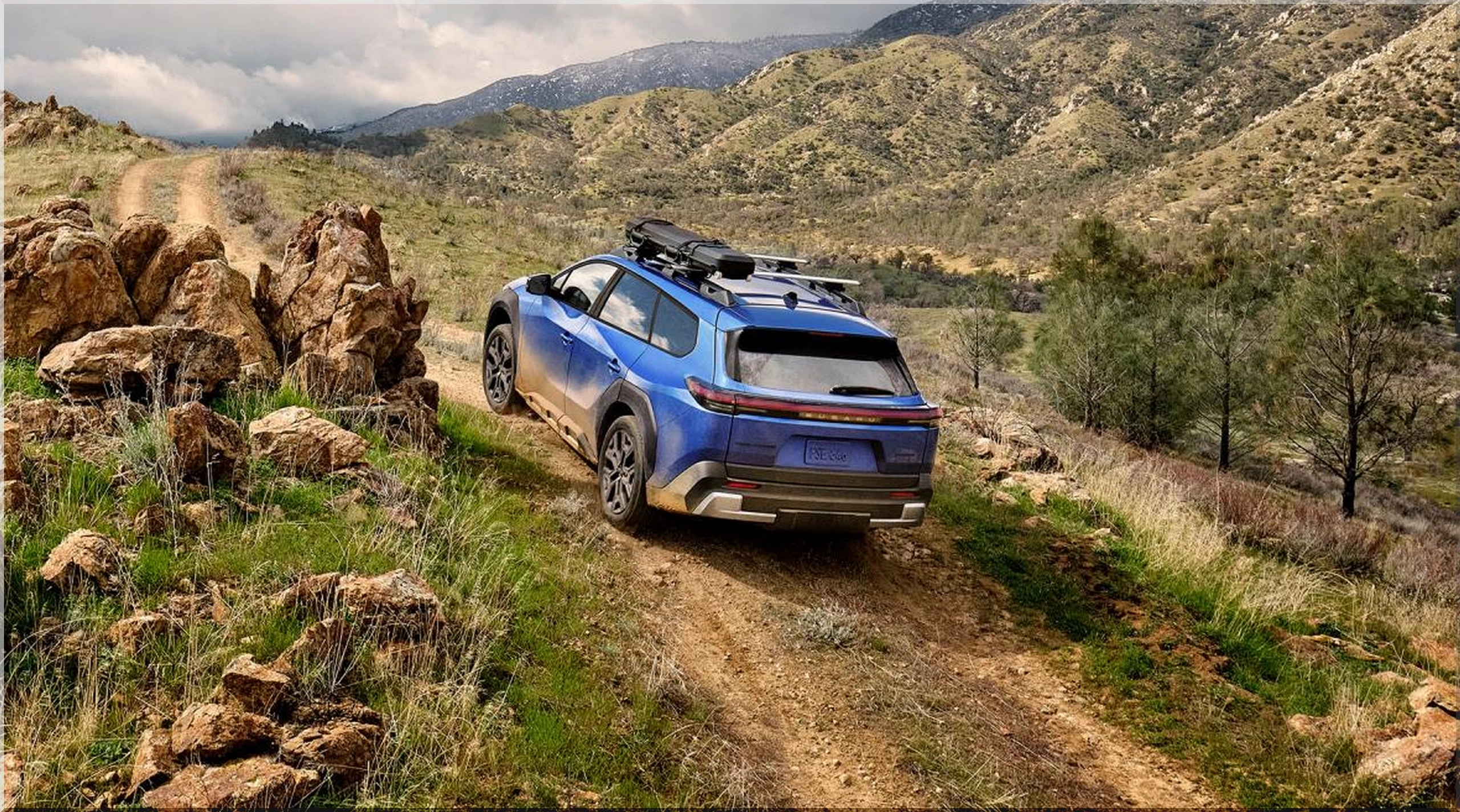
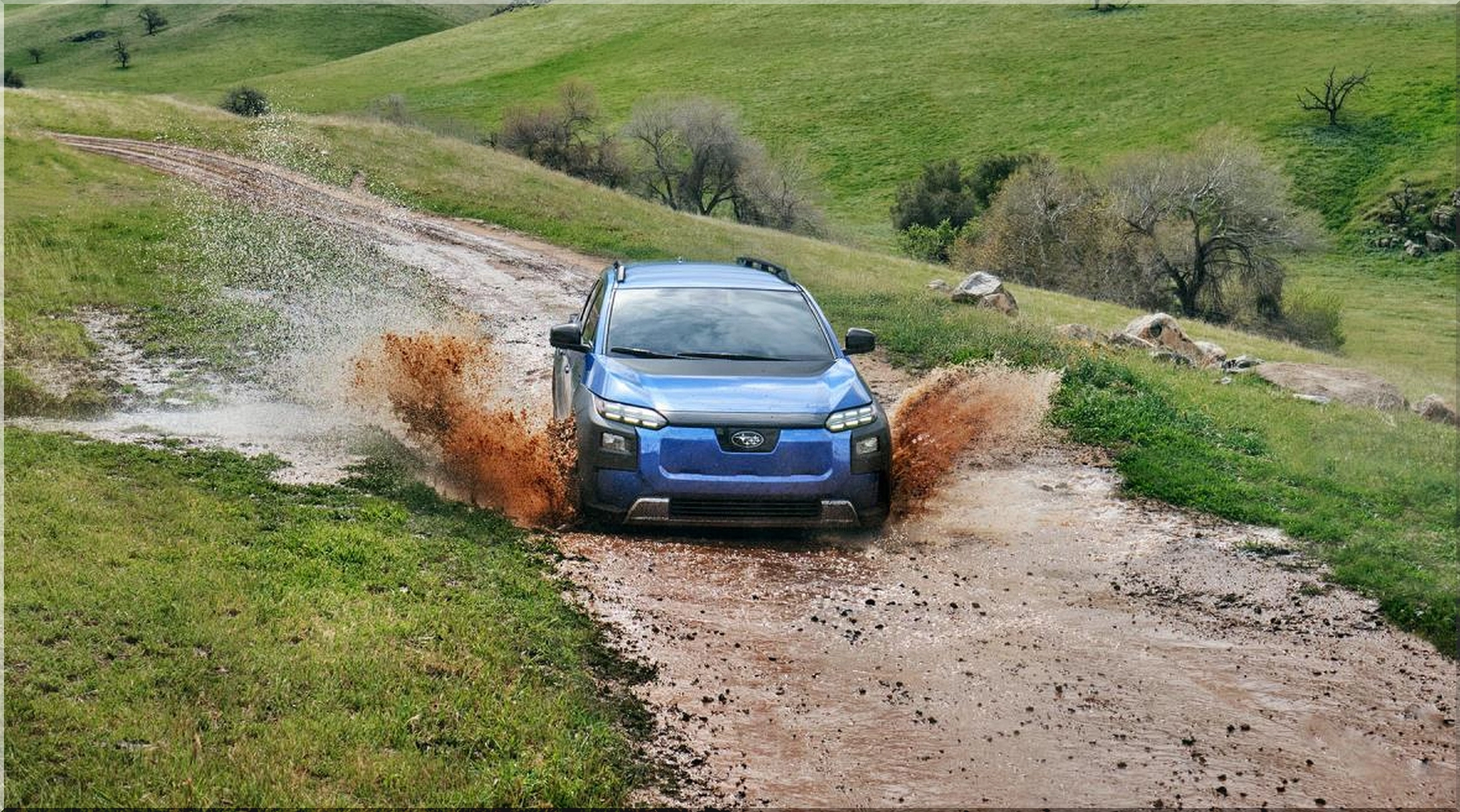
Both vehicles use electronic control, not locking differentials or a low-range transfer case, to find traction. X-MODE adjusts output and brake pressure, while Grip Control holds a steady crawl. The low battery reduces body roll, and pack cross-bracing raises chassis stiffness.
Image
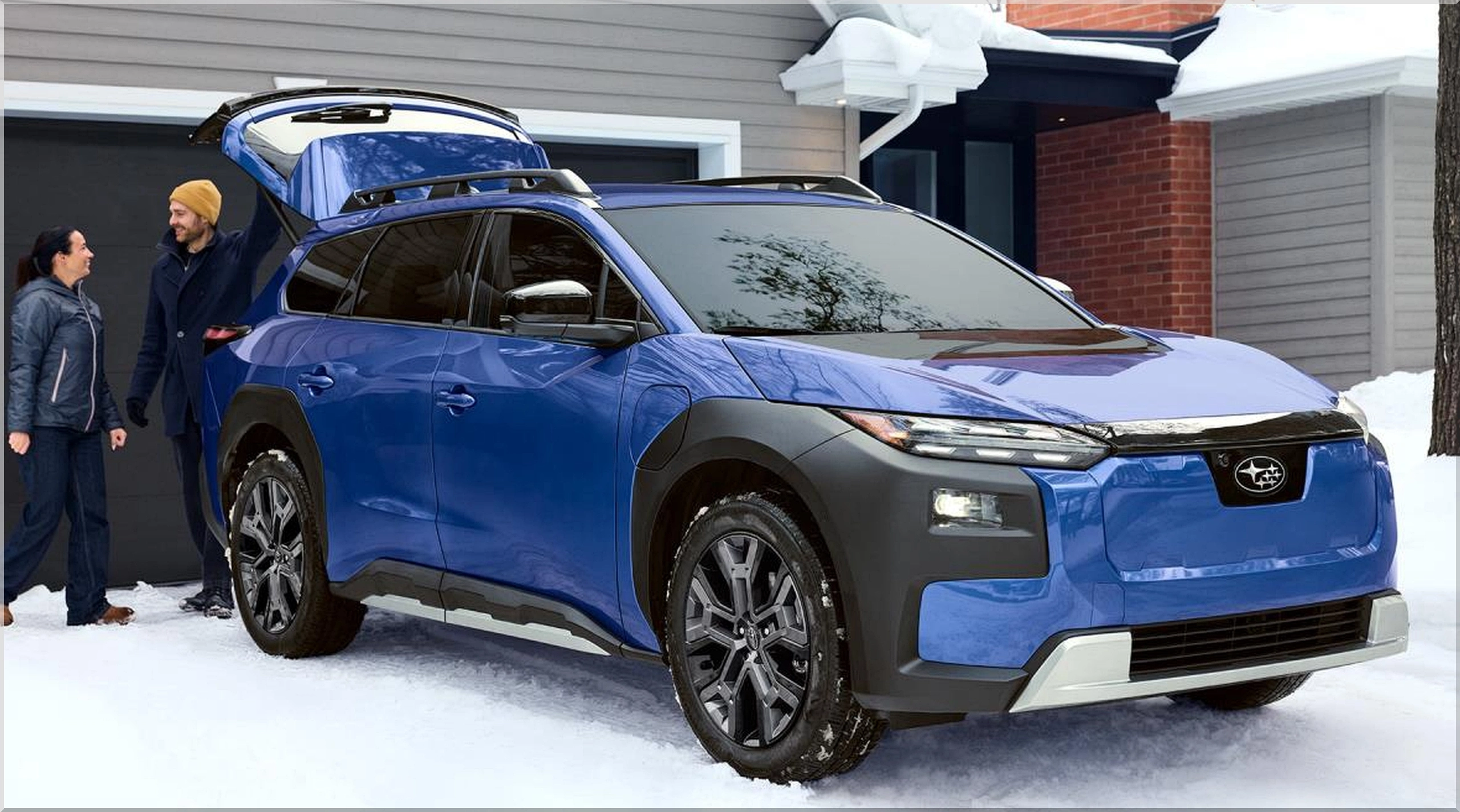
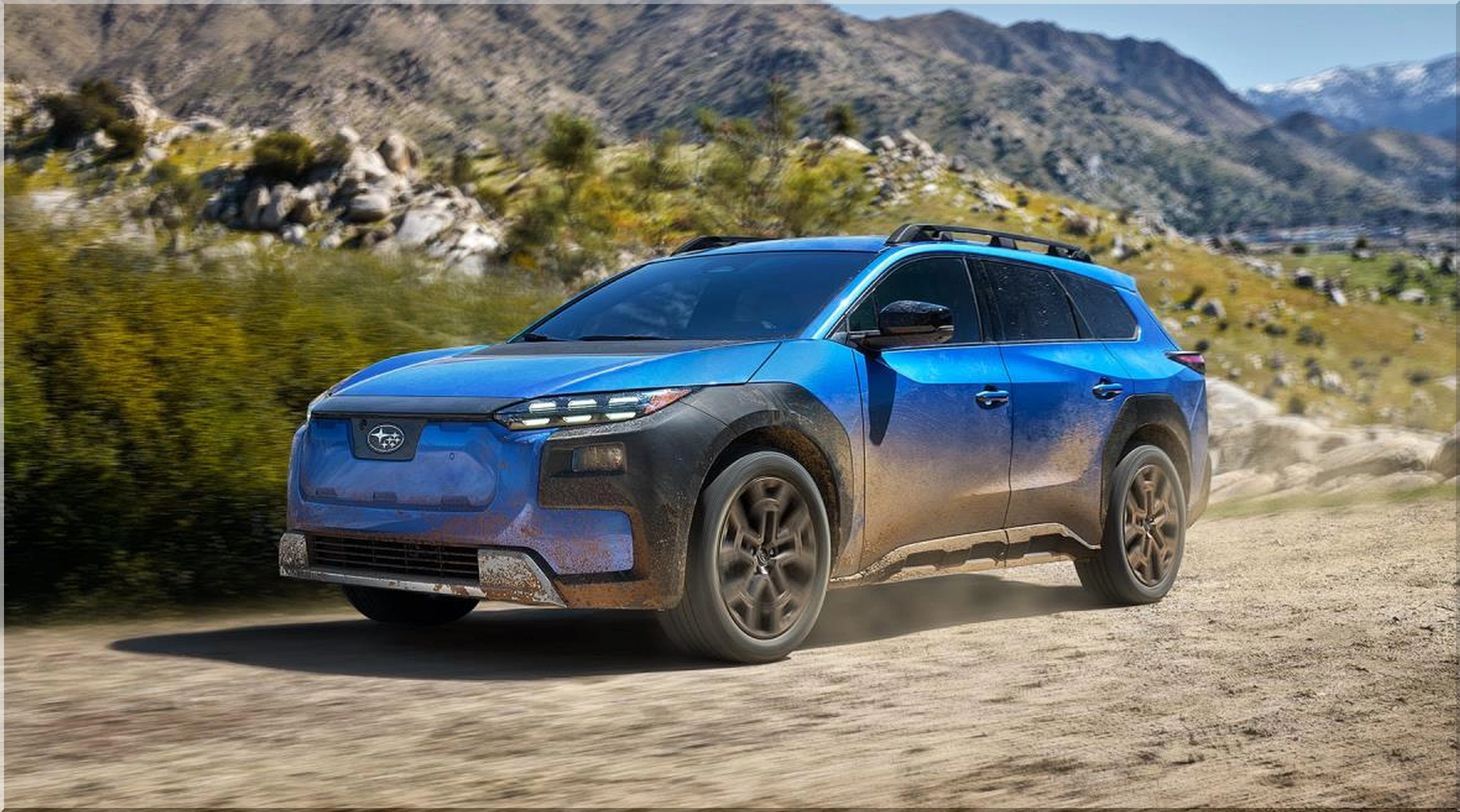
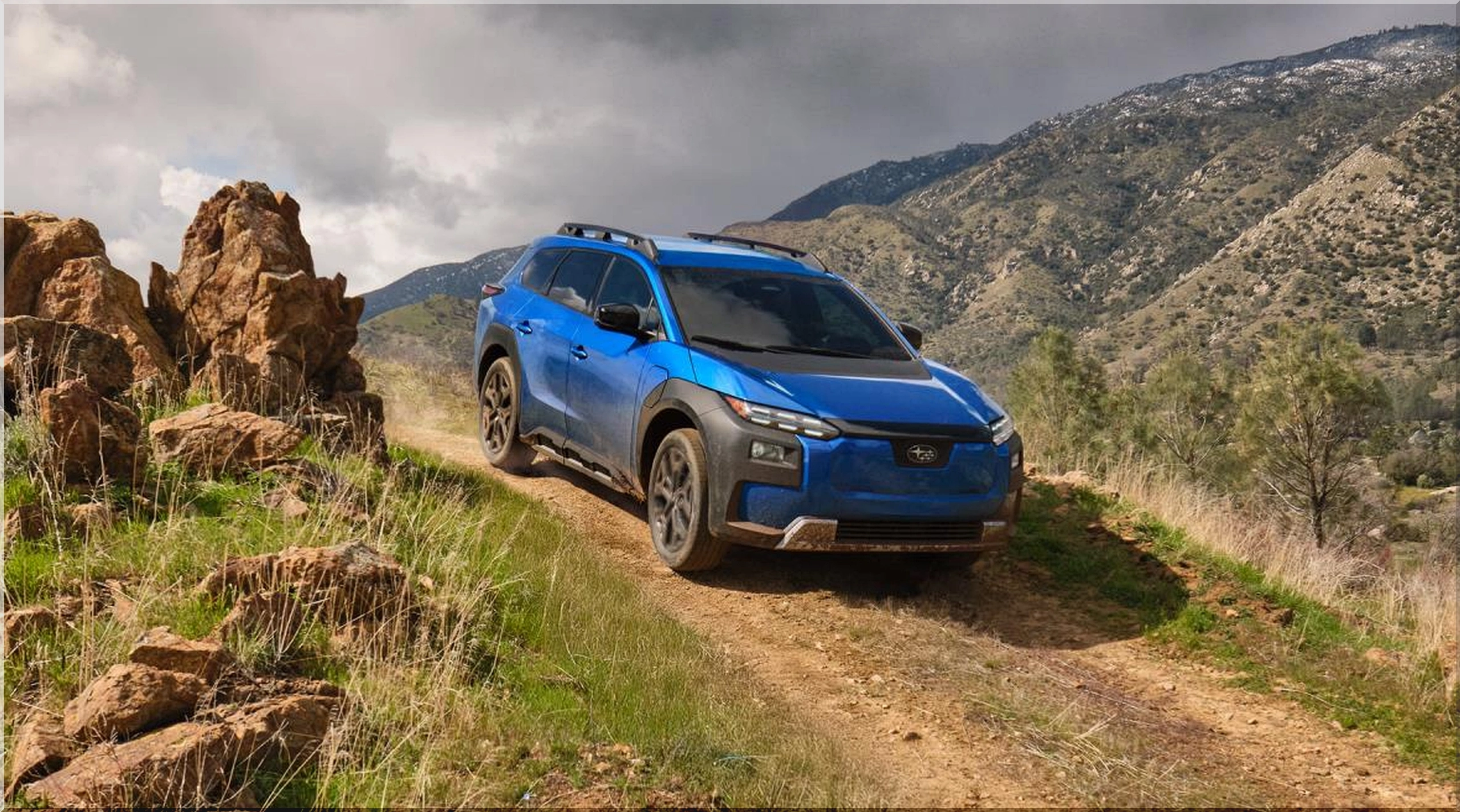
Subaru gives its system the clearer trail brief. Dual-mode X-MODE supplies Snow/Dirt and Deep Snow/Mud settings plus Downhill Assist. Acceleration sensors track load shifts, then vary propulsion and regenerative braking front to rear and left to right.
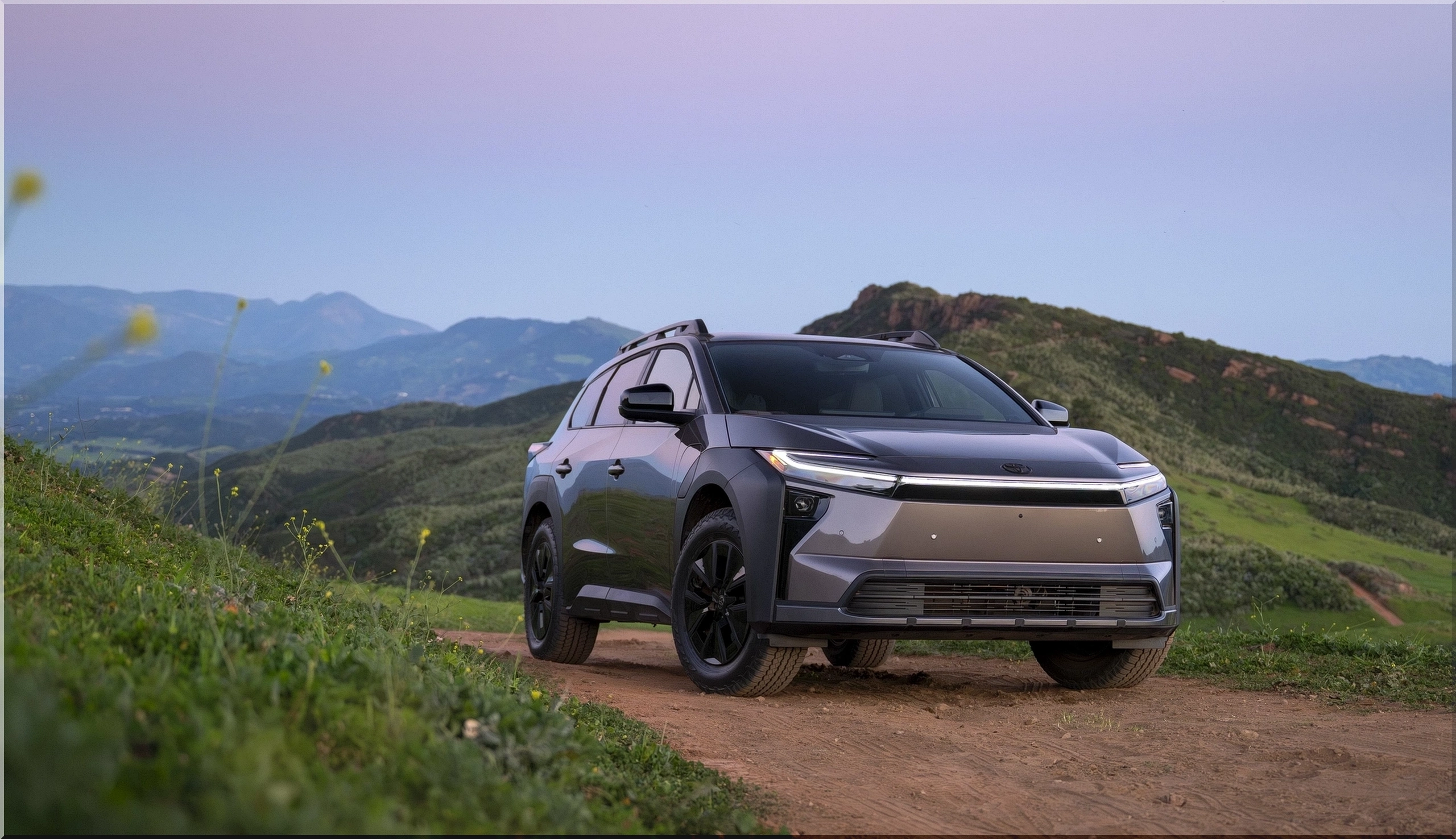
By comparison, Toyota gives both grades a Multi-Terrain Monitor and offers all-terrain tires. Those tires add loose-surface grip and stronger sidewalls but cost 21 rated miles. Toyota holds a practical edge for buyers who want a factory-backed dirt-road setup.
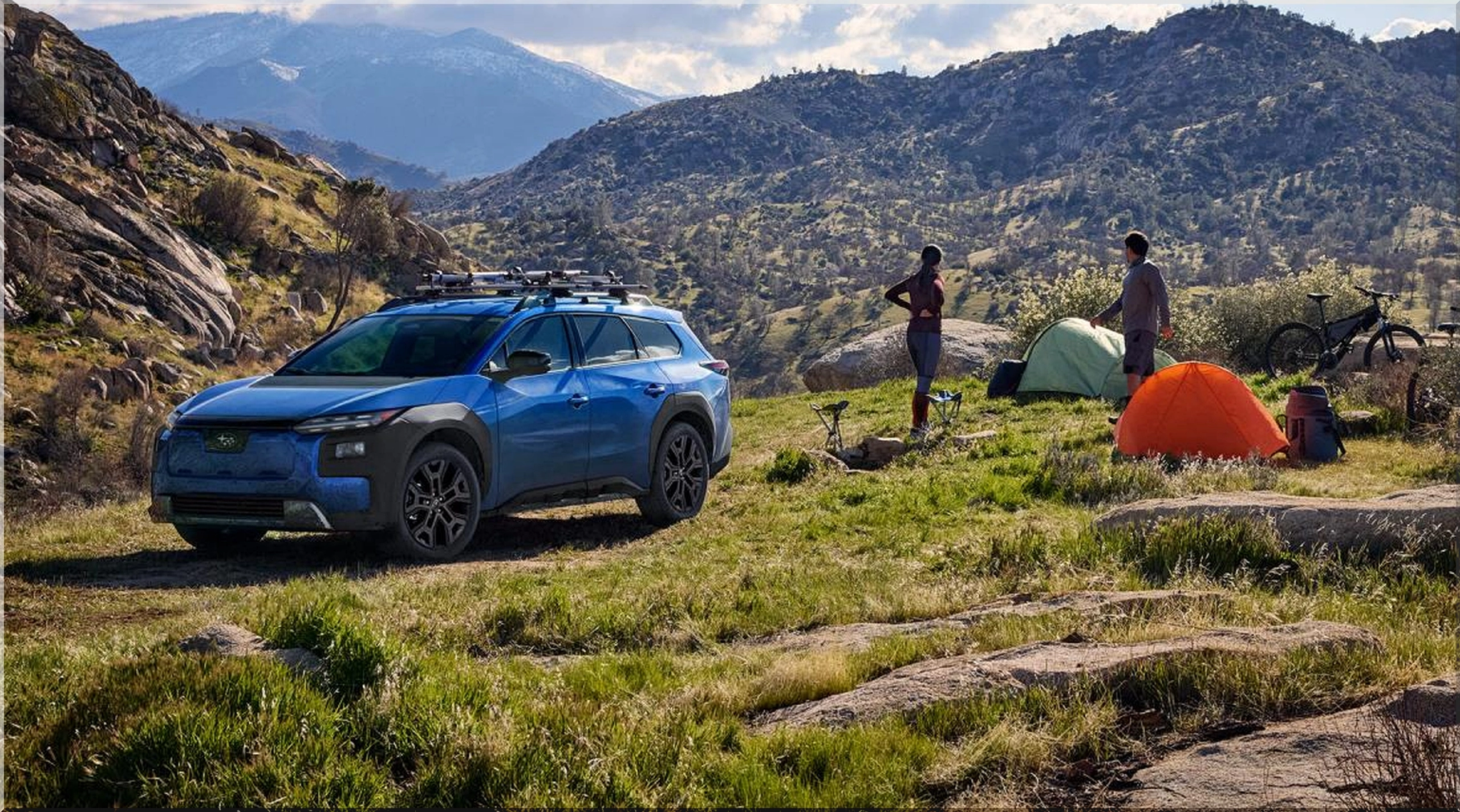
Ground clearance differs by 0.1 inch. Secondary U.S. data lists 17.8-degree approach and 21.2-degree departure angles for Toyota. Subaru's Canadian data lists 17.9 degrees for approach, 18.4 for breakover, and 20.4 for departure; its U.S. release omits them. Regional bumpers may alter those numbers, but both EVs suit snow, rutted tracks, campsites, and maintained forest roads rather than high-articulation rock work.
Passenger and Cargo Space: Call It a Draw
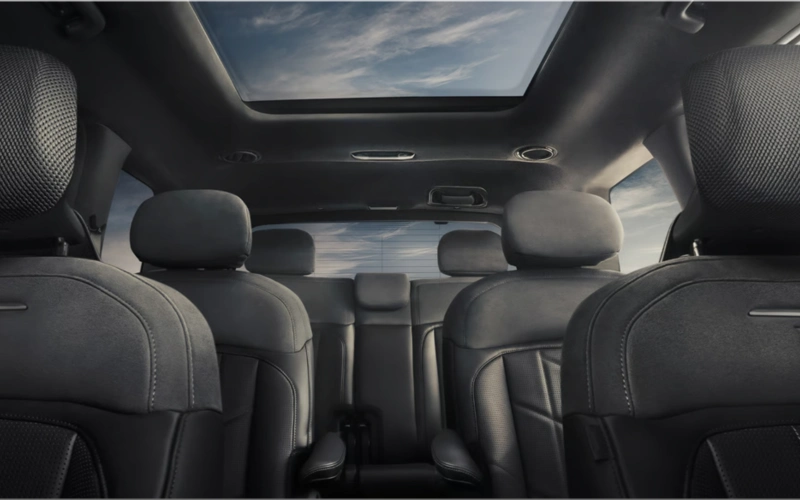
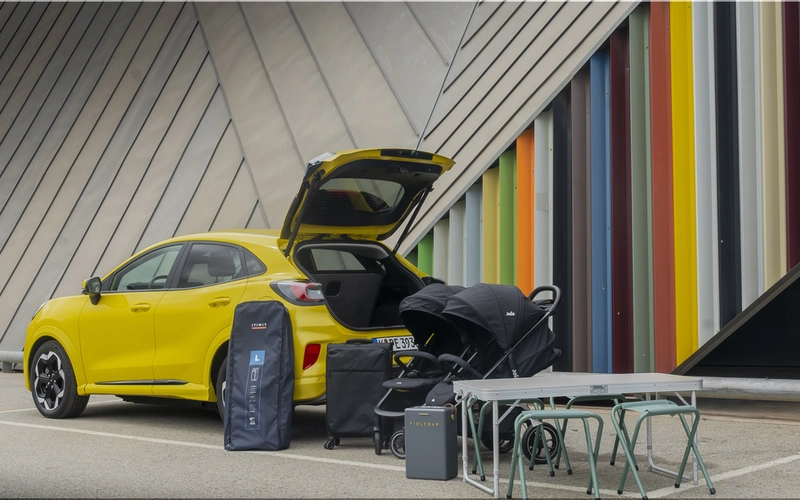
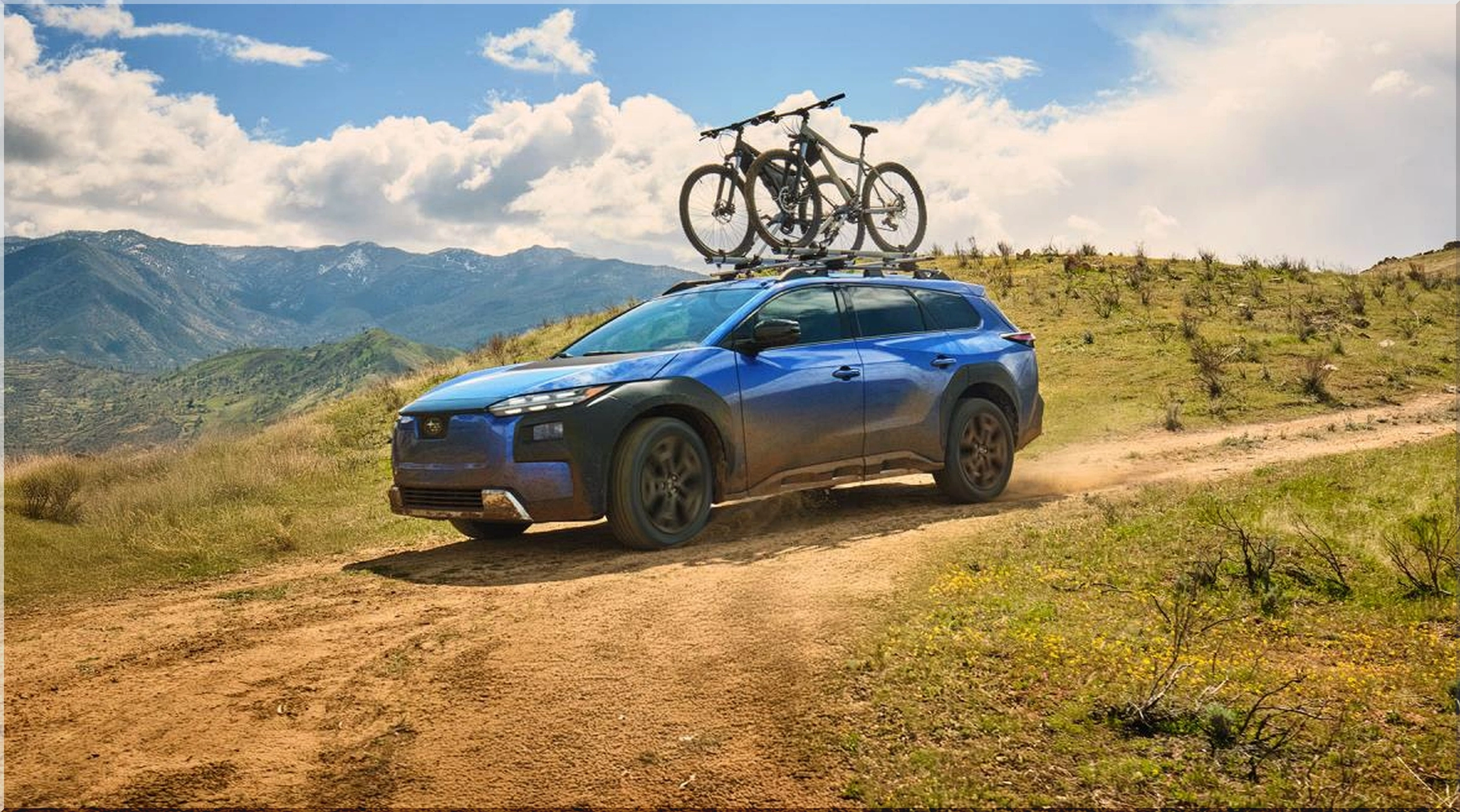
The common 2,850-mm wheelbase creates similar legroom and a flat rear floor. Toyota claims 74.3 cubic feet behind the front seats. Subaru lists 31.3 cubic feet behind the second row and a 700-pound static roof-rail rating. Neither vehicle provides a front trunk.
Independent data lists 72 cubic feet behind the front row for each, with 33 behind Toyota's second row and 30 behind Subaru's. Specifically, either EV carries camping gear for four, while Toyota may hold a small edge with the rear seat upright.
Toyota supplies heated outboard rear seats on its entry grade; Subaru adds them at Limited level.
Cabin Tech and Safety: Toyota Packs More Into Its Base Grade
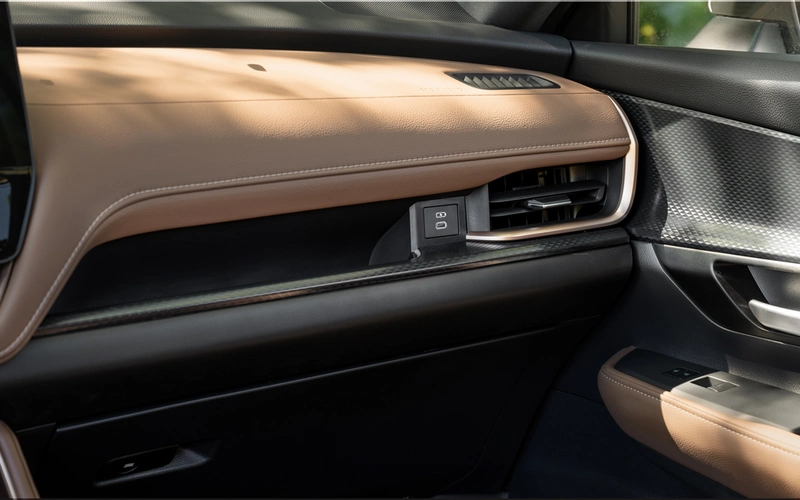
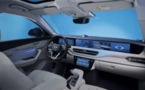
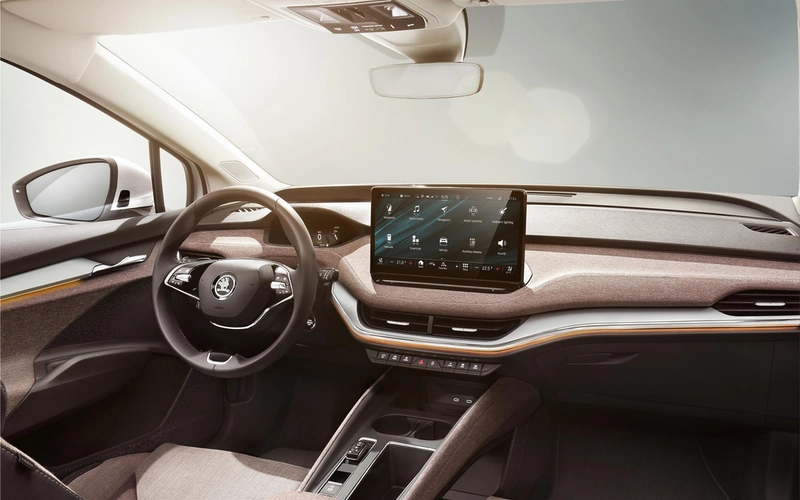
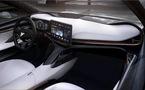
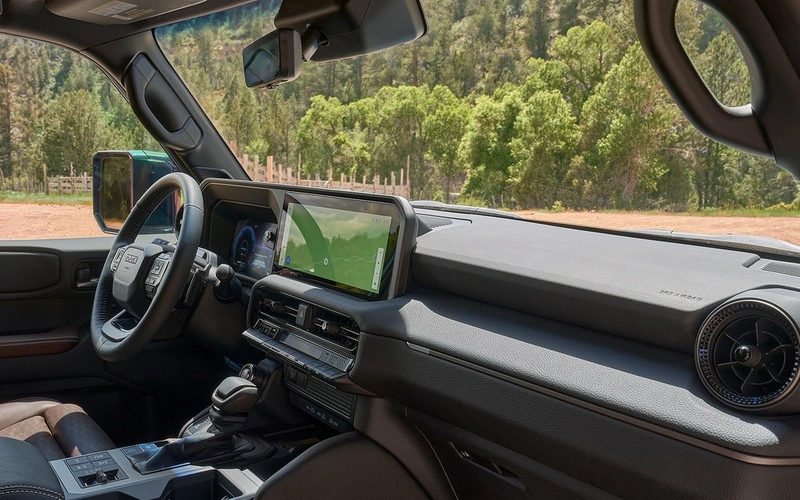
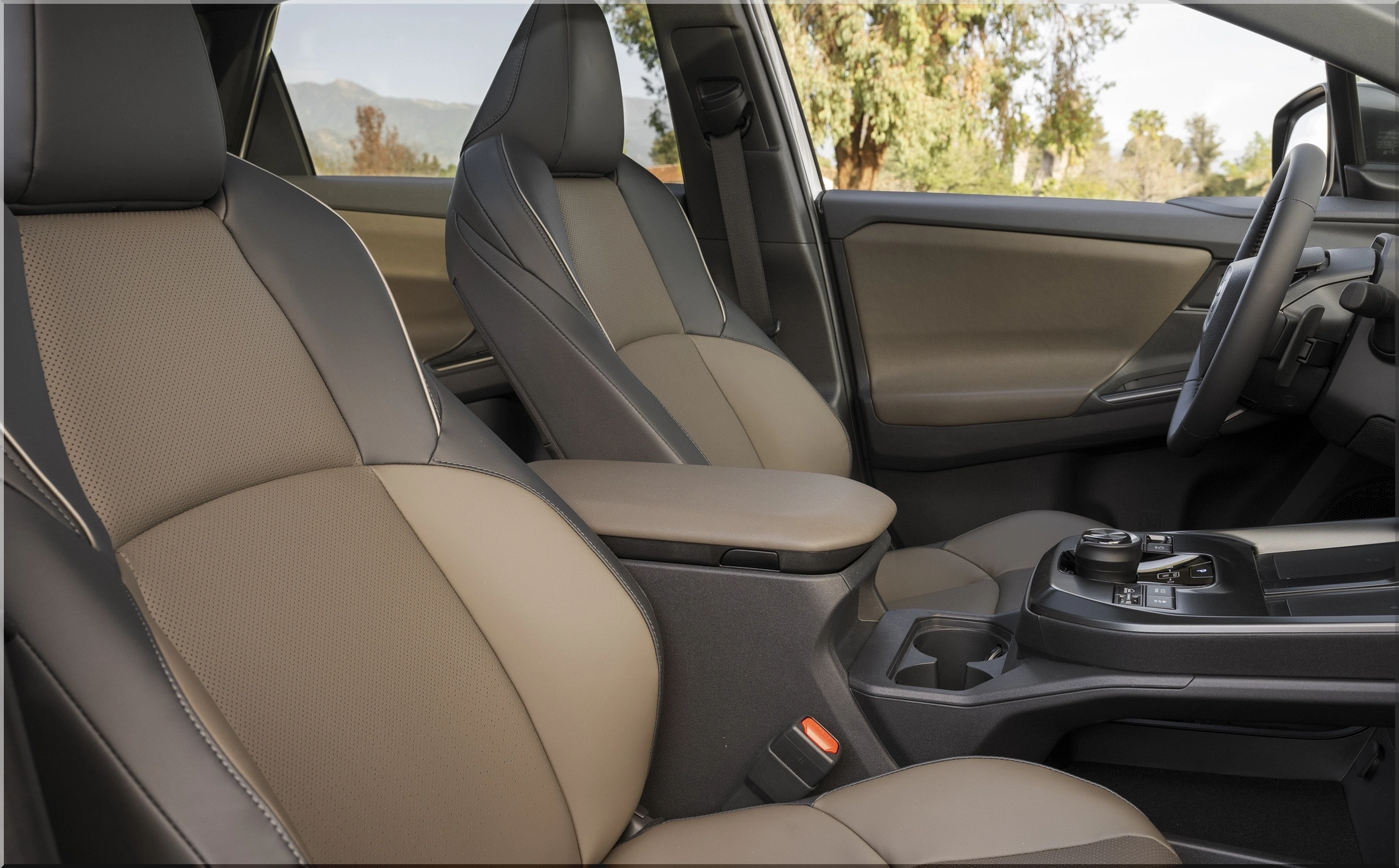
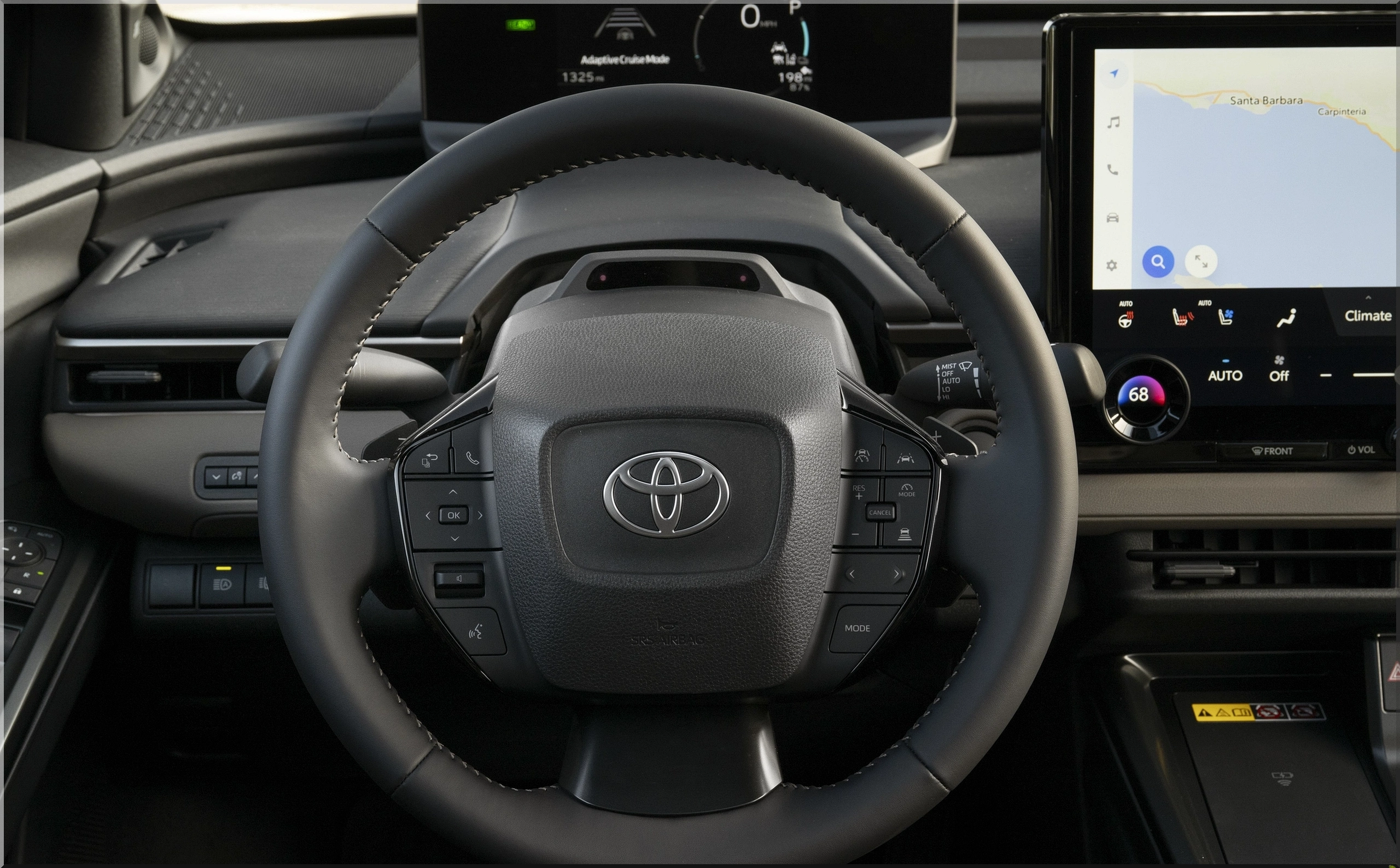
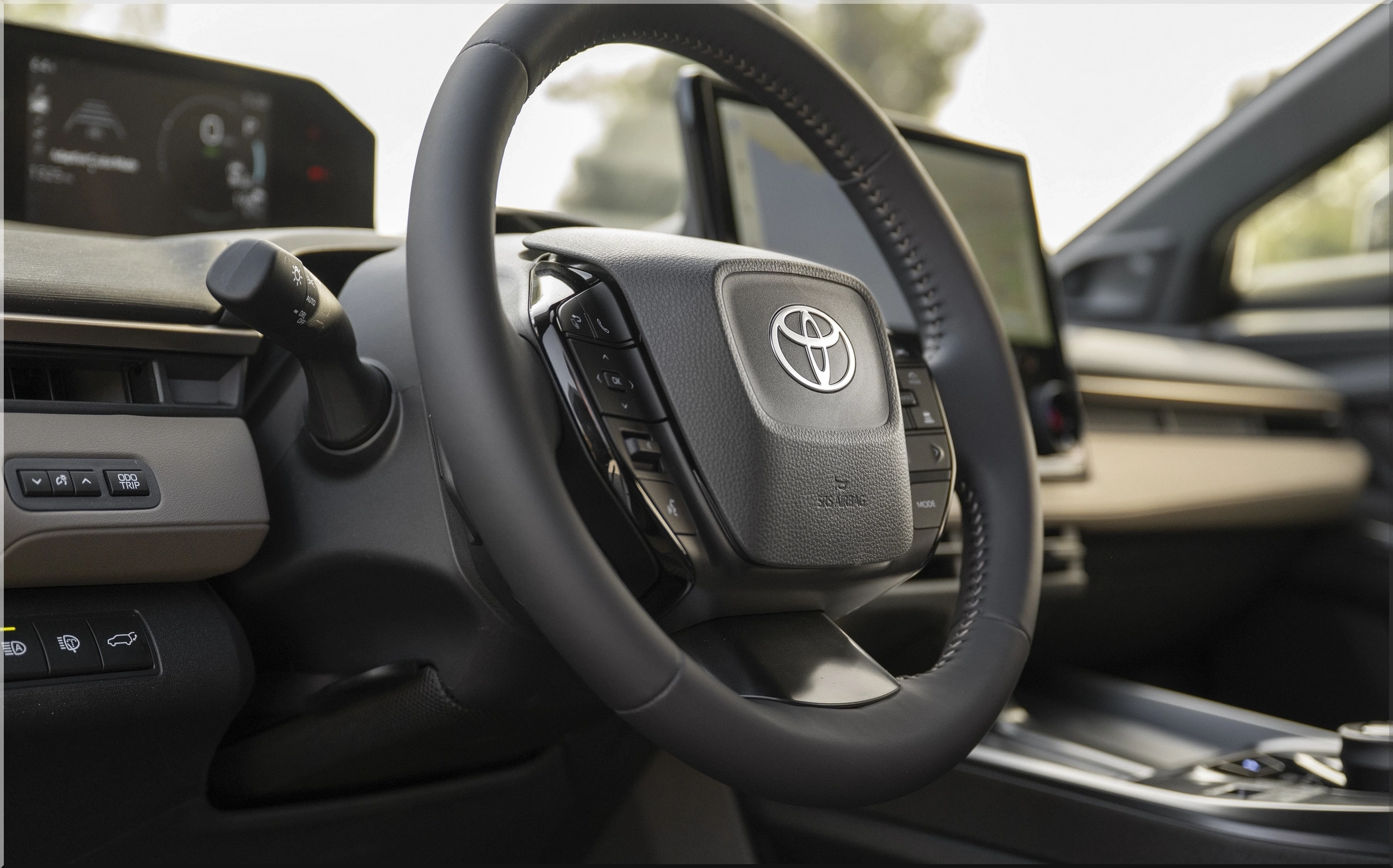
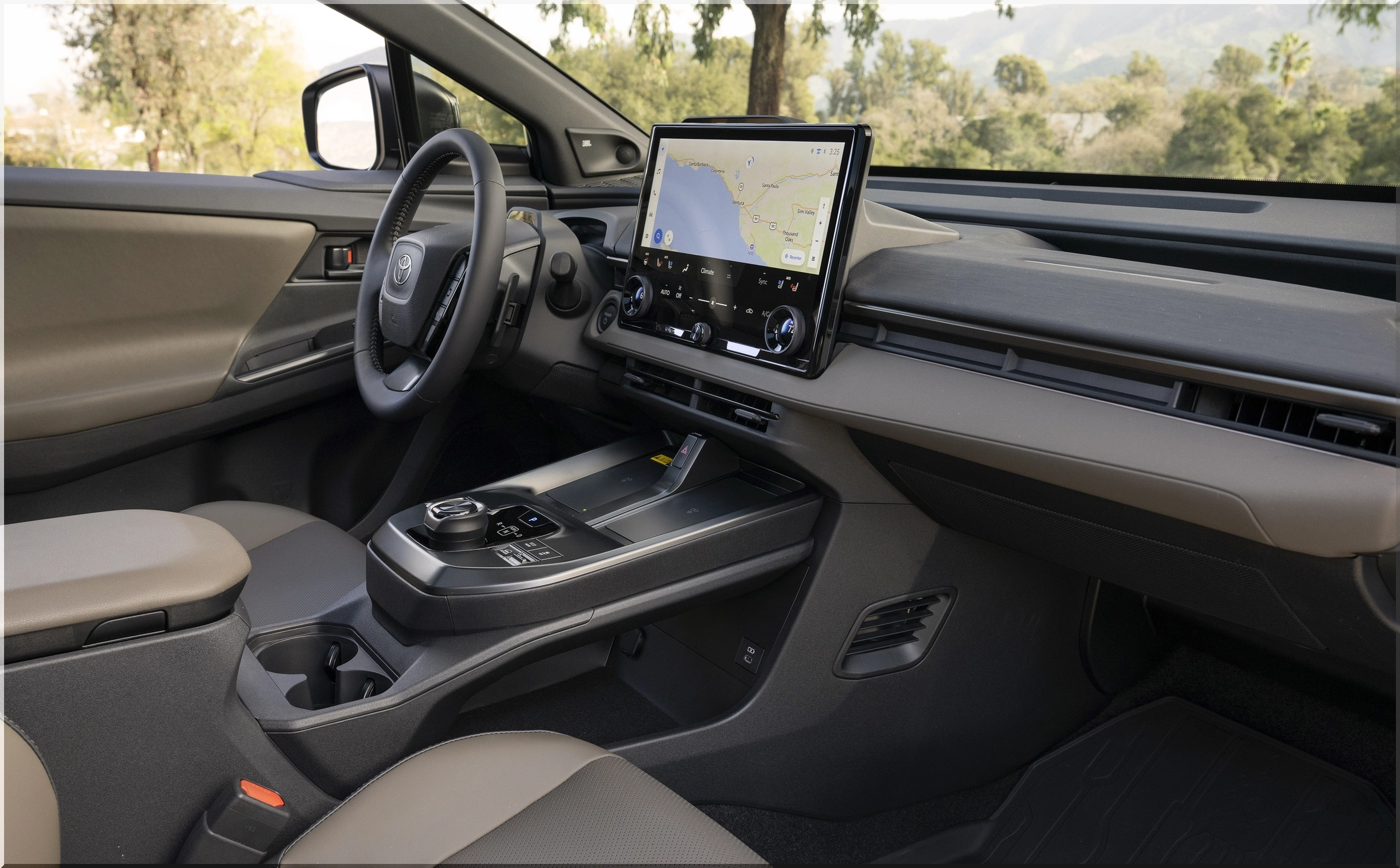
Each dashboard carries a 14-inch touchscreen, a 7-inch driver display, wireless Apple CarPlay and Android Auto, two wireless phone pads, and USB-C ports. The high driver screen sits above a small steering wheel, so seating position affects visibility.
Image
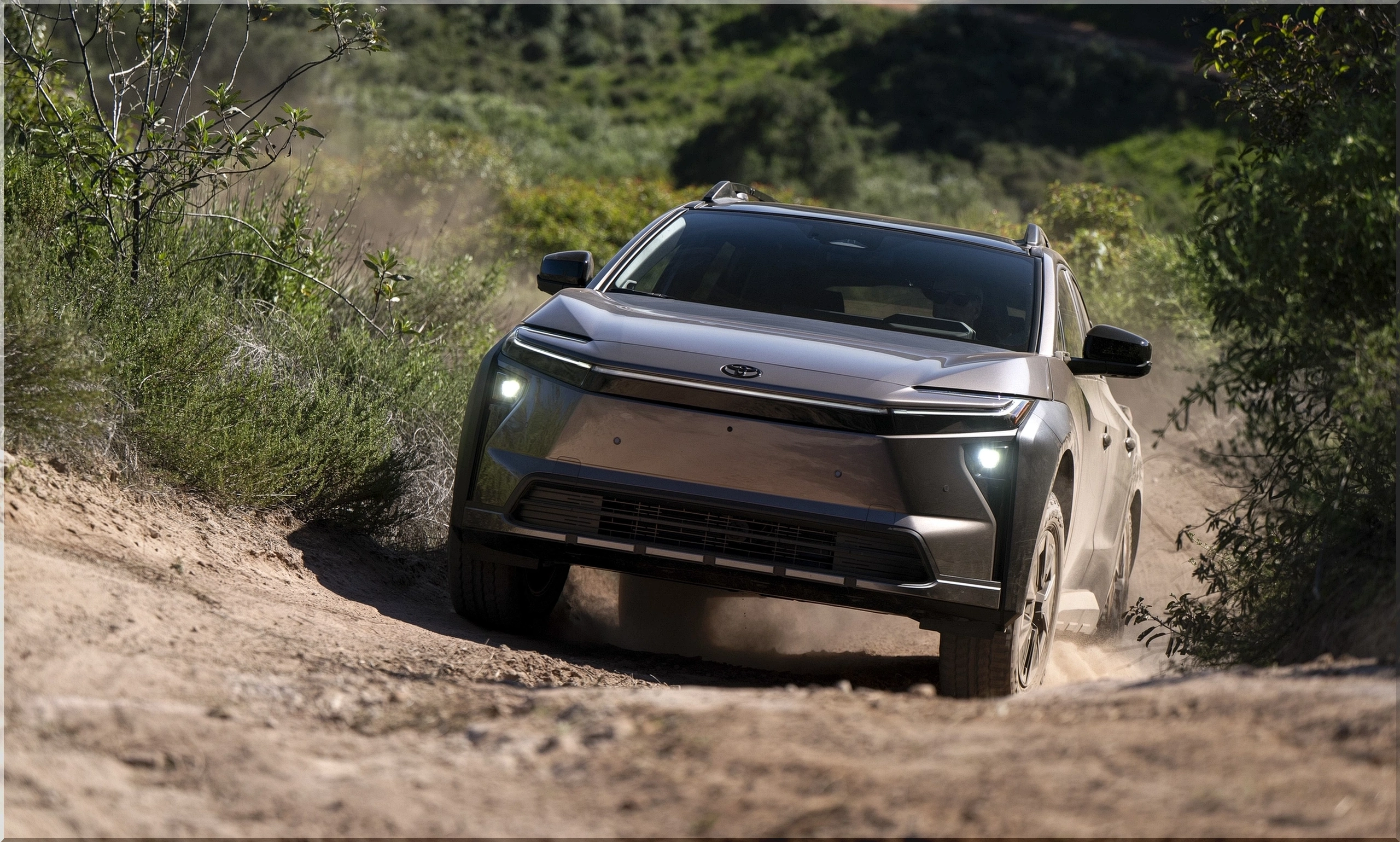
Toyota gives every bZ Woodland a 360-degree monitor, trail camera, dual-zone climate control, two eight-way power front seats, heated front and rear seats, a heated wheel, Digital Key, and a 1,500-watt outlet. Premium adds JBL audio, ventilated front seats, driver memory, a digital mirror, radiant leg heaters, and a fixed panoramic roof.
Subaru Premium includes heated front seats, a power liftgate, StarTex upholstery, driver monitoring, and EyeSight. Limited adds the panoramic camera, Harman Kardon audio, heated rear seats and wheel, Digital Key, a 120-volt outlet, and 20-inch wheels. Touring adds a panoramic roof, ventilated seats, radiant leg heaters, and optional leather.
Both safety suites cover emergency braking, adaptive cruise control, lane centering, blind-spot monitoring, and rear cross-traffic alert. Subaru adds standard front cross-traffic alert and emergency steering. Toyota counters with parking assist with braking, Safe Exit Alert, and a surround-view trail camera.
2027 Pricing: Subaru Keeps the Advantage at Every Level
The table adds each standard destination charge. State fees, paint, accessories, taxes, and dealer charges can raise the final number.
| Model and trim | Base MSRP | Destination | Delivered MSRP | Rated range | Key equipment position |
|---|---|---|---|---|---|
| Toyota bZ Woodland AWD | $45,380 | $1,595 | $46,975 | 281 mi | 18-in wheels, heated rear seats, 360 camera, 1,500W outlet |
| Toyota bZ Woodland Premium AWD | $47,480 | $1,595 | $49,075 | 281 mi | JBL audio, glass roof, ventilated seats, digital mirror |
| Subaru Trailseeker Premium | $39,995 | $1,475 | $41,470 | 281 mi | 18-in wheels, heated front seats, power liftgate |
| Subaru Trailseeker Limited | $43,995 | $1,475 | $45,470 | 274 mi | 20-in wheels, premium audio, heated rear seats, 360 camera |
| Subaru Trailseeker Touring | $46,555 | $1,475 | $48,030 | 274 mi | Glass roof, ventilated seats, radiant leg heat |
The base-to-base difference reaches $5,505. At a hypothetical 6% annual rate over 60 months, that gap adds about $106 per month and roughly $6,386 in total payments. Toyota's one-year or 10,000-mile maintenance plan will not offset it.
Subaru Limited costs $1,505 less than the base Toyota and adds premium audio plus a hands-free liftgate, though 20-inch wheels reduce range by seven miles. Toyota answers with 18-inch wheels, 281 miles, two power front seats, and optional all-terrain tires.
U.S. buyers purchased 1,077 Trailseekers in July 2026, versus 138 Solterras and 359 Uncharteds. Subaru recorded 3,513 Trailseeker sales through July.
Pro-Tips for Choosing the Right Twin
- Compare delivered quotes. Ask each dealer for a written out-the-door figure with destination, documentation, accessories, taxes, and finance terms separated.
- Drive matching tires. An 18-inch all-season Toyota and a 20-inch Subaru will differ in ride, noise, steering response, efficiency, and pothole resistance.
- Test your charging routine. Enter a distant address, locate a NACS station, start preconditioning, and inspect any subscription prompt.
- Load your actual gear. Bring a stroller, dog crate, bicycle, or sleeping pad. The absent front trunk may affect your use more than a cubic-foot figure.
- Price insurance before choosing the 375-hp EV. Repair costs, glass roofs, cameras, and wheel size can shift annual ownership expense.
Final Verdict: The Trailseeker Wins, but Toyota Has a Niche
The 2027 Subaru Trailseeker wins because it charges far less for the same core engineering. Premium delivers 375 hp, 281 miles, dual-mode X-MODE, and NACS charging for $41,470 after destination.
The 2027 Toyota bZ Woodland suits buyers who want rear-seat heat, a standard trail camera, a 1,500-watt outlet, and factory all-terrain tires in one entry configuration.
Start with the Subaru Premium. Move to Limited if heated rear seats and a surround-view camera rank high. Pick Toyota if its extra equipment, local service access, or a dealer incentive cuts the gap. Same battery. Same speed. Subaru leaves more money for the gear on the roof.
Image Gallery
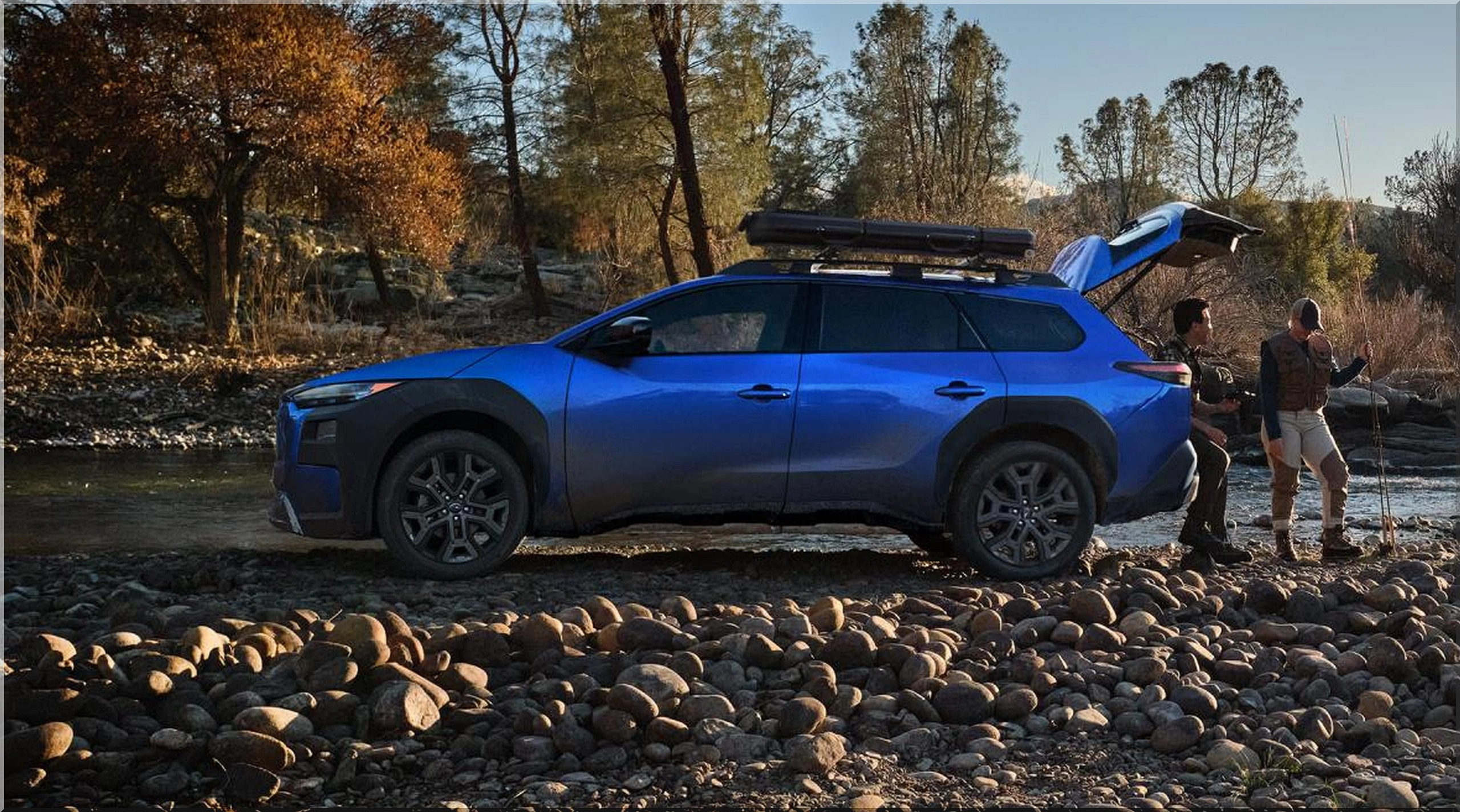
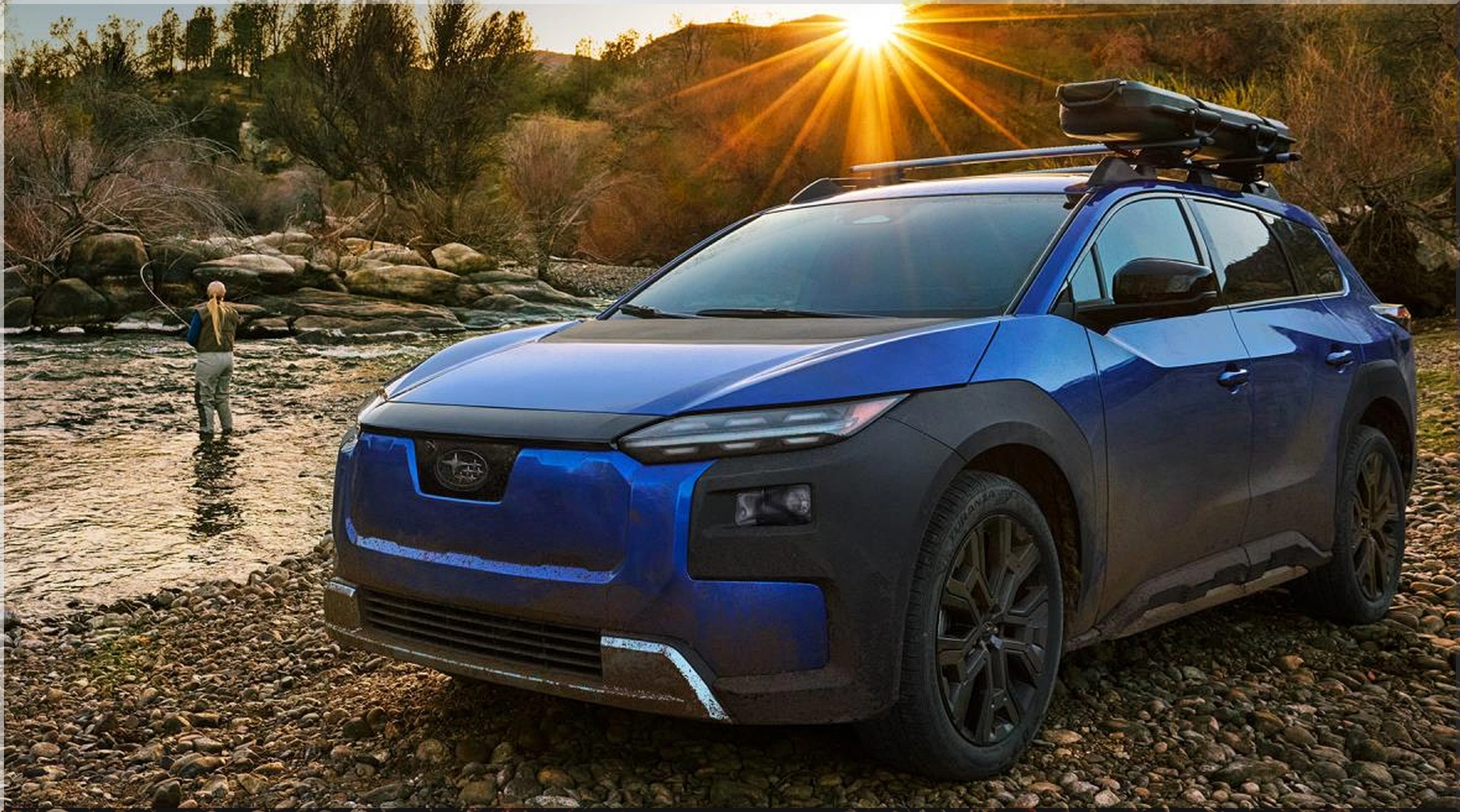
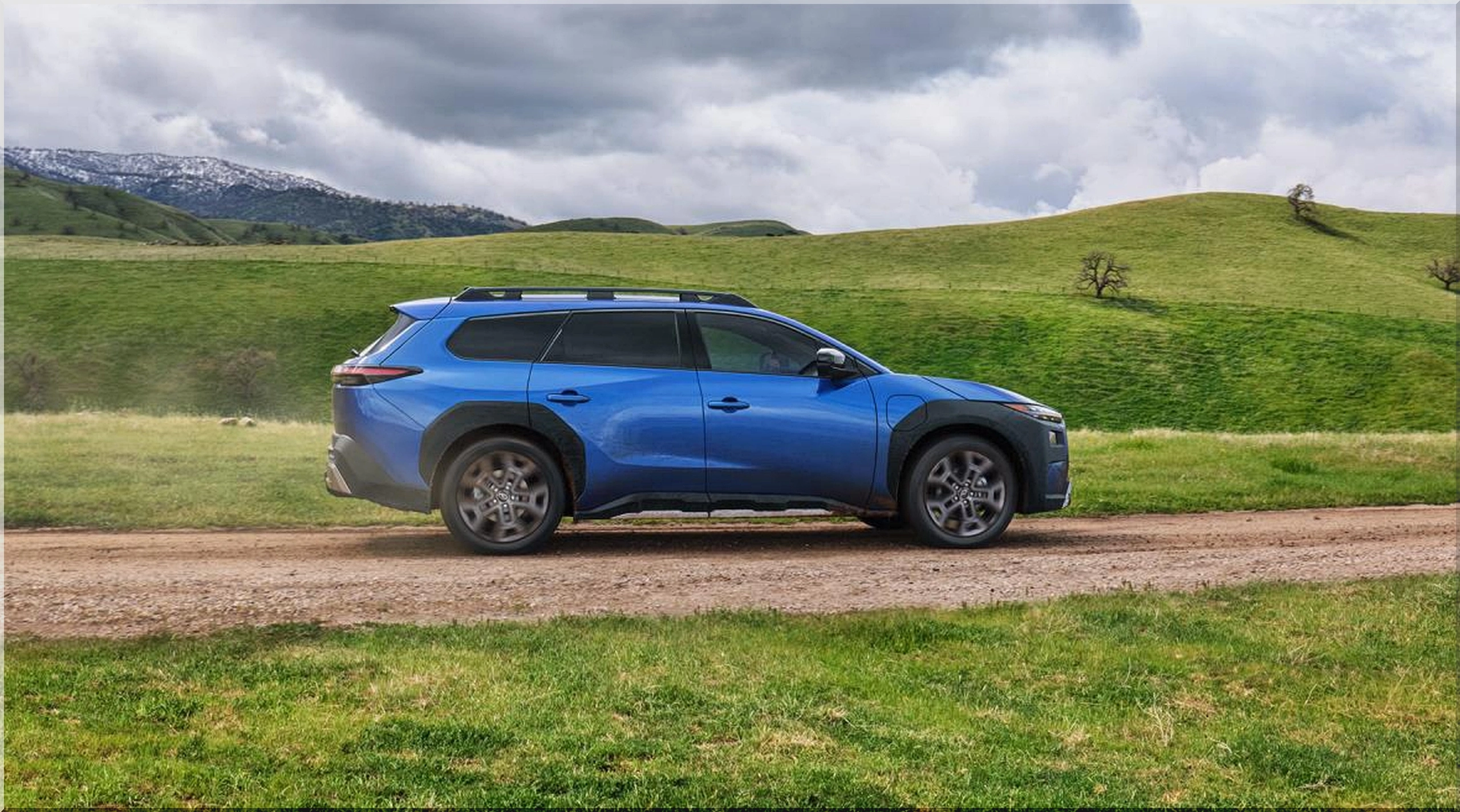
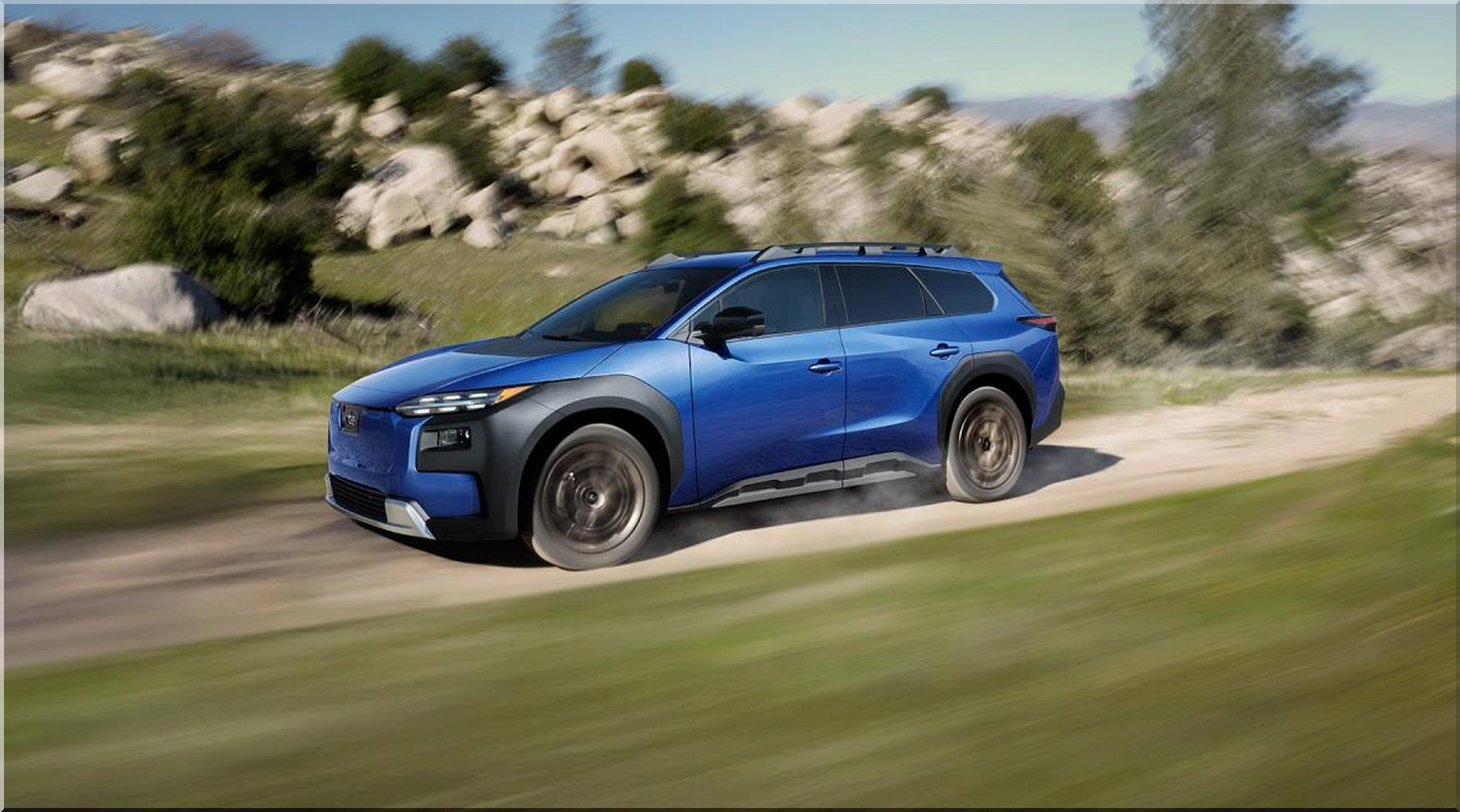
- Add new comment
- 82 views