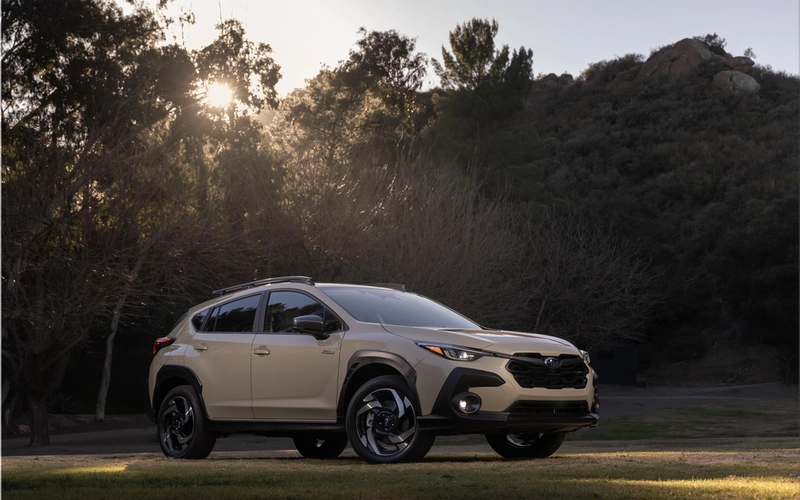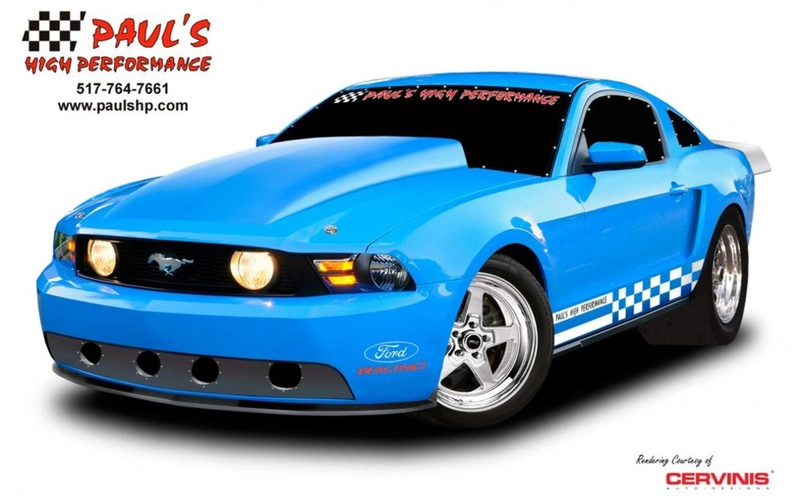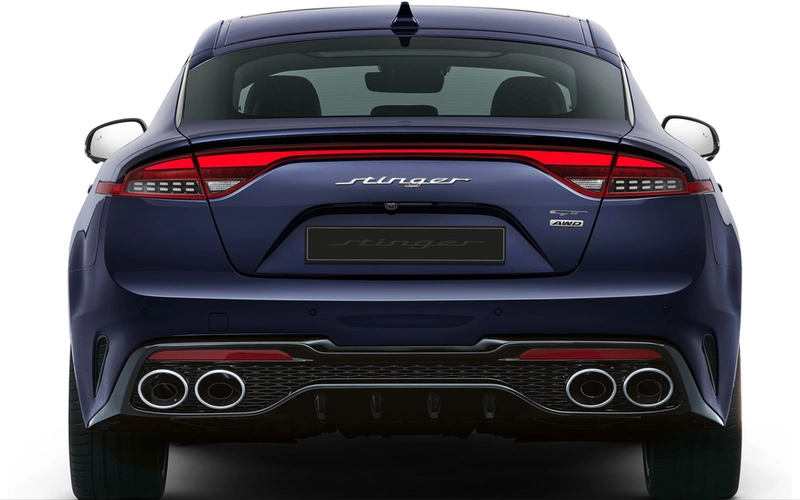
Walk through any car park today and you’ll notice something interesting: even ordinary hatchbacks now look sharper, lower and more purposeful than performance cars did twenty years ago. Deep bumpers, angular lines, dark lower trim and wide grilles appear everywhere — not just on sports models, but on small crossovers and daily commuters.
At first glance, it feels like a stylistic trend. A marketing decision. A way to make practical cars look exciting.
But the truth is more technical than aesthetic.
Modern car design changed because the job of a car changed.
Cars Are Designed Around Air Now
Historically, automotive shape was driven mostly by packaging: where to fit the engine, passengers and cooling system. Aerodynamics mattered mainly at high speeds and was usually a concern for performance models.
Today, engineers design vehicles around four invisible forces:
- emissions regulations
- pedestrian safety laws
- high-speed stability
- aerodynamic efficiency
Air resistance is no longer just about top speed — it directly affects fuel economy, electric range and even interior noise levels.
Electric vehicles accelerated this shift dramatically. When 5% more drag can remove dozens of miles from range, airflow becomes a core engineering priority rather than a finishing detail. The entire car must guide air cleanly from front to rear.
And most of that work happens low down — below the beltline — exactly where modern cars now look more aggressive.
The Job of the Lower Bumper
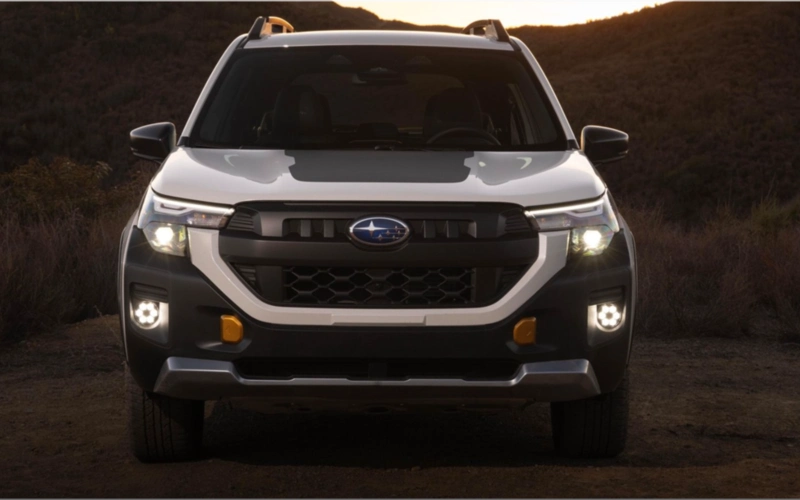
Look closely at the lowest edge of a modern front bumper.
The sharp horizontal line isn’t decorative.
It controls pressure.
As a vehicle moves forward, air builds underneath the car. This creates lift — effectively reducing tyre grip. Even at motorway speeds, lift affects steering stability and braking consistency.
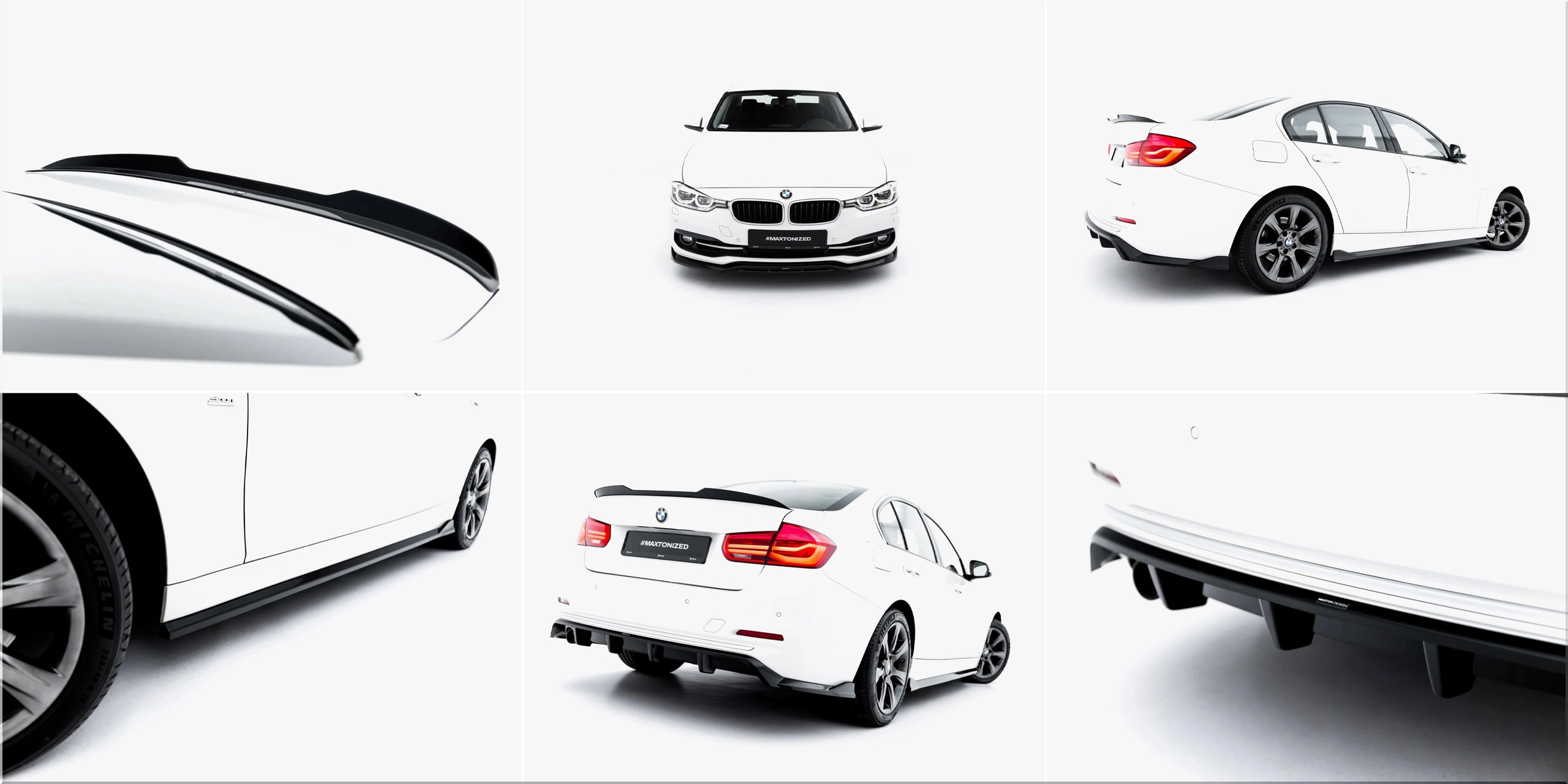
A front lip limits how much air flows under the chassis. Less air underneath means more downward force on the front axle and calmer steering corrections.
Side extensions continue the job by guiding air along the vehicle instead of allowing it to spill into the rotating front wheels, which are one of the largest sources of turbulence on any car.
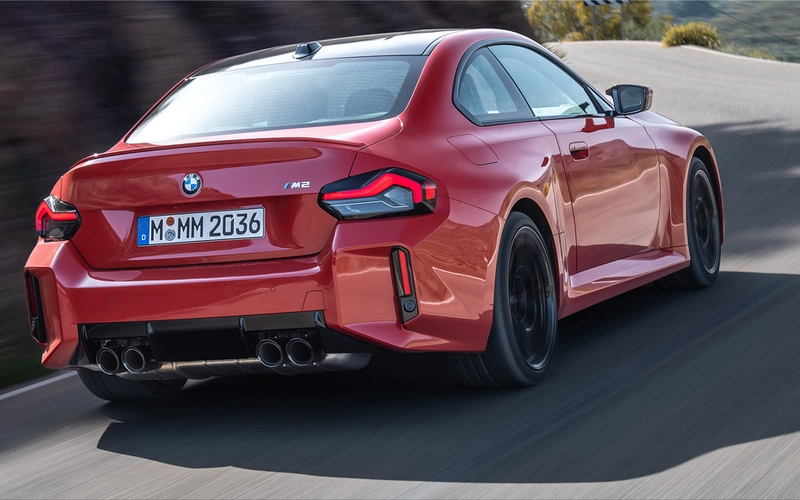
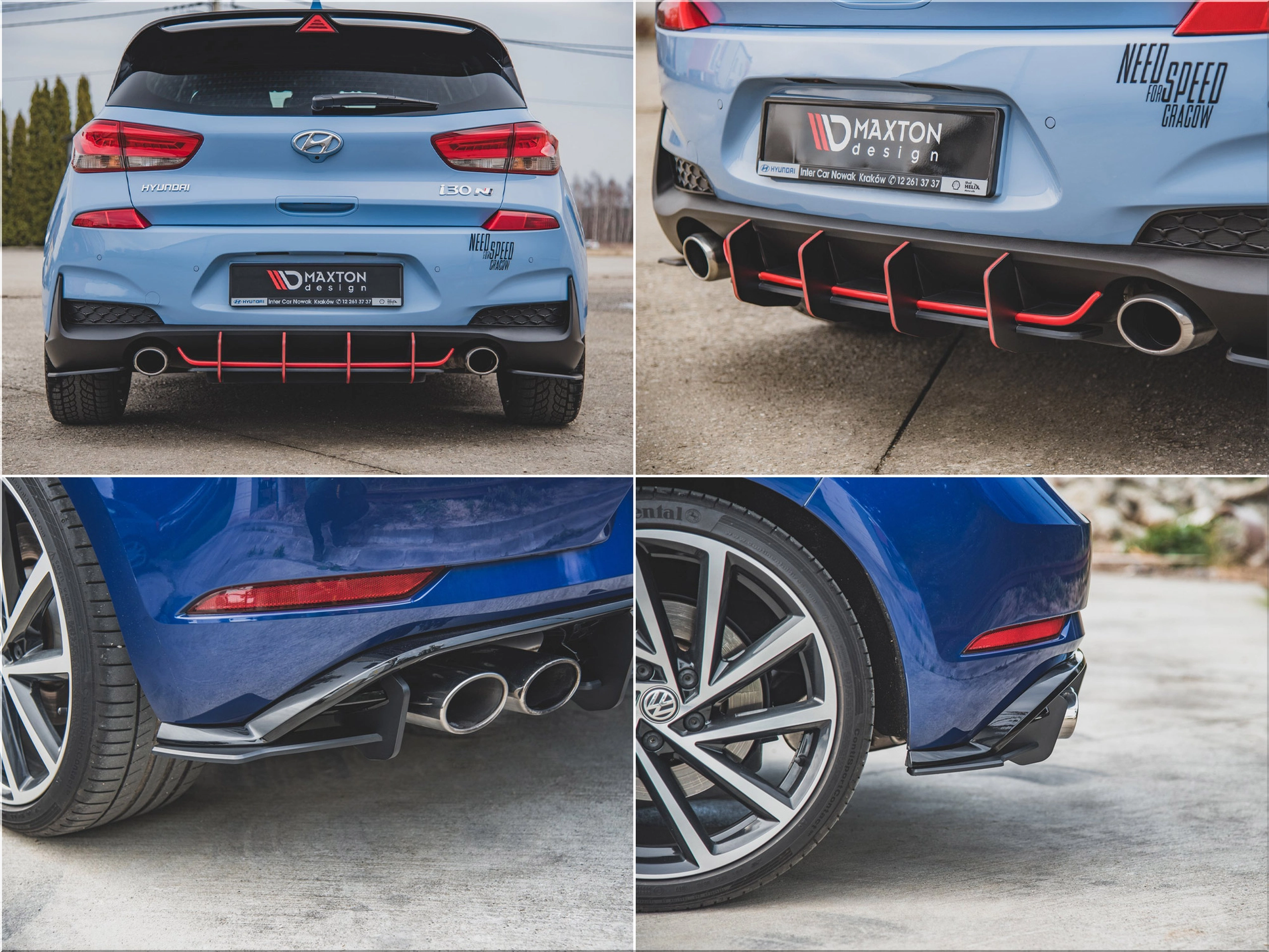
At the rear, shaped lower sections — often called diffusers — help air exit smoothly rather than detach chaotically behind the bumper. This reduces drag and improves straight-line stability.
These elements now contribute to everyday driving qualities:
- more stable lane holding at speed
- quieter airflow around mirrors and pillars
- improved braking feel
- reduced sensitivity to crosswinds
They are not racing parts anymore. They are efficiency components.
Why Everyday Cars Borrowed Motorsport Language
Manufacturers rarely describe it this way in brochures, but modern design quietly adopted motorsport solutions because regulations demanded similar outcomes.
To reduce emissions, engineers had to reduce drag.
To reduce drag, they had to control airflow.
Once airflow had to be controlled, shapes became visible.
Instead of hiding aerodynamic features, designers began emphasising them — turning functional edges into visual character. That is why modern vehicles appear more assertive even when performance remains modest.
In reality, the styling followed engineering, not the other way around.
The Factory Compromise
Production cars, however, must work in every environment:
- steep driveways
- winter roads
- insurance categories
- pedestrian impact standards
- manufacturing tolerances
- global markets with different regulations
As a result, manufacturers rarely push aerodynamic elements as far as the platform allows. The shape must function universally, not optimally.
This is particularly noticeable in entry trims. Many cars share the same body shell across multiple versions, but only higher specifications receive the lower aerodynamic elements that visually and functionally complete the design.
That’s one reason drivers explore car styling upgrades — not necessarily to make a car look like a race car, but to restore proportions the original platform supports but the base model omits.
Often, the sport model and standard model differ far less in structure than in airflow management around the lower edges.
Why Drivers Modify Appearance Before Power
Enthusiasts often upgrade visual balance before increasing engine output.
This behaviour is surprisingly rational.
Drivers perceive stability before they perceive speed.
A planted stance changes confidence: the steering feels calmer, the car tracks straighter and minor corrections become unnecessary. The vehicle feels settled, even at normal road speeds.
What appears cosmetic frequently alters airflow behaviour, and airflow behaviour alters driver perception.
In other words, small aerodynamic changes affect how predictable a car feels, not just how fast it goes.
Electric Cars Will Make Aero Visible
As electric vehicles become mainstream, aerodynamic design will only become more pronounced. Without engine noise masking airflow, turbulence becomes noticeable. Without fuel consumption hiding inefficiency, drag becomes measurable in daily range.
We already see:
- smoother wheel designs
- closed grilles
- shaped underbodies
The next step is more controlled airflow around the lower perimeter of the vehicle — the same area performance cars refined decades ago.
The visual language of performance is gradually becoming the language of efficiency.
Design Is Now Physics You Can See
Modern cars look aggressive not because designers want every driver to feel like a racing driver, but because air resistance became a primary engineering constraint.
What once belonged to track cars migrated to road cars through regulation, not fashion.
The sharp edges, deeper bumpers and sculpted lower sections are simply visible solutions to invisible problems. And as efficiency continues to define automotive engineering, those solutions will only become more obvious.
The sporty look isn’t a trend.
It’s airflow made visible.
- Add new comment
- 341 views