2011 Mazda2 Brings Smart Size, Sharp Design, and Real Driving Appeal to North America
Meta Title: 2011 Mazda2 North America Launch: Fuel-Efficient Subcompact Hatchback
Meta Description: The 2011 Mazda2 enters North America as a stylish, efficient five-door hatchback with award-winning global roots, compact dimensions, and Mazda's driver-focused engineering.
SEO Slug: 2011-mazda2-subcompact-hatchback-north-america
Semantic Tags: 2011 Mazda2, Mazda2 hatchback, subcompact hatchback, B-car segment, fuel-efficient small car, five-door hatchback, Mazda small car, compact city car
A Small Car With a Big Job
The 2011 Mazda2 arrives at a moment when the small car is no longer a consolation prize. In 2009, buyers are watching fuel costs, household budgets, and the daily grind of crowded roads with fresh attention. A compact car must do more than sip fuel. It must feel useful, safe, stylish, and worth owning.
Mazda's new five-door subcompact hatchback enters North America with that assignment clearly in view. It promises the practical virtues buyers expect from a fuel-efficient small car, but it adds something often missing from the class: a sense of personality.
The Mazda2 does not try to look large. It does not pretend to be a shrunken family sedan. It embraces its scale and turns compactness into an advantage.
That makes it interesting.
Mazda2 Enters North America With Global Momentum
The 2011 Mazda2 North America launch is scheduled for late summer 2010, but the car is not a newcomer to the world stage. Mazda first introduced the new-generation Mazda2 in 2007 across markets including Europe, Japan, and Australia. Since then, it has built a strong reputation as one of Mazda's most important global models.
Its appeal rests on a simple combination: clean design, light weight, strong efficiency, and responsive handling.
The global response has been unusually strong for a car in the B-car segment. The Mazda2 earned 48 automotive awards, including major Car of the Year honors in several international markets. It also won 2008 World Car of the Year, giving Mazda a valuable credibility point as it prepares to bring the car to North American buyers.
That track record matters because the subcompact category asks consumers to make careful trade-offs. Mazda wants the Mazda2 to feel like fewer trade-offs and more intelligent engineering.
Why the 2011 Mazda2 Matters
The subcompact hatchback market has changed. Buyers want lower running costs, but they no longer accept dull design and indifferent handling as the price of efficiency.
Mazda sees an opening.
The 2011 Mazda2 positions itself as an affordable small car for people who still care about how a vehicle feels from behind the wheel. It is compact enough for tight city streets, efficient enough for daily commuting, and designed with enough visual energy to avoid disappearing in a parking lot.
That balance gives the Mazda2 a clearer role than many economy cars. It is not merely cheap transportation. It is a compact car with intent.
Key Reasons the 2011 Mazda2 Stands Out
- Five-door hatchback practicality for daily driving
- Compact dimensions for easy parking and urban maneuverability
- 1.5-liter engine designed for efficient performance
- Available manual and automatic transmissions
- Award-winning global platform
- Driver-focused steering, braking, and suspension tuning
- High-strength body engineering for safety and weight reduction
- Sporty exterior design that avoids the boxy look common in the segment
Mazda Chose Discipline Over Size
Many small cars grow larger with each new generation. Automakers add inches, weight, and features until the original advantage begins to fade. Mazda took a different route with the 2011 Mazda2 hatchback.
The company studied what buyers actually need from a global subcompact car. Then it focused on the fundamentals: fuel economy, safety, passenger space, maneuverability, and driving enjoyment.
The result is a car that stays appropriately small. Its body measures 155.51 inches long, 66.73 inches wide, and 58.07 inches tall without roof rails. Its 98.07-inch wheelbase supports interior usefulness while keeping the car easy to manage in tight spaces.
This discipline gives the Mazda2 its character. It does not chase excess. It cuts waste.
Definition: What Is a Subcompact Hatchback?
A subcompact hatchback is a small vehicle designed for efficient daily use, easy maneuverability, and practical cargo access through a rear hatch. It typically offers lower fuel consumption and easier parking than larger compact cars while still providing usable seating and flexible storage.
The Design Makes Compactness Look Desirable
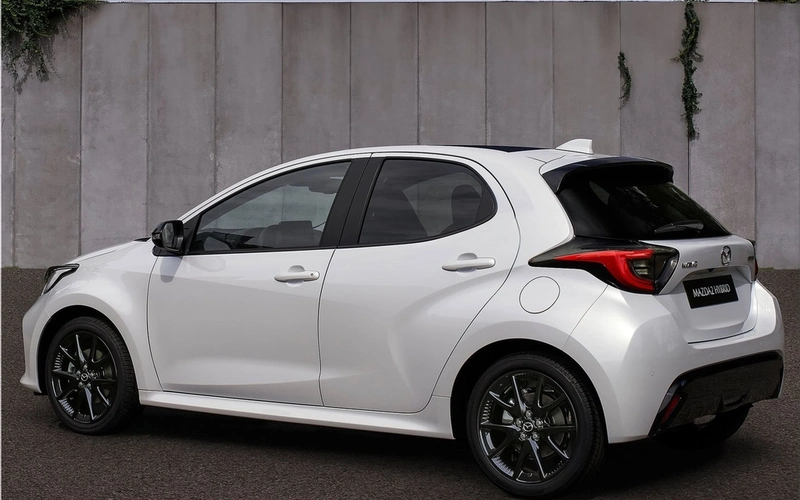
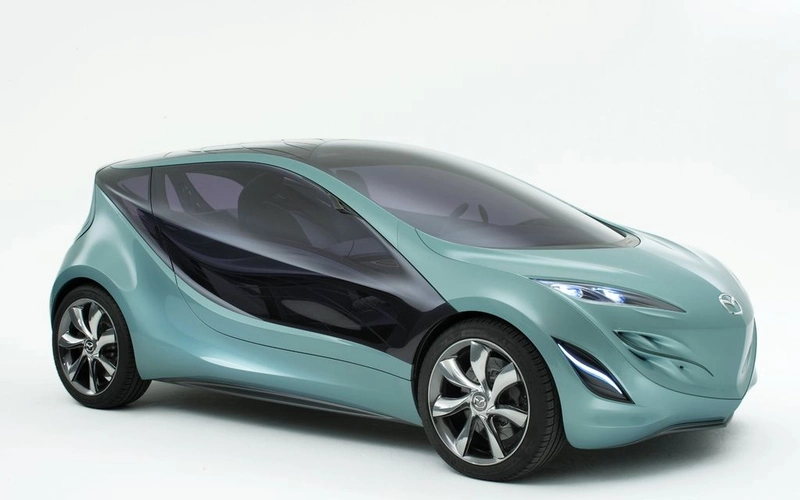
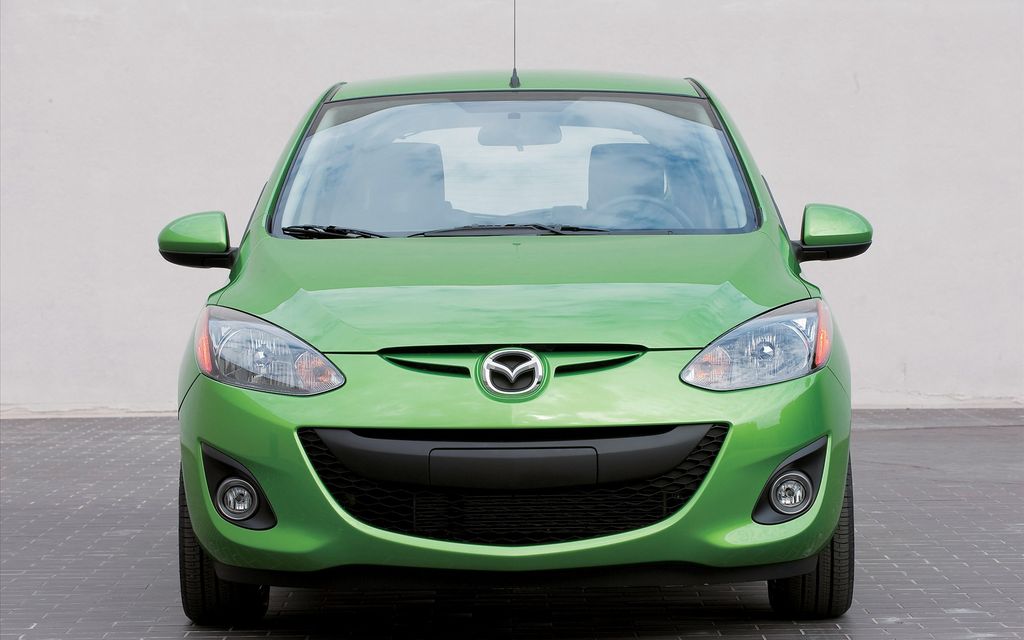
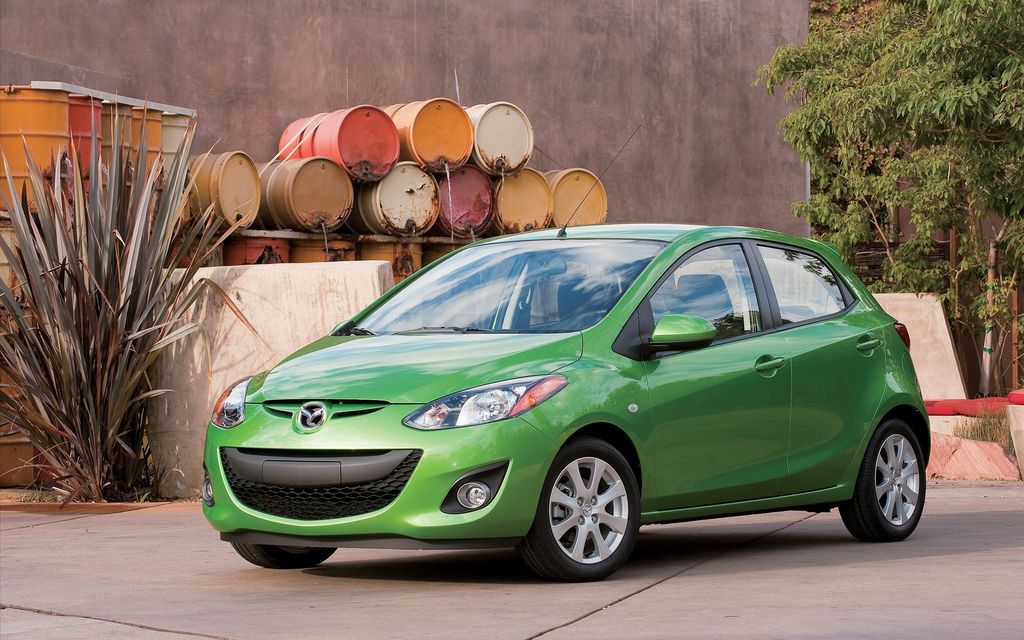
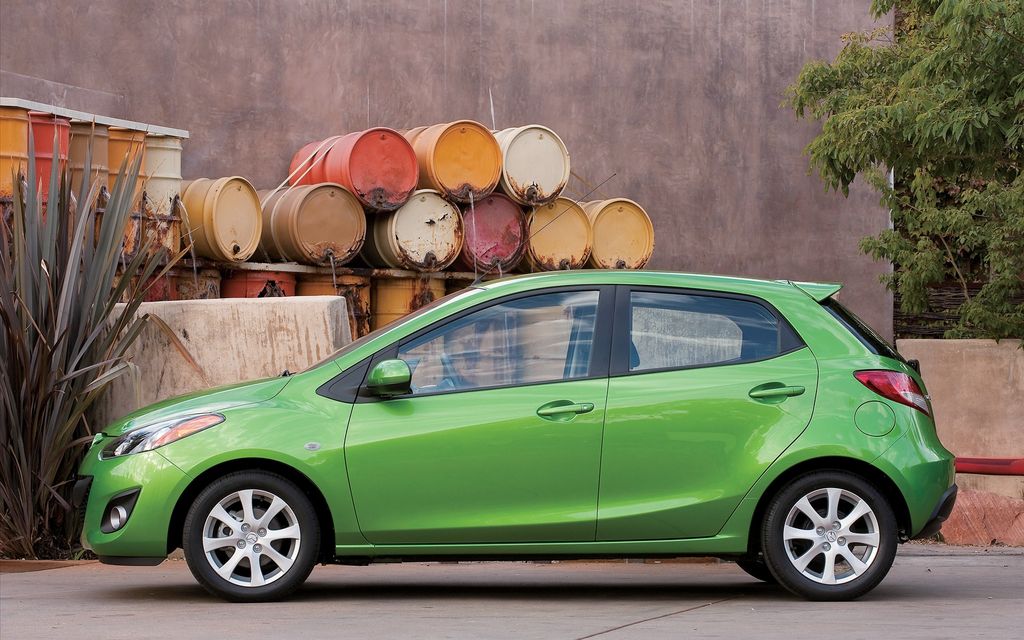
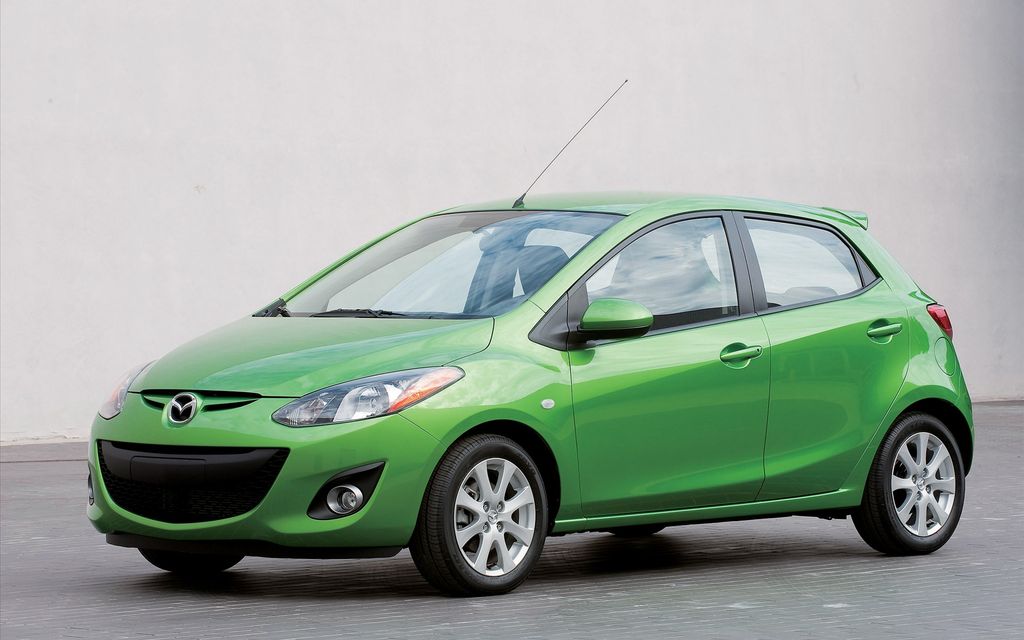
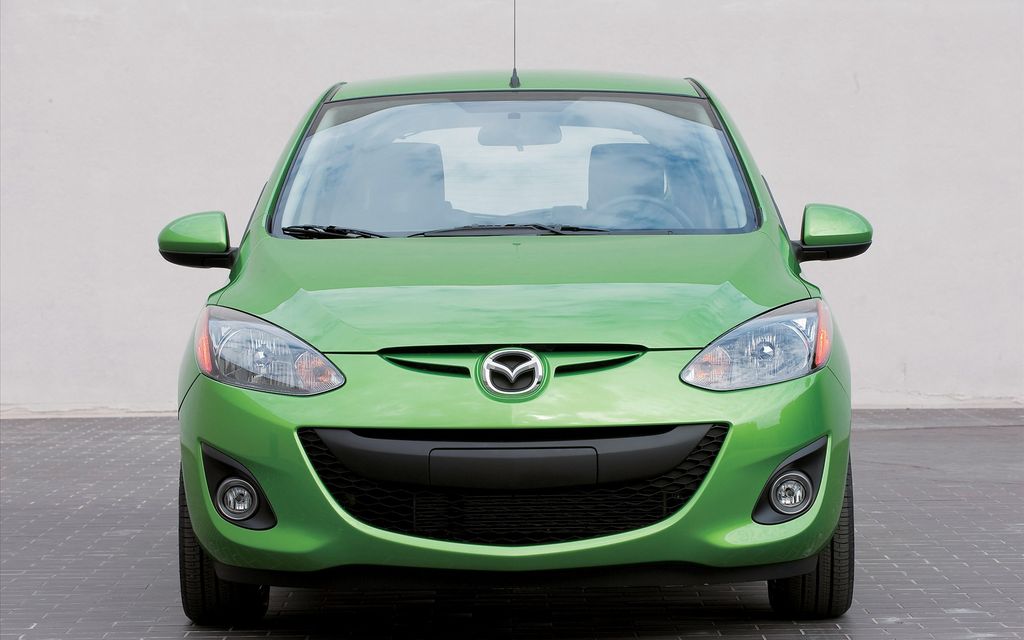
The 2011 Mazda2 design works because it does not apologize for being small. It uses short overhangs, trimmed corners, a taut body, and sculpted character lines to create a shape that looks alert rather than undersized.
Many cars in this class lean into tall, boxy proportions to maximize interior packaging. Mazda chose a more athletic approach. The Mazda2's wedge-like profile and shaped body sides give it a sense of motion even when parked.
That visual energy matters. Small cars often need design more than larger vehicles do because they must create desire before they can make a rational case. The Mazda2 uses style as a practical sales tool, not as decoration.
It tells buyers that efficient can still look confident.
Concentrated Mazda Character in a Smaller Package
Mazda describes the Mazda2 as a concentrated expression of its small-car philosophy. The idea feels appropriate because the car distills the brand's familiar priorities into a smaller, lighter, more affordable form.
The point is not power for its own sake. The point is response.
The Mazda2 aims to deliver crisp steering, predictable braking, and a lively feel in ordinary driving. That matters more in a subcompact than headline horsepower. In a small car, the best kind of performance often comes from immediacy: the car turns when asked, accelerates with purpose, stops with confidence, and feels easy to place on the road.
That is where Mazda has built much of its reputation.
The 1.5-Liter Engine Supports Efficiency and Everyday Use
The North American 2011 Mazda2 uses a 1.5-liter engine, paired with either a 5-speed manual transmission or a 4-speed automatic transmission. The setup targets the middle ground most small-car buyers want: enough response for commuting, passing, and weekend use, without compromising the fuel economy expected from a B-segment hatchback.
Mazda focused on two driving qualities during development.
First, the car needed linear acceleration and deceleration. In practical terms, the Mazda2 should respond naturally to pedal input, giving the driver a clear sense of control. Second, it needed a lively feel, especially during low-speed acceleration and urban driving.
That approach suits the class. A subcompact does not need to be fast to feel satisfying. It needs to feel awake.
Pro-Tip: What to Look for in a Small-Car Test Drive
Do not judge a fuel-efficient hatchback only by engine size or price. Pay attention to steering response, brake feel, visibility, seat comfort, road noise, and how confidently the car merges into traffic. A good small car feels simple after five minutes and satisfying after five years.
Handling Is the Mazda2's Strongest Argument
The Mazda2 suspension uses MacPherson struts at the front and a torsion beam axle at the rear. That layout is common in the segment, but the tuning defines the experience.
Mazda worked to give the car nimble handling and a stable ride. The compact footprint helps, but the real goal is confidence. A small car must feel secure on the highway, quick in city traffic, and easy to maneuver in crowded parking lots.
The Mazda2's steering and braking systems were developed to support that feel. The result should be a car that behaves with more precision than buyers may expect from an affordable subcompact.
That could become its strongest selling point. In this segment, a car that feels good can stand apart quickly.
Light Weight Helps Everything
Mazda treated weight reduction as a central engineering strategy for the 2011 Mazda2. That choice affects nearly every part of the driving experience.
A lighter car can feel more responsive with a modest engine. It can brake with less effort, change direction more easily, and use fuel more efficiently. It can also reduce the need for larger, heavier components that add cost and complexity.
Mazda applied a weight-conscious development approach similar in philosophy to the methods used on its lightweight sports cars. For the Mazda2, that thinking supports a wider mission: create a safe, efficient, fun-to-drive small car without adding unnecessary mass.
Why Weight Matters in the 2011 Mazda2
- Better fuel efficiency because the engine moves less mass
- Sharper handling because the chassis carries less weight
- Improved braking response from reduced load
- More agile city driving in traffic and tight spaces
- Stronger performance feel from a small-displacement engine
Safety Remains Central to the Package
Small-car buyers often ask one question first: will it feel safe?
Mazda addressed that concern by combining a compact body with careful structural engineering and extensive use of high-tensile steel. The goal was to reduce weight while preserving crash protection and body strength.
The global Mazda2 achieved top-level crash safety recognition in European testing, reinforcing its safety credentials before its North American arrival. That gives the car an important foundation in a market where consumers may still view smaller vehicles with caution.
The message is clear. The Mazda2 may be compact, but Mazda did not treat safety as optional.
Aerodynamics and Quietness Improve Daily Comfort
The 2011 Mazda2 also targets a quieter, more refined daily driving experience. Mazda worked on cabin quietness and aerodynamic performance, both of which matter more than many buyers realize.
Better aerodynamics can support fuel economy, reduce wind noise, and improve stability. A quieter cabin makes commuting less tiring. Together, those qualities help a small car feel more mature.
This is where refinement becomes a competitive weapon. Buyers may notice sporty design first, but they live with road noise, seat comfort, and highway behavior every day. Mazda appears to understand that a successful subcompact hatchback must feel pleasant after the test drive ends.
Practical Dimensions Give the Mazda2 Everyday Strength
The 2011 Mazda2 specifications show a car sized for real-world use rather than showroom bragging rights.
| Category | 2011 Mazda2 Specification |
|---|---|
| Body Style | Five-door hatchback |
| Overall Length | 3,950 mm / 155.51 in |
| Overall Width | 1,695 mm / 66.73 in |
| Overall Height | 1,475 mm / 58.07 in without roof rail |
| Wheelbase | 2,490 mm / 98.07 in |
| Engine | 1.5-liter |
| Transmission | 4-speed automatic / 5-speed manual |
| Front Suspension | MacPherson strut |
| Rear Suspension | Torsion beam |
| Tire Size | 185/55R15 |
These numbers give the Mazda2 hatchback a clear urban advantage. It should fit easily into tight spaces, handle crowded streets with confidence, and deliver the kind of easy maneuverability that larger vehicles cannot match.
The five-door layout also helps the car avoid the limitations of some small vehicles. Buyers get practical access to the rear seats and cargo area, which makes the Mazda2 more useful for errands, commuting, and weekend travel.
The Mazda2 Is Not Just a City Car
The 2011 Mazda2 should appeal most naturally to urban drivers, but Mazda clearly wants it to do more than serve as a city appliance.
Its suspension tuning, improved aerodynamics, quietness measures, and safety engineering all point toward broader use. The Mazda2 must handle weekday commuting, but it also needs to feel composed during longer drives.
That distinction matters. A small car that works only in town can feel limited. A small car that feels stable, efficient, and comfortable beyond city limits becomes much easier to recommend.
Mazda's challenge will be to prove that the Mazda2 has that range.
The Interior Story Still Needs Detail
Mazda has not yet released the full North American interior specifications, equipment list, pricing, or final fuel economy numbers for the 2011 Mazda2. Those details will shape the car's final market position.
Interior quality will matter. So will cargo space, seat comfort, visibility, safety features, and standard equipment. In the subcompact class, buyers examine every dollar and every feature carefully.
Still, the early story gives Mazda a strong starting point. The Mazda2 arrives with proven global credibility, a clear design identity, and an engineering strategy built around lightness, efficiency, and driver satisfaction.
Who Should Consider the 2011 Mazda2?
The 2011 Mazda2 should attract buyers who want a small car but refuse to accept a dull one.
It makes sense for first-time new-car shoppers, urban commuters, downsizing families, students, and anyone who wants an affordable fuel-efficient hatchback with more personality than the usual economy-car formula.
It should also appeal to drivers who value simplicity. The Mazda2 does not depend on excess size or unnecessary complexity to make its case. It relies on proportion, tuning, efficiency, and practical usefulness.
Best-Fit Mazda2 Buyers
- City drivers who need easy parking and strong maneuverability
- Commuters who want lower fuel costs and everyday comfort
- First-time buyers who want value without anonymous styling
- Driving enthusiasts on a budget who prefer lightness and response
- Small families or couples who need five-door practicality
What Buyers Should Watch Next
The most important Mazda2 details are still ahead. Before the car reaches North American dealerships, buyers should pay close attention to final pricing, official fuel economy ratings, safety equipment, trim levels, and interior packaging.
Those numbers will decide how competitive the 2011 Mazda2 becomes against other small hatchbacks.
Even so, Mazda has already established the car's central promise. It wants to give buyers a compact, efficient, stylish, and enjoyable small car without forcing them into the blandest corner of the market.
That is a strong promise if the production model delivers.
The Bottom Line
The 2011 Mazda2 gives Mazda a timely and credible entry into the North American subcompact car market. It brings global awards, compact dimensions, a 1.5-liter engine, available manual and automatic transmissions, and a clear emphasis on driving feel.
Its biggest strength may be its restraint. Mazda did not turn the car into something larger, heavier, and less focused. It kept the Mazda2 small, sharpened the design, reduced weight, and aimed for a balance of fuel efficiency, safety, refinement, and fun-to-drive handling.
That formula could give the Mazda2 real appeal when it arrives in late summer 2010.
Small cars succeed when they make sense. The better ones also make people want them. The 2011 Mazda2 hatchback appears built to do both.
Image Gallery
- Add new comment
- 649 views